
Introduction
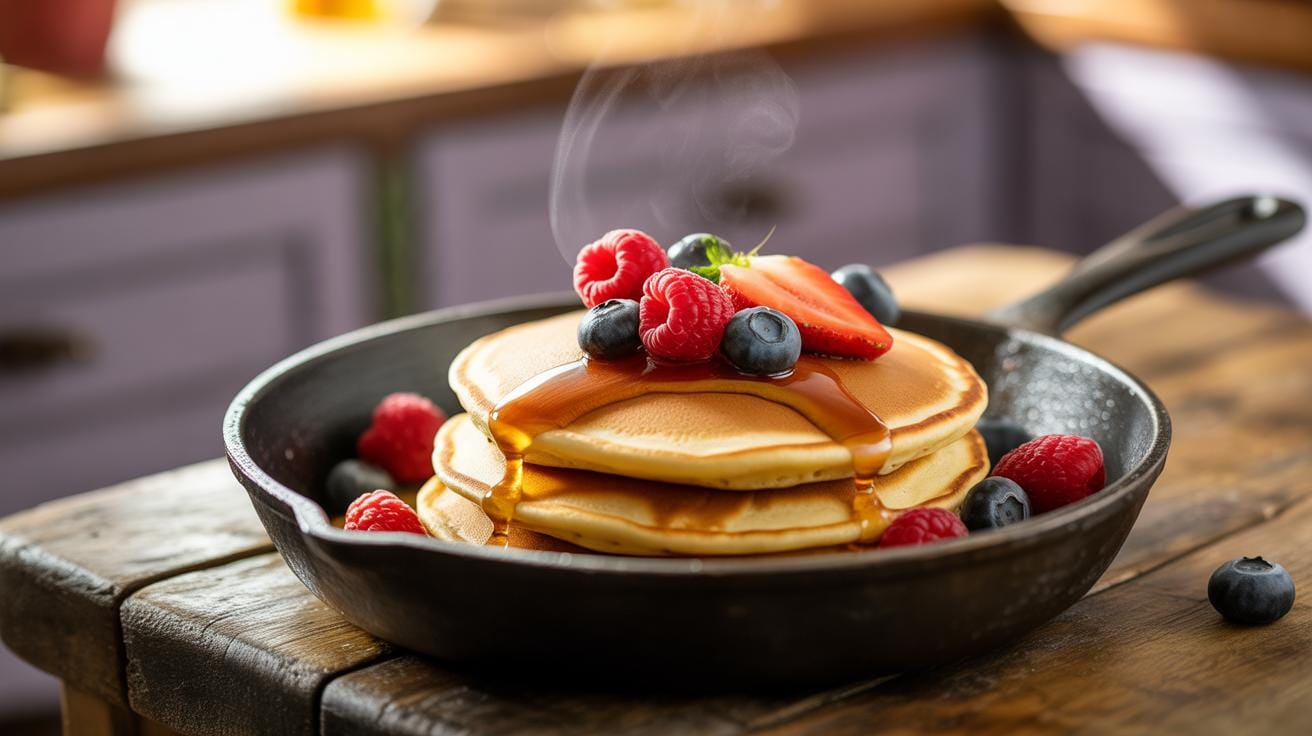
Protein pancakes are a popular, nutritious breakfast choice that helps you start your day with a strong energy boost. This recipe delivers 30 grams of protein per serving, making it perfect for those who need extra protein for muscle building or maintaining fullness throughout the morning.
In this article, you will learn why protein pancakes matter for your diet and how to easily prepare them at home. Follow the detailed steps and tips to enjoy a delicious and healthy breakfast that supports your fitness and wellness goals.
What Makes Pancakes High Protein
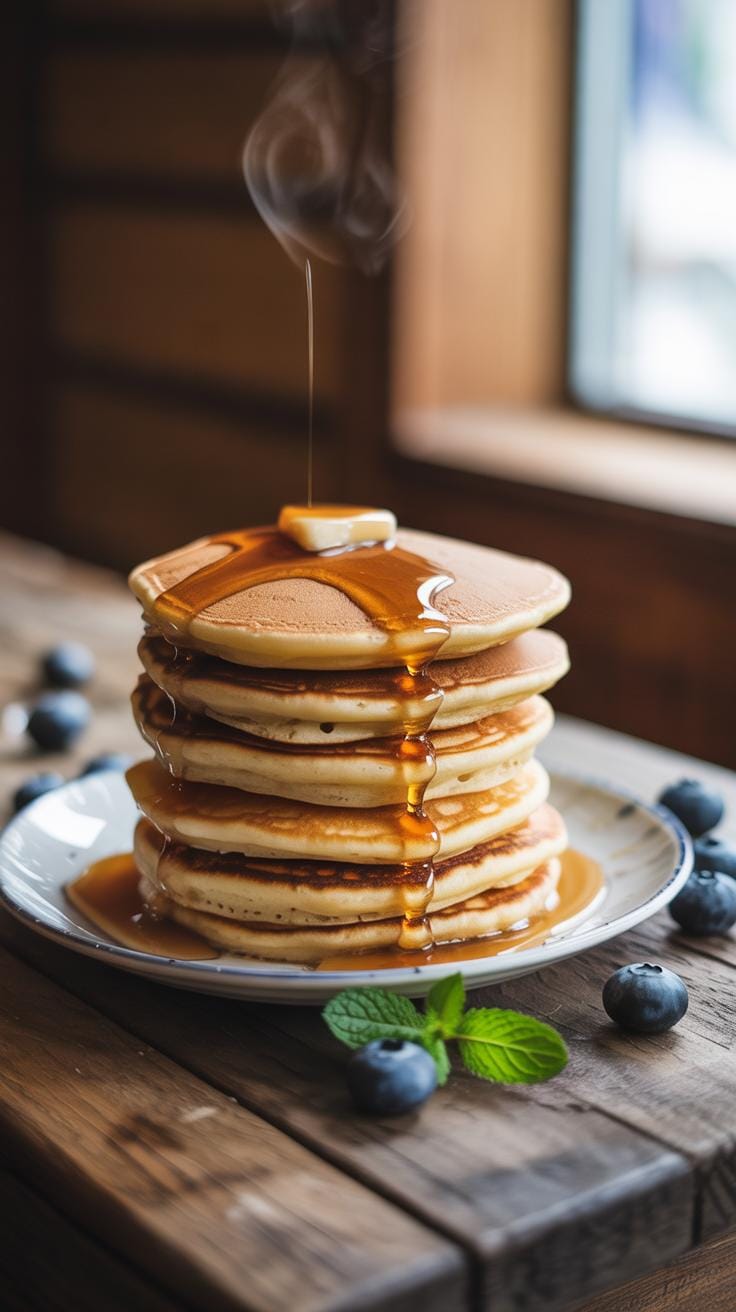
When you think about pancakes, you might picture fluffy stacks drenched in syrup—hardly a protein-packed meal. But the magic happens once you swap or add certain ingredients that boost their protein content without losing that breakfast charm. Proteins come mainly from items like eggs, protein powders, and dairy products. These ingredients not only help muscle repair and growth but also keep you feeling fuller longer, which is a pretty neat bonus.

Eggs contribute complete proteins, meaning they contain all the essential amino acids your body can’t make on its own. Protein powders, like whey or plant-based options, pack a concentrated punch of protein, making it easier to hit high targets like 30 grams per serving. Greek yogurt offers a creamy texture and adds both protein and beneficial probiotics, which support digestion. Together, these components make pancakes not just tasty but practical for anyone wanting a balanced start.
Protein Sources in Pancakes
Protein pancake recipes often rely on a handful of reliable sources. Whey protein is popular because it’s quickly absorbed, aiding muscle recovery after early workouts. If you’ve tried protein powders, you might have noticed how they mix into batters smoothly, giving pancakes a soft yet dense bite.
Eggs are classic, familiar, and easy. They bind the batter well and add a significant protein boost without extra fuss. Plus, they bring vitamins like B12, which are good for energy metabolism. Greek yogurt feels like a double win—it thickens batter, adds moisture, and sneaks in extra protein and calcium.
Choosing between these often depends on your taste and dietary preferences. Some might avoid dairy or want a plant-based option, which can mean swapping whey for pea or soy protein. It all affects not just nutrition but also texture and flavor, so experimentation is part of the fun.
How Much Protein You Need
Figuring out your daily protein needs isn’t an exact science, but general guidelines help. Most adults should aim for roughly 0.8 grams of protein per kilogram of body weight. For someone weighing 70 kilograms, that’s about 56 grams daily—not super daunting but still something to keep in mind.
If you’re active or trying to build muscle, that number nudges upward—sometimes up to 1.5 or 2 grams per kilogram. This is where protein pancakes can play a practical role. A single serving delivering 30 grams covers a hefty chunk of your target, making breakfast a meaningful step towards your daily goal.
What’s interesting is how easy it is to fit these into various diets without feeling like you’re eating only “health food.” A breakfast you enjoy and that supports your needs? That’s a good balance to strike.
Making Protein Pancakes At Home

Here’s a straightforward recipe that gets you roughly 30 grams of protein per serving. It’s not fancy, but it works, and you don’t have to be a pro in the kitchen to pull it off.
Ingredients Checklist
- 1 cup rolled oats (blended into flour or use pre-made oat flour)
- 2 scoops vanilla whey protein powder (about 50g total)
- 2 large eggs
- 1/2 cup low-fat cottage cheese or Greek yogurt (for extra protein)
- 1/3 cup unsweetened almond milk or any milk you prefer
- 1 teaspoon baking powder
- 1/2 teaspoon cinnamon (optional)
- Pinch of salt
- Cooking spray or a small amount of oil for the pan
You can swap whey with plant-based protein, but that might change the texture slightly. Using yogurt instead of cottage cheese works too, yet cottage cheese gives a bit more creamy bite.
Cooking Process Explained
Start by mixing your dry ingredients. Blend the oats if you haven’t bought oat flour and combine with protein powder, baking powder, cinnamon, and salt. This keeps lumps out early, which I find really helps.
Next, whisk the eggs with cottage cheese and milk. Stir these wet ingredients into the dry mix slowly to avoid clumps. The batter should be thick, almost like a loose dough; thin batter often means flat, rubbery pancakes.
Heat a non-stick pan over medium heat and lightly grease it. Pour about 1/4 cup batter for each pancake. Cook until you see bubbles forming on top, usually 2-3 minutes, then flip carefully. They can fall apart if flipped too soon—patience is key here.
Don’t overcook; the ideal pancake holds together but remains soft inside. If the pan’s too hot, pancakes brown too quickly without cooking through. Low and slow beats quick and hot, at least here.
This method should deliver pancakes dense enough to hit that 30-gram protein mark without tasting dry or gritty. You might wonder if doubling the recipe affects texture — yes, but gentle mixing helps maintain it.
Protein Pancakes vs Regular Pancakes

When you stack protein pancakes next to traditional ones, the difference in nutrients is pretty clear, especially in protein content. Regular pancakes usually have about 6 to 8 grams of protein per serving, mainly from eggs and flour. Protein pancakes, on the other hand, often deliver 25 to 30 grams per serving—sometimes even more—thanks to added protein powders or higher-protein ingredients.
The calorie count can swing in either direction, depending on the recipe. Traditional pancakes might be lower in calories but packed with simple carbs and sugars. Protein pancakes could have slightly more calories due to protein and fats but tend to keep you feeling full longer.
Looking at macros, regular pancakes are typically higher in carbohydrates, especially refined ones, and can contain more fat if cooked with butter or oil. Protein pancakes usually boast less sugar, less simple carbs, and a better balance of fats – often healthier sources like nut butters or eggs. This mix can make a big difference in how you feel after eating them.
Protein pancakes especially shine post-workout. After you’ve broken a sweat, your body craves protein to rebuild muscle, so these pancakes offer a practical way to meet that goal. They also fit well if you’re trying to manage your weight since protein helps curb hunger longer, reducing the urge to snack hours later.
Still, sometimes you just want the comforting, fluffy texture of regular pancakes for breakfast — that’s okay too. But if you’ve got specific goals, like boosting muscle or controlling calories, it’s worth reaching for the protein-packed option.
Adjusting Protein Pancake Recipes
Vegan Protein Pancakes
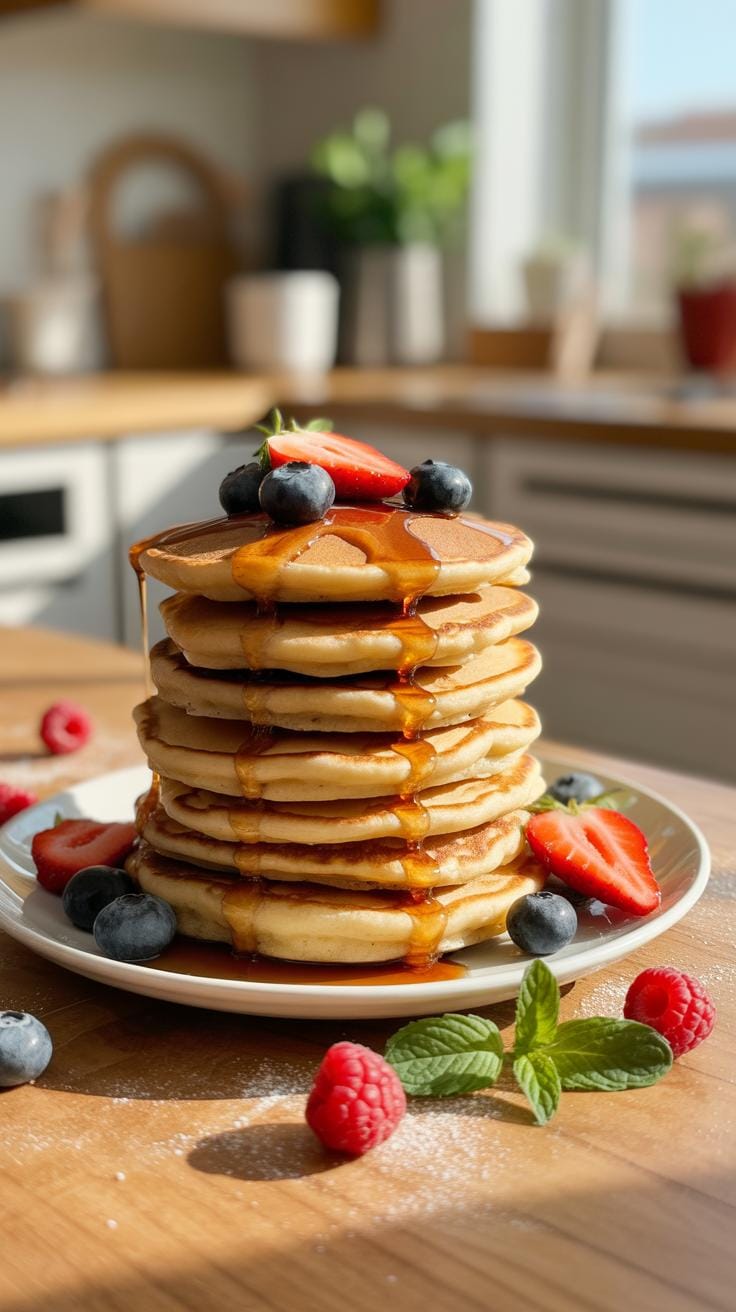
Switching to a vegan protein pancake isn’t just about swapping eggs and dairy. The key lies in finding plant-based proteins that maintain that satisfying texture and punch of protein you want. Pea protein powder is a solid choice—neutral in taste and mixes well. You might also try hemp or soy protein powders, though they can alter flavor more noticeably. Blending a mashed banana or unsweetened applesauce replaces eggs as a binder, but be mindful it can add sweetness and moisture that changes the batter’s thickness.
For milk, plant options like almond, oat, or soy milk work fine, but some are thinner or thicker, so you may need to tweak the liquid amount. Also, a teaspoon of ground flaxseed or chia seeds mixed with water can mimic egg’s binding quality. It’s a delicate balance that takes a little patience; sometimes you need to experiment to hit the right consistency and flavor. Vegan protein pancakes can be just as filling, but expect a slightly different mouthfeel—maybe less fluffy, but still good enough for a high-protein breakfast.
Low-Carb and Gluten-Free Options
If you’re aiming to keep carbs low or avoid gluten, it’s mostly about careful ingredient swaps. Almond flour or coconut flour are great alternatives to regular flour, but watch the amounts. Coconut flour absorbs a lot of moisture, so you often need less of it and a bit more liquid. For gluten-free baking, using oat flour or a gluten-free blend helps maintain that pancake texture without grainy bits.
Protein powder choice can matter here, too. Some whey or casein powders come with added carbs, so checking labels is useful. Egg whites keep things low carb without sacrificing protein. If you avoid eggs for any reason, using extra plant-based binders works, though it occasionally makes pancakes denser than you might prefer.
Balancing moisture and firmness when using these substitutes can be tricky. You might find yourself adjusting cooking time or temperature subtly to get that golden crust without drying out the inside. It’s a bit trial and error, but doable. Have you tried swapping almond flour for a lower-carb version? The flavor difference can be interesting—nutty, with a slight chewiness. That can be nice, or not, depending on your taste.
Benefits of Protein for Breakfast
Satiety and Energy Levels
Eating protein in the morning can change how you feel throughout the day, but it’s not always straightforward. Protein tends to slow digestion, which helps keep you feeling full longer. This means fewer urges to snack on something sugary or carb-heavy mid-morning. Many people notice they have steadier energy levels after a protein-rich breakfast compared to one dominated by carbs alone. It’s like your body gets a gentle, sustained fuel instead of a quick spike and crash.
Think about how you feel after a heavy breakfast of eggs or protein pancakes versus a bowl of cereal. The former often leaves you more focused and less hungry until lunchtime, while the latter can lead to a drop in energy sooner than you’d like. That said, everyone’s different, and some might find protein breakfasts less appealing or harder to stick with, but for most, the feeling of lasting fullness is a clear benefit.
Muscle Repair and Growth
Protein in the morning supports your muscles in ways you might not immediately consider. After overnight fasting, your body is ready for nutrients to start repair and growth processes. Protein supplies the amino acids your muscles need, especially if you worked out the day before or plan to be active later. Skipping protein at breakfast can mean missing a prime window to aid recovery.
While many assume you need to consume protein immediately post-workout, the morning meal still plays a significant role in muscle maintenance. It replenishes amino acid stores and encourages muscle protein synthesis, which helps you keep strength and supports lean muscle building. If you find yourself dragging during workouts or feeling sore longer than usual, tweaking your morning protein intake might be worth a try.
Common Mistakes in Protein Pancake Making

Texture Issues
One of the biggest frustrations when making protein pancakes is ending up with something too dry or rubbery. This usually happens when the batter is overmixed or cooked at too high a temperature. I remember trying to fix my pancakes by just cooking faster, but that only made them tougher. Instead, try gently folding ingredients together and keeping the heat moderate. It helps the batter hold moisture while cooking evenly.
Sometimes, using too much protein powder or the wrong kind can cause dense pancakes. Whey works differently than plant-based powders, for instance. Adding a bit of moisture—like a splash of milk or a mashed banana—can balance that out nicely. You might need to tweak the liquid amounts based on your ingredients to avoid dryness.
Flavor Balancing
Protein pancakes often taste bland or overly artificial if the flavors aren’t right. It’s easy to dump in sugar or sweeteners hoping to fix this, but that can overwhelm the naturally mild ingredients. Instead, I suggest experimenting with vanilla extract, cinnamon, or a pinch of salt to bring depth without adding sweetness.
Also, you could try some natural sweeteners like mashed fruit or a drizzle of nut butter for flavor and sweetness combined. Adjust gradually, taste as you go; your idea of “sweet enough” might shift as you get used to the flavors. Have you ever thought that less sugar sometimes lets the protein taste come through better?
Serving Suggestions for Protein Pancakes
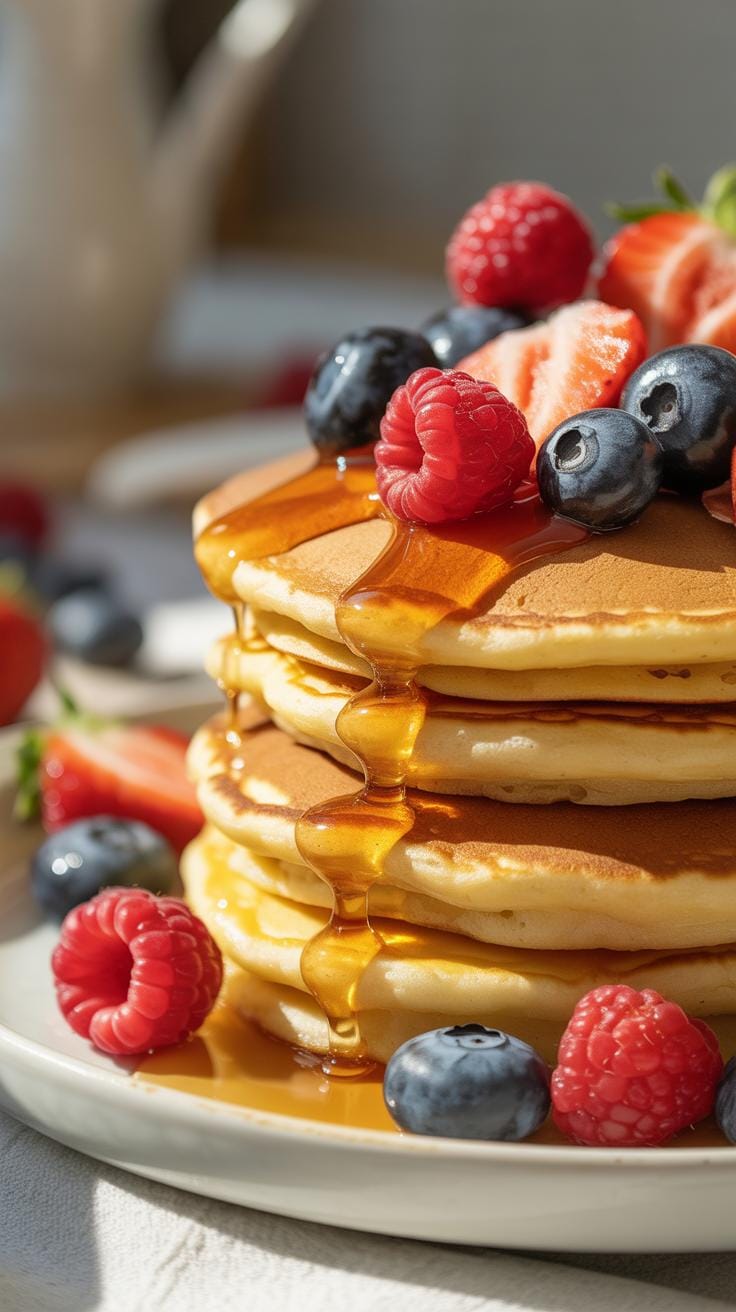
When you’ve got a plate of protein pancakes ready, what you add on top can make a big difference—not just in taste but also in nutrition. I like to keep things simple but interesting. Fresh fruits, for example, bring natural sweetness without extra sugar. Blueberries, sliced bananas, or strawberries work well, giving antioxidants and fiber. Sometimes I toss on a handful of nuts—walnuts or almonds—for crunch and some healthy fats.
Yogurt is another favorite. Plain Greek yogurt adds creaminess and boosts protein even more, creating a nice balance between tang and richness. You might wonder if syrup ruins the point. Well, choose natural options like pure maple syrup or honey in small amounts, which can satisfy a sweet tooth without going overboard.
What you drink matters too. A glass of cold milk or a plant-based milk alternative pairs nicely and contributes calcium and protein. If you want something lighter, herbal tea or a black coffee can work well, especially if you’re watching calories. Occasionally, I have a green smoothie alongside my pancakes to sneak in some veggies—though that’s not for everyone.
You might ask—should sides be part of this meal? Maybe a boiled egg or avocado slices on the side adds texture and nutrients. But sometimes, the pancakes alone with good toppings are enough. What do you usually reach for when you make protein pancakes? It’s interesting how small choices can shift the whole experience.
Tracking Your Protein Intake
Measuring your daily protein can feel tricky at first, but using protein pancakes as a baseline makes it simpler. Each serving delivers about 30 grams of protein – that’s a solid chunk towards your daily needs. But how do you keep track beyond just guessing?
Using Food Labels and Apps
Nutrition labels are your best friends here. Look for the “protein” section—it tells you exactly how many grams per serving the product contains. Say your pancake mix bag lists 15 grams per serving; if you consume double, that’s 30 grams right there. It’s a straightforward way to quantify your intake.
Mobile apps can help too. Apps like MyFitnessPal or Cronometer let you log every ingredient, from your pancake batter to toppings. They break down protein numbers automatically. This feels a bit tedious at first, but the accuracy can surprise you. Plus, seeing your totals build up motivates you to keep going.
Adjusting Portions for Your Needs
Your protein targets might differ, depending on things like how active you are or your body goals. If you need 60 grams a day, enjoy two pancakes instead of one. Or, if your goal is lower, a single serving might suffice. It’s flexible – no need to force rigid portions.
Sometimes I find myself confused when a recipe calls for 4 pancakes, but I only want half the protein. Splitting the batch or saving some for later works well. Remember, you don’t have to eat everything at once to hit your goals. Spreading protein throughout the day often helps with digestion and energy.
So, think of these pancakes as building blocks. Track the numbers, tweak the amounts, and see what fits your lifestyle best. Tracking is less about perfect counting and more about becoming aware of what you consume.
Conclusions
Protein pancakes offer a simple way to increase your daily protein intake, which can benefit muscle growth and keep you satisfied longer. Preparing them at home ensures you control the ingredients and portion size.
Use the recipe and information provided to make your own protein pancakes. With this knowledge, you can enjoy a tasty morning meal tailored to your nutritional needs without extra hassle.