
Introduction
Eating right after your workout is a key step for muscle growth and recovery. But many people make simple mistakes that slow their progress. These errors can stop your body from repairing muscles efficiently and gaining strength.
This article covers common post workout food mistakes that could limit your gains. It explains why timing, protein type, and more matter. Follow these tips to improve your nutrition and results after exercise.
Post Workout Nutrition Timing


What Is the Metabolic Window
The metabolic window refers to a period after exercise when your body is especially receptive to nutrients. It usually spans about 30 to 60 minutes post workout, but the exact length can vary depending on the individual and workout intensity. During this time, muscle cells shift from breaking down (catabolism) to rebuilding and growing (anabolism). Getting protein and carbohydrates into your system during this window can help stop muscle breakdown and kickstart repair.
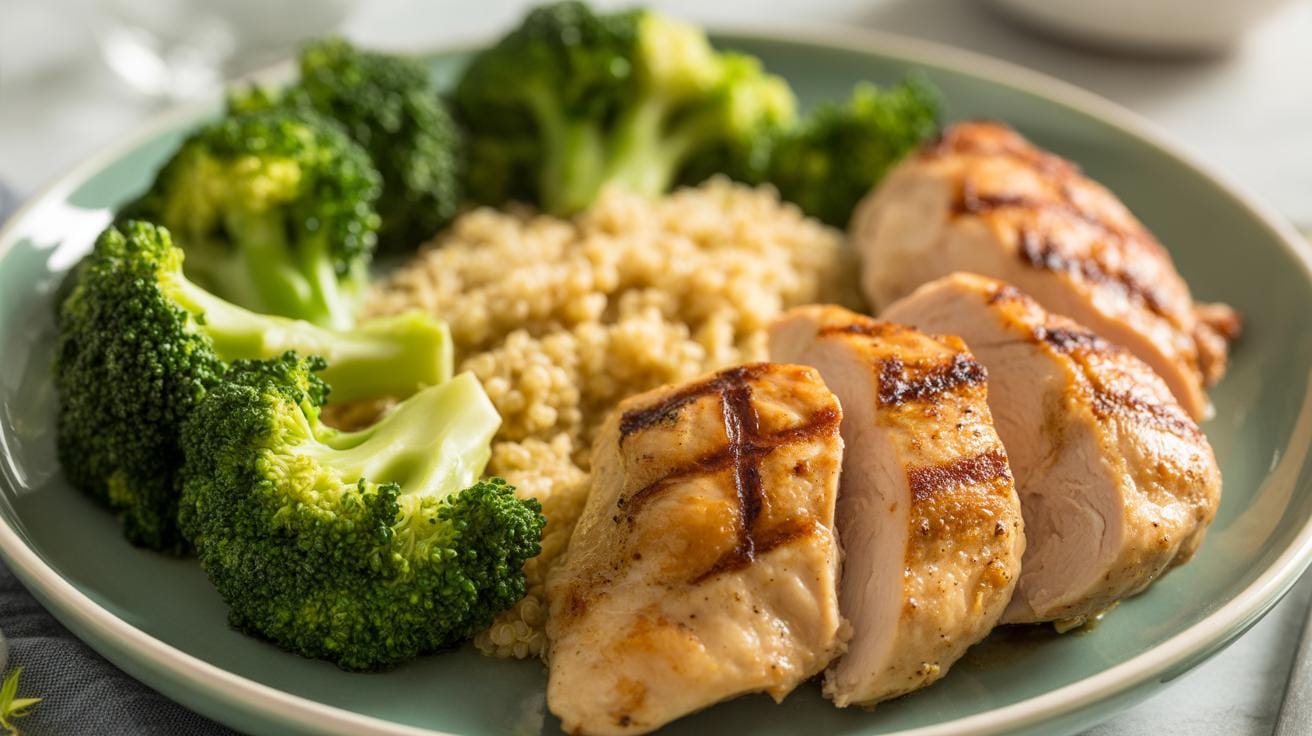
Eating protein right after training provides amino acids needed for muscle synthesis. Carbs refill muscle glycogen, which fuels your next session. This combo supports faster recovery and better gains. While some research suggests this window might be wider than once thought, ignoring it altogether seems unwise if you want optimal muscle repair.
When to Eat After Exercise
Most fitness experts recommend eating a balanced meal or snack containing protein and carbs within 45 minutes after your workout. Some say the sooner, the better—but this doesn’t mean you need to rush to eat straight out of the gym. If your previous meal was close to your workout, the urgency decreases.
- Aim for 20-40 grams of protein post workout, like chicken, tofu, or a shake.
- Include 40-60 grams of carbs—think rice, potatoes, or fruit—to replenish glycogen.
- If you can’t eat a full meal, a small protein-carb combo within 30 minutes helps.
- Waiting too long—like 2 hours or more—might slow muscle recovery and growth but won’t ruin progress entirely.
Personally, I find eating within an hour works well; it feels natural and sustainable, not forced. The metabolic window might not be a rigid deadline, but giving your body these nutrients with some promptness still makes sense if you want to support muscle repair without delay. What’s your post workout routine like?
Choosing the Right Protein Source
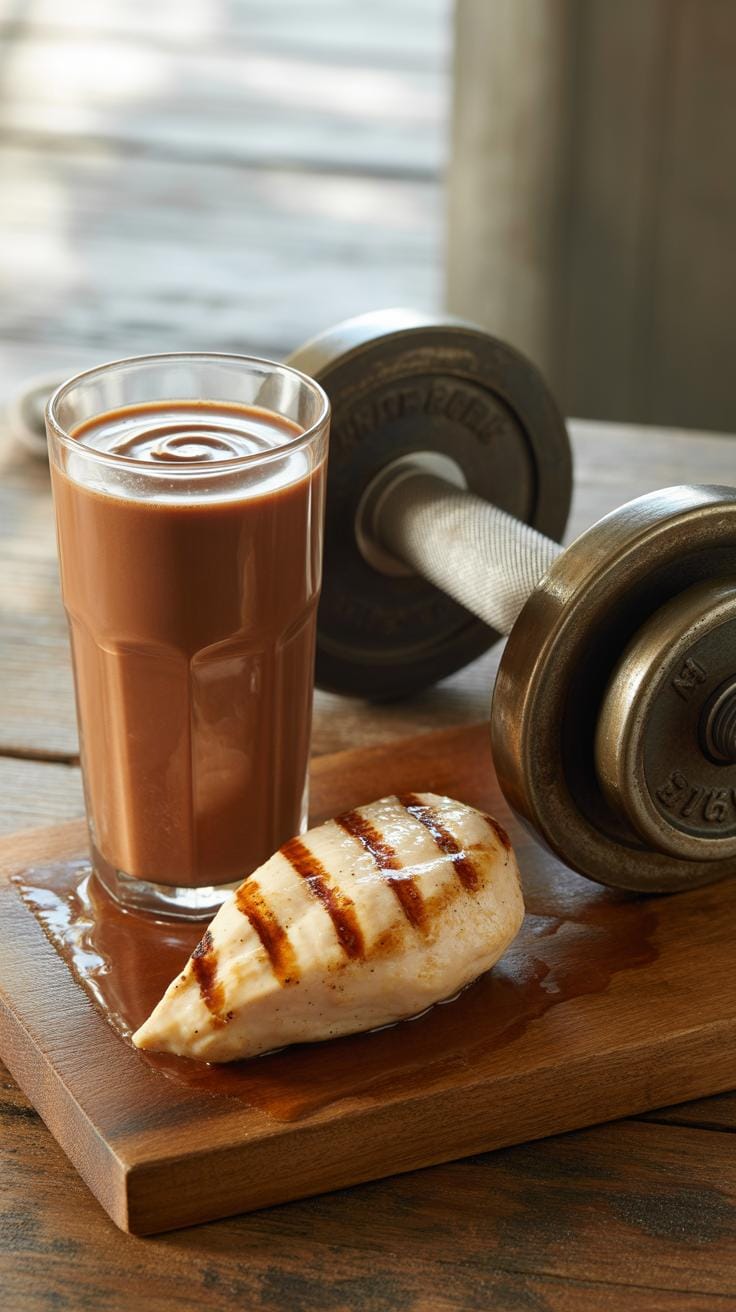
Picking the right protein after a workout often trips people up more than you’d expect. Animal and plant-based proteins both have their merits, but they behave pretty differently once they’re inside your body. Animal proteins—think chicken, eggs, or whey—usually have a complete profile of essential amino acids, which means they provide your body with all it needs for muscle repair and growth. Plus, they tend to digest faster, making those amino acids available more quickly.
Plant proteins, on the other hand, often miss one or more essential amino acids, though combining different sources like beans and rice can patch those gaps. They generally digest slower, which might not be perfect timing post-workout but still gets the job done. A common mistake is grabbing low-quality protein sources or simply not eating enough protein. Saying you had “some” chicken or “a bit” of lentils often isn’t enough to trigger proper muscle synthesis.
To get closer to what your muscles actually crave, think about your protein choice in terms of quality and quantity. Not all proteins bring equal benefits right after you finish sweating it out.
Animal Versus Plant Proteins
Animal proteins come from meat, dairy, and eggs, carrying all nine essential amino acids your body can’t produce on its own. These essentials play a big role in repairing muscle tissue and kick-starting muscle protein synthesis. That’s why many folks lean toward animal proteins when trying to boost recovery.
Plant proteins—like those from peas, soy, quinoa, or nuts—are tricky. Most aren’t ‘complete’ proteins alone, meaning you might miss out on key amino acids. Still, combining different plants, or choosing options like soy, which is closer to complete, does the trick for muscle repair. Variety in your protein intake probably matters more than many realize, especially if you’re plant-based or vegetarian.
So, if you’re relying solely on one plant source, you might not be giving your muscles the full range of amino acids they need. Mixing it up helps cover essential bases, but that requires a bit of planning and awareness that many overlook.
How Much Protein Do You Need
How much protein you need post-workout isn’t a fixed number but aiming for somewhere around 20 to 30 grams within an hour after exercise is a solid guideline. That range tends to hit the sweet spot for most people to support muscle repair and growth.
Put it this way:
– A 3-ounce serving of chicken breast offers about 25 grams of protein.
– One cup of cooked lentils packs roughly 18 grams.
– A scoop of whey protein powder usually provides around 20 to 25 grams.
– Two large eggs come close to 12 grams.
Getting the timing right helps, too, but the total daily protein intake matters most. Still, many underestimate their portion size or overestimate how much protein they actually consumed post-workout. That’s a pitfall—if you’re not hitting the numbers, your gains might stall even if the rest of your nutrition and training are solid.
Carbohydrates After Training

You might not realize it, but your muscle glycogen stores can drop quite a bit during a tough workout. That’s why carbs play a key role after training. They help refill those energy reserves your body taps into while you exercise. Without enough carbs post workout, your recovery can drag on longer, and your next session might feel sluggish.
Carbs do more than just restore energy; they actually support muscle function and repair by fueling glycogen synthesis. If you skip carbs or rely on poor sources—say, sugary snacks that spike and crash your blood sugar—you might not get the steady energy your muscles need. That can hold back your progress, even if you’re nailing protein intake.
Why Carbs Matter Post Workout
After exercise, your muscles are basically asking for refueling. Glycogen, stored carbs in your muscles, powers contractions and overall function. During training, these stores take a hit. If you don’t eat carbs soon after, replenishment slows, which can stunt recovery and performance. It also makes your body less efficient at repairing itself, impacting muscle growth.
You may think protein is the star here, but carbs play a quiet yet vital role. Without them, your body might even break down muscle tissue for energy, which is definitely not what you want.
Best Carbs to Eat
Choosing the right carbs after exercising isn’t just about grabbing whatever’s quick. Some options work better for recovery:
- Sweet potatoes – packed with fiber and nutrients, they offer a slower energy release.
- Oats – a classic complex carb, great for steady replenishment.
- Fruits like berries and bananas – these provide simple carbs that digest quickly, helping refill glycogen fast.
- Quinoa or brown rice – balanced carbs with extra protein and fiber.
Simple carbs jumpstart glycogen recovery but may lead to a quick energy dip if overdone. Complex carbs take longer to digest, offering sustained fuel. Sometimes combining both kinds post workout gives you the best of both worlds.
Think about your own routine: Do you feel better after a banana or a sugary snack? How your body reacts can guide your choices here. It’s a bit personal, and maybe not definite, but sticking to real, minimally processed carbs generally works best.
Hydration and Electrolytes

Staying hydrated after your workout does more than just quench thirst—it actually plays a key role in muscle recovery and your overall performance. When you exercise, your body loses water and electrolytes through sweat. These fluids and minerals help regulate nerve impulses and muscle contractions, so if you skip proper hydration, your muscles might not recover as well, or worse, your next training session could suffer.
One common mistake I see is people drinking only water after intense exercise and ignoring electrolytes. Sure, water refills the fluids, but without minerals like sodium and potassium—which you lose in sweat—your recovery stalls. Sometimes, people rely too heavily on sugary sports drinks, which isn’t ideal either.
How Much Water You Need
The amount you need varies quite a bit, depending on factors such as how long and hard you worked out, the temperature, and your body size. Roughly, a good rule is to start with about 16 to 24 ounces (roughly 500 to 700 ml) of water within 30 minutes after finishing exercise. Beyond that, sipping fluids steadily over the next few hours helps.
But if your session was long or sweaty, this might not cut it. Some days you might feel like you need more water, other days less. It’s tricky—there isn’t a one-size-fits-all number.
Replacing Electrolytes Lost in Sweat
Sweat drains your body of several key electrolytes: sodium, potassium, calcium, and magnesium mostly. Sodium takes the biggest hit, which is why salty snacks after a workout sometimes help more than you think. Potassium too, linked to muscle cramping, needs replenishing.
Good sources for replacing these minerals include:
- Bananas, which are rich in potassium.
- Natural yogurt, packed with calcium and magnesium.
- Salted nuts—easy to grab and practical for sodium.
- Coconut water, which offers a mild electrolyte balance without excessive sugars.
Paying attention to electrolyte intake after workouts can feel like a small detail, but it can make a difference you’ll notice in your recovery speed. Have you ever felt sluggish or cramped after a session? Maybe skipping electrolytes might be part of why.
Avoiding Processed Foods Post Workout

After a workout, your body is ready to repair and rebuild muscle, but what you eat can either help or hold back that process. Processed and sugary foods often seem like quick, tempting options, but they don’t usually support recovery well. In fact, these foods can interfere with muscle repair by contributing to inflammation and providing little real nutritional value.
Processed foods—think packaged snacks, sugary drinks, or fast food—often contain unhealthy fats, excess salt, and refined sugars. These can slow down how your muscles recover. I remember once grabbing a chocolate bar after a run, thinking it would be fine. But later, I felt sluggish, and the soreness lingered longer than usual. Could be just me, or maybe that quick fix wasn’t so helpful after all.
Processed foods often trigger or worsen inflammation, which makes muscle soreness worse instead of better. They also lack the essential nutrients your body needs to rebuild muscle fibers and restore glycogen stores properly. So, if your goal is to build strength or endurance, these foods might be holding you back.
Negative Effects of Processed Foods
These foods can:
- Slow muscle recovery by promoting inflammation.
- Provide empty calories with little protein or essential nutrients.
- Spike blood sugar swiftly, followed by a crash that leaves energy levels low.
- Undermine your immune system, making it harder for the body to heal.
Examples you might want to avoid after exercise include potato chips, candy bars, sugary sodas, white bread, and many ready-made frozen meals. These items might fill you up quickly but won’t support your gains in a meaningful way.
Healthier Snack Choices
Instead, reaching for whole, minimally processed foods makes a big difference. Natural options can boost recovery without the downsides of processed snacks. Here are some good choices to consider:
- Greek yogurt with fresh berries: protein plus antioxidants in one.
- A banana with a spoonful of peanut butter for carbs and healthy fats.
- Hard-boiled eggs for a simple, portable protein source.
- Mixed nuts and seeds, which add healthy fats and minerals.
- Cottage cheese topped with sliced cucumber or tomato.
- Oatmeal with a drizzle of honey, offering slow-releasing carbs.
Eating whole foods after a workout tends to feel more satisfying and supports your muscles better. It might take a bit of planning, but once you find snacks you like, it gets easier. Don’t underestimate the power of simple, natural ingredients to make your workout efforts pay off more fully.
Meal Planning for Post Workout Gains
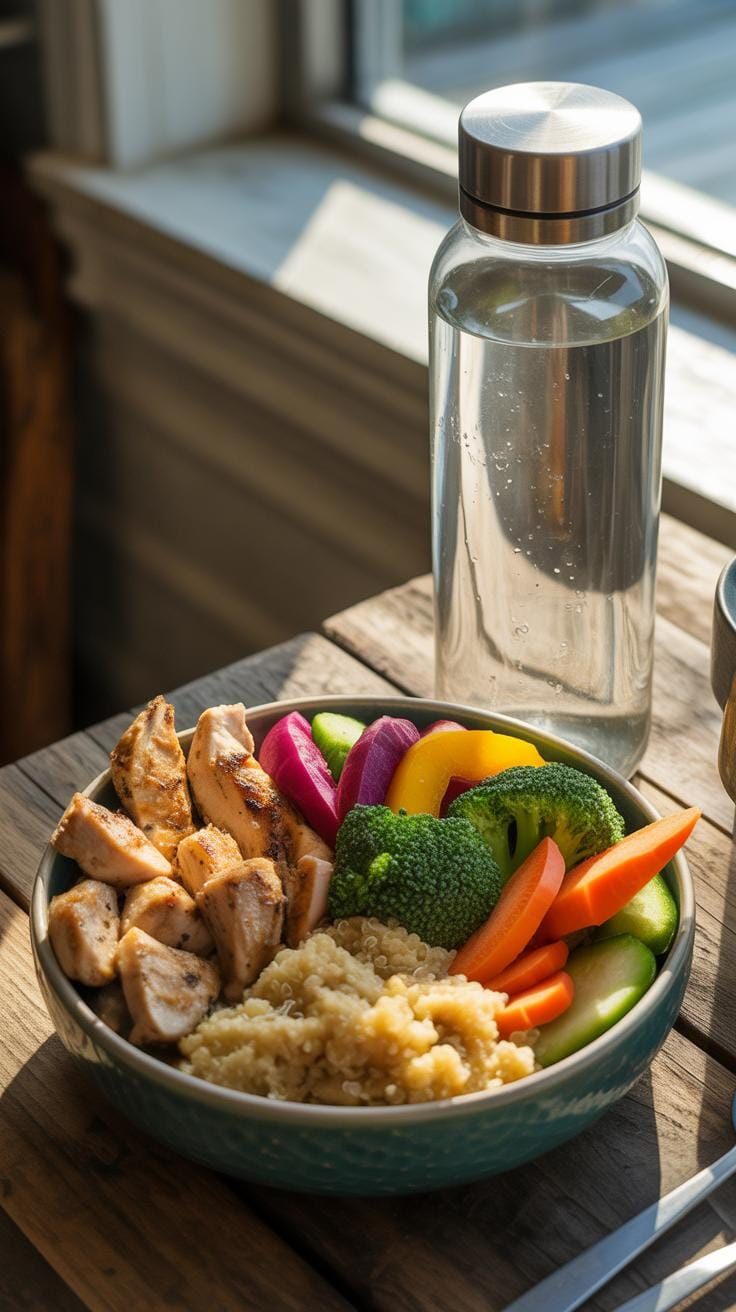
Planning your meals around workouts can really change how your body recovers and grows, but it’s easy to miss some key points if you’re not careful. The right balance of nutrients, timed well, can speed up muscle repair and keep you from feeling drained or off-course. If you just grab any snack or meal, you might actually slow your progress without realizing it.
Here’s a checklist of must-have nutrients to include after training:
- Protein: Needed for muscle repair and growth. Think lean meats, dairy, or plant-based options.
- Carbohydrates: Replenish glycogen stores depleted during exercise, giving you energy for the next session.
- Fats: Support hormone balance and overall health but keep them moderate so they don’t slow digestion.
- Electrolytes & Fluids: Replace what you lost through sweat to stay hydrated and support metabolic processes.
- Micronutrients: Vitamins and minerals like zinc and magnesium help with recovery, though often overlooked.
The timing matters too. Ideally, you want to eat within 30 to 60 minutes post-workout, when your body is most receptive to nutrients. Not doing so can stall recovery or leave you hungry later, tempting poor choices.
Sample meals could be grilled chicken with sweet potatoes and steamed veggies, or a smoothie with whey protein, banana, and spinach. Don’t skip fluids—water or a light electrolyte drink helps. Planning these ahead means you avoid last-minute grabs that tend to miss the mark. Trust me, it’s easy to fall into “whatever’s quick” mode if you don’t prepare.
How Supplements Fit In
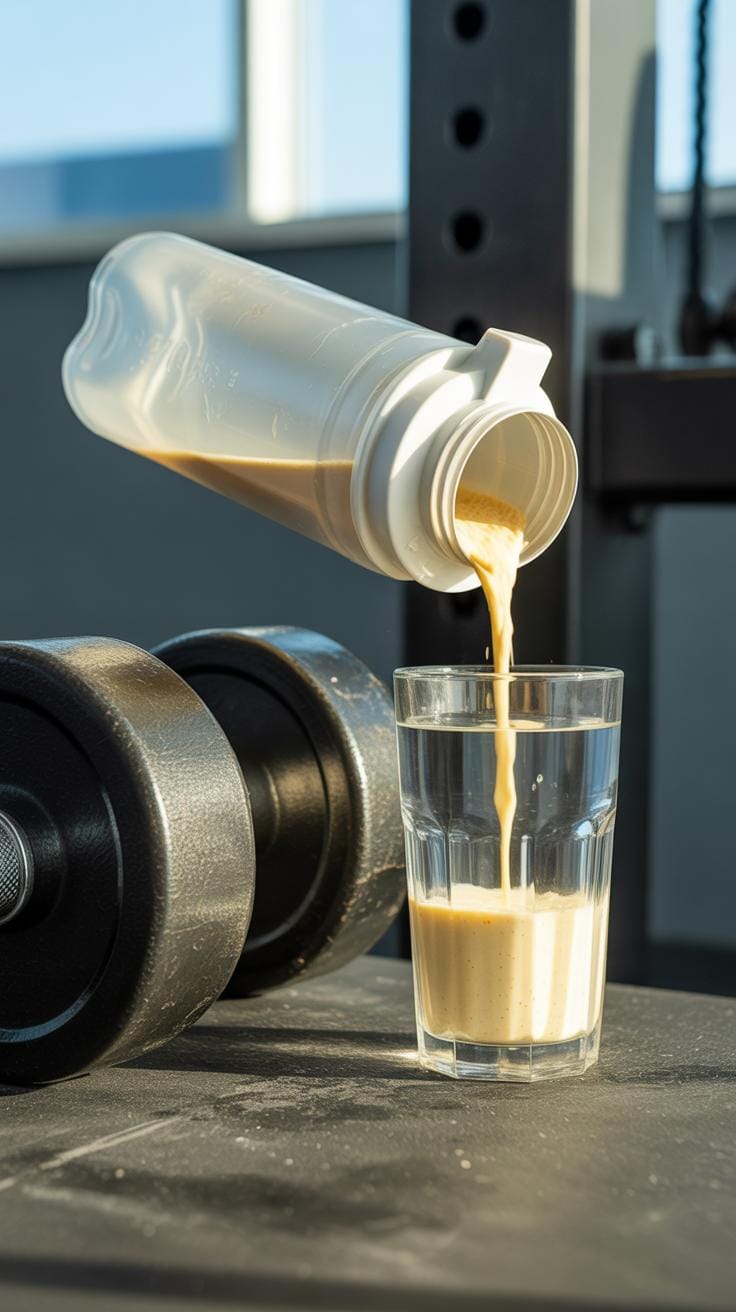
Supplements like protein powders and electrolytes often get tossed into the post workout nutrition mix, but their role isn’t always clear-cut. They can help fill gaps, especially when you’re short on time or options. Yet, relying on them too much might mean missing out on the benefits of whole foods. Real food offers variety—not just protein or minerals but fiber, vitamins, and other nutrients that work together in ways supplements can’t replicate.
One common mistake is thinking supplements are a shortcut or a replacement for actual meals. Sometimes people slam a protein shake right after working out, then skip a full meal later. This can limit overall nutrient intake and block progress instead of helping it.
Supplements can make sense when you can’t prepare a proper meal soon after exercise or when you have higher protein needs that are tricky to meet with food alone. But if you’re regularly skipping meals for a shake, it might be worth reconsidering.
When to Use Protein Powders
Protein powders shine when time is tight or digestion plays a role. They digest quickly, making them handy post workout to kickstart muscle repair. If you don’t get enough protein from meals alone, powders can bridge that gap.
Choosing quality products is key. Look for powders with minimal additives, low sugar, and a good protein profile—whey isolate often fits the bill, though plant-based options work if you’re sensitive or vegan. Beware of overhyped blends claiming miracle benefits. Sometimes simpler is better.
But here’s the thing: protein from whole foods like chicken, eggs, or dairy often provides more than just protein—it includes other nutrients that support recovery. So think of powders as a supplement, not the star player.
Electrolyte Supplement Benefits
Electrolytes matter when you sweat heavily or work out in hot conditions. Things like sodium, potassium, and magnesium help keep your body’s fluid balance in check and muscles functioning well.
If you’re doing long endurance sessions, intense training with lots of sweat, or just struggle to stay hydrated, supplements can make a difference. Sports drinks, electrolyte tablets, or powders might help replace what you lose and reduce cramping or fatigue.
That said, if your workouts are shorter or less intense, plain water plus balanced meals might be enough. Overusing electrolyte supplements when not needed could disrupt rather than support your system—or cause unnecessary calorie intake.
Common Nutrition Mistakes to Avoid
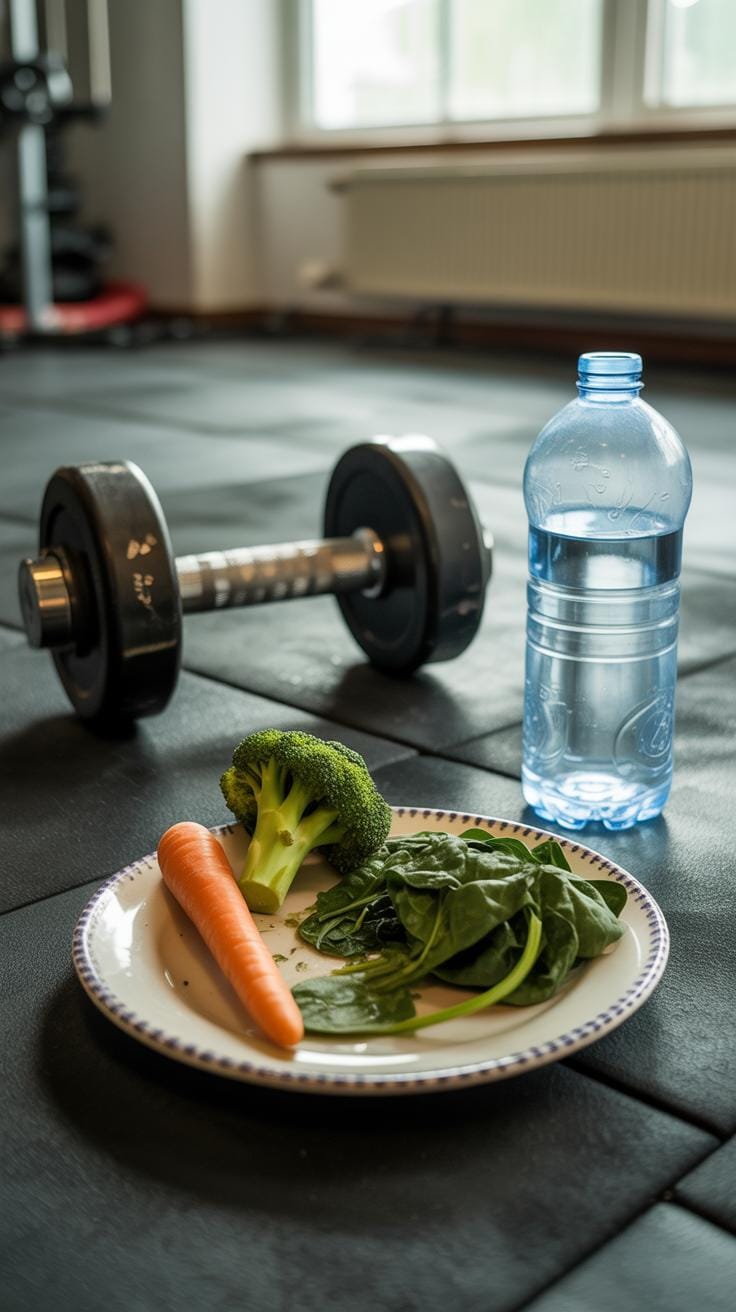
One mistake I see a lot is skipping the meal right after a workout. It might seem harmless if you’re not very hungry, but it actually slows down muscle repair and growth. When you exercise, your muscles tear on a microscopic level, and they need nutrients soon after activity to rebuild stronger. Waiting too long or missing the meal altogether can hold you back more than you realize.
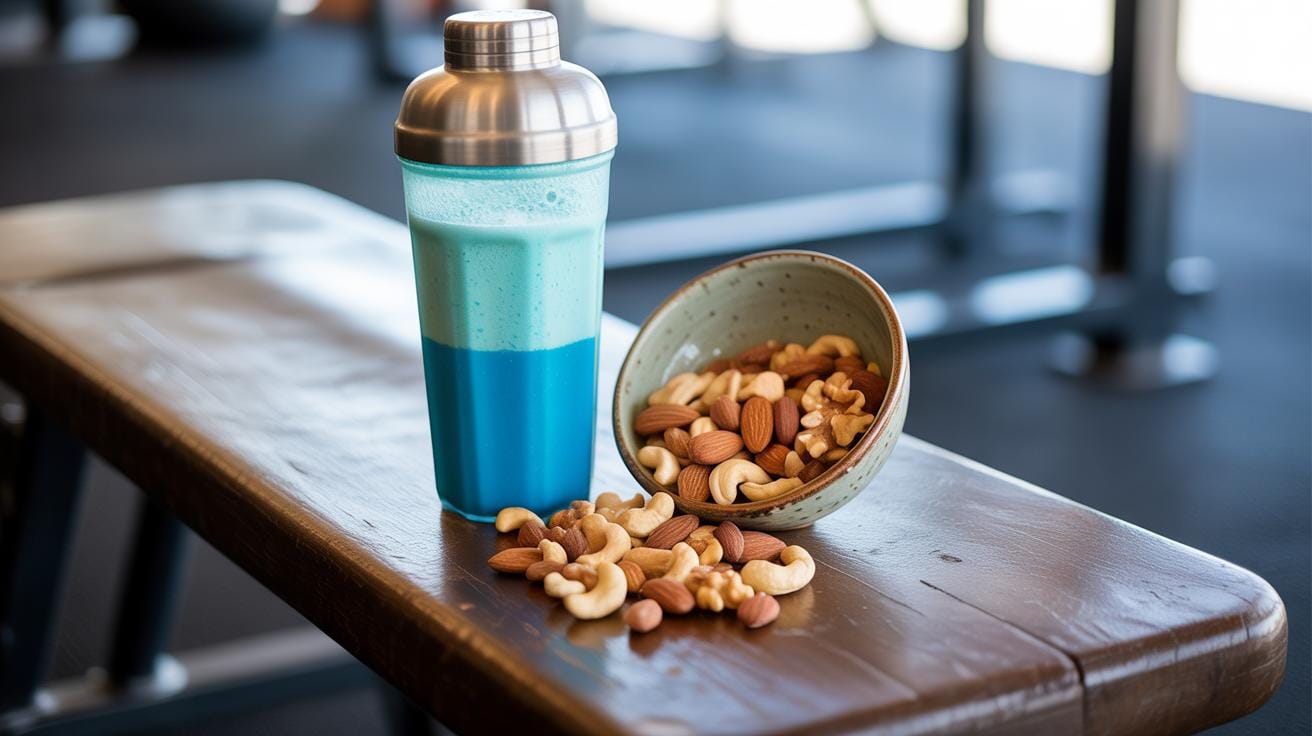
To avoid this, try prepping your post-workout food ahead of time. Even a quick shake or a handful of nuts with some fruit can help if you’re in a rush or not feeling very hungry. Eating within 30 to 60 minutes post-exercise is usually the sweet spot.
Ignoring Protein and Hydration Needs
Protein often gets underestimated after training—people focus on carbs or skip it entirely, thinking they’ll get enough later. But your muscles specifically need protein to recover, and not providing enough can blunt your progress. I used to skip protein sometimes post-workout, thinking my body could make do; it didn’t feel great.
Simple fixes? Keep easy protein sources nearby: yogurt, boiled eggs, or even a scoop of protein powder. These make getting enough protein less of a headache.
Hydration is similarly overlooked. You sweat a lot during exercise, and losing fluids and electrolytes impacts recovery and performance. Drinking just water might not be enough, especially after heavy sweating. Try sipping on water with a pinch of salt or an electrolyte drink if you sweat heavily. It’s easy to forget, but rehydrating helps everything else work better.
Conclusions
Your food choices after a workout directly affect your gains. Avoiding common mistakes like poor timing or low protein quality can boost your muscle recovery and growth. Careful attention to your post workout meals helps your body repair and build stronger muscles.
Focus on getting the right nutrients, especially protein and carbs, soon after exercise. Use this knowledge to improve your routine. Small changes in your post workout food can make a big difference in reaching your fitness goals.