

Introduction
Polycystic ovarian syndrome (PCOS) is a common hormonal disorder in women. It often causes high testosterone levels, which can lead to symptoms like irregular periods, excess hair growth, and acne. Many women with PCOS struggle to manage these symptoms effectively.
Your diet can play a key role in controlling testosterone levels and easing PCOS symptoms. This article explains how specific foods impact hormone balance, offers guidance on what to eat, and which foods to avoid. You will learn practical ways to adjust your diet to support better health with PCOS.
Polycystic Ovarian Syndrome Overview

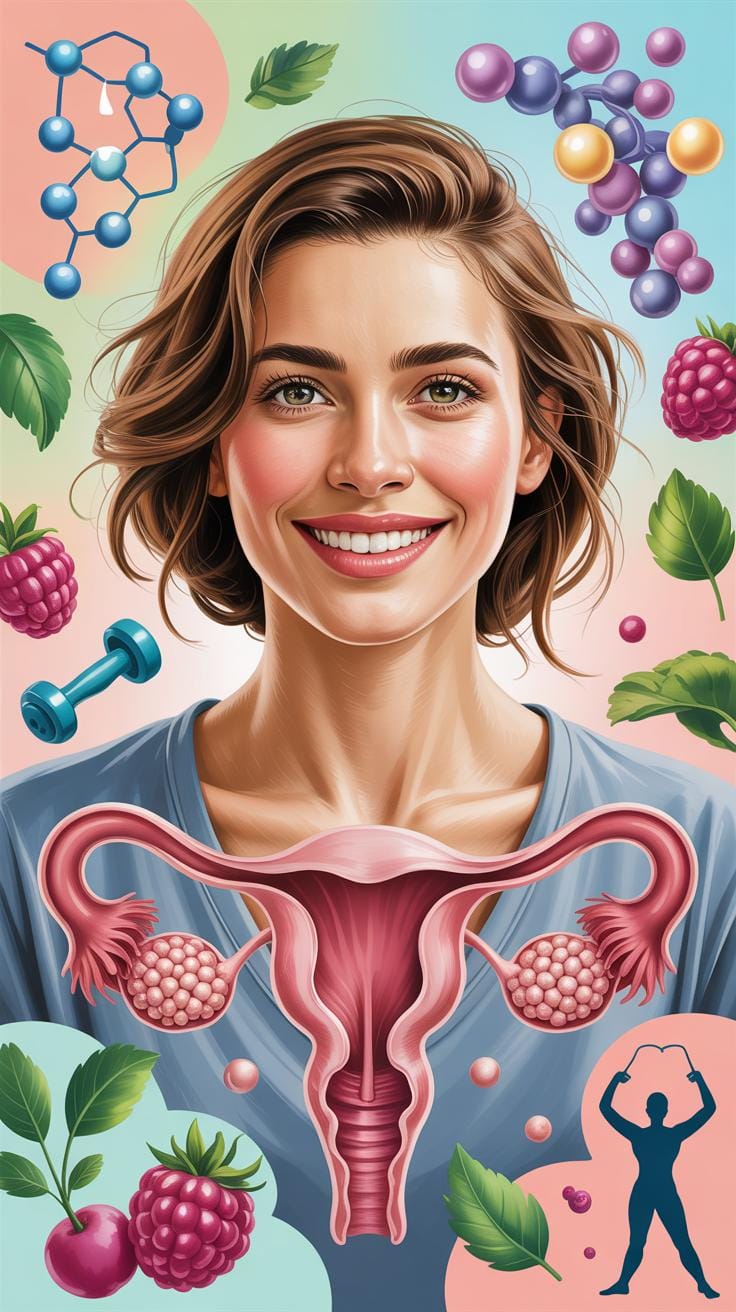
Polycystic Ovarian Syndrome, or PCOS, is a common hormonal disorder that affects many women during their reproductive years. It’s named after the small follicles or “cysts” that often appear on the ovaries, though not every woman with PCOS actually has these cysts. The condition can show up in different ways, but usually involves irregular periods, higher levels of testosterone, and sometimes difficulty getting pregnant.

Besides irregular or heavy menstrual cycles, women might notice symptoms like unwanted hair growth in areas like the chin or chest, acne, and patches of darker skin. The ovaries might be bigger with multiple tiny follicles. These symptoms come from hormone imbalances and can affect overall health, including risks for diabetes and heart problems. PCOS can feel confusing because it varies a lot from person to person, so understanding it often requires paying attention to multiple signs rather than one single feature.
What Causes High Testosterone In PCOS
The high testosterone levels seen in PCOS arise mainly from hormonal imbalances. In PCOS, the ovaries produce more androgens — hormones like testosterone that typically are higher in men. But the cause isn’t just the ovaries going rogue. Insulin resistance plays a big role in this puzzle. When your body doesn’t use insulin effectively, your pancreas pumps out more insulin, which then signals the ovaries to crank up androgen production.
This cycle feeds itself: more insulin means more testosterone, which can worsen symptoms like excess hair growth or acne. The exact trigger for these imbalances isn’t fully clear, but genetics and environmental factors mix together. So, it’s not as simple as one hormone being too high; it’s a complex interaction, and the insulin connection makes managing PCOS tricky but important.
How Diet Influences Hormone Levels
Diet can impact hormone levels in PCOS, especially testosterone. Eating certain foods may either worsen or help balance hormone levels. For example, diets high in refined carbs and sugars can spike insulin levels, which then push testosterone levels up. This might explain why some women notice their symptoms get worse after eating sweets or processed foods.
On the flip side, incorporating foods that stabilize blood sugar—such as whole grains, fiber-rich vegetables, and lean proteins—can ease insulin resistance and potentially lower androgen levels. Weight management through diet can also make a difference. But it’s not always simple or fast; dietary changes can take time to influence hormones, and individual responses vary.
Are you curious which foods might actually help or harm your hormone balance? It could be worth experimenting and keeping track of how you feel after different meals. Sometimes, practical changes in what you eat make the most tangible impact on controlling PCOS symptoms like high testosterone.
Polycystic Ovarian Syndrome
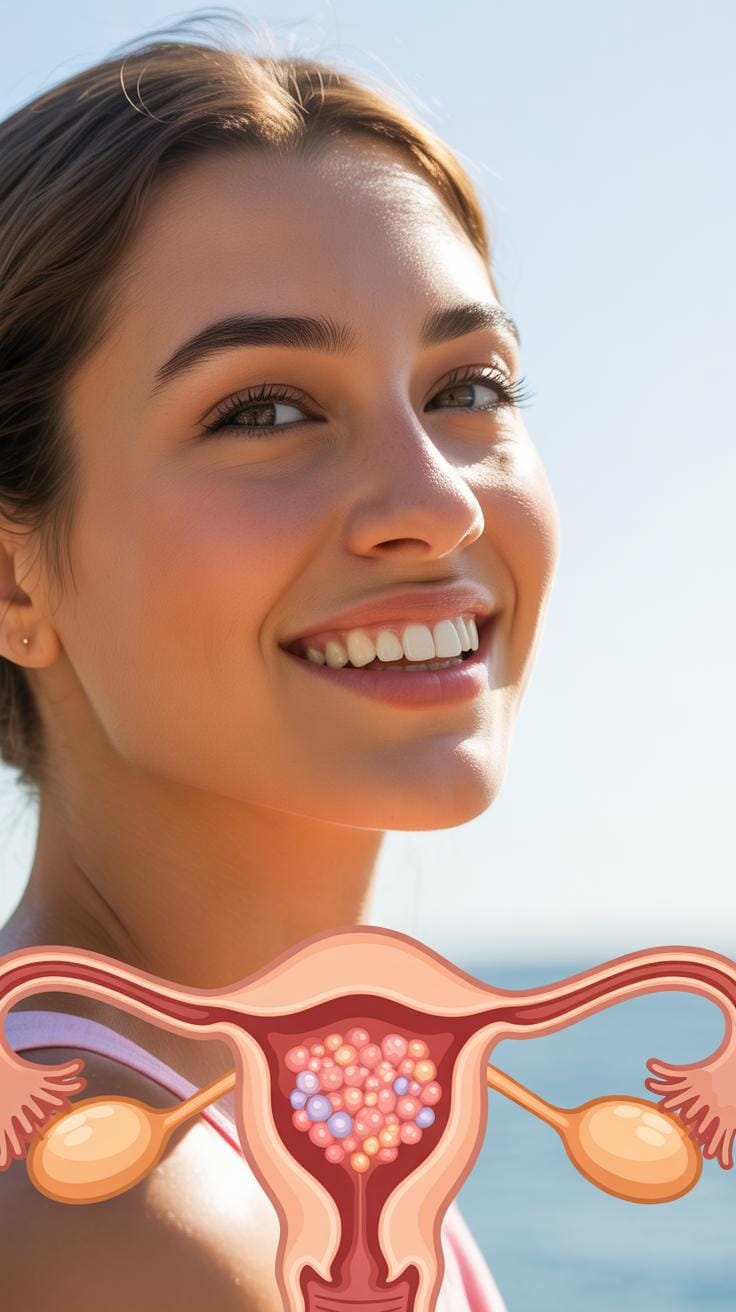
Polycystic ovarian syndrome, or PCOS, is a hormonal disorder that affects many women during their reproductive years. You might hear about it because it’s linked to a range of symptoms, some quite visible, others less obvious but just as impactful. One interesting thing is that PCOS doesn’t always mean cysts on the ovaries, despite the name. It’s mostly about the hormonal imbalance, especially elevated testosterone levels.
Women with PCOS often experience irregular or missed periods and sometimes heavy bleeding. The ovaries can be bigger and contain multiple small sacs, but this isn’t universal. The extra testosterone can cause symptoms that might seem confusing or out of place for women, like increased body hair in areas where men usually grow hair, or persistent acne that just won’t go away. You might wonder why these symptoms happen — it’s linked mainly to the hormones.
Aside from reproductive issues, PCOS frequently comes with metabolic challenges. Insulin resistance pops up in many cases; this affects how the body uses sugar and can increase the risk of diabetes. Weight gain is common but not a given — even women of normal weight can have PCOS.
Living with PCOS is often about managing a series of ups and downs. Symptoms can fluctuate, and treatment is usually about controlling those symptoms and reducing long-term health risks. For many, a healthy lifestyle helps, but sometimes that isn’t quite enough to control hormonal disturbances. It’s a lot to handle, really. The complexity means treatment plans are usually quite personal.
Polycystic Ovarian Syndrome
Polycystic Ovarian Syndrome (PCOS) is a hormonal disorder that affects women, mostly during their reproductive years. You might have heard it’s about cysts on the ovaries, but really, the term can be a bit misleading—many women with PCOS don’t actually have these cysts. What really defines PCOS is having at least two of these: irregular menstrual cycles, elevated testosterone or related symptoms like unwanted facial hair, or an ultrasound showing polycystic ovaries.
The symptoms vary quite a lot. There’s irregular or even heavy periods, trouble getting pregnant, persistent acne, and sometimes patches of darker skin. The high testosterone levels are often what cause those unwanted hair growth patterns, and some women experience hair thinning too.
One tricky aspect is how PCOS is linked to insulin resistance. That’s when your body’s cells don’t respond well to insulin, making your body produce more. This excess insulin can make testosterone levels even higher, which then worsens symptoms. Obesity, often seen alongside PCOS, can make this whole cycle tougher to break.
Management often means dealing with the symptoms and preventing long-term health problems. That might include lifestyle changes like diet and weight control and sometimes medications to regulate hormones or boost insulin sensitivity.
What’s interesting—and a bit confusing—is that despite the name, the cysts themselves aren’t the main problem, but more a sign of the hormonal imbalance causing this syndrome. The reasons behind PCOS aren’t fully understood, but it’s believed to be a mix of genetics and environmental factors. This syndrome affects a significant number of women, from about 5% up to 18%, depending on the population studied, so it’s not particularly rare.
Polycystic Ovarian Syndrome
Polycystic ovarian syndrome, or PCOS, is a hormonal disorder that a significant number of women of reproductive age face. It’s not just about cysts on the ovaries, as the name might imply. In fact, the small follicles that appear on the ovaries often lead to misunderstandings about what really causes PCOS. Many women with PCOS don’t even have these cysts visible on an ultrasound.
Diagnosing PCOS comes down to identifying certain key signs: irregular menstrual cycles, high levels of testosterone or related symptoms like excess hair growth, and the appearance of polycystic ovaries. Sometimes blood tests are used to spot hormone imbalances that relate to this condition.
Now, the exact cause of PCOS? That remains kind of a mystery. There’s a clear genetic link, yet environment seems to have a hand in it too. And it’s surprisingly common, affecting somewhere between 5% and 18% of women, which is more than you might think.
One important thing to remember is that PCOS often goes hand in hand with insulin resistance. For many women, this can increase the risks of other conditions like type 2 diabetes and liver disease. It’s a puzzle where hormones, metabolism, and genetic factors all intersect.
Living with PCOS means managing a variety of symptoms: irregular or heavy periods, unwanted hair growth in a male pattern, acne that won’t quit, and sometimes difficulty getting pregnant. A balanced lifestyle combined with medical guidance often becomes essential.
So, you might wonder, how do all these different symptoms and risks come together? It’s less of a straight line and more of a complex web, which is probably why PCOS can be so challenging to understand and treat.
Sample Diet Plans For PCOS Patients
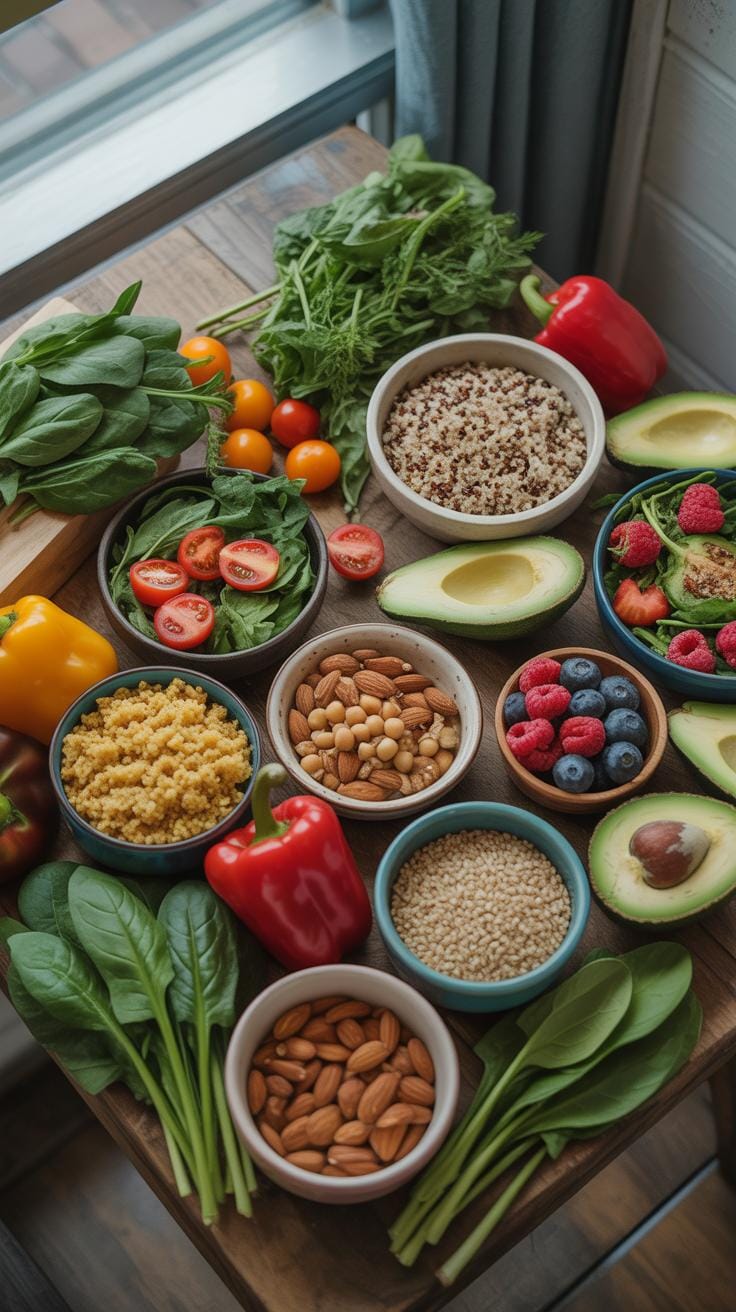
When managing PCOS, especially to address high testosterone levels, diet plays a practical role alongside medical treatment. You might find creating a balanced plan a bit tricky at first, but breaking it down into daily or weekly goals can help. Portion control is key—aim for moderate servings that satisfy without overindulgence. Think of your plate divided: half vegetables, a quarter lean protein, and a quarter complex carbs.
Balanced nutrient intake means prioritizing foods that stabilize blood sugar and reduce inflammation, which you’ve probably heard linked to PCOS symptoms. This includes plenty of fiber-rich vegetables, whole grains like quinoa or oats, healthy fats such as avocado or nuts, and lean proteins like fish or chicken. Skipping refined sugars and processed foods isn’t always easy, but it’s central for lowering testosterone and improving hormone balance.
Weekly Meal Plan Example
Here’s a straightforward weekly plan to get you started:
- Breakfast: Greek yogurt with berries and chia seeds, or oatmeal topped with nuts and a small apple.
- Lunch: Grilled chicken salad with mixed greens, cherry tomatoes, cucumbers, olive oil, and lemon dressing.
- Dinner: Baked salmon with steamed broccoli and a side of quinoa or sweet potatoes.
- Snacks: Carrot sticks with hummus, a handful of almonds, or boiled eggs.
You can swap items based on preferences or season; the goal is consistent nutrient variety—not rigid recipes. The portions should suit your hunger and energy needs, adjusting as you learn what feels best.
Tips For Staying On Track
Sticking with a PCOS-friendly diet can feel overwhelming sometimes. Prepping meals on the weekend can save time and keep you from grabbing something less ideal in a rush. Preparing snacks like chopped veggies or nuts in advance helps with cravings. Speaking of cravings, it’s okay to acknowledge them and find healthier alternatives rather than ignoring hunger signals altogether.
Also, having a plan for social meals or days when you’re busy can make a big difference. Maybe pack a lunch or research menus ahead of time. Flexibility is good—you don’t have to be perfect. The effort you put into consistent, mindful eating usually pays off with improved energy and symptoms.
Polycystic Ovarian Syndrome
Polycystic Ovarian Syndrome, or PCOS, is a common hormonal disorder that affects women of reproductive age. You might have heard the name and pictured ovaries with cysts, but it’s a bit more complex. Not everyone with PCOS actually has cysts, and these cysts aren’t the root cause. The diagnosis typically comes from having two out of three main issues: irregular menstrual cycles, elevated testosterone or related symptoms like excess facial hair, and ovaries that appear cystic on ultrasound.
It’s curious, because the exact cause remains unclear. Genetics play a role, but your environment and lifestyle also seem important. Insulin resistance is a key factor, and it’s tangled up with obesity and metabolic risks. Many women face symptoms like acne, heavy or absent periods, hair loss on the scalp, and patches of darker skin.
If you have PCOS, you might wrestle with irregular cycles and difficulties conceiving. It’s challenging because symptoms vary so much between individuals. Managing symptoms often means focusing on a healthy lifestyle—with weight control being crucial—and sometimes medication for hormone regulation or insulin sensitivity.
What stands out is the link to increased risk of type 2 diabetes and cardiovascular problems, especially if insulin resistance isn’t addressed. So, while it’s a hormonal condition, PCOS is also deeply connected to how your body processes energy and sugar.
Managing Stress And Sleep For PCOS

Stress and poor sleep can throw your hormones off balance, especially with PCOS. When you’re stressed, your body releases more cortisol, which can push testosterone levels higher than they should be. It’s like your body gets stuck in a fight-or-flight mode, and that messes with ovary function. Lack of sleep adds into this mix, making the situation worse. Your body struggles to regulate hormones properly when you don’t get enough rest.
Improving how you handle stress isn’t just about feeling better—it actually matters for your hormones. You might try mindfulness meditation, yoga, or even simple breathing exercises to help slow down that cortisol rush. Regular physical activity also helps; it lowers stress hormone levels and can positively affect your insulin resistance, which ties into testosterone levels.
Sleep quality also plays a big role. Consistent sleep schedules, avoiding screens before bed, and creating a calm environment can help. Consider limiting caffeine later in the afternoon too. When you sleep well, your body has a chance to reset hormone production, making it easier to keep testosterone at more normal levels.
Stress Reduction Strategies
Here are a few approaches that can help reduce stress for PCOS women:
- Practice relaxation techniques like progressive muscle relaxation or deep breathing daily.
- Engage in gentle exercises like walking or swimming to lower stress hormones.
- Keep a journal to track stressful moments and your responses—sometimes recognizing patterns helps.
- Seek social support; talking things through with friends or a therapist often eases mental load.
- Limit exposure to stressful news or situations that you can’t control.
These methods can blunt the cortisol spikes that contribute to testosterone imbalances.
Improving Sleep Patterns
Better sleep means stronger hormone balance. You might want to:
- Set a fixed bedtime and wake time, even on weekends.
- Use blackout curtains or eye masks to create darkness which aids melatonin production.
- Avoid heavy meals or drinking too much before going to bed to reduce sleep disruptions.
- Turn off electronic devices at least 30 minutes before sleeping to reduce blue light exposure.
- Consider calming evening rituals like reading or taking a warm bath.
Getting solid, restful sleep allows your body to regulate testosterone levels better and improves overall wellbeing. It’s not always easy to make these changes, though, so small steps might be the best start. What new habit could you try tonight?
Polycystic Ovarian Syndrome
Polycystic Ovarian Syndrome, or PCOS, is a hormonal disorder that affects many women of reproductive age. You might have heard about those small cysts on ovaries—the name comes from them—but interestingly, not everyone with PCOS has these cysts, and they aren’t actually the cause of the problem. PCOS is usually diagnosed when a woman has at least two of these: irregular periods, high testosterone or symptoms like excess facial hair, or polycystic ovaries seen in an ultrasound.
The symptoms vary widely: from heavy or missed periods, acne that just doesn’t go away, to difficulty getting pregnant. There’s even darkened patches of skin that some women notice. High testosterone is common in PCOS, which leads to male-pattern hair growth or hair thinning on the scalp. What really caught my attention was insulin resistance playing a big role here—it’s like the body’s response to insulin gets messed up, and that can make hormone imbalances worse.
What causes PCOS exactly? Well, it’s still a bit of a mystery. Genetics definitely matter, but lifestyle and environment add to the mix. PCOS increases the risk of conditions like type 2 diabetes and liver disease too—especially if combined with excess weight. So managing PCOS tends to focus on easing symptoms and preventing long-term risks.
Women often find lifestyle changes, like a healthy diet and weight control, help a lot. There’s also medical care that targets hormone levels and insulin resistance, which we’ll discuss more in the next section. It’s a condition with many faces, and each person’s experience might look a bit different. What strategies do you think might work best for you?
Tracking Progress And Adjusting Diet

Keeping an eye on your symptoms and hormone levels over time can feel a bit like detective work. You want to notice patterns without getting overwhelmed. A practical way to start is by using symptom journals. Writing down what you eat alongside any changes in how you feel—the mood swings, acne flare-ups, or periods—helps pinpoint what might be triggering those spikes in testosterone or other symptoms.
Tracking tools don’t have to be fancy. A simple notebook or a dedicated app can do the job. Note the timing of symptoms, dietary choices, exercise, stress, and sleep. Over weeks or months, you might spot which foods or habits make a difference. It’s a slow process—I find myself rechecking and reconsidering what I thought was working.
As you track, watch for signs that your hormone levels might be behaving unexpectedly or worsening. These could include severe mood disruptions, rapid weight gain, or worsening skin issues. When such signs pop up, it’s wise to consult healthcare professionals for further evaluation. Blood tests for hormone levels or insulin resistance can clarify what’s going on beneath the surface.
Don’t hesitate to ask for help when symptoms interfere with daily life or if your diet adjustments don’t seem to improve your condition. Your doctor can suggest additional treatments, hormone therapies, or recommend a dietitian who specializes in PCOS. Sometimes, the body’s response isn’t straightforward, and professional input helps navigate the complexities.
Conclusions
Managing high testosterone with PCOS starts with understanding how your food choices affect your hormones. A diet focused on balanced nutrients, low refined sugar, and healthy fats supports hormone regulation and reduces insulin resistance. Making these changes helps control PCOS symptoms and improves your overall well-being.
By adopting a targeted diet, you take an active step towards managing PCOS symptoms like high testosterone. The information and strategies covered here offer a practical guide to help you achieve better hormonal balance. Consistent healthy habits can lead to lasting improvements in your health with PCOS.