

Introduction
Physical health depends on many factors that show how well your body works. To know your true fitness level, you need to look at specific physical health metrics. These numbers give you a clear picture of your body’s strength, endurance, and overall condition. This article focuses on the most important physical health metrics that reveal your true fitness level and explains how to use them in your daily life.
Whether you want to improve your health or just maintain it, knowing these measures helps you set realistic goals and track your progress. You will also learn how these metrics link to your overall well-being and why each one matters to keep your body strong and active.
Understanding Vital Signs

Vital signs are basically the body’s most basic signals that show how well you’re functioning. They act like quick snapshots of your health at any given moment. When you hear about vital signs, think of measurements doctors or nurses take to get an instant sense of your physical condition.

The main ones to know are heart rate, blood pressure, temperature, respiratory rate, and sometimes oxygen saturation. Each one tells a different part of the story—how your heart’s working, how much effort your lungs need, and whether your body’s systems are balanced.
Take heart rate, for example. That’s simply how many times your heart beats per minute. It can reveal if your heart is stressed or relaxed. Blood pressure measures the force of blood against artery walls and hints at how hard your heart is working. Respiratory rate is how many breaths you take per minute, reflecting your lungs’ efficiency.
None of these are just numbers; they’re clues. Together, they sketch your current fitness level, help spot potential problems, or show improvements if you’ve changed your lifestyle.
What Are Vital Signs
Vital signs are basic measures used by health professionals to assess your body’s core functions. The key ones usually checked include:
- Heart rate (pulse)
- Blood pressure
- Respiratory rate (breaths per minute)
- Body temperature
- Oxygen saturation (in some cases)
These indicators give a quick but fairly thorough understanding of your current health status. They’re essential not just in illness but also when evaluating your physical fitness. For instance, if your resting heart rate is consistently low, it often suggests better cardiovascular fitness.
How to Check Vital Signs Yourself
It’s easier than you might think to check some vital signs on your own.
To measure your heart rate, use the tips of your fingers on your wrist or neck. Count beats for 15 seconds and multiply by four. It’s best to do this while resting—say, after sitting quietly for a few minutes. Pulse monitors or fitness watches can make this simpler, though manual checks work fine.
With a blood pressure cuff (today’s home monitors are affordable and quite straightforward), wrap it snugly around your upper arm and follow the device instructions. It gives you two numbers: systolic (pressure when the heart beats) and diastolic (pressure when resting). Tracking changes over time may reveal how your health evolves.
Counting your breaths can be done by timing how many breaths you take in one minute. Try not to focus too much on it or you might alter your breathing unconsciously.
Checking these signs occasionally can provide surprising insights about how your body handles daily stresses or physical activity. Wouldn’t you agree it’s worth getting a basic feel for these numbers?
Muscle Strength vs Endurance
Difference Between Strength and Endurance
Muscle strength is about the maximum force your muscles can produce in a single effort. Think of it as lifting a heavy box once or pushing a stuck door open. Muscle endurance, on the other hand, measures how long your muscles can keep working before they get tired. It’s like carrying groceries across the room or climbing stairs repeatedly without stopping.
Both matter. You might have great strength but get winded fast. Or you might last long but struggle with heavy lifting. Everyday tasks often need a mix of both, though some need more endurance—like gardening for hours—and others demand bursts of strength, like moving furniture.
Exercise Examples for Each
To build strength, focus on exercises like:
- Deadlifts
- Squats with heavy weights
- Bench presses
- Pull-ups, especially weighted
These push your muscles to their max force, improving power.
For endurance, try:
- Bodyweight squats or lunges done for higher reps
- Lightweight circuits with many repetitions
- Planks held for extended periods
- Push-ups done until fatigue
These train your muscles to sustain effort over time.
Testing your progress can be simple: Can you add more weight to a lift? Or, can you do more reps before tiring out? Both are useful, though many overlook endurance because it doesn’t offer that instant “wow” like lifting heavy does—and that’s a shame.
Tracking Cardiovascular Fitness
Cardiovascular fitness reveals how well your heart, lungs, and blood vessels work together when you move. It’s not just about running fast or long—it shows your body’s ability to take in, transport, and use oxygen during activity. One key measure here is VO2 max. This is the maximum amount of oxygen your body can use during intense exercise. Think of it as a glimpse into how efficiently your heart and lungs fuel your muscles.
VO2 max matters because it often correlates with endurance and overall heart health. Athletes track it closely, but even if you’re not one, knowing your own number can help you see changes in fitness over time.
Measuring VO2 max directly usually needs special equipment, but you can estimate it with some apps or fitness trackers during a run or bike ride. Another, simpler way is to note how hard you’re breathing compared to your effort.
Resting heart rate is another practical metric—it’s the number of beats per minute when you’re calm and still. Lower rates generally suggest better cardiovascular health, but that’s not absolute. For example:
- Take your pulse right after waking up.
- Count beats over 60 seconds.
- Track it over days to notice trends rather than fixate on one number.
Heart rate recovery, the speed at which your heart rate drops after exercise, also offers clues. You could time your heart rate immediately after walking briskly, then a minute later. The quicker it falls, the fitter your heart is likely to be. Simple, but effective.
Would monitoring these numbers change how you approach your workouts? Maybe, or maybe not. Still, they offer a window into your body’s silent workings that you wouldn’t notice otherwise.
Body Composition Checklist
When thinking about fitness, most people zero in on their weight. But weight alone can be misleading. What really matters is your body composition—the breakdown of fat, muscle, and water in your body. For example, two people can weigh the same, but one might have more muscle and less fat, while the other carries more fat. That difference changes the way their bodies perform and respond to health risks.
Body fat percentage stands out as a key indicator. Excess fat, especially around the abdomen, can increase risks of conditions like diabetes or heart disease. On the flip side, having too little fat might impair hormonal functions and energy levels. So, you see, it’s not about a number on the scale but what that number reflects internally.
Here’s a quick checklist to help you analyze your own body composition:
- Estimate your body fat percentage.
- Assess muscle mass—are you building or losing muscle?
- Check your hydration levels; water makes up a big part of your body.
There are simple tools you can use without spending a ton. Skinfold calipers pinch different points of your skin to estimate fat. Bioelectrical impedance scales, which many find at home, send a tiny current through your body to measure fat and water content. Even a visual assessment, comparing your shape against reference images, can provide clues—though this one is less precise.
What’s tricky is that these methods each have flaws. For instance, hydration affects bioelectrical readings, and calipers require practice to use right. Maybe trying a few methods and tracking changes over time is your best bet. So, how well do you really know your body? Are you just guessing based on weight, or measuring what counts?
Flexibility Testing Methods

Flexibility often gets overlooked when we think about fitness, yet it plays a key role in how well your body moves and functions every day. Without enough flexibility, simple tasks can feel stiff or awkward, and the chance of injuries—like strains or sprains—tends to rise. That nagging tightness you might ignore? It could be telling you something about your overall health.
Testing your flexibility is simpler than you might expect. One common way is the sit-and-reach test. You sit on the floor, legs straight, and reach forward toward your toes. It measures how flexible your lower back and hamstrings are. Another approach involves checking range of motion in joints like your shoulders or knees—just moving them fully through their arcs and noticing any stiffness or discomfort.
Here’s how you can try these tests yourself:
- Sit-and-Reach Test: Sit with your legs flat on the floor, feet against a box or wall. Slowly reach forward as far as you can without bending your knees, keeping your hands together. Measure the distance from your toes to your fingers.
- Joint Range of Motion: Pick a joint, say your shoulder. Slowly raise your arm up, then rotate it. Notice if any movement feels restricted or causes pain.
Testing flexibility this way not only gives you a snapshot of your fitness but also points to areas you might want to work on. You might think you’re flexible in one spot, but these tests can surprise you. So, why not give them a shot? It’s pretty revealing—sometimes in unexpected ways.
Tracking Physical Activity Levels
Why Track Daily Activity
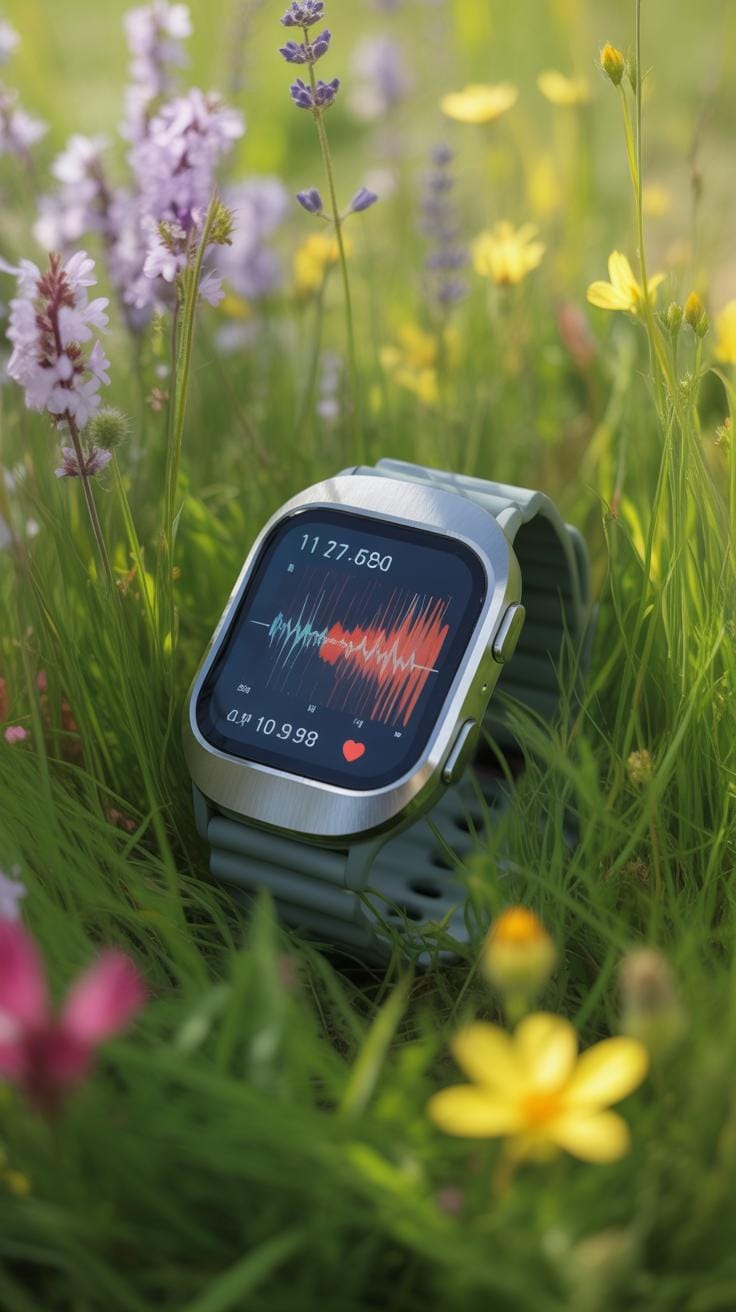
Measuring how much you move every day reveals more about your fitness than just counting workouts. It’s easy to think exercise sessions alone define your activity, but what about the small actions—walking to the store, taking the stairs, or even pacing while on phone calls? These contribute to overall health in ways that might surprise you.
Knowing your daily activity can highlight patterns you didn’t realize, like long periods of sitting or unexpectedly low movement on certain days. When you track this, you might find motivation to make simple changes—more standing breaks or just an extra walk. It’s a way to connect your habits with how you feel physically and mentally. And, honestly, the numbers can be pretty eye-opening—sometimes in a good way, sometimes not so much.
Tools for Monitoring Activity
You don’t need fancy or complicated equipment to keep an eye on your movement. Simple gadgets and apps are more accessible than ever and often easy to use. Some popular options include:
- Step counters, whether built into your phone or separate devices like pedometers
- Fitness trackers that show active minutes and calories burned
- Apps that let you log activities manually, helping to see trends over time
Personally, I found that even a basic step counter helped me notice how little I moved during workdays. It made me rethink everyday choices. You might be surprised what a few hundred more steps a day can do over weeks. Tracking daily activity isn’t about obsession; it’s more like having a conversation with yourself about how you live your day.
Setting Fitness Goals That Work

How to Choose Meaningful Goals
Picking the right fitness goals isn’t always straightforward. You want targets that feel relevant to your current health and lifestyle—not something flashy but unattainable. Start by looking at your existing metrics, like resting heart rate or body composition. If you’re mostly sedentary, aiming to run a marathon next month probably won’t stick or motivate you.
Instead, focus on something achievable yet slightly challenging, like improving your daily step count or lowering your blood pressure by a few points. The kind of goals you pick should really connect to what matters most to you personally. Maybe it’s having more energy for work or managing stress better. Whatever it is, your goal should reflect that.
Steps to Track Your Progress
Tracking progress doesn’t have to be complicated. A simple fitness journal works well—jot down daily or weekly numbers such as weight, reps, or times. Some folks prefer apps that sync with wearables, giving you charts and trends automatically. Both ways have their quirks: apps can feel impersonal sometimes, journals require discipline.
The key is consistency. Every entry adds a little clarity about what’s working or not. Over time, you’ll spot patterns like slower improvements or unexpected plateaus. This kind of tracking keeps motivation alive—you see real evidence, not just vague impressions. Have you tried tracking before? Maybe a mix of both journal and app would suit your style best.
Common Fitness Measurement Mistakes

Many people focus too much on their scale weight when gauging fitness. But weight alone doesn’t tell the whole story. Muscle weighs more than fat, so if you’ve been strength training, that number might actually increase while your body improves. I remember once stepping on the scale after weeks of consistent workouts, feeling discouraged because the number hadn’t dropped. It turned out, I had gained muscle and lost fat, but the scale didn’t reveal that shift.
Skipping warm-ups before fitness tests is another frequent error. Without warming up, your performance can seem weaker than it actually is. I’ve seen friends struggle with cardio tests simply because their muscles were cold and stiff, making results unfairly low. Warming up prepares your body and improves accuracy in measurement.
Testing at inconsistent times or under differing conditions can also distort fitness data. Trying a run test after a late night or poor sleep gives misleading results. Your body isn’t in the same state, so measurements might swing unexpectedly.
Errors to Avoid When Measuring Fitness
Here are a few common mistakes to watch out for:
- Relying solely on the scale for progress tracking, ignoring muscle gain or fat loss.
- Skipping warm-ups before assessments, which lowers performance.
- Testing under varying conditions like dehydration, fatigue, or stress.
- Ignoring form and technique during strength or flexibility tests, leading to inaccurate results.
- Using uncalibrated or inconsistent equipment, such as different stopwatches or measuring tapes.
How to Improve Accuracy
Getting reliable fitness measurements doesn’t have to be complicated. Try these simple adjustments:
- Measure at the same time of day, preferably in the morning after restroom and before eating.
- Always include a proper warm-up before tests—five to ten minutes of light activity can make a big difference.
- Use consistent methods and equipment for tracking progress. If you use a fitness app, stick with it rather than hopping between tools.
- Keep a detailed log including conditions like sleep, nutrition, and mood; these factors affect your performance more than you might realize.
- Focus on multiple indicators, not just one metric. Combining strength tests, endurance, and body composition paints a clearer picture.
Getting accurate, useful data means respecting the complexity of your body and the many factors that influence fitness. It’s not just a number on a screen—it’s a trend, a story, and sometimes a bit of a mystery. Don’t let small errors hide your real progress.
Examples of Fitness Level Tests

Testing your fitness doesn’t need fancy equipment or a gym membership. You can try simple, straightforward exercises at home or outdoors to get a sense of your strength, endurance, flexibility, and cardiovascular health. These tests aren’t perfect, but they give you useful feedback on where you stand.
Strength and Endurance Tests
Take push-ups, for instance. Count how many you can do in one go without stopping. That’s a solid measure of upper body strength and endurance combined. Another common choice is a timed run—say, one mile. How quickly you finish reflects your stamina but also hints at your overall cardiovascular capacity.
Sometimes I notice that even when I feel tired, I can push through a few more push-ups or keep running, which surprised me. That’s part of why these tests matter—they show not only physical limits but mental grit, too. You could also try wall sits or planks for a less obvious test of muscular endurance, especially for your legs and core.
Cardio and Flexibility Tests
Estimating VO2 max, an indicator of aerobic fitness, can be done by timing how long it takes you to run a set distance like 1.5 miles, then plugging that time into online calculators. It isn’t exact, but the numbers provide a rough idea of your heart and lung efficiency.
For flexibility, the sit-and-reach test is simple and effective. Sit on the floor with legs straight, reach forward along a ruler or tape placed ahead of you, and note the distance you can comfortably reach. This test often reflects tightness in hamstrings and lower back, which can limit overall mobility.
Try these out. I’ve seen people surprised at their results—sometimes good, sometimes not—and it usually sparks a conversation with themselves about what to work on next. You might notice one area lagging behind the others. That’s fine; fitness isn’t always balanced, and maybe it never will be.
Improving Your Metrics Over Time

Tracking your physical health metrics is only useful if you use them to guide your fitness journey over weeks and months. When you check your numbers regularly—whether it’s strength, endurance, or body composition—you can see what’s working and what’s not. That ongoing feedback lets you tweak your workouts and rest days in ways you might not have considered before.
For example, if your strength gains plateau after a few weeks, maybe it’s time to increase your workout intensity or switch to a different style of resistance training. You might also realize you’re not recovering enough; rest is just as crucial as effort. Sometimes I’ve pushed too hard and actually set myself back, so listening to your body alongside the data matters.
Tracking progress means committing to measuring at steady intervals, like weekly or monthly, even if the changes seem small. You might ask yourself:
- Are my endurance scores improving compared to last month?
- Is my body composition shifting in the direction I want?
- Am I feeling stronger or more energized during workouts?
Use your answers to adjust your plan. Maybe swap some high-impact cardio for low-impact options if joints get sore. Or add more rest days if fatigue creeps in. Changing exercise types and intensity based on actual results prevents burnout and keeps progress moving forward, even when motivation dips. It’s a slow process, but steady tuning can make a big difference over time.
Conclusions
Tracking your physical health through reliable metrics gives insight into your fitness level. It helps you make informed decisions about your activities, diet, and lifestyle changes. From heart rate to body composition, each measure contributes to a fuller understanding of your health status. Use these metrics to guide your efforts toward better physical fitness.
Remember, fitness is a balance of many factors, and monitoring the right indicators can motivate you to stay consistent. Keep focused on measurable progress to build a healthier, stronger body that supports your daily activities and long-term wellness.