

Introduction
Omega 3 Foods To Boost Natural Health Remedies And Fitness are important for your body. These fatty acids help keep your heart, brain, and body strong. Omega 3 fats come from different foods like fish, nuts, and seeds. They are essential because your body cannot make them on its own. Eating foods rich in omega 3 can improve your health naturally.
This article covers key information about omega 3 including its types, benefits, and the best foods to find them in. You will learn why omega 3 matters, how it helps your body, and practical ways to include it in your meals. This guide is for anyone wanting to improve fitness and overall health with natural remedies.
Benefits Of Omega 3 For Health


Omega-3 fatty acids play several roles that impact your well-being in meaningful ways. For example, omega-3s help keep your heart in decent shape. They’ve been shown to control blood pressure a bit and reduce triglycerides, compounds that can clog arteries. So, eating omega-3s might be a step toward avoiding heart problems, even if it’s not a miracle cure.

Your brain also benefits from omega-3. These fats are part of brain cell membranes and aid communication within the brain. Ever noticed how concentration or mood can be shaky? Omega-3s help maintain cognitive function and emotional balance, though nutrition alone isn’t everything for mental health.
Overall wellness ties back to omega-3 too — it supports joint health and can ease inflammation somewhat. Including omega-3s in your diet offers a natural way to promote bodily comfort and function, without relying solely on medications.
Types Of Omega 3 Fatty Acids
There are three main types of omega-3 fatty acids: ALA, EPA, and DHA. Each has a slightly different source and role in the body.
- ALA (alpha-linolenic acid) comes mainly from plants such as flaxseeds, walnuts, and hempseed oil. Your body can convert ALA into EPA and DHA, but this process is limited and varies between individuals.
- EPA (eicosapentaenoic acid)
- DHA (docosahexaenoic acid)
Each type has its importance. For example, kids especially need DHA for early development, while adults might focus on EPA and DHA for heart support. It’s tough to get enough EPA and DHA just from ALA because conversion isn’t very efficient.
Natural Food Sources Of Omega 3
Natural sources of omega-3 are generally preferred over supplements because they come with other nutrients and are less processed. Here are some top choices to consider:
- Fish — fatty fish like salmon, mackerel, and sardines are rich in EPA and DHA.
- Flaxseeds — one of the best plant-based sources loaded with ALA. Ground flaxseed can be added to yogurt, oatmeal, or smoothies.
- Walnuts — snack on these raw or toss into salads for a boost of ALA.
- Algae — an emerging source, especially for vegetarians and vegans, providing DHA and EPA.
Trying to add these foods regularly is probably better than relying on pills. Maybe start by sprinkling some flaxseed on breakfast or choosing fish a couple times a week. Small changes can add up without much hassle.
How To Choose Omega 3 Supplements

When food options fall short, omega 3 supplements can fill the gap, but picking good ones isn’t always straightforward. First off, check the label carefully. You want to see clearly stated amounts of EPA and DHA, the most active omega 3s. Beware of vague terms like “omega-3s” without specific breakdowns. Concentration matters too—higher amounts mean fewer capsules and less filler.
Look for expiration dates and packaging that protects against oxidation—dark glass bottles are better than clear plastic. Also, consider the form: triglyceride, ethyl ester, or phospholipid forms differ in how well your body absorbs them. Softgels and liquid forms are common, but personal preference and tolerance play a role here.
Remember, not all omega 3 supplements are created equal. If you’re unsure, a trusted brand with third-party testing seals can offer peace of mind. The supplement aisle can feel like a maze; focusing on these label clues makes the journey a bit easier.
Checklists For Quality Omega 3 Supplements
To make your choice less daunting, here’s a practical checklist:
- Purity: Ensure the product is tested for contaminants like mercury, PCBs, and dioxins—these can sneak in via fish sources.
- Concentration: Look for clear EPA and DHA levels per serving; more is often better but also consider dosage convenience.
- Source: Fish oil or algae oil? The source affects both environmental impact and potential allergens.
- Freshness: Check manufacturing and expiry dates; oxidized oils lose effectiveness and taste bad.
- Certification: Third-party testing and certifications boost confidence in quality.
Fish Oil Versus Algae Oil Supplements
Fish oil has long been the standard for omega 3 supplementation, rich in EPA and DHA. It’s derived from oily fish, but the fish themselves don’t produce the omega 3—they get it from algae they eat. This introduces a tricky factor: contaminants. Some predatory fish accumulate mercury and other toxins, so sourcing and purification are critical.
Algae oil is the vegan alternative, directly harvested from marine algae. It tends to have less risk of contamination and is environmentally friendlier. Algae oil also provides DHA reliably, though EPA content can vary and is sometimes lower than fish oil.
Who should prefer what? Vegetarians and those worried about sustainable choices might lean toward algae oil. Fish oil remains popular for those seeking a traditional, sometimes more balanced EPA to DHA ratio. Surprisingly, some studies suggest the body may absorb algae omega 3 differently, but the jury is still out.
Daily Intake Recommendations For Omega 3

Recommended Omega 3 Intake By Age
The amount of omega 3 you need daily varies quite a bit depending on your age and sometimes your lifestyle. Children generally require less—around 0.7 to 1 gram of ALA (alpha-linolenic acid) per day is often suggested. Adults usually aim for about 1.1 grams for women and 1.6 grams for men, but those numbers can shift slightly, especially for pregnant or breastfeeding women, who might need more. Older adults, meanwhile, might not convert ALA to EPA and DHA as efficiently, meaning they could benefit from a higher intake or more direct sources like fish oil.
Fitness levels also play a role. If you’re particularly active or trying to manage inflammation after workouts, incorporating more EPA and DHA through diet or supplements might be useful. It’s tricky, though, since not all omega 3s are the same, and your body handles ALA (from plants) differently than the marine-source omega 3s.
Monitoring Your Omega 3 Consumption
Tracking omega 3 might sound tedious, but it doesn’t have to be complicated. You could simply jot down your meals in a food diary, noting how often you include sources rich in omega 3 like fish, flaxseeds, walnuts, or chia seeds. This helps you see patterns that might reveal gaps.
There are also smartphone apps specifically made for nutrient tracking. They make it easier to calculate your actual intake of EPA, DHA, and ALA by scanning barcodes or selecting foods from vast databases. This data can reveal if you’re really hitting your target or falling short.
Sometimes, though, just being aware and occasionally reviewing your diet can make a big difference. Do you notice you rarely eat fatty fish in a week? Maybe try planning meals ahead that include omega 3-rich foods. That kind of small adjustment can be surprisingly effective over time.
Common Mistakes When Using Omega 3

Mistakes With Omega 3 Food Choices
Many people assume all fish are rich in omega 3, but this isn’t exactly true. For instance, fish like salmon and mackerel have high omega 3, yet others, such as tilapia, contain much less. Relying solely on supplements without including omega 3-rich foods can also limit the variety of important nutrients your body gets. It’s tempting to think a pill covers all needs, but whole foods offer more than isolated supplements. Choosing wisely makes a difference—diversify your sources and don’t depend on just one or the other.
Overuse And Risks Of High Omega 3 Intake
Taking excessive omega 3 isn’t harmless. Too much may increase bleeding risk or interact with medications, such as blood thinners. While omega 3 is beneficial, more isn’t always better. If you’re considering high doses, consulting a healthcare professional first is a smart move. It’s easy to overlook these risks because omega 3 is generally seen as healthy, but careful dosage matters for safety. Balancing intake and listening to your body’s reactions can help avoid unintended problems.
Simple Omega 3 Meal Ideas

Finding easy ways to include omega 3 in everyday meals isn’t as tricky as you might think. Small changes can make a difference and keep you coming back for more. For breakfast, try mixing ground flaxseed into your oatmeal or make a chia pudding the night before—both are quick and reliable sources of omega 3. You can even sprinkle walnuts on top for a crunch that keeps things interesting.
When it comes to lunch and dinner, the options broaden. Consider baking salmon or mackerel with a lemon and herb glaze, or tossing a salad with walnuts and pumpkin seeds. These additions don’t just boost flavor but also add the omega 3 punch your body needs. A simple idea is to prepare a walnut-stuffed chicken breast for a twist on traditional meals.
Does it feel like these meals take too much time? Actually, they can be done in under 30 minutes with a bit of planning. The key is using ingredients you’d typically have around or keeping frozen fish stocked in the fridge. Sometimes, you might stray from omega 3-rich foods for convenience, but even a small effort in this direction counts.
Omega 3 Impact On Fitness

When you’re pushing through workouts, omega 3 fatty acids can quietly play a role in supporting your fitness goals. It’s not just about muscle building; omega 3 helps in muscle recovery and controlling inflammation. After a tough session, your muscles get tiny tears, and that’s where omega 3 steps in, easing the soreness and speed up repair. I remember a few times when my muscles felt less stiff after introducing more omega 3-rich foods into my diet, like fatty fish and walnuts.
Here’s what omega 3 does during exercise:
- Reduces muscle soreness by reducing inflammation at the cellular level.
- Supports quicker muscle repair, enabling more frequent training sessions.
- Helps maintain joint health, which means less discomfort while moving.
It seems especially helpful after intense efforts like resistance training or long-distance running. Maybe it’s because omega 3 influences the production of molecules that calm the immune response after exercise-related damage.
Role Of Omega 3 In Muscle Recovery
Muscle recovery can make or break progress in fitness. Omega 3 fatty acids have been shown to reduce the delayed onset muscle soreness that many of us face after intense workouts. It’s not a magic fix, but the anti-inflammatory properties of omega 3 seem to ease pain and swelling. Personally, I found that consistently eating foods rich in omega 3—like flaxseeds or salmon—helped me bounce back faster after heavy lifting days. There’s research hinting that omega 3 improves protein synthesis too, which is crucial for muscle repair. This means your body might rebuild muscle tissues more effectively.
Reducing Inflammation For Better Performance
Inflammation is a double-edged sword—it’s necessary for healing but too much can slow you down. Omega 3’s role in reducing excessive inflammation is quite beneficial for enhancing fitness performance. By tamping down chronic inflammation, omega 3 allows your muscles and joints to function with less pain and stiffness, which could translate to better endurance and strength over time.
Think about runners or cyclists who feel less joint discomfort with omega 3 supplementation. Or weightlifters who report feeling less joint inflammation after incorporating omega 3 into their diets. The improved blood flow and decreased inflammation might help with oxygen delivery and nutrient uptake during exercise, though the exact mechanisms are still being studied.
So, if exercise recovery and maintaining performance are on your radar, omega 3 should definitely be on your plate—no pun intended. The balance between inflammation and recovery is tricky, but omega 3 tips that balance just enough to support your fitness journey.
Which Omega 3 Foods Fit Your Diet
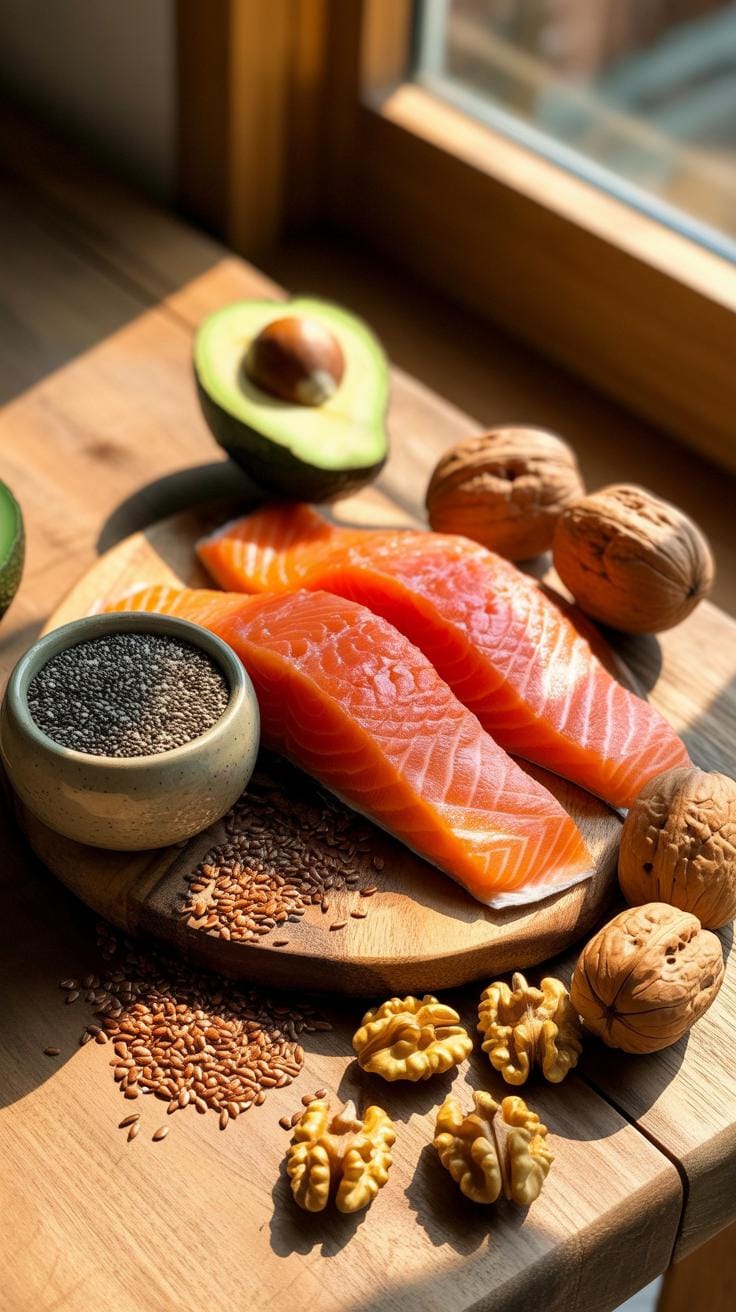
Choosing the right omega-3 sources depends a lot on what you eat day-to-day. If you’re vegetarian or vegan, animal-based omega-3s like EPA and DHA might be off the table, but that doesn’t mean you can’t meet your needs. Plant-based ALA omega-3s can be a solid alternative, but you might need to eat more consciously for balance. If you follow a pescatarian or omnivore diet, fish and other animal products offer direct sources of EPA and DHA, which your body uses readily.
Omega 3 Options For Vegetarian And Vegan Diets
Vegetarians and vegans mainly get their omega-3 from plants, which contain alpha-linolenic acid (ALA). Examples include:
- Flaxseeds and flaxseed oil
- Chia seeds
- Walnuts
- Hemp seeds and hempseed oil
- Algal oil, derived from microalgae, which actually contains EPA and DHA
The tricky part is converting ALA into EPA and DHA, the forms your body uses most efficiently. This conversion isn’t very efficient for everyone, making direct algal oil supplementation something to consider. So, while you might rely heavily on flaxseeds in your morning smoothie, thinking about algae-based supplements could fill the gaps.
Omega 3 For Pescatarian And Omnivore Diets
If you’re pescatarian or omnivore, you have access to foods naturally rich in EPA and DHA, which bypass the conversion step. Fatty fish like salmon, mackerel, sardines, and anchovies are well-known omega-3 sources. Shellfish like oysters and mussels also contribute. For omnivores, grass-fed meat and eggs can provide small amounts too.
Eating fish twice a week is a common recommendation, but even once or twice can make a difference. Still, it’s worth remembering some people avoid fish due to concerns about contamination or sustainability, so balancing your intake thoughtfully is a good idea. Fish oils and algal oils can be other ways to secure your omega-3s if fresh fish isn’t always on your menu.
Checking Omega 3 Quality In Your Foods

Evaluating the quality of omega 3 in your foods is more than just picking based on labels. It’s about being a little detective, really. For instance, fresh fish is a primary source of EPA and DHA omega 3s, but the content can degrade pretty fast if not handled right. Freshness is key—look for clear eyes, firm flesh, and a mild smell. If the fish smells too “fishy,” it’s probably past its peak for omega 3 benefits.
Seeds and nuts rich in ALA, like flaxseeds or walnuts, also require attention. They should feel firm and avoid any hint of bitterness, which suggests oxidation. Avoid buying those in bulk without proper packaging because exposure to air and heat starts the breakdown process almost immediately.
How To Spot Fresh Omega 3 Rich Foods
For fish, focus on:
- Clear, bulging eyes (not cloudy or sunken)
- Bright red or pink gills
- Firm, elastic flesh that springs back when pressed
- A clean, ocean-like smell, not sour or overly fishy
When it comes to seeds, make sure they are dry, whole, and free from mold or powdery residues. Fresh seeds tend to have a mild aroma rather than a sharp, rancid scent.
Preventing Oxidation For Better Nutrient Retention
Omega 3 fatty acids are quite sensitive to heat, light, and oxygen, which cause oxidation — a process that leads to rancidity and nutrient loss. Storing your omega 3 foods properly can make a notable difference, though it’s easy to overlook. Refrigerate fish and store seeds in airtight containers away from sunlight.
Omega 3 oils turn bad faster than you might expect. Even unopened oils can degrade if kept at room temperature too long. When in doubt, use oils with added antioxidants like vitamin E, or buy smaller bottles to ensure freshness. Sometimes, frozen storage for fish or seeds is the safest bet for keeping omega 3s intact.
So, it’s kind of important to be somewhat cautious but not paranoid—since omega 3s are delicate but manageable with just a tad of care.
Conclusions
Including omega 3 foods in your diet supports heart health, brain function, and body wellness. These fatty acids come mainly from fish, nuts, and seeds and provide essential nutrients your body needs. Choosing natural foods rich in omega 3 is an easy step toward better health.
You can boost your fitness and prevent certain health issues by regularly eating omega 3 sources. Focus on quality and variety to get the full benefits. This approach helps you maintain a strong body and mind while enjoying simple, natural remedies.