Introduction
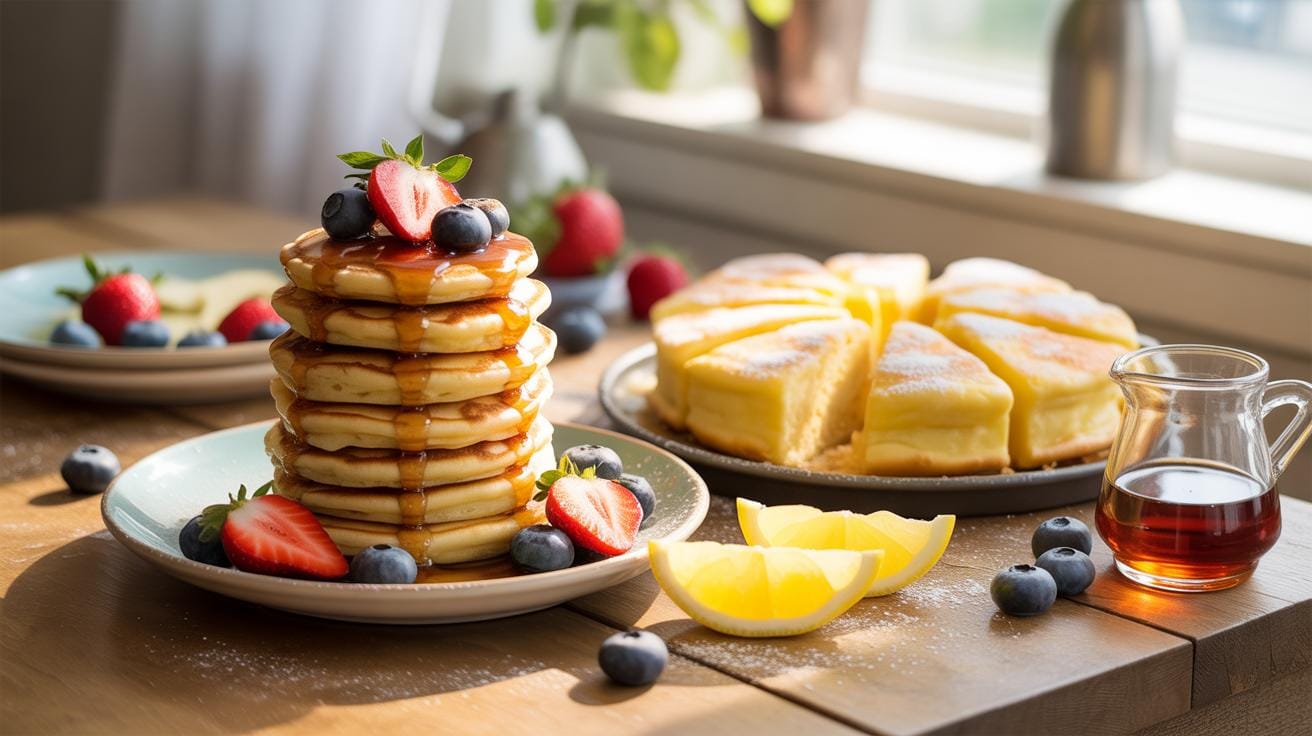
Mini pancakes have become a popular dish, known for their small size and delightful taste. They are often served with syrup or toppings and appeal to both children and adults. Traditional German pancakes are a different style of pancake, larger and with a distinct texture and flavor profile compared to mini pancakes.
This article compares mini pancakes recipes to traditional German pancakes. You will learn the differences in ingredients, preparation methods, and presentation styles. By understanding these contrasts, you’ll discover which pancake fits your taste and cooking preferences best.
Mini Pancakes Batter Ingredients
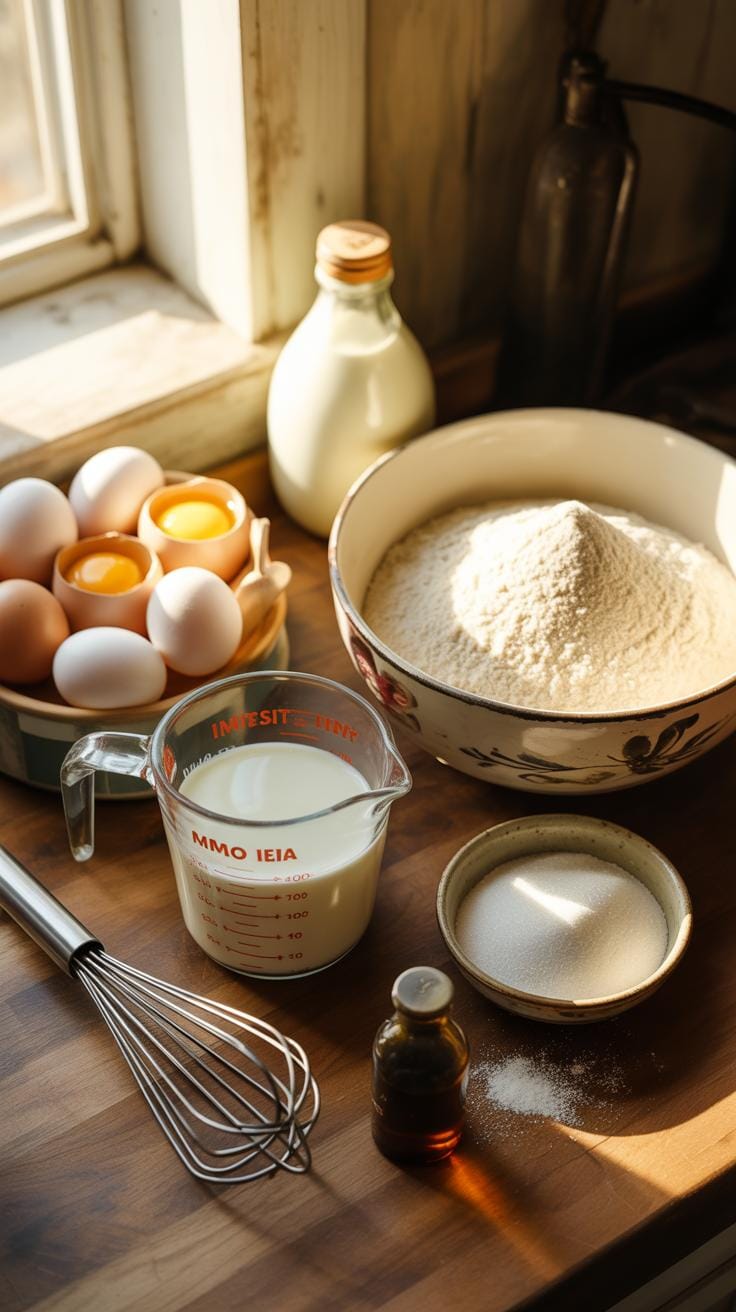
When making mini pancakes, the batter ingredients are quite similar to regular pancakes, but the balance impacts the size and texture in subtle ways. You basically start with the essentials: flour, eggs, milk, sugar, and baking powder. Each of these ingredients plays a unique role, and choosing the right quantities defines whether your mini pancakes turn out fluffy, dense, or somewhere in between.
Basic Ingredients Breakdown
Let’s break down the basics:
- Flour: Usually all-purpose flour; it’s the structure builder. It holds everything together and influences the density. Using too much flour risks making the pancakes tough.
- Eggs: They provide moisture and bind ingredients. Eggs also add richness and help the batter rise a bit when cooked.
- Milk: Typically whole or 2%, milk thins the batter to the right consistency. It also contributes to a tender crumb.
- Sugar: Just a bit to add a touch of sweetness and to encourage browning for that golden look.
- Baking powder: The leavening agent that makes your pancakes puff up. It’s crucial for lightness without which you might get flat, dense little discs.
Optional Additions For Flavor
Now, these basics are just a foundation, right? You can play with flavors by adding vanilla extract for a warm, subtle sweetness or sprinkle cinnamon for a bit of spice. Some people toss in mashed bananas or fresh blueberries straight into the batter, which makes the mini pancakes a bit more moist and flavorful. Adding fruits can be delightful, but be mindful—they might alter the batter’s consistency, requiring slight adjustments.
Sometimes, a pinch of salt is overlooked but important; it balances sweetness and enhances all other flavors. If you like experimenting, lemon zest or nutmeg can add unexpected, gentle notes. Mini pancakes lend themselves so well to being customized—you might find your go-to combo by trying these little tweaks. It’s one of those things you sort of learn by doing, instead of only reading about.
Mini Pancakes
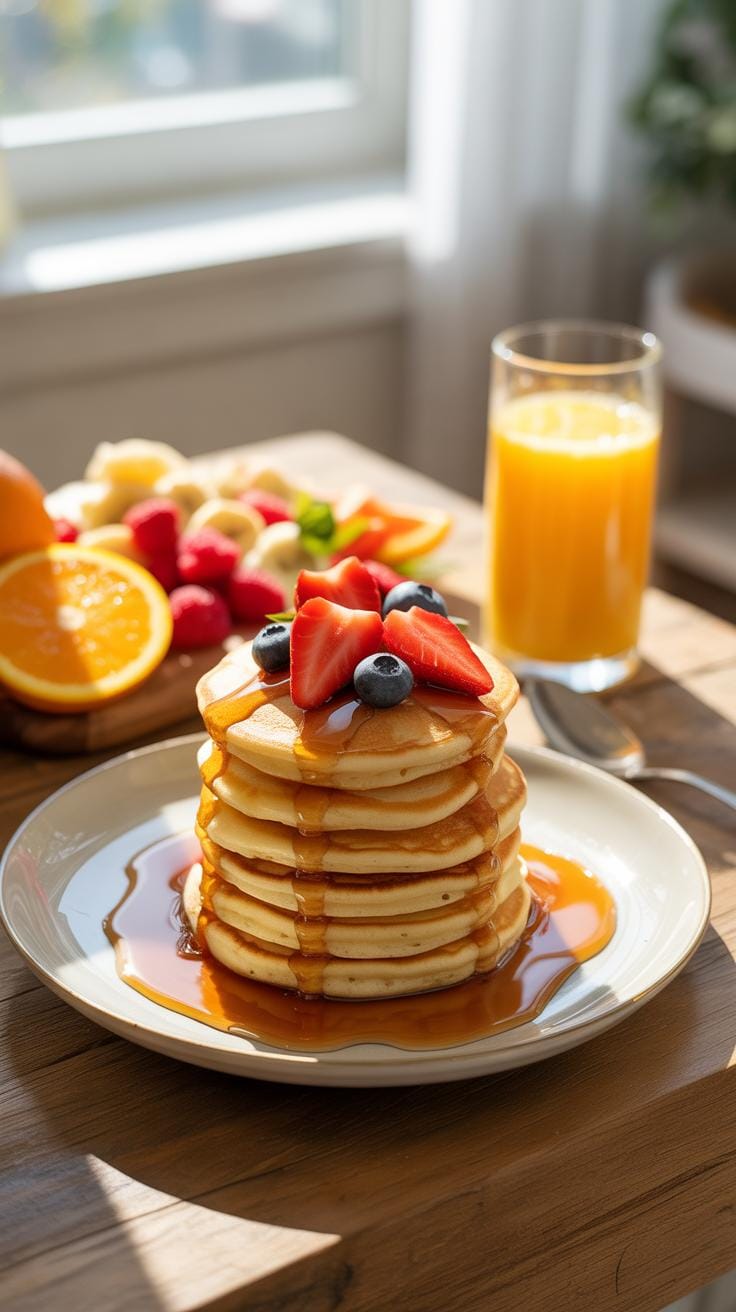
Mini pancakes are, as the name implies, smaller than traditional pancakes, including German pancakes. This obvious size difference actually speaks to some interesting variations in how they’re made and experienced. Unlike their German cousins, mini pancakes are typically made from batter similar to classic American pancakes, with some tweaks for size and texture.
Ingredients-wise, mini pancakes often call for all-purpose flour, baking powder, eggs, milk, and a bit of sugar and butter. What’s different here is the balance and proportion—mini pancakes use less egg and flour per pancake since they’re tiny, which leads to a lighter, fluffier bite. They cook quickly and tend to have a golden-brown crispness on each side, something that’s less common in German pancakes which are more custardy and thin.
Mini pancakes also invite more playful presentation. For example, the trend of mini pancake cereal—tiny pancakes served in a bowl like cereal—gained popularity online. It’s fun, different, and offers a new way to enjoy a familiar food. The size lets you eat many in a few bites, which changes the texture and taste rhythm as well.
You might notice a bit more butter or a touch of vanilla in mini pancakes to enhance flavor, while German pancakes focus more on a simple, rich base. It’s fascinating how just scaling down size invites a shift in flour, egg, and flavor use, making mini pancakes feel like a lighter, sweeter cousin rather than a direct match to their traditional German counterparts.
Mini Pancakes Cooking Techniques
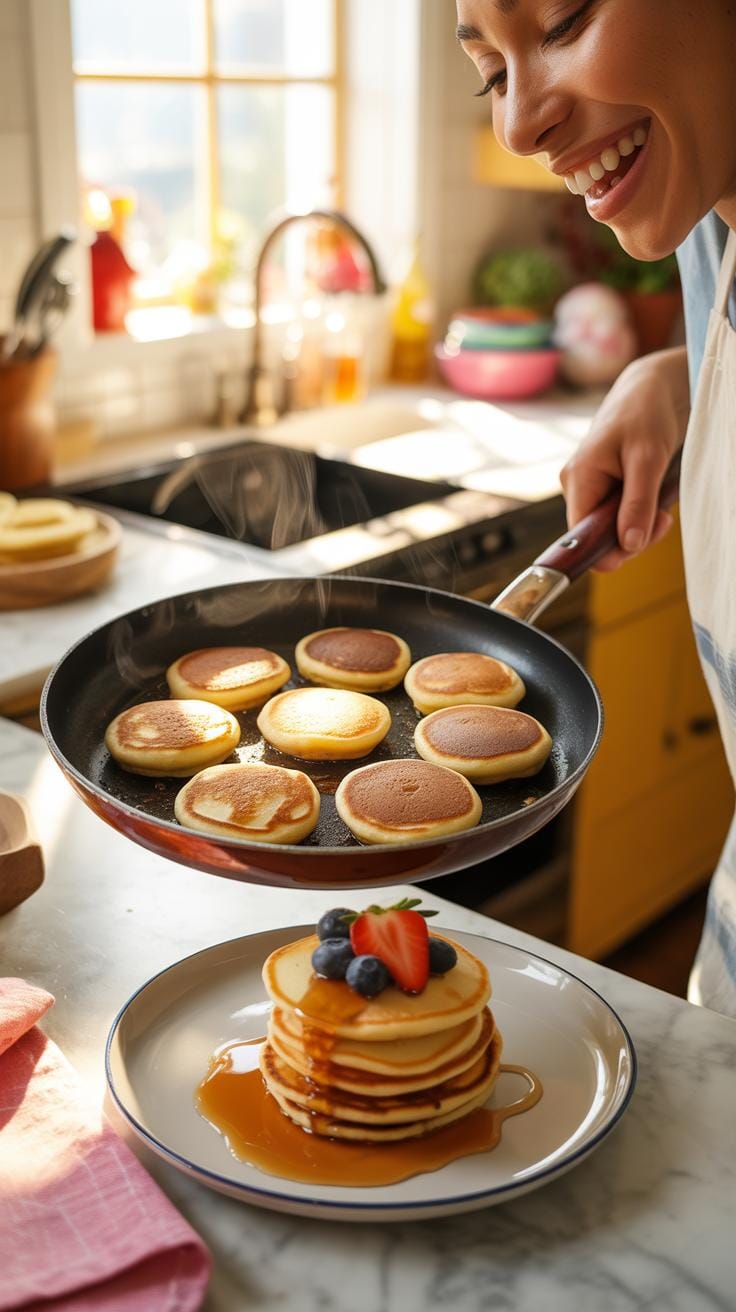
Cooking mini pancakes requires a bit more precision than making their larger counterparts, mostly because of their size. You want to start with a moderate heat—too high, and they burn before the inside cooks through; too low, and they dry out or stick. A good nonstick pan is truly your best friend here. I usually prefer cast-iron skillets with a smooth coating, but nonstick surfaces specifically designed for pancakes make a noticeable difference.
When flipping, patience is key. Wait until bubbles form on the surface and edges look set before you attempt to flip each one. Because mini pancakes are delicate, using a small spatula or even mini pancake molds can help keep them uniform and prevent breakage. It’s a bit of an art balancing the right heat and flipping gently—too rough, and they fall apart; too slow, and they get greasy or overcooked.
Heat Control Importance
Stove heat control feels almost like a dance. Too hot, and you end up with burnt bottoms and raw middles—like a mini pancake paradox. Too cool, and you waste time and end with uneven cooking. I usually start on medium and adjust after a few pancakes. The first round is like a test run—watch the color, watch the smell, and listen to the sizzle. You want a steady, gentle sizzle, not a roar. This steady temperature ensures even cooking and nice golden browning.
Using Nonstick Pans And Tools
Nonstick pans simplify the mini pancake game. Sticking is almost inevitable on regular pans, especially with smaller rounds. Nonstick surfaces cut down on the need for excessive oil or butter, which means lighter pancakes without soggy bottoms. Tools like mini pancake molds not only make your pancakes cute and uniform but also help batter stay contained so you get that classic fluffy shape every time. I sometimes use silicone molds—they’re easy to handle, and the pancakes pop out without fuss. If you’re serious about mini pancakes, getting the right pan and molds changes everything.
Mini Pancakes Versus German Pancakes
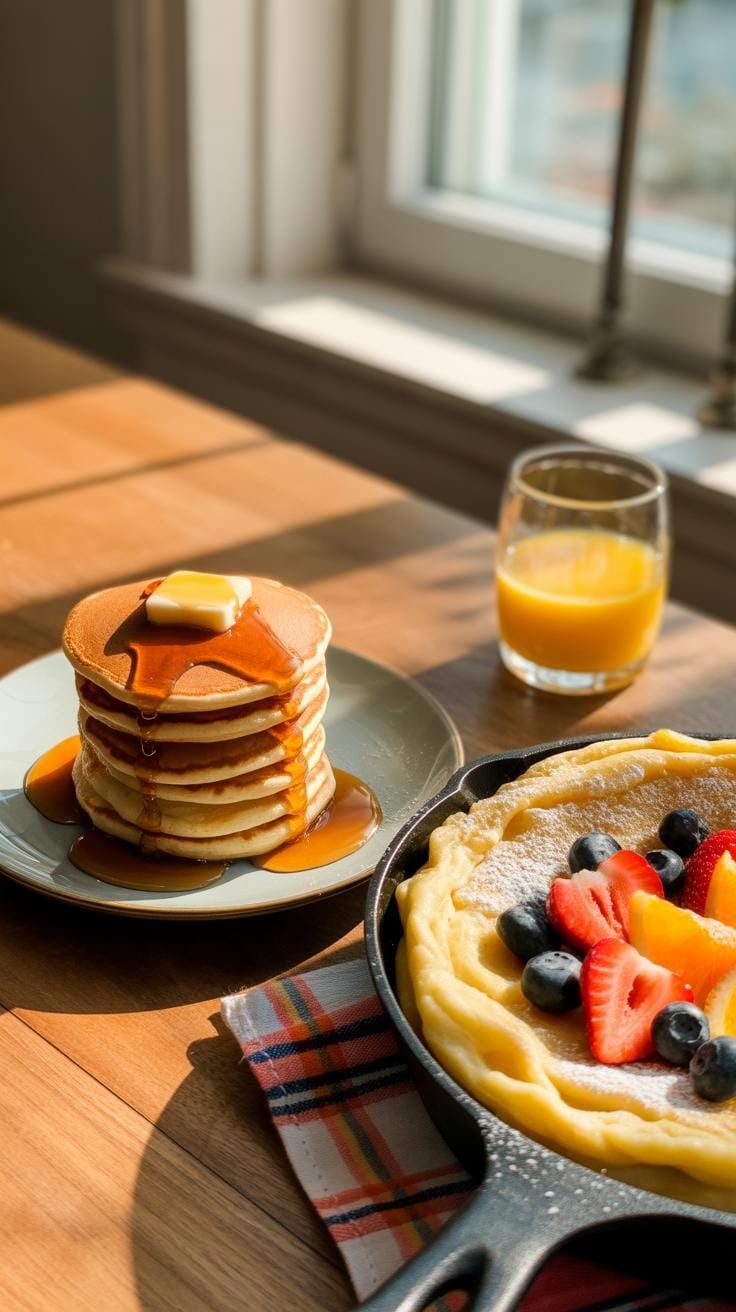
Mini pancakes, unlike their German pancake counterparts, demand a more hands-on cooking style. You whisk a simple batter—flour, eggs, milk, and a touch of sugar—and then, instead of a big pan or oven, you heat a skillet or griddle. The batter is dropped in small rounds, often using a spoon or squeeze bottle, fry-cooking them individually. This method lets you get a nice golden crust on each side, flipping them one by one. It’s almost meditative, but also quick, with several mini pancakes cooking at once.
What’s interesting is how this approach creates a texture contrast to the German pancake’s puffed, custardy center. Mini pancakes come out soft inside but with a slight crisp on the edges. Also, the batter tends to be thicker, so the pancakes hold their shape better during frying. I usually notice that they demand constant attention, unlike the more hands-off oven-baking method.
Serving-wise, mini pancakes invite a bit of playfulness. You can pile them high or scatter toppings like powdered sugar, fresh fruit, or syrup one by one. It’s a more casual style, almost interactive for diners, compared to the grander, plated presentation typical of German pancakes. It feels like sharing little bites of comfort, rather than a single, showy dish.
Taste Differences Between Pancakes
Mini Pancakes Flavor Profile
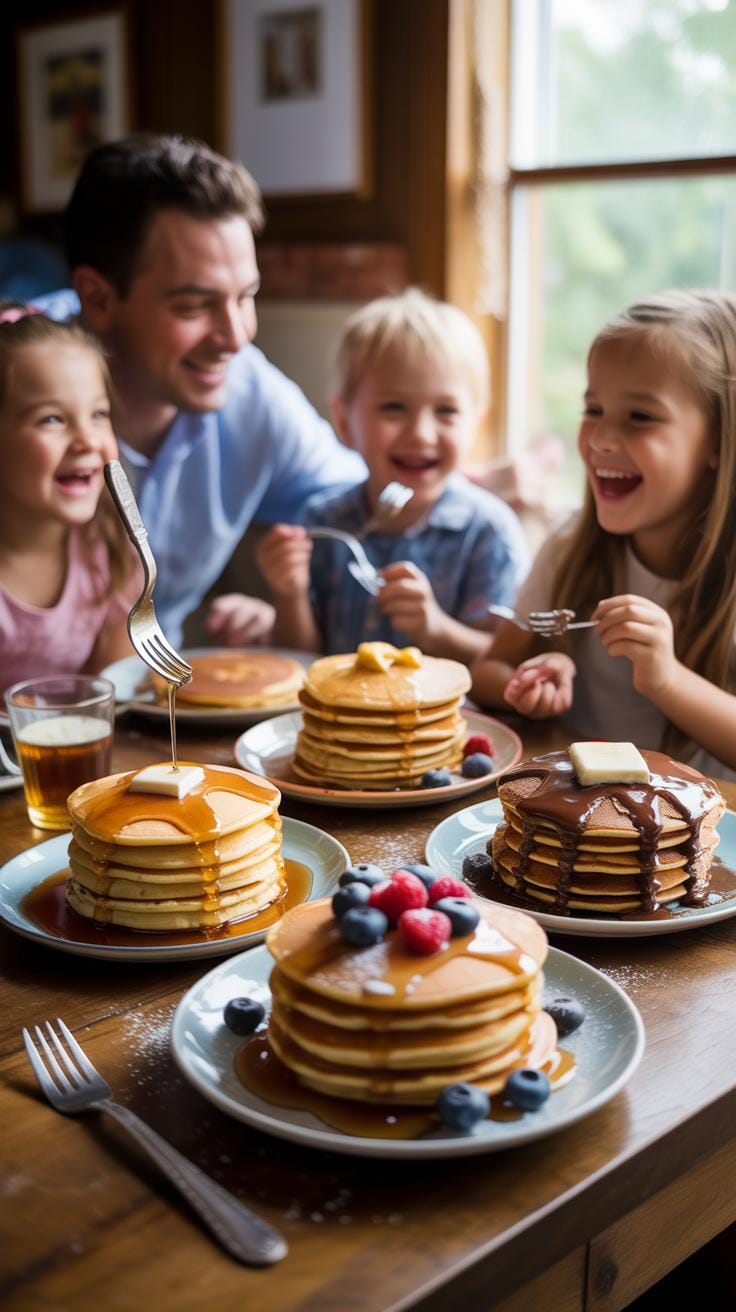
Mini pancakes bring a lightness to the table that tends to be quite agreeable. Their taste is simple, often leaning on a mild sweetness that pairs well with syrups or fresh fruit. When you bite into one, the fluffiness becomes instantly noticeable. They have this soft, airy quality that’s almost like biting into a little cloud—though maybe a bit more substantial. The tiny size concentrates the experience; a mini pancake feels just right in your mouth, creating a satisfying mouthfeel without overwhelming.
What’s interesting is how their small size affects texture perception. They tend to have a delicate crust that contrasts with the soft inside. You can almost enjoy them quickly, one after another— almost addictive, in a way. Yet, they might lack a bit of depth in flavor compared to bigger, heartier pancakes. Still, for many, their ease and lightness make them a gentle comfort food.
German Pancakes Taste And Texture
German pancakes, on the other hand, offer something richer and more complex. They generally have a denser texture—less fluffy and more substantial—which gives a different tactile experience. Think of them as more custard-like or eggy, with a slight crisp on the edges. This crispness adds another layer to the eating experience, which some might prefer over the soft, gentle feel of mini pancakes.
The taste carries more heft too; there’s an egg-forward flavor combined with a buttery richness that mini pancakes often don’t reach. It’s the kind of pancake that feels more like a proper meal than a quick snack. With each bite, you can sense the buttery, almost creamy mouthfeel, balanced with just a hint of sweetness and sometimes a touch of lemon zest or powdered sugar. The difference might surprise you at first, especially if you’re used to lighter pancakes, but it’s a distinct pleasure once you get used to it.
Choosing Your Pancake Recipe
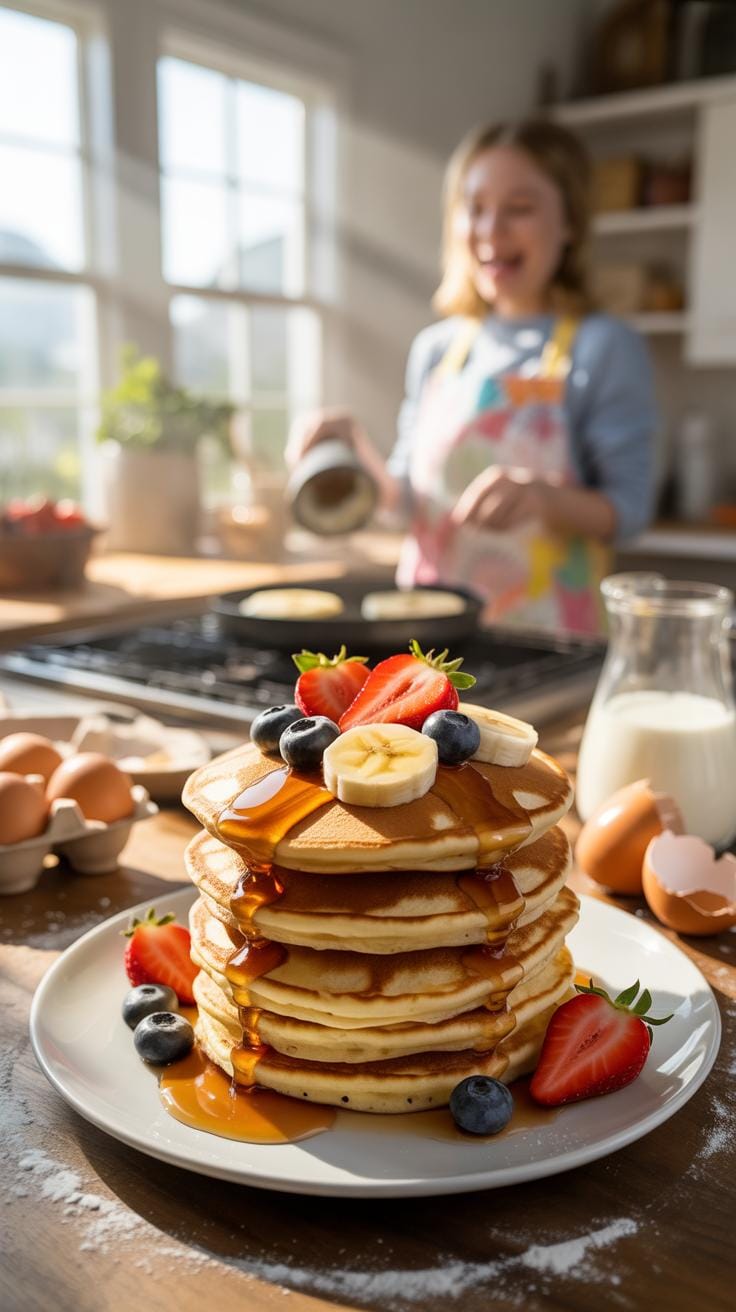
When picking a pancake recipe, you might want to think about how much time you can spend cooking. Mini pancakes are faster to prepare since they’re small and cook quickly on the griddle. If your morning feels rushed or you want something simple, these bite-sized treats come to the rescue. You can flip them in no time and serve a stack before anyone even notices.
Consider what ingredients you have on hand too. Mini pancakes tend to use basic staples—flour, eggs, milk—nothing fancy. On the other hand, German pancakes might call for slightly different proportions or techniques that take longer to master. So, if your pantry’s looking bare, mini pancakes might be your best bet.
Portion size plays a part as well. Mini pancakes are perfect if you want to make a large batch for a casual family breakfast or a quick snack platter. Their small size means guests can sample a variety of toppings in a single sitting. Meanwhile, German pancakes, often larger and thicker, feel better suited for occasions when you want one big, impressive dish on the table.
Thinking about the event itself might guide your choice. Mini pancakes fit well with informal, everyday breakfasts—they’re quick, handy, and fun. German pancakes, with their flair, seem more appropriate for special weekends or brunch gatherings where you want something a bit more refined. But then again, if you like simplicity for celebrations, mini pancakes can surprise you with their charm too.
Exploring Mini Pancake Variations
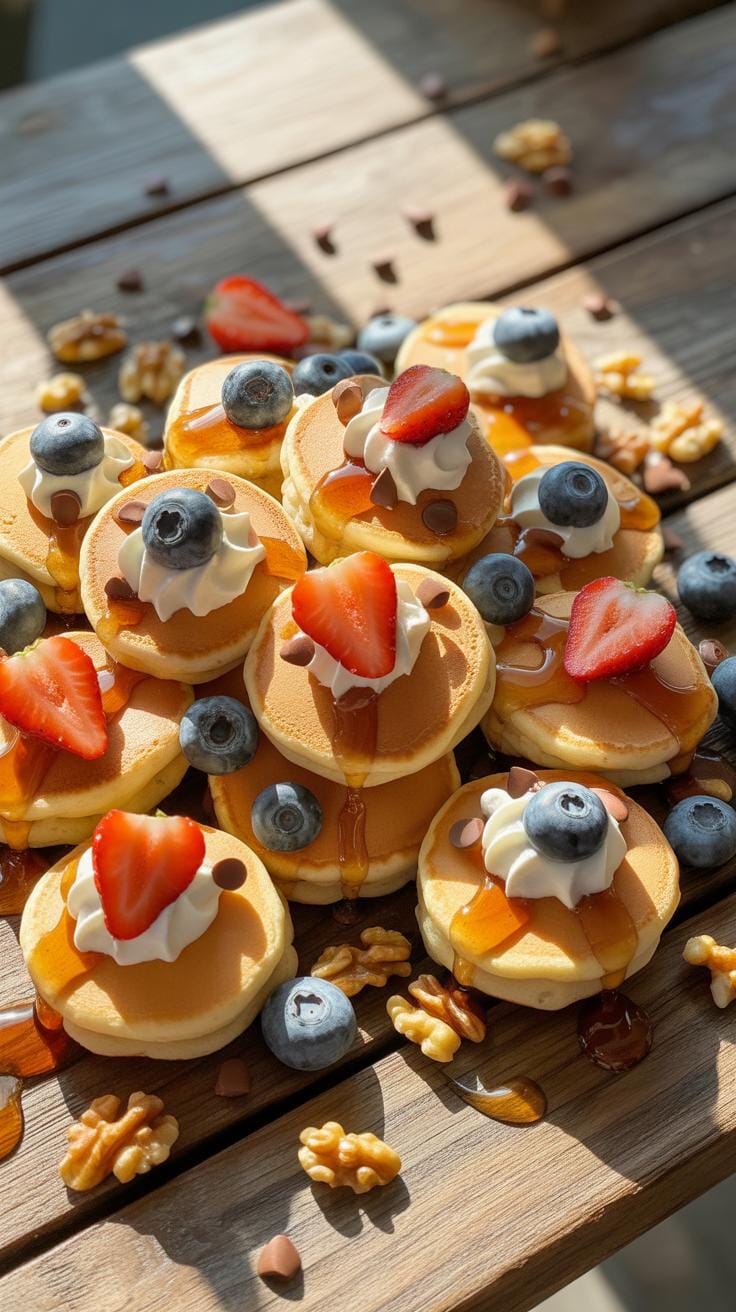
Mini pancakes come in countless variations—flavors, toppings, and serving styles. It’s easy to experiment with the basics by adding ingredients like chocolate chips, blueberries, or even spices such as cinnamon or nutmeg right into the batter. Some prefer a buttery vanilla twist while others lean toward a hint of lemon zest for freshness.
On the savory side, tiny pancakes can be mixed with herbs like chives or dill, or topped with cheese for a rich bite. Think of little pancakes paired with smoked salmon or avocado for something a bit more refined. These mini treats are flexible; you can dress them up or keep them simple depending on your mood or meal occasion.
Serving suggestions range from classic syrup and powdered sugar dustings to more playful options like dollops of yogurt, fresh fruit, or even dollops of pesto. You’ll notice these variations turn the humble mini pancake into a versatile snack or meal that can shift from breakfast to an appetizer. Isn’t it intriguing how something so small offers so many options?
Sweet And Savory Mini Pancakes
Sweet mini pancakes often appear with familiar toppings—maple syrup, honey, or fruit compotes. Berries like strawberries or blueberries add both color and a burst of flavor. Nut butters or chocolate spreads offer a richer counterpart. Meanwhile, savory mini pancakes explore herbs such as parsley or basil mixed in or a cheddar cheese sprinkle. Serving these with sour cream, smoked salmon, or spiced meats can transform them into a satisfying savory snack.
This dual nature of mini pancakes helps them fit various tastes and times of day. You might find yourself debating whether to go sweet or savory on any given morning—which isn’t the worst dilemma to have.
Mini Pancake Cereal Trend
The trend of mini pancake cereal blew up on TikTok around 2020. Imagine a bowl filled with tiny pancakes, the size of cereal pieces, often doused in maple syrup and a splash of milk, mimicking a classic breakfast cereal experience. The effect is visually charming and a bit whimsical.
To make this trend, you’d pour small dollops of pancake batter onto a hot griddle, cooking mini rounds until golden. Then, serve them in a bowl with your choice of syrup and milk. It’s simple but feels special. This trend sparked many variations—some swap toppings, others use different syrups, and some even add whipped cream or fresh fruit.
Trying mini pancake cereal might feel playful, a reminder of childhood breakfasts but with a new, trendy twist. Would you give it a try for a weekend treat?
Mini Pancakes
Mini pancakes, often called pancake cereal when served in bite-sized form, have gained noticeable attention, especially in recent years. These tiny pancakes are usually around the size of a coin, making them fun and convenient to eat. While they don’t carry the deep-rooted cultural significance of traditional German pancakes, their appeal lies in their modern, playful twist on a classic dish.
These pancakes are enjoyed primarily for their texture and presentation. Imagine a bowl of these mini rounds, drizzled lightly with syrup or butter, resembling a breakfast cereal—it’s quite the visual and tasty experience. Their small size allows for easy customization with various toppings and flavors, which has sparked creativity in home cooks and social media enthusiasts alike.
Though mini pancakes don’t have distinct regional recipes like their German cousins, they do reflect an emerging food trend culture—one that focuses more on convenience and novelty. They fit well into a fast-paced lifestyle where meals can be both quick and appealing. Have you tried making them? It’s surprisingly straightforward, and you might find yourself experimenting with new topping combinations you hadn’t thought of before.
In contrast to traditional German pancakes, mini pancakes offer a different experience. They are less about grand meals at celebrations and more about everyday enjoyment—a subtle but interesting shift in how pancakes fit into our eating habits.
Conclusions
You have learned about the differences between mini pancakes and traditional German pancakes. Mini pancakes are smaller, easy to cook in batches, and commonly enjoyed with various toppings. On the other hand, German pancakes are larger and have a unique taste and texture that reflects their European origin.
Choosing between these two depends on your intended occasion and taste preferences. Both pancakes provide delightful options for breakfast or snacks. Experiment with both recipes and enjoy the different experiences each type offers.