
Introduction
Boosting your metabolism can help you burn more calories and support weight loss. Certain foods have specific properties that can increase your metabolic rate. In this article, we focus on 5 metabolism boosting foods that actually work for weight loss.
You will learn how these foods influence your body’s chemical processes, understand why they matter, and discover practical ways to include them in your diet. This clear guide will help you take simple steps to improve your metabolism through food.
Understanding Metabolism and Its Role


What is Metabolism Exactly
Metabolism is like a busy factory inside your body that takes the food you eat and turns it into energy. Imagine you eat an apple. Well, your body breaks it down through many tiny steps—kind of like how a blender turns fruit into juice. These steps involve chemical reactions that help convert the food into something your body can actually use to move, grow, and stay healthy.

These processes happen all the time, even when you’re sitting still or sleeping, because your body needs energy to breathe and think. So, metabolism is not just about burning energy when you run or play; it’s always working quietly in the background, keeping you alive and functioning.
Why Metabolism Matters for Weight Loss
Now, why does this matter when it comes to weight loss? Well, metabolism affects how many calories your body uses every day. Calories are like tiny units of energy packed inside food. If your body burns more calories than you eat, you lose weight. But if you eat more than your body uses, the extra calories get stored, mostly as fat.
Think of metabolism as a burner. If it burns calories fast, you’ll use energy quicker and might find it easier to lose weight. If it’s slower, the calories might sit around longer. Of course, this is not the only thing that controls weight, and sometimes it feels confusing—because people with similar metabolisms can have different results. Still, understanding metabolism helps you see why what and how you eat affects your weight in surprising ways.
Top Metabolism Boosting Foods Explained

Let’s look at five foods that have caught attention for their potential to raise metabolism—and not just because they’re trendy. Each contains something unique that nudges your body to burn more calories, though the effects aren’t always huge or immediate. Still, every little bit helps, right?
Chili Peppers
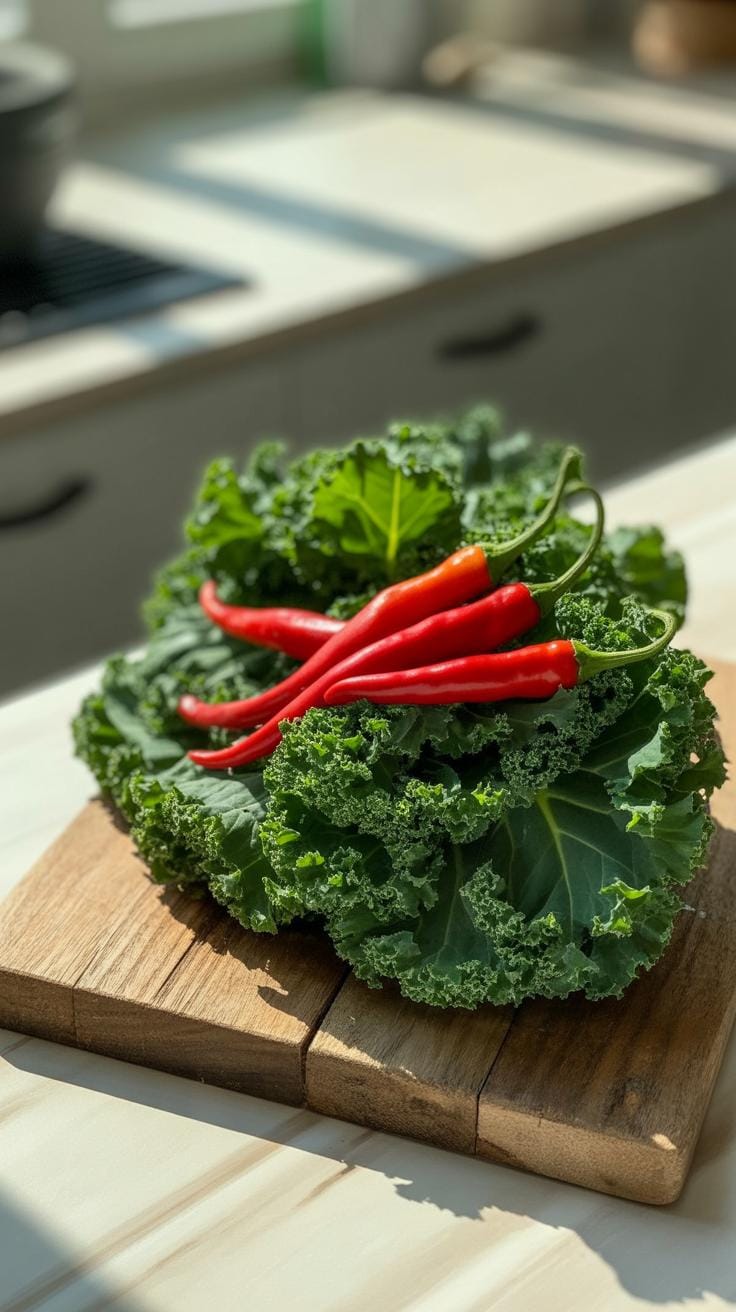
These little flames owe their power to capsaicin, a compound that’s been studied for its thermogenic properties. Capsaicin can slightly raise your body temperature, which means your metabolism revs up to cool you back down. You might notice a subtle increase in calorie burn after eating spicy foods; it’s not dramatic, but it’s measurable.
Green Tea
It contains caffeine and catechins, especially epigallocatechin gallate (EGCG). Caffeine stimulates the central nervous system, boosting calorie burning, while catechins seem to enhance fat oxidation. Drinking green tea regularly may give your metabolism a mild lift, though you’d need quite a few cups to see a strong effect.
Lean Protein
Think chicken, turkey, fish, or tofu. Protein requires more energy to digest compared to fats or carbs—a process known as the thermic effect of food. This means eating protein-rich meals can temporarily increase your metabolism by up to 20-30%. Plus, protein helps maintain muscle mass, which is key for a higher resting metabolic rate.
Coffee
Caffeine again plays a major role here. Beyond just waking you up, caffeine stimulates the nervous system, increasing adrenaline and encouraging your body to break down fat stores. This can lead to a short-term bump in metabolic rate, though tolerance may develop with regular consumption.
Legumes
Beans, lentils, and chickpeas are packed with protein and fiber, both of which slow digestion and increase the energy your body uses for processing food. The high fiber content can also improve gut health, which some studies suggest might influence metabolism, though the connection isn’t crystal clear yet.
So, while these foods offer specific compounds that support metabolism, the overall increase in calorie burning is often modest. Still, including them can be a practical part of a balanced eating strategy, especially if you’re curious about subtle ways to speed things up a bit.
How to Use Metabolism Boosting Foods Daily

Getting these five metabolism boosting foods into your daily routine isn’t as tricky as it sounds. Think simple steps rather than a strict diet overhaul. Here’s a basic checklist to try:
- Start your day with a protein-rich breakfast like Greek yogurt or eggs.
- Snack on nuts or seeds mid-morning or afternoon to keep your energy—and metabolism—up.
- Include a serving of spicy peppers or green tea with lunch or dinner.
- Mix leafy greens or berries into salads or smoothies during the day.
- Drink plenty of water alongside these foods for better digestion and metabolism support.
Timing can play a subtle role too. For example, eating protein early can help jumpstart metabolism, while green tea in the afternoon might offer a gentle boost that helps you power through the evening. Spices work well in your main meals, where their effects can last a bit longer.
Here are a couple of simple ideas you might like:
- Spicy scrambled eggs with spinach: Whisk eggs with chopped jalapeños and sautéed spinach for breakfast.
- Berry and nut Greek yogurt: Mix fresh berries and a handful of almonds into Greek yogurt for a quick snack.
- Green tea and chili roasted chickpeas: Sip green tea while snacking on chickpeas roasted with a pinch of chili powder—easy and satisfying.
By weaving these foods into meals you already enjoy, you might notice subtle energy shifts. Maybe it’s too soon to say for sure, but trying them during different times of day lets you see how your body reacts. It’s all a bit of a personal experiment, really.
Hydrations Role in Metabolism

Drinking water does more than just quench thirst—it also nudges your metabolism into action. When you drink a glass of water, your body works to warm that water up to body temperature, which slightly boosts calorie burning. Studies show this increase can be around 10 to 30 percent in metabolic rate, but it usually lasts for about 30 to 40 minutes. That’s not huge, but it matters if you keep sipping throughout the day.
Water also seems to promote fat oxidation. Some research suggests that after drinking water, your body might burn fat more efficiently. It’s not like a magic switch flipping on, but it can add up when combined with other metabolism-boosting habits.
Water and Calorie Burning
Have you noticed feeling a bit more alert after drinking a cold glass of water? That’s partly because it activates your sympathetic nervous system, which controls the “fight or flight” response and can slightly raise your metabolic rate.
One study measured participants’ metabolic rates after drinking about 500 ml (around 17 ounces) of water. The metabolism spiked by nearly 30 percent—but that effect tapered off after close to an hour. So if you stay hydrated consistently, you might keep your metabolism a bit more active throughout the day.
Best Hydration Practices
To make hydration work for you, try these straightforward tips:
- Drink water before meals. It can help with satiety and gently boost calorie burning.
- Pair water with metabolism-boosting foods like spicy peppers or green tea to amplify effects.
- Keep a bottle handy and take small, frequent sips instead of gulping down large amounts at once.
- Choose room temperature or cool water—cold water might raise metabolism slightly more, but only if you can tolerate it comfortably.
Honestly, staying hydrated feels simple but can be easy to forget. I sometimes find myself only remembering to drink water after I feel sluggish. Maybe if you keep a routine, it becomes less of a chore and more of a natural boost to your metabolism throughout the day.
Comparing Protein Foods for Metabolism Boosts

Animal vs Plant Proteins
When it comes to boosting metabolism, protein plays a key role, but not all proteins are created equal. Animal proteins—like chicken, beef, and fish—tend to have a higher thermic effect. That means your body burns more calories digesting them compared to carbs or fats. This might partly explain why diets rich in animal protein often show better short-term metabolic improvements.
Plant proteins, like beans, lentils, and tofu, usually have a lower thermic effect, but they come with added benefits, such as fiber and antioxidants. These factors influence metabolism indirectly, sometimes making the difference less straightforward. Also, plant proteins are often incomplete, so combining sources is necessary to get all essential amino acids.
Best Protein Choices for Your Goals
If your goal is to speed up metabolism and lose weight, you might prefer lean animal proteins like turkey breast or white fish since they pack metabolism-boosting quality without extra fat. Still, plant-based options like chickpeas and quinoa can do the job too, especially if you’re leaning towards a vegetarian or vegan diet. A balanced approach that fits your lifestyle tends to be the most sustainable.
For example:
- Grilled chicken breast: High thermic effect, low in fat, good for muscle retention.
- Greek yogurt: Combines protein with probiotics, which could help digestion.
- Lentils and chickpeas: Moderate protein with fiber, good for fullness and steady energy.
- Eggs: Versatile and rich in essential amino acids.
- Tofu and tempeh: Plant options with decent protein and metabolism support when prepared well.
Picking the protein that suits you personally, diet-wise and taste-wise, might matter more than obsessing over one “best.” What works best can shift, depending on your routines and how your body reacts.
Caffeine and Spices That Enhance Metabolism

Effects of Caffeine on Energy Use
Caffeine, found in coffee, tea, and some energy drinks, can give your metabolism a noticeable kick. When you consume caffeine, it stimulates your central nervous system. This leads to increased alertness and can slightly raise your metabolic rate for a few hours. Some studies suggest that caffeine may boost resting metabolic rate by about 3-11%, which means your body burns a few more calories even while at rest.
But remember, the impact varies from person to person. Some feel jittery, while others hardly notice. The boost isn’t huge, but if you drink coffee or tea regularly, this small increase might add up over time. Just don’t rely on caffeine alone to speed up metabolism—it’s more of a gentle nudge than a magic bullet. Have you ever noticed feeling more awake yet somehow hungrier after your morning cup? That’s pretty common too.
How Spices Like Chili Increase Metabolism
Chili peppers contain capsaicin, a compound that gives them their heat. Capsaicin triggers a temperature rise in your body. This process, known as thermogenesis, makes your metabolism work a bit harder, burning extra calories as your body cools down. It’s not a massive calorie burn, but it’s enough to catch your interest if you enjoy spicy food.
Eating chili might also reduce your appetite slightly; at least, some people report feeling less hungry after a spicy meal. Capsaicin stimulates the nervous system and can increase energy expenditure for a short period—think of it as a metabolic nudge rather than an overhaul. If you’re sensitive to spicy food or don’t like the heat, even small amounts might help. Have you ever tried adding a dash of chili powder to your dishes and noticed a small energy boost afterward? It’s subtle but real.
Tracking Your Metabolism Changes

Keeping an eye on how your metabolism responds to changes in diet and activity isn’t always straightforward, but there are some practical ways to get a feel for it. Start by observing simple metrics like how often you feel hungry, your daily energy levels, or even your resting heart rate. These can hint at shifts in metabolic rate, though they’re subtle and sometimes hard to interpret.
Weight changes help, but they don’t tell the whole story on their own. You might lose fat but gain muscle, which could mean your metabolism is picking up even if the number on the scale barely moves. Tracking body measurements or how your clothes fit may offer clues that are easier to spot.
One trick I’ve found useful is keeping a simple journal. Note your eating times, activity, and energy throughout the day. Over weeks, patterns may emerge showing your metabolism is adapting. Try weighing yourself consistently, maybe in the morning, to avoid fluctuations caused by food or water intake. Pair this with a food diary. It’s not perfect, but this combo offers useful feedback that can steer you in the right direction.
Signs Your Metabolism Is Improving
How do you know if your metabolism is actually speeding up? Some signs pop up before the scale moves. For example:
- Your energy lasts longer during the day, and workouts feel easier or more productive.
- You notice a slight increase in your body temperature or sweating, especially during exercise or digestion.
- Hunger cues become more regular—like your body’s clock syncing with your eating schedule.
- Digestion improves, and you might see more regular bowel movements.
- You feel less sluggish after meals, which can signal your body is processing food more effectively.
These changes aren’t always dramatic or immediate, so patience is key. But noticing these shifts could mean your metabolism is nudging upward.
Tools to Measure Progress
There are several easy ways to track how things are going beyond just staring at the scale. For instance:
- Use a basic fitness tracker or smartwatch to monitor your daily activity and heart rate trends.
- Try a simple body composition scale at home to see body fat changes instead of just weight.
- Keep track of how you feel on different days—note energy, hunger, mood—either on paper or an app.
- Photographs can be surprisingly useful. Taking progress photos every couple of weeks sometimes reveals subtle changes you might not feel.
- Consider using metabolic rate calculators online as a rough gauge, but don’t rely on them exclusively.
Working with these tools can help you stay engaged and notice even small improvements, which matter more than you’d think when trying to boost metabolism sustainably.
Avoiding Common Metabolism Pitfalls
Eating metabolism boosting foods is just one piece of the puzzle. You might be surprised how simple habits can undo all that good work. For instance, skipping meals often feels like it’ll speed up weight loss, yet it can backfire by slowing your metabolism down. Your body senses the lack of fuel and tries to conserve energy instead of burning it.
Poor sleep is another sneaky culprit. When you don’t get enough rest, your metabolism can drop, and cravings for unhealthy foods tend to rise. I’ve seen people struggle to keep their metabolism up despite eating well because they don’t prioritize sleep.
Stress is often overlooked. Even if you focus on the right foods, chronic stress releases hormones that slow metabolism and encourage fat storage.
Keeping your metabolism on track means looking beyond just the food you eat. Here are a few tips that can help:
- Don’t skip meals—try to eat consistently throughout the day to keep your metabolic rate stable.
- Focus on getting quality sleep—aim for 7 to 8 hours; it really makes a difference.
- Manage stress through simple practices like walking, deep breathing, or anything that calms you.
- Stay hydrated—water supports metabolic processes and prevents unnecessary slowdowns.
Sometimes, it’s not about eating more metabolism boosting foods but addressing these everyday habits that quietly work against your efforts.
Conclusions
Eating the right foods can play a key role in speeding up your metabolism. The five metabolism boosting foods covered here provide concrete ways to help your body burn calories more efficiently and support weight loss.
Incorporating these foods into your meals can make a difference. Remember, combining good food choices with consistent activity will give you the best results for managing your weight and health.