Introduction
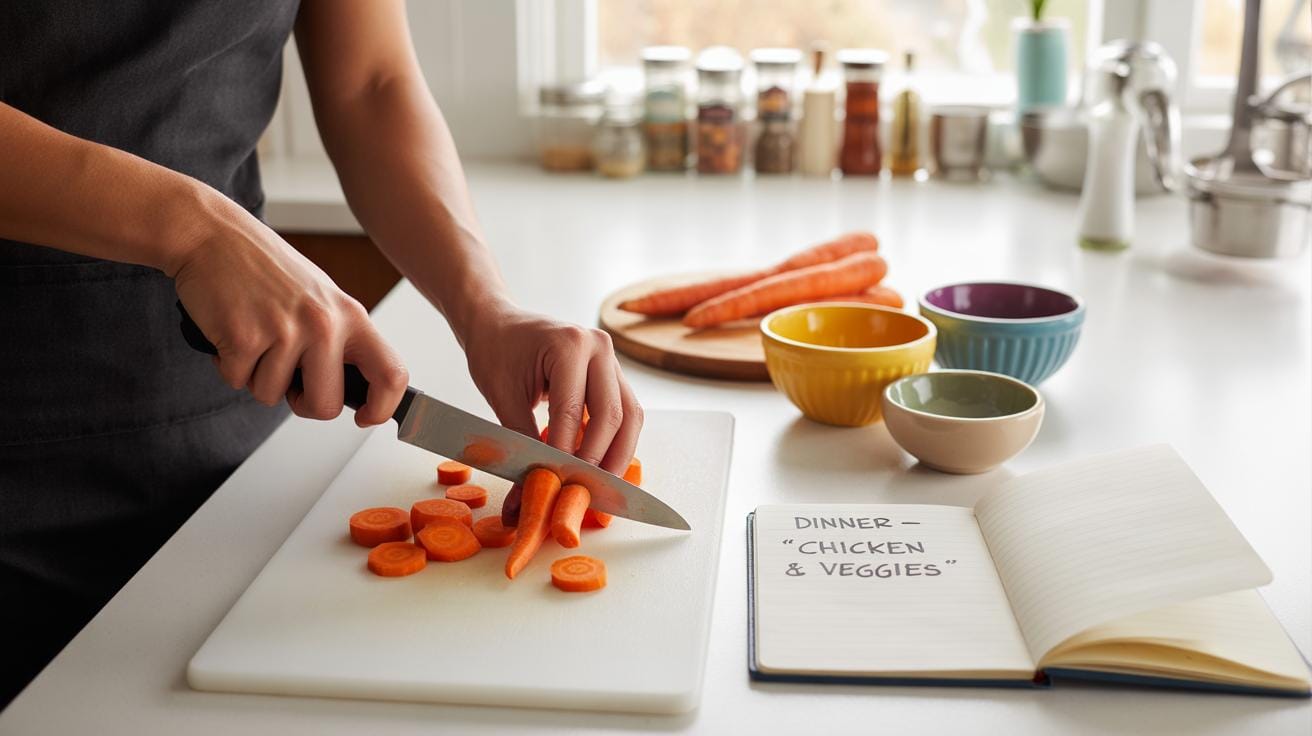
Meal prepping means planning and making your meals ahead of time, usually for the whole week. It helps you save time during busy days by having ready-to-eat meals that you packed in containers. When you prepare your own food, you control what goes in it.
This way, meal prepping helps you eat healthier choices by using fresh ingredients. It can support goals like losing weight, gaining muscle, or just eating better. This article explores how meal prepping saves time and helps you eat better every day.
What is Meal Prepping
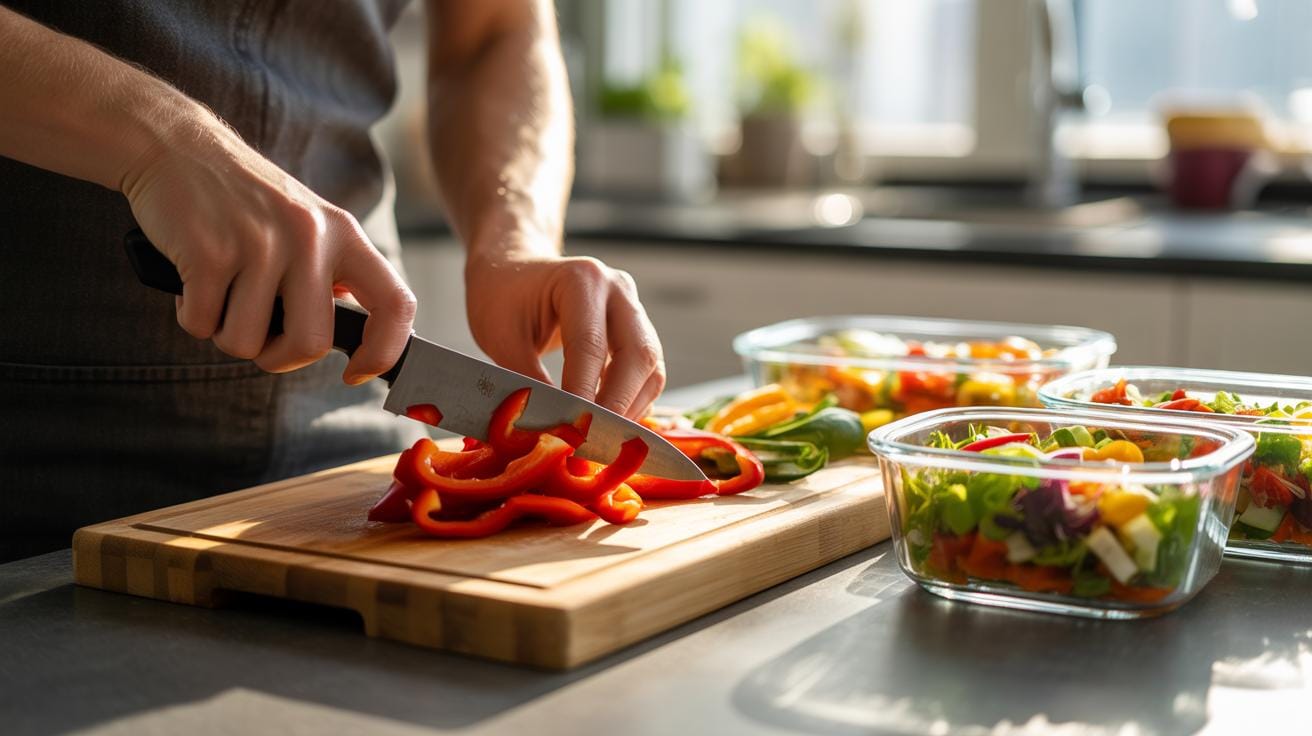
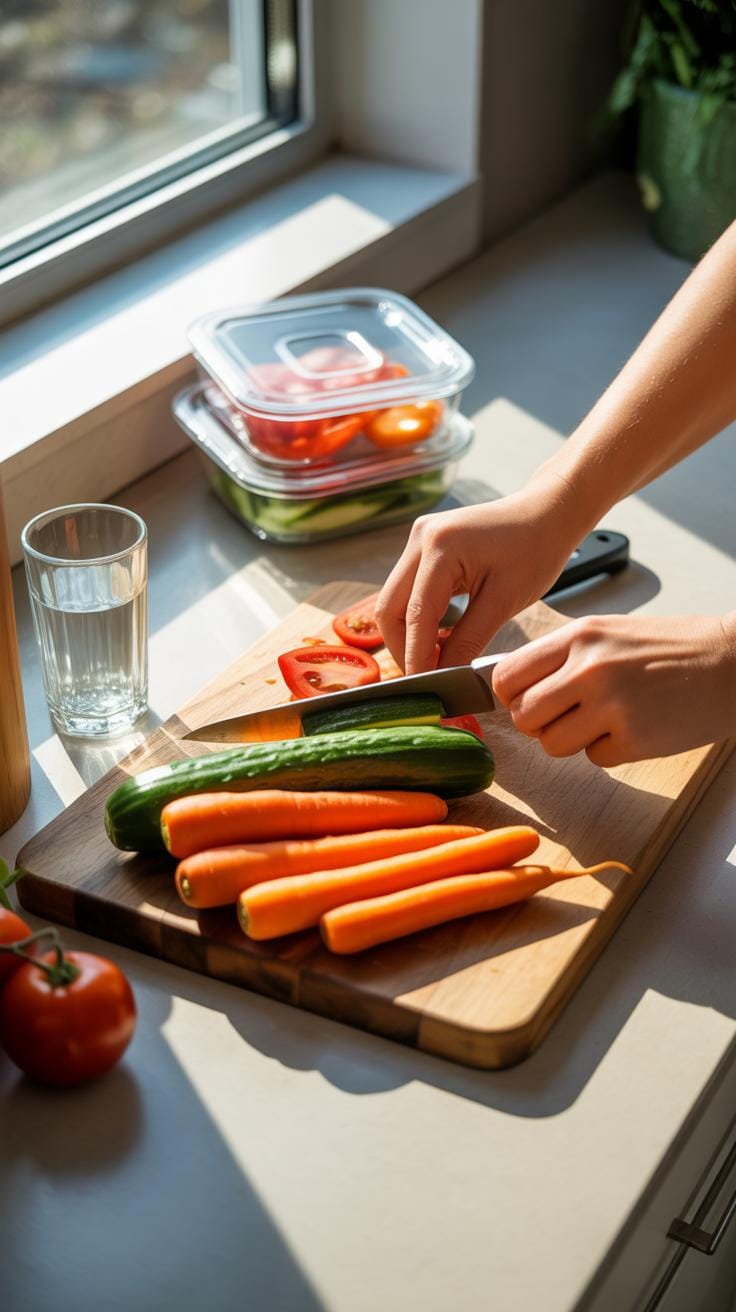
Meal prepping basically means planning and cooking your food ahead of time. It sounds straightforward, but it can take a few shapes. Maybe you pack your lunches for work a day or two before, or cook several dinners on the weekend to freeze or refrigerate. People often do this to save a bit of stress later or to avoid the temptation of unhealthy choices when they’re rushed or tired.
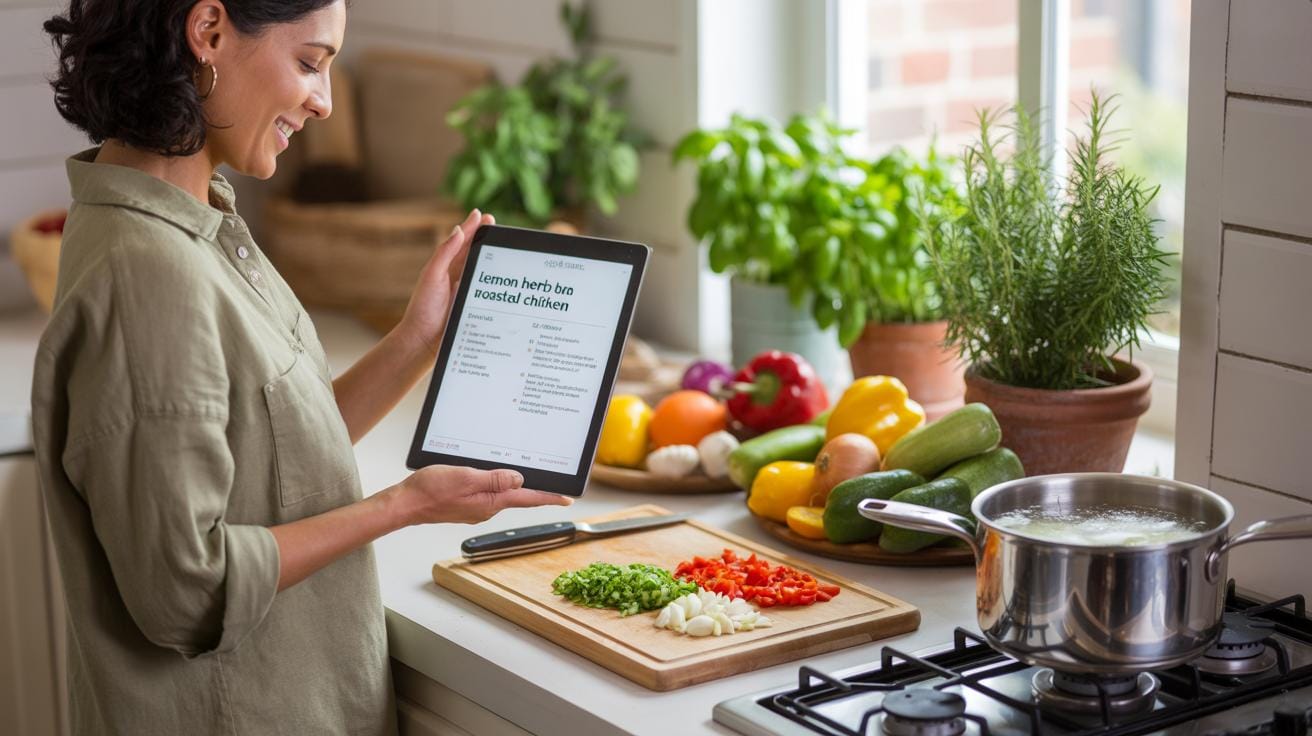
Think of meal prepping as a way to take the guesswork out of “What’s for dinner?” It’s not just about cooking in advance but also about deciding *what* to cook and having your ingredients ready. Some do it to eat more balanced meals, some to stick to dietary goals, and others because it fits better with their busy schedule—you can’t help but wonder which reason resonates most with you.
Planning Meals Ahead
First comes the planning part. You pick recipes, ideally ones you know you’ll enjoy or can prepare without fuss. This might mean scrolling through a few recipes online or flipping through a cookbook. Then, you write a grocery list—sometimes a long one—and head out to shop for everything in one go. You’re basically lining up all your meals in advance, which may actually feel like less hassle than shopping every day.
It’s not always perfect—sometimes you miss an ingredient or change your mind last minute—but the idea is to set yourself up with a clear direction before cooking. Picking meals that share common ingredients can also make shopping and cooking simpler, though that can get repetitive, so variety is good to think about too.
Pre-cooking Food
Once your plan is decided and ingredients are home, cooking happens in batches. This could mean roasting a big tray of vegetables, cooking several chicken breasts, or making a large pot of soup. Then you portion out the food into containers—often glass or BPA-free plastic ones—and store them in the fridge or freezer.
Storage really matters. Keep cooked meals in airtight containers to stay fresh longer. Labeling them with date helps, so you don’t forget what’s what or let things go bad. Most foods last about 3 to 5 days in the fridge, but freezing things extends that window. It’s surprising how well some meals hold up when managed right.
So, in a nutshell, meal prepping is about putting in a little effort upfront. Planning what to eat, shopping for it, and cooking it all ahead makes feeding yourself later less of a chore. But there’s that question—how much prep is too much? For some, it’s a lifesaver; for others, it can feel like added work. I guess it depends on how your week looks.
Time Benefits You Get
Less Daily Cooking
When you prepare several meals at once, it feels like you’re investing time upfront, but you actually save a lot during the week. Instead of cooking every single day, you chop, season, and cook once—sometimes just on a weekend or a slow evening—and then spread those meals out over several days.
It’s surprising how much those repeated cooking sessions add up. If you think about it, cooking dinner five times a week means prepping, cooking, and cleaning five times. If you batch cook, it might take a bit longer in one go, but during the week? Almost no cooking needed. It’s kind of like frontloading the work, and that sometimes feels a bit unnatural, but it ends up saving more time overall.
You might find yourself wondering if it’s worth that initial chunk of time. Most people I know who tried it say yes, even if some meals turn out less exciting over time. But hey, saving time in the evenings when you’re tired does feel like a win.
Quick Ready Meals
Having meals ready in the fridge or freezer changes how fast you can eat, especially when life gets hectic. You don’t have to think twice about what to make or waste time waiting for food to cook. Just reheat and eat. It’s convenient and cuts down on those “what’s for dinner?” moments that can stretch out forever.
For instance, a simple meal in a container can be heated in minutes, whether it’s leftovers or something frozen. That means you don’t have to sacrifice nutrition or go for fast food because you’re short on time. It’s really about making healthy choices simpler and faster.
Still, there are moments when even reheating feels like a chore, or you’re tired of what you prepped. But having options ready does take pressure off busy days. It’s not foolproof, but it definitely speeds things up and helps keep your eating on track.
Cost Savings from Prepping
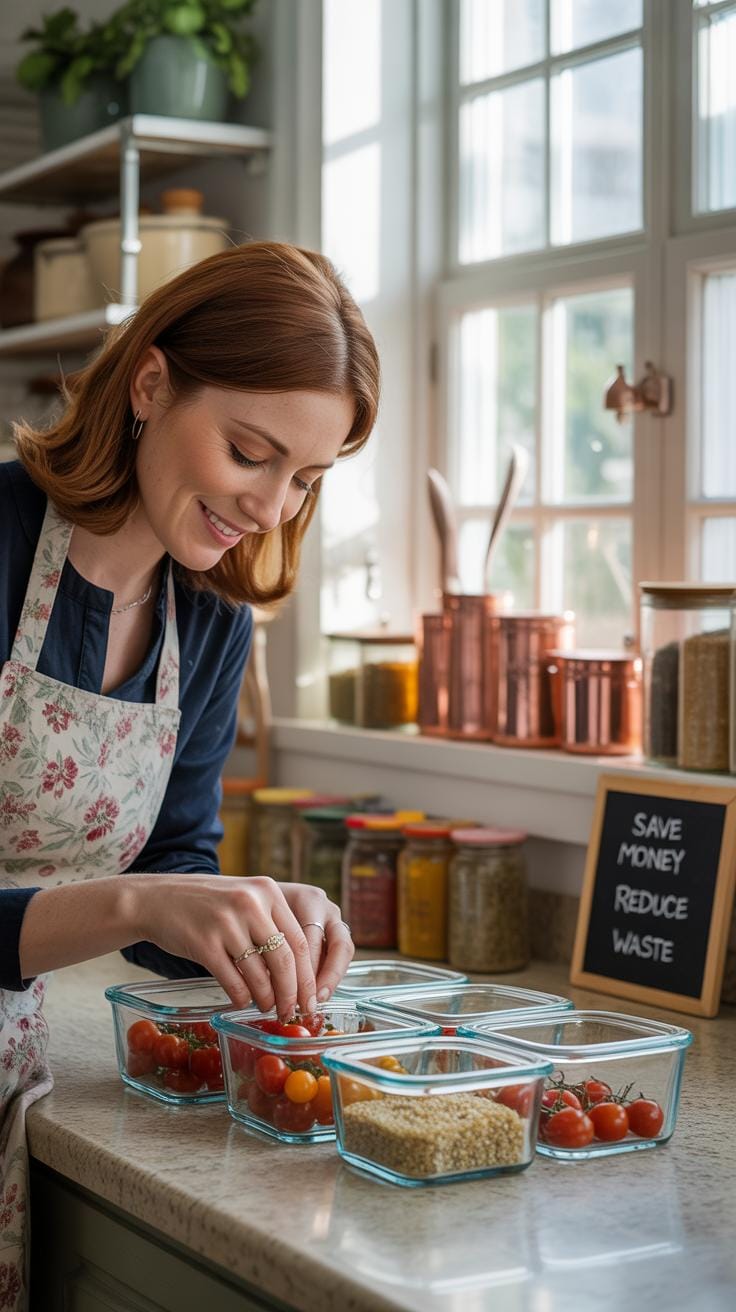
Meal prepping can trim your food expenses more than you might expect. Think about it—restaurant meals often come with a hefty markup. Some studies suggest dining out can cost up to three times what the same meal would at home. Simply put, when you prepare food yourself, you dodge those extra charges for service, rent, and convenience. Over time, those savings add up in surprising ways.
Having meals ready also means you’re less likely to give in to the temptation of grabbing expensive takeout or eating out spur-of-the-moment. When hunger hits at odd hours, and the fridge is empty, it’s tempting to order something pricey. But if you’ve got a prepped meal waiting, you avoid that impulse spending. I find this especially useful during hectic weeks where fast food could easily become a habit.
Buying groceries in bulk is another big money saver. You get better deals on staples when purchasing larger quantities, like grains, frozen veggies, or proteins. Bulk buying might mean more upfront cost and a bit of planning, but it stretches your dollar over several meals instead of one night out.
- Restaurant meals can cost triple compared to homemade dishes.
- Ready-made meals cut down the urge to spend on costly takeout.
- Bulk groceries lower the price per unit significantly.
Even if you’re not perfect at meal prepping, this approach often nudges spending downward. You may still indulge occasionally, but those moments won’t feel like money lost, rather like treats within a budget.
Meal Prepping and Health
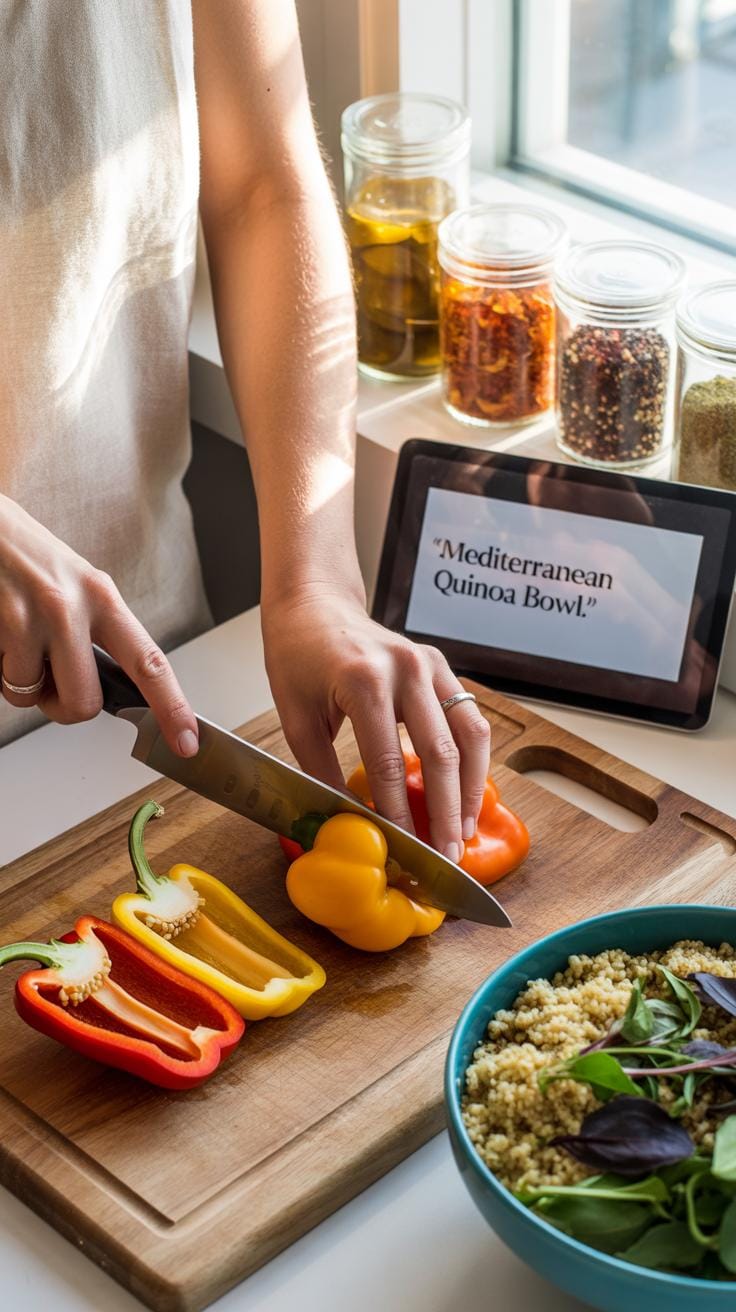
When you prepare your meals ahead of time, you’re more likely to choose fresh ingredients rather than grabbing processed options. Fresh vegetables, whole grains, and lean proteins tend to have fewer additives and more nutrients. I’ve noticed that when I shop with meal prepping in mind, I naturally pick seasonal veggies and less packaged stuff. That probably makes a subtle difference in how I feel during the day.
Fresh ingredients usually mean your meals contain more fiber, vitamins, and minerals. Eating these regularly can improve digestion and energy levels. Also, it’s easier to avoid hidden sugars and unhealthy fats when you cook from scratch rather than rely on ready-made meals or fast food.
Another upside of meal prepping is portion control. When you portion out your meals ahead, you decide the right serving size—no guessing or impulsive overfilling the plate. This habit helps stop unintentional overeating, which can sneak up on you, especially when you’re busy or stressed.
Prepping meals breaks down your intake into manageable chunks. Even if you’re not counting calories strictly, having meals pre-measured lets you eat more mindfully. I sometimes find myself surprised by how filling a smaller portion can be once I’m actually sitting down to eat it.
- Choosing fresh ingredients reduces reliance on preservatives and excess salt.
- Prepping meals lets you control carbs, fats, and proteins more easily.
- Consistent portion sizes help maintain stable energy throughout the day.
- You’re less tempted to snack or binge because you’ve planned ahead.
Do you think prepping fresh meals could change the way you approach what you eat daily? Even small shifts might add up over time, I imagine. At least, it’s a way to be more intentional about diet without fully overhauling your routine.
Meal Prepping for Weight Control
Plan Balanced Meals
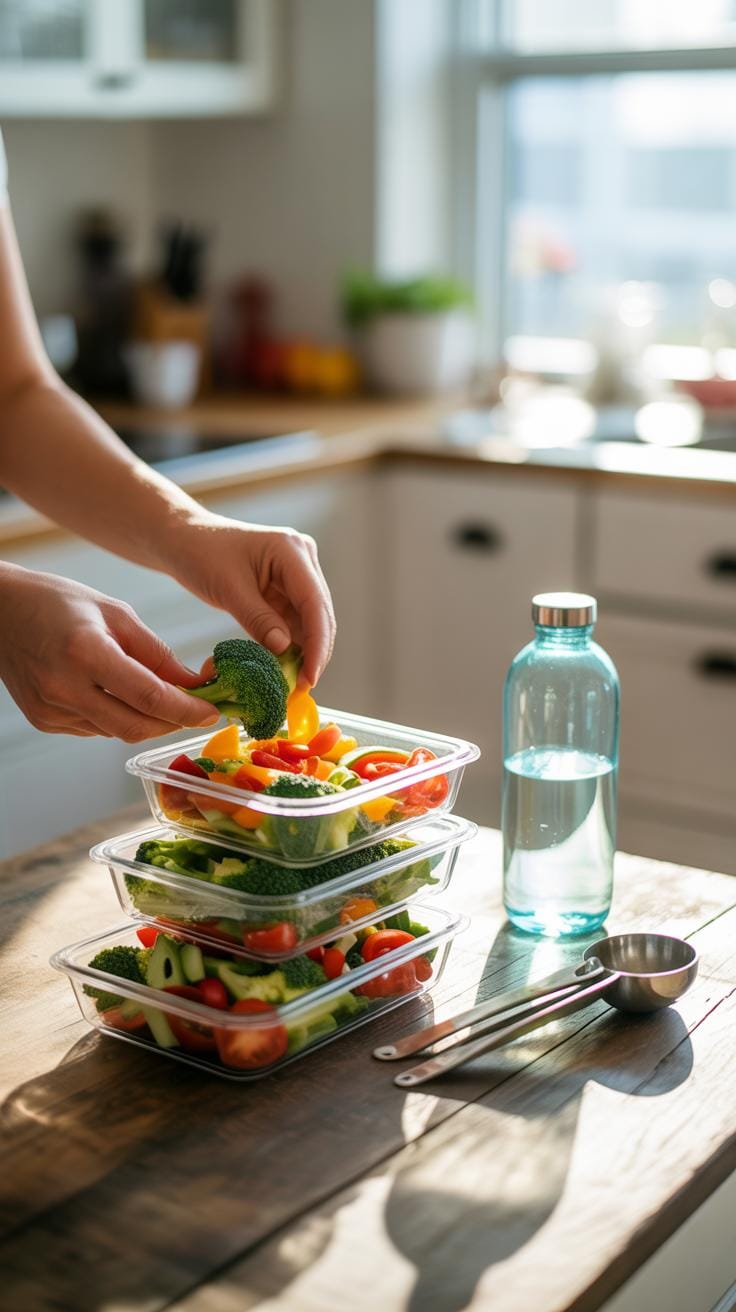
When you prep meals ahead, you can plan what goes on your plate more thoughtfully. It’s easier to mix proteins, carbs, and veggies in appropriate portions when you’re choosing recipes in advance. Rather than guessing what to eat when hunger strikes, you get to decide beforehand what fits your goals.
For example, pairing grilled chicken with quinoa and steamed broccoli beforehand creates a solid balance of nutrients. You avoid those times when you might reach for something quick but less nourishing. Sometimes, I find that planning meals actually pushes me to try new combinations I might have overlooked otherwise.
It’s a bit of a challenge to find the right balance at first—maybe you’ll want more veggies some days or prefer swapping carbs, but over time you get a feel for what works. Staying aware of nutrition doesn’t mean you have to be perfect. It’s more about having a guiding structure.
Avoid Impulse Eating
Having meals ready stops you from wandering into the pantry or ordering takeout out of sheer convenience. When hunger hits, there’s less temptation to grab something processed or high in sugar. You already have something waiting for you, which feels like, well, a relief sometimes.
There have been plenty of evenings when I was tired and ready to resort to chips or candy if I hadn’t prepped. But since I had my meals portioned and chilled, I just heated and ate, which helped keep my daily intake in check without much struggle. That’s the quiet power of meal prepping—it removes some of the mental battle around food choices.
Does having a plan limit freedom? Maybe. But it also sets boundaries that can support weight loss or maintenance without constant decision fatigue. It’s not a perfect system for everyone, but it’s worth considering if impulse eating tends to get the better of you.
How to Get Started Easily

Starting meal prepping can feel like a big step, but it doesn’t have to be complicated. One way to make it manageable is by choosing simple recipes you enjoy, ones that don’t demand a ton of time or strange ingredients. Think about meals like roasted chicken with steamed veggies, a quick pasta salad, or a batch of overnight oats—things that don’t require hours in the kitchen but still taste good and keep well.
Cooking smaller batches at first can also help you ease into the routine without feeling overwhelmed or wasting food. Try making enough just for a few days rather than an entire week—this way you can test what works and adjust without pressure.
Choose Simple Recipes
Look for meals with few ingredients and straightforward steps. One-pan dishes, slow cooker meals, or basic stir-fries are great examples. You don’t always need complex cooking techniques or exotic spices to create something both satisfying and nutritious. What’s your usual go-to dinner? It probably fits the bill already, even if you never thought of prepping it ahead.
Buy the Right Containers
Having the right containers makes a difference you might overlook at first. Containers should be easy to clean and safe for both the fridge and microwave. Glass containers are great—they don’t stain or absorb smells and can double as serving dishes. BPA-free plastic containers work fine, but I’d recommend those with tight-fitting lids to keep things fresh longer.
Also consider portion size. Too big, and you might waste food; too small, and you’ll be left hungry. Finding that middle ground takes a bit of trial, but it’s part of the process. How does one choose? Well, it depends on your typical appetite and whether you like separate compartments or a single space for your meal.
Organizing Your Meals
Label and Date Meals
You might think labeling your meals is just an extra step, but it really pays off. When you write down what’s inside each container and the date it was made, you make life easier for yourself later. It stops you from guessing if something’s still good or when you put it together in the first place.
Sometimes, I’ve found myself staring at a container unsure if it’s safe to eat. Having labels prevents wasting food or worse, eating something past its prime. It also helps when you prep multiple meals ahead, keeping everything clear and organized. A simple label can save you from that awkward “did I make this last week?” moment.
Use sticky notes, masking tape, or permanent markers—the key is just to keep labels readable and secure, even after a trip to the fridge or freezer. Also, including reheating instructions or meal components can save time later on.
Store Properly
Proper storage isn’t just about shoving meals into the fridge or the freezer and hoping for the best. How you store your prepped meals can impact both safety and taste.
For instance, storing hot food immediately in the fridge can raise the temperature and risk bacteria growth. Let foods cool slightly before refrigerating, but don’t wait too long either—two hours is about right.
Freezing meals works well, especially for batches you won’t eat within a few days. When freezing, use airtight containers or heavy-duty freezer bags to avoid freezer burn and moisture loss. Portion your meals in sizes you’d typically eat to avoid thawing too many at once, which often leads to waste.
Think about arrangement too. Keep similar foods together—like proteins in one spot and veggies in another. That way, you aren’t digging through the fridge hunting for parts of your meal, and it helps maintain freshness since doors open less often and less chaos happens.
Avoiding Common Mistakes

Proper Food Storage
One of the biggest mistakes people make with meal prepping is not storing food properly. When meals sit in containers too long or aren’t cooled before refrigeration, bacteria can multiply quickly. This doesn’t just shorten the shelf life; it risks your health. You might not notice the smell or taste going off right away, but germs are silently growing.
To keep things safe, try to cool cooked meals to room temperature before putting them in the fridge. Use airtight containers that seal well to avoid spills and limit exposure to air. Labeling meals with dates also helps—you don’t want to accidentally eat something a week old just because it looks fine. And don’t forget, some foods keep better frozen than refrigerated. Maybe a stew lasts five days refrigerated, but freezing could stretch that to a month.
Keep Meals Interesting
Eating the same thing day after day gets tedious fast. This is probably why some people quit meal prepping—they lose interest. But variety doesn’t mean you have to reinvent the wheel every week. Rotating a handful of your favorite recipes can work well.
Consider mixing up seasonings, sauces, or side dishes to keep flavors fresh. For example, grilled chicken on Monday with a spicy salsa, then Thursday with a herby yogurt sauce. Try batch cooking bigger, neutral bases like rice or quinoa that adapt easily to different meals. It’s small changes like these that keep your meals from feeling like a chore.
Do you find variety helps you stick with meal prep? Or maybe you prefer comfort in repetition? Either way, keeping things interesting might take some planning, but it’s worth the effort to avoid boredom and waste.
Keeping Meal Prep Flexible
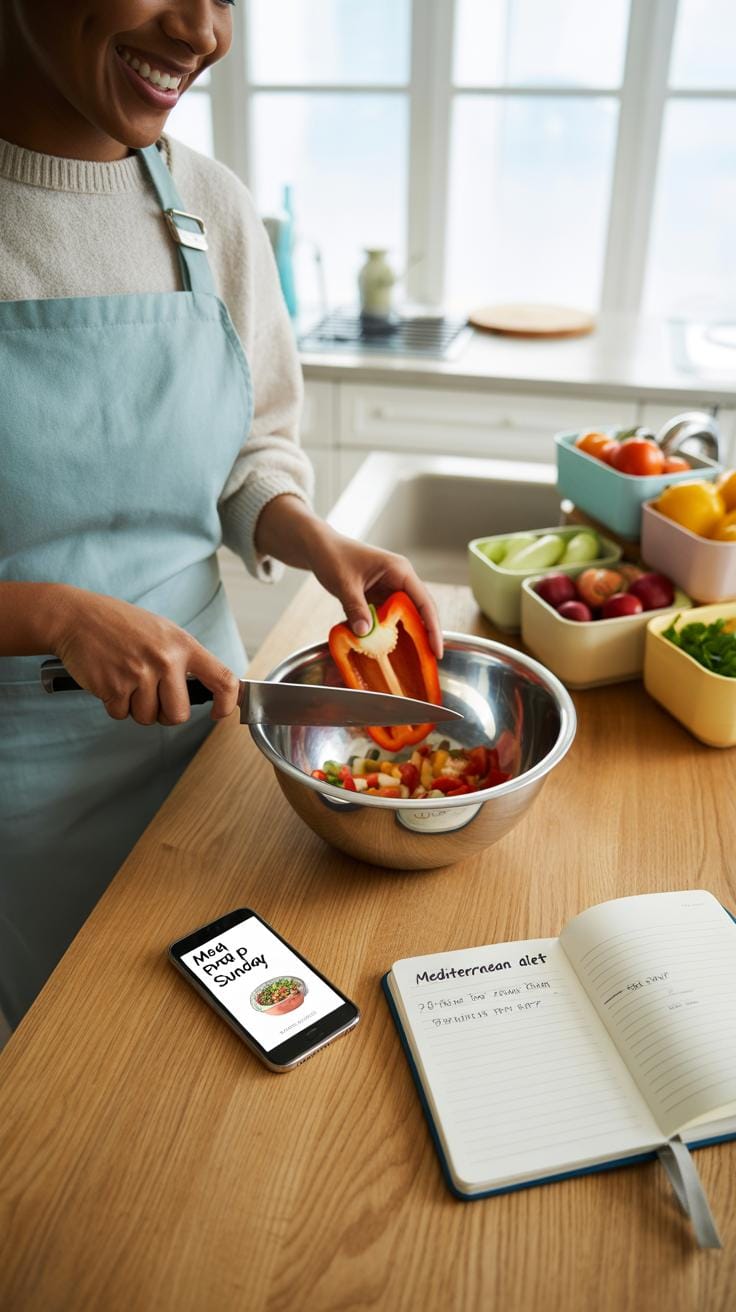
Meal prepping doesn’t have to feel like a rigid checklist you dread every week. Actually, keeping it flexible could be the key to sticking with it without burning out. One way to do this is by adjusting your plans weekly. Your mood changes, your schedule shifts, and even the weather can influence what you feel like eating. So why not let your meal prep reflect that?
Try swapping out a usual dish for something lighter in warmer months, or add heartier meals when it’s cold. If you’re tired of something from last week, don’t force yourself to eat it just because it’s prepped. Change things up.
Also, mixing prepped meals with fresh-cooked options helps keep variety in your routine. Maybe you have a few dinners ready, but then prepare a quick stir-fry or salad on days when you have more time or energy. This balance stops meal prep from becoming monotonous.
Think about how this flexibility could affect your relationship with food. Could it turn meal prep into something you actually look forward to?
Conclusions
Meal prepping saves you time by cutting down daily cooking and cleaning. It gives you easy access to your meals, reducing the urge to eat out or buy fast food. This simple habit can bring order to your busy life and reduce stress around food decisions.
By making meals with fresh and balanced ingredients, meal prepping supports healthier eating habits. It lowers the risk for issues like diabetes and heart disease compared to eating many processed or restaurant foods. Start meal prepping to take control of your health and time.