
Introduction
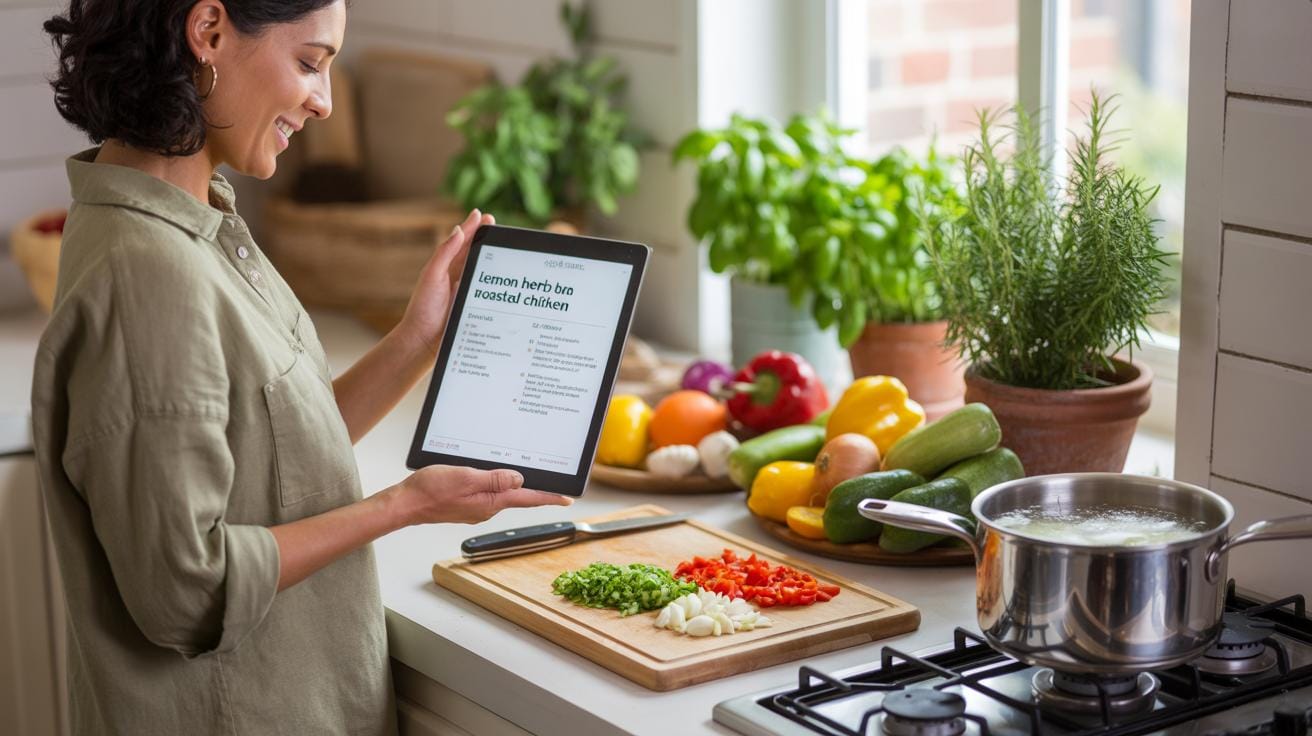
Meal prep is a simple way to plan and prepare your meals ahead of time. This helps you save time each day and ensures you eat healthy food. Many people use meal prep to keep their diet balanced and avoid unhealthy choices.
In this article, you will learn easy meal prep ideas that fit busy schedules. We will explore how to choose ingredients, organize your cooking, and keep meals fresh. With these tips, you can make quick, healthy meals you enjoy every day.
Benefits of Meal Prep
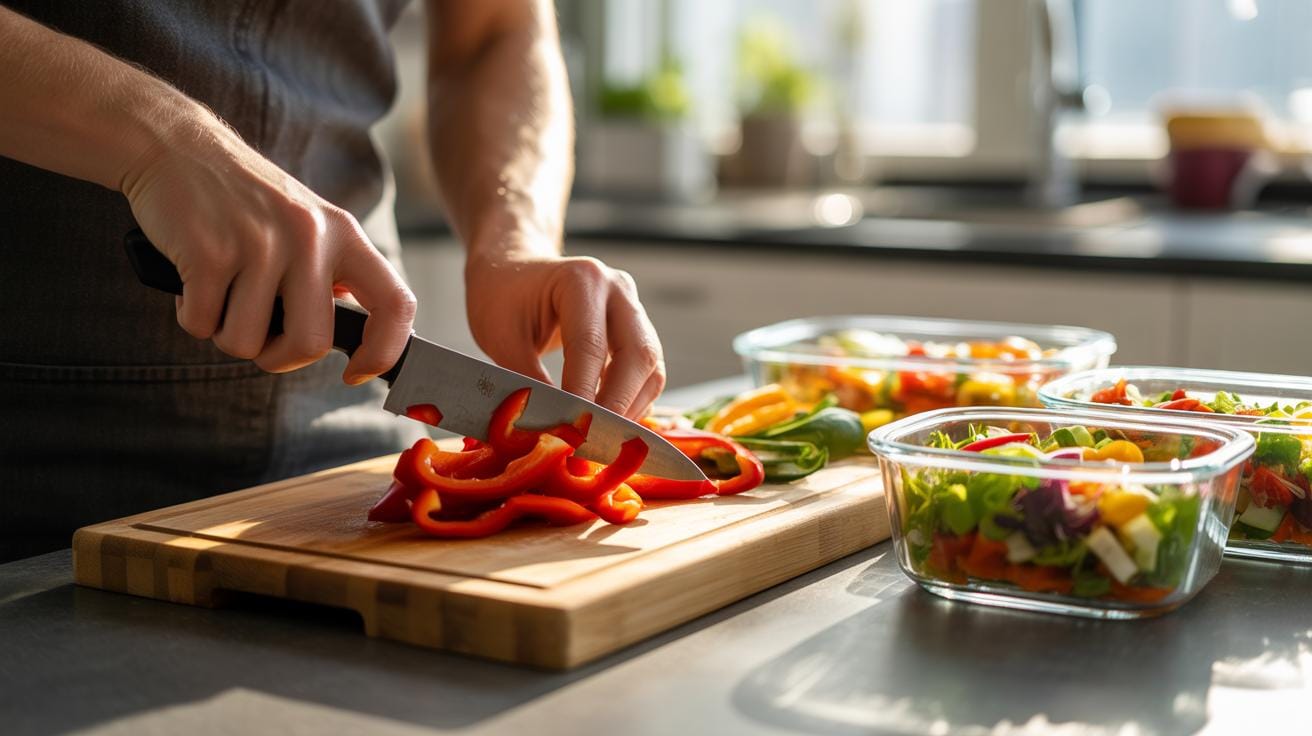
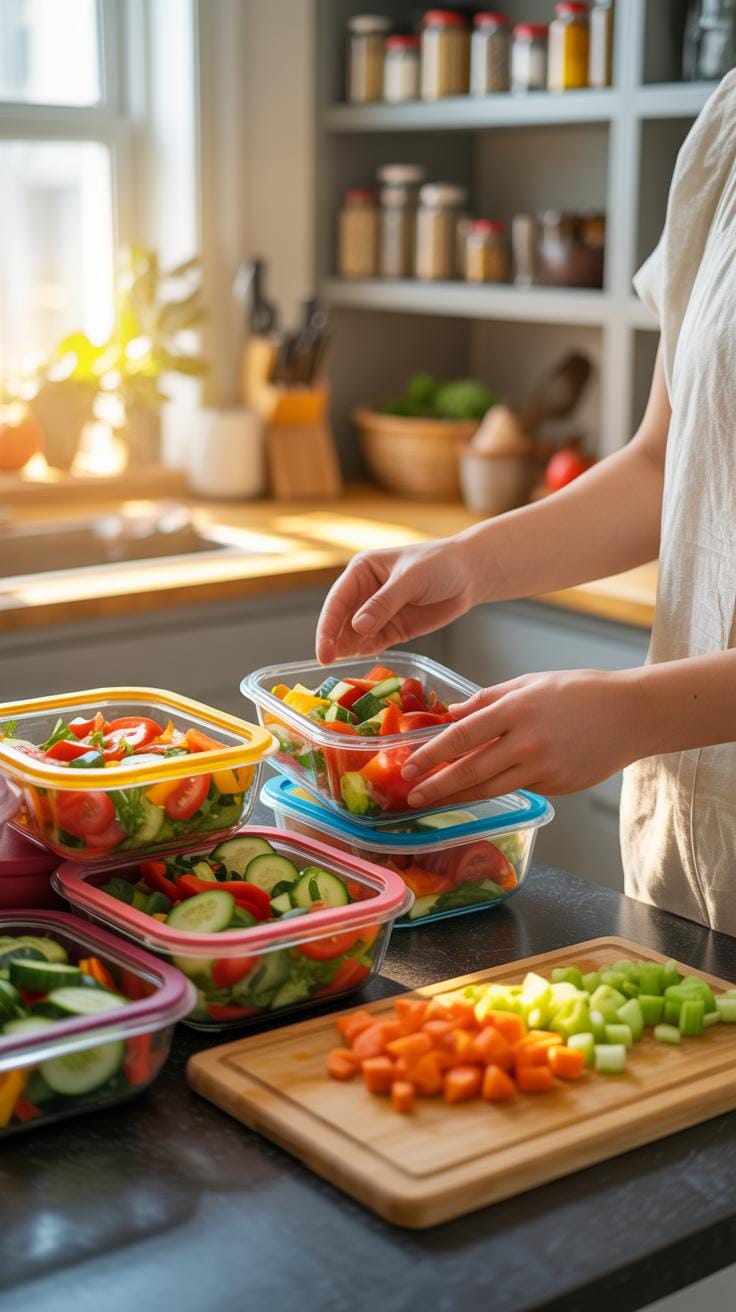
Meal prepping offers more than just convenience. When you take time to prepare your meals ahead, you’re likely to save both time and money. Think about skipping those last-minute takeout orders—which can quickly add up—not to mention the impulse buys at the grocery store when you’re hungry and unprepared. Having meals ready reduces the temptation to eat out or grab fast food, which often leads to overeating or unhealthy choices.
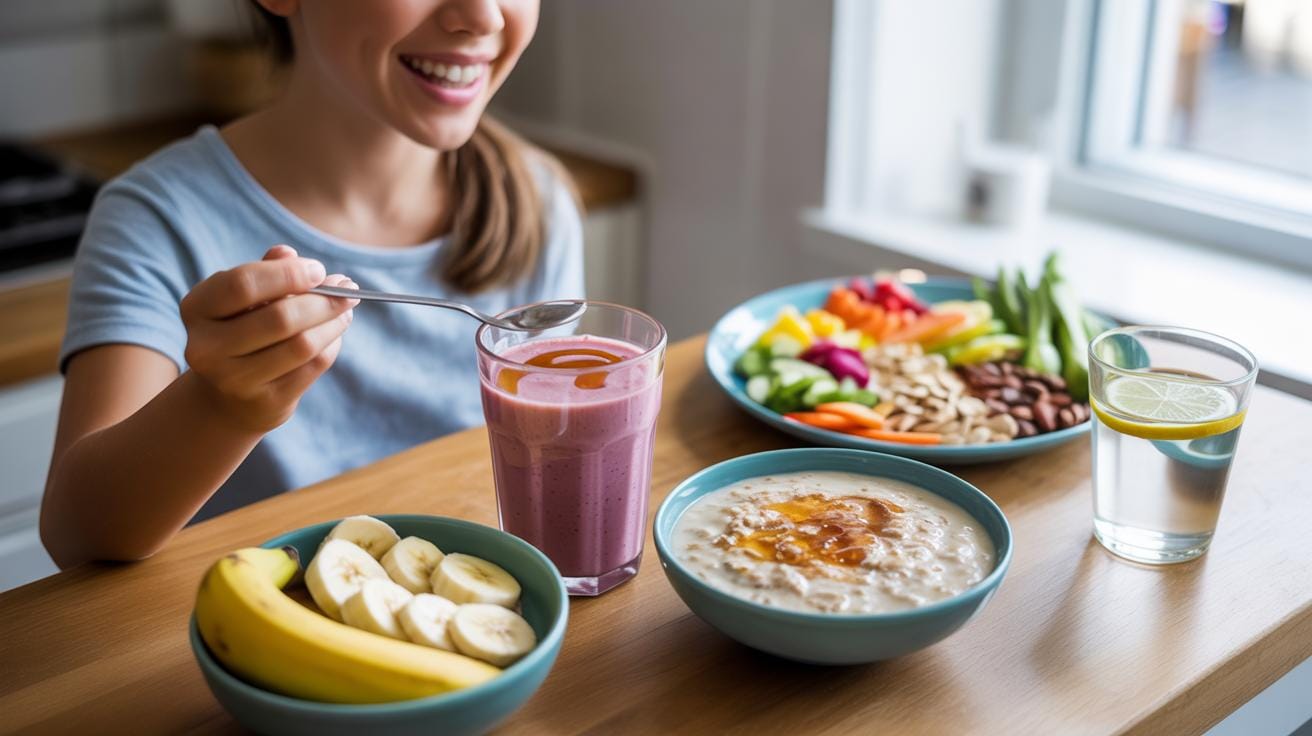
Portion control is another plus. When you divide your meals in advance, it’s easier to avoid oversized servings and unnecessary snacking. For example, packing lunch boxes or containers with balanced portions can be eye-opening—you realize how much less you need to feel satisfied.
Saving Time Daily
Busy days can be overwhelming, especially when cooking feels like just another chore. Prepping meals in advance cuts down the stress of having to decide what to eat last minute. You open the fridge and meals are there, ready to go. This can easily free up at least 30 minutes or more every day. It’s almost like giving yourself small pockets of extra time—something I find really valuable.
Even if your prep isn’t perfect or you only manage a few days at a time, the time saved on chopping, cooking, or cleaning up every day makes a noticeable difference. And don’t forget about leftovers—it’s sometimes the easiest meal prep of all!
Eating More Healthy
When meals are prepared ahead, the choice to eat wholesome, fresh ingredients becomes normal, not an afterthought. You’re less likely to rely on processed snacks or fast food simply because there’s something ready at hand. I’ve noticed that having meal portions pre-packed with vegetables, lean proteins, and whole grains nudges me to keep those eating habits consistent.
It also encourages variety—you might find yourself including more colorful veggies or trying a new recipe because you planned it. While it’s tempting to think prepping means repetitive or boring meals, being prepared can actually support better nutrition without feeling like a burden.
Choosing Ingredients Wisely

Picking the right ingredients makes a big difference when you prep meals. You want foods that are fresh and whole—things close to their natural state. Think fresh vegetables, fruits, lean proteins like chicken or fish, and whole grains such as brown rice or quinoa. These form a solid base that keeps meals simple but satisfying.
Variety matters, too. Eating different types of produce and proteins not only keeps meals interesting but hits a wider range of nutrients. You might find yourself craving greens one day, then root vegetables the next. That diversity helps you get a better balance over time.
Fresh and Simple Foods
Fresh ingredients sometimes feel tricky to manage, but they pay off. Whole, unprocessed foods usually pack more flavor and nutrients while cutting back on added sugars or preservatives. Lean proteins, like turkey or tofu, provide energy without unwanted fats. Whole grains add fiber and keep you full longer. These choices make meal prep healthier and, often, easier.
Seasonal Choices
There’s something about picking foods that are in season—it can change the whole meal. Seasonal fruits and veggies tend to taste better because they’re fresher and haven’t spent weeks in transit. They can also cost less, which matters if you’re prepping several meals at once. You might hesitate to try new seasonal items, but some experimentation can surprise you. Why stick to tomatoes year-round when you can enjoy fresh asparagus in spring or roasted squash in fall?
Overall, try basing your shopping around what’s fresh and available locally. It’s a small step that can boost both nutrition and your enjoyment of the meals you prepare.
Organizing Your Kitchen Space
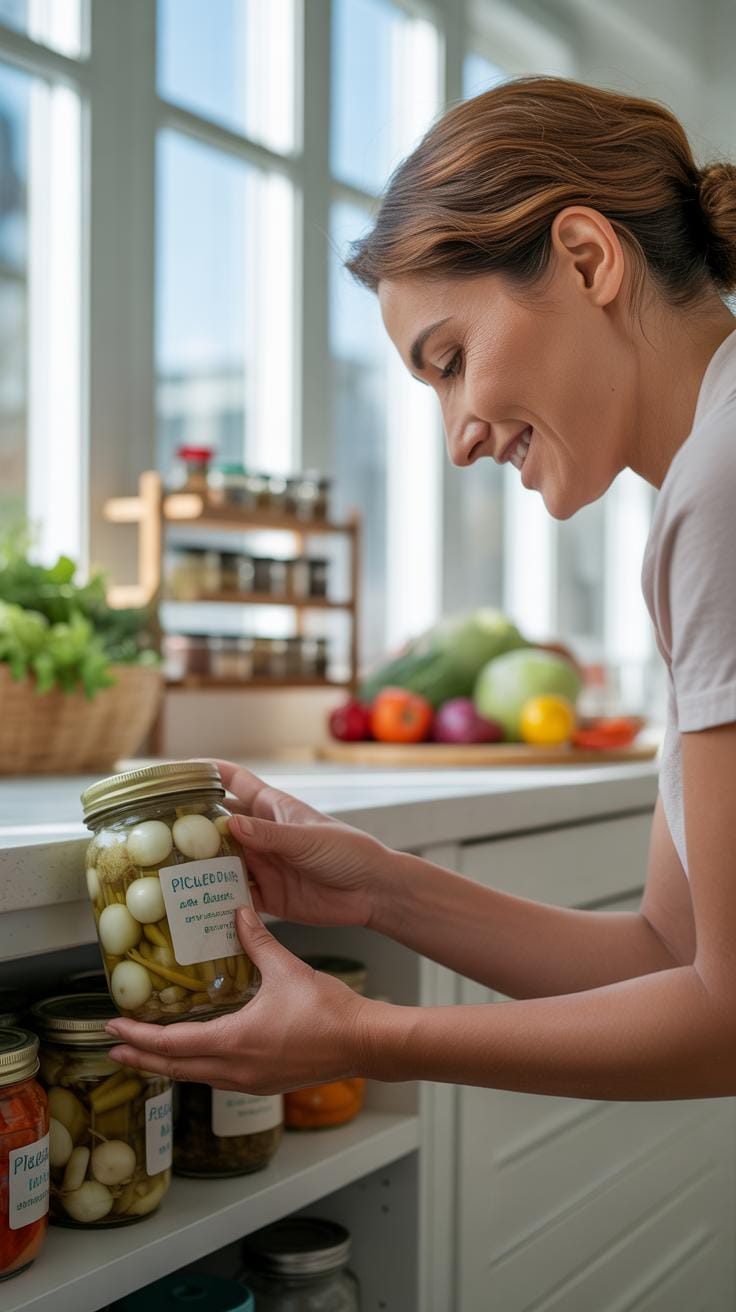
Setting up your kitchen for meal prep can feel like a puzzle, but small changes make a big difference. First, clear some counter space—you’ll want an open area where everything is within reach. Crowded surfaces slow you down. I’ve learned this the hard way; a cluttered kitchen means a cluttered mind.
Arrange your tools close to where you’ll use them most. Knives should live near your cutting board, and measuring spoons near your mixing bowls. Think about what you grab most when prepping. That way, you don’t waste time hunting for items.
Tools You Need
Some tools are nearly essential for quick meal prep. Here’s a basic list that I keep handy:
- A sharp chef’s knife that feels comfortable in your hand.
- At least one sturdy cutting board—preferably two, to separate raw meat from veggies.
- Mixing bowls of various sizes.
- A vegetable peeler and kitchen scissors.
- Measuring cups and spoons for accuracy.
- Good quality storage containers (more on those soon).
Things can get overwhelming if you try to stock too many gadgets. Stick to the essentials. Trust me, you don’t need every fancy tool to make healthy meals fast.
Storage Tips
Picking the right containers really shapes how your week plays out. Glass containers with airtight lids are my go-to. They don’t stain, and you can heat food straight in them. Plus, they last longer than plastic ones.
Labeling meals with the date and contents saves so much guesswork, especially midweek when you’re tired. I like using removable stickers or masking tape, so I can change labels without hassle.
Store containers by type or size so you can grab what matches your meal portion easily. Stackability also helps—when containers fit neatly, your fridge looks inviting rather than a chaotic mess. Does your fridge door open with ease, or does it jam because of awkwardly stored boxes? Little things like this actually matter.
Planning Your Weekly Menu
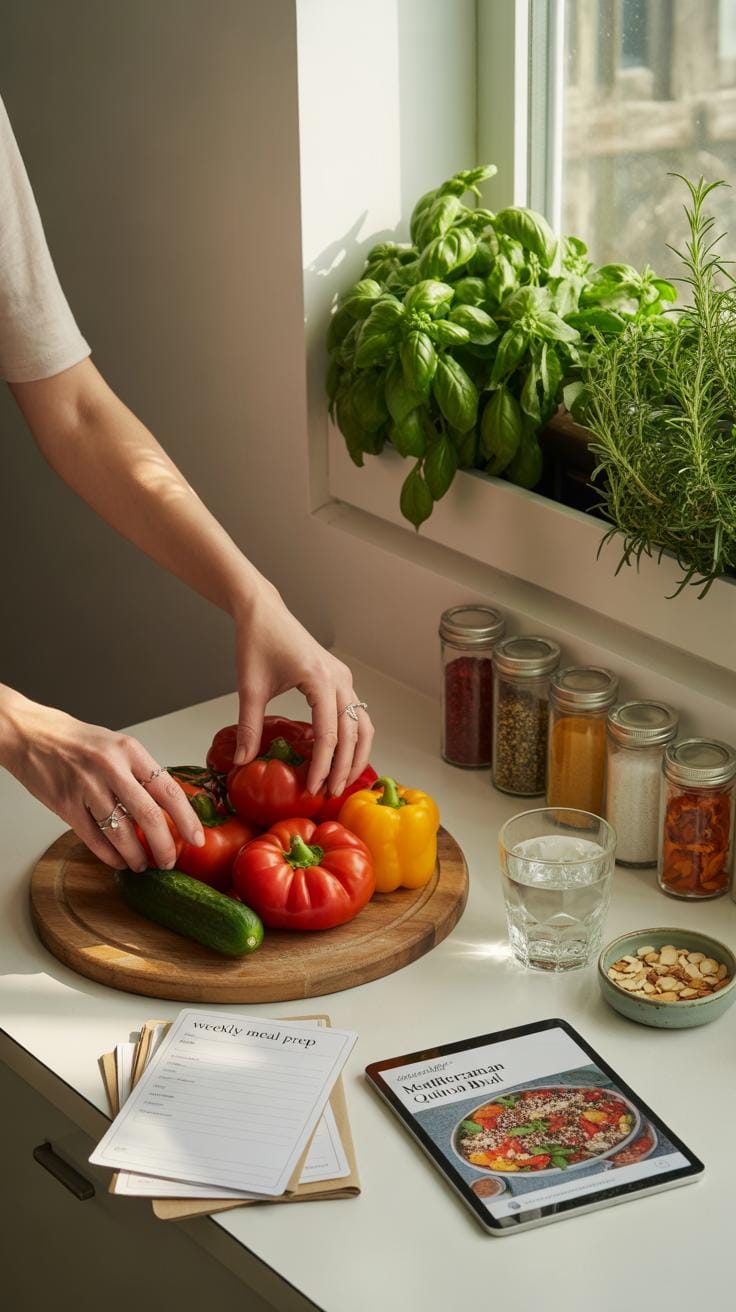
Planning a weekly meal prep menu starts with knowing your schedule and your nutritional needs. Think about your week ahead—are there busy days when you need meals ready in minutes? Or maybe you have more time to enjoy cooking on some evenings. Setting your menu around these realities saves stress later.
Try to keep your meals balanced but simple. Each dish should have a mix of carbohydrates for energy, proteins to keep you full, vegetables for fiber and vitamins, and healthy fats to support overall health. For example, roasted chicken with quinoa, steamed broccoli, and a drizzle of olive oil hits all those points without much fuss.
It’s also worth mixing things up to keep meals interesting. Repeating the same dish can get dull fast—you might find yourself tempted to order out instead. Rotate between different grains like brown rice or farro, swap chicken for beans or tofu, and change vegetables with the seasons. This variety does more than prevent boredom; it helps avoid food waste, too, when you plan to use leftovers in creative ways.
Ask yourself: what meals have you enjoyed before that could be tweaked into quick-prep options? What flavors do you like that could cross over into multiple dishes? The key lies in balance and variety, but also keeping it manageable so you actually stick with your plan.
Batch Cooking Basics
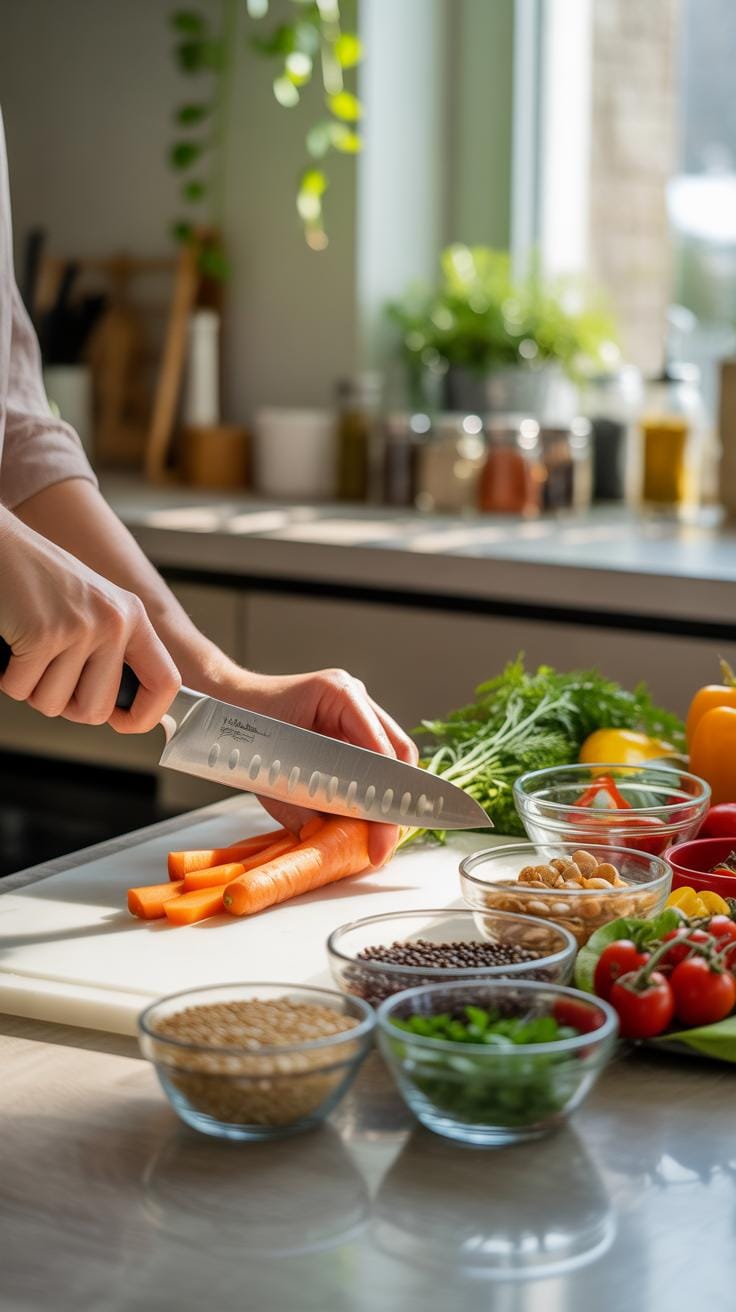
Batch cooking is about preparing several meals or ingredients all at once so you don’t have to start from scratch every day. It’s not only a time saver but also a way to keep your meals consistent and healthier—well, at least most of the time. You might find it repetitive after a while, but mixing up portions or sides can keep things interesting.
Cook in Bulk
Start by choosing staples that work for you and your diet. Think rice, beans, quinoa, grilled chicken, roasted veggies—things that hold up well in the fridge or freezer. You can boil a big pot of rice or beans and divide it into servings. Grilling a large batch of chicken breasts or roasting a tray of mixed vegetables can happen while you do other prep tasks.
For example, cooking enough rice for several meals might seem dull, but when you keep it simple, it fits with almost anything—a stir fry one night, a salad bowl the next. Same with beans; they’re flexible, packed with protein, and easy to reheat.
Mix and Match
Once you have your batch-cooked ingredients ready, try combining them in different ways to avoid boredom. Pair grilled chicken with roasted veggies and rice one day, then swap the rice for a leafy salad or toss beans and veggies with some spices for a quick chili bowl another day.
You could even blend cooked beans into a hummus or spread to change the flavor profile. It’s not just about sticking rigidly to one dish but creating a kind of modular system where each part works many ways. Does this approach make meal prep feel less daunting to you? Often, that’s what I struggle with—the predictability—but mixing it up like this helps.
Meal Prep Safety and Storage
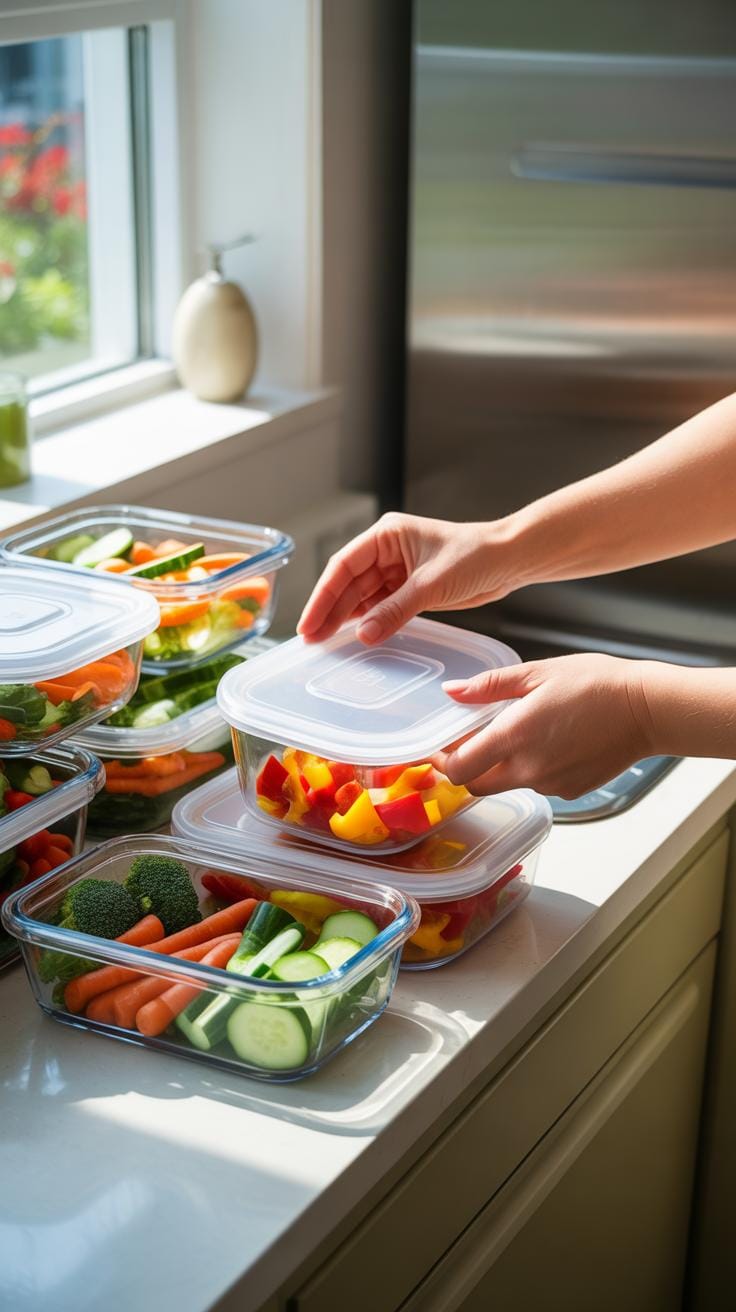
When you prep meals ahead, keeping them safe and fresh sounds straightforward, but it’s easy to slip up. Food safety isn’t just about hygiene; it’s a whole system of steps that starts with handling and ends in proper storage. For example, washing your hands before and after dealing with raw meat reduces contamination. Using separate cutting boards for veggies and proteins helps too.
Once the meal is ready, how you store it matters. Airtight containers slow spoilage better than loose wraps or simple lids. Glass containers work well—they don’t absorb odors or stains, so your meals stay true to their flavor. And when you stack those containers in the fridge, leave a little space around them to allow for air circulation, which helps keep everything evenly cool.
Proper Cooling and Refrigeration
Cooling meals before they hit the fridge isn’t something everyone thinks about, but it can make a big difference. Hot dishes trapped in sealed containers can create moisture, which invites bacteria and soggy textures. It’s better to let food cool at room temperature for about 20 to 30 minutes before sealing. Of course, don’t let it sit too long—more than two hours is risky.
In the fridge, place your meal prep containers on shelves rather than the door, as the door shifts temperature constantly. Set your fridge to around 37°F (3°C) to slow bacterial growth but not freeze your food. Also, don’t overcrowd the fridge; it can raise temperatures unexpectedly. Keeping your meals safe means paying attention to small details like these.
Using Freezers Correctly
Freezing food sounds like a guaranteed solution for long storage, but it takes a bit of care. When freezing your meals, divide portions into smaller containers or bags. This helps the food freeze faster and thaw more evenly later on. Label each with the date so you don’t guess how long it’s been in there. Most cooked meals keep well for up to three months in the freezer.
Thawing matters too. The safest way is thawing in the fridge overnight—it takes time, but it keeps food at a safe temperature. If you’re in a rush, you can thaw in cold water or microwave, but these methods need attention to avoid partially cooked spots that invite bacteria. Sometimes, I forget to pull my meal out early, and late thawing forces me to re-cook, which isn’t ideal but works.
Quick Recipes for Meal Prep
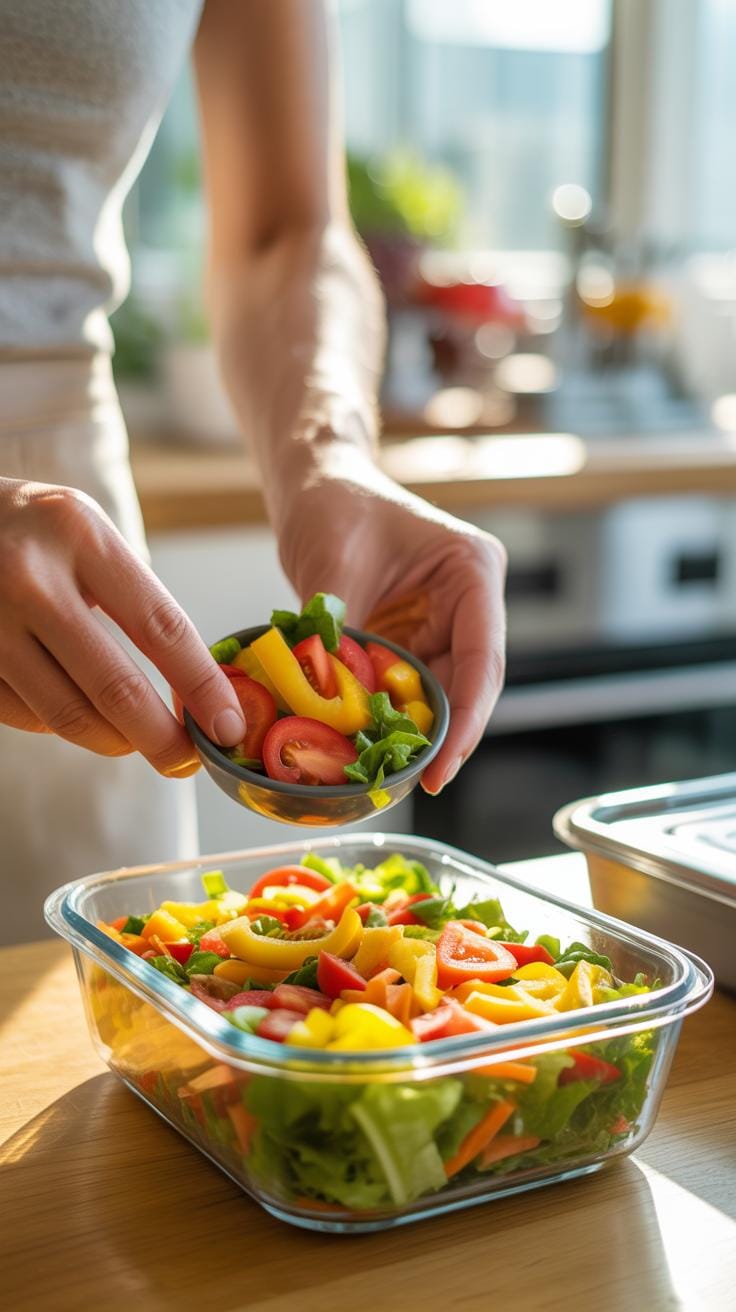
When it comes to meal prep, simplicity often wins. Think about dishes that come together fast and don’t require a long list of ingredients. For example, a basic stir-fry with chicken or tofu, mixed veggies, and a splash of soy sauce can be done in under 20 minutes. It’s filling and healthy without making your kitchen a mess.
Try roasting a tray of sweet potatoes, broccoli, and chickpeas with olive oil and your favorite spices. Once cooked, you’ve got versatile components for bowls or wraps throughout the week. The key is using ingredients that keep well and work in several dishes so you’re not eating the same thing every day. Don’t shy away from a simple olive oil and lemon dressing—it’s quick and freshens up anything.
One-Pot Meals
One-pot dishes really save time both during cooking and cleanup. Think lentil soups, chili with ground turkey, or quinoa with vegetables and beans. You can toss everything in a pot or an oven-safe skillet, turn on the heat, and walk away while it cooks slowly.
I once tried a one-pan baked chicken with carrots and potatoes. It was easy to prepare and the flavors mingled without extra effort. Plus, only one dish to wash afterward—that’s a win after a busy day. These types of meals allow you to pack protein and veggies together effortlessly, which is handy if you’re juggling too much.
No-Cook Options
Sometimes, you just want to skip the stove entirely. No-cook meals are great when you’re pressed for time or need something light. Salads can be more than just lettuce and dressing—try layering beans or canned tuna, nuts, fresh herbs, and chopped veggies for texture and flavor.
Wraps with hummus, sliced turkey, spinach, and shredded carrot tuck neatly into your lunchbox and don’t spoil quickly either. I find these fresh, simple meals refreshing, though they might feel repetitive if you don’t mix up the ingredients regularly.
Another idea: bowl meals with pre-cooked grains like brown rice or couscous topped with avocado, cherry tomatoes, and a drizzle of vinaigrette. While no cooking is involved, you get the satisfaction of a balanced meal with minimal effort.
Adjusting Meal Prep for Your Goals
Portion Control
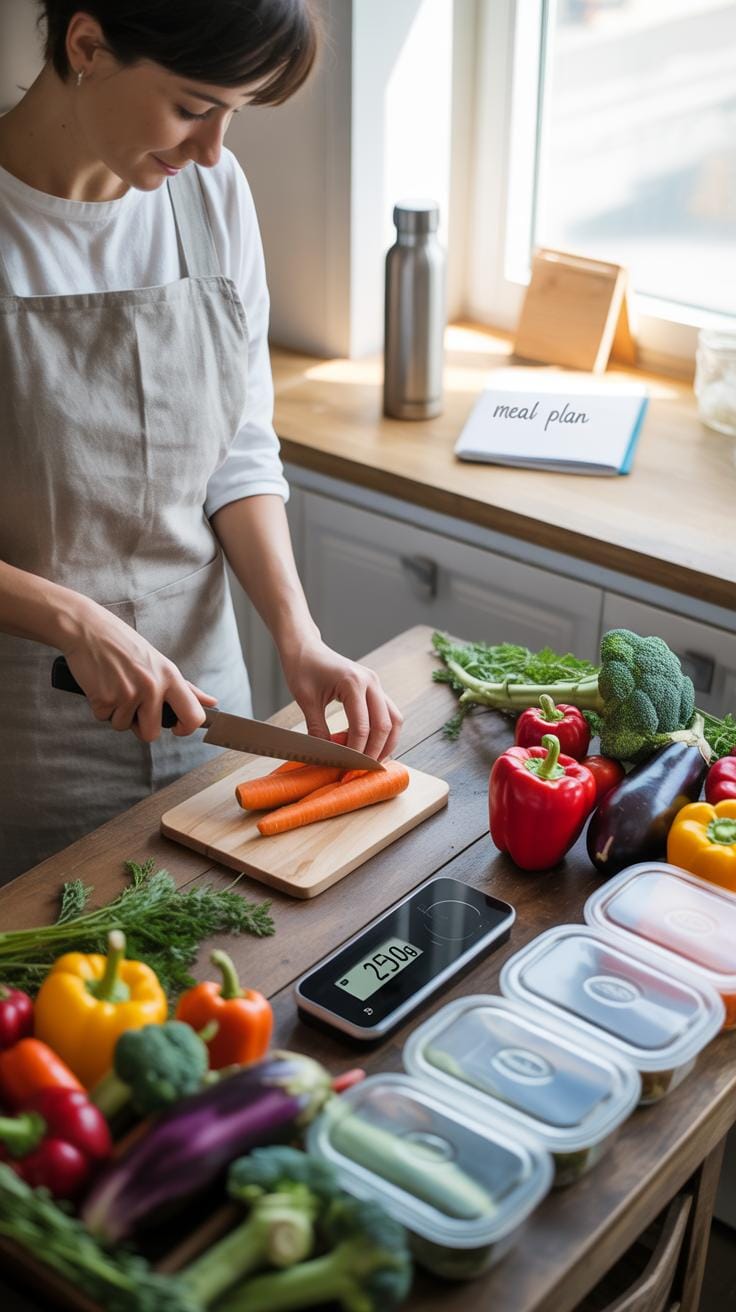
When you’re prepping meals, portion control is where a lot of the real customization happens. It’s not just about packing food; it’s about packing the right amount so it fits what you’re aiming for. Want to lose weight? You’ll probably need smaller portions to create a calorie deficit—though sometimes it’s surprising how much food you can actually eat if you choose the right ingredients. Trying to gain muscle? Bigger portions with extra protein often come into play, but not by drowning meals in calories that don’t help.
Measuring food can feel tedious at first. Using a food scale or measuring cups helps, but don’t stress too much if you eyeball things—especially after a while. Over time, you’ll get a natural sense of what a good portion looks like for your needs. If maintenance is your goal, then portions will likely hover somewhere between those two extremes, giving you enough fuel without overeating.
Macronutrient Balance
Adjusting macronutrients depends a lot on your goals. People aiming for muscle growth might tilt heavily toward protein and include moderate carbs for energy, while those focused on weight loss may lower carbs and watch fats more closely. Still, fats shouldn’t be cut too drastically—they play crucial roles in hormone balance and satiety, which can help you stick to your plan.
Think about how different foods fit into these categories: proteins like chicken, fish, tofu; carbs like sweet potatoes, quinoa, or brown rice; and fats from sources such as avocado or nuts. Track what’s working for you and don’t hesitate to experiment a bit. Sometimes your body reacts differently than what you expect. It could mean adjusting those macros in real life, not just on paper. Experimentation is part of the process, after all.
Have you noticed how your energy or hunger levels change when you eat more protein or less carbs? Those are clues worth paying attention to. Your meal prep isn’t just about assembling food—it’s about fine-tuning what sustains you best.
Tips for Staying Consistent
Keeping up with meal prepping can feel like a chore sometimes, especially when life gets busy or motivation dips. One practical way to stay on track is to set specific prep days. Block time in your calendar—maybe Sunday afternoons or Wednesday evenings—and treat that slot as non-negotiable. This creates a routine, and over time, it becomes almost automatic. You may find that having a set schedule reduces the mental load of deciding when to prep.
Another tip is to keep things simple. You don’t need complicated dishes or fancy ingredients to stay consistent. Sticking to straightforward recipes with minimal steps makes the process less intimidating and quicker. Think roasted vegetables, grain bowls, or simple protein with steamed greens—nothing too involved. When you do this, it’s easier to avoid burnout. If you’re feeling overwhelmed, scale back rather than cut meal prep out entirely.
Sometimes, I’ve noticed, the hardest part is starting. Planning meals that excite you, even in small ways, helps keep motivation alive. But you might also wonder—what if I don’t feel inspired every week? That’s okay; the key is showing up regardless and letting the routine carry you through moments of uncertainty.
Making Meal Prep Enjoyable
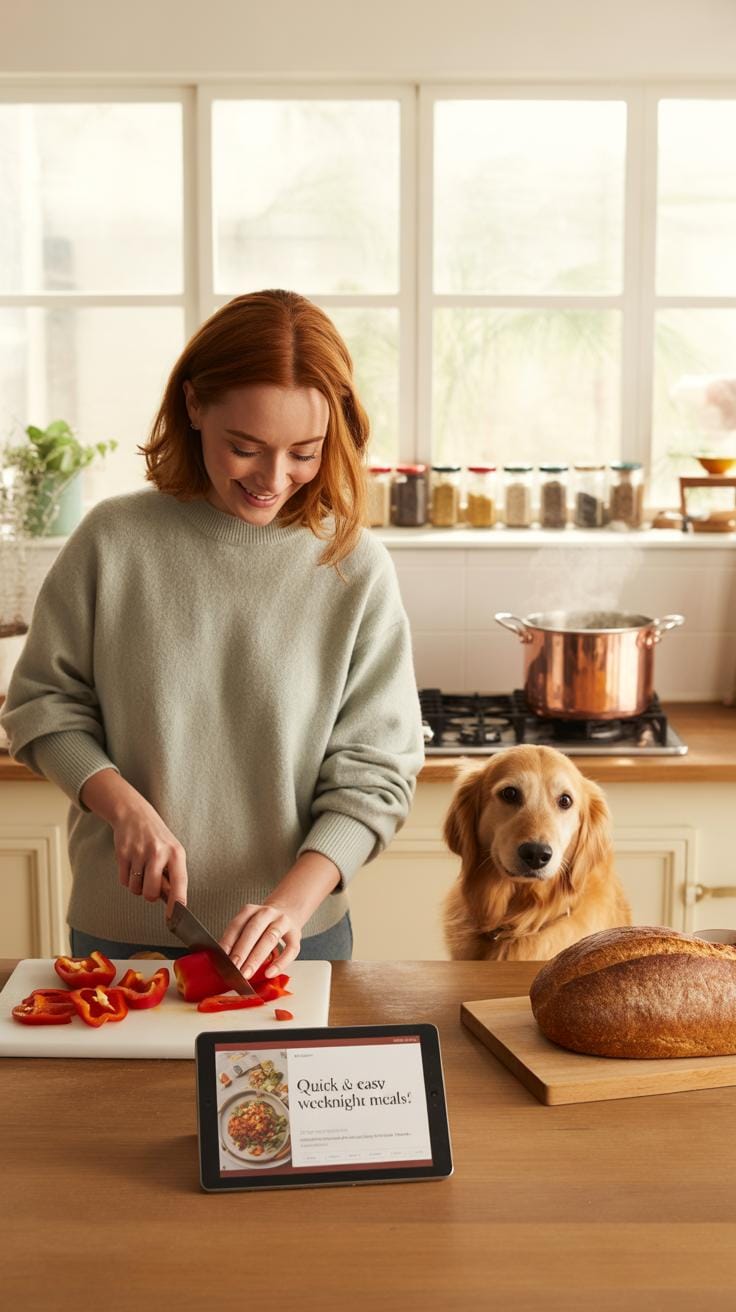
Meal prepping doesn’t have to feel like a chore. You can actually make it part of your routine that you look forward to, or at least don’t dread. One way is to mix things up with new recipes that spark your curiosity. Maybe you try a grain or spice you hadn’t cooked with before, or swap out usual proteins for plant-based options. It’s surprising how just a small change can make the process less repetitive.
You might find yourself more motivated if you involve others. Cooking with family or friends creates a shared experience that feels less like a solo task and more like a fun activity. Sometimes, chatting or joking while chopping veggies makes the prep time fly by—you might even end up picking up new ideas or tips from them without realizing it.
Even if you don’t feel like turning it into a big event, having someone around can keep you accountable and less likely to rush or skip steps. If you’re cooking for just yourself, consider virtual cooking sessions with friends who also meal prep—it’s not the same as being in the kitchen together, but still a way to connect through food.
Trying new things and sharing the experience somehow adds a small layer of satisfaction to meal prep, making it less of a routine and more something you might actually enjoy now and then. It’s odd, but even imperfect, messy moments in the kitchen can feel rewarding when you’re not rushing alone.
Conclusions
Meal prep helps you control what you eat and saves you money by reducing restaurant visits. By preparing meals ahead, you can avoid processed foods and choose fresh, nutritious options. Planning your meals lets you stay on track with your health goals without stress.
Start with simple recipes, use proper storage, and stay consistent with your prep routine. You will find that quick healthy meals are easy to make and delicious. Use these ideas to take control of your eating habits and enjoy the benefits of meal preparation.