
Introduction
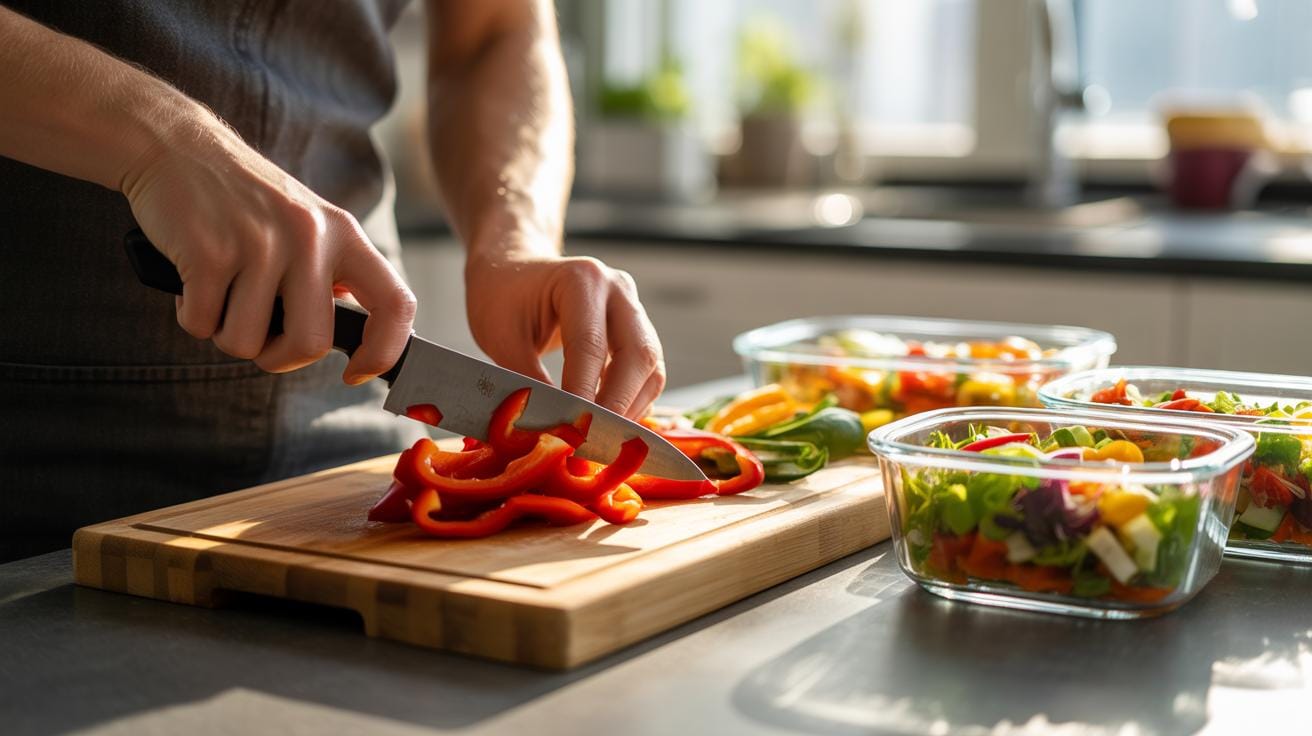
Meal prepping for the week is a great way to save time and eat healthier. By planning and preparing your meals in advance, you can avoid the rush of last-minute cooking and reduce your reliance on fast food. This article will guide you through the basics and benefits of meal prep, making it easier for you to start your own weekly routine.
We will cover how to plan your meals, choose the right ingredients, and store your food properly. You will find practical tips that help you save money, eat balanced meals, and reduce food waste. Let’s explore how meal prep can improve your week.
Understanding Meal Prepping
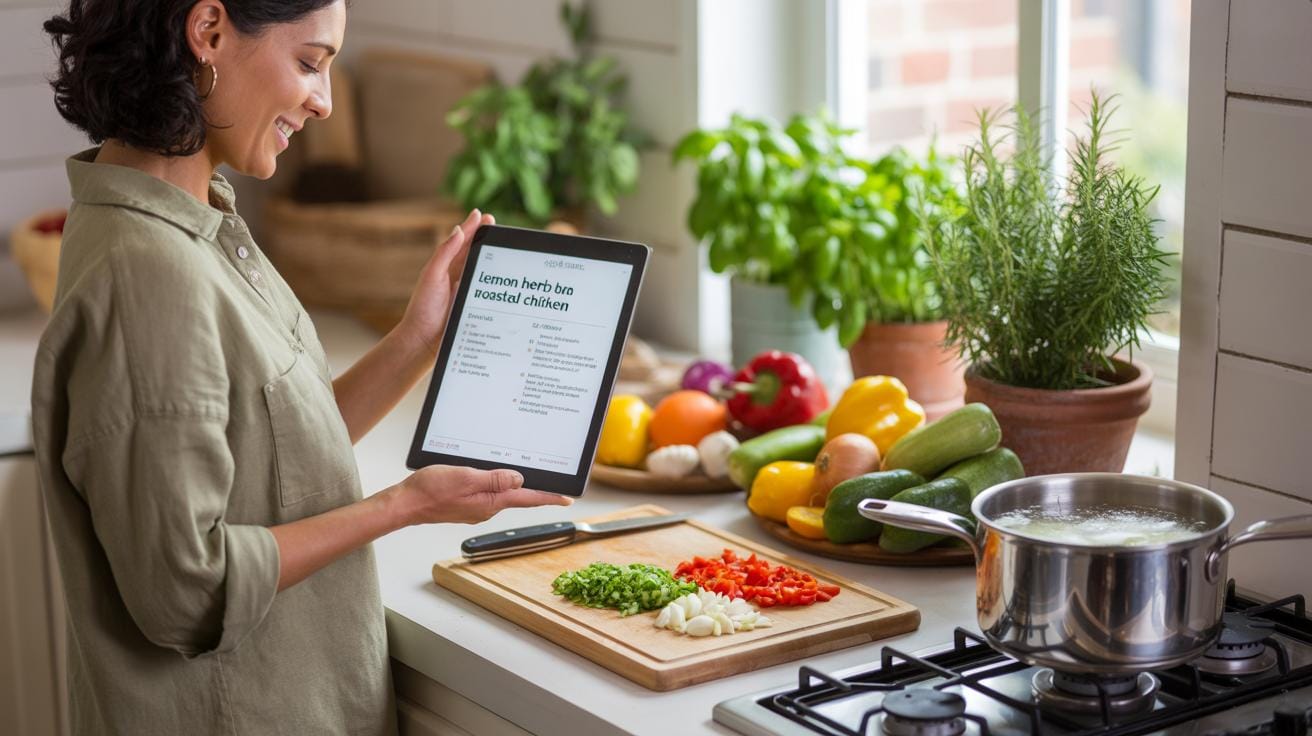
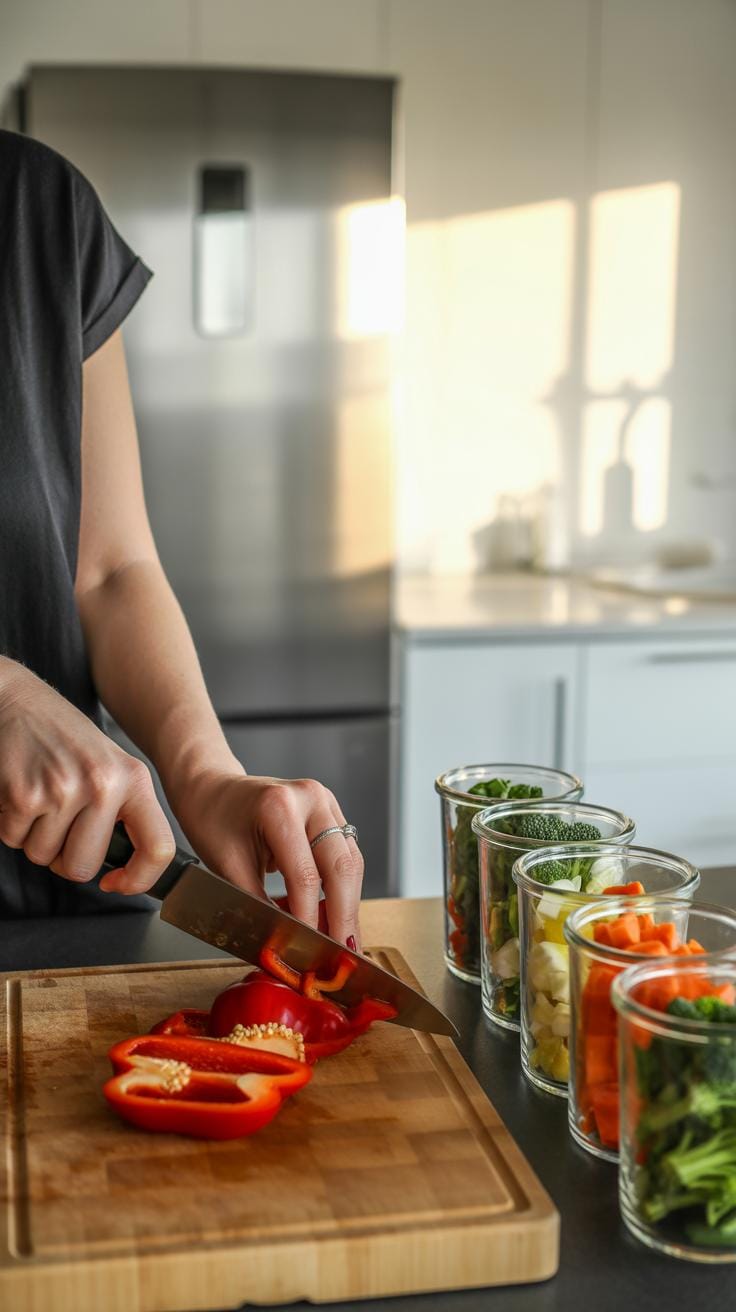
Meal prepping is basically about getting your meals ready before you actually need to eat them. It means spending some time upfront—maybe on a weekend or a free evening—to cook, pack, and portion out your food for several days ahead. Think of it as organizing your meals like a mini project every week, so you’re not scrambling to figure out what’s for dinner after a long day.
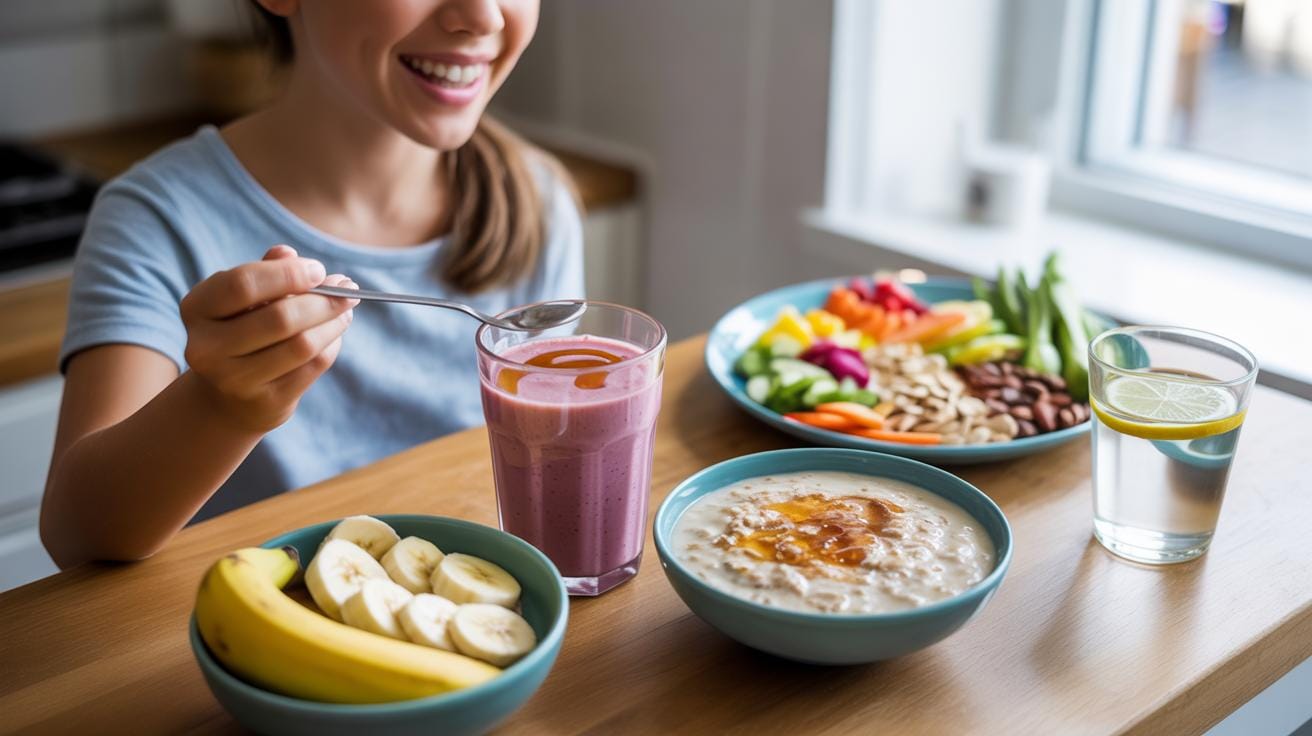
This approach isn’t just about convenience. When you plan and prepare in advance, you tend to eat healthier simply because you control what goes into your meals. It’s easier to avoid last-minute takeout or unhealthy snacks when you already have meals waiting in the fridge.
Meal prepping involves a few key steps:
- Choosing recipes that hold up well over days.
- Cooking larger batches of food.
- Dividing everything into individual portions.
- Storing those portions in containers for quick access.
Why bother? Well, besides saving time—because you don’t cook every single day—it often saves money too. Buying ingredients in bulk cuts costs, and you waste less food since you decide your portions ahead. Plus, if you’re aiming to eat better or lose weight, prepping helps keep you on track. When you have a meal ready, you’re less likely to grab something less nutritious on impulse. Not that it’s foolproof, but it nudges you in a healthier direction more often than not.
Maybe you’ve tried cooking just a little extra here and there and noticed how mornings or evenings get easier when meals are already set. Meal prepping takes that idea and turns it into a simple routine that many find worth the effort. You might find, as some do, that once the habit fits your schedule, it almost feels like freeing up your time rather than adding work to it.
Planning Your Weekly Menu
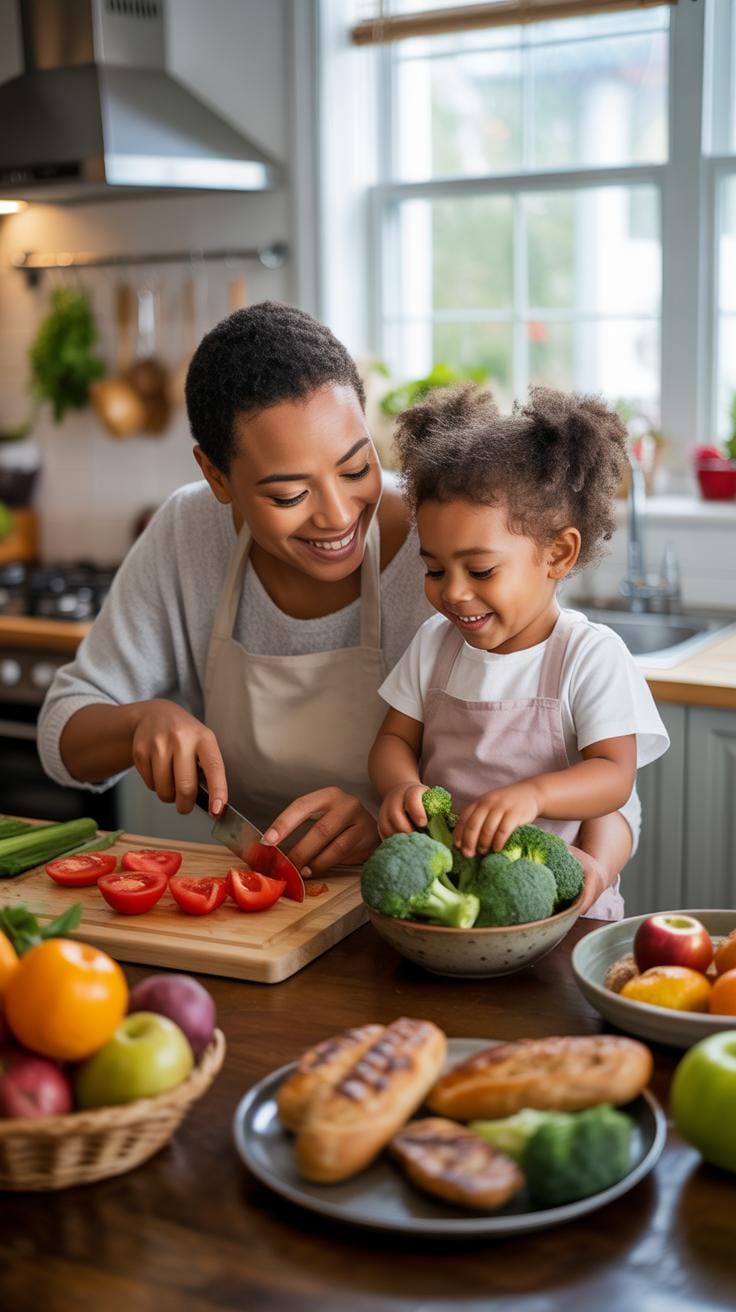
When planning your weekly menu, start by choosing recipes that aren’t too complicated but can still keep you interested through the week. Think of meals you can easily prepare ahead of time and store without losing taste or texture. For example, roasted vegetables, grain bowls, or simple stir-fries often work well because you can mix and match ingredients to keep things fresh.
It helps to pick versatile recipes. Say, a basic chicken recipe you can use for salads one day and wraps the next. This approach saves time and cuts down food waste.
Try to include a variety of foods from different groups to keep your meals balanced. You don’t want to rely solely on carbs or proteins—consider some leafy greens, a good source of healthy fats like nuts or avocado, and enough fiber from whole grains or legumes. Thinking about this now makes the week less of a scramble at dinnertime.
Portion control is trickier than you’d expect. Sometimes, it’s tempting to prepare large amounts “just in case,” but that can lead to overeating or boredom. A good rule? Pack meals in containers sized for your usual appetite, and if you’re unsure, test it one day and adjust the next. It’s less about perfection and more about what keeps you satisfied without waste.
Does your plan allow room for small tweaks? Maybe you’ll want a snack or a treat one evening. Leave some flexibility—that’s part of being realistic and keeping this routine doable week after week.
Shopping Smartly

Make a List
Start with a clear list based on your meal plan for the week. Write down each ingredient along with the exact quantity you’ll need. For example, instead of just “chicken,” note “2 lbs chicken breast” or “500 grams carrots.” This might sound overly precise, but it prevents guesswork and impulse buys at the store.
Group items by category—produce, dairy, grains—to speed up shopping and avoid backtracking. Don’t forget staples like spices or oils if you’re running low. You may end up crossing some things off, but having a detailed list keeps you focused. I find that guessing quantities often leads me to buy too much or too little, which can throw off the entire week’s plan.
Buy Fresh and Budget
Choosing fresh ingredients can be tricky without overspending or ending up with food that goes bad. One thing I’ve learned is to shop seasonal—produce in season usually tastes better and costs less. For example, picking apples in the fall or tomatoes in summer often means fresher and more affordable options. Sometimes, I hesitate thinking maybe frozen works just as well, but often that fresh crunch makes a difference.
Buying in bulk can save money, but only if you’re sure you’ll use everything before it spoils. Items like rice, beans, or nuts are ideal for bulk purchases since they keep longer and fit many recipes. On the other hand, fresh herbs or dairy might not make sense to buy in large quantities unless you consume them quickly.
Shopping at local markets or discount stores can offer deals, but watch for quality. It can be a bit of a balancing act between price and freshness. Do you sometimes find yourself tempted by a sale and then end up wasting the food? Me too. Sticking to the list, being realistic about how much you’ll eat, and choosing wisely can help avoid that pitfall.
Preparing Meals Efficiently
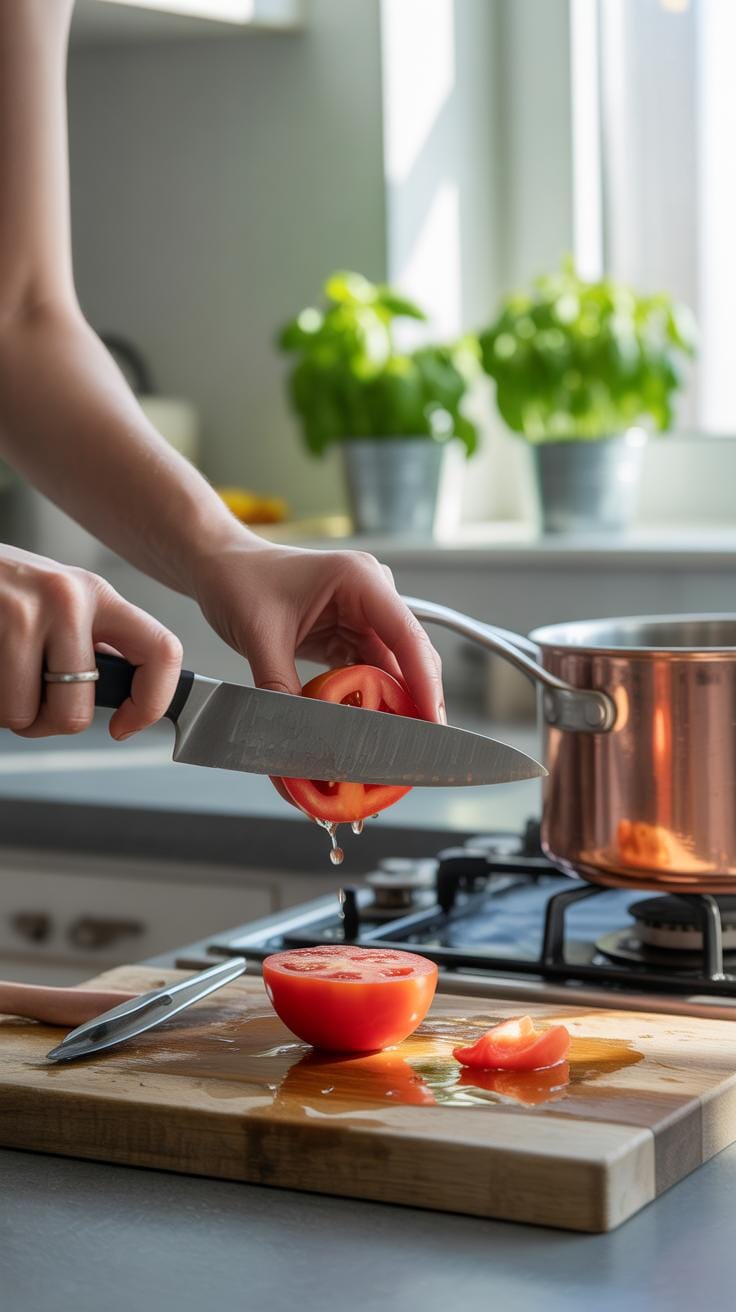
When prepping meals for the entire week, it’s practical to do as much as possible in one go. Cooking multiple dishes simultaneously can feel tricky at first, but with a little planning, it’s more manageable than it seems. Think about how different cooking times and methods can overlap. For instance, while something bakes in the oven, you can quickly sauté veggies on the stove or boil grains in another pot.
Try this approach: start with ingredients that need the longest cook time, like roasting chicken or baking a casserole. While those cook, prepare quicker items, like steamed broccoli or rice. Juggling different pots and pans works well if you organize your kitchen space ahead. You might find it easier to keep a timer on each dish so nothing burns or overcooks.
Using multiple cooking appliances at once—such as the oven, stovetop, and even a slow cooker—can drastically cut overall prep time. Just make sure you plan the timing, so dishes finish around the same time, and your kitchen doesn’t get overly crowded. It might feel a bit chaotic at first, but you’ll figure out a rhythm that suits you.
Batch Cooking Tips
Batch cooking is practically the heart of saving time during meal prep. Cooking large quantities of several dishes together once or twice a week means fewer cooking sessions and less stress daily. For example:
- Use the oven for roasting a mix of proteins and vegetables simultaneously on different racks.
- Boil a large pot of pasta or grains that can be divided between meals.
- Cook sauces or soups in one pot while stir-frying vegetables in another pan.
- Consider slow cookers for dishes that just need “set and forget” timing.
Working this way requires a bit of multitasking, but it pays off. You might occasionally find some ingredients finish too early or too late—just keep track and adjust for next time. It’s a learning process.
Portioning Meals
Once your meals are cooked, portioning them correctly matters a lot. First, decide what containers you’ll use. Try to pick ones that fit your fridge and microwave easily, because you’ll use them daily. Glass containers are great for keeping food fresh and don’t stain, but plastic ones are lighter and often cheaper.
Think about how much you usually eat in a sitting. Over-portioning means wasting food or too-large meals, and under-portioning can leave you hungry, which sort of defeats the purpose. If you’re unsure, start by dividing the total volume of your dish into equal servings and adjust as you get a feel for your appetite.
Label containers with the meal name and day, so mornings aren’t rushed with guessing games. It’s a small step but surprisingly helpful. Also, leaving some room in containers, especially for meals with sauces or liquids, prevents spills and keeps things neat.
How detailed do you want to get with portioning? Some people go all the way down to macros and calories. Others just eyeball it, and that’s fine too. The key is that the food stays convenient to grab and reheat.
Storing Your Prepared Food
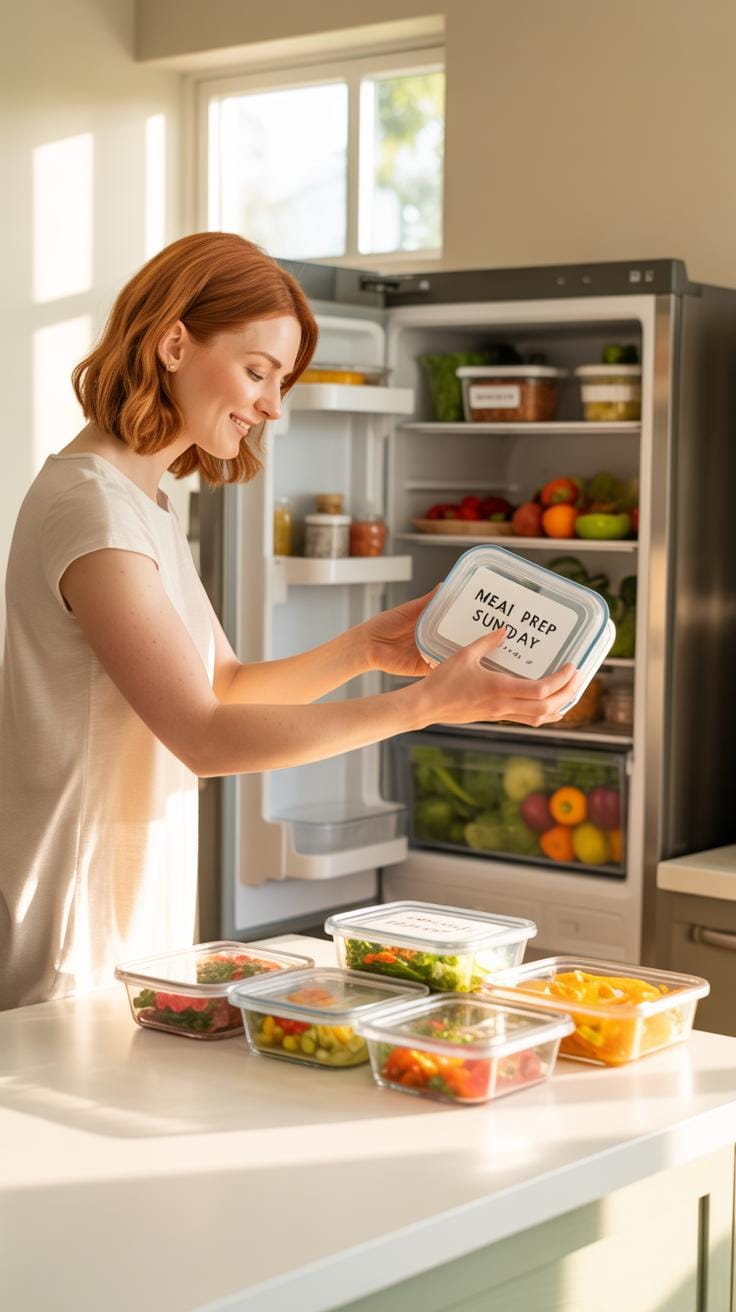
Once your meals are ready, the next step is keeping them fresh and safe throughout the week. The way you store your food really affects how long it lasts and how good it tastes when you finally eat it.
Using Containers
Not all containers are created equal. Glass containers tend to hold up better over time and won’t absorb odors like plastic can. Still, plastic containers are lighter and won’t break if dropped. If you prefer something in the middle, I’ve found silicone options to be handy—they’re flexible and usually microwave-safe.
Think about size too. Smaller containers prevent food from sitting in air for too long once opened. Also, labeling your meals with the date and contents helps you avoid confusion. A simple masking tape and marker can do the trick if you don’t have special labels.
Organizing your fridge or freezer with clear containers makes it easier to grab meals on busy days. This way, you’re less likely to waste anything because you forgot what was in the back of the shelf.
Refrigeration and Freezing
Some meals freeze better than others. Soups, stews, and cooked grains usually tolerate freezing well, while salads or fresh veggies might lose their texture. Meats can generally be frozen for up to three months without many issues, but cooked pasta can get a bit mushy after thawing.
Refrigerated meals typically last about three to four days, so plan accordingly. If you’re prepping for a full week, freezing the portion for the later days is a safer bet. Just be mindful of thawing times—moving a meal from freezer to refrigerator the night before often works best.
Does freezing change flavor or texture? Sometimes, a bit. But if you’re careful with packaging and portion sizes, you’ll probably notice only minor differences. And hey, it beats throwing out spoiled food after all that work, right?
Reheating and Eating
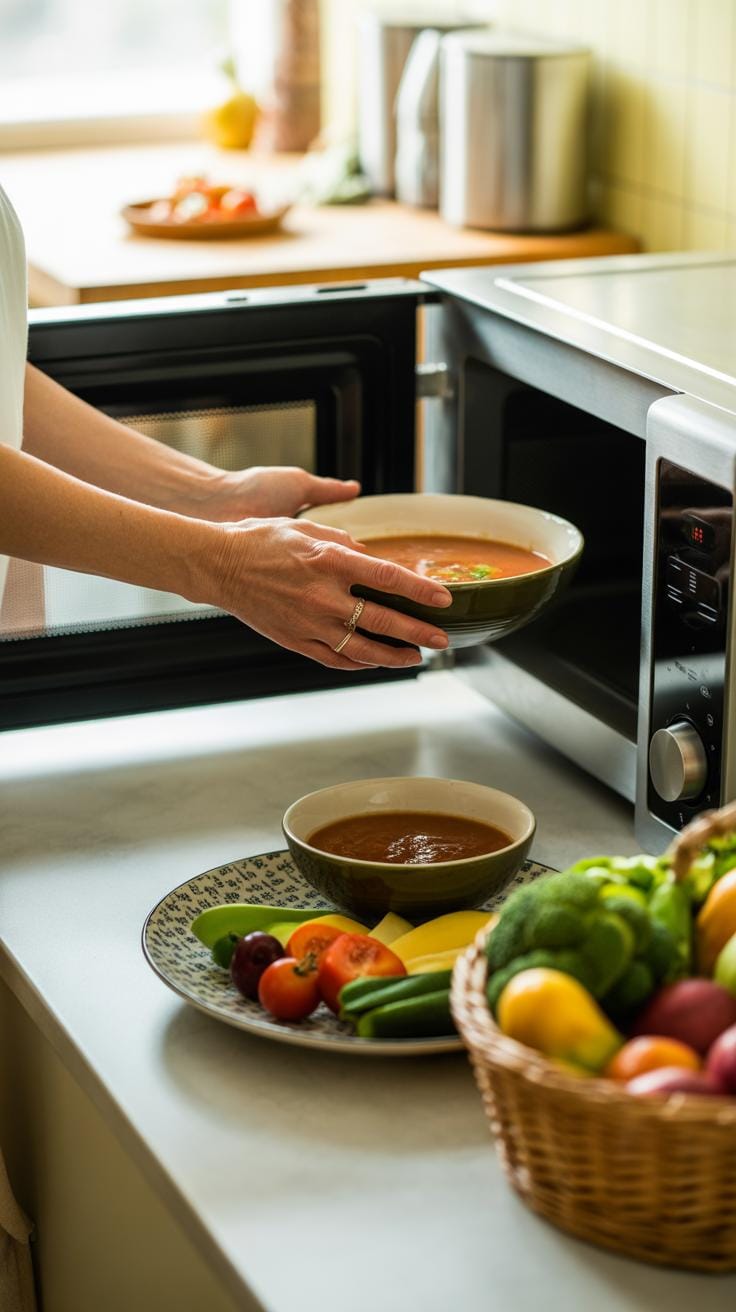
Reheating your meal-prepped food might seem straightforward, but doing it the right way can make a noticeable difference in taste and safety. You want to avoid dry or soggy meals or, worse, reheating food unevenly, which can pose health risks.
Safe Reheating
The key is reaching the right temperature to kill bacteria. Aim for an internal temperature of at least 165°F (74°C). Using a food thermometer helps—you can’t always tell by looks or smell. Microwave reheating works fine if you stir or rotate the meal midway to avoid cold spots.
If you prefer the stovetop or oven, heat food gently. For example, warming soups or stews on low heat while stirring keeps the texture intact. Avoid reheating the same meal multiple times; each round increases food safety risks.
Maintaining Flavor
Sometimes reheated meals feel a bit dull or flat. A simple way to freshen them up is by adding herbs like parsley or basil right before eating. Citrus juice or a splash of olive oil can brighten flavors too.
For dishes with sauces, consider reheating the protein and veggies separately from the sauce, then combine them just before serving. This keeps flavors from becoming muddled. A drizzle of fresh sauce or a sprinkle of cheese after reheating can also revive the dish.
Reheating doesn’t have to mean sacrificing flavor or safety. With a little care, your meal-prepped food can taste almost as good as when first made, saving you time without compromising enjoyment.
Avoiding Common Pitfalls

Over-Preparing
Preparing too much food might feel like a good idea at first—you want to be ready for the whole week, right? But it often leads to wasted food or having to eat the same thing until you can’t stand it anymore. That’s no fun, and it defeats the purpose of making meal prep enjoyable.
Try to be realistic about your portions. Think about how hungry you usually get or how many meals you actually need to cover. Maybe start by prepping fewer servings, then adjust as you see what works. It’s okay to tweak things midweek, too. You don’t have to stick rigidly to the exact amounts every time.
As a rule, planning with a day or two cushion rather than the entire week at once might make things less overwhelming and reduce the risk of food going bad or losing appeal.
Food Safety
Keeping your prepped meals safe should definitely be top of mind, but sometimes it’s easy to forget small details. For example, letting food cool down too long before refrigerating can invite bacteria growth—and no one wants to pay the price with upset stomachs.
Remember to store meals in airtight containers and label them with the date you cooked them. Some foods don’t keep well past three or four days, so if you’re cooking for the whole week, you might want to freeze portions.
Thaw leftovers properly—never just leave them sitting out—and reheat thoroughly, checking that meals reach a safe temperature. These steps might feel like extra work, but they help you avoid any unpleasant surprises during the week.
Staying Consistent With Prep

Keeping up with meal prep every week isn’t always easy. Sometimes life gets in the way, or you feel drained after a long day. Setting a regular time to prep meals can help turn it into a routine rather than a chore. Maybe Sunday afternoons work for you, or early Saturday mornings—find a slot that feels natural. The key is to stick with it as much as possible. Mark it on your calendar, treat it like an appointment you can’t miss.
But don’t worry if one week doesn’t go as planned. Flexibility matters. If you notice certain meals get ignored or you ran out of time, tweak your plan next time. Maybe prepare fewer dishes or swap recipes. A rigid schedule can feel overwhelming, so adjusting based on what you learn keeps things doable. Over time, these small changes add up, making meal prep feel less like a task and more like part of your rhythm.
Conclusions
Meal prepping can change how you eat and manage your time. Cooking once and eating many times saves effort and money. It helps you stay on track with your health goals by using fresh, balanced ingredients. You can avoid extra sugar and fat found in many restaurant meals. Preparing food ahead keeps you organized and less stressed about daily cooking.
Start small and build your habits step by step. Use containers to keep food fresh and label them for each day. When you plan and prep well, you control what you eat. This simple practice supports a better lifestyle, helping you feel good every day with less hassle.