
Introduction
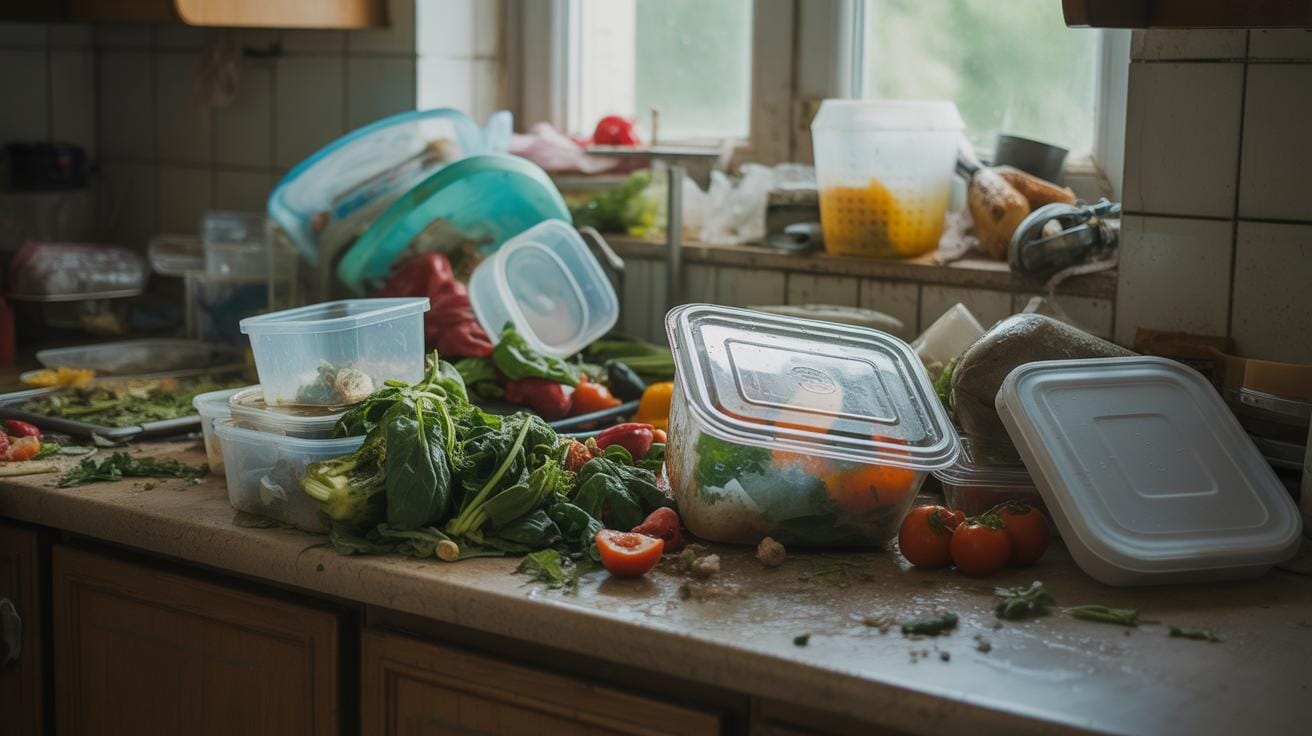
Meal prep is a valuable tool for maintaining a low carb diet, but many people make errors that undermine their progress. By preparing your meals ahead with the right approach, you can save time and stick to your dietary goals without struggle.
This article highlights frequent mistakes in low carb meal prep that can derail your efforts. You will learn to identify these errors and apply simple strategies to keep your low carb meal plans effective and enjoyable.
Low Carb Meal Prep Basics

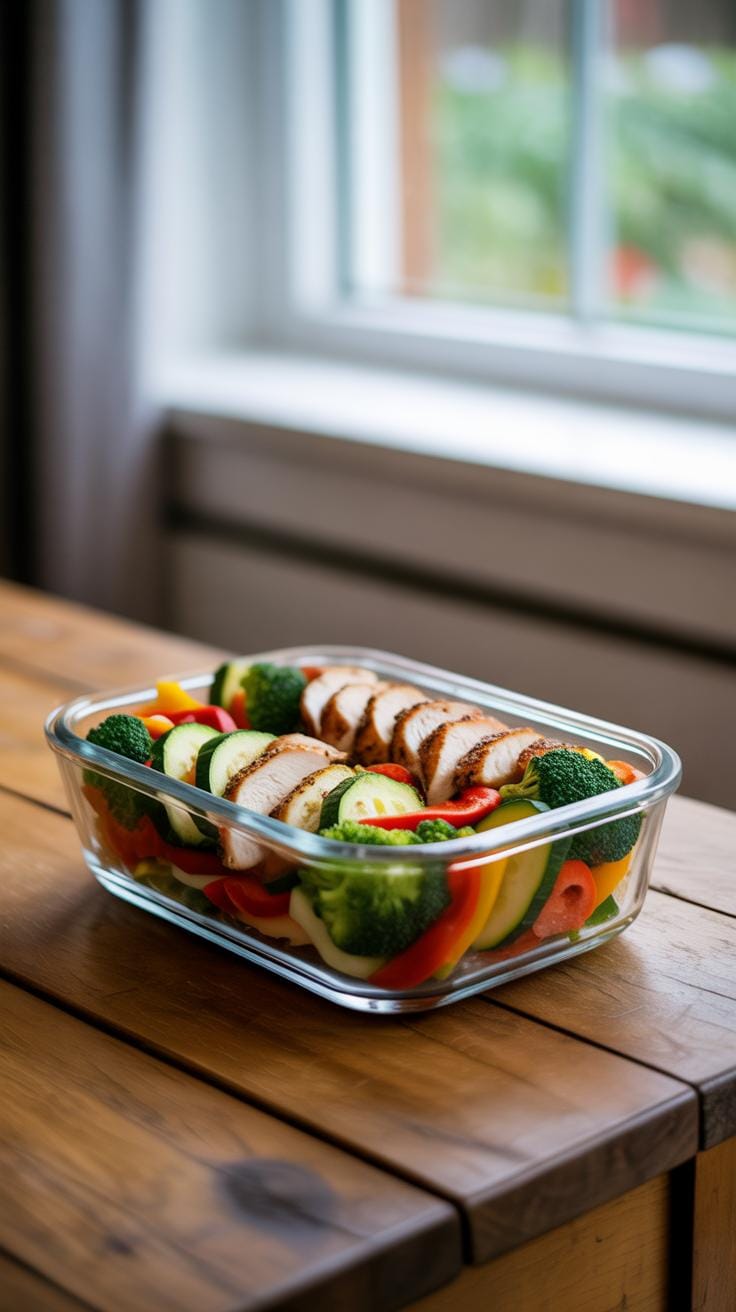
Low carb meal prep is simply the act of planning and preparing meals ahead of time that focus on keeping carbohydrates low. You’re basically shaping your meals around limiting carbs—mainly sugars and starches—and emphasizing fats and proteins. The purpose is to make it easier to stick to a low carb diet without scrambling for last-minute options that might sneak in those unwanted carbs.
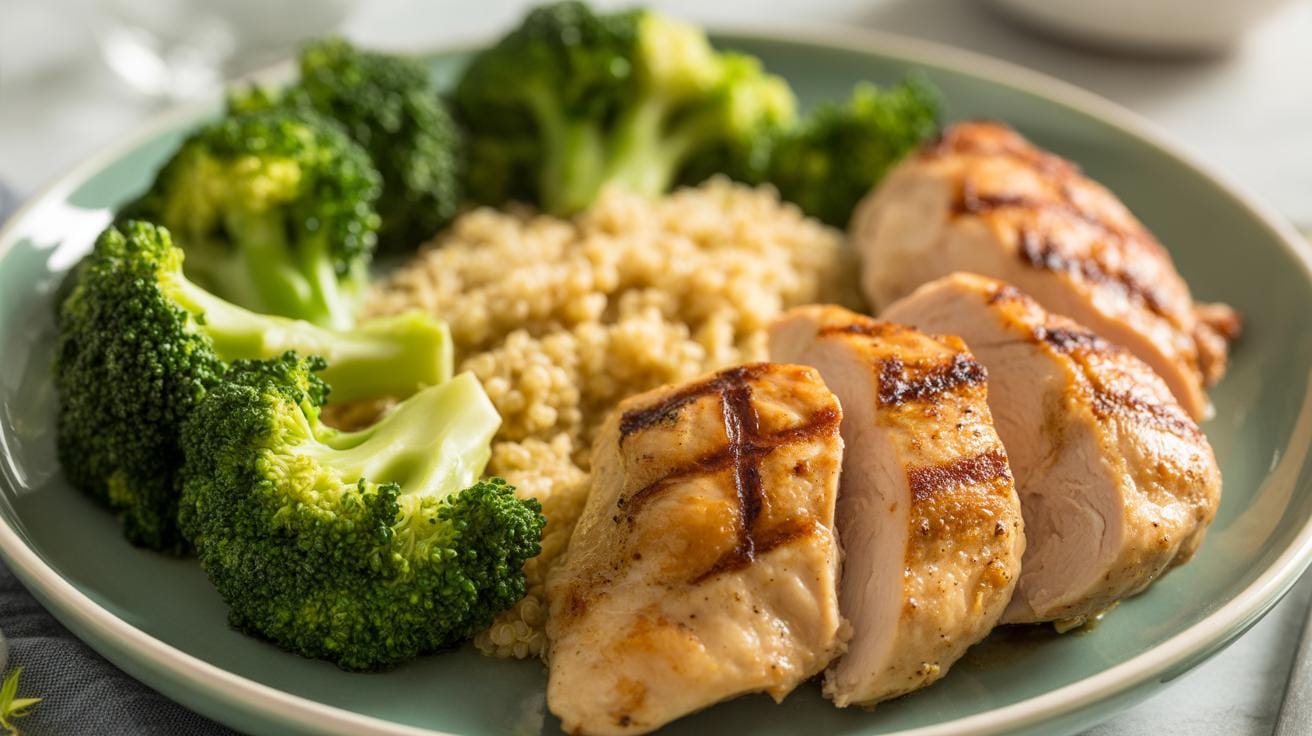
Think of it as setting yourself up for success by having ready-to-go meals that fit your goals. It reduces the chance of grabbing that quick sandwich or pasta dish because you don’t have time or ingredients. Plus, prepping helps control portion sizes and avoid high-carb temptations.
Low carb meal plans generally include foods like:
- Non-starchy vegetables (spinach, broccoli, zucchini)
- Protein sources (chicken, beef, fish, eggs)
- Healthy fats (avocados, olive oil, nuts)
On the flip side, you’ll mostly skip heavy carb foods like bread, pasta, rice, sugary snacks, and potatoes. Sticking to this mix supports your low carb goals better, but it can feel restrictive—especially if you’re used to a carb-heavy diet. That’s where meal prep can really change the game.
Why Choose Low Carb?
People pick low carb diets for different reasons, but a common one is weight control. Cutting carbs often leads to eating fewer calories without really trying because high-carb foods can spike hunger or cravings. Some notice they lose weight faster on low carb. I’ve seen friends talk about how they finally felt “fuller” after meals, even with smaller portions, thanks to the fats and proteins.
Another reason involves blood sugar. Lower carbs can mean fewer spikes and crashes, which some find helps energy levels and overall mood. If you or someone you know struggles with insulin resistance or type 2 diabetes, you might notice better blood sugar management on a low carb routine. Still, it’s not a one-size-fits-all—some people do well with carbs—even if low carb seems popular.
Identifying Low Carb Foods
Building your meals starts with choosing the right ingredients. Low carb foods tend to fall into three groups:
- Vegetables: Leafy greens, bell peppers, cucumbers, cauliflower, mushrooms—mostly fibrous and low in sugars.
- Proteins: Animal sources like beef, poultry, and eggs. Some seafood too—salmon, shrimp—and even tofu if that’s your thing.
- Fats: Think olive oil, coconut oil, butter, avocados, and nuts. These keep meals satisfying without adding carbs.
Notice what’s missing too—fruits are often limited because many have natural sugars, except berries which fit better. Grains and legumes are usually avoided. If you’re unsure whether a food fits, it helps to check carb counts rather than rely on assumptions.
So, when you put together your meals, focusing on these staples most of the time usually keeps carb numbers manageable without feeling like punishment. Still, it’s tempting to slip into old habits—that’s why prepping thoughtfully can truly make a difference.
Planning Meal Prep for Success
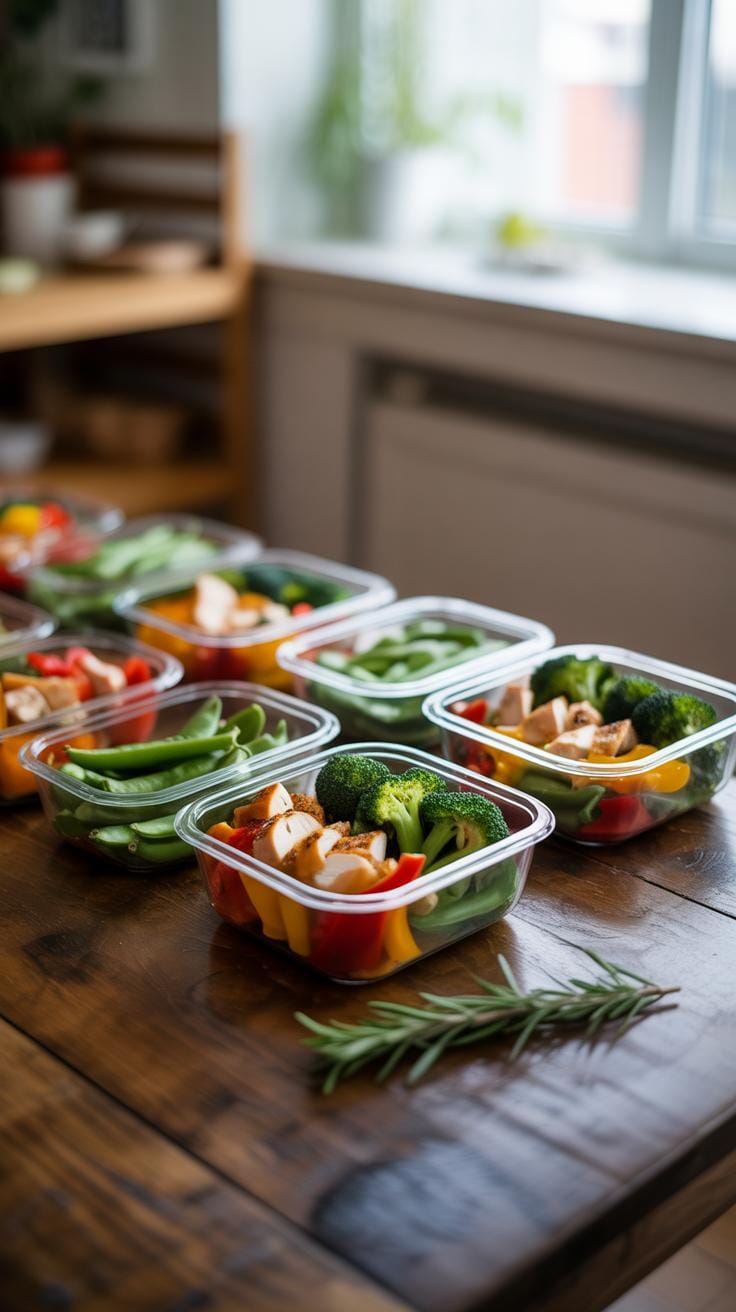
Planning your meal prep can feel like a chore, but it actually saves you a lot of time during the week. When you map out your meals ahead of time, you avoid last-minute scrambles that often lead to grabbing whatever’s easiest—even if it doesn’t fit your low carb goals. Plus, having a plan helps keep your meals balanced. You’re less likely to end up eating just protein or just vegetables when you aim to include a variety of nutrients.
One method that works is to block out a time each week—Sunday afternoon, for example—to decide what you’ll eat each day. Think about breakfasts, lunches, and dinners, plus snacks if you need them. From there, create a shopping list tailored to low carb ingredients, which helps reduce waste and prevents impulse buying.
Setting clear and realistic goals is key. If you tell yourself you’ll prep every single meal for the week, that might feel overwhelming. Maybe try planning to prep dinners in advance and keep breakfasts simple with things like boiled eggs or Greek yogurt. Also, knowing how much food you actually need prevents cooking too much or too little. That’s something I learned the hard way—too many leftovers can be tempting to reheat even when you’re over it.
When picking recipes, go for ones that suit your taste but aren’t too complicated. Simple recipes with few ingredients tend to hold up better throughout the week. You don’t want to lose motivation because a recipe turned out bland or took forever to make. Sometimes I’ve tried fancy low carb dishes that sounded great but ended up wasting a lot of food because I didn’t really enjoy them. Sticking with tried-and-true favorites—like grilled chicken with roasted veggies or zucchini noodles with pesto—can be a safer bet.
What kind of recipe mix do you find keeps your interest without overwhelming your prep time? Sometimes variety is nice, but it might also create more work than it’s worth.
Avoiding Carb Counting Errors
Hidden Carbs to Watch
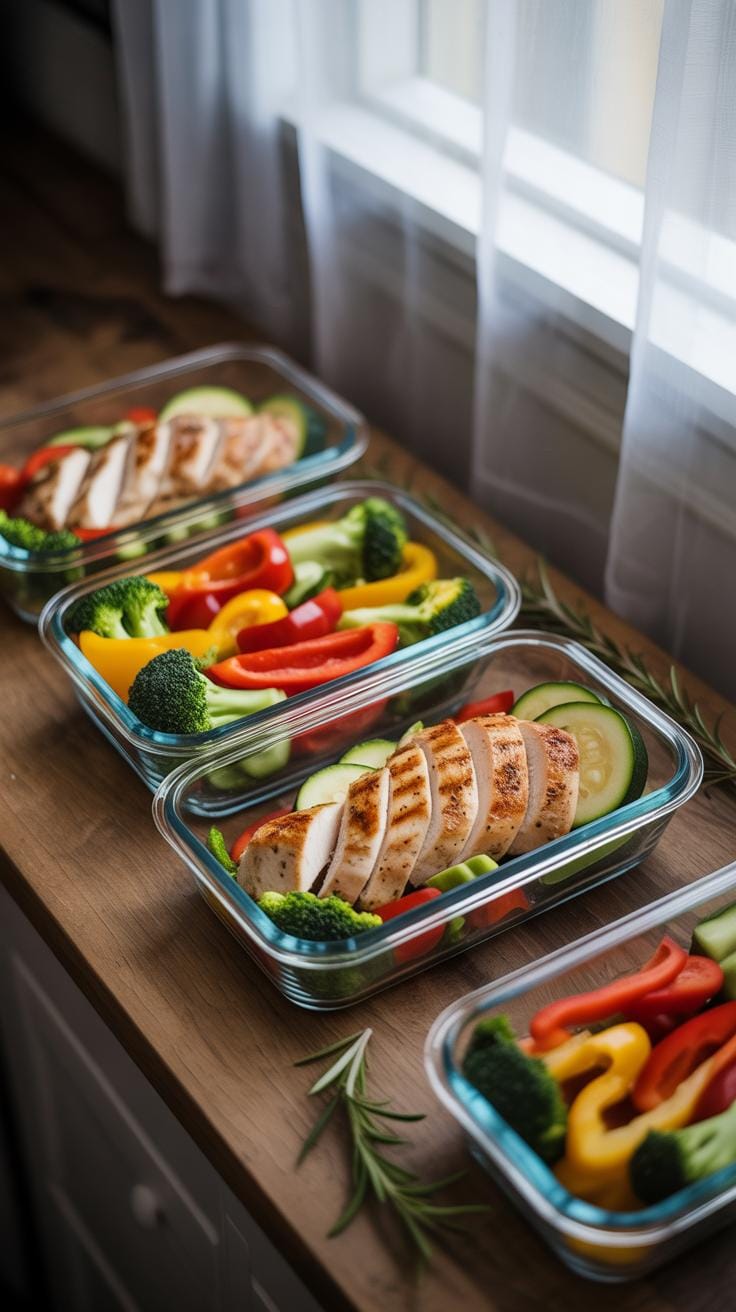
It’s easy to overlook carbs hiding in foods you think are safe. Take sauces, dressings, and condiments—they often sneak in sugars or starches that add up quickly. For example, ketchup may seem harmless but can contain around 4 grams of carbs per tablespoon. Sometimes, low carb packaged products contain fillers like maltodextrin, which spikes carb counts unexpectedly.
Also, nuts and seeds are tricky. While generally low in net carbs, certain varieties have more carbs than you’d guess, especially if you eat them in larger amounts. Even “low carb” vegetables—like carrots or onions—can add extra carbs when used heavily in recipes.
Have you ever added a broth cube or seasoning packet without checking the carbs? Those can hide sugars or starches, throwing off your meal tracking. Keeping an eye on less obvious sources helps you avoid sneaky carb mistakes.
Using Nutrition Labels Correctly
Nutrition labels can be confusing. First, serving size matters a lot. What looks like a small carb count might double or triple once you adjust for how much you actually eat. Always double-check the serving size and compare it to your portion.
Then, focus on total carbs and fiber to figure out net carbs. Subtract fiber from total carbs, but watch out for sugar alcohols. Not all of them impact blood sugar the same way; some contribute fewer net carbs, others act more like sugar. It’s not always clear, so researching the specific sugar alcohol in your food helps.
Ingredients lists are another tool. Sometimes companies list multiple sweeteners or starches that may not appear clearly in the carb totals. Reading labels fully rather than just scanning for “low carb” claims gives you better control. Ever found “natural flavors” or “dextrose” in your snacks? That’s why paying attention pays off.
Meal Prep Tools and Storage Tips

When you’re deep into low carb meal prep, tools and storage become more than just afterthoughts—they actually dictate how well your meals hold up through the week. Choosing the right kitchen gadgets can save you from those frustrating moments when meals lose their texture or freshness faster than expected. For example, a good set of sharp knives helps you chop vegetables into uniform sizes, making cooking faster and even helping with portion control—something you’ll want to keep an eye on in a low carb plan.
Think about investing in a digital food scale too. Weighing ingredients means you’re not guessing carbs or calories, a little detail that could make or break your progress over time. Also, slow cookers or instant pots often come in handy. They allow you to throw ingredients in and come back hours later, which feels like a small win in a busy routine.
When it comes to storage, containers really matter. Glass containers with airtight lids tend to keep low carb meals tasting fresher longer and avoid that weird plastic smell. Using BPA-free options is worth it if you’re reheating, to avoid any unwanted chemicals sneaking in. I’ve tried some cheap, flimsy plastic boxes, and meals often end up soggy or dry—definitely not what you want after spending time prepping. Mason jars work surprisingly well for salads or dressings, keeping layers fresh and crisp.
About how long prepped meals last: most cooked low carb dishes stay good for about 3 to 4 days in the fridge. If you want to stretch that, freezing is your friend. Just be mindful with creamy sauces or dairy-heavy foods, since their texture might change when thawed. Labeling containers with dates can save headaches and keep you honest about freshness.
Reheating seems simple but can trip people up. Avoid reheating more than once, as this can raise the risk of bacteria growth. Heating slowly and evenly—covering meals to retain moisture—usually works best. Ever noticed some meals just don’t taste the same after a microwave zap? That’s often because of uneven heating.
One lingering question might be: do all low carb meals freeze equally well? I’m still sorting that out myself. Some veggies get mushy, some proteins dry out. Trial and error might be inevitable here, but with good tools and storage, you’ll reduce waste—and frustration—on the way.
Balancing Nutrients in Low Carb Meals

When you focus on low carb meal prep, it’s easy to fixate just on cutting carbs, but that can leave your meals feeling incomplete or even unsatisfying. The key lies in balancing proteins, fats, and fiber alongside your carb choices. Protein helps keep hunger at bay, and fats provide both energy and that feeling of fullness you probably crave after a day of eating less sugar and starch. But fiber? It’s often overlooked. It slows digestion and supports gut health, making your meals more than just a rush of nutrients that disappear too fast.
Ignoring one or the other often leads to meals that don’t quite hit the mark. You might feel full initially but end up snacking too soon, or worse, lose energy mid-afternoon. So pacing your nutrient intake really matters.
Protein Sources to Include
Planning your low carb meals means picking the right protein sources, and there are plenty to choose from. Here’s a quick look:
- Chicken breast or thighs – lean, versatile, and rich in essential amino acids.
- Eggs – easy to prep, affordable, and they keep well in the fridge.
- Beef or pork – offers variety in flavor and fat content; great for slow cooking.
- Fish, especially fatty ones like salmon or mackerel – they bring omega-3s and protein together.
- Tofu and tempeh – if you’re leaning toward plant-based options, these pack protein with some fiber too.
- Greek yogurt or cottage cheese – these can work for snacks or meals, but watch portions for carbs.
You might notice some proteins come with different fat levels, which actually helps you tweak your meal balance without extra effort.
Healthy Fats and Fiber Role
On a low carb diet, fats aren’t just an energy source; they make meals satisfying and enjoyable. Without enough fat, you could miss that satiation, leaving you hungry sooner. Think olive oil drizzled on veggies, avocados sliced on your plate, or a handful of nuts as snacks. These fats support your brain and overall energy too.
Fiber, on the other hand, helps regulate digestion and keeps blood sugar more stable. It slows absorption, which complements your lower carb intake nicely. Vegetables like broccoli, spinach, and Brussels sprouts bring good fiber without bumping your carb count much. Psyllium husk or chia seeds can be easy additions if you struggle to get enough fiber.
It’s a tricky balance because too much fat or fiber without the right protein can backfire, but with a bit of practice, you find what works for your body and taste buds. Do you find your meals satisfying enough? Or is something missing? This can often point back to how well you balance all these nutrients together.
Common Low Carb Meal Prep Mistakes

One of the most common pitfalls is skipping your meal prep days altogether. You might think it’s fine to wing it once in a while, but those moments often turn into grabbing whatever is easiest—usually carb-heavy and quick, like bread or pasta. When you skip prepping ahead, your options narrow fast. That leads to impulsive choices that don’t fit your low carb goals, even if you’ve been disciplined the rest of the week.
Another frequent mistake is underestimating portions. People often eyeball the amount of protein or veggies without measuring, which can completely throw off carb tracking. Maybe you think a handful of nuts is just a snack, but it adds up. Or you assume one plate equals one serving, yet it might be nearly double. This affects satiety too—eat too little, and hunger hits sooner; too much, and you might accidentally overload carbs.
Have you noticed times when you felt unsatisfied or overly full after a meal? Those moments are clues that your portions need tweaking. Meal prep isn’t just about cooking in bulk. Portion size control is crucial to stay on track and feel balanced.
Meal Prep Mistakes Impact on Weight Loss

When you’re focused on a low carb diet, every meal counts. But little slip-ups during meal prep can sneakily derail your progress. For example, you might think prepping chicken and veggies is simple enough—until you realize the marinade or sauce you used has hidden sugars or starches that add unexpected carbs. These unnoticed carbs pile up over days, stalling weight loss or even causing weight gain.
Such errors can also breed frustration. Imagine spending hours prepping meals only to step on the scale and see no change. It’s easy to blame yourself or the diet, but sometimes it’s really about the details you missed. I’ve seen people lose steam after a week or two because their meals weren’t quite low carb, even if they believed they were sticking to the plan.
There’s also the risk of diet fatigue. Repeated mistakes may cause you to question your efforts. If your meals don’t satisfy or if you’re constantly adjusting, motivation drops. You might start skipping meals or reaching for convenience foods that knock you further off track.
Carb Overload Consequences
Consistently exceeding your carb limit—even by a small margin—can throw off your body’s metabolism. You might notice energy slumps, increased hunger, or plateaued weight loss. When your carb intake creeps up because of meal prep errors, your body struggles to stay in fat-burning mode.
For instance, swapping cauliflower rice for regular rice in a recipe sounds minor but can add 30-40 extra grams of carbs per meal. If this happens multiple times, it doubles your daily carb intake without you really knowing. This steady overload often causes water retention and bloating, making progress feel invisible.
Plus, the hormonal effects—like insulin spikes—can sabotage fat burning. It’s like pushing your body back into sugar-burning instead of fat-burning, which is exactly what low carb is meant to avoid.
Loss of Motivation and Adaptation
When mistakes pile up, they wear on your motivation. You might start wondering if the diet is right for you, especially if the scale doesn’t move or if cravings increase. This wavering can make sticking to low carb harder than it needs to be.
Things get trickier when repeated errors teach your body to expect more carbs, even if you try to cut back later. The metabolic adaptation isn’t always fast or straightforward. Sometimes you might feel hungrier or less satisfied, prompting you to eat more or quit altogether.
Sticking with low carb long-term calls for patience and a bit of trial and error. But falling into the trap of recurring meal prep mistakes just makes that journey longer and more frustrating. Do you find yourself repeating certain mistakes? If so, maybe it’s time to rethink your prepping approach before motivation fades completely.
Checklist for Effective Low Carb Prep

Pre-Prep Planning Steps
Before you even step into the kitchen, take a moment to review your recipes. Make sure the ingredients fit your carb goals and that you actually enjoy the meals. There’s no point preparing something you won’t want to eat later.
Next, write a detailed grocery list. Include all the needed veggies, proteins, and fats. Skipping this can lead to last-minute trips or, worse, forgetting key low carb items like cauliflower or avocado.
Check your pantry and fridge before shopping. Sometimes you already have essentials, reducing waste and saving time. I admit I don’t always do this, which usually means buying duplicates.
Plan your prep workload. If you’re only prepping for a few days, you can make more perishable meals. But for a whole week, focus on longer-lasting options. Would you rather cook three times or just once? Decide what fits your schedule.
Post-Prep Practices
Once your meals are ready, divide them into portion-sized containers right away. Leaving food in large batches tempting to overeat or spoil. Trust me, separating meals early helps control portions and keeps you on track.
Label everything. Note the date and meal type—something simple like “Tuesday lunch” or “Chicken salad 4/10.” It saves confusion and wasted food, especially if you prep for various family members.
Store meals smartly. Use airtight containers and refrigerate or freeze depending on when you plan to eat them. Some proteins don’t thaw well or lose texture if frozen too long, so factor that in.
Finally, clean as you go but don’t rush. Sometimes I’ve left messes for later, which only discourages the next prep session. A tidy kitchen makes starting again easier and less stressful.
Example Low Carb Weekly Meal Plan
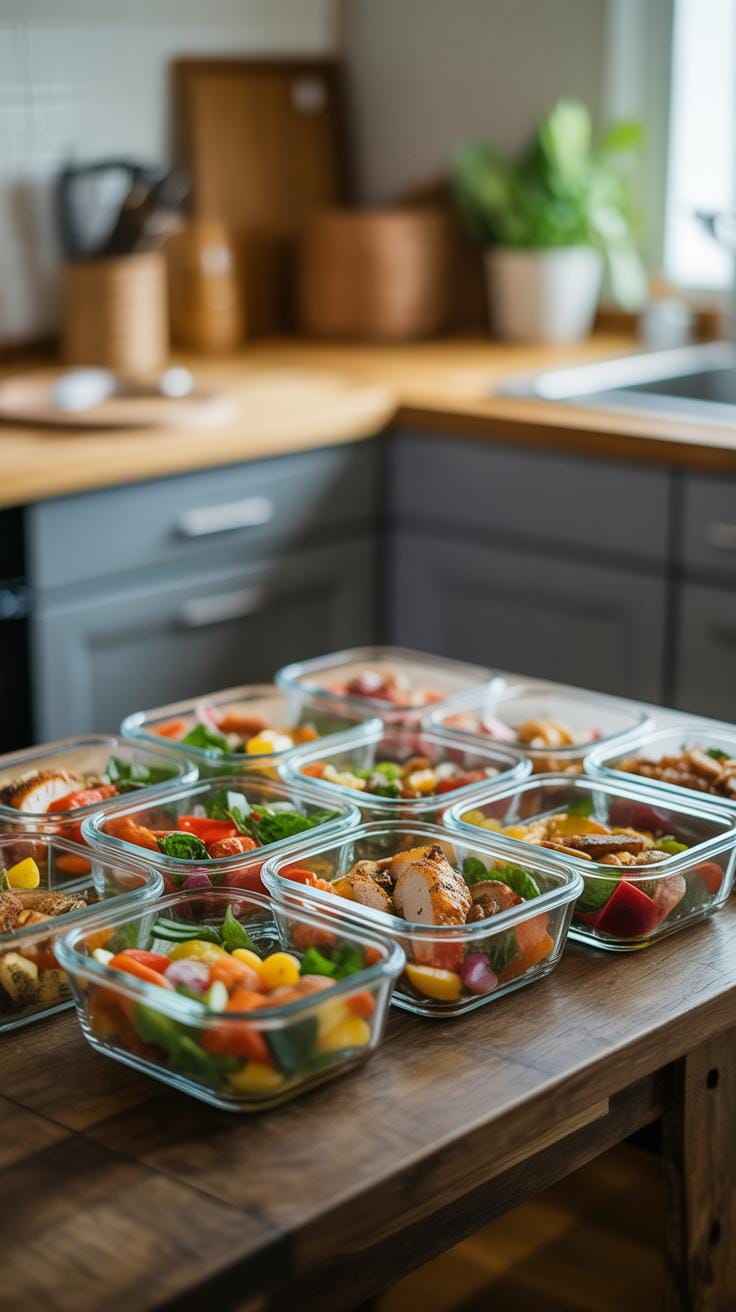
Let’s get practical. A low carb weekly meal plan doesn’t have to be complicated or repetitive. You want variety but without overthinking it. Here’s a simple rundown that keeps things balanced across different meals and snacks.
For breakfast, rotate between an omelet with spinach and cheese, Greek yogurt mixed with a few berries and nuts, and sometimes just boiled eggs paired with avocado. These are quick, filling, and keep the carbs low without feeling boring.
Lunch could be grilled chicken salad with a mixture of greens, olive oil, and a handful of nuts some days; tuna mixed with mayo and celery on others; or even cauliflower rice with stir-fried veggies and shrimp to change things up. The key is to blend protein sources and fresh veggies to avoid meal fatigue.
Dinner options might look like baked salmon with asparagus, zucchini noodles tossed with pesto and grilled sausage, or a simple beef and broccoli stir-fry. These dinners are straightforward but flavorful. They don’t need to be fancy, just enough to keep your carb count in check while staying enjoyable.
Snacks are often overlooked but can make or break your prep. Think cheese sticks, hard-boiled eggs, or a handful of almonds. Even celery with cream cheese works if you want a crunchy, satisfying bite. You could try cucumber slices with guacamole—it’s surprisingly filling.
Does this sound doable? You’ll likely want to tweak based on what you enjoy most or what’s available. The trick is to keep your staples consistent but add small tweaks so you don’t get tired of eating the same thing every day. It’s less about strict rules and more about patterns that help you stick with low carb without feeling stuck.
Conclusions
Successful low carb meal prep requires attention to detail in planning, ingredient choice, and portion control. Avoiding common mistakes helps keep your diet on track and supports your health goals. With practice, meal prep can become an easy and rewarding part of your routine.
Remember, your choices in meals directly affect your results. Use the tips and checks shared here to improve your meal prep habits and experience better outcomes with your low carb lifestyle.