Introduction
Low calorie snacks offer a way to keep your energy steady without adding excess calories. Choosing the right snacks can help you maintain focus and avoid hunger between meals. This article looks at how low calorie snacks support your energy level and weight management.
You will find clear guidance on the types of low calorie snacks that give you nutrients and energy. The article also explains why these snacks matter for your health and how they aid your weight loss goals. Let’s explore practical options and tips to incorporate these snacks into your daily routine.
What Defines a Low Calorie Snack
A low calorie snack generally falls within the range of 100 to 150 calories, sometimes stretching up to 200, depending on your daily goals. These snacks tend to be light but satisfying enough to curb hunger without tipping your calorie budget for the day. They often have a simple list of ingredients, focusing on whole foods rather than heavily processed items. Think fresh veggies, small portions of nuts, or air-popped popcorn.
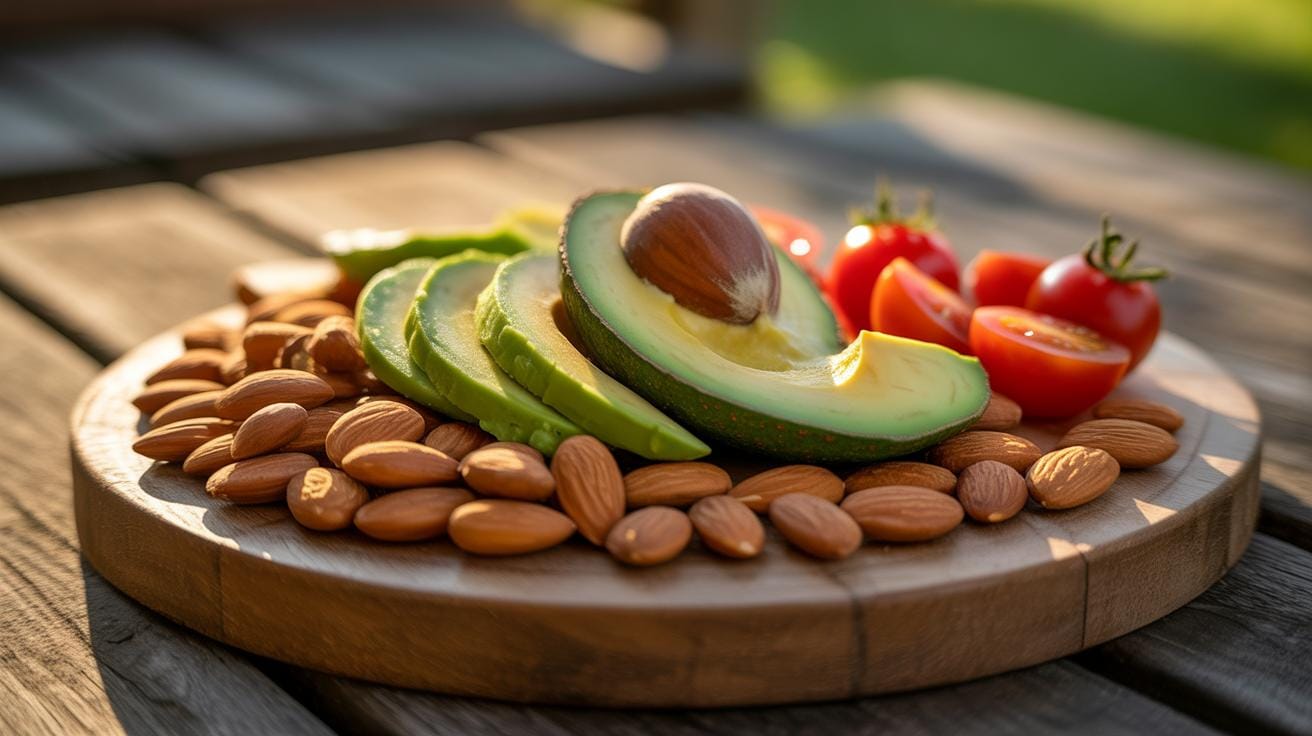
Choosing snacks for weight loss and energy means looking beyond calories alone. You want options that offer some nutritional value—protein or fiber—to keep you feeling fuller longer. For energy, snacks with a balance of carbohydrates and a touch of protein help maintain steady blood sugar levels. It’s not just about reducing calories; it’s also about optimizing the kind of calories you consume.
Some popular low calorie snacks people tend to reach for include rice cakes, celery sticks with a bit of hummus, and light Greek yogurt. You might question why plain popcorn makes the cut, but when you keep portions reasonable and skip butter, its volume makes it a surprisingly satisfying choice.
Typical Low Calorie Snack Examples
Here are a few common favorites that consistently show up in low calorie snack lists:
- Puffed rice cakes: Around 35 to 50 calories per cake. Light and crunchy, they fill you up despite the small calorie count, which can be helpful when paired with a thin spread of nut butter.
- Frozen yogurt bars: Usually 100 to 150 calories per bar. They offer a sweet treat with fewer calories than ice cream, but watch out for added sugars that can sneak in.
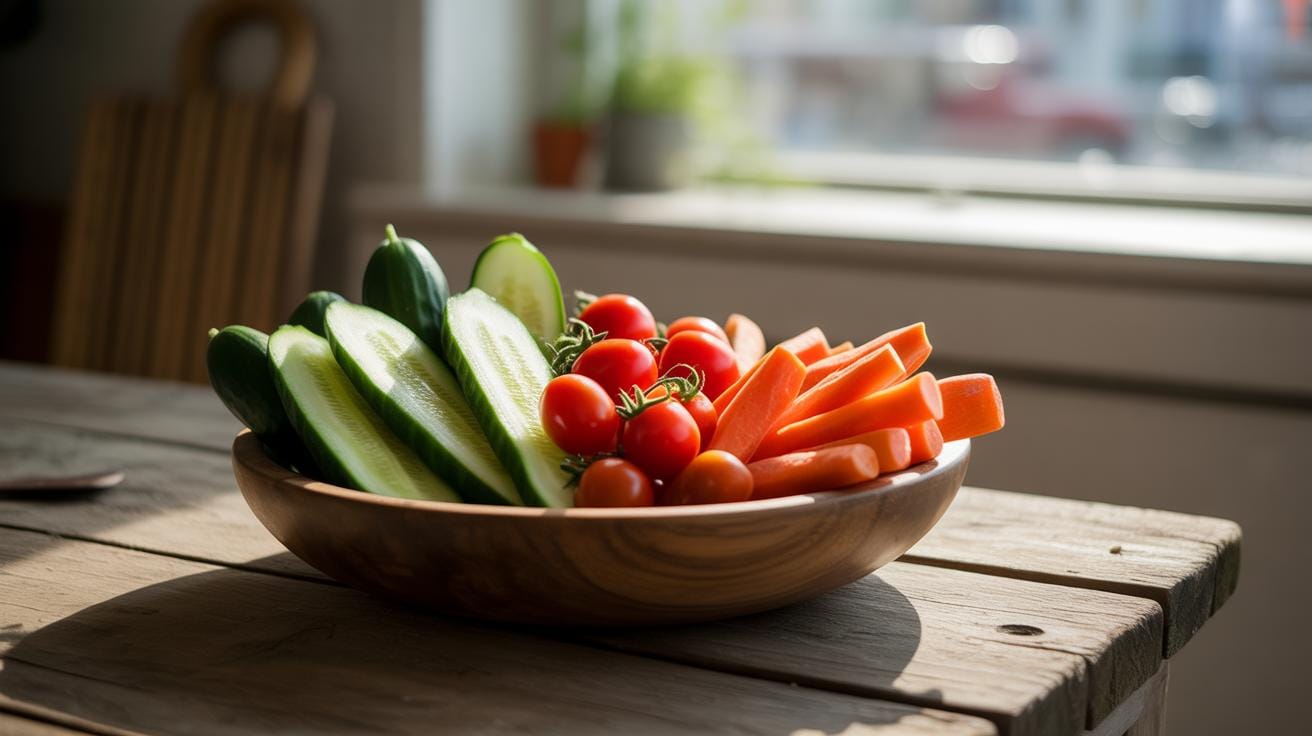
- Vegetable sticks: Carrot, cucumber, and celery sticks are often under 50 calories per serving. Their water and fiber content helps with fullness and hydration.
- Air-popped popcorn: About 30 calories per cup. Low in fat and carbs, it’s easy to eat several cups without going overboard, making it a smart choice if you want something salty and crunchy.
These snacks tend to be favored because they offer texture variety and some level of satisfaction that prevents overeating later. They’re easy to portion control, too—a crucial factor when managing intake. Personally, I find that having a crunchy, low calorie snack at hand keeps me from reaching for sugary or calorie-dense comfort foods when fatigue hits.
Calorie Limits for Snacks
What counts as low calorie depends somewhat on your overall daily calorie allowance and your weight loss strategy. Generally, aiming for snacks between 100 and 150 calories is a safe zone. This allows you to enjoy multiple snacks if needed without undermining your daily calorie target.
For weight loss, keeping total snack calories around 200 to 300 per day is often reasonable. That could mean one larger snack, or two smaller ones spaced throughout the day. Do you snack more when you work at a desk or when you’re active? That might influence how you distribute those calories.
Some may think fewer calories is always better, but starving yourself between meals can backfire, making you overeat later. Choosing snacks that provide some fullness and steady energy, even if they’re closer to that 150 calorie mark, often works better.
Why Choose Low Calorie Snacks
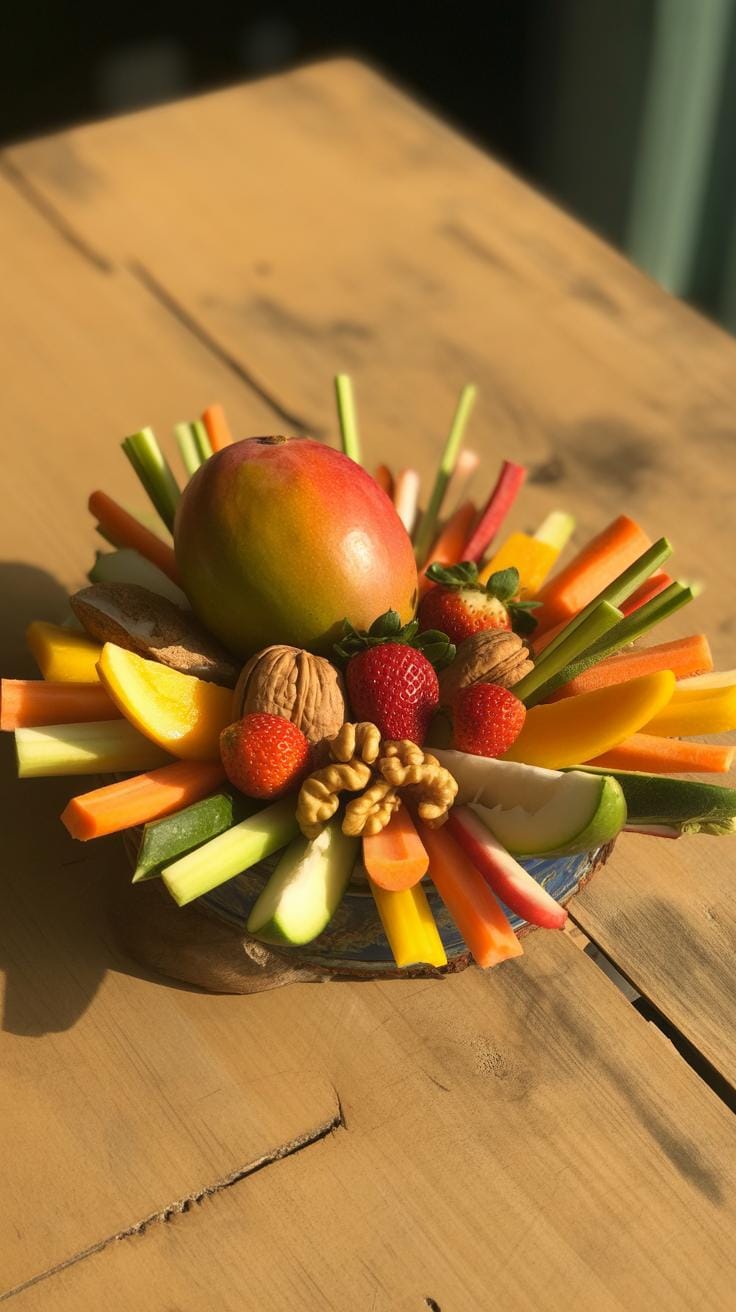
Eating low calorie snacks instead of high calorie ones can really change how you feel throughout the day. When you pick snacks that aren’t packed with sugar or fat, your energy tends to stay steady. You avoid those awful energy crashes that often hit after something too sweet or greasy. For instance, a handful of carrot sticks or a small apple might keep you going longer than a sugary granola bar.
These lighter snacks also help with hunger control. They fill you up just enough to prevent overeating at meals later on. It might seem odd—eating less to stop feeling hungry—but it works almost like a reset for your appetite. When your stomach isn’t empty or stretched out from heavy snacks, you’re less likely to binge or reach for snacks that add unnecessary calories.
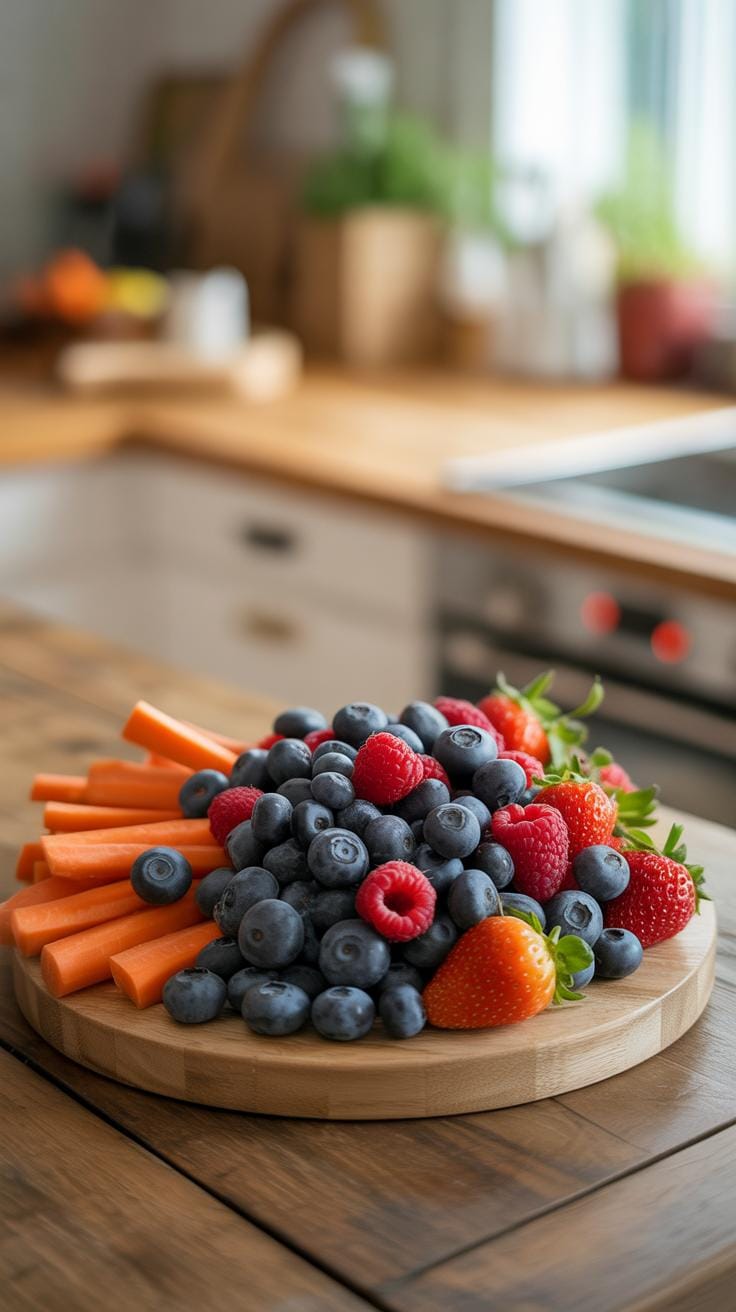
When it comes to weight loss, low calorie snacks make sticking to a calorie deficit more manageable. If you snack often, swapping high calorie options for lighter ones adds up. You don’t have to give up snacking altogether. Instead, you choose items that support your goals without pulling you off track. Healthy snacking habits, like grabbing a small handful of nuts or some fresh berries, keep things balanced and make losing weight feel less like a struggle.
When to Eat Low Calorie Snacks
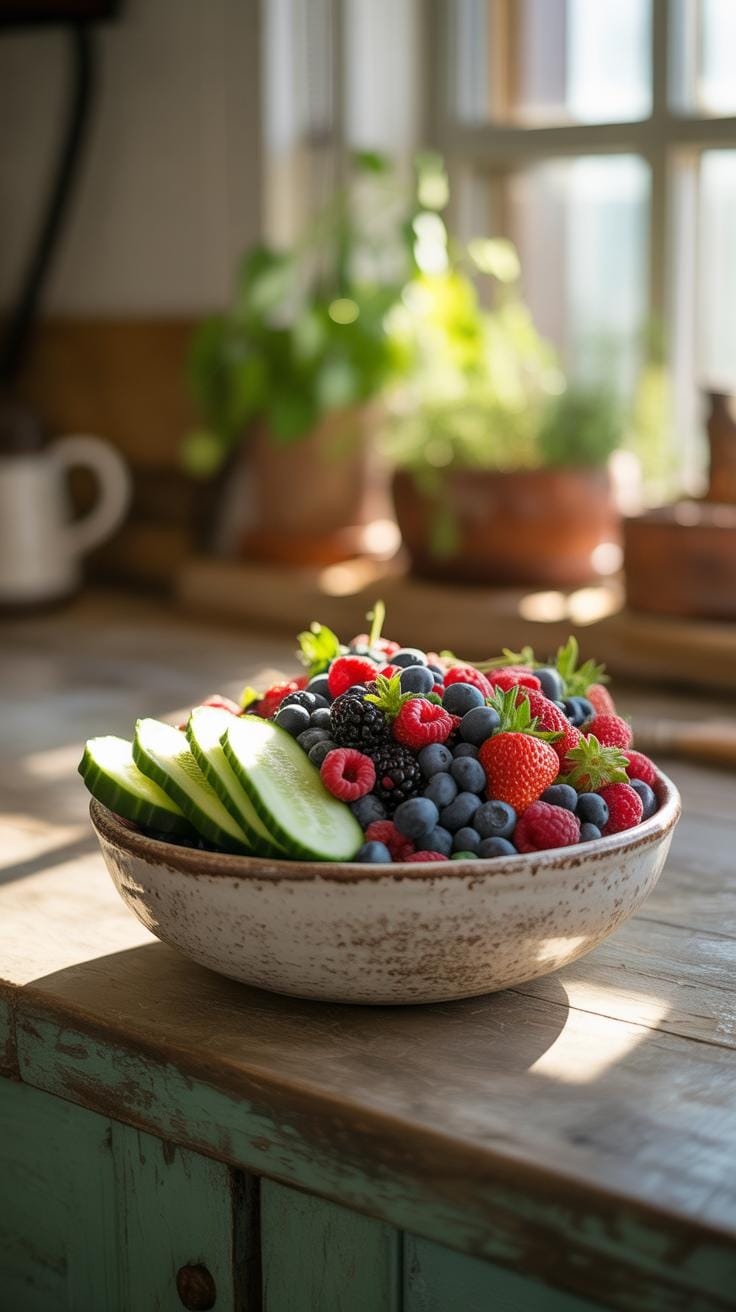
Knowing when to eat low calorie snacks can really make a difference in your energy levels and weight management. For instance, having a small snack before exercise can give you that extra push without feeling weighed down. Think of a handful of berries or a rice cake with a bit of nut butter—light, but enough to fuel your workout.
After you exercise, your body craves nutrients to recover. A low calorie snack with protein or some healthy carbs helps replenish energy without overdoing calories. Mid-morning snacks are helpful too, especially if breakfast was early or light. They keep your blood sugar steady and prevent overeating later.
When you feel hungry between meals, it’s tempting to grab whatever’s around. Sticking with low calorie options means you satisfy hunger without sabotaging your goals. Timing here is a bit tricky—if you snack too close to the next meal, it might reduce your appetite, but if too long, you risk overeating.
Timing Snack Intake
Eating snacks at the right moments can avoid that dreaded overeating at mealtime. If you wait too long, hunger builds up and your portion sizes tend to grow. Planning snacks about two to three hours after a meal can help keep appetite in check and energy steady. For example, if lunch is at noon, a 3 pm snack might be perfect.
Your snack schedule could look something like this:
- Mid-morning, around 10 or 11 am
- Mid-afternoon, approximately 3 pm
- Before or after exercise, depending on when you train
Adjust as needed—listen to your body. The goal is to prevent extreme hunger without constantly eating. That balance isn’t always easy, but with some trial, it becomes clearer.
Snack Choices for Different Times
Different times of the day call for different snack types. Morning snacks might be lighter, balancing carbs and some protein—things like low-fat yogurt with fruit or a small smoothie work well. Afternoon snacks might need more staying power like raw veggies with hummus or a few almonds.
If you’re snacking pre-exercise, simple carbs such as a banana or pretzels can provide quick energy. Post-exercise, something with higher protein but still low calorie, like cottage cheese or a boiled egg, helps with muscle recovery. When hunger strikes at odd times, keep easy options handy—perhaps air-popped popcorn or a small apple—with enough fiber to keep you feeling fuller.
What’s your ideal snack timing? Maybe you’ve noticed certain snacks keep you going longer, or others leave you more hungry. Experiment; that’s the only way you’ll really find what suits your routine and cravings best.
How to Select Low Calorie Snacks
Reading Nutrition Labels
When you’re standing in front of the snack aisle, labels can feel like a maze. Start by checking the serving size—it’s easy to overlook that one package might hold two or more servings, doubling or tripling the calorie count without you realizing it. The calorie content listed is always per serving, not per package. So yes, that tempting bag of chips could be way more calorie-dense than it looks at first glance.
Look closely at the ingredient list for surprising calorie sources. Ingredients like sugar, honey, oils, and syrups sneak in calories rapidly. Even snacks labeled ‘natural’ or ‘healthy’ can contain added sugars or unhealthy fats that bump up calories. Sometimes, if you spot words like “hydrogenated oils” or “corn syrup,” that’s a clue the calorie content might be hiding behind something not so obvious.
Choosing Nutrient-Dense Snacks
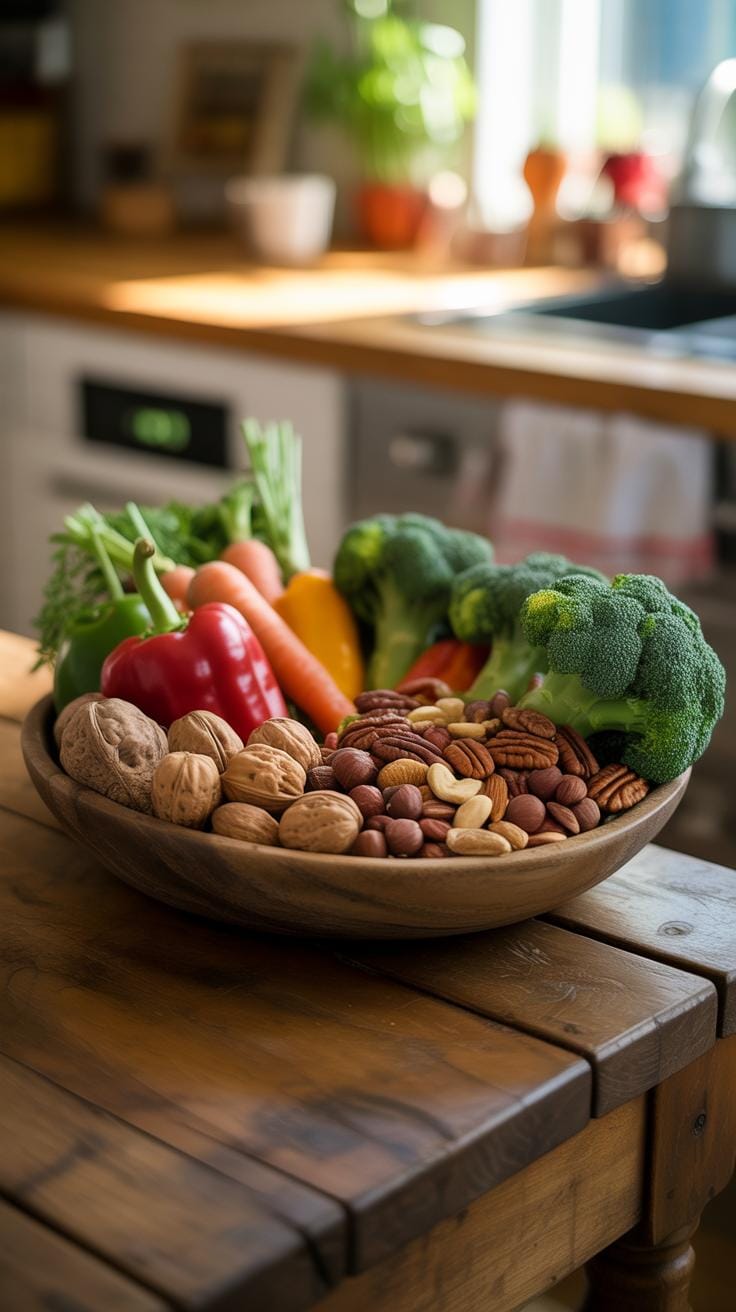
Picking a snack just because it’s low in calories isn’t enough on its own—your body needs more than just fewer calories to feel satisfied. Look for snacks with protein and fiber—they fill you up longer and help keep energy steady. For example, a handful of almonds packs protein and fiber, unlike some rice cakes that might be super low calorie but leave you hungry soon after.
Don’t forget about vitamins and minerals, too. Snacks made from whole foods—like fresh fruit, veggies with hummus, or Greek yogurt—offer something processed snacks rarely provide. That balance keeps your body fueled and supports your weight goals better than just cutting calories alone. You may find yourself more satisfied with a slightly higher calorie snack if it means more lasting energy. It’s a bit of a trade-off worth considering.
Easy Low Calorie Snack Recipes
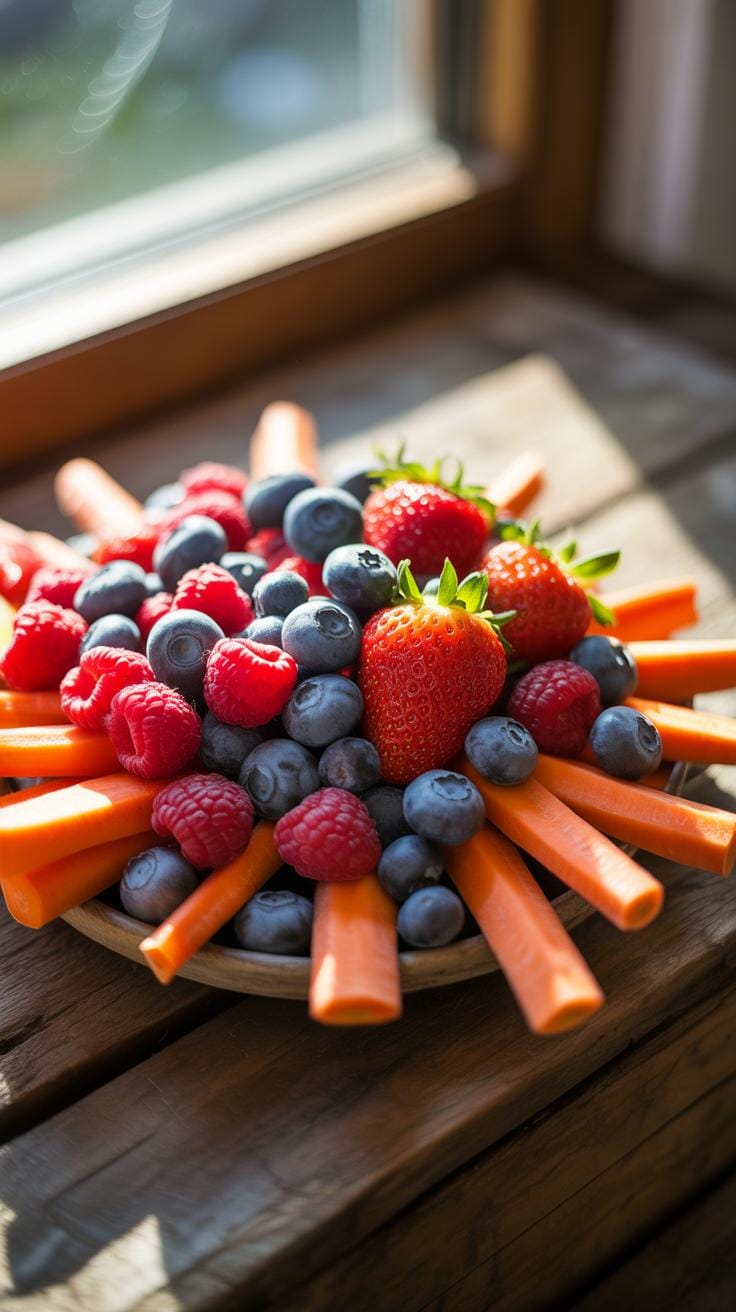
Making low calorie snacks at home doesn’t have to be complicated. Think of it like mixing and matching simple ingredients you probably already have—fruits, veggies, yogurt, whole grains. For example, try slicing an apple and pairing it with a small spoon of peanut butter or layering Greek yogurt with fresh berries and a sprinkle of oats for a quick parfait. Simple combos like these can fuel your energy without tipping the calorie scale.
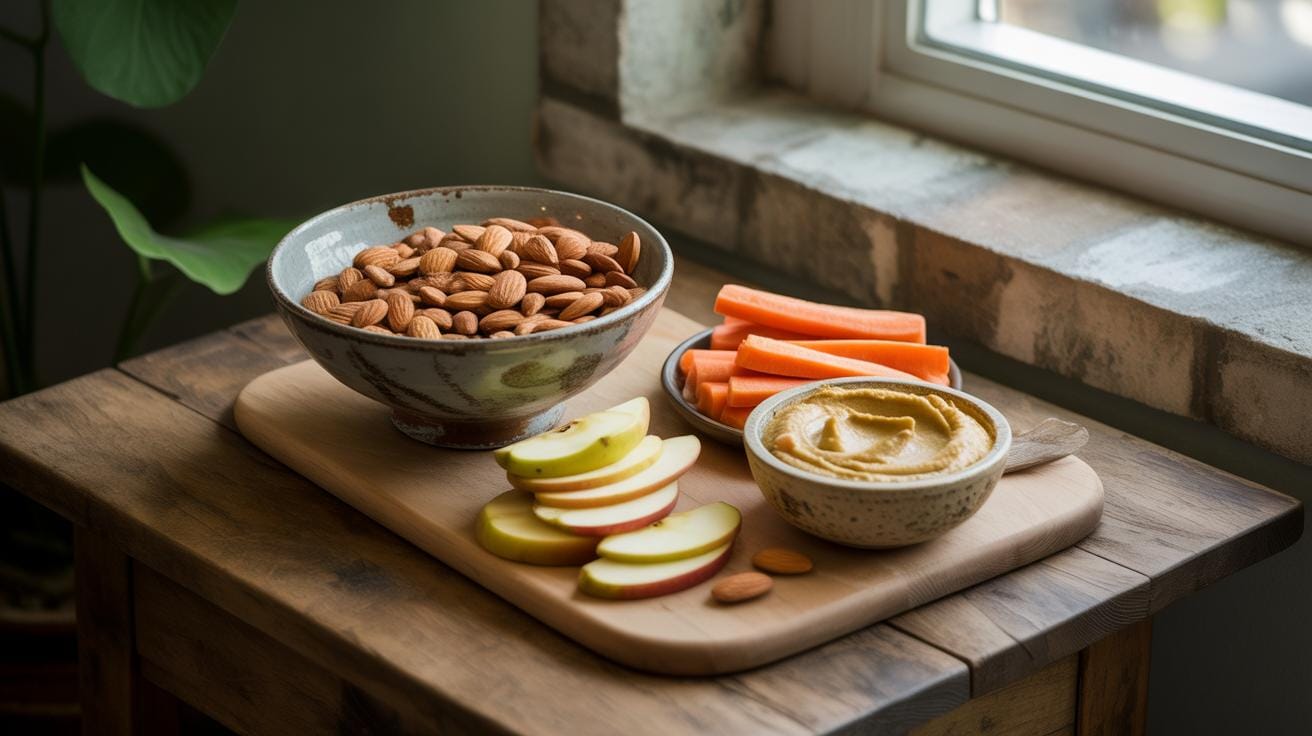
Consider a handful of carrot sticks dipped in hummus or a small bowl of mixed berries topped with a dollop of low-fat cottage cheese. You can also toss together a quick salad with cucumbers, cherry tomatoes, and a bit of lemon juice. These options need minimal effort but still offer nutrients that keep you going when hunger strikes.
No-Cook Snack Options
Sometimes, you just don’t want to heat up the kitchen. No-cook snacks are perfect for that. A fruit bowl stacked with seasonal favorites can be super satisfying—maybe melon, kiwi, and a few grapes. Or crunch on celery and snap peas with a light yogurt-based dip. If you keep plain low-fat yogurt on hand, mixing in some frozen berries or a drizzle of honey creates a fast, filling snack, no prep needed.
Simple Homemade Treats
Making your own treats can be surprisingly straightforward. Frozen yogurt bars are a good place to start: blend your choice of yogurt with fruit purée, pour into molds or ice cube trays, and freeze. It’s an easy way to cool off while keeping calories low. Baked vegetable chips—think thin-sliced zucchini or kale tossed with a bit of salt and baked until crisp—offer a crunchy alternative to store-bought snacks. They require some time in the oven but no complicated steps.
Do these ideas sound doable? Sometimes you just have to experiment a bit to find what works for your taste and schedule. Low calorie snacks don’t have to be boring or bland, after all.
Low Calorie Snacks Versus High Calorie Snacks
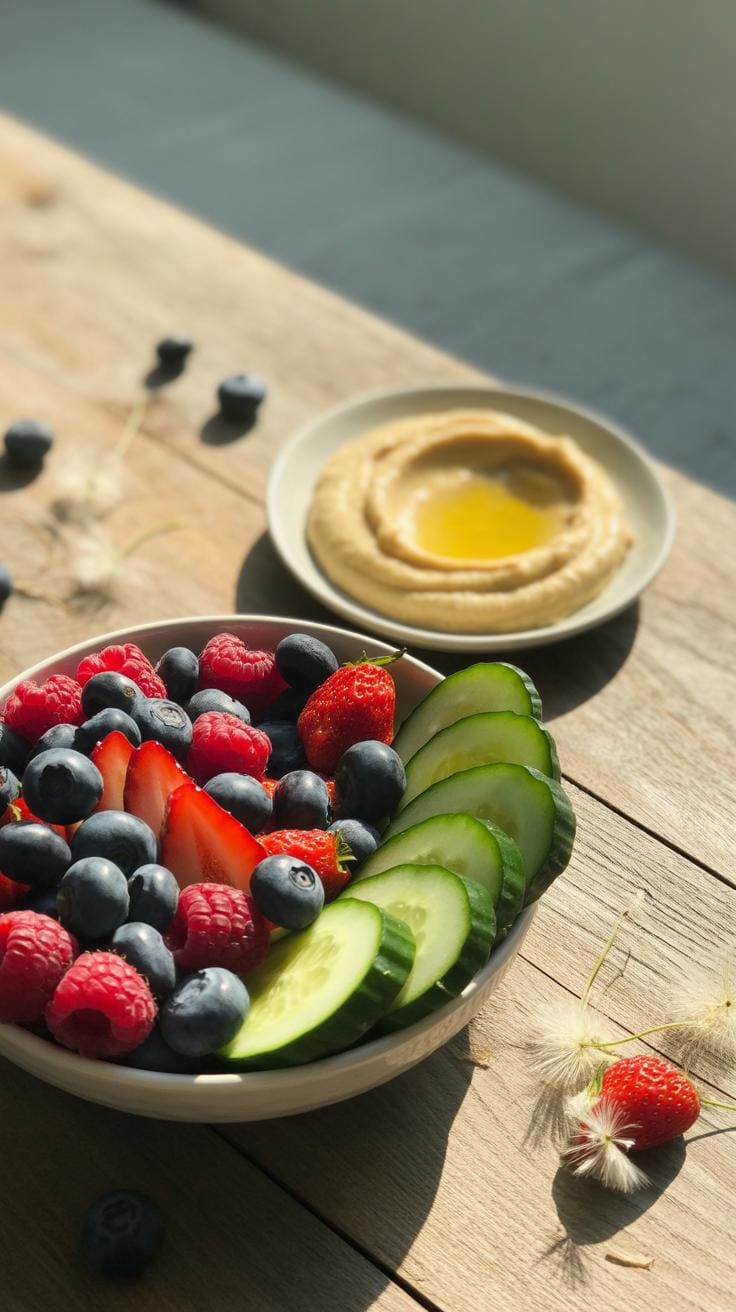
When it comes to energy, low calorie snacks tend to provide a steadier, more sustained release. You might notice that after a light snack like an apple or some carrots, your energy feels stable but not overwhelming. In contrast, high calorie snacks—think of something sugary or heavily processed—often lead to quick energy spikes followed by a crash. That sudden rush can be tempting, but it leaves you tired soon after. It’s like your body burns through that burst fast and then signals for more.
The way your body processes these snacks also differs. Low calorie snacks often contain fiber, protein, or healthy fats that require more digestion time, so energy comes on slowly and lasts longer. High calorie snacks, especially those rich in refined carbs and sugars, digest rapidly, pushing glucose into your bloodstream too fast. This causes your insulin levels to spike, which then brings your blood sugar down quickly, stirring hunger back sooner than you might expect.
About appetite control, I’ve found that low calorie snacks do a better job at curbing hunger between meals. They tend to fill the stomach or provide satiety signals that last, so you’re less prone to overeating later. On the other hand, despite being calorie-dense, high calorie snacks don’t always satisfy hunger well. You might eat something dense but still feel the urge to nibble again quickly—partly because of how those foods affect hormones linked to hunger and fullness.
- Low calorie snacks provide gradual, longer-lasting energy.
- High calorie snacks trigger fast energy surges, followed by crashes.
- Fiber and protein in low calorie options slow digestion, enhancing fullness.
- Rapid digestion of high calorie snacks can cause quicker return of hunger.
- Choosing low calorie snacks can improve hunger control and support weight goals.
So, when picking snacks, it pays to consider not just calories, but how the food impacts your energy and hunger rhythms. Have you noticed those sudden crashes after a sugar rush? That’s a hint that your snack choice might need tweaking.
Common Mistakes with Snack Choices
Hidden Calories to Watch
When you think of low-calorie snacks, it’s easy to overlook what’s really inside. Sometimes, snacks labeled “healthy” sneak in sugar or fats you don’t expect. For example, flavored yogurt might seem like a light option but often hides added sugars. Even dried fruits pack more calories and sugar than fresh ones, which surprises many.
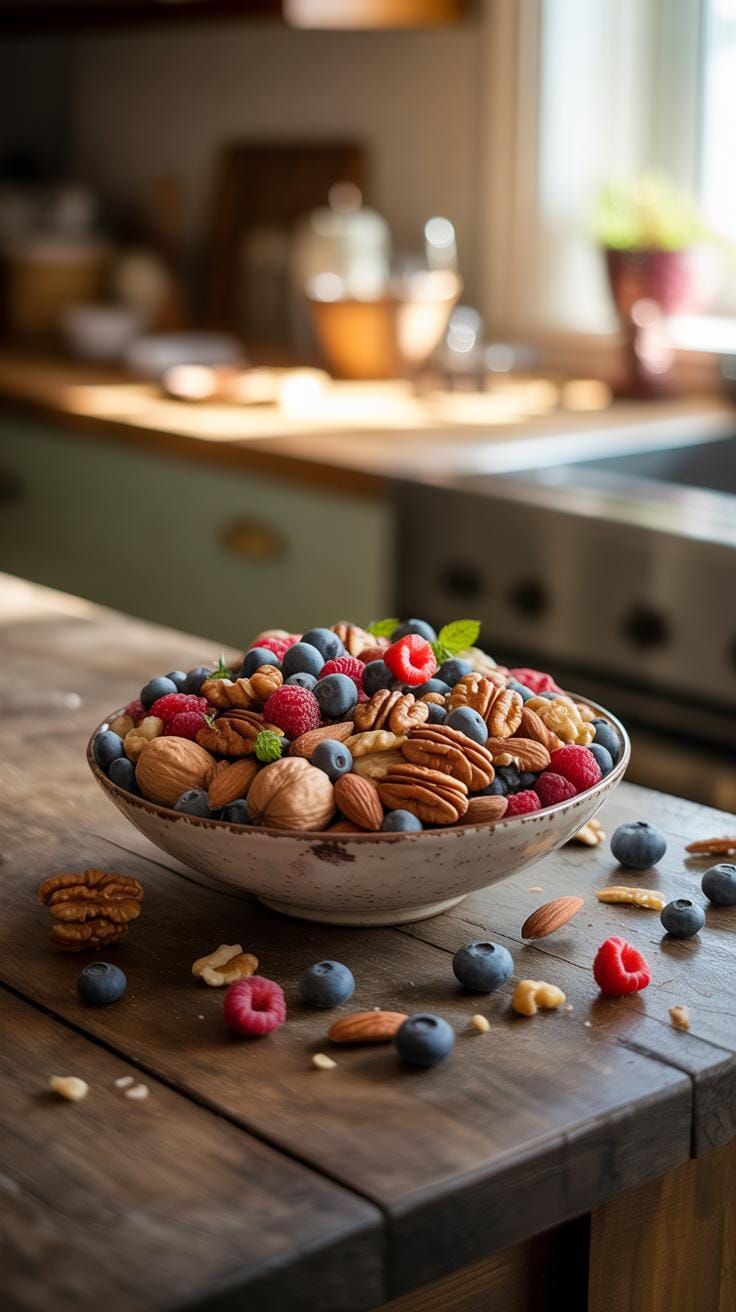
It’s not just sweet treats either. Nuts or granola bars can be tricky—often dense in calories despite small serving sizes. I’ve found myself munching on what I thought was a simple snack, only to realize it was loaded with hidden calories. Checking labels closely helps, though it can feel overwhelming at first.
Portion Control Tips
Portion size matters more than most of us give it credit for. Eating a handful of nuts is fine, but doubling that? Suddenly, you might undo a whole morning’s effort. Using smaller bowls or pre-portioning snacks helps keep things in check. Sometimes, I use baggies to separate servings—less thinking involved.
Also, listen to your body. Stop when you feel satisfied rather than stuffed. This isn’t always easy, especially when snacks are tasty or comforting. Still, trying to resist “just one more bite” keeps calorie intake balanced without feeling deprived. Do you measure portions or just go by appetite? Finding what works for you is part of the process.
Tracking Snack Impact on Health
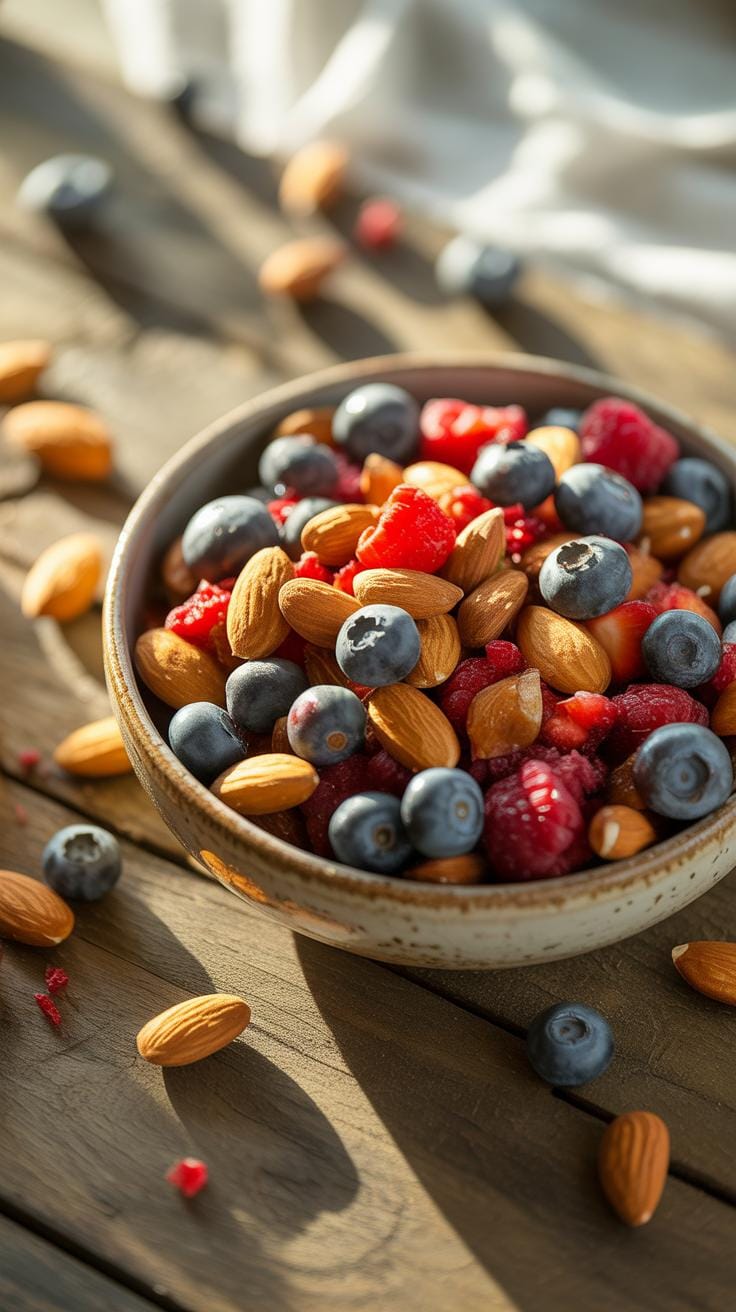
Keeping track of how your low calorie snacks affect you might seem a bit tedious at first, but it can really pay off in understanding your energy and weight changes. You might start by jotting down each snack you eat—what it is, when you have it, and even how you feel afterward. This simple habit can uncover surprising patterns. Maybe you notice a certain snack spikes your energy quickly but leaves you crashing later, or another snack keeps you satisfied for hours.
Food journals aren’t just about calories. Writing things down helps you reflect more on your choices and how they tie to your mood or hunger levels. Just try it for a week and see if you spot any trends. You might be surprised how certain low calorie choices support your goals better than you thought—or which ones quietly undermine them.
On the tech side, apps can make this process less manual and a bit more fun. Tools like MyFitnessPal or Lose It! let you scan barcodes, set goals, and track energy from snacks with a few taps. They often include reminders and charts, helping you connect the dots between what you eat and how it affects your body.
Still, not every app suits everyone—you might find some overwhelming or too detailed. It’s okay to try different options or combine tech with your own notes. The main thing is finding a method that keeps you aware without adding stress.
Planning Snacks for Your Days
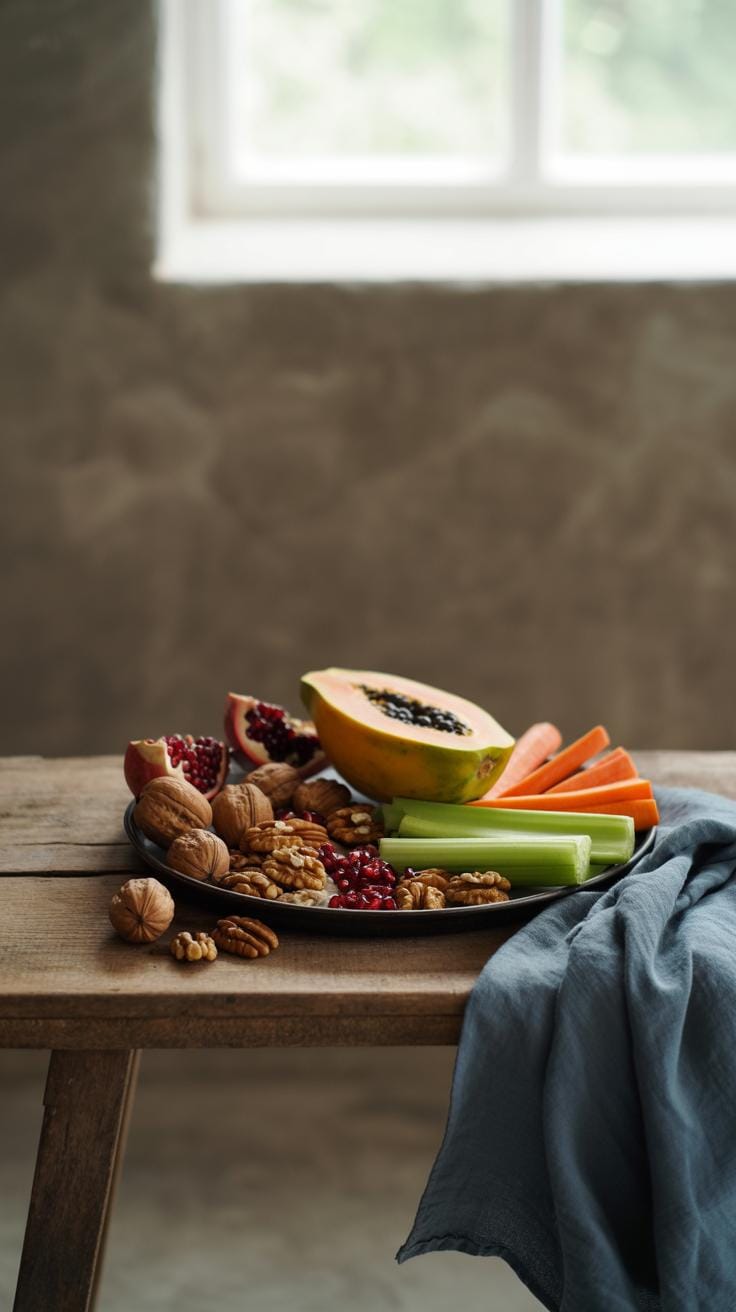
Figuring out which low calorie snacks to eat—and when—can feel a bit tricky at first. But setting up a simple plan helps you avoid the usual hunger pitfalls and keeps your energy steady. Think about your typical day: workdays, weekends, and exercise days all bring different demands on your body, so your snacks might need to shift accordingly.
Try this step-by-step approach:
- List your usual daily activities and note when you normally feel hungry or tired.
- Pick snack options that match those moments—something quick and light for busy workdays, maybe more substantial for exercise days.
- Keep snacks under 150 calories to stay within low calorie goals without feeling deprived.
- For workdays, simple combinations like a small apple with a string cheese or raw veggies with hummus work well.
- Weekends might allow for something a bit more relaxed, such as a smoothie or a handful of nuts paired with berries.
- Exercise days? You’ll want something with a bit of protein and carbs, like Greek yogurt with honey or a rice cake with peanut butter.
You’ll find that having a few go-to snack choices in your pocket eases decision fatigue. Sometimes, though, that spontaneous craving appears despite the plan—that’s okay. The plan’s here to guide, not to cage.
Creating a Snack Schedule
Try to pick fixed times for your snacks that fit within your typical daily rhythm. This sets a routine making it less likely you’ll snack randomly or overeat later. For example, if you eat breakfast at 7 am and lunch at noon, a mid-morning snack around 10 am fills the gap nicely and keeps focus sharp.
Maybe you’re more of an afternoon snacker—then aim for a 3 pm slot instead. The key is consistency rather than rigid timing. Some days, you might skip a snack entirely if you’re not hungry. That’s fine, but try not to wait too long or get hangry.
Snack Prep Tips
Preparing snacks ahead of time saves trouble, especially with busy schedules. I’ve found washing and cutting veggies on Sunday, portioning nuts into small containers, or pre-packing hummus and crackers makes grabbing a snack effortless.
For exercise days, preparing protein-packed snacks like boiled eggs or protein balls in advance can prevent last-minute poor choices. Even something as simple as portioning out fruit or making a batch of low calorie energy bites can keep you on track.
Think about what little steps would fit your life and reduce snack-time stress. You don’t need to prep every day or even every snack—but having a stash ready can keep you steady. What small snack prep ritual could you start this week?
Conclusions
Low calorie snacks can play a key role in balancing your energy needs and helping you reach weight loss goals. Picking snacks that are low in calories but rich in nutrients keeps your body fueled and satisfied.
By focusing on these smart snack choices, you create a simple way to avoid overeating and maintain steady energy. Adding these snacks to your diet supports better eating habits and sustained health benefits.