
Introduction
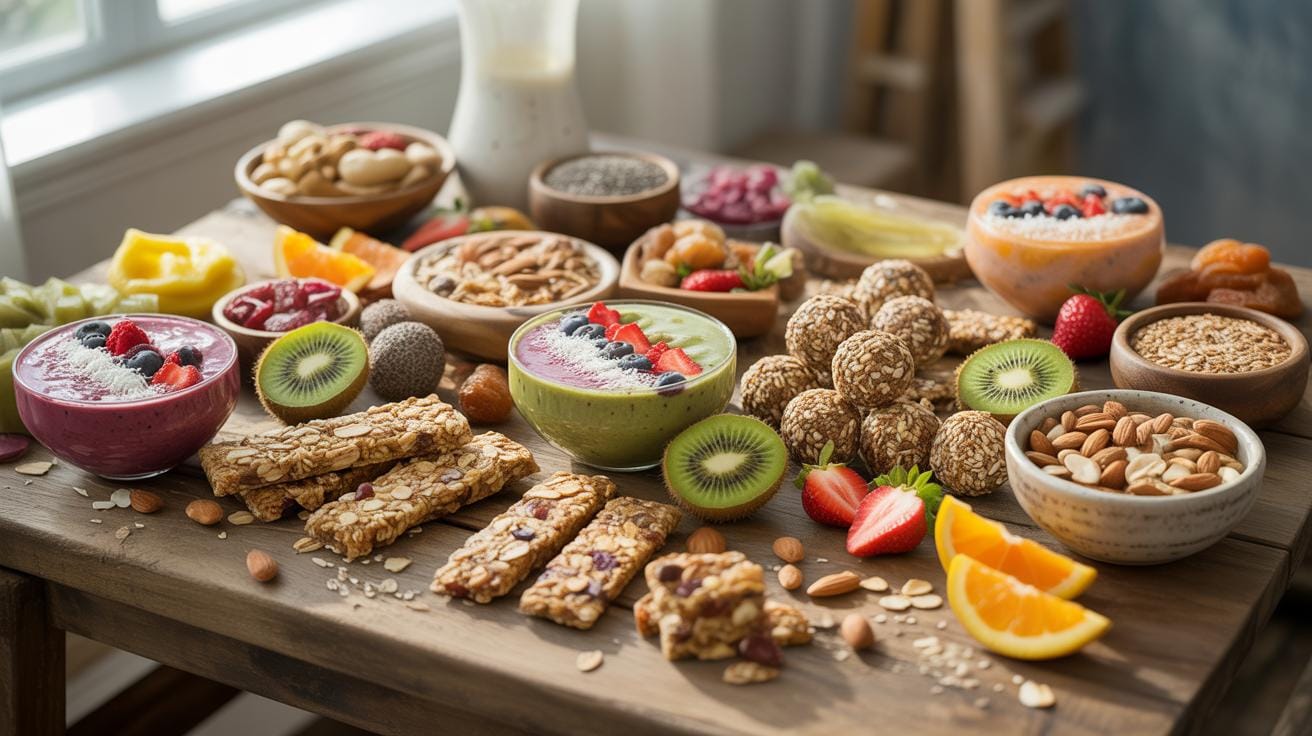
Making your own snacks at home gives you control over what goes into your food. You can choose healthier ingredients and avoid unwanted additives. Homemade snacks allow you to create tasty bites that fuel your body quickly. They help you stay energized through busy days or workout sessions.
This article covers simple recipes and tips for homemade snacks that boost energy. You will learn how to pick the right ingredients and prepare snacks that are easy to carry. From nuts to fruits to grains, we explore options that keep you active and satisfied.
Benefits Of Homemade Snacks
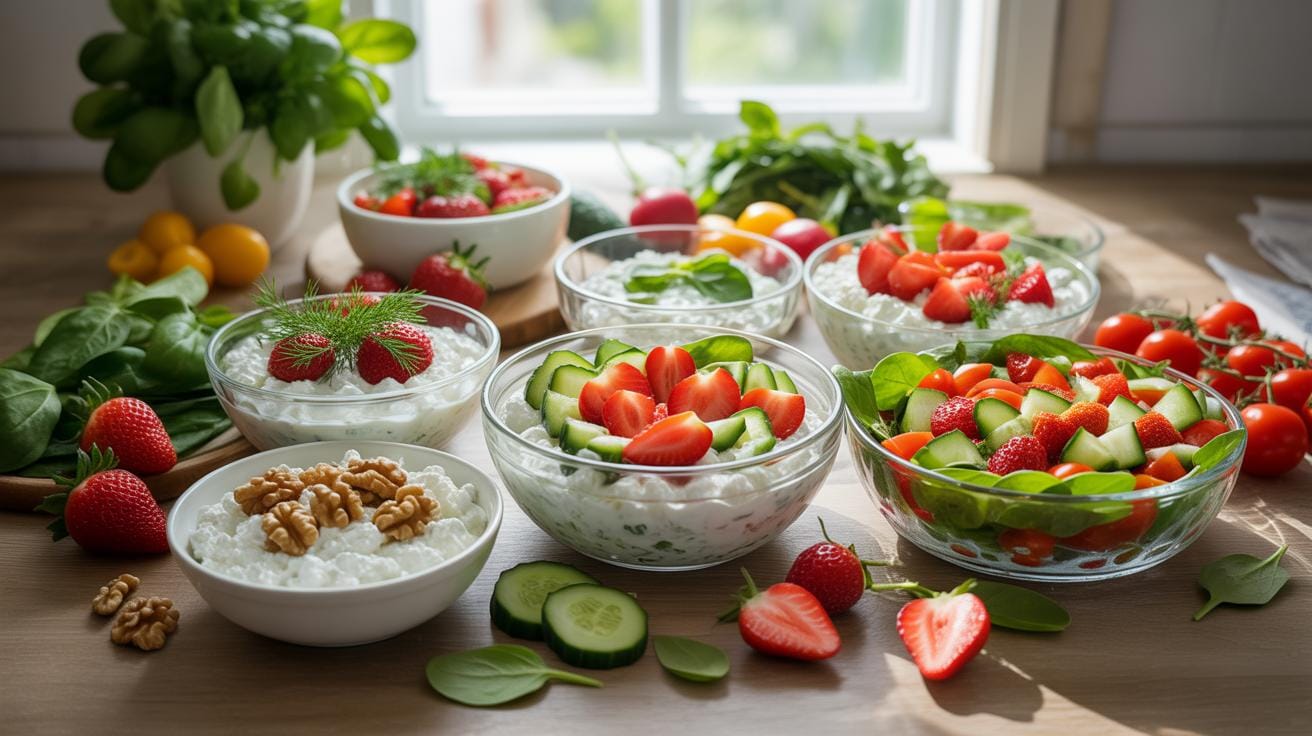
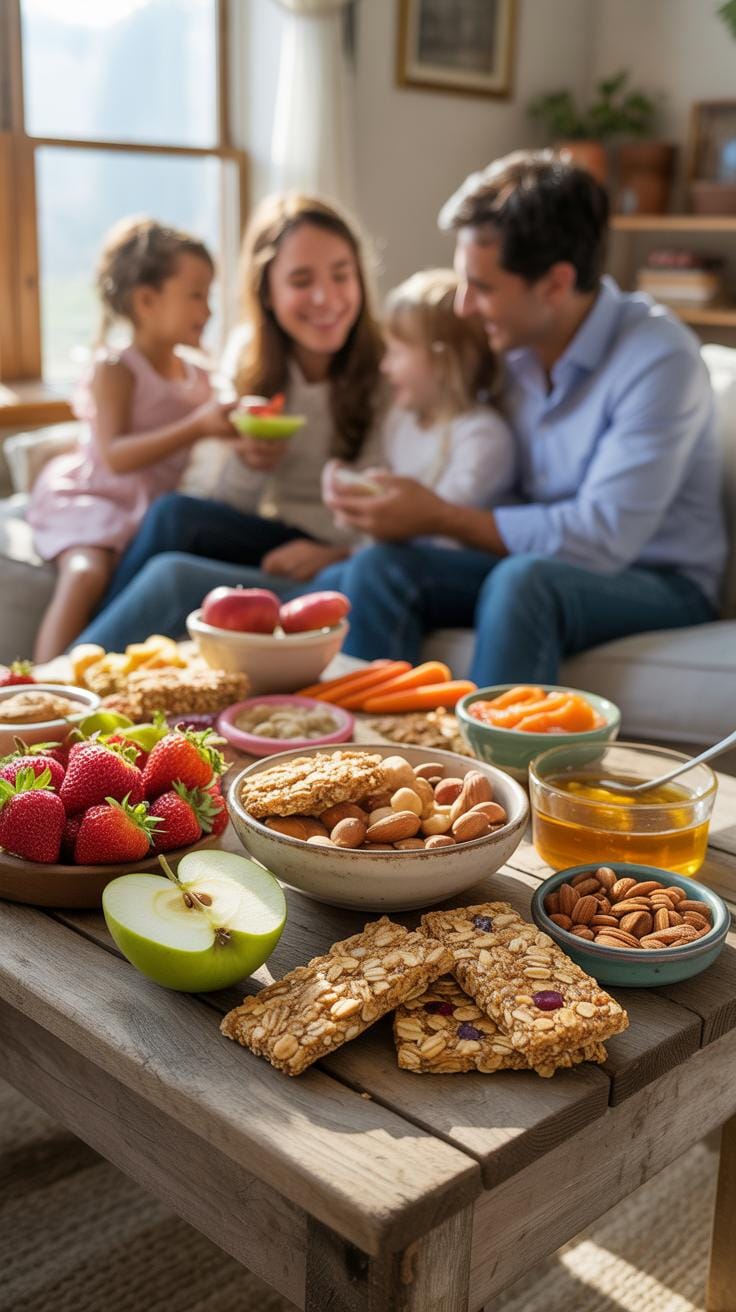
What exactly are homemade snacks? They’re those treats or small bites you prepare yourself, often from simple, whole ingredients you trust. Think raw nuts, fresh fruit slices, or quick energy bars made with oats and honey. Unlike the often long ingredient lists found in store-bought options, homemade snacks give you close control over what goes in.
Here’s why that control matters:
- You know what you eat – no weird chemicals or preservatives sneaking in.
- Freshness is real. You make them when you want to eat them, so there’s less chance of staleness or nutrient loss.
- They can be tailored to your needs. Need a quick pick-me-up? Add a spoonful of nut butter or seeds.
- Homemade snacks often support steady energy. They tend to combine carbs, fats, and protein in a way processed snacks rarely do.
There’s also a bit of satisfaction—preparing your own snacks can make you more mindful about what you’re putting into your body. It might seem like extra effort sometimes, but the benefits, especially for energy and health, make it worthwhile.
Why Choose Homemade Snacks Over Store Bought
Store-bought snacks can be convenient, sure. But there’s usually a trade-off. Many of these snacks come loaded with preservatives to keep them shelf-stable, along with added sugars or refined oils that sneak in calories without real nutrition.
These ingredients can lead to energy crashes or leave you feeling hungry soon after snacking. Even labels that shout “natural” or “healthy” can hide sneaky additives. You might wonder how something so convenient could be harming your energy levels or overall health.
Homemade snacks dodge these issues because you choose every component. You avoid preservatives or unnecessary sugars. You can adjust salt or sweetness to your taste. Customization also means you can cater to allergies or dietary preferences, which is tricky with commercial options.
Think about it this way: you’re not just eating a snack; you’re fueling your body with something you made to fit your needs. That’s not so simple with what’s sitting on supermarket shelves.
Energy Benefits From Homemade Ingredients
Certain ingredients, when combined thoughtfully, offer a fast and lasting energy boost. And in homemade snacks, these show up frequently because they’re easy to work with and naturally energizing.
- Nuts like almonds or walnuts provide healthy fats and protein, which slow energy release and keep hunger at bay.
- Seeds such as chia or pumpkin are mini powerhouses packed with fiber and minerals supporting metabolism.
- Fruits, both fresh and dried, offer natural sugars that your body can quickly convert into energy, plus vitamins.
- Whole grains like oats or quinoa add complex carbs. They break down slower than refined carbs, helping sustain energy longer.
When you make snacks using these, you’re combining quick energy with slow-burning fuel. That mix often prevents those mid-afternoon slumps you might get from eating pastries or chips. It’s like giving your body what it actually needs, not just empty calories.
Easy Homemade Snack Recipes
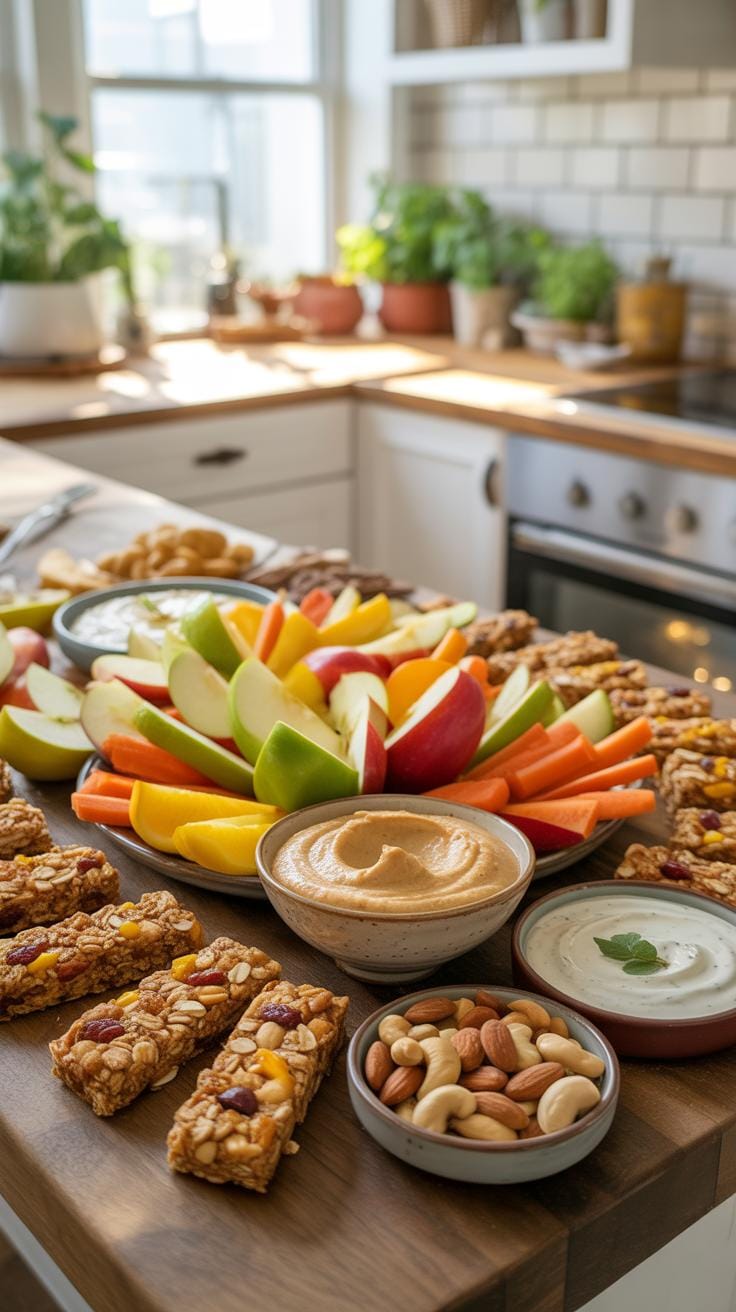
No Bake Nut And Seed Energy Bites
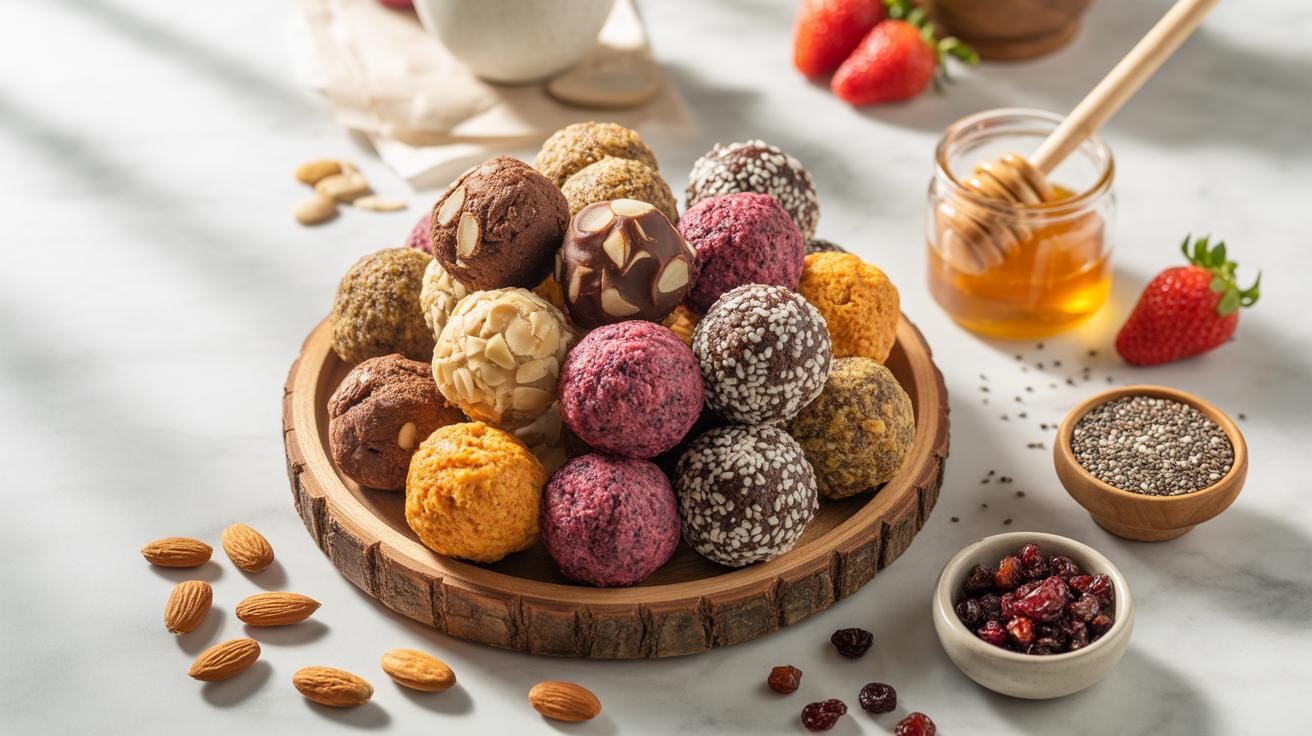
Making energy bites is surprisingly straightforward and needs almost nothing more than a bowl and a spoon. Take a handful of mixed nuts—almonds, walnuts, or pecans work well—and chop them coarsely. Then mix in some seeds, like pumpkin or chia. Add rolled oats for a bit of chew, and stir in honey just enough to bring everything together.
Press small spoonfuls of this mixture into balls—no oven needed. Chill them briefly if you want a firmer texture, or eat right away if you’re impatient, like me. These bites are portable and provide a steady energy release, making them handy on busy days or before a workout.
You can tweak the recipe with a pinch of cinnamon or a splash of vanilla extract. Try dipping them in dark chocolate for a treat that feels less like a snack and more like a little reward. Serving these with a cup of green tea makes for a surprisingly satisfying break.
Fruit And Yogurt Parfait
A fruit and yogurt parfait is a quick, no-fuss snack that’s both colorful and filling. Layer your choice of fresh fruit—berries, banana slices, or chopped apples—with plain or flavored yogurt in a glass or bowl. Each layer adds different textures and flavors, so feel free to get creative with what’s left in your fridge.
The probiotics in yogurt support digestion, and fruit packs vitamins and fiber, which help keep energy steady without crashing later. You might add a sprinkle of granola or a few nuts on top for crunch, although the parfait is fine as it is.
Sometimes I skip the sweetened yogurts to avoid extra sugar, relying instead on the natural sweetness of the fruit. You could try dairy-free yogurts if you prefer, but the basic idea stays the same. It’s quick to prepare and easy to eat on the go, which I think makes it a perfect choice when time is tight.
How To Pick Ingredients For Snacks
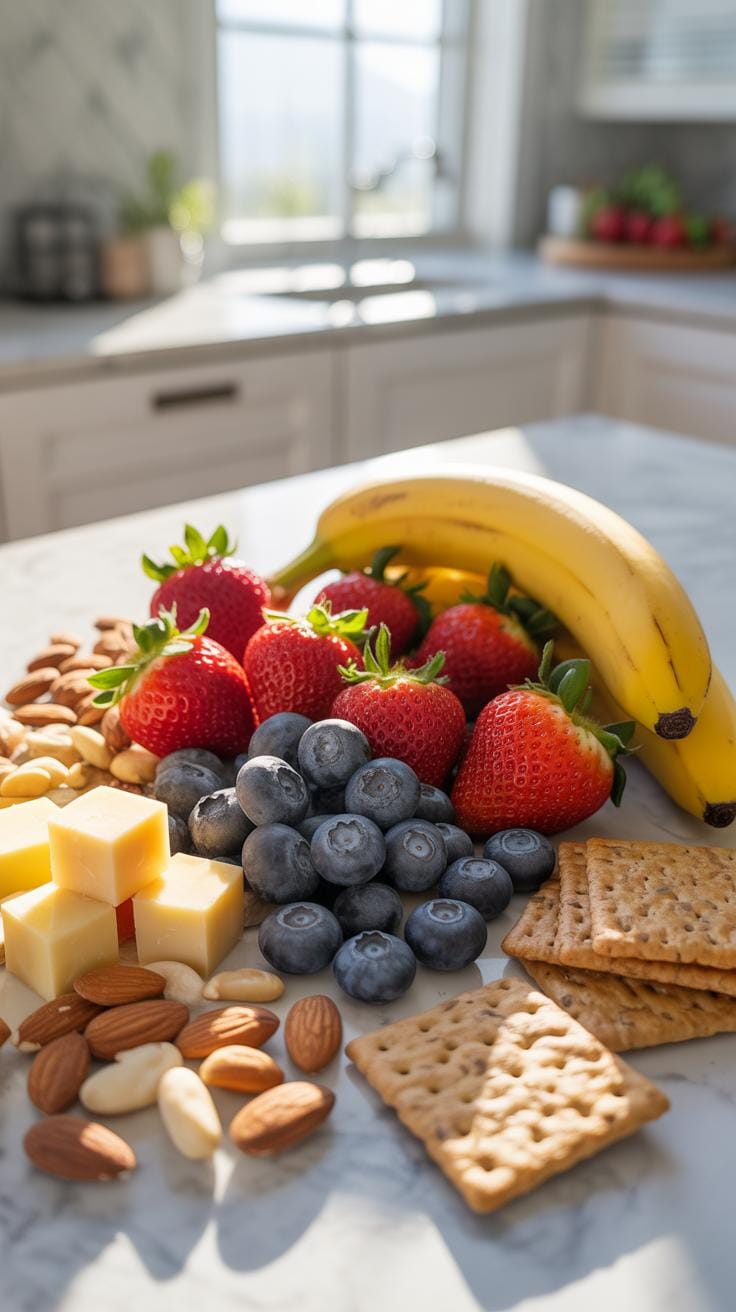
Choosing the right ingredients for homemade energy snacks isn’t always straightforward. When you look at nuts, fruits, grains, and natural sweeteners, it’s easy to get overwhelmed by options. But focusing on what genuinely fuels your body can help sift through the noise.
Identifying Energy Rich Nuts And Seeds
Some nuts and seeds pack more punch in terms of energy and nutrients. Think almonds and walnuts—they’re loaded with healthy fats that slowly release energy. Cashews bring a balanced mix of carbs and protein, while chia and flax seeds stand out for fiber and omega-3s.
Remember, freshness matters. Keep nuts and seeds in airtight containers or the fridge. Rancid fats don’t just taste off—they can sap your energy rather than boost it. Using them in small handfuls, like tossed into granola or blended into bars, balances flavor and fuel.
Choosing Fresh Fruits And Natural Sweeteners
Fresh fruits bring natural sugars, fiber, and hydration. Apples and berries are great choices—easy to toss in whole or chopped. Dried fruits like dates or apricots can concentrate energy but watch the portion size; their sugar is denser.
For sweetness, plain sugar isn’t necessary. Natural sweeteners like honey or maple syrup lend a touch of flavor and might offer trace minerals. Maple syrup, for instance, carries a subtle richness that can elevate simple mixes. But be cautious; too much sweetener can overwhelm the snack’s balance.
Have you noticed how selecting these ingredients can subtly change your energy through the day? Sometimes simple tweaks with nuts or a splash of honey can make a real difference. It may take some trial, but that’s part of the fun.
Homemade Snacks Vs Store Brands
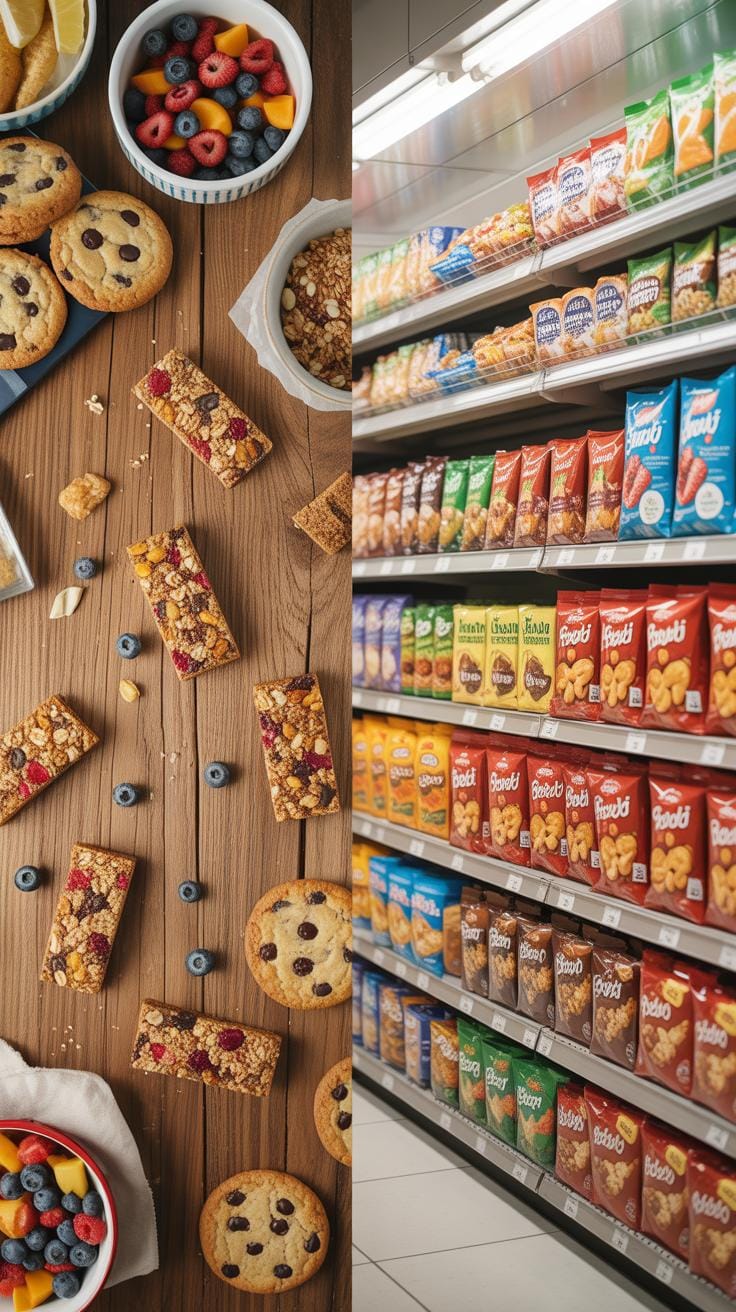
When you compare homemade snacks with popular store-bought brands, the difference in nutritional value can be quite surprising. Homemade snacks often contain simpler, recognizable ingredients. You know what goes in—fresh nuts, oats, fruits—things you’d be happy to eat anytime. On the other hand, many store brands add preservatives, extra sugar, and sometimes even artificial flavors to extend shelf life or improve taste.
Take something like granola bars as an example. Some store brands list sugar content upward of 15 grams per bar, while a homemade bar might contain just 5 grams or less, coming mainly from natural sources like honey or dates. The fats in store bars often come from oils that aren’t the healthiest, whereas homemade versions let you choose nuts or seeds with better fats.
This isn’t to say all store snacks are terrible or all homemade snacks are perfect—it really depends on recipe and brand. But homemade snacks usually give you a clearer nutritional picture and often fewer unwanted extras.
Sugar And Additives In Store Snacks
Extra sugars seem almost everywhere in packaged snacks. They sneak into crackers, chips, and even savory items where you wouldn’t expect them. Why does this matter? Beyond empty calories, high sugar consumption can cause spikes and crashes in energy, making you feel sluggish later on. Plus, preservatives and artificial additives are often present to keep the snack “fresh” but may affect digestion or trigger sensitivities in some people.
Commercial snacks often contain terms like “high fructose corn syrup,” “monosodium glutamate” (MSG), or “artificial colors.” These ingredients sound intimidating because they aren’t really food in the traditional sense. While the effects vary by individual, if you’re aiming for a clean, healthy energy boost, these extras probably don’t help.
Customization And Portion Control
One major advantage of making your own snacks is control—over ingredients and portions alike. If you want less salt, less sugar, or more protein, you can tweak recipes accordingly. It’s also easier to tailor snacks to dietary needs or preferences, whether that’s gluten-free, vegan, or low-carb.
Portion sizes in store snacks are often standardized but might not fit your actual needs. For example, a bag of chips might say it’s one serving, but it contains double or triple what you’d normally eat in one sitting. Homemade snacks can be divided into smaller, sensible portions that align better with your energy requirements.
Honestly, I’ve found that when I pack my own snack, I’m less likely to overeat simply because I know exactly what’s inside, and I’ve prepared just enough. It feels more mindful, I guess, and less like mindless nibbling.
Step By Step Snack Preparation
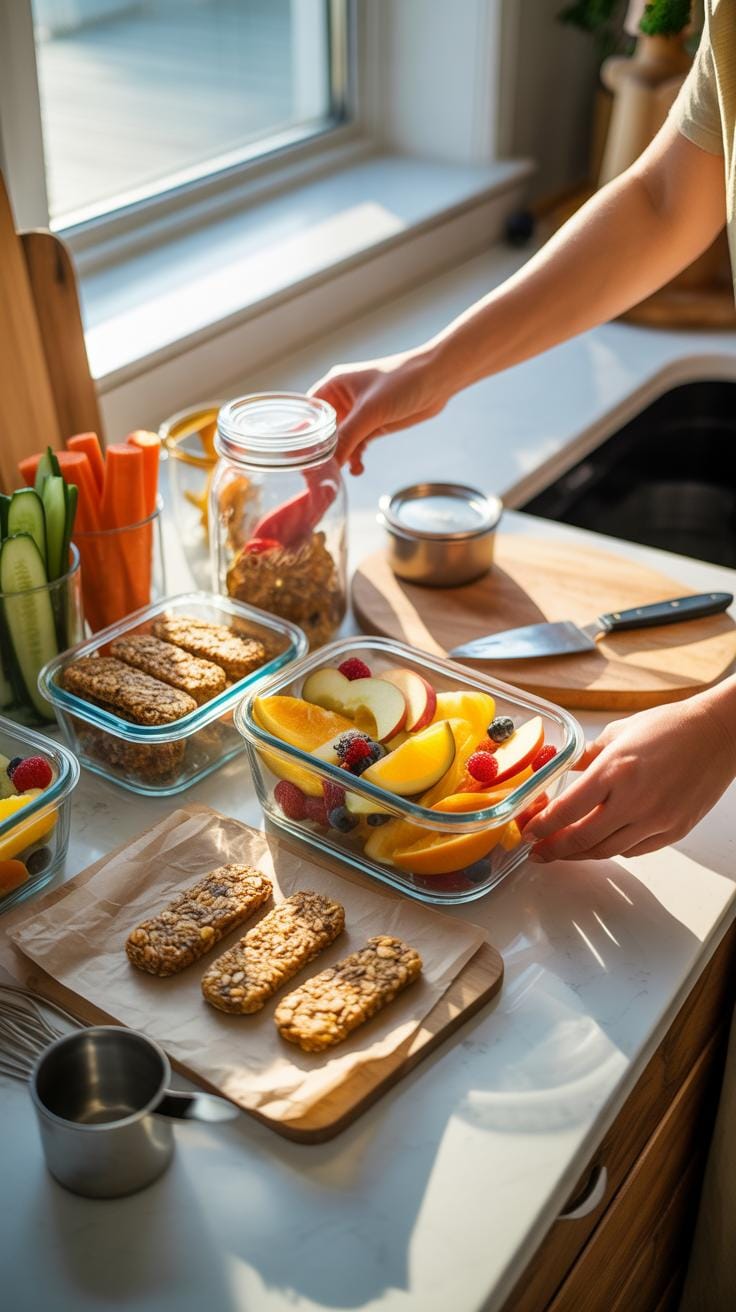
Making homemade snacks doesn’t need to be a chore. Start by choosing simple recipes with minimal ingredients—nuts, oats, dried fruit, seeds—that you can mix quickly. Gather all ingredients and tools right before you begin; it saves you from scrambling mid-way.
Set aside a block of time, maybe an hour on the weekend, and prepare several snacks at once. This “batching” method can feel overwhelming at first, but once you have the hang of it, it’s quite satisfying. For example, while granola is baking, you could shape energy bars or portion out trail mix.
After preparing, dividing snacks into single servings helps avoid grabbing too much or too little during the week. Use small reusable containers or bags. Labeling the date helps, too—freshness matters more than we admit.
Don’t forget cleaning as you go. It feels less like a big task later and keeps the kitchen usable for other things. Maybe try prepping snacks while listening to a podcast or some music; it makes the process a bit more enjoyable.
Batch Making Energy Packed Snacks
When you want snacks ready for the week, making large batches of things like granola or energy bars can really save time. Mix your dry ingredients first, such as oats, nuts, and seeds. Then, combine wet ingredients like honey or nut butter to bind everything together. Press the mixture firmly into a baking pan or spread evenly on a sheet if making granola.
Baking times vary, but it’s usually around 20 to 30 minutes for bars and 25 to 30 for granola, stirring halfway to avoid burning. Once cooled, cut bars into pieces or portion the granola. You might find that doubling or tripling recipes doesn’t add much extra effort, so bulk preparing feels worth it.
Try experimenting with flavors—cinnamon, vanilla, or a dash of salt can change things up. But remember, too much variety might reduce the appeal over time. Maybe stick to one or two batches of different flavors for the week instead of many.
Safe Storage Tips For Freshness
Keeping homemade snacks fresh can be a bit tricky, but it’s not impossible. Store granola in airtight containers, and keep energy bars wrapped individually. Cool completely before sealing, or moisture will sneak in and ruin texture.
Refrigeration can extend shelf life, especially for snacks with nut butters or fresh fruit mixed in. Though, sometimes, cold snacks lose their chewiness or become hard. So, consider whether you prefer freshness or texture when choosing where to store them.
If freezing, separate portions so you don’t thaw the whole batch every time. Thaw at room temperature or briefly in the microwave, depending on your snack.
Maybe you notice some snacks last longer than others. That’s normal. Nuts can turn stale, and homemade bars might lose crunch. Testing small amounts first can give you a feel for how long your batch stays good.
Snack Ideas For Different Needs
Post Workout Quick Energy Snacks
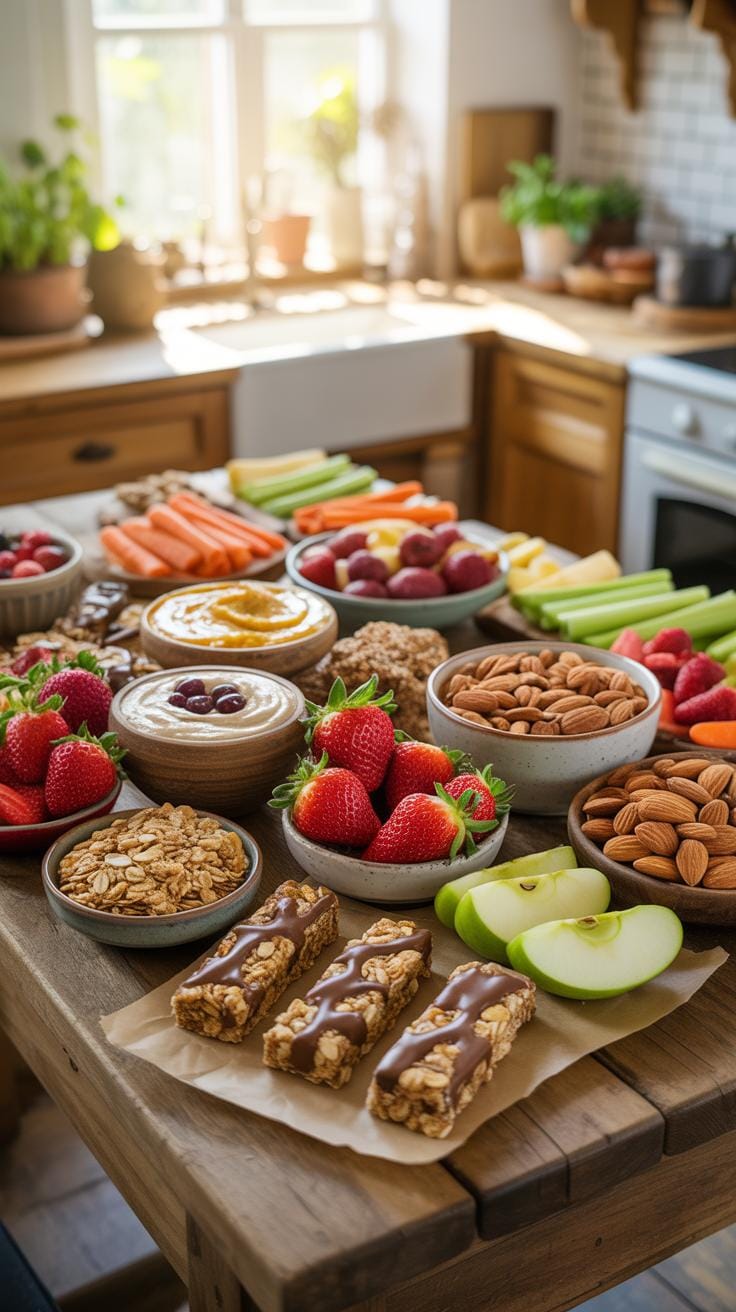
After exercising, your body craves both fuel and repair. That means snacks with a good mix of protein and carbs work best — they help replenish energy and rebuild muscles. Think about snacks like Greek yogurt with a drizzle of honey or a banana paired with nut butter. Both supply carbs alongside some protein, which seems to kickstart recovery better than carbs alone.
Another favorite is a small whole-grain wrap filled with lean turkey and veggies. It’s quick to make, portable, and hits those nutrient marks. Sometimes, a hard-boiled egg with an apple feels just right — simple, but surprisingly satisfying. I’ve noticed I often overlook these easy combos until I’m starving post-workout, and then they become my go-to.
What’s tricky is balancing convenience with nutrition. You might want something fast but also filling enough to keep you going till your next meal. Those mini peanut butter and banana sandwiches, or a protein smoothie with oats, can often do the trick. Have you found certain snacks that beat the post-exercise slump for you?
Healthy Snacks Kids Will Enjoy
Kids have different energy needs, and snacks should be appealing enough to actually get eaten — not always an easy combo. Simple fruit kabobs with a bit of string cheese or mini whole-grain muffins packed with mashed banana and some hidden veggies tend to work well. The balance of natural sugars with fiber or protein keeps energy steady without sugar crashes.
One tried-and-true option is homemade trail mix with nuts, raisins, and a few chocolate chips — it feels like a treat but still fuels kids pretty well. Also, veggie sticks with hummus can be surprisingly popular if you present them creatively. Sometimes, kids might surprise you by loving snacks you never expected them to touch.
Still, every kid is different. Some days, they want crunchy, other days something soft and sweet. If you’re experimenting, watch how they respond to different textures and flavors. It can be a bit of trial-and-error, but finding those go-to snacks makes mid-afternoon energy dips easier for both of you.
Common Snack Mistakes To Avoid
Overloading On Sugars And Unhealthy Fats
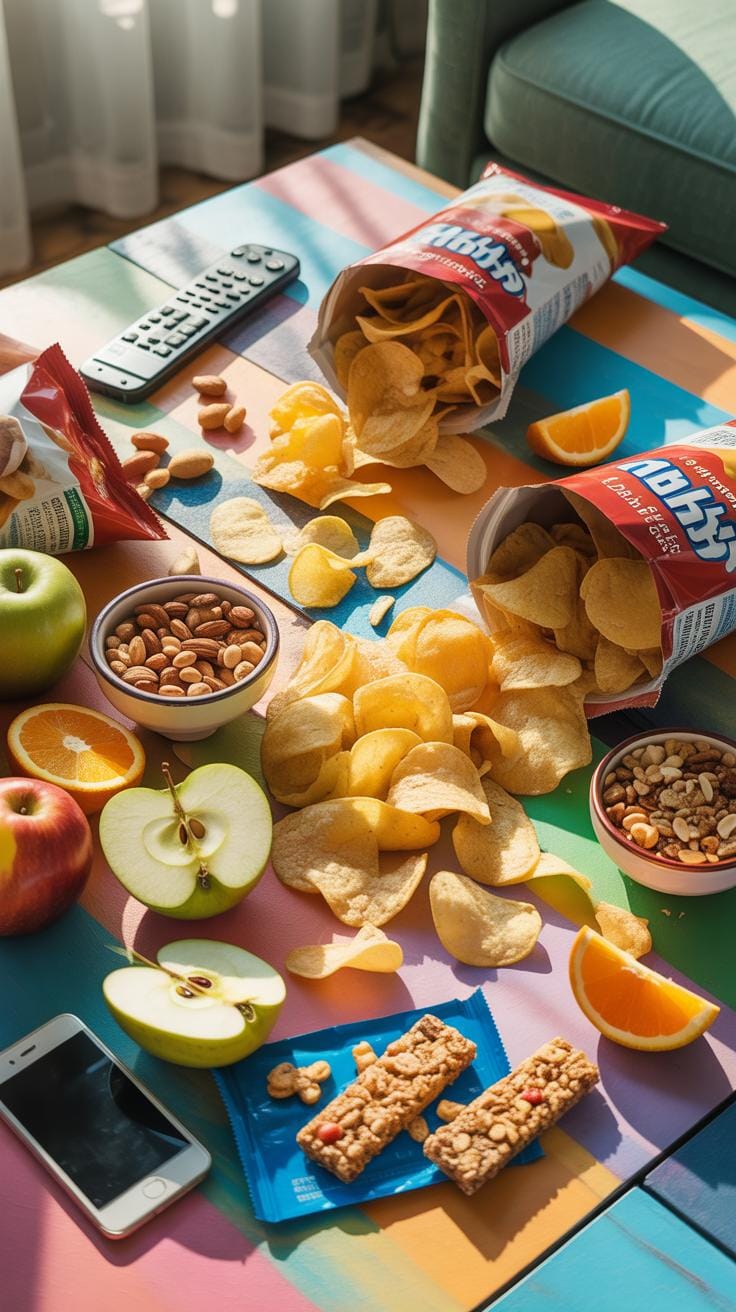
You might think grabbing a quick sweet or a salty treat is fine, but piling on too much sugar or unhealthy fats in your snacks often backfires. Sure, that cookie or fried chip might give a fast rush of energy, but it rarely lasts. Instead, it’s usually followed by a sudden drop that leaves you feeling tired or fuzzy-headed. Why? Because excessive sugar spikes your blood sugar, then crashes it hard. The fats—particularly trans fats or too much saturated fat—can slow digestion and sap your alertness rather than fuel it.
So while these snacks might seem harmless or even convenient, their short-lived energy often makes you crave more, leading to a kind of exhausting cycle. Ever notice feeling drained right after a “quick pick-me-up”? That might be why.
Ignoring Portion Sizes
Portion size is tricky and, honestly, often overlooked. It’s easy to assume “a handful” or “a few bites” is okay, but small differences can either set you up for sustained energy or leave you sluggish. Eating too much, even if the snack is healthy, can overwhelm your system and derail your focus. Eating too little might not satisfy your hunger or give you the energy you need.
It’s not just about calories, either. Large portions can make your body divert energy to digestion rather than activity. On the flip side, tiny snacks might leave you hungry again too quickly, prompting less mindful choices later. Sometimes, I find myself overeating nuts because they “feel healthy,” but that actually slows me down more than I expect.
Basically, finding the right snack size is about balance. What feels “just right” for you might need tweaking depending on your activity, time of day, or even how much you’ve eaten before.
Measuring Snacks Energy Impact
Reading Labels For Energy Content
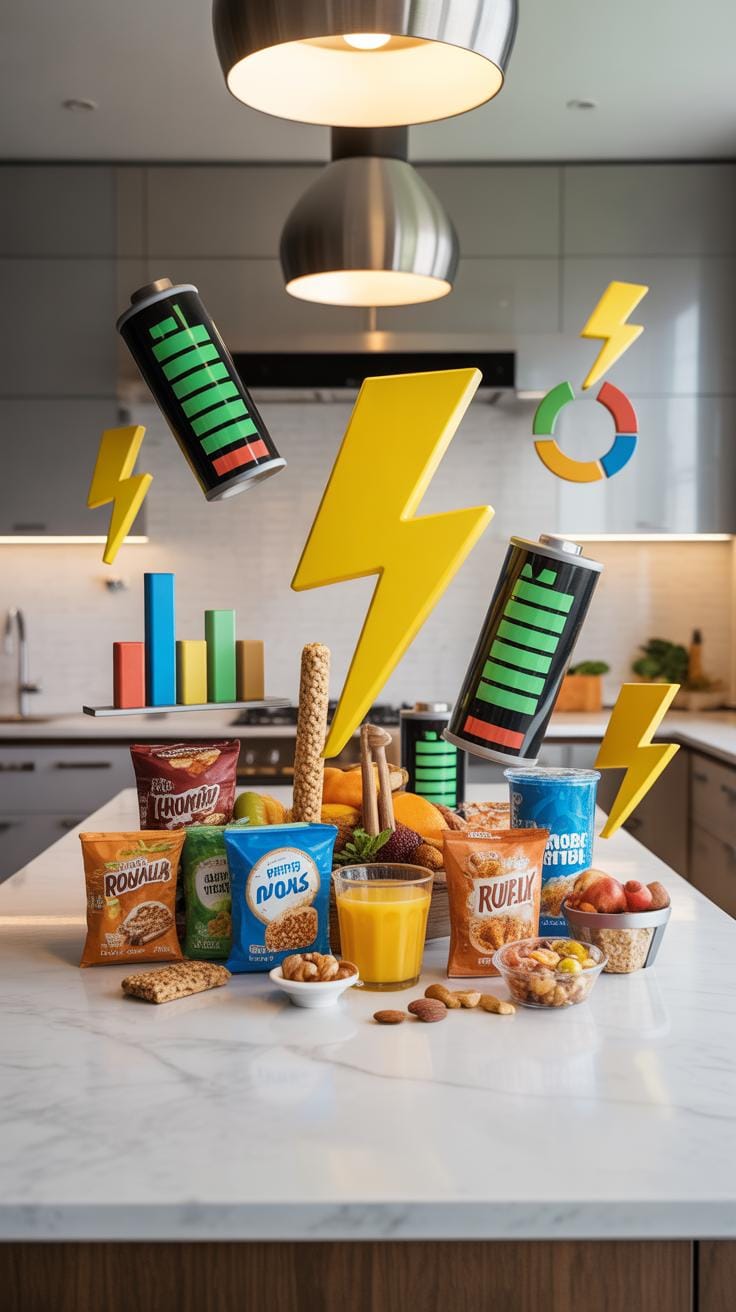
When you pick up a snack, the first thing to check is the nutrition label. It’s tempting just to glance at the calories, but there’s more to it than that—really. Calories give a number for energy, but you’ll want to see where those calories come from. Look at the grams of carbohydrates, proteins, and fats. Each major nutrient provides energy differently, so knowing their amounts helps predict how your body will respond.
Serving size matters too. Sometimes the label shows the calories for a small portion, and you might eat twice that without realizing. So, always double-check the serving size against how much you actually plan to eat. I’ve made that mistake a few times and ended up surprised by how many calories I consumed.
Then, glance at added sugars and fiber. Too much sugar spikes energy fast but crashes quickly. Fiber slows digestion, making the energy last longer. So, the label can hint not just at how much energy you get but also how steady that energy might feel.
Using Ingredients To Predict Energy Boost
Ingredients tell their own story if you know what to look for. Protein usually means a slower, more sustained energy release. Nuts, seeds, or whole grains add good fats and fiber, which can keep you feeling fueled longer. On the flip side, snacks heavy on refined carbs or sugars might spike energy sharply but won’t keep you going for long.
For example, a homemade trail mix with almonds, oats, and dried fruits offers a mix of protein, fats, and natural sugars. This combination can supply a steady energy flow, unlike a store-bought granola bar loaded with syrup or processed sugars that you might want to avoid.
You can almost predict your snack’s effect by spotting whole ingredients versus processed ones. Whole foods tend to release energy more slowly, avoiding the crashes that come with highly processed items. Trusting ingredients sometimes feels better than relying solely on numbers—though checking both is usually best.
Planning Snack Time For Productivity

Figuring out when to eat snacks during the day can feel a bit tricky. Yet, spacing them out thoughtfully can help you avoid those sudden crashes in energy that sneak up unexpectedly. Think of snacks as little energy checkpoints—moments to recharge before you actually start to feel drained.
Most people do well with a mid-morning snack, especially if breakfast was on the lighter side, and then a mid-afternoon pick-me-up to fight off that sluggish feeling before dinner. These times tend to coincide with natural dips in blood sugar. But if you find yourself hitting a lull sooner or later, trust your body’s cues—maybe you need to tweak the timing slightly.
Best Times To Eat Energy Snacks
Try aiming for snacks about two to four hours after each meal. For instance:
- Mid-morning, around 10 or 11 a.m.
- Mid-afternoon, between 2 and 4 p.m.
This spacing tends to ward off hunger that can distract your focus or leave you feeling irritable. Personally, I noticed that when I skip the mid-afternoon snack, I’m more prone to zoning out or feeling restless. A small handful of nuts or fruit really makes a difference.
Balancing Snacks With Meals
Snacks shouldn’t feel like mini meals. If you’re snacking too close to a main meal, your appetite might shrink, or you might unintentionally eat more overall. So, keep snacks light and purposeful—something that boosts energy without filling you up completely.
Pair a protein or healthy fat with a small portion of carbs—like a few slices of apple with peanut butter or yogurt with berries. It’s enough to sustain you without spoiling dinner. Yet, there are days when I’ve found myself overeating snacks, especially if meals were delayed or rushed. It’s kind of a balancing act that sometimes tilts one way or the other.
Have you noticed if steady, well-timed snacking shifts your energy or focus? Or does it sometimes feel like more of a hassle than a help? It’s worth experimenting with your own rhythm—it’s surprising how much it can change your day-to-day productivity.
Conclusions
Homemade snacks offer a practical way to maintain energy with clean, nutritious ingredients. They can fit your taste and dietary needs while saving money. By following these recipes and tips, you ensure constant fuel for your daily activities.
Try these homemade snack ideas to replace processed options. You will notice more stable energy levels and better health. Start with small steps and find what snacks work best for you.