
Introduction
High protein meal prep is a smart way to save time and eat healthy. You can make meals quickly that keep you full longer. This helps your body build muscle and stay energized. Many people want meals that are both quick and nutritious. High protein meals are great for this because protein helps build strength and keeps hunger away.
This article looks at simple ways to prepare high protein meals fast. You will learn how to plan your meals, pick easy recipes, and store your food. By the end, you will have ideas that fit your busy life and support your health goals. Let’s start exploring how high protein meal prep can change the way you eat.
Planning Your Protein Meals
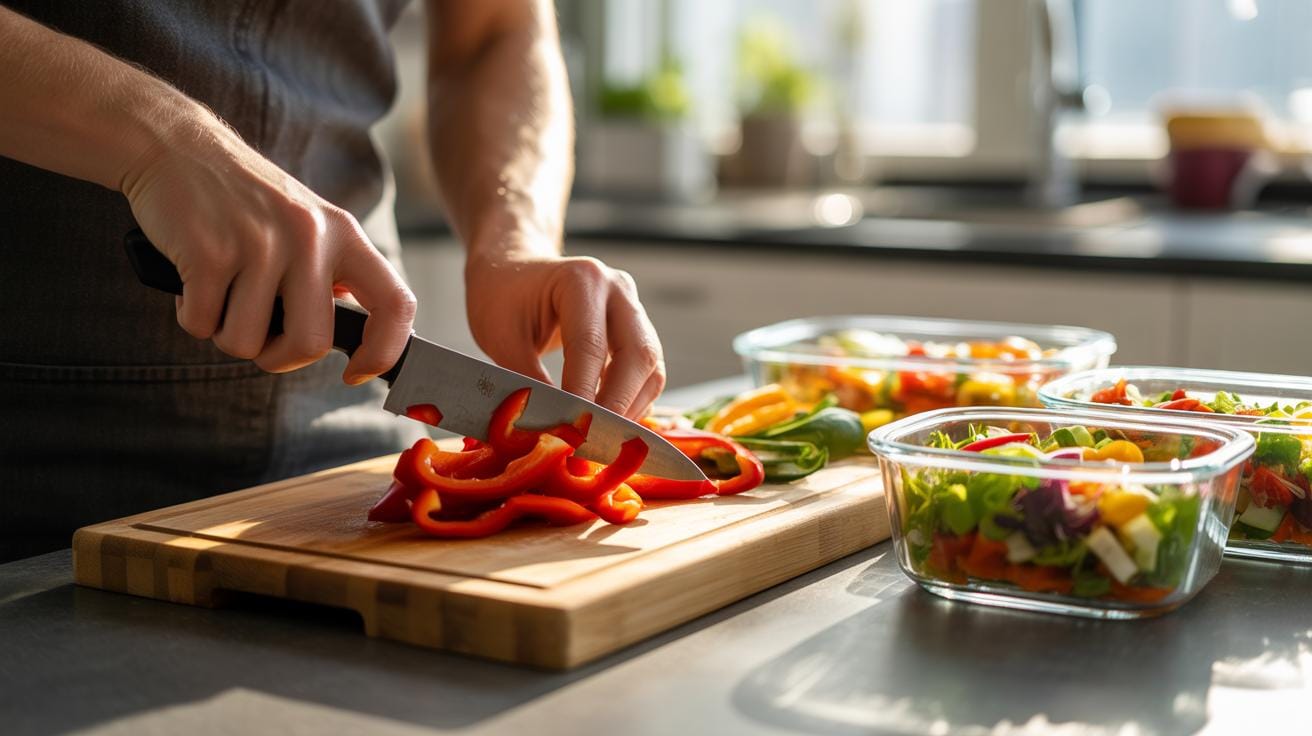
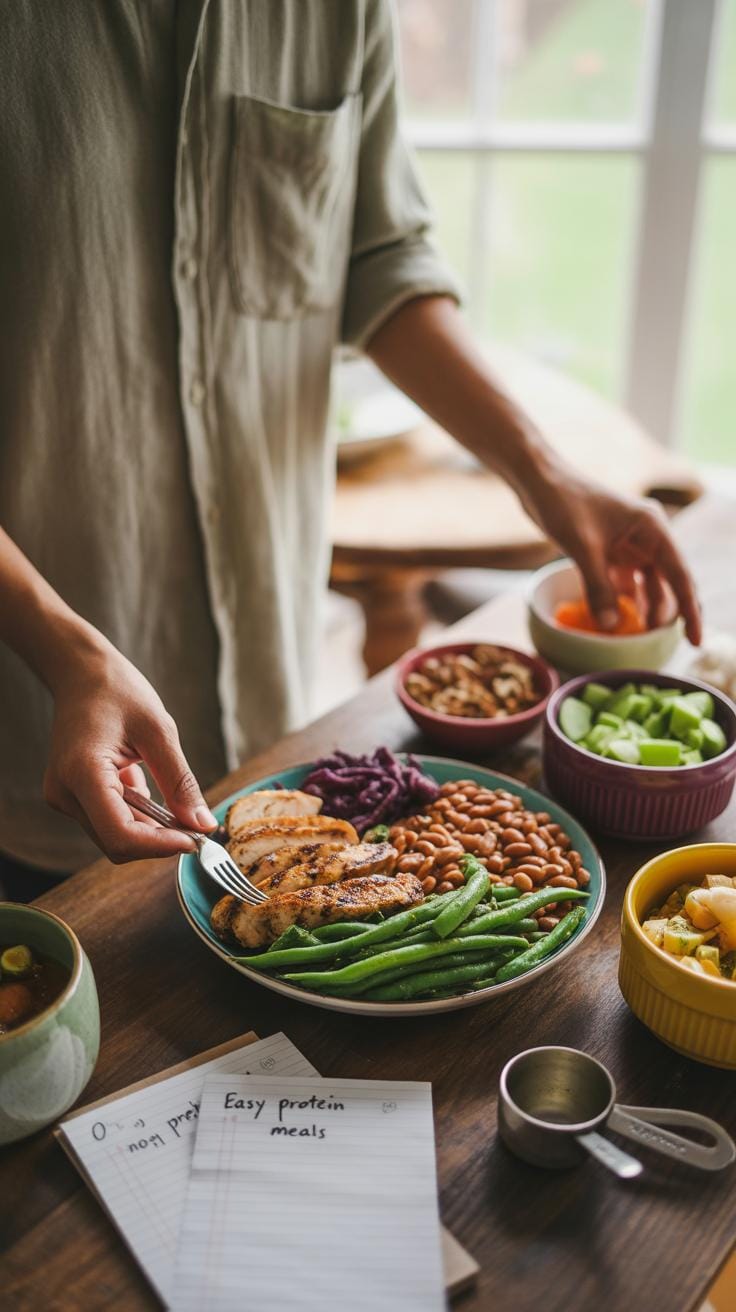
Figuring out what high protein meals to prepare for the week can feel a bit overwhelming at first. But if you take it step by step, it gets easier. Start by picking a few recipes you actually want to eat. That means meals with ingredients you like and don’t mind cooking or reheating later.
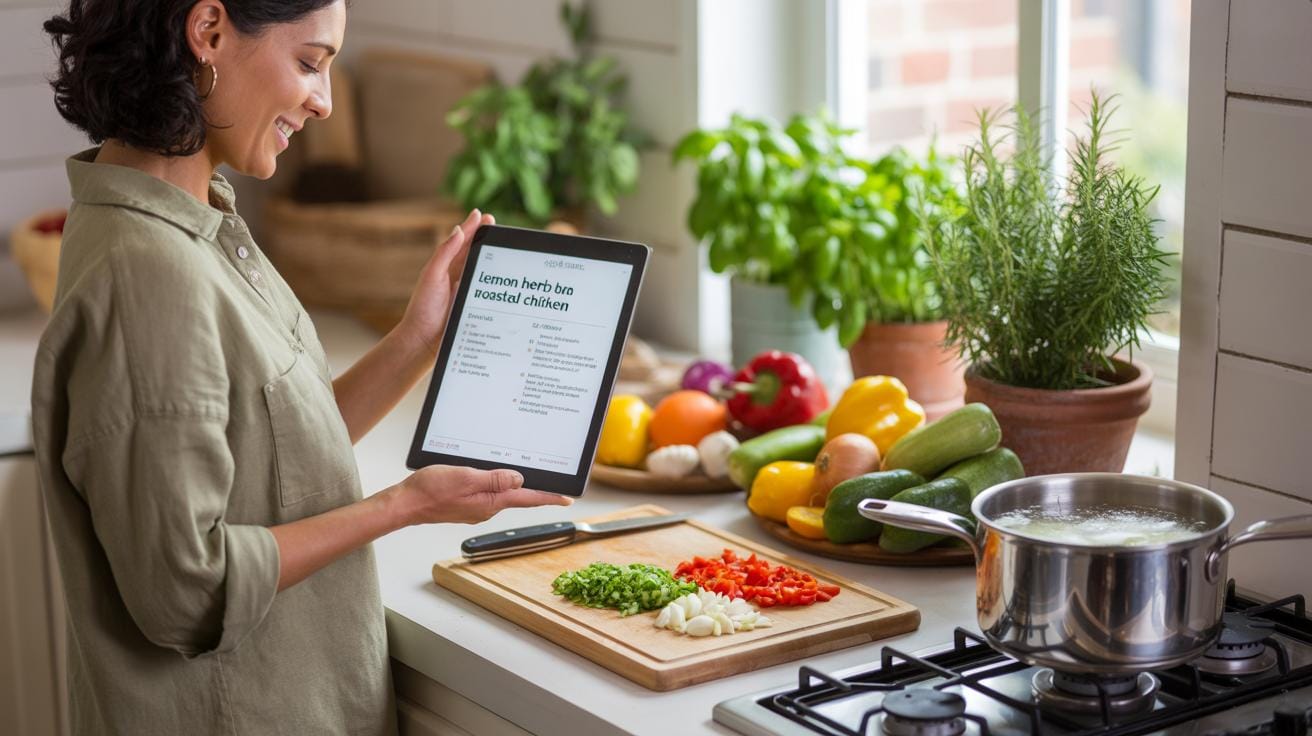
Try to mix things up so you don’t get bored. For example, one day you might choose chicken with quinoa and veggies, another day a tofu stir-fry, and maybe a tuna salad on another.
Once you have your recipes, write down exactly what you need. This way, when you hit the store, you won’t forget that essential can of beans or pack of eggs. A detailed grocery list saves time and stress, plus it cuts down on impulse buys.
Balancing nutrients is also part of the plan. Don’t just go for pure protein; think about adding healthy fats and fiber too. They help round out your meals and keep things satisfying. For instance:
- Pair lean protein with a handful of nuts or avocado
- Include veggies or whole grains for extra fiber
- Keep portions reasonable so you don’t overdo calories
Planning like this doesn’t have to be rigid. Sometimes, you might swap ingredients based on what’s fresh or on sale. Other times, you might want a quick fix, so having a few simple staples like boiled eggs or Greek yogurt handy can be a lifesaver.
Does that sound manageable? I find that the more you prep, the less you overthink meals during a busy week. And honestly, it makes sticking to your goals feel less like a chore.
Picking Easy Recipes
When choosing recipes, keep speed and simplicity as your guideposts. Dishes with just a handful of ingredients or that cook quickly often make the most sense for busy weeks. Stir-fries, sheet pan meals, or slow cooker options tend to check these boxes well.
Look for recipes you can prep in bulk or that use similar ingredients to reduce shopping and cooking time. For instance, if you plan to use chicken thighs in two different meals, you can buy in bulk and switch up the seasoning or sides to avoid monotony.
Don’t shy away from recipes that use pantry staples. Things like canned lentils, frozen edamame, or Greek yogurt can be great protein sources that require minimal prep. Sometimes, the easiest recipes turn out to be your favorites simply because they’re hassle-free.
Balancing Meals
Protein is crucial, but your meals shouldn’t be all protein all the time. Adding vegetables brings fiber, which fills you up and supports digestion. Plus, colorful veggies add nutrients often missing in protein-heavy dishes.
Healthy carbs are not your enemy—they provide energy you need to stay productive without crashing. Try to include whole grains or starchy vegetables rather than refined carbs. Quinoa, barley, sweet potatoes, and even legumes work well alongside your proteins.
You might wonder how much of each to include. There’s no perfect formula, but a rough plate division could be half veggies, a quarter protein, and a quarter carbs. Though, if you have different energy needs or preferences, feel free to adjust.
It’s okay if every meal isn’t perfectly balanced. Over the week, your goal is to hit a decent mix. That approach feels more sustainable to me—and it probably will for you too.
Quick Cooking Techniques
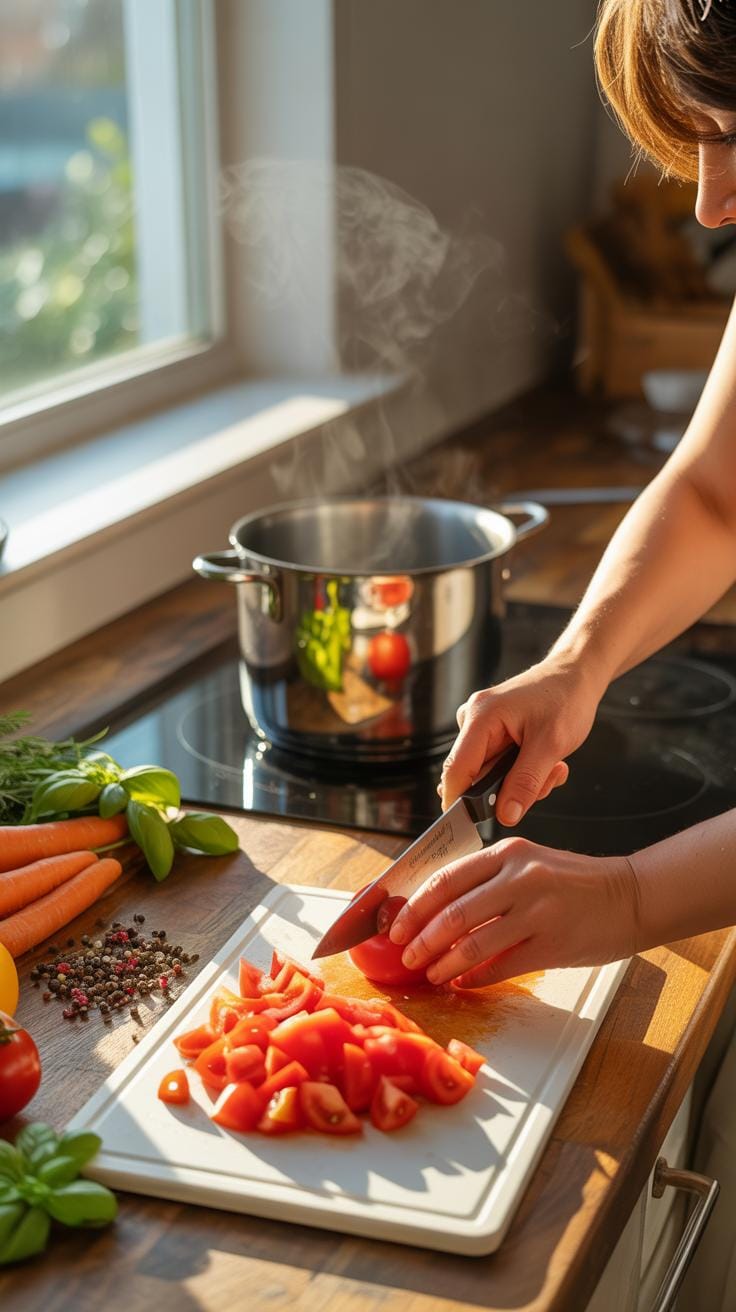
When you’re pressed for time but still want to keep your meals packed with protein, quick cooking methods are lifesavers. Grilling is one of the fastest ways to cook chicken breasts, fish fillets, or lean steak. It sears the outside, locking in juices and flavor, and usually takes just 10 to 15 minutes. I find that preheating the grill makes a big difference—otherwise, you end up waiting and drying out the meat.
Baking is another straightforward method. You can toss a batch of chicken thighs or salmon fillets with some seasoning and pop them in the oven. Baking usually needs about 20 minutes, but it lets you step away from the stove. Plus, you get that nice, even cook all around. Sometimes I bake extras and store them to pull out later for quick meals.
One-pan meals are an absolute game changer when you want it fast and minimal cleanup. You throw together your choice of protein—chicken, sausage, or tofu—and add vegetables in the same pan. Everything cooks together, soaking up flavors and speeding up prep time. It’s a bit like a tidy shortcut that doesn’t compromise on taste or nutrition.
One-Pan Cooking
Cooking your protein and veggies together in one pan is surprisingly simple. Start by heating a bit of oil, then add your protein to sear it quickly. When it’s half-done, toss in chopped vegetables—think bell peppers, broccoli, or zucchini. Stir occasionally. Everything cooks evenly, making your meal both tasty and balanced.
I’ve often used sheet pans for this, roasting chicken breasts beside asparagus and cherry tomatoes. It’s hands-off most of the time. The challenge? Timing the veggies so they don’t overcook or stay raw. But a little trial and error helps you nail this. One pan means fewer dishes. That alone feels like a win after a busy day.
Batch Cooking
Batch cooking is about making bigger portions all at once so you save time later on. For example, cook a large tray of turkey meatballs or boil a pot of lentils, then store them in individual containers. It’s kind of like having a meal library on hand—grab and go whenever hunger hits.
This approach works well if you don’t mind eating repeats, which sometimes I don’t. But you can mix it up by pairing the same protein with different sides or sauces each day. It also helps to cool the food properly before refrigeration to keep things fresh longer. Spending a bit more time upfront can really reduce the daily scramble of meal prep.
Choosing Protein Sources
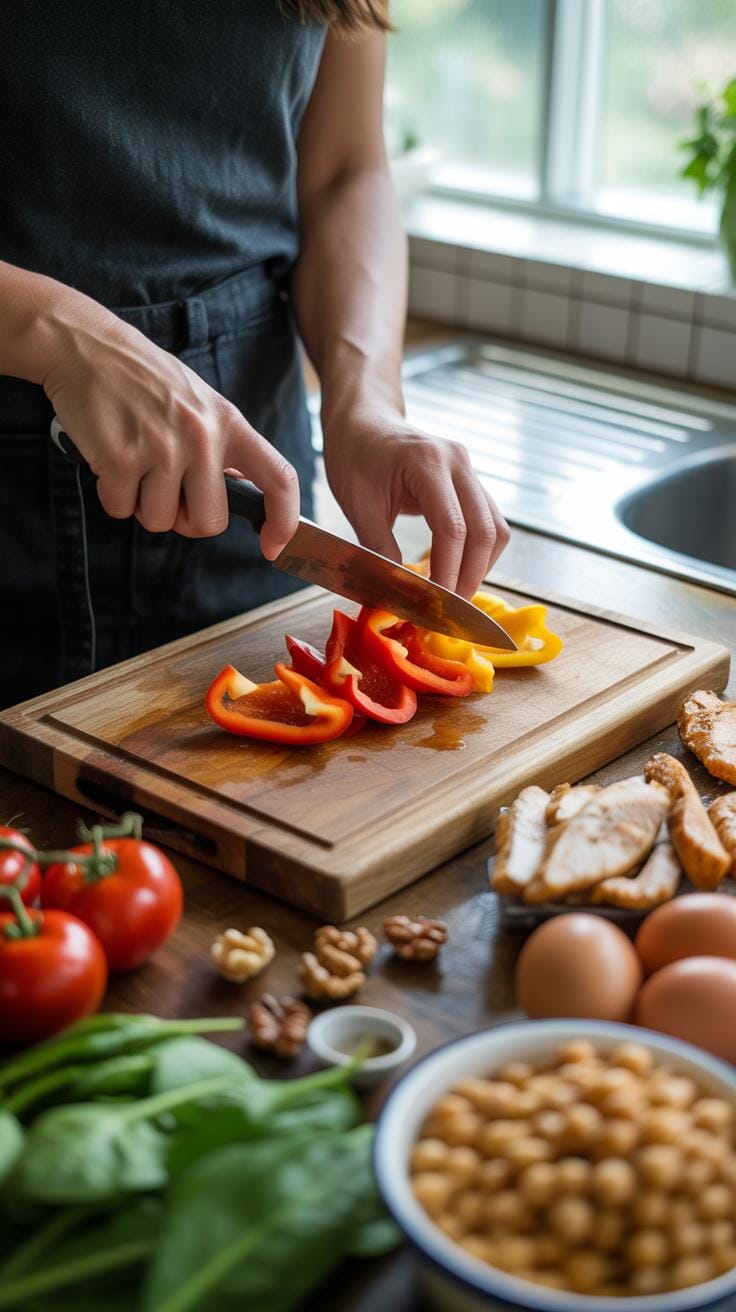
Picking the right protein for your meal prep can feel like a bit of a puzzle. You want something that’s simple to cook, keeps you full longer, and fits your taste or diet preferences. Let’s break down some solid options, both animal and plant-based, that work well for quick, high-protein meals.
Animal Protein Options
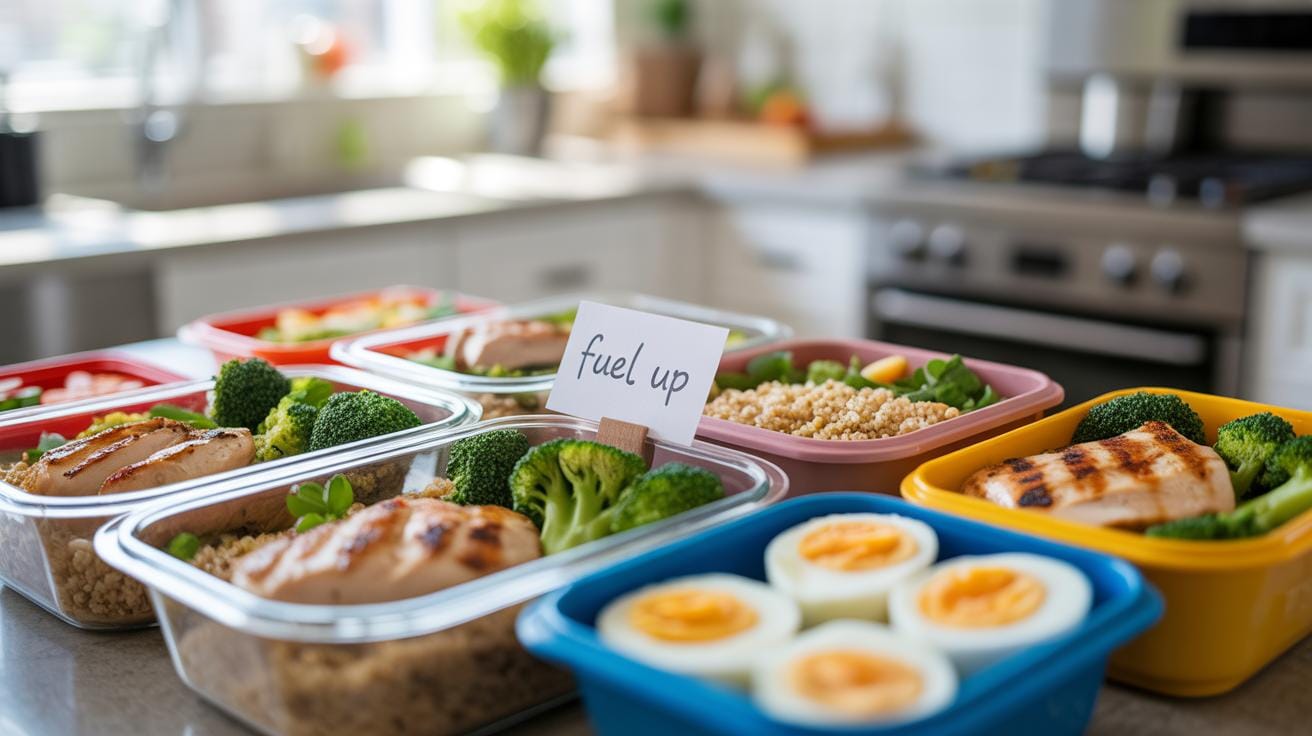
Lean meats like chicken breast or turkey are staples for many. They cook fast and pack a good punch of protein without excessive fat. I often rely on chicken because it blends with so many flavors—spices, sauces, even just plain salt and pepper. Eggs are another quick fix. They’re cheap, easy to prepare in countless ways, and you can store them hard-boiled for days.
Fish is sometimes overlooked but really deserves attention. Varieties like salmon or cod are rich in protein and usually cook in under 15 minutes. Plus, fish adds some healthy fats, which make meals more satisfying. While they can be a bit pricier, a little fish goes a long way for both nutrition and taste.
Plant-Based Proteins
If you lean towards plants, beans and lentils are your best friends. They’re surprisingly filling and have a good protein-to-calorie ratio. Lentils, for example, can cook quickly if you soak them beforehand. They work great in salads, stews, or even as a base for veggie patties.
Soy products, like tofu and tempeh, offer versatility. You can bake, fry, or grill them just like meat. Tofu especially picks up marinades well, which helps if you’re worried about flavor. Both tofu and tempeh provide complete protein, which is a solid bonus for plant-based eaters.
Balancing these options depends on your routine and taste buds. Sometimes I mix chicken with beans for variety, other times I go fully plant-based and feel just as satisfied. What matters is having go-to proteins that fit your style and keep you full until your next meal.
Storing and Reheating Meals
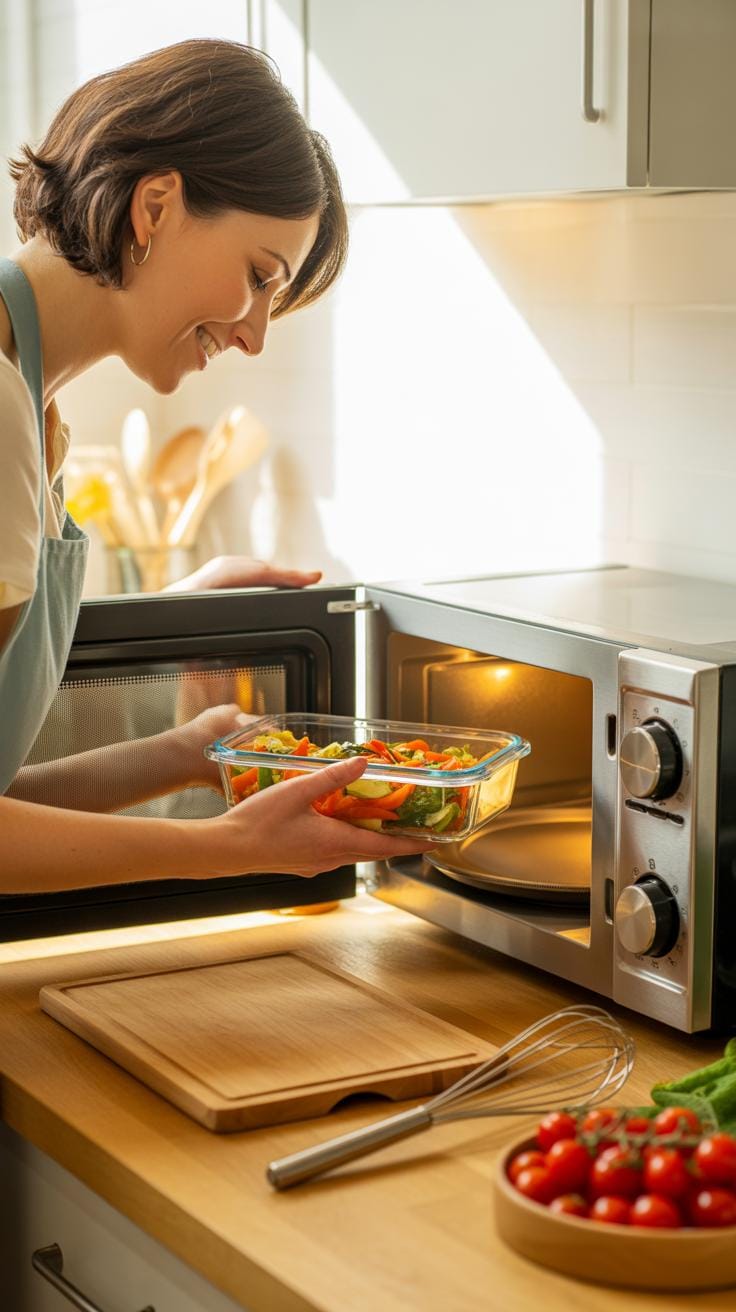
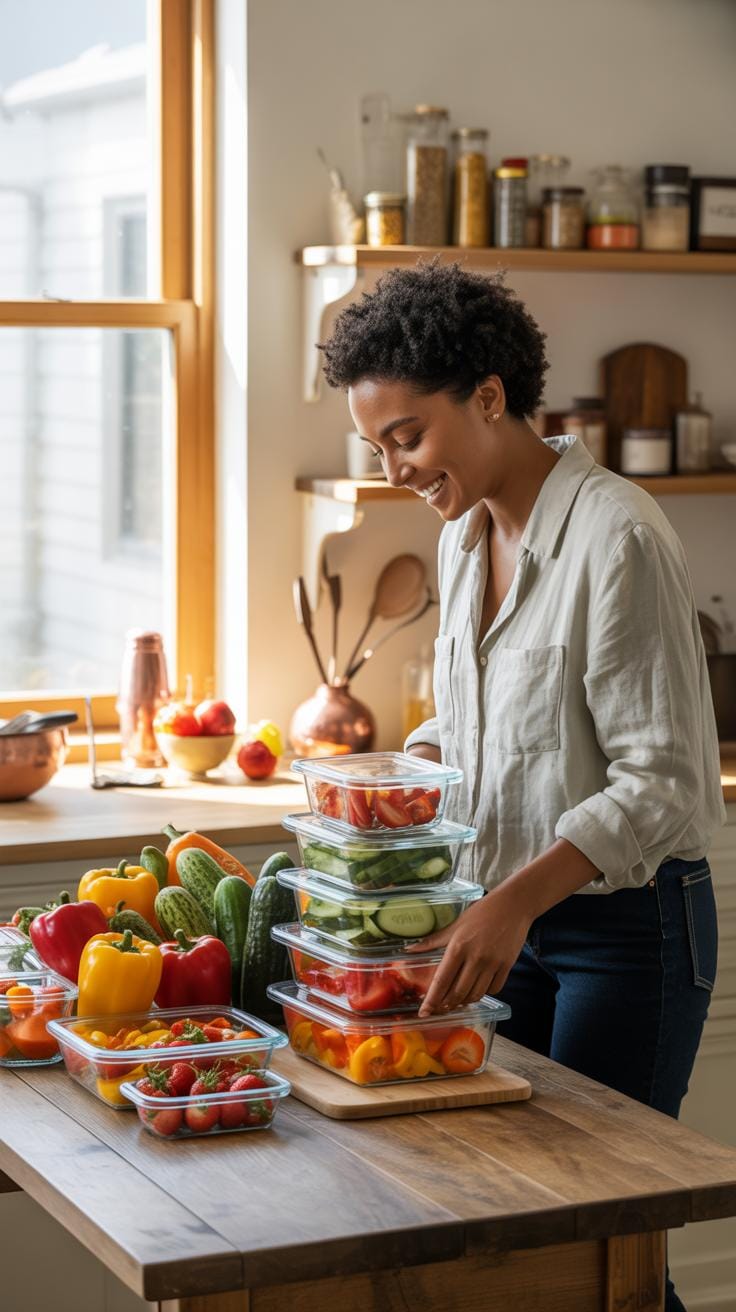
When you prep high protein meals, keeping them fresh can get tricky, especially if you’re prepping for a whole week. The right containers make a surprising difference. Glass containers with airtight lids are my go-to—they don’t stain or hold smells, and they handle reheating well. But if you’re short on time, BPA-free plastic containers work too, just avoid those that might warp in the microwave. Something with compartments can help keep your proteins separate from sauces or veggies, which usually taste better fresh.
Storing meals properly means cooling them fully before sealing. That, I think, stops condensation and keeps bacteria at bay. Also, try not to stack containers right away in the fridge; air circulation matters to keep things fresher longer.
Reheating your meals without killing the taste or nutrients requires a bit of care. Microwaves are fast but uneven—stir your food halfway through reheating or heat smaller portions. If you can, use the stovetop or oven, especially for chicken or tofu. Reheat to just the right temperature, around 165°F (74°C) to avoid any food safety issues. Overheating can dry out your proteins, which no one wants.
It’s tempting to reheat meals multiple times, but try to avoid that. Each time food cools down and warms up again, the risk of bacteria grows and nutrients can degrade. Maybe portion out meals in single servings right after prepping so you only heat what you’re going to eat.
Sample Meal Prep Ideas
Protein Packed Breakfasts
Breakfast can really set the tone for the day, especially when it’s loaded with protein to keep you full. Quick options that come to mind include overnight oats combined with Greek yogurt and a handful of nuts. You just mix the ingredients the night before, and in the morning, you have something ready with a good protein punch—something like 15 to 20 grams per serving.
Egg muffins are another favorite, where you whisk eggs with veggies and lean ham or turkey, pour into a muffin tin, and bake. You can make a batch in under 30 minutes and then store them for the whole week.
If you’re a fan of smoothies, try blending protein powder, spinach, almond milk, and peanut butter. It’s quick and surprisingly satisfying—even if it feels a bit plain at first.
Lunch and Dinner Choices
For lunch or dinner, think simple, like grilled chicken breasts served with roasted veggies or quinoa. Grilling chicken in bulk doesn’t take much longer than cooking a single piece, so prepping 3 to 4 at once is a good move if you want quick meals throughout the week.
One-pan meals are also a good call—toss salmon fillets, asparagus, and cherry tomatoes on a tray, season, and roast. It’s about 25 minutes from start to finish, and you get a balanced, protein-rich plate without much cleanup.
Another go-to is a stir-fry with tofu or beef strips. Stir-fries cook fast and you can mix whatever veggies are lying around. Just remember not to overload the pan; overcrowding makes it steam instead of fry, which changes the texture.
Avoiding Common Mistakes

Overcooking Protein
Overcooking protein isn’t just about the texture turning unpleasant—it actually reduces its nutritional value. When your chicken or beef goes beyond the right temperature, proteins can become tough and dry, making them harder to digest. Plus, you lose some of those muscle-building amino acids that you were aiming for in the first place. I’ve noticed that when I overcook my meals, I don’t feel as satisfied afterward, which can lead to snacking or overeating.
To prevent this, try using a meat thermometer. It’s an easy trick, and you don’t have to guess anymore if it’s done. For example, chicken should reach 165°F (74°C), but going much beyond that makes it dry. And trust your eyes and fingers too; sometimes pulled pork feels cooked before it’s really there, so be patient but precise. Also, letting meat rest after cooking helps juices redistribute, so you don’t lose moisture immediately when you cut it.
Lack of Meal Variety
Eating the same protein and sides day after day can get boring fast. Not only that, but it limits your intake of different nutrients. I’ve caught myself stuck in a rut with just chicken breast and broccoli for a week. It wore me down a bit, made me lose interest in my meals, and honestly, I wasn’t as excited to prep. Your body needs various amino acid profiles and micronutrients found in different proteins—think eggs, fish, beans, or tofu.
Try rotating your proteins each week if you can. Add some legumes one day, switch to fish or turkey another. Same with your veggies and grains—changing those can help keep meals more enjoyable and balanced. This little effort can actually make a big difference in how satisfied you feel with your food and how well your body responds. Are you curious which mix might work best for you? Experimentation helps here, even if it’s a bit messy at first.
Staying Consistent with Prep

Finding a regular time for meal prep makes all the difference. Pick a day or a few hours in the week when you can focus without distractions. Many people choose Sunday afternoon, but if weekends are busy, maybe an evening during the week works better. The key is to stick with it long enough that it feels like part of your routine—not just a chore you squeeze in when you remember.
Motivation can dip, especially when days get hectic or meals start feeling repetitive. To keep things interesting, try tracking how meal prep improves your energy or helps you avoid last-minute decisions. Even small wins count and can encourage you to keep going. Occasionally, switch up recipes or introduce a new protein source. It’s surprising how a simple change can reignite your interest.
Be willing to adjust your plans, too. Life changes and so do your tastes, sleep patterns, or energy levels. If a certain prep day no longer feels good, try something different. Flexibility is part of consistency. Ask yourself what’s slowing you down and what you can tweak. Sometimes, just shifting from weekend prep to split sessions during the week can make a big difference.
Conclusions
High protein meal prep helps you eat better and save time. By planning meals ahead, you avoid last-minute unhealthy choices. Using simple recipes, you can cook once and eat multiple times. This keeps hunger at bay and supports muscle health. You also save money by cooking at home instead of eating out often.
Try adding high protein foods like eggs, chicken, beans, and fish to your meals. Use storage containers to keep your food fresh. Meal prep is not hard and gets easier with practice. You can enjoy tasty meals that fill you up and fuel your day. Start small and build your meal prep routine step by step.