
Introduction
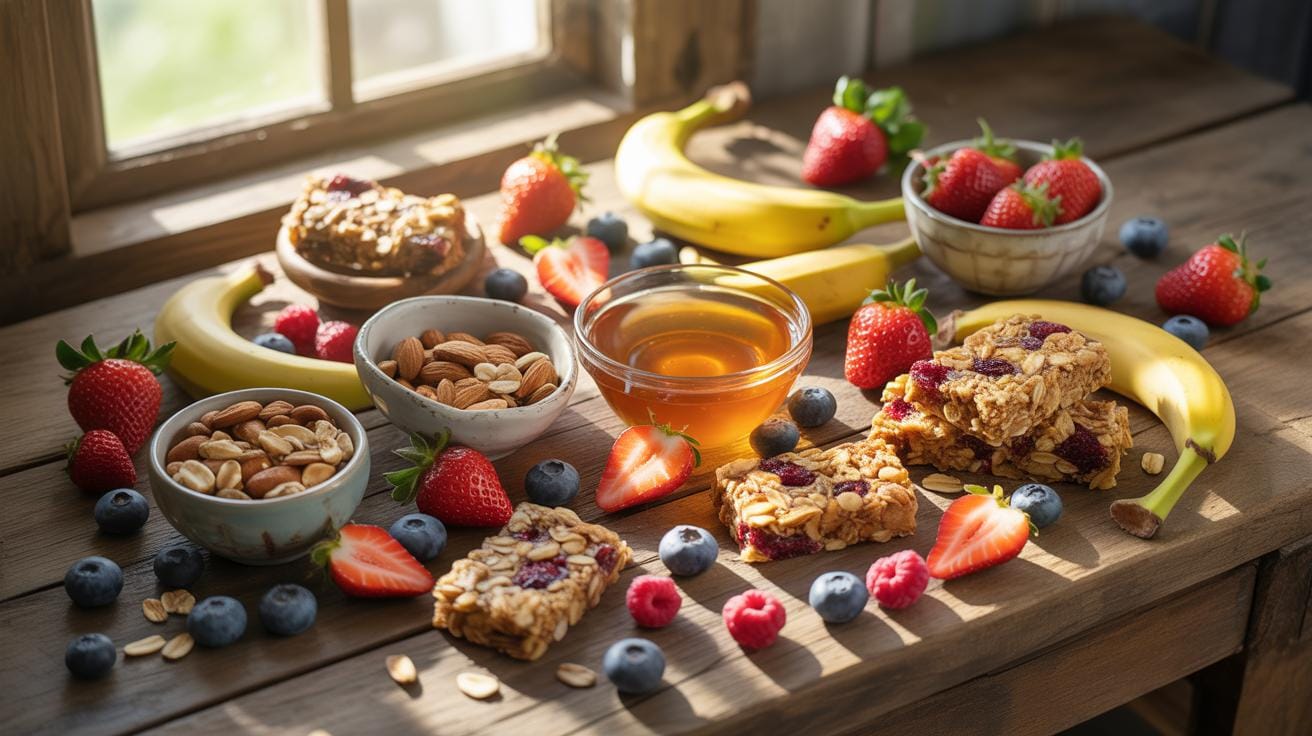
Sweet snacks can offer a delightful treat without compromising your health when chosen wisely. Healthy sweet snacks provide a balance of taste and nutrition that can keep your energy up throughout the day. This article explores how to select and prepare sweet snacks that are both satisfying and nutritious.
We will discuss the types of ingredients that are best for sweet snacks, highlight why they matter for your health, and offer simple recipes you can try at home. If you want to enjoy sweet treats while maintaining a healthy diet, understanding these points will help you make better snack choices.
Choosing Healthy Sweet Snacks
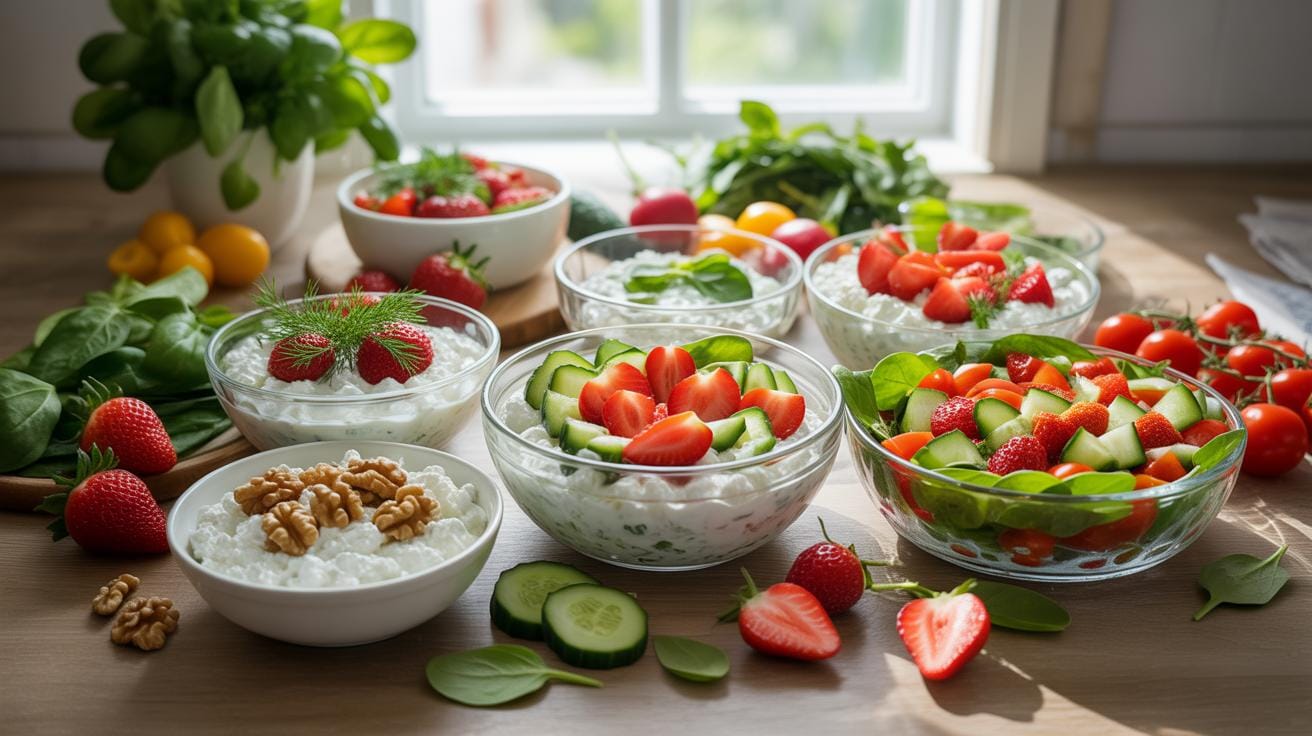
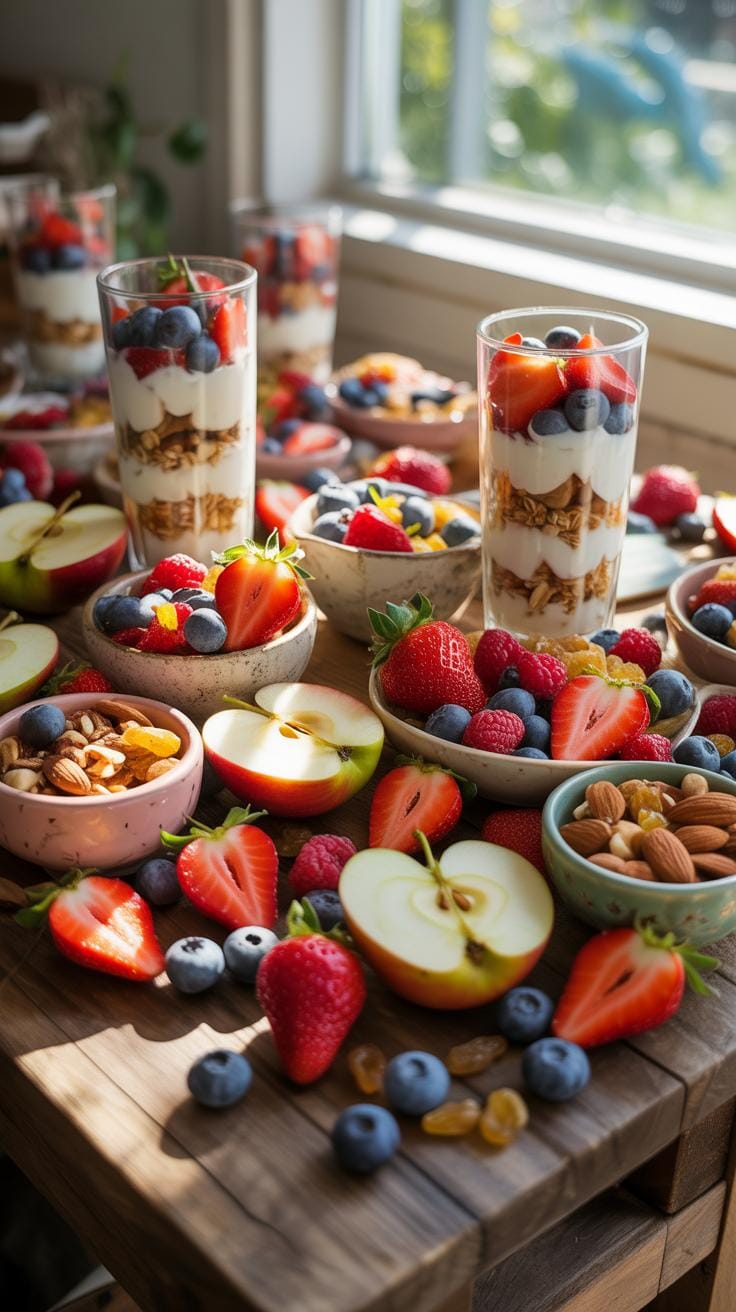
What exactly makes a sweet snack healthy? Well, it’s not just about cutting back on sugar. A healthy sweet snack usually has low added sugar, but also includes fiber and nutrients like vitamins and minerals. These qualities help slow down how quickly your body processes sugar, so you don’t get that sudden rush of energy followed by a crash.
Fiber plays a key role. It helps with digestion and keeps you feeling full longer, so you’re less likely to reach for more sweets right away. Nutrients, even in small amounts, support overall health and keep your body running well. For example, snacks with vitamin C or magnesium can actually help your metabolism and mood.
It might seem straightforward, but sometimes people forget that not all sugar is created equal. Naturally occurring sugars in fruits come with fiber and nutrients, which means your body handles them differently than the added sugar in candy or soda. So, when choosing snacks, try to pick those with natural sweetness first and minimal extra sugar added.
Benefits Of Healthy Sweet Snacks
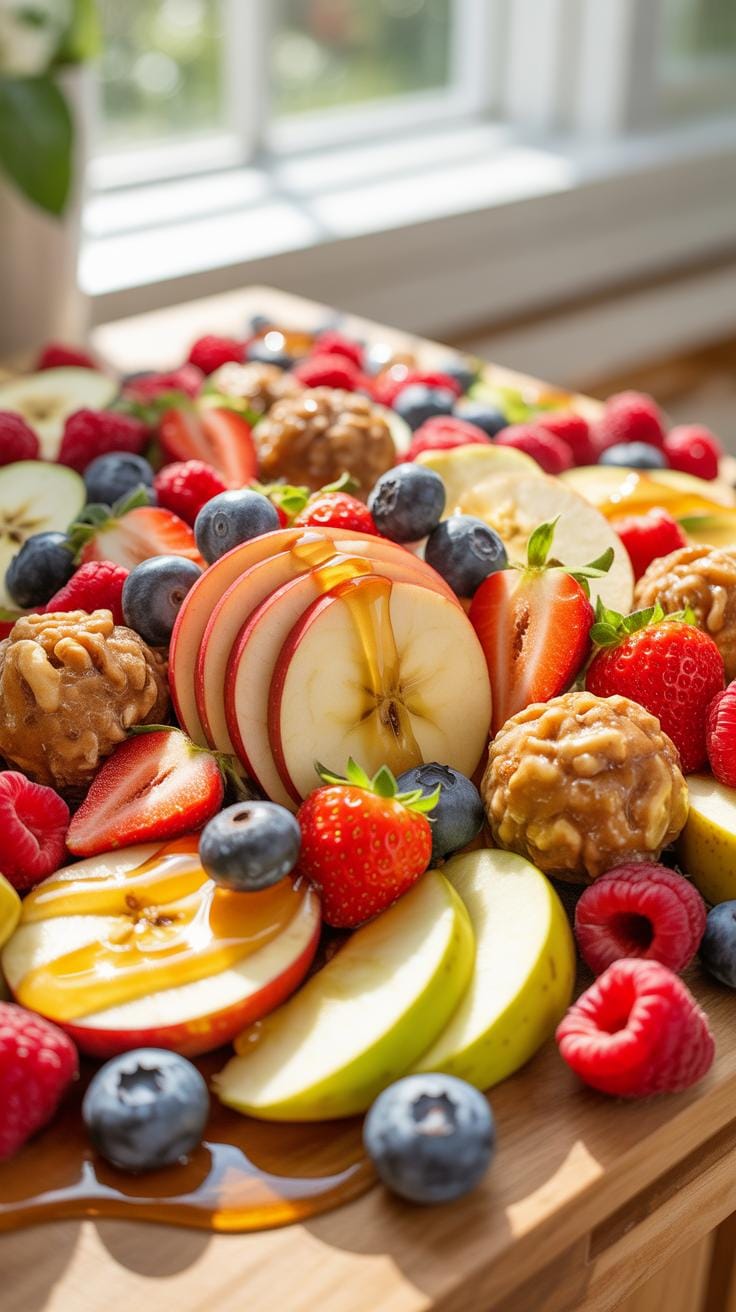
Eating healthy sweet snacks instead of regular sugary ones can make a surprising difference. For one, you get sustained energy rather than a quick spike and crash that leaves you tired and cranky. Think about how often you feel tired right after a sugar rush—that’s what healthy snacks help avoid.
Better digestion is another plus. Since many healthy snacks are high in fiber, they support your gut and can prevent issues like bloating or constipation. This isn’t just about feeling comfortable; it affects how well you absorb nutrients and even your mood.
Healthy snacks also mean you’re less likely to get those intense cravings. When your blood sugar stays more stable, your body isn’t constantly demanding more sweets. It’s a kind of quiet relief that you might not notice at first, but it definitely adds up over time.
Common Ingredients In Sweet Snacks
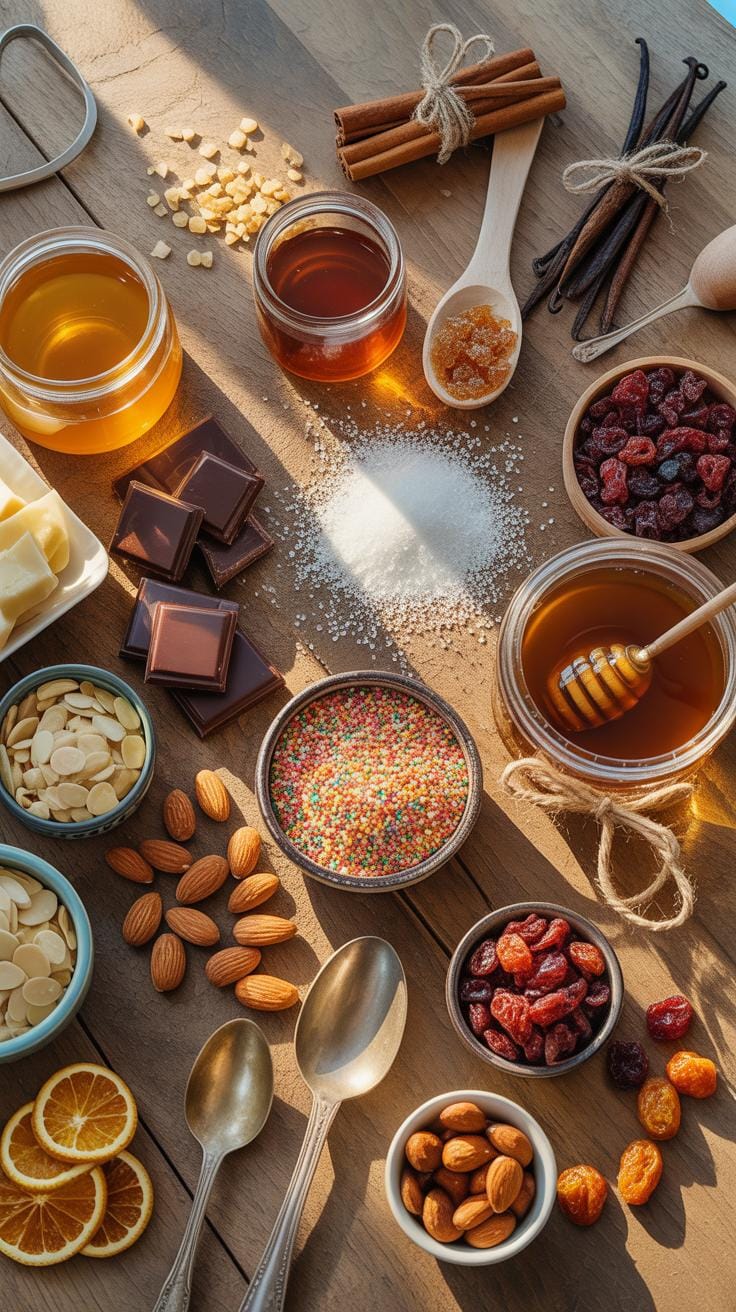
Many healthy sweet snacks use ingredients you probably already know but maybe don’t think of as snack stars. Fruits, for example, bring natural sweetness alongside vitamins and fiber. Have you tried dried apricots or blueberries? They’re sweet but also pack a nutritional punch.
Nuts and seeds add crunch, healthy fats, and protein. They keep you full and give your body important minerals like magnesium and zinc. Plus, they’re great for heart health.
Natural sweeteners like honey or maple syrup often replace refined sugar. They still provide sugar, yes, but also small amounts of antioxidants or minerals, which plain sugar lacks.
Whole grains, such as oats or quinoa, are another frequent choice. They bring fiber and complex carbs, which break down slowly to maintain steady energy levels. Even the smell of oats in a snack can make you feel cozy and satisfied.
How To Make Sweet Snacks At Home

Making sweet snacks at home doesn’t have to be complicated. Often, simple methods like blending, baking, or mixing can transform a few basic ingredients into something enjoyable and nourishing. For example, blending nuts and dates together can quickly turn into a sticky, sweet base for energy balls. Baking is another easy step—just toss in some oats, a bit of mashed banana, and a natural sweetener before popping it in the oven for a quick, wholesome treat.
It’s worth experimenting with textures too. Sometimes mixing chopped fruits with nut butter or yogurt creates a refreshing dessert without the need for sugar. Using ingredients you probably already have in your kitchen keeps this hassle-free. And honestly, it feels kind of satisfying to see how little effort it takes to make something tasty enough to replace store-bought snacks.
Quick Recipes For Sweet Snacks
If you need something sweet fast, here are a few to try, all ready in under 10 minutes:
- Banana Oat Cookies: Mash a ripe banana, mix with rolled oats and a handful of raisins, then bake or pan-fry for 8-10 minutes.
- Greek Yogurt with Honey and Nuts: Spoon Greek yogurt, drizzle with honey, and sprinkle walnuts or almonds on top.
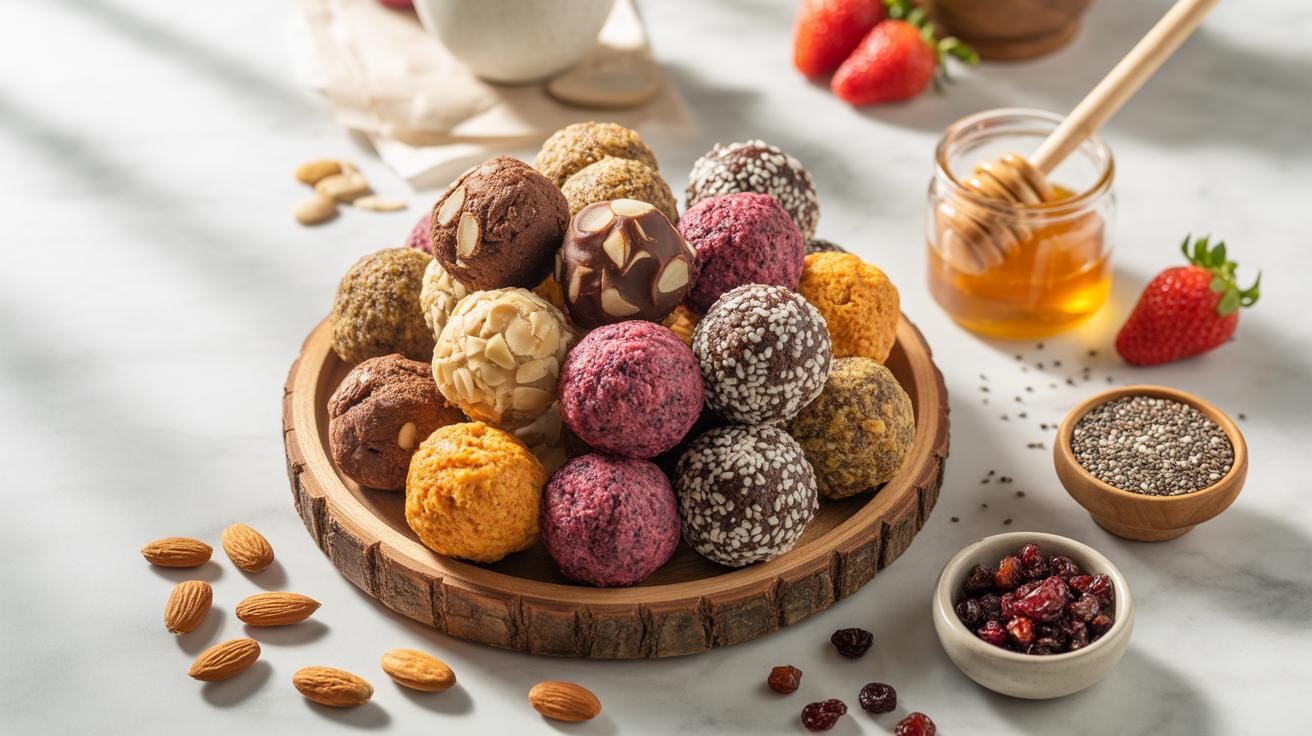
- Fruit and Nut Energy Balls: Blend pitted dates, almonds, and a little cocoa powder, then roll into balls.
These recipes don’t need fancy equipment or ingredients, just a few minutes and basic kitchen tools. They’re proof that quick doesn’t mean unhealthy.
Using Natural Sweeteners Effectively
Natural sweeteners like honey, maple syrup, and dates offer a different kind of sweetness than refined sugar. Their flavors are more complex, often floral or caramel-like, which means you can usually use less. That’s a plus, but it also means measuring carefully is a bit of an art rather than an exact science.
For example, if a recipe calls for a cup of sugar, you might try replacing it with two-thirds cup of honey or maple syrup, but watch the texture since these liquids add moisture. Dates can substitute well in blended snacks, thanks to their fiber that helps bind ingredients. Using them whole or chopped adds chewiness, so the final snack feels less uniform and maybe a bit more interesting.
In any case, natural sweeteners don’t spike blood sugar as rapidly as refined sugars might—though that depends on quantity. So using them thoughtfully allows you to satisfy a sweet craving without feeling like you’re undoing your healthy choices. It’s tricky but worth trying out to find what works best for your taste and health.
Sweet Snacks Vs Regular Treats
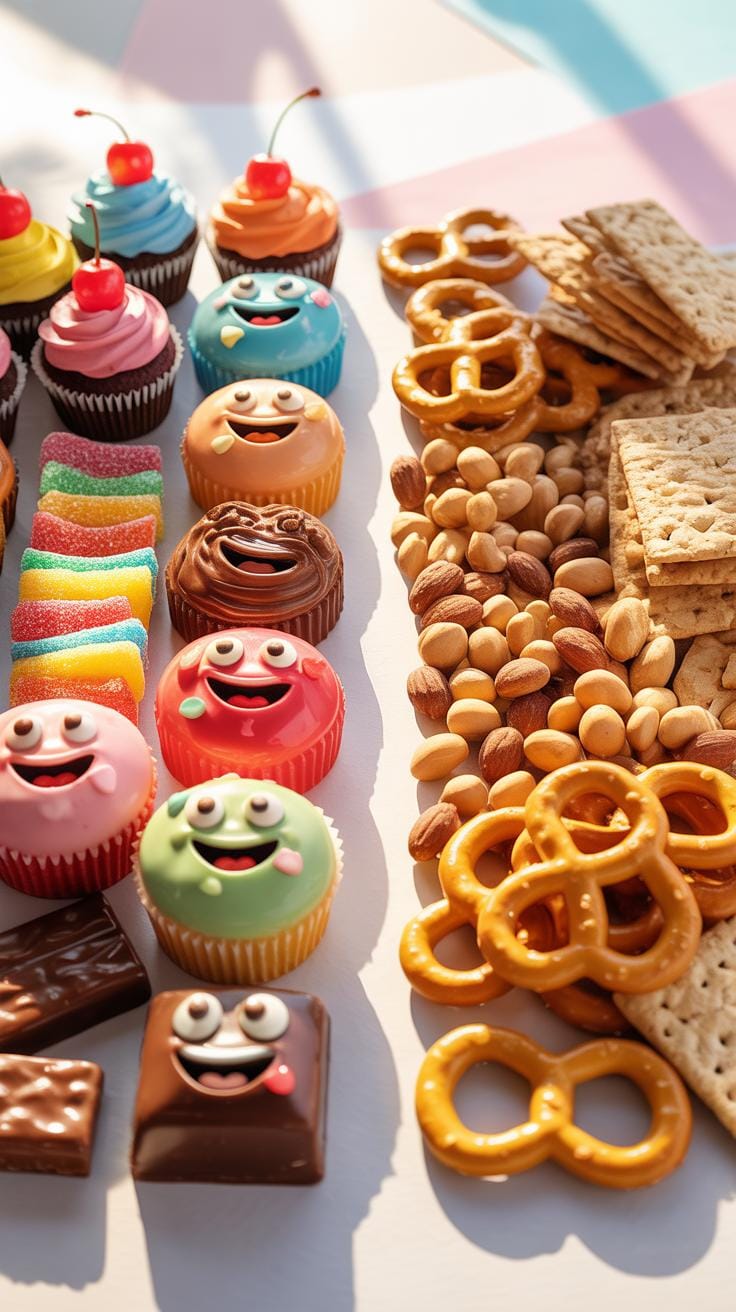
When you put healthy sweet snacks side by side with regular sugary treats, the differences become pretty clear—especially once you look past just the taste. Ingredients tell a big part of the story. Regular treats often rely on refined sugars, artificial flavors, and empty calories. Meanwhile, healthy sweet snacks tend to include natural sweeteners like honey, dates, or fruit, accompanied by nuts or whole grains. These ingredients bring more than just sweetness; they add fiber, vitamins, and minerals.
Nutrition-wise, this makes a noticeable difference. Regular sugary treats offer a quick flood of sugar and very little else, which usually means a fast energy spike followed by a crash. Healthy sweet snacks, with their balanced mix of macronutrients and lower sugar content, can keep your blood sugar levels steadier. Ever felt the crash after that candy bar? That’s what we’re talking about. On the other hand, a handful of dried fruit with nuts might keep your energy going longer without leaving you jittery or exhausted.
Sugar Content Comparison
To get specific, many common sweet treats contain upward of 20 grams of added sugar per serving. For example, a typical candy bar or cookie? That sugar load adds up fast. Healthy options often cut that down considerably—some snacks clock in under 10 grams of natural sugar or less. Of course, “natural” sugar still affects your body, but it usually comes with fiber or fat that slows absorption.
Lower sugar intake helps avoid those sudden blood sugar spikes. You might notice less mood swings or fewer energy slumps throughout the day. Your body doesn’t have to work as hard to balance out the flood of sugars, which is a good thing for long-term health and energy management. It might seem subtle at first, but even small differences add up.
Impact On Energy Levels
Think about how you feel after a sugary treat. Often, there’s a burst of energy—sometimes even a bit of a “sugar rush.” That’s quickly followed by a crash, where you feel drained or even more tired than before. This rollercoaster can affect how you perform at work, focus on tasks, or just feel throughout the afternoon.
Healthy sweet snacks, especially those with protein or fiber, tend to fuel your body more evenly. Imagine a snack like yogurt with fresh berries or nut butter on apple slices. You get sweetness, yes, but also something to slow the sugar’s entry into your bloodstream. This steadier energy can help keep your mood balanced and support sustained mental clarity.
So, while regular sugary treats can feel like an instant fix, they often leave you worse off later. Healthy sweet snacks might not always satisfy a craving as sharply, but they tend to keep you feeling better overall. Isn’t that worth considering next time you reach for something sweet?
Tools For Preparing Sweet Snacks
Essential Kitchen Tools
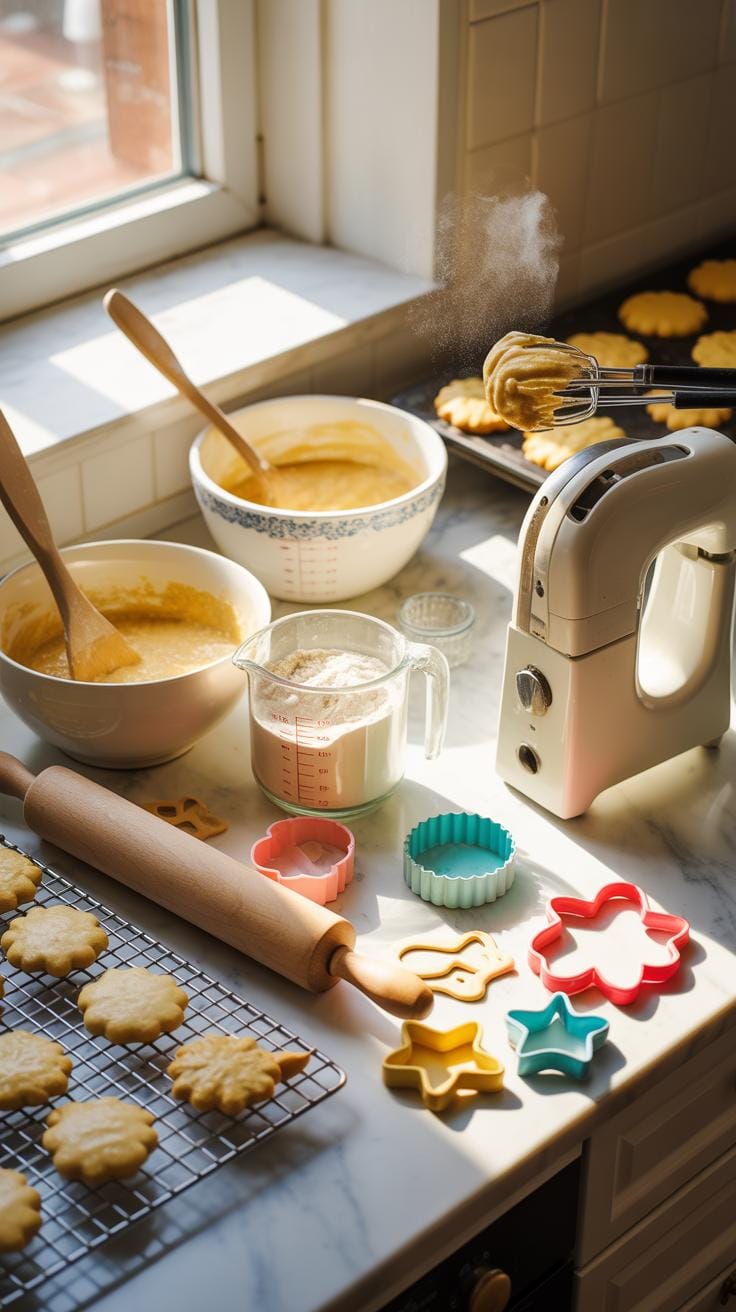
When making healthy sweet snacks, having the right tools can make all the difference. A blender is almost essential—you’ll need it for smoothies, energy balls, or pureed fruits to replace sugar. It’s surprising how versatile this tool becomes, blending nuts, dates, or even oats into a fine texture that works well in many recipes.
The oven plays a key role too. Baking is often a healthier way to bring out sweetness without extra sugar. Think of baked apples or homemade granola bars. Even something as simple as roasting nuts or drying fruit can be done effectively with an oven.
Mixing bowls are probably more basic than you think, but they deserve a mention. You’ll want several sizes, depending on the snack. Preparing dough, mixing batters, or combining ingredients for bars or bites happens here. Oddly enough, the better the bowl’s material—glass, metal, or plastic—the easier cleanup tends to be. But then again, sometimes plastic bowls hold onto odors.
Storage Solutions To Keep Snacks Fresh
After preparing your healthy treats, keeping them fresh is vital. Using airtight containers is the simplest yet most effective way to avoid spoilage. Glass containers with tight lids work well—they don’t absorb smells and can go from fridge to microwave. You might think plastic containers are easier, but they can warp or stain, especially with sticky or colorful snacks like fruit bars.
For items like granola or trail mix, resealable bags can be quite handy. You can squeeze out extra air, and they take up less space than bulky containers. On the other hand, some snacks do better in the fridge or freezer. So it’s worth asking yourself: will your snack stay crisp at room temperature, or does it need cooler storage to stay appetizing? This small decision can make or break the snack’s texture and taste.
Honestly, I’ve found that rotating snacks out regularly helps too. Even with the best containers, nothing keeps snacks fresh forever. Perhaps that’s part of the reason homemade tastes better—there’s no long shelf life, just fresh enjoyment.
Sweet Snack Preparation Checklist
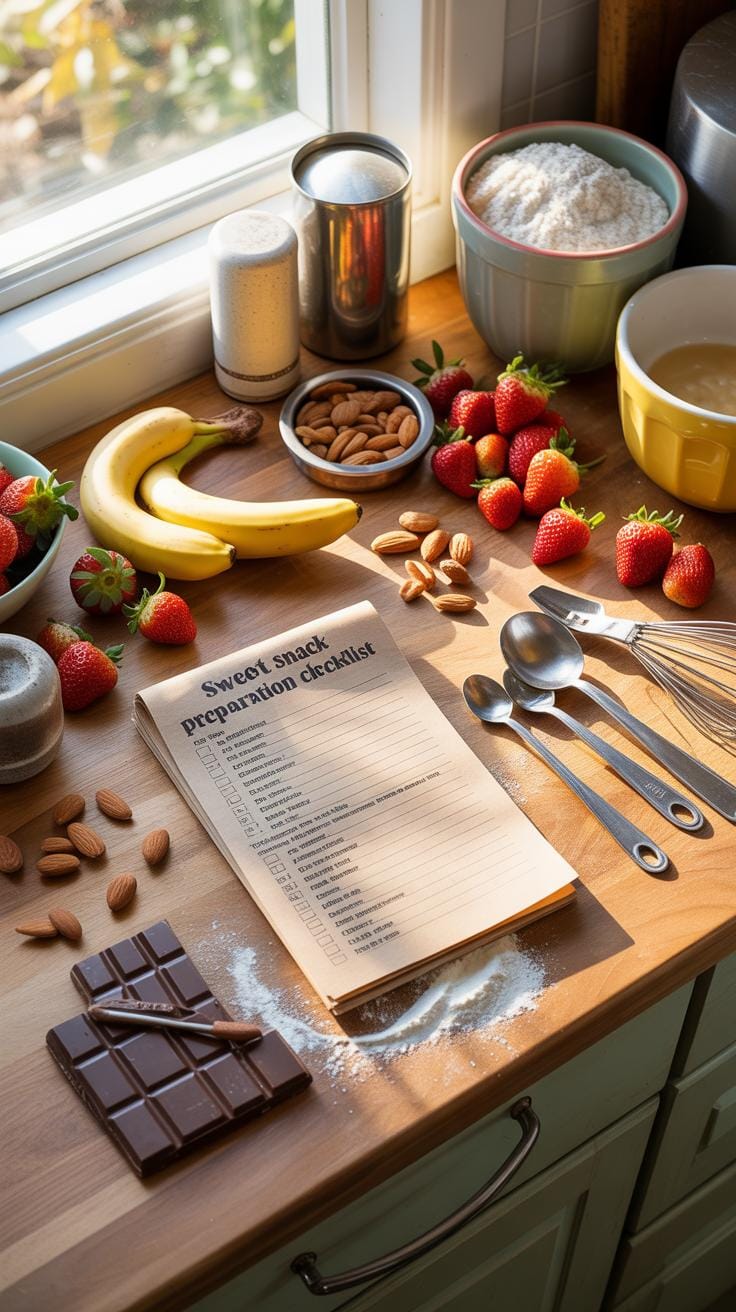
Start by gathering all your ingredients before you begin. Fresh fruits, natural sweeteners like honey or maple syrup, nuts, and whole grains usually work best. Don’t forget to check your tools too—measuring cups, mixing bowls, and maybe a baking sheet or blender depending on the recipe. I find making a simple list really helps avoid those frustrating last-minute runs to the store.
When it’s time to mix, follow each step carefully. Sometimes, recipes call for heating ingredients gently—like melting nut butter or lightly cooking fruits to soften them. Other times, no-heat methods work just as well, like combining yogurt with berries or blending soaked nuts. Pay attention to timing; some snacks need chilling to set properly, so plan ahead.
Safety matters too. Be mindful when using knives or handling hot surfaces. It’s easy to rush, but taking your time will save you from minor accidents.
Meal prepping can be a game-changer. Making snacks in batches means you’ll have healthy treats ready when cravings strike. For example, no-bake energy bites stay fresh for days in the fridge and are easy to grab. Maybe try prepping a few varieties—you might find some combinations you didn’t expect to enjoy.
Potential Pitfalls With Sweet Snacks
When making or choosing healthy sweet snacks, it’s easy to stumble over a few common mistakes that sneakily undo your good intentions. One of the biggest offenders is overusing sweeteners. Often, people think that adding extra honey, maple syrup, or sugar substitutes will make snacks tastier—but that can backfire. Too much sweetener can overshadow the natural flavors, making the snack less satisfying and worse, less healthy. It also risks a sugar spike that your body will regret later.
A better way is to add sweeteners little by little. Taste as you go. This slow approach lets you find a balance without going overboard. Sometimes, you’ll realize the snack is already sweet enough without another spoonful.
Portion size is another area that deserves more attention. Even the healthiest snacks become indulgences if eaten in large amounts. It’s tempting to reach for the whole batch at once—trust me, I’ve been there—but portion control keeps everything in check. Try simple tricks like measuring servings ahead or using smaller plates.
Thinking about these pitfalls helps keep your sweet snacks truly healthy and enjoyable, rather than accidental indulgences.
Nutritional Metrics To Watch
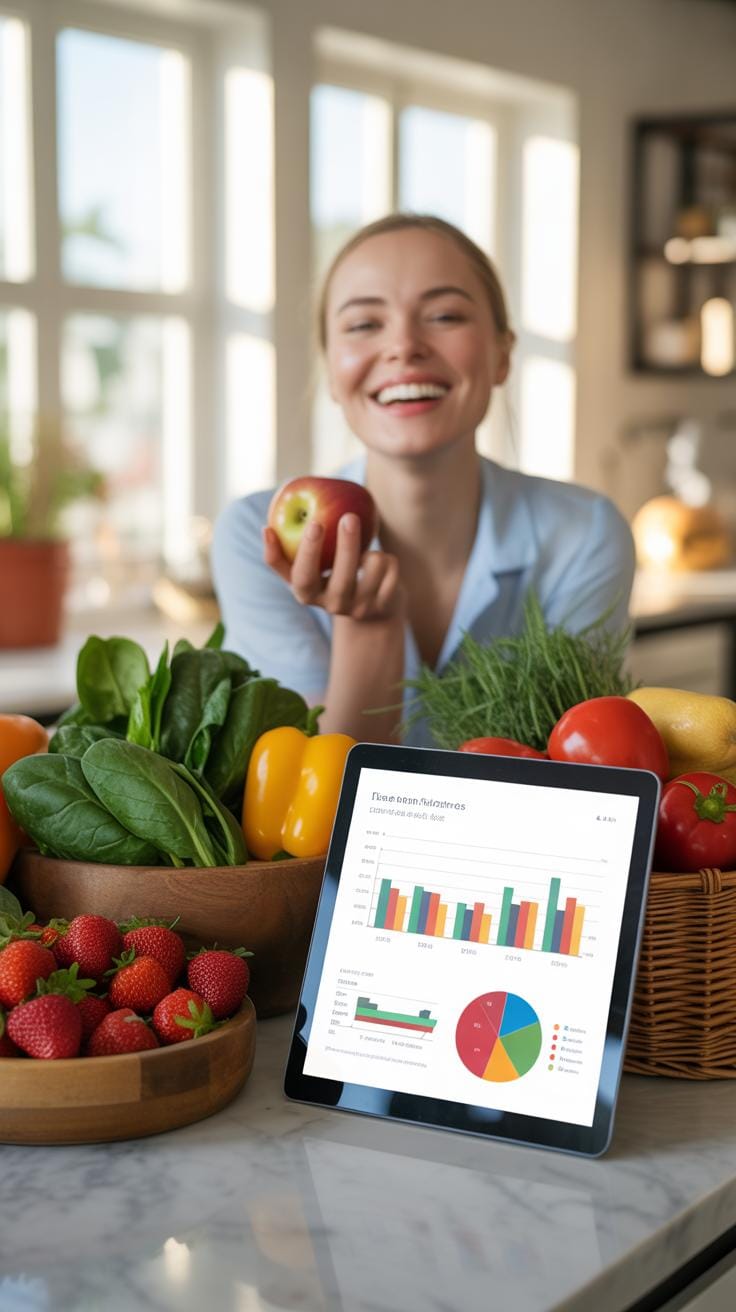
When picking or making sweet snacks, you might want to glance beyond just the sugar content — there are other key nutrients that matter. Sugar, fiber, protein, and fat all play unique roles, and knowing what to check can make a big difference.
Sugar is the most obvious one. It gives that sweet kick we crave, but too much can cause energy crashes or affect your mood. Look for snacks with lower added sugars rather than total sugars, since naturally occurring sugars in fruits come with fiber and nutrients.
Fiber often gets overlooked but it’s crucial. It slows down sugar absorption, helping digestion and preventing blood sugar spikes. Think of it as the brake pedal for how quickly sugar enters your bloodstream.
Protein in sweet snacks can seem strange, but it helps you feel fuller longer and steadies energy levels. Adding nuts or seeds to a fruit snack is a simple way to boost protein.
Lastly, healthy fats—like those from avocados or nut butters—can make snacks more satisfying. They are slow to digest, so you won’t feel hungry again immediately after eating.
Balancing these nutrients doesn’t have to be complicated. Even small shifts, like pairing an apple with a spoonful of almond butter, can make your snack smarter. Have you ever noticed how you feel better when your snack combines a bit of sweetness with some protein or fat? That’s not just coincidence.
Examples Of Healthy Sweet Snack Recipes
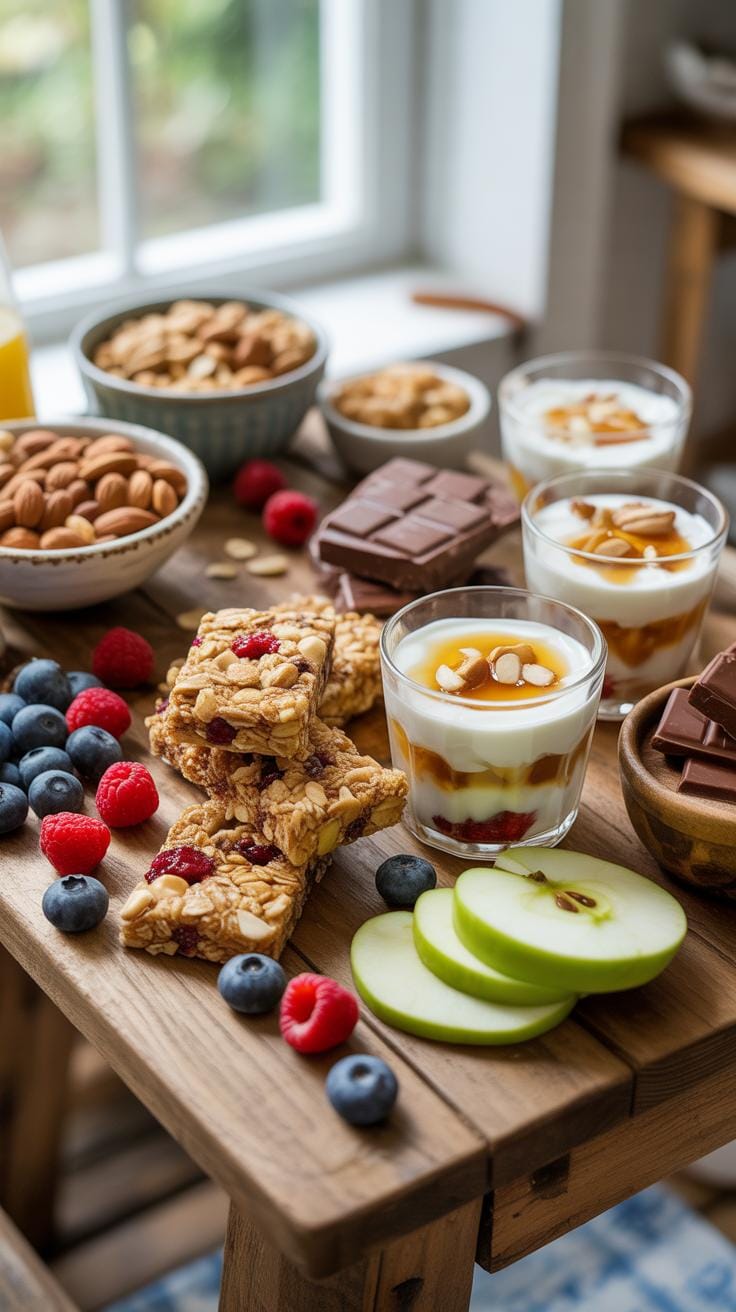
Let’s talk about something straightforward yet satisfying—snacks that are sweet but also healthy. These recipes don’t require you to be a kitchen wizard or spend ages prepping. They lean on simple ingredients that bring natural sweetness and nutrition to your day.
Fruit And Nut Mix Recipe
This mix is one of those snacks you can throw together quickly and always have on hand. The combination of dried fruit and nuts provides natural sugars alongside good fats, making it more filling than just grabbing a candy bar.
- Preparation time: 5 minutes
- Main ingredients: almonds, walnuts, dried apricots, raisins, and unsweetened coconut flakes
Chop the dried apricots into bite-sized pieces. Toss all the ingredients together in a bowl. That’s really it. You can swap walnuts for pecans, or add a handful of pumpkin seeds if you want something a bit crunchier or maybe a little saltier. These changes keep things interesting without losing the natural sweetness.
No-Bake Energy Bites
Here’s something I often fall back on when I want something quick and sweet without turning on the oven. These energy bites are great for a grab-and-go snack.
- Preparation time: 10 minutes plus refrigeration
- Main ingredients: rolled oats, pitted dates, peanut or almond butter, a pinch of cinnamon
Simply pulse the oats and dates in a food processor until finely chopped. Mix in the nut butter and cinnamon until everything sticks together. Roll into small balls and chill for at least 30 minutes. If you like, you can add a bit of dark chocolate chips or swap peanut butter for sunflower seed butter to avoid allergens. The ease and speed here make it a reliable choice when time is short but cravings hit hard.
Conclusions
Healthy sweet snacks combine good ingredients and smart preparation to satisfy cravings and provide nourishment. Choosing options with natural sugars, whole grains, and healthy fats leads to better energy and fewer health issues. You can enjoy sweet snacks without guilt by focusing on nutrient-rich ingredients and mindful portions.
Successful snacking beats hunger and feeds your body well. Making a habit out of picking and creating healthy sweet snacks supports your wellbeing and keeps you energized. Try the recipes and tips discussed here to start your path to better snacks today.