
Introduction
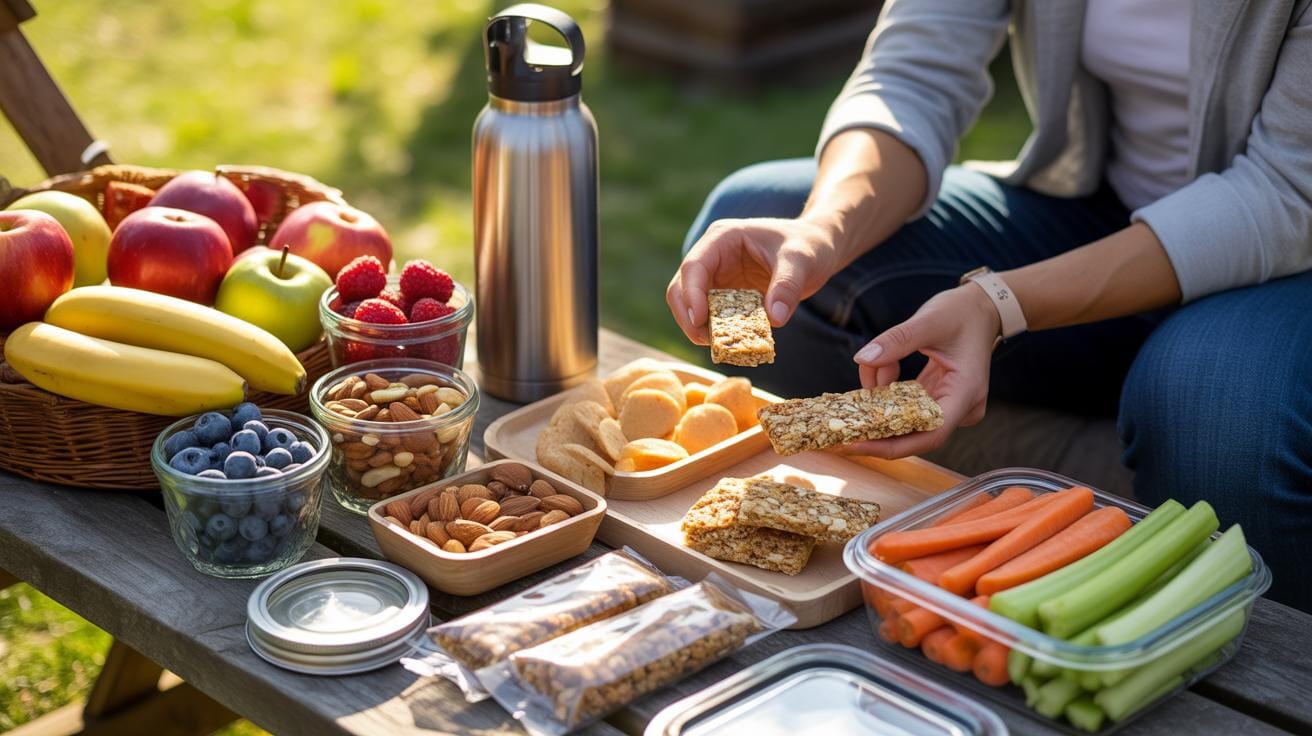
Healthy snacks easy on the go for busy lifestyles are essential for people who have little time to prepare meals but need nutrition throughout the day. When you’re rushing between tasks, work, or school, eating quick, healthy snacks helps keep your energy up and avoids poor food choices. This article addresses how to pick good snacks, why they matter, and some ideas to carry with you.
You’ll learn how to select nutritious options that are convenient and satisfy hunger without added sugars or unhealthy fats. We also explore simple snack examples, ways to plan your snacking, and tips to stay consistent even when your schedule is packed. Preparing well for your busy days means better focus and stronger health.
Choosing Healthy Snacks Wisely
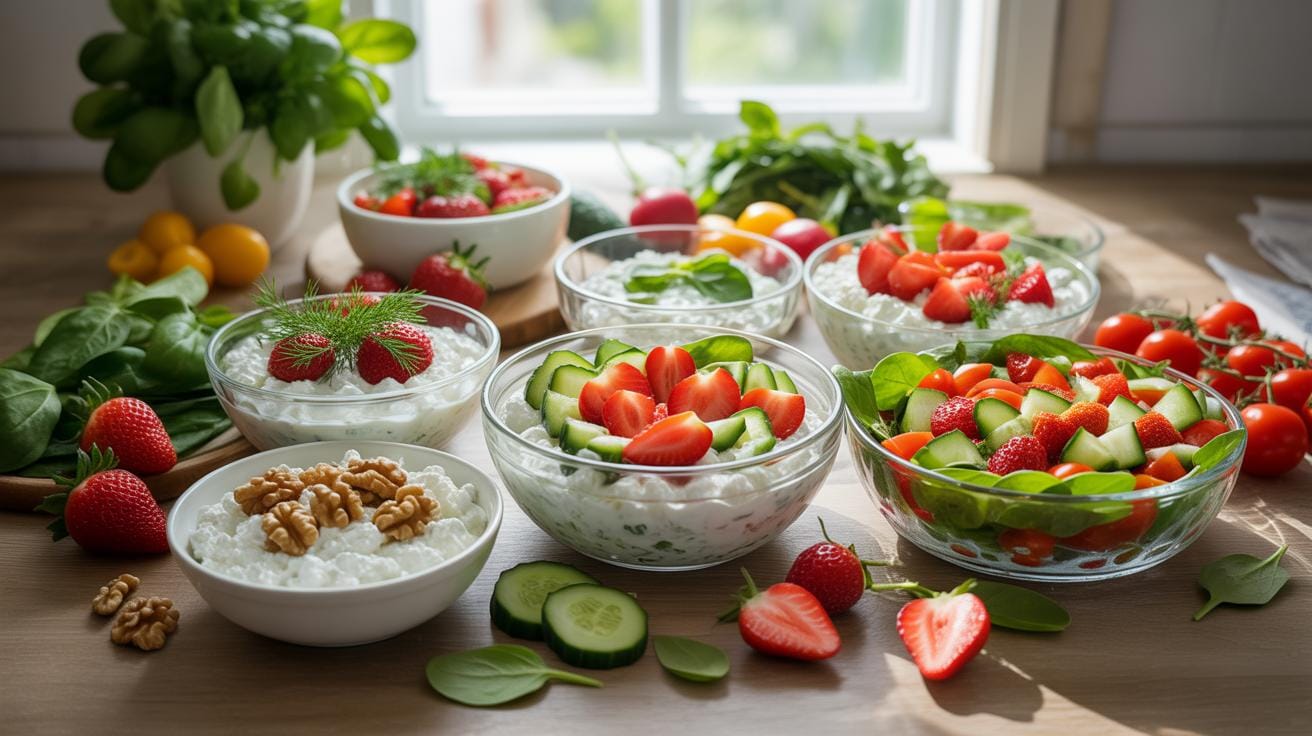
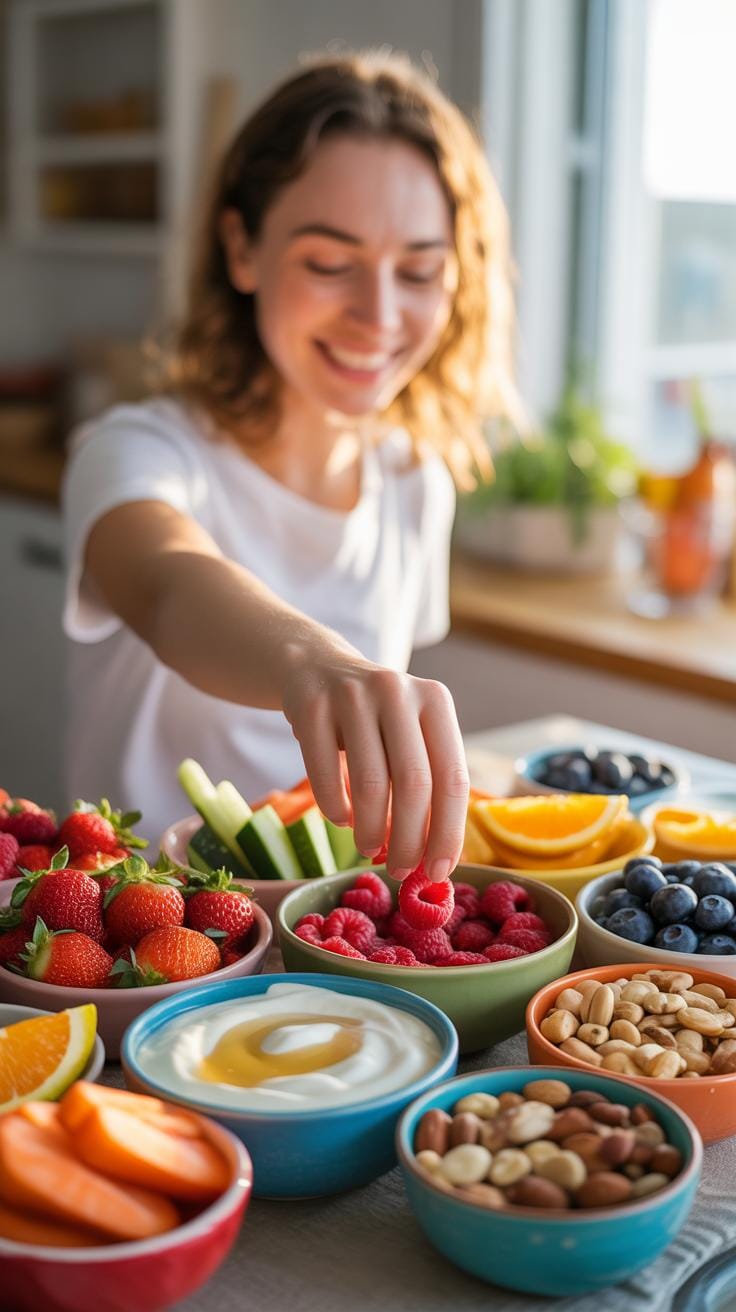
When life speeds up and your schedule tightens, picking the right snacks can feel tricky. You want something quick, but also something that actually fuels you. What matters most is balancing nutrition with convenience. Snacks should offer a good mix of protein, fiber, and healthy fats to keep you satisfied. Pure sugar may seem like an easy fix, but it usually leads to energy crashes, which you probably don’t need.
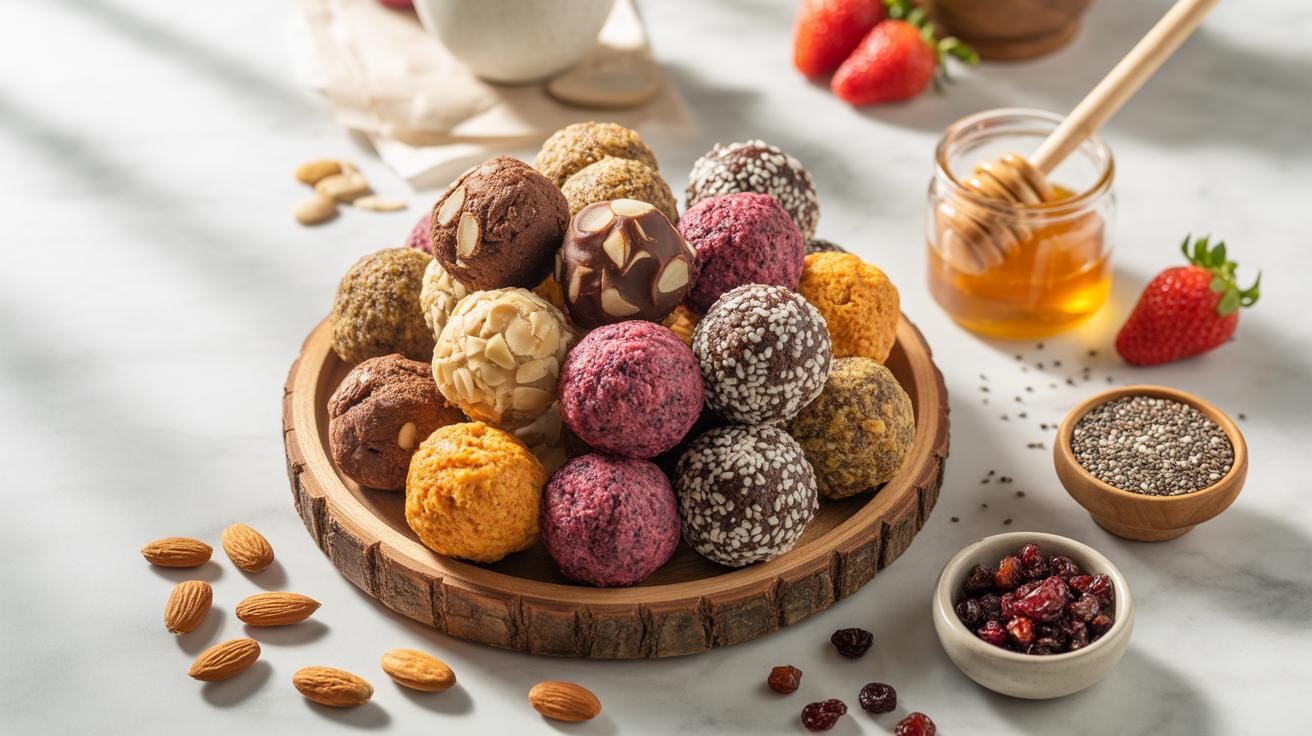
Think about snacks you can grab without much prep and that won’t spoil quickly. Nuts and seeds, for example, fit nicely into small containers and last long. Fresh fruits like apples or bananas travel well too, with minimal fuss. Pre-cut veggies can work if you plan ahead, but carrying dips or dressings can sometimes be a hassle, right?
Also, consider portion size. It’s tempting to go for big servings, but sometimes smaller, well-balanced portions help avoid feeling weighed down. You might feel hungry again sooner, sure, but that’s where the right type of snack matters.
Do you find yourself reaching for something just because it’s easy? Maybe a little pause before grabbing that snack could help you choose better—sometimes just a moment’s thought changes the whole day.
Benefits Of Healthy Snacks On The Go
Eating healthy snacks while moving through your day brings some noticeable perks. For one thing, your energy holds steadier. You avoid those sudden hunger slumps when you’re tempted by fast food or vending machine treats. Trust me, those moments happen more often than we admit.
When you have a wholesome snack packed, it’s easier to skip junk food that’s usually high in processed ingredients. That alone can affect how you feel later—physically and mentally. Consistent nutrition, even in small bites, supports focus and mood. Doesn’t it make sense to keep your fuel steady rather than riding peaks and lows?
It’s true, sometimes a busy day leaves you rushing. But a little prep pays off. You’re less likely to buy something just out of convenience and regret it afterwards. Even if you don’t plan meals meticulously, having a few good snacks within reach can shift the struggle to something manageable.
Top Snacks For Busy People
- Almonds or mixed nuts – easy to move around and packed with protein and healthy fats.
- String cheese or individually wrapped cheese portions – good protein without the mess.
- Fresh fruit like grapes, apples, or pears – nature’s portable snack.
- Greek yogurt cups – creamy and rich in protein; just grab a spoon.
- Whole grain crackers paired with nut butter – crunch with lasting energy.
- Hard-boiled eggs – portable protein, though watch out for the smell if you’re stuck in close quarters!
- Vegetable sticks such as carrots or bell peppers – simple, crunchy, and refreshing.
- Energy bars with low sugar and high fiber – convenient but check the label carefully.
Trying to carry too many things isn’t usually practical, so sticking to smaller portions and non-perishable items often works best. Maybe you find yourself leaning toward sweeter options sometimes—that’s normal, but throwing in some savory nuts or protein can help balance things out.
What’s your go-to when time’s tight but hunger strikes? Experimenting with a few options could change how you handle those busy stretches. A little thought up front can save you from grabbing regrettable snacks later on.
Healthy Snacks On The Go

When you’re rushing from one task to another, grabbing a snack can feel like a challenge. But those quick bites are often the moments when your body either fuels up or crashes. Snacks that fit into your busy lifestyle don’t have to be complicated or time-consuming. In fact, the right choice can support your energy levels and focus throughout the day.
Think about snacks that are portable but also provide essential nutrients without a sugar overload or empty calories. A handful of nuts or a piece of fruit in your bag can do more good than a quick pastry from the corner shop. I’ve tried skipping snacks before, thinking I could make it to the next meal — but it usually ends with a sluggish afternoon or overeating later. Snacks, when chosen wisely, fill the gap between meals and keep your mind sharp.
Try to pick snacks rich in protein, healthy fats, and fiber. These nutrients slow digestion and provide energy that lasts, rather than a quick spike and crash. For example, a small container of Greek yogurt with some berries hits the mark—protein for muscle repair, fat for brain function, and fiber to keep you full. It’s not anything fancy, but it works better than sugary bars or chips.
Even simple swaps can help. Instead of grabbing a candy bar, munch on a boiled egg or a mini whole-grain sandwich. If you’re stuck at your desk or in the car, grab trail mix with nuts and dried fruit instead of plain crackers. The key is planning just a bit ahead and knowing what truly sustains you versus what just fills the time.
What kind of snacks have you found that keep you alert without dragging you down? And do you notice the difference in your energy when you’re eating thoughtfully versus just whatever is handy? It’s something I’ve been paying more attention to lately — little choices, but they add up throughout the day.
Planning Snacks For Your Day
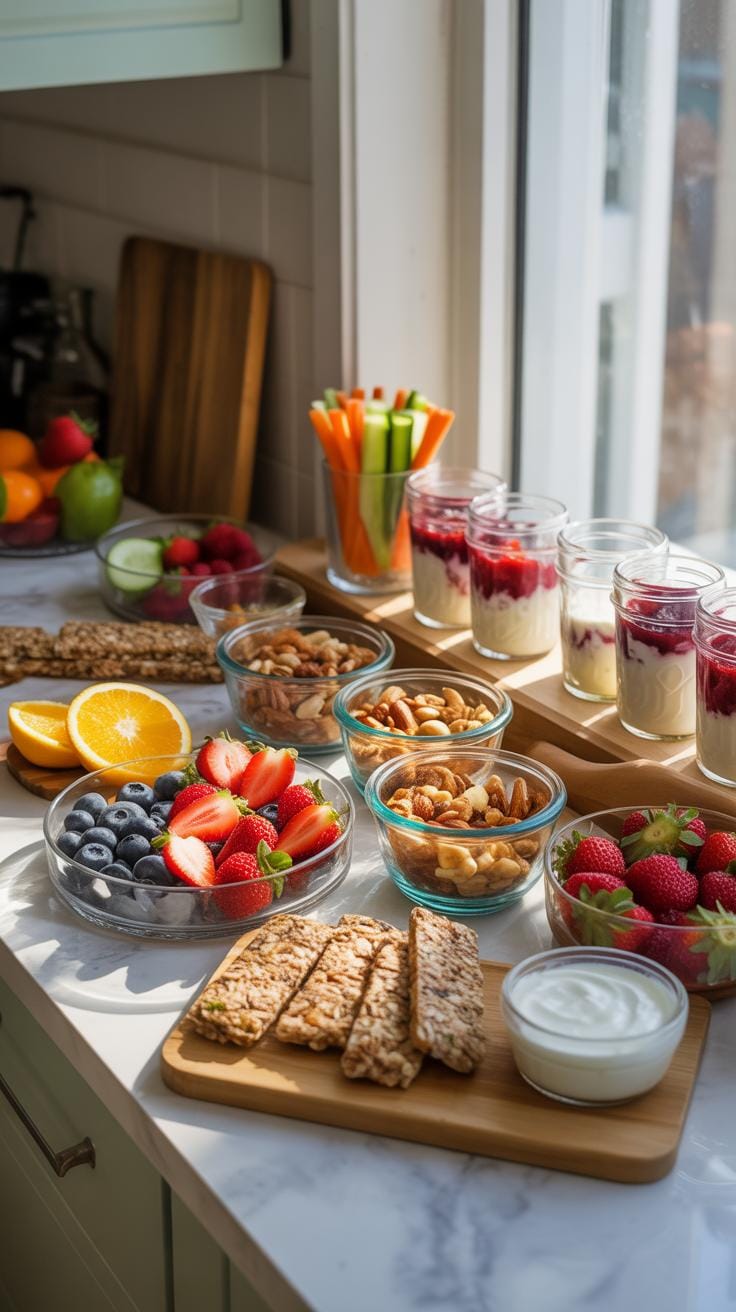
When it comes to fitting healthy snacks into a busy day, a little planning can prevent a lot of hunger—and the impulse to grab whatever’s quick but not always good. Think of your snack times like mini meals; they deserve attention too, even if just a bit. Start by looking at your typical day: When do you usually feel low energy? Mid-morning? Late afternoon? Those are prime spots for snacks.
Try sketching out a simple plan. Maybe it’s a handful of nuts mid-morning and some sliced veggies with hummus later. Having a rough schedule makes it easier to avoid hunger peaks that lead to overeating later. You don’t have to be rigid about it. Sometimes life throws curveballs, and that’s okay. But having a general idea helps keep your choices smarter.
Simple Snack Preparation Steps
Preparing snacks ahead can save time and keep you from reaching for less healthy options. Here’s a basic checklist that I think works well:
- Pick snacks that store well, like nuts, seeds, or dried fruit.
- Pre-portion servings into small containers or bags—makes grabbing them easier.
- Wash and cut fresh items like carrots or apples in advance.
- Include a protein element, perhaps cheese cubes or boiled eggs, to stay fuller longer.
- Keep your snack stash visible and accessible, so you remember they’re there.
Once you get into this habit, snack prep becomes second nature. And by the way, there’s no need to prepare every snack for the whole week in one go—maybe just a couple of days at a time. It feels less overwhelming that way.
Timing Snack Breaks Right
Snack timing isn’t just about the clock. It’s really about how your body feels and maintaining energy without slumps. Scheduling snacks around four hours apart or between meals often works well. That’s roughly when blood sugar dips, and hunger sneaks in.
But sometimes your schedule may not cooperate, and that’s fine. Pay attention to actual hunger cues rather than forcing snacks strictly on the clock. Waiting too long often leads to overeating later, but snacking too early might spoil your next meal.
Personally, I find that setting a reminder on my phone helps, though I don’t always follow it precisely. The key is balance—not perfection. When you get this rhythm down, energy feels steadier, mood can improve, and you avoid those frantic searches for anything edible.
Store Bought Versus Homemade Snacks
Health Benefits Of Homemade Snacks
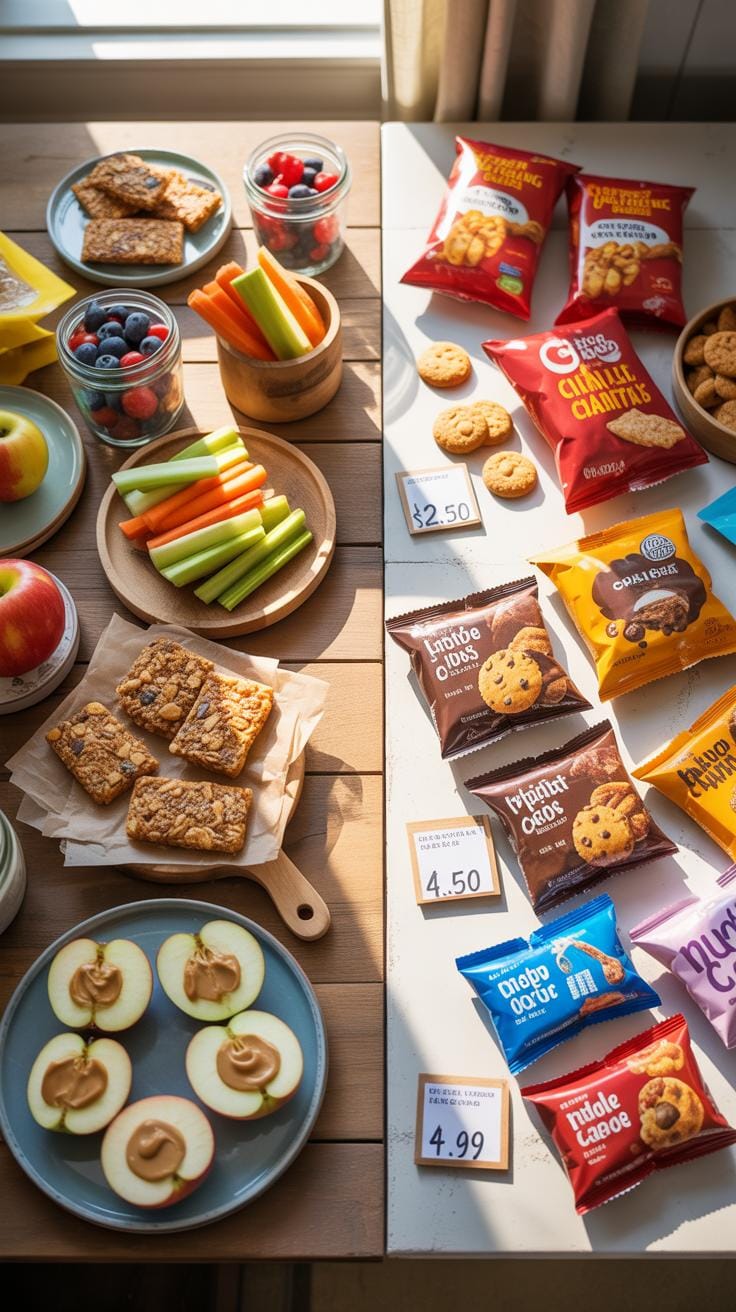
Often, homemade snacks offer a clearer picture of what you’re actually consuming. When you make your own snacks, you control the ingredients—no surprise additives, preservatives, or hidden sugars. This matters if you watch your salt intake or want to avoid artificial flavors, which are common in many store-bought options.
For example, blending nuts with a touch of honey and a sprinkle of cinnamon creates a satisfying treat without extra fillers. Or slicing fresh veggies paired with a quick homemade hummus keeps things fresh and nutrient-rich. These ideas—while simple—are usually easier and quicker than expected. Throwing together snacks doesn’t have to mean elaborate prep.
Sure, sometimes grabbing a protein bar feels easier, but it rarely matches the nutritional quality of a handful of roasted chickpeas or a piece of fruit with peanut butter, both easy to prepare in minutes. Making your own snacks might require a bit more planning, but it often leads to better, more balanced choices in the long run.
Convenience And Cost Comparison
Store-bought snacks win on convenience. You can pick something up last minute, scan it through the checkout quickly, and be on your way. This is why many busy people lean on them. But, this quick advantage usually comes with a price—not just financially but sometimes nutritionally.
Homemade snacks can be cheaper, especially when you buy staples like oats, nuts, seeds, or fruits in bulk. Preparing snacks in batches—like energy balls or trail mix—can save money and time during the week. But yes, the upfront effort might feel like a lot.
Still, is quicker always better? Sometimes spending a few minutes ahead means less rushed snacking and fewer impulse buys. And when you make snacks yourself, you can balance quantity—avoiding the temptation to overeat single-serving packs made to be “grab-and-go,” which ironically might cost more but leave you less satisfied.
In the end, balancing both feels right. Keeping some well-chosen store items handy can fill gaps, while homemade snacks offer control and often save cash. What fits best depends on your routine, budget, and how much time you can commit, even on your busiest days.
Snacking Mistakes To Avoid
Avoiding Hidden Sugars And Fats
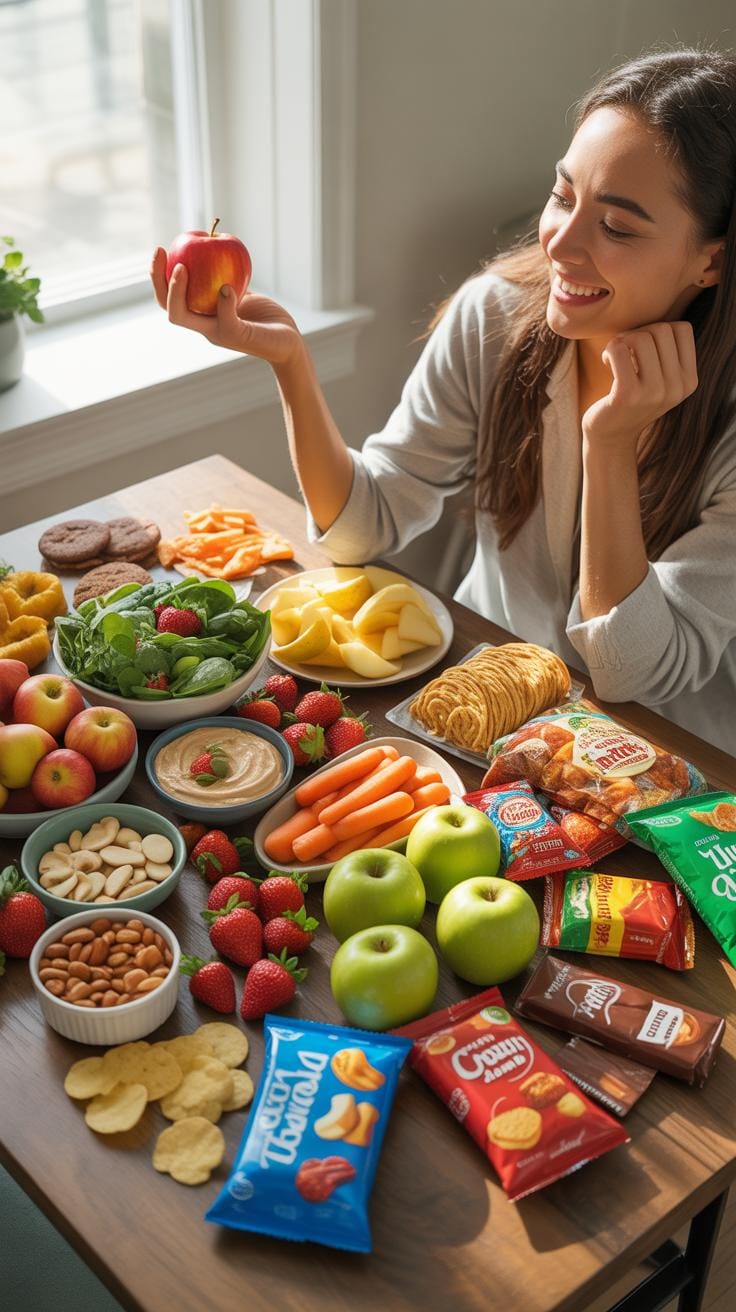
When you grab a snack, it’s easy to overlook the ingredients hiding in plain sight. Packaged foods often contain sugars and fats that sneak in under names like “maltodextrin,” “partially hydrogenated oils,” or “corn syrup solids.” These aren’t always obvious, but they can add up quickly and undo your healthy intentions.
Reading labels might feel tedious, but it’s probably the best way to avoid them. Sometimes, snacks marketed as “natural” or “low-fat” still pack unwanted extras. For example, granola bars can be loaded with added sugar to compensate for less fat. If you’re limiting fats, that sugar might raise your energy intake unexpectedly.
A good practice is to focus on whole-food snacks—nuts, fruit, or yogurt—and keep those packaged options to a minimum. When you do choose packaged items, glance beyond “calories” and “fat” to look for tricky ingredients.
Portion Control Tips
One common mistake is thinking that a single serving of a snack means the entire package. Many snacks come in bigger bags or containers than a recommended serving size. It’s tempting to eat more than planned when you’re busy or distracted, and that’s exactly how calories pile up.
To manage this, consider pre-portioning your snacks into small containers or bags as soon as you bring them home. That way, you won’t accidentally go back for “just a little more.” Even for fresh snacks, like cut veggies or fruit, prepping in advance helps keep portions in check during a hectic day.
Pay attention to hunger cues, too. Snacking should fill you up without making you feel overly full or leaving you constantly craving more. Sometimes, a handful of almonds will do better than a whole bar or a big bowl of chips. It’s about balance, but balance can be tricky to find if you don’t keep an eye on your portions.
Snack Examples For Different Needs
Quick Energy Snacks For Work
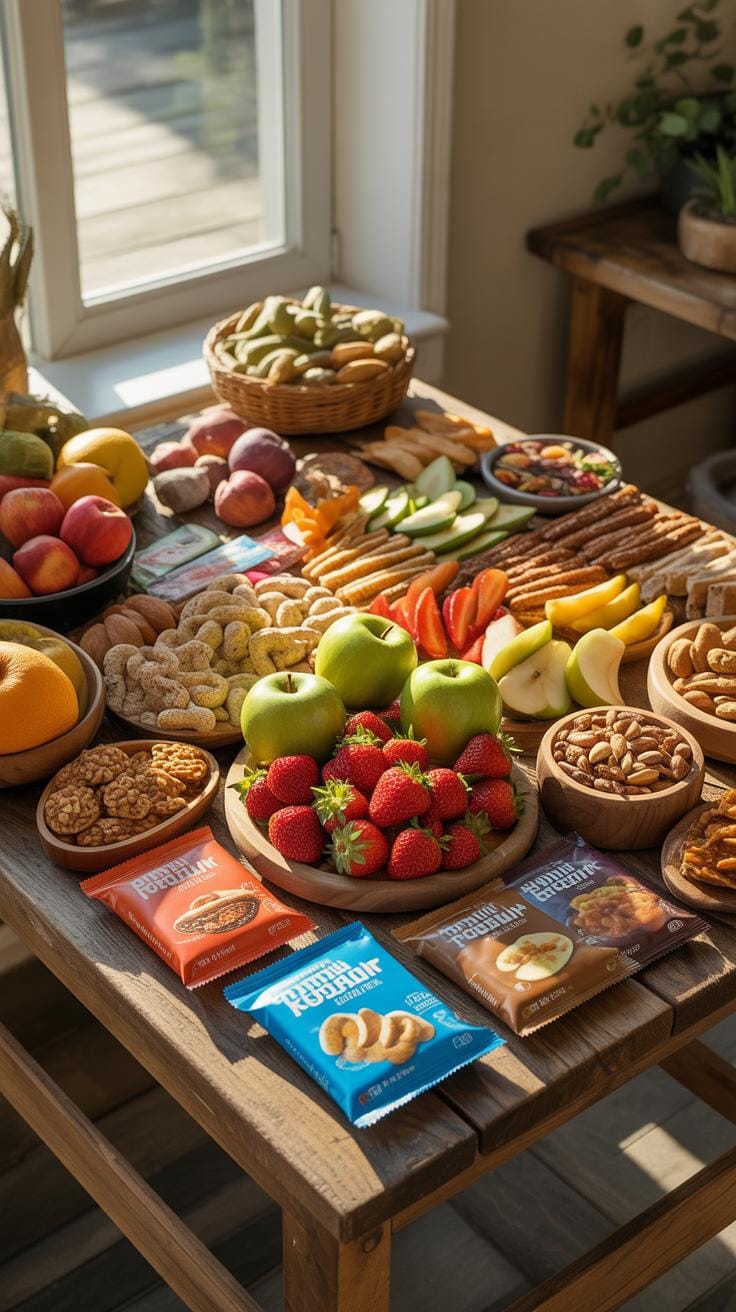
When you’re deep into work, it’s easy to feel drained fast. Choosing snacks that fire up your energy quickly can be a lifesaver. Think of grabbing a handful of nuts like almonds or walnuts. They’re small, don’t spoil easily, and pack a decent hit of protein and healthy fats. Or maybe try a banana—simple but effective. It gives you natural sugars and potassium, which somehow just feels like an instant pick-me-up during those mid-morning slumps.
Energy bars designed without too much added sugar also work well here. But watch out—not all bars are created equal. Some can spike your blood sugar and crash you later. You could also carry single servings of Greek yogurt or string cheese; they’re easy to stash in a small cooler, and the protein helps with focus.
Have you ever noticed how a quick bite of dried fruit, like apricots or raisins, can perk you up? They’re sweet, portable, and definitely easy to munch on without much fuss. These little snacks might just be what you need instead of reaching for that third cup of coffee.
Sustained Energy Snacks For Long Days
Some days stretch longer than others, and a snack that only offers a quick energy blast won’t cut it. For those times, snacks that release energy steadily are better. Trail mix combining nuts, seeds, and dark chocolate chunks can keep you going for hours. It feels like a treat but carries complex carbs, fat, and protein to maintain stamina.
Whole-grain crackers paired with hummus or nut butter also offer slow-burning fuel. These tend to satisfy hunger longer and prevent the shaky mid-afternoon energy crash. I’ve found that even a boiled egg, while simple, does wonders when you need a satisfying, mess-free option that keeps your energy balanced.
Something else to consider: roasted chickpeas. They’re crunchy, full of fiber and protein, and quite easy to carry around. You might hesitate if you’re expecting a snack strictly for a quick power surge, but for sustained energy over many hours, they’re pretty solid. So, maybe having a combination of quick and sustained options on hand could be the way to tackle any surprise busy day.
Using Technology To Plan Snacks
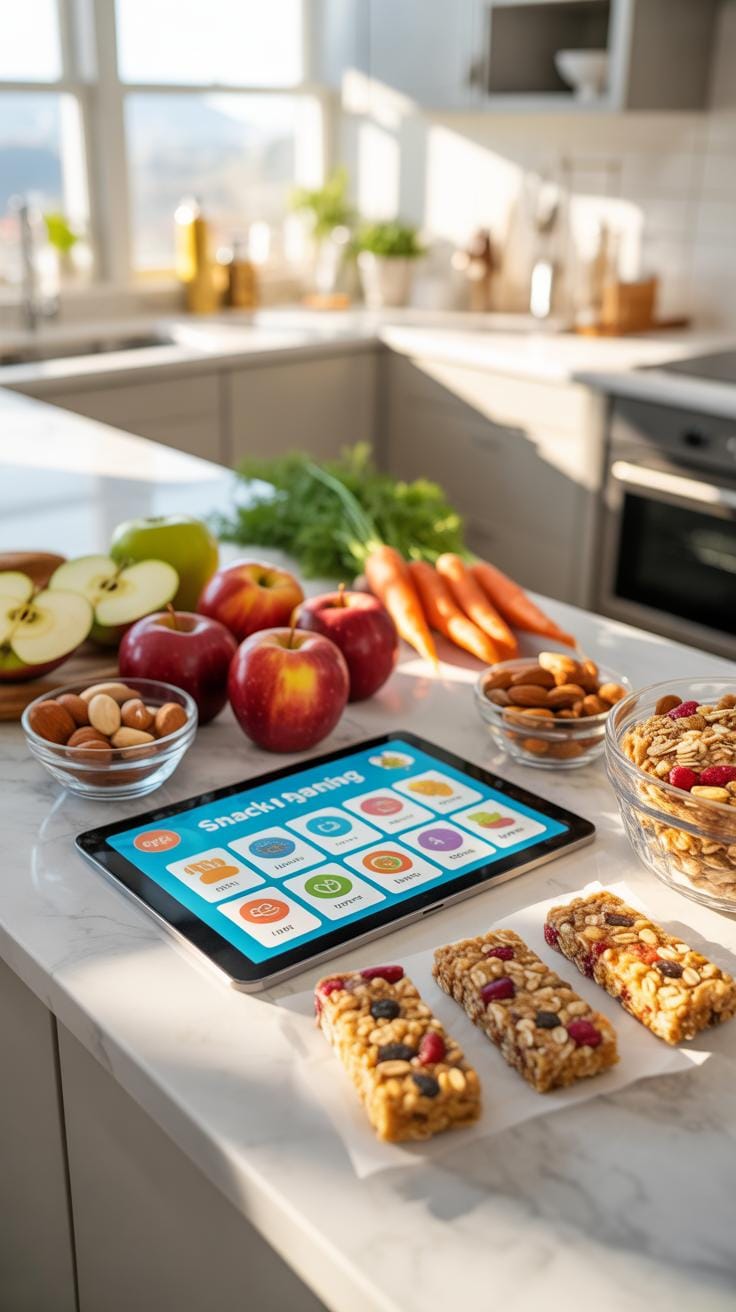
Apps and digital tools can be surprisingly helpful when it comes to planning and tracking healthy snacks, especially if your days are packed. Maybe you’ve tried juggling snack ideas in your head before, but it gets messy. These apps offer a way to actually map out what you’ll eat next, instead of grabbing the first thing you find.
Many snack planning apps let you schedule reminders to eat, which sounds simple but makes a difference if you tend to skip snacks or grab unhealthy options because you’re rushing. Also, they often include barcode scanners or extensive food databases, so logging your snack is quick rather than a chore.
Some apps even suggest snack ideas based on your preferences or nutritional goals. You could set a daily protein target, for example, and the app might highlight a handful of almonds or Greek yogurt as options. It’s like having a little guide in your pocket, though you might not always follow it strictly – and that’s okay.
Tracking snacks builds awareness, which is kind of the first step to healthier habits. When you see all your snack choices written down, it’s easier to notice patterns—maybe you snack more when stressed, or reach for sugary bars in the afternoon slump. This knowledge helps you adjust without feeling judged or pressured. Plus, seeing small healthy wins adds motivation.
Have you tried logging snacks before? Sometimes it can feel tedious, but once you get past that, it does clarify things. It’s not about perfection, but about making your good intentions a bit easier to stick with day-to-day.
Balancing Snacking And Meals

Finding the right balance between snacks and meals isn’t always straightforward. You want to avoid feeling stuffed but also prevent that sluggish hunger that sneaks up before your next meal. One way to handle this is by thinking of snacks as bridges—small ones, not full spans—that keep your energy steady rather than spikes that push you toward overeating later.
Try to keep your snacks nutrient-dense but modest in portion. It’s tempting to grab a handful or two and call it a snack, but that can blur the line between eating for hunger and eating out of convenience. For instance, a small handful of nuts or a piece of fruit can curb hunger without spoiling dinner. But, if you find yourself frequently snacking because meals feel insufficient, maybe the meals need more protein, fiber, or healthy fats to make you feel fuller longer.
Snack And Meal Timing Strategies
Timing snacks might feel like a puzzle sometimes. Should you snack before or after exercise? Or simply when you feel hungry? A simple trick is to avoid letting yourself get too hungry—snacking when hunger is mild can help prevent overeating. Some people do well with mid-morning and mid-afternoon snacks to carry them through longer gaps between meals.
Listen to your body, though—it won’t always follow a strict schedule. If you wake up with little appetite, no need to force a snack immediately. But if you last ate lunch at noon and it’s past three, reaching for a small, balanced snack could keep energy steady.
Adjusting Portions Based On Activity
Daily activity changes how much you need to eat. On days when you’re more active—maybe you squeezed in a long walk or a gym session—your body will ask for more fuel. That’s your cue to think bigger snack portions, or slightly larger meals, especially with protein and carbs to help recovery.
Conversely, on quiet days when movement is minimal, it makes sense to scale snacks down a bit. That doesn’t mean skipping snacks altogether but choosing lighter options or cutting back on quantity can help avoid feeling sluggish or overfull.
Ultimately, balancing snacks and meals is a bit of an experiment. It might take a few tries to find what genuinely works for your routine and hunger cues. But once you do, snacks can support your day without tipping the scale toward overeating.
Healthy Snack Storage Ideas
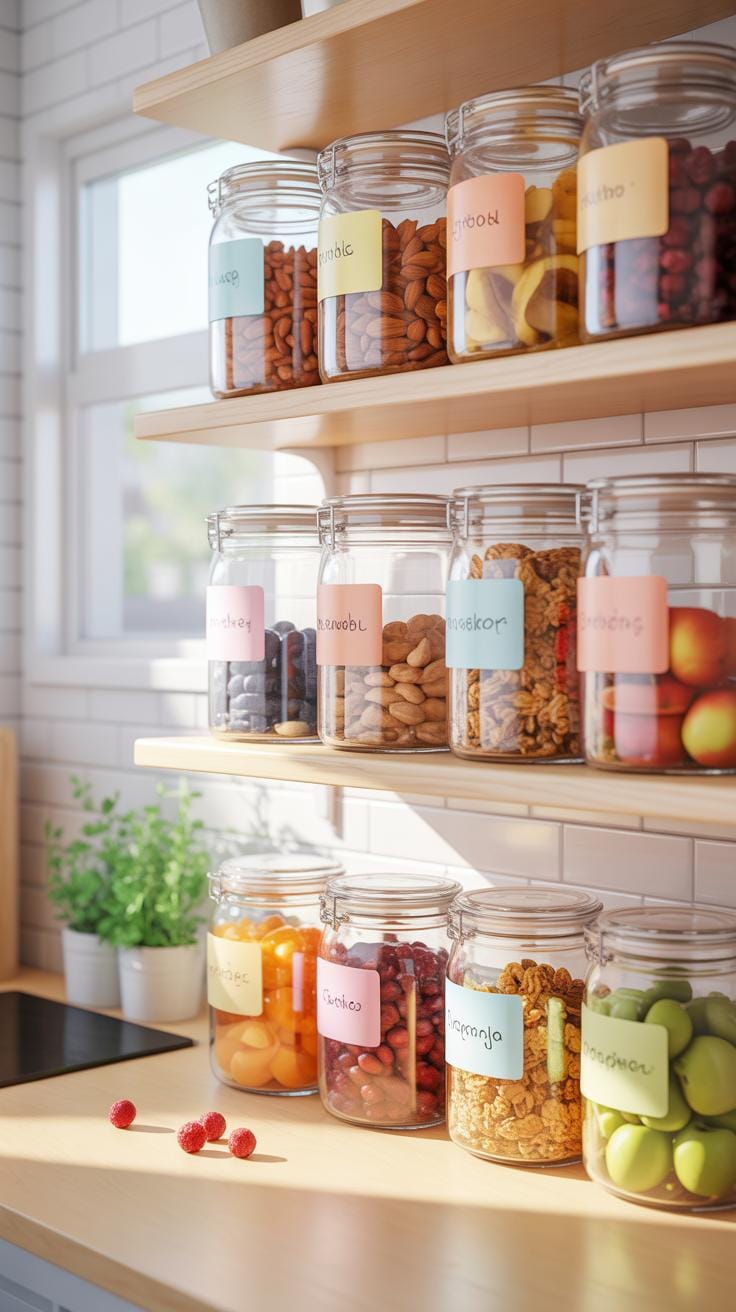
Keeping snacks fresh and ready to grab can be a bit tricky when you’re always on the move. But storing them well makes a real difference. For instance, small airtight containers protect snacks like nuts or granola from going stale. Using silicone bags instead of plastic ones can also keep things fresher longer while being better for the environment. Sometimes I forget to seal things tightly, and, of course, those snacks lose their crunch faster than expected.
When thinking about containers, consider the kind that fits easily in your bag or purse. Clear containers help you see what you have without opening everything up, which can be a time saver when rushing out. I’ve found that stackable containers work well, especially if you like to portion out different snacks in one go.
It’s practical to store snacks in several places, so they’re always within reach. Keep some at your desk, maybe a box of whole-grain crackers or dried fruit. At home, a dedicated snack drawer prevents last-minute unhealthy grabs. Don’t forget the car—stashing a few snack bars or packets of seeds can stop hunger pangs during unexpected delays. But be mindful: temperatures vary, so avoid things that spoil easily in a hot car.
Where do you tend to snack most during your day? Having a go-to spot for healthy options makes it easier to choose well without overthinking. Are you the type who likes variety or just a couple of favorites? Either way, organizing snack storage around your habits can save both time and stress.
Overcoming Snack Challenges
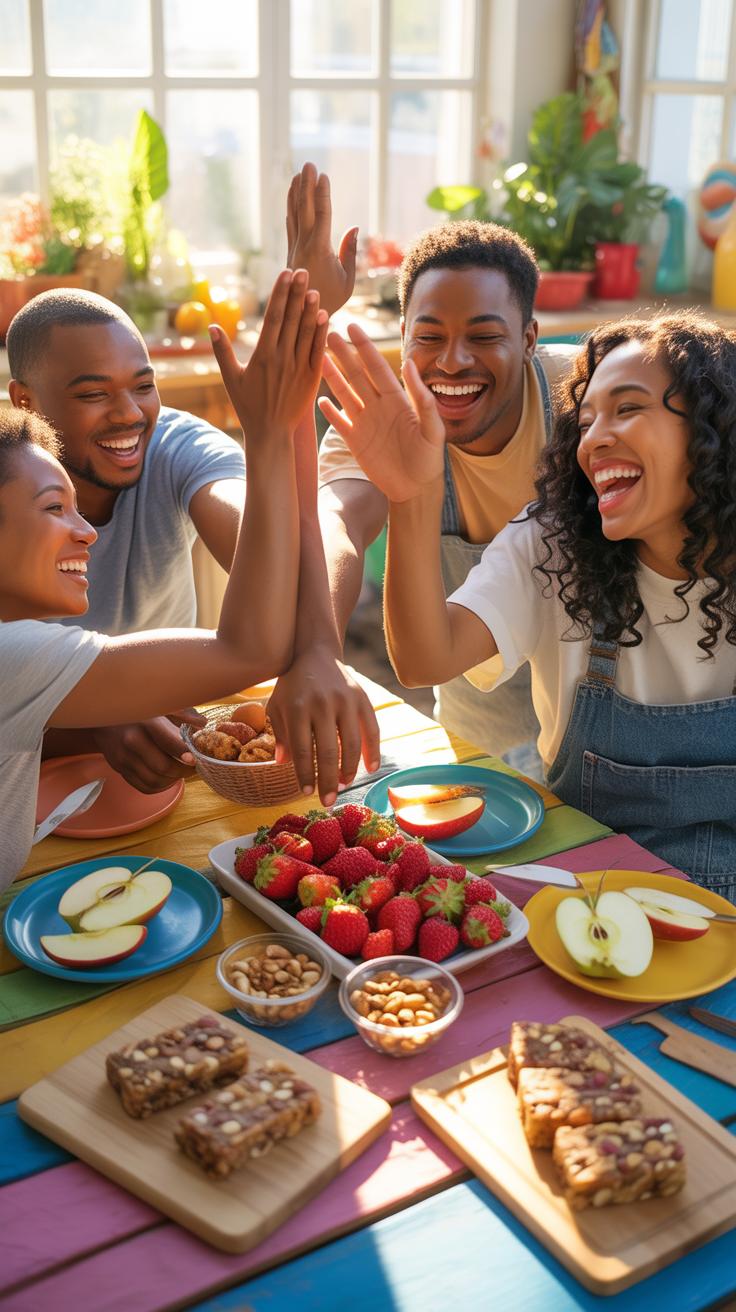
Snacking healthily isn’t always straightforward. You might find yourself rushing between meetings or errands, and suddenly, the easy grab ends up being something less than nourishing. The challenge often lies in planning ahead without knowing exactly how your day will unfold.
There’s also the pull of cravings—stress or fatigue can make reaching for chips or candy feel almost automatic. But stopping yourself at that moment is tough, especially when you’re pressed for time and mental energy.
One way to handle this is by having small, portable options that require no prep—things like nuts, dried fruit, or pre-cut veggies. Keeping these handy can mean the difference between a sensible bite and snacking regret.
Consistency can feel impossible on unpredictable days. But even if your schedule shifts, building a habit of carrying one trusted snack can help you stay on track. It might not be a full solution, yet it’s a step in the right direction.
Maybe think about what usually triggers your less healthy choices. Are those moments of boredom, stress, or just plain convenience? By recognizing these patterns, you can prepare with a healthier alternative that fits your rhythm rather than fighting against it.
Conclusions
Healthy snacks suitable for busy lifestyles help maintain your energy and well-being during a hectic day. Choosing the right snacks means balancing taste, convenience, and nutrition. Preparing your snacks ahead of time and knowing what to pick can make all the difference in avoiding unhealthy temptations.
Using simple snack options like nuts, fruits, or yogurt supports your body without slowing you down. Being mindful of what you eat between meals helps improve focus and keeps hunger in check. With the right snacks on hand, you can handle your busy schedule while taking care of your health.