
Introduction
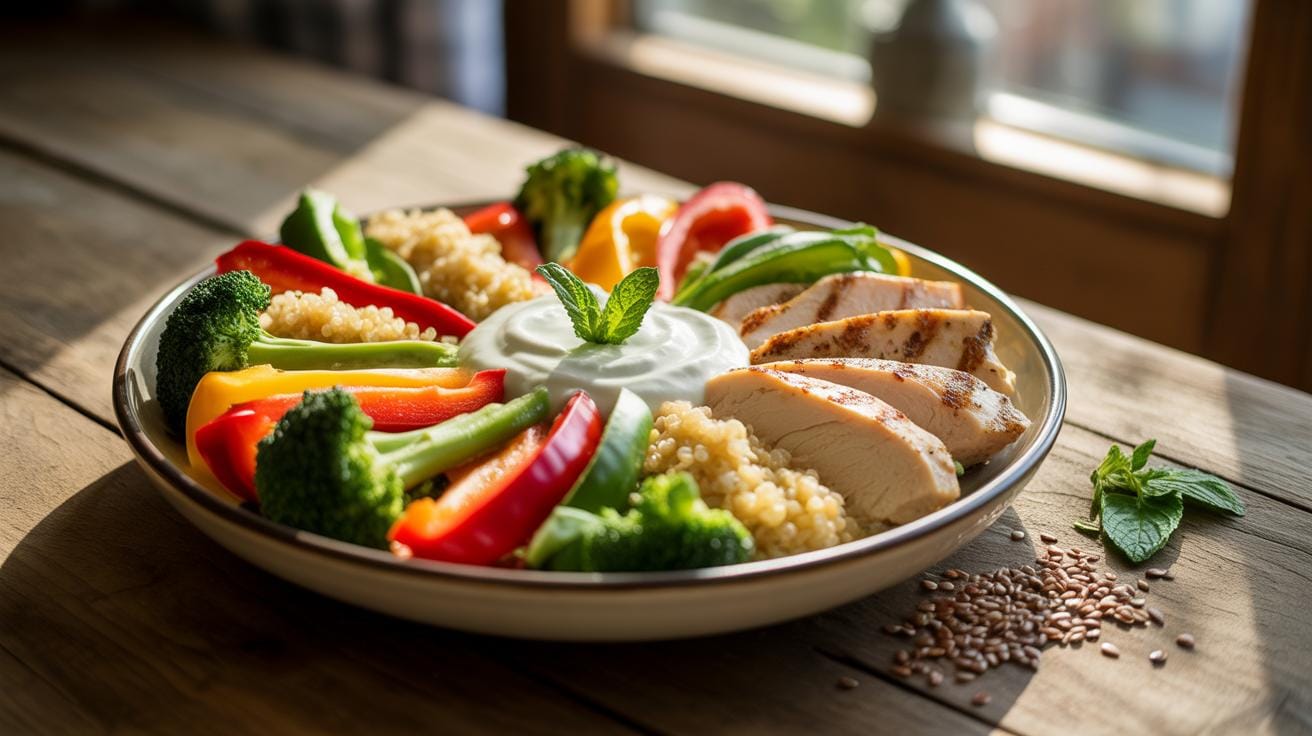
Eating a well-balanced meal is essential for your overall health. The Healthy Plate Checklist for Holistic Wellness explores how to build meals that nourish your body effectively. This simple guide helps you create meals with the right mix of fruits, vegetables, grains, protein, and dairy to support your wellbeing.
You will learn what foods to include and why they matter. We will also share practical advice on meal planning and recipes that suit your lifestyle. By following these steps, you can enjoy meals that fuel your body, keep you energized, and support long-term health.
What Makes a Healthy Plate
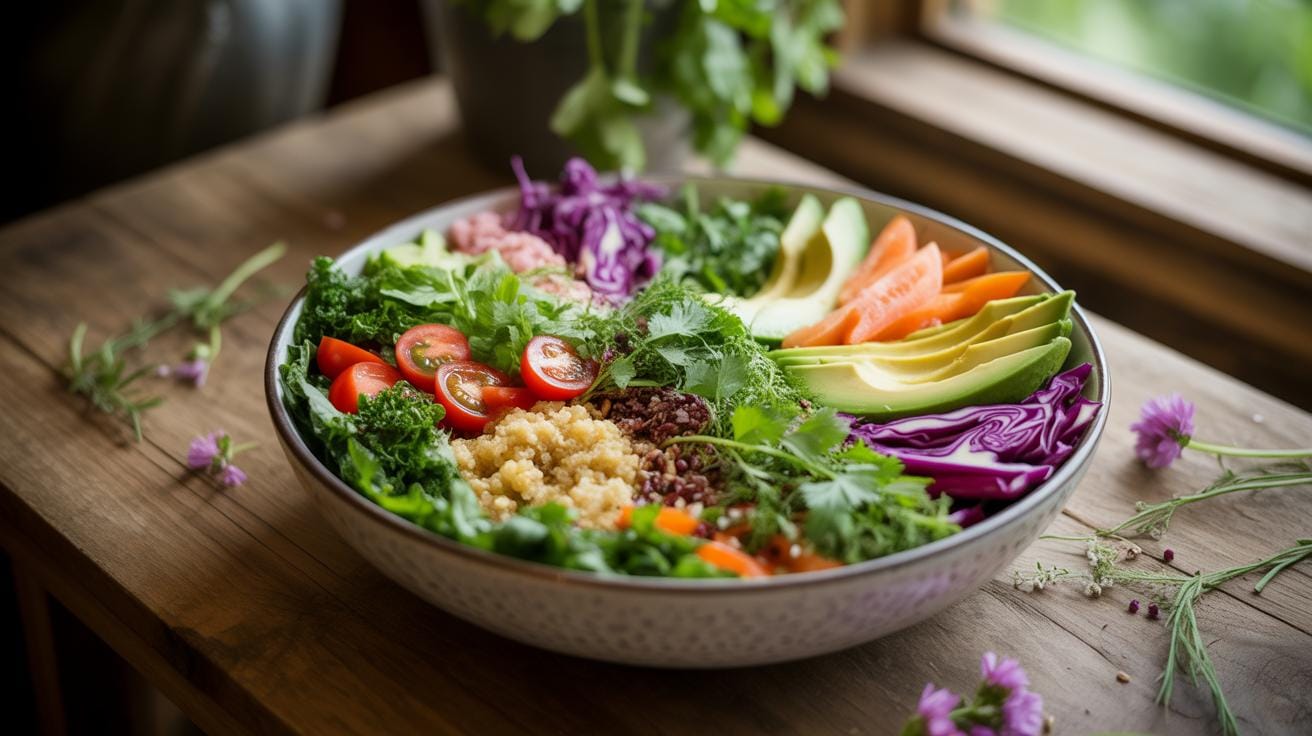
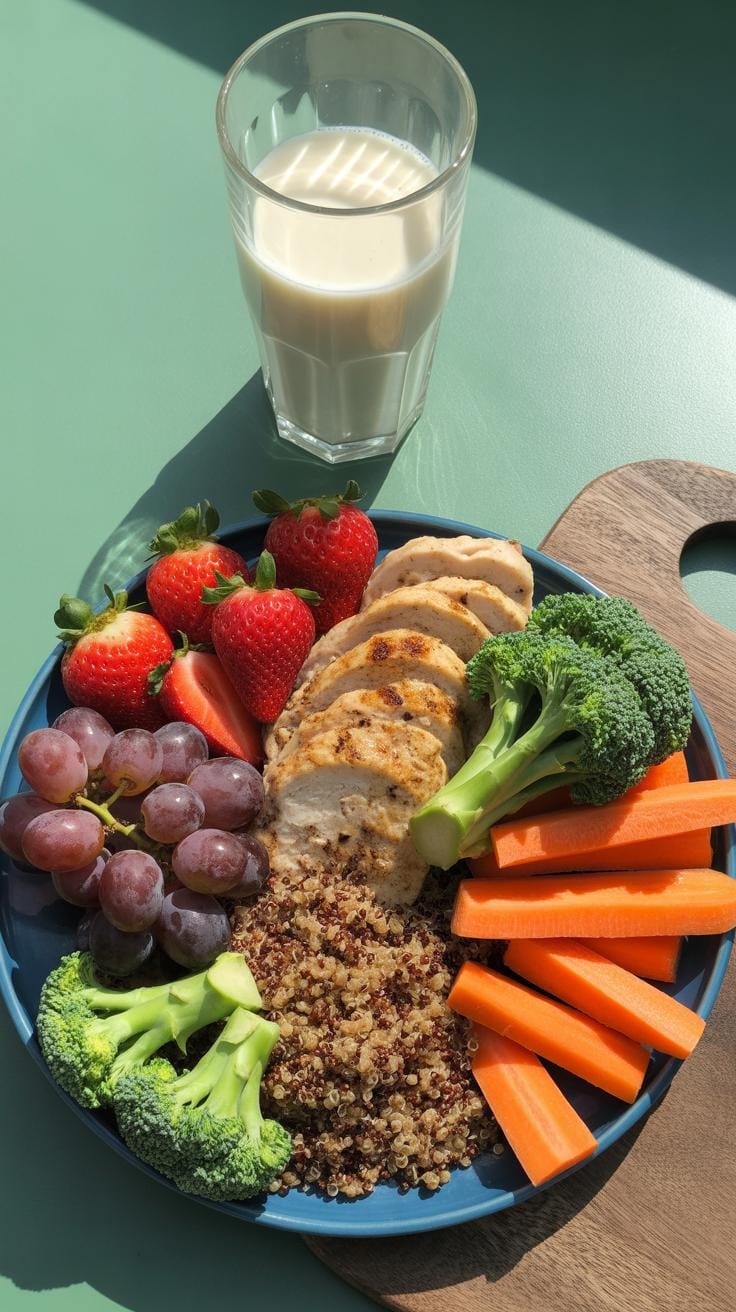
A healthy plate is a practical guide that helps you eat in a way that fuels your body well. It’s built around five essential components: fruits, vegetables, grains, protein, and dairy. Each group offers unique benefits that work together to support your overall health.

Fruits and vegetables provide vitamins, minerals, and fiber, critical for digestion and disease prevention. Think of a plate filled halfway with colorful vegetables like spinach or carrots and a side of berries for fruit. Grains, especially whole grains such as brown rice or quinoa, supply energy through carbohydrates and help keep your digestive system regular.
Protein—think lean meats, beans, or tofu—repairs tissues and builds muscle. Dairy products like yogurt or milk add calcium and vitamin D, important for bones. Balancing these groups prevents overloading on one nutrient while missing out on others. It’s not just about what you eat but how much of each that really matters.
Understanding Food Group Portions
To get the proportions right, imagine your plate divided into sections. Vegetables and fruits should cover roughly half. That might seem a lot, but filling half your plate with these can bring variety and essential nutrients easily. Grains make up about a quarter, focusing on whole grains if possible.
Proteins occupy about one-quarter of the plate. For dairy, a small serving alongside—like a cup of milk or a slice of cheese—is typical. Visualizing this can sometimes help more than counting calories or nutrient charts. When you see your plate, does it feel balanced? That little question can guide many daily meals.
Examples of Healthy Foods for Each Group
Choosing a variety of foods from each group keeps meals interesting and nutritious. For fruits, options like apples, oranges, or peaches provide natural sweetness and fiber. Vegetables can range from leafy greens like kale to crunchy bell peppers or even starchy ones like sweet potatoes. Each offers different vitamins or antioxidants.
Whole grain choices include oats, barley, or whole wheat bread. Protein sources can vary from chicken breast and fish to lentils and chickpeas—each bringing different nutrients along. Dairy doesn’t have to mean just milk; yogurt or even fortified plant-based alternatives can fit here.
By mixing these up regularly, you avoid monotony and cover a broader nutrient spectrum. But remember, individual needs vary, and what works for one person may not suit another perfectly. Trust your body—and maybe your taste buds—along the way.
Benefits of Balanced Eating
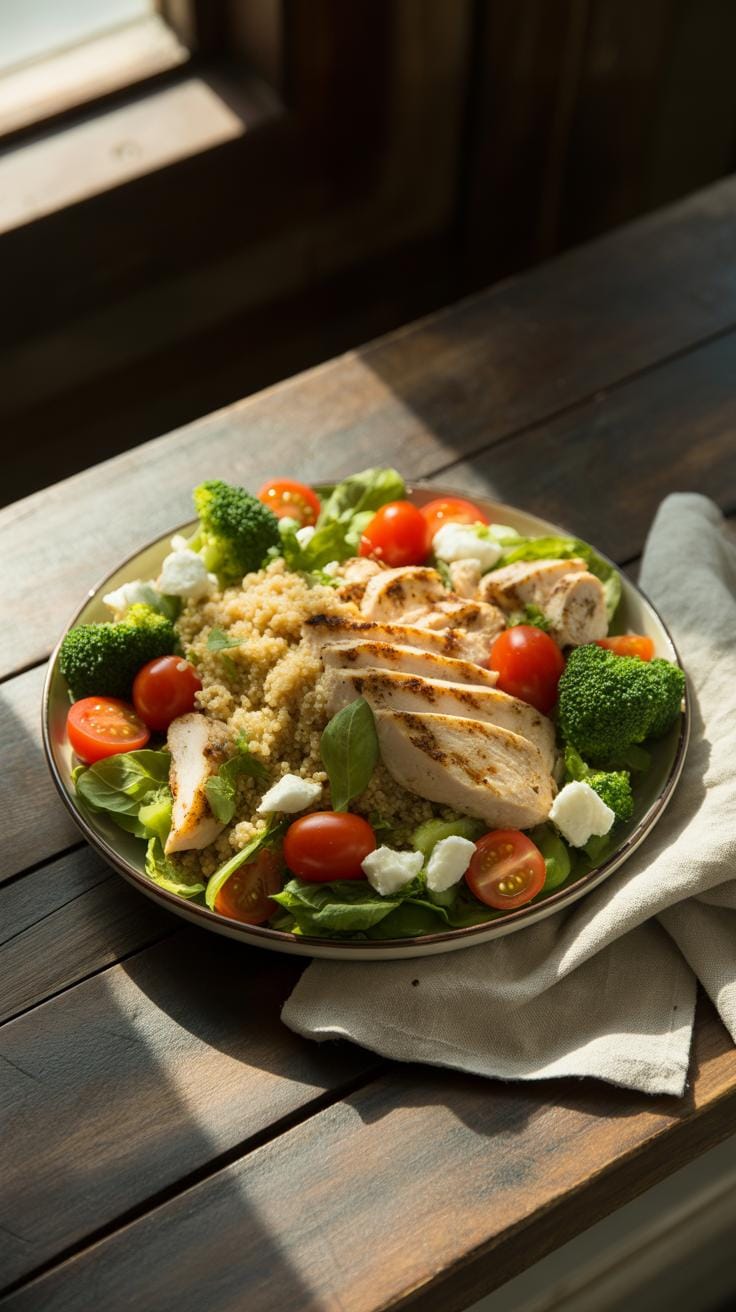
Eating a balanced plate does more than just fill you up. It can actually lower your chances of developing diseases like diabetes or heart problems. When you eat a mix of vegetables, whole grains, and proteins, your body gets a steady supply of nutrients it needs without the spikes and drops in blood sugar that come from eating too much sugar or fat all at once.
Think about how you feel after a meal loaded with just pasta or bread—often tired or sluggish. But include some veggies and lean protein, and your energy lasts longer, keeps you more alert. Many people notice less bloating and stomach upset too. That’s because fiber from plants and whole grains helps move things along in your digestive system. It’s a small change with noticeable effects.
If you ask why bother, it often comes down to daily comfort—feeling better now rather than some vague future benefit. That alone can motivate many to try filling half their plate with colorful veggies or swapping fries for a small salad. It’s practical and doable, not just idealistic advice.
How Balanced Meals Help Your Body
Your body works hard every day. Balanced meals provide essential materials for it to function well. When you eat right, your immune system often responds better. Ever notice how after eating poorly you might feel more tired or catch colds more easily? A plate with varied nutrients supports the cells that fight infection and reduces inflammation.
Energy is another critical piece. Carbs aren’t bad; they fuel your muscles and brain. But pair them with protein and fat, and you get a more sustained energy release. It’s like fueling a car with the right mix rather than just gasoline or just oil—it won’t run smoothly.
Weight control is not just about eating less but eating smart. Balanced meals help avoid overeating by providing satisfaction and fullness. There’s no magic in restriction; it’s more about giving your body what it actually needs, not just cutting calories blindly.
Long-Term Effects of Healthy Eating
Eating balanced meals regularly might not feel urgent now, but over years, it builds strong foundations. Chronic illnesses often develop slowly and silently. By managing your meals wisely, you might delayed or even avoid conditions like high blood pressure or certain cancers.
Some people find it helpful to think of eating balanced foods as “investing” in their future health—even if the returns aren’t immediate. Over time, this approach helps maintain a healthy weight, supports bones and muscles, and keeps skin and hair in better condition too.
But, and here’s where it gets complex, nobody eats perfectly all the time. Life gets in the way. Still, aiming for balance most of the time can make a real difference. It’s not about perfection, really, but about consistent care for your body through your meals.
Daily Plate Setup Checklist
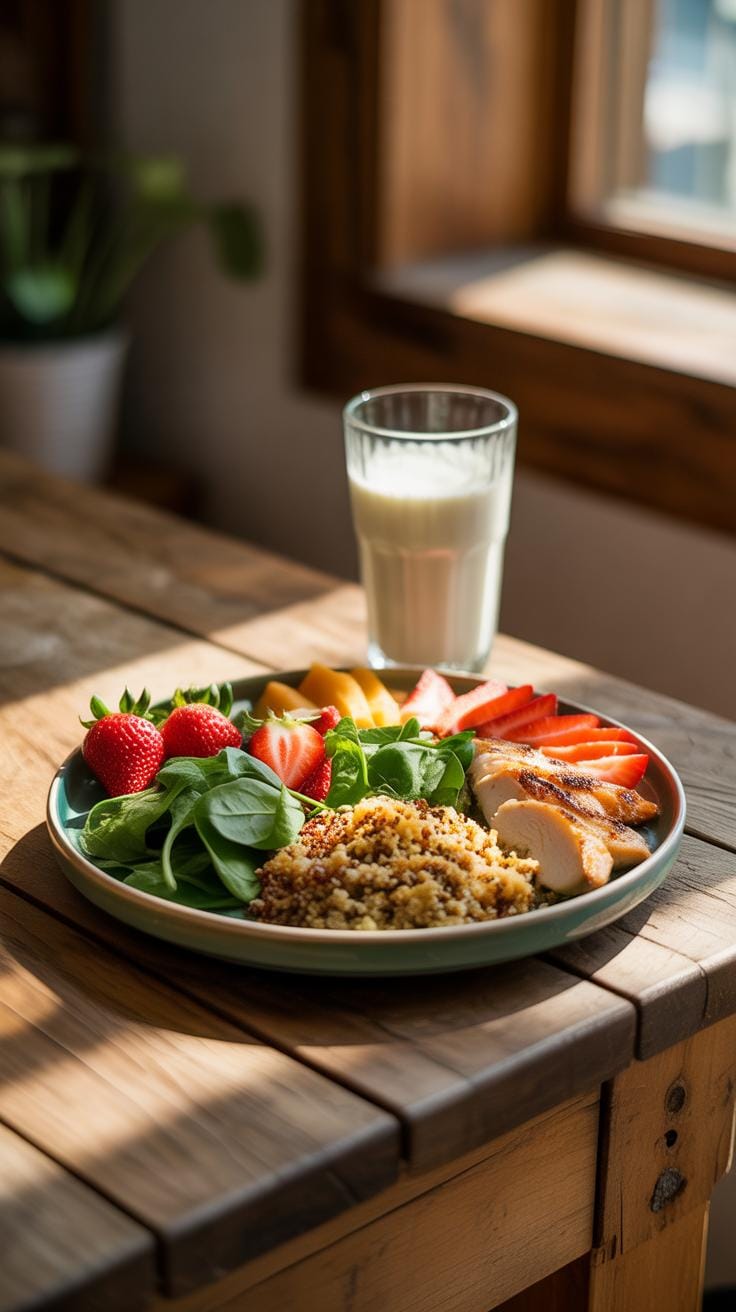
Creating a balanced plate every day doesn’t have to be complicated, but it does call for a bit of planning. Start by thinking through your meals before you shop. Ask yourself what nutrients you need and which food groups might be underrepresented in your typical day. This upfront planning helps keep your plate diverse and interesting.
Next, when you hit the grocery store, focus on whole, unprocessed foods. Look for fresh vegetables and fruits, lean proteins, whole grains, and healthy fats. Sometimes, frozen veggies can be just as nutritious and more budget-friendly. Remember, picking seasonal items not only saves money but can boost flavor too.
When preparing food, portion control is key. Use your plate as a guide: half should be vegetables, one quarter protein, and one quarter whole grains or starchy vegetables. Don’t fuss too much over exact measurements; a rough eye helps keep meals manageable and less stressful. Variety matters, so try to include different colors and textures each day.
- Plan meals a few days ahead to balance nutrients
- Choose fresh and seasonal produce, with an eye on price
- Pick lean protein sources like beans, fish, or poultry
- Include whole grains such as brown rice or quinoa
- Manage portions: half vegetables, one quarter protein, one quarter grains
- Mix up textures and colors on your plate
- Limit processed and high-sugar foods
Setting up your plate like this every day makes balanced eating less of a chore. It’s practical and doable, though sometimes inconvenient—that’s life, right? But even small tweaks can feel worthwhile when you notice the difference in your energy and mood.
Whole Foods vs Processed Foods
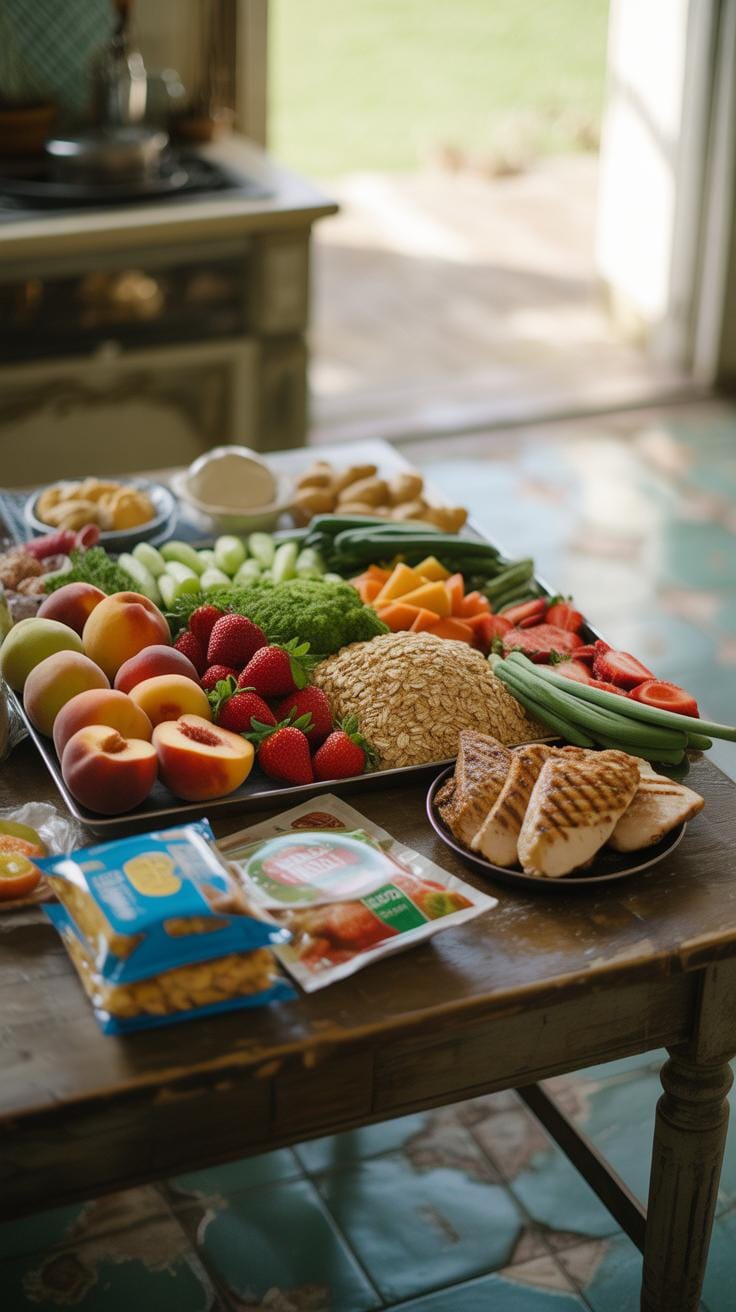
Why Whole Foods Matter More
Whole foods are, by definition, foods that remain close to their natural state. Think fresh vegetables like carrots, leafy greens, fruits such as apples and berries, whole grains like brown rice or quinoa, and nuts or legumes. These foods come packed with fiber, vitamins, minerals, and antioxidants—all the good stuff your body needs without much extra baggage.
Processed foods, on the other hand, often lose many of these nutrients during manufacturing. For example, white bread, chips, or sugary cereals might contain added sugars, unhealthy fats, and preservatives instead of nutrients. Processing strips away fiber and other essential components, leaving behind calories often devoid of true nourishment.
Choosing whole foods means you’re fueling your body with ingredients that support digestion, stabilize blood sugar, and keep your energy steady. It’s not just about avoiding chemicals or additives; whole foods naturally supply what your body demands, in a form it recognizes—something processed foods rarely do.
Spotting Processed Foods in Your Diet
Sometimes it’s tricky to realize how much processed food creeps into your meals. If it comes in a box, bag, can, or has a long list of ingredients you can’t pronounce, you’re probably dealing with processed choices.
- Frozen meals with sauces and preservatives
- Snack bars loaded with added sugars
- Instant noodles or flavored chips
- Sugary sodas and flavored drinks
Try swapping one processed item a week for a whole food alternative. Maybe replace cereal with oatmeal topped with fresh fruit or trade a bag of chips for a handful of roasted nuts. These small changes add up and can make your healthy plate more authentic and nourishing over time. Do you find it easier to notice these swaps when you cook more at home? Sometimes I think preparing meals yourself makes avoiding processed foods feel less like a chore and more doable.
Holistic Wellness Recipes
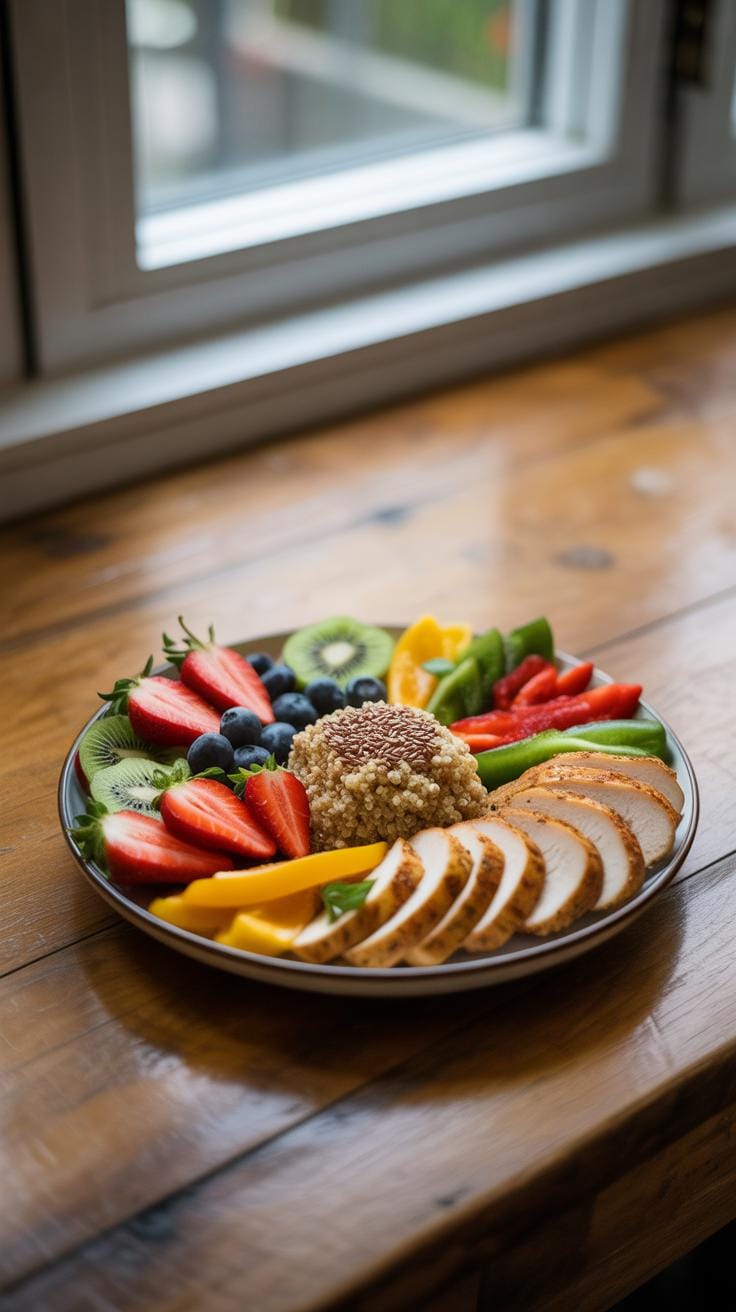
Recipes that follow the healthy plate guidelines aim to balance several food groups on one plate. Think about combining vegetables, grains, proteins, and sometimes dairy or alternatives in ways that feel natural, not forced. For example, a quinoa salad with chickpeas, fresh spinach, cherry tomatoes, and a sprinkle of feta blends multiple groups quickly and without fuss.
Such meals often don’t require hours in the kitchen or fancy ingredients. Stir-fries mixing tofu, broccoli, and brown rice hit veggies, protein, and grains in one go. Even something as simple as an omelet with mushrooms, peppers, and whole grain toast can cover a lot of bases.
What’s interesting is how these combinations can sometimes surprise you by how satisfying they are, taking the guesswork out of what to eat while keeping meals wholesome. Maybe the question is: what would happen if you focused on layering these groups regularly? It might change how you think about nutrition without making it feel like a chore.
Sample Balanced Breakfast Ideas
Breakfast can be both quick and balanced without much stress. Here are a few ideas that hit fruits, whole grains, and protein together:
- Greek yogurt topped with mixed berries and a sprinkle of granola.
- Oatmeal cooked in milk with sliced banana and almond butter stirred in.
- Whole grain toast with avocado, a poached egg, and a side of orange slices.
- Smoothie made from spinach, frozen pineapple, protein powder, and oats.
These breakfasts don’t feel like a strict checklist but naturally include important elements. Sometimes, it’s just about having a bit of everything you need upfront, which can set the tone for the day.
Dinner Recipes for Balanced Nutrition
Dinner is often where the balance can get tricky. You want veggies and grains, sure, but adding protein and a dairy or alternative topping can complete the plate nicely.
Try baked salmon with roasted sweet potatoes, steamed green beans, and a small dollop of plain yogurt as a sauce. Or, a chickpea curry served with brown basmati rice and a side salad dressed with lemon juice and a sprinkle of cheese.
Even pasta dishes can work if you throw in vegetables like zucchini and mushrooms, add lean ground turkey, and finish with a little grated parmesan. These meals aren’t just about filling your stomach but building a plate that supports ongoing wellness. Maybe the challenge isn’t finding the right recipe but being flexible enough to mix groups in ways that feel right to you.
Common Pitfalls to Avoid
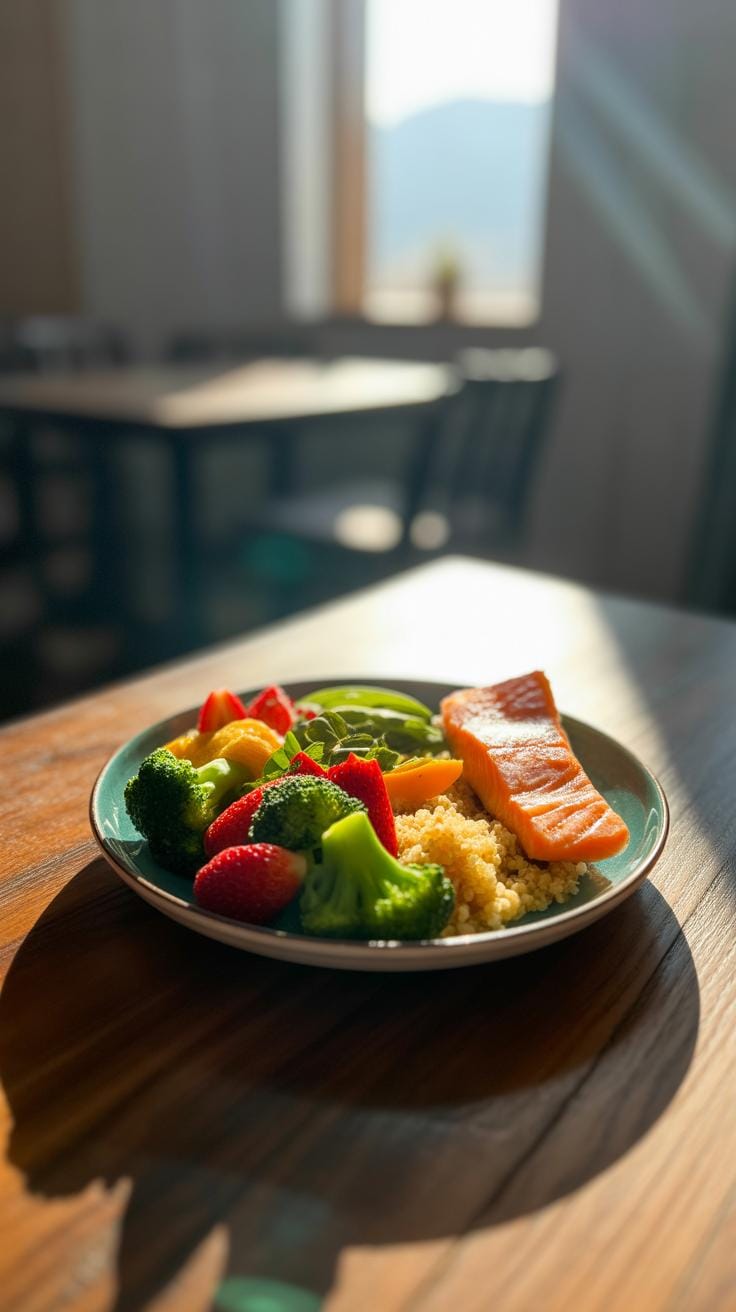
When aiming for a healthy plate, it’s easy to slip into habits that throw the balance off. Portion sizes often get tricky—you might think bigger is better, especially with vegetables, but too much of even healthy fats or proteins can tip the scale. Sometimes, people skip entire food groups, like cutting carbs entirely or avoiding fats, thinking it helps. But your body actually needs a bit of everything to work right.
Relying heavily on processed foods is another common pitfall. Processed items may seem convenient, but they often carry hidden sugars, unhealthy fats, or excess salt. Over time, this can undermine your nutrition, even if the plate looks colorful.
Here are a few easy ways to fix these habits:
- Use smaller plates to help control portion sizes without feeling deprived.
- Make sure your meal includes a mix of proteins, carbs, and fats—don’t ditch one entirely.
- Choose whole foods over processed when possible. That rustling from a bag might be convenient, but fresh is usually better.
- Check ingredients occasionally; sometimes a seemingly “healthy” product isn’t as clean as it seems.
Switching up your routines like this feels awkward at first but tends to stick once you see how your energy shifts. Ever noticed how after a balanced meal, you don’t crash an hour later? That’s a small signal your plate is working for you.
Tracking Your Plate Progress

Keeping an eye on your meals over time can feel a bit tedious at first, but it’s one of the best ways to make sure you’re really hitting your healthy plate goals. A simple food journal, whether on paper or via a smartphone app, can work wonders here. You don’t have to log every bite in detail—just jot down what’s on your plate and a rough portion size.
Using apps like MyFitnessPal or Lose It! can help you visualize your nutrient balance without needing to be a nutrition expert. These tools often break down your intake into categories like veggies, proteins, and grains, which matches nicely with the balanced plate concept. The key is to look for patterns rather than obsess over daily perfection.
When you start noticing trends—for example, you consistently get too little veggies or some meals feel too heavy—you can adjust portions or swap ingredients. Maybe your servings of protein are too large, pushing out the veggies. Try shrinking that meat portion slightly and adding more greens. Remember, these small tweaks can make a difference over weeks.
Tracking isn’t about restricting; it’s more like a feedback loop. You learn what works for your hunger, energy, and preferences. If you feel sluggish, look back at what you ate the day before. Adjust portion sizes and food choices, gently and gradually. This process helps you stay aligned with your healthy plate goals without creating stress.
Examples of Balanced Meal Plans

Meal Plan for Busy Adults
When your schedule is jam-packed, eating well can feel like a chore. But a balanced plate doesn’t have to be complicated. Think of quick meals that hit all the marks: half your plate with colorful veggies, a quarter with lean protein, and the rest whole grains or healthy carbs. For breakfast, try Greek yogurt topped with fresh berries and a sprinkle of nuts—fast and filling. Lunch could be a grain bowl with quinoa, roasted veggies, and grilled chicken or chickpeas, drizzled with olive oil. Dinner might be stir-fried tofu with broccoli and brown rice, ready in less than 30 minutes. Snacks like apple slices with almond butter keep you going without the crash.
Family-Friendly Healthy Plate Menus
Getting everyone on board with healthy eating at home—parents and kids—requires a bit more creativity. Kids can be picky, sure, but variety often wins. A breakfast of scrambled eggs with spinach and whole grain toast tends to go over well. For lunch, a colorful wrap filled with lean turkey, avocado, and shredded carrots balances fun textures and flavors. Dinner could be baked salmon with sweet potato wedges and steamed green beans—simple but satisfying. If kids refuse vegetables directly, sneak them into smoothies or sauces. Think about meals like pasta with hidden pureed veggies or homemade soups rich in different textures. This way, the plate stays balanced without constant battles.
Conclusions
Creating a healthy plate starts with knowing the right portions and food groups to include. Following the checklist helps you balance nutrients and prevent common diet mistakes. Making these changes step by step can improve your energy and health over time.
Remember to choose a variety of colorful fruits and vegetables, whole grains, lean proteins, and dairy or alternatives. Monitor your portions and adapt your meals to your preferences and lifestyle. This approach helps you maintain a nutritious diet that supports your wellness every day.