
Introduction
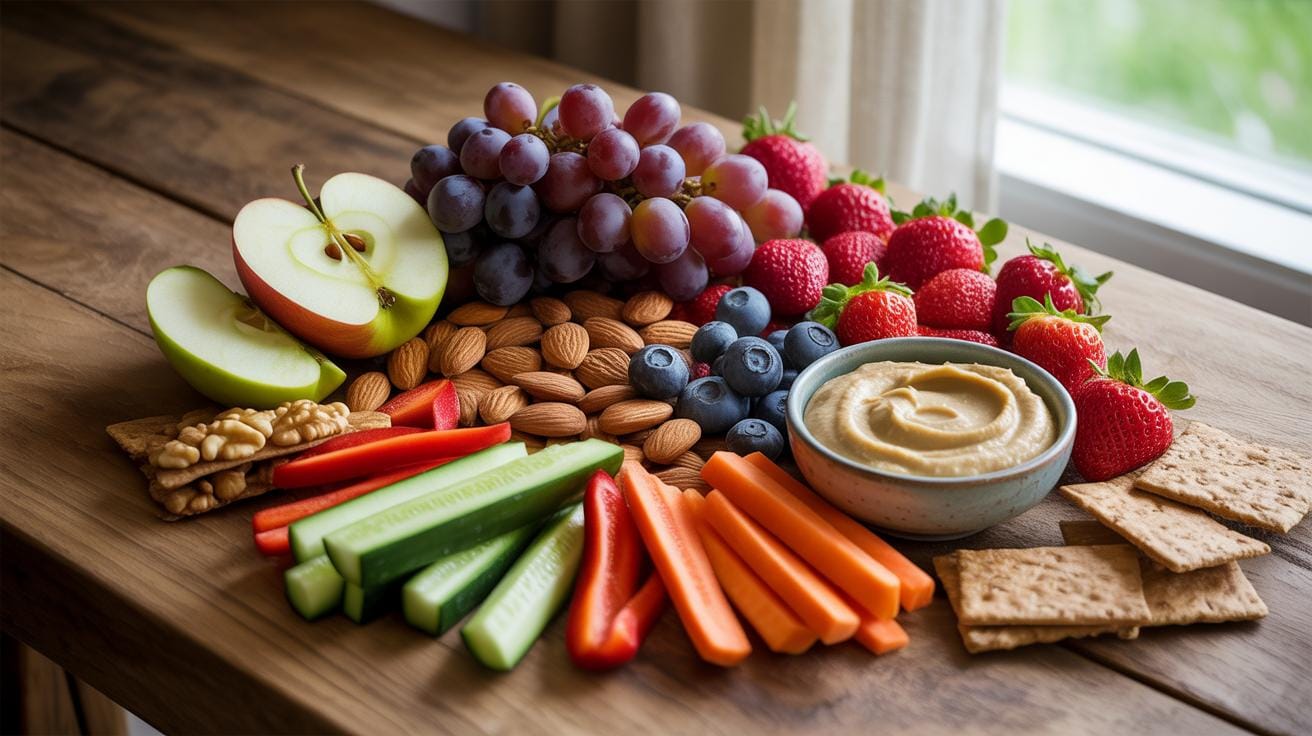
Healthy munchies snacks provide a smart way to satisfy your hunger between meals without compromising your health goals. On busy days, grabbing a convenient, yet nutritious snack helps maintain your energy and focus. These snacks should include ingredients that nourish your body and keep you feeling full longer.
In this article, you will learn about different healthy munchies snack options, how to choose the best ones for your lifestyle, and practical tips for preparing quick and tasty snacks. This guide is created to help you enjoy snacks that boost your wellness, even on the busiest days.
Understanding Nutritional Value Of Snacks
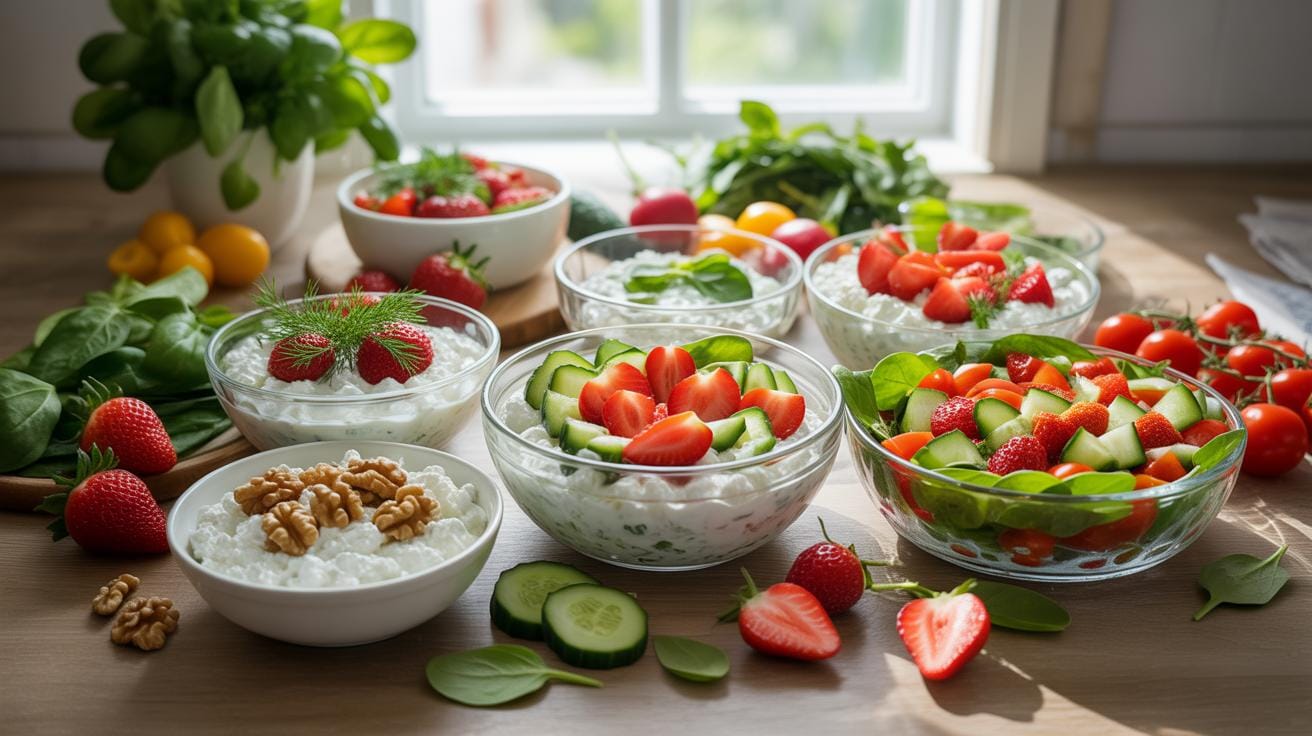
When you grab a snack, it’s easy to overlook what’s actually inside. But paying attention to calories, sugars, proteins, and fats can really change how those snacks impact your day. Calories tell you how much energy you’ll get, but not all calories are equal. For instance, a high-calorie snack loaded with sugar might give a quick burst of energy, then leave you feeling drained. On the other hand, snacks with protein and healthy fats tend to keep you fuller and more energetic for longer.
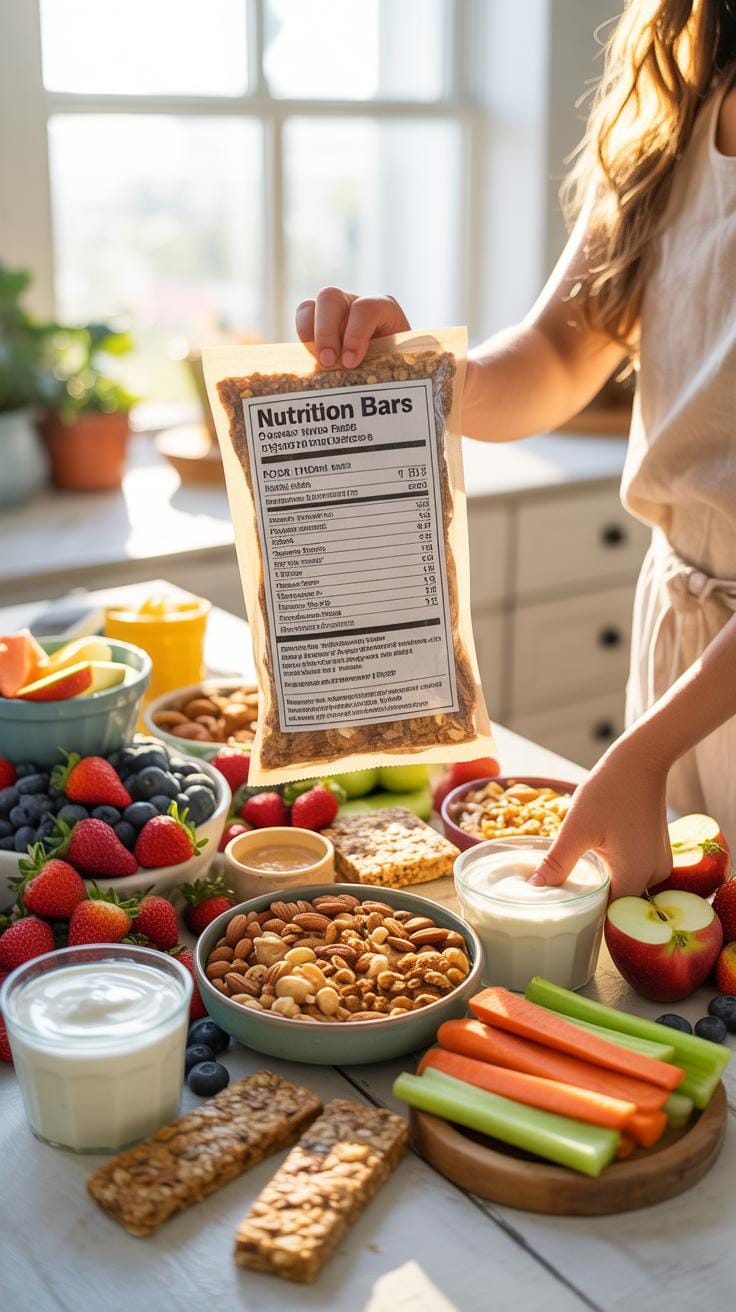
Sugars, especially added ones, can sneak in and spike blood sugar levels, which is usually followed by a crash. Proteins help repair and build tissues, plus they slow digestion, so energy release is steadier. Fats are often misunderstood—they’re essential, especially unsaturated fats found in nuts and seeds, which support brain health and keep you satisfied.
Flipping over the package and actually looking at these numbers might seem time-consuming, but it really affects how you feel afterward. Sometimes, a low-calorie count can hide high sugar content, and that might not be the best choice if you want sustained energy. So, what’s really inside your snack does matter—more than you may have thought.
How To Read Snack Nutrition Labels
Nutrition labels might seem overwhelming at first glance. But breaking them down can make choosing snacks less confusing. Start with the serving size—sometimes what looks like a single snack is actually multiple servings. That means all the calories, sugars, and fats could be double or triple what you expect.
Look for:
- Calories: Check if the calorie amount fits into your daily needs and energy goals.
- Sugars: Notice the grams of added sugars, not just total sugars.
- Protein: A decent protein content (5g or more) can make a snack more satisfying.
- Fats: Prefer unsaturated fats; keep an eye on saturated fats.
Try to avoid snacks with a long list of unfamiliar ingredients or those with excessive added sugars and trans fats. Sometimes, labels can be tricky, so don’t just trust buzzwords like “natural” or “low-fat” without checking the actual numbers.
Examples Of Nutrient-Rich Snack Ingredients
Some ingredients consistently pop up in healthier snacks—they pack more nutrition than you might realize. Nuts like almonds and walnuts offer good fats, protein, and fiber. Seeds—such as chia or flax—add omega-3s and help with digestion. Whole grains provide sustained energy due to their complex carbs and fiber content. Dried or fresh fruits bring vitamins, minerals, and natural sweetness, though it’s wise to watch portions because even natural sugars can add up.
Other ingredients worth noticing are legumes like chickpeas or lentils, which deliver protein and fiber in a crunchy snack. Sometimes, a combination of these ingredients works well together, creating a balance of nutrients that support steady energy and hunger control. It makes you wonder why some snacks feel so good to eat while others don’t.
Quick Snack Ideas For Busy Days
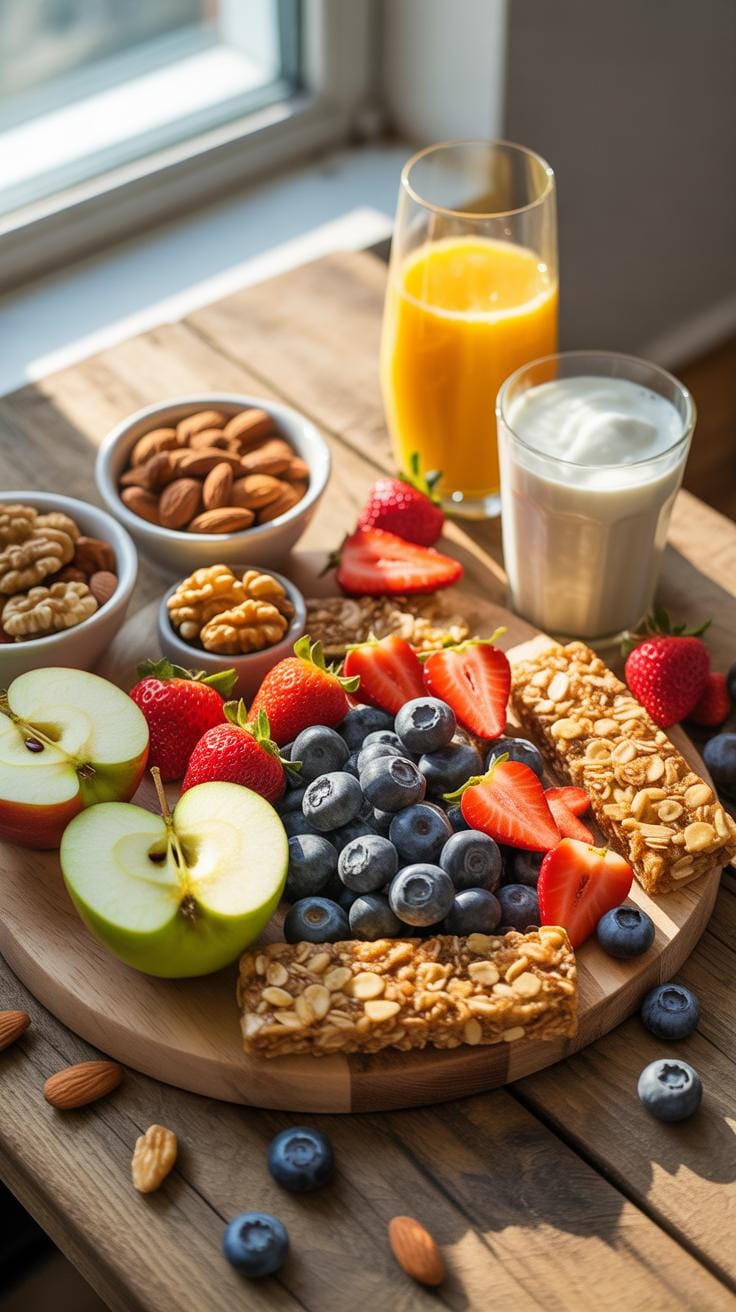
When time’s tight, snacks can easily become an afterthought. But quick and healthy options do exist—you might just need a little prep or a few staples on hand. Think about grabbing a small container of mixed berries and a handful of almonds. It’s fast to pack and doesn’t spoil quickly, making it perfect for work or when you’re out and about.
Other easy choices include rice cakes topped with natural peanut butter and banana slices. No cooking, minimal fuss, and they satisfy without weighing you down.
If you want something more savory, try carrot sticks paired with hummus. Keep the hummus in small, reusable containers, and your snack’s ready whenever hunger hits.
Do you often find yourself reaching for the closest thing? Maybe keeping these simple snacks visible or prepacked could make a difference. Sometimes just having options within reach nudges us toward healthier habits.
Easy No Cook Snacks To Make At Home
No cooking doesn’t mean settling for boring. In fact, you can whip up snacks that feel fresh and nourishing without turning on the stove. Yogurt with fresh fruit and a sprinkle of nuts works well. I find Greek yogurt especially filling, but plain yogurt will do if that’s what’s available.
Cheese slices with whole-grain crackers offer a bit of crunch and protein. These come together in seconds and travel well if you pack them properly.
Nut butter on apple slices is another favorite. It’s quick and hits that sweet-and-salty spot that often makes us crave less healthy options. Maybe try almond butter if you want something a little different.
Simple snacks like these often remind me that good food doesn’t have to be complicated. But I sometimes wonder if I should vary things more… It’s tempting to stick with what works.
Simple Snacks That Store Well For Days
Some snacks do better if you prepare them in bulk and keep them ready to grab. Trail mix is one—it combines nuts, seeds, and a bit of dried fruit for sweetness. You can control portions easily and mix it up depending on what you have.
Roasted nuts fit in this category too, if you like something crunchy with a bit more flavor. They last for days in an airtight container and make a good accompaniment to coffee or tea breaks.
Chickpeas roasted with spices also store well and are a nice change from nuts alone. The crunch stays, and you get a bit of protein and fiber.
When snacks last, you might find yourself less tempted by vending machines or convenience stores. Though, sometimes, despite all the prep, distractions get the better of us—and that’s okay too.
Choosing Snacks With Enough Energy
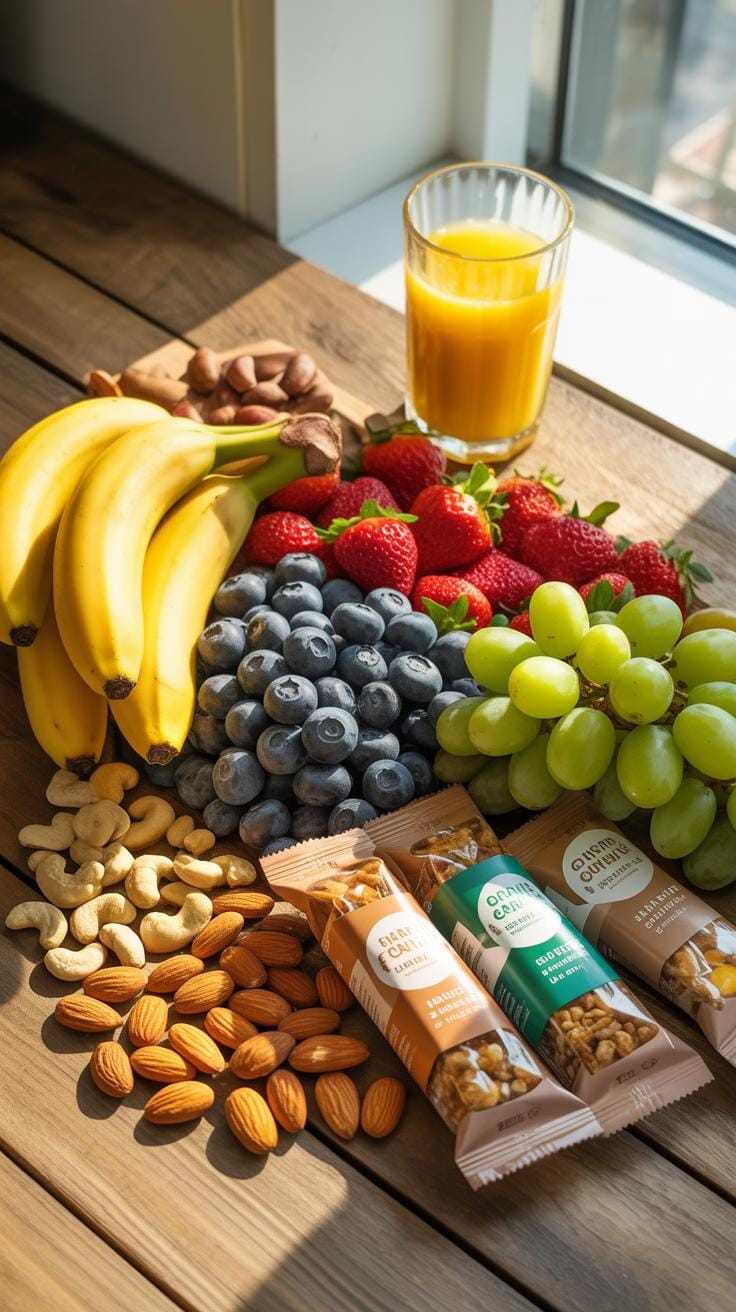
When you reach for a snack, it’s tempting to grab something that gives you an immediate sugar rush. But ask yourself—does that quick spike really help you, or just crash you later? Snacks should provide energy that lasts, not just short bursts that leave you feeling drained.
Energy-sustaining snacks often blend different macronutrients—carbohydrates, proteins, and fats—in a way that keeps your body fueled steadily. Carbs give you quick energy, but without protein or fat, that energy fades fast. Protein slows digestion and keeps blood sugar levels steadier, while fats add a longer-lasting fuel source. Finding the right balance is more art than science and varies from person to person, but some combination generally works better than one nutrient alone.
Protein Vs Carbohydrates For Energy
Carbohydrates are your body’s preferred energy source. Simple carbs like fruit provide quick energy, great if you need a jumpstart, but complex carbs—think whole grains or veggies—offer more sustained fuel. Protein doesn’t burn as quickly but helps keep you full and supports muscle repair, which is key for longer-lasting stamina.
For example, a handful of berries gives you carbohydrates, while a small serving of Greek yogurt offers protein. Both can pep you up, but the yogurt’s effect tends to hold, even when you’re on the move. Protein-rich snacks like nuts, hard-boiled eggs, or cottage cheese keep your system going, while carbs get you started.
Fueling Your Body With Balanced Snacks
Combining macronutrients in your snack can feel a bit tricky, but it pays off by keeping energy steady. Think of a snack that pairs nuts or seeds with fruit, or whole-grain crackers with cheese. That way, you’re getting carbs, protein, and fats in one bite.
Good fats, especially from sources like avocado, nuts, or olive oil, often get overlooked. They are slow to digest and provide concentrated energy. Including them with protein and carbs helps avoid that “sugar crash” feeling after snacking. Sometimes, a bit of fat can even make a snack more satisfying. That said, too much fat might feel heavy if you’re in a rush, so a balanced portion usually works best.
So next time you reach for something to munch on, try to think beyond just quick fixes. Could this snack keep you going? Is it giving your body a steady fuel mix? It might make a difference in how you feel through your busy day.
Snacks To Support Weight Management
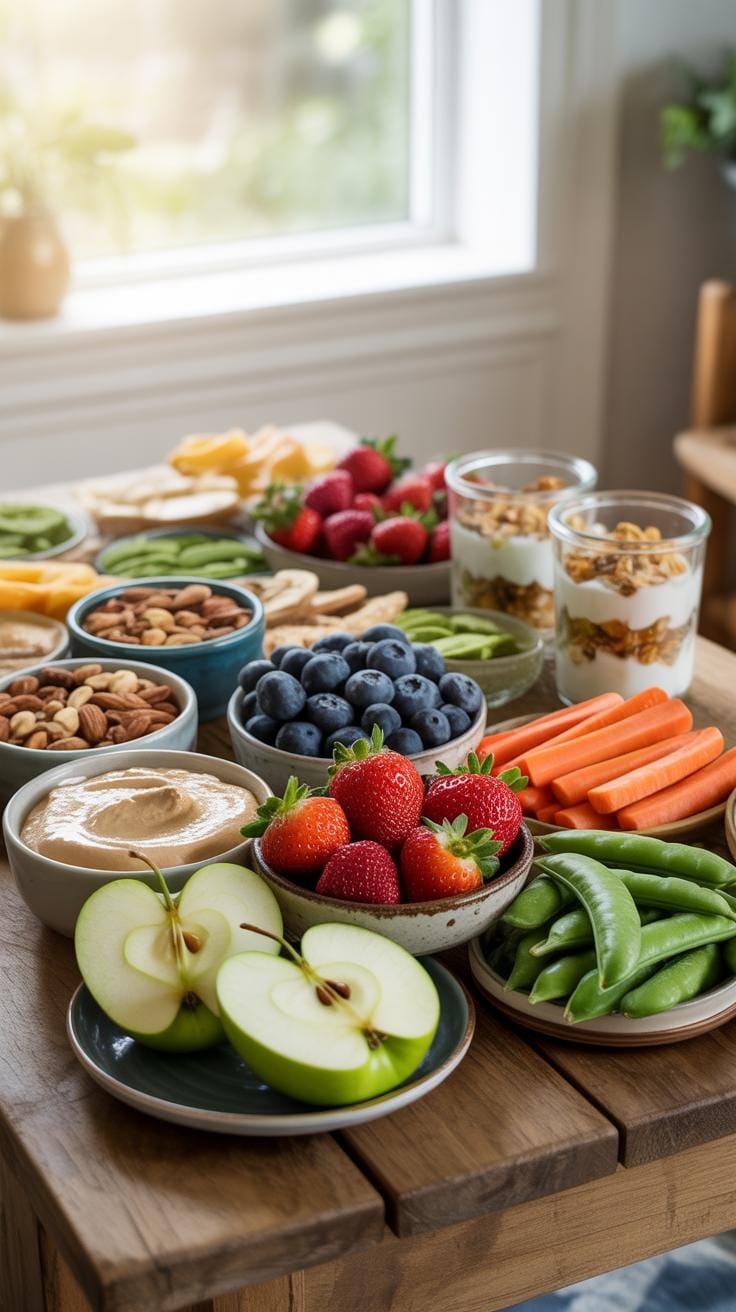
When hunger strikes between meals, reaching for healthy munchies snacks can make a big difference in keeping your weight goals on track. Snacks that contain protein, fiber, and healthy fats tend to curb appetite better than sugary or processed options. For instance, a small handful of nuts or a serving of Greek yogurt can satisfy cravings without piling on empty calories.
Portion control plays a quiet but crucial role here. It’s easy to mindlessly snack straight from a large bag or container, which can undo your efforts without you realizing. Try pre-portioning snacks into small bowls or bags; it’s a simple trick that helped me personally avoid overeating during busy afternoons.
The filling ingredients matter too. Ingredients like chickpeas, avocado, or cottage cheese add substance to snacks, so you feel full longer. These choices don’t just stop hunger—they can reduce the temptation to eat out of boredom or stress. But then again, sometimes a small treat fits in without throwing off your day, right? It’s about balance, not perfection.
High Fiber Snacks To Keep You Full
Fiber is somewhat underrated when it comes to snacking, yet it plays a key role in making you feel full. Foods rich in fiber slow down digestion, so hunger stays at bay for longer periods. I remember switching to fiber-filled snacks like apple slices with peanut butter or air-popped popcorn, and they genuinely kept me satisfied.
Some good fiber-rich options are raw veggies like carrots or bell peppers, whole grain crackers, and even roasted chickpeas. Legumes often surprise people—they’re easy to prepare, and their fiber content helps steady blood sugar. But sometimes, you might find fiber snacks less appealing because of texture or flavor. That’s okay. Everyone’s different, and experimenting is part of the process.
Portion Sizes That Prevent Overeating
Overeating—even with healthy snacks—can sneak up on you. It’s tricky because healthy foods don’t always feel like a threat to weight goals. The reality is, calories do add up if you’re not mindful. To stay satisfied without going overboard, something like ½ cup of nuts, a small yogurt cup, or a medium apple is often enough.
Visual cues help here: a fist, a cupped hand, or small bowls can keep portions reasonable. It took me a while to get used to stopping once I’m “full enough,” but that feeling can shift if you pay attention. Another tip is spacing snacks properly, rather than eating frequently but in large amounts, which might trigger overeating overall.
What counts as “just right” might change daily, depending on activity or hunger levels. It’s okay to adjust, though keeping portion sizes in check most of the time builds better habits in the long run.
How To Prepare Snacks In Advance
Batch Preparing Nutritious Snack Packs
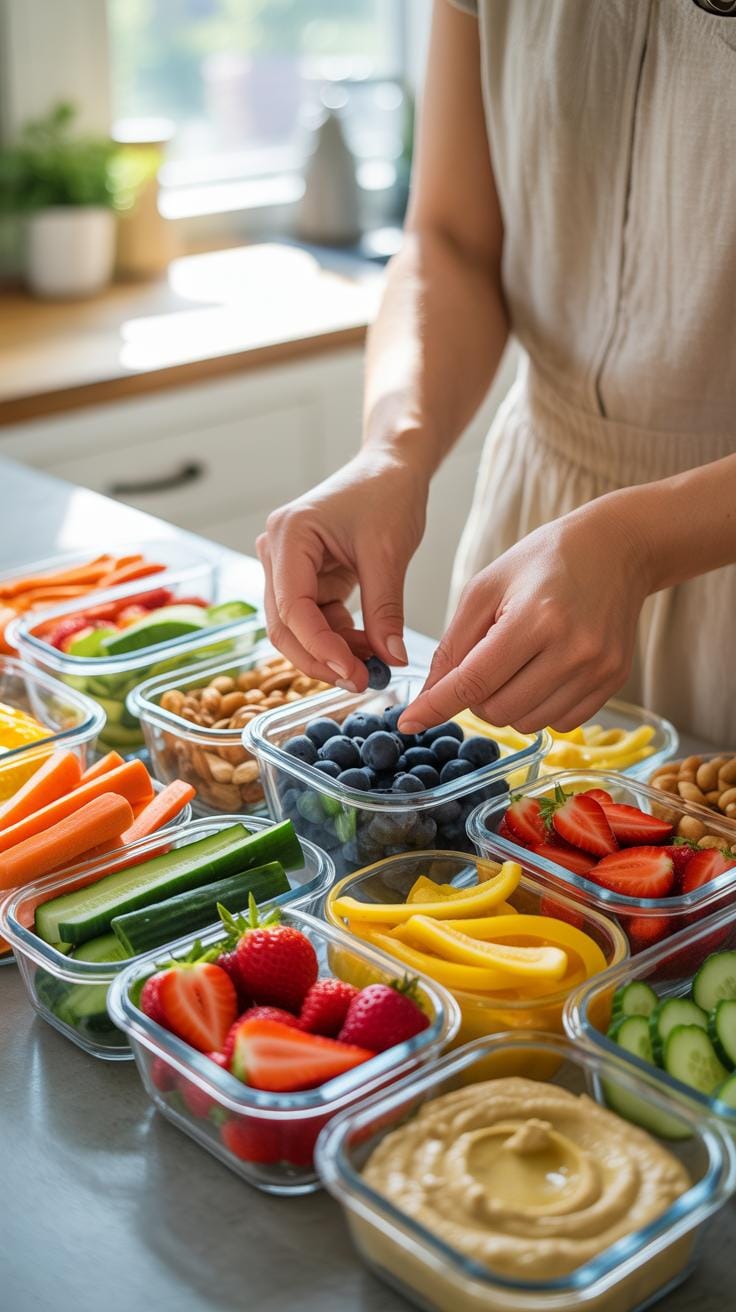
Preparing your snacks in advance can change how your whole week goes—less rushing, less scrambling, and more grabbing healthy options without thinking twice. Start by picking a few basics you enjoy, like unsalted nuts, sliced veggies, and fresh fruits. Then, portion them into small containers or reusable bags. For example:
- Handfuls of almonds or walnuts
- Carrot sticks, cucumber slices, or cherry tomatoes
- Apple or pear slices, berries, or grapes
Mix and match these to keep your snacks interesting. I find it helps if you keep things visually appealing—layer colors or mix textures so it doesn’t feel like eating the same thing every day. It might feel a bit tedious at first, but once set up, it’s so handy. Just open the fridge and grab.
Freezing And Refrigeration Tips For Snacks
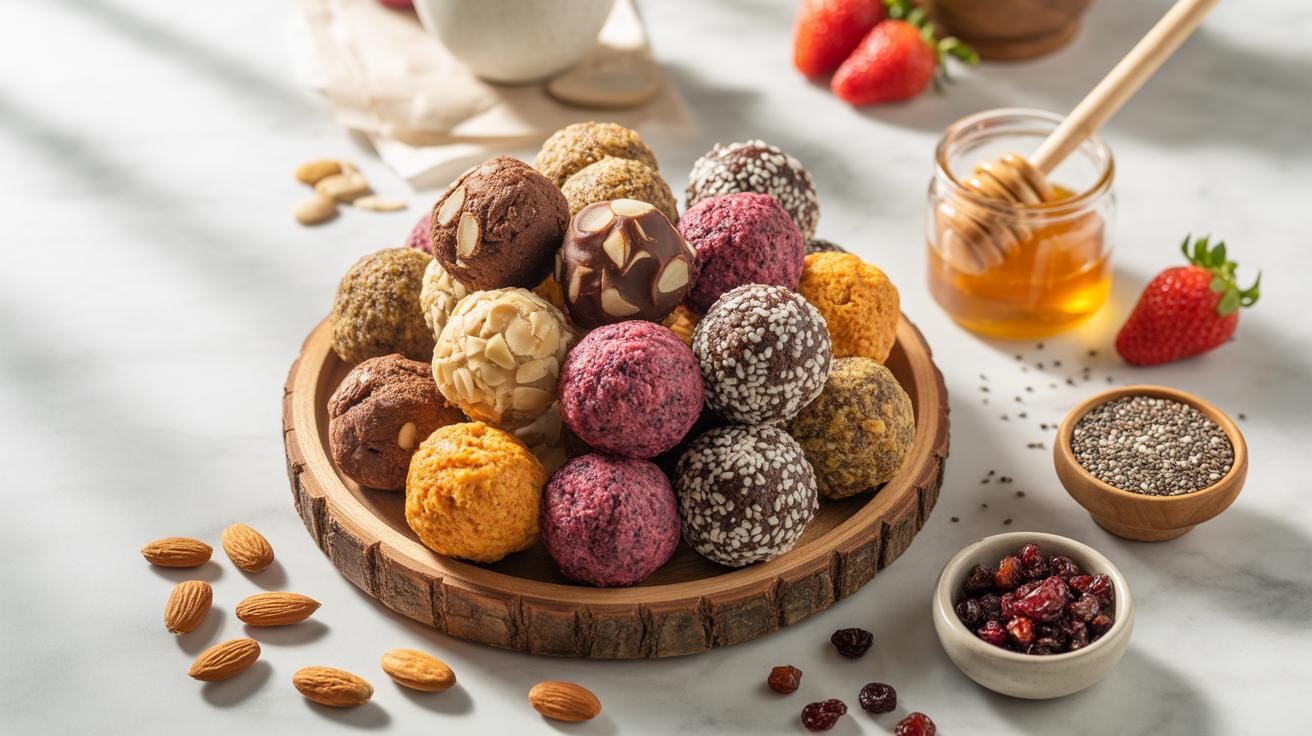
Some snacks freeze well, others don’t—knowing which is which can save you from regretting a batch of soggy fruit or mushy nuts. Berries, for instance, freeze nicely and thaw quickly, which makes them great for smoothies or quick bites. Cut veggies like bell peppers or snap peas can go in the fridge, but carrots and cucumbers are better fresh—freezing changes their texture. If you’ve made energy bites or homemade granola bars, pop them in the freezer to keep them firm.
Use airtight containers or zip-lock bags to avoid moisture and odors sneaking in. Labeling each pack with the date helps keep track—you don’t want to forget that those berries have been chilling too long. Sometimes I worry about freezer burn, but wrapping snacks well makes all the difference. Refrigerate dips or hummus in small portions so you can reach for them without exposing the whole batch to air. Staying organized this way cuts down waste, which feels like a small win.
Snack Mistakes That Reduce Health Benefits
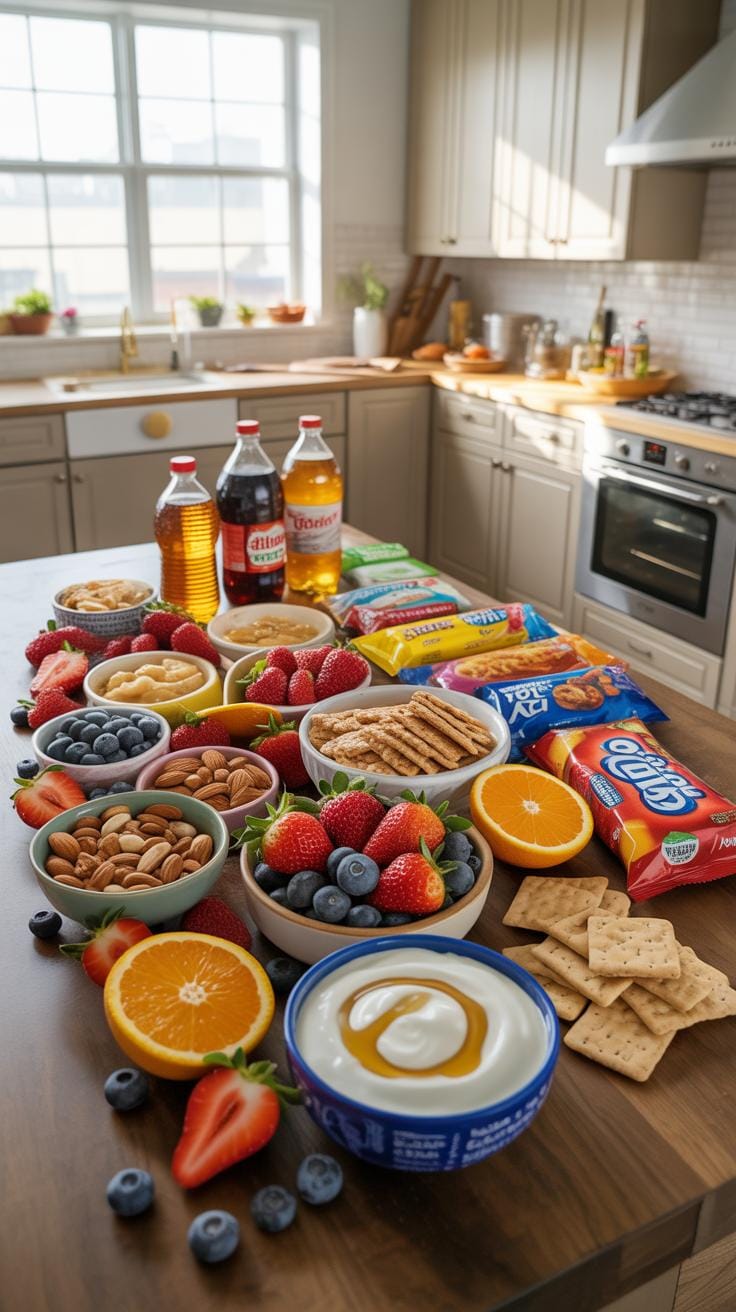
When it comes to munching between meals, many of us stumble on the same pitfalls. One big mistake is reaching for snacks that promise convenience but flood your body with added sugars or heavy processing. Sometimes, these snacks don’t even taste overwhelmingly sweet, yet they contain surprising amounts of sugar—hidden sugars that sneak in under names like maltose, dextrose, or corn syrup solids. You might think you’re making a good choice, but these hidden sugars can spike your blood sugar and leave you feeling drained soon after.
How can you avoid this? Try scanning ingredient lists for those tricky sugar aliases and lean towards whole food snacks like nuts, fresh fruit, or plain yogurt instead. It’s not always about avoiding all sugars but choosing sources that fuel you steadily, rather than in bursts.
Another trap is overly processed snack foods. They often come with long ingredient lists filled with unpronounceable additives. These foods might give a quick energy boost, but that’s usually followed by fatigue or cravings for more. The processing strips away fiber and nutrients, leaving you with mostly empty calories that can disrupt your gut health and mood.
Still, sometimes processed snacks are unavoidable. If you must grab one, pick options with minimal ingredients and fewer artificial substances. Small shifts like this can make a real difference, even on the busiest days.
Eating Healthy Snacks On A Budget
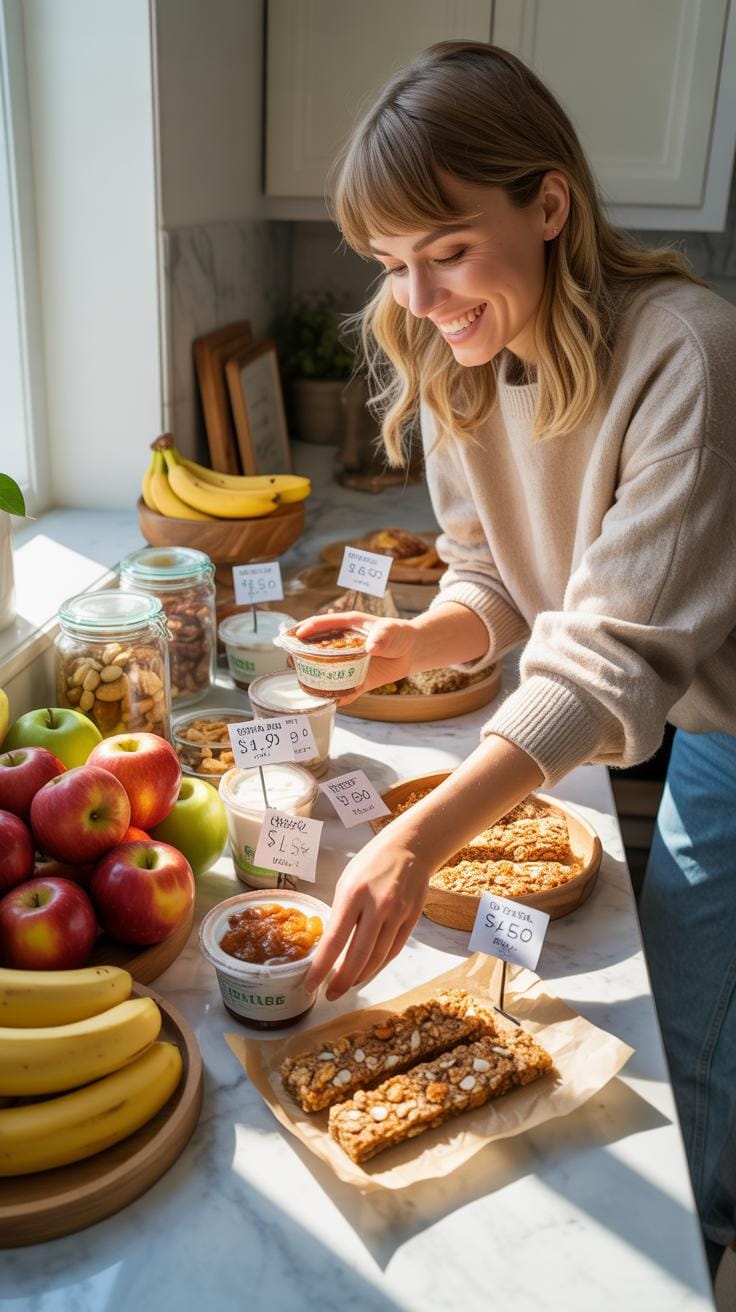
Buying healthy snacks doesn’t have to drain your wallet. In fact, with a little planning, you can keep costs down and still enjoy nutritious munchies. One strategy I often rely on is focusing on staple ingredients that stretch across multiple snack ideas—think bulk oats or plain popcorn kernels. These cost less per serving and don’t lose their value over time like some pre-packaged options might.
Shopping smart means watching for sales and seasonal produce. It’s tempting to buy that fancy, off-season fruit, but usually, what’s in season packs more nutrients and costs less. Sometimes, you might find yourself debating if you should stock up when a deal appears. It’s tricky—buying in bulk is only worth it if you can use everything before it spoils.
Another thing I keep in mind: mixing up snack options. One week I might buy a large bag of mixed nuts, another week seeds like sunflower or pumpkin. They’re nutrient dense and generally more affordable when purchased in bulk. Grains like quinoa or millet also work as snacks when roasted or turned into bars, and buying a bigger quantity reduces the price.
A few cost-effective snack ingredients to consider include:
- Raw or dry-roasted peanuts and almonds, bought in larger packs
- Sunflower and pumpkin seeds
- Bulk whole grain cereals or oats
- Dried legumes like chickpeas (which you can roast for crunch)
- Seasonal fruits and vegetables
When you’re at the store, scan for discounts or imperfect produce—it might look odd but taste just fine for snacks or small meals. Also, don’t underestimate frozen fruit; sometimes, it’s cheaper, lasts longer, and works well in smoothie bowls or yogurt.
Ultimately, the trick is balancing cost, convenience, and nutrition in a way that feels manageable for you. That balance shifts a little every time I shop—sometimes I splurge on something special, other days I stick to the basics. Do you find yourself doing the same? It’s probably fine either way, as long as you keep your overall goals in mind.
Healthy Snacks For Different Dietary Needs
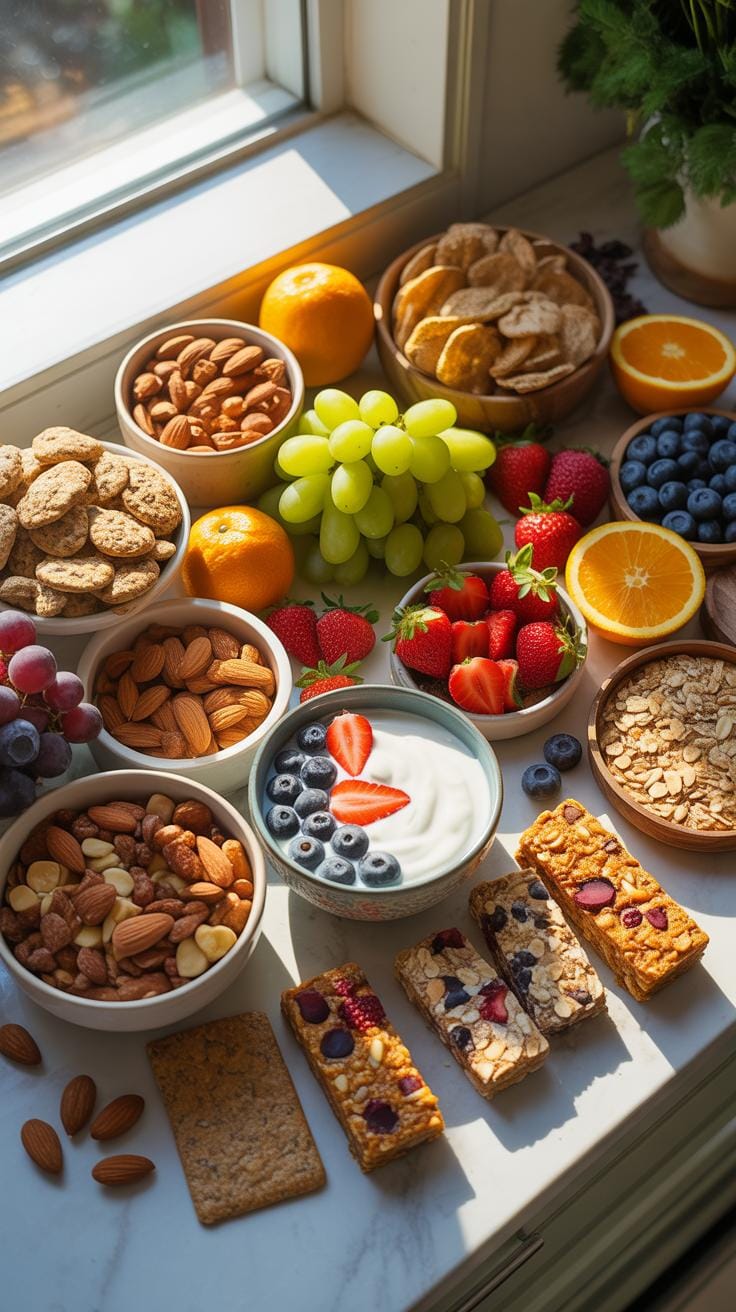
Choosing healthy snacks can feel tricky when you have specific dietary preferences or restrictions. Whether you follow a vegan lifestyle, avoid gluten, or limit carbs, finding snacks that fit your needs and still satisfy hunger isn’t always straightforward.
For vegans, look for snacks rich in protein and healthy fats. Think hummus with carrot sticks, or roasted chickpeas spiced just right. Edamame pods can be a quick, balanced bite, offering both fiber and protein.
Gluten-free snacks often revolve around whole fruits, vegetables, and nuts—but if you avoid nuts too, maybe try popcorn made with olive oil or rice cakes topped with avocado. These options can keep you energized without feeling heavy.
Low-carb snacking zeros in on fat and protein mostly. Cheese slices with cucumber or boiled eggs might feel a bit plain but do the job. Sometimes a simple combo of olives and celery sticks hits the spot.
Then there’s the challenge of common allergens. If nuts, dairy, or gluten are off the list, it can seem limiting. Yet, seeds like pumpkin or sunflower can fill that gap. Plain coconut yogurt might satisfy the need for dairy alternatives, but taste-wise it’s quite different, so give it a try before committing.
Choosing snacks that work personally often involves trial and error. What’s easy and delicious for one person might not feel right for another. Still, focusing on whole foods generally guides you well.
How To Keep Snack Choices Consistent
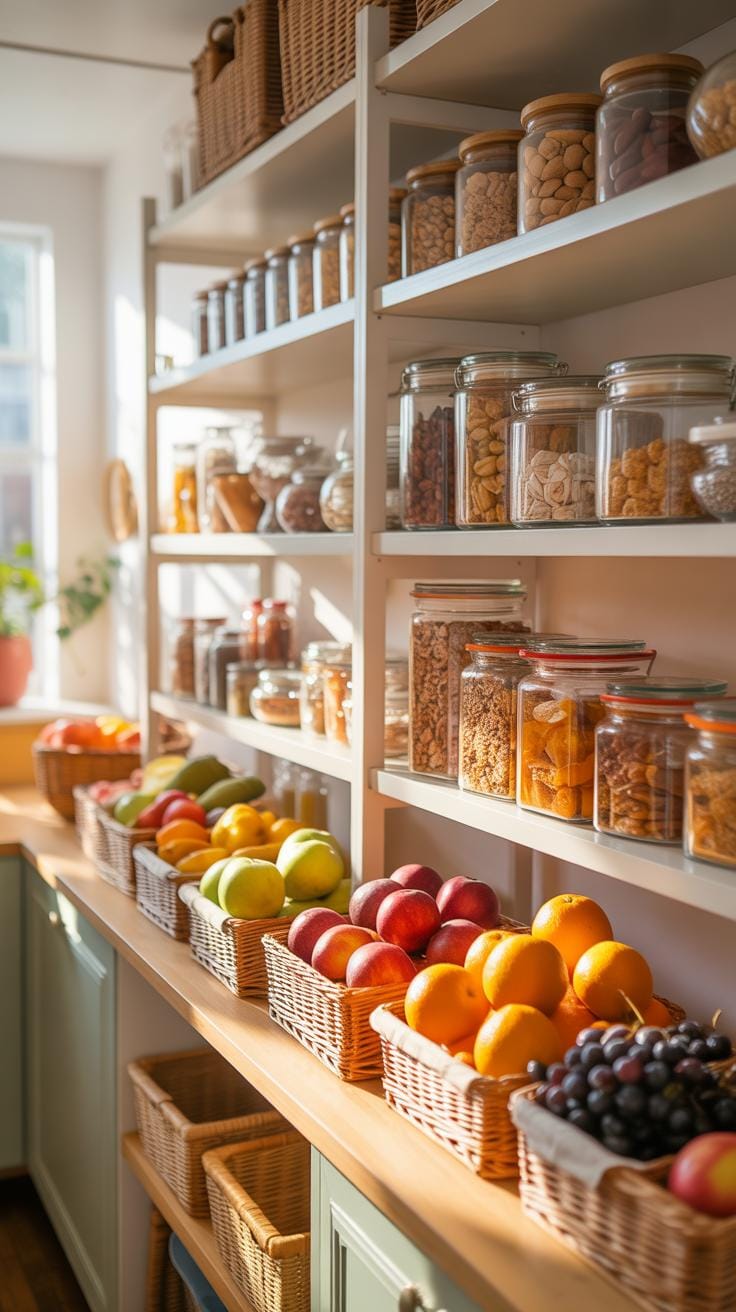
Keeping your snack choices consistent isn’t just about willpower. It often comes down to creating simple habits and systems that make healthy snacks almost automatic. Think about how some mornings you reach for coffee without much thought — it’s a habit. If you can create a similar pattern around snacking, it might ease the stress of deciding what to eat.
One habit I found useful is setting aside a specific drawer or spot in the kitchen for only healthy snacks. It’s strange how just having those snacks visible nudges me toward picking them instead of something less healthy, especially when I’m tired or in a rush.
Other habits include prepping snack portions ahead of time—cutting veggies or packing nuts into small containers. Doing this once or twice a week reduces the temptation to grab whatever is quick and often less nutritious.
Systems like keeping a running shopping list focused on snack items are helpful too. This way, you’re not wandering the store aimlessly and grabbing random snacks that don’t fit your goals. It might feel a bit rigid initially, but over time it becomes second nature.
That said, sometimes life throws you curveballs. So, it’s okay if these habits don’t always stick perfectly. Just adjusting and trying again keeps the pattern alive without feeling like failure.
Planning Snack Times Throughout The Day
Scheduling your snack times is surprisingly effective. When you decide in advance to eat something around mid-morning or mid-afternoon, you’re less likely to get caught off guard by sudden hunger. And that’s when the fridge or vending machine calls your name.
Personally, setting alarms on my phone for snack breaks helped me avoid impulsive munching. The reminders act like a pause button in a busy day, giving me permission to eat but steering me away from random grazing.
Try planning snack times that fit your natural hunger rhythms. If you’re someone who isn’t hungry until late afternoon, forcing a mid-morning snack might backfire. Instead, find a time that feels right and stick to it.
Of course, life isn’t predictable, so keeping a flexible mindset is key. Scheduling isn’t about rigid control but about creating structure to outsmart impulsive eating. Over time, you might notice your hunger cues syncing up more naturally with these snack times.
Tracking Snack Habits For Improvement
Tracking your snacks can feel tedious, but it often shines a light on patterns you didn’t notice. For example, I once realized that most of my unhealthy snacking happened late at night or when I was particularly stressed—not exactly when I thought I was at risk.
Keeping a simple snack journal or using an app lets you see what and when you eat without judgment. It’s just information you can use to make smarter choices—a bit like a personal coach that never gets tired.
You might find it useful to jot down not only the snack but also how you felt. Were you bored? Anxious? Hungry? This kind of insight changes the whole game. It’s easier to adjust your habits when you understand the “why” behind your choices.
Even if you only track for a short time, the awareness it builds can help you catch yourself before reaching for the wrong snack again. The key is to be honest but gentle with yourself—tracking isn’t about perfection but progress.
Examples Of Healthy Munchie Snack Recipes
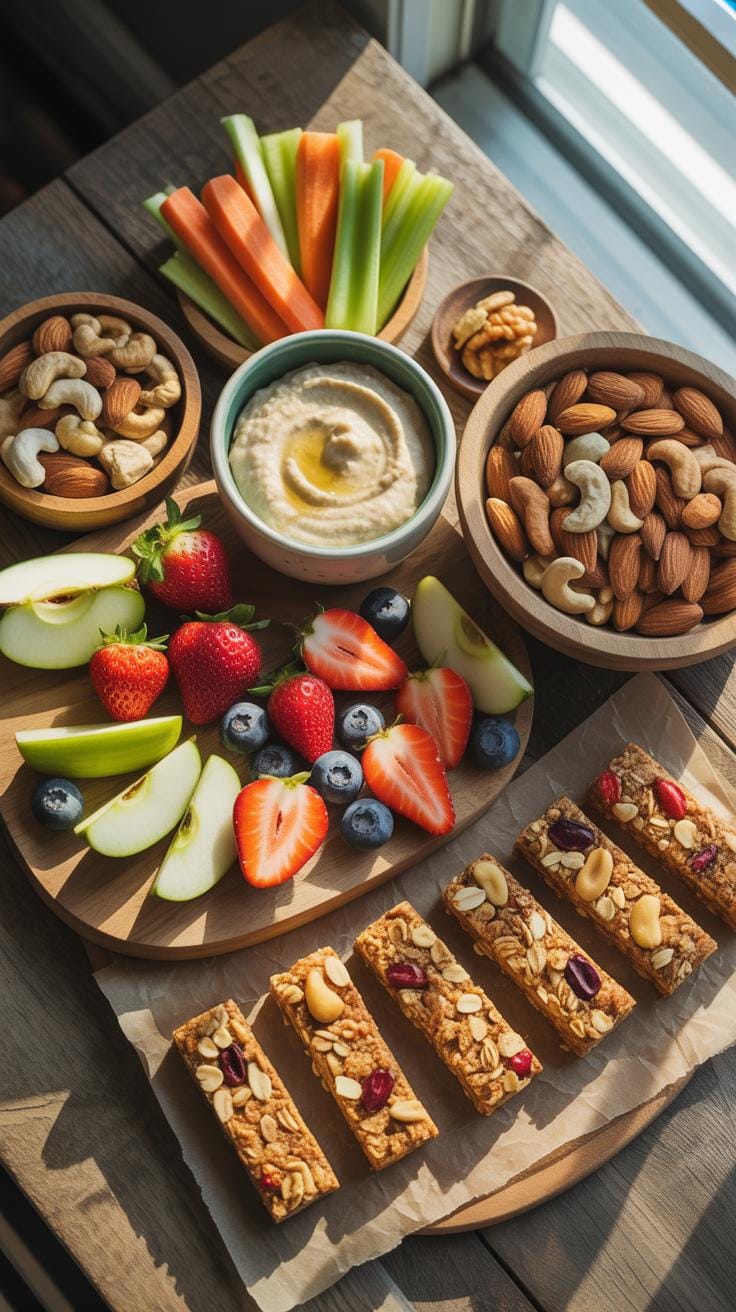
When hunger strikes between meals, having a few easy, healthy munchie snacks ready can feel like a relief. You don’t have to settle for bland or complicated options. Sometimes the simplest recipes can be the most satisfying and quick to throw together.
Homemade Trail Mix Recipe Example
Making your own trail mix is straightforward and lets you control exactly what goes in—no added sugars or mystery oils. Try mixing:
- 1 cup raw almonds
- 1/2 cup pumpkin seeds
- 1/2 cup dried cranberries (unsweetened if possible)
- 1/4 cup chopped dried apricots
- Optional: a small handful of dark chocolate chips or unsweetened coconut flakes
Combine everything in a jar or container. This blend offers a good balance of healthy fats, protein, and natural sugars that can keep you fueled longer. Plus, there’s this nice crunch and chewiness that I find oddly comforting when I just want something to nibble on.
Simple Veggie Snack With Hummus
A quick veggie snack with hummus is another great choice, especially if you want something fresh and light. The beauty is in the variety—you can switch your veggies depending on what you have or prefer. Good options include:
- Carrot sticks
- Cucumber slices
- Cherry tomatoes
- Bell pepper strips
- Snap peas
Just wash and cut your veggies, scoop some hummus into a small bowl, and you’re set. Hummus provides protein and fiber, while the veggies add vitamins and crunch. Sometimes, I find dipping a bit of everything together feels more satisfying than eating one kind alone, which is kind of fun actually.
These examples show that munchie snacks don’t need to be complicated or messy. With a bit of prep, they can be quick, healthy, and taste-worthy all at once.
Conclusions
Choosing healthy munchies snacks is an effective step towards improving your daily nutrition. By opting for snacks that combine taste and nutrition, you support your body’s needs and manage hunger efficiently. These snacks can help reduce cravings for less healthy foods and contribute to better overall eating habits.
Remember, keeping a variety of healthy snacks ready or easy to prepare saves time and stress. Use the tips and ideas shared here to keep your snack choices wholesome and enjoyable. Your body will thank you for the energy and nutrients supplied by good snack habits.