

Introduction
Healthy meal plans and holistic wellness recipes both aim to improve your well-being through thoughtful food choices. Healthy meal plans focus on balanced nutrition with the right portions of protein, fats, and carbohydrates. Holistic wellness recipes take a broader approach, combining nutrition with natural ingredients to support overall health.
This article will compare these two approaches to balanced living. You will learn what each method offers, why they matter for your health, and how you can start using them in your daily life. By understanding the differences and benefits, you can make informed choices that suit your lifestyle and health goals.
Benefits of Healthy Meal Plans
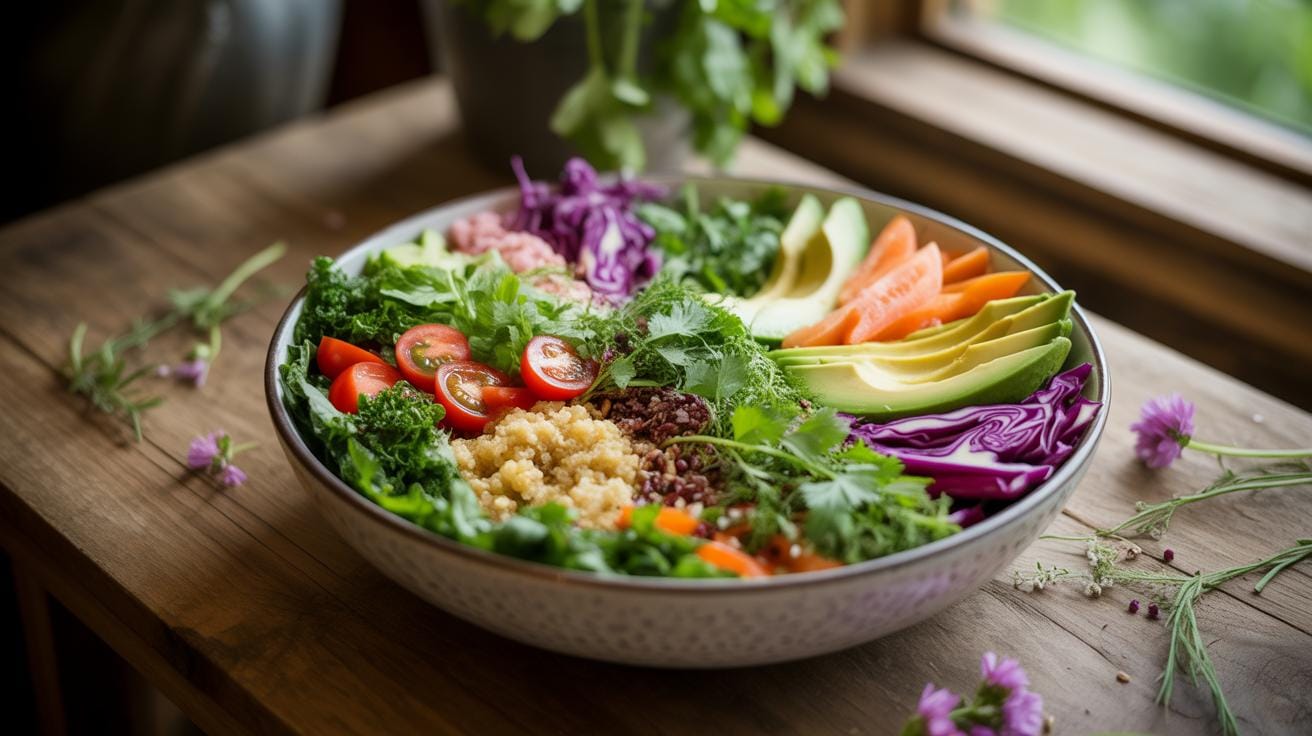
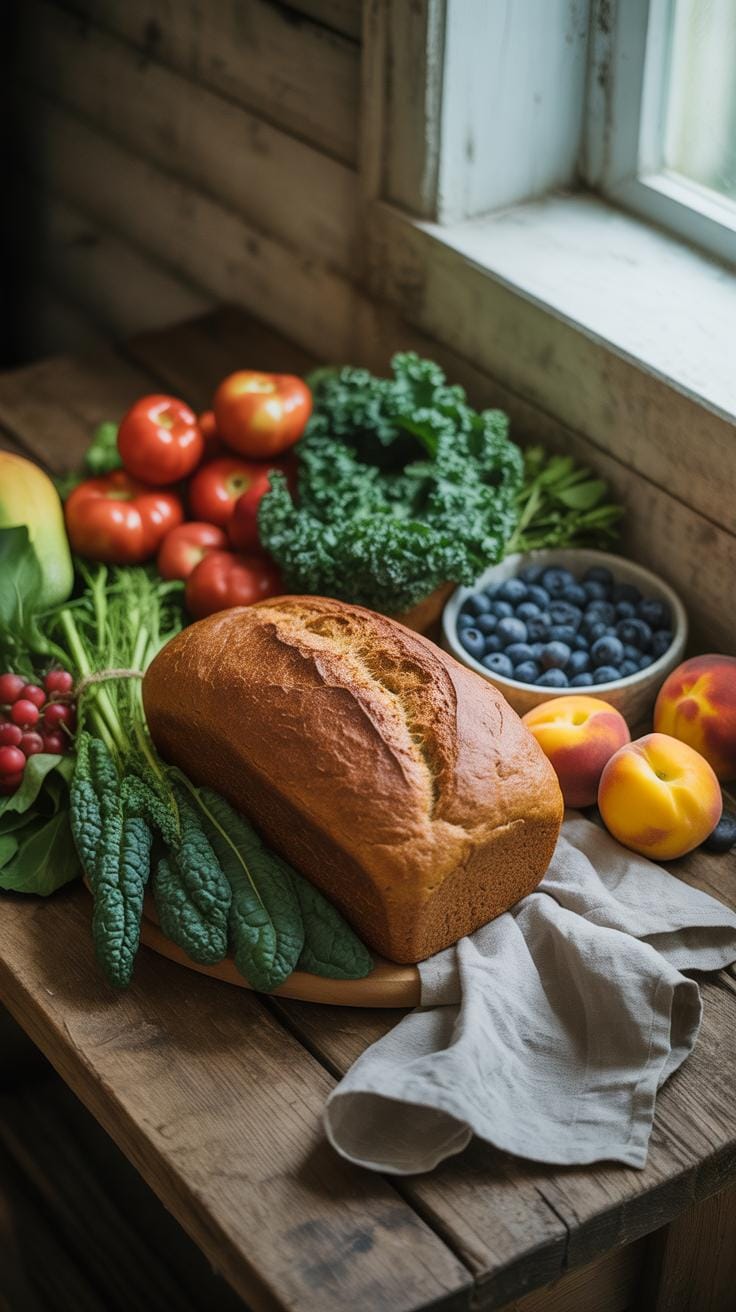
Following a healthy meal plan can make a real difference in how you feel day to day. When meals are planned thoughtfully, you’re less likely to miss out on essential nutrients your body needs to function well. It’s not just about eating “right” but about maintaining a steady balance of proteins, carbohydrates, and fats. Proteins from sources like lean meats, beans, or tofu help build and repair muscles, while carbohydrates from whole grains and vegetables give you energy. Fats, especially from nuts, seeds, or avocados, support brain function and absorb vitamins. A structured meal plan takes the guesswork out and helps keep portions in check, which can influence weight control more effectively than random eating.

Plus, having a plan means fewer impulsive food choices—those don’t always serve your body as well. It’s easier to avoid frequent spikes in blood sugar or unhealthy snacking. Over time, this steadiness can improve your overall health, including heart and digestive systems. Sometimes it feels confining, sure, but many find that routine brings a kind of relief, freeing mental space to focus on other things besides “what to eat.”
How Balanced Meals Improve Health
Eating balanced meals regularly gives your body a foundation to work efficiently. When you include all major food groups in the right amounts, your energy stays steady, and systems work better. Think of a plate that features grilled chicken or beans for protein, a small serving of brown rice or quinoa for carbs, and some steamed or raw vegetables tossed with a bit of olive oil for fats. This combination supports muscles, brain, and digestion all at once.
Simple meals like an omelette with spinach and whole-grain toast or a salad with chickpeas, tomatoes, avocado, and a vinaigrette show how easy balance can be. Balanced nutrition can also affect sleep and mood, though that’s often overlooked. When your body gets what it needs, you might notice better focus or less irritability — that’s worth paying attention to, right? Still, sometimes even balanced meals miss out on micronutrients or hydration, so it’s not a perfect fix, but it’s usually a good start.
Examples of Nutritious Meal Plans
Here are a few simple meal ideas that stick to basic principles of nutritious, balanced eating:
- Breakfast: Greek yogurt with fresh berries and a sprinkle of nuts. This meal offers protein, carbs from fruits, and healthy fats.
- Lunch: Grilled chicken salad with mixed greens, quinoa, and a lemon-olive oil dressing. It combines lean protein, fiber-rich carbs, and heart-healthy fats.
- Dinner: Baked salmon with roasted sweet potatoes and steamed broccoli. This one supports heart health and supplies antioxidants.
Meals like these cover most nutrient bases and keep portion sizes reasonable. They’re also practical—nothing too fancy or complicated. You might not always follow the exact plan, but having this kind of template helps keep choices grounded and intentional. It’s a flexible way to aim for balance without feeling boxed in.
Benefits of Healthy Meal Plans
Healthy meal plans offer a clear structure to your daily nutrition. Unlike a haphazard approach to eating, these plans provide consistency, which can make a real difference in how you feel day to day. They help prevent impulsive food choices that may leave you feeling sluggish or unsatisfied.
By organizing your meals, you can ensure balanced intake of macronutrients—proteins, fats, and carbohydrates—in appropriate amounts. This doesn’t mean strict or boring meals, but rather having a framework that supports your energy levels and bodily functions.
Some practical benefits include:
- Better portion control, which can aid in maintaining or reaching a healthy weight.
- Reduced food waste, as you buy only what you need.
- Improved digestion and metabolism since meals are timed and balanced.
In my experience, following a meal plan helped me avoid that late-afternoon crash. I wasn’t constantly thinking about what to eat next, and oddly, it made grocery shopping less stressful. Of course, meal plans aren’t foolproof—you might find them restrictive or challenging at first. But over time, many people notice they feel more in control of their eating habits.
Could planning meals ahead of time also encourage you to try new foods or recipes you might overlook otherwise? It’s something I didn’t expect, but having a plan nudged me to pick unfamiliar vegetables or grains, and that variety seemed to make meals more interesting.
When to Choose Healthy Meal Plans

You might wonder when exactly healthy meal plans make the most sense. Well, they really come into their own when you have clear goals to hit, like losing weight or managing a health condition. For instance, if you’re working on weight loss, a plan that controls portions and balances nutrients can keep you on track without much guesswork. Or say you have diabetes – following a meal plan designed to stabilize blood sugar can help avoid spikes and crashes, which is crucial. I’ve seen some friends who swear by their heart-healthy meal plans after they found out about high cholesterol; these plans focus on lowering saturated fats and including more fiber.
Sports nutrition is another area where a tailored plan pays off big. An athlete might need extra protein or carbs timed around workouts, and a well-structured meal plan ensures those needs are met consistently. You don’t just eat better—you perform better.
Meal Plans for Specific Health Goals
Healthy meal plans can be shaped around nearly any goal you have. For diabetes, think meals low in simple sugars but rich in whole grains and veggies. For heart health, plans often reduce salt and unhealthy fats, boosting omega-3s and antioxidants. Someone aiming to build muscle might increase protein and calorie intake precisely. The beauty is how specific these plans can get. You’re not locked into one-size-fits-all diets, but rather something crafted to fit your body’s needs and challenges.
How Meal Plans Aid Daily Routine
One of the biggest reasons to turn to meal plans is that they simplify daily life. Instead of stressing over what to eat each day, you have a roadmap to follow. This cuts decision fatigue, which honestly drains energy more than we think. It also saves time—no more last-minute supermarket runs or questionable takeout choices. You can prep ingredients in advance and avoid those “what am I supposed to eat now?” moments that derail healthy habits.
Plus, meal plans help keep your grocery shopping focused too. You buy just what you need, which can save money and reduce waste. For many, this structure turns meal times from a hassle into something predictable and manageable.
Considering Holistic Wellness Recipes
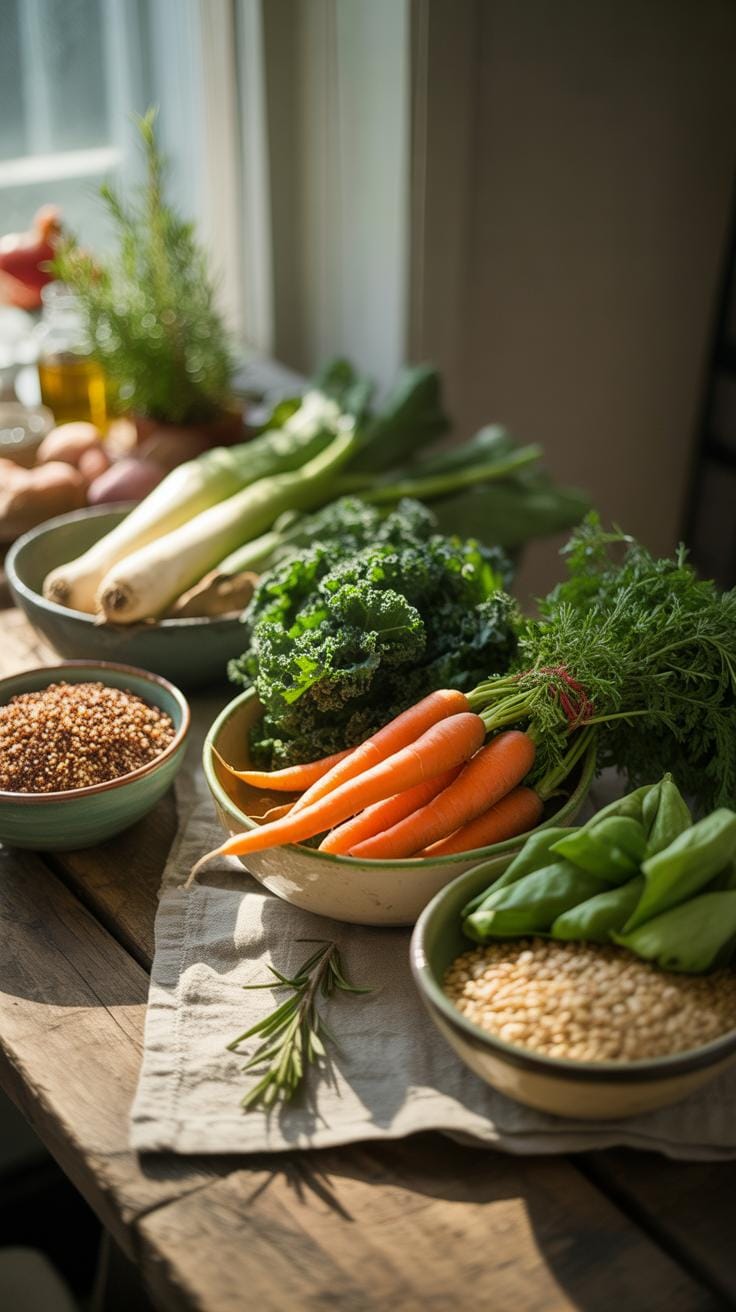
If you’re leaning towards a natural way of living, holistic wellness recipes might resonate with you. These meals often use whole, minimally processed ingredients that work gently with your body’s rhythms rather than pushing it too hard. Think of them as a way to nudge your system into balance instead of jolting it awake.
For example, making a simple bone broth with herbs or a turmeric-ginger tea can support your immune defenses naturally. These recipes aren’t about quick fixes but steady nourishment that helps your body build resilience over time. You might find yourself reaching for foods like fresh garlic, leafy greens, or fermented veggies—each known for their immune-boosting qualities.
Stress, as you know, can muddy the mind and sap energy. Certain foods and herbs used in holistic meals might help ease that tension. Ingredients like chamomile, lavender, or even magnesium-rich pumpkin seeds work quietly, promoting calm and clearer thinking. Maybe you’ve tried sipping on lavender-infused water after a rough day—it’s subtle, but you can feel the difference.
Holistic cooking often involves spices and roots that aren’t common in everyday kitchens, and trying them out can feel a little adventurous. Yet, these choices may help reduce cortisol levels and improve your mental clarity. If you’re wondering where to start, something as straightforward as a lemon balm salad dressing or a warm tea brewed with fresh mint can begin to shift your food mindset.
Setting Up Your Meal Plans
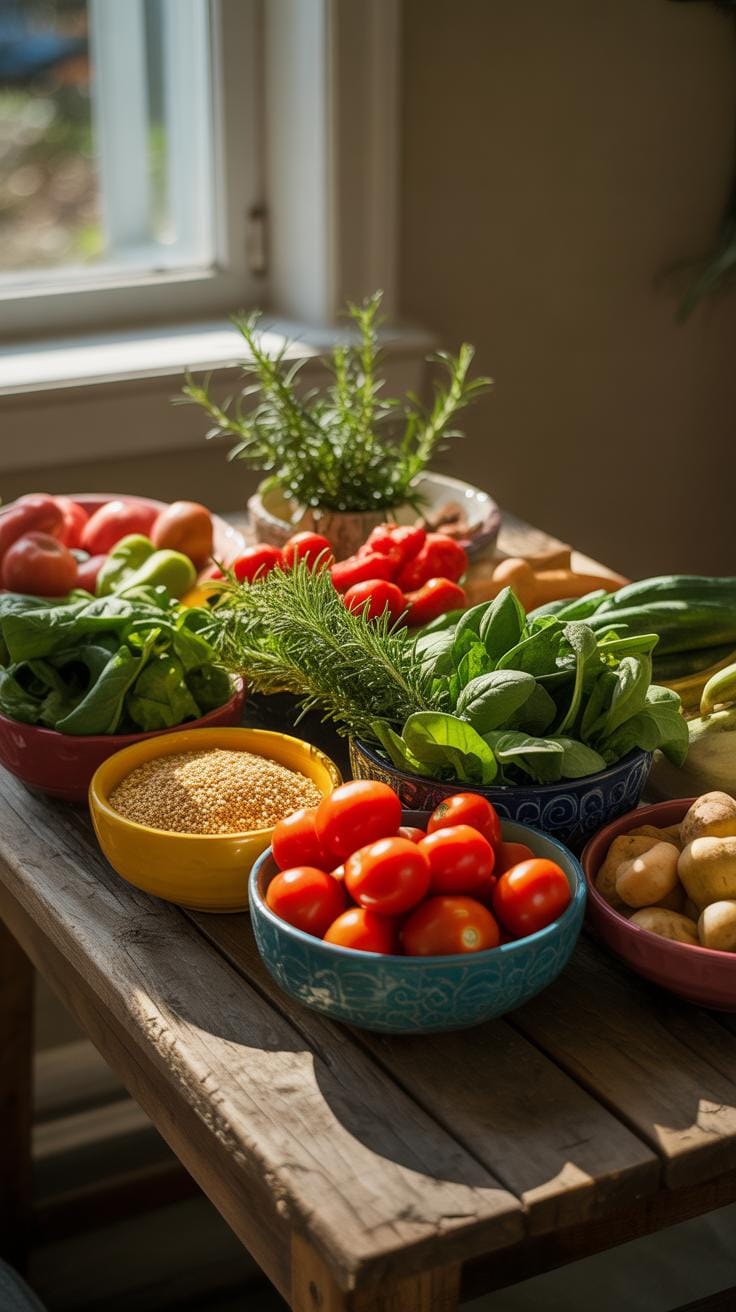
Steps to Create a Meal Plan
Start by looking through your favorite recipes or those you’ve been meaning to try. Pick ones that feel manageable, not overwhelming. Think about what tastes good and what fits your schedule. Estimating portions can be tricky—sometimes you guess too little, other times too much. A rough idea works: enough for you and whoever else is eating, with maybe a little extra for leftovers or unexpected hunger.
Then, sketch out when you’ll eat each meal. Some people like planning breakfast, lunch, and dinner with snacks, others just the main meals. It depends on your routine. Putting this on paper or a phone app can keep things clear. Don’t overthink it; flexibility helps if your days shift around.
Shopping and Cooking Tips
Go grocery shopping with a list based on your meal plan. Stick to it to avoid impulse buys that throw off your balance. Buying seasonal produce is a good way to save money and eat fresh. Also, don’t shy from frozen veggies—they can be a handy backup and just as nutritious.
When cooking, consider batch preparing meals or components like grains or roasted veggies ahead of time. This saves time on busy days and makes sticking to the plan easier. Keep cooking simple at first—trying complicated recipes every day can lead to burnout. Don’t hesitate to reuse ingredients in different meals, too.
Finally, track what you eat, at least loosely. Note what works and what doesn’t. Adjust your plan if something feels off or too much. Meal planning isn’t about rigid rules but nudging yourself toward healthier habits step by step. What small change could you try this week that you might actually enjoy?
Preparing Holistic Wellness Recipes

Starting with holistic wellness recipes might feel a bit intimidating at first. You’re not just cooking food; you’re thinking about how each ingredient impacts your body and mind. But really, it’s about taking simple steps and being curious. Begin by picking a recipe that focuses on whole, minimally processed foods. Think vegetables, nuts, seeds, and whole grains—ingredients you probably already like, even if you haven’t thought much about their “holistic” benefits.
When sourcing ingredients, try local farmers’ markets or health food stores. Freshness matters, and you might discover new seasonal produce you never tried before. If specialty items like turmeric or maca powder seem pricey or scarce, look for substitutes—ginger or cinnamon, for example, can sometimes fill the same role in flavor or health effects. Don’t stress if you can’t get every listed item; adaptation is fine.
Simple recipes can make this easier. For example, a warm quinoa salad with roasted sweet potato, kale, and a drizzle of tahini dressing involves straightforward prep but brings a range of nutrients. Or maybe try a smoothie with spinach, banana, chia seeds, and almond milk. You can tweak spices or veggie choices based on what you like or have on hand. The key is starting with easy dishes that let you play around a bit. It’s not about perfection, but about connecting with food in a more mindful way.
Tracking Your Food and Health

When you start following a healthy meal plan or trying new recipes, it’s not always clear how they’re affecting you right away. That’s where tracking comes in—though I get it, it might sound tedious. But keeping an eye on a few simple things can really help you figure out what’s working and what isn’t.
Think about your energy levels through the day. Are you crashing mid-afternoon or feeling steady? How’s your digestion? Are you bloated, sluggish, or comfortable? Mood is another clue—sometimes what you eat influences more than just your body; it affects how you feel emotionally, though pinpointing that can be tricky.
Look for signs like:
- Improved sleep or trouble falling asleep
- Changes in skin clarity or inflammation
- Frequency and quality of bowel movements
- Cravings for certain foods, maybe sugary or salty
- Ability to focus or mental sharpness
If something feels off, don’t ignore it. Maybe the meal plan is too restricting or missing key nutrients for you. Adjust portions, swap ingredients, or add snacks if you’re hungry too often. For example, I once cut out nuts for a week after feeling sluggish, and it made a difference.
Have you noticed specific meals that leave you energized or tired? Tracking these reactions—yes, even journaling them—can reveal surprising patterns. It’s not about perfection. It’s about listening to your body and responding thoughtfully.
Common Mistakes to Avoid

Skipping Balanced Nutrition
When starting a healthy meal plan, many people tend to focus on just a few nutrients or food groups, thinking that cutting carbs or fats will speed up progress. This can backfire. Your body needs a range of nutrients to function well. Skipping entire groups—say, cutting out fats completely—can leave you feeling drained or slow down your metabolism.
It’s easy to get carried away with popular trends and forget that balance matters. For example, avoiding all grains might reduce calories but could also rob you of fiber and certain vitamins. If you notice your energy dipping or mood shifting, it might be a sign you’re missing something important.
Try mixing different food groups daily. Include vegetables, protein, healthy fats, and some whole grains. If you’re uncertain, keep it simple and steady rather than making big drastic changes overnight.
Using Overly Complex Recipes
When starting out, picking recipes that require tons of ingredients or long cooking times can be overwhelming. I’ve seen people excited at first, only to give up because their meals took more time than anticipated or needed hard-to-find items.
Simple recipes can be just as good for your health and easier to stick with. For example, sautéed veggies with grilled chicken and quinoa doesn’t sound fancy but covers key nutrition without hassle. If a recipe feels like a chore, it’s less likely you’ll maintain it in the long run.
Look for recipes with fewer steps and ingredients you regularly have at home. That reduces stress, saves time, and helps you stay consistent. After all, progress often comes from small, manageable habits rather than perfect meals every time.
Examples of Balanced Day Menus

Sample Healthy Meal Plan Day
Here’s a straightforward example of a healthy meal plan that covers a whole day, keeping things balanced without feeling overwhelming. For breakfast, imagine a bowl of oatmeal topped with fresh berries and a sprinkle of chia seeds. It has fiber, antioxidants, and a touch of protein—a solid way to start your day without too much fuss.
Lunch could be grilled chicken breast paired with a quinoa salad mixed with cherry tomatoes, cucumber, and a splash of olive oil. This combination offers lean protein, complex carbs, and healthy fats all in one plate.
For dinner, think baked salmon alongside steamed broccoli and sweet potatoes. Salmon provides omega-3 fatty acids, while broccoli adds vitamins and fiber, and sweet potatoes give a satisfying carb source rich in beta-carotene.
Snacks might include a handful of almonds or Greek yogurt with a drizzle of honey—easy, nutritious, and filling without going overboard.
What’s nice about this plan is how it balances macro- and micronutrients through recognizable whole foods. You get a mix that keeps energy stable and hunger at bay. Maybe it’s not the most exciting menu ever, but it works and can be tweaked easily.
Sample Holistic Wellness Recipe Day
On a day focused more on holistic wellness recipes, the approach shifts slightly toward natural, minimally processed ingredients with extra emphasis on herbal and plant-based components. Breakfast might be a turmeric latte with coconut milk alongside a green smoothie built with spinach, banana, and flaxseeds.
Lunch could be a warm bowl of miso soup packed with seaweed, tofu, and seasonal vegetables. The probiotics in miso contribute to gut health, something you might not think about in a typical meal plan.
For dinner, a stir-fry of brown rice, shiitake mushrooms, bok choy, and ginger provides gentle detoxifying benefits and antioxidants, cooked simply with sesame oil.
Snacks could include energy balls made from dates, nuts, and raw cacao or a small bowl of fresh berries with a sprinkle of bee pollen.
This menu feels more centered on vibrancy from whole plants and traditional ingredients that support the body gently. It’s less about strict calories or macros and more about nurturing with quality foods you might not eat every day. You might wonder if it’s practical long term, but it certainly offers a different way to think about balance.
Conclusions
Choosing between healthy meal plans and holistic wellness recipes depends on your personal goals and needs. Healthy meal plans provide clear guidelines for balanced nutrition and can improve general health through structured eating. Holistic wellness recipes offer a natural, ingredient-focused approach that supports more than just nutrition, including mental and emotional well-being.
Both approaches can help you live more balanced and healthy. Consider what fits your lifestyle best and try incorporating elements from both for improved health. The key is consistency. Use what works for you to build sustainable habits that promote wellness every day.