
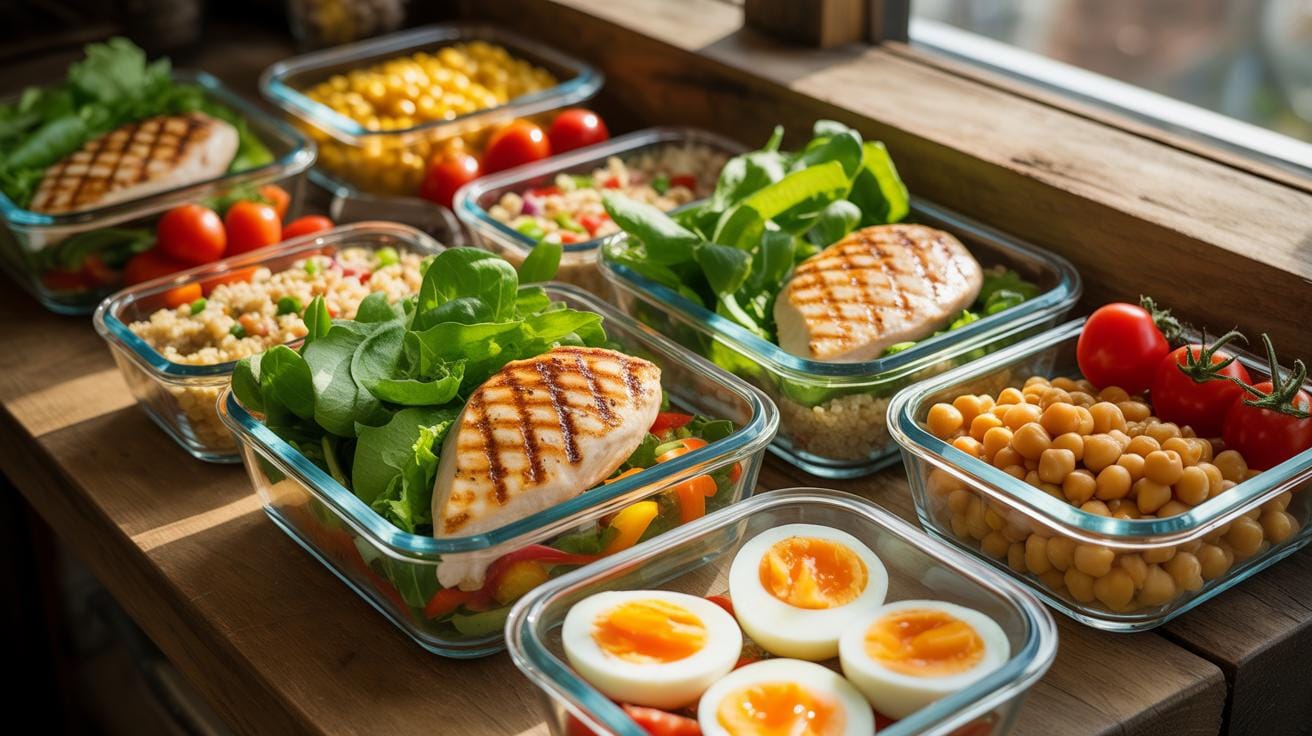
Introduction
Eating a healthy lunch is key for keeping your energy levels up and supporting your fitness goals. Protein plays an important role in building muscle and helping you recover from workouts. This article presents healthy lunch recipes focused on protein-packed meals that fit well with fitness routines.
You’ll find practical tips on how to prepare and plan your lunch to include the right amount of protein, as well as easy recipes you can make at home. Whether you want to build muscle, lose weight, or just eat better, these protein lunch ideas will support your fitness journey.
Protein Benefits For Fitness


Protein plays a critical part in fitness, but it’s not just about building muscle in a big, flashy way. Think of protein as a kind of maintenance crew for your body. After exercise, your muscles get tiny tears—don’t worry, that’s normal. What protein does is help fix those tears, making your muscles stronger over time. Without enough protein, repairs slow down, and progress stalls.
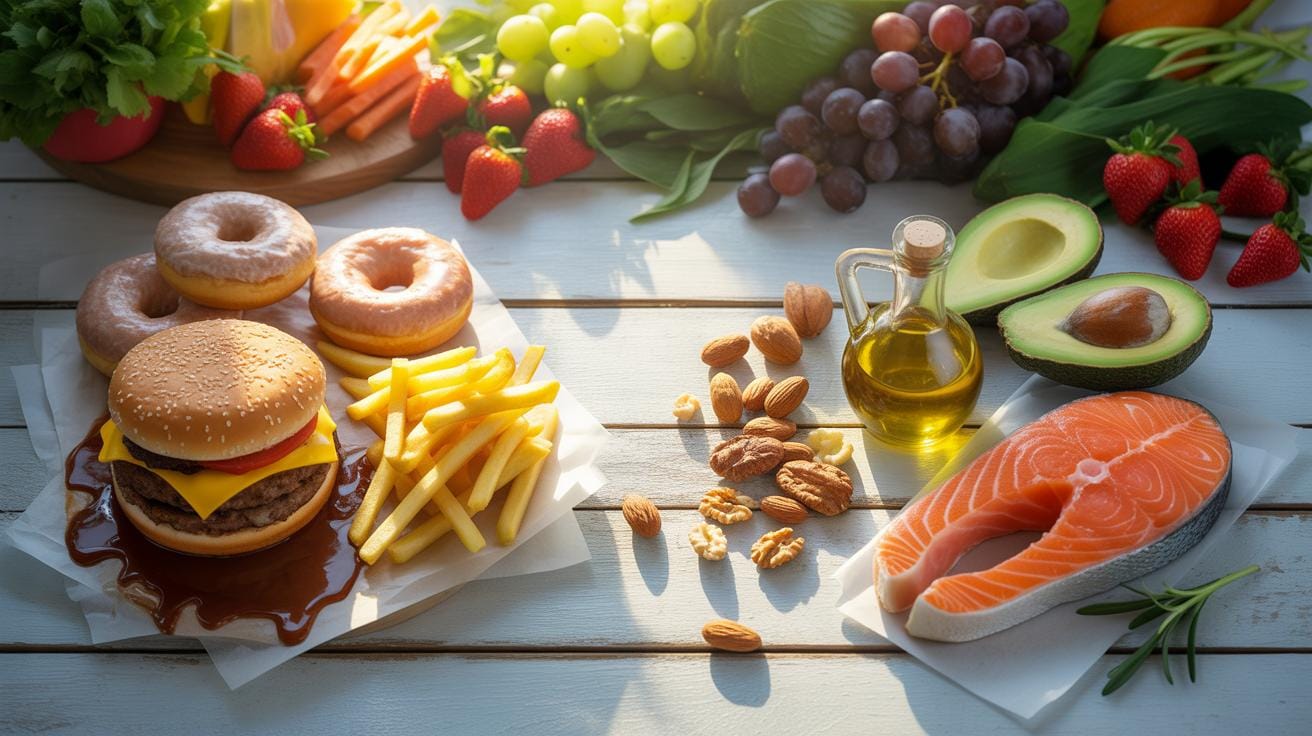
Beyond muscle repair, protein helps you feel full for longer periods. That’s really useful when you’re trying to avoid snacking on less healthy options. If you’ve ever noticed that meals high in protein leave you feeling satisfied while those heavy in just carbs might leave you hungry again an hour later, it’s no accident.
Protein also fuels your workouts more steadily than sugar or simple carbs. When you eat protein, it breaks down into amino acids, which your body uses for constant energy and muscle support. So, protein doesn’t just help after exercise—it plays a role while you are active too.
How Protein Supports Muscle Growth
After you work out, your muscles are like a construction site needing raw materials to rebuild. Protein supplies amino acids, the building blocks that your muscles use to repair and grow. Imagine eating a chicken breast or a scoop of yogurt; those feed your muscles something solid to use for repair.
Even if you’re not lifting heavy weights, protein helps in small ways. Activities like jogging or yoga still cause muscle strain. So, protein is always a part of healing and growth, whether your muscles have major or minor repairs to make.
Protein’s Role In Energy And Fullness
Have you ever felt that mid-afternoon slump after a carb-packed lunch? Protein meals counter that by digesting slower—so you get a kind of steady energy instead of a quick spike and crash. Foods like eggs, nuts, or beans keep hunger away mid-workout or between meals.
This slower digestion also means protein keeps you feeling full much longer. It’s interesting because sometimes you might eat the same number of calories, but if those calories come from protein, you’re less likely to feel hungry soon after. This effect naturally supports better eating habits without feeling like you’re missing out.
So, when prepping lunches, adding a solid protein source isn’t just good for muscles—it’s practical for managing hunger and energy across your whole day.
Easy Protein Lunch Recipes
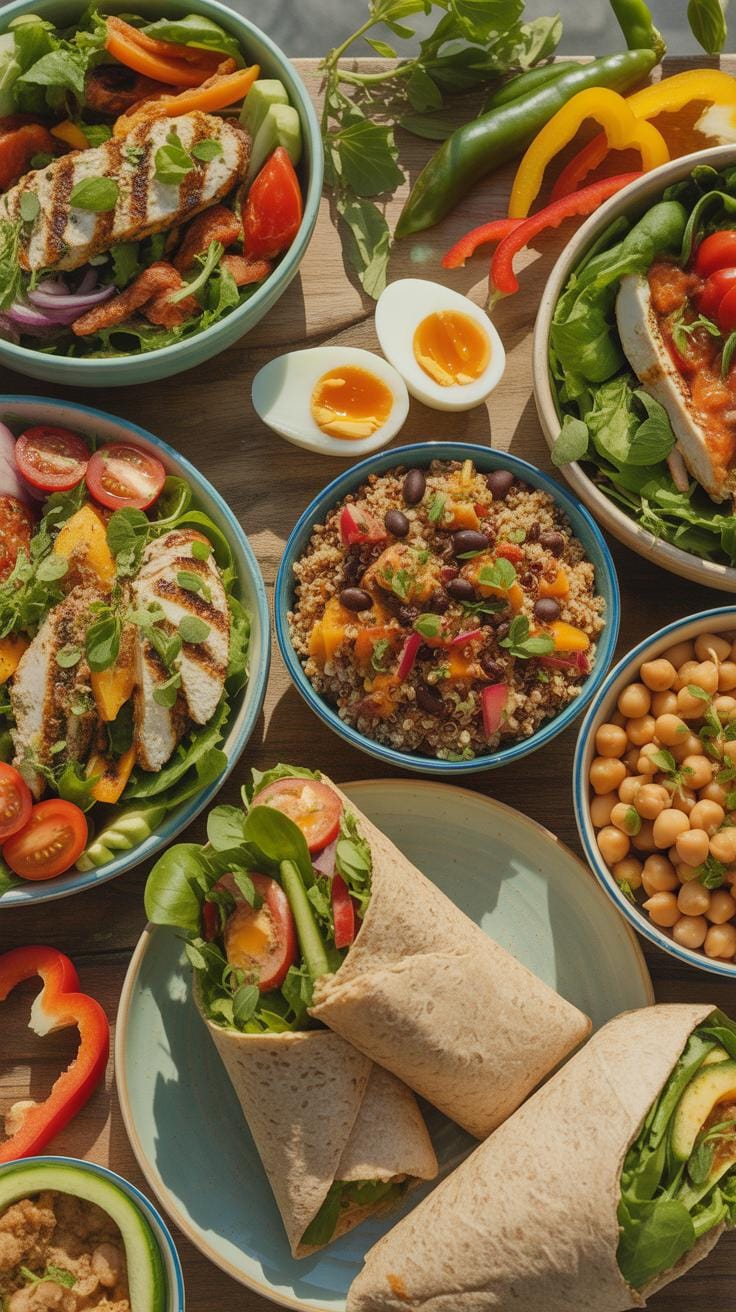
Sometimes, you just want lunch to be quick, nourishing, and, well, not complicated. That’s where simple protein-rich recipes come in handy. Here are a couple that I find pretty straightforward and satisfying.
Start with chicken salad: dice some leftover cooked chicken. Mix it with a little mayonnaise or Greek yogurt, add diced celery and a hard-boiled egg for texture. Season with salt, pepper, and maybe a touch of mustard. It’s quick to toss together and works well on its own or in a sandwich.
Or, if beans are your thing, try a three-bean salad tossed with chopped onions, bell peppers, and a light vinaigrette. It’s refreshing and the beans pack a healthy protein punch without needing much prep.
Both options are flexible—you can tweak ingredients based on what you have on hand or your mood. The point is to keep it simple and protein-focused so you can fuel your day without fuss.
High Protein Salads With Chicken Or Beans
Chicken and beans make solid bases for protein salads. For chicken, you can grill or roast a breast, then slice it over a bed of mixed greens, cucumber, cherry tomatoes, and some fresh herbs. Throw in a splash of olive oil and lemon juice or your favorite dressing for a refreshing meal that’s easy to prepare.
If you lean towards plant-based options, a bean salad with black beans, kidney beans, and chickpeas works well. Add chopped red onion, bell pepper, and parsley. Dress with a vinaigrette made from olive oil, apple cider vinegar, and a hint of honey or mustard. It’s filling, colorful, and great for prepping ahead.
Fresh vegetables add crunch and nutrients, making these salads more than just protein—they become balanced, vibrant meals.
Quick Tuna And Egg Lunch Ideas
Tuna and eggs are classic protein sources, and mixing them into quick lunches is surprisingly easy. One favorite of mine is simply mashing canned tuna with a little mayo, diced celery, and onion for crunch. Spread on whole-grain bread or crackers. Done.
For eggs, a basic egg salad works—chop hard-boiled eggs, mix with a bit of mustard and mayo, and season to taste. You can add fresh herbs or a hint of paprika for some extra flavor. Both tuna and egg salads can be prepared in advance, which is handy on busy days.
Have you ever wondered if combining these different protein sources affects meal satisfaction? It might be worth mixing it up sometimes, don’t you think?
Meal Prep Tips For Protein Lunch
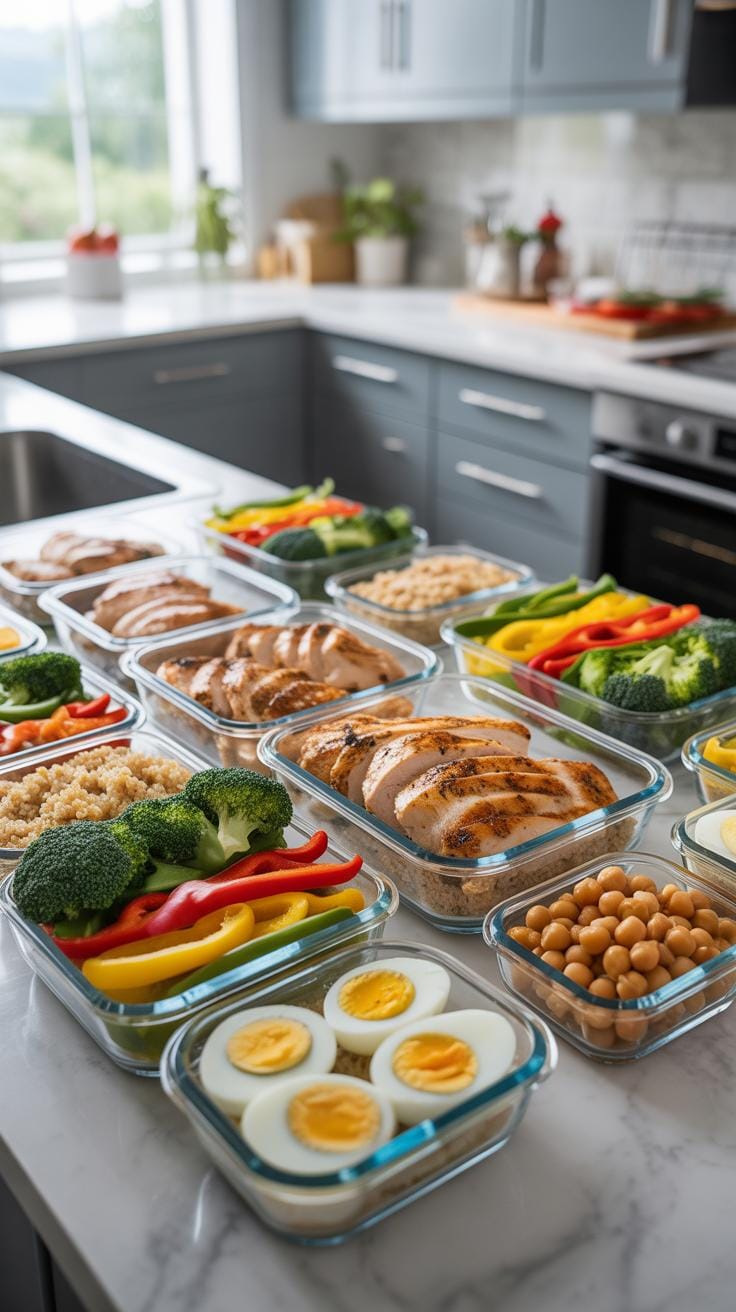
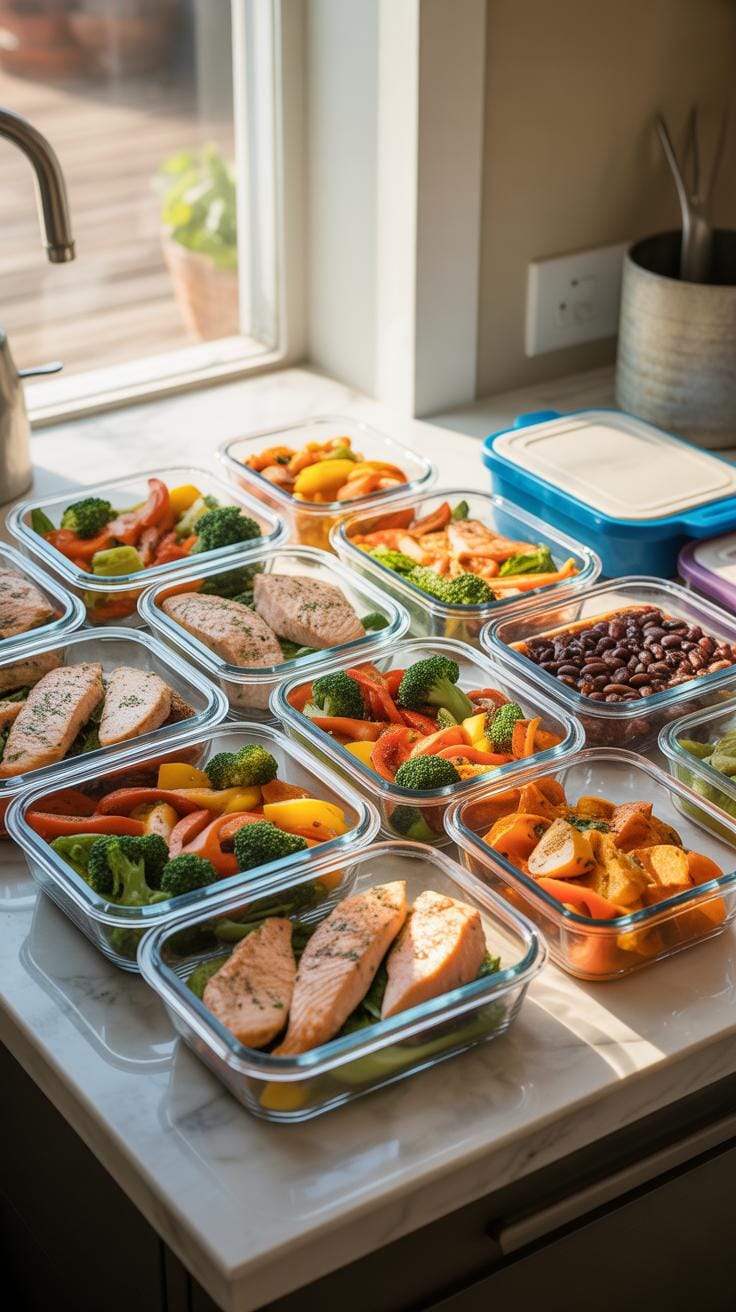
Planning and preparing protein lunches ahead can be a game-changer, especially if you’re juggling a busy schedule. One practical approach is to set aside time during the weekend to cook your protein sources in bulk—think grilled chicken, boiled eggs, or roasted chickpeas. It saves you from cooking every day, and you can mix and match with vegetables or grains throughout the week.
Using containers that divide portions helps you keep balanced meals ready to grab. Maybe you like to prep simple sauces or dressings separately to keep things fresh. Also, labeling your meals by day or type can be surprisingly helpful—it reduces hesitation and decision fatigue during the week.
How To Plan Weekly Protein Meals
Trying to plan a week’s worth of protein lunches might sound overwhelming. One way is to pick a few protein options you enjoy and make sure they rotate through your meals. For instance, chicken on Monday, lentils on Tuesday, fish on Wednesday; this keeps variety without making it complicated.
- Write down your meals ahead, focusing on protein sources and complementary veggies or grains.
- Consider your schedule: perhaps plan lighter protein lunches on days you work out less.
- Prepare a shopping list based on your plan to avoid last-minute runs to the store.
This method means you don’t just rely on what’s quick or random; instead, you have a framework that supports your nutrition goals while cutting down on mealtime stress. It’s a bit like having a loose roadmap rather than a strict itinerary.
Storage Tips For Freshness And Safety
Storing your protein lunches properly can sometimes be overlooked but makes a big difference in taste and safety. Use airtight containers to prevent moisture and odors from mingling. Glass containers are great—they don’t stain or retain smells like plastic often does.
Keep protein and veggies separated before eating if possible; some foods release moisture or enzymes that might weaken texture or flavor when mixed too early. For cold storage, aim to eat your prepped food within three to four days to avoid spoilage. Freeze extra portions if you want to keep them longer; just thaw thoroughly before reheating.
Lastly, don’t forget to cool cooked proteins promptly before refrigeration. Leaving hot meals at room temperature can encourage bacterial growth. This little step can be easy to ignore but matters for health and meal quality.
Protein Sources Compared Meat Eggs Beans and Dairy
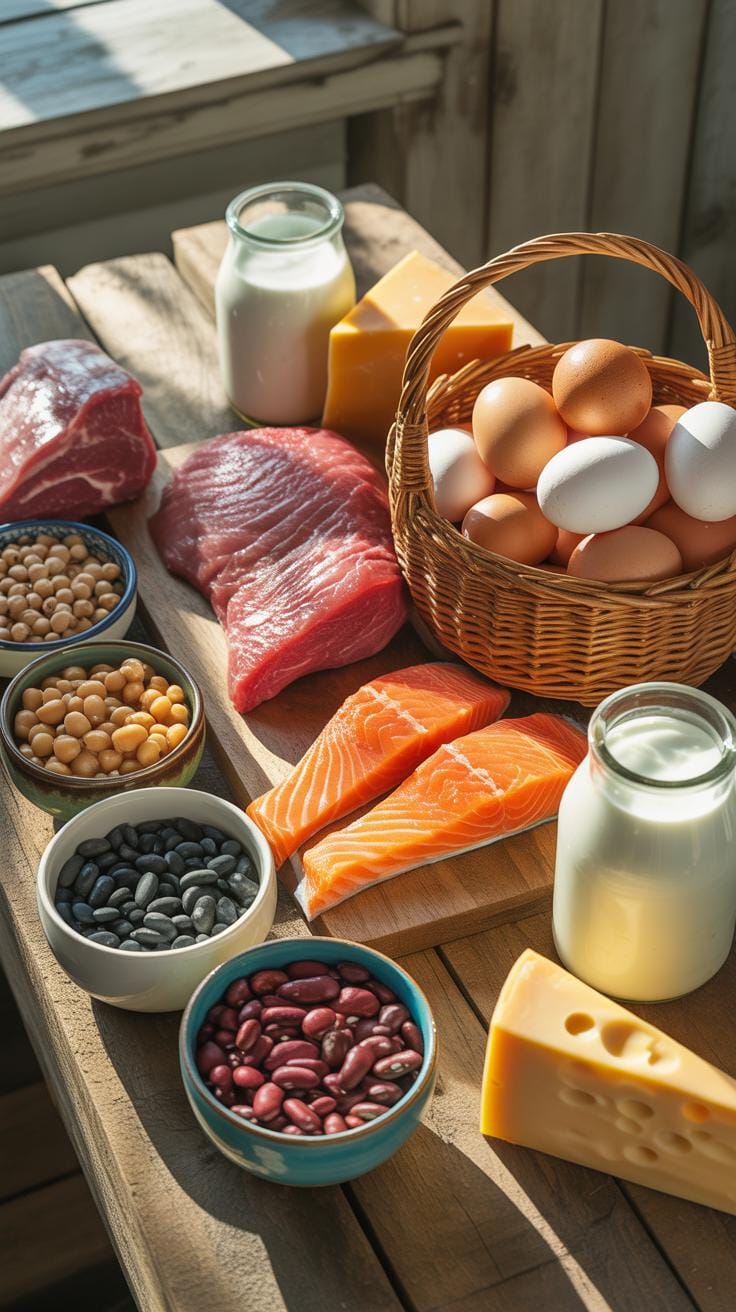
When you look at protein sources commonly found on lunch tables, meat, eggs, beans, and dairy often top the list. Each provides protein but differs quite a bit in nutritional makeup, cooking style, and even impact on your wallet.
Meat, for instance, packs a complete set of essential amino acids, making it a straightforward choice for muscle recovery. Eggs are another complete protein source. Plus, they cook fast and work in so many recipes. Beans, though, might not have every amino acid in one shot but pairing them with grains during your day easily balances that out, creating a plant-based complete protein.
Dairy—like yogurt or cheese—also brings useful protein to the table. It’s convenient for quick meals but can come with added fats or sugars depending on the product.
So, should you lean more towards meat or beans? Or maybe eggs and dairy? The answer might hinge on what fits your taste, lifestyle, or budget best.
Animal Protein Versus Plant Protein
Animal proteins, coming from meat, eggs, and dairy, are considered “complete” because they include all the essential amino acids your body can’t make by itself. That’s a big reason why many athletes favor them. You don’t have to worry about mixing foods or timing to get what you need.
Plant proteins—found in beans, nuts, seeds, and grains—usually lack one or more essential amino acids when taken alone. But don’t let that put you off. Eating a variety through the day usually covers those gaps, and plant proteins come with fiber and other nutrients you don’t get from meat. Some find them easier to digest or prefer them for ethical reasons.
Both animal and plant proteins have their place, really. Sometimes I find myself preferring the heartiness of a bean chili over a steak, and sometimes the reverse is true. It might come down to what feels right on a given day.
Cost And Preparation Differences
Cost and prep time add another layer to your choice. Meat tends to be pricier and often requires longer cooking times—think roasting chicken or searing beef. Eggs, on the other hand, are a budget-friendly protein that you can whip up quickly, hard-boiled or scrambled.
Beans can be very economical too, especially if you buy dried rather than canned. The downside? They usually need soaking and longer cooking. But slow-cooking them in bulk can pay off during the week. Dairy products vary—some types like yogurt are cheap staples, others like specialty cheeses can be costly.
So, there’s a balancing act between what you want to spend and how much time you have. It’s not simply about picking the “best” protein source but figuring out which protein fits your lifestyle, pocket, and plate for the day.
Balancing Nutrition And Protein
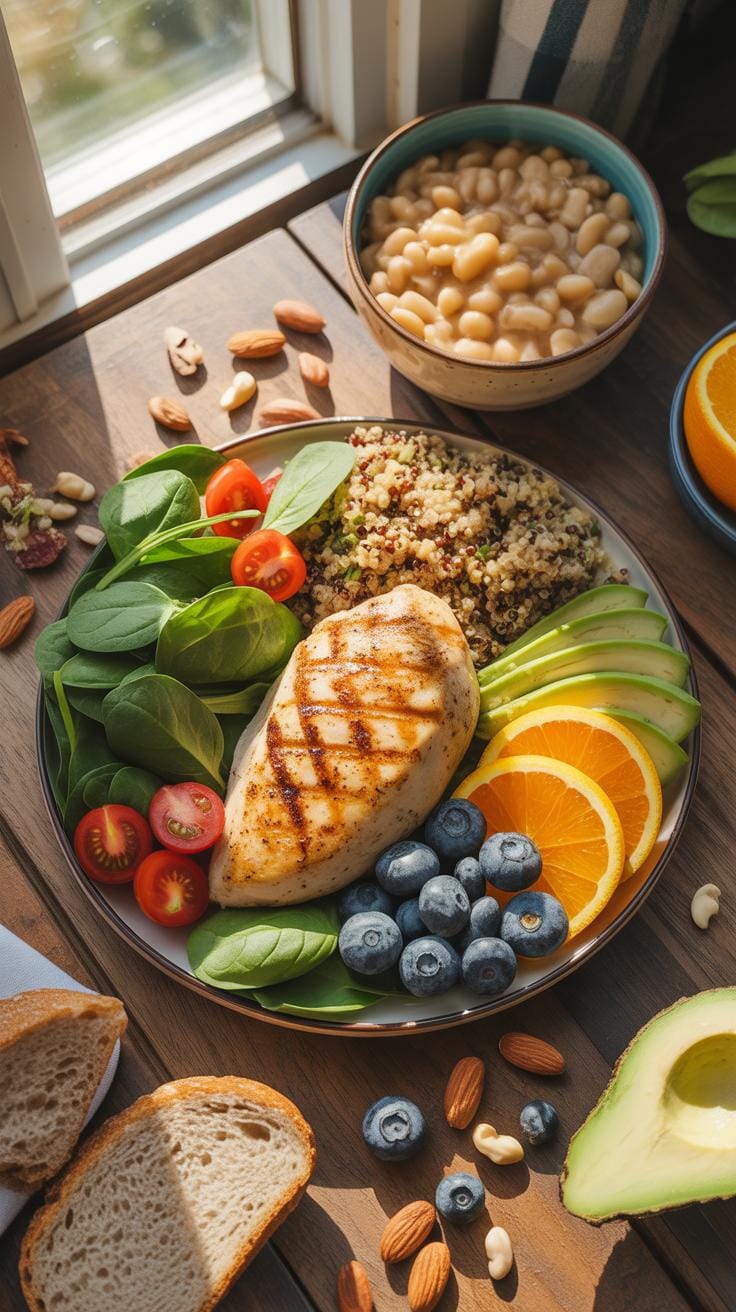
When preparing your lunch with protein as a focal point, it’s tempting to load up only on the protein source and call it a day. But, if you want that lunch to truly fuel your body, balancing it with vegetables and carbohydrates is key. Protein alone isn’t enough to keep your energy steady or your nutrition complete—combining it thoughtfully can make a world of difference.
Think about your plate: a good portion comes from protein, but don’t forget to include colorful veggies and some healthy carbs. They contribute fiber, vitamins, and slow-releasing energy, which protein alone can’t provide. I find that mixing these elements helps me avoid the afternoon slump and, frankly, makes the meal more enjoyable. It’s not just about hardest gains in the gym but about sustainability throughout the day.
Try to aim for this general idea to start:
- Protein: Chicken, fish, tofu, or legumes.
- Vegetables: Leafy greens, broccoli, peppers, or carrots.
- Carbohydrates: Whole grains, sweet potatoes, quinoa, or beans.
It sounds simple, but sometimes choosing the right carbs to keep the energy steady or incorporating vegetables that complement your protein can be a little puzzling. Let’s explore why veggies deserve a starring role and how to pick carbs that work well with your protein.
Adding Vegetables To Protein Meals
Vegetables bring a range of benefits—fiber, antioxidants, and a variety of micronutrients that support your body in ways protein can’t. They aid digestion and help control blood sugar levels, which is crucial if you want steady energy after lunch.
Adding vegetables isn’t about complicated recipes. You can quickly toss spinach into a grilled chicken salad, steam some broccoli alongside baked fish, or stir-fry peppers with lean beef. These small habits are easy but vital.
Why do I always try to sneak in at least two different veggies? The variety ensures a broader nutrient profile; you might get vitamin C from bell peppers and potassium from spinach. It also keeps the meal interesting and less monotonous.
Choosing Healthy Carbs With Protein
Not all carbs are created equal. If your lunch’s carbs spike your blood sugar fast, your energy crashes sooner than desired. Choosing complex carbs with protein helps you maintain stamina through the afternoon.
Look for carbs that digest slowly and contain fiber. Examples include:
- Quinoa — provides protein too, so it’s a double win.
- Sweet potatoes — their natural sugars release gradually.
- Brown rice — classic, filling, and pairs well with many proteins.
- Legumes like lentils or chickpeas — offer both carbs and protein.
Grains like white rice or bread are sometimes okay for quick energy but leave you hungry faster. Experiment with what works for you—your body’s reaction might differ from what’s expected.
Balancing these components in your lunch isn’t just good for your muscles; it keeps your whole system humming. It might take a bit of trial and error to find your perfect combination, but once you do, your protein-packed lunches will be both satisfying and nourishing.
Common Meal Prep Mistakes
Overlooking Protein Amounts
It’s easy to underestimate how much protein your body really needs at lunch, especially if you’re focused on other meal components like veggies or carbs. But skimping on protein can leave you feeling unsatisfied and sluggish later. Your muscles, metabolism, and even brain function rely on adequate protein to stay sharp and recover.
Think about what you usually pack. If it’s just a small scoop of chicken or a few spoonfuls of beans, you might be shortchanging yourself. Protein needs vary, but most fitness enthusiasts should aim for at least 20-30 grams per meal. Without that, hunger can hit fast and affect your energy.
Next time, consider simple swaps or additions. A boiled egg, a handful of nuts, or a scoop of Greek yogurt can easily boost protein without much fuss. Sometimes it’s about being mindful, not drastic.
Not Planning For Variety
Relying on the same protein source day after day is a recipe for boredom—and nutrient gaps. Sure, chicken breasts are a staple for many, but rotation matters more than you might think. Different protein sources offer unique amino acid profiles and other nutrients. For example, fish like salmon bring omega-3 fats, while legumes add fiber along with protein.
Mixing it up keeps meals interesting and feeds your body diverse nutrients. Plus, variety can prevent the dreaded “protein fatigue” where you dread your lunch because it’s the same old thing.
Try alternating between meats, plant proteins, and dairy. Experiment with tofu, tempeh, lentils, or lean beef. You might find new favorites, and your palate will thank you for it.
Protein Lunch Examples For Fitness
Grilled Chicken With Quinoa And Veggies
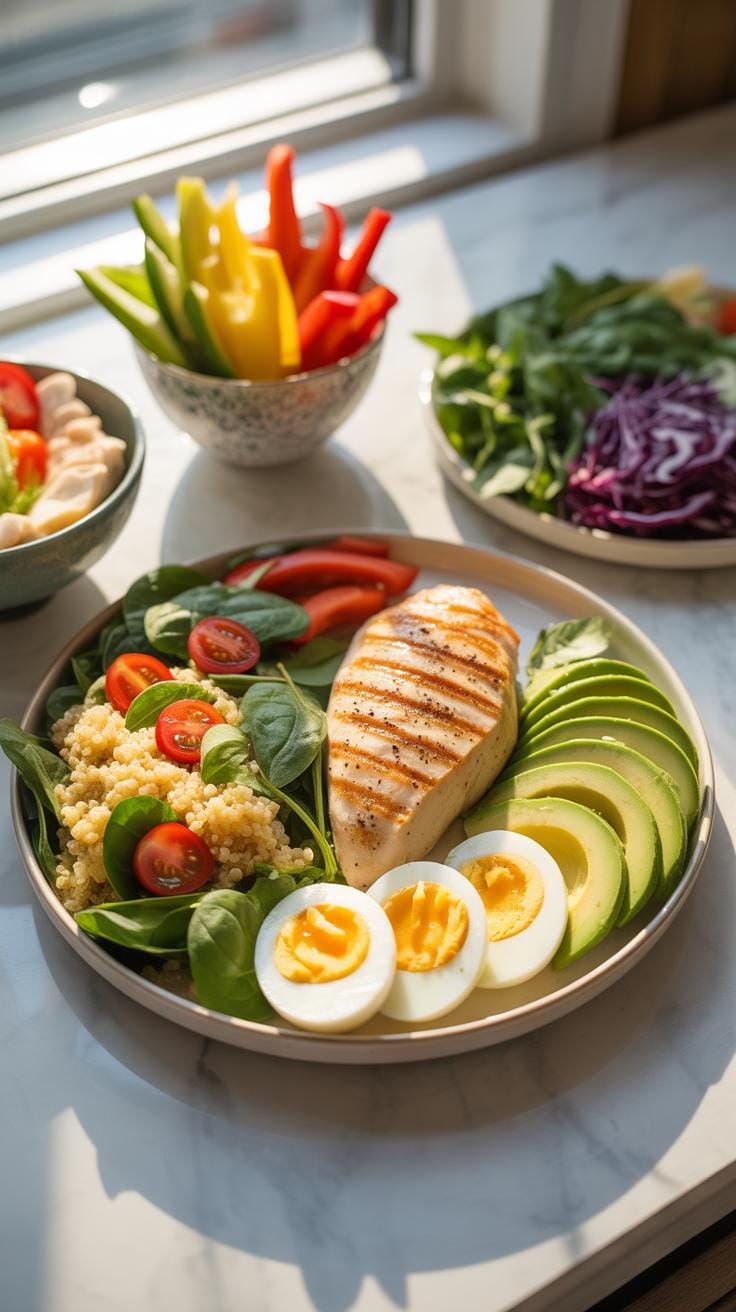
Chicken is a go-to protein for many fitness-minded people. It’s lean, high in protein, and versatile. Imagine grilled chicken breast, seasoned simply with herbs and a touch of lemon, paired with quinoa—a seed that packs more protein than many grains. Quinoa also offers dietary fiber and essential minerals, which help keep you satiated and support metabolism.
Now add a rainbow of veggies: think roasted bell peppers, zucchini, and perhaps some cherry tomatoes. Veggies not only contribute vitamins and antioxidants but also add volume to the meal without extra calories. This mix together forms a balanced plate with protein, complex carbs, and fiber. It’s not just about muscle repair; this kind of meal fuels energy and recovery effectively.
Bean And Rice Bowl With Avocado
For those leaning towards plant-based protein, a bowl of beans and rice is a fulfilling choice. Beans—like black beans or kidney beans—bring protein and fiber, helping with digestion and blood sugar control. Paired with rice, you get a complete amino acid profile, meaning your body gets the essential proteins it requires.
Avocado slices on top add healthy fats, which are critical for hormone function and sustained energy. Plus, the creamy texture contrasts nicely with the beans and rice, making the bowl enjoyable. Toss in some fresh cilantro, a squeeze of lime, and maybe a sprinkle of chili flakes, and you’re looking at a meal that’s as nourishing as it is tasty. Not bad for simple ingredients, right?
Protein Intake Checklist
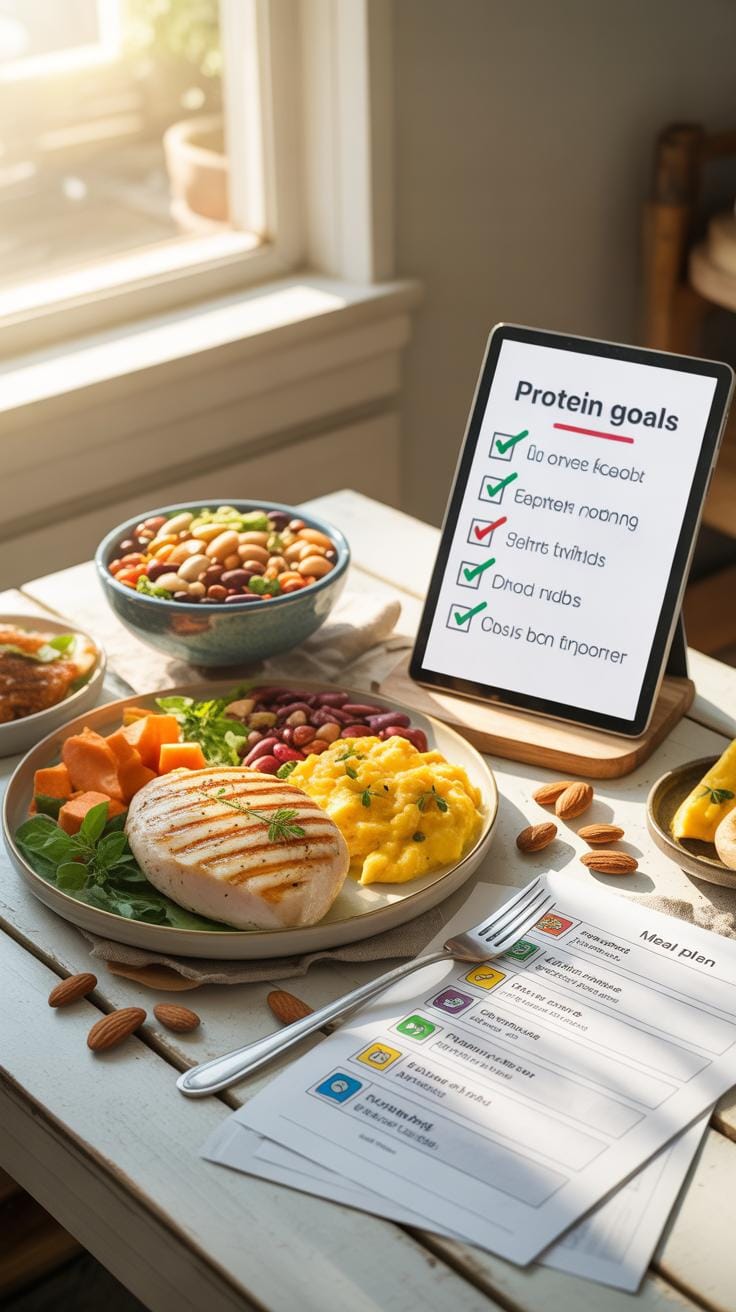
Tracking your protein intake doesn’t have to be complicated. Here’s a simple checklist to help you stay on target during lunch—because sometimes it’s easy to overlook just how much protein you’ve had. You might think, “Did I eat enough today?” This can help clear that doubt:
- Include a protein portion about the size of your palm.
- Choose a variety of sources — meat, beans, dairy, or nuts.
- Count at least 20-30 grams of protein per lunch for an active lifestyle.
- Don’t forget plant-based proteins if you skip meat.
- Drink water or a low-calorie beverage instead of sugary drinks that fill you up without protein.
- Consider adding a protein-rich snack if lunch was light.
This checklist might seem a bit basic, but it’s idea is to keep you aware and intentional. Sometimes just a quick glance at a checklist can remind you if you’re hitting your protein goals or not.
Daily Protein Targets For Fitness
For those who are active or trying to build muscle, protein needs go up, sure, but how much exactly? The general recommendation is around 1.2 to 2.0 grams of protein per kilogram of your body weight daily. That means if you weigh 70 kg (about 154 pounds), you should aim for roughly 84 to 140 grams a day.
But your individual needs depend on your activity level, type of exercise, and goals. Strength training? Your needs are toward the higher end. Aerobic activities? Maybe the lower side suffices, but you still need protein to aid recovery.
Eating 20-30 grams of quality protein at lunch helps meet those daily goals, but not all protein sources are created equal. The quality depends on essential amino acid content and digestibility, factors worth considering when planning meals.
Easy Ways To Meet Lunch Goals
Getting enough protein at lunch doesn’t have to be a chore. Here are some quick tips that can help you meet your protein goals easily, even on busy days:
- Prep extra portions of lean meat, chicken, or tofu during dinner to pack for lunch.
- Add beans, lentils, or chickpeas to salads or soups.
- Top sandwiches with cheese or nut butters for extra protein.
- Keep hard-boiled eggs ready for a grab-and-go snack or salad topping.
- Snack on nuts, seeds, or Greek yogurt alongside your main meal.
- Use protein powder in smoothies if you’re short on time or appetite.
Sometimes small changes make a difference. For instance, I found that swapping a regular sandwich for one with added chickpeas increased my lunchtime protein without extra cooking. You might find your own hacks too.
Tracking Lunch Success

Tracking how well your protein-packed lunches contribute to your fitness goals might seem tricky at first, but it’s really just about paying attention and being consistent. You could start by keeping a simple daily log. Jot down what you ate for lunch, how much protein was in it, and how you felt afterward—energy-wise or hunger-wise.
Using a basic journal or an app designed for meal tracking can help you connect the dots between your meals and progress. Are you noticing that your afternoon slump is getting shorter? Or perhaps your muscle recovery feels smoother after workouts?
Another approach is to take photos of your lunches regularly. Over time, you may see patterns in colors, portions, or ingredients that align with better performance or cravings. Weight or body measurements logged weekly can provide additional benchmarks to assess if your protein lunches are making a physical impact.
It’s worth trying a few methods—you might find one feels natural and sustainable. Remember, tracking isn’t about perfection but awareness, the kind that lets you tweak and improve. So, are you ready to try noting your lunches a bit more closely?
Noting Energy Levels and Fullness
It’s simple to observe how your protein lunch influences your energy and hunger. Before eating, ask yourself how hungry you are. Then, about 1-2 hours after lunch, take a moment to check in on your energy and fullness levels. Do you feel energized and satisfied or sluggish and hungry again?
Consider rating your hunger on a scale from 1 to 10 at these times. Over several days or weeks, patterns may emerge showing if your protein intake is enough or if adjustments are needed. This can be more telling than just seeing numbers on a scale.
Sometimes, even the type of protein matters—animal versus plant, for instance. Some people find lean meats boost energy longer, while others do better with beans or lentils. Experimenting with these can provide clues about what sustains you best.
Adjusting Meals for Better Results
As you track, you might discover that certain lunches leave you energized, while others don’t quite hit the mark. Here, tweaking recipes becomes a practical step rather than guesswork.
If you’re feeling hungry soon after eating, perhaps you need to add more protein or healthy fats, like avocado or nuts, to slow digestion and help fullness last. Conversely, if you feel sluggish post-lunch, maybe the meal has too many heavy carbs or fats, so trimming those could help.
Don’t be afraid to switch protein sources—rotate chicken, fish, tofu, legumes, or eggs—to find what suits your digestion and satisfaction best. You might notice that varying your meals not only keeps things interesting but also balances your nutrition better.
Consider portion sizes too. If tracking shows steady energy but limited progress in fitness goals, small increases or decreases in protein quantity could be tested. It’s a bit of trial and error, but with thoughtful tracking, your protein lunch recipes can evolve to match your unique needs and preferences.
Conclusions
Eating a protein-rich lunch can help you stay strong and energized throughout the day. Preparing your lunch with healthy recipes not only supports your fitness but also improves your overall nutrition. By planning your meals ahead, you can save time and avoid unhealthy food choices.
Use the recipes and tips shared here to add variety and convenience to your lunches. Adopting a good protein lunch routine helps maintain muscle, control hunger, and boost your fitness results. Start making these healthy lunches a habit for a fitter you.