

Introduction
Healthy lunches play a key role in keeping your body energized and focused through the day. But sticking to a balanced diet does not have to drain your wallet. Finding lunch ideas that support holistic wellness without overspending is possible with some simple planning and creativity. This article will guide you through easy ways to prepare nourishing lunches that nourish your body and fit your budget.
We will cover what makes a lunch healthy, explore cost-saving strategies, and share practical recipe ideas. Whether you pack lunch for work, school, or home, these tips will help you enjoy flavorful meals that support your overall well-being while saving money.
Essentials of a Balanced Healthy Lunch
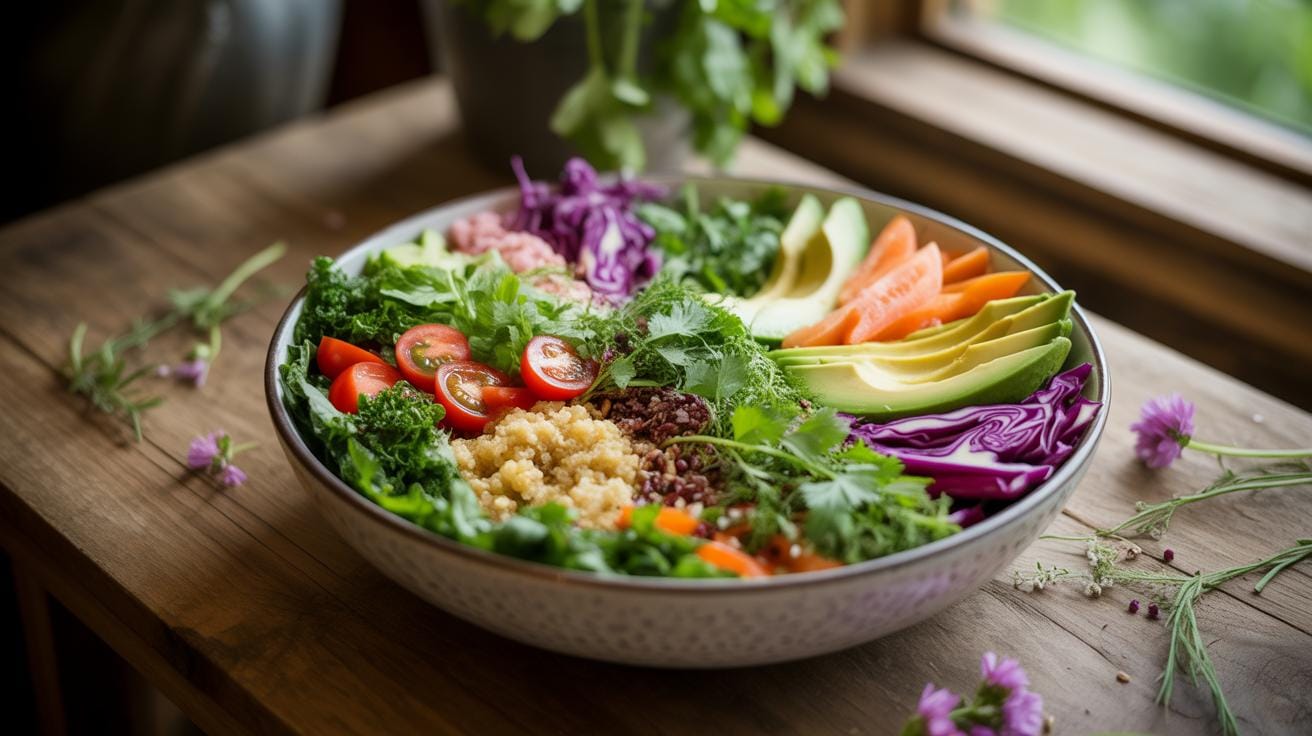
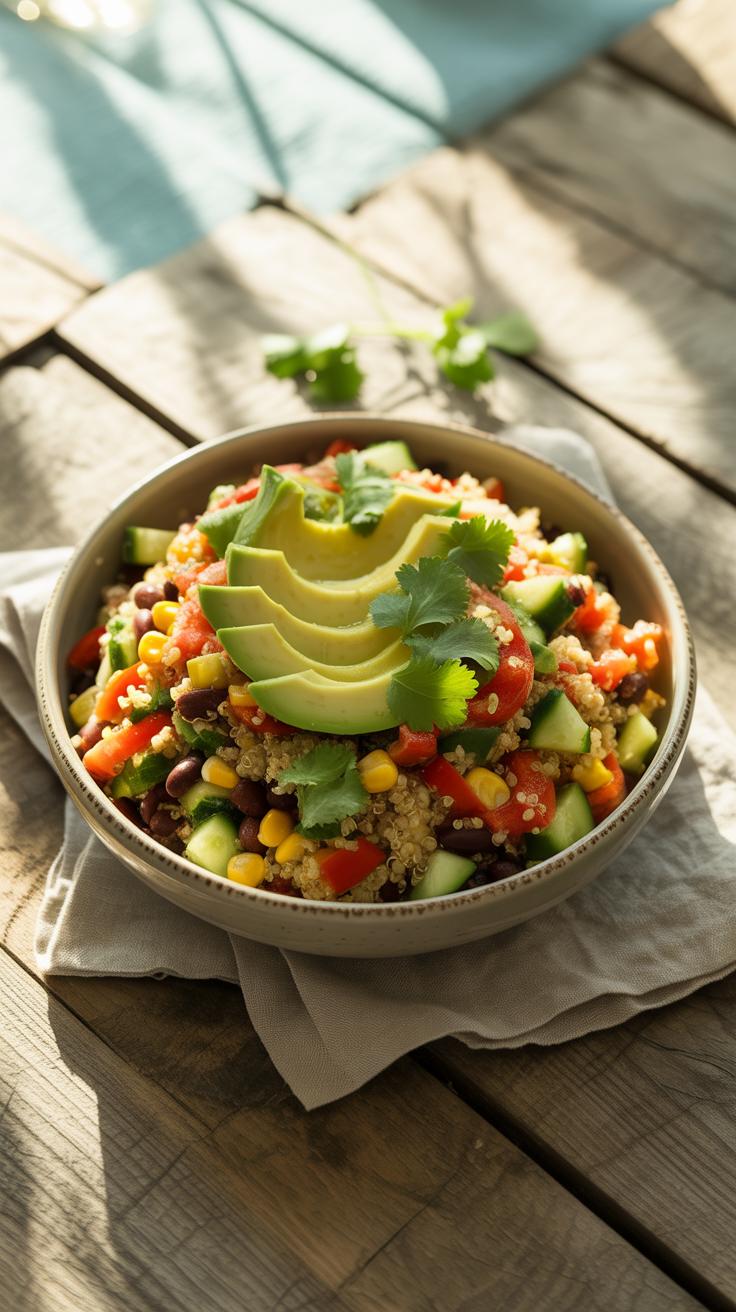
A healthy lunch isn’t just about avoiding junk food or eating salads all the time. It’s really about balance—making sure your meal covers a range of nutrients that support your body’s needs. That means including parts from different food groups that work together to keep you energized and focused for the afternoon.
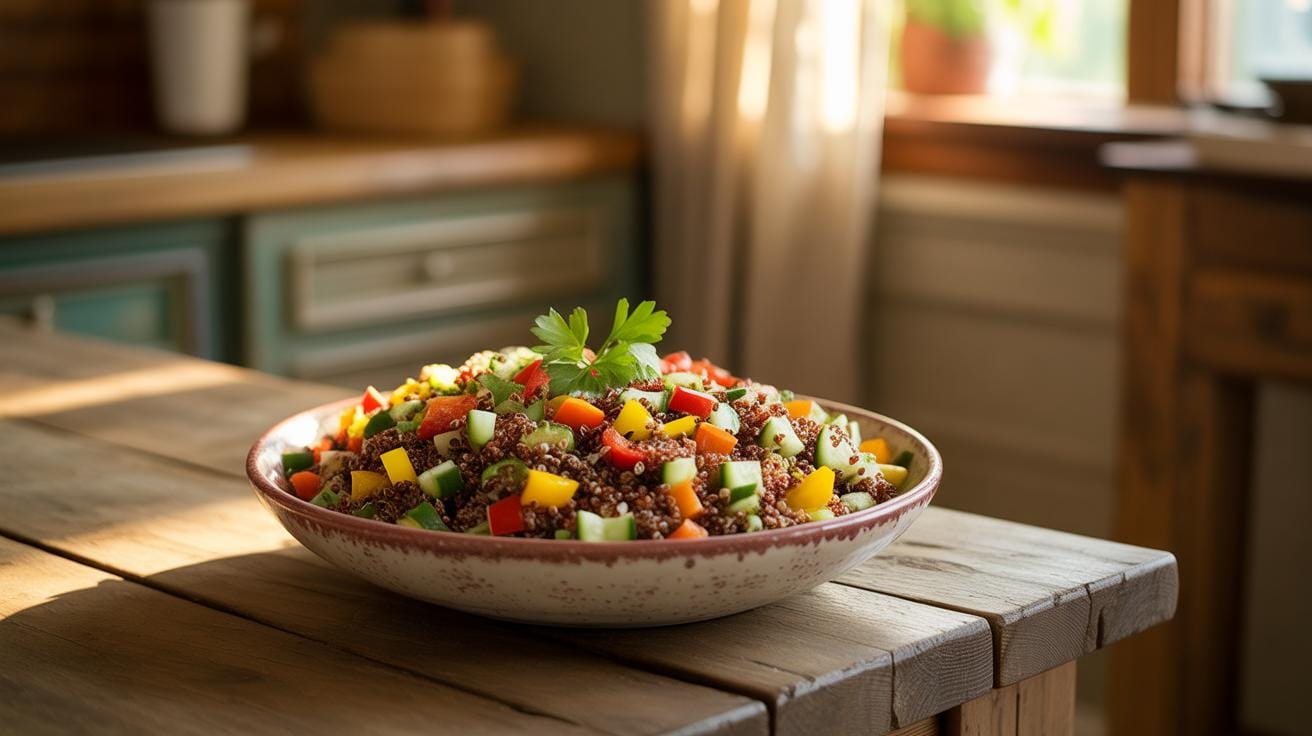
Think about it this way: your lunch should offer something to keep you full, something to nourish your cells, and something to keep your brain sharp. Often, people underestimate the role of fats or carbs by either cutting them out or overeating one group. In reality, a balanced plate often contains moderate portions of:
- Proteins—to repair tissues and build muscle.
- Healthy fats—to support brain function and hormone production.
- Complex carbohydrates—for sustained energy without spikes.
- Vegetables—to provide fiber, vitamins, and minerals.
- Some fruit, sometimes—to add natural sweetness and antioxidants.
Getting this mix right makes a big difference. You might find yourself more alert, less hungry mid-afternoon, and even in better moods—and that all feeds into overall wellness.
Which Nutrients Should You Include?
Proteins are a must-have for lunch. Whether it’s beans, chicken, tofu, or fish, they keep your muscles fed and satiate hunger. I’ve noticed when I skip protein, I feel foggy later on, or snack uncontrollably.
Healthy fats usually get a bad rap but they’re essential. Avocado, nuts, olive oil—these contribute to brain health and absorb fat-soluble vitamins. They’re not just fillers; they play active roles that can change how your body feels hours after eating.
Carbohydrates need not be feared either. Whole grains like quinoa, brown rice, or whole wheat pasta provide slow-burning energy. They keep your blood sugar stable, avoiding that crash around 3 PM. You definitely want some source of carbs.
Vitamins and minerals come mainly from colorful vegetables and some fruits. They’re responsible for everything from immune support to proper digestion. Without a variety of plants on your plate, you’re probably missing those subtle but critical micronutrients that your body quietly depends on.
How to Combine Food Groups Effectively
Combining foods thoughtfully means looking beyond just “protein and carbs.” You want to pair them with veggies that offer crunch and nutrients, along with grains that fill you up.
For example, a meal with grilled chicken (protein), roasted sweet potatoes (carbs), and steamed broccoli (vegetables) checks most boxes. Adding a drizzle of olive oil brings in fats and flavor.
Another approach: toss chickpeas and quinoa together with chopped peppers and spinach, then finish with a tahini dressing. That mix gives you fiber and protein plus some good fats.
When you balance these elements, your meal feels satisfying and keeps hunger away longer. It’s probably something you’ve heard before, but how often do you think about why it works? Making it a regular habit changes your energy, mood, and wellness more than you might expect.
Cost Breakdown for Budget Lunches
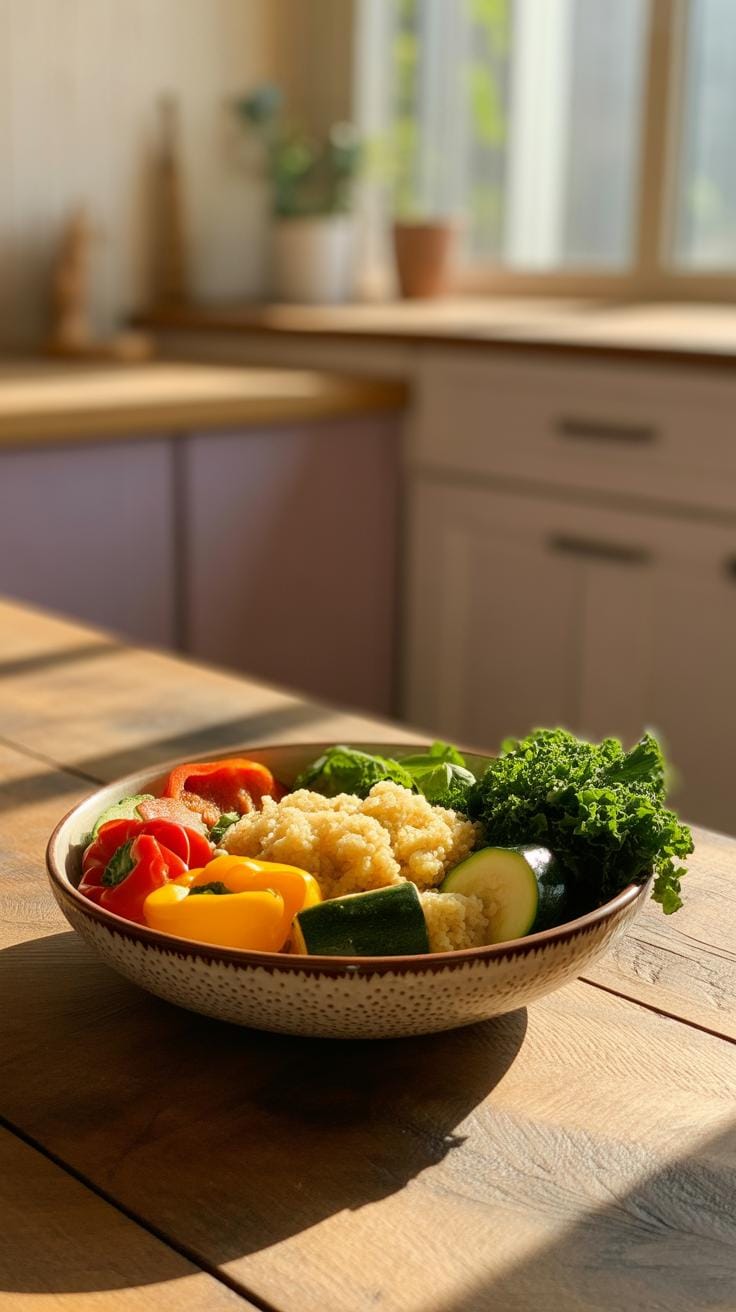
When planning healthy lunches on a budget, keeping a close eye on costs is key. Cooking at home usually helps stretch your dollar, but prices can surprise you if you’re not careful. For example, beans and rice often cost just a few cents per serving, making them staples for inexpensive meals. Fresh vegetables might be pricier, but frozen options can save cash without sacrificing nutrition.
To manage your costs efficiently, try these tips:
- Set a weekly spending limit for groceries and track your purchases.
- Buy staple items like grains, legumes, and canned tomatoes in bulk—they last long and cut costs.
- Plan lunches around ingredients already on hand to avoid waste.
Typical prices vary regionally, but you might pay around $1-2 for a pound of lentils, $0.50-1 for a bag of frozen spinach, or $2-3 for a dozen eggs. Picking versatile ingredients lets you mix things up without buying new foods every day. That way, your wallet won’t feel the pinch as much.
Where to Save on Ingredients
You might think expensive markets or specialty stores are necessary for quality ingredients. Not really. Discount grocers and ethnic markets often have surprisingly good prices on fresh produce and staples. For instance, Asian or Latin markets typically offer affordable greens, spices, and beans that can brighten your meals without stretching your budget.
Here are some places to hunt for deals:
- Bulk bins for grains, nuts, and seeds—buy exact amounts to avoid waste.
- Farmer’s markets toward closing time when prices drop.
- Local co-ops or community-supported agriculture (CSAs) for seasonal veg, sometimes cheaper and fresher.
Also, scan for coupons or digital discounts on produce and pantry items. These small savings add up, especially when you cook frequently.
Is Organic Always Worth It?
Choosing organic can be tempting, but it depends on your priorities and budget. Organic produce reduces pesticide exposure, which may matter if you eat a lot of certain fruits or vegetables. Yet, organic often comes with a price premium that not everyone can justify.
Some conventional items have very low pesticide residue, so maybe you don’t need organic every time. The “dirty dozen” list may help guide choices—it suggests prioritizing organic for produce with higher chemical residues like strawberries or spinach, but conventional choices for thicker-skinned items like bananas or avocados might be fine.
Occasionally, if your budget feels tight, focus on organic for the items you consume most or that grow close to the ground. Otherwise, don’t stress. Nutrient value and freshness often have a bigger impact than organic certification alone.
Meal Prep Checklist for Easy Lunches
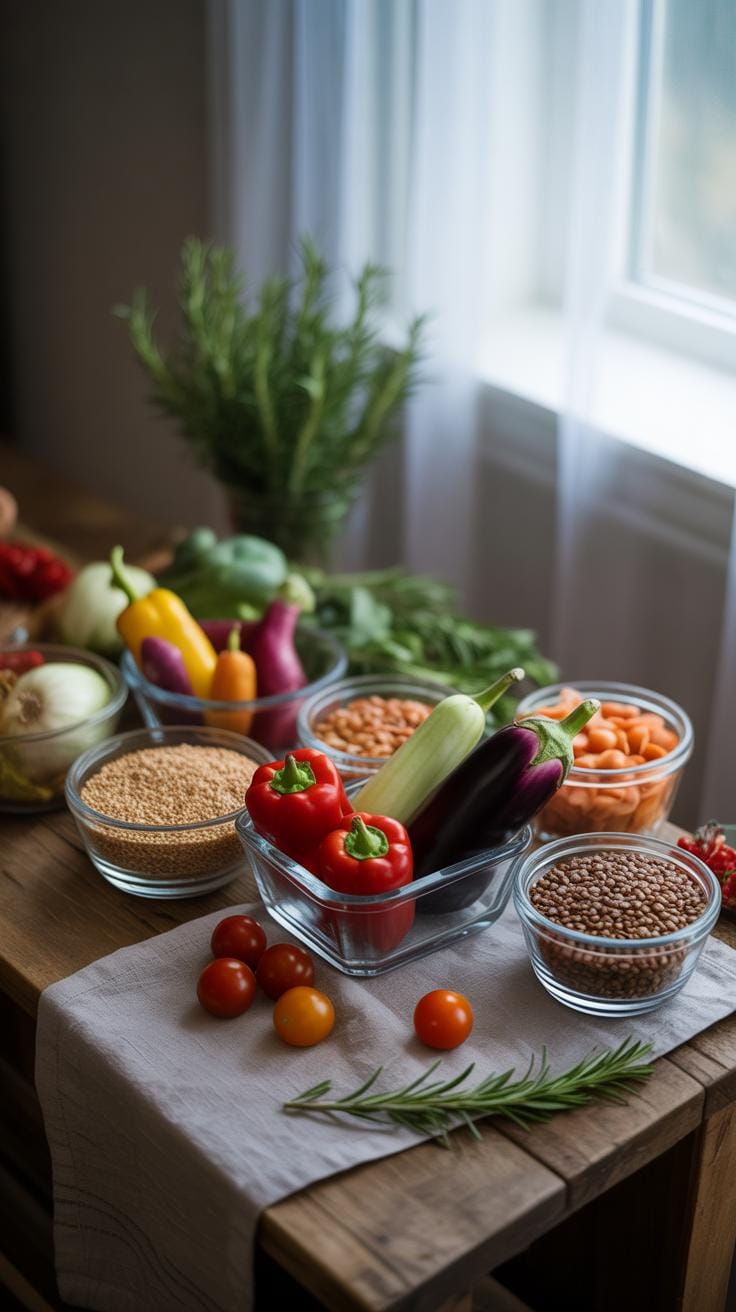
Step-by-Step Checklist for Preparing Lunches in Advance
Start by choosing your recipes—simple ones usually save time. Then, gather all ingredients before you begin; it’s easy to forget stuff once you’re midway. Next, set aside at least an hour on a day that suits you to cook and assemble meals. Cook grains, like rice or quinoa, in batches. Roast or steam various veggies at the same time to save effort. Prepare proteins, whether it’s chicken, beans, or tofu, in bulk. Portion everything into containers, balancing carbs, proteins, and veggies for nutrition. Cooling your food before sealing containers helps keep freshness longer—though sometimes I rush this part and regret it. Finally, label each container with the date or type of meal to avoid mix-ups during the week. This list might feel a bit much at first, but each step helps preserve flavor and nutrients while saving time later.
Tools You Need for Meal Prep
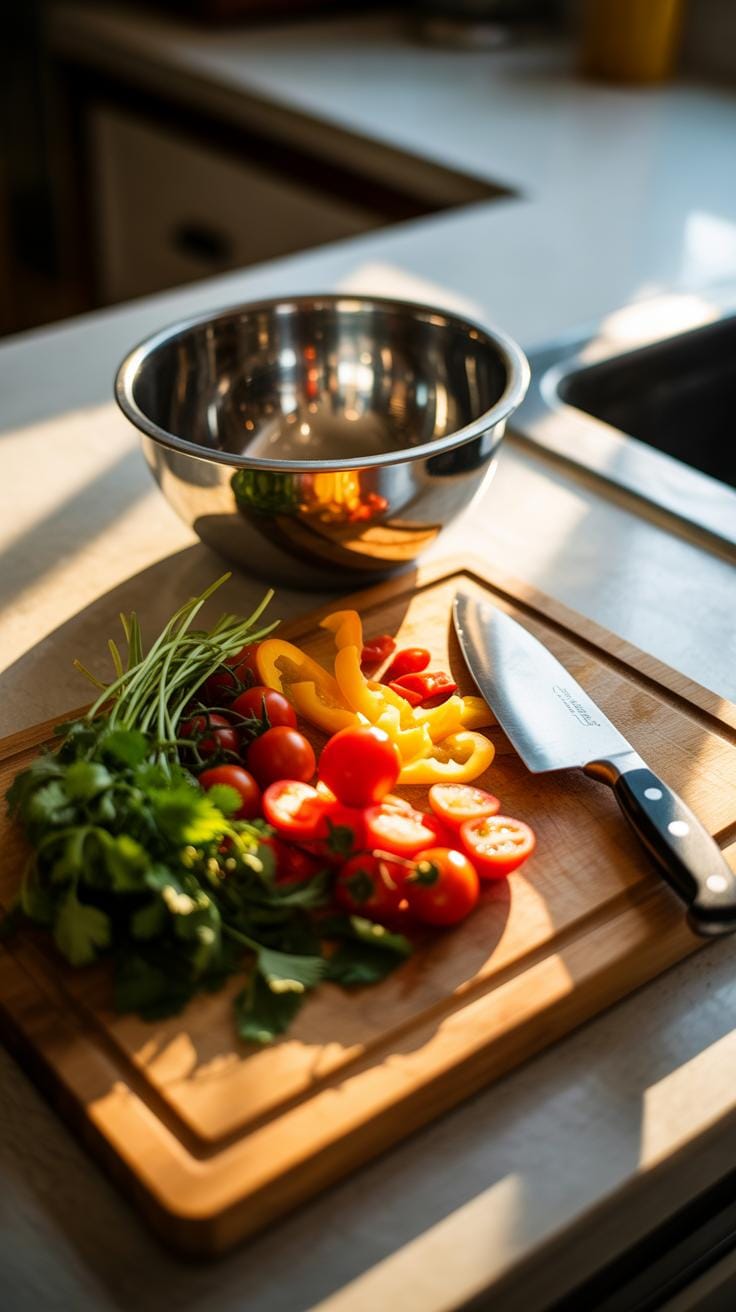
Certain kitchen tools really make meal prepping less of a hassle. A good quality chef’s knife makes chopping faster and safer. I underestimated the value of a sharp knife until I dragged it everywhere. A large cutting board helps keep everything organized. A set of glass or BPA-free plastic containers in various sizes is handy. Lids that seal tightly prevent leaks—trust me on this. You might want a slow cooker or instant pot to cook proteins hands-free. Measuring cups, spoons, and a food scale help you control portions, but these aren’t always necessary if you eyeball well. Don’t ignore a good set of reusable silicone bags for snacks or small amounts of food. Without right tools, meal prep can turn into a frustrating chore rather than a smooth part of your routine.
Weekly Planning for Variety
Planning for the whole week can get boring if you repeat the same lunch every day. Try mixing things up by rotating different proteins or swapping grains each day—chicken one day, beans the next, maybe a mix of lentils midweek. Include a balance of cooked and raw veggies to keep textures interesting. If you plan four or five lunch options ahead, you can cycle them in any order to prevent monotony. Sometimes, simpler is better—think a quick salad one day, and a grain bowl another. Planning snacks that complement lunches also helps maintain a balanced diet. This way, you’re less tempted to stray from your budget or diet goals. Have you tried creating a meal rotation? It often makes me less bored and more consistent with eating well.
Lunch Recipes Under 5 Dollars
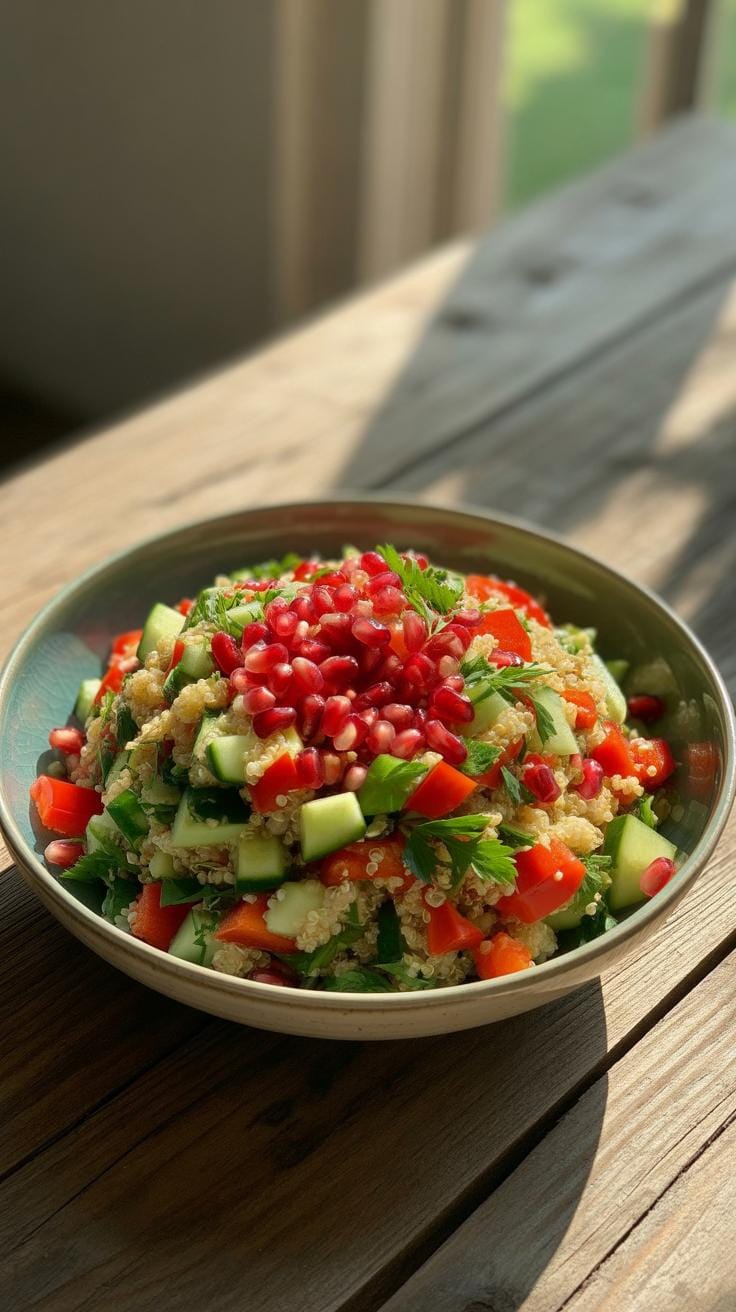
Keeping lunch both healthy and affordable can feel tricky, but with a bit of creativity, it’s totally doable. For instance, a simple chickpea and quinoa bowl packed with fresh spinach, tomatoes, and a squeeze of lemon might cost less than five dollars per serving and offers a good mix of carbs, fiber, and protein. Have you tried making stir-fried brown rice with frozen veggies and a scrambled egg? It’s quick, filling, and usually pretty light on the wallet.
Another idea involves whole wheat wraps filled with hummus, shredded carrots, cucumbers, and some leftover grilled chicken or tofu—easy to assemble and satisfying to eat. The key is using ingredients that stretch well and don’t require special trips to expensive stores. Sometimes it’s the simple combinations that end up tasting best (or at least, that’s what I tell myself after tasting some overambitious recipes).
Easy Veggie and Grain Bowls
Veggie and grain bowls make lunches easy and balanced, especially when you vary the ingredients each week. You might start with cooked millet, add roasted sweet potatoes, steamed broccoli, and sprinkle toasted pumpkin seeds on top. Then, toss it all with a tangy yogurt dressing or olive oil with lemon. Feeling adventurous? Switch the millet for bulgur or farro to keep things interesting without spending more.
Vegetables don’t have to be exotic. Frozen peas, carrots, and corn often cost next to nothing and work well. Don’t shy away from mixing raw and cooked veggies to get different textures. For instance, throw some chopped cucumber or radishes on a warm bed of grains for a fresh bite. The beauty of these bowls is how forgiving they are—no strict rules, just simple, nutritious blends you happen to like. It’s a bit like assembling a lunch puzzle.
Protein Options that Fit Your Wallet
Protein doesn’t have to break the bank. Canned beans, lentils, and eggs are excellent and affordable sources. Think about making a lentil salad with scallions, parsley, and a drizzle of mustard vinaigrette—cheap and surprisingly hearty. Eggs are versatile; hard-boil a couple to add to salads or grain bowls, or scramble them with veggies for an easy meal.
If you eat meat, chicken thighs or drumsticks usually cost less than breasts and still provide good nutrition. Sometimes buying in bulk and portioning yourself can reduce costs significantly, even if it means a bit more planning. For plant-based options, tofu or tempeh can be budget-friendly, especially when bought in larger packs. Find ways to season them simply—soy sauce, garlic, and ginger do wonders—and you’re set for a nutritious lunch that doesn’t feel like a compromise.
Homemade Lunches vs StoreBought
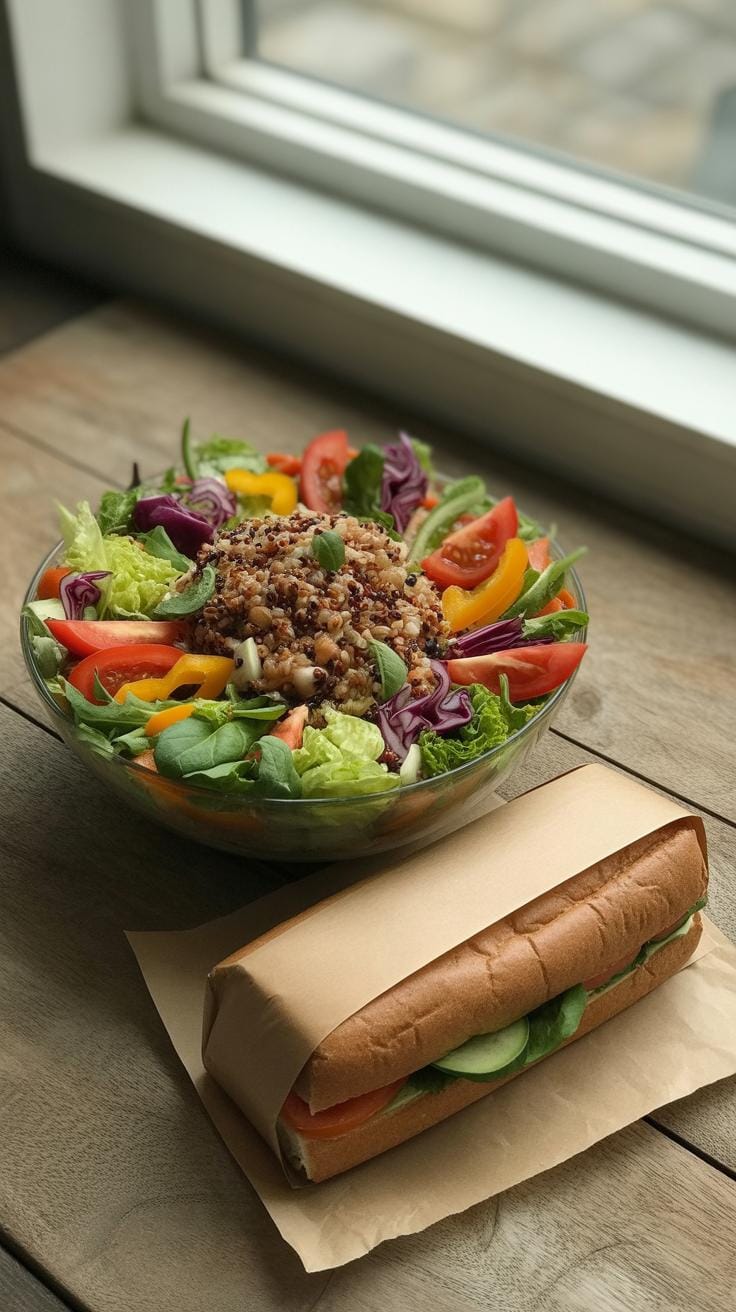
Choosing between homemade lunches and store-bought meals often comes down to a tug-of-war between nutrition, cost, and convenience. I’ve found homemade lunches usually offer clearer nutritional benefits—you know exactly what goes in them. Store-bought options can be tempting for their time-saving appeal, but often come packed with hidden sugars, sodium, or unhealthy fats. That’s not always the case, though. Some ready-to-eat meals have improved in quality and can be a decent fallback now and then.
Cost-wise, homemade meals tend to be gentler on your wallet. Bulk buying staples like grains or beans spreads expenses over several meals, while grabbing takeout frequently can add up quickly. Still, if you’re not careful, buying lots of specialty ingredients or prepackaged foods can push homemade lunches into pricey territory.
Convenience is a tricky one. Store-bought lunches win when you want something quick and effortless, but prepping meals at home doesn’t have to be slow or complicated. Simple recipes and batch-cooking can cut your lunch prep time drastically. So, weighing your priorities—time, money, health—can guide which path fits you best.
Why Choose Homemade for Health?
Making your lunch at home gives you control—over everything. Portion sizes become manageable, and you decide what ingredients go in. You can skip unnecessary salt or sugar, add more vegetables, or choose whole grains without guesswork.
I think this control also helps avoid overeating. When you assemble your meal, you learn what fills you up without excess. It’s easier to tune into hunger cues than when faced with large, overfilled takeout boxes. Plus, home cooking lets you use fresh ingredients more often, reducing reliance on preservatives or additives common in commercial meals.
Of course, this isn’t to say homemade lunches automatically mean healthy. The choices you make matter, but having that power in your hands does nudge you toward better eating habits, at least in my experience.
Balancing Convenience and Nutrition
Quick homemade lunches can compete with convenience store meals if you have a few tricks up your sleeve:
- Prepare staples ahead—think cooked grains, roasted veggies, or grilled chicken that keep well in the fridge.
- Use simple recipes with few ingredients yet plenty of flavor—like wraps, salads, or grain bowls.
- Keep versatile options on hand, such as canned beans or frozen veggies, which save time without compromising nutrition.
- Invest in good containers that make packing and transporting food easy and mess-free.
It might take a bit of trial and error to find what works, and sometimes you’ll still opt for takeout—and that’s okay. The goal is making homemade lunches approachable, not burdensome, so they feel like a choice, not a chore.
Incorporating Leftovers Smartly
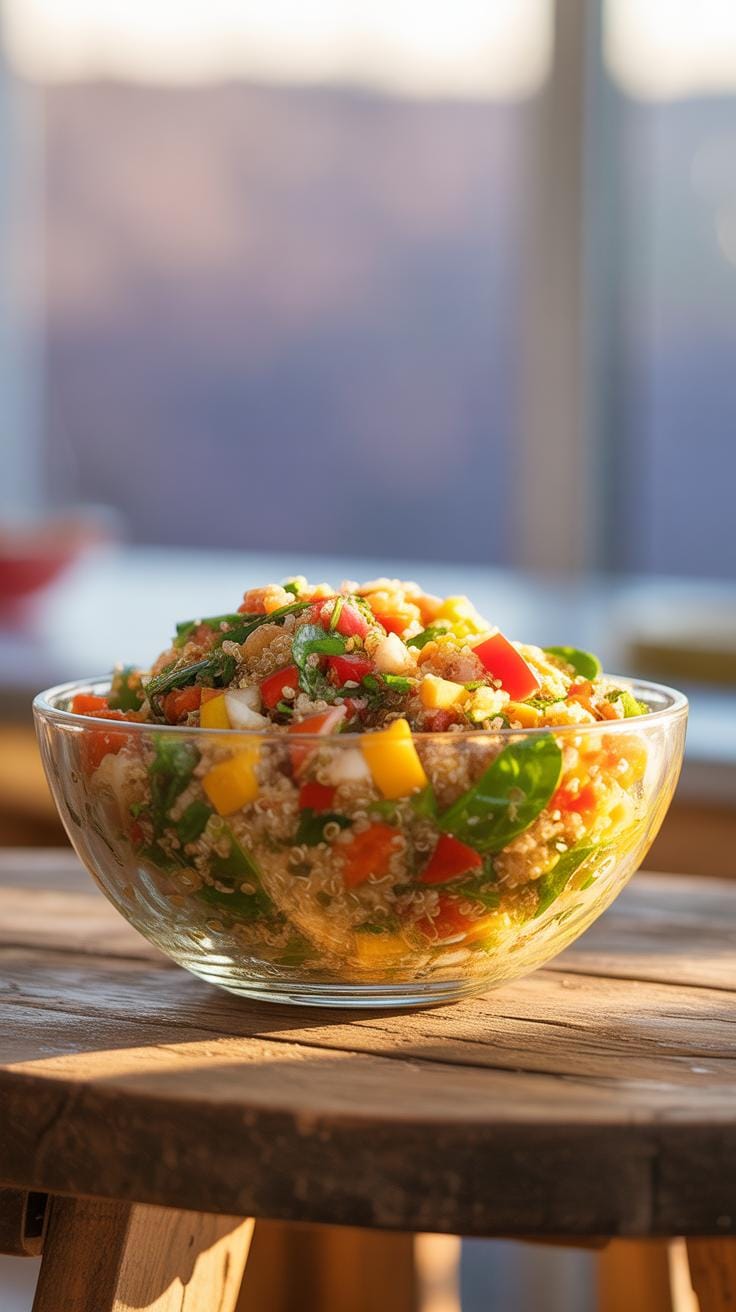
Transforming Leftovers into New Dishes
Leftovers aren’t just forgotten meals waiting to be reheated. You can turn them into fresh, enjoyable lunches that don’t feel like repeats of last night’s dinner. For example, roasted vegetables can easily become part of a grain bowl with quinoa or brown rice, tossed with a simple lemon-tahini dressing. Or, that leftover chicken? Slice it thin and add to a whole-grain wrap with fresh spinach and a bit of hummus for a quick, portable lunch.
Sometimes, a bit of creativity helps—think of turning last night’s stew into a filling for a savory pie or packed into a pita pocket with some crunchy pickles. Leftover grains? Fry them up with eggs and some veggies for a homemade fried rice. These ideas save time and keep your meals from feeling dull. It may take some trial and error, but once you get a sense of what works, repurposing leftovers gets easier—and strangely satisfying.
Storage Tips to Keep Food Fresh
Keeping leftovers safe and tasty is crucial if you want to avoid food waste and enjoy those lunches without any unpleasant surprises. Start by storing food in airtight containers right after dinner. Glass containers with tight lids work well—they keep moisture in and odors out. Cool your leftovers before refrigerating to prevent bacterial growth.
Label containers with the date, so you remember what needs to be eaten first—it’s surprising how quickly “a couple of days” turns into a week. If you don’t plan to eat a leftover meal within two or three days, freezing is a better choice. Reheat only once, since repeated heating and cooling degrade quality and safety. By managing leftovers this way, you can comfortably plan lunches ahead without rushing or risking spoilage. It might feel like extra work, but it pays off.
Tools to Support Lunch Preparation
Must-Have Kitchen Tools
When it comes to packing healthy lunches, the right tools can make a noticeable difference. You don’t need every gadget under the sun, but a few essentials help keep things simple and practical.
First, invest in good-quality containers that seal well. Glass containers are great because they don’t stain or hold odors, but BPA-free plastic ones are lighter—handy if you carry your lunch to work. Multiple compartments are a plus, letting you separate meals without extra bags.
Lunch boxes with built-in insulation can keep food fresh longer, which is sometimes a bit tricky if you don’t have access to a fridge during the day. Reusable utensils, like a compact fork and spoon set, eliminate the need for disposables and are easy to clean on the go.
Some people swear by small silicone bags for snacks or chopped veggies. I’ve found a sturdy bottle or thermos useful too, especially for smoothies or soups that make lunch feel more satisfying.
Apps for Meal Planning and Budgeting
Meal prep isn’t just about chopping and packing—it starts with planning. Apps can be surprisingly helpful here, making it easier to stay on track without feeling overwhelmed.
If you’ve tried to shop for ingredients without a list, you know it doesn’t always end well. Apps like AnyList or Mealime let you create organized shopping lists and even suggest meals based on what’s already in your pantry, which can help reduce waste and save money.
For tracking nutrition without obsessing, MyFitnessPal is popular—though, funny enough, it can sometimes make you fixate too much on calories. So, maybe use it with a light touch.
Budgeting apps like Mint or YNAB help you see where your grocery dollars go. This can reveal surprising spending habits, and maybe nudge you to swap some pricey items for smarter choices.
What’s your experience with these tools? Do you stick to one app or jump between a few? It’s worth experimenting until you find a rhythm that fits your style.
Common Pitfalls in Healthy Lunches
Skipping Key Nutrients
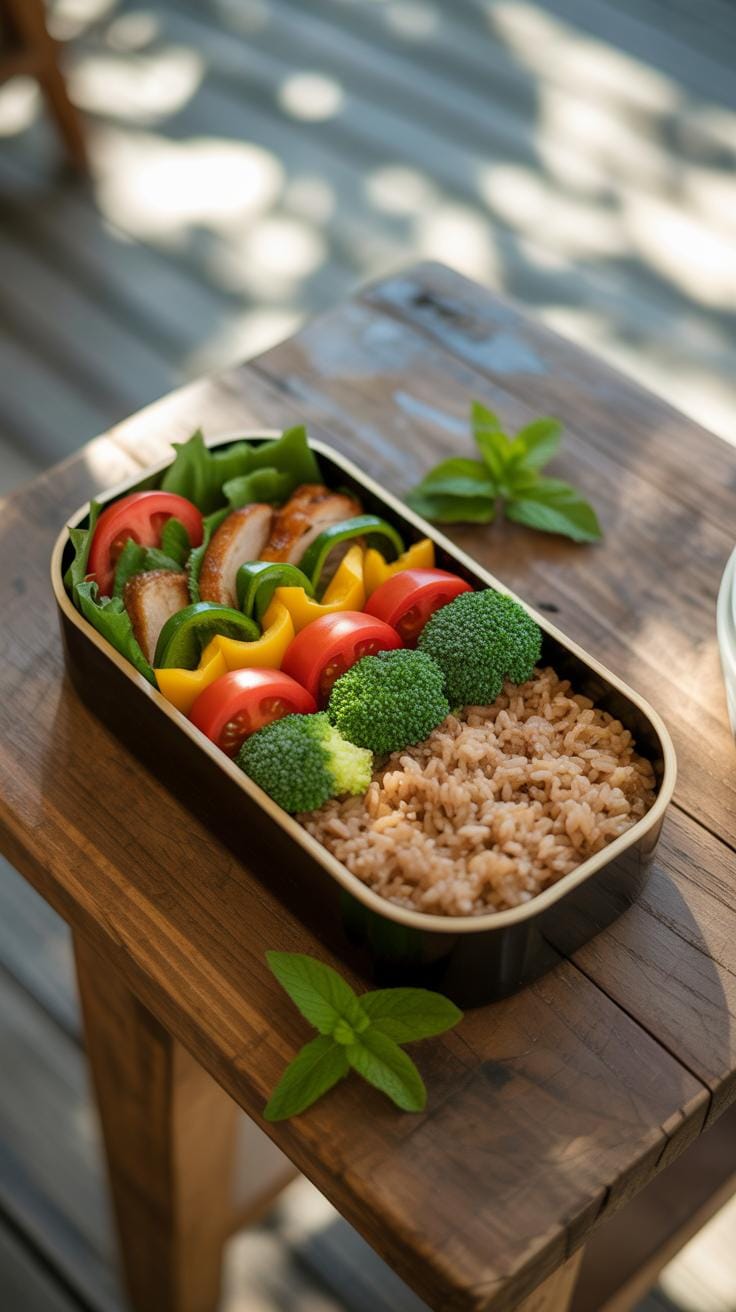
When people think about a healthy lunch, they often focus on just a couple of food groups—like veggies or lean protein—while missing other essentials. It’s easy to forget that every nutrient plays a role in how your body functions throughout the afternoon. For example, skipping healthy fats might leave you feeling sluggish because they help keep your energy steady. Or leaving out complex carbs could mean struggling with focus later on.
Some common nutrients that get overlooked are fiber, iron, and certain vitamins. If you only load up on salad leaves but skip the beans or nuts, you might miss out on protein and minerals needed for recovery and concentration. Fixing this isn’t complicated: try to include a balance of protein, fats, and carbs in each meal. It could be as simple as adding avocado or a handful of seeds to your lunch bowl.
Underestimating Portion Sizes
Portion control is trickier than many realize. Eating too little leaves you hungry, which can derail your afternoon and prompt unhealthy snacking. Eating too much might feel comforting but can cause sluggishness or, over time, weight gain. I remember thinking a salad was “light” but accidentally piling on a ton of cheese and dressing without realizing how calorie-dense that could get.
Here are a few points to consider:
- Use your hand as a guide—protein the size of your palm, carbs the size of your fist, fats a thumb.
- Pay attention to how you feel afterward. Full, but not uncomfortable, is the goal.
- If you’re unsure, start small and add more if needed instead of piling it on right away.
What’s tricky is that your needs might shift day by day depending on activity or stress. So, staying flexible helps. You don’t have to eat perfectly, just thoughtfully.
Tracking Your Lunch Impact
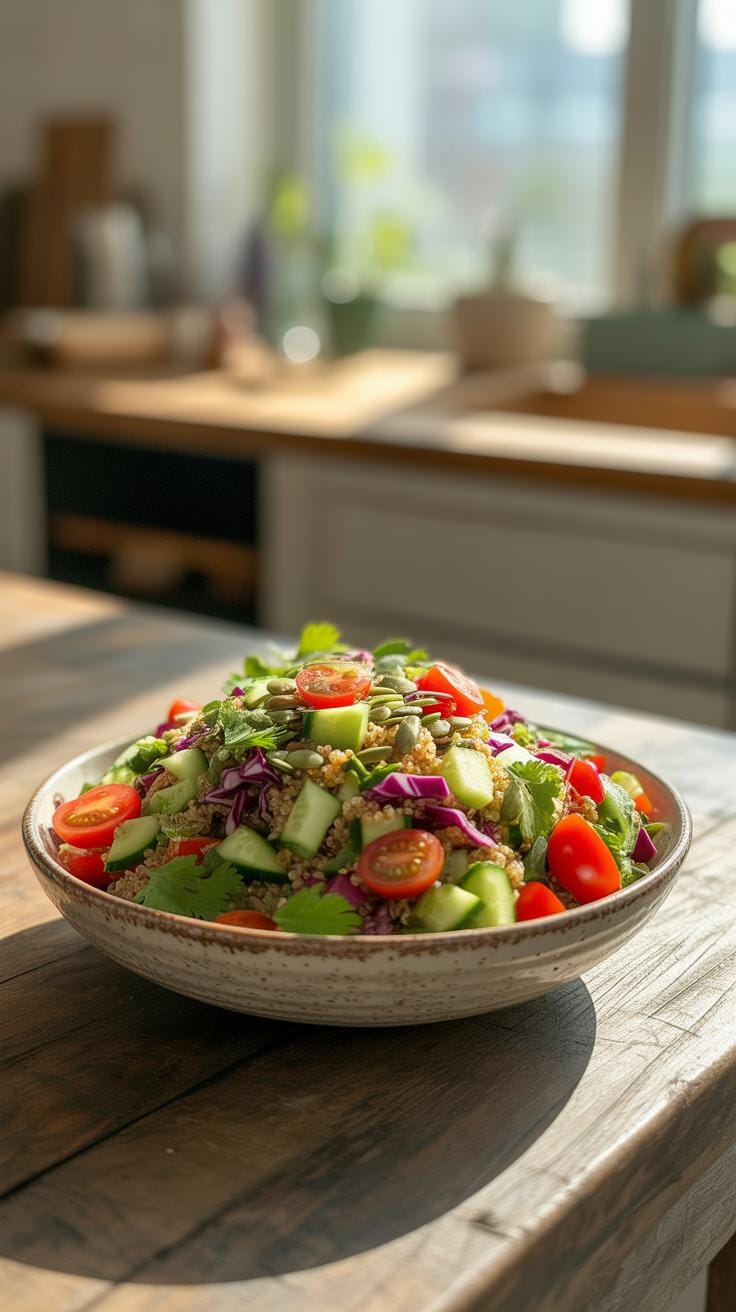
Ever wonder how your lunch affects the rest of your day? Paying attention to what you eat at midday can reveal a lot about your energy, mood, and overall health. One practical way is to keep a simple food journal focused on lunch. You don’t need to make it complicated—just jot down what you eat, the time, and how you feel afterward. For example, note if you feel sluggish, alert, or even a bit irritable an hour or two later.
Using a Food Journal
Keeping a food diary doesn’t mean writing an essay each day. Instead, focus on details relevant to how lunch performs for you, such as:
- What you ate and the portion size
- Feeling of fullness or hunger afterward
- Energy levels—were you drowsy or focused?
- Mood shifts—any irritability or calmness?
- Time of eating and any snacks later
This approach helps you connect meals with effects. I’ve found that just tracking these points makes it easier to spot what works—or doesn’t—for me during the workday.
Recognizing Patterns and Adjusting
After a week or two, look back and see if something stands out. Maybe you always feel drained after a heavy pasta lunch or surprisingly alert after a salad with protein. These patterns let you tweak your choices. Don’t rush to extremes; sometimes small changes—like swapping ingredients or adjusting portions—can shift your afternoon feeling significantly.
You might notice that on days you skip veggies, brain fog creeps in by mid-afternoon. Or that eating too many carbs leaves you craving sugar later on. These hints guide you toward better options suited to your body’s rhythm. So, tracking lets you learn what lunches truly support your day without guesswork.
Seasonal Lunch Ideas for Freshness
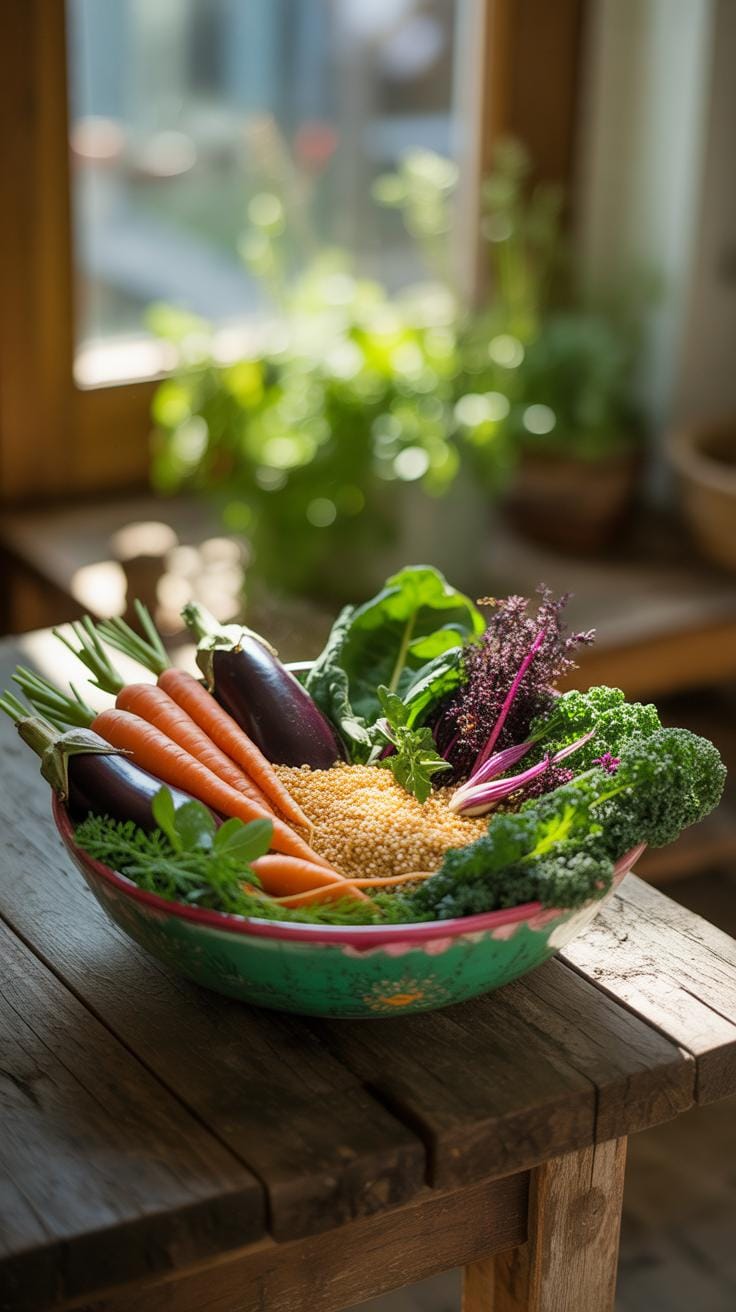
Using seasonal produce makes a noticeable difference in your lunch. Fruits and vegetables picked at their peak are not just tastier—they often hold more nutrients, too. When something’s in season, it usually costs less, which can be a relief if you’re watching your budget. Still, it’s not only about saving money; it’s also about getting variety throughout the year. Eating strawberries in summer feels quite different from enjoying them in winter, right? The same goes for veggies like tomatoes or squash. They each bring unique textures and flavors depending on the time of year, and that keeps lunches interesting.
Summer and Winter Variations
Summer lunches can lean on fresh tomatoes, cucumbers, berries, and peaches. Think simple salads tossed together with greens, a handful of nuts, and light dressings. You could try a quinoa salad with grilled zucchini and cherry tomatoes—something cool and hydrating. On the flip side, winter might feel like a time for roasted root vegetables, kale, and citrus fruits. Soups made with butternut squash or stews packed with carrots and parsnips fit the bill well. I sometimes put together a warm lentil stew with sweet potatoes when it’s chilly—it feels grounding, even if it takes a bit longer to cook.
Shopping Seasonal to Save Money
You may notice prices dropping when you buy what’s local and in-season. That’s because these items didn’t have to travel far, so the cost to get them to market goes down. If you keep an eye on farmer’s markets or even local farm boxes, you can often find good deals. Plus, sometimes you’ll come across something new you haven’t tried before—like a less common squash or a new type of green. Sure, it might be tempting to reach for the same items, but stretching to try seasonal produce could do more for your diet and your wallet than you expect. Isn’t that worth a shot?
Conclusions
Choosing healthy lunches can improve how you feel and help maintain your wellness goals. Simple ingredients and thoughtful preparation can make nutritious meals accessible and affordable. By planning ahead and comparing your options, you can find meals that nourish your body without stressing your budget.
Remember, small changes like cooking at home, including fresh vegetables and whole grains, and reducing processed foods help build a sustainable healthy eating habit. Use the ideas and tips shared here to make lunches you look forward to eating and that support your holistic health every day.