
Introduction
Choosing healthy kids snacks is key for your child’s growth and energy. Healthy Kids Snacks Ideas Featuring Healthy Toddler Snacks focus on natural ingredients that give vitamins and minerals your child needs. Offering the right snacks helps children stay full between meals while giving balanced nutrition.
This article covers why healthy snacks matter, how to spot good snack options, examples of tasty snacks for toddlers, and simple snack plans. You will learn easy ideas to make snacks that children enjoy and that support their well-being daily.
Benefits Of Nutritious Kids Snacks
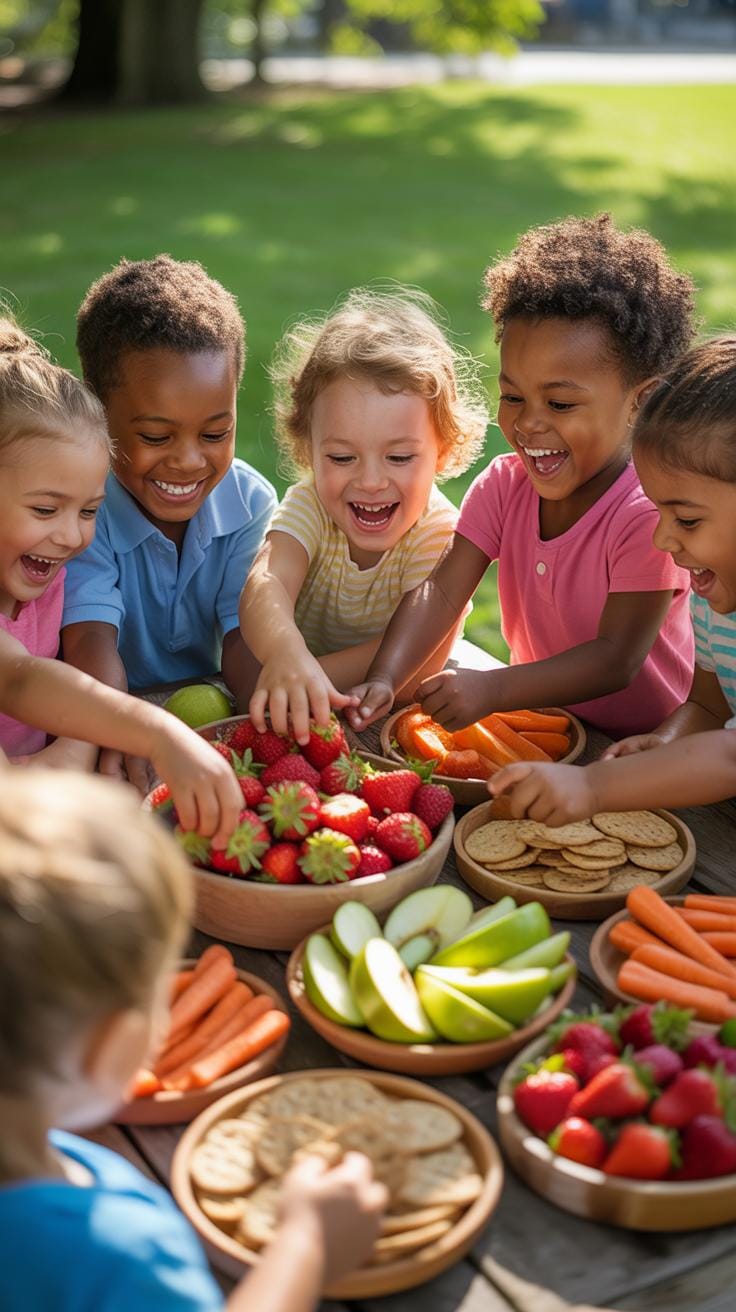
Nutritious snacks play a bigger role in children’s lives than you might first realize. They aren’t just little pauses between meals—these snacks actually help keep energy levels steady, especially for toddlers who seem to move nonstop. For school-aged kids, healthy snacks can make a real difference in how well they focus during lessons, which can be quite noticeable as the day goes on.
When kids get the right nutrients in their snacks, their bodies don’t just have fuel; their brains get support too. It’s tempting to reach for quick sugary options, but those often lead to short bursts of energy followed by a crash. On the other hand, snacks with balanced nutrients help avoid those highs and lows, keeping mood and concentration more stable, even between meal times.
I’ve seen it firsthand with my nephew—when he eats a simple snack like apple slices with peanut butter, he stays more alert and plays longer without the usual mid-afternoon grumpiness. Maybe it’s less about being perfect and more about avoiding extremes.
How Healthy Snacks Support Growth
Healthy snacks contribute directly to both physical growth and brain development. For example, calcium and vitamin D in yogurt support growing bones, which is crucial for toddlers learning to run and jump. Proteins and healthy fats, like those found in nuts or cheese, build muscle and help brain cells form connections, which supports learning and memory.
Iron-rich snacks, such as fortified cereals or beans, help oxygen flow through the body, which seems simple but matters a lot for energy and attention. And then there’s vitamin C, in fruits like berries or oranges, which helps immune support and aids iron absorption—a bit like teamwork inside the body.
Of course, every child is different. What works for one might not feel right for another. But thinking about these nutrients when choosing snacks gives a clearer sense of how food truly supports growth beyond just filling a tummy.
Tips For Picking The Right Snack
Choosing nutritious snacks doesn’t have to be complicated. First, scan the ingredients list for things you recognize—fewer artificial additives tend to be better. If the label looks like a chemistry exam, it might be worth passing.
Look for snacks that offer a mix of protein, healthy fats, and some fiber. For example, pairing fruit with a handful of nuts or cheese can keep a child fuller longer and supply a wider range of nutrients. Avoid snacks that are mostly sugar or salt; these don’t hold children’s attention as well as balanced options.
Another quick check: consider portion size. Sometimes a snack is healthy but too large, turning it into an unintended meal or contributing to excess calories. Small, manageable portions tend to work best for toddlers and even school-aged children.
Ultimately, trust your instincts, but don’t hesitate to experiment a bit. Kids often surprise us with what they’ll enjoy—and maybe you’ll discover what fuels their day best by watching how they respond after snack time.
Examples Of Healthy Toddler Snacks
Fruit And Veggie Snack Options
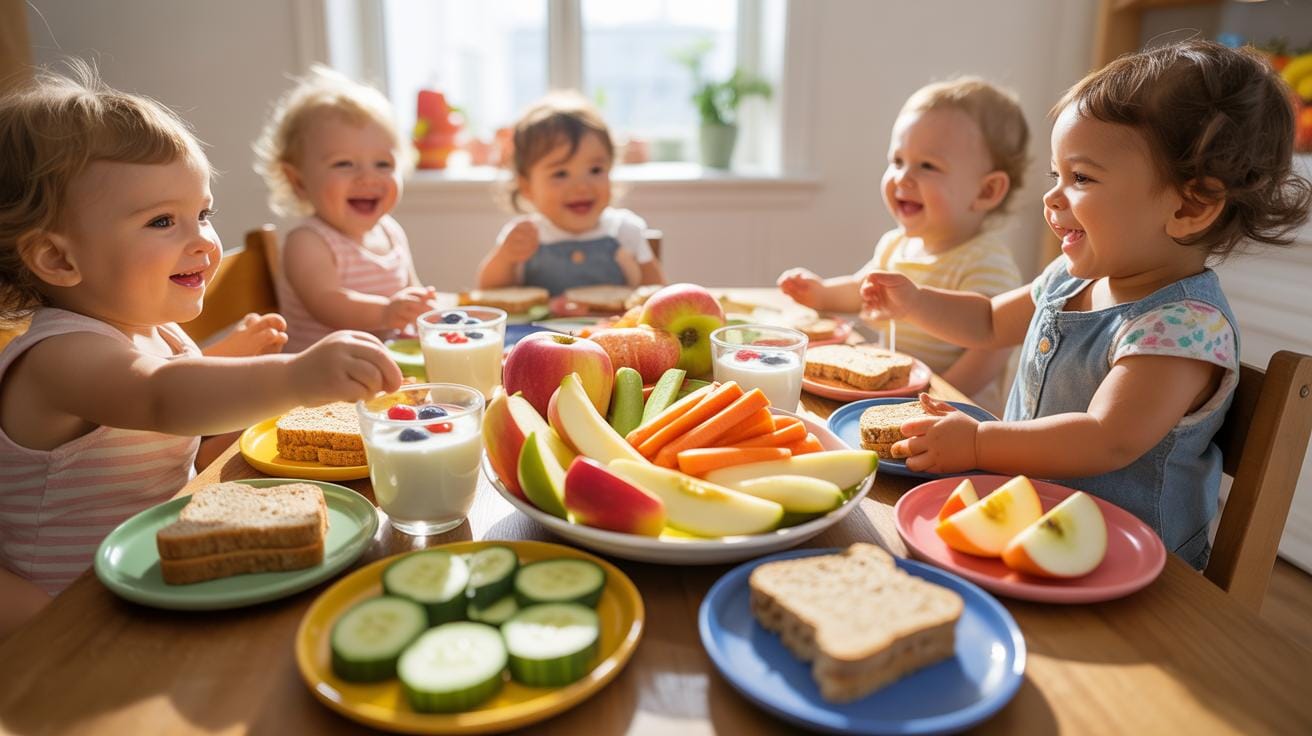
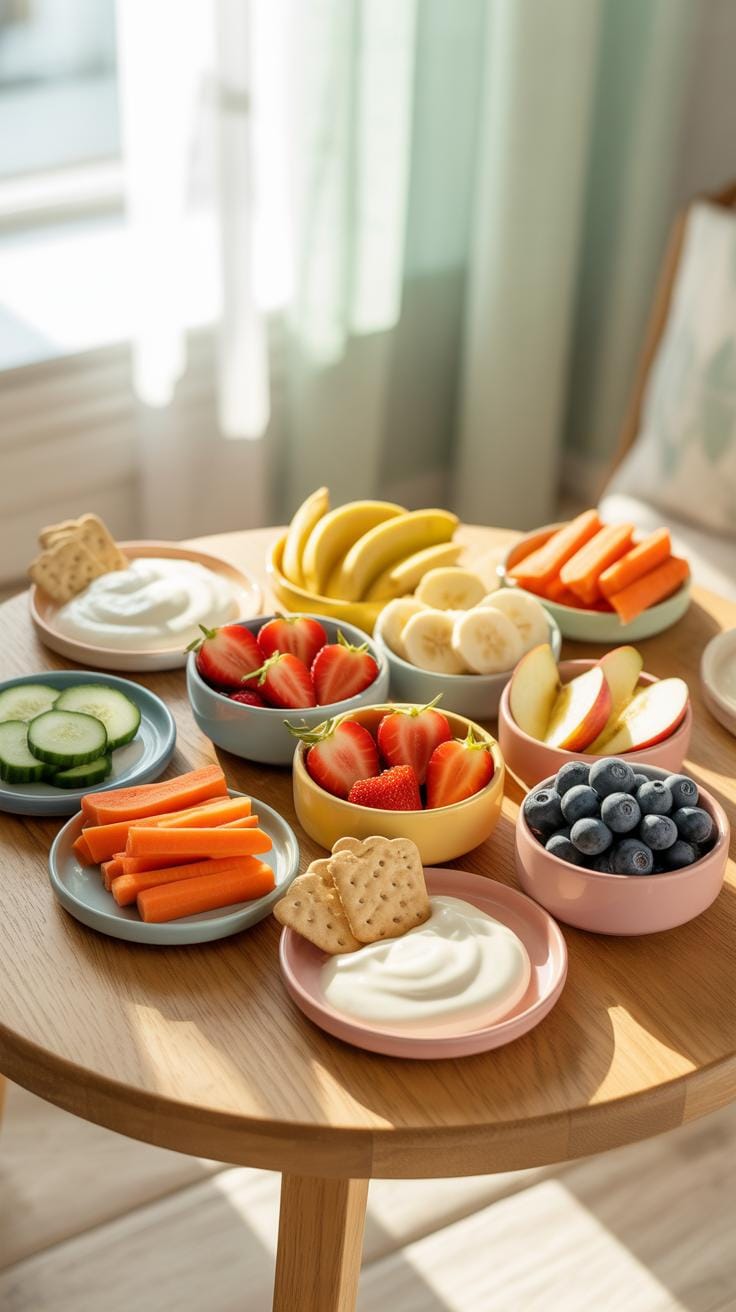
Toddlers often enjoy the sweetness and crunch of fresh fruits and vegetables. Simple choices like soft banana slices, peeled apple wedges, or seedless watermelon cubes usually go down well. These options provide natural sugars, fiber, and essential vitamins such as vitamin C and potassium. Preparing them safely matters—cut into small, manageable pieces to avoid choking hazards and always remove any tough skins or seeds.
Carrot sticks steamed until tender or cucumber slices with the peel removed can add variety. You might notice some toddlers resist vegetables raw, but lightly cooking them can make a difference. Serving these colorful snacks not only encourages healthy eating habits but also helps toddlers explore different textures and flavors without overwhelming them.
Protein And Grain Based Snacks
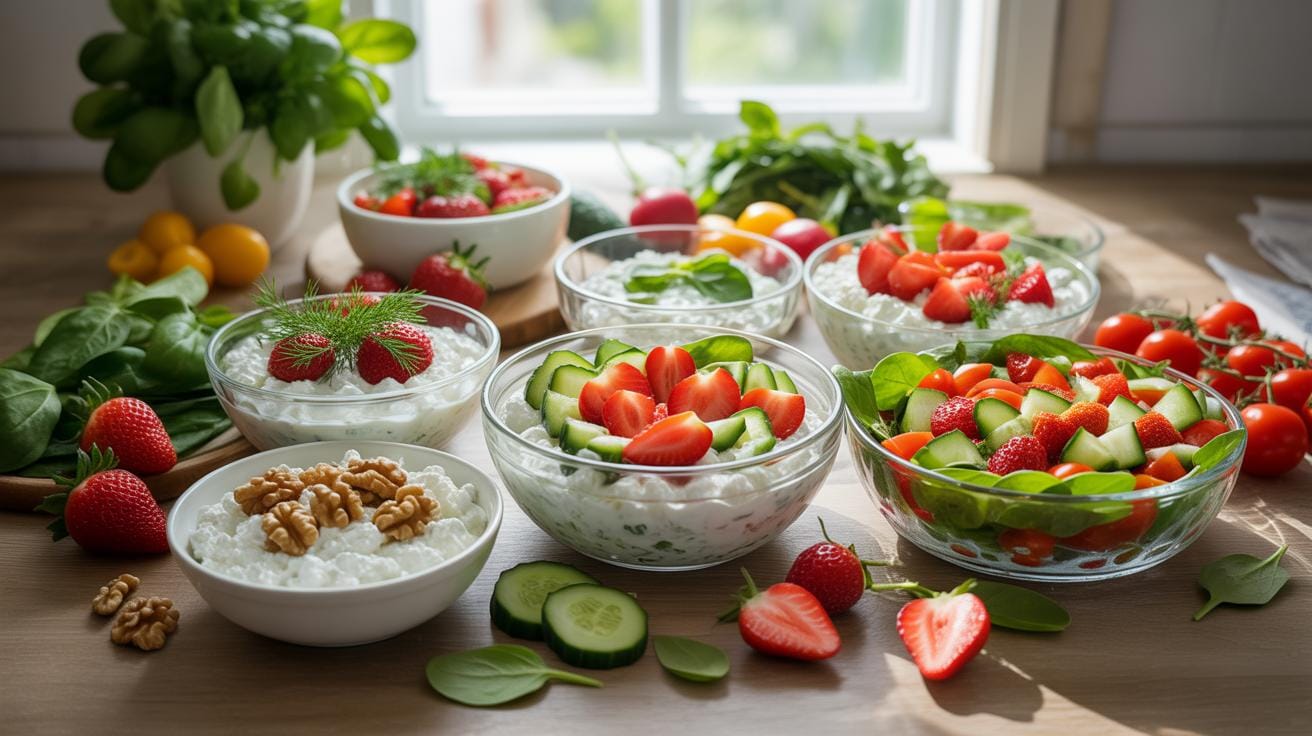
Simple snacks that combine protein and whole grains support steady energy and growth. Think plain yogurt mixed with mashed berries, or whole grain crackers paired with mild cheese slices. These offer calcium, protein, and fiber in one easy bite. Another idea is hummus served with soft pita pieces—it’s rich in protein and healthy fats, and toddlers often find it fun to dip.
Soft boiled eggs chopped into small bits or shredded chicken can also fill the protein need without fuss. Whole grain mini muffins made with oats and mashed fruits offer an easy way to sneak in fiber and some natural sweetness. These snacks not only fuel active toddlers but also build the foundation for balanced meals ahead.
Snack Planning For Busy Families
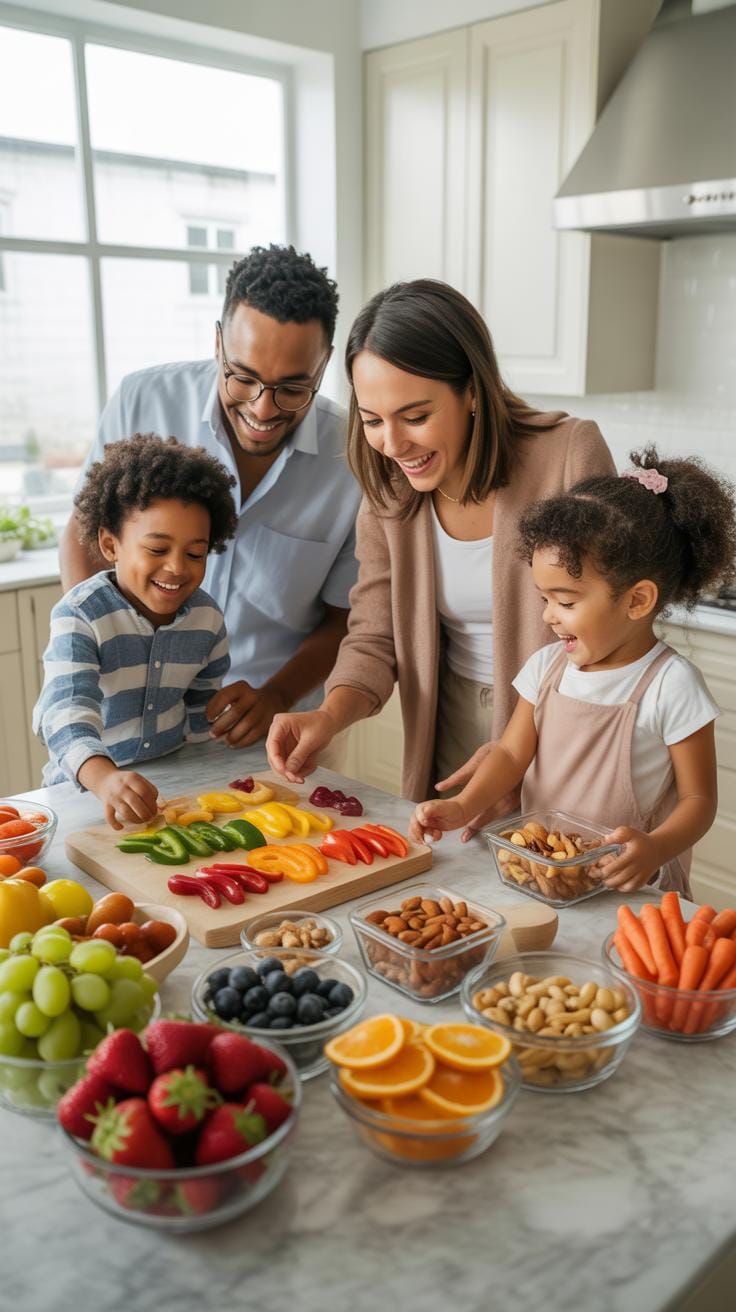
When your days are packed, grabbing a quick bite might feel like an afterthought, but planning snacks ahead can really make a difference. You don’t need hours to prep—just a little routine can help you have healthy options ready when hungry little hands reach out.
One approach I’ve found useful is setting aside a block of time—maybe Sunday afternoon or a weekday evening—to prep snacks for the next few days. It’s not about obsessing over every detail but about having something ready that balances nutrition and convenience.
Try this simple checklist to get started:
- Pick 3 to 4 snack items from different groups (fruits, veggies, dairy, whole grains, proteins).
- Wash and cut fruits and vegetables into toddler-friendly sizes.
- Portion nuts, seeds, or dried fruits in small containers or bags.
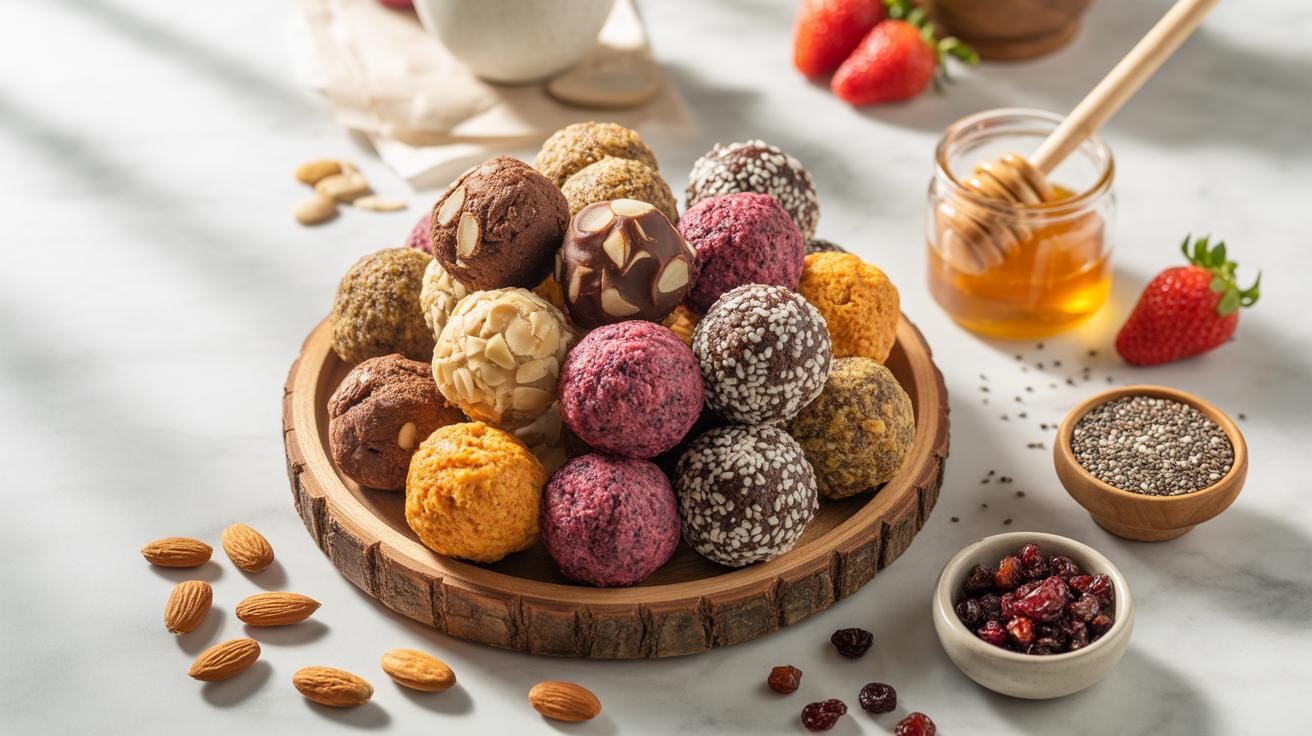
- Cook or bake simple items like mini muffins or protein bites ahead of time.
- Label containers with dates to keep track of freshness.
Keeping snacks visible and accessible helps too—having a dedicated snack drawer or a low shelf in the fridge encourages kids to choose wisely without fuss. You might wonder if this prep routine is too rigid, but really, it’s flexible. If you skip a day, just pick up again the next and adjust based on what your family likes or what’s left.
Setting a snack schedule could look like offering fresh fruit mid-morning, veggies and cheese after school, and a protein-rich option in the late afternoon. Spreading out snack types keeps energy steady and adds variety without complicated planning.
Can you imagine the relief of not scrambling through the pantry? That little bit of prep time makes snack moments calmer, and sometimes, that’s exactly what busy parents—and kids—need. Does this sound doable for your routine?
Homemade Vs Store Bought Snacks
Nutrition Comparison
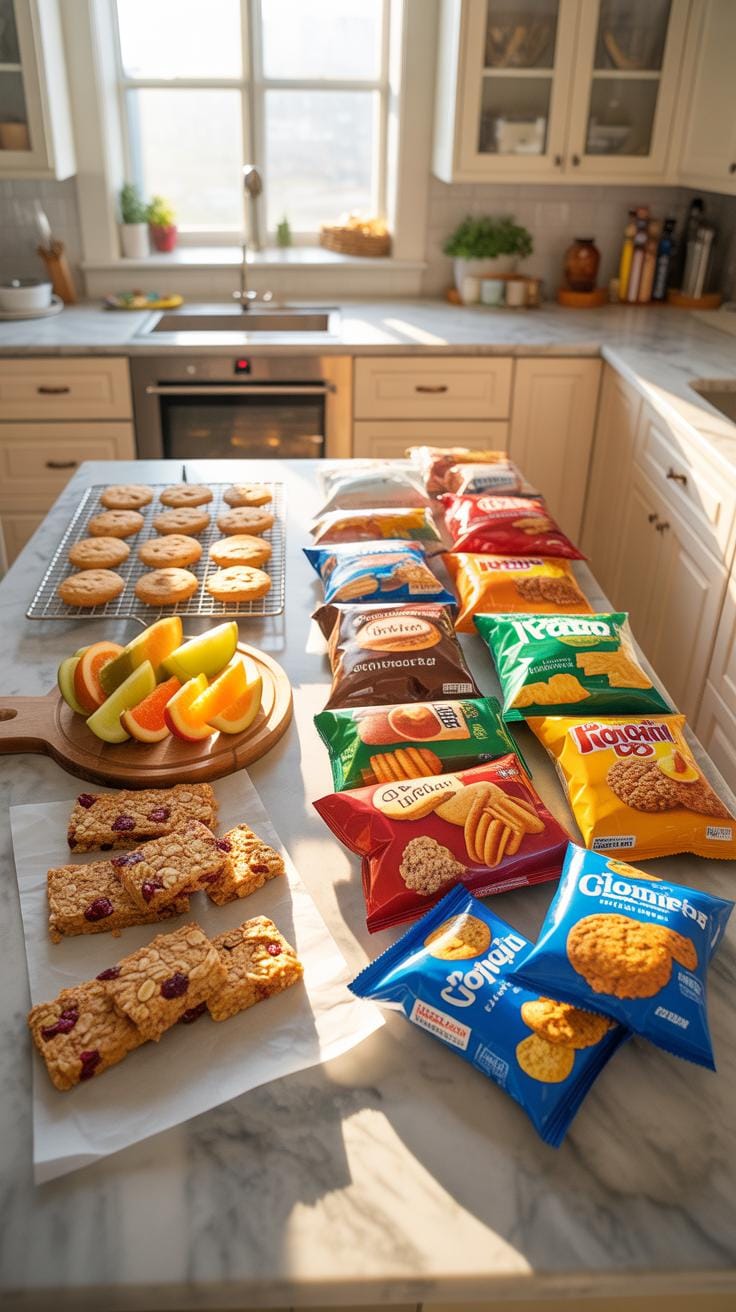
When it comes to nutrition, homemade snacks usually have an edge over store-bought options. You control the ingredients, so it’s easier to avoid additives, preservatives, and excess sugar that sneak into many packaged snacks. For example, making fruit muffins at home lets you add whole grains and reduce sugar, while a store-bought muffin might be loaded with refined flour and added sweeteners.
But that’s not to say all store-bought snacks are bad. Some brands focus on healthy ingredients, and occasionally they offer convenient, nutrient-rich options like nuts or dried fruit with no extras. Still, I often find the ingredient lists confusing, and that makes me wonder how healthy these snacks truly are.
Cost And Convenience Factors
Making snacks at home usually costs less per serving, especially if you buy ingredients in bulk. But, well, it takes time—something not everyone has, especially busy parents. Cutting veggies or baking treats can feel like extra work after a long day.
Store-bought snacks win on convenience—grab and go, no prep needed. But convenience comes with a price. Some snacks seem affordable, but costs add up, particularly if you buy individually wrapped or branded items frequently. On the other hand, homemade snacks sometimes feel worth the effort when you see kids enjoying something fresh and healthier.
So, where do you fall? Do you prioritize quick fixes or lean toward crafting snacks yourself? Both have their place, depending on the day and your schedule. It’s not always an easy choice, and maybe not a strict either-or situation, either.
Avoiding Common Snack Pitfalls
Hidden Sugars And Additives
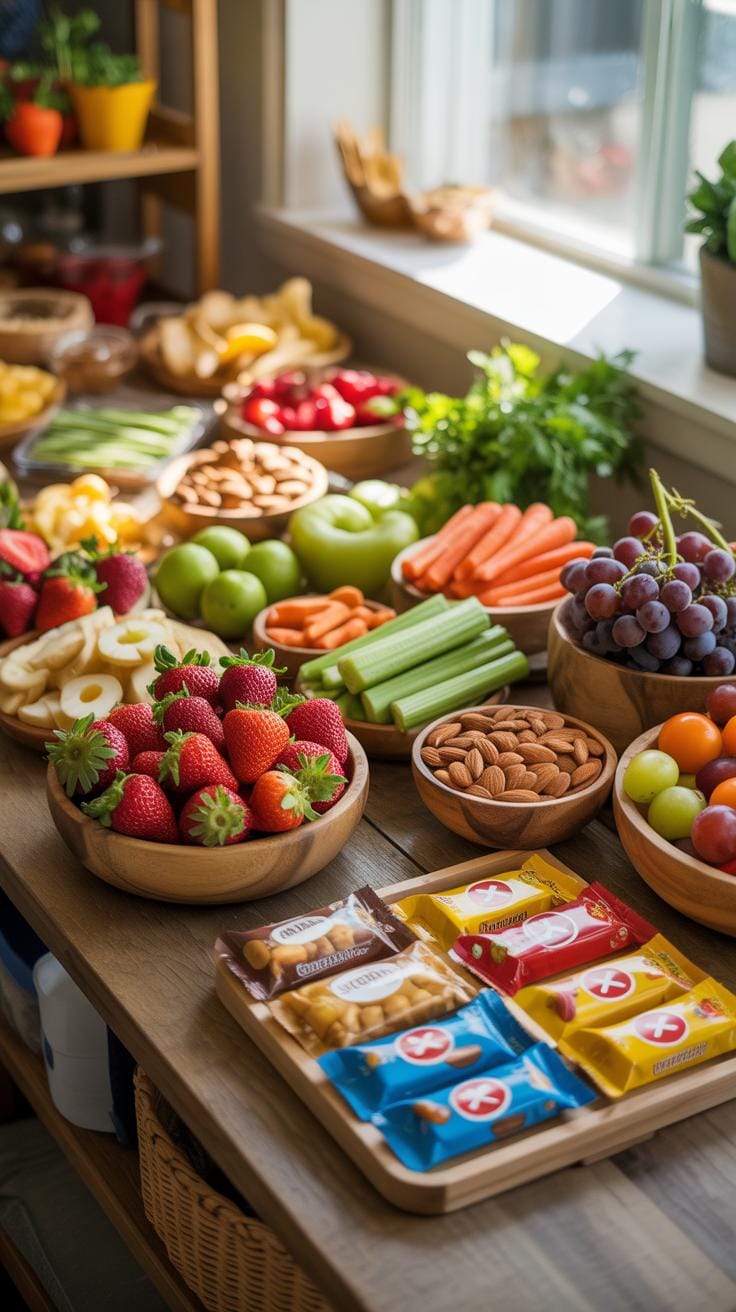
Many packaged snacks look healthy at first glance, but once you check the label, the story changes. Hidden sugars can come under names like maltose, dextrose, corn syrup, or even fruit juice concentrates. These often sneak into snacks marketed for kids, making them less nutritious than they appear. Additives such as artificial colors and preservatives might not cause instant harm but can affect your child’s energy and focus—or maybe even their mood.
Try to avoid snacks with long ingredient lists. If you see ingredients you don’t recognize or can’t pronounce, that’s a good sign to put the snack back on the shelf. Fresh or homemade options usually sidestep these pitfalls. It’s tempting to pick convenience items, but learning to read labels can really change what you bring home.
Overfeeding And Portion Control
It’s easy to think that more snacks mean happier kids, but overfeeding can backfire quickly. Toddlers and young children have small stomachs; too much food between meals can reduce their appetite when mealtime comes around. That means less balanced meals and possibly missed nutrients.
Portion sizes matter more than many realize. A good rule is to offer a snack roughly the size of your child’s palm or less, depending on the snack’s calorie density. For example:
- A small handful of nuts or seeds
- Half a banana or a few slices of apple
- A couple of whole-grain crackers with cheese
Don’t feel pressured to finish every crumb either—letting kids decide when enough is enough is part of teaching self-regulation. It takes time to get this balance right, and every child’s appetite varies day to day.
Snack Ideas For Different Age Groups
Snacks For Toddlers
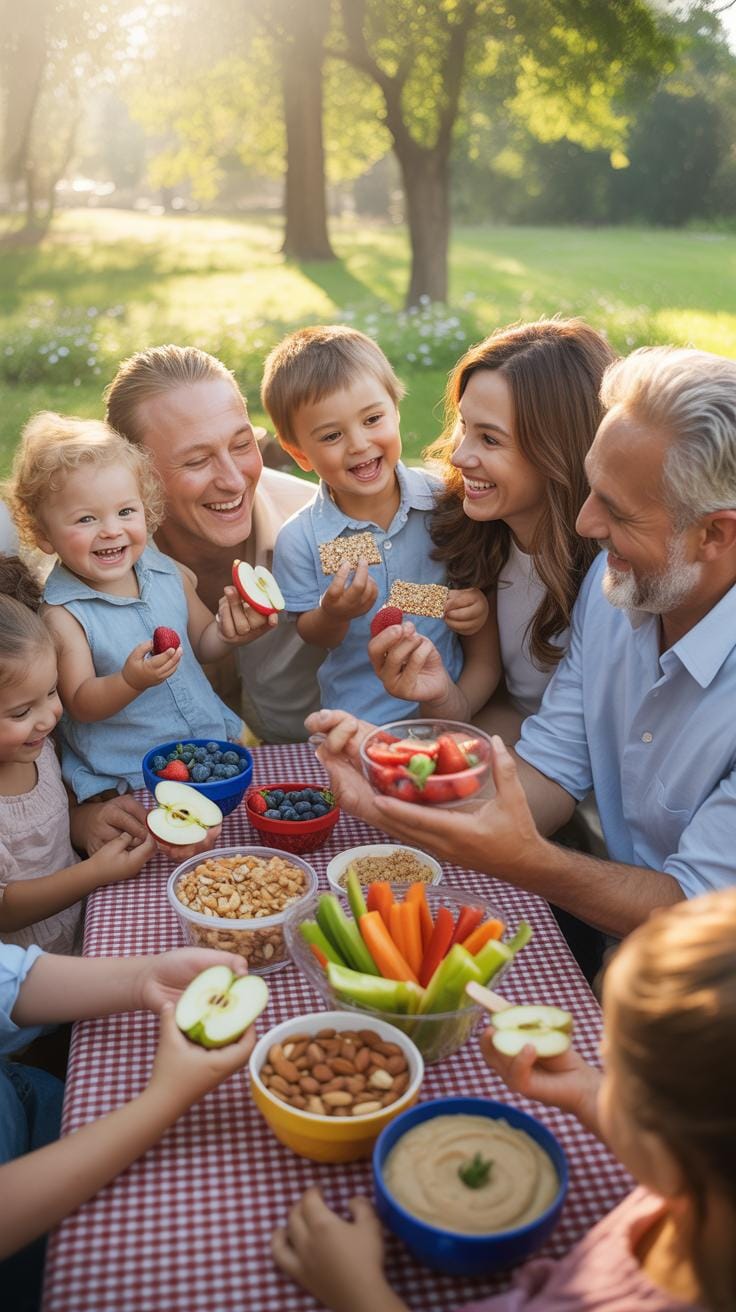
Toddlers have tiny tummies and developing eating skills, so their snacks need to be both safe and nourishing. Think soft fruits like banana slices or peeled apple pieces—easy to chew and packed with vitamins. Small cubes of mild cheese or plain yogurt offer protein without being overwhelming. You might try steamed veggies, such as carrots or zucchini, cut into manageable bites. Finger foods like whole-grain crackers or mini rice cakes can work, but you’ll want to watch for choking hazards.
It’s interesting how toddlers often prefer familiar flavors though they can surprise you when they suddenly take interest in something new. Balancing nutrients while accommodating picky moments isn’t straightforward. Sometimes, simply combining different colors and textures helps. Don’t hesitate to repeat favorites—their growing brains need consistency. And hydration? Water between snacks supports overall health better than juice, even if it seems less exciting.
Snacks For Older Kids
As kids grow, their energy needs rise. Their snacks should fuel longer play sessions, brain work, and growth spurts. Older kids tend to enjoy heartier options—they want more than just sweet bites or mushy fruits. Nut butter on whole grain toast or trail mix with nuts, seeds, and dried fruit can keep them energized. Greek yogurt with honey or granola adds both protein and crunch in a satisfying way.
Of course, taste preferences become stronger. Kids might lean toward salty or sweeter snacks, but you can make simple swaps—for example, baked veggie chips instead of fried ones. Don’t forget that older kids often appreciate snacks they can assemble themselves, like wraps loaded with lean turkey and veggies. This not only meets their nutritional needs but also encourages independence in making healthy choices.
How To Involve Kids In Snack Prep
Simple Snack Tasks For Kids
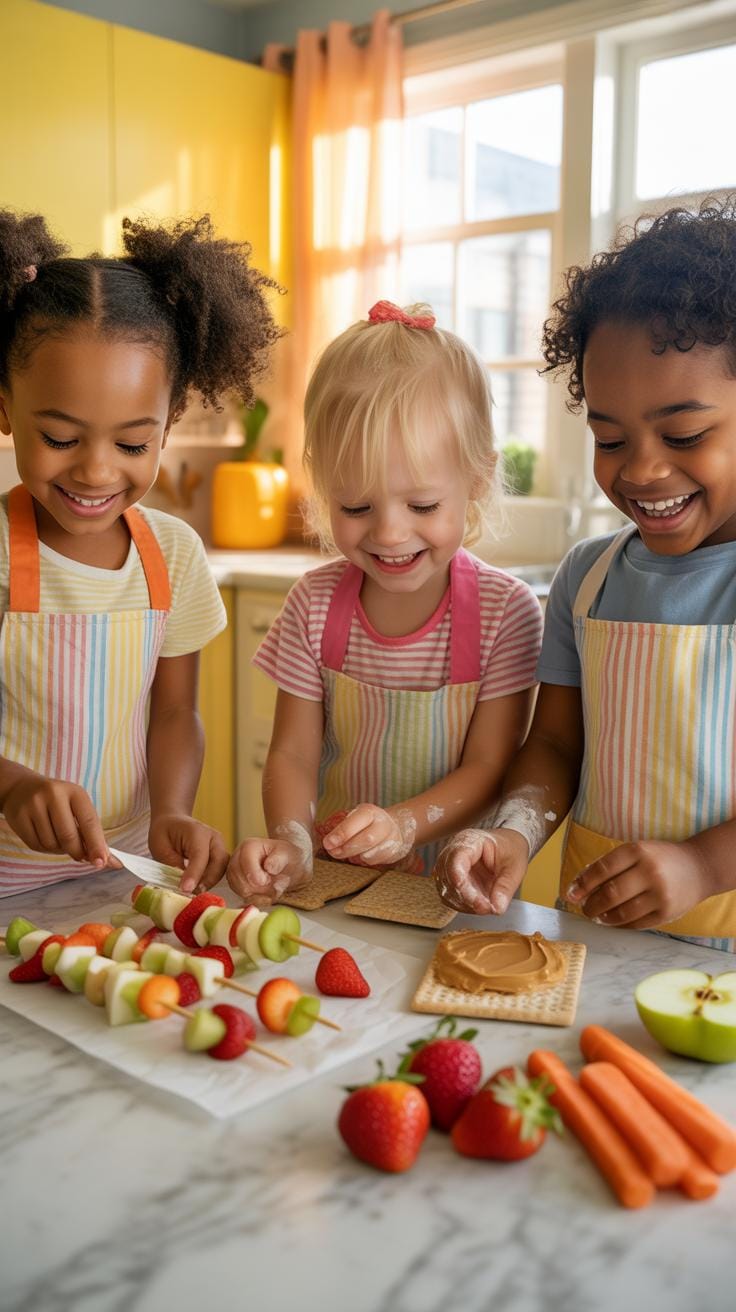
Getting kids involved in making their snacks can be a bit tricky, but it’s usually worth the effort. Simple tasks work best—think spreading peanut butter on crackers or rinsing berries under cold water. Toddlers can easily help with washing fruits. Preschoolers might enjoy assembling mini sandwiches or arranging vegetables on a plate. Even small jobs like stirring yogurt or choosing toppings can make them feel proud.
Of course, safety matters. Let younger kids handle items that don’t require knives or heat. Kids around five or six can start learning to cut soft foods with supervision. It’s not about perfect snack prep but about participation.
Teaching Nutrition Through Snack Making
Snack prep time offers a chance to talk about food without sounding like a lecture. Mention why you pick apple slices over chips or how nuts give energy. Ask questions like, “What colors do you see on your plate?” or “Which snacks do you think help you grow strong?” These conversations stick better when paired with actions.
Sometimes, kids surprise you by choosing healthy options once they understand why. Other times, they might just want cookies. That’s okay too. The goal is to slowly build habits, not force strict rules. Learning about food, while making it, tends to make healthy eating feel less like a chore.
Tracking Snack Preferences And Progress
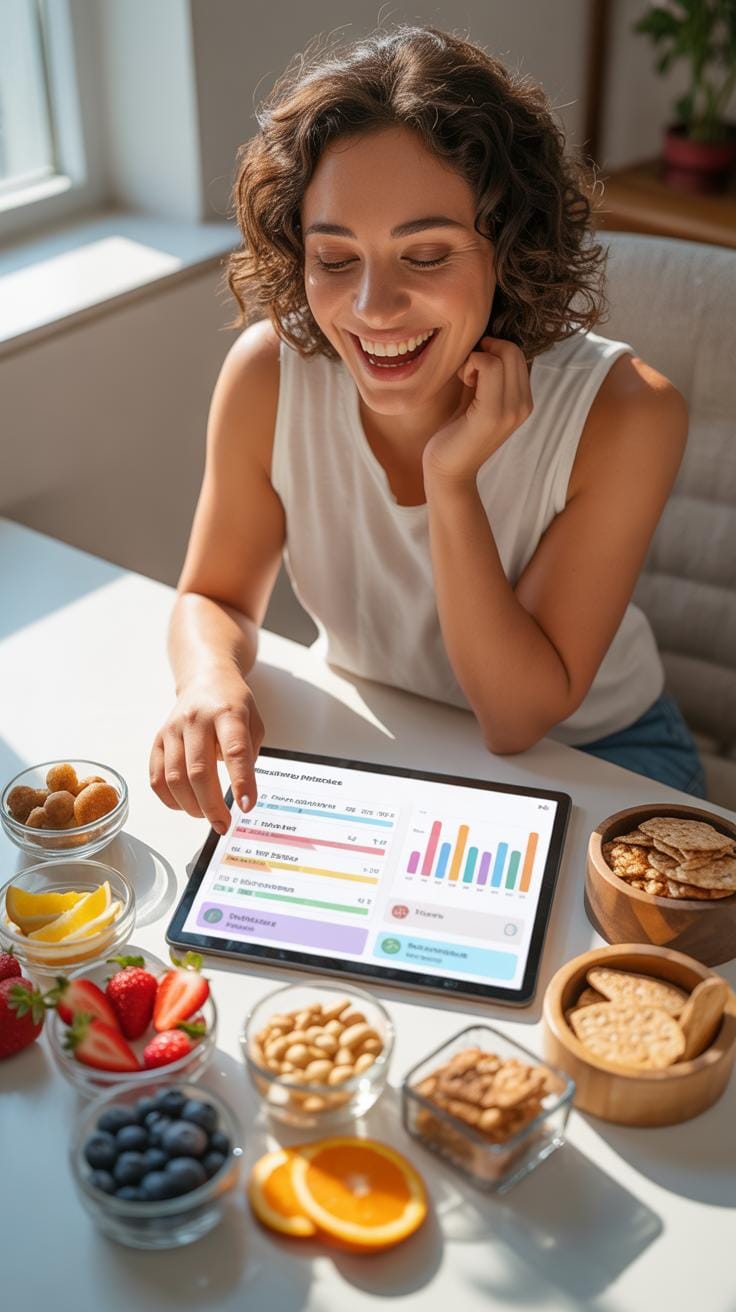
Keeping an eye on what snacks your kids actually enjoy can make a big difference. But it’s not just about what disappears off the plate—watching their reactions closely helps you understand their true preferences. You might notice your toddler lights up at the sight of apple slices but turns away from cucumber sticks, or maybe they nibble a bit but don’t finish. Recording these moments, even briefly, can save you from buying snacks that end up wasted.
Try keeping a simple journal or chart. It doesn’t need to be fancy—a notebook or a table on your phone, used consistently, works well. Note what snack was offered and the kid’s response, like “ate all,” “half eaten,” or “refused.” Over time, patterns emerge. You might find that certain fruits or veggies are almost always a hit or that a particular snack coincides with better moods or energy.
Speaking of energy, tracking how snacks affect your child’s health and behavior means paying attention to subtle changes. Does a sugary treat make them restless? Does a protein-rich snack seem to keep their energy steady longer? Writing down observations about mood, activity levels, or even sleep on days with different snacks helps you fine-tune those choices. It’s not always straightforward—sometimes a favorite snack may not always agree with them—but a record keeps you guessing less and responding better.
Conclusions
Healthy kids snacks provide essential nutrients that fuel your child’s body and mind. Keeping snacks wholesome builds good eating patterns early. Using simple ingredients and smart choices guarantees snacks that taste good and do good.
Focusing on balanced snacks with fruits, veggies, grains, and proteins sets a healthy habit for life. Apply these snack ideas and tips to support your child’s health and happiness every day.