
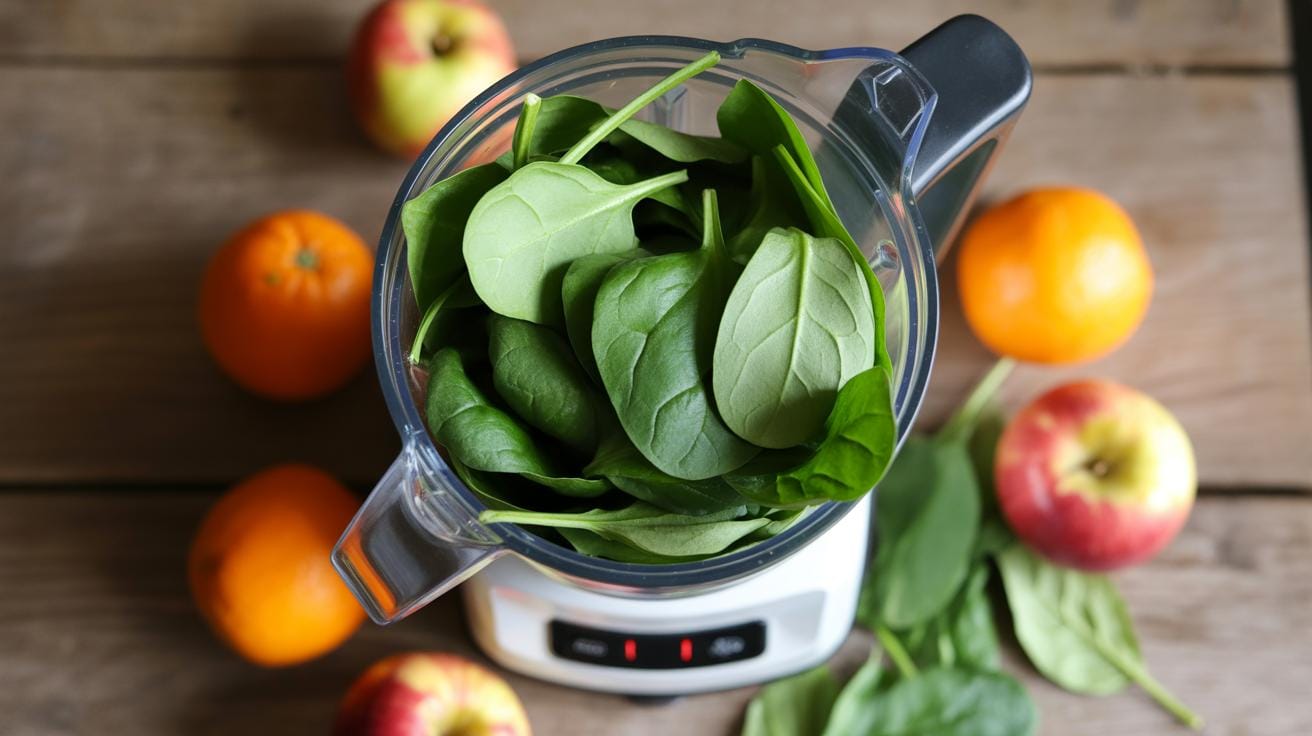
Introduction
Many people start their day with what they believe is a healthy juice drink. However, a series of common mistakes could be ruining these efforts. Understanding these errors is essential to making the most of your morning juice and ensuring it benefits your health fully.
This article outlines seven mistakes often made when preparing juice drinks and offers practical, easy-to-follow advice to fix these mistakes. By applying these tips, you can improve your juice’s nutritional value and enjoy better results from your healthy drinking routine.
Choosing Fresh Ingredients
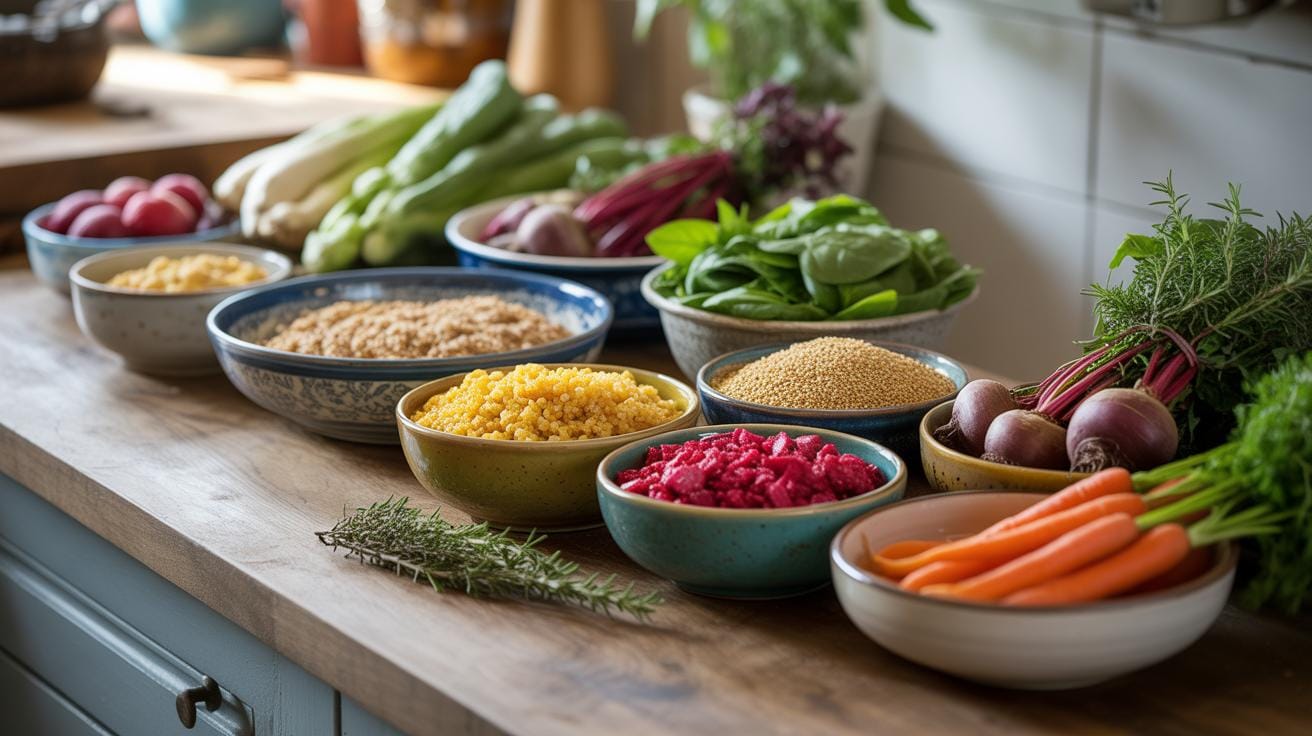
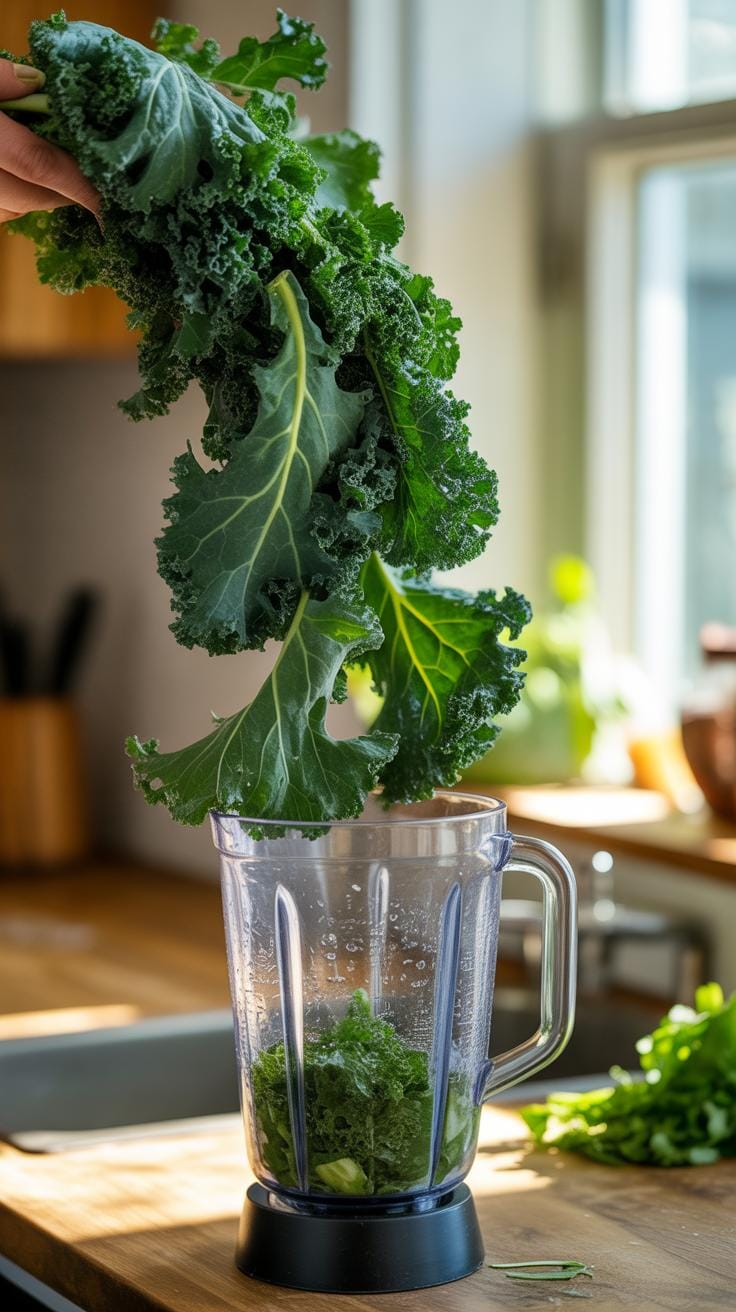
Freshness really matters when it comes to making healthy juice drinks. You might expect all fruits and vegetables to deliver the same nutrients, but that’s rarely true once they start losing moisture or sit on a shelf for days.
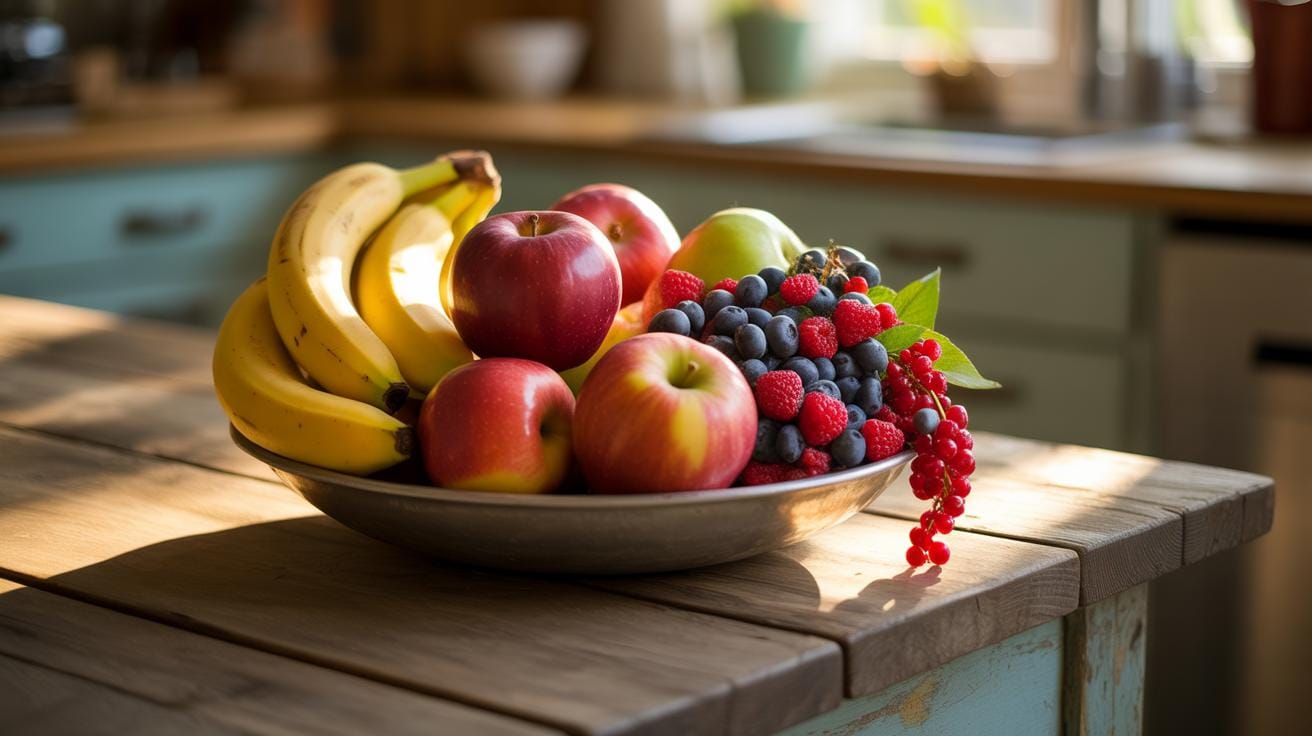
Here’s the thing: as fruits and veggies age, they lose critical nutrients. Vitamin C, for example, degrades fast after harvest. That means an orange you picked today can have twice the vitamin C of one stored for a week. The same goes for B vitamins, which can drop significantly in leafy greens and herbs—not to mention the subtle changes in flavor that happen as freshness fades.
If you want your juice to pack a nutritional punch and taste right, choosing recently picked produce is key.
How Freshness Affects Nutrients
Nutrient loss starts the moment fruits and veggies are harvested. Oxygen, heat, and light all contribute to breakdown. Even refrigerating them slows down but doesn’t stop this process.
Vitamin C is probably the best-known example—it diminishes quickly. Things like folate and some antioxidants follow a similar trajectory. After just a few days, your “fresh” spinach might lose a good chunk of its health benefits. It’s tempting to grab practically any green, but if it looks wilted or dull, those nutrients are likely gone.
Where to Find Fresh Produce
Finding really fresh ingredients might mean adjusting where you shop. Farmers’ markets can be great, especially since the produce is often picked just a day or two before sale. Local farms or community-supported agriculture boxes offer that same freshness straight from the source.
Shopping seasonally can also help—you’re more likely to get ripe produce at its nutritional peak. When picking at the store, look for firm textures, vibrant colors, and avoid anything with bruises or soft spots. If you notice a fruit or veggie lacks aroma or feels limp, it might not be the freshest choice.
In the end, freshness isn’t just about getting a pretty ingredient for your juice. It impacts the nutrients you get and the flavor you’ll enjoy—so maybe take a minute longer choosing your produce. Your morning juice depends on it.
Avoiding Excess Sugar Additions
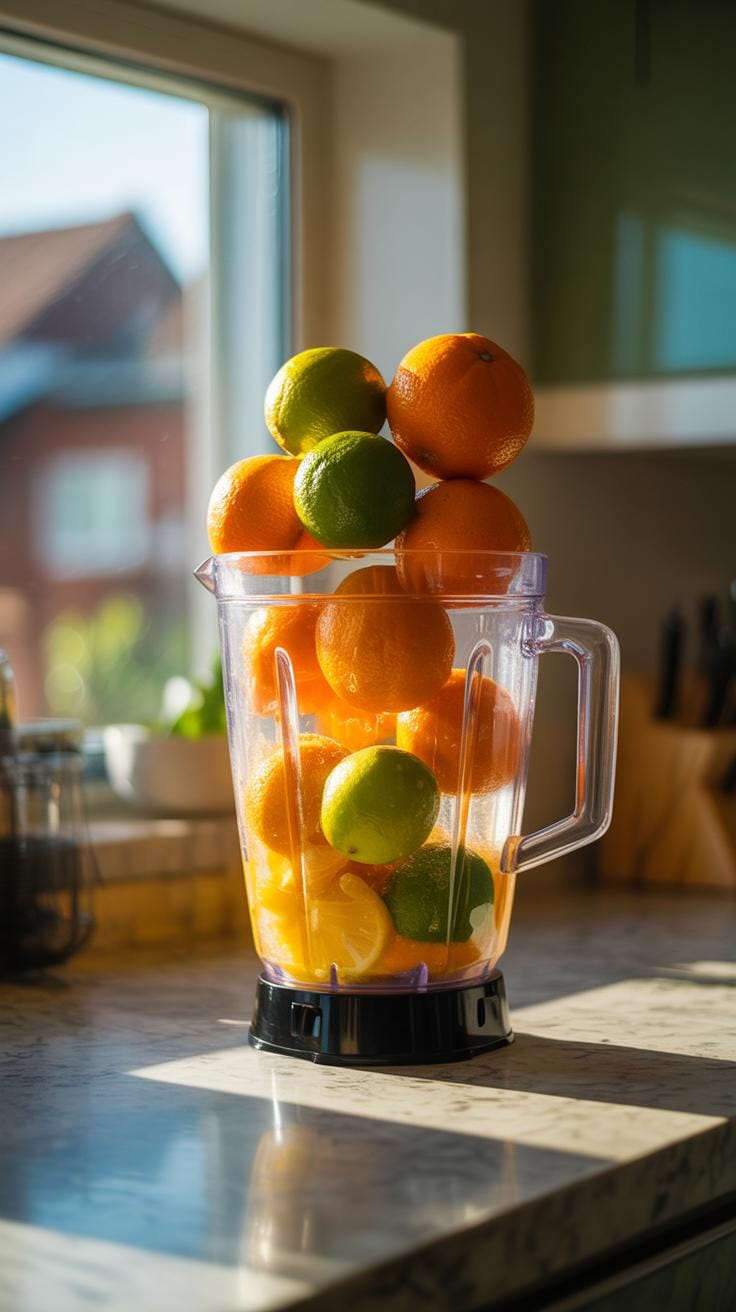
One common mistake people make with their morning juice is loading it up with too much sugar or sweeteners. You might think it makes the juice taste better, but it can actually undo much of the health benefit you’re aiming for. Too much sugar spikes your blood sugar levels quickly and can lead to energy crashes later on. If you have even a slight concern about weight or insulin sensitivity, this is something to watch out for.
Studies show that high sugar intake is linked to weight gain and an increased risk of type 2 diabetes. So when your juice feels more like a soda, it’s not really the healthy choice anymore, right? Often, people add sugar because they want to mask bitterness from greens or certain vegetables—but there are better ways to keep your juice tasty without overdoing it on sweeteners.
Try using whole fruits instead. Apples, berries, pears, and even a ripe peach can add natural sweetness along with fiber and antioxidants. These fruits raise sugar levels more slowly and keep the juice flavorful. Sometimes just a small handful of berries is enough to balance flavors without overwhelming sweetness.
Other natural options include a splash of fresh orange or pineapple juice for a mild, bright sweetness. Dates or a tiny bit of raw honey can work, but use sparingly—you don’t want to tip the scale toward too sweet. The key is gradual adjustment; your palate will adapt, and you might find you actually prefer your juice less sugary after a while.
Ask yourself: do I need added sugar, or can the natural fruit bring enough flavor? It’s worth experimenting. Sweetness that comes from whole foods feels different, maybe even better, than added sugar in juice drinks. You might be surprised how little extra you really need to enjoy your morning routine.
Balancing Fruit and Vegetable Ratio
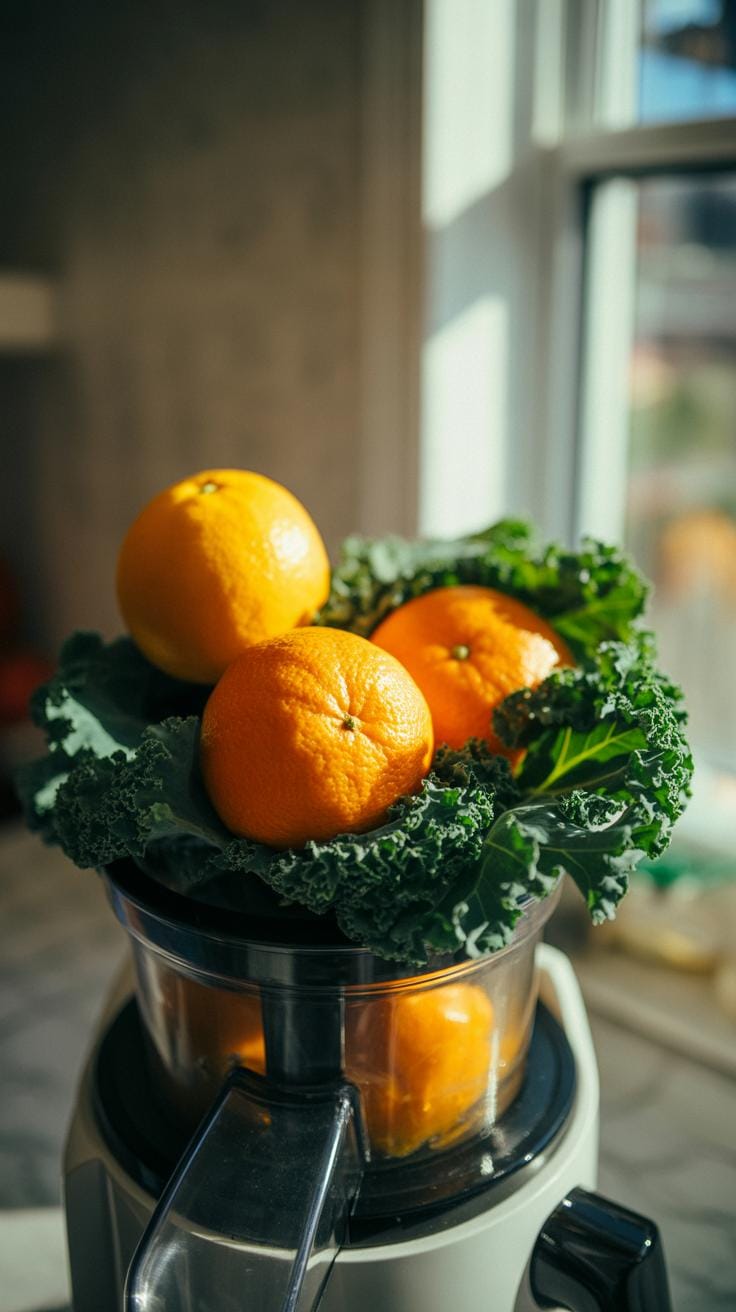
When you start juicing, it’s tempting to toss in a bunch of fruits because they taste good and feel refreshing. But using too much fruit compared to vegetables can lead to a sugar overload in your juice. It’s easy to forget that fruits like apples and oranges pack a lot of natural sugar, much more than most vegetables.
For example, an average apple has about 19 grams of sugar, while a bunch of kale has under 1 gram. That’s quite a difference. If your juice is mostly fruit, you’re basically drinking a sugary drink, just without the additives. That might leave you feeling energized briefly, but it can also spike your blood sugar and make the juice less of a truly “healthy” option.
So what’s a good balance? Many suggest something close to 1 part fruit to 2 parts vegetables. This keeps the sugar moderate but still lets you enjoy some sweetness. If you try 1 fruit to 3 vegetables, your juice might be a bit more bitter or earthy but will definitely stay low in sugar.
A simple ratio to try is one apple or pear with two or three handfuls of spinach, cucumber, or celery. It took me a while to get used to less sweetness, but after a few mornings, I found this mix much more satisfying and less like a sugar rush.
What fruit and vegetable ratios have you found work for your taste and health goals? Sometimes finding that sweet spot needs a bit of trial and error, but keeping fruit lower will almost always help.
Using the Right Juicing Equipment
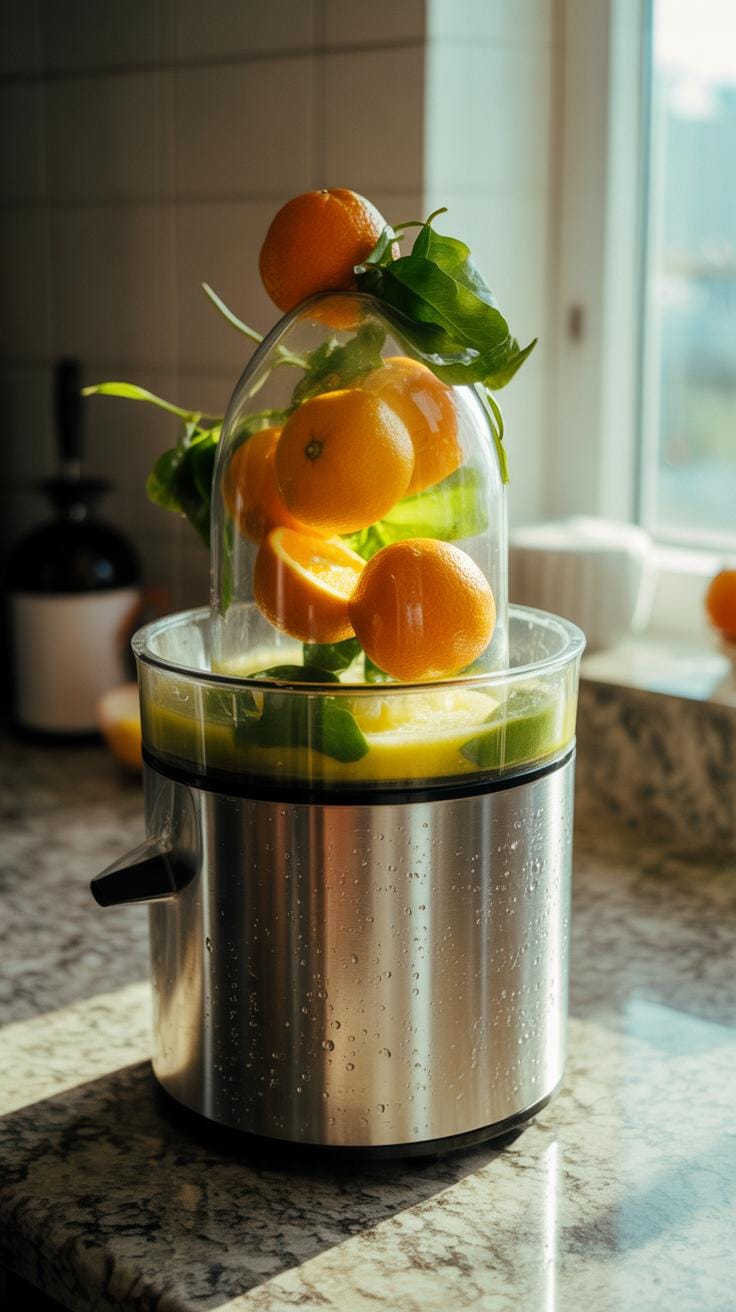
Different Types of Juicing Equipment
When you’re considering how to make your morning juice, the equipment you pick really shapes the outcome. Centrifugal juicers spin fast, using high-speed blades to shred fruits and veggies. They’re quick and easy, but the heat and speed can sometimes reduce nutrient levels. The juice often ends up with more foam and a shorter shelf life.
Masticating juicers, on the other hand, crush produce slowly. This gentler approach usually preserves more enzymes and nutrients. The juice is clearer and thicker, with less foam—but the process takes longer. If you want your juice to last longer, this might be the way to go.
Blenders don’t exactly juice—they pulverize everything, including fiber. This means you get more bulk and fiber in your drink. The nutritive value stays intact, but you’ll have a different texture. I find it interesting how this choice depends on what you want, not just nutrition.
Juicers vs Blenders: What Works When
Juicers separate juice from fiber, producing a smooth, concentrated liquid. That’s great for a quick vitamin kick without the grit. Blenders keep all parts of the fruit or vegetable, which means more fiber and a fuller feeling after drinking.
So, when would you pick one over the other? If you need juice quickly or prefer a lighter texture, centrifugal juicers might suit you. If nutrient preservation and volume matter, masticating juicers shine. For those who want a smoothie-like consistency or don’t mind drinking thicker liquids, blenders can do the job—and they’re usually easier to clean.
Choosing the Best Juicer for You
To pick the right machine, think about what matters most. Is speed more important? Centrifugal options tend to be less expensive and faster, but they can be louder and possibly reduce nutrients.
If you’re after higher-quality juice and don’t mind a longer prep time, a masticating juicer might fit, though it costs more and demands patience.
Ease of cleaning and counter space are also big factors. Blenders often take less effort to clean compared to juicers with multiple parts. Then again, they don’t give you pure juice.
Really, ask yourself: do you want speed or nutrient retention? Smooth texture or fiber-rich drinks? Your answer guides the choice—and sometimes, a combo of blender and juicer makes sense.
Timing Juice Consumption
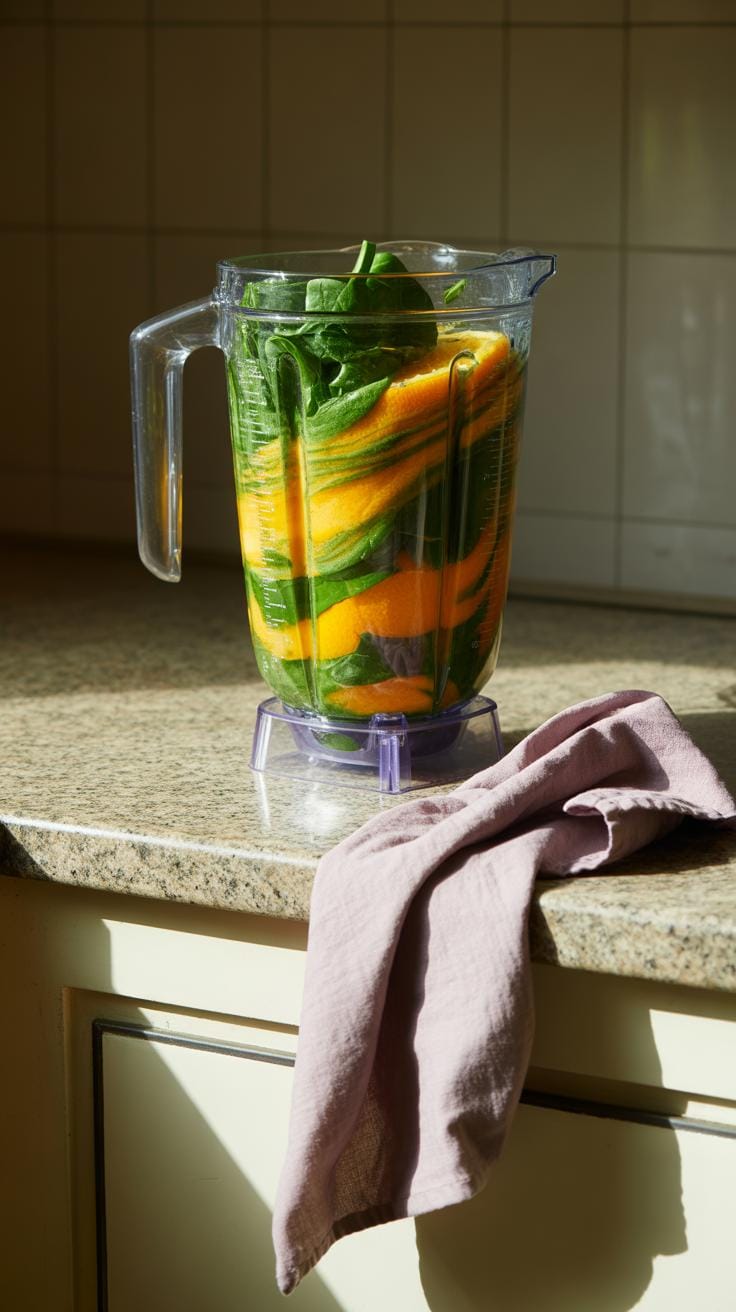
When you sip your juice can change everything about how your body handles it. Drinking juice first thing in the morning often feels natural—after a night of fasting, your digestive system is empty, ready to absorb nutrients quickly. That quick hit of vitamins and natural sugars can jumpstart your day and give you a gentle energy boost without the heaviness of a full meal.
But what about blood sugar? Juice tends to spike it faster than whole fruits, so having it on an empty stomach might cause a short rush followed by a slump. That’s why some people find it better to have juice with or after a light meal. It slows absorption and steadies energy levels, especially if you add some protein or fat alongside.
Try timing your juice for when you need that pick-me-up but don’t want to overdo it—mid-morning or right after a workout are usually good spots. Drinking juice alone can be fine, but pairing it with food might reduce digestive discomfort. It’s a balance that might need some trial and error depending on your own body’s rhythm.
Avoiding Oxidation and Nutrient Loss
How Oxidation Damages Juice
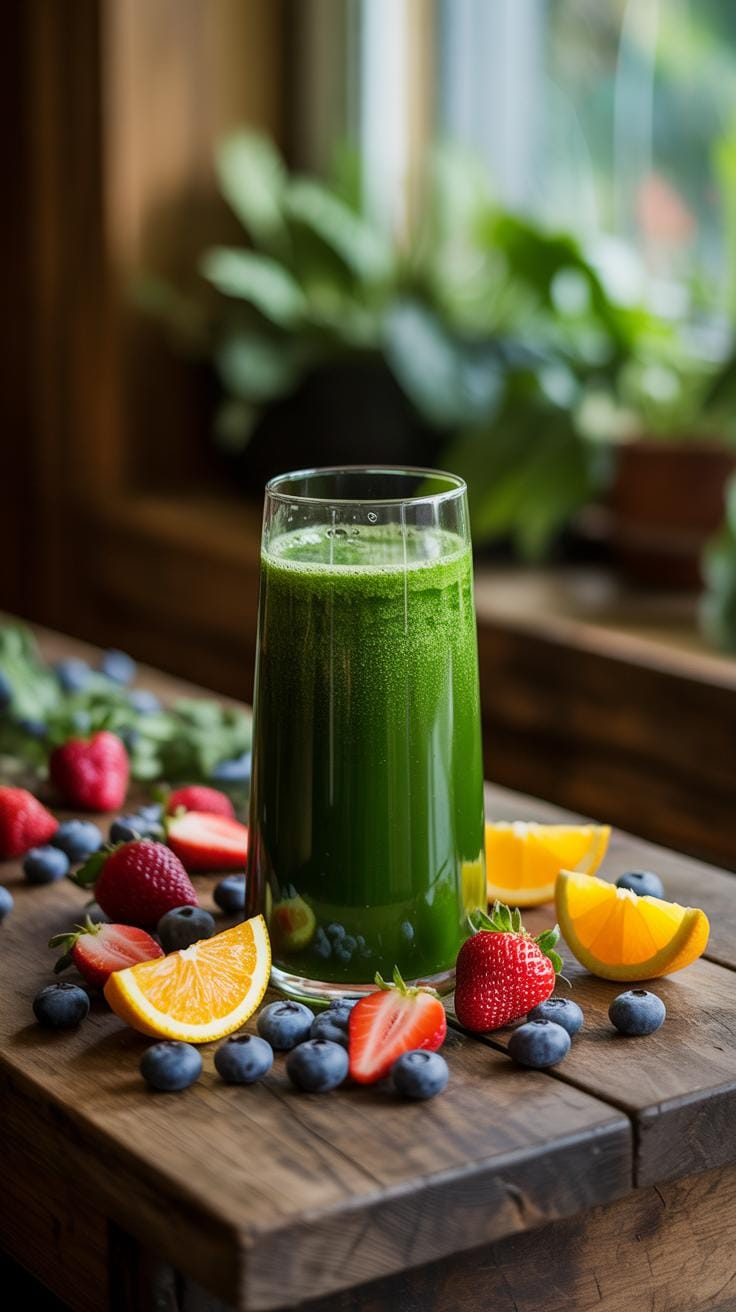
Oxidation happens when air interacts with the juice, triggering a chemical change that harms the nutrients inside. It’s like the juice starts to lose its freshness bit by bit. Vitamins, especially vitamin C and some B vitamins, break down quickly. You might notice the juice turns darker or duller, and the taste shifts—sometimes a little sour or flat.
It’s easy to overlook, but oxidation can make your carefully prepared juice far less effective as a health boost. I remember making a big batch once, only to find out hours later that the juicy burst I expected was mostly gone. That subtle bitterness creeping in? That’s oxidation at work.
Storing Juice to Reduce Oxidation
To keep that fresh flavor and nutrients intact, storage matters more than you might think. Here are some tips that helped me reduce oxidation:
- Use airtight containers, preferably glass with a tight seal. This keeps air from sneaking in.
- Fill jars to the brim to minimize the oxygen trapped inside—less air, less oxidation.
- Refrigerate immediately; cold slows down the oxidation process.
- Consider containers with a cap that can remove air, or use a vacuum sealer if that’s an option.
- Drink the juice soon after making it, ideally within 24 hours. After that, nutrients start to slip away faster.
You might wonder if freezing is a good idea. It can help preserve some nutrients but changes the texture and taste. So, if it’s about quality, frozen juice isn’t always the best backup plan.
Cleaning Equipment Thoroughly
You might think rinsing your juicer quickly after use is enough. But leaving even tiny residues can lead to bacterial growth—and that’s bad news. Those leftover bits of fruit or vegetable don’t just turn your machine into a breeding ground for germs; they can also make your juice taste off, sour, or just plain unpleasant. I’ve had that happen a few times, and honestly, it makes you wonder why you bothered juicing at all.
So, how often should you clean? After every single use, really. Skipping this step once or twice feels harmless, but over time, residues harden and become harder to remove. The risk isn’t just bad taste; bacteria can cause stomach aches or other health issues. You don’t want your morning boost to backfire like that.
Here’s a straightforward way to keep your juicer or blender in shape:
- Disassemble all removable parts right after juicing.
- Rinse them under warm water to get rid of pulp and juice quickly.
- Use a soft brush or sponge with mild dish soap to clean crevices, especially around blades and filters.
- Pay special attention to the mesh strainer; it traps a lot of debris and can get clogged.
- Rinse everything thoroughly until no soap remains.
- Let the parts air dry completely before reassembling or storing.
Following these steps every day might feel tedious. But sticking to this habit saves you from nasty smells and lets your juice keep tasting fresh. Think of it as a small effort with a clear payoff—your health and your palate will thank you in the long run.
Incorporating Fiber in Your Juice

When you juice your fruits and vegetables, you’re often left with a liquid that’s stripped of most of its fiber. That fluffy pulp sitting beside your glass is actually where much of the fiber hangs out. You might not realize it, but fiber plays a key role in how your body handles the nutrients from that juice. Without it, juices can cause blood sugar to spike faster than if you’d eaten the whole fruit or veggie.
Fiber helps slow digestion and keeps your blood sugar more stable. It also supports your gut health, making digestion smoother. People sometimes forget this when they focus just on vitamins and minerals in juice.
If you want to keep more fiber, there are a couple of ways to do it:
- Try blending your fruits and veggies instead of juicing. That way, you keep the whole plant material, not just the juice.
- If you do juice, consider adding some of the pulp back into your glass. It won’t always look pretty, but your digestion will thank you.
- Use a high-speed blender to make a thicker smoothie-like drink—it’s almost like juice but with texture and fiber intact.
Personally, I found that adding pulp back in made my morning drink less liquid-y but more satisfying. It’s a small change, but it can make those healthy juices work better for your digestive system and blood sugar control. Have you ever noticed how you feel after a juice with pulp versus just the clear juice? It’s worth experimenting with.
Customizing Juices to Your Needs
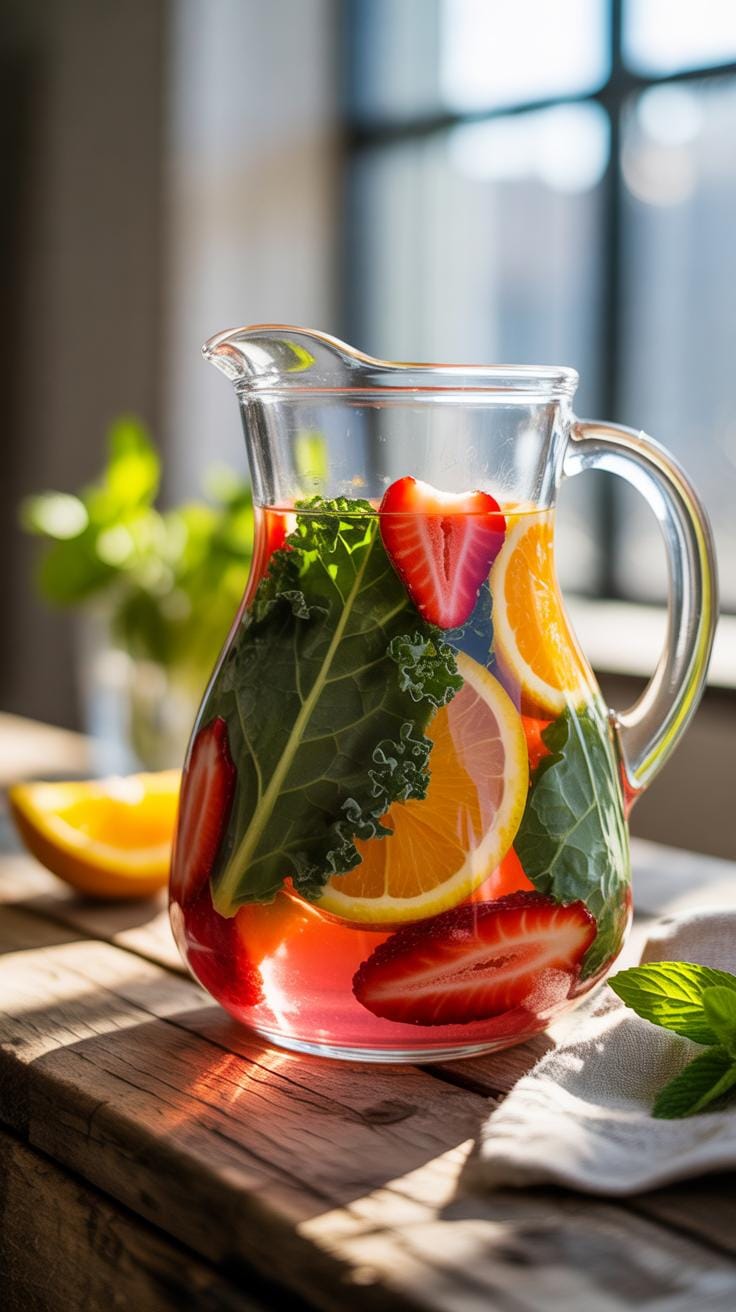
If you want your morning juice to actually work for you, it helps to tailor it to what you’re trying to achieve. Think about your health goals before tossing ingredients together. For weight loss, for example, focus on low-sugar veggies like cucumber, celery, and spinach. These add fiber and bulk without packing too many calories. Adding a bit of lemon or ginger can kickstart your digestion too.
Maybe you want an energy boost instead? Sweet fruits like apples or carrots bring natural sugars, while a pinch of turmeric or cayenne gives a little zing that might help wake you up. For extra stamina, a bit of beetroot is popular—it’s said to improve blood flow, though the taste takes some getting used to.
Hydration is another big reason people juice in the morning. Watermelon and cucumber juices feel light and refreshing. They contain lots of water and electrolytes, so they actually quench thirst better than plain juice sometimes. Adding mint or a splash of lime can make these even more palatable, especially if you find plain cucumber boring.
Adjusting the amounts is key. If you like sweeter flavors, increase the fruit but balance it with veggies to keep sugar in check. If your palate leans more toward earthy or bitter, more greens and herbs work better. It’s not an exact science; small tweaks here and there can make the difference between a juice you dread and one you look forward to. So, experiment. Chart what works for you. After all, your juice should fit your goals and your taste, not the other way around.
Tracking Juice Benefits Over Time

It’s easy to get caught up in the idea that a healthy juice will magically boost your day, but real change takes time. Observing how your juice drinks affect your body over weeks or even months can reveal much more than a quick gut feeling.
Try paying attention to shifts in your energy levels—do you feel more awake in the morning, or does your energy dip unexpectedly? Notice your digestion as well; is it smoother, or maybe more unsettled? Weight changes, even small ones, might also hint at how your body handles your juice routine.
Some signs to watch for include:
- Increased or decreased energy during the day
- Improved digestion or new bloating and discomfort
- Unexpected weight loss or gain
- Clearer skin or shifts in mood
- Changes in sleep quality—better or worse
Journaling your observations each morning after drinking your juice can be incredibly helpful. Write down how you feel physically and mentally. Or, experiment with apps designed to track wellbeing—they can simplify spotting patterns you might miss on your own.
Don’t feel pressured to track obsessively. Even a few notes each week can provide clues. Sometimes what feels like a minor change is actually quite meaningful over time. Have you noticed anything surprising after tweaking your juice ingredients? It’s a small step but one that can make your morning juice truly work for you.
Conclusions
Choosing the right ingredients, using proper preparation methods, and avoiding frequent errors can transform your juice drinks. You will get more nutrients and better flavors by correcting these seven mistakes. Small adjustments yield big differences.
Starting your day with a well-made healthy juice can support your overall well-being. Keep these points in mind each morning. Your body will benefit from the extra care, and you will enjoy your juice drinks more.