
Introduction
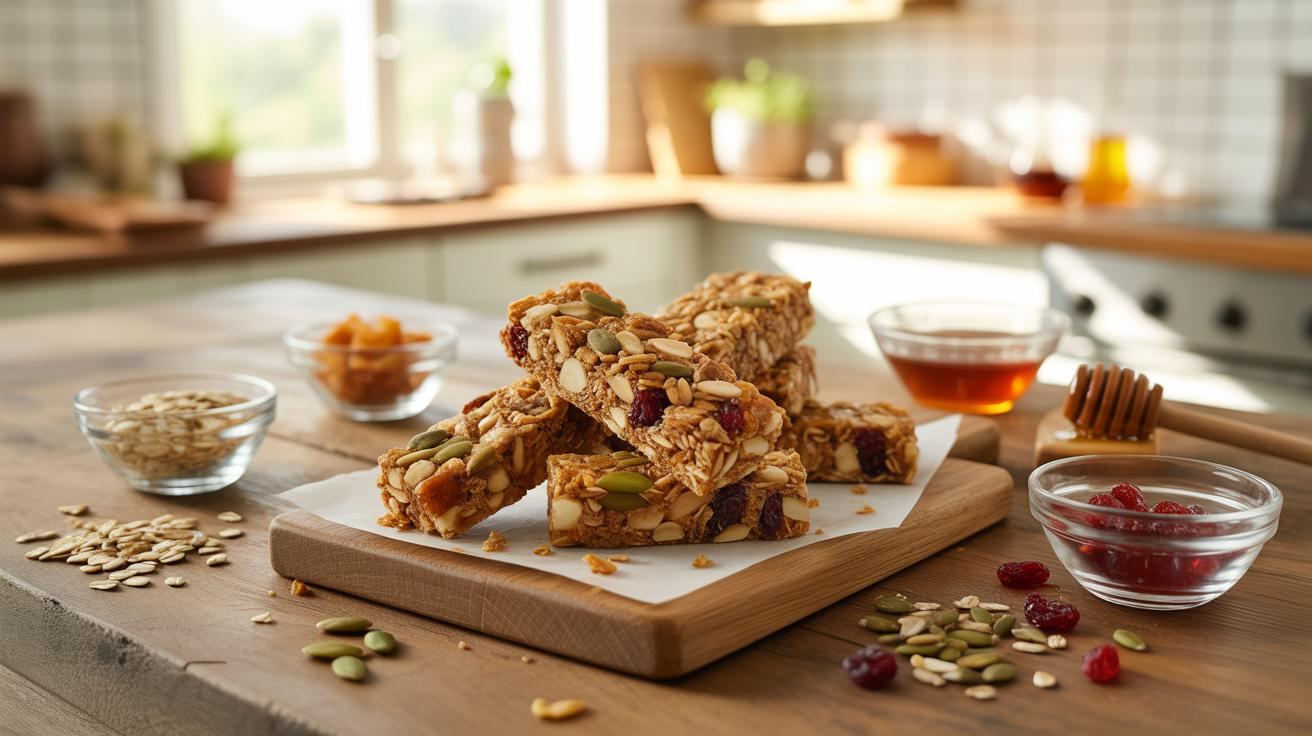
Easy Homemade Granola Bars For Healthy Homemade Snacks offer a simple way to enjoy tasty and nutritious food without the hassle of complicated recipes. These bars combine ingredients like rolled oats, nuts, seeds, and natural sweeteners such as honey to create a crunchy snack you can rely on at any time of day.
Making these bars at home lets you control exactly what goes in, avoiding unwanted additives and sugars. This article will guide you through what granola bars are, why making them at home is better, and practical tips for creating your own bars that fit your taste and lifestyle.
Benefits Of Healthy Homemade Snacks
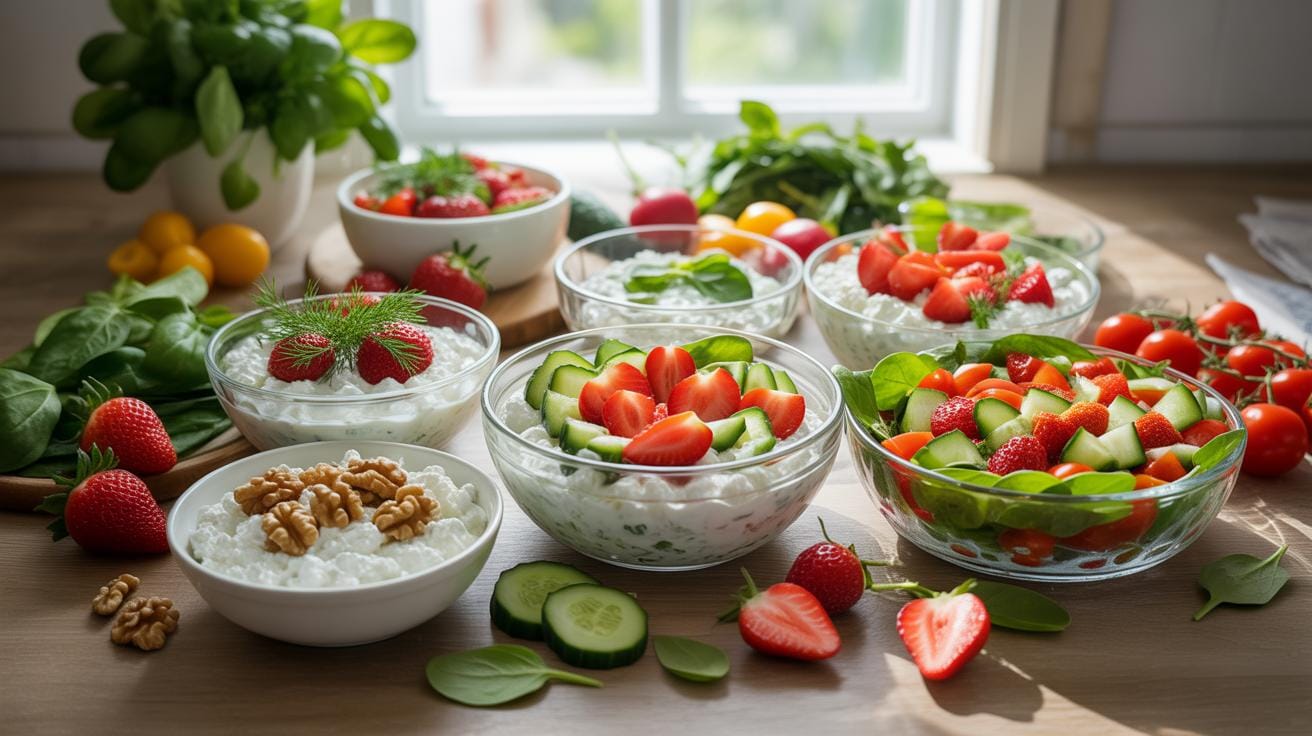
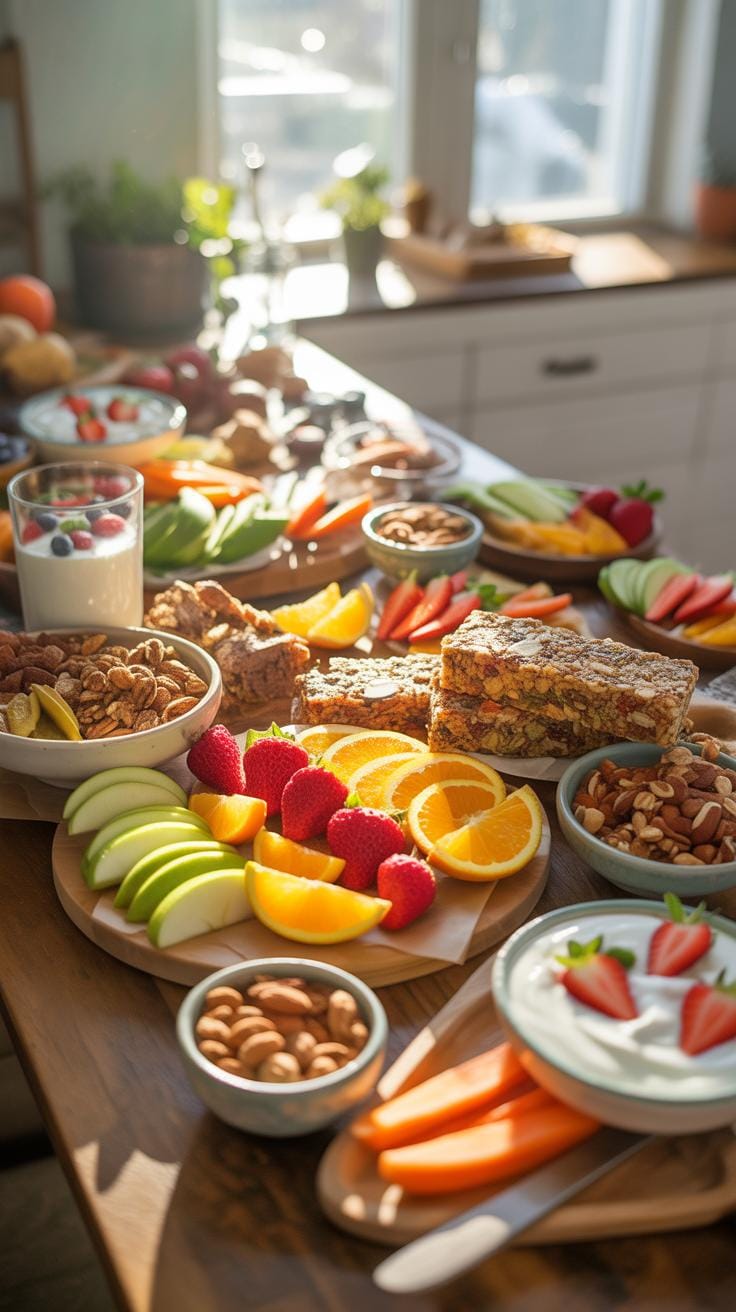
You might not realize how much of a difference making your own snacks can make. When you choose homemade granola bars, you get full control over what goes inside. That means no surprise additives or preservatives lurking where you least expect them.
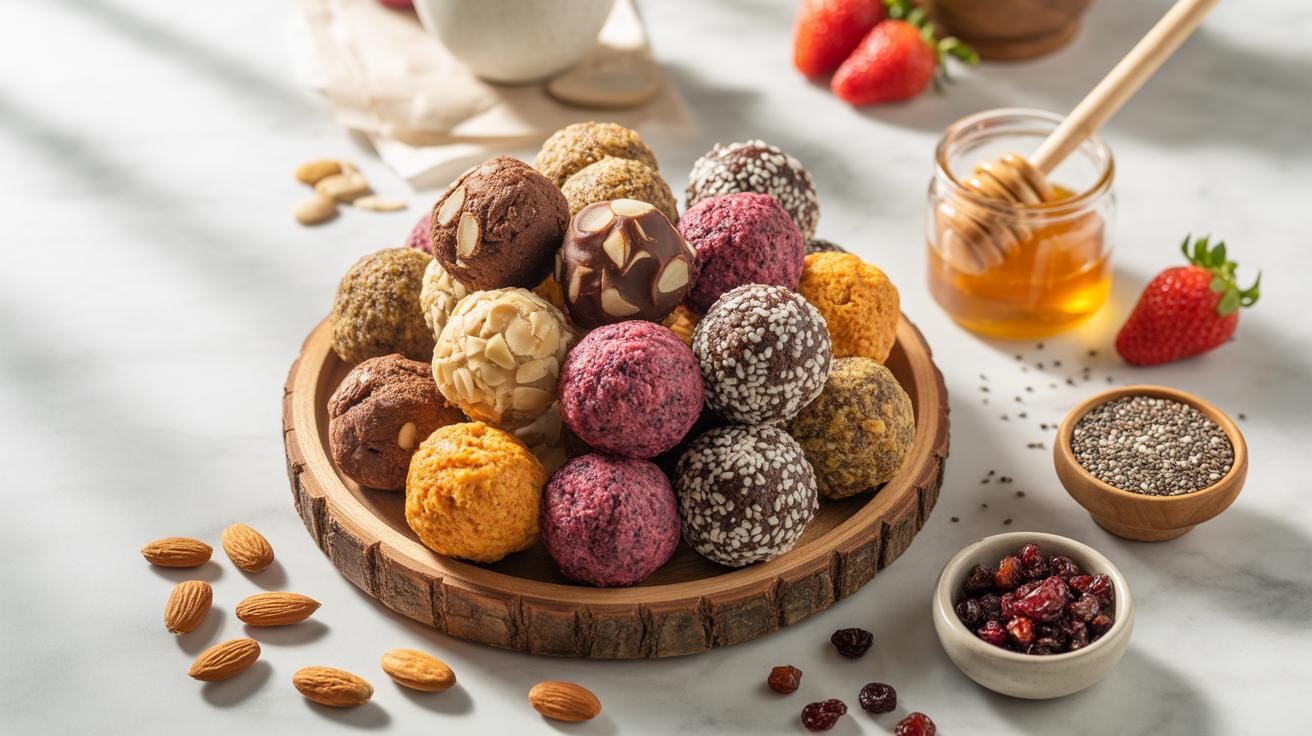
Think about it: when you buy snacks off the shelf, they often contain extra sugars, artificial flavors, or fillers you don’t need. Making your own lets you avoid all that. It’s like deciding the difference between ingredients you actually want and those just thrown in.
Then, there’s the money side of it. Sure, buying granola bars from the store is quick, but making them at home can be cheaper in the long run. Especially if you buy oats, nuts, and seeds in bulk. Over time, those small savings really add up.
Beyond just cost and ingredients, natural foods can boost your health in subtle ways. Eating whole, less processed snacks may improve digestion and even keep energy levels steadier throughout the day. Though I can’t promise they’ll solve all your snack cravings, at least they won’t make you feel guilty afterward.
Have you noticed how some store-bought snacks leave you feeling sluggish? What if making your own changed that? It might be worth a try, don’t you think?
How To Make Granola Bars At Home
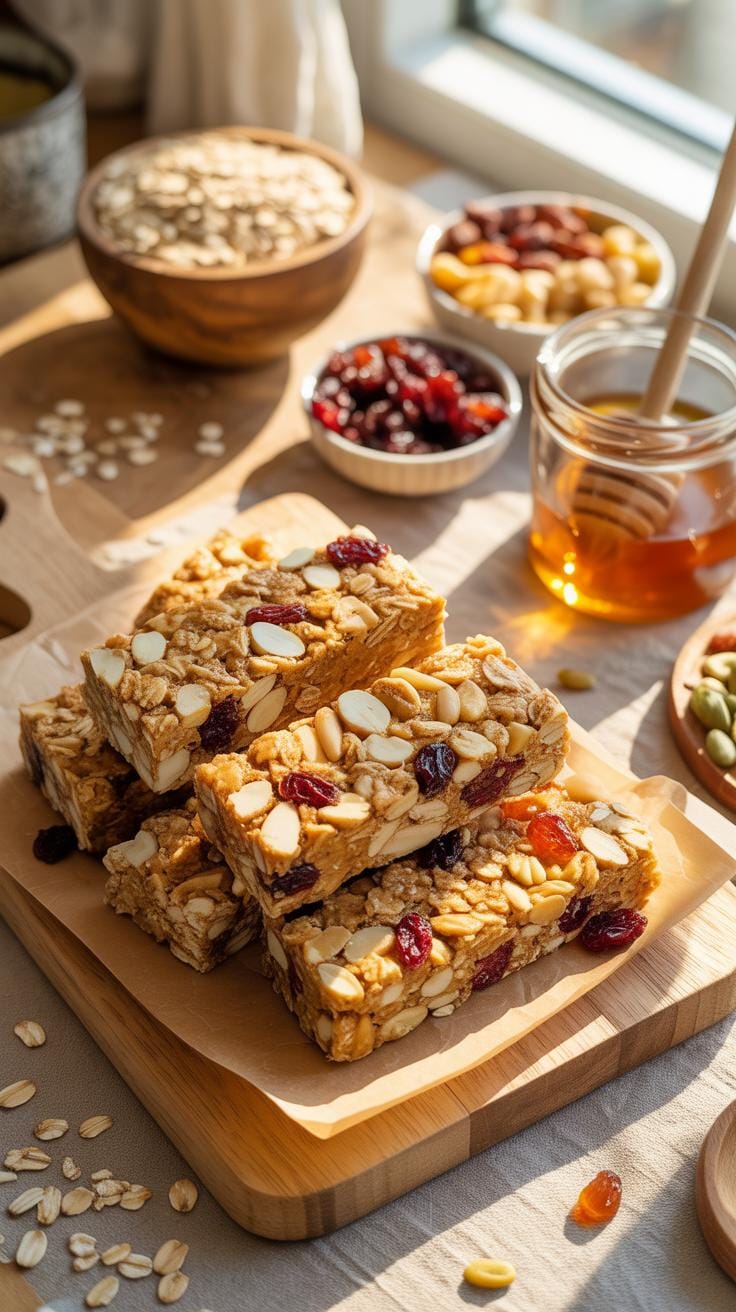
Essential Ingredients You Need
Making granola bars at home starts with choosing the right ingredients. Oats are the base—they bring fiber, which helps keep you full and supports digestion. Nuts provide protein and healthy fats, which are great for energy and muscle repair. Seeds, like chia or pumpkin, add a nutrient boost, including minerals and antioxidants. Sweeteners such as honey or maple syrup work as natural binders, holding everything together while adding just the right amount of sweetness. You could also toss in dried fruits for chewiness and extra flavor. Each ingredient plays its part, so think about what your body needs and what you enjoy eating.
Step By Step Baking Process
Start by preheating your oven to around 325°F (160°C). While it warms up, mix your dry ingredients—oats, nuts, seeds, and any extras—in a bowl. In a separate container, combine the honey and a bit of oil to make the sticky binder. Pour this over the dry mix and stir well to coat everything evenly. Then, press the mixture firmly into a lined baking pan; this helps the bars hold their shape after baking. Bake for about 20 to 25 minutes. It’s good to check halfway and give a gentle stir or press again if it looks uneven. Once out, let the pan cool completely—this part is key. If you slice the bars too soon, they’ll crumble. After cooling, cut into bars or squares. There’s no perfect size—just whatever fits your hunger or snack needs.
How To Customize Your Snack Bars
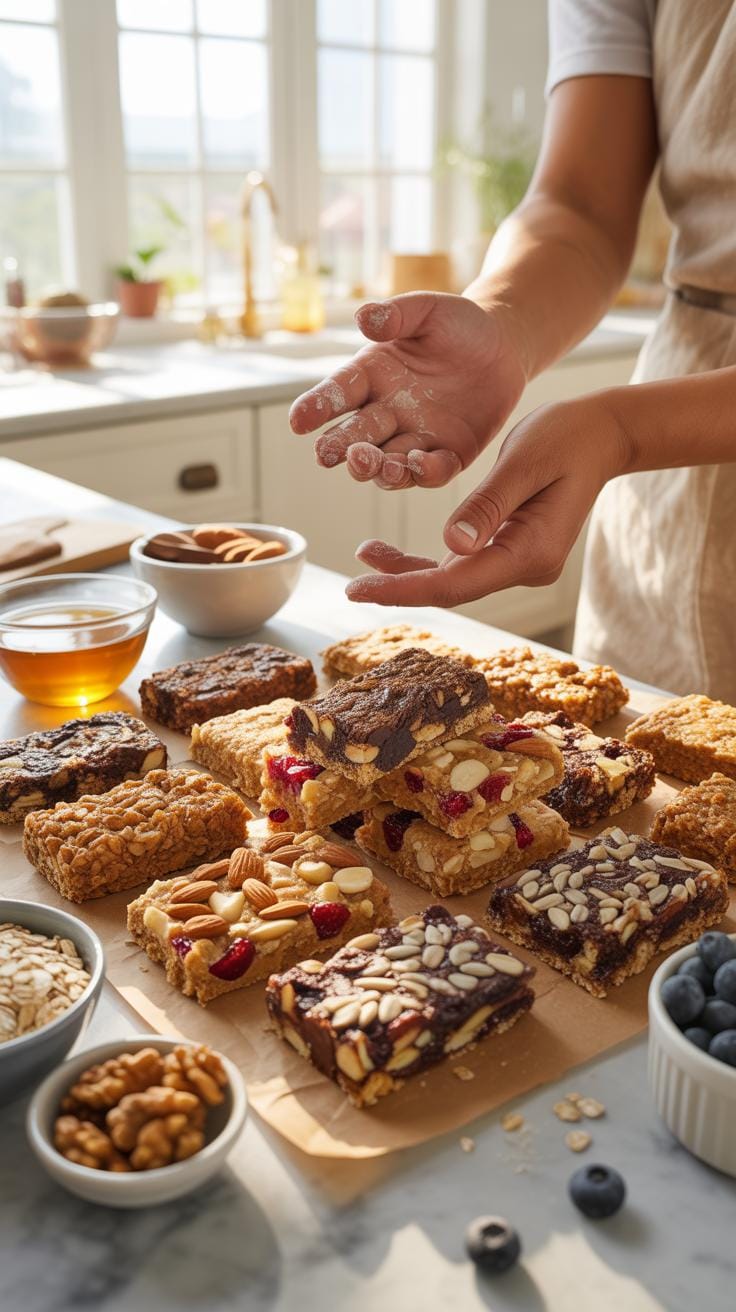
Choosing Nuts And Seeds
You might find yourself wondering which nuts or seeds to toss into your granola bars. Almonds offer a nice crunch and bring vitamin E to the party, while walnuts add a softer texture and omega-3 fats. If you prefer something milder, chopped cashews could be the way to go. Seeds like chia and flax pack a punch with fiber and healthy fats, though they don’t provide much crunch. Sometimes, I mix a handful of pumpkin seeds with flax, just to play with texture.
Flavor matters, but so do health benefits—so think about what you want from your bars. Craving more protein? Peanuts or sunflower seeds can step in. Want something lighter? Maybe stick with lighter-flavored seeds. Picking nuts and seeds isn’t an exact science here; it can be a little trial and error, but that’s a part of the fun.
Adding Flavors With Fruits And Spices
Dried fruits are an easy way to bring sweetness and a bit of chewiness. Raisins are classic, but apricots and cranberries give a tangy twist that can brighten the flavor. Sometimes I add chopped dates for a caramel-like depth—although they’re quite sticky, so be prepared for that. Don’t overlook spices; cinnamon works wonders by adding warmth without extra sugar.
Vanilla extract also does a lot of silent work, boosting flavors without overpowering them. A pinch of nutmeg or even a dash of ginger might surprise you. It’s tempting to add everything at once, but starting with one or two spices helps you understand what really suits your taste buds. Don’t hesitate to experiment a bit. After all, you’re the one who’s going to be snacking on these bars.
Comparing Granola Bars To Other Snacks
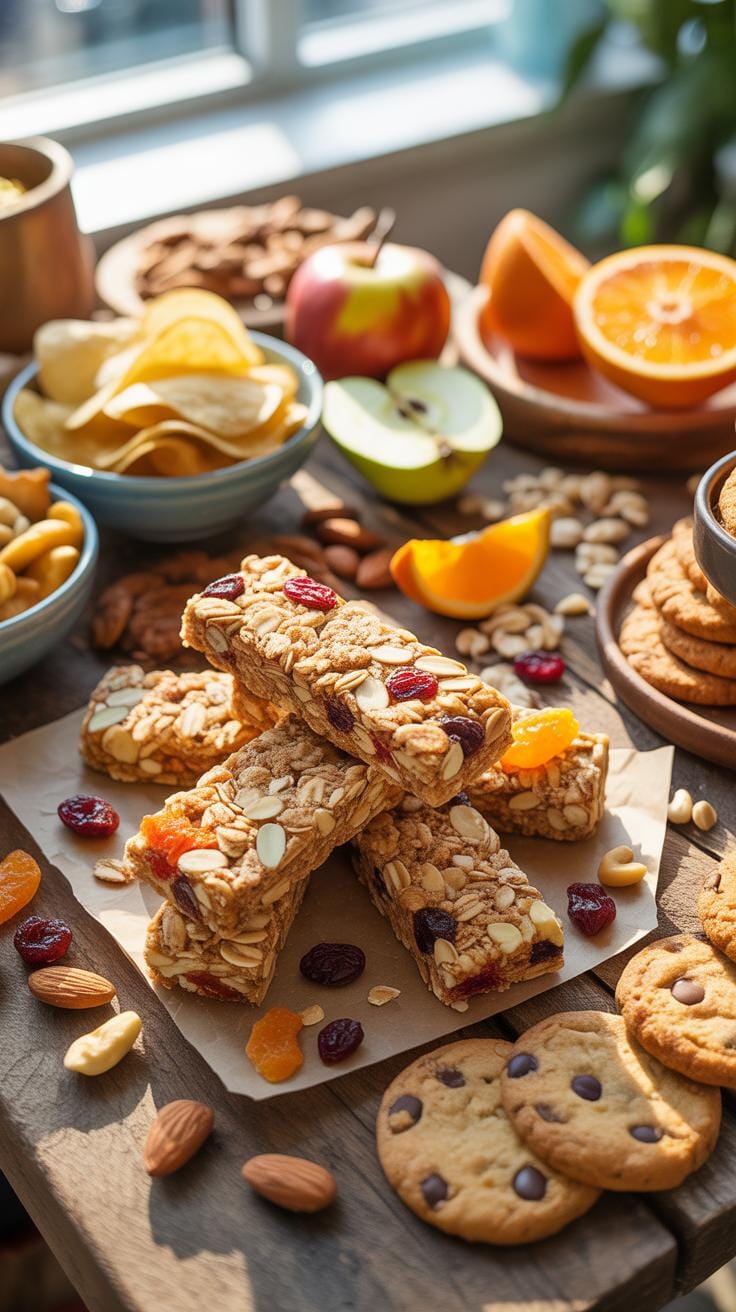
Granola bars stand out in the snack world, but how do they really stack up against other options you might reach for? When you think about nutrition, convenience, and energy, it’s not always clear-cut.
Take candy bars, for example. They often pack more sugar and fewer nutrients. You get a quick rush that fades fast. Granola bars, especially homemade ones, usually deliver more fiber and protein, which helps keep you full longer. Yet, some store-bought granola bars can sneak in a surprising amount of sugars, so it’s a bit of a mixed bag.
Then there’s trail mix. It shares some similarities with granola bars—nuts, seeds, dried fruits. But the texture and ease of eating differ. Trail mix is flexible, letting you control portions more easily. Meanwhile, granola bars are grab-and-go, no fuss. Nutrition-wise, trail mix might offer more healthy fats if it’s nut-heavy but might lack the binding fibers or added grains found in granola bars.
Energy supply can feel subjective too. Granola bars often hit a sweet spot between quick energy and sustained fuel. Candy bars spike fast and drop fast. Trail mix can vary widely: nuts provide lasting energy, but sugary fruit bites can create more of a short-term boost.
So, which snack feels right? It might depend on your day, your activity, or maybe just what you’re in the mood for. Aren’t snacks supposed to be a bit personal, after all?
Easy Storage Tips For Snack Freshness
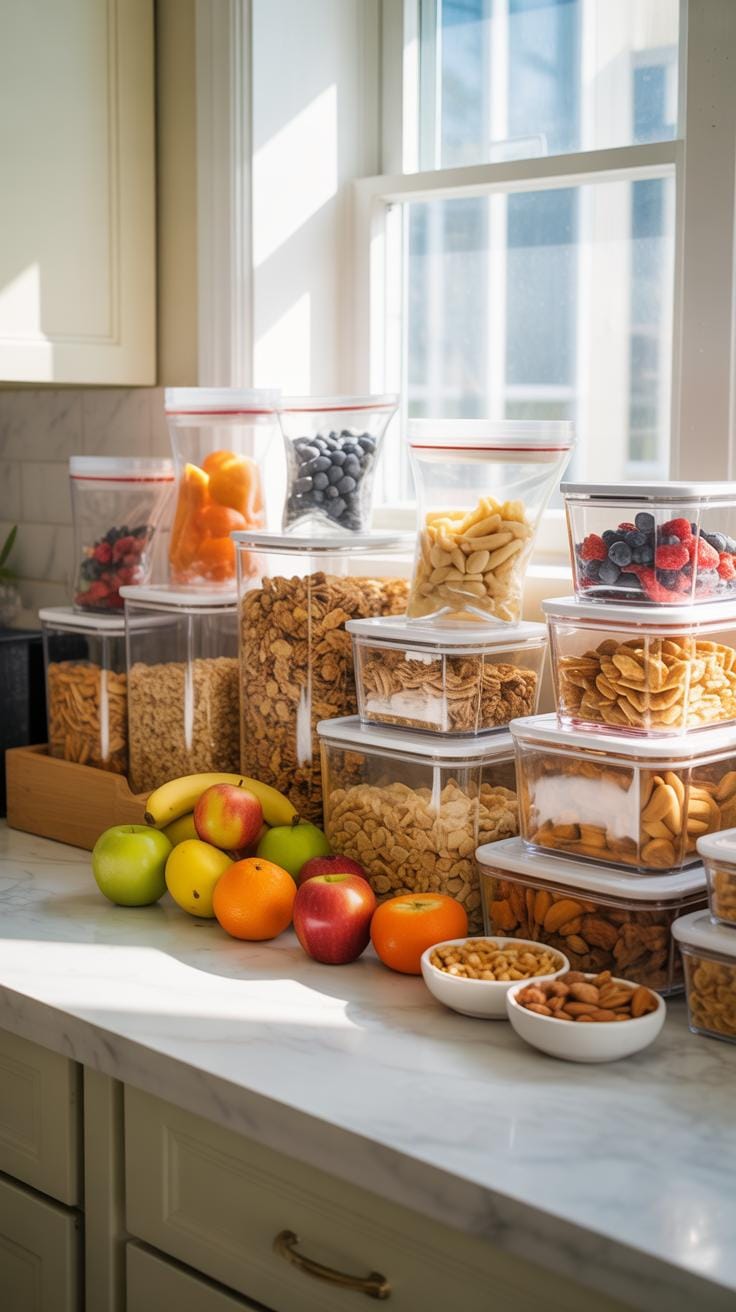
Keeping homemade granola bars fresh isn’t always straightforward. You want to preserve that crunch without ending up with dry, crumbly bars. One trick I found helpful is wrapping each bar individually in parchment paper or wax paper. It might seem a bit tedious, but it really helps keep moisture at bay and prevents bars from sticking together.
Storing bars in a cool, dry place is key. While refrigeration can help if it’s humid, sometimes it dries the bars out too much. I often leave mine in an airtight container on the counter and check them every few days. If you notice any sogginess or the texture changes, it’s a sign to eat them sooner rather than later.
Consider layering bars with sheets of parchment between them inside the container. This stops them from clumping, and the airflow stays more balanced. Also, avoid storing bars near strong-smelling foods as they can absorb odors, ruining their delicate flavors.
Best Containers For Granola Bars
Choosing the right container makes a real difference. Glass containers with airtight lids work well and don’t trap moisture. I’ve used ceramic lunch boxes too, which keep out air and light, helping bars last longer. Plastic containers are fine but look for BPA-free options to be on the safer side.
Another option is resealable bags, specifically those thicker freezer-grade types. They seal tightly but can sometimes squish the bars if you’re not careful. Try to remove as much air as possible before sealing.
Wrapping bars first before putting them in any container adds an extra layer of protection. It’s almost like double-wrapping a gift—better safe than sorry, right?
How Long Do Bars Last
Generally, homemade granola bars can stay fresh for about one to two weeks if stored properly. If you freeze them, they’re good for up to three months, but freezing might change the texture slightly. I’ve noticed frozen bars sometimes get a bit dry or crumbly after thawing, though some people don’t mind the difference.
Of course, the ingredients matter too. Bars made with fresh fruits or more nut butters tend to have a shorter shelf life. Those with lots of honey or syrup last a bit longer thanks to the natural preservatives.
When in doubt, trust your senses. If a bar smells off or tastes stale, it’s better not to risk it. You don’t want your healthy snack turning into a regret.
Ways To Use Homemade Granola Bars
Quick Breakfast On The Go
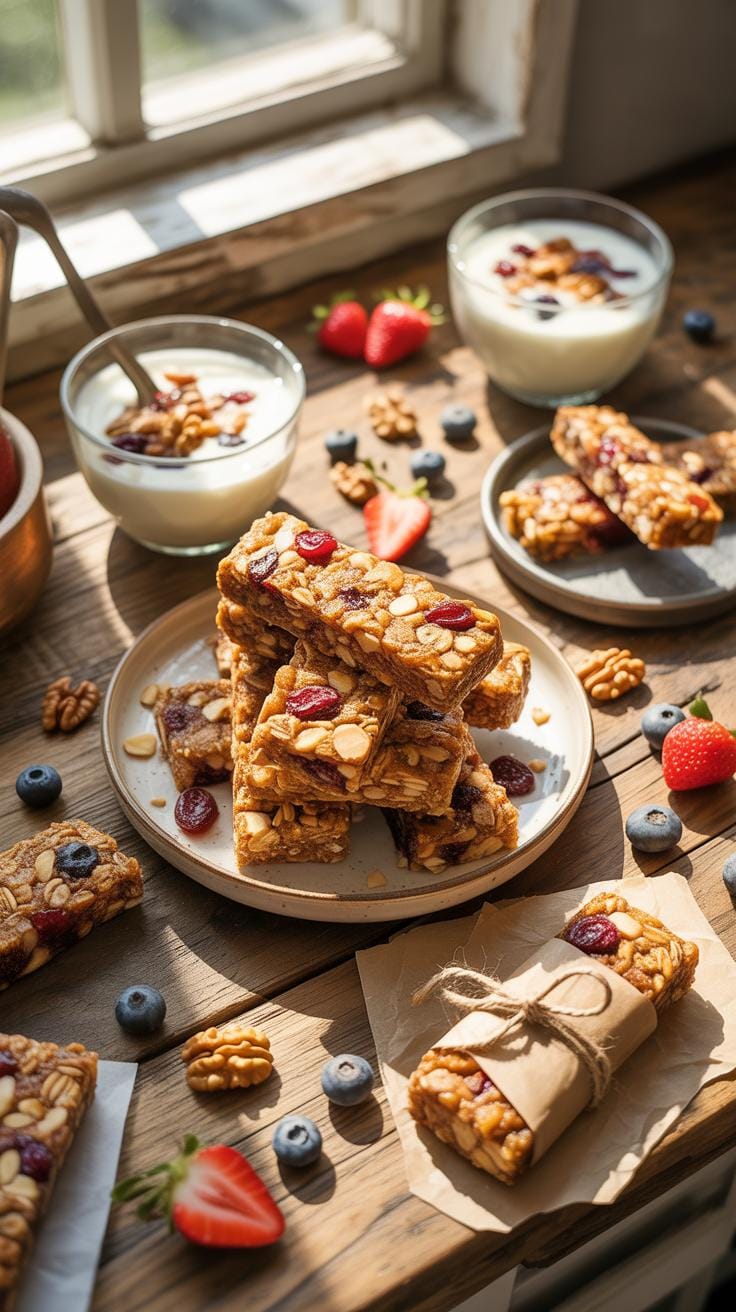
Granola bars can be a real lifesaver when mornings get hectic. You might not always have the time to sit down for a full breakfast, but grabbing a homemade granola bar is fast and straightforward. Packed with oats, nuts, and a touch of natural sweetener, they provide enough sustenance to kickstart your day without feeling heavy or overly filling.
They’re easy to stash in your bag or car, making them ideal for travel or commuting. I’ve noticed that on some rushed mornings, just one or two bites keep hunger at bay until I find a moment to eat properly. Plus, since you made them yourself, you know exactly what’s in them—no hidden sugars or additives waiting to surprise you.
Energy Boost For Outdoor Activities
When you’re out hiking, biking, or playing sports, your body needs quick, reliable energy. Homemade granola bars fit that role well. The combination of complex carbs from oats and fats from nuts offers a slow release of energy instead of a sudden sugar rush that leaves you drained soon after.
On a recent weekend hike, I realized how handy these bars can be. I didn’t feel sluggish midday, and carrying just a few small bars saved me from lugging heavy snacks. They’re easy to eat on the go and don’t crumble messily like some store-bought options can.
So, whether you’re gearing up for a day outside or just need a portable pick-me-up, these bars serve the purpose better than you might expect. Do you find yourself needing snacks that last through activity without weighing you down? Homemade granola bars might be a simple answer.
Common Mistakes When Making Granola Bars
Using Too Much Sweetener
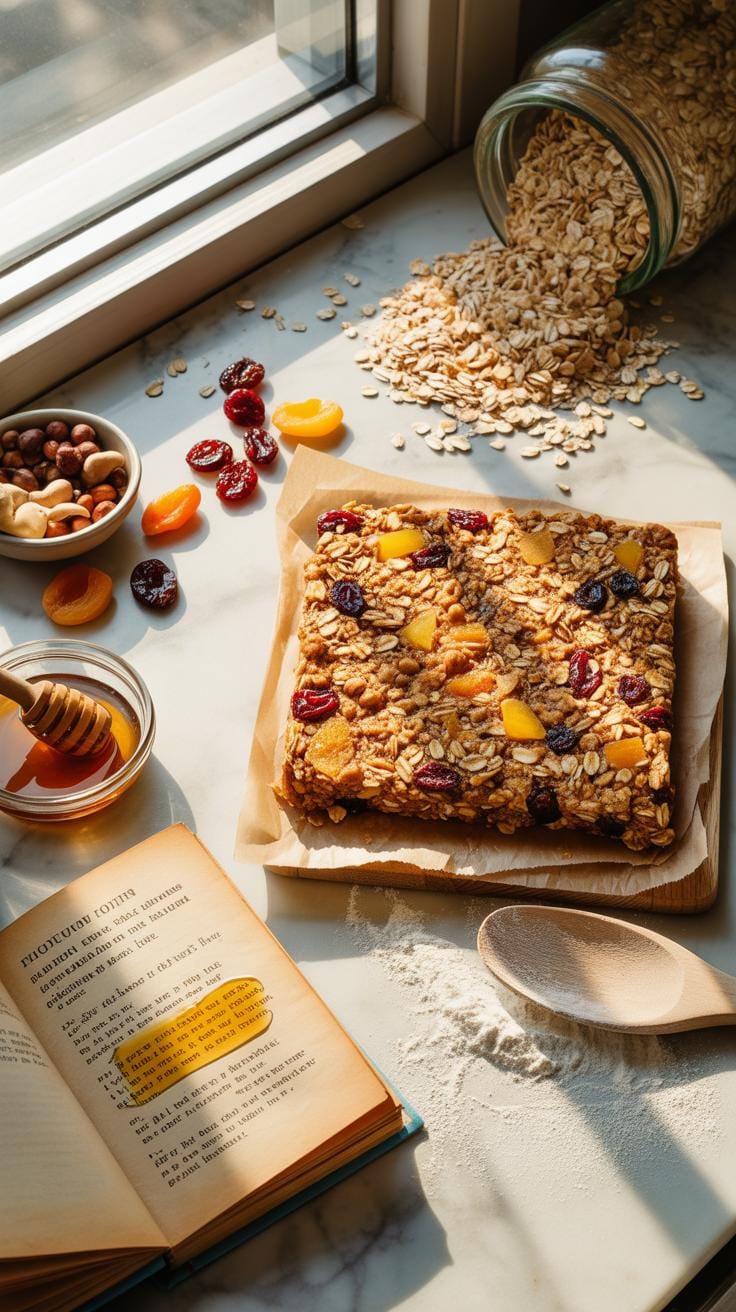
Sweeteners can be tricky when making granola bars. It’s easy to think that more sweetness equals better taste, but that’s often not the case. Too much sugar or honey can overpower the natural flavors and make your bars overly sticky or cloyingly sweet. Plus, it kind of defeats the purpose of a healthy snack if you load them up with extra sugar. I once made a batch that was so sweet, I couldn’t really enjoy it beyond the first bite.
Finding the right balance can mean reducing the usual amount by a quarter or even half, depending on your recipe. Experiment a little—try tasting your mixture before baking. Sometimes, a touch of sweetness from dried fruits like raisins or dates can carry the flavor without added sugar. It’s a delicate balance, though. Too little sweetener and the bars might feel bland or dry, which might keep you from reaching for them when you need a quick energy boost.
Not Pressing Bars Firmly
This one is surprisingly common. When the mixture isn’t packed tight enough into the pan, the granola bars tend to crumble and fall apart the moment you cut into them. You might press the mixture down lightly and think that’s enough, but often, it isn’t.
Firmly pressing the mixture ensures the ingredients stick together better. I’ve tried using the back of a spoon or even a small flat glass to really compress the mix. It’s worth the extra effort. Without good packing, no matter how great your recipe is, the bars can end up crumbly and disappointing. But be careful not to press too hard either; overly dense bars can lose that pleasant chewiness that makes granola bars enjoyable in the first place.
Ingredients Checklist For Your Kitchen
Staple Dry Ingredients
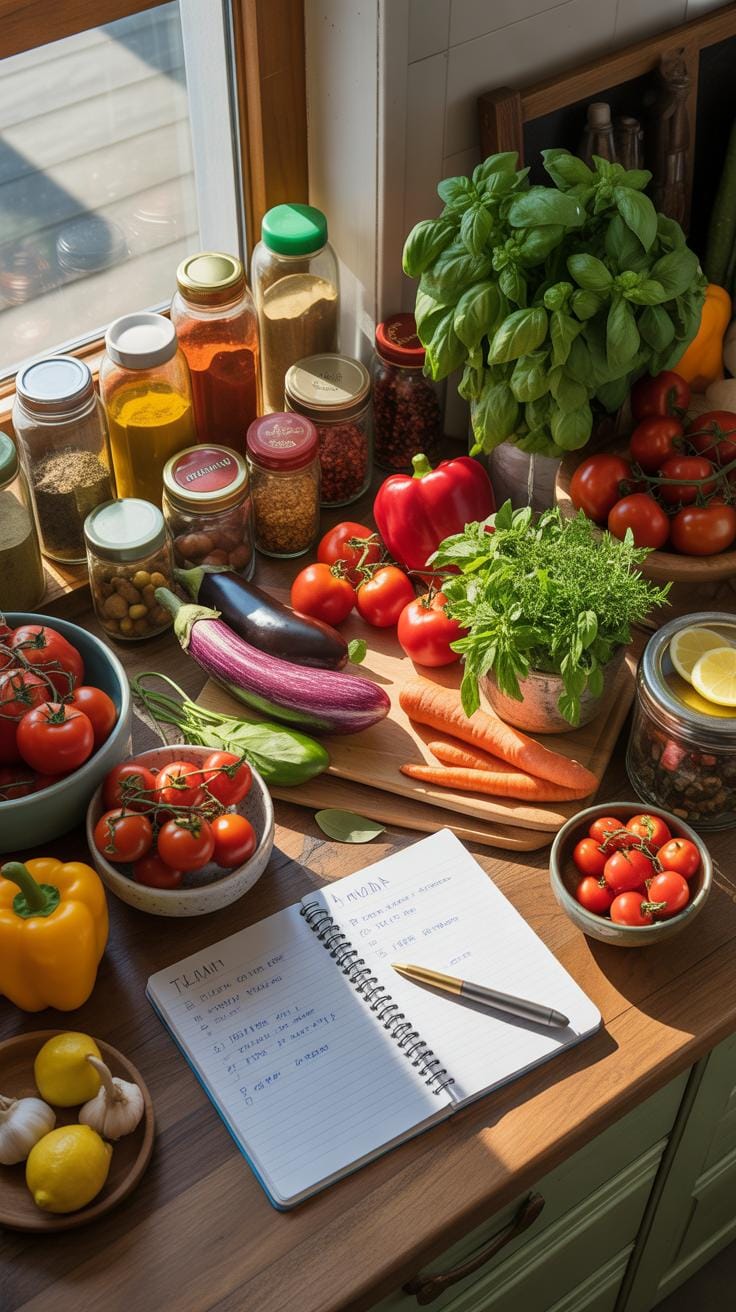
When you want to whip up granola bars without scrambling, having a few dry staples ready can make all the difference. Rolled oats are usually the base—you’ll want old-fashioned oats rather than instant, as they hold together better and have a nicer texture. Then there are nuts, which I find add both crunch and a bit of protein. Almonds, walnuts, or pecans work well, though you might rotate between them based on what’s available.
Seeds are another common ingredient that sometimes get overlooked. Sunflower seeds, chia seeds, or flaxseeds provide subtle texture and some nutritional benefits. I tend to keep pumpkin seeds on hand as well. Baking essentials like a pinch of salt or a little baking soda come in handy if you’re tweaking recipes for texture or flavor. You don’t always need them, but they’re worth having around.
Sweeteners And Additions
Sweeteners control how your granola bars stick together and how sweet they taste. Honey is a go-to for many, including myself. It melts well and gives a little tang. Maple syrup is a nice alternative, though it’s a bit thinner, so you might need to adjust quantities. Some people like brown rice syrup or even date syrup, but those can be harder to find or less predictable.
For extra flavor and a bit of variety, dried fruits are a classic add-in. Raisins, cranberries, or chopped apricots are common choices. I’ve sometimes tossed in chopped dates or figs, which add chewiness. Spices like cinnamon or nutmeg can be subtle but shift the whole flavor profile—though not everyone appreciates those hints, so it’s optional. Sometimes I wonder if I overdo it on spices, but that’s just me.
Healthy Snack Habits To Support Your Diet
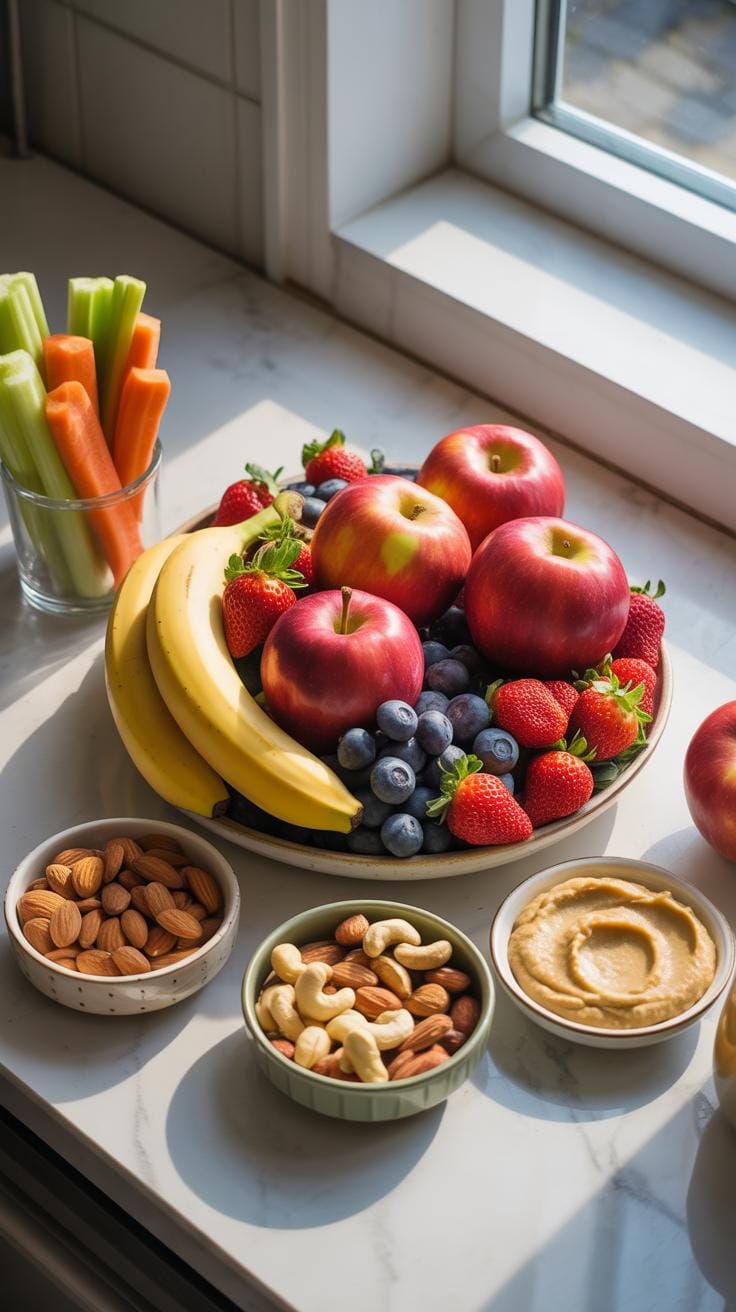
You might think snacking is just a way to fill time between meals, but regular healthy snacks can actually play a key role in balanced eating. When you choose snacks like homemade granola bars, you’re not only avoiding the trap of grabbing something quick and unhealthy, but you’re supporting steady energy levels throughout the day. I find that having a go-to healthy snack reduces those moments when hunger suddenly hits and fast food or sugary treats seem tempting. It’s almost like you’re training your body to expect good fuel, which makes it easier to stick to your diet plan overall.
There’s also something about routine that helps. Setting specific times for snacking prevents grazing mindlessly, which often leads to eating unnecessary calories. Instead, you create little checkpoints during the day that keep your metabolism active and hunger in check.
Planning Snack Times
When you actually plan your snack times, it can totally change how you manage hunger and energy. I’ve noticed on days when I skip snacks, I get so hungry by afternoon, my focus slips, and I’m craving whatever is easiest to grab. But, when snack times are scheduled, there’s less impulsive eating and more control. It feels less like a struggle and more like a rhythm.
Another benefit is avoiding the energy slumps that sneak in if you rely only on main meals. Snacks add small bursts of fuel that keep you alert and satisfied, almost preventing that hangry feeling, you know? Plus, planning snacks ahead means you’re more likely to pick something nourishing instead of something random lying around.
Choosing Nutrient Rich Snacks
Not all snacks are created equal. Picking ones rich in nutrients—especially fiber and protein—makes a big difference in how you feel and how long you stay satisfied. For instance, granola bars with oats, nuts, and seeds supply fiber that slows digestion a bit, and protein that supports muscle and keeps hunger away.
Fiber also supports digestion and can help regulate blood sugar levels, which is something most people could use a bit more attention on. Proteins and healthy fats combined in your snacks aren’t just filling, they’re actively working to support your overall health. Vegetables with hummus, yogurt with nuts, a hard-boiled egg, or those homemade granola bars can all fit nicely here.
So, when you’re picking or making snacks, consider what nutrients they bring along—not just the calories or taste. It’s this kind of thoughtfulness that slowly shapes better habits without feeling like a chore.
Conclusions
Homemade granola bars are an easy snack option that brings together health and convenience. By making them yourself, you ensure fresh ingredients and the chance to customize flavors and textures to your liking. They also store well for when you need a quick energy boost.
Trying different nuts, seeds, and sweeteners lets you find your favorite mix. These bars fit well in busy lives and help you choose snacks that fuel your body properly. Start making your own today to enjoy tasty, healthy snacks anytime.