
Introduction
Eating meals with high protein helps your body grow strong and stay healthy. You don’t need a lot of time or special skills to make meals that are both healthy and full of protein. This article will show you ways to prepare quick and easy high-protein meals at home. You will learn about good protein sources and how to save time while making tasty food.
Knowing which foods have the right amounts of protein helps you choose smart meals. Also, planning ahead can make cooking faster. Let’s explore different protein-rich meals you can prepare quickly right in your kitchen. You can enjoy food that keeps you full and energized without spending hours cooking.
Understanding Protein Benefits
Protein’s Role in the Body
Protein works in your body in many ways, some of which you might not even notice. At its core, protein is the building block for muscles and tissues. When you exercise or even just move around, tiny tears form in your muscles—protein helps fix those. It also builds new cells and supports things like hair, skin, and even enzymes that help you digest food. You might think protein is only about muscle, but it’s really everywhere, quietly helping keep your body working. It’s like a repair crew that’s always active, even when you’re resting.
Everyday Benefits of Protein
Eating enough protein can make a big difference in your daily life. For one, protein tends to keep you feeling full longer. That’s helpful when you need to avoid snacking too much or want to plan quick meals that last. Plus, protein helps support steady energy levels—unlike sugary snacks that can cause quick crashes. It fuels your body in a way that feels more reliable throughout the day. Have you ever noticed how meals with some protein just keep you going better? That’s not accidental. It also plays a role in balancing your mood, though I’m still figuring out exactly how much protein you need for that.
Top Protein Sources
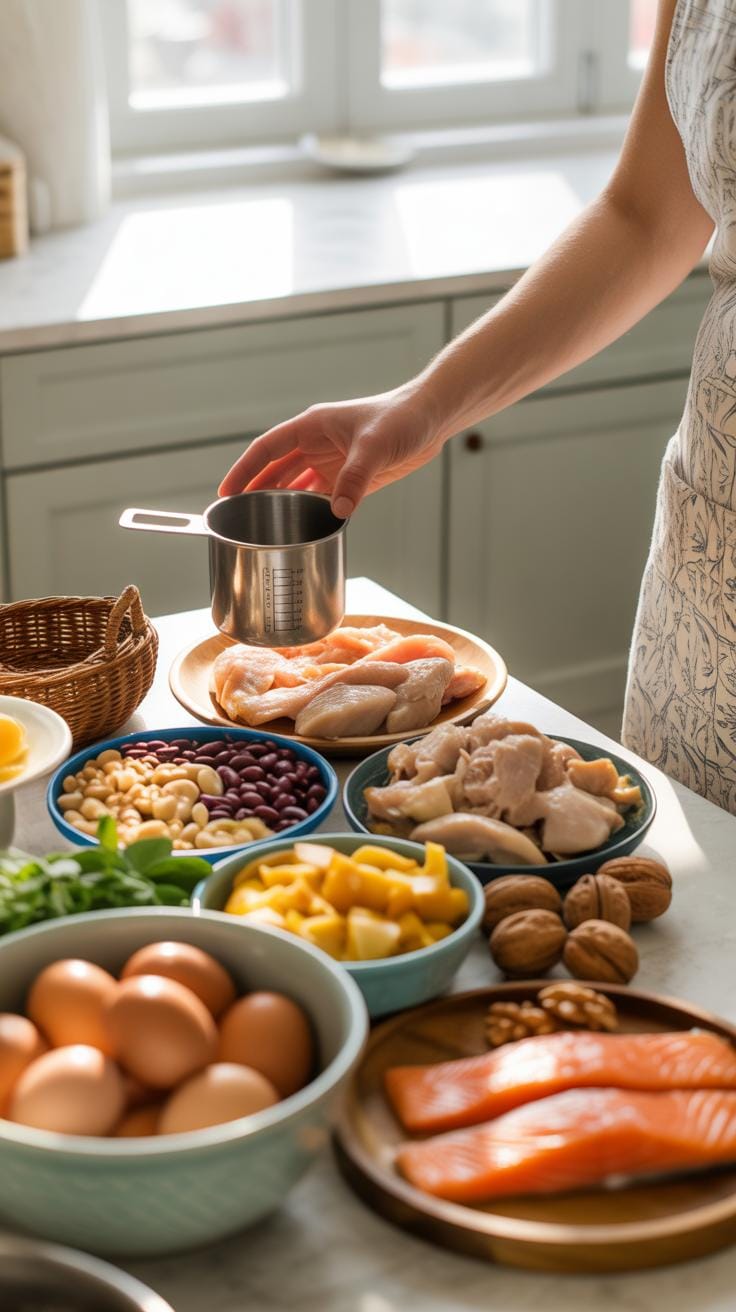
Animal-Based Proteins
When it comes to animal-based proteins, some staples stand out for their accessibility and protein content. Chicken breast, for example, packs about 31 grams of protein per 100 grams and is quite lean, making it a favorite for quick meals. Fish, like salmon or tuna, also provide a solid protein punch—around 20 to 25 grams per 100 grams—with the bonus of healthy omega-3 fats, which might be worth considering beyond just protein.
Eggs offer roughly 6 grams each and are incredibly versatile. You can boil, scramble, or even poach them quickly on busy days. Dairy products like Greek yogurt or cottage cheese are often overlooked sources but contain 10 to 12 grams of protein per half-cup, and they come with calcium too. These kinds of animal proteins provide all the essential amino acids your body needs, which can be a bit more challenging to find in some plant proteins.
Plant-Based Proteins
On the other side, plant-based proteins have their set of winners. Beans and lentils are reliable and rich in protein—lentils offering about 9 grams per half-cup cooked, and beans ranging from 7 to 9 grams, depending on type. They also provide fiber, which is a nice bonus, though their amino acid profile differs from animal proteins.
Nuts and seeds are handy too—think almonds with 6 grams per ounce or pumpkin seeds with nearly 8 grams. Soy products, particularly tofu and tempeh, can deliver between 15 and 20 grams per half-cup, which is surprisingly close to animal sources. Sometimes, combining these plant proteins, like rice with beans, can cover all essential amino acids, but it does require a bit of planning.
So, whether you lean toward animal or plant proteins, both offer solid options. It’s really about what fits your lifestyle and taste preferences. Have you tried mixing both, or do you stick to one type? There’s a bit of trial and error to find what works best for you.
Choosing Healthy Ingredients
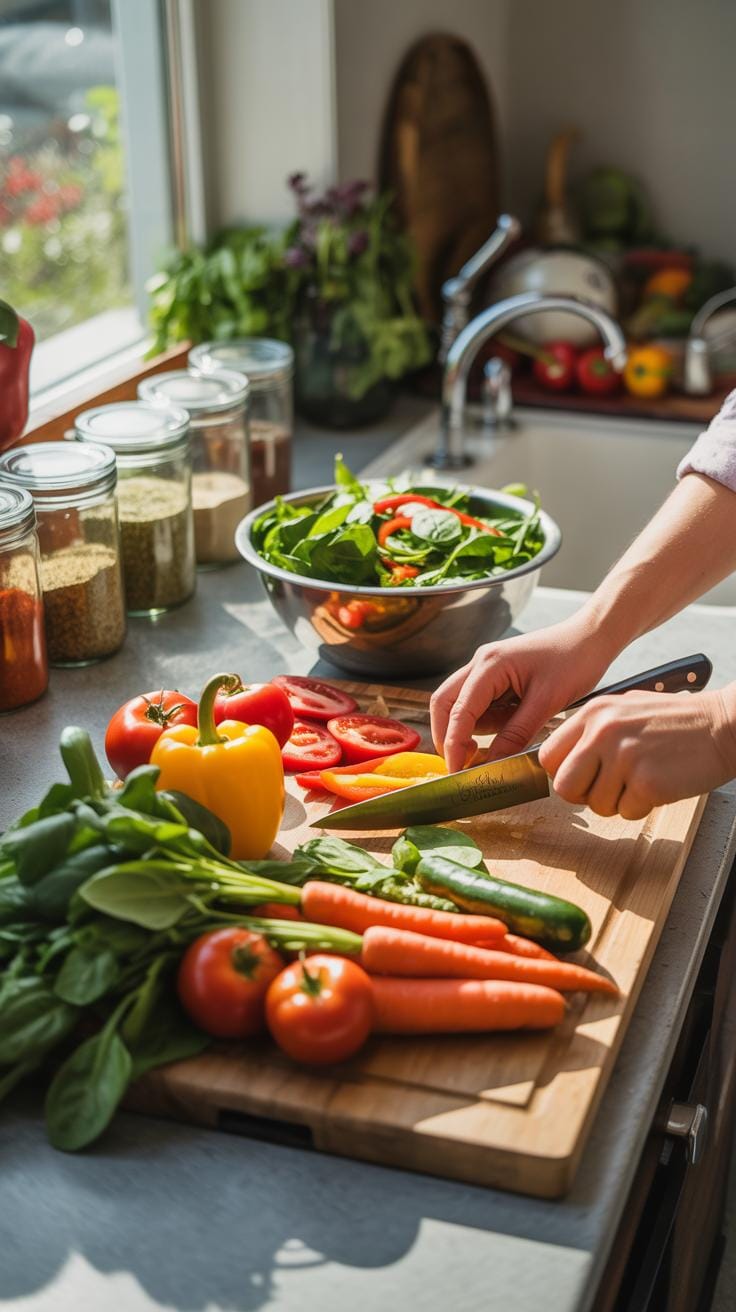
Picking the right ingredients for your high-protein meals makes a bigger difference than many realize. Fresh, natural foods usually bring more nutrition without hidden fats or additives. When you shop, try to focus on whole foods rather than anything pre-packaged or processed. For example, buying fresh chicken breast or wild-caught fish instead of pre-marinated or breaded versions often means fewer unhealthy fats sneak into your meals.
Lean meats like turkey, chicken, or lean cuts of beef are smart choices because they supply protein without the extra saturated fat. Low-fat dairy options such as plain Greek yogurt or skim milk also pack protein but keep fat levels down. This doesn’t mean you have to avoid all fats—some fat is good—but watch for the kind you add unintentionally.
Pairing your protein with vegetables and whole grains can round out the meal nicely. Think spinach, bell peppers, quinoa, or brown rice. These foods add fiber, vitamins, and minerals, making your meal fuller and more satisfying. Sometimes I make the mistake of focusing too much on protein alone and forget how much better the whole plate feels with those nutrient-rich sides.
Have you noticed how a simple swap—like swapping white rice for quinoa or regular cheese for low-fat cheese—changes both the taste and how you feel afterward? It’s tricky to get it perfect every time. Still, aiming for fresh, lean, and nutrient-dense ingredients usually pays off in energy and wellness.
Quick Cooking Techniques
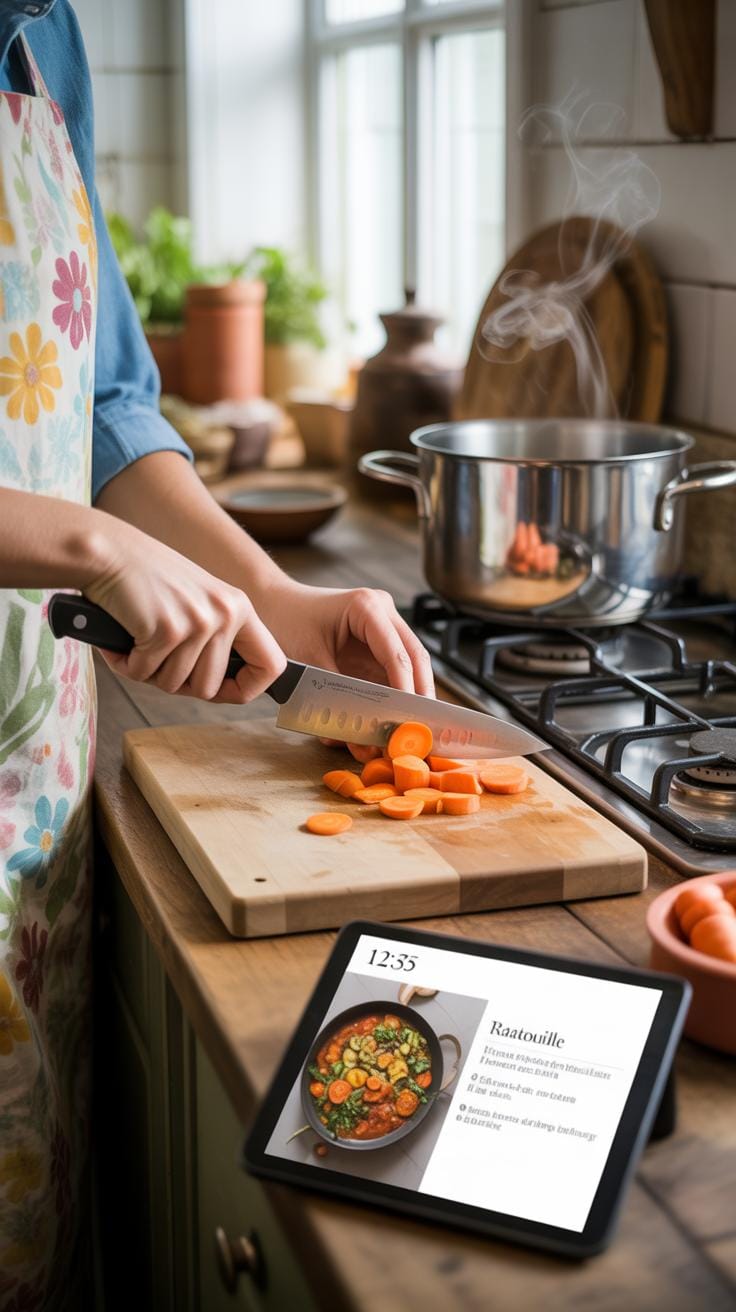
Grilling, sautéing, and steaming stand out as simple ways to cook protein quickly while keeping flavors intact. Grilling adds a smoky touch with minimal fat, perfect for chicken breasts or fish fillets—you get a nice sear without drying out the meat. Sautéing uses high heat with a bit of oil, cooking thin cuts in minutes and preserving juiciness if you don’t overdo it. Steaming keeps things gentle, especially for delicate proteins like shrimp or tofu, locking moisture inside. These methods avoid heavy sauces or long cooking times that can sap protein quality.
Speedy Cooking Tips
To speed up protein cooking, slice meats thin or pound them evenly so they cook in less time. Marinating briefly—with acidic ingredients like lemon or vinegar—can help tenderize the meat, so it stays moist during quick cooking. When sautéing or grilling, preheat your pan or grill well; this seals in juices faster. Don’t crowd the pan; it cools the surface and causes steaming rather than browning. And sometimes, just flipping your protein once or twice is enough—constant flipping can cause moisture loss.
Batch Cooking Benefits
Preparing several portions at once saves time during a busy week. You can grill multiple chicken breasts or steam large batches of beans or lentils. Then store leftovers in the fridge or freezer. This way, you don’t end up scrambling for quick meals later. It also helps portion control—you’ll know exactly how much protein you have ready. Making a big batch isn’t just a time saver; it lowers the temptation to reach for less healthy options out of convenience. Have you tried cooking twice what you need and using it over a few days? It feels like a small effort for a big payoff.
Simple High Protein Breakfasts
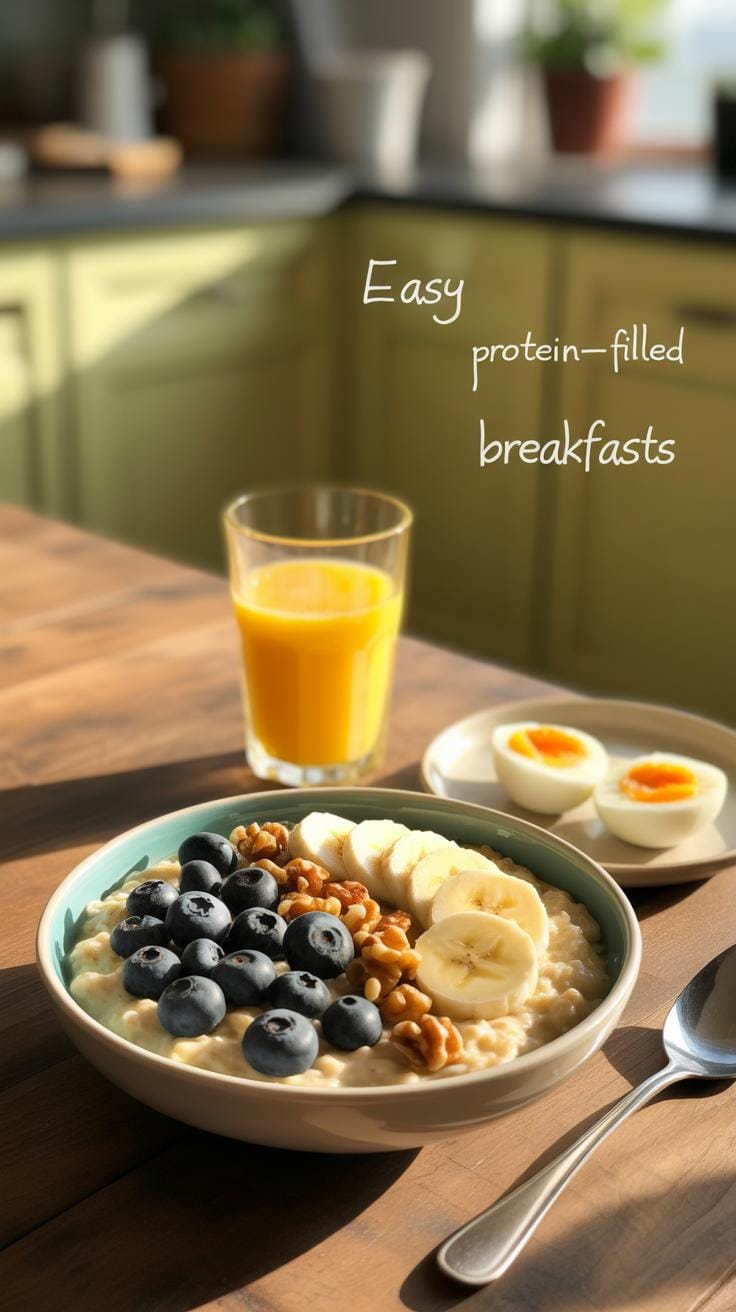
Starting your day with enough protein can set the tone for better energy and focus. Quick breakfasts don’t have to mean grabbing a sugary cereal or skipping the meal altogether. You can whip up something packed with protein in just minutes. The key is to choose ingredients that cook fast and provide a solid protein boost.
Egg-Based Breakfast Options
Eggs remain one of the easiest ways to get a decent hit of protein before you dash out the door. Scrambled eggs are super quick — just crack a few eggs into a bowl, whisk them with a splash of milk or water, then cook on medium heat. Adding chopped veggies like spinach, tomatoes, or bell peppers not only gives vitamins but also a bit of fiber. Omelets follow a similar idea but feel a little more satisfying and can hold more fillings. You could even toss in some diced ham or a sprinkle of cheese for an extra protein layer. Plus, eggs offer complete protein, which means they provide all the essential amino acids your body needs.
Protein Smoothies
If you’re not in the mood to cook, smoothies offer a quick alternative. Combine your favorite fruit—like bananas, berries, or mango—with a scoop of protein powder and some liquid, such as water, milk, or a dairy-free option. Toss in a handful of spinach or some oats if you want, but even without, it’s a decent protein punch. The great thing about smoothies is that you can prepare them in under five minutes. Yet, they stay filling enough to keep you going through the morning. Sometimes, I wonder if they’re too easy—like, you don’t chew much, so they don’t quite feel like a meal. But hey, they do the job on busy mornings.
So, by focusing on eggs and smoothies, you can create straightforward, protein-rich breakfasts that fit neatly into your rushed routine. No fancy tools or ingredients needed, just simple options that fuel you.
Healthy Protein Lunch Ideas
Salads with Protein
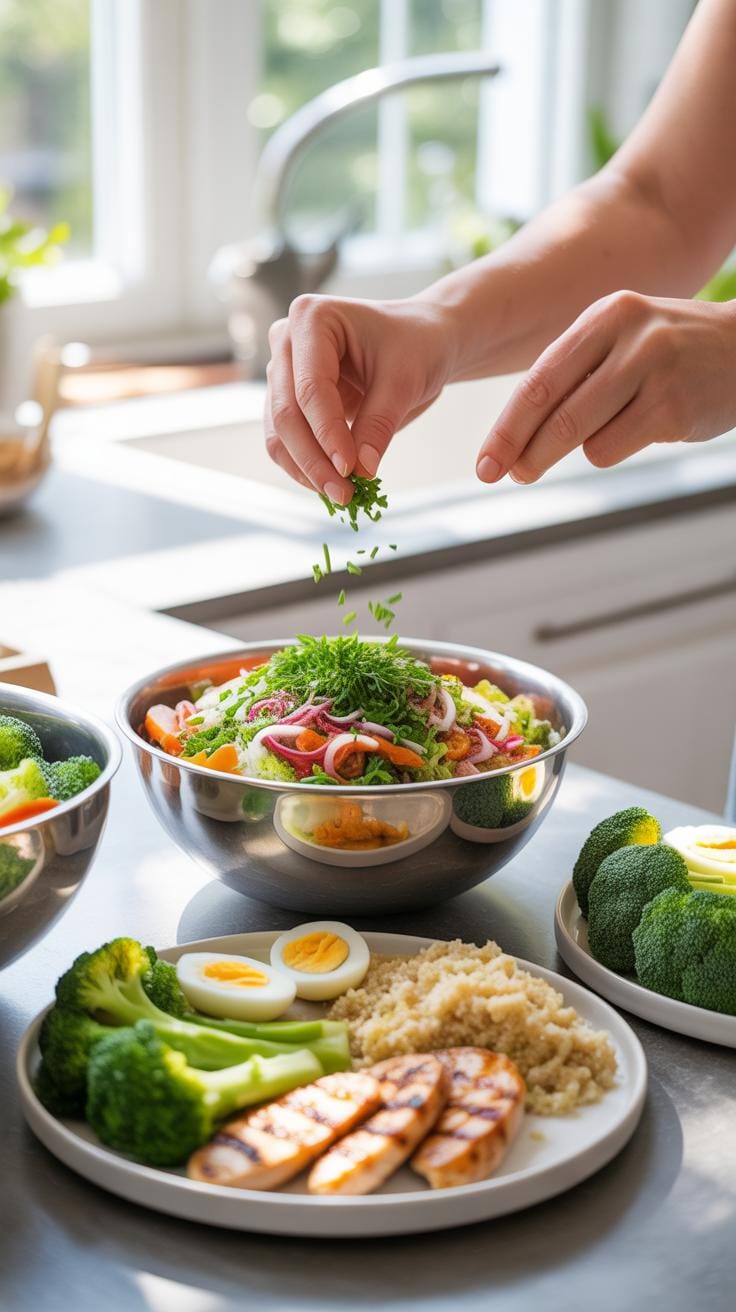
When it comes to lunch, grabbing a salad can sometimes feel like lacking something substantial. But salads don’t have to be just greens and veggies. You can turn them into a solid protein source by adding ingredients like beans, chicken, or tuna. For example, a black bean salad with corn, tomatoes, and a squeeze of lime can provide fiber and protein in one quick meal. Or take cooked, shredded chicken—add it over mixed greens with avocado and pumpkin seeds for extra texture and protein punch.
Tuna salad is another quick fix. Mix canned tuna with Greek yogurt or a light vinaigrette instead of mayo to keep it healthy. Toss it with spinach, cucumbers, or even quinoa to boost the protein further. These salads don’t just fill you up—they keep you energized through busy afternoons. Sometimes the simplest combos pack enough protein and flavor to feel like a real meal without extra fuss.
Wraps and Sandwiches
Wraps and sandwiches can be fast, portable lunches that deliver plenty of protein if you choose your fillings right. Lean meats like turkey, chicken breast, or even lean roast beef work well here. Pair them with fresh, crunchy veggies such as lettuce, tomato, and bell peppers. A whole-grain wrap or sandwich bread adds some carbs, but the real focus is on the protein.
One of my favorite quick lunches is a turkey and hummus wrap with shredded carrots and spinach. It takes just minutes to assemble but keeps me full for hours. Or try a chicken avocado sandwich—just slice the chicken thin, add avocado for creaminess, and a bit of mustard or salsa for flavor. Quick to make, easy to eat, and packed with protein. Have you experimented with these sandwiches yourself? Sometimes the best recipes come from whatever you find in your fridge.
Protein Dinners Made Easy

Stir Fries
Stir fries can be one of the quickest ways to get a high-protein dinner on the table. You can grab some chicken breast, cut it into bite-sized pieces, and toss it into a hot pan with a little oil. The key is to keep the heat high and cook the chicken just until it’s done—this usually takes less than 10 minutes. Adding colorful veggies like bell peppers, broccoli, and snap peas not only boosts nutrients but keeps the dish interesting.
If you prefer plant-based options, tofu works really well here. Press it to remove excess moisture, then cut it into cubes and cook until crispy on the outside. The texture is different from chicken, yes, but it absorbs flavors nicely. Toss everything with a simple sauce made from soy sauce, garlic, and a splash of lime or rice vinegar. It feels like a bit of a shortcut meal, but it hits the protein target and doesn’t leave you starving later.
One-Pot Meals
One-pot meals are a real blessing when you want protein and veggies without staring at multiple pans. Think of combining lean ground turkey or lentils with chopped vegetables like carrots, tomatoes, and spinach in a single pot. Start by browning the protein, then add veggies and some broth or canned tomatoes to simmer everything together.
This method is pretty forgiving—you can swap ingredients based on what you have, which is great if your fridge is a bit random. The best part? Cleanup is easier, which sometimes makes you more willing to cook at home. Plus, the protein and veggies meld into a warm, filling dinner that feels more like a treat than just a chore.
Meal Prep for Protein Efficiency
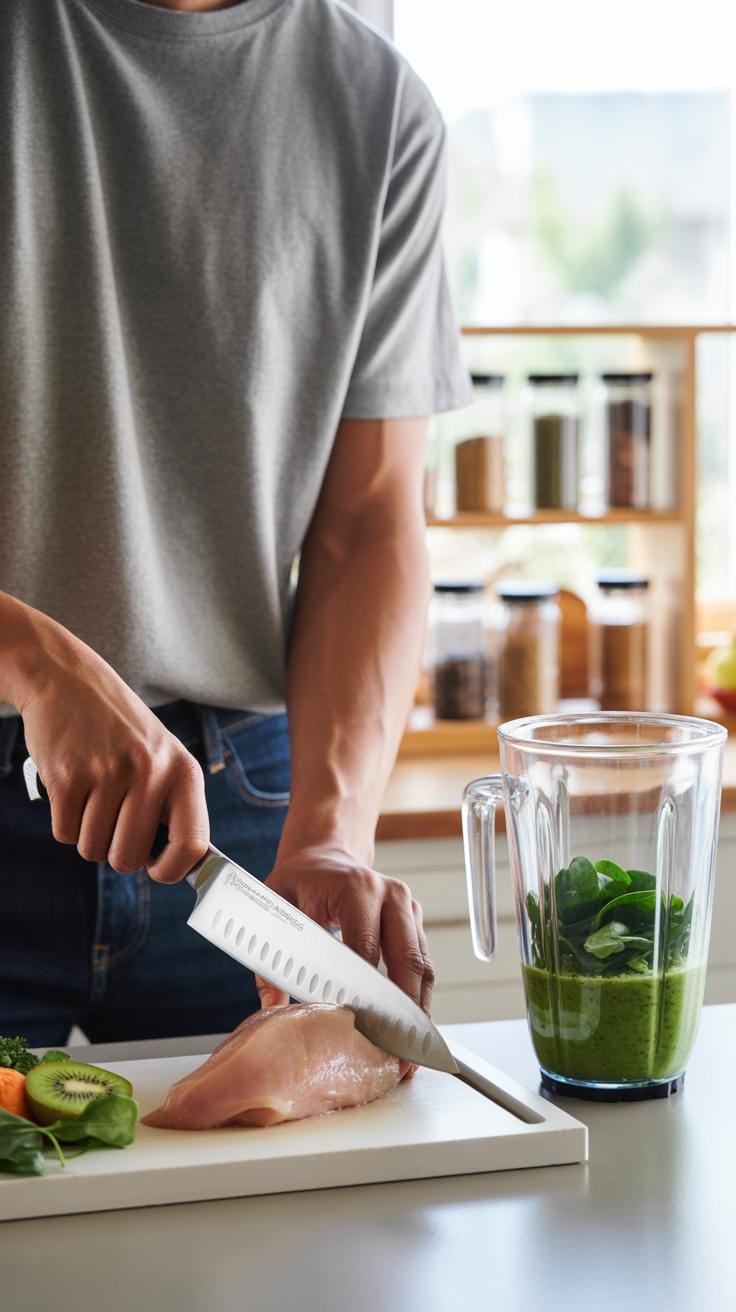
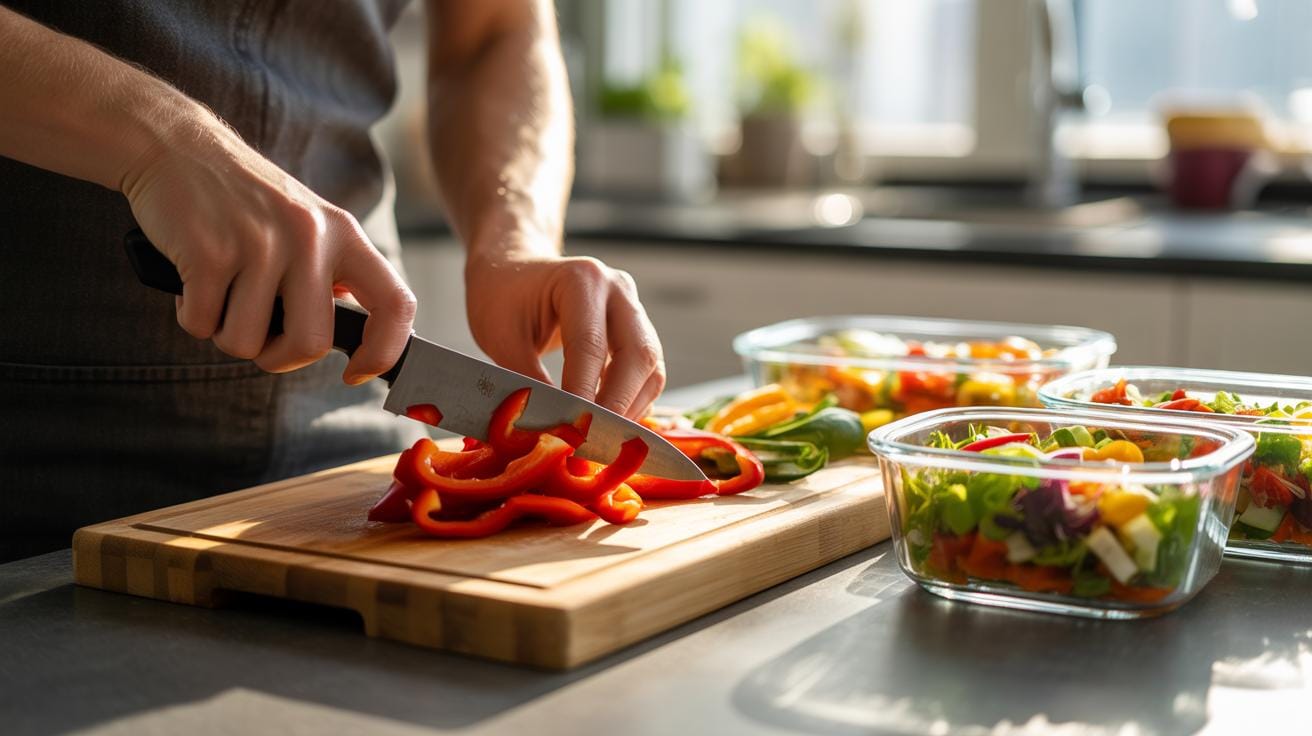
Planning your protein meals ahead can really ease the mad rush during the week. When you set aside some time—say Sunday afternoon—to cook, you save hours later. It’s about cooking once, then having options ready for quick assembly. Makes you wonder why more people don’t do this, right?
Batch Cooking Proteins
Try cooking a big batch of chicken breasts, beans, or tofu all at once. Then, you can slice or portion them and add them to salads, wraps, or stir-fries throughout the week. It’s not just practical; it often makes meals taste better after sitting and marinating a bit. I once cooked a whole tray of baked salmon and used it all week—breakfast omelets, lunch bowls, simple dinners.
Think about what proteins you enjoy and how versatile they are. Ground turkey? Perfect for tacos one night and spaghetti sauce the next.
Storage and Safety
Keeping your prepped protein fresh matters. Use airtight containers and label them with dates. Refrigerate cooked proteins and try to eat them within 3-4 days. If you want to stretch that, freezing portions works well, though texture might change slightly—something like chicken can dry out a bit after thawing.
When reheating, make sure the food is steaming hot throughout. Trust me, it’s worth the extra minute to avoid any question marks about safety. Also, don’t mix fresh and cooked proteins in the same container—that’s a quick way to spoil both.
Smart Snacking with Protein
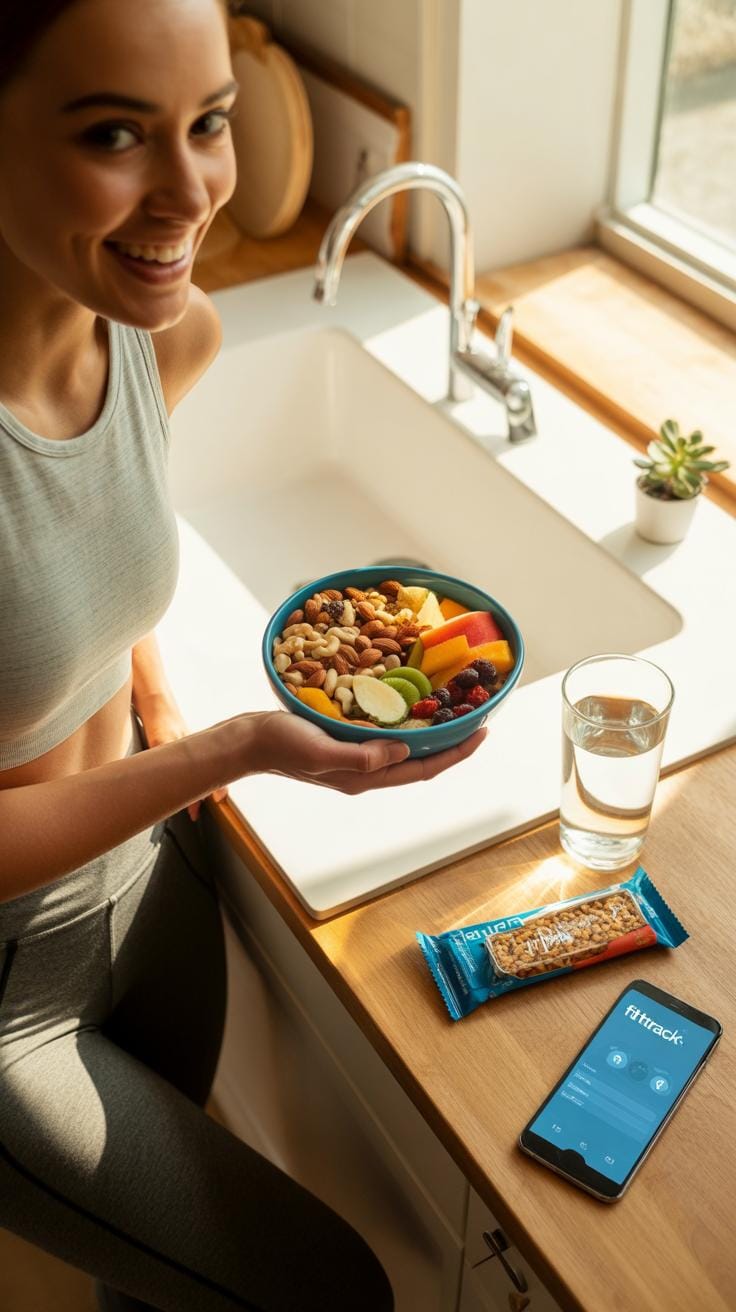
Keeping your energy steady between meals can be a bit tricky, especially if you’re busy or always on the move. That’s where protein-rich snacks come in—they help curb hunger and keep you feeling fuller longer. You might find that reaching for a quick bite loaded with protein makes a real difference in your energy levels, even if it’s just a small amount.
Quick Snack Choices
Simple snacks like nuts, yogurt, and cheese can pack quite a protein punch without much fuss. For example:
- A handful of almonds or walnuts offers a decent dose of protein, plus healthy fats to keep you satisfied.
- Greek yogurt stands out because it typically contains almost double the protein of regular yogurt. Plus, it’s easy to flavor with fresh fruit or a drizzle of honey.
- Cheese slices or string cheese serve as a quick, no-prep option that you can snack on anywhere.
Sometimes, these snacks feel basic, but they work well, and honestly, it’s better than skipping a snack or grabbing something less nourishing.
Portable Options
Taking your protein snacks on the go can be a real game-changer. Think about packing small containers filled with boiled eggs, or roasting chickpeas for a crunchy treat. Jerky, especially turkey or beef, tends to have a good protein density and travels easily too—but watch out because not all jerky is created equal in terms of additives.
You can also pre-portion cottage cheese or mix nuts into trail mix with seeds for variety. It might seem like a hassle at first, but having these options handy prevents you from being tempted by less healthy choices mid-afternoon.
What kind of snacks have you found that actually keep you going between meals? It’s interesting how some people swear by one thing, while others barely notice it makes a difference at all.
Balancing Protein and Diet
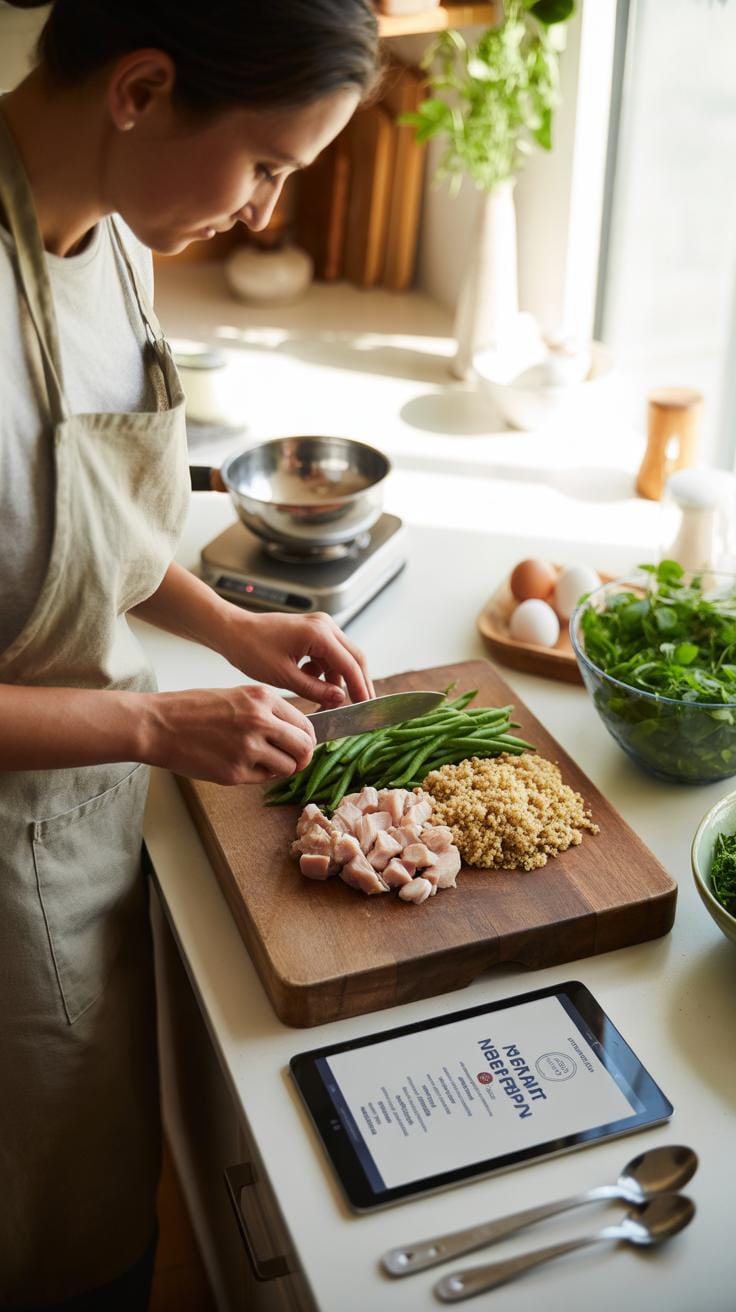
Getting enough protein is great, but it’s not the whole picture when it comes to a healthy meal. You need to think about what else is on your plate. Protein works best when paired with other nutrients, especially carbohydrates and healthy fats. They each play roles that can either help or hinder your overall energy and feeling of fullness.
Protein and Carbs
Combining protein with carbohydrates often keeps you full longer. That’s because carbs provide quick energy, while protein takes longer to digest. So when you eat them together, you get a steadier supply of fuel and avoid crashing too soon after a meal.
Think about a meal like grilled chicken with brown rice and vegetables. The rice gives your body easy-to-use energy, while the chicken sustains it. Skipping carbs might make you feel satisfied briefly, but you’re more likely to get hungry faster. That mix—protein and carbs—acts kind of like a slow-release energy source.
Avoiding Excess
At the same time, don’t assume more protein is always better. Some people eat huge amounts thinking it’s only good. Yet, too much can be tough for your kidneys and might crowd out other nutrients you need.
Balanced portions matter. For most people, aiming for about 20-30 grams of protein per meal is enough. Imagine plate portions instead of calories—protein taking roughly a quarter of the space. This makes room for fiber, vitamins, and minerals that come from veggies and whole grains, which you really don’t want to miss.
Have you noticed how meals heavy on just protein sometimes feel… incomplete? Your body craves a mix of nutrients. So, next time you plan a high protein meal, ask yourself: what else am I including to make this a balanced dish?
Conclusions
Including high protein meals in your diet is simple and rewarding. By focusing on good protein sources and using smart cooking methods, you can make healthy meals quickly. This saves you time and helps keep your body strong and full of energy. Choosing the right ingredients and planning ahead lets you enjoy tasty food every day.
Quick, nutritious protein meals are great for busy people like you. They support muscle health and overall well-being. You can easily mix and match foods to keep meals interesting. Start trying these ideas at home, and feel the difference a high protein meal can make in your day.