
Introduction
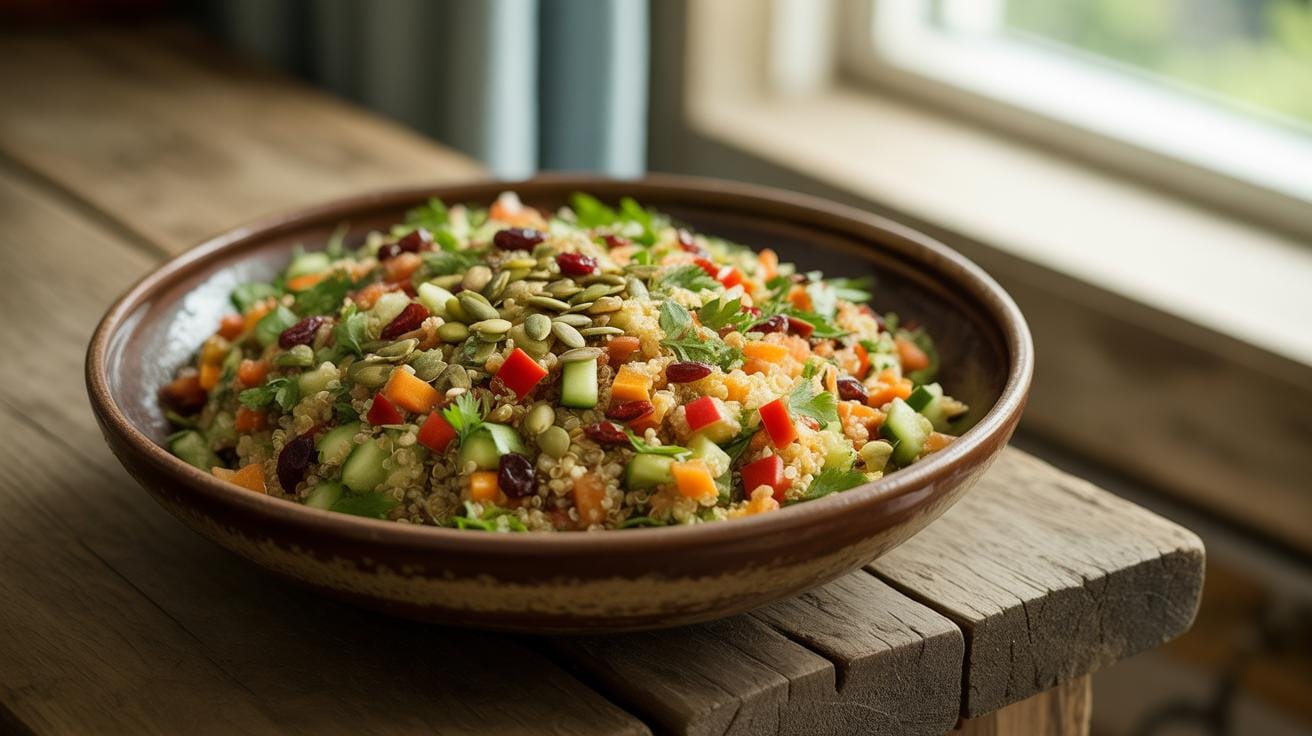
Eating healthy food doesn’t have to cost a lot. Affordable healthy food recipes for clean eating on a budget help you eat well without spending too much. This approach focuses on choosing fresh, whole foods that are simple and good for your body. The goal is to avoid processed and junk foods while still enjoying tasty meals.
This article shows you how to make clean eating affordable and easy. You’ll find practical tips, examples of meals, and ideas for shopping smart. Whether you want to lose weight, feel better, or just eat better foods, this guide will help you get started with clean eating recipes that fit your budget.
Benefits of affordable clean eating

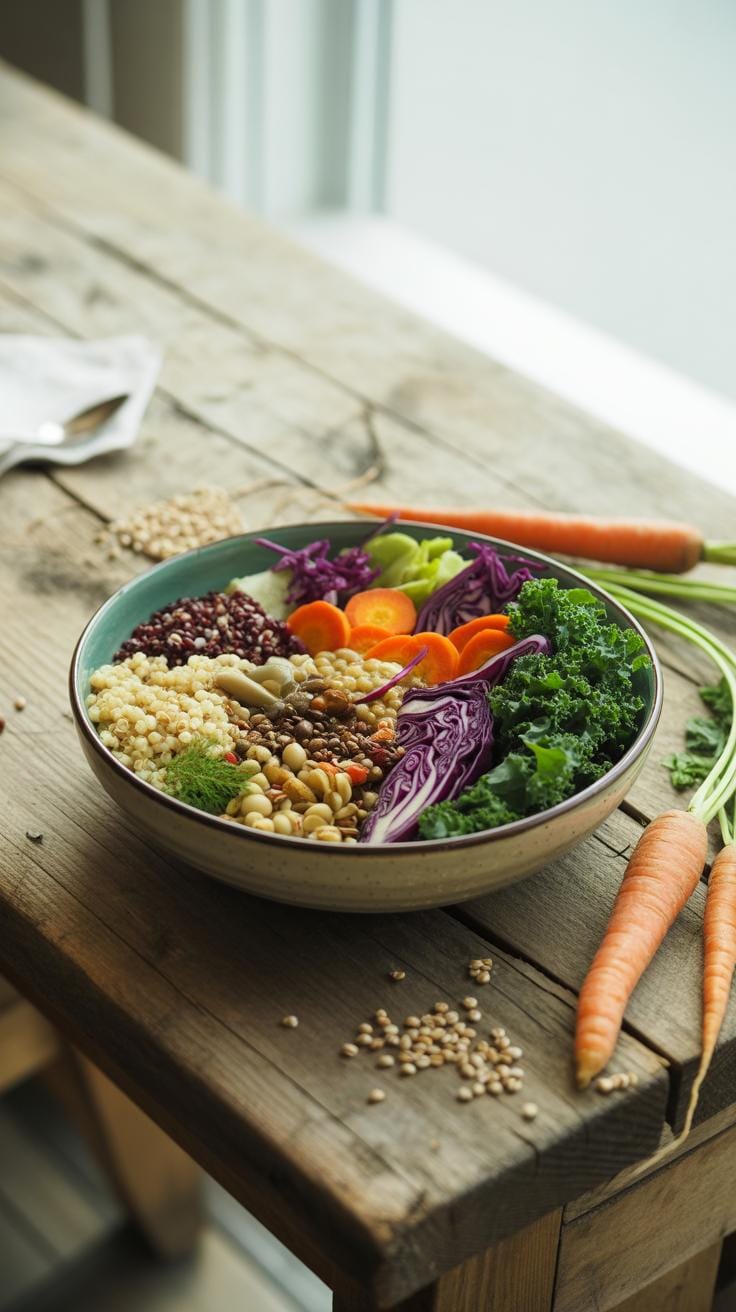
Eating clean on a budget isn’t just good for your wallet—it can really change how you feel day to day. When you choose whole, simple foods rather than processed options, you often get better energy levels. Maybe you’ve noticed that after a sugary snack, your energy crashes quickly. Clean eating helps avoid that rollercoaster because it focuses on nutrient-rich foods that sustain you longer.
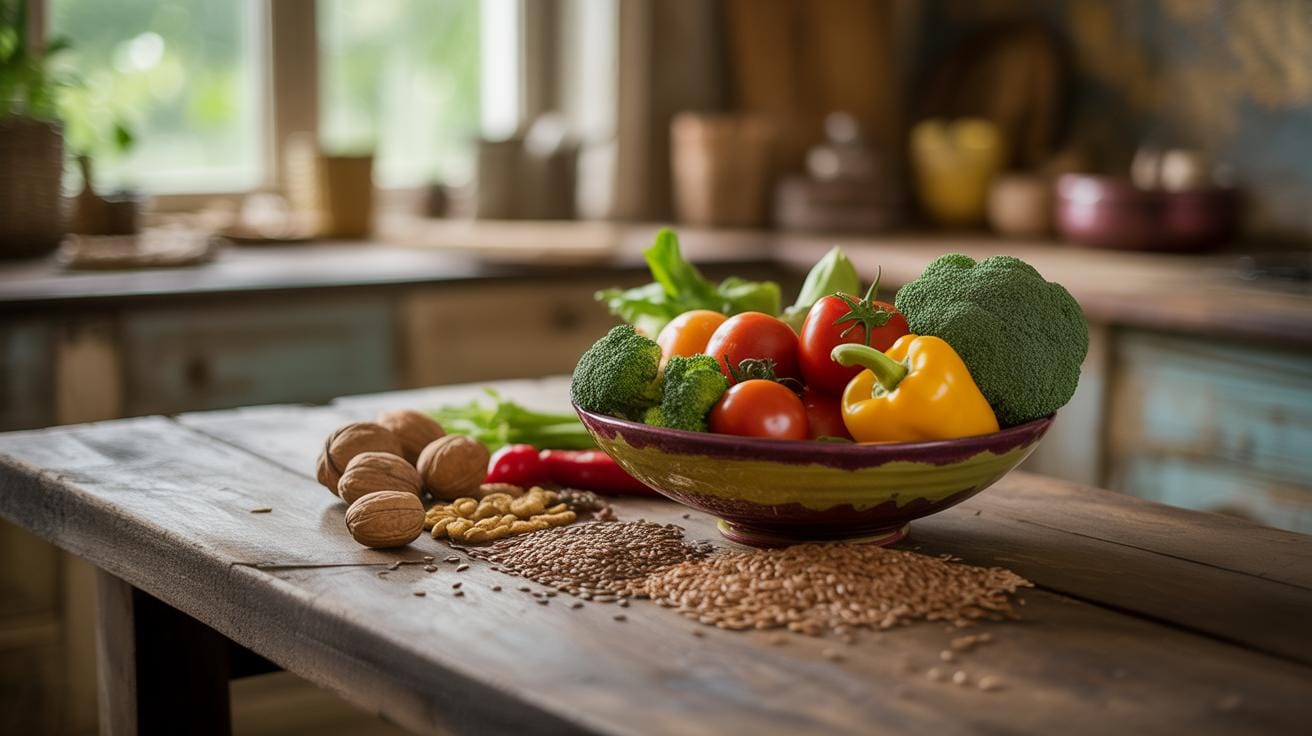
You might find that your weight stabilizes or even drops without drastic dieting. It’s curious how just eating straightforward meals can make such a difference, possibly because you’re cutting out hidden sugars and unhealthy fats that pile up in processed foods. Your well-being can also improve—mental clarity, mood, and digestion often respond to cleaner fuels.
On the budget side, it’s not always obvious how choosing clean eating saves money. But think about this: whole foods like beans, rice, seasonal vegetables, and eggs usually cost less than pre-packaged meals and snacks. If you plan meals ahead, you avoid impulse buys or last-minute takeout. Over time, skipping the pricey convenience foods can add up to significant savings.
How clean eating helps your health
Eating clean means you’re likely increasing your intake of vitamins, minerals, and fiber, all essential for the body to function well. If you pay attention, you’ll realize many processed foods sneak in extra sugar, salt, and unhealthy fats, which don’t really support your health. Cutting back on those can lower inflammation and reduce risks of chronic conditions.
Practically, you might swap sugary cereals for oatmeal topped with fruit, or choose grilled chicken over processed deli meats. These small changes add nutrients and reduce harmful substances. You could notice fewer energy slumps and better digestion, but there’s no guarantee it’s instant. Sometimes it takes weeks for your body to adjust.
Saving money with smart food choices
When you buy whole foods, you pay for what you actually eat, not packaging or marketing. For example, a bag of dried beans often costs less per serving than canned ones, and they last longer. Avoiding packaged snacks might feel tough at first—you’re used to the convenience—but making your own snacks can be cheaper and healthier.
Planning your meals around sales or seasonal produce can stretch your budget. Instead of wandering the aisles and grabbing whatever seems appealing, a simple list can keep you focused and reduce waste. Plus, cooking at home generally saves a lot compared to eating out or buying prepared meals.
So, clean eating on a budget isn’t just about what you eat—it’s a way to rethink your relationship with food that could improve your health and your finances, even if it takes a bit of effort to get used to. Does that sound manageable to you? Sometimes I find just starting with one meal a day makes a bit of a difference, rather than trying to overhaul everything at once.
Choose whole foods over processed
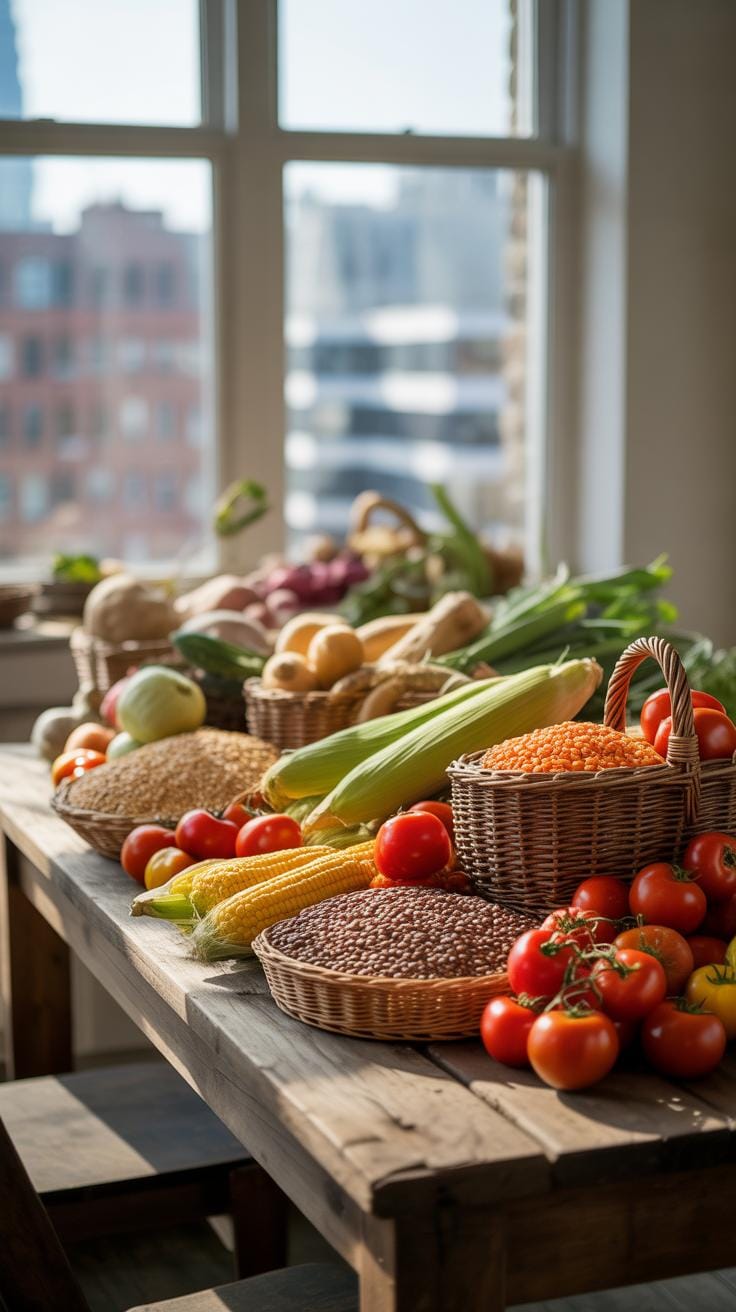
Figuring out what counts as a whole food can be surprisingly tricky, especially when food labels get confusing. To keep things simple, here’s a basic checklist for what to reach for and what to avoid when aiming for clean eating on a budget.
Examples of whole foods for clean eating
Whole foods usually look like they did in nature, or very close to it. Here’s a quick list you can keep in mind:
- Fresh fruits like apples, bananas, berries, and citrus
- Raw or minimally cooked vegetables—spinach, carrots, broccoli
- Whole grains such as brown rice, quinoa, oats, and barley
- Legumes including lentils, chickpeas, and black beans
- Fresh or frozen lean proteins—chicken breast, eggs, tofu
- Raw nuts and seeds like almonds, walnuts, chia seeds
- Natural dairy or dairy alternatives without added sugars
You might notice that convenience isn’t always a priority here, but simple meals made from these ingredients often cost less overall—and feel better after eating.
Common processed foods to skip
On the flip side, many processed foods sneak into the diet without you noticing. These usually contain added sugars, salt, preservatives, or artificial ingredients.
- Packaged snacks like chips, cookies, and candy bars
- Frozen meals loaded with additives and preservatives
- Sugary breakfast cereals and instant oatmeal packets
- Processed deli meats and sausages
- Sodas, sweetened juices, and energy drinks
- Refined white bread and pasta with no fiber
- Store-bought sauces or dressings heavy on sugar or MSG
It’s tempting to keep a few processed items on hand for quick fixes. Still, cutting back on these can free up money for fresher ingredients. Maybe, too, you’ll find your energy levels feel steadier without that constant sugar crash. You don’t need to be perfect, but noticing these common offenders is a good first step.
Smart grocery shopping tips
Planning your grocery list
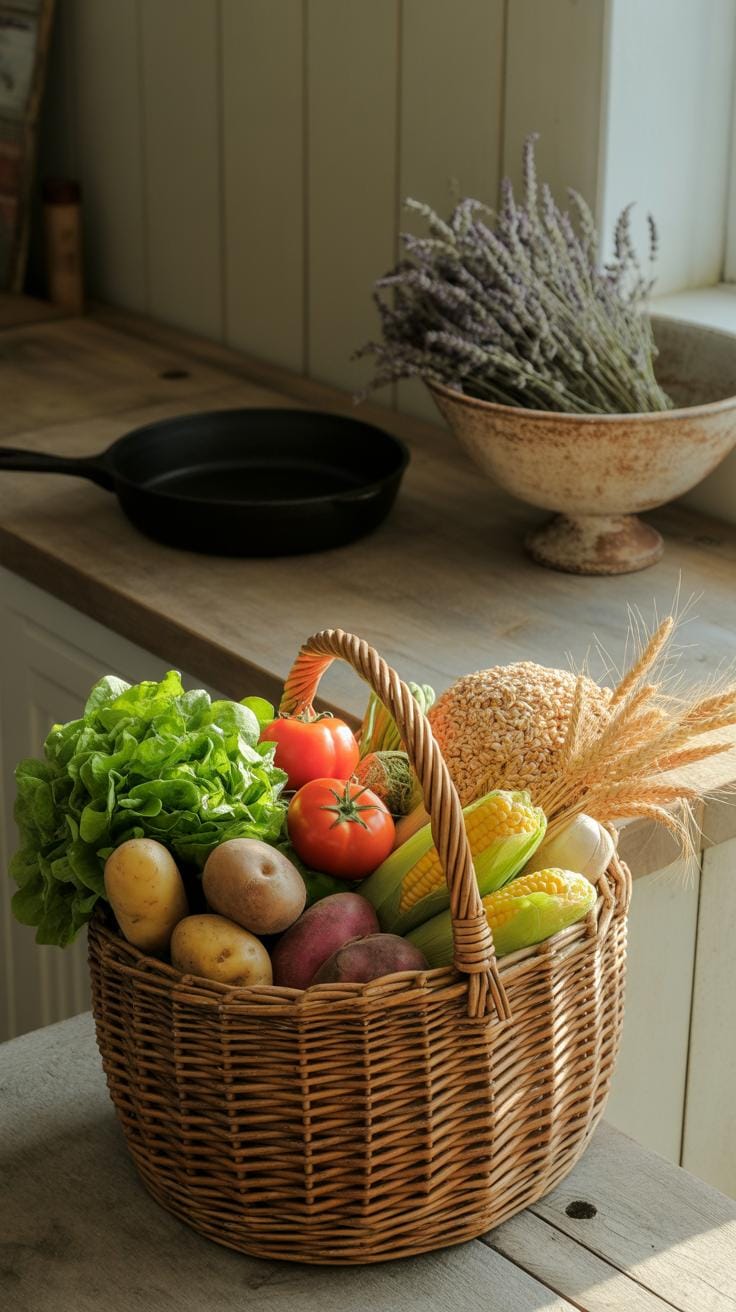
When it comes to planning your grocery list for clean eating, focus on basics that you know you’ll use throughout the week. Think whole grains, fresh vegetables, legumes, nuts, and lean proteins. Having a clear list helps avoid impulse buys—those processed snacks can be tempting but often derail clean eating goals and add unnecessary costs. I’ve found that grouping items by type—produce, pantry staples, dairy—makes the process quicker and less stressful.
Try to plan meals ahead, even if loosely. That way, you buy only what you need and reduce waste. Maybe you want to cook a big batch of quinoa and pair it with different veggies across several days. This kind of planning avoids fabricating meals on the fly, which often leads to less healthy ingredients.
Where to find deals on healthy food
Deals on fresh, clean foods are out there if you know where to look. Farmers’ markets sometimes offer discounts near closing time—if you can be flexible with what you pick, that’s a great option. Some grocery stores have loyalty programs that give points or discounts, so signing up is usually worthwhile. I’ve noticed that some stores rotate sales between produce and whole grains weekly, so paying attention to flyers or apps can shave off a few dollars here and there.
Do you ever check out local co-ops or community-supported agriculture programs? They sometimes provide good prices for fresh, seasonal items. And don’t forget bulk bins—they can be ideal for grains, nuts, and seeds, allowing you to buy exactly what you need without extra packaging or cost.
Quick affordable clean recipes
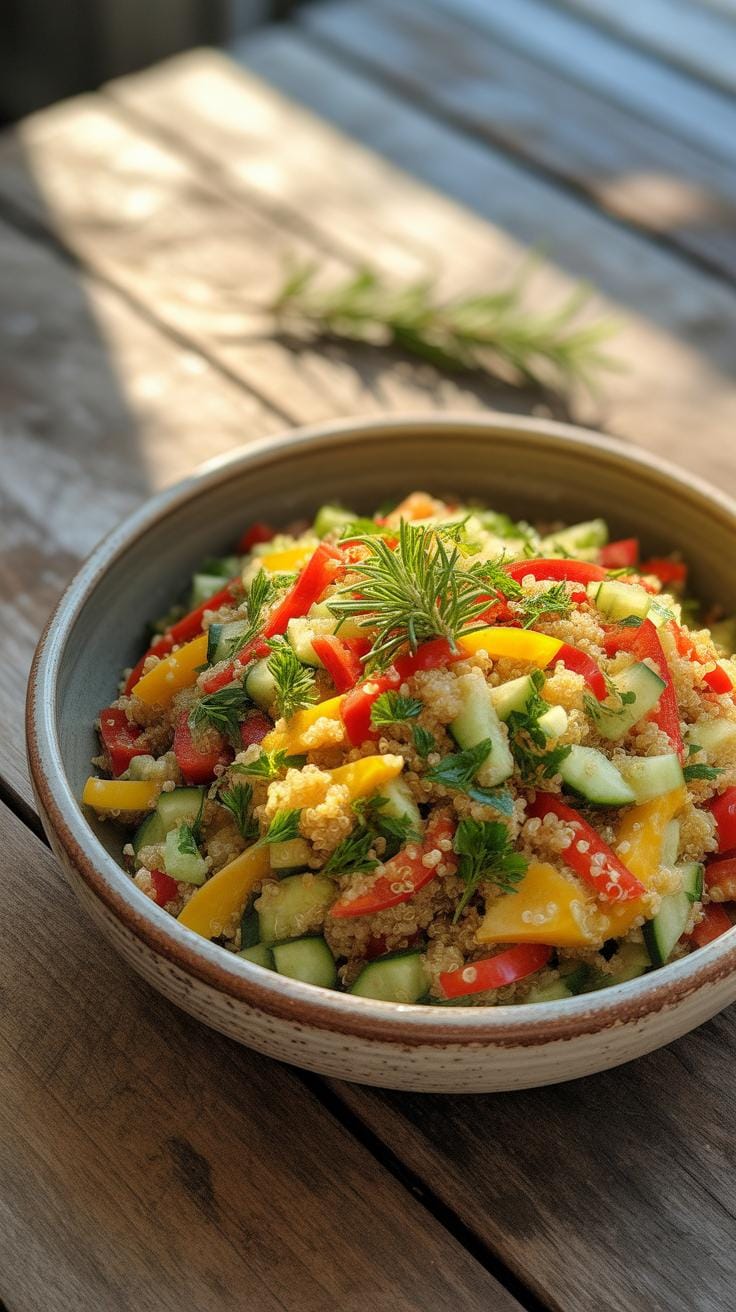
Eating clean doesn’t mean spending hours in the kitchen or breaking the bank. Actually, some of the simplest meals turn out to be the healthiest—and surprisingly affordable. When you focus on whole, minimally processed ingredients, you can whip up dishes that nourish without too much fuss. The trick? Keep the ingredient list short and stick to things you can find easily, like oats, fresh or frozen fruit, beans, and seasonal vegetables.
Simple breakfast ideas
Breakfast doesn’t have to be complicated to be good for you. Take oatmeal—it’s cheap, filling, and pairs well with lots of flavors. You can add frozen berries or a sliced banana for natural sweetness. Sometimes, a quick yogurt parfait works nicely too: layer plain yogurt with granola and fruit. It’s fast, requires almost no cooking, and still packs a punch of nutrients. If you’re pressed for time, prepping some overnight oats saves you even more morning hassle.
Budget lunches and dinners
For lunch or dinner, choose recipes with fewer steps but enough substance. Think lentil stew with a handful of spinach or roasted veggies tossed with chickpeas and quinoa. These meals use pantry staples combined with fresh veggies—you can often substitute what you have on hand. Stir-fries with simple sauces, like soy and garlic, come together quickly and don’t demand pricey ingredients. You might find that cooking a big batch and eating leftovers actually feels less boring than it sounds.
Meal prepping for clean eating
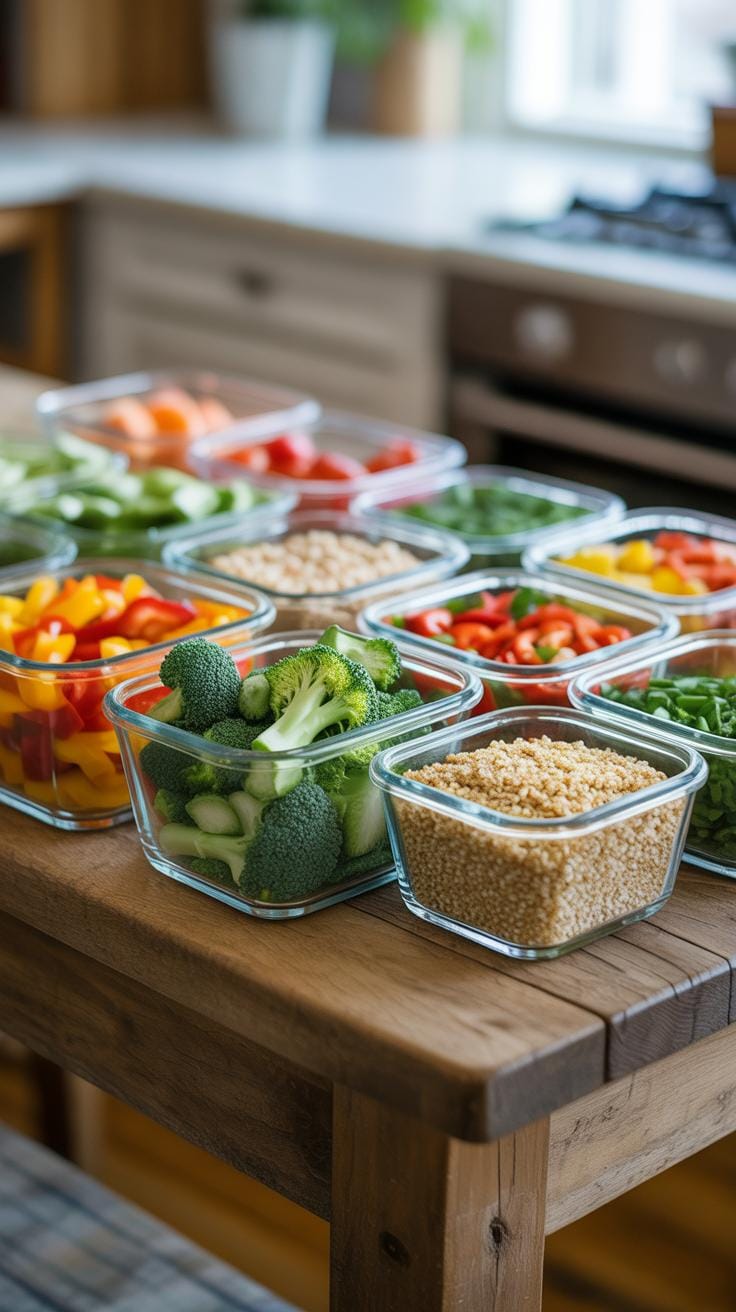
Meal prepping can make clean eating not only simpler but also easier on the wallet. When you spend a bit of time planning and preparing meals ahead, you avoid last-minute decisions that often lead to quick, less healthy choices. Plus, prepping helps reduce food waste. Think about it: buying in bulk, cooking in batches, and storing meals means you use all your ingredients before they spoil. This saves both money and trips to the store.
But it’s not just about saving cash; it also frees up time during busy days. Instead of cooking every night, you have ready-to-eat meals waiting in the fridge or freezer. That pause during a hectic week when you just wish you had something fresh and healthy ready to go—meal prepping is how you get there.
Steps to meal prep clean meals
Start simple. Pick a few affordable ingredients like brown rice, beans, frozen veggies, and lean proteins such as eggs or chicken thighs. Here’s a quick process that I’ve found works well:
- Choose 2-3 proteins, 2 vegetables, and a complex carb for variety.
- Cook proteins and carbs in bulk—maybe roast chicken and boil lentils.
- Steam or sauté veggies in batches; frozen varieties work fine and are budget-friendly.
- Divide everything into airtight containers for 3-4 meals.
- Add simple dressings or sauces on the side to keep flavors fresh.
This way, you get variety without overcomplicating things. You might wonder if it gets boring—sometimes it does, but changing spices or adding a fresh salad can fix that.
Storing and reheating meals
Storage matters because no matter how well you prep, meals spoil if kept wrong. Use airtight containers to keep moisture and odors out. Glass containers are sturdy and don’t absorb smells, so they’re worth considering. Labeling meals with dates helps you keep track.
For reheating, avoid nuking meals too long in the microwave since it dries food out. Covering meals loosely helps retain moisture. If reheating on a stovetop, add a splash of water or broth to keep dishes from sticking and drying. I’ve noticed leftovers reheat better when heated gently—fast, high heat makes textures weird.
Do you ever wonder if prepping all your meals seems like a lot upfront work? It does, but the payoff—less stress, less waste, and healthier eating—usually makes it worth trying at least once.
Protein sources comparison clean choices
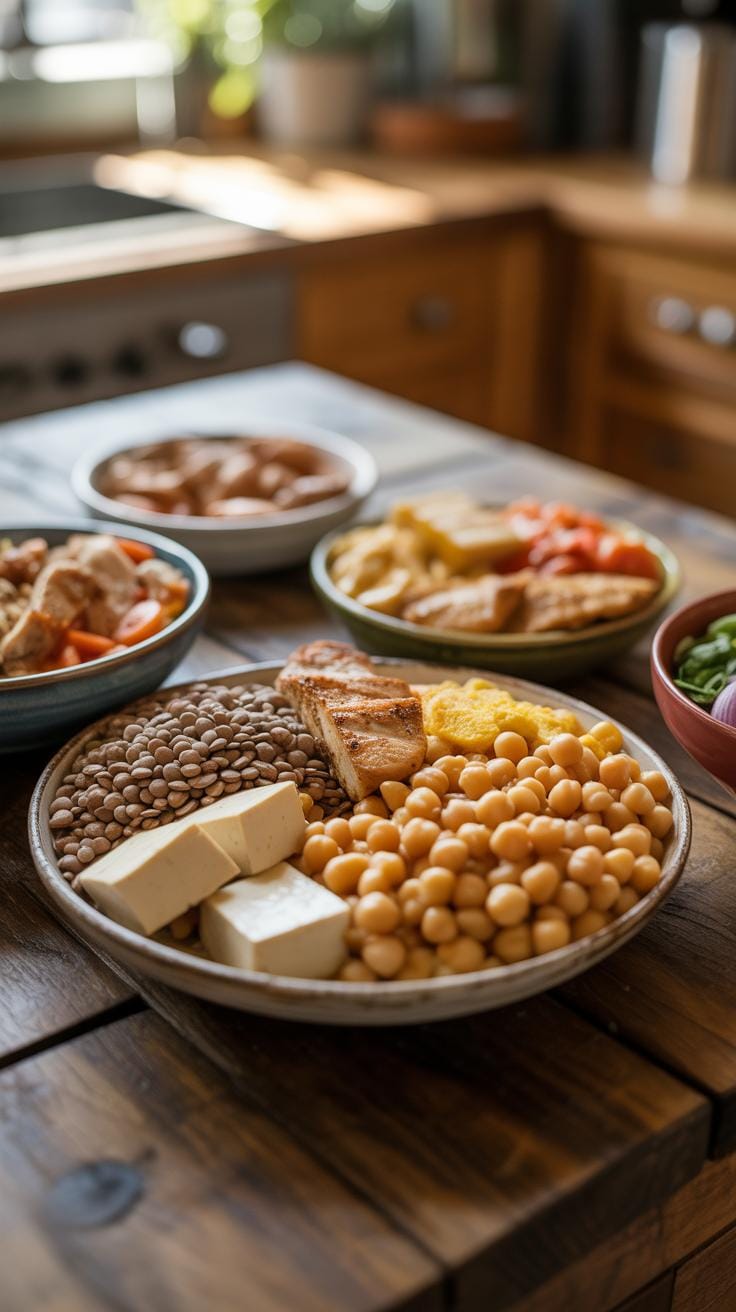
When you’re thinking about proteins for clean eating on a budget, there’s a lot to weigh up. Plant-based and animal proteins both offer good options, but they differ in nutrition, cost, and even how they fit into your cooking.
Plant proteins like beans, lentils, chickpeas, tofu, and quinoa often come at a lower price and bring fiber along, which is great for digestion. They aren’t always “complete” proteins, meaning they might lack one or two essential amino acids, but mixing different plant foods can fix that. Animal proteins, such as eggs, chicken, and fish, generally provide complete proteins with all amino acids, plus some extra nutrients like vitamin B12.
That said, animal proteins tend to cost more and sometimes come with fats you might want to watch, depending on the cut or type. On the flip side, some plant-based proteins might require more prep time or might feel less filling initially.
For clean eating on a tight budget, consider these options:
- Dry lentils and beans – affordable, versatile, rich in fiber and protein.
- Eggs – relatively cheap, nutrient-dense, and quick to cook.
- Frozen chicken breast – often less expensive than fresh and easy to store.
- Tofu – affordable plant protein that absorbs flavors well.
- Canned tuna or sardines – cost-effective, high in protein, and good shelf life.
Choosing between these often depends on your taste preferences, cooking time, and how much variety you want on your plate. What protein fits best into your routine? There isn’t a single right answer, but experimenting with a few can help balance nutrition, cost, and ease.
Avoid hidden sugars and unhealthy fats

Reading labels to find hidden sugars
Spotting added sugars isn’t always simple. They hide behind names like maltose, dextrose, or high-fructose corn syrup, and sometimes they’re surprisingly low on the ingredient list, making you think the product is healthier. When you check a nutrition label, focus on the “Sugars” line—if it lists “added sugars,” pay attention to the grams per serving. But the real trick is scanning the ingredients for those sugar aliases, because “natural sugar” and “added sugar” aren’t the same, and you often only see the total sugar amount.
For example, a granola bar might claim “no added sugar” but contains honey or fruit juice concentrate, which count as added sugars. It’s frustrating, but once you start recognizing these hidden sources, you’ll find it easier to avoid them. Sometimes, going for plain nuts or plain yogurt is less confusing than trying to decipher marketing labels.
Choosing healthy fats for clean eating
Not all fats are created equal. You might know to avoid trans fats, but what about saturated fats? They’re part of the picture, but not entirely off-limits. The fats you really want to invite into your diet come from sources like olive oil, nuts, seeds, and fatty fish. These fats support your body without the negatives linked to processed fats found in many snacks and fast foods.
For instance, cooking with extra virgin olive oil instead of butter shifts your fat intake toward something your body handles better. Eating an occasional handful of walnuts or flaxseeds provides omega-3 fatty acids, which you might otherwise miss. Choosing these fats doesn’t mean going overboard—you still want balance—but it’s about quality over quantity. And yes, some “healthy” fats come with calories you need to watch, but that’s another story.
Hydration and Clean Eating
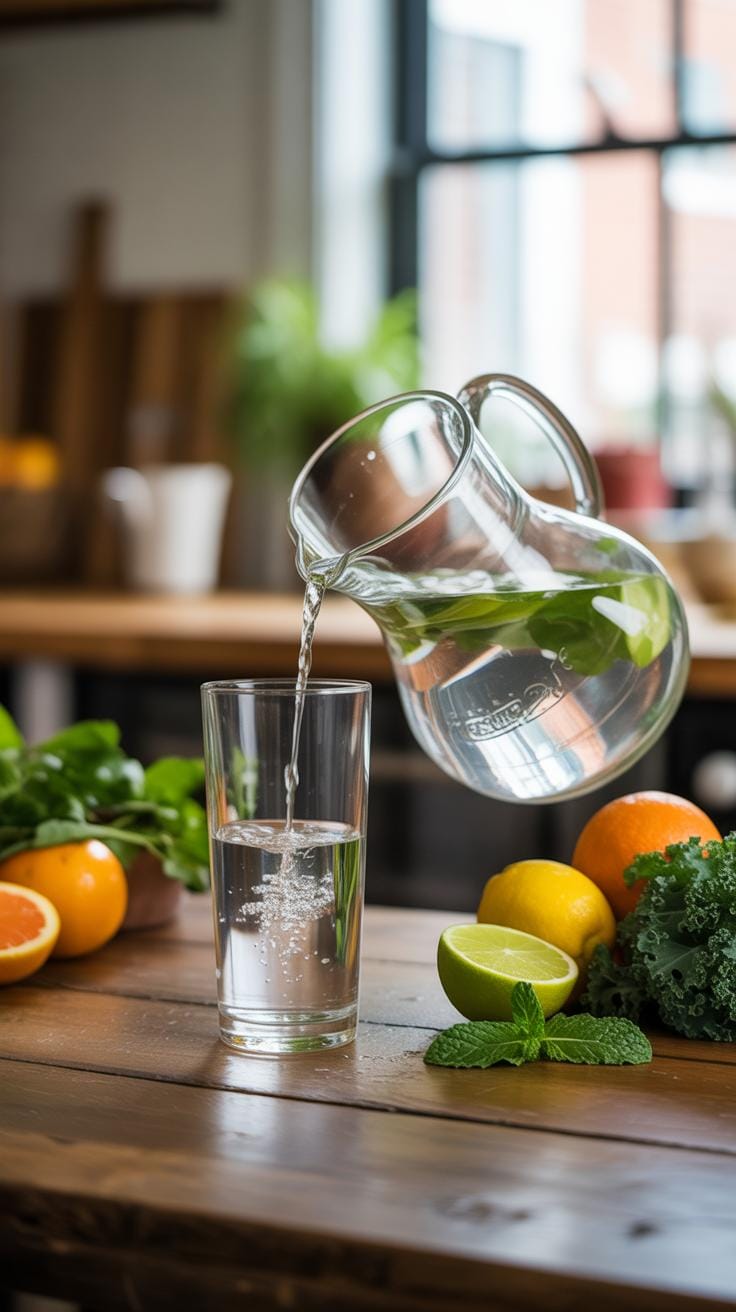
Water and Its Benefits
Water plays a pretty central role in clean eating, even though it doesn’t get the spotlight like food does. Drinking enough water helps your body flush out toxins and supports digestion, which is key when you’re focusing on nutrient-rich, whole foods. Some people say eight glasses a day, but honestly, it depends on your size, activity level, and climate you live in. Maybe you’ll need more if you’re active or it’s hot outside. You might notice clearer skin or better energy once you up your water intake, but it can be subtle.
Try keeping a reusable bottle nearby. Some say sipping all day is better than gulping at once, though I’m not always consistent with that. It’s a good habit to pair with meals or snacks to avoid mistaking thirst for hunger.
Healthy Beverages vs Sugary Drinks
When you think about what to drink with clean eating, water should be the main choice, but what about everything else? Sugary drinks like soda or sweetened juices often sneak in a ton of empty calories and sugar, which can throw off your clean eating goals. They spike your blood sugar and leave you craving more junk after, which is frustrating.
On the flip side, herbal teas, infused waters, or even sparkling water with a splash of lemon can be refreshing and fit clean eating better. They add flavor without the sugar rush. Sometimes, it’s tempting to reach for a flavored drink for variety, but you might want to check the labels carefully. Some “natural” juices can be loaded with sugar too.
Choosing healthier drinks is about balance and moderation. You don’t have to give up all flavor or fun, but relying on water and minimally processed options usually keeps you closer to your clean eating goals.
Plan varied meals for nutrition
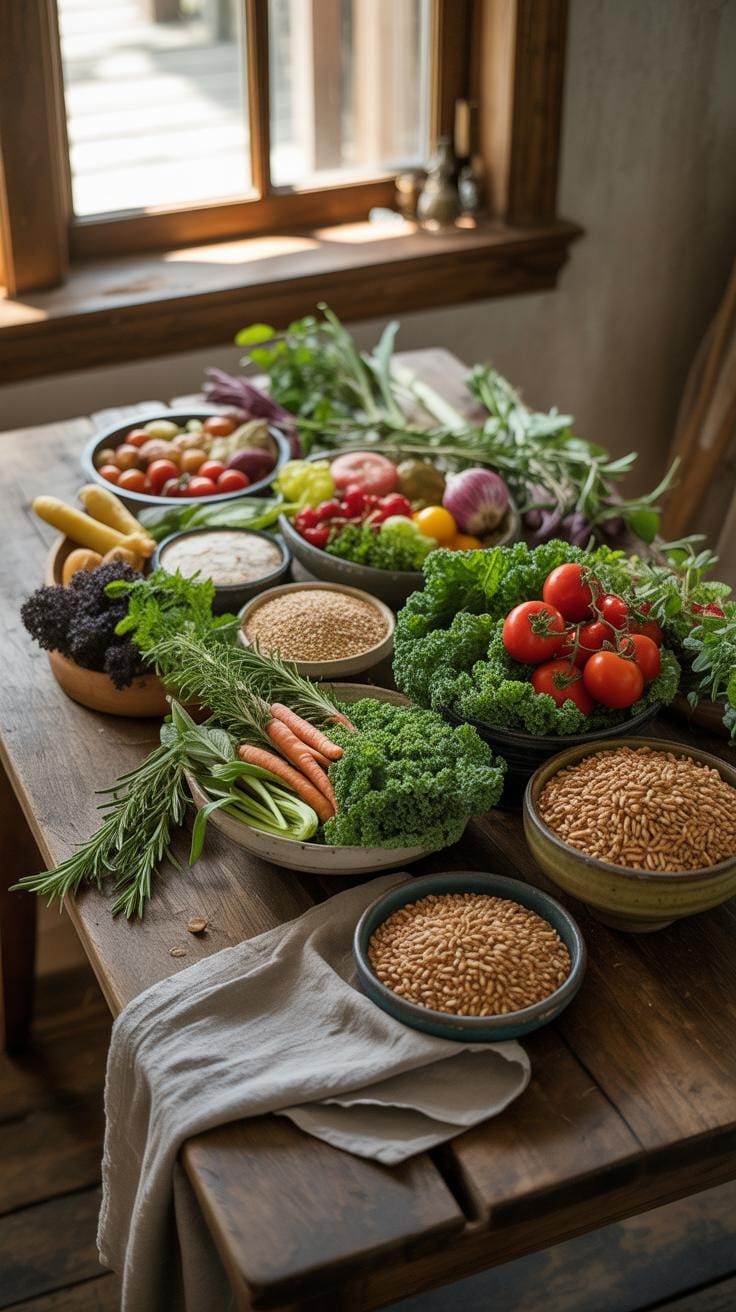
Getting a good mix of nutrients doesn’t have to be complicated or expensive. When you plan your meals around different food groups each day, you cover a wider range of vitamins, minerals, and other nutrients naturally. Think of meals that combine vegetables, whole grains, proteins, and a bit of healthy fat. This kind of balance keeps your body fueled and satisfied without needing fancy ingredients or pricey superfoods.
For example, a simple dinner could be roasted chicken breast, brown rice, and a side of steamed broccoli. The next day, maybe a lentil salad with mixed greens and some olive oil dressing. Varying proteins helps, too — you don’t need meat every day. Beans, eggs, fish, or tofu all work well and often cost less.
Here’s a quick example of a weekly meal plan that’s easy on the grocery bill but keeps things balanced:
- Monday: Oatmeal with banana and walnuts; quinoa and black bean salad with veggies; baked salmon with sweet potato and asparagus
- Tuesday: Greek yogurt with berries and chia seeds; chickpea stew with brown rice; stir-fried tofu with mixed vegetables and noodles
- Wednesday: Smoothie with spinach, apple, and almond milk; turkey and avocado wrap with whole wheat tortilla; lentil soup and side salad
- Thursday: Scrambled eggs with tomatoes and whole-grain toast; vegetable and hummus sandwich; grilled chicken with quinoa and roasted carrots
- Friday: Cottage cheese and pineapple; pasta with tomato sauce and spinach; baked cod with brown rice and green beans
- Saturday: Pancakes made with whole wheat flour and fruit compote; kale salad with nuts and seeds; veggie stir-fry with tofu and brown rice
- Sunday: Whole-grain cereal and milk; baked sweet potato with black beans and salsa; roasted turkey with steamed broccoli and quinoa
Notice how the meals combine different food groups. Getting a variety like that each week helps you avoid gaps in your nutrition. Are you surprised at how simple it can be? Sometimes we think clean eating means expensive, but planning this way can save money and keep your diet interesting. It’s about mixing things up, not sticking to the same few meals every day.
Avoid common clean eating mistakes
Cutting out too many foods
Many people jumping into clean eating start by eliminating entire food groups—grains, dairy, even legumes—thinking it’ll fast-track their health. But this approach often backfires. You can miss out on vital nutrients when you narrow your choices too much. For example, cutting out all carbs can reduce your fiber intake, which affects digestion and long-term health. I’ve seen friends get stuck eating the same few vegetables and proteins daily, which quickly becomes boring and unsustainable.
Instead, try to include a range of whole foods from different groups. If you avoid dairy, make sure you get enough calcium from leafy greens or fortified alternatives. Variety not only keeps meals interesting but also helps balance your nutrient needs without extra spending on supplements or specialty foods. Think more about what you can add than what you must avoid.
Overpaying for ‘clean’ products
It’s easy to believe that everything labeled “clean” justifies a higher price. But some items carry a premium because of branding rather than real health benefits—or because they’re packaged in fancy ways. Specialty keto snacks, vegan processed foods, or pricey organic substitutes can drain your budget fast.
To avoid overspending, start with simple, naturally whole foods—fresh veggies, bulk grains, beans, and seasonal fruits often cost less and offer better nutrition. When buying packaged goods, compare labels carefully. Is the “clean” product really offering something different, or just more marketing?
I remember once buying a “clean” protein bar that was almost double the price of regular nuts and dried fruit. The taste wasn’t much better, and the ingredients weren’t that different. Sometimes the basics win. So maybe question what you truly need before shopping, and avoid impulse buys just because of a health trend on the package.
Conclusions
Choosing affordable healthy food recipes for clean eating can improve your health and save money. By picking whole, natural foods and avoiding processed items, you help your body and your wallet. Using the tips and meal ideas in this article can make clean eating simple and within reach for anyone.
In the end, clean eating is about balance and smart choices. With some planning and the right recipes, you can enjoy meals that nourish your body and cost less. Start with small changes and watch how clean eating can fit into your daily life.