
Introduction
Eating healthy food regularly can give you more energy and keep you feeling good throughout the day. But staying motivated to choose the right foods isn’t easy for everyone. This article shows you simple ways to boost your healthy food motivation using holistic wellness recipes designed to increase your energy.
By focusing on foods that nourish your body and mind, you can find lasting motivation to eat well. We will look at what healthy food motivation means, why it matters, and practical tips and examples you can follow to stay energized through better eating habits.
What is Healthy Food Motivation
Healthy food motivation is what drives you to choose foods that are good for your body. It’s not just about being hungry or wanting to eat anything you find, but about picking foods that help you feel better and stay strong.

Your hunger tells you when to eat, but it’s how satisfied you feel after eating that plays a part in choosing healthy foods. For example, finishing a plate of vegetables can make you feel full and happy, while a candy bar might only satisfy you for a short time and leave you feeling tired later.
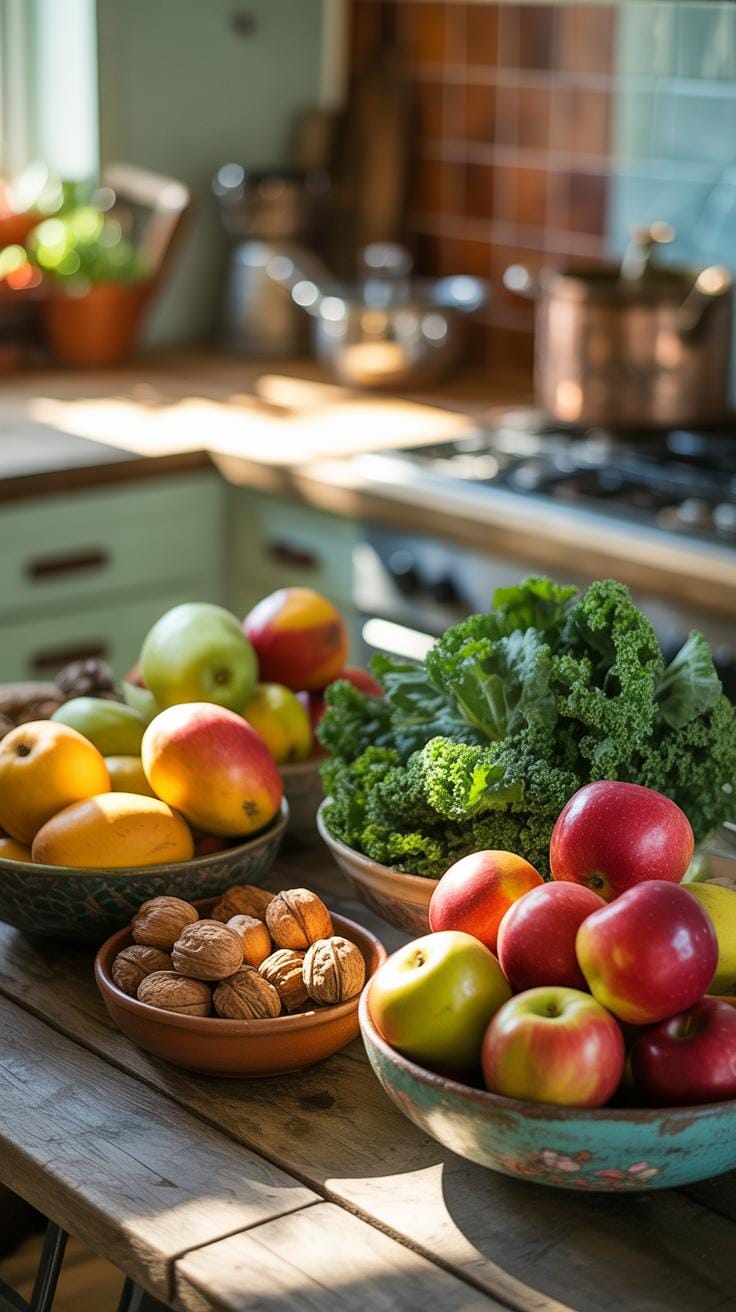
Emotions also influence your food choices. Sometimes, when you’re sad or bored, you might want to eat comfort foods like chips or ice cream. But if you notice how good healthy food makes you feel, like how apples and nuts give you steady energy, you might start choosing them more often.
So, healthy food motivation is a mix of hunger, feeling satisfied, and emotions working together. It’s about making choices that keep you feeling well, not just eating to stop being hungry.
How Hunger Affects Your Food Choices
Hunger isn’t just your tummy growling—it’s a message from your body. Hormones tell your brain when you need food and when you’ve eaten enough. Sometimes, these signals can make you want certain foods, even if they aren’t the healthiest.
Physical hunger happens when your body really needs energy. You might notice your stomach feeling empty or a light headache starting. That’s a sign to eat something nourishing. But sometimes, your brain confuses emotions or habits with hunger, making you want to snack even if you’re not truly hungry.
Your body also sends signals about what it needs. If you’re low on energy, you might crave carbs or fruits for a quick boost. But if you understand these signals better, you can choose foods that keep you full longer and give steady energy, like whole grains or vegetables.
In this way, hunger is more than just needing food; it guides what kind of food you want and how motivated you feel to eat in a healthy way.
Feel Good Rewards of Healthy Eating
Eating healthy foods can help you feel better—not just physically but emotionally too. For example, after eating a colorful salad with crunchy veggies, you might notice you have more energy for playing or focusing on homework.
Sometimes, sugary snacks give you a quick burst of energy, but this often drops fast, leaving you tired or grumpy. On the other hand, when you eat fruits or nuts, your body gets steady fuel. This steady energy helps you feel more balanced and happier.
Also, healthy foods can help you avoid feeling bloated or sluggish after meals. That ease in your body makes it easier to want more of those better foods. It’s a kind of reward that keeps you motivated to eat well more often.
So next time you try a crunchy carrot or a juicy piece of watermelon, think about how good you might feel afterward. That good feeling can make healthy eating something you want to do more, not less.
Why Healthy Food Motivation Matters
Motivation is a key player when it comes to choosing healthy foods day after day. Without it, even the best intentions can easily fall apart. You might know what’s good for you, but if you’re not really motivated, those healthy meals might feel like a chore. And that can affect more than just what you eat—it can change how you feel, how much energy you have, and even your mood.
Think about the last time you skipped a nutritious meal or grabbed something quick and less healthy. Did you notice a drop in your energy? Were you a bit more irritable or sluggish later on? That’s because motivation drives those small daily choices that add up over time.
Strong motivation helps you stick with habits that support your energy levels and long-term health. When you’re motivated, you’re more likely to choose foods that nourish your body, which keeps your mood steadier and your mind clearer. It’s almost like motivation acts as a guide—nudging you toward better wellness without too much struggle.
Energy from Nutrient-rich Foods
Nutrient-dense foods fuel your body with what it really needs for steady energy. Carbohydrates give you quick energy, but the kind in whole grains or fruits release slowly, so you don’t feel a crash. Proteins help rebuild tissues and keep you feeling full longer. Fats might get a bad rap, but healthy fats are essential too—they provide a slow-burning energy source and support brain function.
Have you ever felt the difference after a meal rich in veggies, lean protein, and healthy fats compared to a sugary snack? That sudden spike and drop in energy can be frustrating. Nutrient-rich foods avoid those ups and downs and keep you going throughout the day in a smoother, more reliable way.
How Motivation Keeps You Healthy
Motivation ties directly to consistent healthy eating, which guards against many diseases. When you feel motivated, you’re more likely to prepare meals regularly instead of reaching for fast food. That consistency matters. It helps maintain a healthy weight, supports your immune system, and reduces the risk of chronic illnesses like diabetes or heart disease.
It isn’t always easy to keep that motivation, especially when life gets busy. Still, even small efforts—like choosing a salad over fries once in a while—build habits that add up. Staying motivated means you’re investing in a longer, healthier life. Maybe you don’t feel this urgency every day, but over time, motivation shapes your well-being more than most realize.
Set Clear Food Goals for Motivation
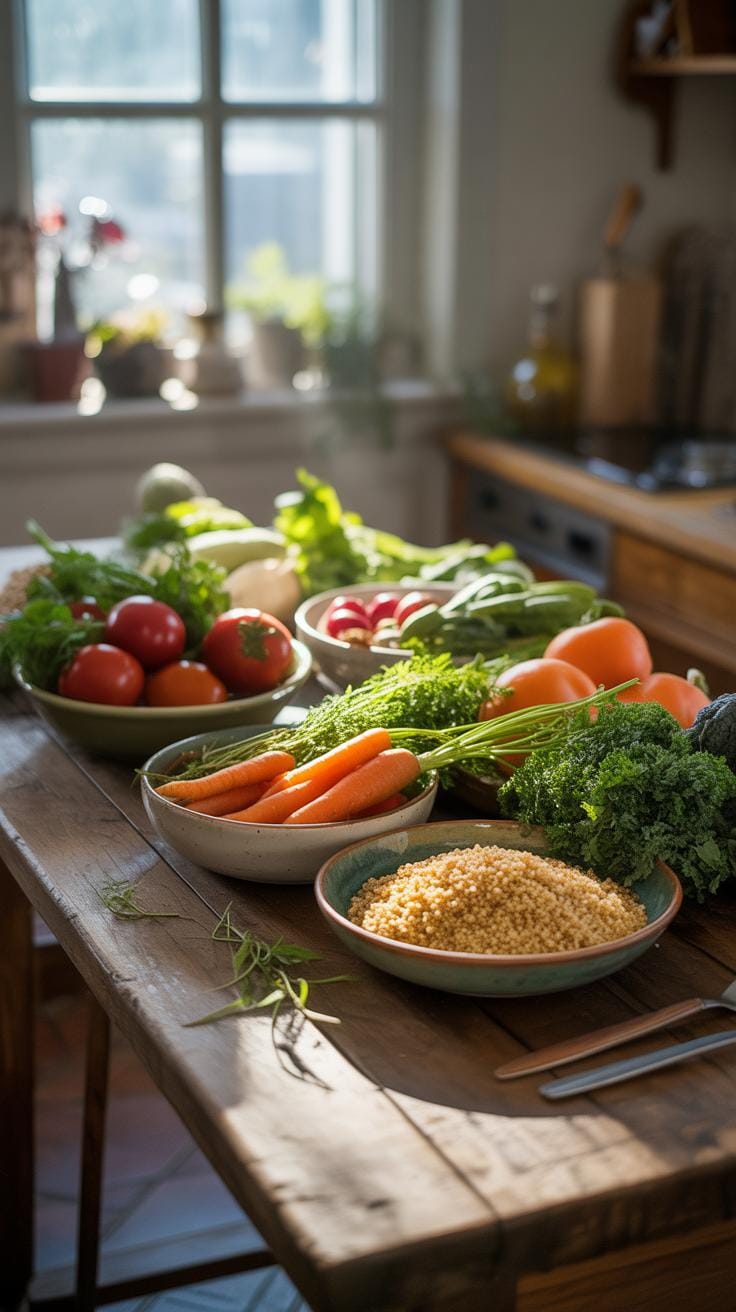
Setting simple, clear goals around your eating habits can really help keep you motivated. Instead of vague ideas like “eat healthier,” try something concrete and doable. Maybe start with choosing just one fruit to eat each day. It sounds small, but it’s manageable and gives you a sense of accomplishment right away. Or perhaps decide to cook at home more frequently—like aiming for three dinners a week instead of takeout. These clear targets give you something specific to focus on, which can make your motivation feel less scattered.
Here are a few practical steps you might try:
- Pick one realistic goal to start with, like adding a vegetable to every meal.
- Write it down somewhere visible as a reminder—your fridge, phone notes, anywhere you look often.
- Adjust the goal as needed. If eating one fruit daily feels too easy or too tough, fine-tune it.
- Reflect weekly on how these changes affect your energy or mood—it’s a subtle boost to motivation.
The benefits? Clear goals reduce overwhelm and bring you small wins. These little achievements add up and help you stick with healthier habits over time. Plus, seeing progress in a simple way often sparks more motivation than grand plans that never get started.
Choose Small Steps That Work
Big changes can feel overwhelming, so breaking your food goals into small, reasonable steps is a good move. For instance, swapping soda for water might seem insignificant, but it’s a powerful habit shift that you can actually maintain. Or adding a salad to lunch each day—not tossing out meals you love, just making room for more nutrient-rich choices.
These smaller tasks help keep motivation steady because they don’t feel like drastic shifts. And when one small step becomes a habit, it creates momentum. Sometimes, I’ve found myself hesitant to start big changes because I wasn’t sure I’d stick with them. But small changes? They feel doable and less intimidating. If you’re wondering where to begin, try to identify one small swap or addition that fits easily into your routine.
Keep Track and Celebrate Progress
Tracking your goals doesn’t need to be complicated. Marking days on a calendar when you hit your fruit goal, or keeping a simple checklist, can make a surprising difference. It’s tangible evidence of your efforts, even on days when motivation dips.
Celebrating progress matters—maybe by sharing your wins with a friend or treating yourself to a non-food reward like a walk in the park. It’s about recognizing the effort you’re putting in, not just the outcome. I know I sometimes forget to acknowledge small victories, and that tends to make me lose steam faster.
So, think about what would feel rewarding to you. Could be a phone call to share how you’re doing or a small purchase to mark a milestone. Rewards help seal the motivation loop and remind you that change takes time but is worth it.
Use Holistic Wellness Recipes Daily
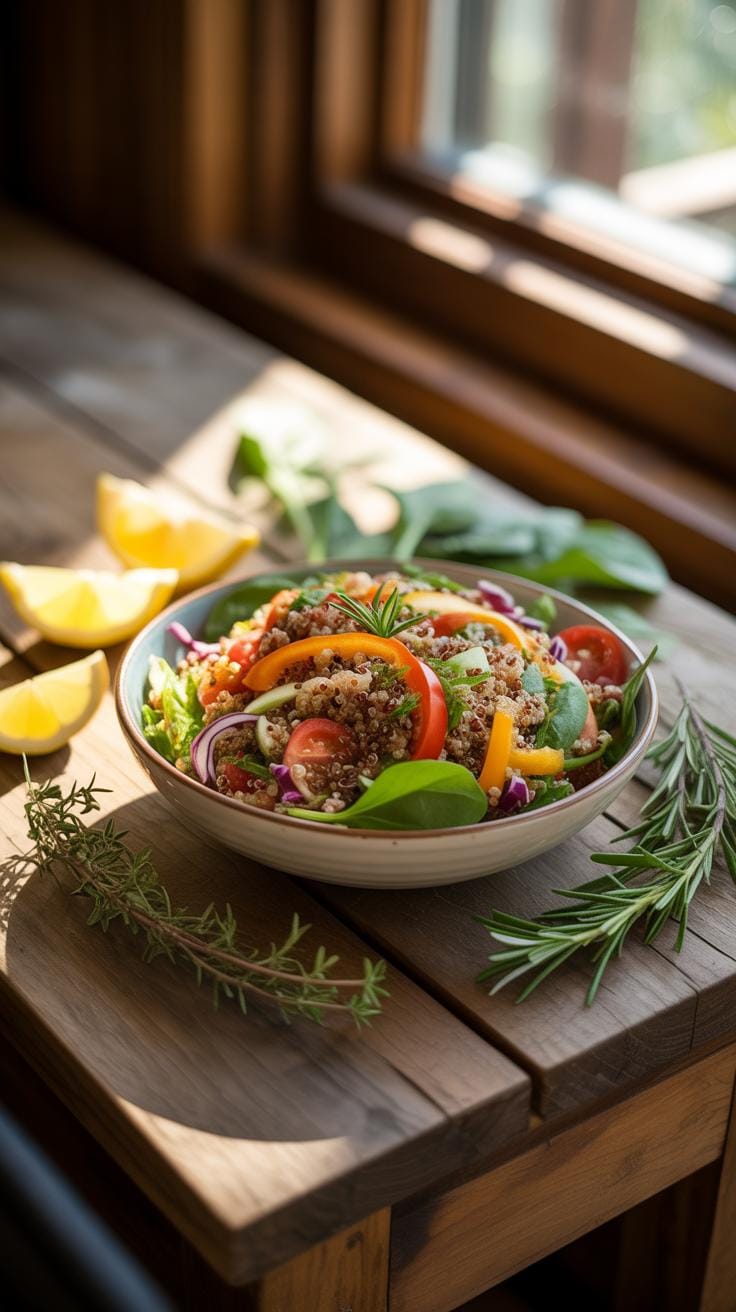
When you cook with whole, natural ingredients, something kind of interesting happens—not just with the food, but with your energy and motivation too. There’s a subtle lift you feel when your meals are balanced and tasty without being overloaded with processed stuff. Maybe it’s the way fresh veggies and whole grains slowly release energy, keeping you steady instead of crashing after a sugar rush. Or perhaps it’s just the satisfaction of knowing what’s in your food, which makes you want to eat it more.
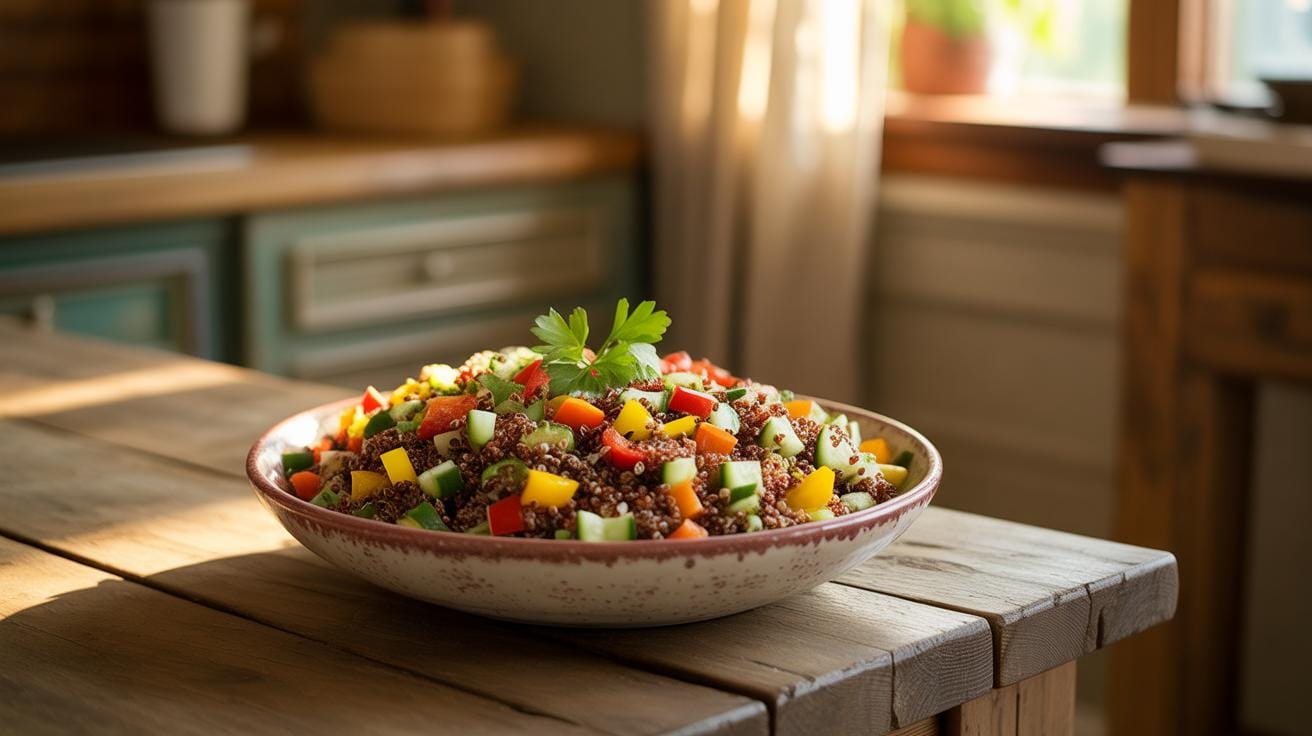
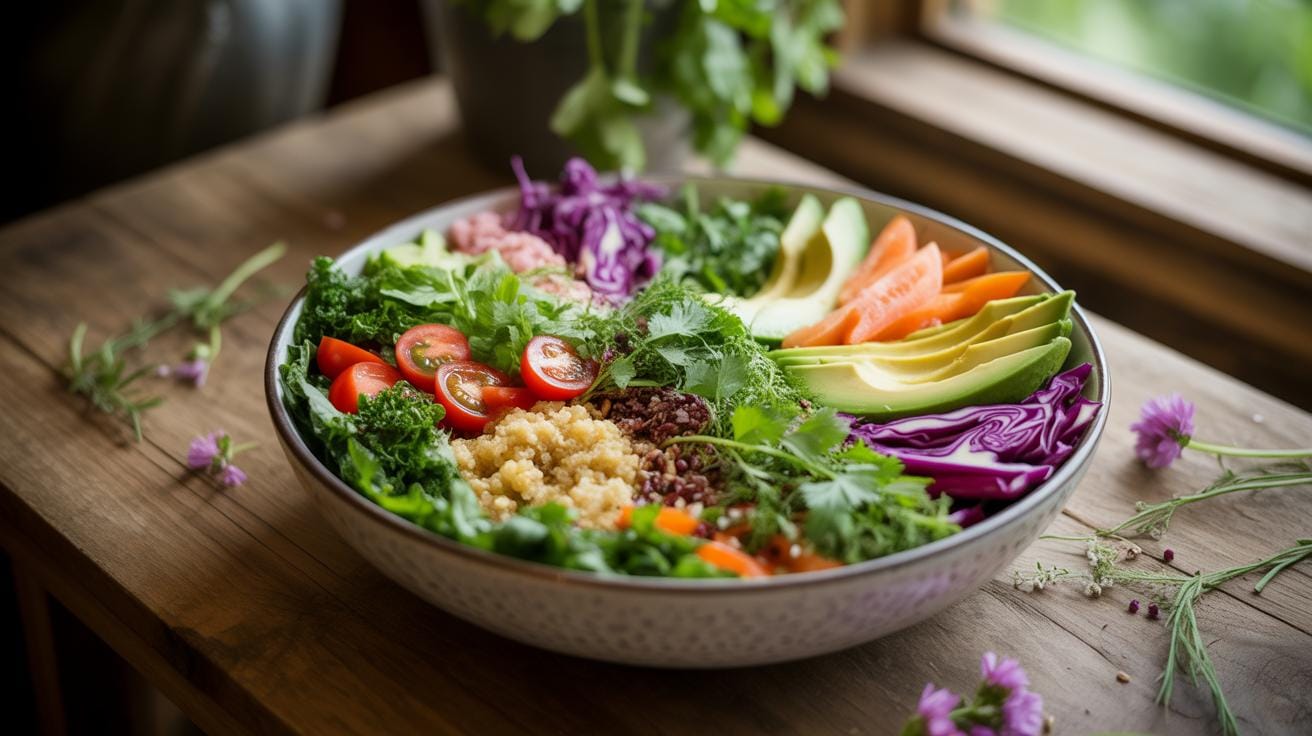
Recipes that mix colors and textures—like crunchy nuts with soft quinoa and bright greens—can actually pull you toward eating well. They don’t feel like a chore because the flavors surprise and please you, which helps keep motivation up. For instance, a bowl with brown rice, spinach, roasted sweet potatoes, and a sprinkle of pumpkin seeds isn’t complicated, but it packs punch both in taste and energy.
Ingredients That Boost Energy
Some ingredients help your body feel full longer and give you energy. Nuts like almonds have healthy fats that keep you going. Whole grains like oats and brown rice give slow-burning energy, so you don’t get hungry quickly.
- Vegetables such as carrots and broccoli add fiber and nutrients, which help with digestion and staying awake.
- Beans and lentils have protein, so they fill you up and keep your muscles strong.
- Fruits like bananas provide natural sugars and potassium, which might help you avoid feeling tired.
These foods work quietly in your body, supporting energy throughout the day without sudden spikes or drops.
Easy Recipe Ideas to Try Today
Here are a couple of simple recipes you could try because they don’t ask for fancy cooking skills or a lot of time:
- Nutty Oatmeal: Cook oats with milk or water, then add chopped nuts, a sliced banana, and a dash of cinnamon. Stir well and enjoy a warm, filling breakfast.
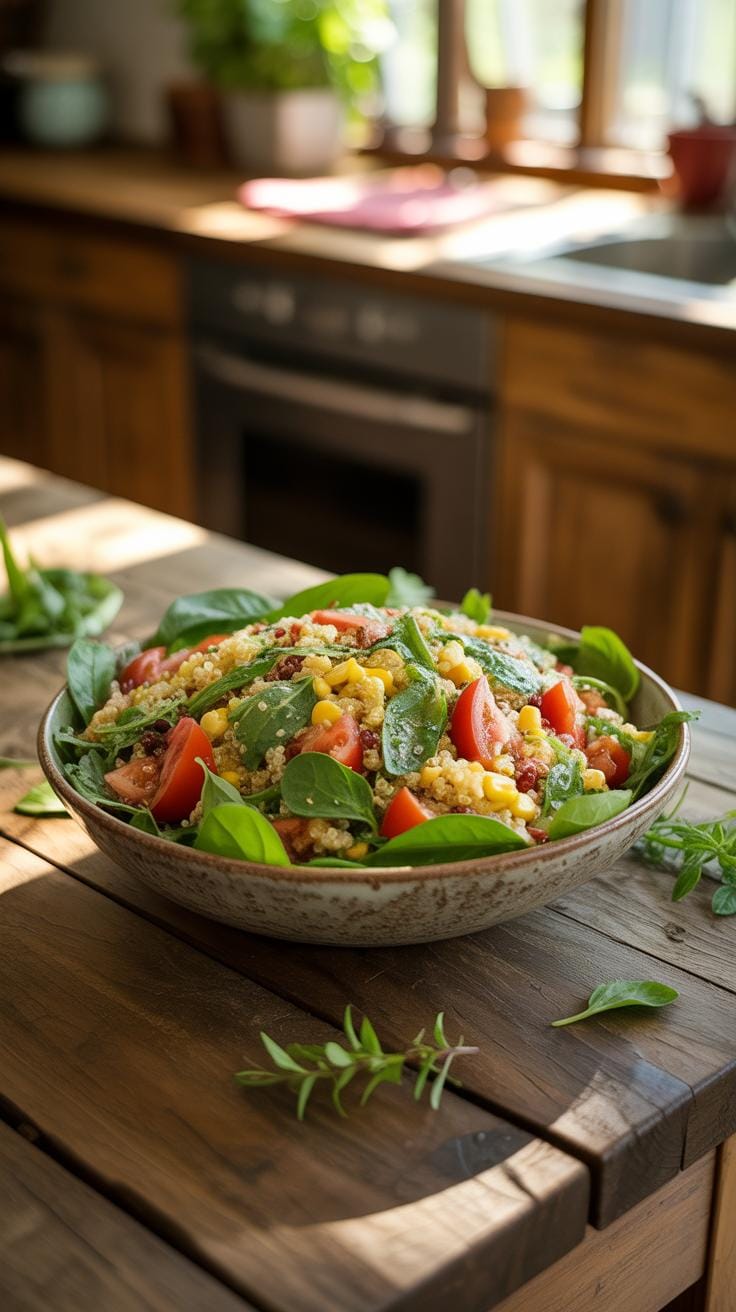
- Veggie and Bean Salad: Mix black beans, cherry tomatoes, chopped bell peppers, and spinach. Toss with a bit of olive oil and lemon juice. No cooking needed, just mix and eat.
- Sweet Potato and Quinoa Bowl: Roast sweet potatoes while cooking quinoa. Combine with steamed kale and sprinkle some sunflower seeds on top.
These recipes are straightforward and flexible—you can change them up based on what you have. Preparing them might even make you feel a little more excited about eating well every day.
Compare Healthy Eating Motivation vs Quick Fixes
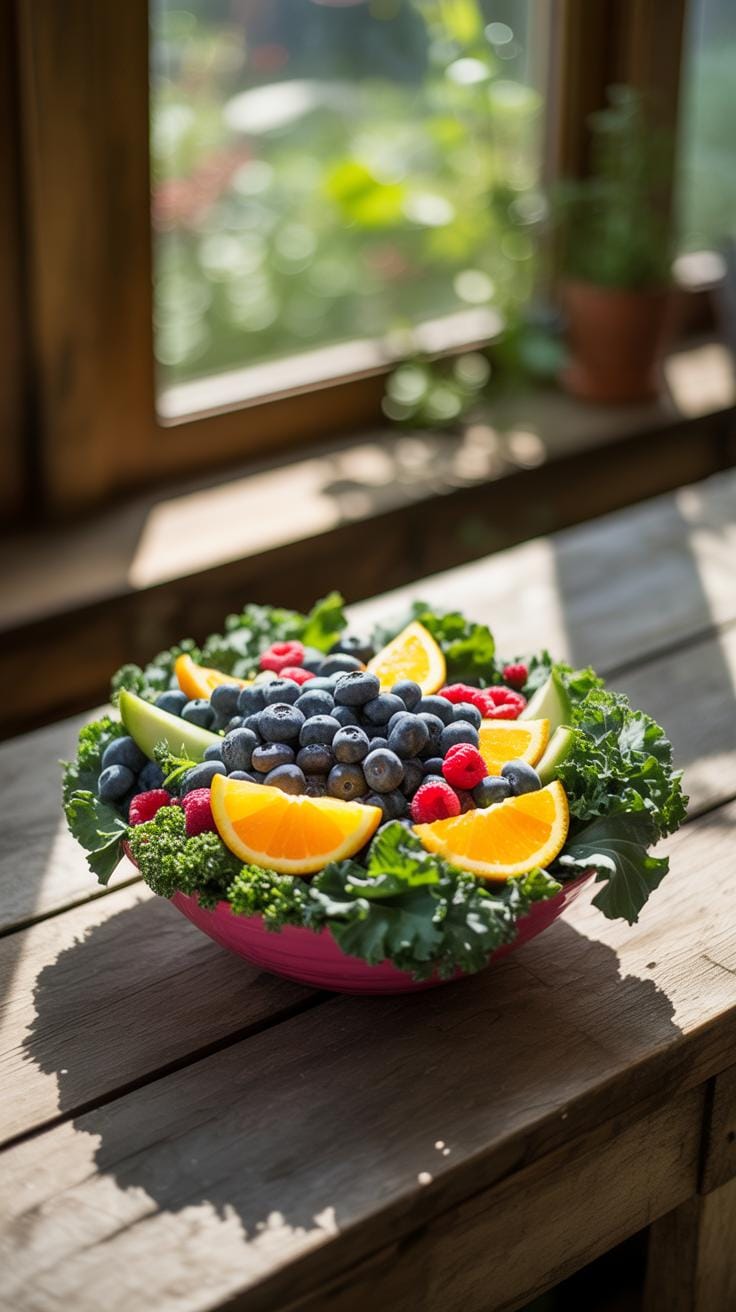
Why Quick Fixes Often Fail
Quick fix diets or eating habits that promise fast results often seem appealing at first. Who wouldn’t want to lose weight or boost energy in just a few days? But the reality is, these quick solutions rarely stick. You might start a strict diet that cuts out entire food groups or relies on fancy supplements. At first, motivation can be high—after all, the changes are dramatic and the goal feels clear.
But soon, the restrictions feel heavy. You miss your usual meals, your body craves variety, and social situations become tricky. Without flexibility, it’s easy to slip back into old habits. Maybe you even feel worse, tired or moody, which kills motivation even further. It’s like trying to sprint a marathon—your energy and willpower run out quickly, leaving you frustrated.
Building Steady Motivation Works Better
On the other hand, steady motivation to eat healthy grows over time. It doesn’t rely on quick wins or impossible rules. Instead, it’s about making small, manageable changes you can keep up for months and years. Think of adding more vegetables at dinner or swapping soda for water. These shifts might feel slow at first, but they build a solid base.
This kind of motivation supports lasting energy and well-being because it fits your lifestyle. You avoid burnout, feel fewer cravings, and gradually notice how your body responds. Maybe you have more focus during the day or sleep better at night. That positive feedback encourages you to keep going. So while quick fixes promise speed, steady motivation offers something more lasting—real progress you can live with.
Daily Checklist for Healthy Food Motivation
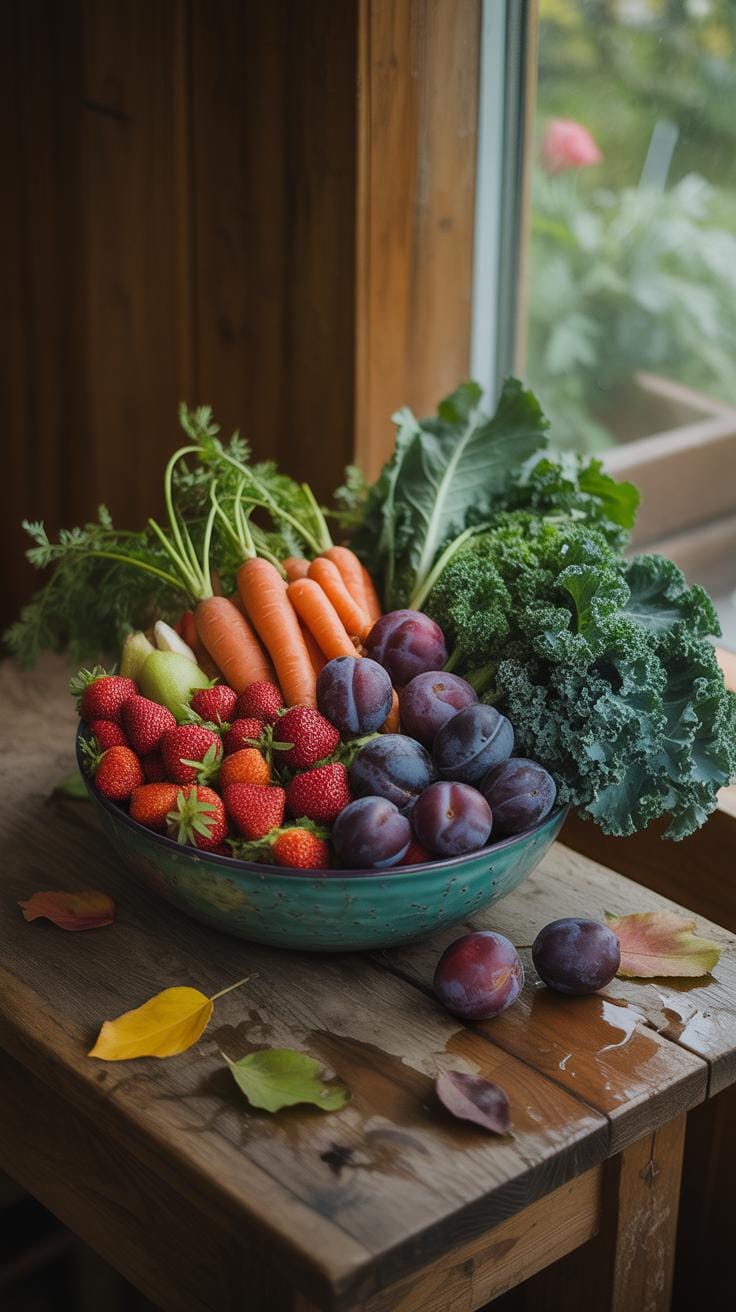
Keeping your motivation for healthy eating steady can feel like a bit of a balancing act sometimes. A daily checklist might help make things clearer and less overwhelming. Planning meals ahead is one of the best ways to stay on track. When you know what you’ll eat the next day, you’re less prone to grab the first convenient thing, which often isn’t great for you.
Here are a few simple tips for meal planning you could try:
- Pick recipes or meals the night before or even during the weekend, so grocery shopping is focused.
- List ingredients and portion sizes to avoid buying too much or too little.
- Think about mixing flavors and food groups to keep meals interesting.
- Consider prepping parts of meals ahead, like washing veggies or cooking grains, to save time later.
It’s okay if your plans shift a bit — life happens. The key is to try and keep a rough outline, so you don’t fall back on less healthy options without noticing.
As for snacks, prepping healthy ones can really keep your energy and motivation steady throughout the day. When hunger hits and you don’t have something ready, it’s too easy to get tempted by less nourishing choices.
Some ideas that have worked well for me include:
- Cut carrots, cucumbers, or bell peppers stored in the fridge.
- A handful of mixed nuts or seeds you can carry around.
- Greek yogurt with a sprinkle of granola or fresh fruit.
Hydration goes hand in hand with healthy eating. I often forget to drink water, which affects my hunger cues and focus. Try setting reminders to drink throughout the day or keeping a water bottle nearby. Would you find that helpful, or maybe a bit tedious?
What works best for you in maintaining daily motivation? Maybe tweaking small habits here and there—like planning meals or prepping snacks—could make a bigger difference than you think. It’s about finding your rhythm, really.
Tools to Track Healthy Food Motivation
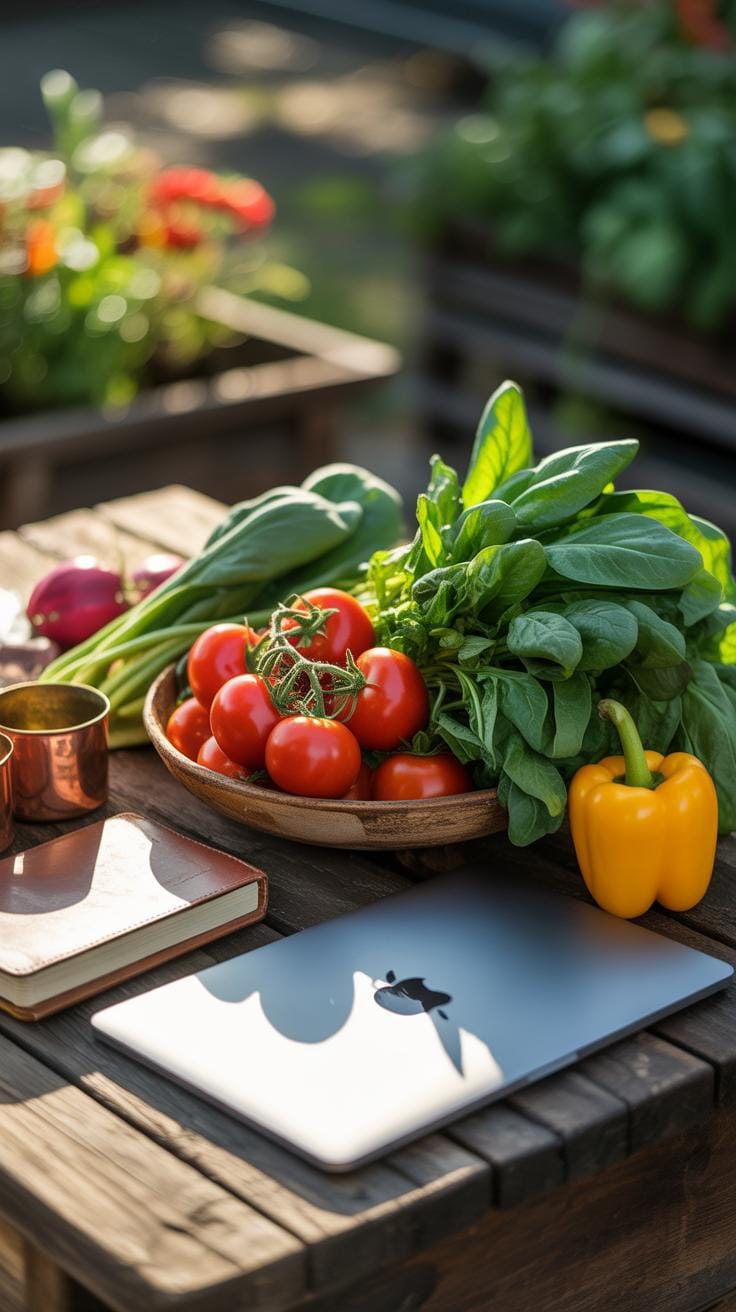
Keeping track of your eating motivation can feel like a small step, but it often makes a surprising difference. When you jot down what you eat, or tap it into an app, you start to notice patterns. Maybe those afternoon snacks aren’t just hunger, but boredom. Or you realize certain meals give you more energy than others. That kind of awareness—seeing what you actually do versus what you think you do—can nudge you to make better choices.
Use a Food Journal or App
Writing down your meals can sound old-fashioned, but it’s surprisingly helpful. I’ve found that a simple notebook doesn’t overwhelm you. Just a quick note: what you ate, when, and maybe how you felt. Apps do the same, but often add reminders or charts, which some people find motivating. If you log your meals daily, awareness sneaks in. You start questioning, “Do I really need that cookie now?” Tracking turns vague intentions into concrete facts.
Find Support and Share Goals
Going it alone can drain motivation fast. Sharing your healthy eating goals with a friend or a group provides a real boost. When you tell someone else—maybe even daily—it’s easier to stick to your plans. Support isn’t just cheerleading. It’s questions, advice, or just knowing you’re not the only one trying to eat better. Sometimes, accountability feels like pressure, but it might be the push you need on tough days. What if you told someone about your goal tomorrow?
Common Pitfalls and How to Avoid Them
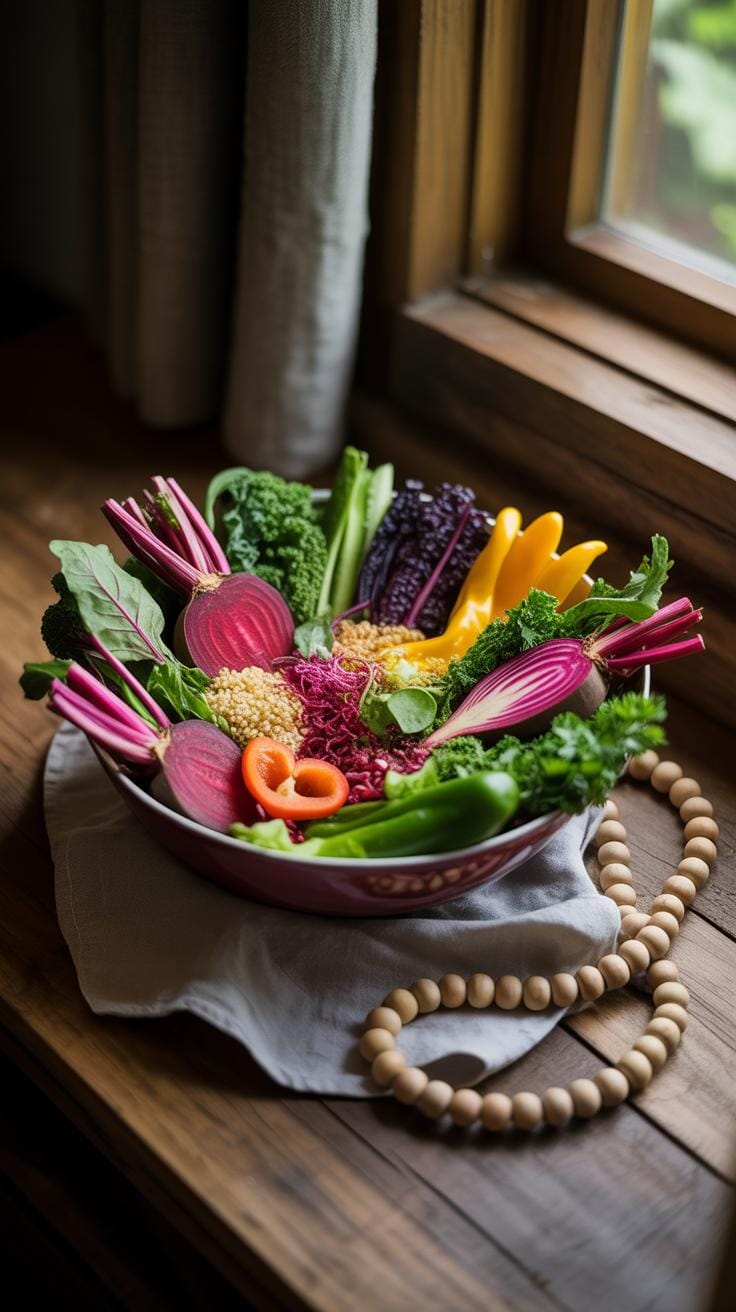
Sticking to healthy eating isn’t always smooth sailing. Boredom can sneak up, making those same salads or steamed veggies feel dull day after day. When meals lack excitement, it’s easy to lose interest and reach for something less nutritious just for a change.
Cravings pop up for many reasons—stress, habit, or simply because your body seeks quick energy. These cravings often push you toward sugary or fatty snacks. Time pressure is another challenge. After a long day, cooking a fresh, balanced meal seems like a lot of effort, and grabbing something fast feels easier.
To keep motivation steady, mix things up regularly. Try new recipes or add spices you rarely use. When cravings hit, pause and ask yourself if you’re truly hungry or just restless. Sometimes drinking water, going for a short walk, or nibbling on raw nuts can help. Planning your week’s meals ahead lets you avoid the “what’s for dinner?” panic. Batch cooking or prepping ingredients in advance frees you from last-minute cooking stress. Even chopping veggies or portioning snacks can make a big difference.
Have you noticed which challenges tend to trip you up most? Understanding those moments can help you face them smarter, not harder.
Conclusions
Motivating yourself to eat healthy food is about more than just knowing what foods are good for you. It involves understanding how nutritious food affects your energy and well-being and making simple, manageable changes in your daily routine. Holistic wellness recipes that support energy can be a helpful tool on this path.
By applying straightforward strategies, such as setting clear goals, planning meals, and choosing energizing whole foods, you can build a habit that supports your health and motivation. Keep your focus on consistent, small steps that fit your lifestyle for the best results.