
Introduction
Meal Prep Costs Analysis for Nutritious Weekly Healthy Food Dishes focuses on how you can plan and prepare healthy meals efficiently without overspending. Preparing meals ahead of time can save money and help you eat better by controlling ingredients and portions.
This article explains the cost factors involved in meal prep, practical tips on budgeting for meals, and methods to organize your weekly healthy food dishes. By the end, you will know how to balance nutrition and costs effectively.
What Determines Meal Prep Costs
When you think about the cost of prepping healthy meals for the week, several factors quietly shape your grocery bill. Ingredient prices, portion sizes, and storage needs all play a role, sometimes in ways you might not expect.
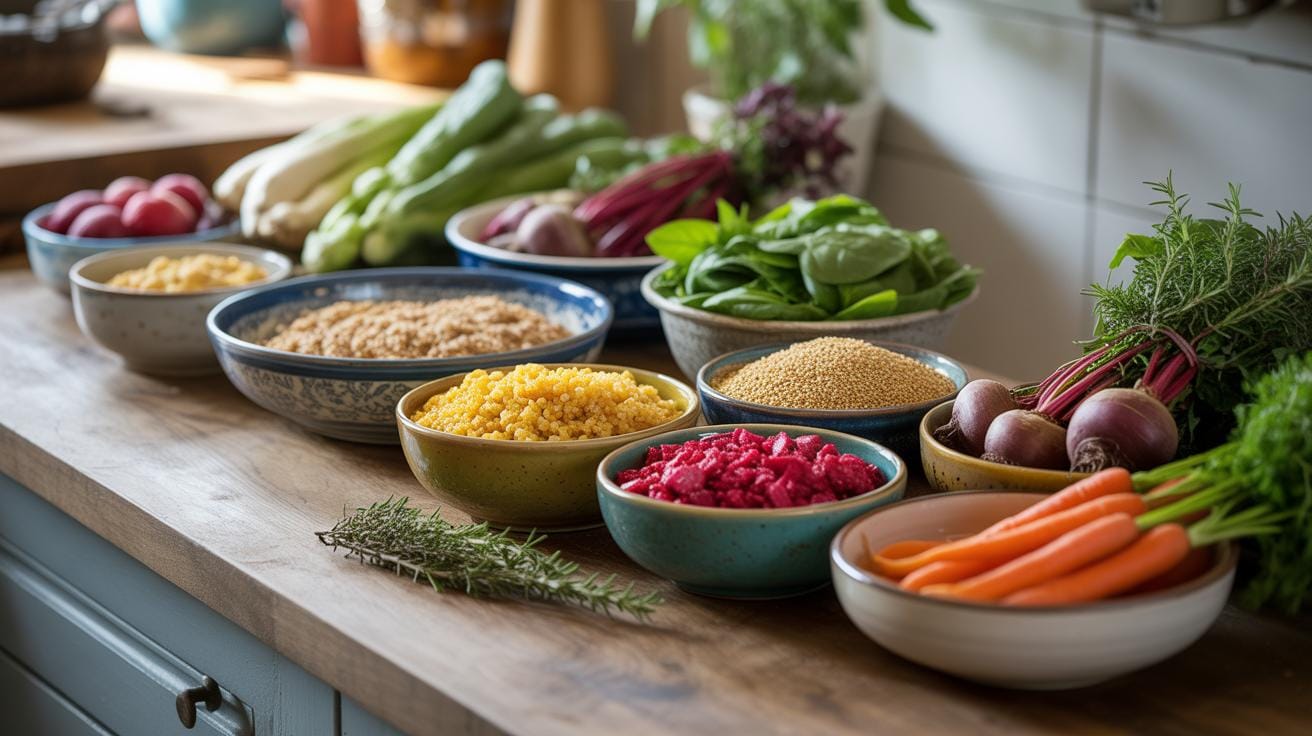
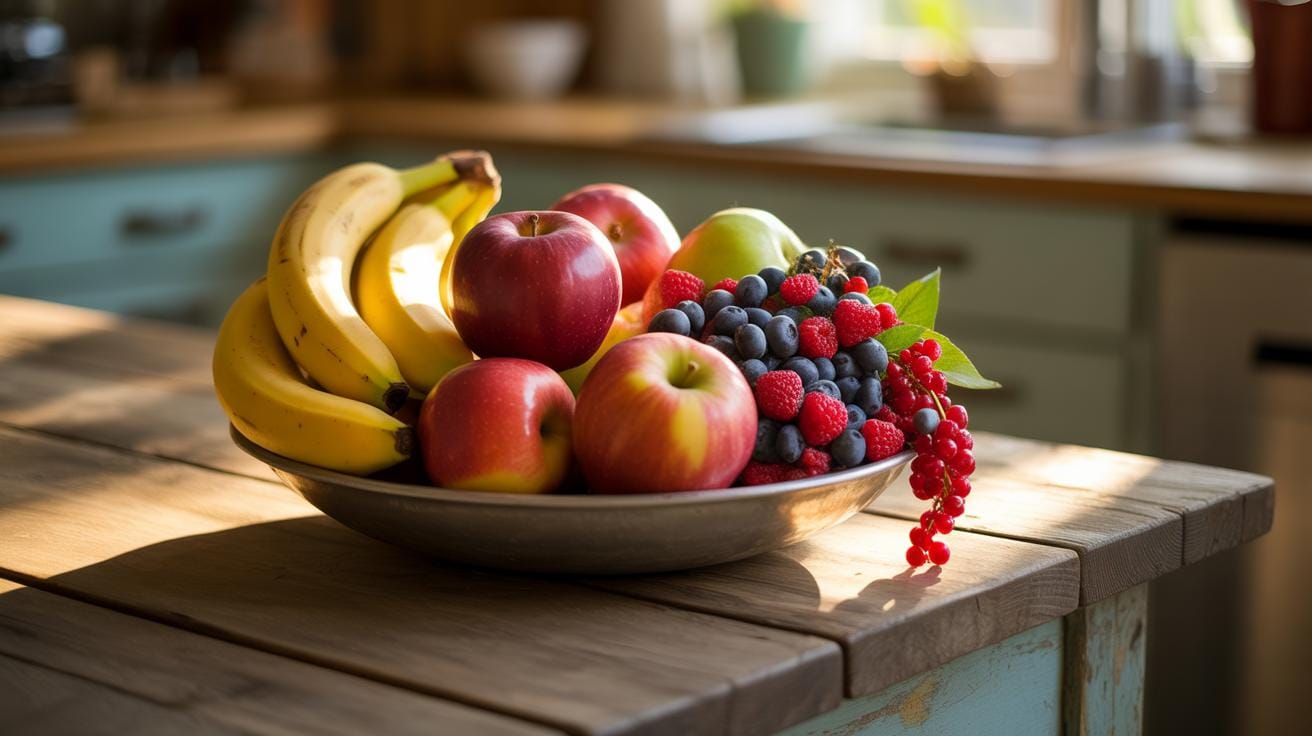
Fresh produce prices, for one, can swing quite a bit depending on the season, where you shop, and even the country of origin. A simple tomato or bunch of kale might cost twice as much in winter as in summer. Proteins add another layer of complexity—lean meats, fish, and plant-based proteins don’t cost the same, and their prices fluctuate based on market demand. Grains, beans, and frozen vegetables tend to be more stable but don’t ignore them; buying organic or specialty varieties nudges costs upward too.
Portion sizes make a big difference, too. If you consistently pack more food than you realistically eat, you end up wasting both money and ingredients. On the flip side, undersized portions may push you to snack more or eat out, which often inflates your weekly food expenses. So, figuring out the right balance can feel a bit like trial and error.
And then there’s food storage. Ingredients that spoil quickly might force you to shop more often, increasing travel or delivery costs. Or you might invest in better containers and refrigeration, which adds a bit upfront but helps keep ingredients fresh longer. Your meal prep budget isn’t just what you see at checkout—it stretches into how you handle and store your food afterward, too.
How to Calculate Meal Prep Costs
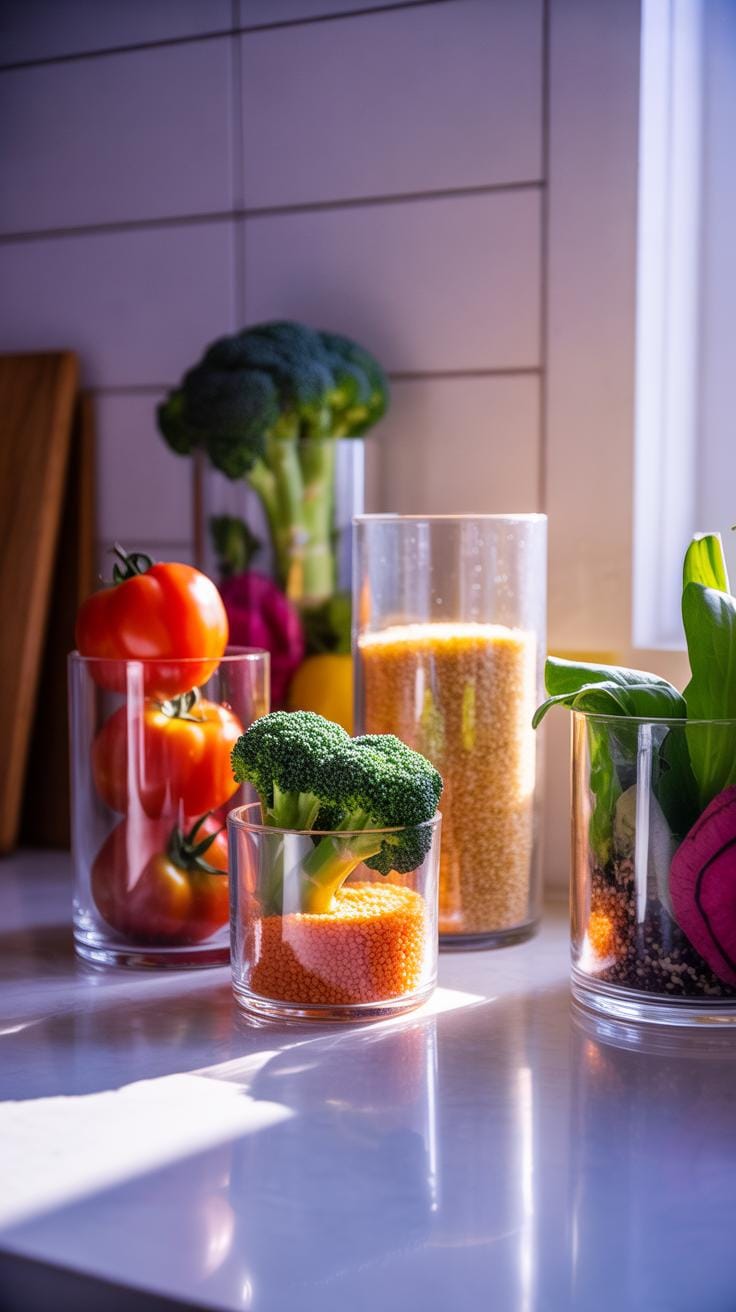
To figure out how much your healthy meals will cost for the week, start by making a detailed ingredient list. Think about every single item you’ll need, from fresh vegetables to pantry staples. It might feel tedious, but this step keeps you on track and avoids last-minute impulse buys.
When listing ingredients, try to be specific about types and forms — is it fresh spinach or frozen? Are you buying whole grains or pre-cooked ones? These details affect prices and portions.
Next, estimate how much of each ingredient you need for the entire week. This part can be tricky since recipes vary. A good approach is to write down quantities per meal and multiply by the number of servings and days you plan to cook. Sometimes, you might need a bit more than the recipe suggests, especially for bulky items like herbs or salad greens, but it’s okay to be approximate here.
Once quantities are listed, check your local prices. You could use grocery store websites or receipts from previous shopping trips. Remember that prices often come per weight or per package. You might buy a big bunch but only use a fraction, so calculate the cost based on how much you actually plan to use. This step can make you realize some ingredients are surprisingly costly, which might prompt swaps or portion adjustments.
Finally, add up all the individual costs. This total gives you the estimated budget for your meal prep. If the number feels off, revisit portions or consider alternative ingredients. Maybe bulk buying spices or grains lowers costs over time. The goal isn’t to nail a perfect figure but to have a realistic idea of what your weekly healthy meals will demand.
Smart Shopping Tips for Meal Prep Savings
Bulk Buying Benefits
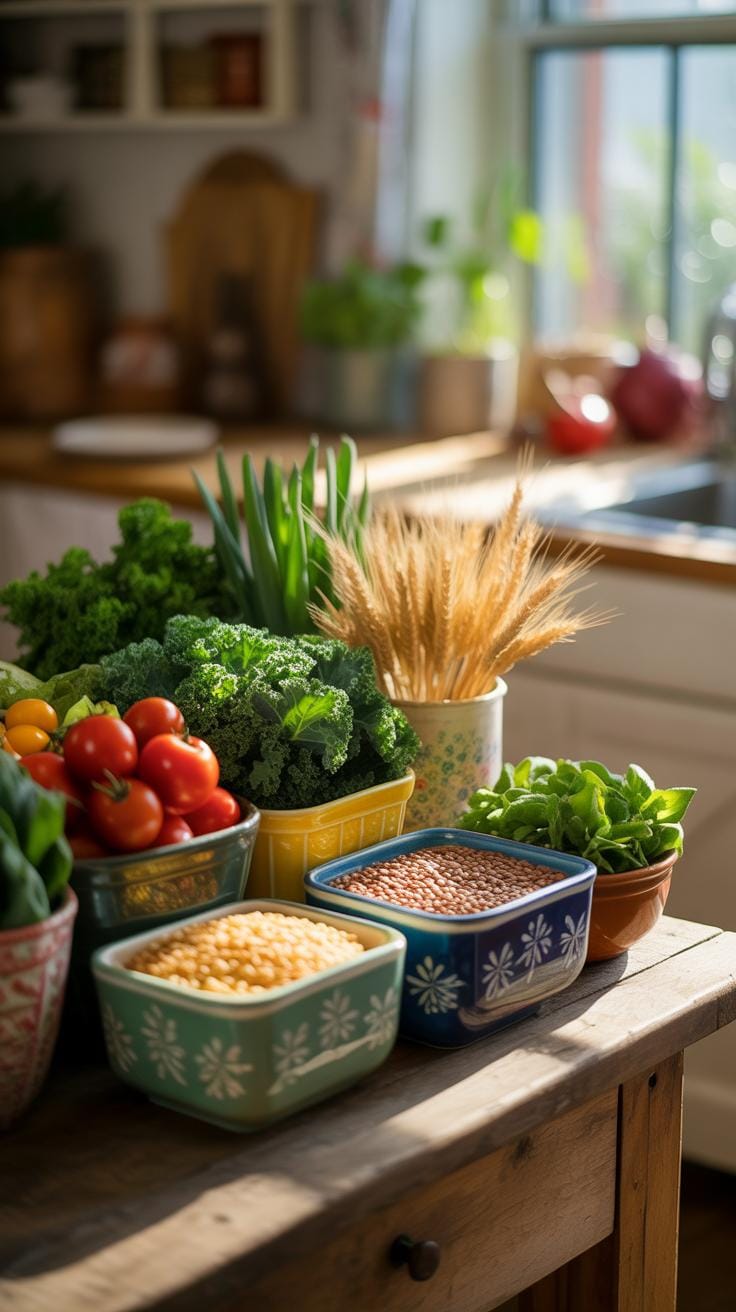
Buying in bulk can really bring down the cost per serving of many staples you use for meal prep. Think grains like rice or quinoa, dried beans, nuts, and even some frozen vegetables. When you buy these items in larger quantities, the price per unit usually drops significantly compared to smaller packages. This means your weekly grocery bill can feel a little lighter, especially if you store them properly.
One thing I’ve noticed is that bulk buying works best for ingredients with a long shelf life—you don’t want to end up wasting food just to save a few dollars. Sometimes, this is tricky because fresh items don’t last as long, but pantry staples generally do. For example, a big bag of lentils might last you for months and can be a base for many different dishes, so it’s a smart buy.
Do consider storage space too; if you don’t have a big pantry or freezer, bulk might not be practical. But when it fits your kitchen, it’s a simple way to stretch your food budget without sacrificing nutrition.
Choosing Seasonal and Local Foods
Seasonal produce often costs less and tastes better. When fruits and vegetables are in season locally, they don’t need to travel far, which lowers their price—and probably keeps more nutrients intact. When I switched to buying mostly seasonal veggies, I noticed meals just felt fresher, even simpler recipes tasted better.
Local markets or farmers’ stands can sometimes be cheaper than supermarkets, plus you get a chance to ask about how the food was grown. This can be a bit hit or miss depending on your area and season, though. Some months it’s easy to find great deals on leafy greens or root vegetables, other times you might have fewer options.
Also, seasonal eating encourages variety in your meals. You end up trying produce you might not usually pick. That can be a good thing for both your wallet and your diet—plus, it keeps meal prepping from getting too monotonous. You might ask yourself: are you ready to adjust your menus based on what’s fresh and affordable? Sometimes it’s worth the effort to explore a bit.
Setting Up a Weekly Meal Prep Schedule
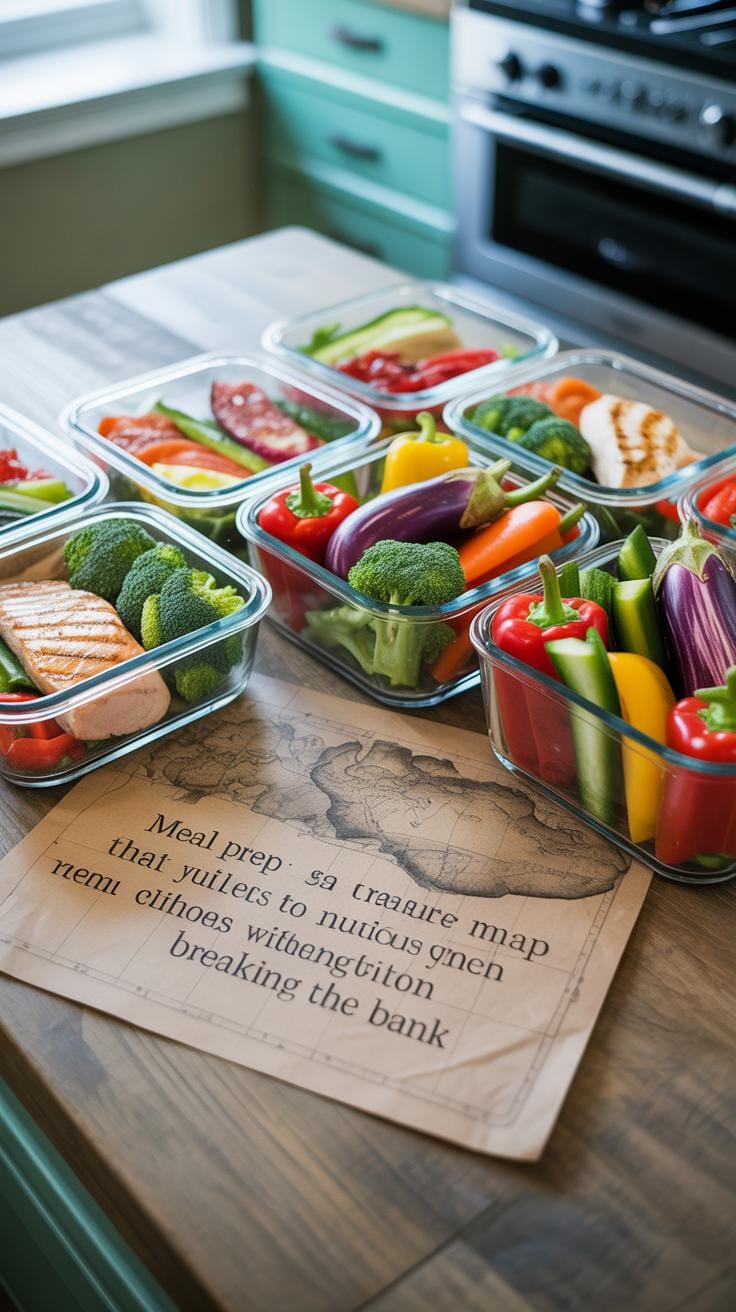
Finding a meal prep rhythm that fits your week isn’t always straightforward. Some people swear by Sunday afternoons, others prefer splitting it into two shorter sessions midweek and weekend. You’ll want to consider your work hours, exercise routines, and even social plans. For example, if your weeknight gets busy, prepping mostly on the weekend might be better.
Batch cooking can be a real time-saver—making large portions of staples like grilled chicken, roasted veggies, or grains at once lets you mix and match meals later. You might roast a big tray of seasonal vegetables that serve as sides for multiple dishes or cook a large pot of quinoa to be used in salads, stir-fries, or bowls.
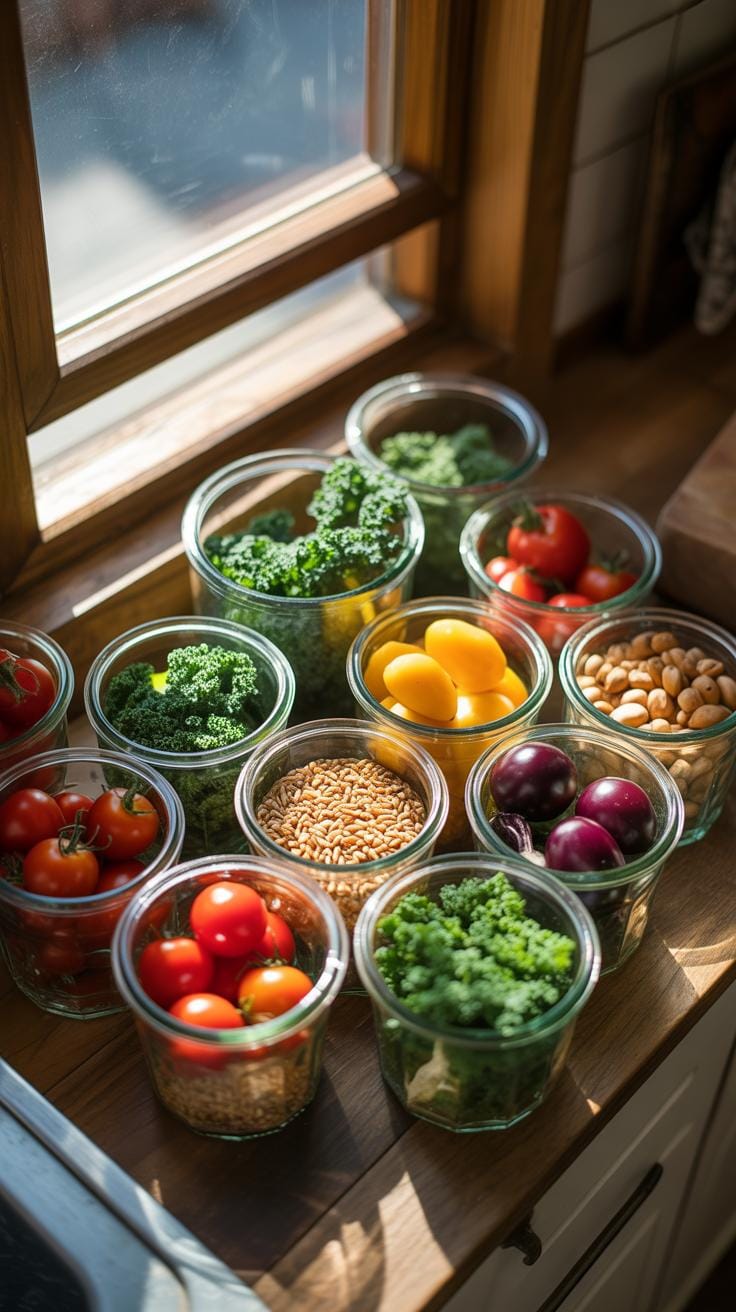
Storing your meals properly keeps things fresh longer, so think about using a mix of airtight containers, freezer bags, or mason jars. Labeling becomes a small but helpful habit—you’ll avoid guessing games midweek. Also, consider how long certain meals will last. Some cooked greens and fish spoil faster than beans or cooked potatoes, so organizing what eats first can save frustration.
Have you noticed that some meals taste better fresh, while others almost improve after a day or two in the fridge? This makes planning your schedule a bit of trial and error, but that’s part of what keeps meal prep from feeling too robotic.
Healthy Food Dishes Cost Comparison
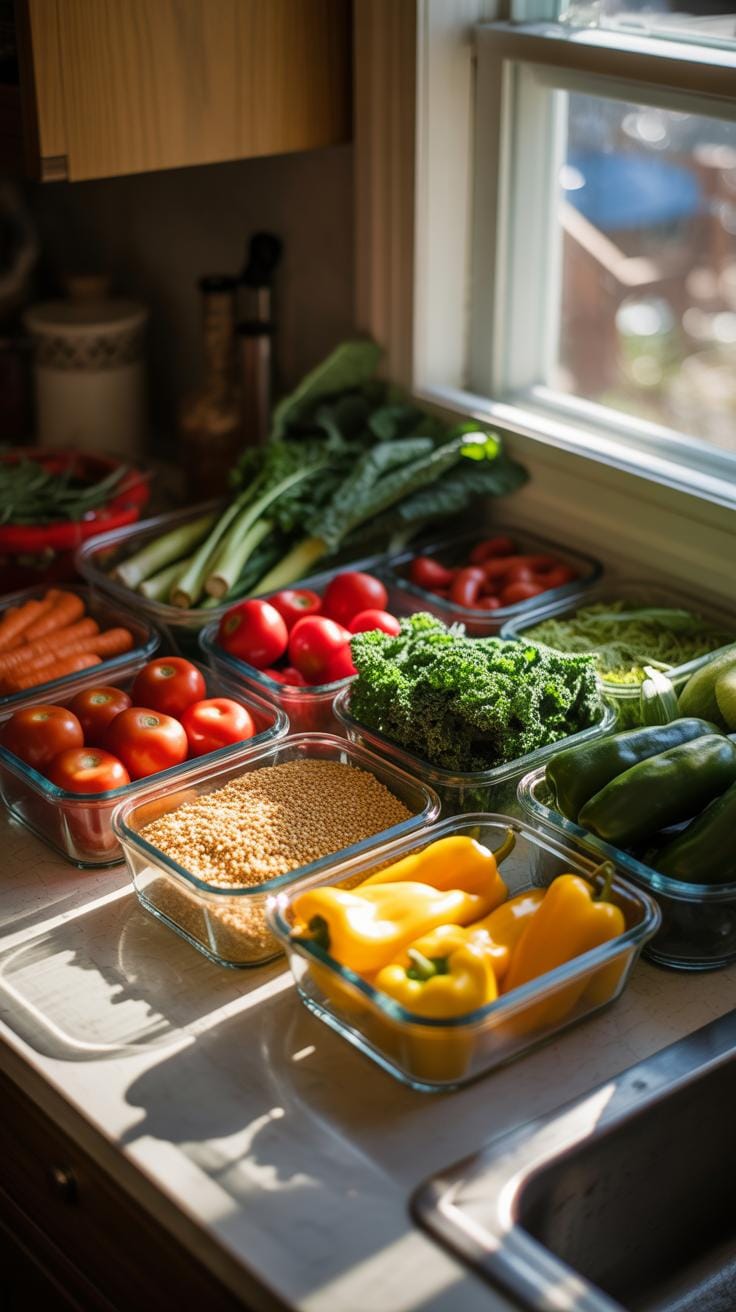
When comparing the costs of healthy meals, the range can be surprisingly wide. Some dishes maintain strong nutrition without stretching your budget, while others draw on pricier ingredients that push costs up. It’s useful to think about what drives these differences.
Take affordable nutritious dishes, for example. Meals like lentil soup, chickpea salad, or vegetable stir-fry often come together with minimal expense. A simple lentil soup can cost under $3 per serving, mostly because dried lentils are cheap and last a long time. You add some basic veggies—a carrot, an onion, a bit of garlic—and suddenly you have a filling, nourishing dish. Chickpeas follow a similar pattern. A 15-ounce can might be around a dollar, and combined with fresh tomatoes and cucumbers, you get a fresh, hearty salad at a low price.
On the flip side, higher cost healthy options tend to include pricier ingredients like fresh seafood, specialty grains, or organic produce. A quinoa and salmon bowl, for instance, will bump up your grocery bill substantially. Wild-caught salmon doesn’t come cheap, and buying organic quinoa can add a couple of dollars per serving. Then there’s fresh herbs or avocado, which vary wildly in price depending on the season—sometimes making the dish feel almost luxurious, other times maybe just frustratingly costly. The taste and nutrient punch might be worth it for you, but it’s clear why these recipes weigh heavier on the wallet.
Still, it makes you wonder—are we willing to pay more regularly for these perks, or should healthier eating lean more towards simplicity? Maybe a bit of both is the answer, whatever works for your week and your wallet.
Checklist for BudgetFriendly Meal Prep
Planning Your Meals
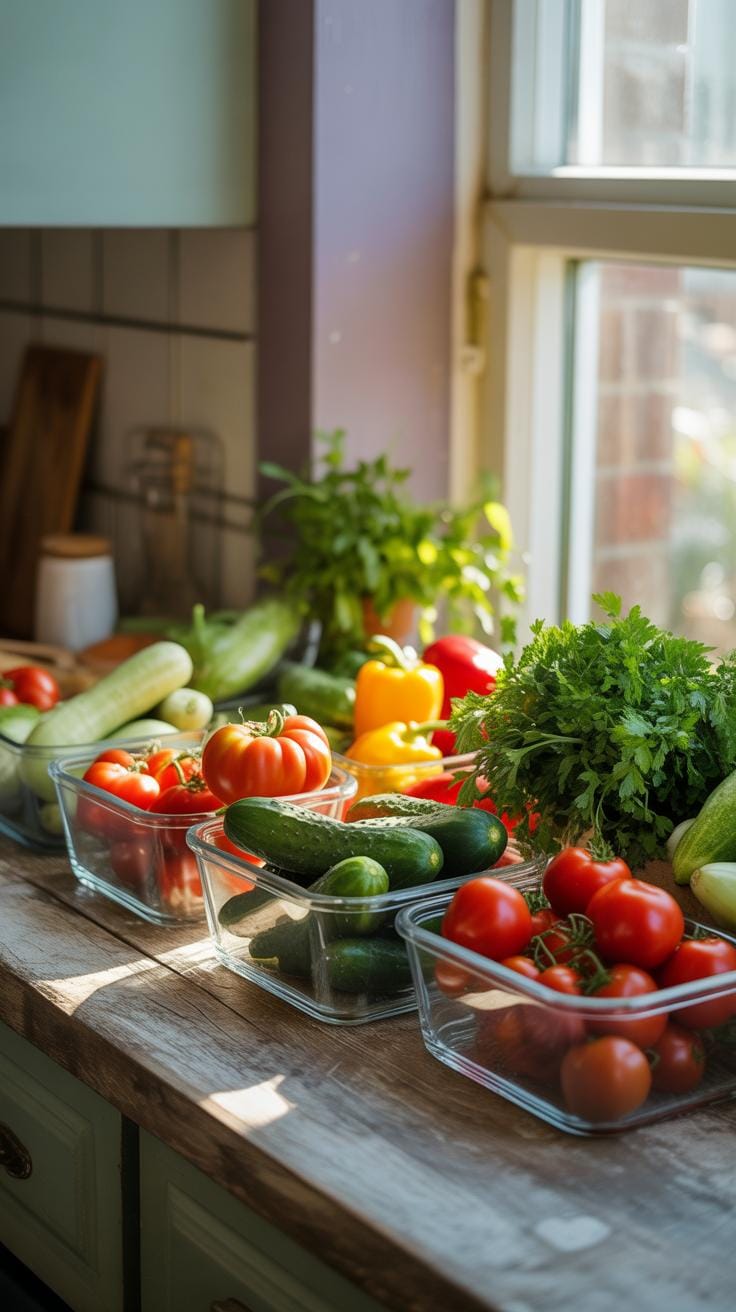
Planning meals before hitting the store helps you avoid grabbing things you don’t need—or worse, impulse buys that end up forgotten in the fridge. When you map out your week, it becomes easier to buy only what you’ll use, which means less waste and fewer trips to the store. You might think it’s a bit of extra effort upfront, but the payoff is clear in your budget and your kitchen. Plus, thinking ahead can help you balance meals better, making sure you’re getting vegetables, proteins, and grains without overspending on any one group. Sometimes I forget one day’s plan and it throws off the whole week—so writing it down always saves me headaches.
Shopping and Cooking Tips
Try shopping with a clear list and stick to it, but also keep an eye out for in-season produce or sales—sometimes it pays to be flexible. Buying in bulk can be cheaper for staples like beans, rice, or oats, but make sure you’ll actually use them before they go bad. Frozen vegetables are an option too, often less pricey and just as nutritious as fresh ones, which can save money if fresh isn’t appealing or affordable. When cooking, think about making larger batches that can double as next day’s lunch, saving you time and energy. Also, simple meals with fewer ingredients often stretch your budget better. Do cooking methods matter? Probably. Using slower cooking techniques might save money on energy if you plan well, but it takes more time. So, weigh your schedule against the savings.
Tools to Track Meal Prep Expenses
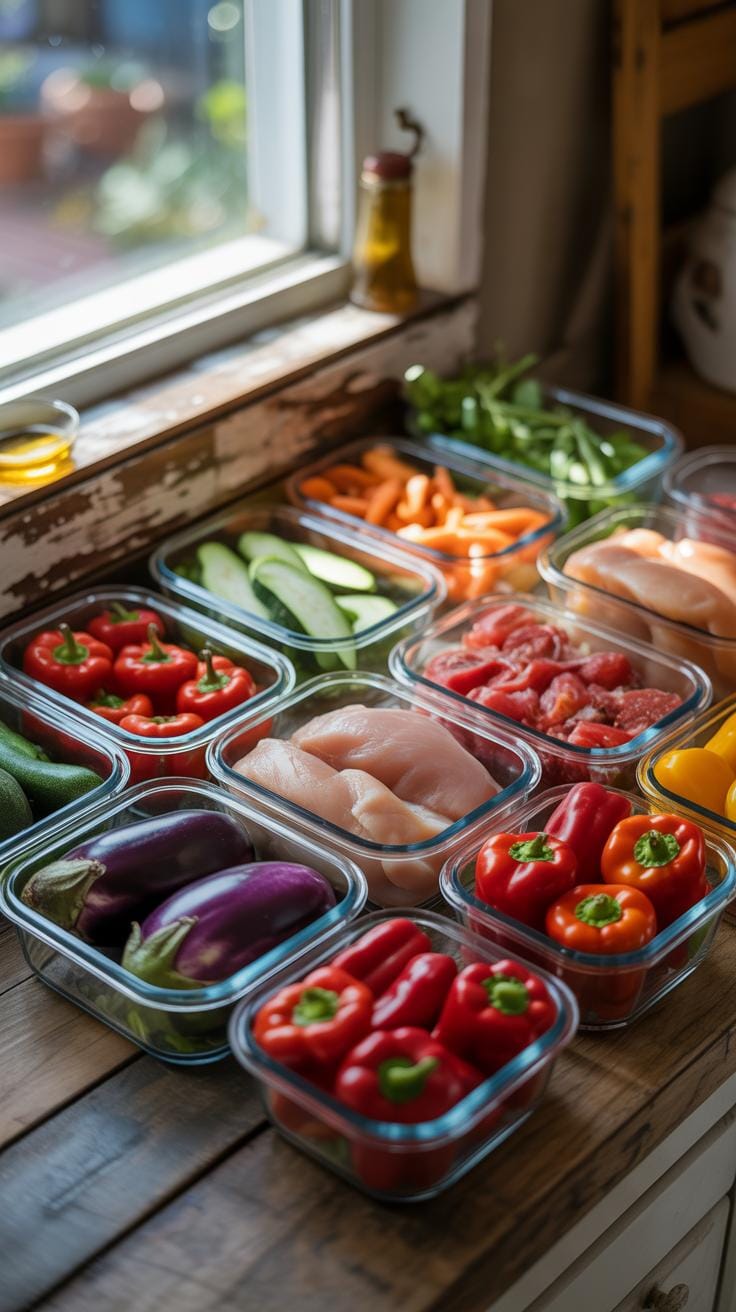
Keeping a clear eye on meal prep costs can be tricky, especially when you’re trying to stick to a budget while eating healthy. Luckily, there are tools out there that make this easier than scribbling random notes on scraps of paper. You might already have some of these at your fingertips without realizing how useful they can be.
Using Budgeting Apps
Budgeting apps can help you track grocery spending as it happens. You enter costs or scan receipts, and the app categorizes your expenses automatically. For example, you can set a weekly limit specifically for meal prep, and the app will alert you if you’re close to overspending. Some apps even let you create lists, so you can stick to planned purchases and compare prices across stores. It’s tempting to trust this will solve everything, but the reality is that apps sometimes miscategorize expenses or don’t account for bulk purchases correctly. Still, they keep numbers organized in a way that’s hard to beat.
Manual Expense Tracking
On the other hand, manual tracking might feel old-fashioned but it works surprisingly well if you put a bit of effort in. Using a simple notebook or a spreadsheet to jot down every grocery item and cost can give you a direct connection to your spending habits. You become more mindful, maybe even reconsider grabbing that extra snack or pricey ingredient. Spreadsheets are flexible—you can create columns for ingredients, prices, dates, and meals. That said, manual tracking requires discipline. It’s easy to skip logging expenses or forget details, which weakens the whole point. But when done consistently, you get a detailed picture that apps sometimes gloss over.
Do you prefer tapping away on your phone or the tactile feel of pen and paper? Either way, keeping track helps you notice patterns and makes budgeting for nutritious meals less stressful, even if it doesn’t always feel straightforward.
Case Study Real Weekly Meal Prep Costs
Sample Weekly Meal Plan
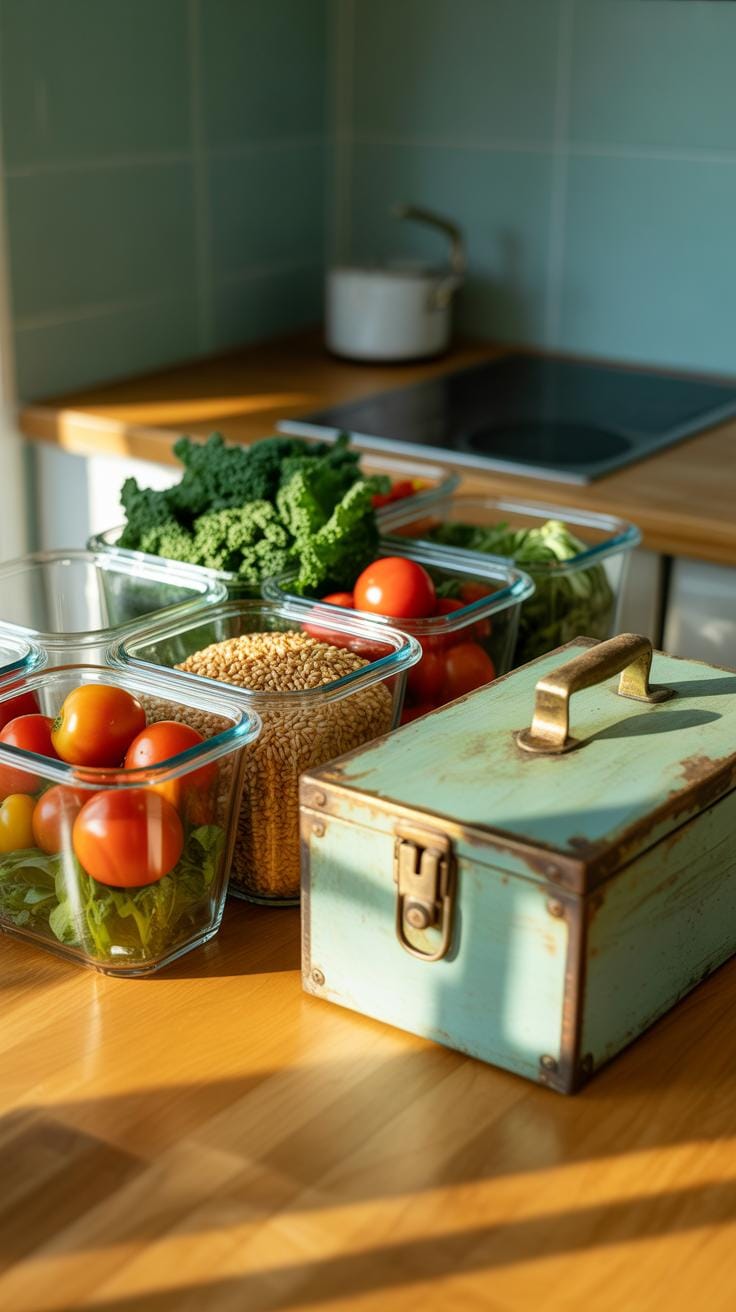
Here’s an example of a week’s worth of healthy meal prep meals that someone might realistically put together. The plan includes breakfast, lunch, and dinner, designed to be balanced but not overly fancy. Each dish focuses on whole foods with moderate portions.
Breakfasts:
- Overnight oats with ½ cup rolled oats, 1 cup almond milk, ½ banana, and a tablespoon of chia seeds (makes 1 serving)
- Spinach and mushroom omelet using 2 eggs, ½ cup spinach, and ¼ cup mushrooms (1 serving)
Lunches:
- Quinoa salad: ¾ cup cooked quinoa, ½ cup chickpeas, ½ cup cucumber, ¼ cup chopped bell pepper, and lemon-tahini dressing (1 serving)
- Grilled chicken breast (5 oz) with steamed broccoli (1 cup) and ½ cup brown rice (1 serving)
Dinners:
- Baked salmon (6 oz) with roasted sweet potatoes (1 cup) and sautéed green beans (1 cup)
- Vegetable stir-fry: tofu (4 oz), mixed veggies (1.5 cups), and ½ cup cooked brown rice
Total Cost Breakdown
When tallying ingredients’ costs for these meals across seven days, the total hits just under $65. That’s roughly $9 per day for three balanced meals—a bit higher than fast food but less than eating out daily.
Key cost drivers here include the salmon and chicken, which represent nearly 40% of the total spend. Plant-based ingredients like oats, quinoa, and veggies help balance costs down overall. I was a little surprised how affordable the tofu was; it definitely softened the impact of pricier proteins.
Portion control also affects costs. Preparing precise servings avoids overbuying or wasting ingredients. But, it’s tricky to stick to perfectly consistent portions every day, which sometimes nudges the budget up unintentionally.
This example hints at how your choices matter in meal prep—substitutions or buying in bulk can shift costs considerably. Do you lean more on plant-based proteins? Or do you prefer fresh meat? These choices can shape your grocery bill quite a bit.
Conclusions
Planning healthy meals ahead can reduce food expenses while helping you maintain a nutritious diet. Understanding and tracking meal prep costs allow you to choose affordable ingredients and avoid waste.
Following smart shopping strategies and efficient meal prep techniques will make it easier for you to eat well without overspending. This approach supports both your health and your budget.