
Introduction
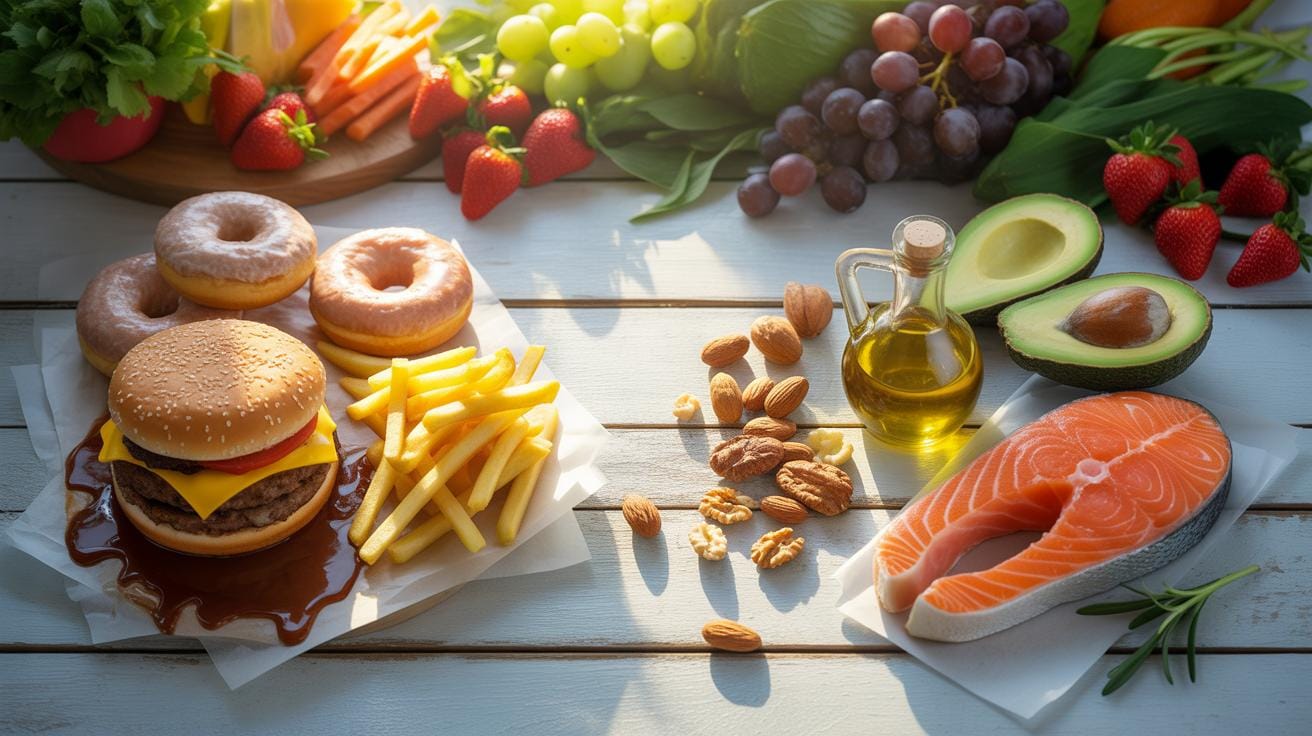
Fat Foods Versus Healthy Fats For A Balanced Nutrition Plan is a crucial topic for anyone wanting to eat better and live healthier. Fats get a bad reputation, but not all fats are harmful. Some fats are essential for your body, while others can increase health risks.
This article explains the difference between fat foods and healthy fats. You will learn how to identify good fats, understand their benefits, and make smart choices to include them in your diet. This helps you build a balanced nutrition plan that supports your overall well-being.
Defining Fat Types And Sources

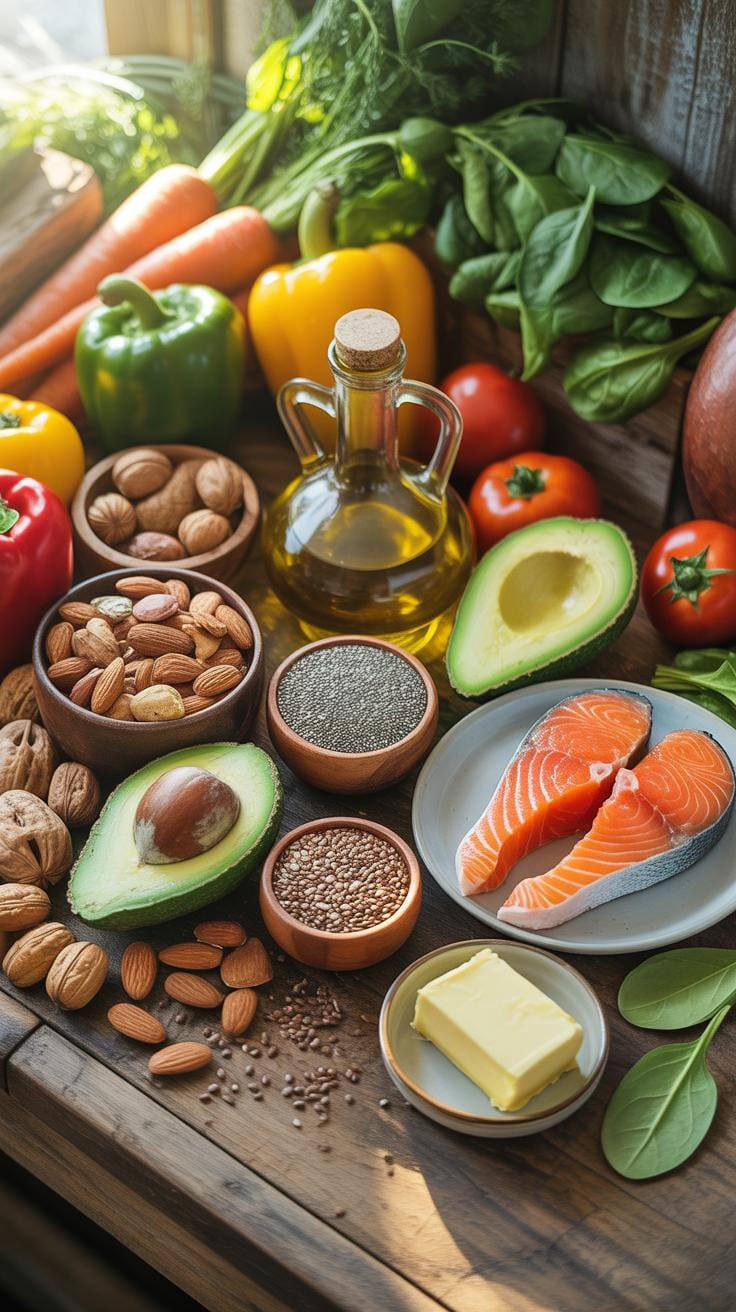
Fats come in several types, each with distinct properties and sources. There are saturated fats, unsaturated fats, and trans fats. Saturated fats typically come from animal sources like butter, cheese, and fatty cuts of meat, as well as some tropical oils such as coconut oil. These fats are usually solid at room temperature. Unsaturated fats, on the other hand, are mostly liquid and come from plant-based oils like olive, canola, and sunflower oil, as well as fatty fish like salmon and mackerel. They are often categorized as monounsaturated or polyunsaturated fats depending on their chemical structure.

Trans fats are largely artificial, created through hydrogenation to solidify vegetable oils. Some processed foods and baked goods contain trans fats, which are linked to negative health effects. It’s worth pausing to think – not all fats are created equal; their sources and characteristics can vary greatly.
Saturated Fats Versus Unsaturated Fats
Saturated fats have no double bonds in their chemical structure, meaning every carbon atom is “saturated” with hydrogen atoms. Unsaturated fats have one or more double bonds, creating kinks in their chains. This difference influences their physical state and effects on health. Saturated fats can raise LDL cholesterol levels, which might increase heart disease risk. Unsaturated fats, particularly monounsaturated fats, can help lower bad cholesterol and support heart health.
Consider olive oil—a source of monounsaturated fat—as a healthier alternative to butter, which is high in saturated fat. But, the body still needs some saturated fat for hormone production and cell membranes, so completely avoiding it may not be necessary or even beneficial.
What Are Trans Fats And Their Risks
Trans fats are a type of unsaturated fat but differ structurally due to a process called hydrogenation, which alters the fat’s configuration. This process makes oils solid at room temperature, extending shelf life for processed foods. Unfortunately, trans fats are harmful, linked to raising bad cholesterol (LDL) and lowering good cholesterol (HDL).
Baked goods, fried foods, and snack items often contain trans fats. Their consumption is associated with increased risk of heart disease because they promote inflammation and artery plaque formation. Trying to minimize or avoid trans fats is wise, even if ingredient labels don’t always clearly list them, especially since many countries regulate their use more strictly now.
Health Benefits Of Good Fats
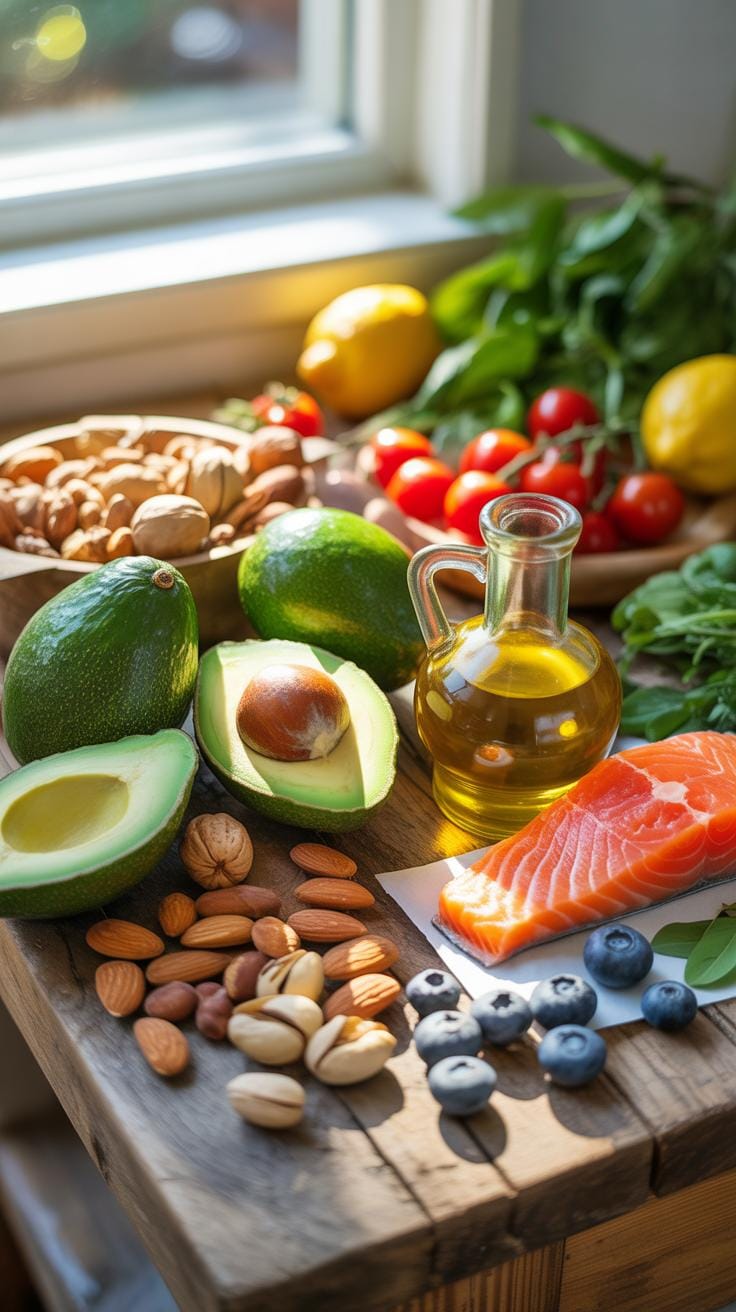
Healthy fats are more than just calorie sources; they have important roles in maintaining your body’s functions. For instance, fats improve heart health. Unsaturated fats, especially monounsaturated and polyunsaturated fats, can help reduce bad cholesterol levels, which lowers the risk of heart disease. I’ve read studies showing people who include sources like olive oil and avocados tend to have better cardiovascular health than those who don’t.
Brains, too, depend heavily on good fats. The brain is nearly 60% fat, mainly made up of essential fatty acids which the body cannot produce itself. These fats support memory, mood, and cognitive functions. Think of omega-3 fatty acids found in fish oil – they have been linked to a reduced risk of depression and dementia. It’s a bit comforting to think some of these fats might help keep your mind sharp as you age.
Energy-wise, fats provide a longer-lasting fuel compared to carbohydrates. Your body can tap into fat stores during extended activity or fasting. It’s why athletes include healthy fats in their diets for sustained endurance. Plus, fats protect your organs and help regulate body temperature, vital but often overlooked benefits.
How Omega Fatty Acids Support Your Body
Omega-3 and omega-6 fatty acids are the two essential fatty acids humans must consume since we cannot make them. Omega-3s, which include alpha-linolenic acid (ALA), eicosapentaenoic acid (EPA), and docosahexaenoic acid (DHA), contribute to lowering inflammation and supporting heart and brain health. Fish like salmon, sardines, and plant sources like flaxseeds and walnuts are rich in omega-3s.
On the other hand, omega-6 fatty acids, such as linoleic acid, are found in poultry, eggs, nuts, and various vegetable oils like sunflower and soybean. These fats play a role in normal growth, brain function, and skin health. Balancing omega-3 and omega-6 intake is tricky, though. Too much omega-6 without enough omega-3 may promote inflammation, so it’s not just about eating fats but how they balance out in your diet.
Fats Role In Nutrient Absorption And Hormones
Fats do more than provide energy and structural components in the body. They are crucial in absorbing fat-soluble vitamins—A, D, E, and K. Without enough dietary fat, you might be missing out on these vitamins, even if your diet includes them. I sometimes wonder if people on low-fat diets unknowingly compromise their vitamin status without realizing it.
Moreover, fats are the building blocks for many hormones, including steroid hormones like estrogen and testosterone. These hormones regulate vital bodily functions such as growth, metabolism, and reproductive health. Without healthy fats, hormone production can falter, leading to complex health issues. It’s a bit ironic that cutting too much fat might upset the very systems you’re trying to protect.
Identifying Foods High In Healthy Fats
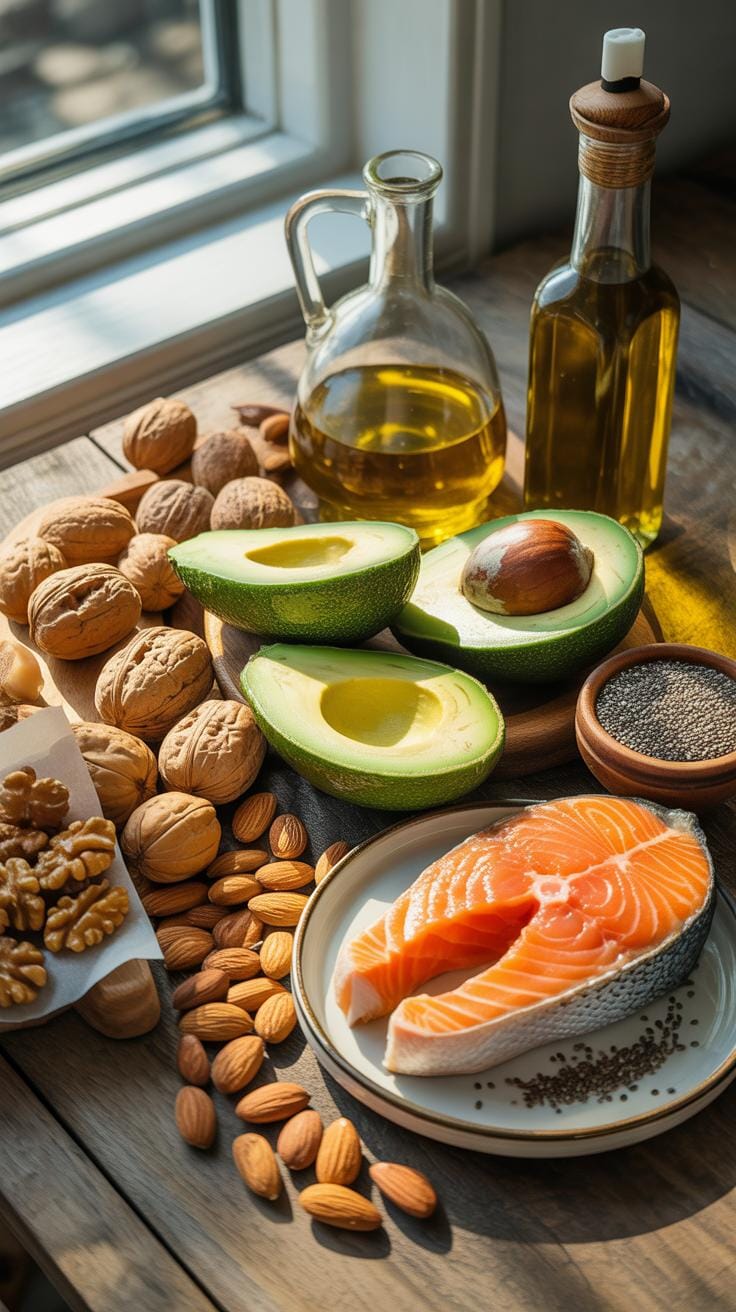
When thinking about healthy fats, certain foods naturally come to mind—nuts, seeds, avocados, fish, and select oils. These aren’t just tasty; they pack nutrients like omega-3 and omega-6 fatty acids, which can support heart health and brain function. It might seem obvious to some, but these fats also help your body absorb vitamins, so they’re not just about calories.
Nuts And Seeds Examples
Nuts like almonds, walnuts, and cashews are popular for a reason. Walnuts, in particular, have a high omega-3 content—more than most other nuts. Seeds, such as chia, flaxseeds, and pumpkin seeds, often get overlooked but can be sprinkled on yogurt or salads effortlessly. I personally like adding flaxseeds to my morning smoothie. It’s an easy way to sneak in a dose of healthy fat without feeling like you’re changing your diet drastically.
Healthy Oils To Use In Cooking
When cooking, olive oil and avocado oil stand out for their healthy fat profiles. Olive oil, especially extra virgin, offers antioxidants alongside monounsaturated fats. Avocado oil has a higher smoke point, making it good for higher-heat cooking without breaking down those good fats. A little tip: don’t overheat oils to keep their benefits intact. Using them in dressings, marinades, or finishing touches works just fine.
Common Fat Food Pitfalls To Avoid

When it comes to fats, people often stumble on a few common pitfalls that can quietly undermine their nutrition plans. It’s easy to get tripped up by highly processed fats, especially those found in many convenience foods and fast foods. These fats frequently come from industrial processes that change natural oils, making them more shelf-stable but less healthy. Then there’s saturated fat, which many assume is just bad news, but the problem is really about consuming it in excess, not all at once.
Highly processed fats often contain trans fats, the kind you definitely want to steer clear of. These fats have been linked to heart disease and other health issues. Sometimes, you might not realize you’re eating these fats because they sneak into baked goods, fried snacks, and even some margarines.
Excess saturated fat also raises concerns, but cutting it out completely can lead to missing out on important nutrients. The trick is figuring out how to reduce saturated fat intake thoughtfully without compromising your diet’s quality. It’s about choosing wisely—what fats count and why.
Foods High In Trans Fats
Trans fats, particularly the artificial ones, are known troublemakers. You’ll often find them in:
- Packaged baked goods like cookies and pastries
- Fried foods from fast-food chains
- Some stick margarines and shortening
- Snack foods, such as chips
These fats are problematic because they increase bad cholesterol (LDL) and lower the good cholesterol (HDL), upping the risk for heart disease. What’s frustrating is how persistent these fats have been in the food industry, despite regulations aiming to limit their use. So even with laws banning or restricting them in many countries, vigilance remains essential.
Avoiding Excess Saturated Fat
Reducing saturated fat isn’t about cutting out all animal products or fatty foods. Instead, consider:
- Switching to lean cuts of meat
- Trimming visible fat from meats
- Using cooking methods like baking or grilling instead of frying
- Incorporating plant-based oils rich in unsaturated fats
- Choosing low-fat or fat-free dairy options carefully, as some nutrients are best absorbed with fat
It’s easy to think that by reducing saturated fat we’re automatically healthier, but some saturated fats might have a place in a balanced diet. The nuance is using moderation, not elimination, to avoid missing out on the vitamins and energy that fats provide. Sometimes, dietary advice can seem a bit contradictory, but what’s clear is that too much saturated fat can be a drain on your health.
Practical Tips To Include Healthy Fats

Adding healthy fats to your daily meals doesn’t have to be complicated. You might start by simply drizzling a bit of extra virgin olive oil over your salad or steamed veggies. It’s an easy way to introduce good fats without changing too much of your routine.
Think about swapping out butter or margarine for avocado spread on your toast. The creamy texture feels indulgent, yet it brings in heart-healthy monounsaturated fats. Another small change could be substituting mayonnaise with hummus in sandwiches. This adds flavor and nutrients without the saturated fats.
For snacks, a handful of nuts like almonds or walnuts can keep hunger at bay while providing omega-3 fatty acids. You could even sprinkle chia seeds or flaxseeds on your yogurt or cereal for an added boost. These minor additions make your meals more nutritionally balanced without feeling like a chore.
But, I guess, it’s important to remember—healthy fats still pack calories, so consider portion sizes. Balancing fat intake throughout the day keeps your energy steady and helps avoid overindulgence at any one meal.
Swapping Unhealthy Fats For Healthy Ones
Let’s talk swaps. Instead of frying in lard or butter, try cooking with oils like canola or sunflower or better yet, olive oil. You might notice a different taste but it’s worth getting used to.
Replace fatty cuts of meat with leaner protein sources, or try incorporating fatty fish like salmon a couple of times a week. These provide beneficial omega-3s that your body needs.
Processed snacks often contain trans fats which are best avoided. Swap those out for whole nuts or natural nut butters. They satisfy the craving and contribute nutrients rather than empty calories.
Balancing Fat Intake Throughout The Day
Balancing fats isn’t about loading one meal and skipping the rest. Spread it out. Small portions of healthy fats during breakfast, lunch, dinner, and snacks can keep your metabolism steady and promote better nutrient absorption throughout the day.
For example, adding nut butter to your morning oatmeal, using olive oil in your salad at lunch, snacking on nuts or seeds in the afternoon, and cooking dinner with fish or lean meat ensures a good fat balance.
Remember, your body functions best when it gets a steady supply of nutrients rather than erratic spikes or lows. So, next time you plan meals, think about how fats fit in the bigger picture rather than just one isolated meal.
How Fat Choices Impact Your Heart
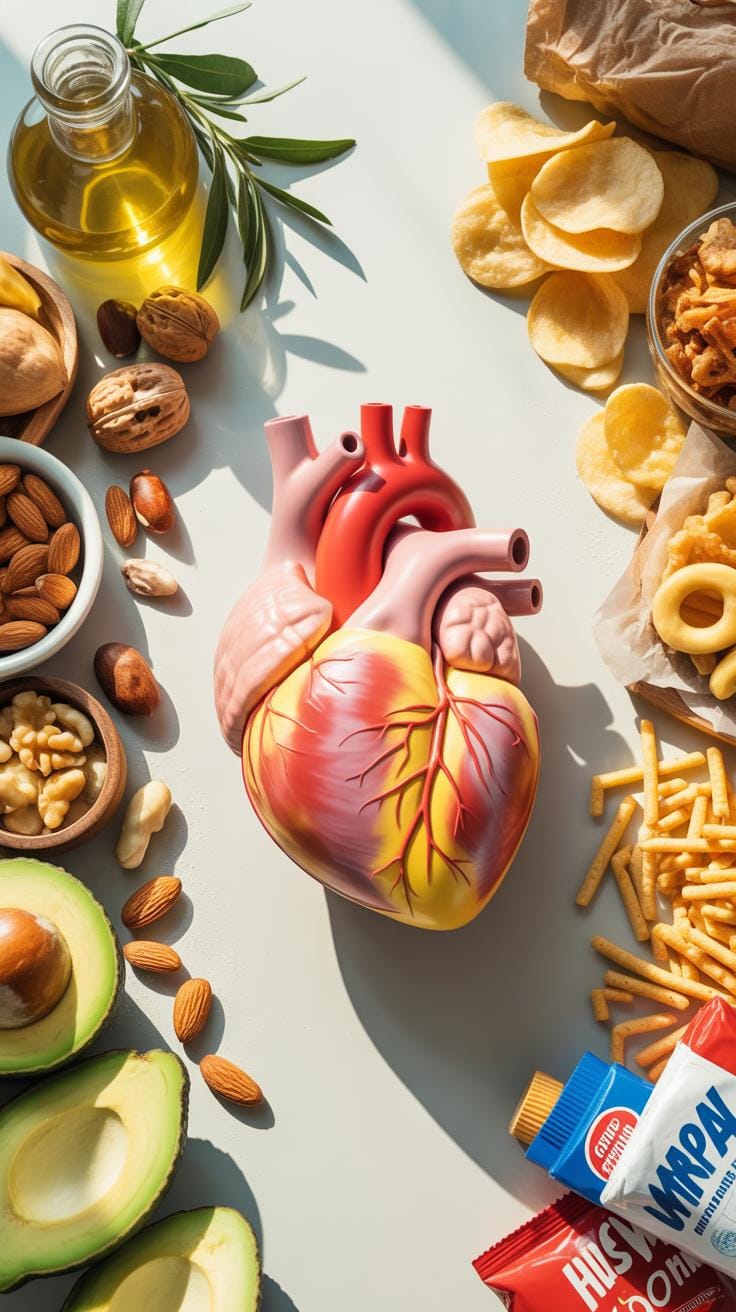
Fat intake plays a crucial role in heart health. Not all fats are created equal; some can actually support heart function while others may increase the risk of cardiovascular diseases. Healthy fats, particularly unsaturated fats, help maintain flexible arteries and improve blood flow. You might be surprised to learn that these fats can lower bad cholesterol (LDL) and raise good cholesterol (HDL), contributing to a healthier heart overall.
There’s plenty of research showing diets rich in healthy fats—like those found in olive oil, avocados, and nuts—are linked to reduced inflammation and better heart function. Eating these fats may also help prevent plaque buildup in arteries, which is a common factor in heart attacks and strokes.
Have you ever wondered why some diets seem to reduce heart problems more than others? The type of fat consumed might be a key answer.
Effects Of Saturated And Trans Fats On Heart
Saturated and trans fats have a more damaging effect on heart health. Saturated fats, often found in fatty meats, full-fat dairy, and some tropical oils, tend to increase LDL cholesterol—the “bad” cholesterol that clogs arteries. Trans fats, largely from processed and fried foods, are even worse as they raise LDL while lowering HDL, creating a double whammy for heart risk.
These fats contribute to the buildup of fatty deposits in artery walls, restricting blood flow and increasing the chance of heart attacks. In my experience, cutting back on these fats is almost always recommended by doctors or nutritionists when addressing heart problems.
Heart Protective Benefits Of Omega Fatty Acids
Omega-3 fatty acids, found abundantly in fatty fish like salmon, walnuts, and flaxseeds, are often hailed for their heart benefits. These fats help reduce inflammation, lower blood pressure, and improve overall cholesterol balance. Omega-3s seem to support the lining of blood vessels, reducing the tendency for clots that cause heart attacks.
- They lower triglycerides, a type of fat in the blood linked to heart disease.
- They encourage a more favorable HDL to LDL ratio.
- They may even improve heart rhythm, reducing the risk of dangerous arrhythmias.
While omega-3s are not a cure-all, regular intake has a noticeable effect on heart health. Still, it’s interesting how consistent this finding is across various studies, despite some contradictory claims over the years.
Reading Labels For Fat Content

When you pick up a packaged food item, the label can tell you a lot about the fat content — but only if you know what to look for. Fat isn’t just fat; it breaks down into different types that affect your health in various ways. Understanding labels is key to making smarter choices.
Start with the nutrition facts panel. You’ll see total fat listed first, but dig deeper. Look for:
- Total fats – how much fat is in each serving overall.
- Saturated fats – these are fats you should watch but don’t always avoid completely.
- Trans fats – best to steer clear of these as much as possible.
- Unsaturated fats – often split into mono- and polyunsaturated fats, these are the healthier options.
Sometimes the labels are confusing. The ingredients list can reveal hidden fats too — especially if you see partially hydrogenated oils, which signal trans fats. Even if the label says “0 grams trans fat,” check ingredients carefully; low amounts can still be present if under 0.5 grams per serving.
It feels a bit like detective work, but once you get used to it, you’ll start feeling more confident choosing products packed with good fats versus those loaded with the bad ones.
Spotting Trans And Saturated Fats On Labels
Trans fats are sneaky. They often hide under ingredient names like “partially hydrogenated oils.” Even if the nutrition facts claim zero trans fats, if you see that term, there’s likely some present. These fats raise your bad cholesterol and lower the good kind, which raises risks for heart disease. So, avoiding trans fats is generally wise.
Saturated fats are a bit trickier. Found in animal products like butter, cheese, and fatty meats, they also appear in some tropical oils like coconut and palm. The labels show how much per serving, but deciding how much is okay for you can be personal. Some folks avoid them completely; others include small amounts for flavor and satiety.
Basically, when reading labels, flag any trans fats first. Then, moderate saturated fats according to your health goals and dietary needs.
Recognizing Healthy Fat Sources In Products
Healthy fats mostly mean unsaturated fats. These come as monounsaturated and polyunsaturated fats — including omega-3 and omega-6 fatty acids, which you want to include regularly. How do you spot these on a label? Look for:
- Names like olive oil, canola oil, safflower oil — these typically contain monounsaturated fats.
- Fish oil or flaxseed oil, which indicate omega fatty acids.
- Ingredients lists that boast walnuts, almonds, or avocados — solid signals of healthy fats.
Still, you won’t always see every healthy fat spelled out in neat categories on labels. Sometimes it involves piecing together clues from the ingredients. For example, if the product contains plant oils known for unsaturated fats, that’s generally a good sign.
Reading labels carefully helps you choose fats that nourish rather than harm. It’s not always straightforward, but a bit of practice lets you decode what’s genuinely good versus just cleverly marketed.
Planning Balanced Meals With Fat
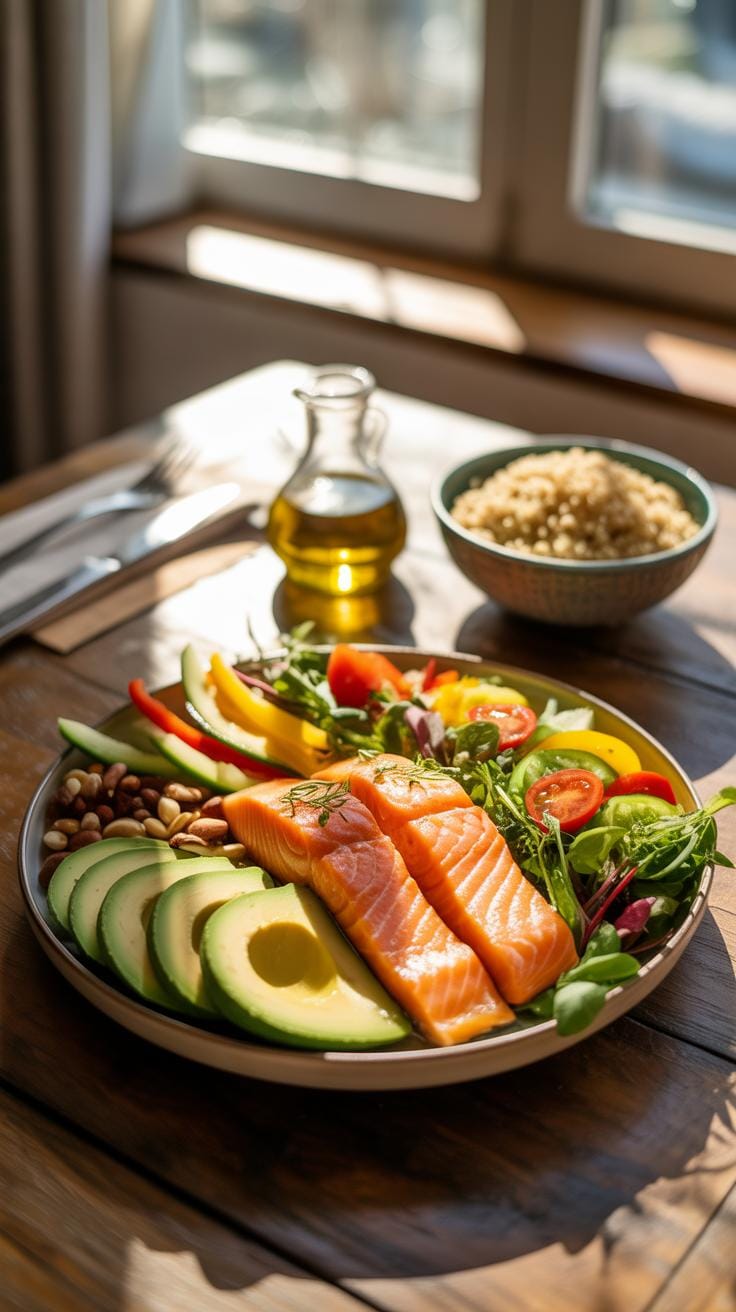
When you’re looking to include healthy fats in your daily meals, it’s really about balance and variety. The idea isn’t to load every dish with fats but to thoughtfully spread them throughout the day. Think of healthy fats as one piece of your nutrition puzzle rather than the whole picture.
For example, you might start your day with oatmeal topped with a spoonful of natural nut butter and some chia seeds. That gives you omega-3s and monounsaturated fats without going overboard. At lunch, a salad dressed with olive oil and sprinkled with avocado chunks can help you feel satisfied and provide important nutrients at the same time.
One thing I’ve noticed is people often overlook snacks as chances to include healthy fats. Little additions like a handful of walnuts or a small serving of hummus with veggie sticks can keep energy steady, which is really handy when afternoons hit and energy dips.
Here’s a quick snapshot to consider:
- Breakfast: Greek yogurt with almonds and blueberries
- Lunch: Quinoa salad with olive oil dressing and avocado slices
- Snack: Apple slices with peanut butter
- Dinner: Grilled salmon with roasted vegetables drizzled with flaxseed oil
Portion control matters too—too much fat, even the “good” kind, adds up quickly. You might want to measure out fats like oils or nut butters to keep portions in check. Experiment a bit; it’s all about finding what fits your taste and lifestyle while keeping nutrition balanced.
Conclusions
Choosing the right fats is key to a balanced nutrition plan. Healthy fats help your body function well and protect you from diseases. By knowing which fats to eat and which to avoid, you can improve your diet and health.
Focus on adding healthy fats like those from nuts, seeds, fish, and oils. Limit harmful fats from processed foods. With clear knowledge and simple steps, you can make better fat choices every day for a healthier life.