Introduction
Snacks are small portions of food eaten between meals. They can be quick, portable, and satisfying. Choosing healthy easy snacks at home means picking snacks with good nutrition that support your body’s needs. You don’t need many ingredients or long preparation time to make snacks that are both tasty and good for you.
Easy Snack Recipes For Healthy Easy Snacks At Home focus on using fresh, simple ingredients like fruits, nuts, and whole grains. This article looks at why healthy snacks matter, how to make them simply, and shares ideas to help you enjoy snacking while keeping your energy up and body strong.
What Makes Snacks Healthy
Healthy snacks usually have a few things in common, but it’s tricky to pin down a single formula that fits everyone. Most agree that snacks rich in nutrients like protein, fiber, and vitamins help your body more than those loaded with extra sugar or unhealthy fats. You might notice how some snacks keep you full longer—this often comes from protein and fiber, which slow digestion and stabilize blood sugar.
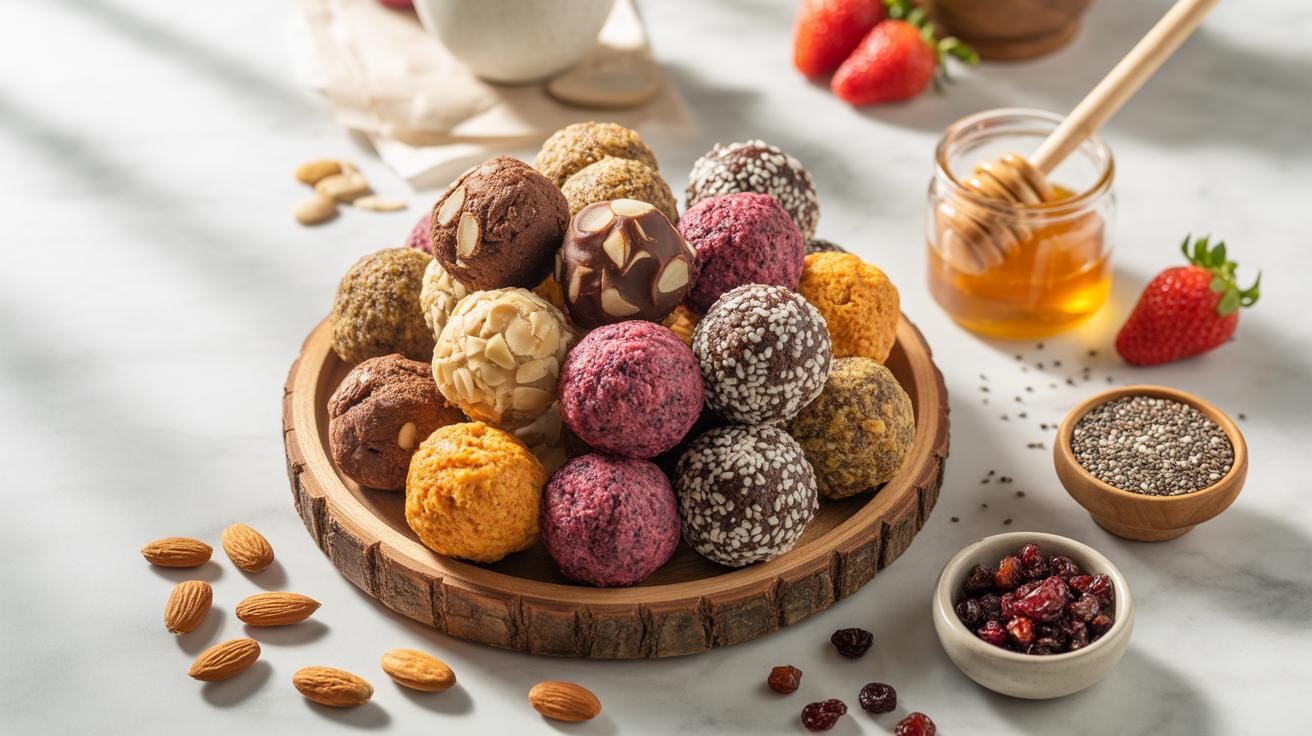
Look for snacks made from whole foods, with simple, recognizable ingredients. For example, nuts, fruit, or whole grains tend to be better choices than highly processed items with long ingredient lists. It’s tempting to reach for something sweet or fatty, but those often lead to quick energy spikes followed by crashes. The goal is to fuel your body steadily and avoid unnecessary calories that don’t provide much nutrition.
That said, it’s not about extremes either. Occasionally indulging in less healthy options is normal, but keeping your everyday snacks balanced makes a real difference in how you feel throughout the day. Have you noticed how you feel after a handful of almonds compared to a sugary bar? It’s subtle but recognizable once you pay attention.
Key Nutrients In Healthy Snacks
Protein, fiber, and vitamins tend to stand out as key players in healthy snacks. Protein supports muscle repair and helps you stay satisfied. Foods like Greek yogurt, hard-boiled eggs, and nuts provide ample protein in small servings.
Fiber slows digestion and improves gut health. Think about raw veggies, whole fruits, or whole-grain crackers—they often contain fiber that doesn’t get enough spotlight. Vitamins, especially vitamin C and various B vitamins, are crucial for immunity and energy. Snacks like berries or sliced bell peppers offer vitamins without piling on calories.
It’s interesting how combining these nutrients can improve your snack’s impact. For example, pairing apple slices (fiber and vitamins) with peanut butter (protein and healthy fats) creates a snack that feels both satisfying and nourishing—better than either alone, I’d say.
Risks Of Unhealthy Snack Choices
Snacks high in sugar or unhealthy fats can sneakily damage your health over time. They might taste good and deliver quick energy, but the crash afterward can leave you tired or craving more, which is a bit of a trap. Plus, excess sugar can contribute to weight gain, inflammation, and even affect mood in ways people don’t always connect.
Trans fats and excessive saturated fats, common in some chips, pastries, and fast-food snacks, can raise cholesterol levels and increase the risk of heart problems. Sometimes, products marketed as “low-fat” make up for flavor with added sugars, which isn’t really an improvement.
You might wonder why convenience snacks often fall into these categories. It’s partly because they’re made to please quickly rather than nourish fully. Choosing healthier options takes a little more thought, but your body usually rewards that. Have you ever compared your energy after eating a candy bar versus a handful of trail mix? That difference matters more than we often realize.
How To Pick Ingredients For Healthy Snacks
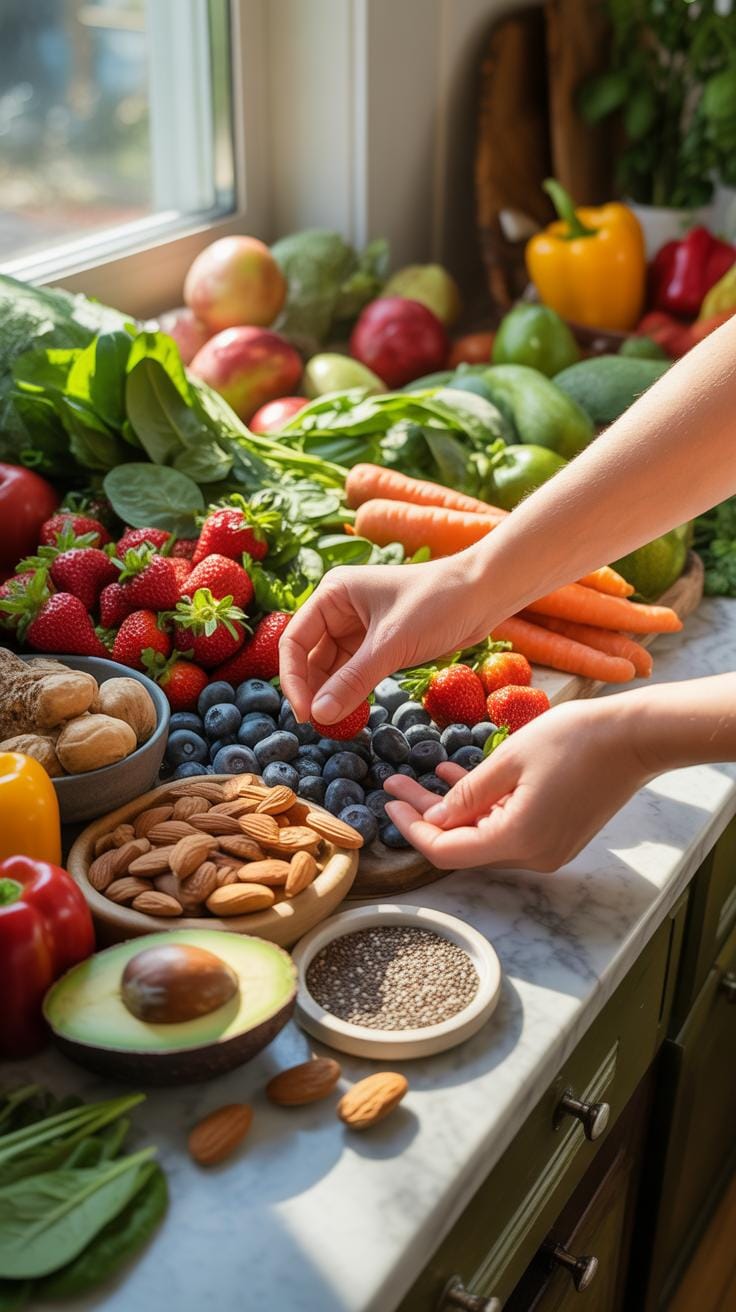
Choosing ingredients for healthy snacks doesn’t have to be complicated. When you focus on simple, fresh, and minimally processed foods, you’re already on the right track. Think of ingredients you recognize—those you’d be comfortable finding in your kitchen or market without second guessing.
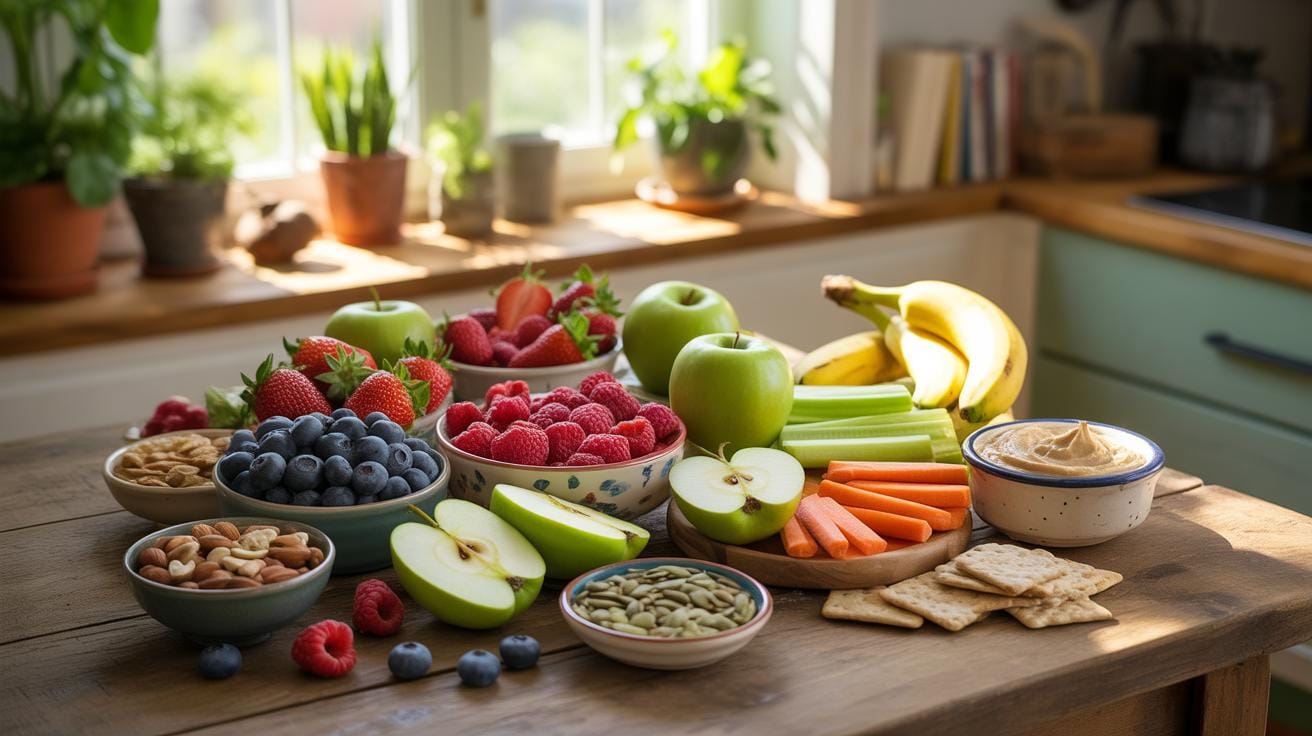
Fresh fruits and vegetables are a solid foundation. They bring natural sweetness, crunch, and a variety of nutrients. When picking them, look for vibrant colors and firm textures—these often indicate they’re fresher. Preparing them can be as easy as washing and slicing, or perhaps tossing with a little lemon juice. Sometimes, I just grab an apple or a handful of baby carrots because it’s quick—no elaborate prep needed.
Nuts and seeds pack quite a punch for energy. Even a small handful can keep you going between meals. Their fats and proteins help you feel full longer. I often mix almonds, walnuts, or pumpkin seeds into my yogurt or eat them straight up. But be mindful of portions; it’s easy to overdo it since they’re dense. A good idea is to measure out a small serving rather than snacking from a big container.
Whole grains also offer good options if you want something filling and nutritious. Think oat clusters, air-popped popcorn, or whole grain crackers. These can satisfy a craving for crunch or chew without relying on empty calories. They might not seem as exciting but combining them with fruits or nuts can create balanced, tasty snacks.
When you pick smart ingredients, the snack almost makes itself. Freshness, simplicity, and natural balance matter most—not fancy labels or complicated recipes. Maybe next time you reach for a snack, try to notice what you’re choosing and why it feels right. It might surprise you how easy and rewarding that is.
Simple Steps To Prepare Easy Snacks
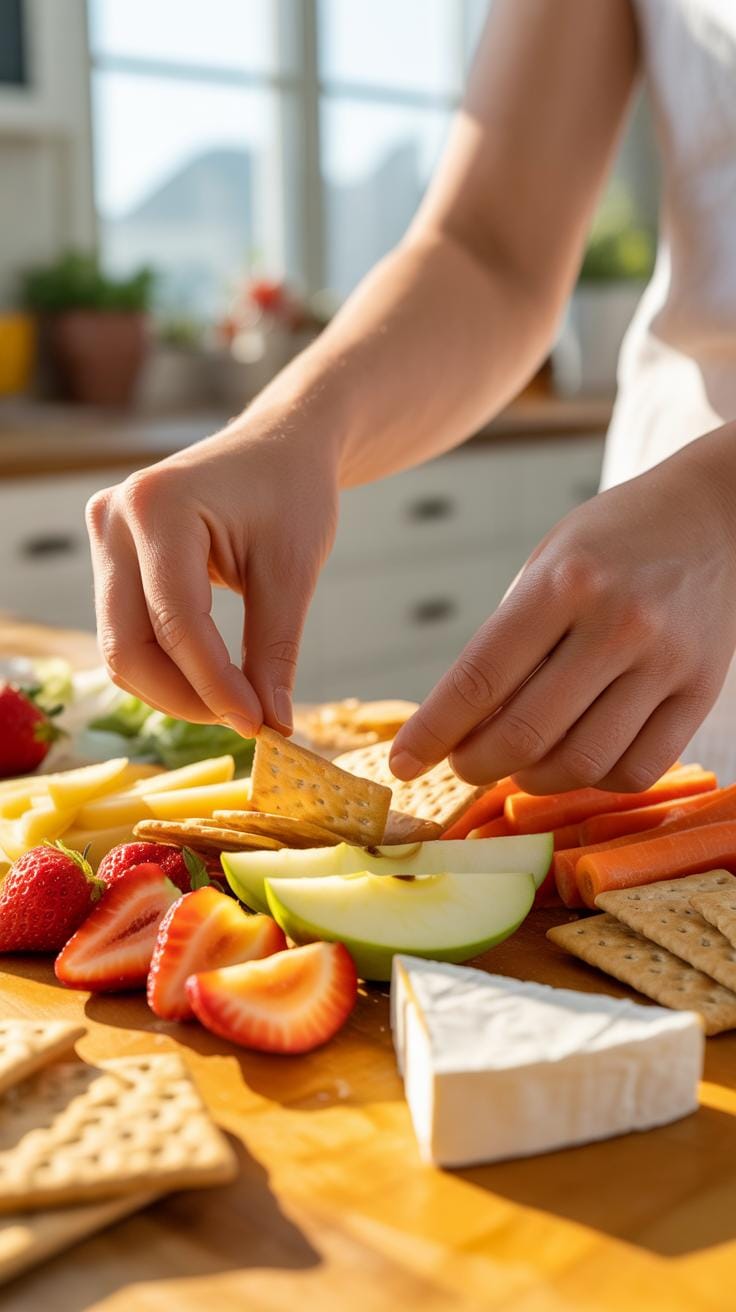
When you want a quick, healthy snack, the process doesn’t have to be complicated or slow. Think about what you already have in your kitchen and work from there. Start by gathering just a few ingredients—maybe something fresh like fruits or veggies, a handful of nuts, or even some yogurt.
Try these quick steps: first, chop any fresh produce into bite-sized pieces. It’s easier if you keep a sharp knife and a sturdy cutting board handy; no fancy tools needed. Next, combine a couple of ingredients. For example, toss chopped apples with a spoonful of peanut butter or mix sliced cucumbers with a bit of hummus. That’s it.
Mixing and matching is key. You could layer Greek yogurt with granola and berries in a jar or simply spread avocado on whole-grain crackers. If you’re really pressed for time, grab some baby carrots or cherry tomatoes and pair them with a cheese stick or a small handful of almonds. No cooking required at all. Simple assembly, zero stress.
One trick I keep forgetting but helps speed up prep: wash your fruits and veggies as soon as you buy them. That way, when hunger strikes, you’re not stuck rinsing and chopping first. Just grab and go.
Does any of this sound like something you’d try at home? Often, the best snacks don’t demand hours or lots of equipment—just a few smart choices and a little prep ahead can make all the difference.
Healthy Snacks Vs Processed Snacks
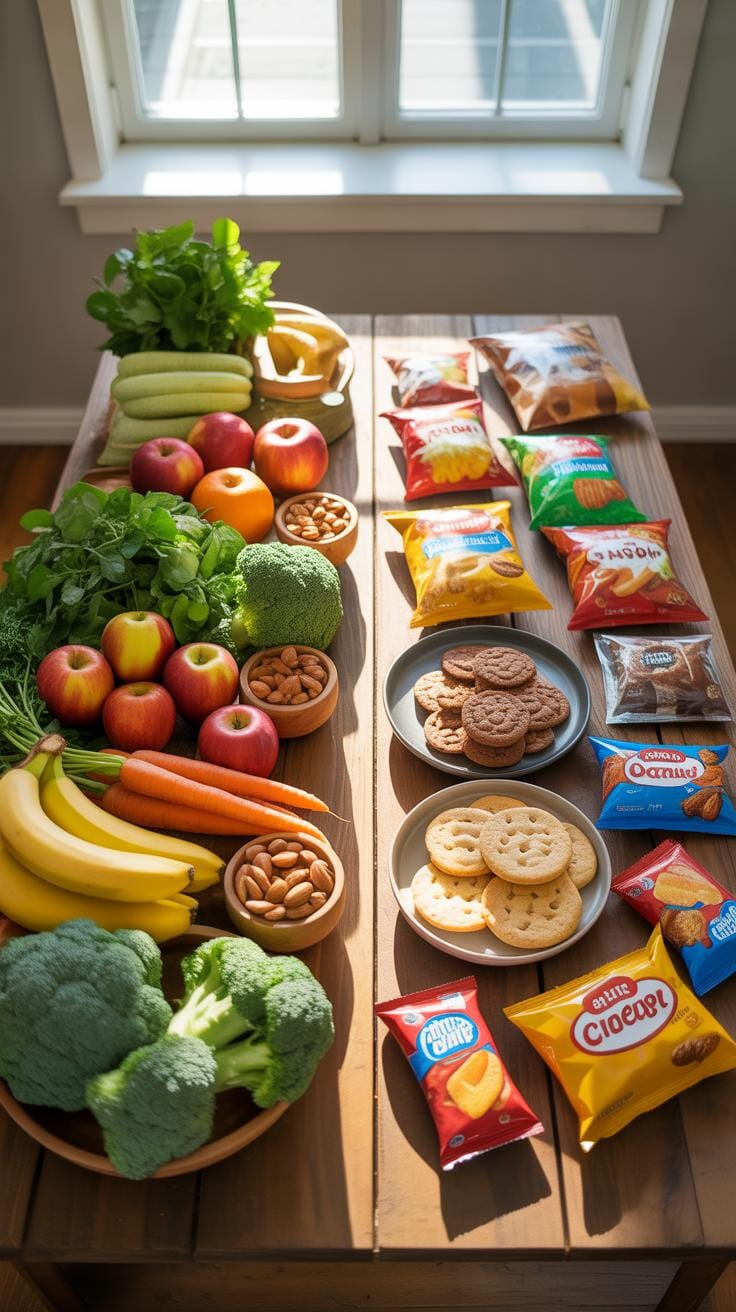
Nutritional Comparison Of Snack Types
When you look closely at the nutrition facts, homemade snacks usually come out ahead. Many packaged snacks are loaded with added sugars, unhealthy fats, and preservatives that don’t add much to your health. Meanwhile, homemade options often stick to real foods like fruits, nuts, and whole grains. These ingredients bring fiber, vitamins, and minerals right to your snack time.
Consider a simple homemade trail mix versus a bag of flavored chips. The trail mix offers healthy fats from nuts, some natural sweetness from dried fruits, and often fewer empty calories. Packaged chips, on the other hand, tend to have a higher sodium count and less nutritional value overall. Of course, there are exceptions, but more often than not, homemade snacks nourish rather than just satisfy a craving.
Benefits Of Homemade Snack Preparation
Making snacks at home gives you control, plain and simple. You know exactly what goes in. You can avoid ingredients you don’t want—like artificial colors or too much salt—and adjust portions as needed. It’s not just about what’s in the snack but how it fits with your health goals.
I find that when I prepare snacks myself, I feel better about eating them, almost like the effort makes me appreciate the food more. Plus, you can experiment with flavors and textures in a way you can’t with packaged goods. It might take a bit more time or planning, but it often pays off through better energy and less guilt afterward. Would you prefer a snack you trust—or one that leaves you guessing?
Snack Preparation Checklist For Beginners
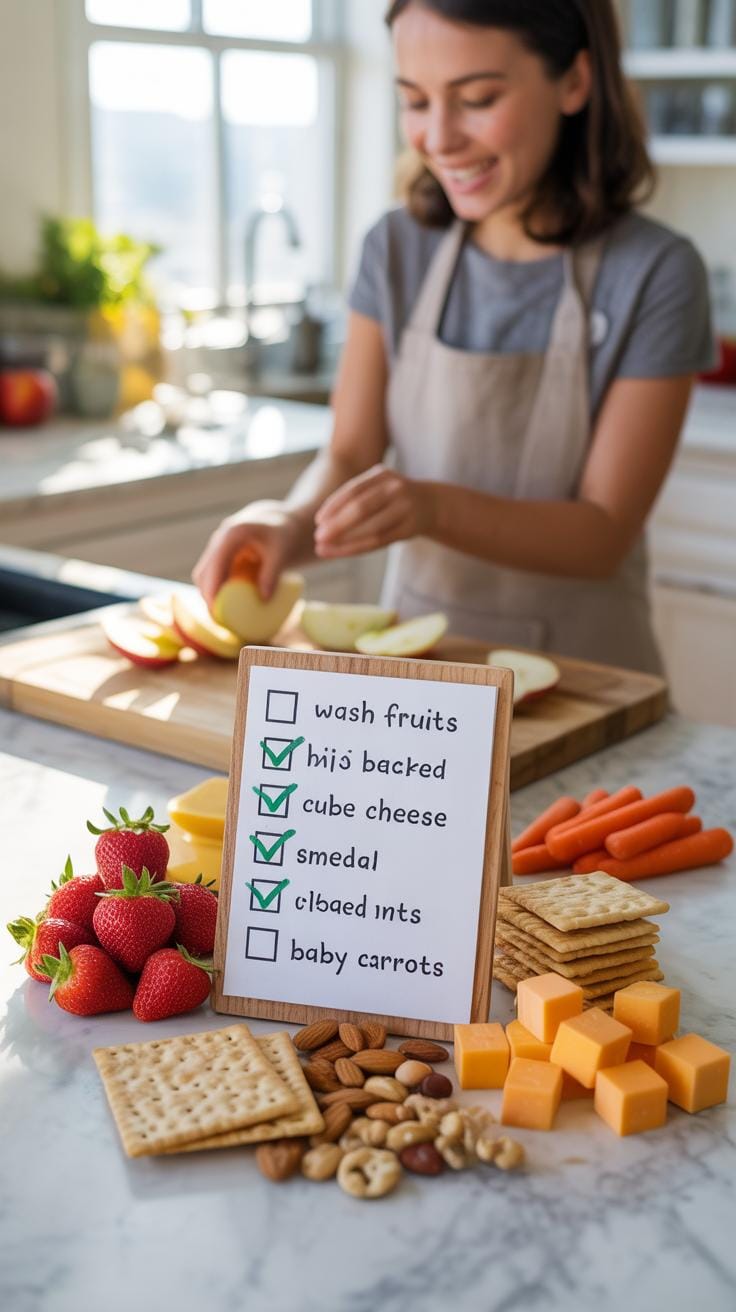
Before diving into making healthy snacks, it helps to have a clear setup. Think of it like gathering your tools before a project—you don’t want to be searching for things midway. So, what should you have ready?
First, stock up on staple ingredients that appear in a lot of simple recipes. Things like nuts, seeds, fresh fruits, plain yogurt, whole-grain crackers, and hummus are reliable. You might also want canned beans, sliced veggies, or even some nut butters. I find keeping a few varieties of these essentials makes improvising snacks easier than expected.
Next, consider the kitchen tools you’ll actually use. A sharp knife and a cutting board are probably the two most important. Maybe a small bowl or plate for mixing or arranging your snack. Measuring spoons? Not always necessary, but good if you want precise portions. If you like smoothies, a blender is a no-brainer. Honestly, the fewer tools, the better—less cleanup, more snacking.
Before you start, take a moment to organize these ingredients and tools. Does it sound like extra effort? Maybe. But having these things at hand often means you can whip something up in 5 minutes instead of 20. What’s sitting in your kitchen right now that could become your next go-to snack?
Snack Ideas For Different Times Of Day
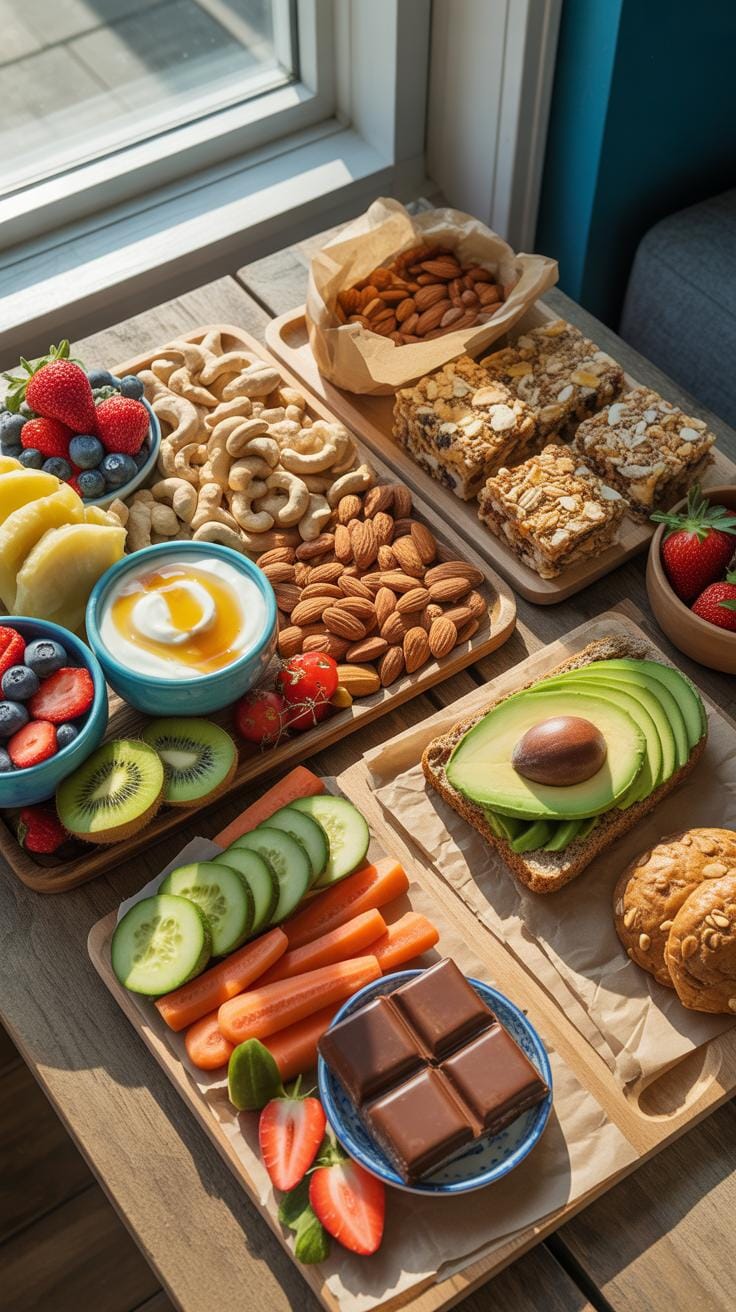
Different moments of the day often call for different snacks. Your body’s needs shift as the sun moves across the sky, and it makes sense that what works as a snack in the morning might feel heavy or just off later on. Paying attention to this can affect how you feel—not just in those moments, but for hours afterward.
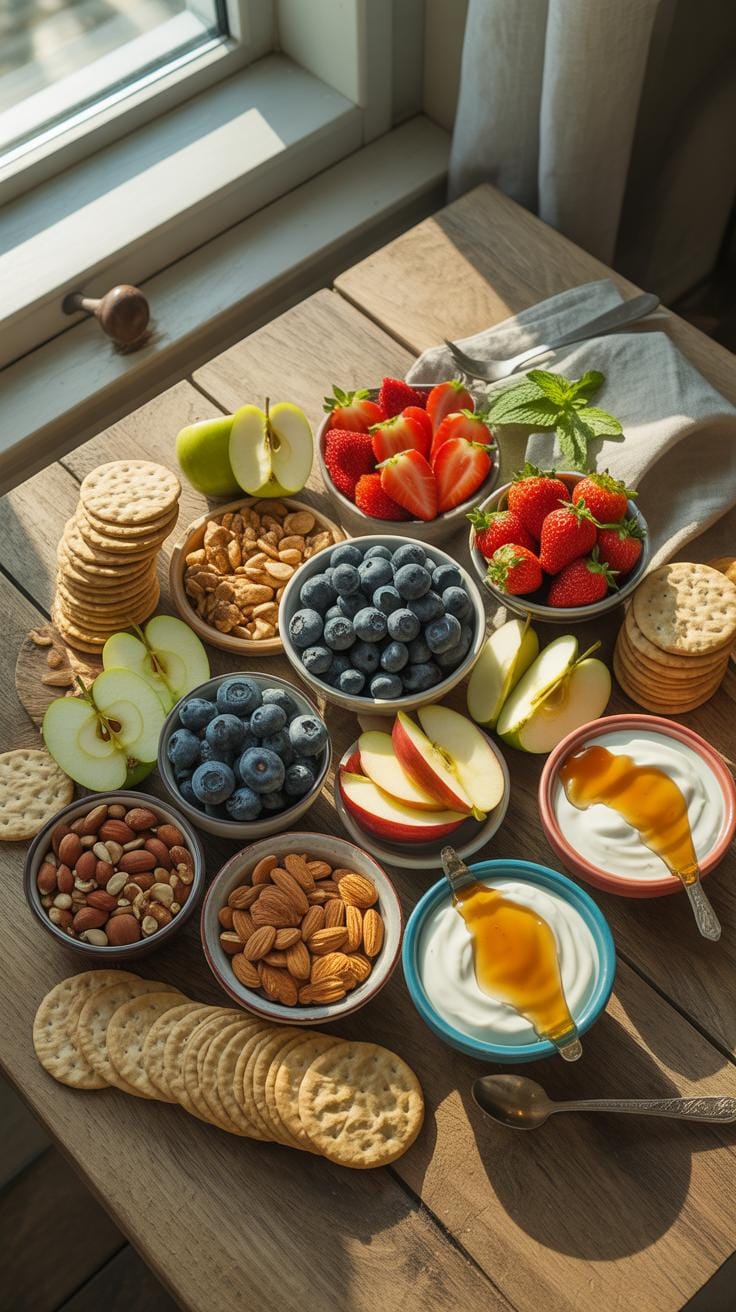
Morning snacks, for instance, should energize you without weighing you down. Think about options rich in protein and complex carbs to fuel your brain and muscles after waking up. A handful of almonds with a piece of fruit, or Greek yogurt topped with berries, can do that quite well. They’re simple but provide sustained energy, not that annoying sugar crash later on.
When it comes to the afternoon, snacks can often help bridge the gap between meals when energy dips. Maybe you reach for nuts or veggie sticks with hummus. These choices can keep hunger at bay yet still feel light enough so you’re not sluggish. It’s a tricky balance, though; I sometimes find myself craving something sweeter or more filling.
Evening snacks? They tend to be lighter and gentler on digestion. You’re winding down, so you want something that won’t disrupt sleep or feel too heavy right before bed. Small servings of herbal tea with a piece of dark chocolate or a few slices of cucumber with a sprinkle of salt can feel oddly satisfying. And surprisingly, they often promote relaxation rather than keep you wired.
Energizing Morning Snack Examples
Starting your day with foods that offer a mix of nutrients makes a difference. Some favorites that work well include:
- Oatmeal topped with nuts and a drizzle of honey—warm and filling, yet easy to digest.
- Banana with natural peanut butter—quick, portable, and a great balance of carbs and protein.
- A smoothie with spinach, frozen berries, protein powder, and a splash of almond milk—nutrient-dense and hydrating.
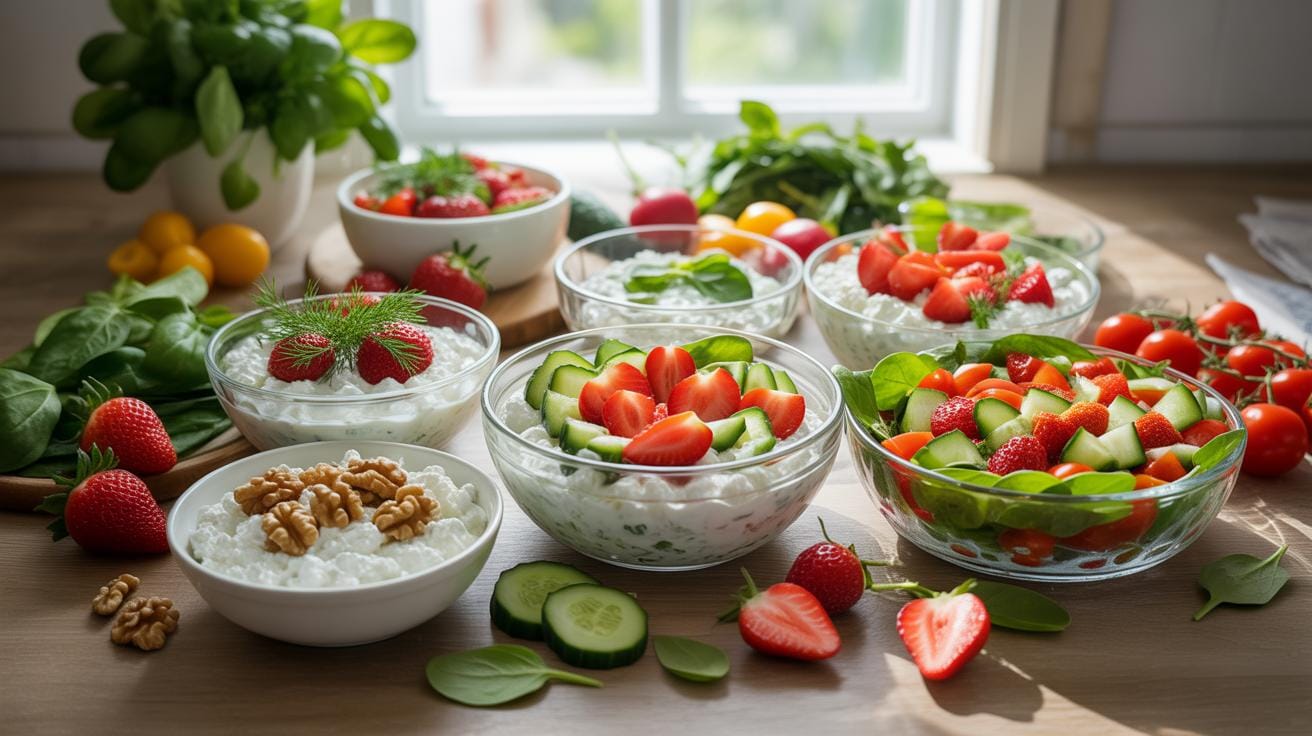
- Cottage cheese with sliced peaches or pineapple—you get calcium and protein, plus something sweet.
These are not only tasty but keep you alert without that jittery caffeine feeling. You might wonder if a solid breakfast would be better, but snacks like these can cover a lot when time is tight.
Light Evening Snack Suggestions
Later in the day, heavy snacks can feel like a burden. Instead, lighter bites that encourage digestion and calm your system are often better. Some ideas that I return to when I don’t want to overdo it in the evening:
- A small serving of unsweetened yogurt mixed with a teaspoon of flaxseeds—it’s soothing and can aid digestion.
- Warm chamomile tea paired with a few whole-grain crackers—it’s simple and surprisingly comforting.
- Sliced avocado spread on a rice cake—a little fat but still light enough that it doesn’t linger.
- Fresh cucumber sticks with a squeeze of lemon or a dash of sea salt—crisp and refreshing.
These snacks don’t just fill a gap; they help you wind down. Choose them when you want to avoid that uncomfortable fullness that sometimes keeps you up. Have you tried ending your day with something like this? It might feel unusual at first, but it could make a noticeable difference.
Frequently Asked Questions About Healthy Snacking
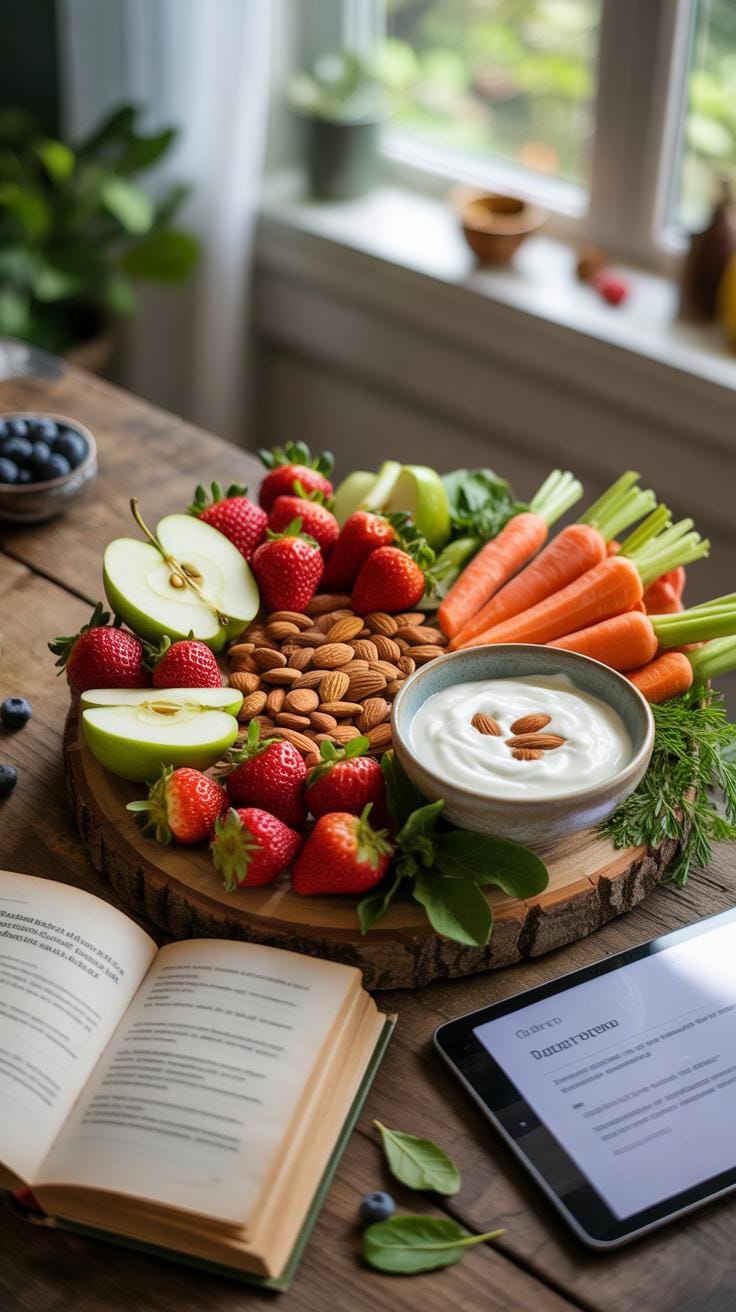
How Long Can Healthy Snacks Last?
Homemade healthy snacks don’t always stay fresh as long as store-bought ones, so timing matters. For example, sliced fruits or veggie sticks typically keep well for about 2 to 3 days in the fridge, stored in an airtight container. Nuts and seeds can last longer, maybe up to a month if kept in a cool, dry place, but once they’re ground or mixed into bars, that shelf life shortens noticeably.
It’s worth experimenting with storage techniques, like using glass jars instead of plastic bags, which sometimes help maintain better freshness. Freezing is another option for things like energy bites or granola bars, but the texture might change a bit. Sometimes I forget about these frozen snacks and find them a few weeks later—still edible but a bit less enjoyable.
What Snacks Fit Different Diets?
Adapting snacks for different diets can seem tricky but actually works well with a few tweaks. For vegetarian options, just skip any meat and focus on plant proteins like nuts, cheese, or hummus with veggies. Vegan snacks remove all animal products, so look for nut butters, fruit, veggies, and maybe roasted chickpeas or seeds. But watch out for hidden dairy in some snack bars—that’s easy to overlook.
Gluten-free snacks can be anything that avoids wheat, barley, and rye. Think rice cakes, corn tortillas, fresh fruits, and nuts. You might want to check ingredient labels carefully, since gluten sneaks into surprising places—like some seasoning blends or processed nut mixes. Personally, I find making snacks from scratch the easiest way to control what goes in and avoid gluten without much fuss.
Examples Of Quick Healthy Snack Recipes
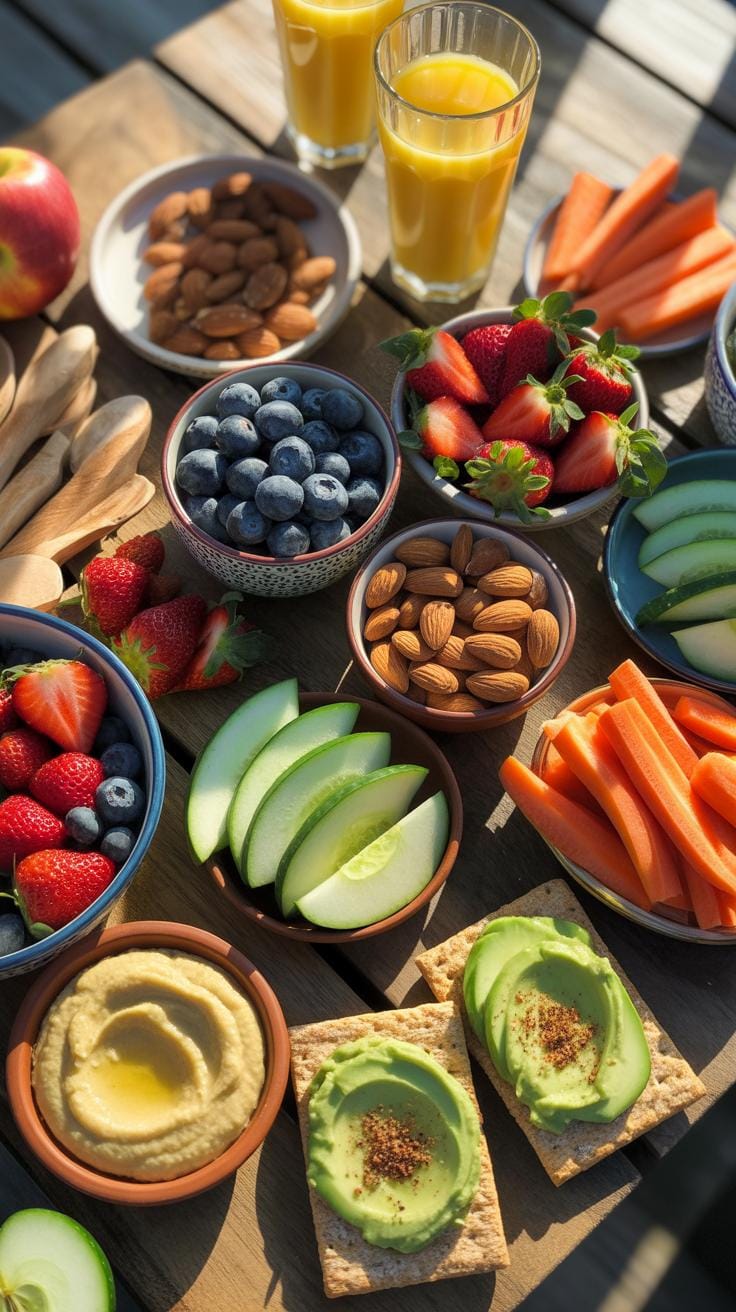
No Bake Energy Bites Recipe
Making energy bites is surprisingly simple, and they come together fast. You just need a few common ingredients: oats, nuts, honey, and perhaps a little something extra if you want. Here’s how I usually do it:
- Start with 1 cup of rolled oats and ½ cup of finely chopped nuts. Almonds or walnuts work well.
- Add ⅓ cup of honey. This acts as a natural sweetener and binder.
- Mix everything in a bowl until it feels sticky enough to hold together.
- Scoop out small portions and roll them into balls—usually about 1 inch in diameter.
- Let them chill in the fridge for at least 30 minutes before snacking.
The taste depends a lot on the nuts you choose, and sometimes I throw in a handful of chopped dates or a pinch of cinnamon. They keep well in the fridge, which means you can prepare a batch ahead—perfect for those days when you need quick energy but don’t want to grab something less healthy.
Fresh Fruit And Nut Mix Recipe
This is probably the easiest snack of all and really flexible. The goal is to balance fresh fruit with nuts for a good mix of natural sugars, fiber, and fats. Here’s the usual way I put one together:
- Pick any combination of fresh fruits like apple slices, grapes, or berries.
- Pair these with a handful of raw or roasted nuts—cashews, pistachios, or pecans are nice options.
- To add some variety, sometimes I mix in unsweetened dried fruits like apricots or raisins, but not too many.
- Combine it all and keep it in a small container if you want to take it on the go.
One thing I like about this snack is how easily you can adjust the proportions—more fruit if you want something lighter, more nuts if you’re aiming for something filling. It’s fresh, quick, and you get a decent mix of textures and nutrients without fuss. Do you find mixing snacks like this more satisfying than single-ingredient options?
Conclusions
Healthy easy snacks can be made with simple ingredients you likely have at home. They offer nutrition and energy between meals without extra sugar or unhealthy fats. By choosing the right foods, you can enjoy snacking and support your health at the same time.
Try making your own snacks with these ideas, following clear steps to keep them tasty and healthy. Planning your snacks helps you avoid less healthy options and keeps your diet balanced and enjoyable.