
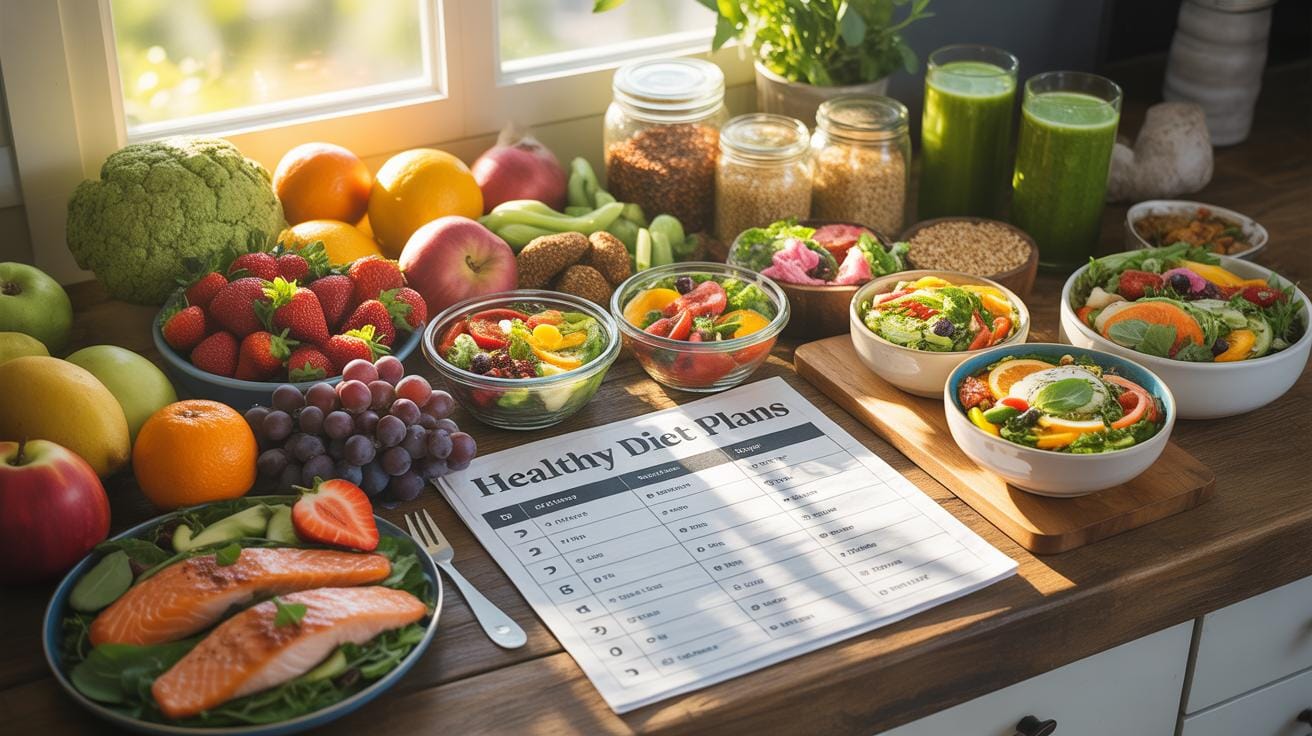
Introduction
Healthy diet plans and clean eating meal plans are popular approaches to achieving balanced nutrition. Both aim to improve overall health but differ in food selection and guidelines. This article compares these two methods to help you understand what suits your needs best.
You will learn clear differences between healthy diets and clean eating, why balanced nutrition matters, and how to implement practical meal plans that support your health goals. Practical examples and checklists guide your food choices for a healthier lifestyle.
Comparing Diet Plans For Nutrition


Healthy diet plans are designed to support overall health by providing essential nutrients—proteins, fats, carbohydrates, vitamins, and minerals—in balanced proportions. The main goal is to maintain bodily functions, promote growth, and prevent diseases while allowing some flexibility in food choices. These plans often encourage a diverse intake of fruits, vegetables, whole grains, lean proteins, and moderate amounts of healthy fats, minimizing heavily processed or sugary foods.

Clean eating meal plans focus on consuming whole, minimally processed foods. The aim is to avoid convenience foods and anything deemed artificial or heavily refined, often emphasizing fresh produce, whole grains, and natural ingredients. Some variations even eliminate entire food groups like gluten or dairy, depending on individual preferences or beliefs.
- Healthy diet plans emphasize nutritional adequacy and balance, with some room for indulgences.
- Clean eating often takes a stricter stance on food processing, focusing on purity and quality.
- While both encourage fruits and vegetables, clean eating usually avoids packaged or processed options more rigidly.
- Healthy diets may adapt to personal or medical needs with fewer rigid rules about food purity.
Flexibility can differ: healthy diets tend to accommodate convenience and social settings more easily, whereas clean eating can sometimes limit these due to strict food rules. Yet, the lines blur—some clean eating approaches are more relaxed, making the distinction less clear-cut.
Key Differences Between Healthy Diet And Clean Eating
Healthy diet plans usually allow a wider range of foods as long as they fit within nutritional guidelines, including moderate amounts of processed foods and occasional treats. They focus on balance and meeting nutrient needs without extreme restrictions. For example, a healthy diet may include yogurt or whole-grain bread, which some clean eating plans might avoid if they contain additives or refined components.
In contrast, clean eating defines allowed foods by their natural state: no artificial ingredients, minimal processing, and often organic or sustainably sourced. This can mean cutting out many common items labeled as “processed,” even if they are healthy options by nutritional standards. Restrictions can be more dogmatic, sometimes excluding entire food groups if considered impure, which has been criticized for lack of scientific support and potential nutrient gaps.
- Healthy diets emphasize nutritional content; clean eating emphasizes food source and processing level.
- Healthy diets incorporate flexibility for individual preferences and lifestyle.
- Clean eating is stricter about “clean” versus “dirty” foods, often avoiding added sugars, preservatives, and artificial substances entirely.
- Healthy diets rely on guidelines from health authorities; clean eating largely relies on personal or popular beliefs.
Benefits Of Balanced Nutrition In Daily Life
Maintaining balanced nutrition is crucial because it feeds your body the right nutrients for energy, growth, repair, and overall function. When your diet meets your nutritional needs—considering carbs, proteins, fats, vitamins, and minerals—you tend to feel more energetic and focused throughout the day.
Balanced nutrition helps manage weight by regulating hunger, metabolism, and fat storage effectively. Moreover, it can reduce the risk of chronic diseases like diabetes, heart issues, and certain cancers by supporting immune function and maintaining healthy body systems.
Ever notice how a well-rounded meal leaves you satisfied longer without feeling sluggish? That’s balanced nutrition working. It’s not just about food quality but also about proportion and timing, ensuring your body gets what it needs without overload or deficiency.
In short, meeting your nutrient needs daily shapes how you feel, perform, and age. While restrictive diets sometimes promise quick results, they may miss the mark on sustainable health benefits that balanced nutrition provides.
Understanding Nutrient Requirements

When considering what your body truly needs to function well, it helps to break down nutrients into macronutrients and micronutrients. Macronutrients — proteins, fats, and carbohydrates — are required in larger amounts since they provide energy and building blocks. Micronutrients, such as vitamins and minerals, are equally crucial, even in smaller doses, as they regulate processes and support bodily functions.
Daily intake recommendations vary depending on age, gender, and activity levels. For example, adults generally need about 50 grams of protein daily, but an athlete or a pregnant woman might need more. Carbohydrates are often suggested to make up around 45-65% of your daily calories, though some people choose lower-carb plans. Fats should not exceed roughly 30% of total calories, focusing on unsaturated rather than saturated varieties.
Balancing these nutrients means not just eating enough, but ensuring variety. Imagine your plate with lean meats, whole grains, and colorful vegetables — each contributes different nutrients. But, there’s no perfect formula; personal preferences, cultural practices, and health conditions shape what works best for you.
Macronutrients Roles And Sources
Proteins are like the body’s repair team, essential for building muscle, enzymes, and hormones. Sources include lean meats, dairy, legumes, and nuts. But keep in mind, excessive protein can strain kidneys, so moderation matters.
Fats often get a bad rap, yet they’re vital for hormone production and brain health. Healthy fats are found in olive oil, avocados, fish, and nuts. Trans fats, common in processed snacks, should be avoided.
Carbohydrates fuel your energy needs, especially for the brain and muscles. Whole grains, fruits, and vegetables provide complex carbs that digest slowly, preventing energy crashes. Beware of too much sugar from sweets and sodas, which offer little nutritional benefit.
Vitamins And Minerals Importance
Vitamins and minerals may seem small, but their roles are huge. Vitamin C supports your immune system and helps heal wounds, and you’ll find it in citrus fruits and peppers. Vitamin D is crucial for bone health, available through sun exposure and fortified dairy.
Minerals like calcium and iron have specific jobs — calcium strengthens bones and teeth, while iron transports oxygen in your blood. Dark leafy greens, dairy, and meats are good sources. Deficiencies can cause fatigue or brittle bones, so paying attention to these nutrients is wise.
Ultimately, nourishing your body means understanding these essentials, but also listening to what feels right in your own diet. Nutrients are building blocks, but how you combine them matters just as much.
Creating A Balanced Meal Plan

Building a balanced meal plan draws from the fundamentals of healthy diets and clean eating principles. At its core, it’s about variety and portion control across food groups — fruits, vegetables, grains, proteins, and fats. For example, you might envision half your plate filled with fruits and veggies, about a quarter with whole grains, and the rest with lean proteins and healthy fats. But those proportions aren’t set in stone; they can shift depending on your personal needs and activity levels. And don’t forget about meal timing. Spacing meals and snacks evenly throughout the day keeps energy steady and curbs overeating.
Daily Food Group Checklist
Here’s a simple daily checklist to guide you:
- Fruits: 1.5–2 cups. Think apples, bananas, berries — fresh or frozen works.
- Vegetables: 2.5–3 cups. Mix colors and types for broader nutrients.
- Grains: 6–8 ounces. Opt primarily for whole grains like brown rice and oats.
- Proteins: 5–6.5 ounces. Include lean meats, legumes, or plant-based proteins.
- Fats: Use sparingly. Choose sources like olive oil, nuts, or avocado.
Portion sizes might feel tricky at first. A quick example? A serving of protein is about the size of your palm. It’s also helpful to think about variety — don’t stick to the same fruits or grains every day, even if they’re your favorites.
Tips For Meal Prep And Planning
Planning ahead can save time and keep your nutrition on track. Try preparing portions of grains or proteins in advance to assemble meals quickly. Having pre-chopped vegetables in the fridge makes throwing together balanced plates much easier. If you’re like me, mornings can be hectic, so overnight oats or simple smoothie packs can be lifesavers.
Also, design each meal to include at least two food groups. This not only adds nutritional value but keeps meals interesting. Remember, perfection isn’t the goal—consistency in effort counts more than flawless meals every day. Trying to plan for the week might feel overwhelming initially, but once you get into a rhythm, you’ll probably find it frees up mental space for other things.
Healthy Diet Benefits To Watch

Following a healthy diet plan offers measurable benefits that you might notice over time if you pay close attention. Beyond the usual promises, real effects include better control over weight, more consistent energy levels throughout the day, and a lowered chance of developing chronic diseases.
Weight management is one of those benefits that feels tangible. Eating balanced meals with the right mix of protein, fats, and carbohydrates supports your body in maintaining a healthy weight. You can track progress with simple metrics like Body Mass Index (BMI), waist circumference, and energy levels. For instance, when you’re eating well, you might find your energy stays steadier, not dipping mid-afternoon as often.
Weight Management Metrics
Healthy eating isn’t just about calories in and calories out—it’s about the quality of those calories. A diet rich in whole foods promotes fat loss while preserving muscle. To watch your progress:
- Monitor your BMI, but don’t obsess over it, as it can be misleading for muscle mass.
- Keep an eye on energy levels; feeling sluggish might mean your diet needs tweaking.
- Track changes in waist size, which is a good indicator of visceral fat reduction.
Reducing Chronic Disease Risk
Balanced nutrition also plays a role in disease prevention. Diets with plenty of fruits, vegetables, whole grains, and lean proteins can help reduce the risk of type 2 diabetes and heart disease by improving blood sugar control and lowering cholesterol. Evidence shows that replacing saturated fats with polyunsaturated fats lessens the chance of coronary artery issues. There’s no magic bullet, but your plate really does influence your health outcomes over years.
Have you noticed how shifting your diet sometimes leads to unexpected health improvements? It’s not just hype—these benefits can be tracked. But it takes consistency and paying attention to what your body is telling you.
How To Avoid Common Diet Pitfalls

When following a diet plan, people often stumble into traps that can undermine their progress or even harm their health. One common mistake? Being overly rigid. It’s easy to get caught up in rules and forget the bigger picture—that sustainable eating involves flexibility. For example, skipping meals or severely limiting calories might seem effective, but it often backfires with energy slumps or binge episodes later.
Another frequent error is neglecting variety. Eating the same foods daily might feel safe or simple, but it risks nutrient gaps. Rotating foods and including different colors, textures, and flavors can keep nutrition balanced and the experience enjoyable.
Portion control is tricky too. It’s tempting to think that more is always better, especially with ‘healthy’ foods, but over-consuming any nutrient can pose problems. Conversely, too little restricts energy and mood.
So how can you avoid these pitfalls?
- Plan meals but stay open to swaps or additions—listen to your body’s real hunger cues.
- Include diverse foods from all major groups throughout the week.
- Use intuitive portion sizes—not every bite needs to be meticulously measured, but aim for balance.
Don’t stress about perfection. It’s normal to slip up; what’s crucial is getting back on track without judgment or pressure. A diet that fits your lifestyle, preferences, and needs is the one that works best over time.
Overcoming Food Restriction Challenges
Cutting out certain foods entirely—or extreme calorie restrictions—can lead to problems that many might not anticipate. Nutrient deficiencies are a real risk when essential vitamins or minerals are excluded. For instance, too few carbs might make you feel sluggish, while insufficient fats affect your skin and brain health. This doesn’t mean every diet must include everything at once; rather, strict elimination without thoughtful alternatives can backfire.
Instead of forbidding foods, try moderation or healthier versions. Craving sweets? Maybe a small piece of dark chocolate or naturally sweet fruits could satisfy that need without guilt. Don’t shy away from meeting your nutrient needs through varied food choices that feed your body well rather than limiting it excessively.
Dealing With Cravings And Hunger
Dealing with cravings is one of the trickiest parts of any eating plan. Some days you might feel hunger gnawing almost all the time—in those moments, ignoring your body only makes things worse. Try to separate emotional cravings from genuine hunger. Drinking water or going for a walk sometimes helps break the cycle.
Keeping protein and fiber-rich snacks handy is another practical strategy; these help you feel fuller longer and reduce sudden urges for sugary or highly processed foods. Also, regular meal times give your body structure without making you feel deprived.
One last thought: it’s okay to indulge occasionally. Denying yourself completely may fuel stronger cravings. Find a balance that lets you enjoy food too—your relationship with eating matters just as much as the food itself.
Simple Clean Eating Shopping Tips

Identifying Whole Foods At The Market
When you step into the market, it can feel a bit overwhelming trying to pick out true whole foods. But I think if you focus a bit, it becomes clearer. Whole foods are those that look close to how they would in nature—like fresh fruits and vegetables with their skins on, or bundles of leafy greens. Don’t overlook nuts—raw or dry-roasted without added salt or sugars—and whole grains like brown rice or oats. These tend to be packed with nutrients since they haven’t been stripped down or altered much.
Sometimes, the appearance of produce might be less than perfect—maybe a bruise here or a misshapen vegetable there—but that doesn’t mean they’re any less nutritious. Sort of makes you rethink those shiny, supermarket-perfect fruits, right?
Avoiding Processed And Packaged Items
Processed foods come in many forms and can be sneaky. It’s tempting to grab a packaged snack because convenience wins sometimes. But there are things to watch out for—items loaded with added sugars, preservatives, or unpronounceable ingredients. Think sugary cereals, snack bars with a long list of additives, or ready meals with high sodium content.
Reading food labels helps, though it can be a bit of detective work. Look beyond the front packaging claims. You might be surprised how often ingredients like “corn syrup” or “hydrogenated oils” pop up where you wouldn’t expect them. I try to steer clear of anything with a label resembling a chemistry set.
That said, it’s also okay to be flexible. Not every processed item is off-limits, but keeping them limited and understanding what goes into your food makes a difference in how nourished you feel. Do you find yourself checking labels as much as I do, or is it hit-or-miss?
Healthy Recipes For Balanced Nutrition

When thinking about healthy diet plans, it’s tempting to imagine elaborate meals, but simplicity often wins. Recipes that merge healthy diet and clean eating ideas can be surprisingly straightforward. Focus on nutrient-rich ingredients such as fresh vegetables, fruits, whole grains, and lean proteins. For example, a mixed vegetable stir-fry with quinoa offers fiber, protein, and essential vitamins without requiring hours in the kitchen.
Simple preparation means less room for error and stress. Consider easy ways to pack nutrition into every bite by combining different food groups. A salad with leafy greens, nuts, and grilled chicken delivers balanced nutrients effortlessly. It might seem basic, but easy recipes like these can become daily staples that support your health goals.
Quick Balanced Breakfast Options
Starting your day with a balanced breakfast sets the tone for good nutrition. Look for meals that blend protein, fiber, and vitamins. An example: oatmeal topped with berries and a spoonful of almond butter provides a steady release of energy and antioxidants. Or, scrambled eggs with spinach and whole-grain toast cover multiple nutrient bases while keeping prep time short. Incorporating fruit or a vegetable into your breakfast might feel unusual at first, but it really pays off.
Nutritious Lunch And Dinner Ideas
Lunch and dinner can follow similar principles. Think about simple meals that prioritize balance without being boring. Grilled salmon with a side of roasted sweet potatoes and steamed broccoli fits the bill for protein, fiber, and vitamins. For a plant-based option, lentil stew packed with carrots, tomatoes, and kale offers plenty of nutrients and warmth on cooler days.
Sometimes, I find myself reaching for a one-pan recipe—minimal cleanup and maximum nutrition. It’s a nudge towards eating balanced meals regularly, even when time or energy feels limited. You might discover your own favorite combos with trial and error, but leaning on nutrient-dense, whole foods is a good start.
Tracking Progress And Staying Motivated

Measuring success on a diet plan isn’t just about looking at the scale. Sometimes improvements are subtle — like feeling more energetic or sleeping better. Tracking progress can mean noting changes in mood, energy, or how your clothes fit. It’s not always clear-cut, and that’s okay.
Food logs, whether old-fashioned journals or smartphone apps, offer a surprisingly powerful way to keep an eye on your intake. Apps often have barcode scanners and nutrient breakdowns, making it easier to spot patterns or areas for improvement. But some people find paper journals more mindful, as writing slows you down and encourages reflection.
Motivation can dip, so having small rewards or check-ins can help. Maybe it’s a weekly self-assessment or sharing your progress with a friend. If progress stalls, don’t hesitate to tweak your plan. Flexibility keeps things realistic.
Setting nutrition goals works best when you aim for the achievable, like adding an extra serving of vegetables or drinking one more glass of water daily. It’s okay to revisit and adjust goals as you learn what fits your lifestyle. The trick is not to aim for perfection but for steady progress, however small that may be.
Adapting Diet Plans To Your Lifestyle

Adjusting a healthy diet plan to fit your lifestyle is key, though it’s not always straightforward. You might find general meal plans overwhelming or not logistically possible with your daily routine. But it’s worth trying to personalize them. Consider your work schedule, family commitments, and even social life. For instance, if you’re often on the go, meal prepping can save time and reduce reliance on fast food.
Preferences play a big role too. You don’t have to force yourself to eat foods you detest, even if they’re labeled “healthy.” Instead, explore alternatives that provide similar nutrients. If you dislike broccoli, try spinach or kale. If you prefer a vegetarian lifestyle, plan to include diverse plant proteins to cover essential amino acids.
Health conditions are another factor. If you have diabetes, for example, your carb intake requires careful monitoring. If you suffer from digestive issues, fiber intake might need adjustment. Don’t hesitate to modify based on your needs rather than following a strict template.
Adjusting For Activity Level And Age
Your body’s nutrient needs shift depending on how active you are and your age. Someone sedentary needs fewer calories than an athlete, or even a person with a moderately active lifestyle. The tricky part is not just calories but the balance of macronutrients. Higher activity often means increasing protein and complex carbs for muscle repair and sustained energy.
Age impacts metabolism and nutrient absorption. Older adults might need more calcium and vitamin D to support bone health, while younger people might focus more on proteins to support growth or muscle gain. The transition between these stages isn’t sudden, making it challenging to pinpoint exact changes without some trial and error.
Considering Food Allergies And Preferences
Food allergies and intolerances can complicate meal planning, but they don’t have to compromise nutrition. If you’re allergic to nuts, there are other ways to get healthy fats, such as avocados or seeds. Lactose intolerance? Plant-based milks fortified with calcium can help maintain bone health without discomfort.
Personal taste is just as important. You might want to avoid seafood or eggs for ethical reasons. It’s perfectly acceptable to work around those choices by carefully selecting other sources of similar nutrients. Sometimes, you might find yourself eating repetitive meals, but that’s okay as long as your diet remains balanced overall.
In the end, flexibility and mindfulness are key. A rigid diet plan, no matter how perfect in theory, isn’t sustainable if it doesn’t fit your life, tastes, or health conditions. Adaptation is the quiet but essential ingredient in any successful healthy eating approach.
Conclusions
Choosing the right diet plan depends on your personal health needs and lifestyle. Healthy diet plans offer a flexible, nutrient-rich way to maintain good health. Clean eating focuses on whole, unprocessed foods to reduce harmful ingredients.
Both approaches emphasize balanced nutrition and portion control. Incorporate ideas from each plan to create meals that work for you. Making informed food choices can lead to lasting health benefits and better energy every day.