
Introduction
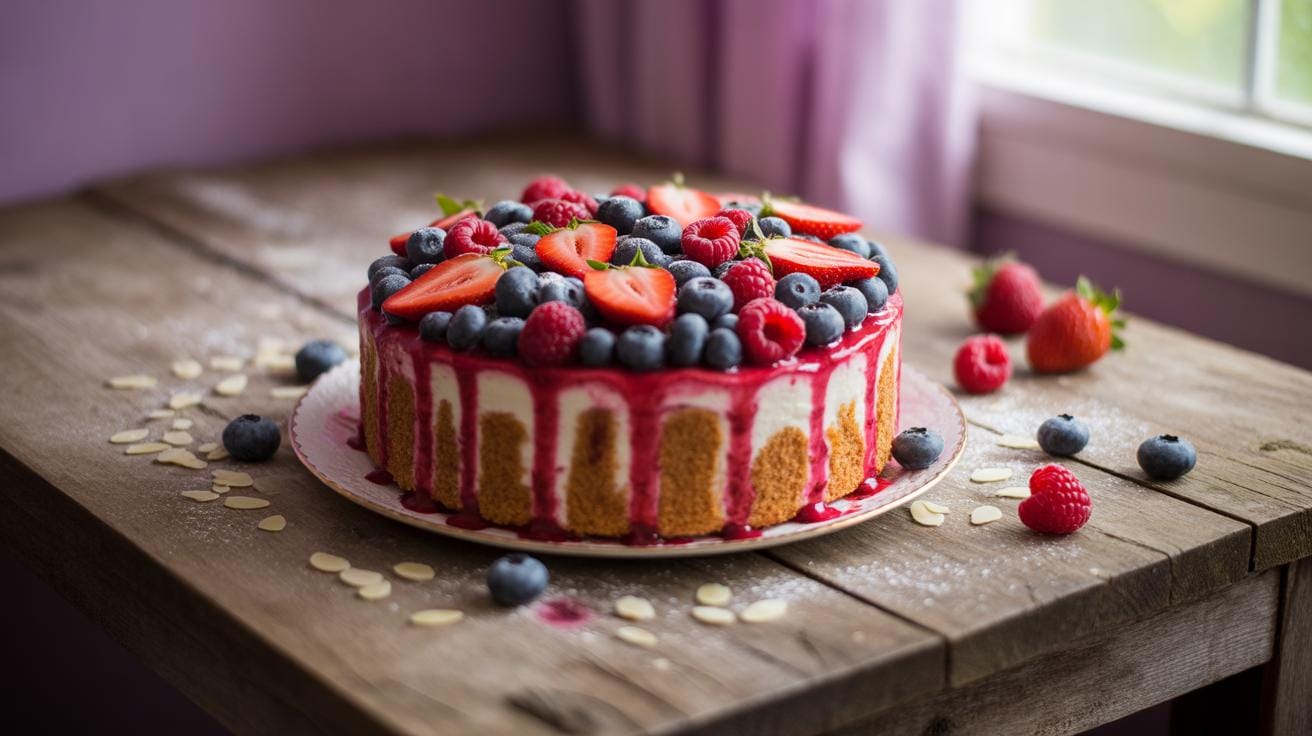
Delicious Healthy Cake Recipes Compared by Calories and Ingredients focus on offering tasty options that fit a healthier lifestyle. Cakes can be enjoyed without guilt when made with wholesome ingredients and moderate calorie counts. This article helps you find recipes that balance flavor and nutrition.
We will compare various healthy cakes by their calorie content and the types of ingredients used. Understanding these differences guides you toward making better choices in baking and indulging smartly.
Measuring Calories in Healthy Cakes
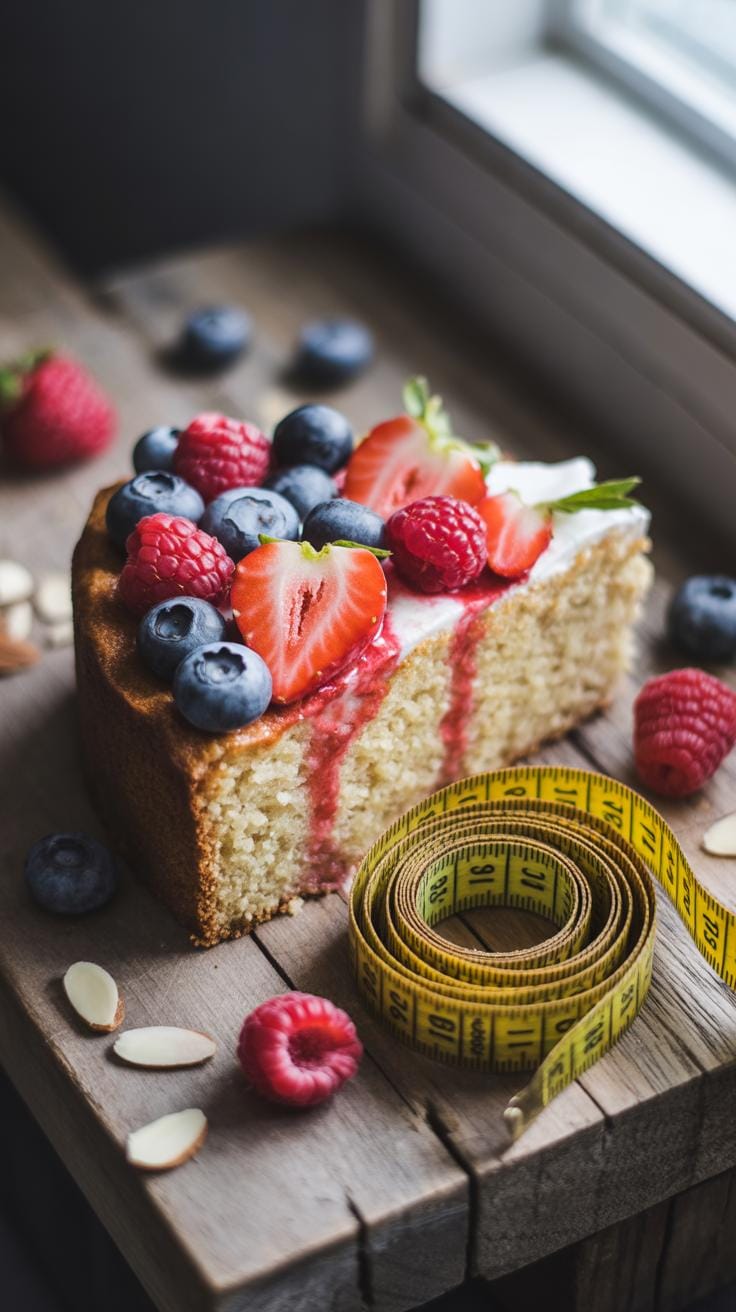
Calculating the calories in healthy cakes isn’t always straightforward. You start by adding up the calories of each ingredient based on how much you use. For example, a slice of banana oat cake might come in around 180 calories, while a comparable slice of carrot cake with less sugar might hover closer to 220. But remember, those numbers shift depending on the recipe details and serving size.

Many people overlook fats and sweeteners when tallying calories, yet those play a big role. A cake with coconut oil or nuts naturally packs more calories than one made with applesauce or Greek yogurt in place of some fat. Even swapping honey for sugar changes the count.
When you want to compare recipes side by side, break them down ingredient by ingredient. Don’t just trust the calorie listed on a package—multiply it by the exact quantity used. Then divide by the number of servings to get a clearer picture of what you’re actually eating.
How Calories Vary by Recipe
Think about it: a healthier cake doesn’t always mean fewer calories. Some “healthy” ingredients—like nuts, seeds, or avocado—have more calories but offer good fats and nutrients. Meanwhile, swapping white flour for whole wheat or almond flour changes both texture and calorie load.
Portion size is another big factor. A small cupcake might seem innocent, but three of those easily add up. Cutting your usual slice smaller can make a big difference too, without missing out on flavor.
Even moisture content affects calories. Denser, oil-rich cakes pack more energy per bite than airy, fruit-based ones. It’s a subtle distinction, but one that matters if you’re tracking strictly.
Tools for Calorie Counting
There are several user-friendly options out there for tracking calories when baking or eating cake. Apps like MyFitnessPal, Lose It!, or Yazio let you input custom recipes, breaking down calories automatically. They often include databases with thousands of ingredients, simplifying the process.
If you prefer pen and paper, jot down standardized calorie values per ingredient and do the math yourself. Kitchen scales help by measuring exact portions, so your calorie counts don’t rely on guesswork.
In the end, whether you’re eyeballing numbers or inputting details into an app, some margin of error is normal. But tracking can help you see where calories come from and make choices that align with your goals—without giving up cake altogether.
Choosing LowerCalorie Sweeteners
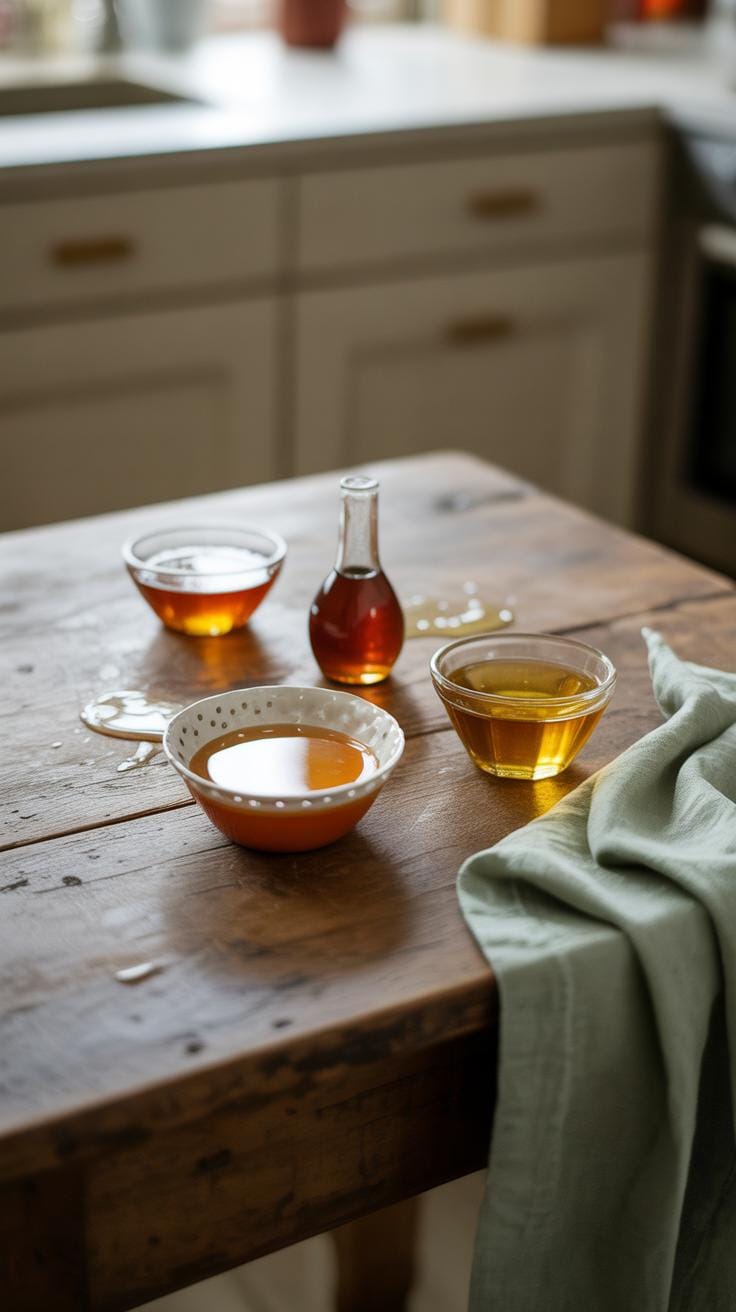
Cutting calories in cake often starts with swapping sugar for lower-calorie sweeteners. Sugar adds sweetness, sure, but it also loads on empty calories that don’t really nourish you. What if you could keep that sweet touch, maybe even add a bit more complexity, without packing on so many calories?
Sweeteners like stevia and monk fruit come to mind. They offer sweetness with almost no calories. You might find they taste a little different—sometimes more bitter or with a cooling effect—but many people get used to it quickly. Then there’s erythritol, a sugar alcohol, which has fewer calories and doesn’t spike blood sugar much. It also tends to behave similarly to sugar in recipes, which makes it convenient.
On the flip side, natural choices such as honey or maple syrup lower calories only slightly compared to sugar and add moisture and flavor. So the challenge is balancing calorie reduction with taste and texture you want in your cake. Do you want a near-identical taste or are you open to discovering new profiles? Sometimes that trade-off is subtle, sometimes more noticeable.
Popular Sugar Alternatives
Honey and maple syrup come up a lot. Both have fewer calories than refined sugar—honey clocks around 64 calories per tablespoon, maple syrup is about 52, while sugar is roughly 49. You’d think the difference is tiny, but because they’re often sweeter, you can use less.
Monk fruit sweetener is another contender, often mixed with erythritol to improve texture and reduce the licorice-like aftertaste it can bring. It contains almost no calories, which is great for slimming down desserts.
Agave nectar is fairly sweet but has a higher fructose content, so while it’s a tad lower in calories than sugar, it affects blood sugar differently. And then there’s coconut sugar, which has a similar calorie content to sugar but offers a unique caramel note, making it less of a calorie saver but more of a flavor experiment.
Impact on Cake Texture and Flavor
Swapping sugar affects more than just sweetness. It influences moisture, browning, and crumb structure. For instance, using honey or maple syrup tends to make cakes denser and moister. The cake stays fresher longer, but you’ll notice a different mouthfeel.
Stevia and monk fruit, while calorie-light, can result in a drier texture because they don’t hold moisture the same way sugar does. That might push you to tweak recipes by adding more liquids or fats.
Erythritol can crystallize in some recipes, giving a cooling or gritty sensation, which isn’t always welcome. Also, it doesn’t caramelize like sugar, so color and flavor depth may be less rich.
In short, these alternatives shift the baking landscape just enough that you might want to experiment a bit before settling on your perfect healthy cake.
Using Whole Grains in Cakes
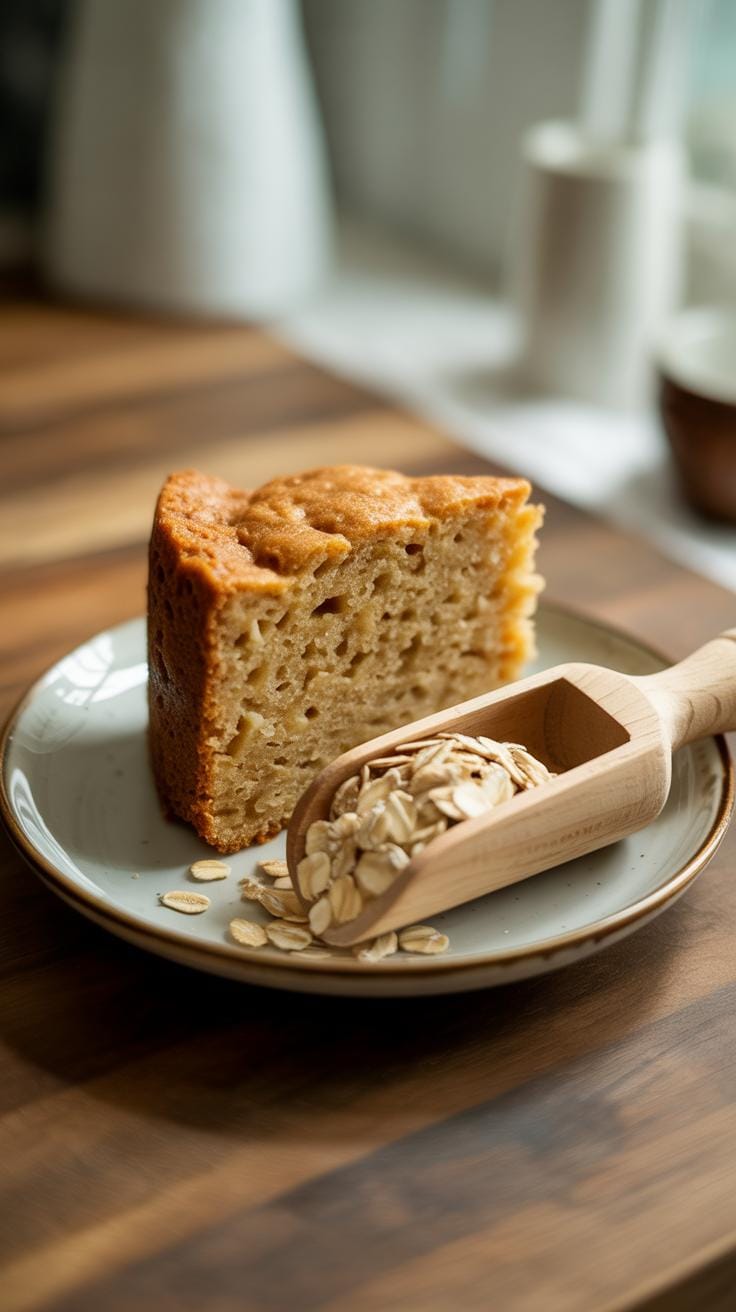
Whole grains in cakes offer more than just a subtle nutty flavor; they bring better nutrition to the table. Unlike refined flours, whole grain flours keep the bran, germ, and endosperm intact. This means more fiber, vitamins, and minerals end up in your slice of cake. But, I won’t pretend it’s always simple to swap them out. Whole grain flours can sometimes make cakes denser or change the texture, so you might need to tweak liquids or leavening agents.
One useful tip is to start by substituting just half of the white flour with whole grain flour and test how it feels. You might find your cakes a bit heavier but richer in taste. The extra fiber slows digestion, which is actually helpful if you want your dessert to satisfy you longer without quick sugar spikes.
Benefits of Whole Grain Flour
Choosing whole grain flour over refined flour isn’t just a trendy choice; it packs real nutritional advantages:
- Higher fiber content, which supports digestion and helps maintain steady blood sugar.
- More micronutrients like B vitamins, iron, magnesium, and antioxidants, all trimmed away in white flour processing.
- A feeling of fullness that might prevent overeating—something that can’t hurt in a dessert context, right?
- Potentially better heart health linked to regular whole grain consumption, which could make that slice of cake a bit less guilty if you think about it this way.
Still, whole grain flours vary, and their impact on your cake depends a lot on the type you pick and how you use it.
Examples of Whole Grain Flours
Not all whole grain flours behave the same in baking, so knowing which ones fit cakes best makes life easier. Here are some that tend to work well:
- Whole wheat flour: The classic choice. It gives a robust flavor and works great in denser cakes. To keep cakes lighter, you can sift it or blend it with all-purpose flour.
- Oat flour: Adds a mild sweetness and tender crumb. Since it lacks gluten, pairing it with a binding agent helps, especially in layered cakes.
- Spelt flour: Somewhere between wheat and rye, spelt offers a slightly nutty flavor and a softer texture. You might think it’s a good all-round substitute but watch the dough’s consistency.
- Rye flour: Usually used in small amounts, rye brings a deep, earthy taste. Rye cakes tend to be denser and might benefit from a little extra rise.
Experimentation is key here. Trying different whole grain flours can change both flavor and calories slightly, so you get to control the cake’s personality a bit. Have you ever tried carrot cake with oat flour? It changes the texture in interesting ways, if you ask me.
Incorporating Fruits and Vegetables
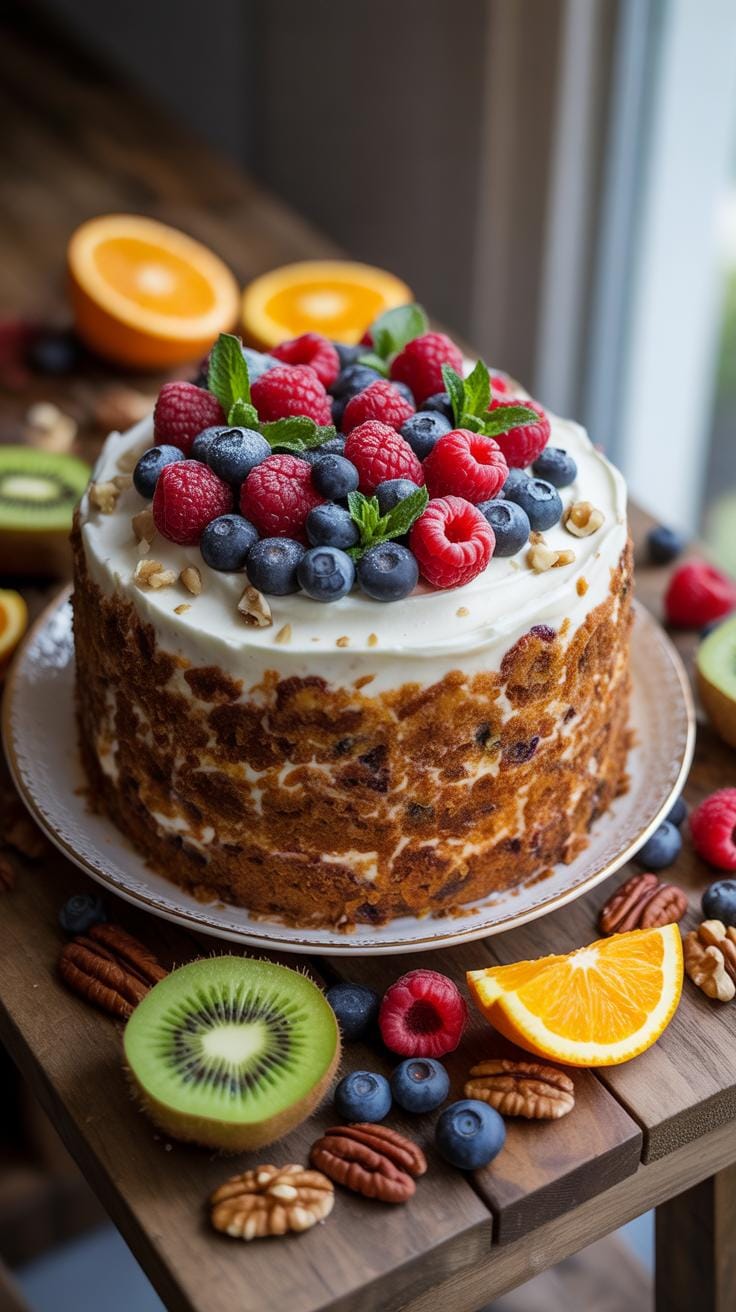
Adding fruits and vegetables to cakes isn’t just a trendy choice; it can quietly transform both nutrition and taste. While you might be wary of sneaking veggies into something sweet, these additions often improve moisture and texture without overwhelming flavor. Have you ever tried a carrot cake? That subtle earthiness and natural sweetness come from the carrots themselves. Interestingly, using fruits and vegetables can reduce the need for added sugars or fats, which makes the cake feel lighter, even if it’s still indulgent.
Fruits That Boost Cake Nutrition
Fruits bring vitamins, minerals, and antioxidants, all of which contribute to a healthier cake. Applesauce is a frequent player in healthy recipes; it adds moisture and cuts the need for oil or butter. Bananas do something similar—plus, they lend a rich sweetness and a dense texture that some find irresistible. Berries, like blueberries or raspberries, pack antioxidants and add bursts of tartness that can balance a sweet batter. Citrus zest or juice brightens flavor and offers a vitamin C boost. You might be surprised how these little swaps change the cake’s profile without feeling like a sacrifice.
Vegetable Additions for Moisture and Fiber
Vegetables like zucchini and carrots work well baked into cakes because they add moisture naturally while sneaking in fiber. Zucchini, when grated, almost disappears into the batter but keeps the crumb tender and moist. Carrots bring a bit more texture and a gentle sweetness, which often means less sugar is needed. These veggies can alter the calorie balance too—replacing some fat or sugar with fiber-rich veggies often lowers overall calories but keeps the cake comforting. Other options, like pumpkin or sweet potato, also do this, though they can change the flavor more noticeably. It’s a bit of an experiment each time; sometimes you get a subtle depth, sometimes a surprising twist.
Comparing Fat Sources in Cakes
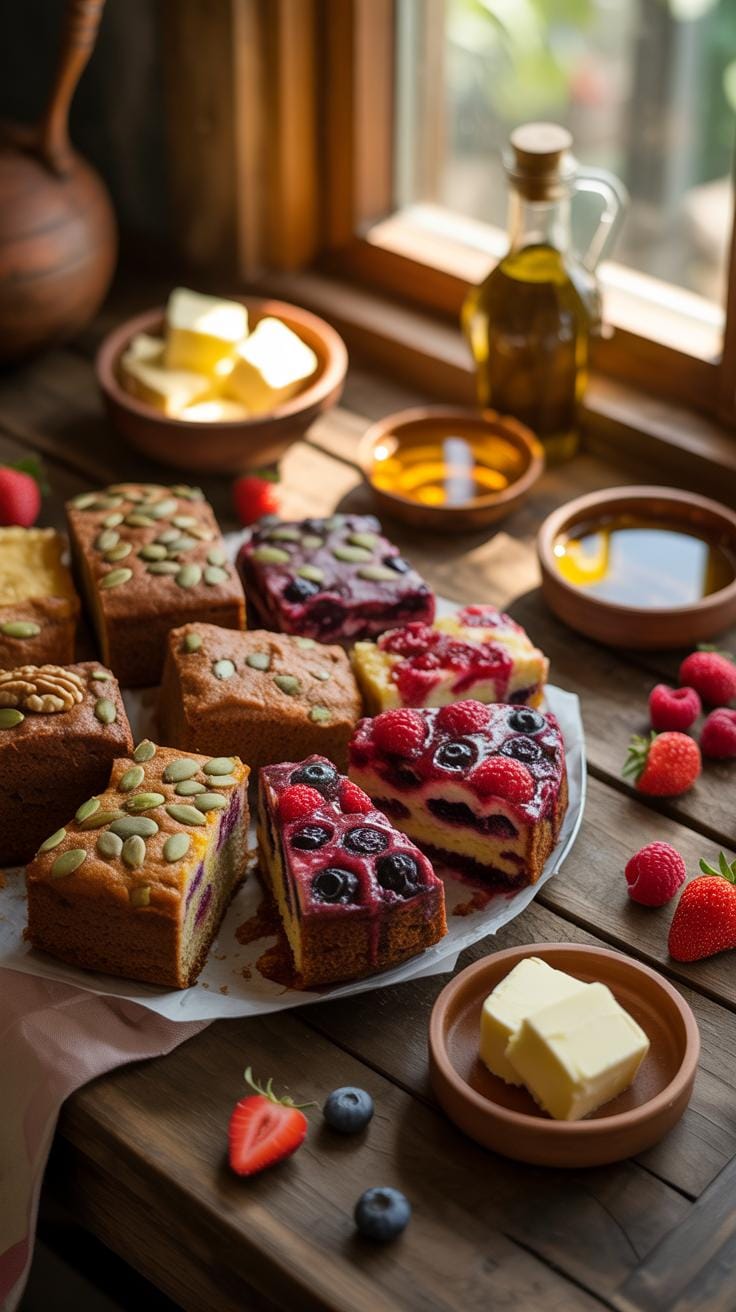
Healthier Oils vs Butter
When you swap butter for oils like olive or coconut oil in cake recipes, the calorie counts are surprisingly close but the fat types differ quite a bit. Butter carries about 100 calories per tablespoon, mostly saturated fats, which we tend to avoid if we’re thinking about heart health. Olive oil clocks in slightly less, roughly 119 calories per tablespoon, but it’s rich in monounsaturated fats, known to support good cholesterol. Coconut oil shares a similar calorie count with olive oil but leans heavily on saturated fat, which raises some questions for those watching fat quality rather than quantity.
So, does using olive oil always mean healthier cakes? Maybe, but taste and texture shift, too. Olive oil can make cakes denser and add a subtle fruitiness, which might not suit every flavor. Coconut oil, on the other hand, gives cakes a more tender crumb and a hint of coconut, which some people love and others find odd in non-tropical cakes.
Using Nut Butters and Avocado
Nut butters and avocado introduce a different kind of fat—mostly unsaturated—and bring moisture and richness to cakes without the heaviness butter sometimes adds. Peanut or almond butter packs protein and fiber alongside fats, which means you’re adding more than just calories. For example, substituting butter with almond butter in a banana cake recipe gave it a nuttier flavor and a satisfying bite that didn’t feel greasy.
Avocado, which feels unusual at first, works well in chocolate cakes especially. It replaces butter or oil—and offers fiber and potassium too. That creamy texture makes the cake moist but less oily. One time, I tried an avocado chocolate cake, and it was surprisingly close to traditional cakes in texture. But you might notice a slight earthiness, which some find appealing and others less so.
Both nut butters and avocado keep fat quality higher but also tweak flavor and texture. It’s a balancing act, really. You gain health benefits but might lose a bit of the expected cake experience. So, how much of these fats are you willing to experiment with in your recipes?
Egg Alternatives in Healthy Baking
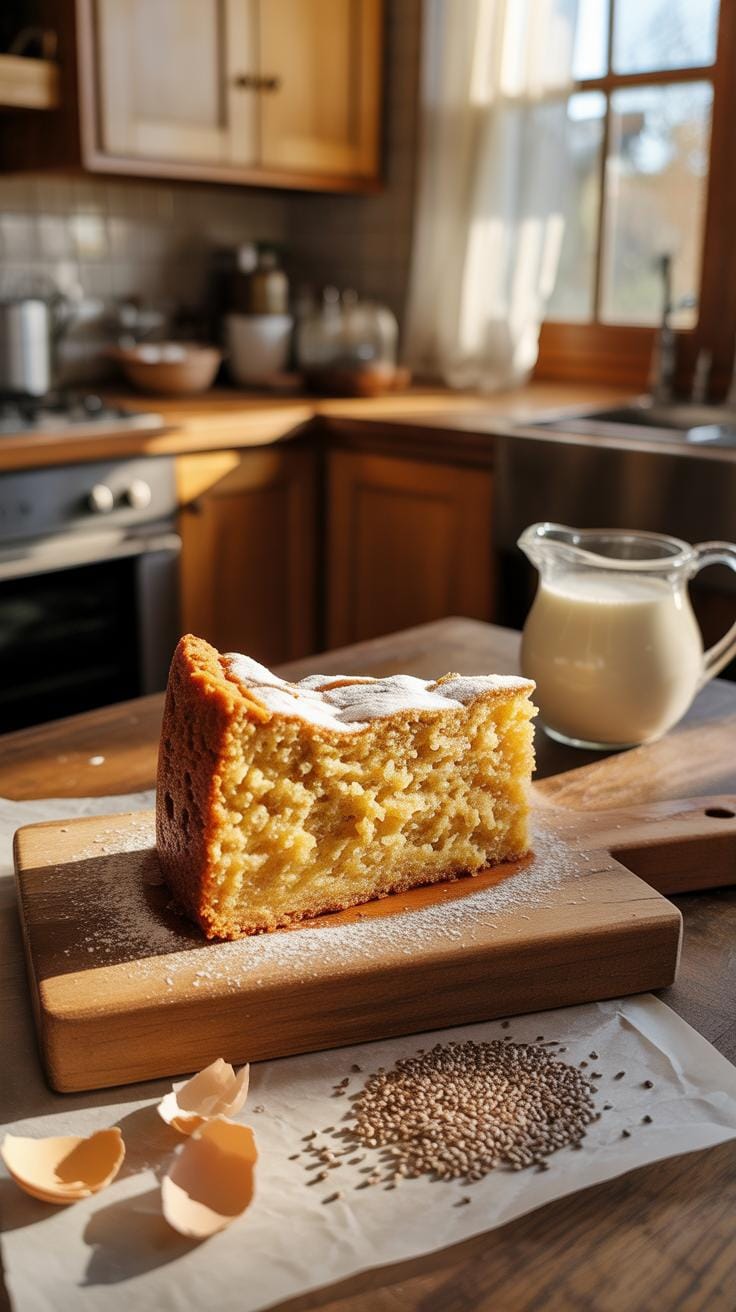
Eggs play a big role in cakes, but many people look for swaps that cut calories or suit dietary needs. You might have tried some already, or maybe you’re curious which ones work best. Common replacements include:
- Applesauce: Use 1/4 cup to replace one egg. It adds moisture but can make the cake a bit denser.
- Flaxseed meal: Mix 1 tablespoon ground flaxseed with 3 tablespoons water (let sit for 5 minutes). This swap adds fiber and a slight nuttiness.
- Mashed bananas: About 1/4 cup replaces one egg. It brings moisture and sweetness but can alter flavor noticeably.
Each alternative tweaks texture differently. Applesauce helps keep cakes moist but may reduce fluffiness. Flaxseed tends to create a firmer crumb and less rise, thanks to its binding power. Bananas add softness but can weigh down the batter and give a heavier crumb. Sometimes, you might want to experiment combining these or adjusting baking time to get the texture you prefer.
So, can a cake taste as good without eggs? Sometimes yes, sometimes no. It depends on what you value more—moisture, rise, or flavor subtlety. And honestly, trying different substitutes can be a bit unpredictable but also kind of interesting.
Sample Recipes Calorie and Ingredient Analysis
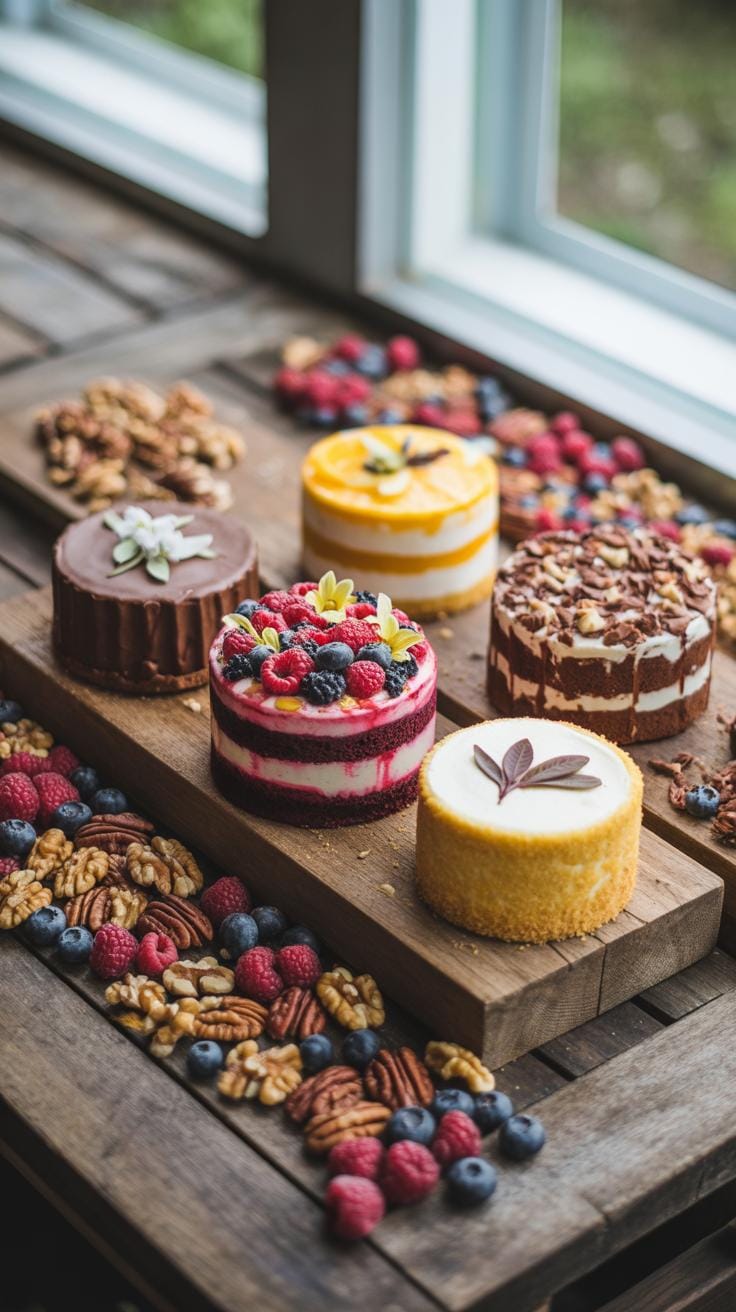
Let’s take a closer look at some popular healthy cake recipes by breaking down their ingredients and calories. This can give you a clearer picture of what you’re actually consuming, beyond just calling something “healthy.”
Angel Food Cake Example
Angel food cake is often seen as a lighter option because it’s mostly made from egg whites and sugar. The basic ingredients include:
- Egg whites (usually about 12 for a full cake)
- Granulated sugar
- Cake flour
- A bit of cream of tartar to stabilize the egg whites
- Vanilla extract for flavor
The preparation involves whipping the egg whites until they form stiff peaks, then gently folding in sifted sugar and flour. It’s baked in a tube pan without any butter or oil, which cuts down calories significantly. A typical slice (1/12th of the cake) contains around 110 calories.
What’s surprising is that despite the sugar, the lack of fat keeps the calorie count reasonable. But if you’re thinking about protein intake, this cake delivers some from the egg whites. Still, if you’re looking for something with fiber or complex carbs, angel food cake might fall short.
Fruit-Infused Vegan Cake
Now, consider a fruit-infused vegan cake made with whole grains. A common recipe might include:
- Whole wheat flour (1 ½ cups)
- Mashed bananas or applesauce (as natural sweeteners and moisture)
- Maple syrup or agave nectar (¼ cup)
- Baking soda and baking powder
- Almond milk or other plant-based milk (¾ cup)
- Chopped fresh or dried fruit—like blueberries or raisins (½ cup)
- A touch of vanilla extract
This cake uses fruit for natural sweetness and moisture, replacing refined sugars and butter. A slice tends to be around 180 calories, higher than angel food cake, but with more nutritional benefits — fiber, vitamins, and minerals.
It’s interesting how the calorie jump often comes with richer nutrients. So, if you want a cake that feels more substantial and filling, this might be better. Still, the taste can vary, and sometimes the texture is denser than you expect. Would you prefer a lighter bite or the depth from whole grains and fruit?
StepbyStep Healthy Cake Baking Process
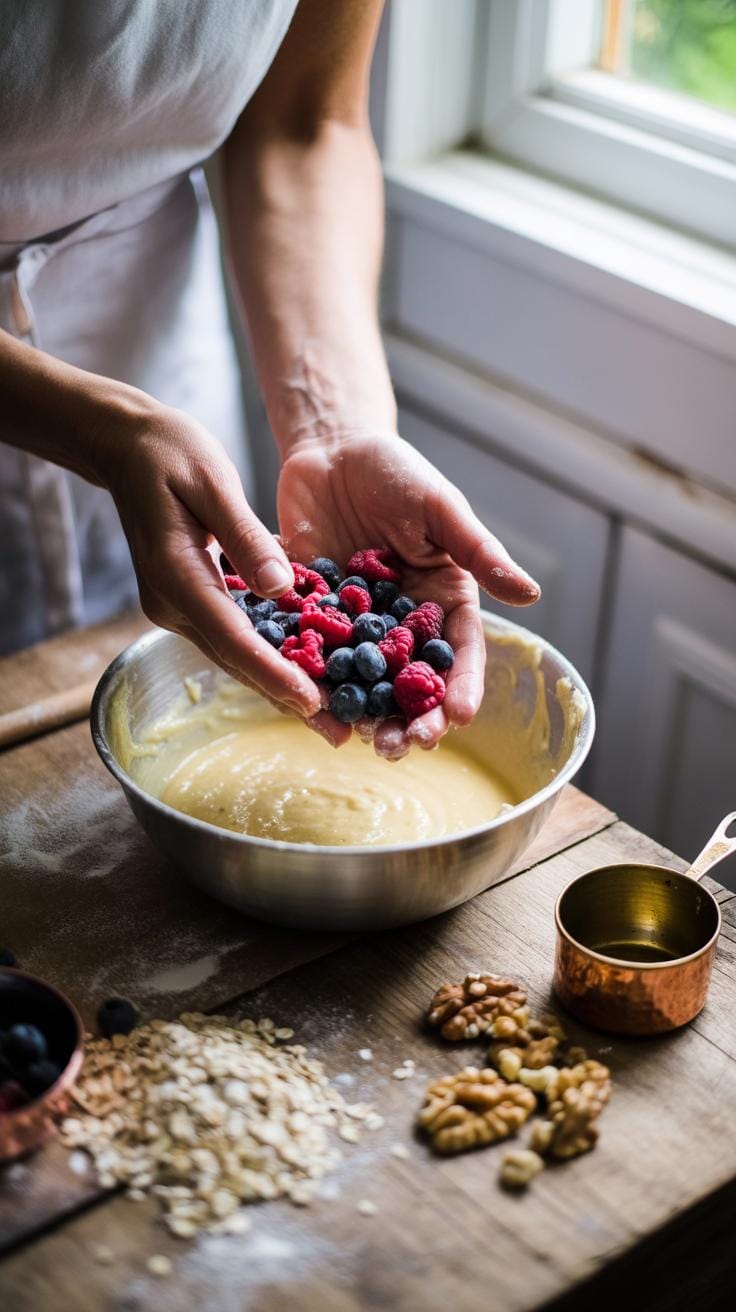
Mixing Ingredients Correctly
Mixing healthy cake ingredients requires a bit more care than traditional ones. Because many healthy recipes use alternatives like whole grain flours or natural sweeteners, the usual beating methods might not work as expected. You want to avoid overmixing — it’s tempting to do so when the batter feels denser, but that can make the cake tough instead of tender.
Try folding dry ingredients gently into wet ones rather than aggressively stirring. For example, if you’re using mashed fruit or yogurt in place of oil, mix them in gradually to keep the batter light. Some recipes benefit from beating egg whites separately and folding them in to create airiness without extra fat.
Also, think about ingredient temperatures. Room temperature eggs or liquids help everything combine better, giving a smoother batter, which usually means a better crumb. You might notice the texture changes even with the same mixing time, so trust your eyes and touch more than the clock when baking healthy cakes.
Baking and Testing Doneness
Healthy cakes often bake differently — they might brown faster due to natural sugars, or stay moist less predictably without traditional fats. Keeping a close eye in the last few minutes matters. Start checking doneness a bit earlier than the recipe suggests. Insert a toothpick or cake tester — if it comes out clean or with only a few moist crumbs, it’s done.
Use an oven thermometer if you can. Sometimes ovens run hotter than their dials say, which can dry out cakes quickly, especially those with less oil or butter. Also, a slight jiggle in the center after removing the cake from the oven often indicates it will set nicely as it cools. Resist opening the oven door too much during baking — it can cause temperature drops that affect texture.
Remember, every oven and recipe combination reacts differently. What works one day might need a tweak next time. But with patience and these habits, your healthy cakes will stay moist and flavorful without relying on extra sugar or fat.
Common Pitfalls and How to Avoid Them
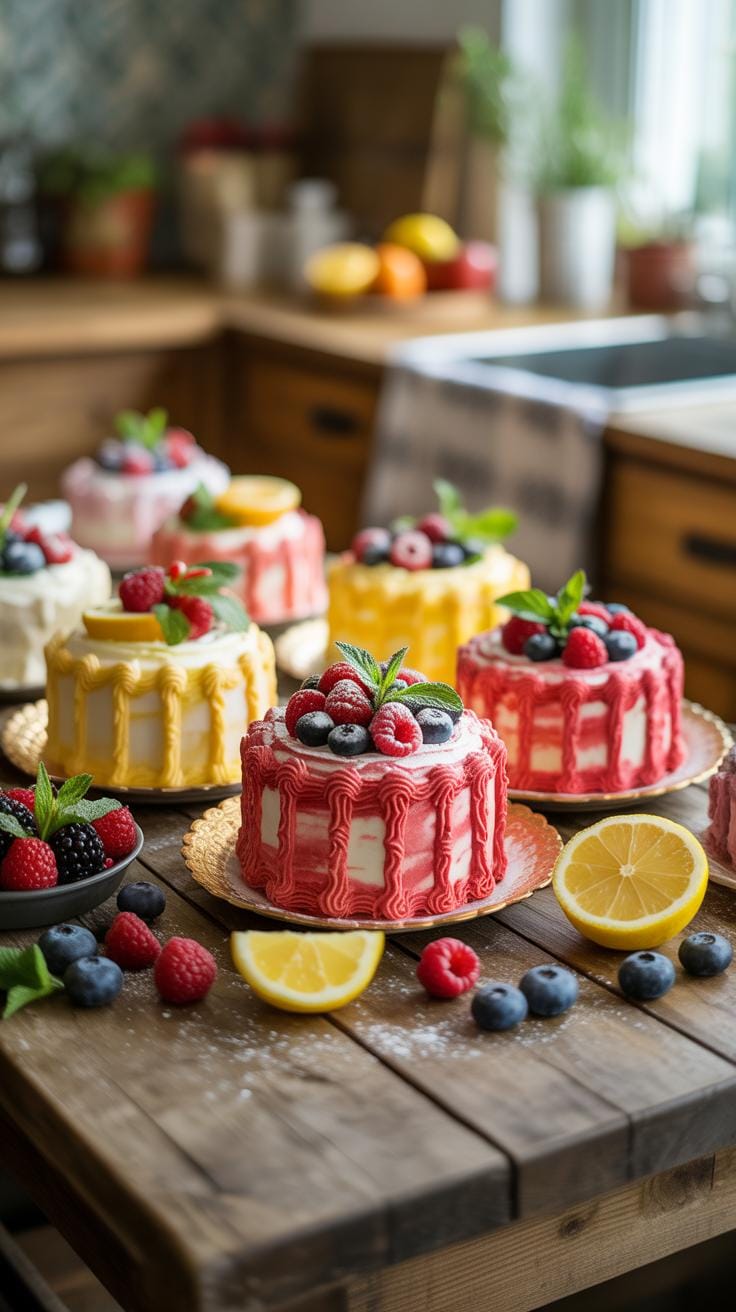
Texture Issues
One of the biggest frustrations with healthy cakes is often their texture. They can turn out dense or crumbly, which feels disappointing, especially if you’re aiming for something light and moist. This usually happens because healthier recipes tend to reduce or replace traditional fats and sugars, which normally help create softness and structure.
Too much whole grain flour or nut flours can weigh a cake down, making it dense. If your cake crumbles easily, it might mean there isn’t enough binding from eggs or moisture from liquids. Sometimes, overmixing the batter also leads to toughness. I’ve found that gently folding ingredients and not over-beating makes a difference.
To fix this, you can try a few things:
- Use a mix of whole wheat and all-purpose flour rather than only dense flours.
- Add moisture through pureed fruits like applesauce or mashed banana instead of oil alone.
- Don’t skip eggs or flaxseed eggs; they help hold the cake together.
- Be mindful of baking times—taking the cake out too late dries it out.
It’s a bit trial and error, but small tweaks keep the cake from turning too heavy or crumbly.
Flavor Balancing
Getting a good taste balance with less sugar and fat is tricky. Sugar doesn’t just sweeten; it also enhances flavor and provides moisture. When you cut back sharply, flavors might seem flat or even bitter.
One trick is to boost natural sweetness and aroma without increasing calories. Spices like cinnamon, nutmeg, and vanilla extract bring warmth and depth. Using fruit purees or a splash of citrus zest can brighten flavors and trick your palate into perceiving more sweetness.
You might wonder if reducing fat compromises richness. Sometimes it does, but swapping in yogurt or silken tofu adds creaminess without excess fat. Even though these swaps help, the flavor still might feel a bit different.
I find that tasting the batter helps — adjust spices gradually, try a pinch more salt, or a hint of acid like lemon juice to balance things. It’s a delicate line between cutting calories and keeping the cake tasty enough to enjoy.
Tracking Your Cake Health Progress
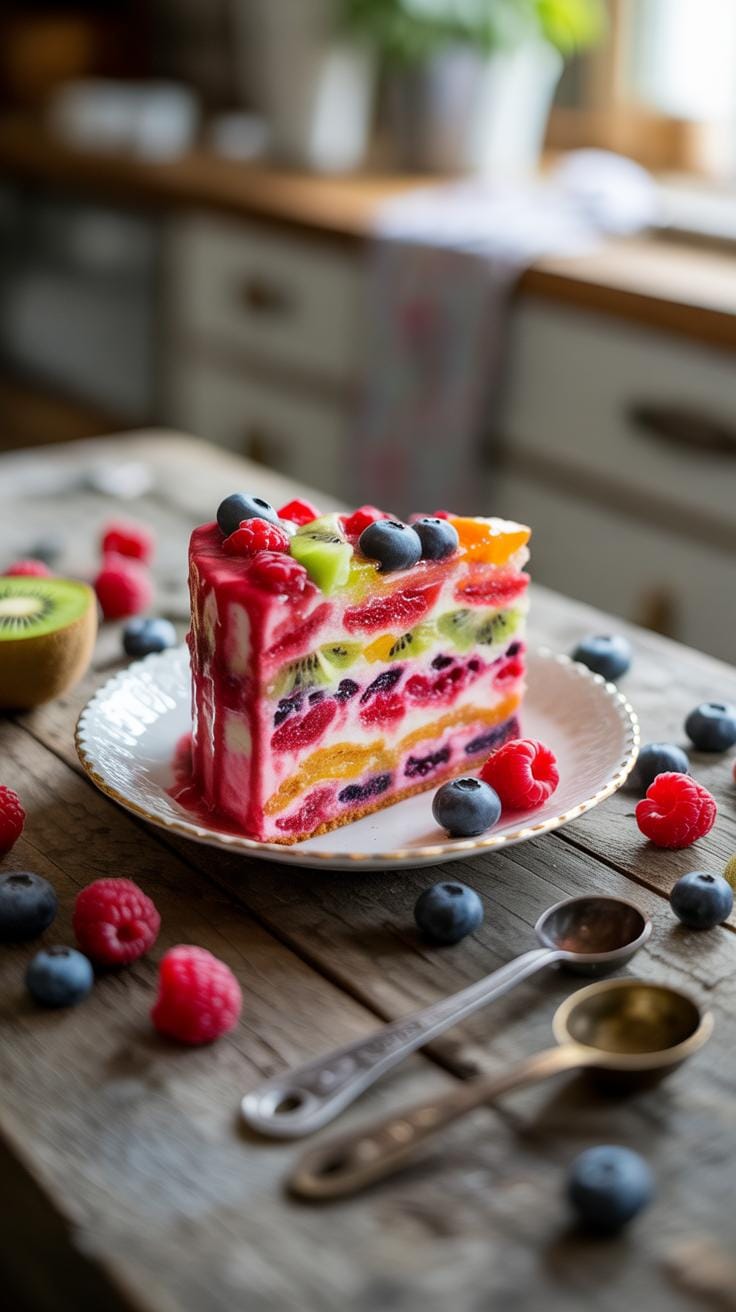
Measuring how healthy cakes affect your diet and goals can be tricky, but it’s definitely doable. The key lies in more than just counting calories—you want to see how different ingredients and portion sizes fit with your overall eating habits.
One way is to keep a baking journal. Write down each cake you make, what you put in it, and how it turns out in both taste and how it made you feel afterward. Did it satisfy a craving? Did it leave you energized or sluggish? Journaling helps reveal patterns you might otherwise overlook.
After a few entries, review what worked and what didn’t. Maybe the almond flour cakes felt lighter, but the sweeteners made you hungry soon after. You can then tweak your recipes—reduce sugar, try different flours, alter fat types—and track if those changes move you closer to your health goals.
It’s kind of an ongoing experiment. You learn, adjust, and try again. This way, your healthy cakes don’t just taste good; they genuinely support where you want to be with your diet. Sometimes results come slowly, or surprises pop up, but tracking keeps you honest and focused.
Conclusions
Choosing healthy cake recipes involves knowing which ingredients affect calorie and nutrition levels. Using alternatives like natural sweeteners, whole grains, and fruits can lower calories while adding value. You can enjoy cake more often with thoughtful recipe selections.
By comparing calories and ingredients, you learn how small changes impact healthiness. This knowledge helps you bake cakes that satisfy taste buds and support your goals. Try these recipes to make dessert a delightful part of a balanced diet.