
Introduction
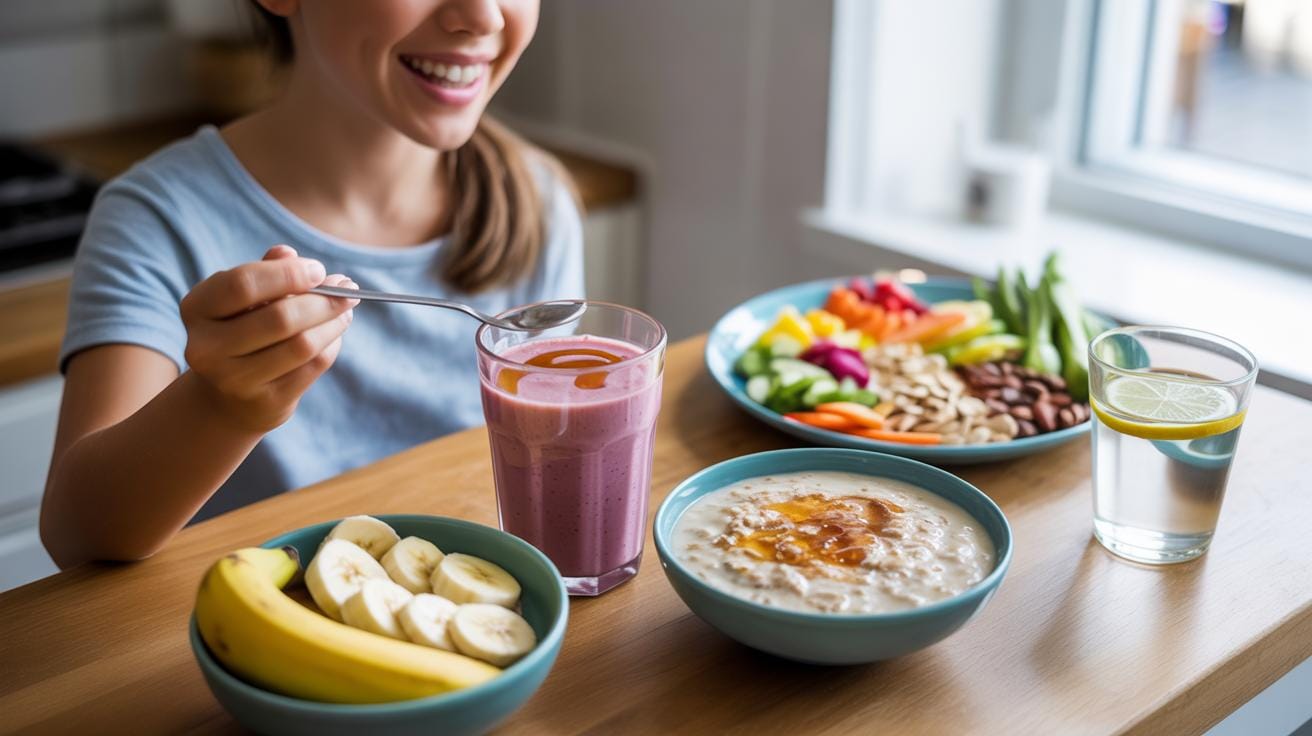
Breakfast is the first meal of the day and it breaks the fast after a night’s sleep. Eating a healthy breakfast gives you energy and helps your brain work better. You can make breakfasts quickly and still enjoy tasty and nutritious foods every day.
In this article, you will learn why breakfast is important, how to prepare healthy meals fast, and several delicious recipes you can try. These ideas will make your mornings easier and keep you feeling good through the day.
Why Breakfast Is Important


Breakfast sets the tone for your entire day. When you eat something in the morning, you fuel up after hours without food, which your body needs to function well. Without that first meal, it’s easy to feel sluggish or low on energy, even if you don’t realize it right away.
Energy For Your Day
Your body depends on food to give it energy, and breakfast is often the kickstart for that. Think about your morning routine—whether it’s work, school, or just daily tasks, your muscles and organs need fuel to keep going. Skipping breakfast can leave you running on empty, which might make those early hours drag more than they should. Eating even a small, balanced meal can supply the calories and nutrients that help sustain you until lunch.
Brain Boost
Beyond physical energy, breakfast can affect how well your brain works. When you don’t eat, your brain lacks the glucose it burns to stay alert. You might notice your focus fading or your thoughts wandering. Eating in the morning helps improve concentration and thinking, which can make tasks easier to tackle. At times, it’s surprising how much better you feel mentally, simply after a bit of breakfast. Have you ever struggled to concentrate only to realize you hadn’t eaten? That’s a common experience.
Basics Of A Healthy Breakfast

When thinking about a healthy breakfast, what really matters are the key nutrients that fuel your body and mind. The main players here include protein, fiber, and vitamins. You might already guess protein gives you energy and keeps you full, but it also plays a bigger role in muscle repair and brain function—things that often get overlooked. Fiber, on the other hand, aids digestion and keeps your blood sugar steady throughout the morning, which is a nice bonus if you want to avoid energy crashes.
Vitamins, especially those found in fruits and whole grains, boost your immune system and cognitive sharpness. Sometimes I wonder if we pay enough attention to getting those naturally instead of relying on supplements.
Here’s a quick look at what you might want on your plate:
- Protein sources like eggs, yogurt, or nuts.
- Fiber-rich foods such as oats, whole-grain bread, or berries.
- Vitamin-packed fruits, think oranges, kiwi, or apples.
It’s not always about ticking boxes but trying to balance these in ways that suit your taste and schedule. What do you feel gives you the best start in the morning? Maybe it’s worth experimenting a bit.
Protein Power
Protein is often the unsung hero of breakfast. You might think carbs are the quick fix, but protein helps you stay satisfied longer and supports muscle health, especially if you’re active. It can even influence how your brain processes information.
Common breakfast proteins include eggs, which are easy to cook and pretty versatile. Greek yogurt is another solid choice—high in protein and pairs well with fruit or nuts. If you prefer plant-based foods, beans, lentils, or tofu can work well too. Sometimes, I skip the usual and add a handful of nuts or seeds, which surprised me with how much they keep hunger at bay.
Fiber And Vitamins
Fiber slows down how your body absorbs sugar, which keeps energy levels more steady and digestion smooth. Fruits and whole grains pack an effective fiber punch. Think oats or whole-grain toast combined with berries or sliced banana—simple and natural.
The vitamins in these foods, especially vitamin C and various antioxidants, support your immune system and help you feel alert. There can be a slight trade-off though; some fruit juices lose fiber and can spike blood sugar instead. Whole fruit beats juice here, hands down.
Including several colorful fruits adds different vitamins and minerals, so mixing berries, citrus fruits, and maybe an apple can provide variety without much hassle. It might sound obvious, but just picking fresh, whole foods instead of processed options makes a noticeable difference in how you feel after breakfast.
Quick Breakfast Tips

Prep work the night before really changes the morning game. You don’t have to make the whole breakfast ahead—just parts of it. For example, chopping fruits or blending smoothie ingredients and storing them in the fridge cuts down time significantly. Once morning comes, you just toss things together or heat a bit, and you’re done. It might feel like extra effort at night, but trust me, it pays off.
Quick-cook foods are your best friend when time is tight. Think plain yogurt, fresh berries, or whole-grain toast. Eggs take minutes, especially if you scramble or microwave them. Some grains like instant oats or quinoa can be ready in under five minutes if you prepare them right. Even nut butters and fresh fruit require zero cooking but add protein and fiber to your meal.
Have you noticed how little tweaks—like keeping pre-washed greens or boiled eggs handy—change your pace? These small shortcuts don’t take away from nutrition and can stop you from skipping breakfast altogether. So, it’s really about finding which hacks fit your style and rolling with them. Maybe planning ahead isn’t for you every night, and that’s okay too. Sometimes a quick yogurt bowl with nuts is just right for a busy morning.
Overnight Oats Recipes
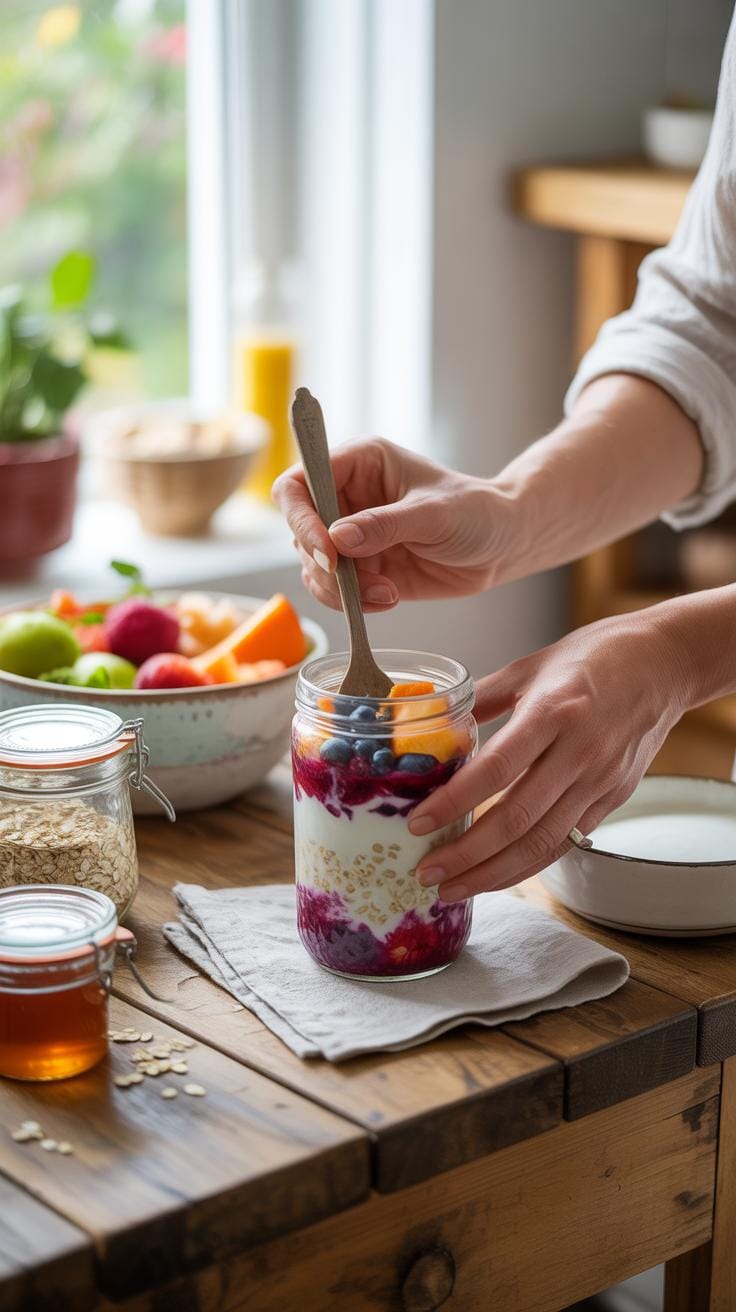
Making overnight oats is surprisingly simple and yet feels like a bit of a treat in the morning. The basic recipe starts with rolled oats, your choice of milk, and a sweetener if you like things a little sweeter. Combine about half a cup of oats with an equal amount of milk—dairy or plant-based works—and add a teaspoon of honey, maple syrup, or just a pinch of brown sugar. Stir it up, cover, and leave it in the fridge overnight. By morning, it thickens into a creamy breakfast ready to eat without cooking.
But that’s just the beginning. You might wonder, what to add? Fruits and nuts are the usual choices, but there’s some room for creativity here. Fresh berries like blueberries or sliced strawberries add freshness and a bit of tartness that cuts through the creaminess. Chopped nuts—walnuts, almonds, or pecans—bring texture and a subtle earthiness. I’ve even tried dried fruits like apricots or raisins, and it works, though maybe it turns out a bit sweeter than expected.
Spices can change things up and keep breakfast from feeling repetitive. A dash of cinnamon, nutmeg, or even a little vanilla extract can brighten the flavor. Sometimes I toss in a spoonful of chia seeds for extra fiber and a bit of crunch. Have you tried adding a spoonful of peanut butter or cocoa powder? It’s richer and feels like a treat but still pretty quick.
There’s no strict recipe here—overnight oats adapt to what you have on hand or what you crave. The real question: what combos would keep you coming back every morning?
Smoothies To Go
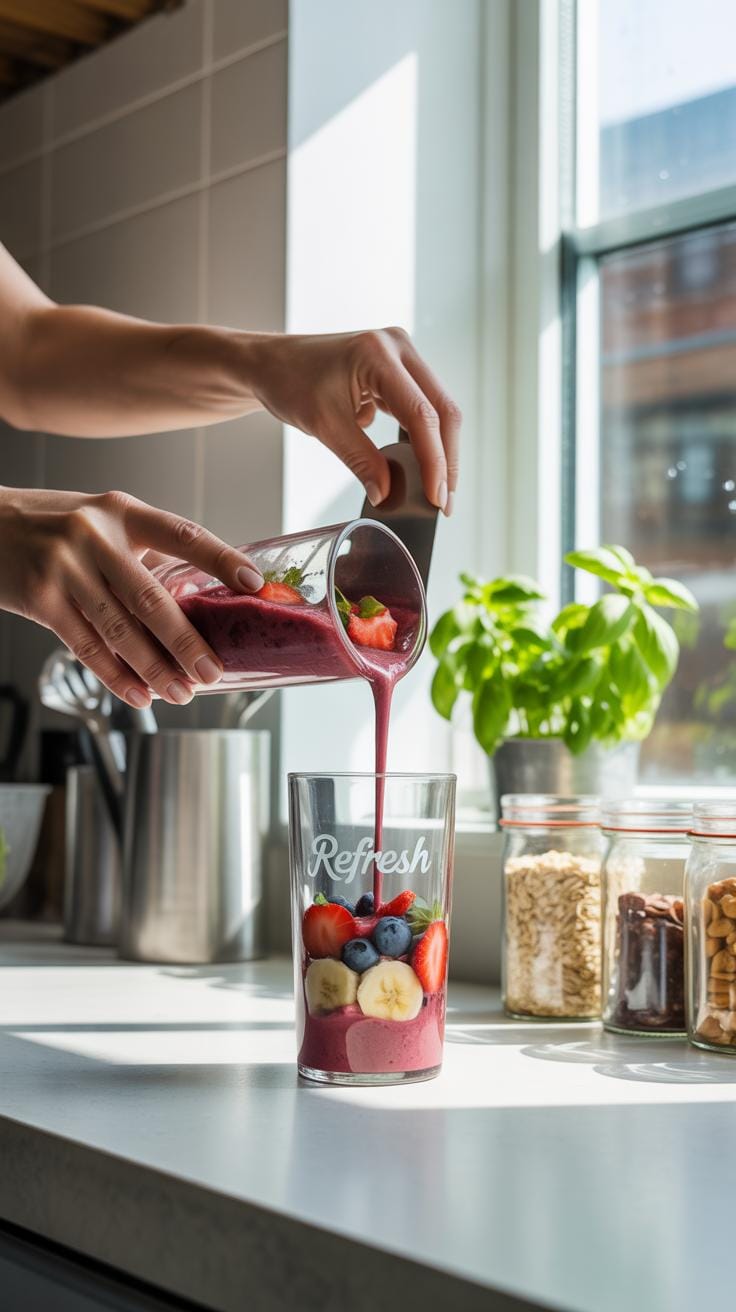
Smoothies offer a quick way to pack nutrition into your morning without much fuss. You just toss ingredients into a blender, hit a button, and voilà—breakfast on the move. But not all smoothies are created equal, so picking the right mix really matters if you want something both healthy and filling.
When choosing fruits, think about balance. Berries and apples provide fiber and antioxidants, while bananas or mangoes add natural sweetness and creaminess. Vegetables can be leafy greens like spinach or kale, which blend well once you get used to their taste. Don’t skip on protein—it keeps you full and focused until lunch. Greek yogurt, protein powders, or even nut butters are good options.
Try these simple blends next time:
• Spinach, banana, almond milk, and peanut butter
• Mixed berries, Greek yogurt, a spoon of oats, and a splash of water
• Carrot, orange, ginger, and a scoop of vanilla protein powder
Each can come together in under five minutes. It’s surprising how just a few ingredients can make a satisfying, nutrient-rich smoothie that suits your taste and energy needs. Ever thought about what else you could sneak into a smoothie? Sometimes I add a pinch of cinnamon or flaxseeds for an extra layer—might be odd, but it works for me.
EggBased Breakfast Ideas

Why Eggs
Eggs make for an interesting breakfast choice, don’t they? They pack a lot into a small package: protein, healthy fats, and nutrients like vitamin D and choline that support your brain and muscles. Eating eggs in the morning can keep you feeling fuller longer, which might help prevent mid-morning snacking or that urge to reach for sugary treats.
You might wonder if eggs are too heavy or rich for breakfast. Well, that really depends on how you prepare them—and your own tolerance. For some, a couple of eggs provide just the right amount of energy and focus to start the day. Others might find it a bit much if eaten alone. But overall, they offer a satisfying and balanced mix that’s hard to beat.
Quick Recipes
Eggs come together fast, which is perfect when time is tight. Here are a few ideas you can whip up in just minutes:
- Simple Scramble: Beat two eggs, splash in a bit of milk or water, season with salt and pepper, and cook gently in a nonstick pan. Add chopped veggies or cheese if you want.
- Microwave Egg Muffins: Mix eggs, diced peppers, spinach, and a little cheese in a mug. Microwave for about 90 seconds. It’s quick and portable.
- Sunny-Side Up: If you prefer your eggs whole, a quick fry in a lightly oiled pan takes just a few minutes.
- Egg and Avocado Toast: Top whole grain bread with smashed avocado and a poached or scrambled egg. Minimal effort, but quite filling.
You might not need much else to feel ready for the day after eating eggs. They’re versatile, they’re fast, and they give a steady stream of energy that other breakfasts sometimes don’t. Have you experimented with adding spices or herbs to your eggs? It can make a noticeable difference, making the same egg feel like a completely new meal.
Whole Grain Breakfasts

Whole grains bring more to the table than just fiber—they impact digestion and energy in ways that many overlook. When you eat whole grain bread or cereals, you’re not just filling your stomach; you’re feeding your body steady fuel. The fiber helps ease digestion, preventing those sluggish morning haze moments. Plus, the slower absorption of carbs means your energy doesn’t spike and crash quickly. It’s often the kind of steady energy that sticks around well into your afternoon.
But it’s not always obvious how to make whole grains fit into a busy morning. You might think they take too long or feel a bit boring. Yet, simple swaps can make all the difference. Consider whole grain toast topped with a nut butter and banana, or quick oats made savory with a pinch of salt and some seeds. Even whole grain pancakes can be whipped up fast if you have the right mix on hand.
Here are a few breakfast ideas that are genuinely quick and satisfying:
- Whole grain toast with avocado and a sprinkle of chili flakes
- Instant oatmeal topped with fresh berries and a drizzle of honey
- Whole grain cereal with milk and sliced almonds
- Quick pancakes made from whole wheat flour, ready in 10 minutes
Do you find yourself avoiding grains because they seem bland or complicated? Maybe trying one of these easy recipes makes the switch less — well, intimidating. What entire morning might look like if you just started with one simple whole grain option? It’s a question worth experimenting with.
Making Breakfast A Habit

Sticking to a healthy breakfast routine isn’t always easy. Life gets busy, mornings get rushed, and sometimes you just don’t feel like eating first thing. But creating a morning habit around breakfast can really change how your day unfolds.
Set A Morning Routine
Try to wake up at the same time every day, if you can. Having a consistent wake-up time nudges you to plan breakfast naturally. You might want to prepare parts of your meal the night before—overnight oats or chopped fruit, for example—so it’s there waiting. Setting small reminders or alarms helps some folks, making breakfast harder to skip. If you’re like me, mornings get hectic fast, so I found that placing breakfast items where I see them right away helps. Sometimes it’s just about making the routine visible.
Keep It Enjoyable
The trick to not getting bored? Mix up your recipes. Changing the flavors keeps your taste buds curious and your motivation up. Try swapping berries for different fruits one day, or switch from yogurt bowls to scrambled eggs another. You don’t have to reinvent breakfast every morning—simple tweaks can make a big difference. Occasionally, I rehearse the same recipe for days in a row and then suddenly crave something else entirely. That’s okay. The variety doesn’t have to be dramatic, just enough to keep breakfast from feeling like a chore.
Conclusions
Eating a healthy breakfast every day sets a positive tone for your whole day. It helps your body and mind work well. Making good choices like fresh fruits, whole grains, and proteins fuels your energy without taking much time.
Try the recipes and tips shared here to create quick, healthy breakfasts you enjoy. Making this a habit will improve how you feel, your focus, and your overall health. You have the tools now to start your day right with easy and tasty meals.