
Introduction
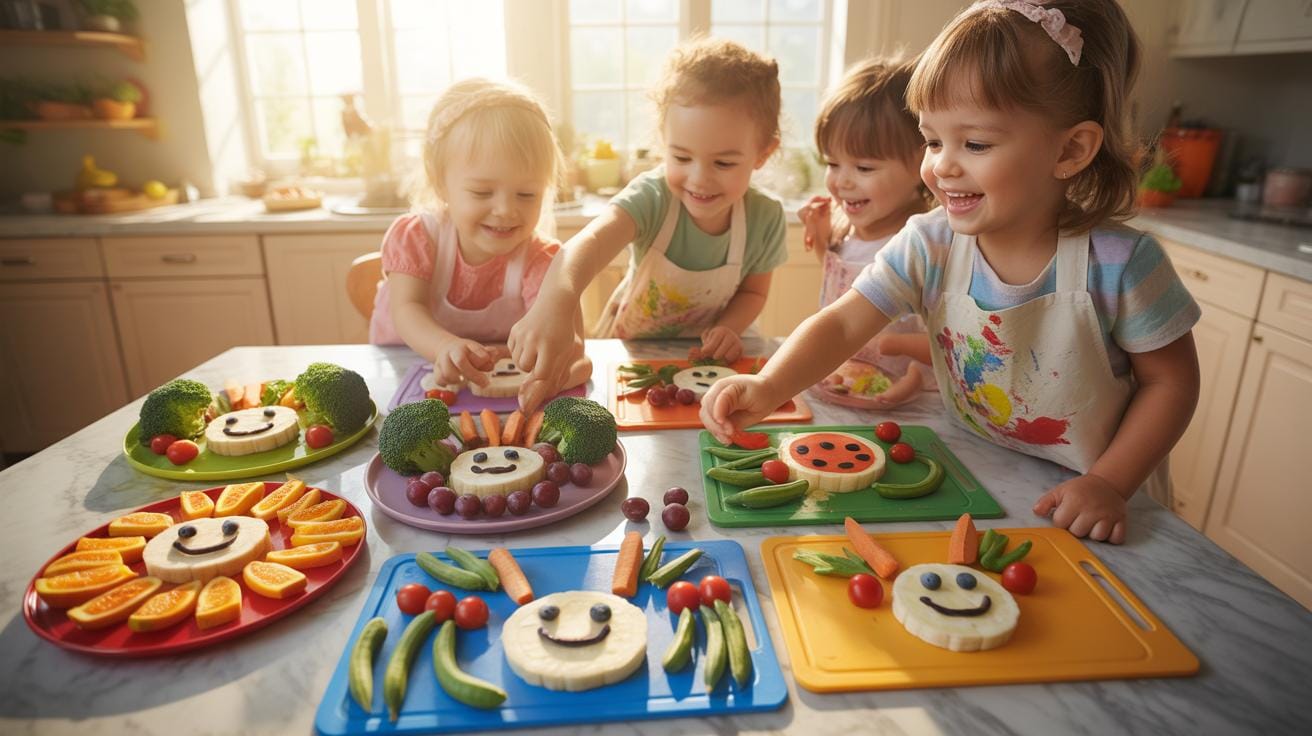
Creative fun kids food and food art for kids ideas bring excitement to mealtime. They turn eating into a playful activity that children look forward to. By using food as a creative medium, parents can make healthy meals attractive and enjoyable for young eaters.
Fun kids food involves shaping, decorating, or arranging food in bright colors and unique forms. This approach can motivate kids to try new foods. The following sections discuss what food art is, why it matters for child nutrition, and practical ways to create fun food at home.
Benefits Of Fun Kids Food
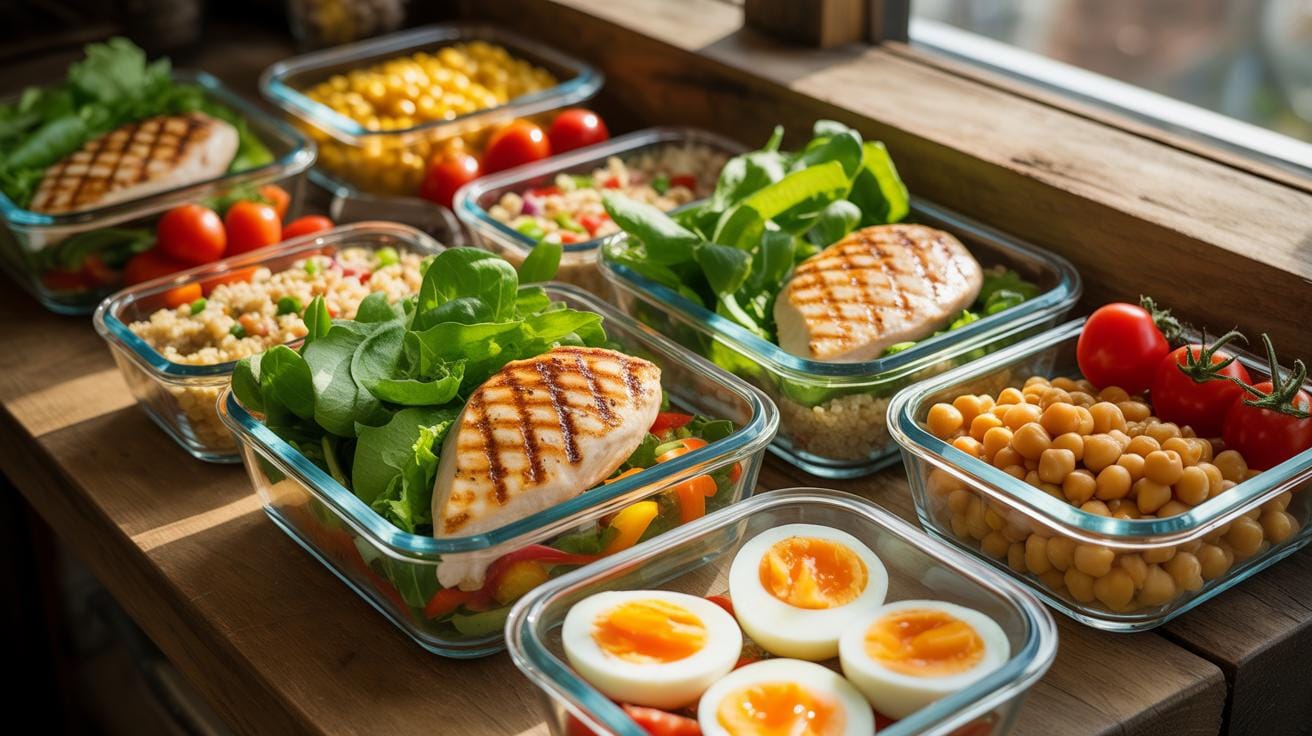
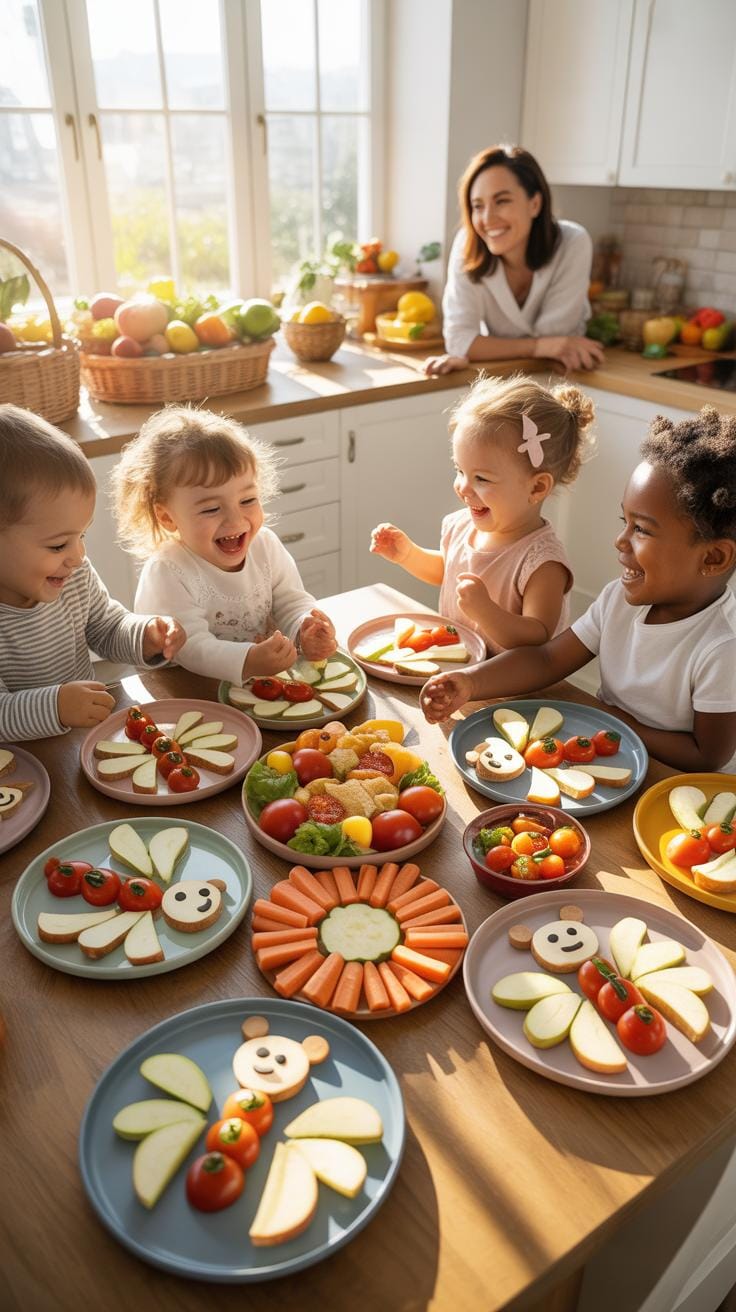
When food looks appealing and playful, kids are more likely to take a bite—sometimes the simple act of shaping a sandwich like a star or arranging veggies into a smile can overcome picky eating habits. Fun kids food isn’t just about making mealtime enjoyable; it can actually introduce children to new flavors and textures they might otherwise resist.
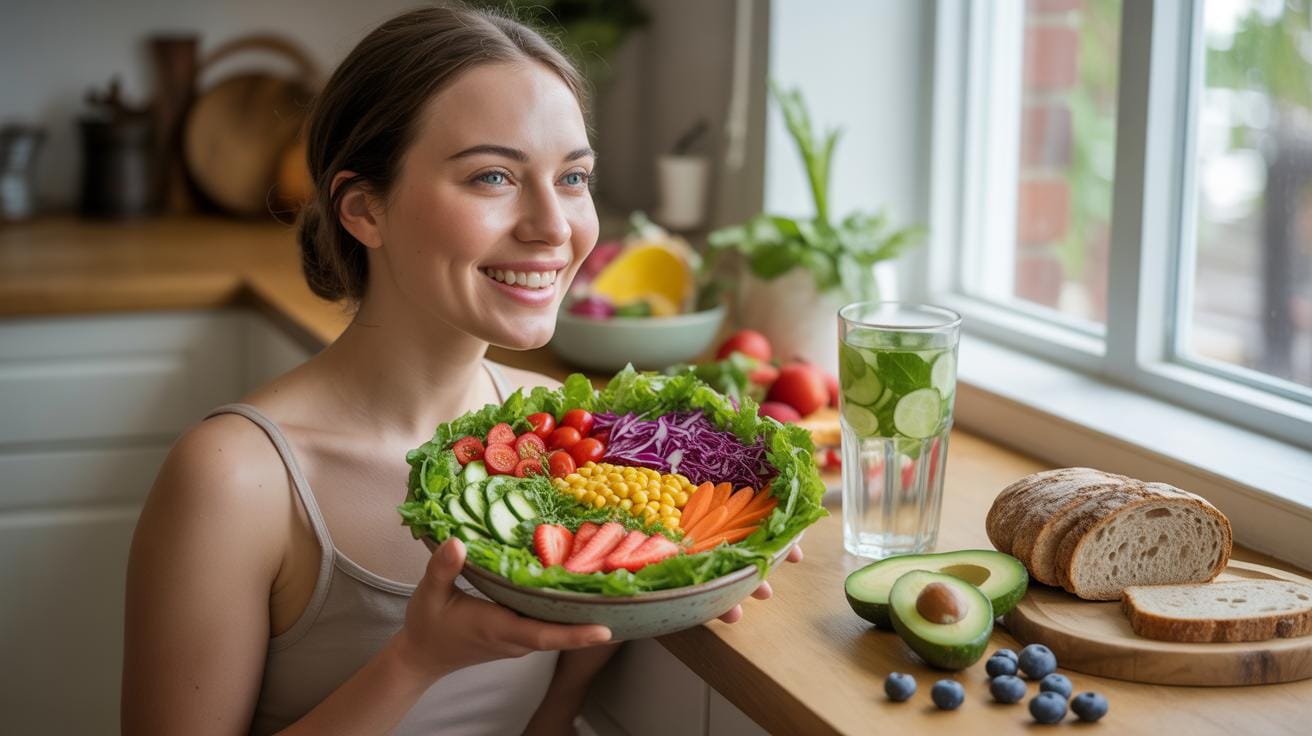
For example, presenting broccoli as tiny trees or creating fruit faces can spark curiosity. This curiosity often translates into a willingness to try balanced meals without pressure. Plus, exploring food with different colors and shapes supports sensory development by letting children engage with their meals beyond taste. They touch, see, and even hear the crunch, which builds a richer eating experience.
Encouraging variety through fun food presentations may gradually broaden dietary choices—making it easier for parents to include fruits, vegetables, and whole grains. So, while it might seem like a small trick, turning meals into playful moments can lead to better nutrition outcomes over time, even if it doesn’t always work perfectly every day.
What Is Food Art For Kids
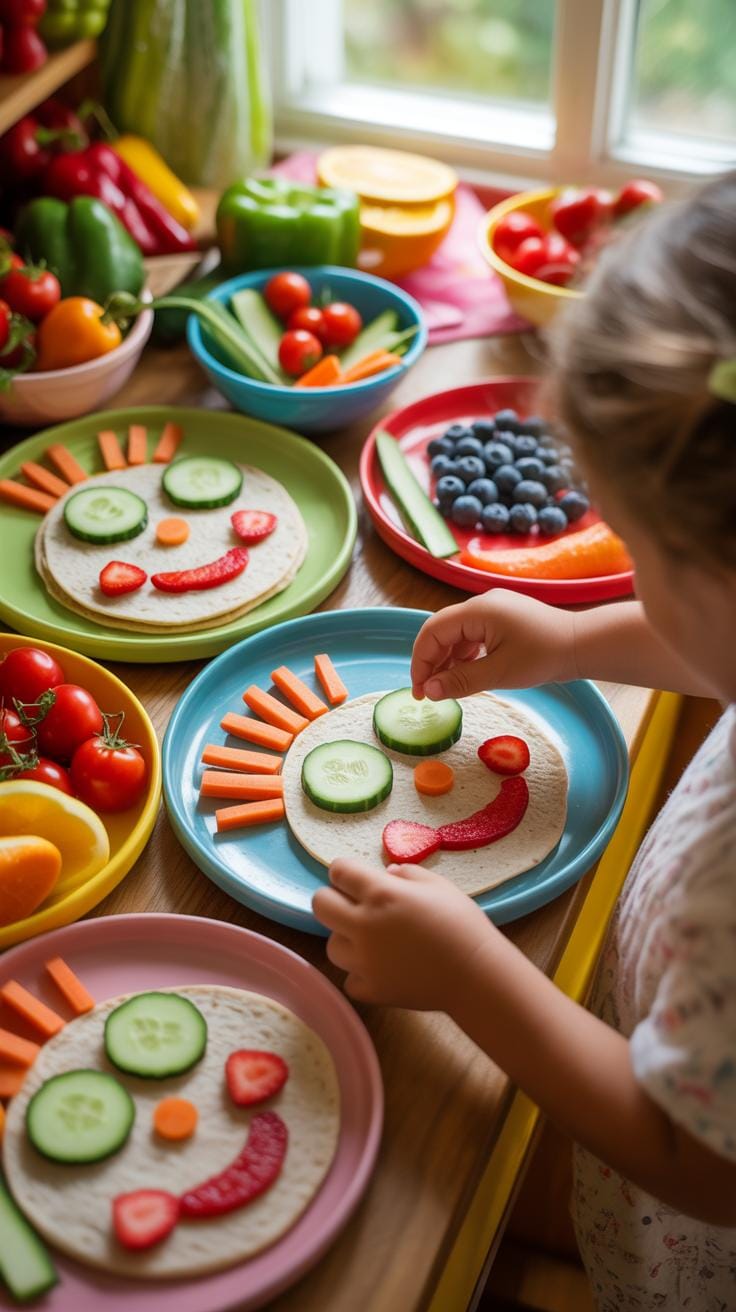
Food art for kids simply means using food as a medium to create shapes, scenes, or characters that catch a child’s eye. Think of arranging colorful fruits into animals or crafting sandwiches that look like cars. This creative approach makes meals less ordinary and can surprise kids enough to rethink mealtime.
It’s not just decoration; it’s a way to tap into children’s natural curiosity. When food is transformed into recognizable shapes or playful characters, kids become more interested and engaged. The vibrant colors and imaginative designs encourage them to explore food in a way that feels like play rather than a chore.
Food art can range from simple efforts like cutting fruit with cookie cutters to more elaborate creations that tell a story on the plate. This blending of creativity and nutrition subtly invites kids to appreciate a wider range of foods.
How Fun Food Boosts Kids Nutrition
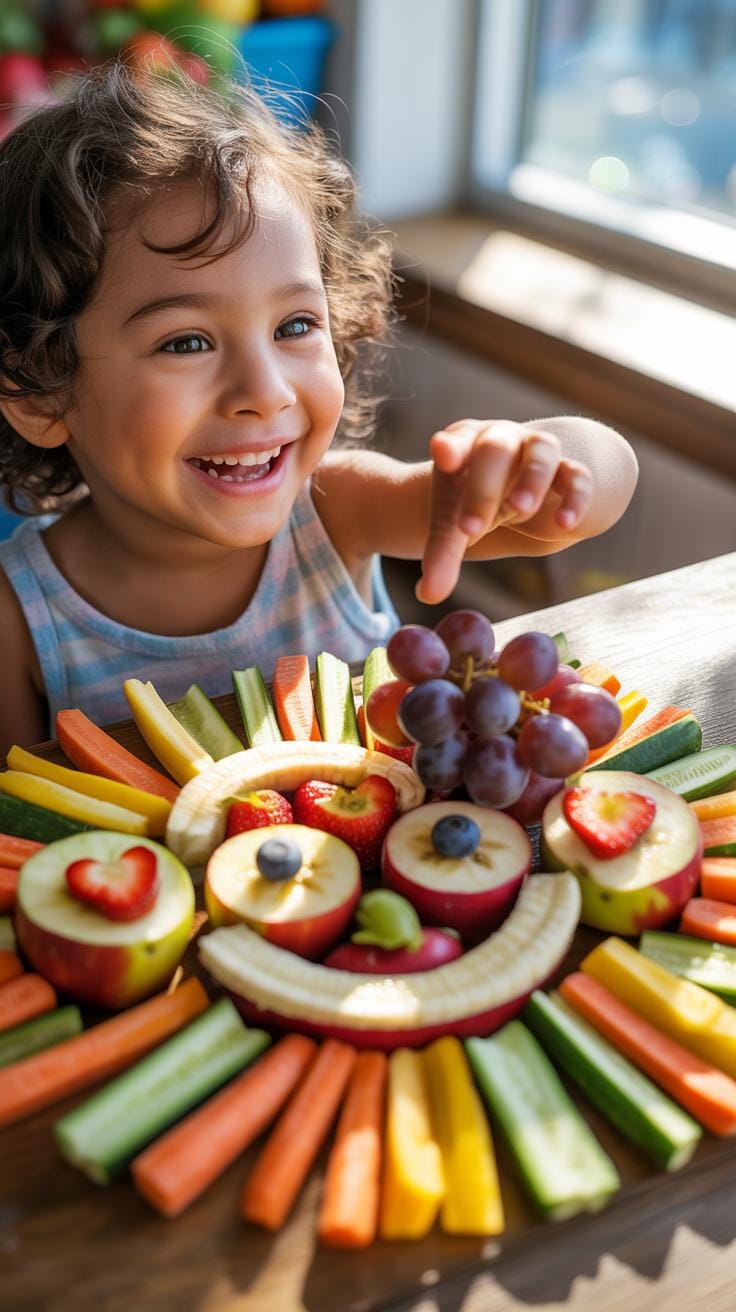
Kids often resist eating fruits and vegetables—it’s a common challenge. But when these foods appear as fun shapes or are part of an artistic plate, kids tend to try more of them. The playfulness turns new foods from something intimidating into an adventure.
For instance, slicing cucumbers into stars or turning carrot sticks into “magic wands” might seem trivial, but such tricks increase the chances that kids will eat more veggies and fruits. It feels less like a lesson and more like an invitation.
This approach can improve the intake of important nutrients found in fresh produce, supporting healthier eating habits. Sometimes, it’s less about pushing nutrition facts and more about catching attention in a way that feels engaging. This gentle encouragement can help expand dietary variety and make balanced meals a regular part of family life.
Creating Food Art At Home
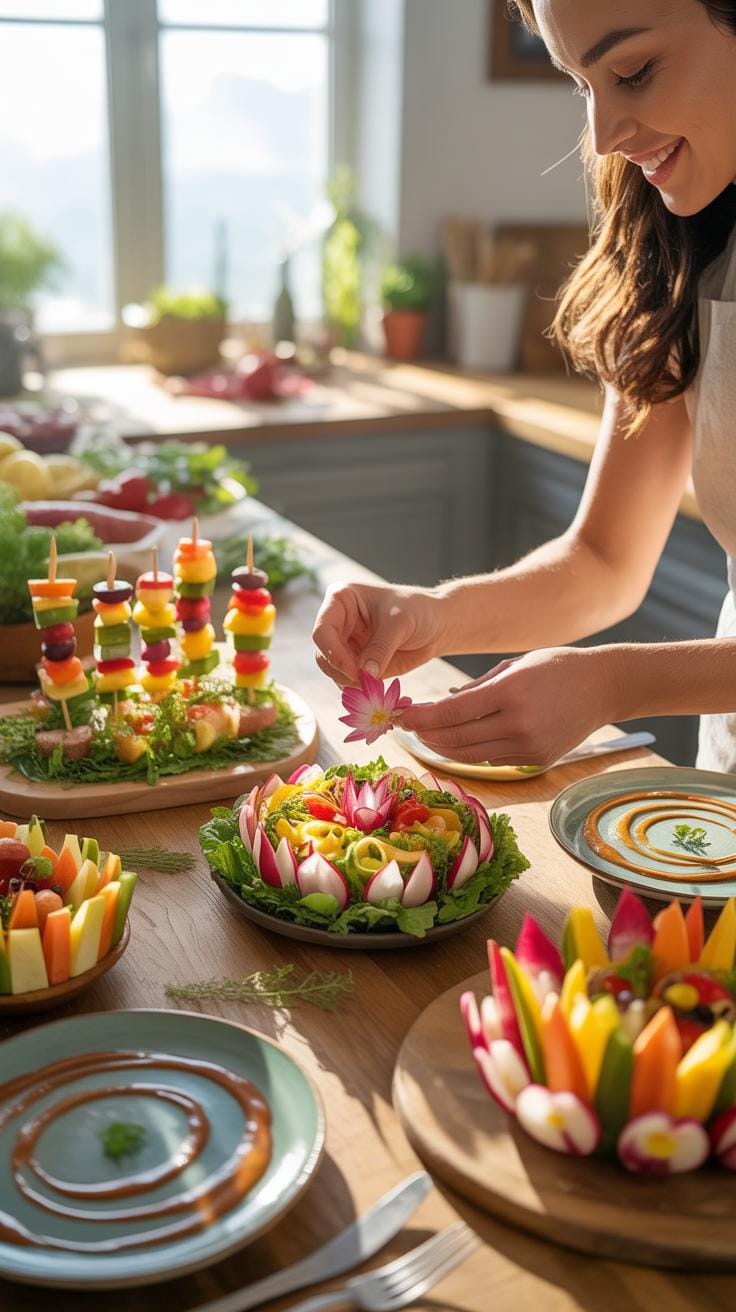
Making food art at home with kids can be both simple and enjoyable. One useful technique involves using cookie cutters—not just for cookies, but also for slicing fruits, sandwiches, and cheese into interesting shapes. Kids often love the surprise of turning an ordinary apple slice into a star or heart.
Colorful fruits and veggies bring life to any food art project. Think about layering strawberry slices with kiwi or blueberries to create patterns or faces. It doesn’t have to be perfect—sometimes the charm is in the messiness.
Creative plating also helps. Placing food deliberately to form pictures—like a smiley face made from cucumber eyes and tomato cheeks—can invite kids to guess or make stories. It’s a little more than just eating; it’s play, it’s discovery.
Tools And Materials For Kids Food Art
Some basic tools are handy and quite safe for children’s involvement. Small knives with rounded tips and kids’ safety scissors help cut softer foods. Cookie cutters in various shapes are versatile for bread, cheese, or fruit.
Molds or silicone baking cups can shape gelatin, yogurt, or mashed potatoes. Chopsticks are great tools for arranging small pieces or practicing fine motor skills. Safe cutting boards—colorful ones, ideally—add fun and keep things organized.
Keep materials simple, avoid anything too sharp or complicated, and consider the child’s age when choosing tools. Sometimes, the simplest item, like a toothpick for fine details, adds charm.
Fun Food Shapes To Try With Kids
Animal shapes are a classic and tend to thrill young kids. Cats, fish, turtles—they’re fairly easy with cookie cutters or just a bit of careful cutting. Smiling faces are another approachable idea; round fruit slices with berry eyes and a curved banana slice for a mouth work well.
Nature objects like flowers or trees can be created using apples, carrots, and cucumber slices. Think star shapes made from pineapple or triangles of cheese arranged like a little forest. It’s okay if shapes aren’t perfect—sometimes imperfect shapes spark imagination more.
Foods suitable for shaping include soft fruits (bananas, strawberries), firm cheeses, sandwiches, pancakes, and cooked veggies that hold their form. You could even try arranging cereal or nuts to create texture and detail.
Healthy Ingredients For Kids Food Art
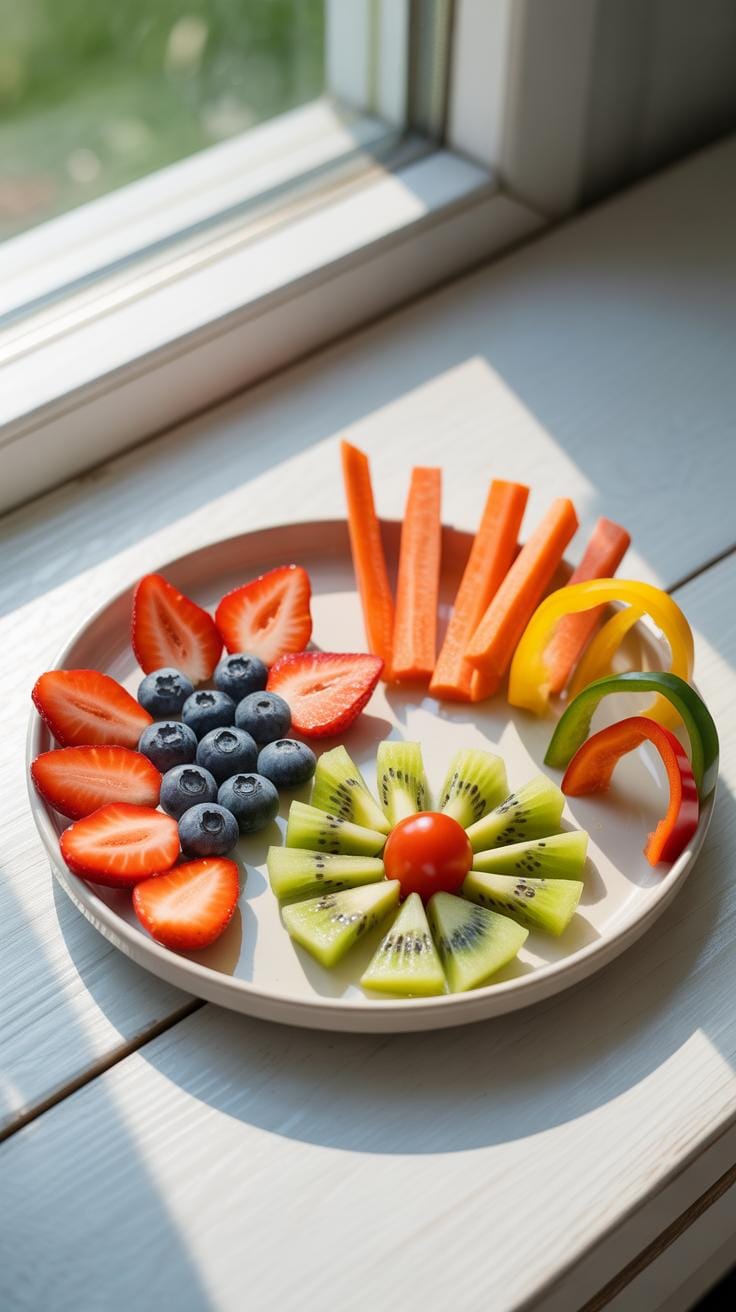
When diving into kids food art, picking the right ingredients matters. Fruits, vegetables, whole grains, and proteins can all be part of this playful approach—provided they’re safe and appealing to little ones. Brightly colored fruits like strawberries, blueberries, and kiwi catch the eye while packing antioxidants. Vegetables such as cherry tomatoes, carrot sticks, and bell peppers offer crunch and vivid hues that stick in memory.
Think about whole grains in creative forms—perhaps crisp mini rice cakes or whole grain crackers shaped with cookie cutters. They add texture without being bland. Proteins are crucial, too. Cheese cubes, boiled eggs sliced into fun shapes, and lean meats like turkey strips can be arranged into faces or animals, making the plate lively and nutritious.
Keep in mind food safety; some children may have allergies, so introducing one ingredient at a time might be prudent. And it’s not only about nutrition—engagement plays a key role. Let kids help assemble their edible art. It might make them more excited to eat what they’ve created, which is half the battle sometimes.
Planning Balanced Fun Meals
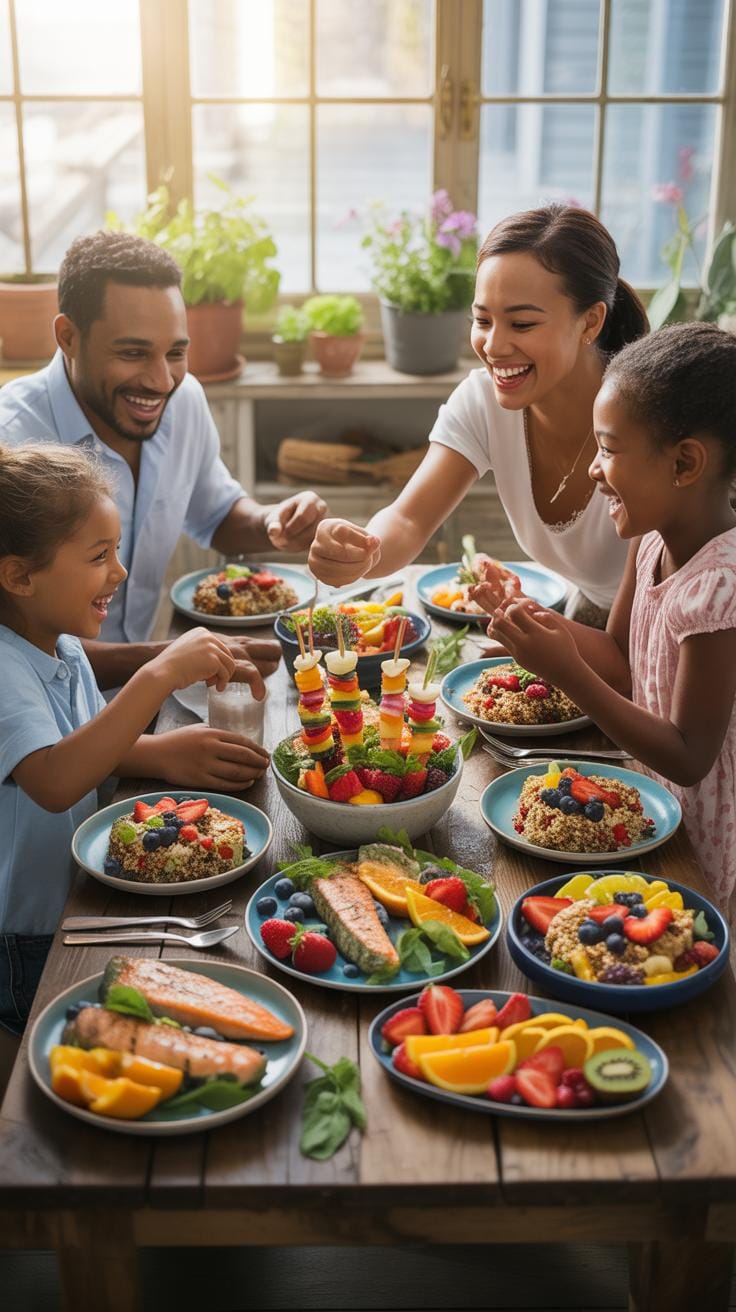
Organizing meals that mix fun food art with balanced nutrition can feel tricky, but it’s really just about balance and creativity. You want to keep the plate colorful and inviting while making sure your child gets enough carbs, proteins, fats, and vitamins. Sometimes, I find it helpful to think of the plate as a sort of canvas where each food group has its space—not perfectly equal, but enough to contribute to the whole.
For example, carbs like whole grains or starchy veggies can form the base. Then, add a protein element, maybe some grilled chicken or beans shaped into fun forms. Next, include healthy fats—avocado slices or a dollop of hummus can be both tasty and artistically pleasing. Finally, don’t forget a burst of color with fruits and vegetables, arranged in patterns or face shapes.
You might wonder about portion sizes. It’s less about precise measurements and more about variety and interest. Mixing textures—crunchy, creamy—and colors makes meals lively. Plus, getting kids involved in the assembly can boost their excitement to eat. The key is to keep meals visually appealing while maintaining the nutrition diverse and sufficient.
Checklist For Balanced Kids Meals
Here’s a quick food group checklist to guide your meal planning:
- Carbohydrates: Whole grains like quinoa, brown rice, or whole wheat pasta.
- Proteins: Lean meats, eggs, dairy, beans, or lentils, ideally shaped or arranged to catch the eye.
- Fats: Healthy sources such as avocado, nuts in small pieces, or olive oil-based dressings.
- Vitamins & Minerals: A variety of colorful veggies and fruits, aiming for at least two different colors on the plate.
It may sound like a lot to handle at once, but even including two or three of these groups in an interesting way can make a big difference. Serve food that balances these elements and experiment with presentation—maybe a smiley face with veggie strips or a rainbow of fruit dots.
Making Snacks Fun And Nutritious
Snack time can be just as important as meals for nutrient intake and is a great chance for playful food art. Snacks don’t have to be complicated, but size and variety definitely matter.
- Bite-sized fruit kabobs alternating grapes, melon chunks, and berries bring color and convenience.
- Veggie sticks paired with a tasty yogurt or hummus dip add crunch and creaminess.
- Mini sandwich rounds or cheese cubes arranged in shapes invite curiosity.
When my niece was younger, she loved dipping her snack pieces herself—it made the experience more interactive and fun. Using vibrant plates or small cupcake liners can also help make simple snacks feel special. So, snacks that look inviting and are easy to handle help kids appreciate their food and stay nourished throughout the day.
How To Encourage Kids Participation

Getting children involved in making fun food and food art is not just about keeping them busy. It’s about helping them build skills and gain confidence, which in turn can make them more interested in what they eat. You might start by letting them pick some ingredients or helping with simple tasks like washing fruits or spreading toppings. It’s okay to let them get a bit messy—sometimes the mess is part of the fun and learning.
Encouraging kids in the kitchen can lead to improved hand-eye coordination and basic kitchen skills. And yes, it often does boost their confidence—when they see something they created on the plate, they feel proud. Participation can even open the door to trying new foods, something many parents wish for but find challenging.
Try these ways to get your kids involved:
- Ask them to measure ingredients—they love using spoons and cups.
- Let them assemble their own food art, like a colorful fruit face or a sandwich with a smile.
- Turn cooking into a small experiment—what happens if we add extra strawberries? Does it change the taste or look?
Remember, the goal isn’t perfect food presentation but shared experience and growth.
Simple Food Art Projects For Kids
Kids can do some pretty neat things with everyday food. Fruit faces are easy and fun: use banana slices for eyes, a cherry for a nose, and a curved apple slice for a mouth. It takes just a few minutes and very little prep.
Another idea is sandwich decorating. Start with a simple sandwich and provide colorful veggies, cheese, or even edible flowers. Kids can then create patterns or shapes right on their sandwich. You could guide them through:
- Choose the sandwich base.
- Pick toppings by color or shape.
- Create a simple design—like stripes, dots, or a smiley face.
- Enjoy eating your creation!
These projects are safe, quick, and give kids a hands-on sense of creativity.
Questions To Ask Your Child About Food
Getting kids to think about food in new ways can start with simple questions. Try asking:
- “What colors would you like on your plate today?”
- “If your food could be any shape, what would it be?”
- “What do you think happens when we mix these two flavors?”
- “Can you think of a funny face we could make with these veggies?”
These questions invite imagination and make the food experience more interactive. Sometimes, you’ll get unexpected answers that lead to more fun or new ideas for meals. It also shows your child that their opinions and creativity matter, which can keep them curious and involved.
Comparing Fun Food Vs Regular Meals
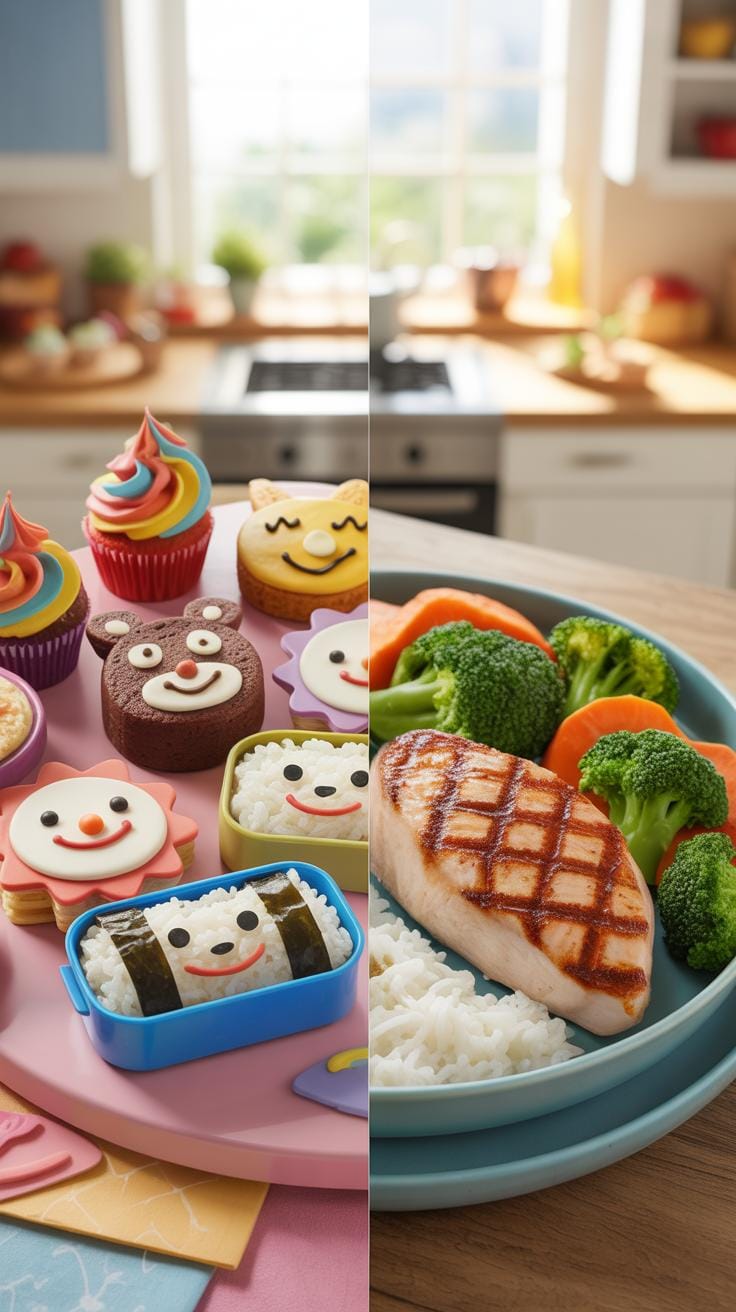
When you look at a typical plain meal—a sandwich, a plate of steamed veggies, or a bowl of cereal—it’s often just… food. Functional, yes, but not particularly inspiring for a child. Now, sprinkle in some fun food art: shaped sandwiches, faces made from fruits, or colorful arrangements. Suddenly, the meal becomes a story or a plaything. Kids’ attention shifts. They don’t just eat; they explore.
Research shows kids are more likely to try new foods when they look visually appealing or playful. For example, a study published in Appetite found children presented with food art were more willing to taste vegetables they’d previously rejected. It seems the visual cue lowers resistance, making unfamiliar foods less intimidating.
Fun food taps into kids’ creativity, but regular meals? Often just routine. And let’s be honest, not every child or parent wants to spend extra time crafting fancy plates every day. Yet, the mild effort can lead to noticeable changes in enthusiasm at mealtimes.
Impact On Kids Eating Habits
Fun food influences willingness to experiment. Children tend to become more adventurous when the food looks inviting or funny. Healthy habits might seem forced with plain meals, but when food is a game, kids often eat enough servings of fruits or veggies without protest. It’s interesting to wonder if this shapes lifelong preferences or just short bursts of excitement.
Compare that to standard meals where boredom can make kids picky or distracted. The novelty of fun food might wear off if overused, though, so balance is key. Still, the occasional creative meal can nudge kids toward better eating patterns, broadening their palates without pressure.
Examples Of Kids Responding To Food Art
There are many anecdotes where food art wins over plain servings. Think of a child hesitant to eat broccoli suddenly excited by ‘broccoli trees’ on a plate. Or a picky eater delighting in a ‘monster face’ made from colorful veggies. One parent noted their child finished an entire rainbow fruit salad when it was arranged as a smiley face—something the same child refused when it was just a bowl of mixed fruits.
Even simple acts like cutting sandwiches into stars or arranging pancakes like animals make a difference. The child’s engagement rises, making the meal less of a chore and more of an adventure. These little moments hint that food art can bring an emotional connection to eating, often lacking in regular meals.
Tips To Maintain Food Safety
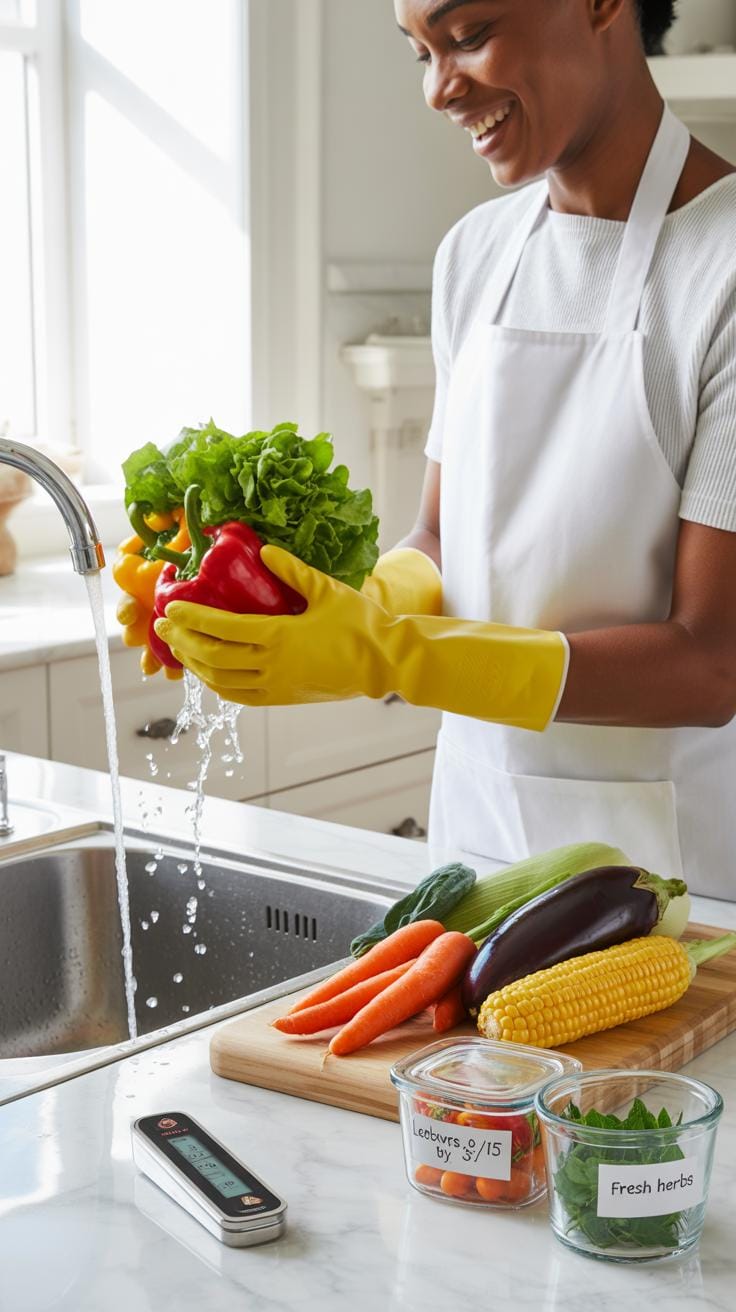
When crafting fun kids food art, the mess and play often take center stage. But, it’s worth remembering the basics of food safety. A quick wash of hands before starting is crucial. You might think, “My hands look clean,” but germs can linger unseen. So, do this anyway.
Handle all foods gently yet thoroughly. For example, wash fruits and veggies under running water to remove dirt and potential bacteria. Avoid soaps or any harsh chemicals, as they’re not meant for consumption. It’s simple, but skipping this can lead to stomach upsets or worse.
Allergens demand extra attention. Nuts, dairy, gluten, eggs — many kids have sensitivities or allergies. When making food art, double-check labels and ingredients. Sometimes, swapping common allergens for alternatives like oat milk instead of dairy or sunflower seeds instead of nuts can keep the fun without risking safety.
Keep surfaces clean, too. Cutting boards, knives, and plates should be washed thoroughly between uses, especially if switching between raw and cooked ingredients. This extra step might feel tedious, but it can prevent cross-contamination and keep your little ones safe.
Finally, keep perishables chilled. Foods like cheese or meats shouldn’t be left out for too long during the creative process. If you notice anything odd—smell or texture changes—trust your instincts and discard it rather than risk illness.
Seasonal Fun Food Ideas
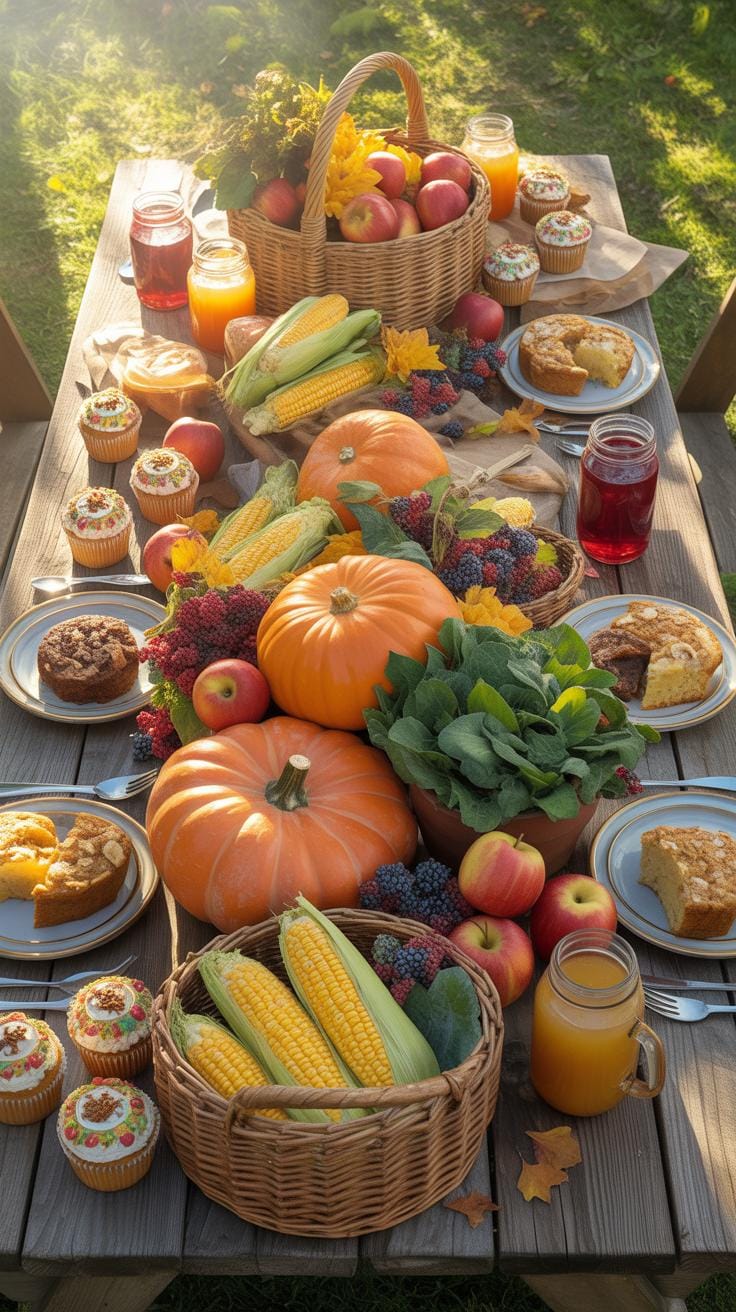
Using seasonal ingredients to create fun food art for kids can make a big difference. Foods picked in their season tend to taste better—they’re fresher and sometimes sweeter, which makes the food art more appealing. Plus, seasonal foods can be more affordable. This means you might actually feel encouraged to experiment more with shapes and colors without the cost piling up. Seasonal eating is often better for nutrition too, since fruits and vegetables picked at their peak retain more vitamins than those stored for long periods or shipped from far away.
Have you ever noticed how using vibrant, just-ripe strawberries or crisp cucumbers can brighten up a fruit or veggie platter? It seems like kids are more intrigued by that freshness. When you combine that with fun shapes or faces, you create not just a meal but an experience.
Spring And Summer Food Art Themes
Spring and summer offer a bounty of fresh fruits and vegetables that lend themselves well to playful food art. Think about strawberries, cherries, blueberries, cucumbers, radishes, and bell peppers. These can be cut or arranged to create flowers, bugs, or little animals. Oranges and melons also add bright, juicy pops of color. It’s probably a good idea to involve kids in picking some of these fruits if possible; it adds a layer of connection to their food.
One day, I tried cutting watermelon into star shapes alongside some cucumber slices arranged like leaves. It was simple but enough to spark my niece’s curiosity—and she ended up trying a bite of cucumber, which she normally avoids.
Fall And Winter Fun Food Options
During colder months, root vegetables like carrots, sweet potatoes, and beets become the stars. These are terrific because they have rich colors like deep orange or purple, which are perfect for creating warm, earthy-themed displays. Berries such as cranberries or persimmons can add a seasonal touch and a bit of tartness to balance sweeter sides.
For instance, making a small “pumpkin patch” scene from baby carrots and tinted cream cheese was something I found both fun and a little challenging, but worth the effort. Kids seemed to respond well to the tactile element—the feel of the veggies versus the softness of the cheese. So maybe, when it’s cold out, playing with textures in food art is an extra win.
Overcoming Challenges With Kids Food
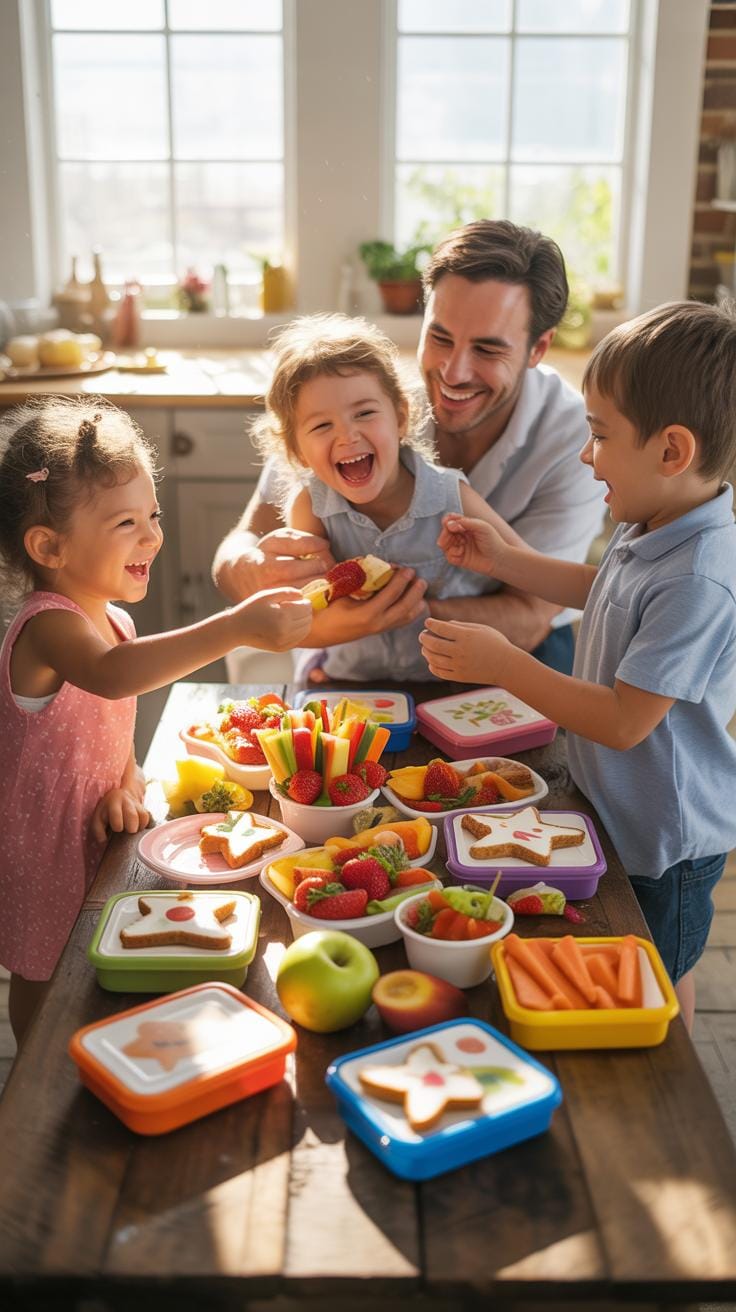
Getting creative with kids’ food isn’t always smooth sailing. Parents often face two big hurdles: picky eating and limited time. Picky eaters can turn mealtime into a battle zone, refusing even the most visually appealing dishes. Then there’s the clock—busy schedules make elaborate food art feel like a luxury rather than a doable task.
Handling Picky Eaters With Food Art
Food art can be an effective nudge for fussy eaters to explore new tastes. It’s not just about making food look cute; it’s about involving your child in the process. When kids pick out shapes or help create faces on their plates, they’re more curious to try what they made. Sometimes, a familiar shape or character outweighs initial reluctance.
Try presenting new veggies as parts of a funny face or an animal. If a child rejects something once, don’t give up—offer it again later with a small twist. Patience plays a crucial role here.
Making Time For Fun Food Preparation
Time constraints don’t have to squash fun. Keep food art simple. Use cookie cutters for shapes or arrange colorful fruits and veggies in patterns. Even minimal effort—like stirring in some colorful toppings or mixing ingredients in layers—can spark excitement.
Batch prep on weekends or combine art with meal prep by inviting kids to participate. This doubles as quality time and cuts down on future hassle. Quick doesn’t mean dull; it just means smart choices and a bit of creativity.
Resources For Food Art Inspiration
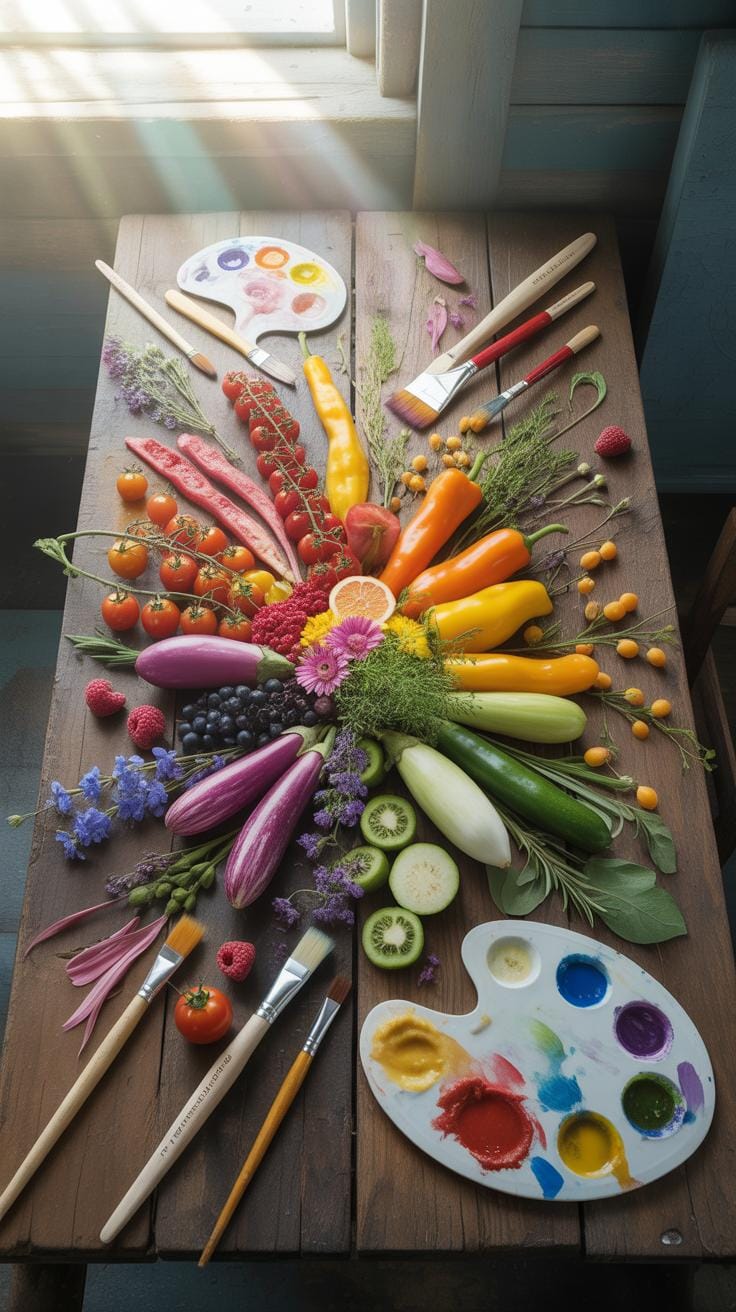
Finding fresh ideas for kids food art can feel a bit overwhelming sometimes, but luckily, there are quite a few helpful resources out there. Books especially can be great starting points. I remember flipping through some well-illustrated cookbooks aimed at families that offer simple step-by-step tutorials on creating food shapes and playful meals for kids. Websites are another solid option, providing a treasure trove of recipe ideas and visual guides—perfect for when you need a quick dose of inspiration or unique twists on typical snacks.
If you turn to social media, you’ll find an active and creative community of parents and food enthusiasts sharing their fun food projects. Platforms like Instagram and Pinterest are particularly popular for discovering colorful food creations, while TikTok offers quick videos that show clever techniques and time-saving tips for making food art more approachable at home. Following certain accounts can turn meal prep from a chore into something you actually look forward to experimenting with.
When exploring these resources, it’s helpful to consider what suits your child’s tastes and your kitchen setup. And don’t feel pressured to copy everything exactly; adapting ideas to fit your family’s preferences often leads to the most enjoyable and sustainable fun. What caught your eye recently? Maybe try recreating a simple fruit animal or a character sandwich—small steps that can spark bigger creative adventures with food.
Conclusions
Fun kids food and food art combine creativity with nutrition, helping children develop positive eating habits. By making food playful and visually attractive, parents can encourage kids to explore diverse, healthy options.
Incorporating food art into daily meals requires simple tools and ideas anyone can use. With practice, you can bring more fun and balance to your child’s diet, making mealtime a joyful, healthy experience.