
Introduction
Frugal meal planning can help you save money and eat healthier by making thoughtful food choices. But many people make mistakes that reduce the benefits they expect. Avoiding these errors can lead to better health and more savings.
This article focuses on common frugal meal planning mistakes. You will learn how to plan meals that support your health and budget. We will cover what to watch out for and how to improve your approach.
Recognize Planning Pitfalls
Frugal meal planning seems simple at first—buy less, spend less, eat well. Yet, many stumble over common mistakes that quietly undo your best efforts. One of the biggest problems is poor planning itself. It sounds obvious, but skipping a clear plan leaves you scrambling. You might grab whatever’s cheap without thinking about how meals fit together or whether you’ll actually enjoy them.

Ignoring your nutrition needs is another trap. It’s easy to focus only on price tags and forget that real food needs variety: proteins, vegetables, essential nutrients. I’ve seen people load up on cheap carbs and skip the rest, ending up with meals that save money but don’t fuel the body properly. That can wear you down, even if the budget looks balanced.
Then there’s the issue of meal variety. Eating the same few dishes back-to-back may seem like a time-saver, but it can quickly get boring. You might find yourself losing motivation—or worse, sneaking off to buy something less frugal just for a change. Including a range of flavors and ingredients keeps the process interesting and more sustainable.
So, if you’re thinking about your next shopping list, ask yourself: Am I really covering my body’s needs? Have I planned enough variety? If not, it’s worth tweaking the plan before frustration takes over.
Measure Your Food Costs
Keeping close tabs on what you spend on food is, I think, the only way to really stick to a frugal meal plan. It’s easy to say “I’ll save money by cooking at home,” but without tracking, you might miss where your budget leaks out. Maybe you grab a few convenience items thinking they’re small additions, or snacks that add up faster than you realize.
Try keeping a simple spending log. A notebook or a phone note app works fine. Just jot down your grocery totals, any meals out, or even snacks. Checking this once a week can surprise you. You might find you’re spending more on ready-to-eat meals that seem like time-savers but cost way more than raw ingredients.
A few common traps worth watching for:
- Buying single portions or pre-cut veggies, which often costs more
- Snack foods that you don’t really need but keep buying “just in case”
- Impulse buys at the checkout—those little extras can pile up quickly
Tracking costs like this usually encourages you to plan better. For example, if you notice chips and soda eating into your budget, you might rethink those weekend snacks. Or, if convenience foods are your go-to, you might start prepping larger batches of meals to freeze and use later. It’s about catching those small cost leaks before they flood your budget. Do you really need that pre-packaged salad when a bit of effort makes a big difference in cost?
Set Realistic Meal Goals
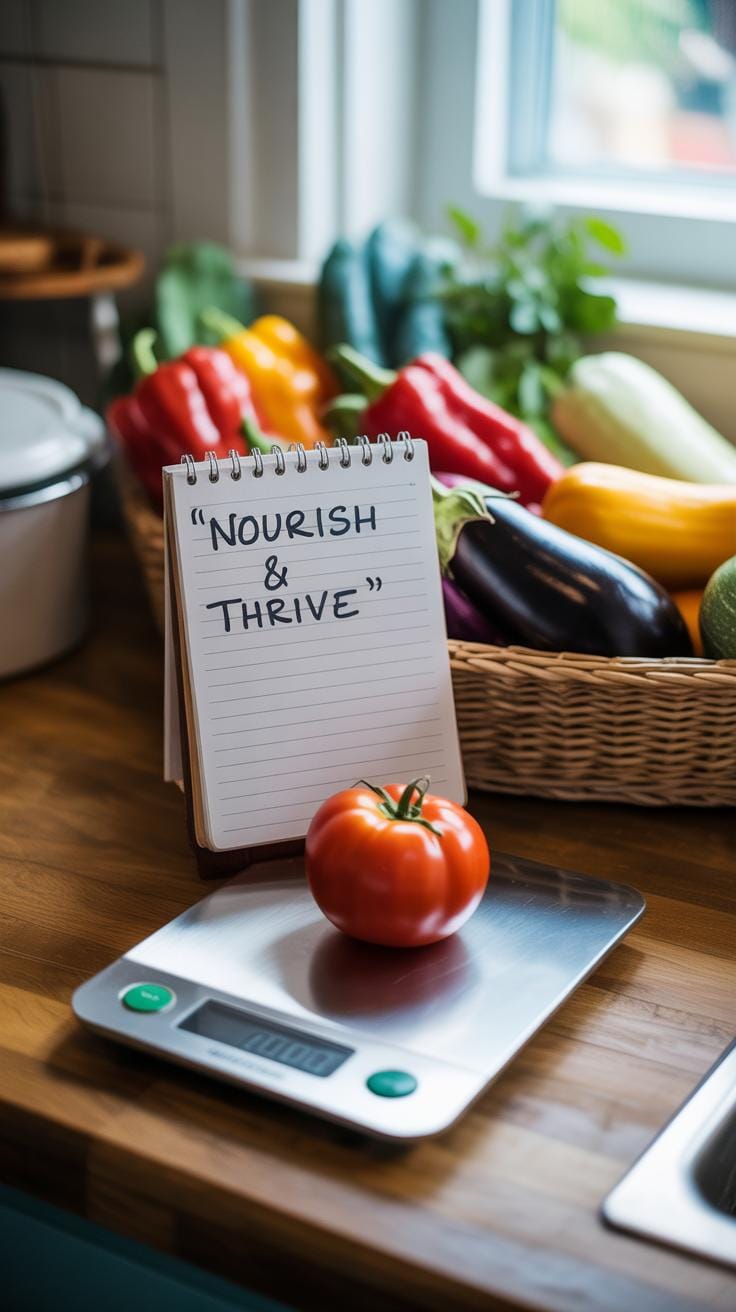
When it comes to meal planning, setting clear and achievable goals makes a difference—maybe more than you expect. If you aim too high, like deciding you’ll cook perfectly balanced meals every day while saving a ton, it’s easy to get discouraged fast. On the other hand, vague plans don’t guide you anywhere. Try to define what you want in practical terms: maybe it’s eating three home-cooked dinners weekly or cutting grocery spending by 15%. Little steps tend to stick better.
Balancing nutrition and budget means thinking about value beyond price tags. Foods that seem cheap might fall short nutritionally or spoil before you use them, wasting money in the end. Choosing items that offer both calories and nutrients, like beans or frozen vegetables, helps you feel better and stretches your dollars. Sometimes spending a bit more on quality staples prevents overeating or cravings that cost extra later.
Simplicity in meal prep saves time and headaches. Complex recipes can slow you down and tempt you to order out, undoing your savings. Instead, plan meals with just a few ingredients, preparing things in bulk when possible. Think roasted chicken with roasted veggies or rice and beans—meals that take less than 30 minutes but fill you up. Keeping it easy reduces stress on busy days and keeps you in control of both nutrition and costs.
Shop Smart for Ingredients

Buying the right ingredients can really make or break your frugal meal plan. One of the smartest moves is to focus on seasonal produce. When fruits and vegetables are in season, they’re generally cheaper and fresher—sometimes even tastier. For example, buying tomatoes in summer instead of winter can save you a good chunk of money, and your meals might actually benefit from that fresher flavor. It’s not just about price; seasonal eating nudges you toward variety naturally, which can be healthier too.
Bulk buying is another approach worth trying, but it’s not always intuitive. You want to pick items that keep well—think dry beans, rice, oats, or frozen veggies. I once bought way too much bulk meat without realizing how quickly it could spoil if not frozen properly. So, use your freezer, and maybe get smaller containers to portion out bulk buys. It’s a bit more prep upfront, but over time it saves both cash and trips to the store.
Buy Seasonal and Bulk
Here’s why they matter together:
- Seasonal produce usually costs less and isn’t shipped far, so fresher with fewer preservatives.
- Buying in bulk lowers the per-unit price but needs proper storage to avoid waste.
- Bulk goods can help plan meals around pantry staples, giving your menu some stability without overspending.
Sometimes bulk isn’t the bargain if you end up tossing half because you forgot about it. So, even if a deal looks good, think twice about what you can actually use.
Use Coupons and Sales
Coupons aren’t just for gimmicks. When used thoughtfully, they chip away at your bill—one small edge after another. Bookmark or download apps that alert you to digital coupons for the products you often buy. Keeping an eye on weekly flyers or store apps lets you time your shopping around sales, especially for pricier items like meat or dairy.
But here’s the catch: don’t buy something you don’t need just because it’s on sale or you have a coupon. That’s where I sometimes stumble. It’s tempting to grab a discounted snack that doesn’t fit the plan, and then the savings vanish.
Instead, combine careful meal planning with your coupon hunt; know what’s on your list, then see if there’s a deal to match. Over time, you might notice which stores or brands offer the best discounts reliably, so you can lean on those spots more often.
Prepare Meals Efficiently
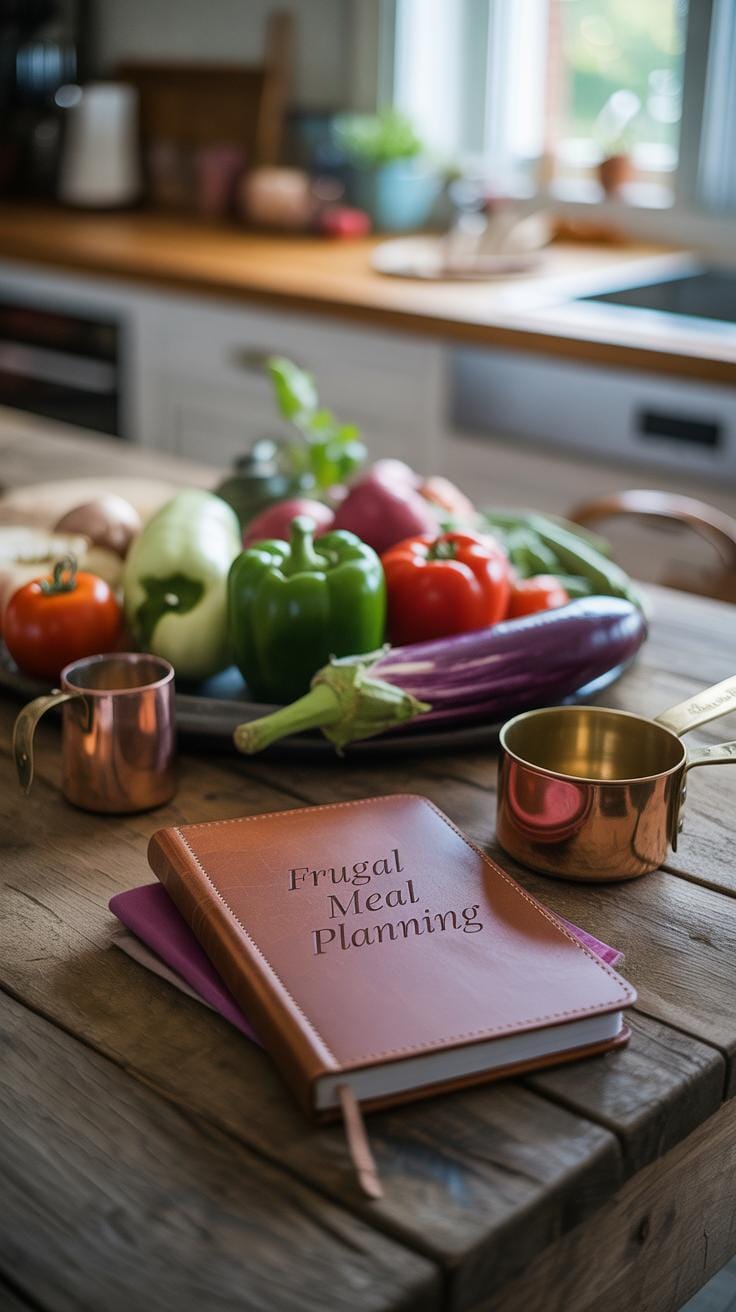
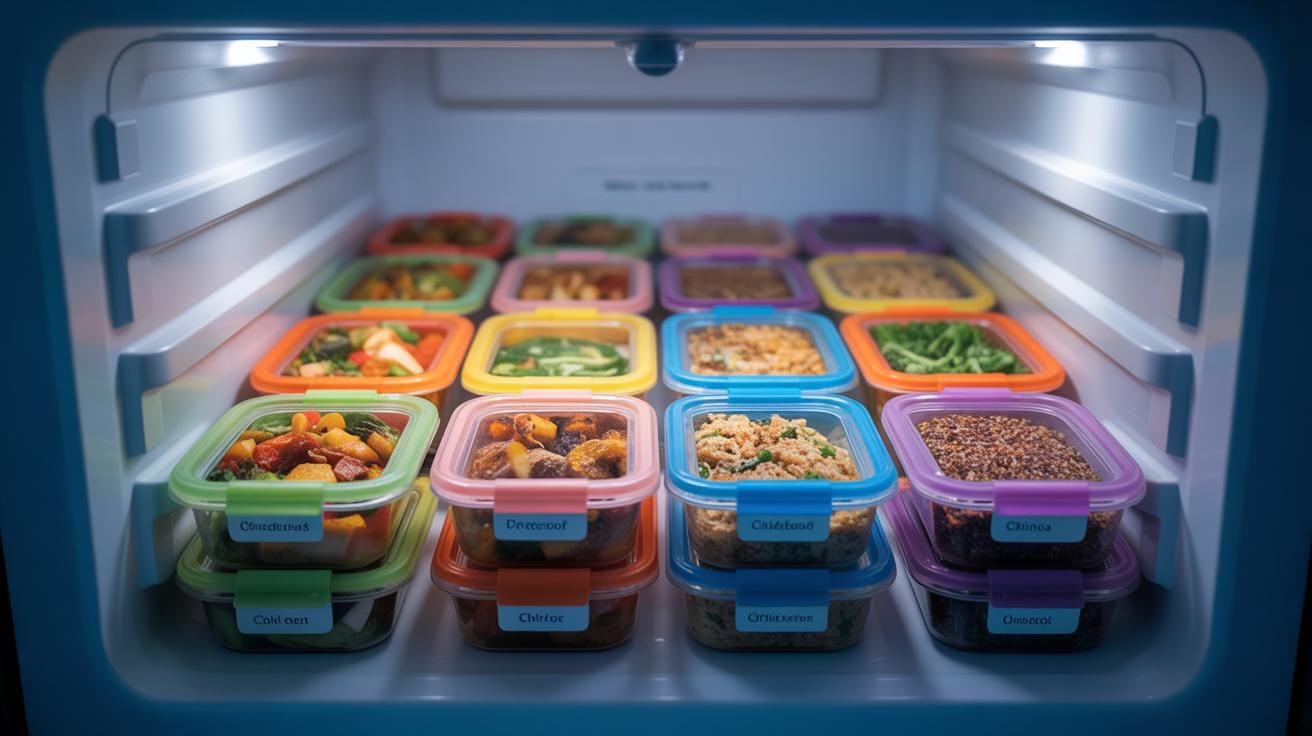
Cooking in bulk can feel like a chore at times, but it often ends up saving both time and money. When you batch cook, you’re not only preparing food for multiple meals but also avoiding the hassle of daily cooking. Start by picking recipes that freeze well—like soups, stews, casseroles, or even cooked grains and beans. Make sure you cool leftovers quickly after cooking to keep them fresh longer.
Freezing meals in portion-sized containers lets you thaw only what you need, which helps prevent waste. I’ve found that labeling each package with the date and contents is a small step that makes a big difference later on. You might be tempted to freeze everything at once, but think about how your schedule looks—sometimes, a few smaller meals ready to go offer more flexibility.
Portion control ties into meal prep more than you might expect. Overfilling plates can lead to leftovers that sit untouched or get tossed. Measuring servings or using standard-sized containers when packing meals helps keep portions consistent and waste low. It’s a bit of an adjustment at first, but you might even notice it helps you eat better, not just save food.
Maybe you’ve had times when you prepared plenty of food, but despite your best plans, some ends up forgotten in the back of the fridge. To avoid this, consider a rotation system—consume older dishes before newer batches. Keeping a simple list of what’s in your freezer could be more useful than you think. It’s a small step but useful when your week gets busy and decisions become rushed.
Analyze Examples of Success
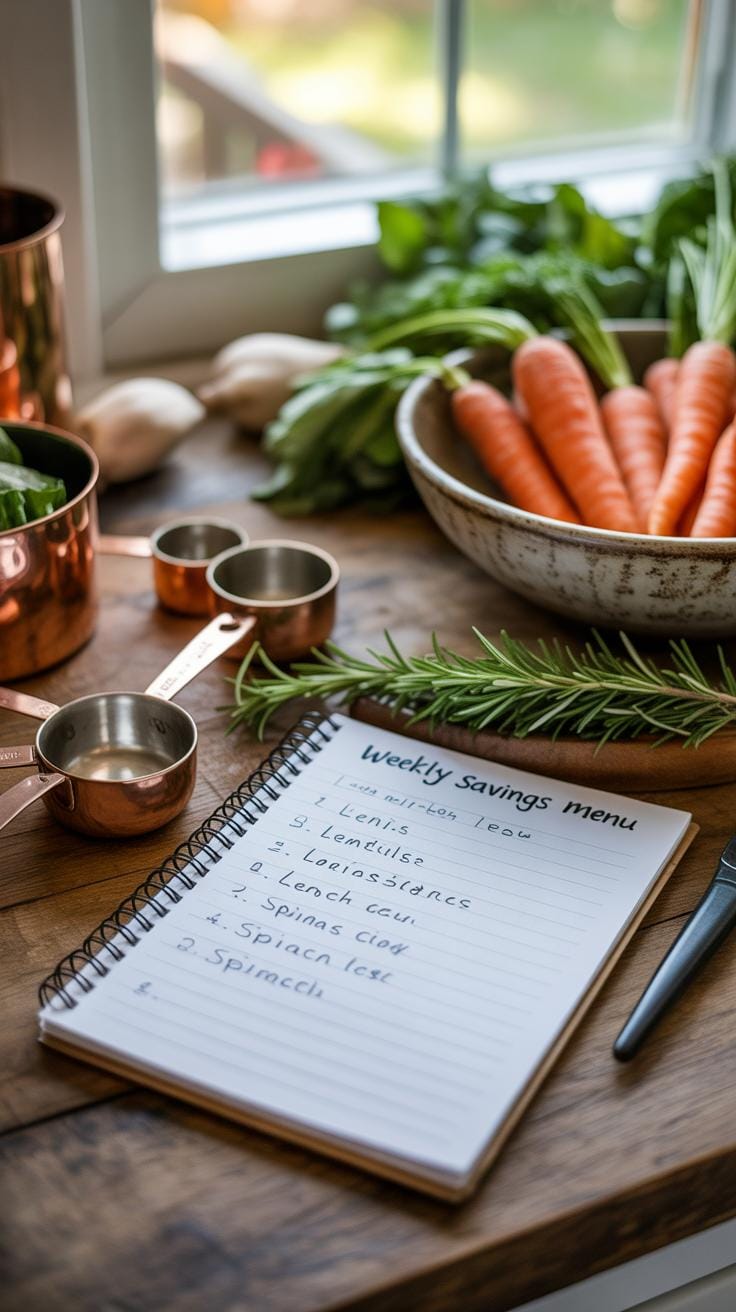
Case Study Budget Meal Plan
Take, for instance, a family of four aiming to spend no more than $70 per week on groceries. Their meal plan included:
- Breakfast: Oatmeal with fruit (costing around $0.40 per serving, carbs and fiber-rich)
- Lunch: Lentil and vegetable soup ($1.20 per serving, protein and vitamins)
- Dinner: Stir-fried chicken, rice, and frozen mixed vegetables ($2.50 per serving, balanced macros)
- Snacks: Homemade popcorn and seasonal fruit ($0.50 per serving, low fat)
The grocery list primarily consisted of bulk grains, seasonal produce, and affordable protein sources like lentils, chicken thighs, and eggs. Nutritionally, the plan covered key vitamin groups and kept sodium and sugar in check. This example shows you don’t need fancy or expensive ingredients to eat well or feel satisfied.
Lessons Learned
One big lesson is that planning around versatile basics helps a lot. When you commit to a few staple foods, it’s easier to fill in gaps with seasonal or sale items. That’s what makes the plan flexible yet predictable, avoiding impulse buys. Also, preparing meals in advance saves time and reduces waste—sometimes even turning leftovers into new dishes.
Another takeaway: health doesn’t have to be sacrificed for savings. Paying attention to nutrient variety—combining legumes, grains, and vegetables—can keep meals balanced. But I guess some might feel this gets repetitive; maybe rotating recipes helps prevent boredom?
Finally, real success often depends on mindset. One family member mentioned that embracing imperfection in their plan helped them stick with it. They didn’t aim for perfect nutrition every day, just good enough most days. You may find that approach more sustainable, too.
Compare Ready Meals vs Homemade
Cost Breakdown
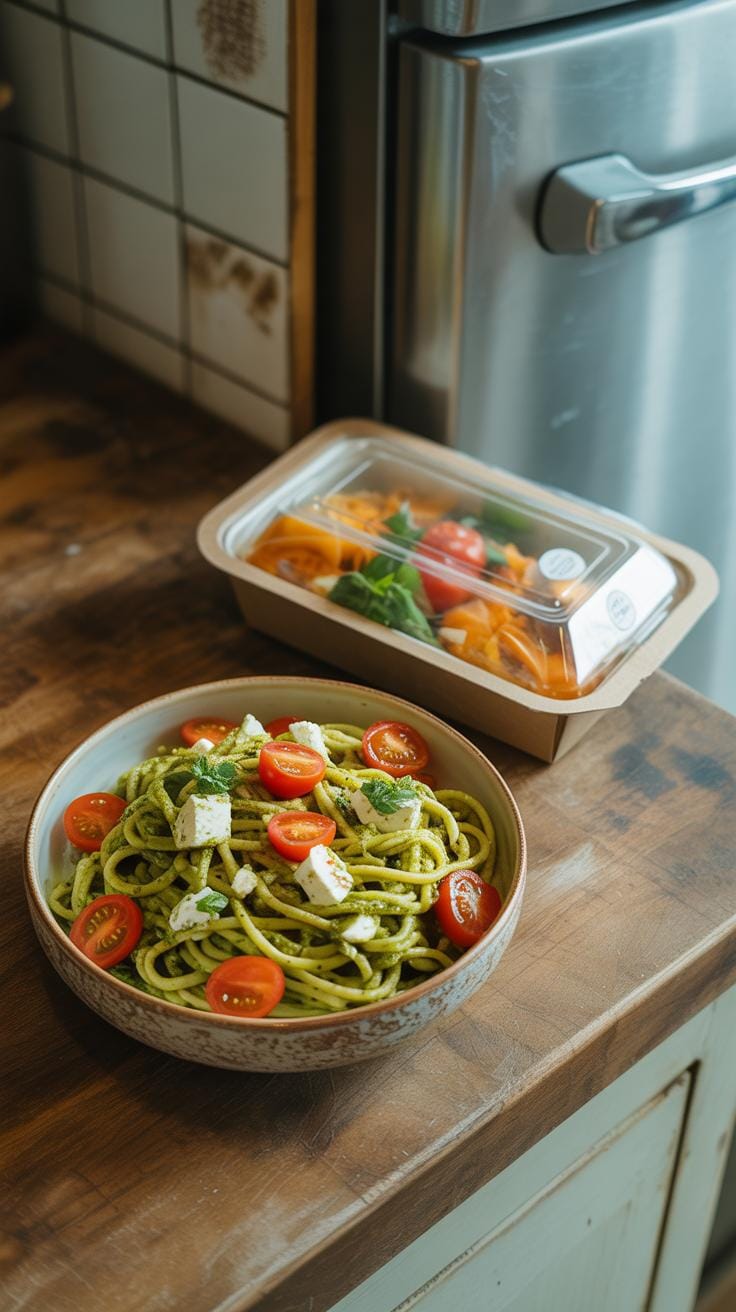
When you look at the price tags on ready meals versus the ingredients for a homemade dinner, the difference often jumps out immediately. A store-bought ready meal might cost anywhere from $5 to $10, depending on the brand and portion size. Meanwhile, making a similar meal at home—say, pasta with sauce and some veggies—can come out closer to $3 or even less if you buy in bulk or on sale.
But it’s not as simple as just comparing labels. Ready meals often come portioned and packaged, so no extra effort or waste is involved. On the other hand, cooking at home means you can stretch ingredients over multiple meals, which reduces the per-serving cost. That means, some upfront investment, but long-term savings.
For example:
- A frozen lasagna meal costs about $7 for one portion.
- Making lasagna at home with basic ingredients costs around $15 but yields 4 servings, roughly $3.75 each.
- Bulk buying pasta and sauce lowers per-meal expenses even more.
Still, you need to factor in things like energy and time. Cooking can sometimes feel costly when your schedule is tight—ready meals offer instant gratification, which does have value.
Health Impact
The nutritional side of ready meals versus homemade dishes is where things get tricky. Ready meals often contain more sodium, preservatives, and saturated fats to prolong shelf life. The nutrition labels usually confirm this, with lower fiber and fewer fresh ingredients.
Take, for instance, a prepackaged curry meal compared to a homemade version. The ready meal may have added sugars, stabilizers, and artificial flavors you wouldn’t add yourself. Over time, consistently eating these can affect blood pressure and other health markers—probably not something you want if you’re aiming to eat healthily for the long haul.
Homemade meals let you control every element: how much oil you use, the freshness of vegetables, and the portion sizes. But it’s worth noting that cooking at home doesn’t always guarantee a health boost. If you order takeout ingredients or rely heavily on processed foods at home, you might end up in a similar spot nutritionally.
What strikes me is how convenience often wins over health, at least in the short term. So, I wonder: can you find a balance where homemade meals are just as convenient and budget-friendly, while still being better for your body? That’s the challenge, isn’t it?
Create a Meal Planning Checklist
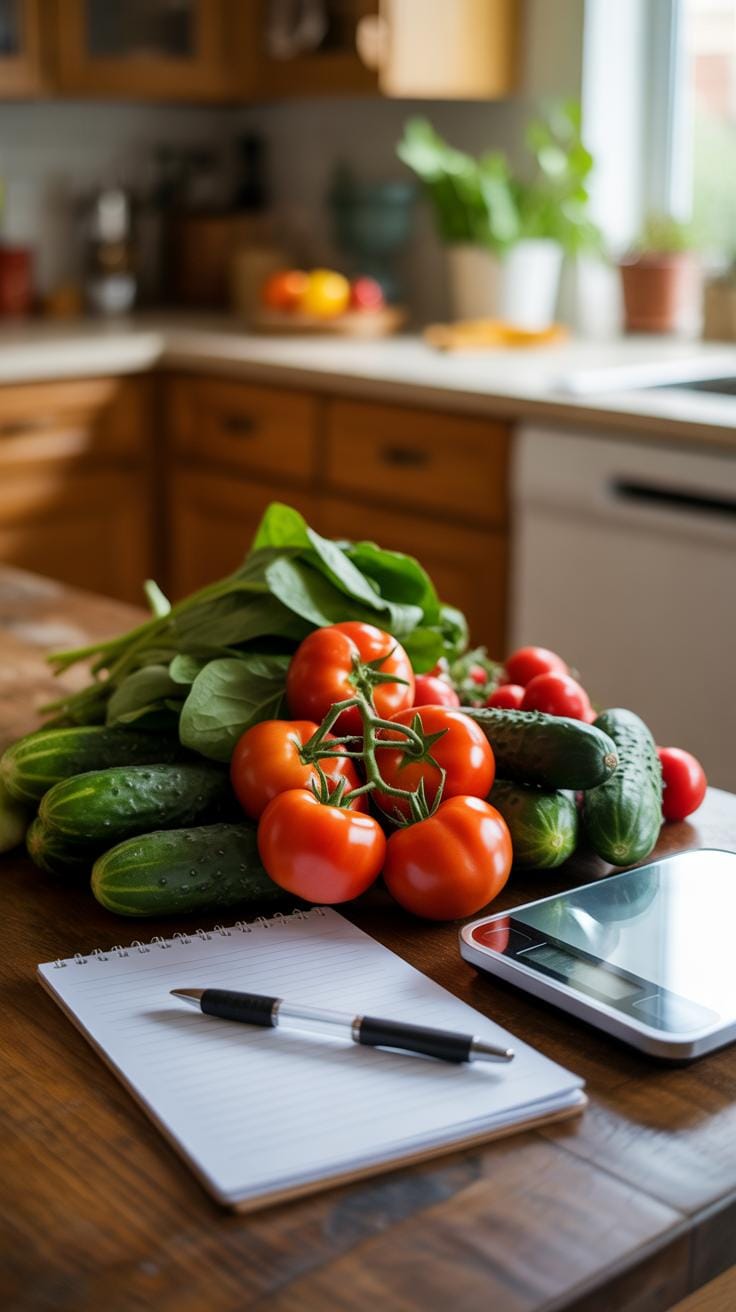
Planning frugal, healthy meals doesn’t have to be complicated, but it helps to have a clear checklist you can follow. Start by taking stock of what you already have in your pantry and fridge. This prevents buying items you don’t need, which often happens if you skip this step.
Next, brainstorm meals focusing on simple ingredients that can serve multiple purposes. For example, cooked rice can become a stir-fry base one night and a rice pudding the next. Think about meals that stretch ingredients across several days.
Then write down a shopping list based on your planned meals. Stick to the list as much as possible. Leaving room for a little flexibility isn’t bad, but wandering aisles usually leads to unnecessary purchases.
Keep your meals balanced but don’t stress about perfection—sometimes a meal might be more cost-effective but less exciting. Ask yourself: Will this meal provide enough nutrition and won’t bust the budget?
Finally, set aside a moment each week to review what worked and what didn’t. Did you waste any food? Were the meals satisfying? Adjust your checklist as you learn more about your routine and preferences. This ongoing review really changes your approach over time, sometimes subtly, sometimes in surprising ways.
Plan Weekly Menus
When designing your weekly menu, start with a rough framework but leave space for small swaps. Picking budget-friendly proteins like beans, eggs, or canned fish helps keep costs down.
Try to pair proteins with seasonal vegetables or affordable staples like potatoes and carrots. Consider your week ahead—busy days might call for quicker meals, while weekends could offer a chance to cook something a little more involved.
Don’t forget, some leftovers can be reinvented. A roast chicken on Monday can become chicken salad on Tuesday. That reuse saves money but also time. And honestly, who loves cooking every single night?
Review and Adjust
Checking your spending and satisfaction habitually is key. Track your grocery expenses, but also note how hungry you felt after meals or if you found yourself snacking unnecessarily.
You might notice certain ingredients don’t get used as much, or some meals just aren’t that appealing, which is a waste of both food and money. Adjust your plan accordingly to avoid repeating those patterns.
Sometimes you’ll find you overspent because you bought a sale item that wasn’t really needed. Other times, you save but end up eating the same thing too often, which gets old fast.
It’s a balancing act, really. The review process isn’t just about numbers; it’s about how you feel about your meals and expenses. Don’t be afraid to tweak your plans, even if it feels like you’re changing course too often. It’s all part of learning what works best for you and your wallet.
Conclusions
Frugal meal planning is a practical way to control costs without sacrificing nutrition. By avoiding mistakes like skipping nutrients or not monitoring spending, you protect your well-being and wallet. Planning with clear goals helps you stick to a balanced diet while saving money.
Use what you learned here to improve your meal planning. Track your expenses, choose nutritious foods, and plan effectively. These steps will build a healthier, financially sound routine that works for you over time.