
Introduction
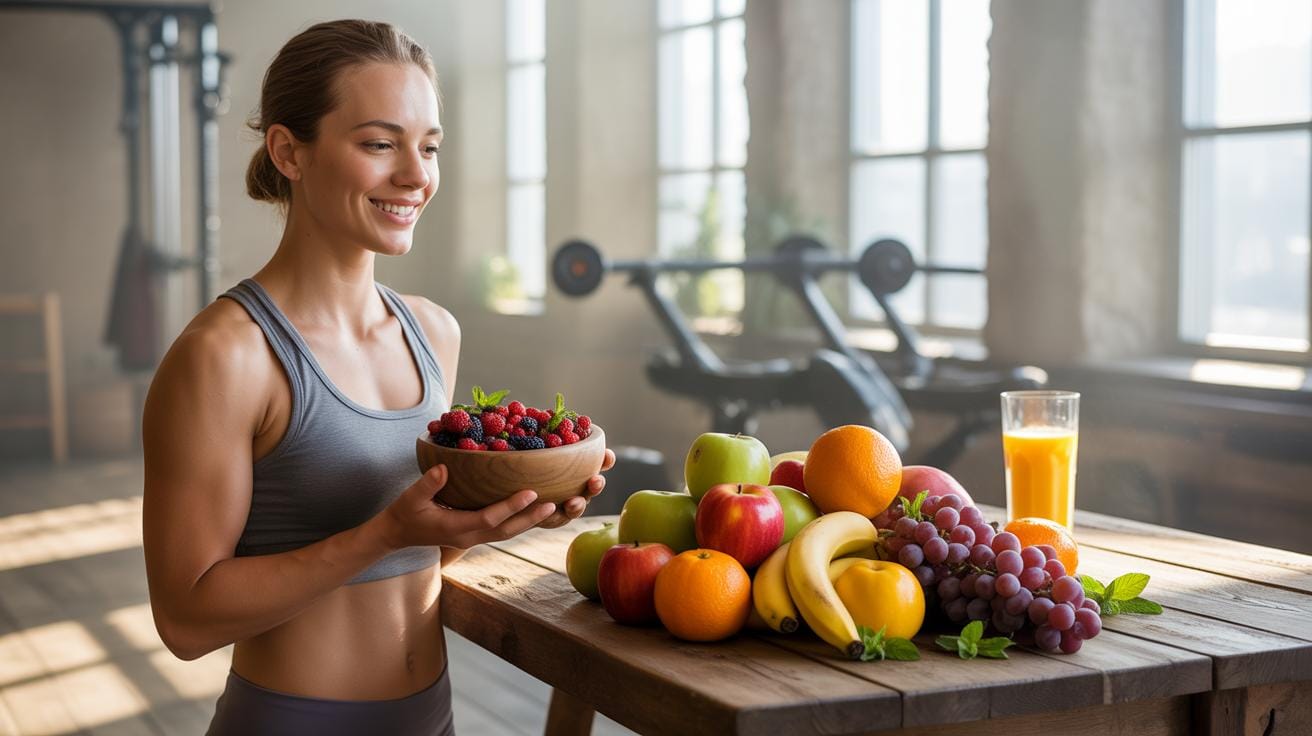
Fresh fruit offers many benefits for your health, food choices, and fitness routines. Eating fresh fruit provides natural vitamins, minerals, and fiber essential for your body. Making fruit a regular part of your diet can help you stay active and strong.
You will learn about the nutrients in fresh fruit and why they matter. We will explore ways fresh fruit supports a healthy lifestyle and how it fits into your meals and fitness plans. This article gives you practical tips to add fruit to your daily routine for better health.
Fresh Fruit Nutritional Value

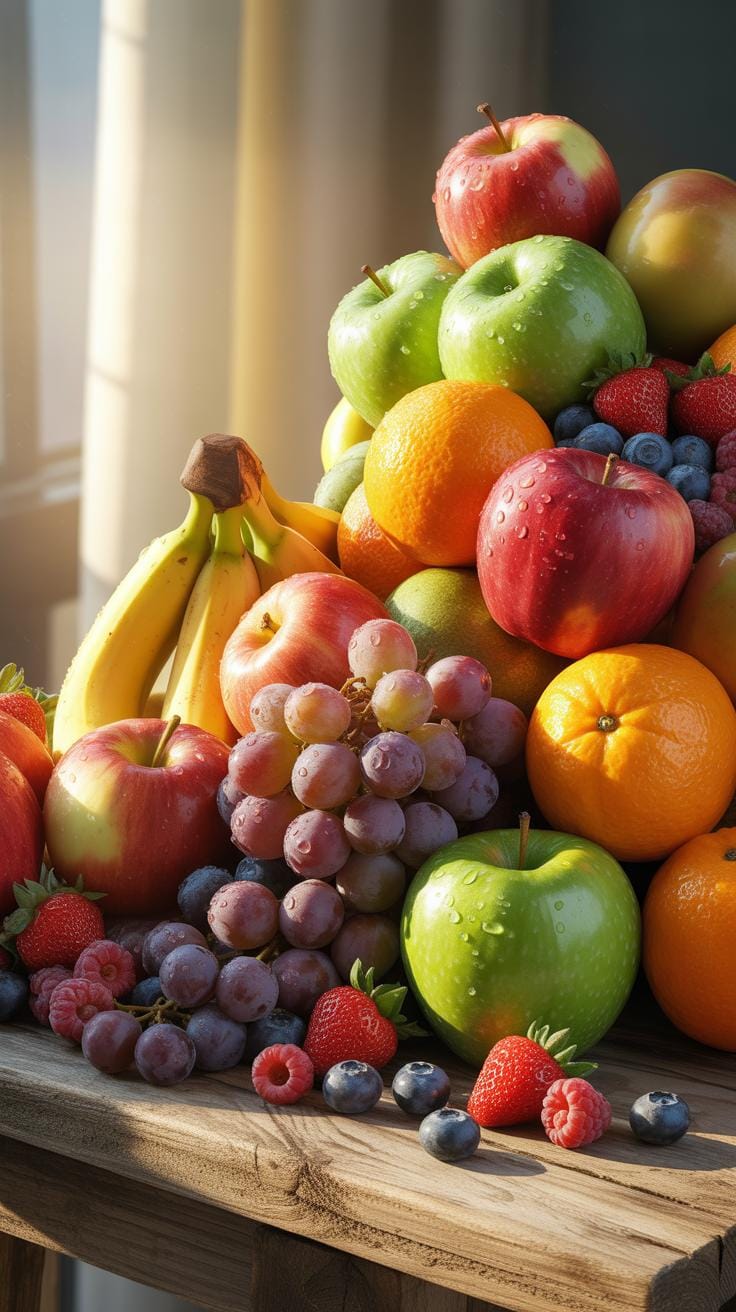
You might already know fresh fruits taste great, but their real value lies in the nutrients packed inside. At a glance, fresh fruit offers a range of vitamins, minerals, fiber, and antioxidants—which might sound a bit technical but really just means they help keep your body running smoothly.
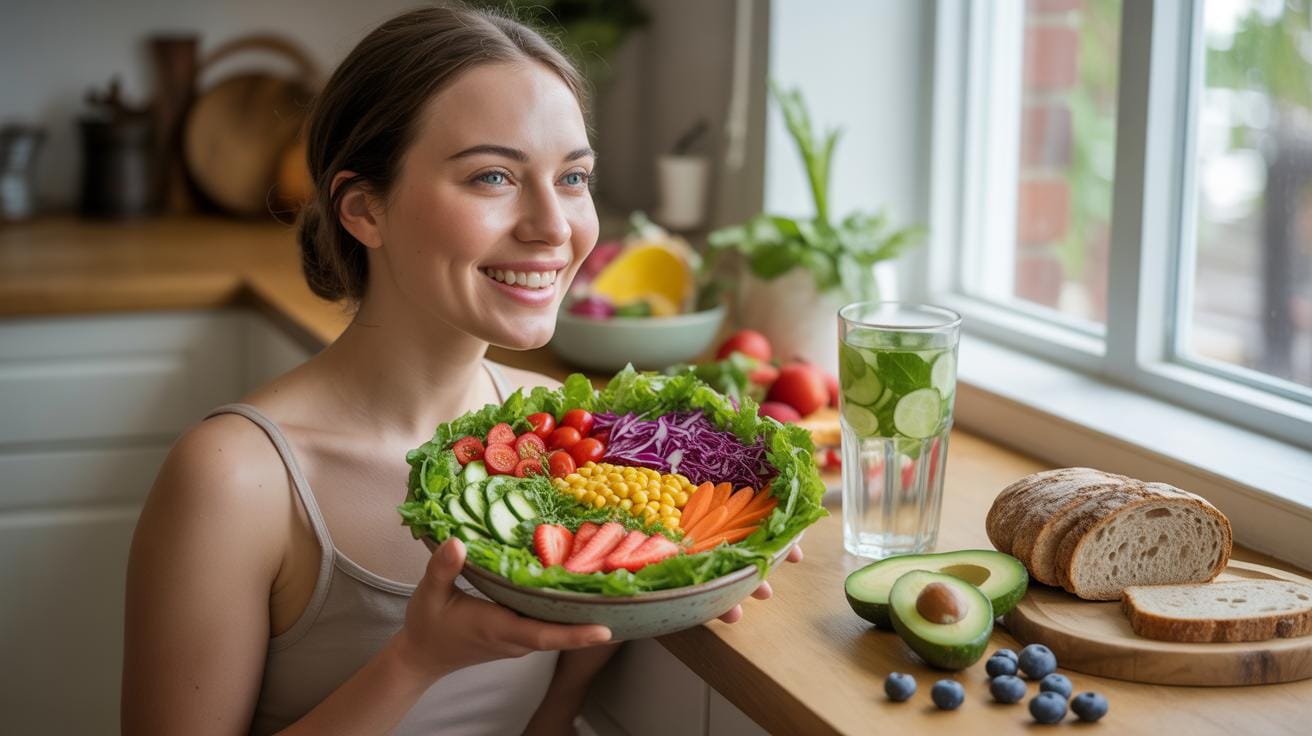
Take vitamins, for instance. Vitamin C is a standout, present in many fruits such as oranges, kiwi, and strawberries. It plays a big role in healing wounds, boosting your immune system, and helping your body absorb iron from food. Then there’s potassium, which helps regulate your heart rhythm and muscle function. You’ll find this mineral abundantly in bananas and melons.
Don’t forget fiber, which you get from fruits like apples and pears. Fiber is crucial for digestion—it helps keep things moving through your gut and can even lower cholesterol levels. Antioxidants, found in berries and grapes, protect your cells from damage. Though science is still exploring just how far those benefits reach, they’re thought to aid in reducing risks of some chronic diseases.
Thinking about it, these nutrients aren’t just random; they work together to support immunity, energy production, and overall health. Maybe next time, you’ll snack on an apple or a handful of berries and feel a bit better knowing what goes on beneath the surface.
How Does Fresh Fruit Aid Fitness
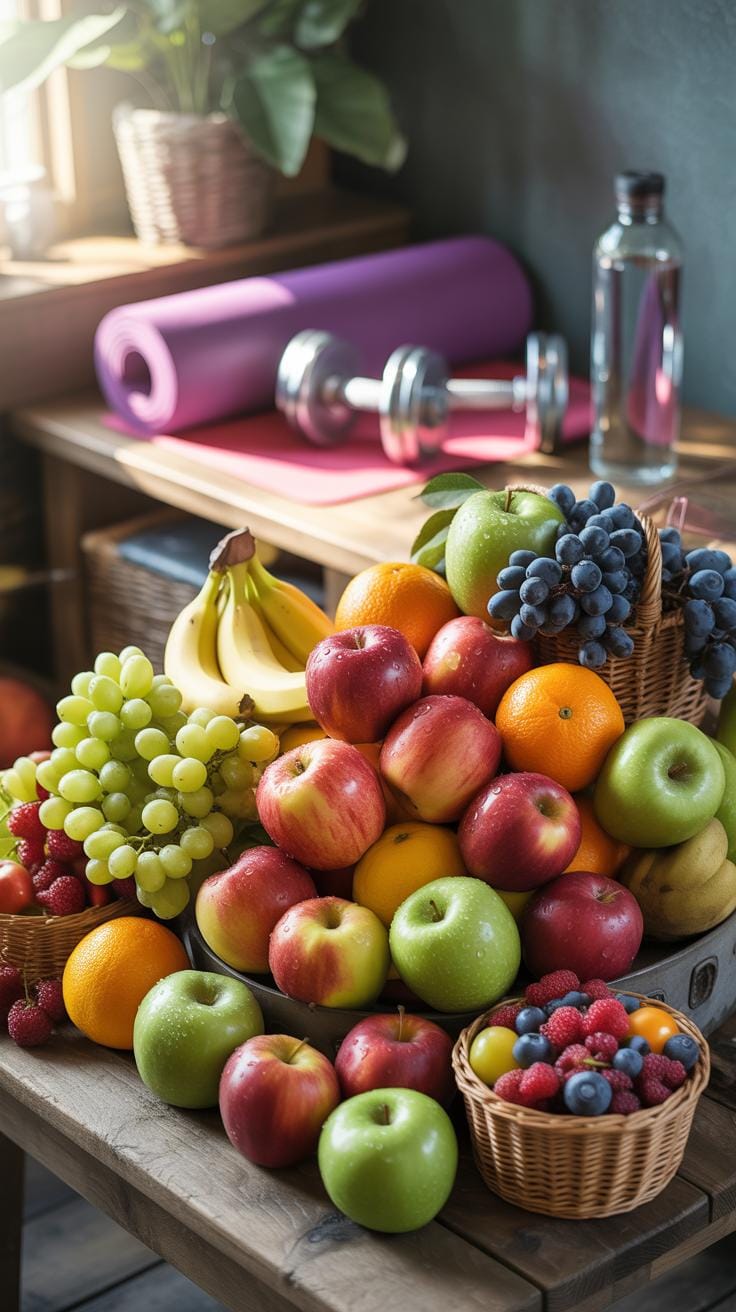
Eating fresh fruit can really support your fitness goals in several ways that go beyond just basic nutrition. One big factor is the energy boost you get from the natural sugars in fruit, like fructose and glucose. These sugars are quickly absorbed into the bloodstream, giving you a fast source of energy useful for both exercise and staying active throughout your day. It’s a kind of quick fuel that your muscles and brain can rely on without the heaviness or crash you might get from processed snacks.
Fresh fruit also helps with hydration. Many fruits, such as watermelon and oranges, contain a high percentage of water. This means when you eat them, you’re also replenishing fluids lost during physical activity. Staying hydrated is crucial because it affects everything from your endurance to how well your muscles recover after a workout. Hydration helps transport nutrients and remove waste, contributing to faster recovery.
When you think about it, including fresh fruit in your diet is a simple and natural strategy to support energy levels, maintain hydration, and encourage muscle recovery. It’s easy to carry a piece of fruit as a snack, and it feels lighter than a protein bar or energy drink, which not everyone enjoys. If you’ve ever noticed feeling a bit sluggish after a workout, a juicy orange might be exactly what your body needs to bounce back.
Fresh Fruit Versus Processed Fruit
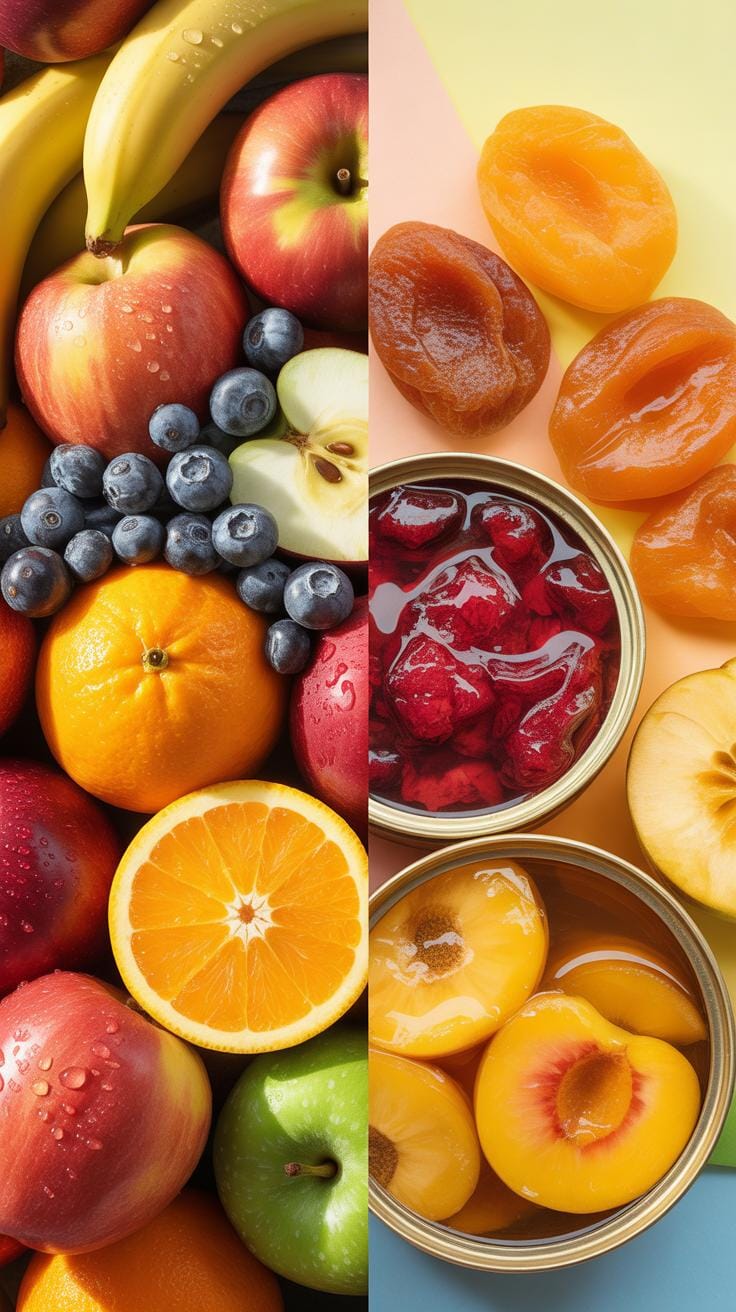
When you pick up a fresh apple or a banana, you’re getting more than just flavor; you’re getting the full package of nutrients intact. Processing fruit, like turning it into juice or drying it, often changes its nutritional profile in ways you might not expect.
Nutrient Loss In Processing
One thing to consider is fiber. Fresh fruits come with their natural fiber, but once you process that fruit—juice it, say—the fiber typically drops sharply. I remember trying to switch from fresh orange slices to store-bought orange juice thinking it was just as good. Not quite. The juice lacked the satisfying bulk and digestional benefits. Vitamins, especially vitamin C, can also degrade with exposure to heat or air during processing. So while processed fruit may still be tasty, it’s not packing the same nutritional punch.
Added Sugars And Calories
Processed fruits often sneak in extra sugars. Dried fruits might taste sweet on their own, but many commercial varieties include added sugars to enhance flavor and shelf life. Juices can pose a similar issue, where even “100% fruit juice” might be concentrated or sweetened. This extra sugar can boost calorie intake—in ways that aren’t always obvious. It’s easy to gulp down a glass of juice quickly, but the calories add up fast. Fresh fruit tends to be lower in calories per serving, partly because of water and fiber content that make you feel fuller sooner.
So next time you reach for fruit, it might be worthwhile to think about what you’re truly getting—are you looking for just a taste, or the full health benefits? Fresh fruit holds advantages that processed options often miss out on.
Daily Fresh Fruit Consumption Checklist
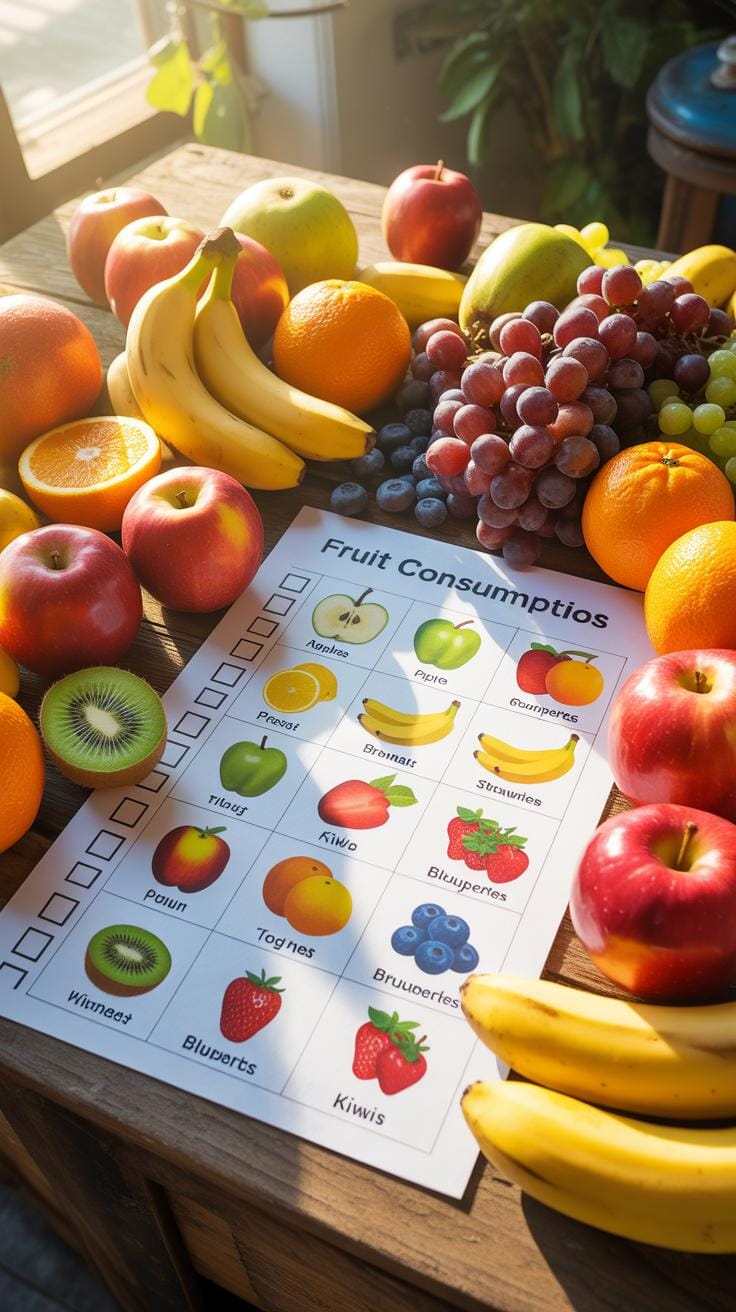
You might wonder, how much fresh fruit should you really eat each day? Well, it often depends on your lifestyle and preferences. But here’s a checklist that could help you stay on track:
- Include at least 2 to 3 servings of fresh fruit daily. A serving can be a medium apple, a banana, or a cup of berries.
- Mix fruits with different colors and types to cover a range of nutrients.
- Keep convenient options handy. For example, a small fruit salad for quick snacks or whole fruits for on-the-go moments.
- Try integrating fresh fruit into meals—like adding sliced fruits to breakfast cereals or salads for lunch.
- Consider smoothies if you have a busy schedule, but watch out for added sugars or too much juice.
It’s tempting to just pick your favorite fruit every day, but that might leave out important nutrients. Switching between berries, citrus, melons, and tropical fruits nudges your diet toward more balanced nutrition.
Serving Sizes And Variety
Official recommendations often advise about 1.5 to 2 cups of fruit daily, but this can vary based on age, gender, and activity. It’s the variety that’s key. Why? Different fruits offer different vitamins, minerals, and antioxidants. For example, oranges give you vitamin C, bananas pack potassium, and blueberries offer antioxidants.
Don’t just stick to one type. Imagine your plate as a mini rainbow; eating fruits of various colors increases the chance of covering your daily nutritional needs. Also, fresh fruits come with fiber, which juices might lack, so whole fruits often win in terms of fullness and digestion benefits.
Timing Fresh Fruit Intake
When you eat your fruit can influence how you feel. Some people find eating fruit first thing in the morning boosts their energy. Others prefer fruits as a mid-morning or afternoon snack to avoid dips in blood sugar.
Eating fresh fruits with meals can aid digestion, thanks to enzymes in certain fruits like pineapple. But large fruit servings right before bed might cause discomfort for sensitive stomachs, so timing can make a difference.
Experiment with timing. Pay attention to how your body reacts. Maybe a small banana before a workout helps your endurance, or a bowl of mixed fruit after lunch aids digestion. The best approach is often the one that fits your routine without causing inconvenience or discomfort.
Simple Ways To Add Fresh Fruit
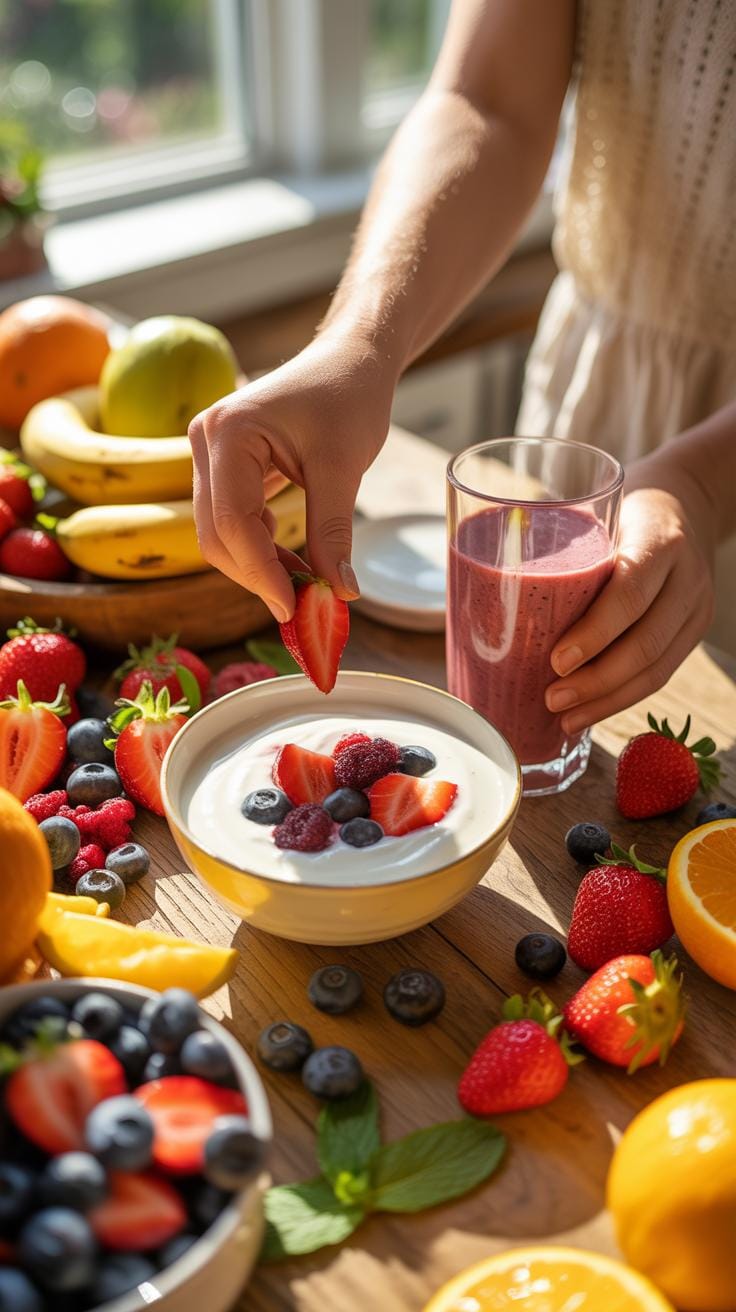
Including fresh fruit in your daily diet might be simpler than you think. Perhaps you often overlook it, but even small changes can make a difference. Consider these easy options to weave fruit into meals and snacks without too much effort. For instance, adding sliced bananas or berries to your morning yogurt transforms a plain bowl into something more enjoyable and nutritious. Or, when you’re in a rush, grab an apple or a handful of grapes to keep you satisfied until your next meal.
Another practical tip is to keep pre-cut fruit ready in your fridge. This can be a real time-saver on busy days. You might think it’s a bit of extra work upfront, but it really pays off when you reach for a quick fruit snack instead of less healthy alternatives. Why not try some refreshing fruit kebabs or a simple bowl of mixed melon chunks? These small habits gently encourage healthy eating without feeling overwhelming or complicated.
Fresh Fruit In Breakfast Meals
Breakfast offers multiple chances to enjoy fresh fruit. Smoothies are a classic choice. Blend together your favorite fruits like strawberries, bananas, and a bit of spinach or yogurt. Smoothies are fast to prepare and hydrate you while giving a natural energy boost. Alternatively, sprinkle fresh berries or diced peaches over cereal or oatmeal. This adds taste and texture, making the meal feel less mundane.
Don’t forget the humble toast. Adding thin slices of kiwi or pear on top of nut butter toast can turn a simple breakfast item into something more vibrant and nutritious. Sometimes, the easiest fruit choices are those you can just throw on top without changing your routine too much. If you usually eat eggs, think about a side of orange slices or grapes to brighten up the plate — it might catch you off guard how well they complement savory flavors.
Fresh Fruit Snacks And Desserts
For snacks, fresh fruit can be both quick and satisfying. Grapes, cherries, or apple slices come ready to eat with minimal fuss. Pairing fruit with a small amount of cheese or nuts adds protein and makes for a more balanced snack that can keep you satisfied longer. I sometimes find that mixing sweetness with a hint of saltiness really hits the spot.
When it comes to desserts, fresh fruit offers a lighter option. Serve a bowl of mixed berries with a dollop of whipped cream or Greek yogurt. Even something as simple as sliced mango or pineapple can feel like a treat, especially when chilled on a hot day. You might also try grilling fruit like peaches or pineapple for deeper flavor—a neat twist that feels indulgent without overloading on sugar.
Choosing Fresh Fruit At The Market
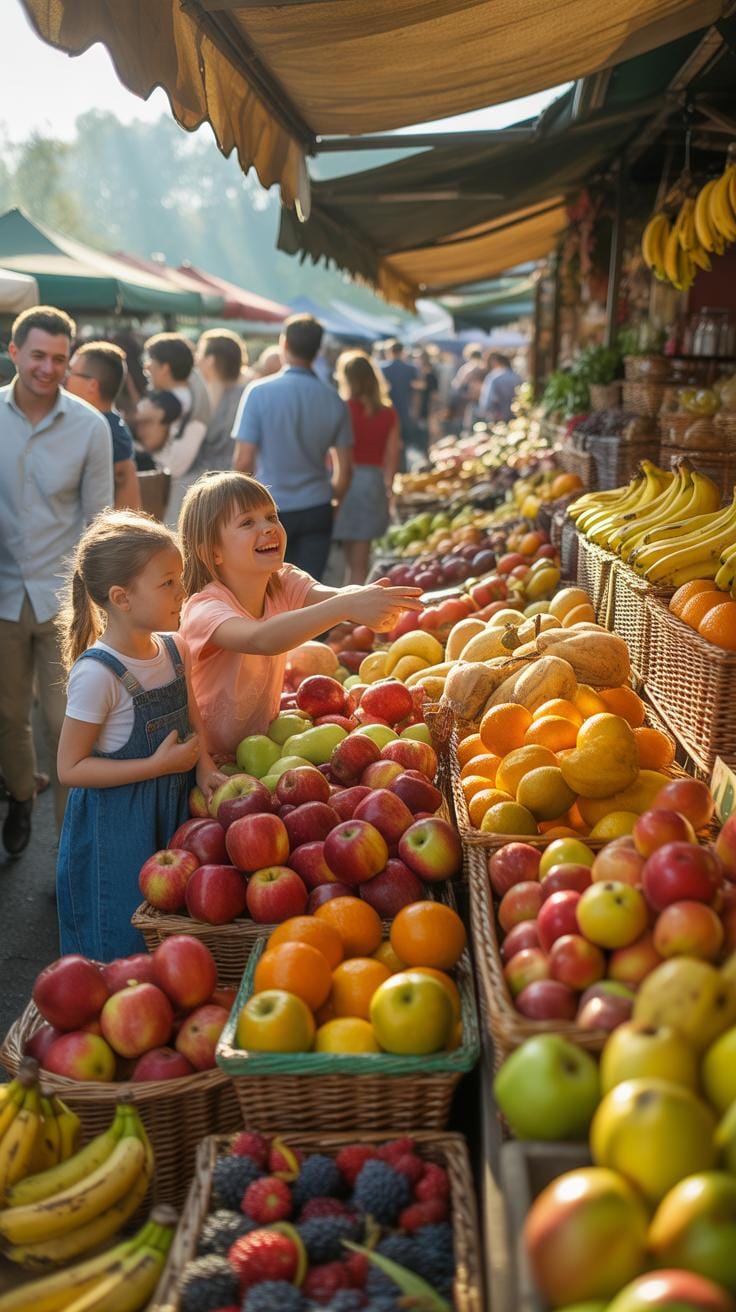
Picking fresh fruit at the market can be a bit of a guessing game, right? But with some small tricks, you can get pretty good at spotting ripe, fresh, and nutritious options.
Look beyond just a pretty color. Some fruits change color as they ripen, sure, but others might still be good even if their hue seems off at first glance. Touch is key—firm but not rock-hard usually means the fruit isn’t overripe or spoiling. But also, firmness varies by fruit type, which adds to the challenge.
A quick sniff is one of the best tests. You might notice a sweet, fragrant aroma that hints the fruit’s ready to eat—and that fresh scent can tell you a lot about its quality. If it smells off or sour, better pass it up.
The market often feels tempting when fruit is piled high, but sometimes less visually perfect fruit holds more nutrients. Give slightly imperfect fruits a chance; they often taste just as good and might cost less too.
Signs Of Freshness
Consistently, these tips help when assessing fruit freshness:
- Check the color: vivid and true to the fruit’s type usually means freshness.
- Feel the texture: firm with a slight give often signals ripeness.
- Sniff for aroma: a pleasant, natural scent indicates it’s fresh.
- Look for blemishes: small spots are normal, but avoid bruised or shriveled spots.
- Tap gently: some fruits like melons have a hollow sound when ripe.
Seasonal Fruit And Storage Tips
Seasonal fruit has a fresher, richer flavor since it’s harvested closer to peak ripeness. Plus, seasonal picking means it likely traveled less, so more nutrients remain intact.
Storing fresh fruit properly can extend its life. Some fruits, like apples, do better chilled; others, like bananas, ripen better at room temperature. Knowing which fruit fits each category—that can save you money and reduce waste.
Also, consider buying fruit in smaller quantities if you tend to forget about it; freshness fades faster than we want, unfortunately.
Common Fresh Fruit Misconceptions

The idea that fruit sugar is the same as added sugar often gets tossed around, but they’re quite different. You see, the sugar naturally found in fruit, called fructose, is accompanied by fiber, vitamins, and minerals, which change how your body handles it. Unlike added sugars—like those in sodas or candy—that deliver a quick sugar spike and then a crash, fruit sugar is absorbed more slowly. This means it’s less likely to cause weight gain, and some studies even show fruit helps with satiety.
But is all fruit equally good for you? Not exactly. Fruits vary in calories and nutrients. For instance:
- Berries are low in calories and high in antioxidants.
- Mangoes and bananas pack more calories but also offer potassium and vitamin C.
- Avocados, technically a fruit, contain healthy fats rather than sugar.
Your choice depends on what you want—whether it’s energy, fiber, or nutrient density. It’s not a one-size-fits-all.
I remember once avoiding fruit because I feared weight gain, only to realize later that including fruits actually helped me stay fuller longer. It’s tricky, though, because some fruits can add up in calories if you eat large amounts. So, it’s really about balance rather than avoidance.
Best Fresh Fruits For Fitness
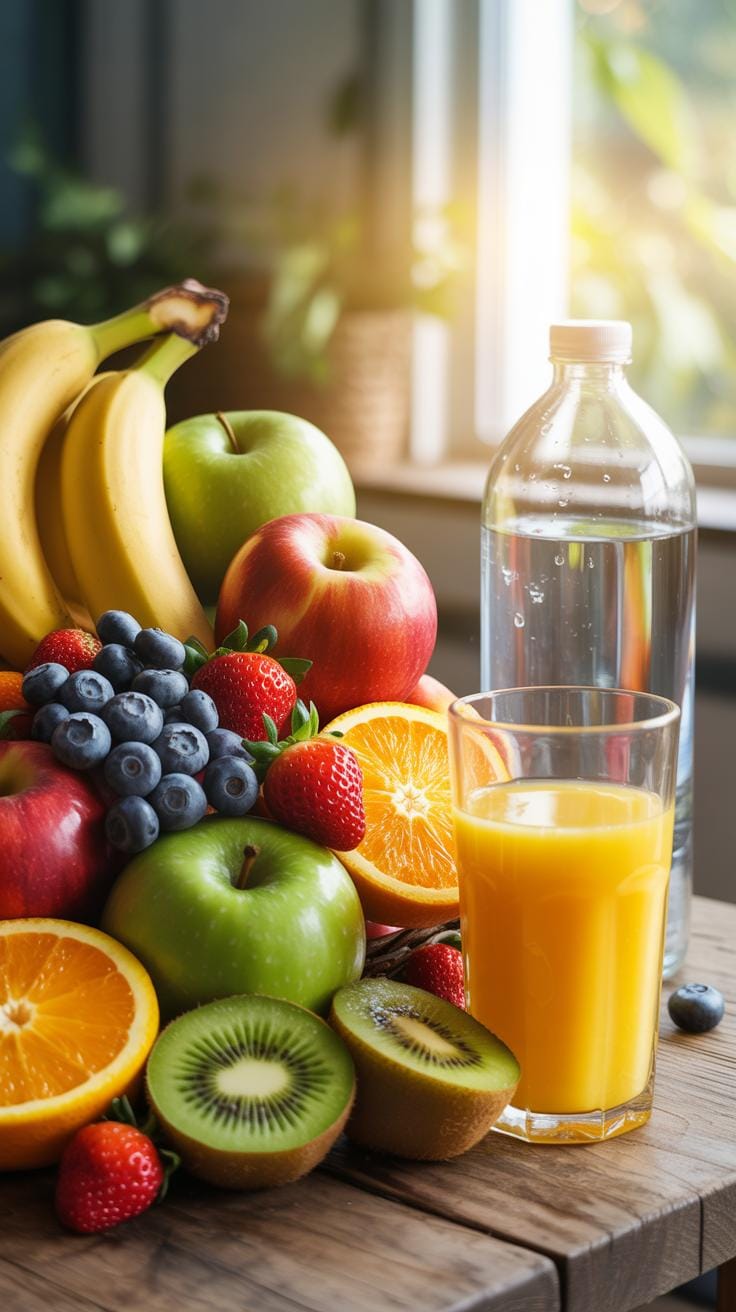
When you think about fresh fruits that can help support your fitness, some really stand out. I mean, it’s not just about grabbing any fruit, but choosing ones that give you that extra boost for energy or help your muscles bounce back faster.
Fruits like bananas top the list because they’re packed with potassium, which plays a key role in muscle function and preventing cramps. You may have noticed athletes eating bananas before or after a workout; it’s no coincidence. The carbs in them offer quick energy without weighing you down.
Then there’s the humble orange. It’s not just a source of vitamin C—this fruit helps your body recover by fighting inflammation, something you definitely want after a tough session. And don’t overlook berries like blueberries and cherries. They’re rich in antioxidants, which are crucial if you want to lessen muscle soreness and speed up healing.
For hydration along with energy, watermelon is another go-to. It’s mostly water, sure, but it also supplies natural sugars and electrolytes that help you stay fueled and hydrated when you’re pushing your limits.
So, putting these fruits in your routine might just give your workouts that little edge, or at least make recovery a bit smoother. Have you tried mixing these fruits after your exercise to see how your body feels? It might be worth experimenting with.
Fresh Fruit Planning For Your Diet

When it comes to planning your fresh fruit intake, it’s really about balancing what you like with your nutritional goals. Not every fruit suits every diet or preference. For example, if you’re into low-carb diets, berries like strawberries or blackberries might be better options than bananas or grapes, which have higher sugar content. I often find that planning ahead helps—like deciding which fruits to buy for the week based on how active I expect to be.
Incorporating fruits into meals doesn’t have to be complicated. You might sprinkle diced apples or pears with your morning oatmeal or tuck a few orange segments into a salad at lunch. Fruit can serve as a sweet finish to dinner or a quick snack between meals. Some people prefer to eat fruit alone to get the maximum nutrients without interference from other foods, although that’s not absolutely necessary.
Watching calorie or sugar intake while enjoying fruit can be tricky. Portion control is key—you don’t have to cut fruit out if you’re tracking sugars, but consider smaller servings or mixing fruit with protein or fiber. For instance, a small bowl of berries with Greek yogurt can feel satisfying without overdoing the sugar. Sometimes, I experiment with freezing fruit to slow down consumption or blending it into smoothies with veggies to dilute sugars. It’s about finding what works personally; there’s no one-size-fits-all here.
Conclusions
Choosing fresh fruit improves your diet by adding important nutrients. It supports your body in many ways, from boosting energy to promoting digestion. By including fresh fruit in your meals, you take a simple step to improve your overall well-being.
Remember, fresh fruit is a natural, easy way to support your health and fitness. Use the information here to pick the right fruits and enjoy their benefits every day. Your body will thank you for it.