
Introduction
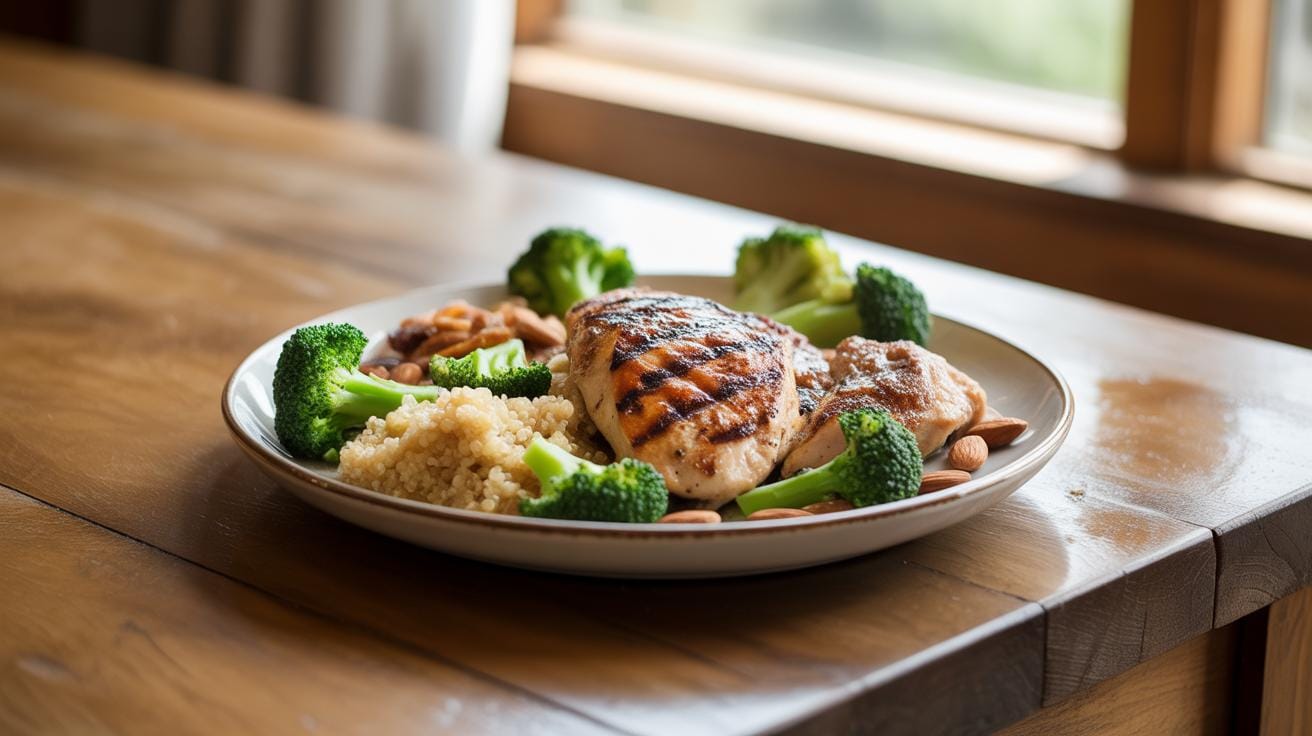
Muscle Gain Food Checklist for Faster Results and Balanced Nutrition is an important guide for anyone wanting to increase muscle mass through proper diet. Building muscle requires more than just exercise; it involves fueling your body with the right foods that provide necessary nutrients to grow stronger and recover faster.
This article covers the most effective foods to gain muscle, explains why certain nutrients matter, and provides a clear checklist for your daily meals to support your muscle-building goals. Whether you are new to fitness or an experienced athlete, this text will help you make better food choices to speed up your muscle gain.
Muscle Growth and Nutrition Basics

What Happens in Muscle Growth
When you work your muscles hard, tiny tears form in the muscle fibers. This sounds bad, but it’s actually the start of muscle growth. Your body responds by repairing these damaged fibers. Over time, these repairs make the muscle thicker and stronger—a process called muscle hypertrophy. It’s not just about lifting weights; the recovery and repair matter just as much. This repair process takes energy and raw materials, so your body depends heavily on what you eat to rebuild effectively.
The interesting part is that muscles don’t grow during exercise—they grow afterward. So, the food you consume right after training becomes fuel and building blocks. Without proper nutrition, that repair work stalls, and gains slow down. It’s like trying to build a house without enough bricks.
Why Nutrition Supports Muscles
Nutrition provides those “bricks” for muscle repair. Protein is the most talked-about nutrient here. Think of it as the main building block; it supplies amino acids required to fix and grow muscle tissue. But focusing only on protein misses the bigger picture.
Carbohydrates also play a key role, largely by refilling your energy stores—glycogen—in muscles, which you’ve burned during exercise. When glycogen is low, your body might break down muscle protein for energy, which is counterproductive. Fats, while less obvious in muscle building, support hormone production and overall cell health, which indirectly helps muscle growth.
You might wonder how much of each to eat or when exactly. The truth is, timing and ratios vary from person to person. Some days you’ll need more carbs; others, maybe more protein. Listening to your body and adjusting your food intake can make a real difference in how fast your muscles recover and grow.
Protein Importance Checklist

Protein stands out as the single most crucial nutrient for muscle building. It provides the amino acids your body needs to repair and grow muscle fibers after workouts. Without enough protein, your muscles struggle to recover properly, which slows progress. Have you ever noticed muscle soreness lasting longer when your diet is off? That’s partly why protein matters so much.
When thinking about daily protein intake for muscle gain, the numbers can feel a bit tricky. Generally, aiming for about 1.6 to 2.2 grams of protein per kilogram of body weight makes sense. For those more used to pounds, that’s roughly 0.7 to 1 gram per pound. This range isn’t set in stone—some people do fine with less, others need more—but it’s a solid guideline to start from.
You can find high-quality protein in foods like:
- Chicken breast and lean beef, for straightforward, complete proteins.
- Fish such as salmon or tuna, which also bring healthy fats into the mix.
- Eggs, a classic muscle-building staple that’s versatile and affordable.
- Plant-based options like lentils, chickpeas, tofu, and quinoa, which can work well if you don’t eat meat.
Personally, I’ve found mixing animal and plant proteins throughout the day helps avoid diet boredom and keeps muscle gains steady. What protein sources do you find easiest to include regularly?
Role of Carbohydrates in Muscle Gain

Carbohydrates play a key role in muscle building beyond just filling you up. When you eat carbs, your body breaks them down into glucose, which muscles use as fuel during exercise. This energy allows you to push harder in your workouts, which is crucial if you want those muscles to grow.
After training, muscles are actually quite depleted of glycogen—this is the stored form of glucose inside muscle cells. Restoring glycogen isn’t just about energy for the next workout; it also helps recovery. Without enough carbs, your body might turn to breaking down muscle protein for energy, which defeats the whole purpose of training.
It’s a bit of a balancing act. Too few carbs, and you might feel drained or see slower progress. But crank them up too much without considering quality or timing, and it could lead to fat gain instead of muscle. Getting your carbs right helps maintain that balance.
Carbs vs Energy for Training
Think of carbohydrates as your main energy source for intense workouts. Unlike fats or proteins, carbs break down quickly, providing readily available fuel. This quick energy supports higher training intensity and volume—both crucial for muscle growth.
In workouts reliant on strength and power, like weightlifting, your muscles rely heavily on glycogen. The more you deplete it, the more your body signals muscle repair and growth afterward. That’s why carbs before and after training make a real difference. Without them, your performance might dip, and your recovery could drag.
Still, some athletes try low-carb approaches and claim gains. Maybe it works for endurance or weight loss, but for fast muscle building, carbs mostly win out. You might find yourself wondering if carb timing matters more than total intake—that’s definitely a conversation worth having.
Best Carb Food Choices
Not all carbs are created equal; some are better for muscle gain. Here are a few go-to sources you might want on your list:
- Oats: Slow-digesting and full of fiber, oats provide steady energy and help keep blood sugar stable.
- Rice: Especially white rice after workouts, it’s easy on the stomach and quickly replenishes glycogen.
- Sweet potatoes: Packed with vitamins and a nice dose of complex carbs that release fuel more steadily.
- Fruits: Provide natural sugars and antioxidants which may assist recovery in less obvious ways.
Choosing carbs with a mix of fast and slow digestion can help fuel your training and replenish muscles after. You might experiment with these options to see which combination makes you feel strongest and recovers quickest.
Healthy Fats Are Essential Too
Why Fats Matter for Muscles
Fats get a bad rap sometimes, especially when you’re focused on muscle gain. But they play a crucial role in your body, particularly when it comes to hormones. Your testosterone and other hormones involved in muscle growth rely on fats for production. Without enough fat in your diet, hormone levels can drop, making it harder to build muscle efficiently.
Fats also help control inflammation, which is often overlooked. When you work out hard, inflammation is part of the recovery process, but too much can slow you down or even cause injury. Healthy fats help keep that inflammation in check, supporting faster recovery and better muscle repair. So, ignoring fats might actually delay your progress more than you think.
Sources of Good Fats
Not all fats are equal. You want sources that provide essential fatty acids and other beneficial compounds. Some of the best include:
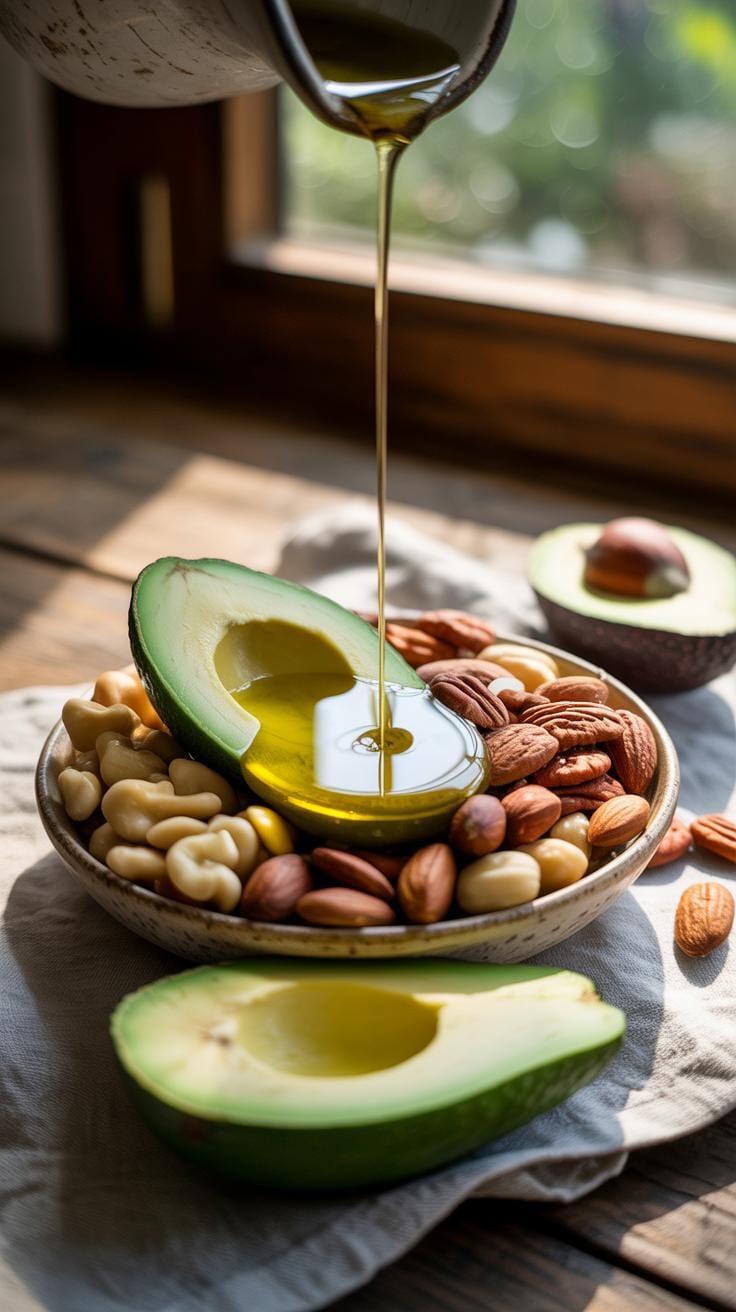
- Avocados – rich in monounsaturated fats and easy to add to meals.
- Nuts like almonds, walnuts, and cashews – great snacks that pack protein and fat together.
- Seeds such as flaxseed, chia, and pumpkin seeds – they offer omega-3s which are great for inflammation.
- Olive oil – perfect for cooking or drizzling over veggies, it’s a solid source of healthy fats.
I’ve noticed, when I started adding more of these into my diet, my energy levels felt more stable, and workouts became more effective. Maybe it’s worth experimenting with your fat intake and seeing how your muscles respond.
Meal Planning for Muscle Gains
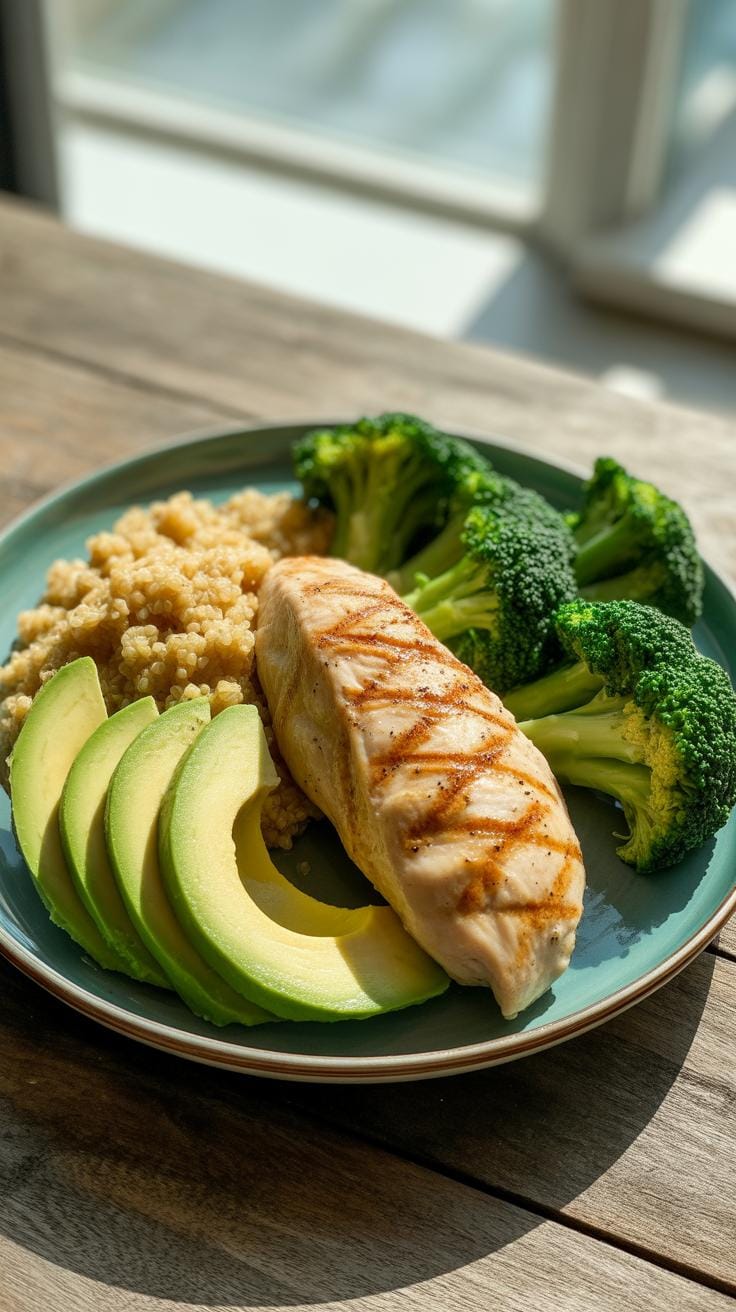
When thinking about muscle gain, planning your meals isn’t just about tossing protein on the plate. It’s about timing and balance. You want to spread out your nutrients—protein, carbs, fats—across the day to keep your muscles fueled and recovering. Skipping meals or loading up all protein at once might feel like a shortcut, but it usually backfires.
Many find it helpful to aim for three main meals supplemented with two or three smaller snacks. This pattern can keep your energy steady and muscle-building resources available when your body needs them. You might notice that eating this way reduces those mid-afternoon energy slumps, too.
Try dividing your intake like this:
- Breakfast: A mix of protein and slow-release carbs jumpstarts recovery from overnight fasting.
- Mid-morning snack: Something light but protein-rich to maintain amino acid levels.
- Lunch: Balanced meal with protein, carbs, and fats to sustain afternoon workouts or work periods.
- Afternoon snack: Can be carb-focused if you train later, or protein-heavy if you train earlier.
- Dinner: Protein-centered, with moderate carbs and healthy fats for overnight muscle repair.
Here are some sample meals you might consider:
- Oats with whey protein and a spoonful of peanut butter for breakfast
- Greek yogurt and berries for a snack
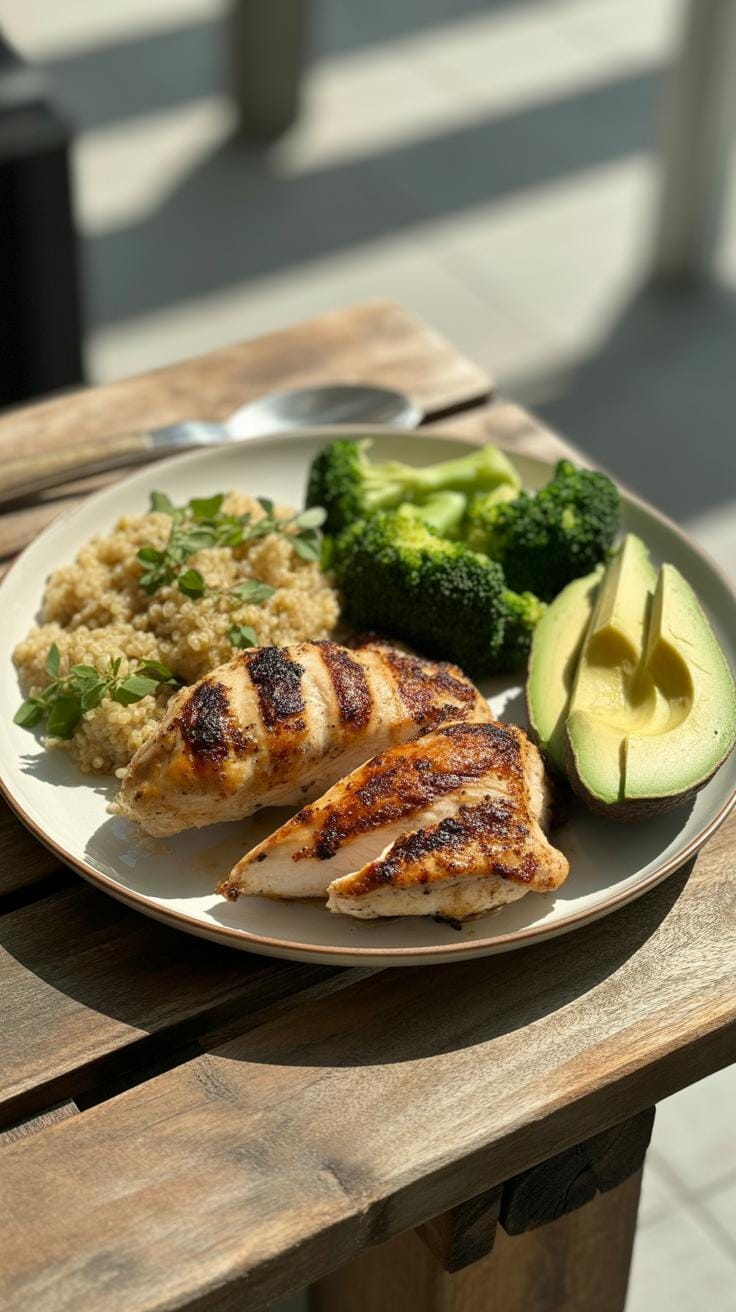
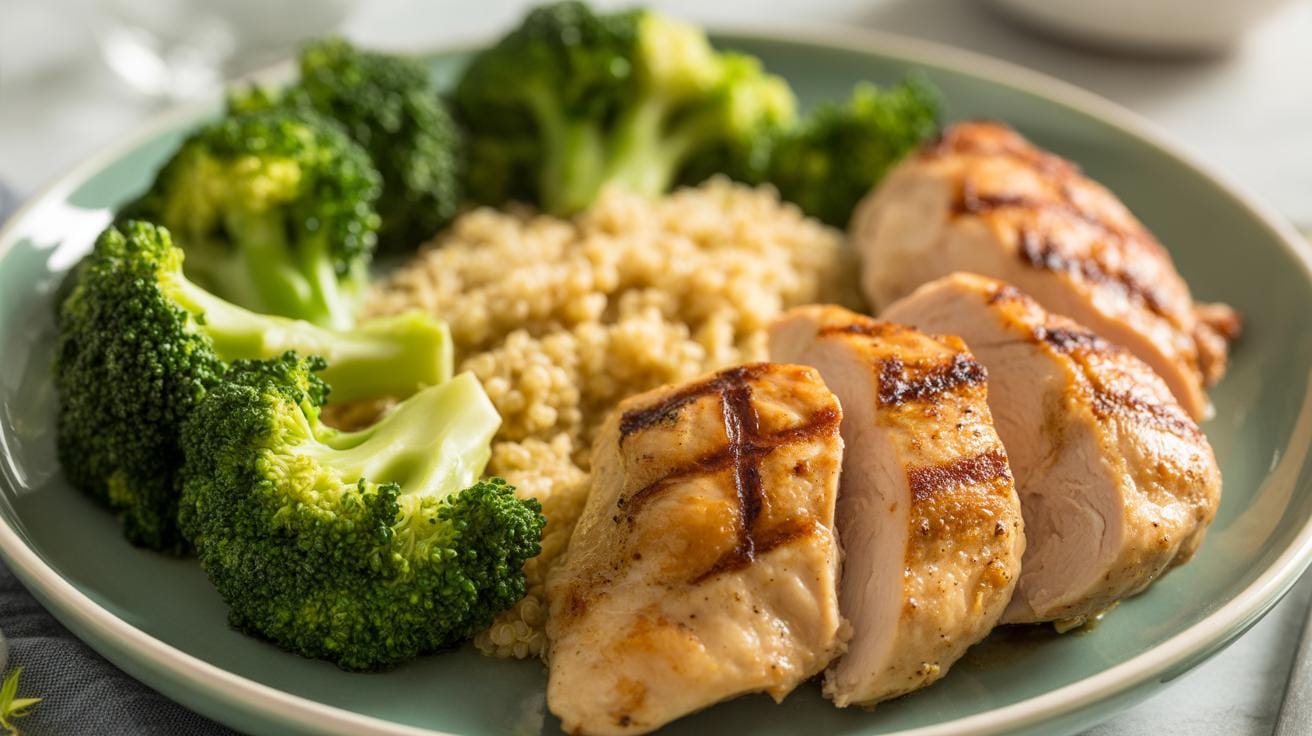
- Grilled chicken breast, quinoa, and steamed broccoli at lunch
- Cottage cheese with sliced apple or whole grain crackers as an afternoon snack
- Baked salmon, sweet potato, and asparagus for dinner
Some days, you might prefer more carbs early on. Other days, fats take the spotlight. Flexibility is key because your activity level and hunger can shift. What matters most is consistent fueling. Do you notice your strength or recovery lagging? That might be your sign to tweak meal timing or macros.
Supplements That Support Muscle Gain
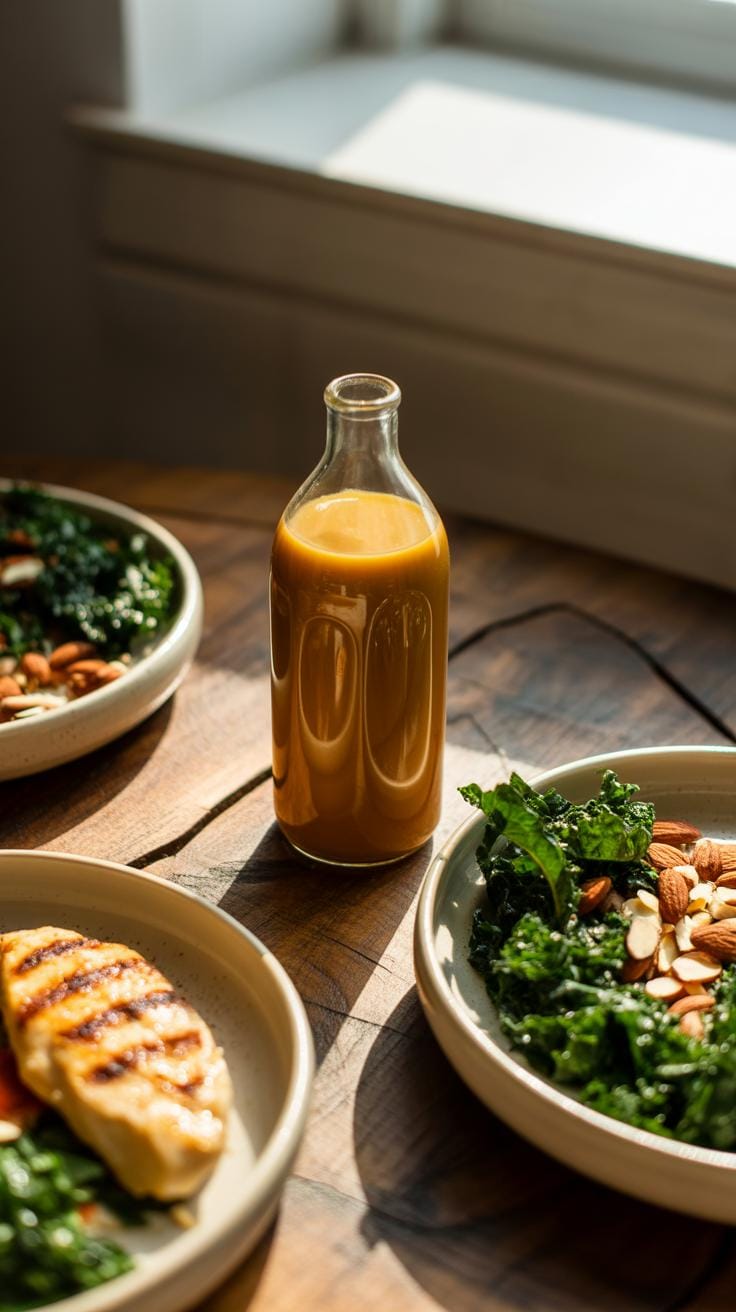
Should You Use Supplements
Supplements can be helpful, but they’re not a magic bullet for muscle gain. If your diet already covers all your protein, calories, and nutrient needs, you might not see much difference using them. On the other hand, supplements can fill in gaps when your schedule is busy or your appetite falters. Maybe you miss meals or struggle to get enough protein from food—that’s when a protein shake could come in handy. But it’s easy to rely on supplements as a crutch instead of real food, which sometimes feels like a trade-off.
Also, your individual goals and workout routine play a role. If training is intense and frequent, recovery support through supplements might speed up progress. Still, some people simply prefer to get nutrients naturally. It’s a personal choice based on lifestyle, preferences, and how your body responds.
Popular Muscle Gain Supplements
Here’s a quick look at some common supplements and their effects:
- Whey Protein: Fast-absorbing, rich in essential amino acids, especially leucine. Helps repair muscle quickly after workouts. Many find it convenient for a quick protein boost.
- Creatine: Widely studied. It improves strength and power by increasing energy production in muscle cells. Over time, it can contribute to bigger muscle size by allowing you to train harder.
- BCAAs (Branched-Chain Amino Acids): Leucine, isoleucine, and valine help reduce muscle breakdown and support recovery. Yet, if you already get enough protein, BCAAs may not add much benefit.
- Beta-Alanine: Sometimes used to delay muscle fatigue. Effects might be subtle but useful during high-rep or high-intensity sessions.
- Casein Protein: Slower digesting than whey, making it suitable before bed to feed muscles overnight.
Effectiveness varies from person to person. Some swear by creatine, while others notice whey protein shakes make their day easier. You might need to experiment a bit, checking how your energy, recovery, and gains respond.
Foods to Avoid for Muscle Growth
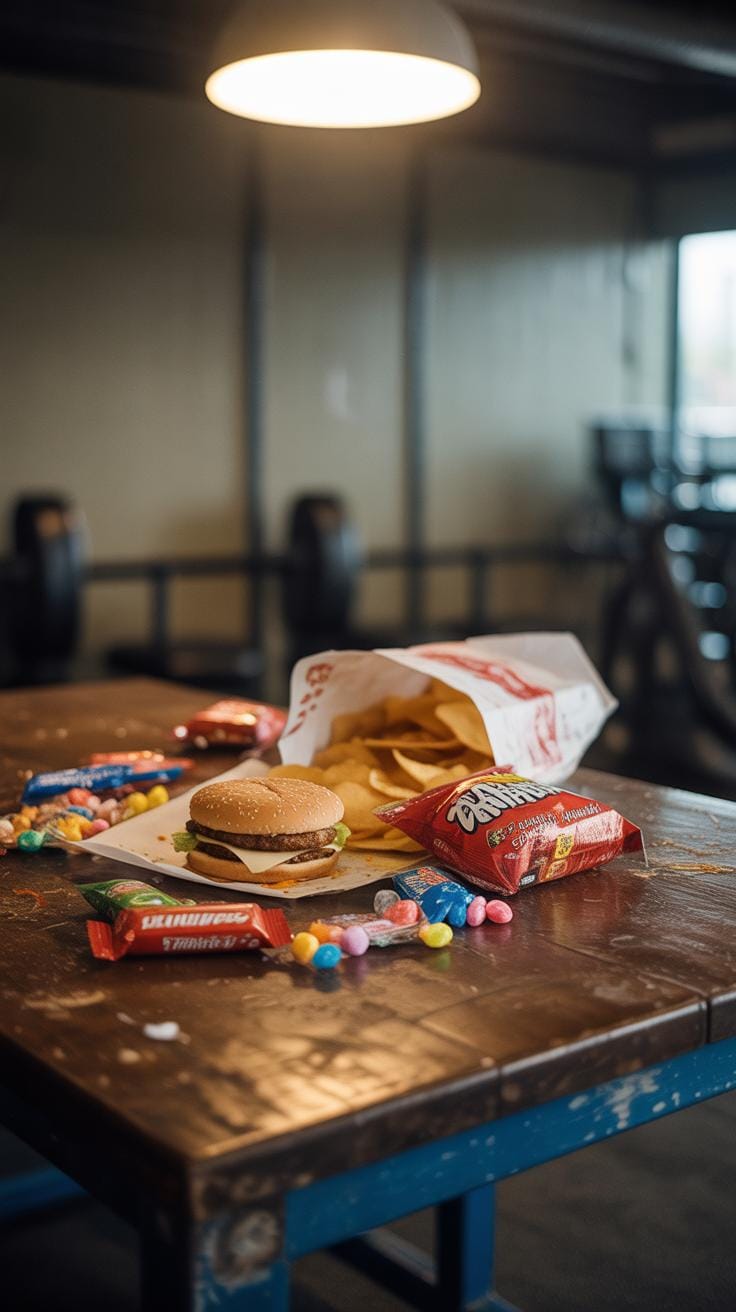
When you’re aiming to build muscle, not all foods help you get there. Some actually slow down your progress, which can be a bit frustrating. Foods high in added sugars—think sodas, candies, and many baked goods—can spike your blood sugar and insulin levels. This often leads to fat storage rather than muscle growth. Plus, excess sugar can cause inflammation, and that’s something your muscles don’t need when repairing and growing.
Processed foods, especially those loaded with unhealthy fats and preservatives, also get in the way. These often lack the real nutrients your muscles crave. They might fill you up in the short term, but they don’t support recovery or energy in a meaningful way. I’ve noticed that on days when I’ve eaten a lot of processed snacks, my workouts just feel sluggish; maybe it’s the lack of quality fuel, or just feeling bloated.
Alcohol is another culprit. Beyond empty calories, it messes with protein synthesis—the process your body uses to build muscle. Drinking too much can also interfere with sleep, which is crucial for recovery. I don’t think avoiding it completely is always necessary, but limiting is key if muscle growth is your goal.
So, what’s the better option? Swap sugary treats for fresh fruit or Greek yogurt. Replace processed snacks with nuts, seeds, or whole-grain crackers. Instead of reaching for that drink every night, try herbal tea or water with a splash of lemon. Small changes like these make a big difference over time.
Tracking Progress and Food Intake

Keeping an eye on your muscle gain progress isn’t just about watching the scale or stepping on the treadmill. You need more than weight changes to know if your muscles are truly growing. Tracking food intake can nudge your results in the right direction, sometimes in ways you wouldn’t expect.
When you measure how much and what you eat, you’ll start to see patterns—maybe there’s a day when protein dips or carbs sneak too high. Over time, this helps you tweak meals intelligently, not blindly guess. Also, progress often feels slow or confusing, but clear tracking of food and body changes helps reveal real trends rather than occasional fluctuations that can throw you off.
Tools to Track Muscle Gain
You don’t need fancy gadgets to gauge muscle growth. Simple methods can work well enough:
- Take regular body measurements—arms, chest, thighs. The numbers might shift subtly, but consistent tracking tells a story.
- Monitor your strength levels. Lifting heavier weights or more reps signals muscle gain, even if the mirror doesn’t reflect much yet.
- Use progress photos from similar angles and lighting. Sometimes visual cues catch what numbers miss.
These methods each have limits. Measurements might fluctuate due to hydration, strength gains don’t always mean size gains, and photos can be deceiving. Still, combining several tools gives a more balanced picture.
Food Journals and Apps
Tracking what you eat can be surprisingly simple, even if it sounds tedious. You might start with a plain notebook, jotting down meals and snacks. Over time, this habit not only keeps you honest but also highlights where your nutrition might stray.
Apps can reduce the hassle, offering quick barcode scans and detailed nutrition breakdowns. Some even adjust your goals based on your progress. But beware—over obsessing can make eating stressful, so use these tools as aids, not rules.
Have you noticed how tracking sometimes makes you more mindful? It’s easy to overlook small snacks or underestimate portions. Writing it down, whether on paper or screen, pulls those into focus. That alone can shift your results without changing what you eat drastically.
Hydration and Muscle Building
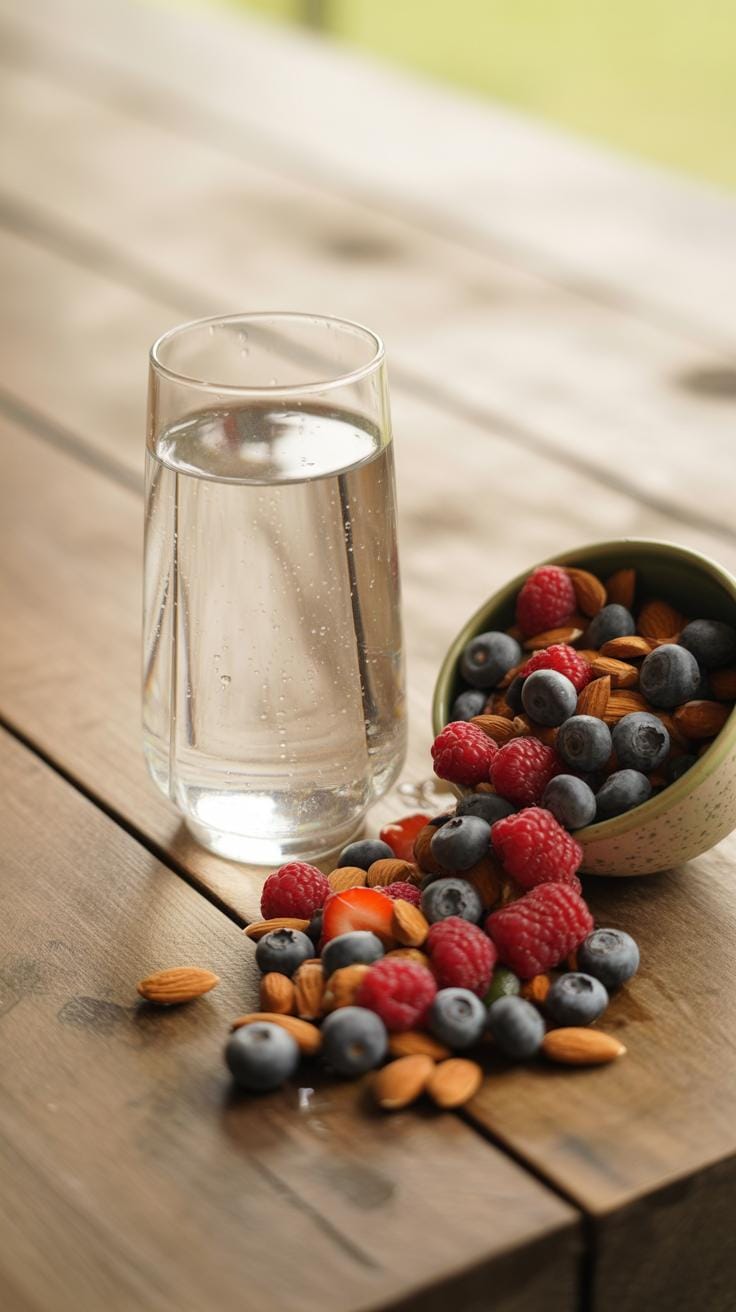
Water’s Role in Muscles
Water isn’t just something to quench your thirst; it’s crucial for how your muscles actually work and rebuild. When you’re pushing your muscles during workouts, they create tiny tears that need fixing. Water helps shuttle the nutrients—like proteins and amino acids—right where they’re needed to repair those tears. Without enough fluids, that delivery system slows down, and muscles don’t bounce back as quickly.
Also, muscle fibers are mostly water. Imagine trying to contract and relax without enough liquid—movements might get stiff, and strength could dip. Staying hydrated helps keep those fibers flexible and responsive. I’ve noticed days when I skip drinking enough and suddenly my recovery feels slower, or simple movements feel more tiring.
How Much to Drink
Figuring out how much water to drink isn’t exact, but some guidelines are helpful. Active individuals trying to build muscle generally need more than the standard eight cups a day.
- Start with about 3 liters (roughly 100 ounces) daily as a baseline.
- Increase intake on workout days—sweat loss varies, so listen to your thirst.
- Some suggest drinking 500 ml (about 17 ounces) two hours before training to fuel your muscles well.
- During exercise, sip water every 15-20 minutes to maintain hydration.
- After workouts, replenish fluids lost to support recovery.
Keep in mind, thirst isn’t always the best indicator. Sometimes, by the time you feel thirsty, you’re already a bit behind on fluids. I find carrying a water bottle handy—it reminds me to drink steadily instead of waiting for that dry-mouth feeling.
So, staying hydrated is more than just drinking water; it’s timing and consistency that matter for muscle function and recovery. Maybe it sounds like a lot, but small, frequent sips can make a noticeable difference over time.
Adapting Nutrition to Your Body Needs

You might think that muscle gain diets follow a strict formula, but really, your food checklist depends on who you are—your body type, age, and how active you are. For example, someone naturally lean might need different calorie and protein levels compared to someone with a stockier build. It’s not just about eating more; it’s about eating smarter based on your unique needs.
Age changes the way your body processes nutrients. In your 20s, your metabolism is typically faster, so you may get away with eating a bit less or recovering quicker. But as you hit your 30s or 40s, muscle building slows, and you might need more protein and certain micronutrients like vitamin D or calcium to keep strength up.
Activity level plays a huge role too. If you work out intensely five times a week, your muscle repair needs rise. More aerobic activity or even desk jobs affect your energy and protein demands differently, so your meal timing and portion sizes might shift accordingly.
Here’s a handy checklist you can start with—then tweak over time:
- Lean proteins like chicken, fish, tofu, or eggs
- Complex carbs such as oats, sweet potatoes, and brown rice
- Healthy fats from nuts, seeds, and olive oil
- Veggies packed with fiber and vitamins
- Hydration—don’t skip on water!
Once you track your progress, see how you feel, and notice your strength changes, adjust portions or add snacks. Try adding an extra protein source if gains stall or include more carbs on heavy workout days. This isn’t a one-time set-it-and-forget-it deal—your body changes, and your plate should too.
Conclusions
Choosing the right foods makes a big difference when aiming to gain muscle. Including enough protein, healthy fats, and carbohydrates helps your muscles repair and grow. The Muscle Gain Food Checklist guides you through what to eat and why each nutrient is essential.
By following a balanced nutrition plan and eating muscle-building foods consistently, you give your body the fuel it needs to get stronger. Apply the checklist to your daily routine, monitor your progress, and adjust your food intake based on your results.