
Introduction
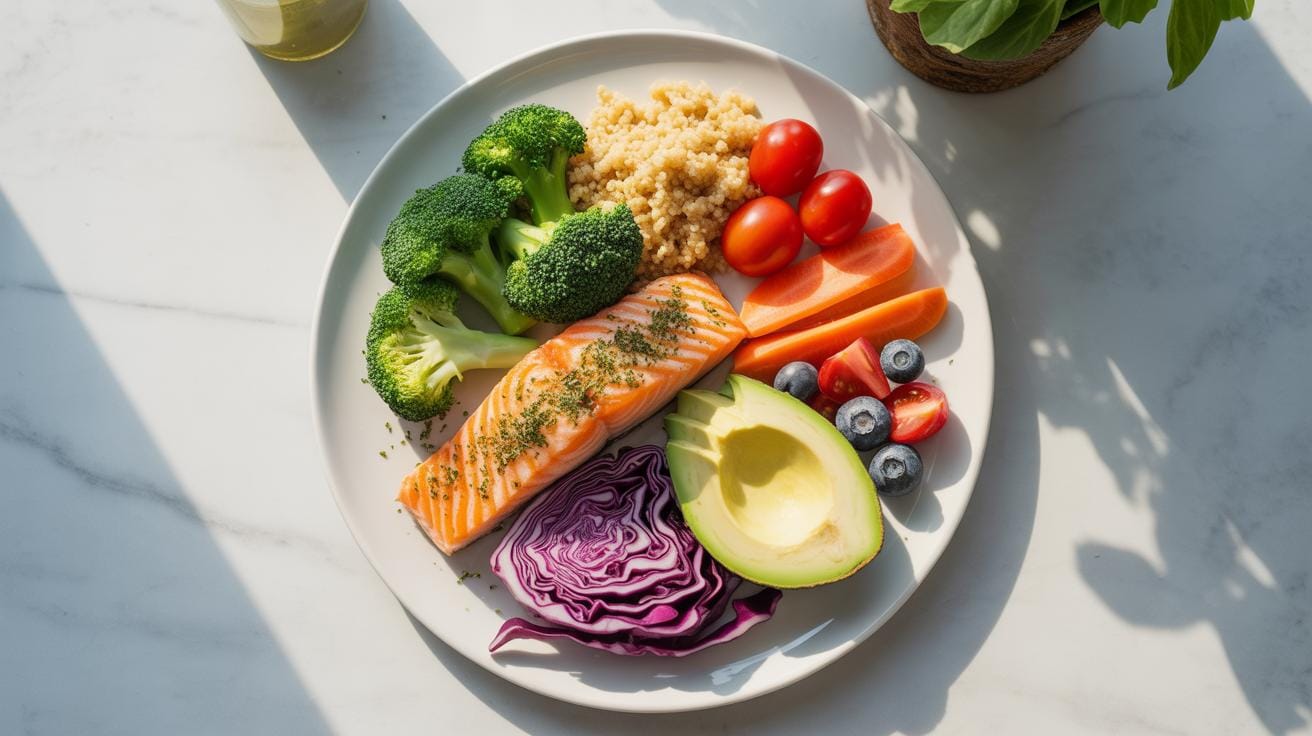
A balanced food plate helps you choose the right types and amounts of food for a healthy diet. It shows how to split your plate into sections of fruits, vegetables, grains, protein, and dairy. These sections guide you to eat enough food from each group every day. This guide called MyPlate was created by the United States Department of Agriculture to help people make smart food choices.
In this article, you will find easy and healthy balanced food plate ideas. You will learn why each food group is important, how to fill your plate, and ways to enjoy tasty meals while staying healthy. These ideas will support your goal for better meals that are good for your body and well-being.
The Structure Of A Food Plate
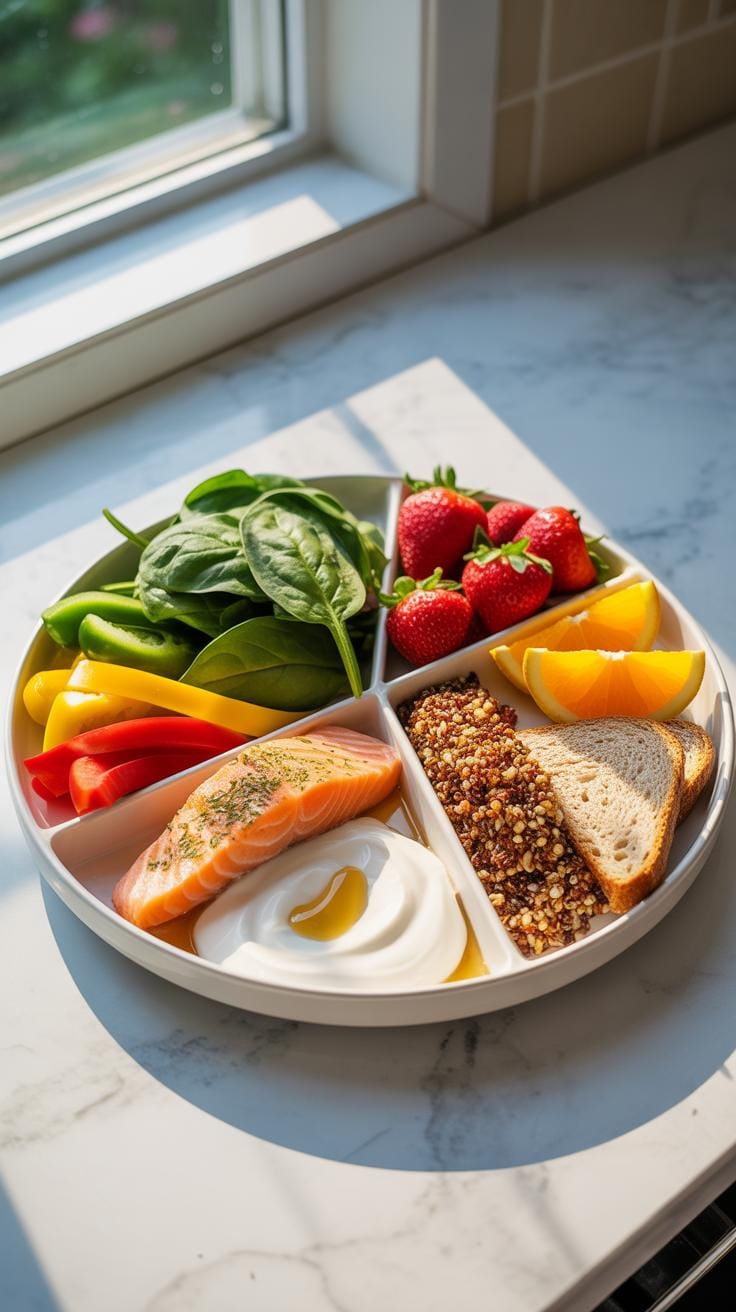
A balanced food plate, like the one shown in the USDA’s MyPlate guide, splits your meal into easy-to-understand portions. Imagine your plate divided into sections: half of it (about 40%) filled with vegetables, about 30% grains, and the rest split between fruits (10%) and protein (20%). There’s also a smaller circle beside the plate for dairy, like a cup of milk or yogurt.

This design isn’t random. Vegetables get the biggest chunk because they’re packed with nutrients and fiber. Grains provide energy—think of rice or bread—but whole grains are better choices. Fruits add sweetness and important vitamins. Proteins, from sources like meat, beans, or nuts, help build your body. The dairy portion is smaller but still crucial for calcium and vitamin D, supporting bone health. So the plate’s shape gently guides you to balance and variety in your meals.
Dividing The Food Plate Properly
When you’re sitting down to eat, the idea is to divide your plate roughly the same way MyPlate shows. But, hey, not everyone has a kitchen scale or measuring cups handy.
Here’s a handy tip: use your hand as a guide. Your open palm can represent a portion of protein, your fist for vegetables, a cupped hand for grains, and a thumb for fruits. This makes it simple to eyeball your portions without stress. For example, two handfuls (for veggies) fill around 40% of your plate, and one handful (grains) takes up around 30%. It’s not exact, but it helps you get close enough to keep things balanced throughout the day.
Choosing The Right Food Groups
Filling your plate right means picking foods thoughtfully from each group. Instead of just one vegetable, try to mix colors—maybe some bright carrots with dark leafy greens. Different colors often mean different nutrients.
Protein doesn’t have to be just meat; nuts, beans, or tofu count too. Whole grains—brown rice instead of white, or whole wheat bread instead of white bread—give more fiber and vitamins. For dairy, opt for low-fat or skim versions like milk or yogurt to keep fat in check but still get useful calcium.
Variety in choices helps your body get what it needs from different vitamins and minerals. This way, your meal feels less repetitive and more enjoyable, and you avoid missing out on key nutrients by sticking too narrowly to one food type.
Why Fruits And Vegetables Matter
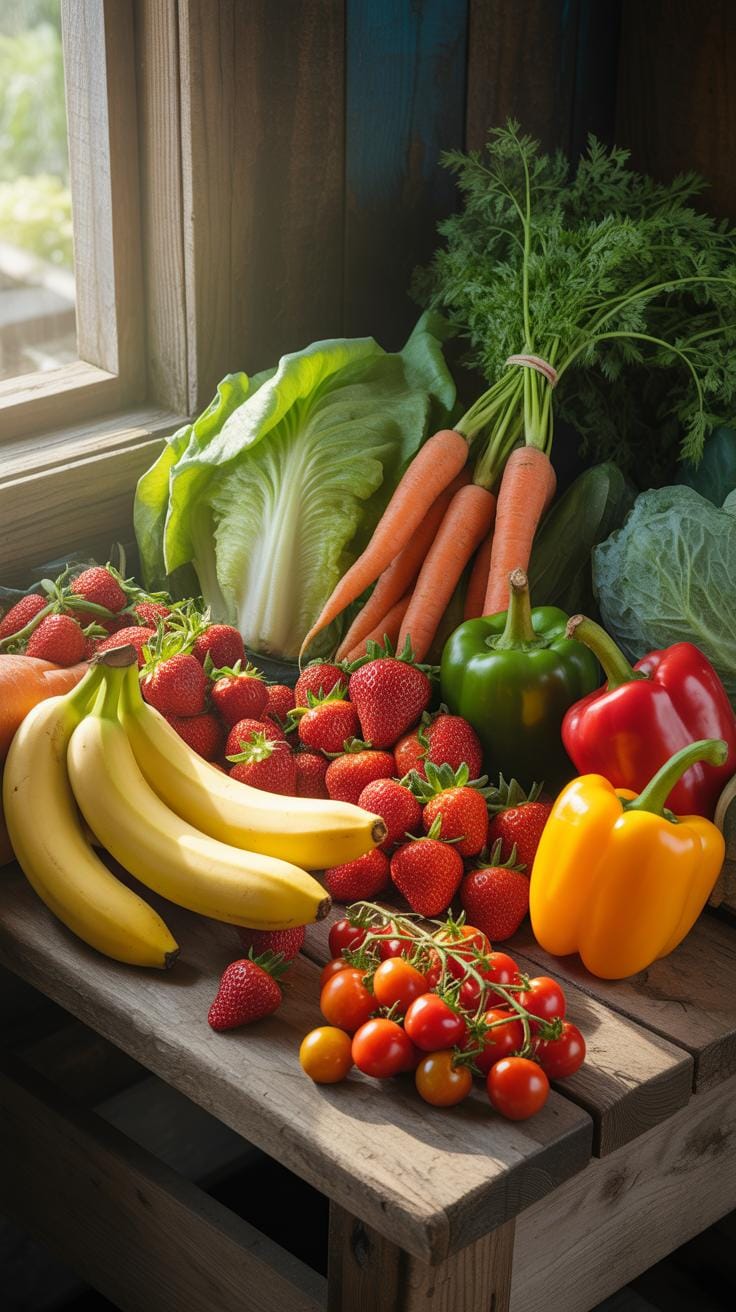
The focus on fruits and vegetables occupying half of your plate is no coincidence. According to USDA guidelines, this balances the intake of essential nutrients and supports overall health. Fruits and vegetables deliver a variety of vitamins like C and A, minerals such as potassium and magnesium, and dietary fiber. Fiber is especially important for digestion and can help control blood sugar and cholesterol levels. It’s kind of surprising how these simple foods can also lower the risk of chronic diseases like heart disease and certain cancers.
So why exactly half the plate? It’s about portion control and nutrient density. When your plate is filled with colorful fruits and veggies, you’re less likely to overeat processed or calorie-dense foods that don’t offer as much nutritional value. Plus, this habit encourages one to explore diverse tastes and textures, making meals more enjoyable. It’s not just about eating more produce; it’s about making them the star of your meals.
How Different Colors Help Nutrients
The color of a fruit or vegetable isn’t just about looks. Each color corresponds to unique pigments, and these pigments carry different vitamins and minerals. For example, orange and yellow veggies like carrots and sweet potatoes are packed with beta-carotene, which the body converts to vitamin A – great for eyes and skin. Dark leafy greens like spinach have iron and calcium. Red foods, such as tomatoes and red peppers, contain lycopene, an antioxidant linked to reduced cancer risk. Purple and blue fruits like blueberries offer anthocyanins, which may boost brain health.
Eating a rainbow on your plate helps ensure you get a range of nutrients your body needs. Ever noticed how eating just one type of vegetable all the time gets boring? That’s partly why mixing colors can keep meals interesting and nutritious. Plus, the variety of antioxidants, vitamins, and minerals in different colors supports multiple body functions — from immune health to inflammation reduction.
Simple Ways To Add More Fruits And Veggies
Adding more fruits and vegetables to your plate doesn’t have to be complicated or expensive. Here are some straightforward ideas you might find useful:
- Snack on fresh fruit like apples, oranges, or bananas—easy to grab on the go.
- Add chopped veggies to sandwiches or wraps for extra crunch.
- Toss frozen veggies into soups, stews, or pasta dishes—they work just as well as fresh ones.
- Keep pre-cut veggies like carrot sticks or bell pepper slices ready for quick snacks or dips.
- Blend a fruit smoothie with spinach or kale to sneak in some greens without noticing much difference in taste.
Mixing fresh, frozen, or even canned options means you don’t have to worry too much about seasonality or spoilage. The bottom line? Finding little ways to work fruits and vegetables into meals can easily become second nature and make your plate consistently healthier.
Grains And Proteins On Your Plate
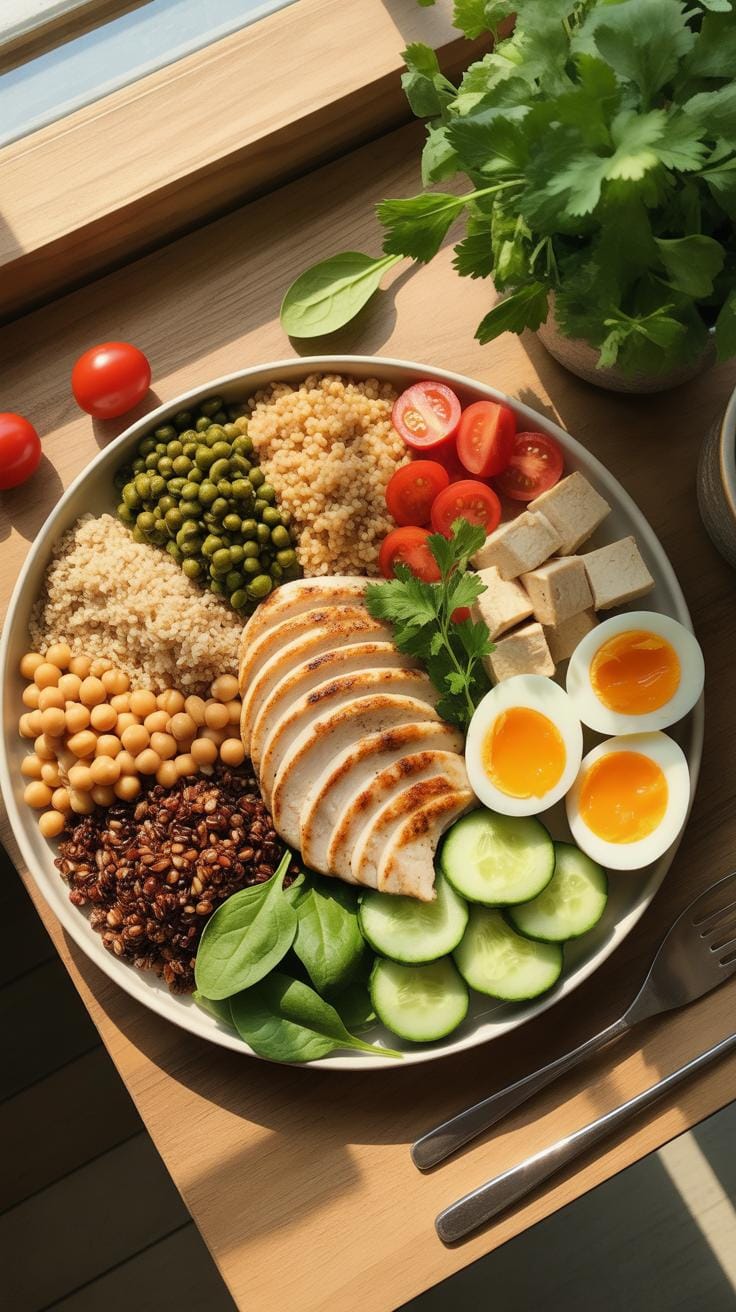
Grains and proteins are central to a balanced food plate, supporting energy needs and bodily functions. It’s often recommended that at least half of your grains be whole grains. Why? Whole grains contain the entire grain kernel — the bran, germ, and endosperm — providing more fiber, vitamins, and minerals compared to refined grains, which lose much of their nutritional value during processing. Examples like brown rice, quinoa, and whole wheat connect you to less processed forms of food that benefit your digestion and metabolism. When shopping, look for products labeled “100% whole grain” or check the ingredient list for whole grains as the first item.
Proteins come from varied sources — both animal and plant-based. Doing a mix is good for nutrient diversity and preventing monotony at meals. Lean meats, poultry, fish, beans, nuts, and seeds all count as protein sources. Plant proteins, such as lentils, chickpeas, and tofu, pack benefits like fiber and are often easier on the environment. A simple tip: aim for moderate portions — around a palm-sized portion of meat or equivalent plant protein — balancing what’s on your plate without going overboard.
Whole Grains Versus Refined Grains
Whole grains and refined grains differ largely in fiber content and nutrient density. Refined grains, like white flour or white rice, lose the bran and germ during milling, stripping away fiber, some vitamins, and minerals. This makes them softer and longer-lasting but less nutrient-rich. Whole grains digest slower, helping maintain steadier blood sugar levels and supporting heart health. Examples of whole grains include oats, barley, millet, and bulgur. Choosing whole grains more often can be better for satiety and gut health, but refined grains still have a role, especially when enriched with nutrients.
Varying Your Protein Choices
Mixing up your protein sources can keep meals exciting and nutritionally balanced. Lean meats like turkey and chicken, seafood such as salmon, and plant-based options including beans, lentils, nuts, and seeds offer different vitamins and minerals. Plant proteins are particularly interesting; for example, cooking beans simply by soaking and simmering can make them convenient and tasty. Plant-based proteins provide fiber and usually less saturated fat compared to animal proteins, adding to their appeal. Occasionally alternating between these sources may help you discover new flavors and textures. Plus, it’s a gentle way to meet your nutritional needs without over-relying on any single protein type.
Dairy Options To Complete Your Plate

The dairy section of your food plate plays a key role in meeting daily calcium and vitamin D needs. These nutrients support strong bones and teeth — something many people overlook until an issue arises. You’ll find common dairy choices include milk, yogurt, and cheese. But not all options are equal when it comes to health.
Choosing low-fat or fat-free dairy products helps reduce saturated fat intake without sacrificing those vital nutrients. For instance, skim milk or low-fat yogurt still provide calcium and vitamin D but with less unhealthy fat. Cheese, while delicious, should be moderated and picked with fat content in mind.
Low Fat And Fat Free Dairy Benefits
Low-fat and fat-free dairy offer a good balance: they keep calcium levels high while limiting saturated fat. This can be beneficial for heart health and weight management. You might be surprised how many products fall into this category — like skim milk, low-fat cottage cheese, and yogurt with reduced fat. These options help maintain nutrition without some of the drawbacks of full-fat dairy.
Non Dairy Alternatives For Lactose Intolerance
For those who are lactose intolerant or prefer to avoid dairy, non-dairy alternatives have become increasingly popular. Soy, almond, and oat milks are common substitutes, many fortified with calcium and vitamin D to mimic dairy’s nutritional profile. Choosing these options can still support bone health while fitting into a balanced plate. Just be sure to check labels for added sugars or insufficient fortification, as these vary widely.
Whether dairy or dairy-free, it’s about finding what fits your preferences and dietary needs while keeping your plate balanced and nutritious.
Common Questions About Food Plates

When it comes to balanced food plates, I often hear questions about meal timing and snacking. Can you eat snacks and still follow the plate model? The short answer is yes, though it’s a bit tricky. Snacks can fit into your daily intake if you respect the food group proportions and keep an eye on portions. Think raw nuts, fresh fruit, or veggie sticks with hummus—these honor the balance and keep your nutrients steady.
Meal timing, like intermittent fasting or traditional three meals a day, doesn’t necessarily clash with the food plate idea. Whether you eat small frequent meals or a few larger ones, the plate’s principle of dividing food into vegetables, grains, proteins, and fruits remains useful. The key is total daily balance rather than a rigid schedule.
Adjusting the plate for special diets? That’s where it gets interesting. Vegetarians and vegans can swap animal proteins for legumes, nuts, or tofu while ensuring enough iron and B12. Gluten-free diets mean choosing grains like quinoa or brown rice instead of wheat. Some low-carb eaters reduce grains but add more veggies and proteins.
The bottom line? The food plate is flexible. It’s a guide, not a strict rulebook. You might need to experiment, especially if you’ve got special dietary needs. What matters most is keeping diverse nutrients in the right ratios to support your body. So, don’t worry too much about perfection—just aim for a sensible, balanced approach that feels right for you.
Steps To Plan Your Balanced Food Plate
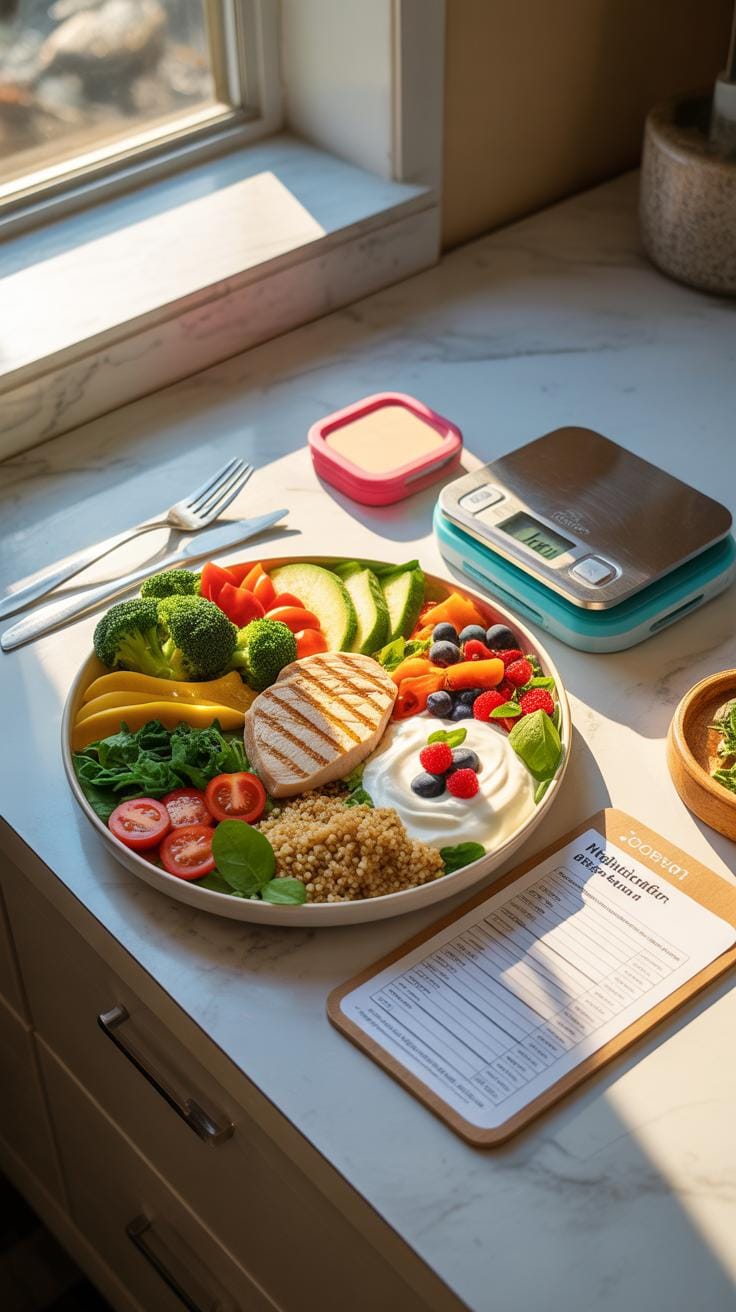
When you sit down to plan your meals, it helps to have a checklist in hand. Think of it like building blocks for your plate, where each group must have its place and measure. Start by visualizing your plate divided into sections: half for fruits and vegetables, a quarter for proteins, and a quarter for grains. Don’t forget to include a small portion of healthy fats somewhere, maybe in your dressing or snack.
For grocery shopping, make a list based on these groups. Fresh or frozen vegetables like broccoli, carrots, and leafy greens should top the list. Whole grains—think brown rice, quinoa, or whole wheat bread—get their spot, along with lean proteins such as chicken, beans, or tofu. When reading labels, focus on sugar and sodium content. Lower is often better. Scan for simple ingredient lists rather than long, unfamiliar words.
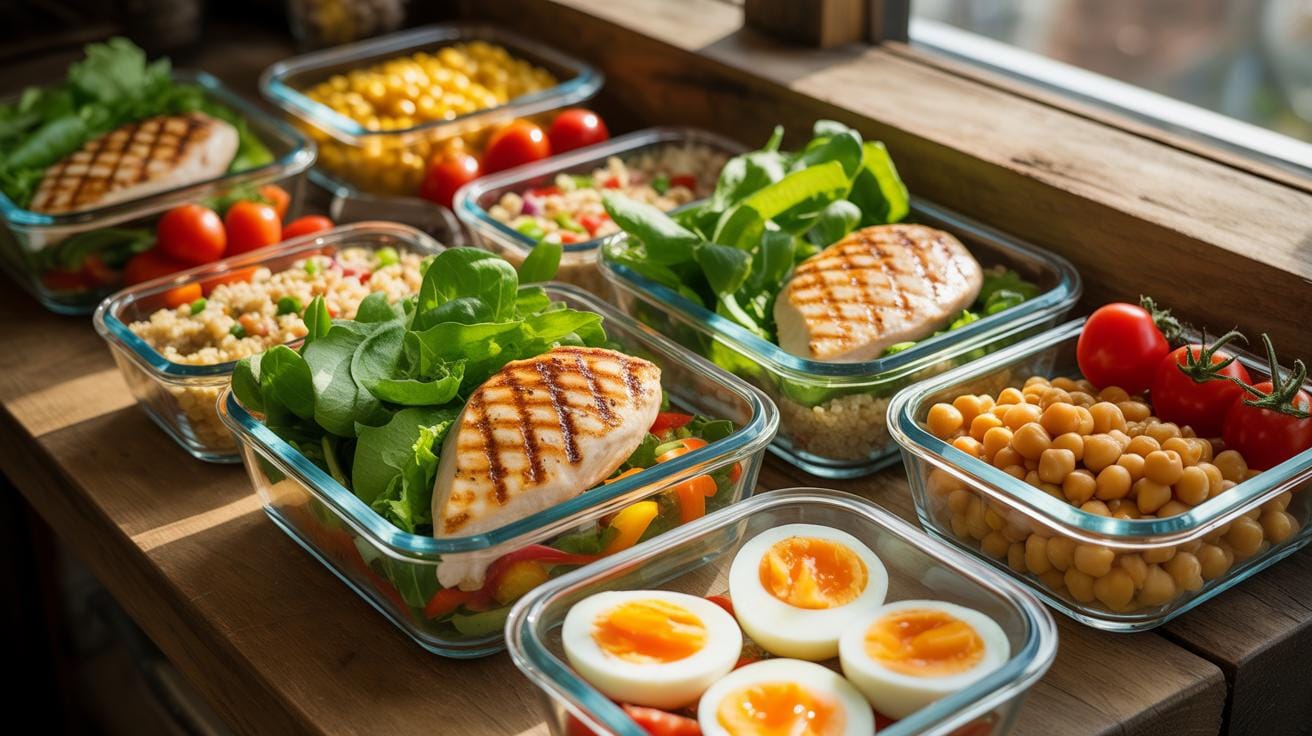
Meal prep can seem daunting at first, but it doesn’t need to take hours. Batch cooking grains and proteins at the start of the week saves time. Chop vegetables in advance and store them in clear containers. Mixing food groups in one dish, like a grain bowl with veggies and beans, keeps things balanced and easy.
Portion control tools, like measuring cups or plates with sections, help keep portions in check. It might feel a bit rigid at the start, but with practice, it becomes second nature. Start small—maybe prepping just one balanced meal a day—and build from there. What are the easiest changes you can make during your next shopping trip?
Mistakes To Avoid With Food Plates

When you’re trying to follow the balanced food plate model, it’s surprisingly easy to slip up. One common mistake is overloading on a single food group. Maybe you’ve done this yourself—loading up on grains because they’re filling or piling on protein thinking it’s the key to muscle gain. The problem? It can throw your nutrient balance out of whack. Eating too many grains, for example, can flood your system with carbs but lack enough fiber or other nutrients. Likewise, overconsuming proteins might strain your kidneys over time and displace other vital food groups.
Another pitfall is ignoring portion sizes. A plate crowded with vegetables can be great, but those half-cup servings of cheese or nuts add up fast if you’re not mindful. And while it’s tempting to grab processed foods for convenience, they often sneak in hidden sugars and excess sodium that disrupt the plate’s harmony. Think about that flavored yogurt or pre-packaged deli meat—they look healthy but pack more sugar or salt than you expect.
It’s also common to skip dairy or fruits altogether, maybe because of dietary preferences or lactose intolerance. But dropping these food groups can leave gaps in calcium, vitamins, and antioxidants. So, the idea to keep in mind is variety within moderation—making room for all groups, but balanced. Easier said than done sometimes, but that’s the trick.
Why Overloading One Food Group Is Harmful
Eating too much from one food group can have surprising effects on your health. For example, too many grains, especially refined ones, might spike your blood sugar repeatedly, increasing the risk of insulin resistance. On the flip side, an excess of protein, particularly animal protein, can lead to digestive issues and might burden your kidneys—especially if you’re not drinking enough water.
The best approach is to intentionally balance portions on your plate. One tip I find handy is visual: fill half your plate with veggies, a quarter with protein, and a quarter with grains, steering clear of extremes. Also, choose whole grains over processed ones and lean proteins instead of fatty cuts. The easier it is to visualize, the less likely you’ll end up off balance.
Hidden Sugars And Sodium In Food Choices
Hidden sugars and salts in processed foods are tricky villains. For instance, canned soups, flavored salad dressings, and even granola bars often contain more sodium and sugar than you’d expect. These ingredients sneak in unnoticed, but they can add up, throwing off your healthy food plate balance.
Check labels carefully. Terms like “syrup,” “glucose,” or “hydrolyzed protein” might indicate added sugar or salt. Better yet, opt for whole, unprocessed foods when you can. Fresh fruits or nuts are tasty alternatives to sugary snacks. Cooking at home also lets you control salt and sugar, so you keep the plate truly balanced. Sound advice, but not always easy; we all slip up sometimes.
Examples Of Balanced Food Plates
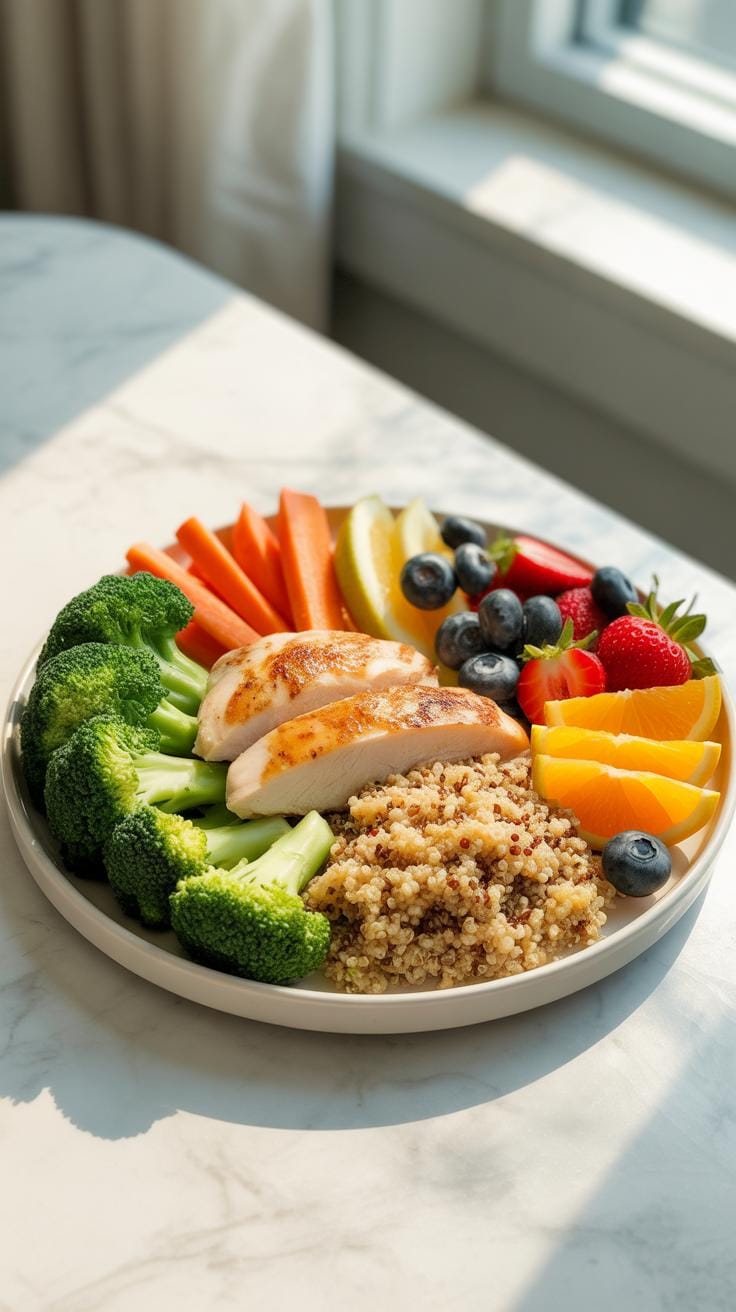
Let’s talk about some real meal ideas that fit a balanced food plate. For breakfast, imagine a plate with a small bowl of mixed berries—about one cup. Add a slice of whole-grain toast with a thin spread of natural peanut butter. Include a boiled egg for protein and a small cup of low-fat yogurt to cover dairy and probiotics. This combination offers fiber, protein, healthy fats, and vitamins, all supporting your morning energy.
Lunch could be a grilled chicken breast—roughly 3 to 4 ounces—paired with a generous serving of roasted mixed vegetables like bell peppers, zucchini, and broccoli. Include a half-cup of quinoa or brown rice for whole grains. A side of a small leafy green salad topped with a drizzle of olive oil and lemon juice can round it out, providing a spectrum of nutrients.
Come dinner, try baked salmon, again about 3 to 4 ounces, with steamed asparagus and sweet potato wedges. Complement this with a small portion of cottage cheese or a glass of milk for dairy. Different colors on your plate suggest a range of vitamins and minerals, and the portions help avoid overeating while nourishing your body.
These meals offer variety and flavors but stick to balanced portions. You don’t have to be perfect—just aim for diversity in your food plate to keep meals interesting and wholesome.
Conclusions
A healthy food plate is a simple tool that guides your eating habits. By dividing your plate into fruits, vegetables, grains, proteins, and dairy, you can make sure you get the nutrients your body needs. This balance helps lower the risk of diseases and supports your overall health.
Following balanced food plate ideas can be easy and practical. You can enjoy different foods and create meals that are both healthy and delicious. Start by making half your plate fruits and vegetables, choosing whole grains, and varying your proteins. These choices will keep your meals interesting and good for you.