
Introduction
Flat Belly Smoothie Recipes That Actually Work for Weight Loss can be a convenient and refreshing way to support your goals of shedding extra pounds around the belly area. They combine ingredients that aid digestion, boost metabolism, and provide essential nutrients without excess calories. This article explores recipes and strategies that help you create smoothies tailored to your weight loss journey.
Drinking smoothies isn’t just about taste. It’s about picking the right fruits, vegetables, and additives that make a difference in your belly fat. We’ll cover why these smoothies work, compare options, and provide practical recipes and tips so you can start enjoying flat belly smoothies that yield visible results.
Benefits of Flat Belly Smoothies
Flat belly smoothies offer a range of benefits that make them appealing, especially if you’re trying to lose weight. One major advantage is their ability to give your metabolism a gentle boost. Some ingredients stimulate your body’s calorie-burning processes in subtle ways—maybe not magic, but enough to matter over time.
These smoothies tend to be nutrient-dense, packing vitamins, minerals, and antioxidants into a single serving. That means you’re feeding your body well without loading up on extra calories. Plus, with the right recipe, you get a good balance of macronutrients, which helps prevent energy crashes during the day.
And, honestly, the ease of preparation can’t be ignored. You don’t have to spend ages cooking or chopping; a quick blend is enough. This simplicity makes sticking to healthy habits more doable, especially when life gets busy. Some mornings, it might even feel like the only way to guarantee a healthy start.
How Flat Belly Smoothies Support Weight Loss
Flat belly smoothies support weight loss in several practical ways. First off, many contain fiber-rich ingredients—things like leafy greens, seeds, or fruits—that keep you feeling full longer. It’s that feeling of satiety that helps stop mindless snacking or overeating.
Antioxidants play a role, too. They help manage inflammation and oxidative stress, which can otherwise hinder fat loss. It’s a slower game, but these compounds can gently push your system in the right direction.
Digestion gets a boost, partly because these smoothies often include probiotics from yogurt or prebiotic fibers. When digestion improves, your body handles nutrients better, which somehow seems to help with weight control. Plus, better digestion means less bloating, which can make your belly look flatter instantly.
Another thing to think about: calorie control. Replacing a high-calorie meal or snack with a smoothie can cut down your daily intake without feeling deprived. But this only works if you’re careful with portion sizes and ingredients—sometimes smoothies get packed with more calories than expected.
Key Ingredients for Flat Belly Smoothies
Certain ingredients show up in most flat belly smoothie recipes, each for good reasons. Here’s a quick look:
- Spinach or kale: low in calories, high in fiber, and nourishing, they fill you up and provide vitamins without heaviness.
- Berries: offer antioxidants and a touch of sweetness without spiking sugar levels.
- Chia or flaxseeds: excellent for fiber and omega-3 fats, they help control hunger and support metabolism.
- Greek yogurt or plant-based alternatives: add protein that’s essential for muscle maintenance and fullness.
- Green tea or matcha powder: known for metabolism-enhancing compounds, they quietly increase calorie burning.
- Ginger: aids digestion and may reduce inflammation, giving your body a gentle nudge toward burning fat.
Each ingredient does more than just add flavor. Together, they work on different fronts in your body, nudging you toward a leaner midsection without feeling like a chore.
Common Mistakes in Smoothie Making
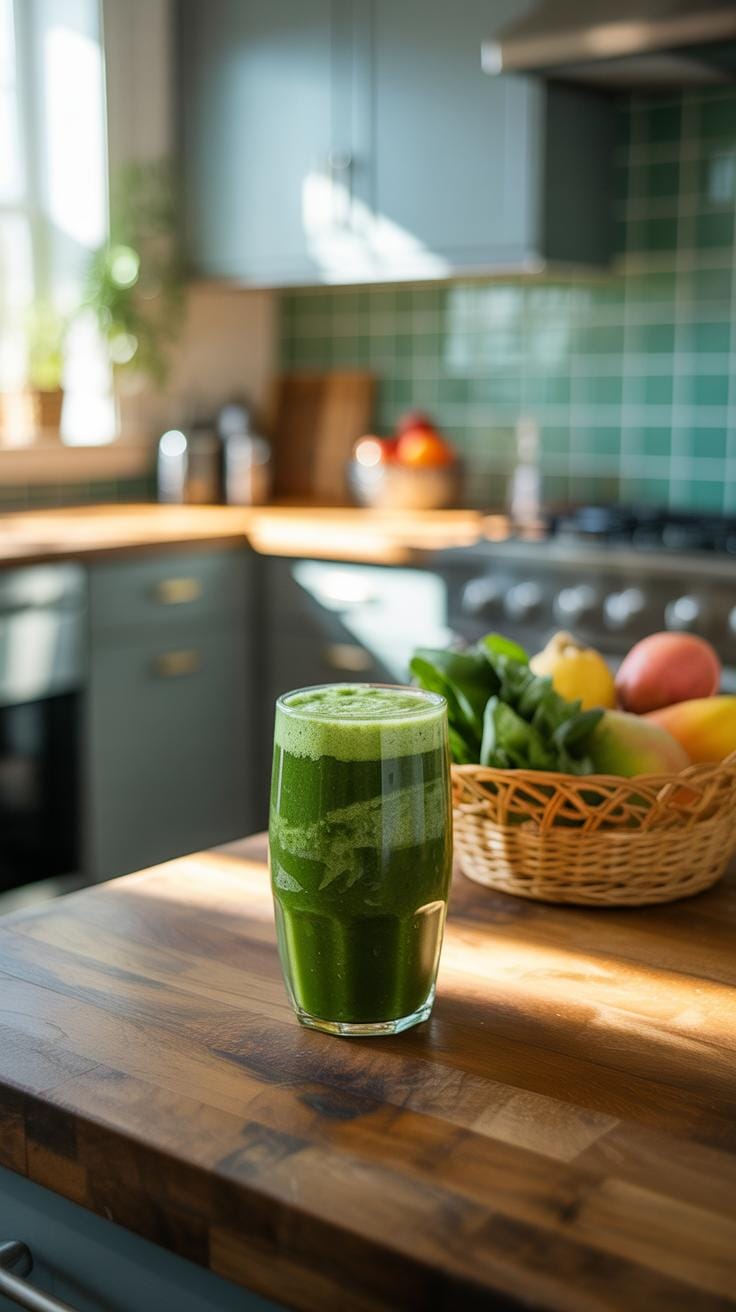
People often assume that smoothies are an automatic win for weight loss. But it’s not always that simple. One common slip-up is adding too much sugar, whether from syrups, fruit juices, or even excessive fruits. It’s easy to think a smoothie is healthy, but loading it with sweeteners can quickly turn it into a calorie bomb.
Another mistake I see often is using calorie-dense ingredients without balancing them out. Things like full-fat yogurt, nut butters, or avocado are healthy in moderation but can add up fast. If you’re not careful, your smoothie might pack more calories than a full meal, which can stall weight loss.
Sometimes, people overlook the importance of fiber or protein in their smoothies. Without enough of these, the smoothie won’t keep you full, and you might end up eating more later. Think of it this way—if your smoothie leaves you hungry shortly after drinking it, it may not be doing its job.
Hidden Sugars in Smoothies
Sugar content matters more than many realize. Too much sugar — hidden or obvious — spikes blood sugar and fuels fat storage, especially around your belly. What’s tricky is that many smoothie ingredients sneak in sugars without warning. Fruit juices, flavored yogurts, pre-made smoothie mixes—they’re common culprits.
Labels rarely show total sugars clearly, so it takes some effort to spot these added sugars. Words like “fruit concentrate,” “maltose,” or “dextrose” often hide in ingredient lists. You might think you’re having a natural smoothie, but those extras add up.
To sweeten smoothies naturally, try these instead:
- Whole fruits like berries or a small banana
- A dash of cinnamon or vanilla extract
- A splash of unsweetened almond milk or coconut water
- Leafy greens (they can surprisingly mellow flavors)
Balancing Calories and Nutrients
Calories do count, even in smoothies. Drinking a smoothie with hundreds of calories might undo your weight loss efforts if it’s meant to replace just a snack, not a meal. So how do you balance it?
First, think about what the smoothie replaces. If it’s breakfast, it can be larger and more nutrient-dense. For a snack, keep it lighter. Portion size definitely matters—you don’t want to chug a 24-ounce smoothie loaded with calories unless it’s a planned meal.
Focus on mixing proteins, fiber, and healthy fats with moderate carbs. This combo helps control hunger and keeps your energy steady. For example, add a scoop of protein powder, a handful of chia seeds, or a small amount of nut butter. It might feel contradictory to add fat when losing weight, but certain fats actually help you feel full longer.
How often do you check what’s in your smoothie? Sometimes tweaking a small detail can make all the difference.
Sample Flat Belly Smoothie Recipes
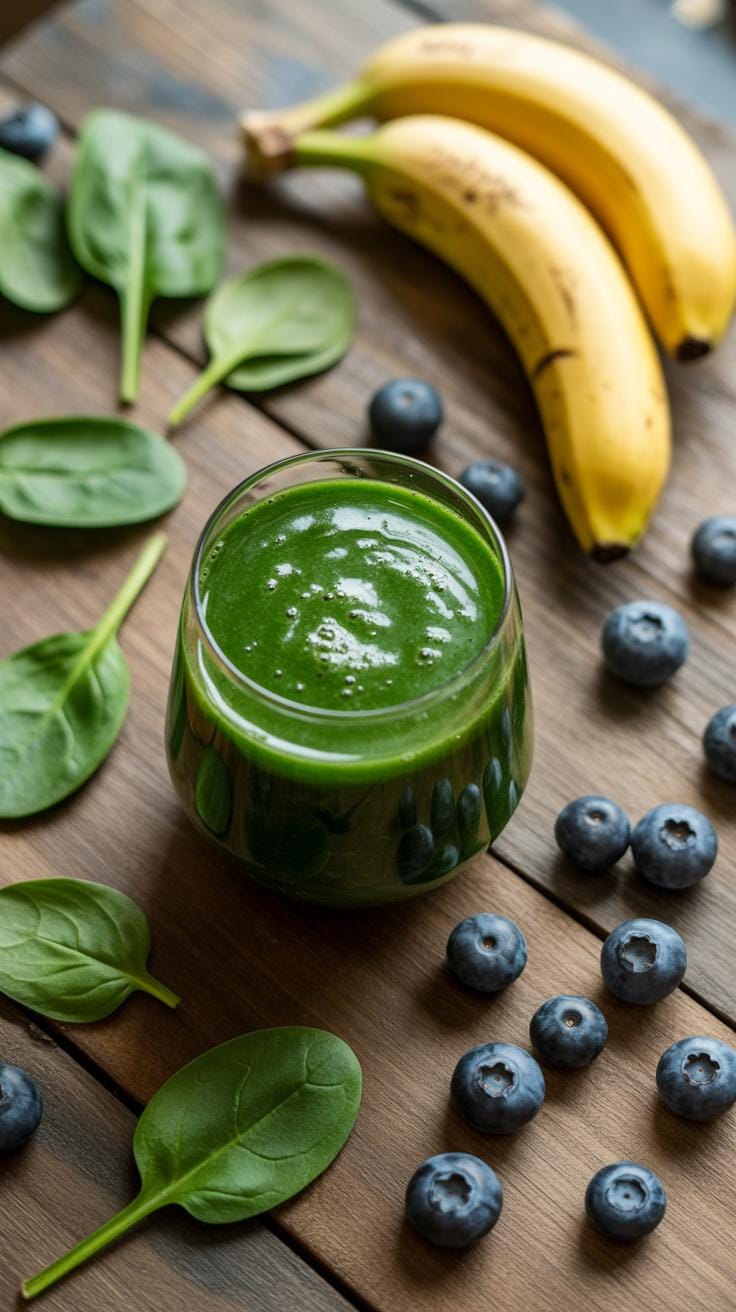
Green Detox Smoothie Example
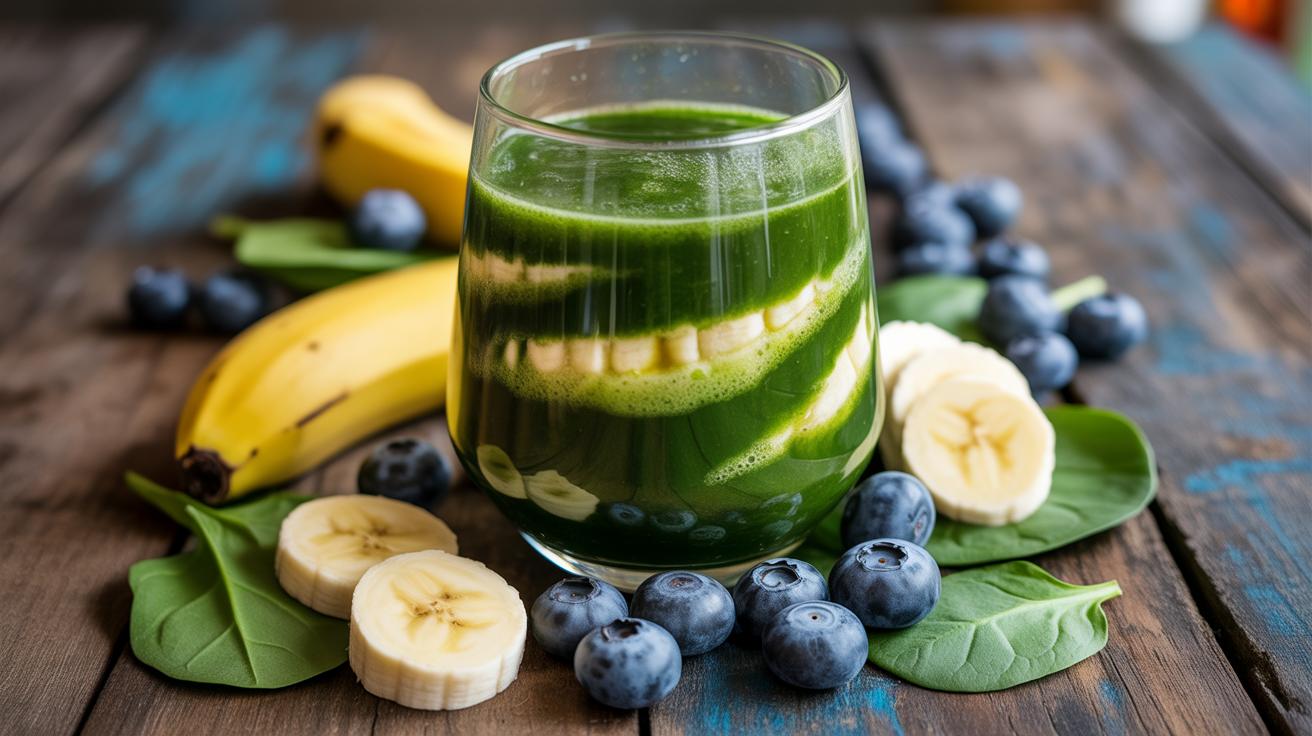
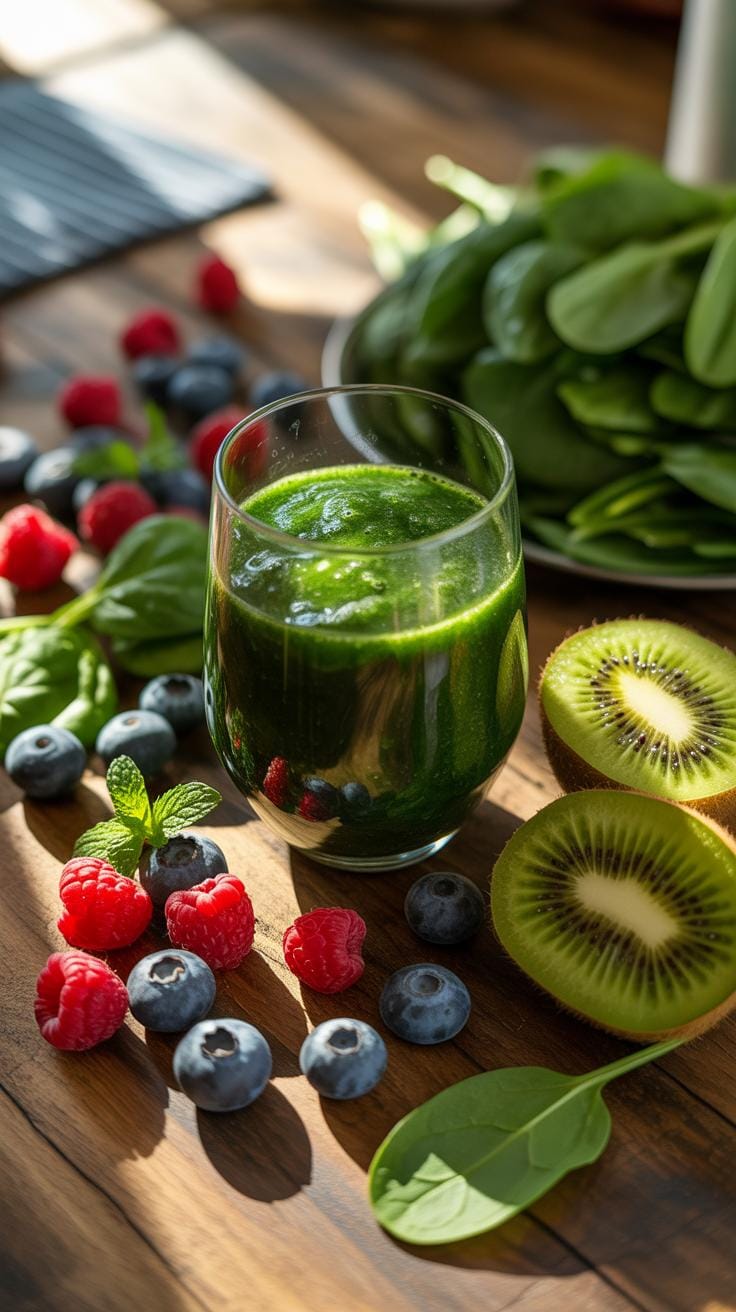
If you want something simple yet powerful, the Green Detox Smoothie is a solid place to start. It combines ingredients that support digestion and help reduce bloating—the kind of thing that can make your belly look flatter over time. Here’s what you need:
- 1 cup spinach or kale (fresh, not frozen)
- 1/2 cucumber, peeled and chopped
- 1 green apple, cored and sliced
- 1 tablespoon fresh lemon juice
- 1 teaspoon grated ginger
- 1 cup coconut water
- Handful of ice cubes
Put all items in a blender. Blend until smooth. Simple, really. You’ll probably notice the fresh, slightly tangy taste from the lemon and the light sweetness from the apple. The ginger adds a gentle kick, which might even speed up your metabolism a bit. I mean, it’s subtle but noticeable.
This drink adds fiber and hydration, which help your digestive system stay in balance. And that’s key for avoiding that uncomfortable bloated feeling. Drinking a smoothie like this in the morning can set your day on the right track. Maybe it won’t melt fat instantly, but if you’re consistent, it can support gradual flattening of your midsection.
Berry Protein Smoothie Example
The Berry Protein Smoothie is another recipe that’s especially handy if you’re looking to control your appetite and boost your energy throughout the day. Its combination of fiber and protein tends to keep hunger pangs at bay longer than a regular fruit smoothie. Here’s what you’ll need:
- 1 cup mixed berries (fresh or frozen)
- 1 scoop vanilla or unflavored protein powder (whey or plant-based)
- 1 tablespoon chia seeds
- 1/2 cup unsweetened almond milk
- 1/2 cup plain Greek yogurt
- Optional: small handful of spinach
Blend all ingredients until creamy. This smoothie has a slightly thicker texture thanks to the chia seeds and yogurt. It tastes fruity but not overly sweet, which I actually appreciate. It’s the kind of snack—or even a meal replacement—that can keep you feeling full, and less likely to grab something sugary later on.
The protein supports muscle maintenance, which is important because muscle helps burn more calories at rest. Plus, those antioxidants in the berries may reduce inflammation, another factor linked to belly fat. It’s hard to say if any smoothie alone will do the trick—but combining this kind of nourishment with overall healthy habits seems like the smarter bet.
Flat Belly Smoothie vs Traditional Smoothies
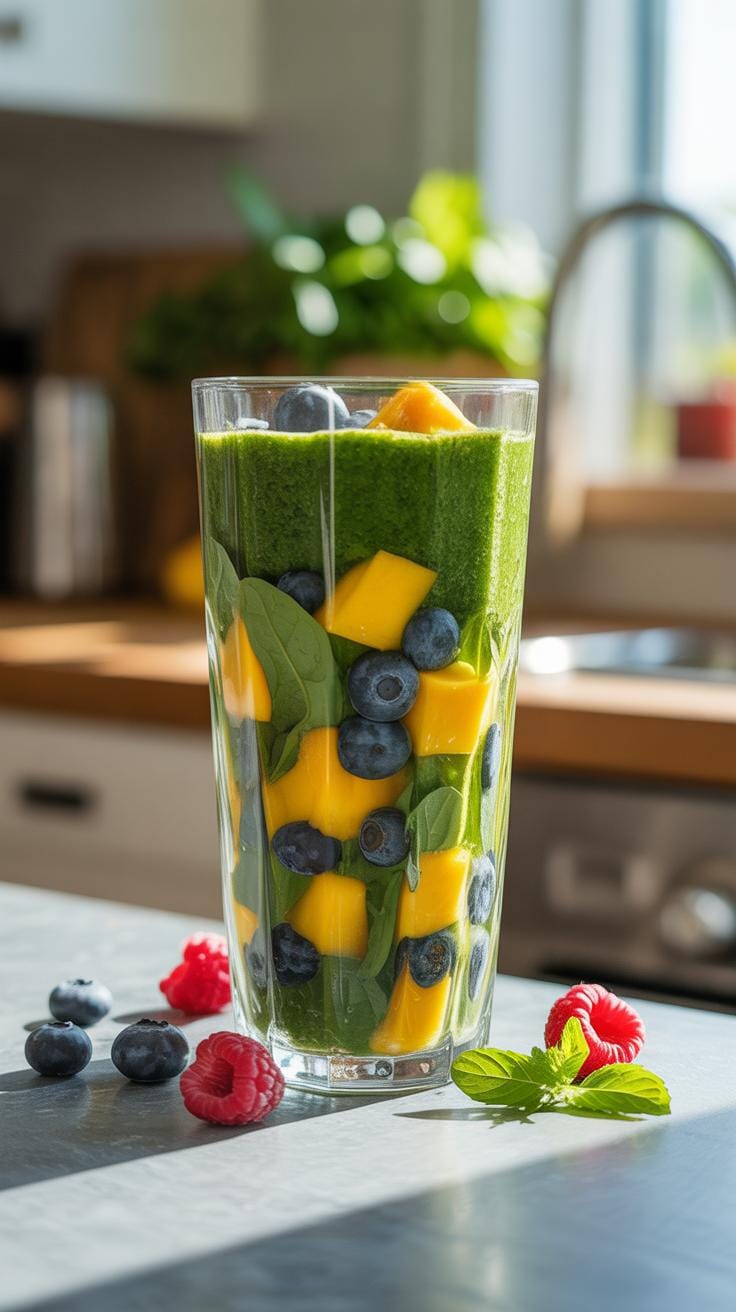
When you look closely, flat belly smoothies and regular smoothies aren’t exactly the same beast. The ingredients often diverge in subtle but meaningful ways—flat belly smoothies lean heavily on low-calorie, high-fiber, and metabolism-boosting elements. Think spinach, cucumber, ginger, and green tea powders rather than the common banana, sweet yogurt, or fruit juices that pack traditional smoothies.
On calories, flat belly smoothies tend to be lighter. A typical traditional smoothie can hit 300 to 400 calories easily because of added sugars and dense fruits. Meanwhile, flat belly versions might hover around 150 to 250 calories, focusing more on volume and nutrients than sweetness. Weight loss effects come into play here; a smoothie rich in fiber and protein but low in sugar may help reduce hunger and regulate blood sugar, which traditional sugary smoothies don’t really address well.
Nutrient Differences
Flat belly smoothies often prioritize ingredients that promote fat burning and improve digestion. They usually contain more antioxidants, soluble fiber, and plant-based proteins. Traditional smoothies, on the other hand, often have high sugar content from fruits and sweetened yogurts that spike insulin levels, potentially hindering fat loss.
You might notice a lot of flat belly smoothie recipes include things like chia seeds, flaxseeds, or matcha—all linked with slowing digestion and sustaining energy. Traditional ones are more about quick energy boosts but might leave you craving more sugar soon after.
Calorie and Sugar Content Comparison
Calories and sugar define these two smoothie types in a major way. Flat belly smoothies often keep total sugars below 10 grams, sometimes even less, by prioritizing vegetables and minimal fruit. Traditional smoothies regularly push 20 to 40 grams of sugar thanks to fruit blends and added sweeteners.
This difference can be crucial if you’re aiming for steady fat loss. High sugar can cause insulin spikes, leading to fat storage and energy crashes. Meanwhile, low-sugar but nutrient-rich flat belly smoothies maintain more stable blood sugar levels, which might be why many find better results with them when trying to lose weight.
Of course, it’s not black and white. Some traditional smoothies with smart ingredient choices might be okay. But generally, if weight loss is your goal, keeping an eye on sugar and calorie density as flat belly smoothies do can really change things.
Smoothie Preparation and Storage Tips
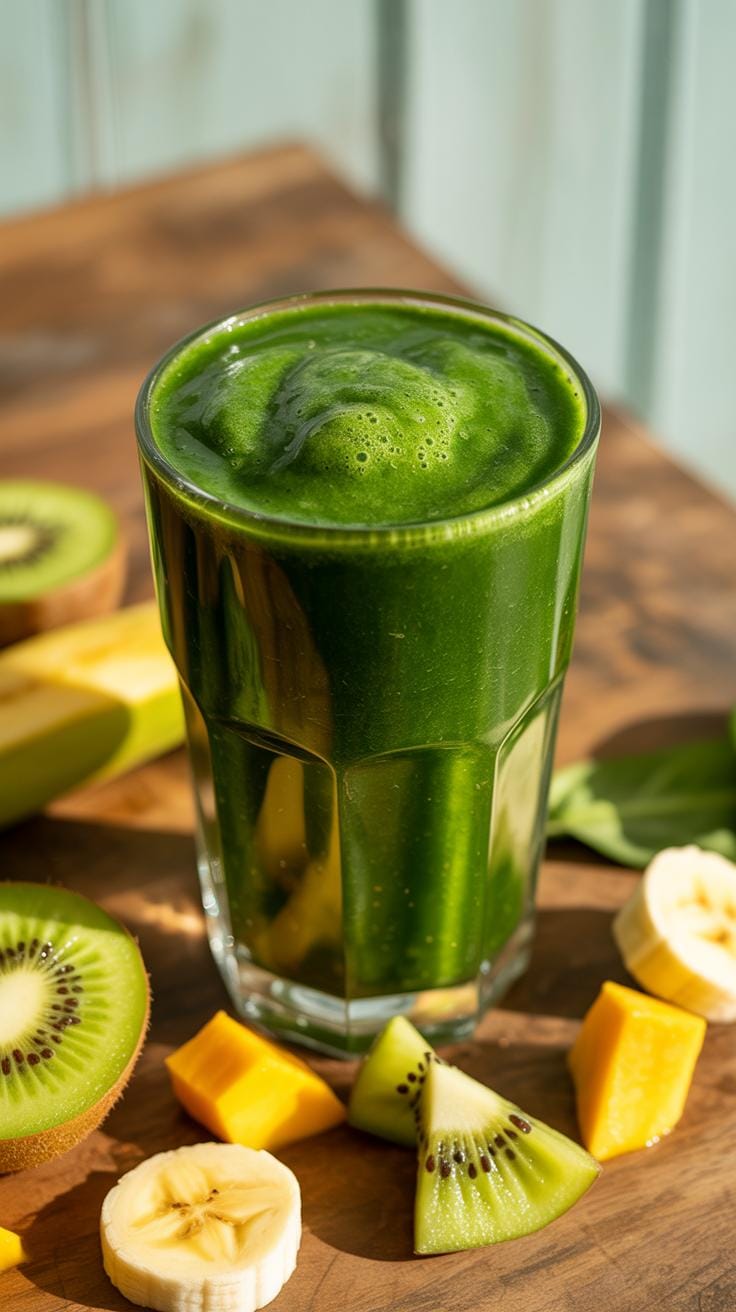
Making a flat belly smoothie at home doesn’t need to be complicated or time-consuming. First, gather your fresh ingredients—usually a mix of fruits, vegetables, a protein source, and liquid like water or unsweetened almond milk. Start by blending the softer ingredients like spinach or banana with the liquid to avoid clumps. Then, add denser items such as nuts or seeds. This layering can make blending smoother and quicker.
Don’t rush the process; a few extra seconds blending can really improve texture. I sometimes find I need to stop and scrape the sides to get everything mixed well. It’s a minor step, but it prevents chunks and makes the smoothie more enjoyable to drink.
Once prepared, the way you store your smoothie affects its freshness and nutrients. If you’re not drinking it immediately, keep it in an airtight container to reduce exposure to air, which can dim flavors and degrade certain vitamins like vitamin C. Glass jars with tight lids are the best option here. Refrigerate your smoothie, and try to consume it within 24 hours—flavor and nutrients start to decline beyond that.
If you want to prepare smoothies ahead for busy days, freezing is an option. Use freezer-safe containers and leave some space for expansion. When you’re ready, thaw in the fridge or blend frozen chunks directly—this changes the texture a bit but still works. Has storing smoothies in the fridge ever made yours taste ‘off’ like mine sometimes do? It’s probably because oxidation started, so smaller portions might work better if freshness is your priority.
Remember, drink your smoothies soon after preparation for the best benefits. This prevents nutrient loss and makes sure you enjoy the full flavor you originally intended.
How to Incorporate Smoothies into Your Day
Smoothies as Meal Replacements
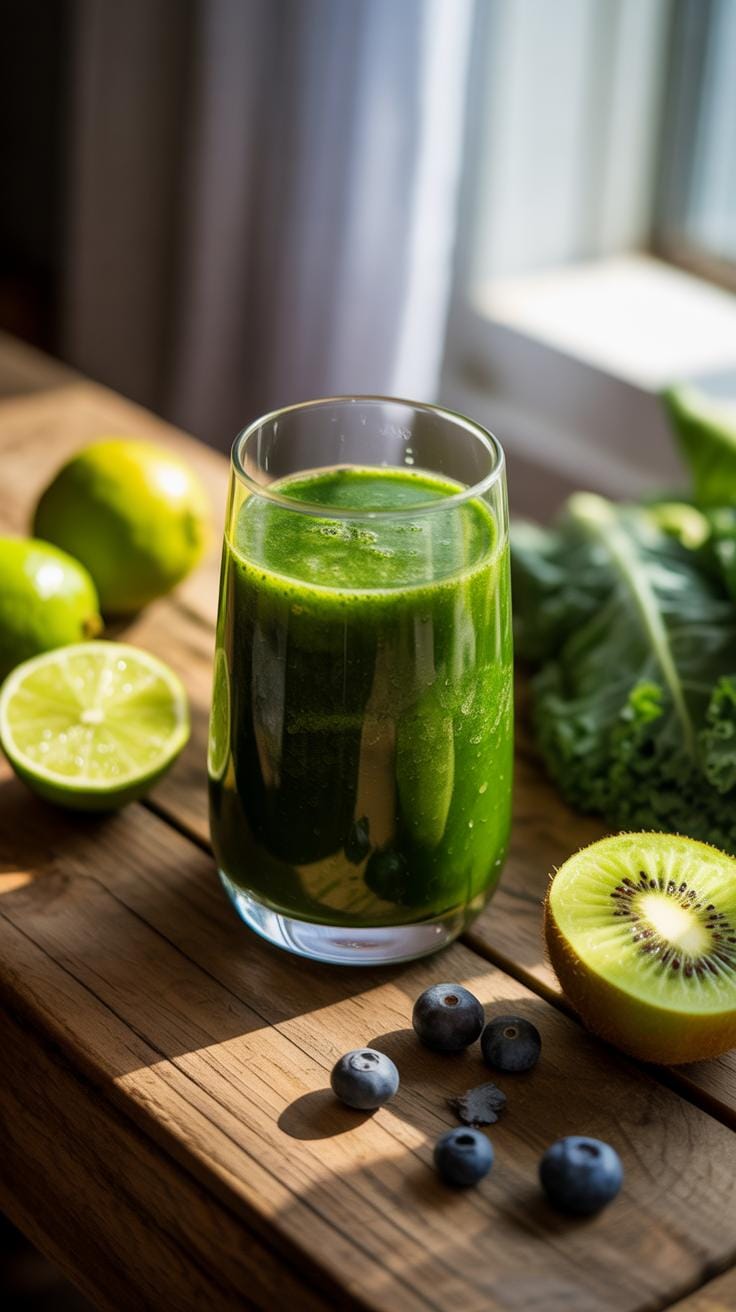
Using a flat belly smoothie as a meal replacement can work well, but timing and ingredients matter a lot. For example, swapping breakfast with a high-protein, fiber-rich smoothie can kickstart fat burning and keep hunger at bay until lunch. But it’s not just about tossing any fruit and calling it a meal. You want a balanced mix—think protein like Greek yogurt or plant-based powder, healthy fats from avocado or nuts, and fibrous veggies like spinach or kale.
Sometimes, I’ve found that having a smoothie in place of a heavy meal helps when life gets busy or when I’m not feeling very hungry. It’s quick, less messy, and often keeps cravings in check. But if your smoothie lacks enough calories or variety, you might feel drained rather than energized. So, it’s about striking the right balance for your body and schedule.
Smoothies for Pre-or Post-Workout Fuel
Smoothies can be handy before or after workouts, though the focus shifts slightly. Before exercising, you want something that’s easy to digest but provides energy—like a banana mixed with almond butter and some protein powder. It’s light yet offers a quick boost for your muscles. I usually have mine 30 to 45 minutes before I start moving.
After workouts, the goal flips to recovery and replenishment. Smoothies rich in protein and antioxidants help repair muscles and reduce inflammation. Ingredients like berries, spinach, and a scoop of protein powder do the trick. I once tried a smoothie with frozen cherries, protein, and a little flaxseed after a tough session, and I felt less sore the next day.
Either way, bringing a smoothie into your workout routine isn’t just convenient—it might improve how you feel during and after exercise, which in turn can support your weight loss efforts. The key is tailoring the ingredients and timing to your unique needs.
Essential Nutrients to Watch in Smoothies
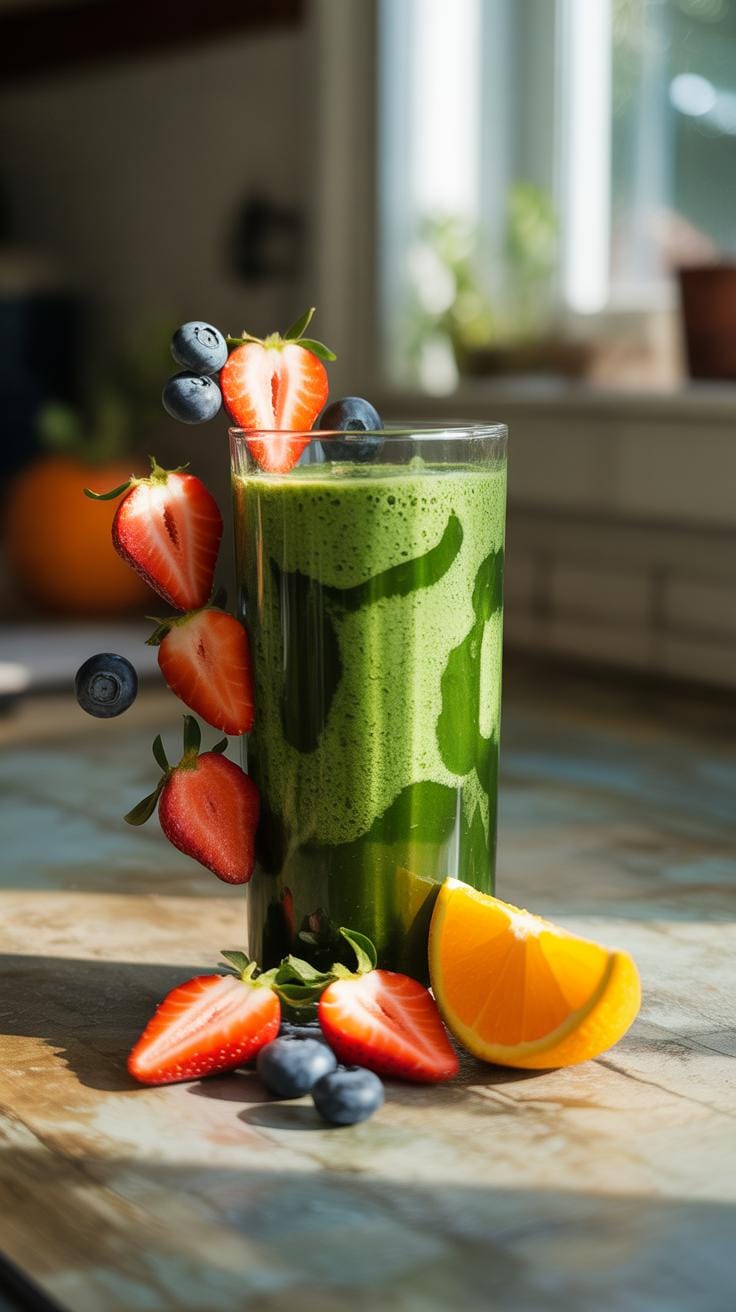
When it comes to flat belly smoothies, focusing on specific nutrients can make all the difference. Among these, fiber and protein often stand out because they influence how full you feel and how your body handles fat. Fiber slows digestion, helping to keep hunger at bay longer. Protein, on the other hand, supports muscle maintenance, which is crucial if you’re trying to lose fat rather than just weight. Together, they create a sense of satisfaction that can prevent mindless snacking later.
For fiber, think about adding ingredients like chia seeds, flaxseeds, or even vegetables like spinach and kale. These don’t just add bulk—they also feed the good bacteria in your gut, which might play a role in weight regulation. Protein sources could be Greek yogurt, protein powders, or nut butters. You don’t want a smoothie that just tastes good but one that actually keeps you going, right?
Regarding vitamins and minerals, some are surprisingly important for weight loss and general health. Vitamin C supports metabolism and can be included via citrus fruits or berries. Potassium helps balance fluids and supports muscle function; bananas and leafy greens are good sources. Magnesium is involved in energy production and is found in nuts and seeds. Lastly, B vitamins help convert food into energy, so blending in oats or whole grains might help here too.
Do you ever wonder if your smoothie is really doing what it’s supposed to? Sometimes, despite putting in handfuls of fruit, it might lack these key nutrients that make flat belly smoothies actually effective. Watching these essentials—not just calories or taste—can change how you feel and, more importantly, how your body responds.
Tracking Your Progress with Smoothies
Keeping track of how flat belly smoothies affect your weight and health can be a bit tricky if you don’t have a clear plan. One helpful method is to keep a food and weight journal. Writing down what you eat and your daily or weekly weigh-ins gives you a better picture than just guessing how things are going. You might notice patterns, like feeling more energetic on days you have your smoothie, or subtle weight shifts that don’t show up immediately on the scale.
When you log your meals and weight regularly, you create a trend line rather than random points. This can encourage you when progress seems slow. Plus, journals help catch little slips in your routine you might otherwise forget.
Keeping a Food and Weight Journal
Journaling isn’t just for calorie counting. It lets you reflect on how your body reacts to certain ingredients, hunger cues, or even how smoothies affect your digestion. Writing down your weight frequently—say, once a week—keeps you grounded. Though some days the number won’t budge, or might even rise unexpectedly, the journal stops you from jumping to conclusions too quickly.
It’s a gentle reminder that weight loss is rarely linear. Sometimes, the body holds water or fills glycogen stores, and that’s normal. If you jot down moods or energy levels too, you might see benefits beyond just pounds lost.
Using Photos and Measurements
Weight alone can be misleading. That’s why taking photos and body measurements is crucial. Seeing side-by-side pictures over weeks can reveal changes your eyes miss day to day. A pinch of waist, hips, or thigh measurements can show fat loss even when the scale stalls.
Photos capture posture changes, muscle tone, or bloating variation. Sometimes, clothes fit looser even when pounds don’t vanish. It feels more real to see visual proof than depend solely on numbers. Just make sure you’re consistent — same lighting, similar clothing, and same time of day. It might feel awkward, but it pays off.
If tracking makes you obsess, try to keep it light. The goal is awareness without pressure. What subtle differences in photos or measurements surprise you the most? This can help you stay motivated in ways the scale never could.
Smoothie Ingredient Shopping List
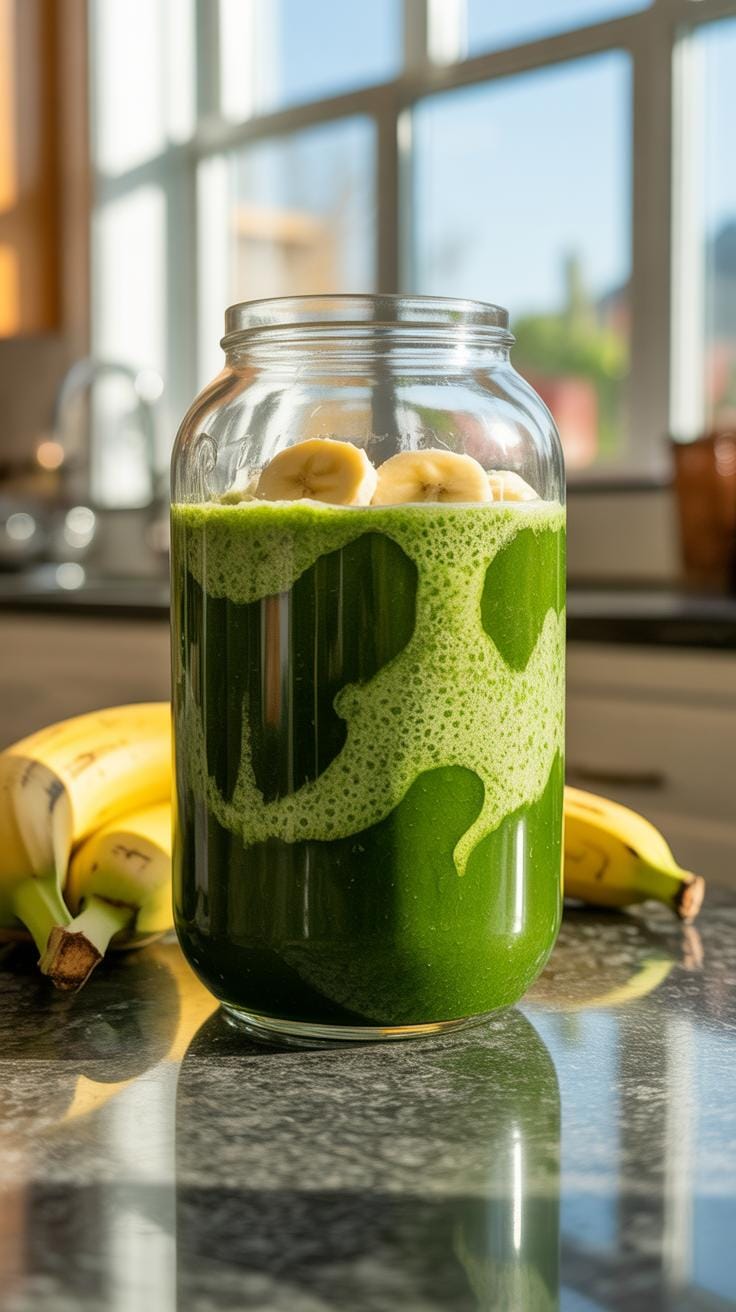
Picking the right ingredients for your flat belly smoothies can feel a bit overwhelming at first. But if you build a basic shopping list, things get easier—almost automatic. Fresh and frozen fruits and vegetables are the cornerstone. You might want to keep options like spinach, kale, or cucumber, which add fiber without bulk. Berries—blueberries, raspberries, strawberries—are excellent for sweetness and antioxidants without packing on sugar.
Frozen options work well too, especially when fresh isn’t available or you want your smoothie cold and thick. Think frozen mango, pineapple, or even chopped carrots. These are not only convenient but help maintain consistent texture.
Then, there’s the stuff that often flies under the radar but makes the real difference—the add-ons. Seeds like chia and flax boost omega-3 fatty acids and fiber. Nuts like almonds or walnuts bring protein and healthy fats, but don’t go overboard; they can shift your calories faster than you expect. Powders such as protein, spirulina, or matcha can amplify the benefits, but some of these might not appeal to everyone’s palate or digestion.
So your shopping list might look like this:
- Fresh greens: spinach, kale, cucumber
- Fruits: berries, green apple, mango, pineapple
- Frozen fruits and veggies: frozen berries, frozen mango, frozen carrots
- Seeds: chia seeds, flaxseeds, hemp seeds
- Nuts: almonds, walnuts (unsalted)
- Powders: plant-based protein, matcha, spirulina
- Liquid bases (not produce, but crucial): coconut water, almond milk, green tea
Try to experiment with combinations. Sometimes you discover you don’t like the texture of flax but love chia. Or maybe matcha tastes odd at first but grows on you. Shopping for these ingredients with an open mind often leads to tastier, more satisfying smoothies that you’ll actually want to drink regularly. That’s where the real flat belly benefit starts—consistency, not just the ingredient list. What’s sitting in your fridge right now that you might use differently?
Conclusions
Flat belly smoothies can be effective tools in your weight loss plan when combined with a balanced diet and active lifestyle. Choosing ingredients carefully is critical to maximizing benefits and avoiding added sugars or empty calories. Regularity and portion control contribute to steady progress.
By following the recipes, ingredient tips, and preparation methods discussed, you can create tasty and nourishing smoothies that keep you energized while working toward a flatter belly. Start with small changes and track your results to find what works best for you.