
Introduction
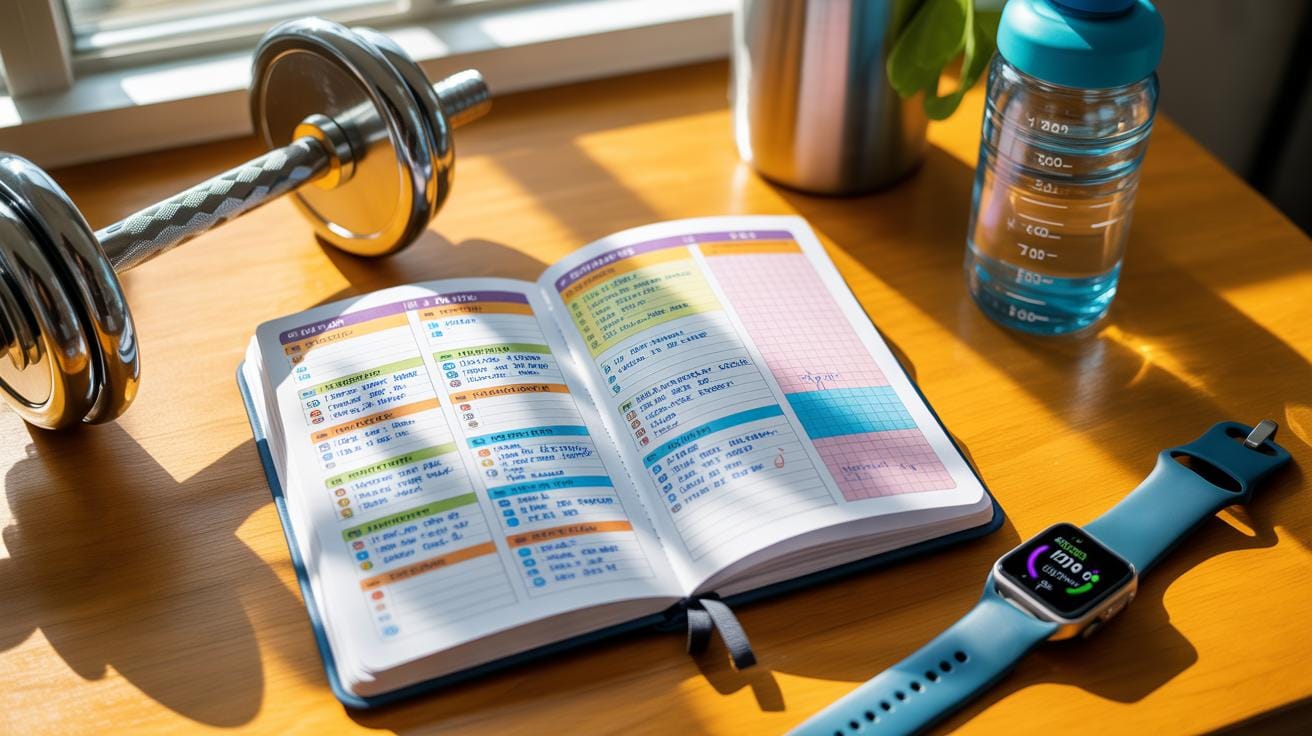
Fitness Planner Template For Daily Fitness Planner And Gym Planner Success helps you organize your workout schedule. Planning keeps you on track and helps you meet your fitness goals. A good fitness planner simplifies your exercise routine and keeps motivation high.
In this article, we will look at how to create a daily fitness planner and gym planner. You will learn why planning matters. We provide steps and tips to build your own planner for a successful fitness journey.
Plan Your Fitness Routine


A fitness planner is essentially a tool to map out your physical activities and workouts. This might sound obvious, but many people underestimate the value of having a clear plan. You see, without a plan, it’s easy to wander aimlessly—doing exercises haphazardly, missing key workouts, or overtraining some muscle groups while neglecting others. Planning your fitness routine gives you a blueprint to follow and makes your goals tangible rather than vague wishes.

Why is planning important? Well, for one, it helps you stay consistent. When you have a schedule, it’s harder to skip sessions. Plus, you can tailor your workouts to balance intensity and recovery days, enhancing progress and reducing injury risk. Also, planning pushes you to set realistic milestones, so you can see how far you’ve come and keep motivated.
When I started jotting my routine down, I found it easier to commit, especially on busy days. Maybe it won’t be perfect every week, but having that rough roadmap does make a difference. Have you tried planning ahead before, or do you usually see where the day takes you?
Build A Daily Fitness Planner

Creating a daily fitness planner is simpler than it might seem. First, decide your workout time. Personally, I prefer mornings; it sets a good tone for the day, but some choose evenings because it feels like a release after work. Whichever, pick a slot you can mostly stick to.
Next, include the workout type. Are you focusing on strength training, cardio, flexibility, or a combo? It’s good to mix things up to avoid boredom and plateaus. Also, jot down the workout intensity—light, moderate, or heavy. This helps with pacing and knowing when to push versus take it easy.
Don’t forget quick notes on duration and goals for that day—like “30 minutes, moderate pace, focus on form.” Sometimes life interrupts, so having a note allows you to adjust but stay on track. You might even want to add a section for how you felt, to spot patterns or needs for change.
I sometimes miss including warm-up or cool-down details, which I later regret because they’re important but easy to overlook in a rush. Does your day-to-day planner have space for those? If not, consider adding it.
Set Up Your Gym Planner

Organizing a gym planner can be a game changer. Unlike a general fitness planner, it digs into the specifics of your gym sessions. Start by listing exercises for the day—bench press, squats, rows, etc. Then document sets and reps. This way, you know exactly what you did last time and can aim to improve.
Tracking progress is crucial here. Write down weights lifted and any personal records. If you’re not moving forward or hitting plateaus, the planner will show where you can tweak your approach. It’s like having a training diary but more structured.
Make room for notes about form, muscle soreness, or how challenging each exercise felt. Sometimes the numbers don’t tell the whole story. These observations once helped me avoid an overuse injury by spotting recurring discomfort early.
Finally, keep your gym planner accessible—maybe a small notebook or an app. The key is regular updates. That’s the only way the planner becomes a real partner in your fitness journey, not just a forgotten list.
Choose Exercises That Fit Your Goals

When planning your fitness routine, the exercises you choose should closely reflect your specific goals—whether that’s weight loss, muscle gain, or endurance. This isn’t just about picking any workout but tailoring it to produce tangible results. So, what really matches your intentions?
If weight loss is your focus, cardiovascular exercises like running, swimming, or cycling excel because of their calorie-burning potential over sustained periods. Alternatively, for muscle gain, strength training with weights or body resistance works by progressively overloading your muscles to trigger growth. Endurance, on the other hand, benefits from a blend—longer durations of moderate cardio coupled perhaps with some strength training to build stamina.
It’s tempting to start everything at once, but that’s often overwhelming. You might find it useful to prioritize based on your current fitness state and be ready to adjust as you learn what fits you best.
Compare Cardio And Strength Training
Cardio and strength training aren’t opposing forces; they each serve unique roles. Cardio primarily boosts heart and lung health. It can reduce the risk of heart disease and improve overall energy levels. Strength training builds muscle, enhances bone density, and speeds up metabolism. Fascinatingly, strength training also supports joints and can prevent injuries—a detail many overlook.
Balancing these? It depends. Some days you might focus on cardio, others on weights. For example, moderate-intensity cardio three times a week combined with two strength sessions could be a good start for many. The key is to listen to your body and adjust the ratio if fatigue or lack of progress shows up.
Examples Of Workout Plans
- Weight Loss Plan: Alternate 30 minutes of jogging or brisk walking with a circuit of bodyweight exercises (like squats, push-ups, and jumping jacks), three to five days a week.
- Muscle Gain Plan: Perform strength training focusing on major muscle groups—think squats, deadlifts, bench press—three times a week, with rest or light cardio on other days.
- Endurance Plan: Combine long-distance running or cycling sessions twice a week with one or two days of strength training, focusing more on lighter weights and higher reps for stamina.
Remember, these plans are not rigid. You might need to tweak sets, reps, or cardio duration as your fitness level shifts. And sometimes, a day of rest or unexpected fatigue might lead you to switch things up. That’s okay; it’s all part of the journey.
Track Progress With Metrics

When you think about your fitness journey, what comes to mind? Goals, routines, or maybe struggling to see if you’re truly improving? That’s where tracking progress steps in. It gives you a clear picture—kind of like a map showing where you’ve been and where you could go next.
Some metrics are straightforward, yet powerful:
- Weight lifted or resistance used
- Number of repetitions and sets completed
- Duration or intensity of your workouts
- Body measurements or weight changes over time
- Resting heart rate and recovery speed
These numbers might seem like just data on paper, but they tell a story. If your weights haven’t increased or your reps stuck to the same number, maybe your routine needs tweaking. It’s not always about pushing harder; sometimes, it’s about smarter adjustments.
How To Record Workout Data
Writing down weights, reps, or workout times sounds boring, I know. Yet, keeping a dedicated notebook or using apps designed for fitness tracking makes it easier. You don’t need complex charts. Even a quick jotting after each session works.
Try to capture these basics:
- Exercise name
- Weight or resistance level
- Number of reps and sets
- Rest time between sets
- Duration or effort level
Some people prefer digital logs for convenience. But pen and paper sometimes create that extra connection—you physically record your effort, which can feel more motivating. Have you tried both approaches to see what sticks?
Evaluate Your Results
Once you have data, what then? Look for trends. Did you increase reps one week, but your weights stayed the same? Or did your time improve but your effort felt harder? These patterns help you decide if you should push further, change exercises, or even allow more rest.
It’s not about perfection. Sometimes progress looks like maintaining and recovering better. Make small adjustments based on what the numbers tell you, but also how you feel physically and mentally. Combining hard data with your own sense of wellbeing tends to create the best plan improvements.
Avoid Common Planner Mistakes

Too Much Or Too Little Detail
When you create your fitness planner, it’s easy to either flood it with so many details that it becomes overwhelming or keep it so bare that it loses its usefulness. I’ve noticed that a planner stuffed with tiny notes on every single exercise can make you feel bogged down, maybe even reluctant to open it. On the other hand, if your notes are too sketchy—like just a list of exercises without sets, reps, or time frames—it doesn’t guide your routine well. Finding that middle ground—a balance—is tricky. You want enough detail to hold yourself accountable and track progress but not so much that your planner feels like a chore to maintain.
Skipping Regular Updates
Consistency is… well, kind of everything. You might think filling out your planner once and sticking to that rigid plan is enough. But workouts evolve, goals change, and life happens. By skipping regular updates, the planner quickly becomes outdated and less relevant. I’ve seen many people start strong yet lose steam because their planner no longer reflects their current fitness level or schedule. Updating your planner regularly—daily or weekly—keeps it alive. It reminds you where you were and what you need to change. Without it, your planner might just sit there, forgotten, gathering dust. So, keep it in motion, don’t let your plan become stale.
Use Templates To Save Time

Ready-made fitness planner templates can be surprisingly handy when you’re trying to organize your routine. They cut down on the time you’d spend deciding on layouts or wondering what details to include. Instead, you start with a structure that’s mostly there—your main job is to fill it in rather than build from scratch.
With these templates, you avoid missing important pieces, like tracking progress or planning rest days. It’s easier to keep consistent because the format nudges you to revisit your goals regularly, reducing the chance of slipping off track. Plus, when you’re busy or feeling unmotivated, having a clear template to turn to feels like a small push to keep going.
Using templates also means less mental clutter. You waste less energy on planning and more on the actual workouts. For many, this streamlined approach can make daily or weekly fitness planning feel less like a chore and more like a straightforward step.
Where To Find Templates

There’s a range of places online where you can find fitness planner templates, both free and paid. Websites like Canva and Etsy offer many options, often with different aesthetics and levels of detail. You might also check productivity platforms like Notion or Google Docs, which have user-shared templates specifically for fitness.
Social media platforms, especially Pinterest, showcase plenty of creative planner ideas. Sometimes bloggers or fitness coaches share downloadable planners on their websites too. It’s about finding something that fits your style—whether you want something super simple or more comprehensive with meal planning and workout logs.
You might want to test out a free template first before paying for one. Some apps designed for fitness tracking also include planner templates you can adapt to your needs, which is another angle worth exploring.
Customize Templates For You

Templates are a helpful starting point, but they rarely match your exact needs without tweaks. You can tailor them—for example, add sections for specific exercise types, injury notes, or motivation quotes that resonate with you. Maybe you prefer a minimalistic look with space for only the essentials, or perhaps you want detailed daily checklists. It’s up to how you use it.
Changing fonts, inserting your favorite colors, or reordering sections to suit your workflow can make a big difference in how often you return to your planner. If your goals shift—say, from weight loss to muscle gain—you might want to swap out sections or add progress measurement tools accordingly.
At its core, customizing is about making the planner your own so it encourages you to stick with the routine, and reflects what matters most to you personally. It’s not just about formality; it’s a practical way to make planning feel less like a task and more like part of your daily habit.
Create Weekly And Monthly Plans

Organizing your fitness planner with weekly and monthly views can really change how you track progress. Weekly layouts let you break down each day, which means you can plan for variety — not just repeating the same routine without thought. It’s less about rigid schedules and more about being flexible enough to fit workouts around life’s unpredictabilities.
Plan Workouts By Week
Start by mapping out your week ahead. Choose a mix of strength, cardio, and flexibility exercises. Don’t forget to slot in rest days; these are just as important as workout days. For example, Monday could be upper body strength, Tuesday cardio, Wednesday active rest like yoga, and so forth. It’s about balancing intensity and recovery so you’re not burnt out by midweek.
Set Monthly Fitness Targets
Setting monthly goals gives your routine a purpose and checkpoints to celebrate small wins. Maybe it’s increasing the number of push-ups, improving your running pace, or simply sticking to your schedule more consistently. If you check progress weekly, these monthly targets become less daunting and more manageable. These goals aren’t set in stone though, so give yourself permission to recalibrate as you go.
Incorporate Nutrition Planning

Nutrition – well, it’s kinda the backbone of any fitness plan, right? You can’t just work out without thinking about what you put in your body. Food fuels your muscles, repairs tissues, and even affects your energy levels during workouts. Skipping nutrition planning in your fitness planner feels like trying to drive a car without fuel—possible but not practical.
When you add meal planning with your fitness planner, you’re not just jotting down workouts but creating a whole lifestyle map. Try including sections for breakfast, lunch, dinner, and snacks, with notes on timing and portion sizes. You might want to experiment by prepping meals ahead or noting days to grocery shop.
Track Calories And Macros
Logging calories and macronutrients (protein, carbs, and fats) might sound tedious, but there are simple ways to keep up without feeling overwhelmed. You could use apps or a simple notebook. Think of it as a way to tune into your body’s needs—hey, sometimes you might realize you’re undereating protein on workout days.
Focus on your goals to tailor your logging. Want muscle? Track if you hit your protein grams. Trying to lose weight? Pay attention to your calorie intake versus burn. Don’t stress about perfection—this is about awareness, not obsession.
Plan Balanced Meals
Planning meals isn’t only about hitting numbers; it’s about balance that supports your workouts and overall health. Aim for meals with a mix of macronutrients and include micronutrient-rich foods like veggies and fruits. Meals should be satisfying enough to keep cravings at bay but not so heavy that they slow you down during exercise.
Try switching things up. Maybe have fish and quinoa one day, chicken and sweet potato another, or a hearty salad with nuts and legumes. Having variety keeps you from getting bored and ensures you get diverse nutrients. Thought about meal timing? Some find having protein and carbs soon after workouts helps recovery—worth trying out for yourself.
Review Results And Adjust Plans

Using your fitness planner isn’t just about ticking off workouts or meals. It’s about reflecting on what the data tells you. Regularly reviewing your entries reveals valuable clues—sometimes subtle—about how your body responds. Maybe your strength is improving steadily, or perhaps progress has slowed. Either way, paying close attention helps avoid the trap of blindly repeating routines.
Look back on your progress and ask questions like:
- Are you hitting new personal bests or struggling with the same weights?
- Is your energy level during workouts changing over time?
- Do rest days feel sufficient, or do you notice lingering fatigue?
These insights guide informed tweaks—say, increasing weights slightly or shifting rest days. The key is to stay flexible, allowing your plan to evolve as your needs shift.
Look For Patterns In Progress
Patterns often emerge from consistent tracking, revealing phases of plateaus or breakthroughs. For example, if your reps or weights stay stagnant across sessions, it may hint at a plateau. Conversely, steady improvements over weeks suggest your current approach is effective.
Don’t merely glance at numbers. Instead, step back and analyze trends over days or weeks. Are certain exercises consistently tough? Does your weight fluctuate in sync with nutrition or sleep changes? Sometimes, the data reflects lifestyle factors rather than workout flaws.
Understanding these patterns helps decide where exactly to focus your adjustments—whether that’s exercise variety or nutrition balance. And it’s equally fine to wonder if external stresses are playing a role.
Make Changes To Plans
Adjusting your plan involves a mix of intuition and data-driven decisions. If a plateau persists, consider changing the type or intensity of workouts. For instance:
- Swap some strength training exercises for others targeting the same muscles differently.
- Incorporate interval cardio if endurance seems stagnant.
- Reassess your nutrition—sometimes small tweaks in macros can reinvigorate progress.
Don’t rush to overhaul everything at once. Small, thoughtful changes often work better. After all, abrupt shifts can disrupt your rhythm or lead to burnout.
Ask yourself: does this change feel sustainable? Is it realistic with your schedule and preferences? Your fitness planner should remain a helpful guide, not a source of stress or confusion. With each review and adjustment, you shape a routine that grows with you rather than against you.
Stay Motivated With Planner Tips
Using your fitness planner isn’t just about tracking exercises or jotting down meals. It’s a tool that can really keep your motivation alive if you know how to lean on it daily. Maybe it’s the simple act of crossing off a workout that nudges you forward. When you open your planner, it should feel like a personal pep talk, a quiet reminder of your commitment.
Try making notes of how you feel after a workout — energized, tired, proud. These little reflections can push you through tougher days, reminding you that progress isn’t always linear but always worth it.
Consistency can wobble — we all have those days. Use your planner to schedule workouts like appointments you can’t skip. Treat your planned sessions as non-negotiable meetings with yourself. It’s strange how writing it down can make it feel more real and pressing.
Set Rewards For Goals
Setting small rewards along the way is surprisingly effective. Imagine hitting a milestone and treating yourself not just with “I’ll rest today,” but maybe a movie night, a new workout top, or a nice smoothie. These rewards make those milestones tangible and not just abstract goals on paper.
Break big goals into chunks and assign a reward to each. It’s not about grand prizes every time — something simple works. A good book or an hour off social media to relax could be enough. This habit creates a positive feedback loop that pulls you forward.
Include Variety In Workouts
Monotony kills motivation faster than skipping a session. Use your planner to mix things up. List different workout types for the week: cardio on Monday, strength on Tuesday, yoga Wednesday. This keeps your routine fresh and your body guessing.
You might discover you’re surprisingly good at dance-based workouts or find solace in stretching. Changing workouts prevents boredom but also reduces injury risk by not overusing the same muscles repeatedly.
Plan in occasional outdoor activities or group classes. The change of environment and company can inject a new spark — something your planner can help visualize and schedule ahead so it actually happens.
Conclusions
Using a fitness planner can improve your workout consistency. It makes it easy to track progress and adjust exercise plans. Creating a daily fitness planner or gym planner helps you stay focused and committed to your goals.
If you follow the planning steps and tips shared here, you will find a better way to manage your workouts. Your fitness results will improve with regular review and updating of your planner. Take control of your fitness with a clear plan.