

Introduction
Fiber-rich foods offer many health benefits that support your fitness and overall well-being. Eating the right types of fiber helps your digestion, controls blood sugar, and can improve your heart health. Knowing which fiber-rich foods to choose can make a big difference in helping you reach your health goals.
This article compares fiber-rich foods to high fiber foods, explaining how they differ and how they impact fitness. You will learn ways to pick fiber sources that suit your lifestyle and enhance your energy, recovery, and digestive health. By the end, you will have clear actions to add the best fiber foods to your diet.
What Are Fiber Rich Foods


Fiber rich foods are plant-based foods that contain a high amount of dietary fiber, which is the part of plants your body can’t fully digest. Dietary fiber is made up of various components like cellulose, pectin, and lignin—basically parts of plants that pass through your digestive system mostly unchanged.

You find fiber mainly in legumes, whole grains, fruits, vegetables, and nuts. Each of these sources offers different types and amounts of fiber. For instance, whole grains like oats or barley have a unique fiber structure compared to the fiber in fruits like apples or bananas.
Types Of Dietary Fiber
There are two main types of fiber—soluble and insoluble. Soluble fiber dissolves in water, forming a gel-like substance that can help lower cholesterol and regulate blood sugar. Insoluble fiber doesn’t dissolve; instead, it adds bulk to your stool, keeping your digestion regular. Both types contribute differently but are essential.
Common Fiber Food Sources
Some everyday fiber-rich foods you might recognize include:
- Beans and lentils, which are rich in both soluble and insoluble fiber.
- Oats and barley, well known for their soluble fiber content.
- Bananas and apples, providing soluble fiber.
- Whole wheat, which mostly gives you insoluble fiber.
- Vegetables like carrots and broccoli, offering a mix of both fibers.
- Nuts, which are mostly insoluble fiber sources but have some soluble fiber too.
Depending on your goals—like lowering cholesterol or improving digestion—you might choose your fiber sources differently. It’s not a one-size-fits-all situation, and finding a balance matters.
Fiber Rich Foods
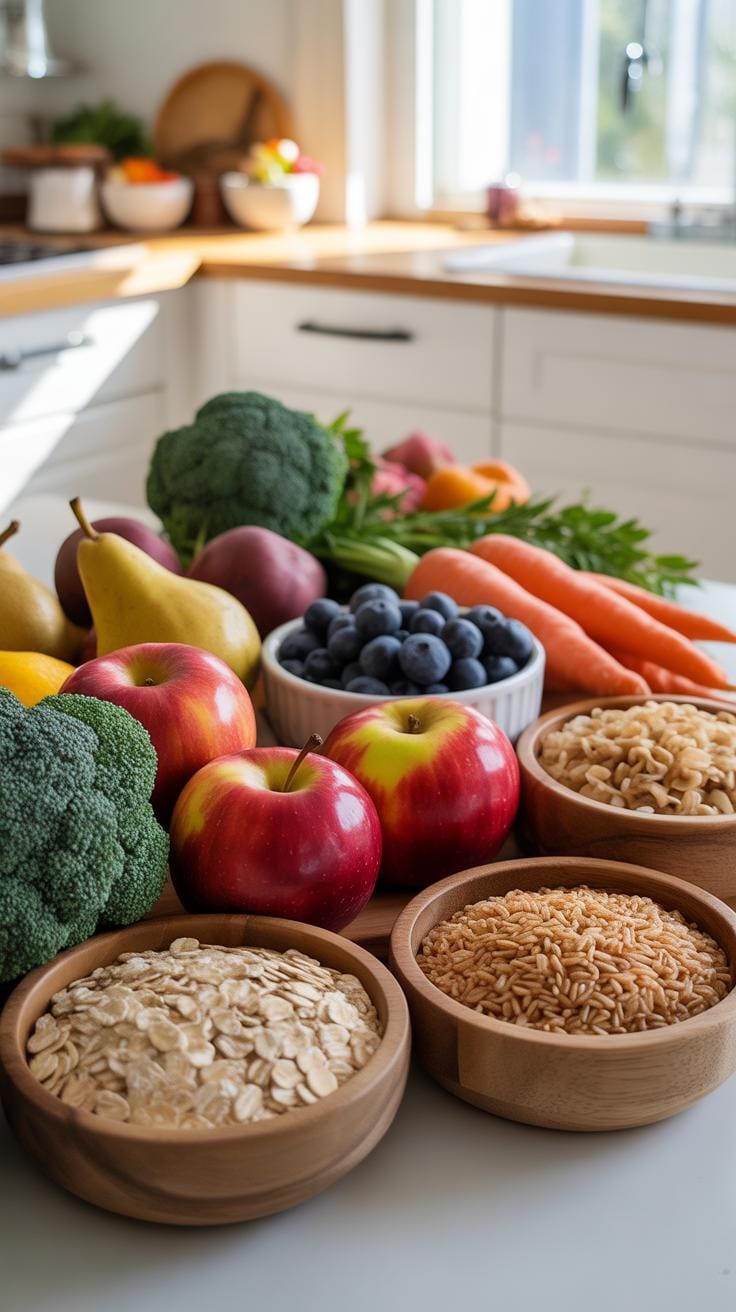
When you hear “fiber rich foods,” what comes to mind? Usually, it’s plant-based staples like fruits, vegetables, legumes, nuts, seeds, and whole grains. They naturally contain fiber—both soluble and insoluble types. Fiber’s a bit of a mixed bag chemically, made up of components like cellulose, pectin, and resistant starches. What’s interesting, I think, is how these different types influence your body in unique ways.
Take soluble fiber, for example. It dissolves in water, forming a gel-like substance that slows digestion a bit. This reaction is why oatmeal might keep you feeling full longer. Insoluble fiber doesn’t dissolve and instead adds bulk to your stool, which helps keep things moving smoothly through your gut. Foods like wheat bran and many veggies pack this type.
Some fibers ferment in your colon, feeding good gut bacteria that support overall digestive health. Ever noticed a slight gas or bloating when trying new high-fiber foods? That’s your gut adjusting to this microbial feast. It might be a little annoying at first but often settles down.
Importantly, whole foods provide a combo of these fibers along with vitamins, minerals, and antioxidants—a big bonus for overall fitness and vitality. So, just grabbing a fiber supplement isn’t quite the same as eating fiber in its natural context.
- Fruits like berries, apples, and pears are fiber favorites.
- Vegetables such as broccoli, carrots, and leafy greens also contribute good fiber doses.
- Legumes—think lentils, beans, chickpeas—are fiber powerhouses.
- Whole grains including oats, barley, and quinoa add diverse fiber types.
- Nuts and seeds provide fiber plus healthy fats and protein.
Choosing a variety of these foods ensures a balanced fiber intake, which not only helps your digestive system but could support your energy levels and workout recovery. It’s like your body benefits from more than just the fiber—it’s the whole package.
How To Choose Fiber Foods
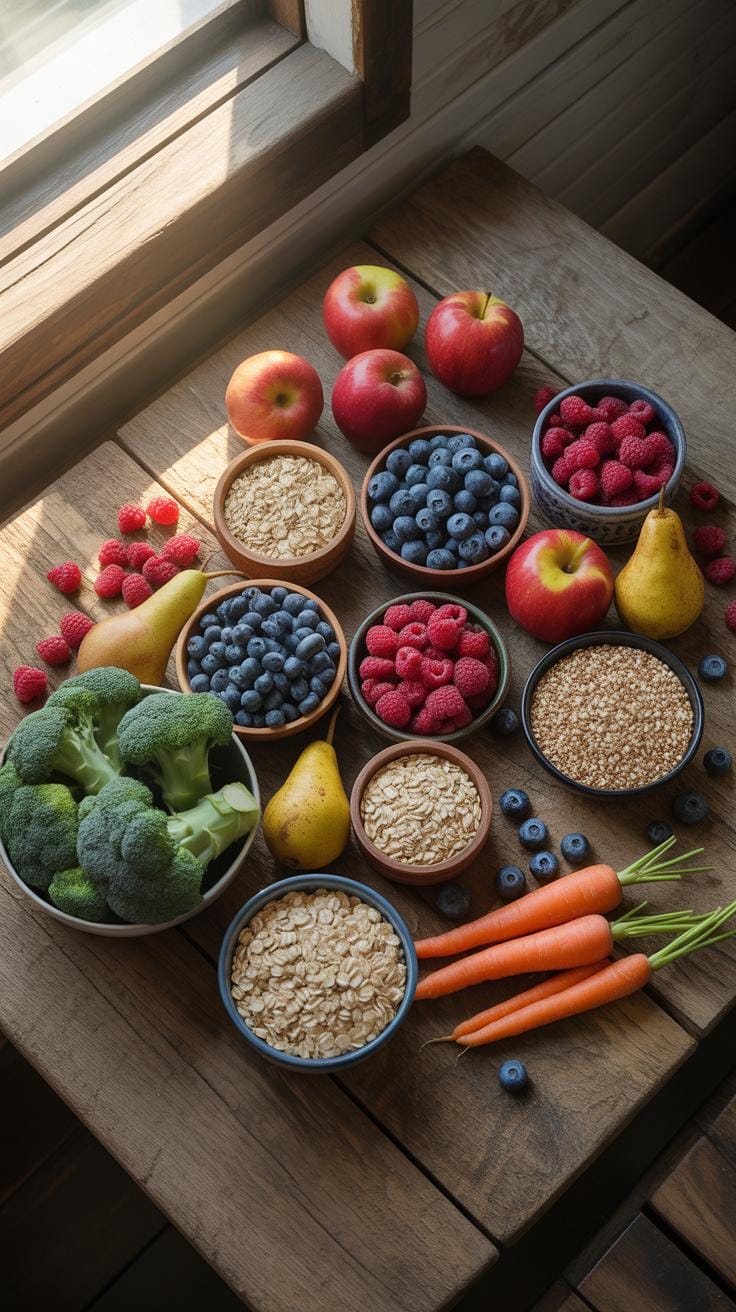
Picking fiber-rich foods that support your fitness goals can feel tricky at first. You want to hit the right balance between soluble and insoluble fiber. Soluble fiber dissolves in water and helps lower cholesterol and control blood sugar. Insoluble fiber doesn’t dissolve and keeps your digestion moving. A mix of both types is best, but the exact ratio isn’t set in stone. It kind of depends on your body and what you’re aiming for.
Whole foods usually pack more fiber than processed ones. For example, eating an apple with the skin gives you more fiber than drinking apple juice. Yet sometimes, fortified or processed foods with added fiber can be useful, especially if you’re short on time. So, don’t dismiss them completely.
Check Food Labels For Fiber
Reading nutrition labels isn’t complicated once you get the hang of it, but many people overlook it. Look for the total fiber content—ideally 3 grams or more per serving is decent. Labels may list soluble and insoluble fiber separately, which helps if you want a specific type. Beware, though; sometimes “dietary fiber” lumps both types together, so it’s not always clear which you’re getting.
Also, pay attention to ingredients. Whole grains, seeds, and legumes should be near the top. If a product is full of sugars or preservatives and only has a tiny bit of fiber, it probably won’t give you much benefit.
Add Variety For Best Results
Eating just one fiber source every day might not cut it. Different fibers feed different gut bacteria, which can influence your overall health. Mixing beans, whole grains, fruits, and vegetables broadens your nutrient intake. One day it could be lentils and broccoli; the next might be oats and berries. Rotating foods might feel tedious, but it’s worth it for your gut and fitness.
It’s easy to forget how many options out there contain fiber. You can experiment with textures, flavors, and preparation methods. Sometimes, that variety keeps you interested and prevents fiber intake from becoming a chore rather than a benefit.
Fiber Intake Guidelines For Fitness

Setting a target for fiber intake can feel tricky if you’re focused on fitness. But generally, adults should aim for about 25 grams a day for women and 38 grams for men. That’s the ballpark range suggested by nutritional experts, but it’s not set in stone—people vary quite a bit.
Something I learned the hard way is that jumping straight into high fiber amounts can cause digestive discomfort—think bloating or gas. So, it’s best to increase fiber intake gradually over a few weeks. Your gut bacteria need time to adjust.
Another point often overlooked is water. Fiber works by absorbing water, softening stools, and promoting smooth digestion. If you boost fiber but skimp on hydration, you might end up constipated. Drinking plenty of fluids helps fiber do its job and keeps you feeling comfortable. Maybe a good habit to pick up is carrying a water bottle around workouts or with meals.
In short:
- Men: aim for about 38 grams of fiber daily
- Women: aim for 25 grams daily
- Increase fiber slowly to avoid discomfort
- Drink plenty of water as you increase fiber
Fiber Rich Foods
When thinking about fiber rich foods, it’s crucial to realize that not all fibers are created equal. Fiber rich foods refer to those that offer a mix of different fiber types—soluble, insoluble, viscous, fermentable—in balanced amounts. This diversity matters, and often, these foods come packed with other nutrients, too.
For instance, legumes, whole grains, fruits, and vegetables each provide various fiber blends alongside vitamins, minerals, and antioxidants. This combination supports your digestion, gut health, and overall energy levels in ways that just piling on high fiber without diversity might not.
It’s tempting to focus on simply hitting a fiber number—say 30 grams a day—but if those grams come mostly from one fiber type, you might miss out on the full picture. Are you feeding your gut bacteria with fermentable fibers? Are insoluble fibers ensuring smooth bowel movements? Or, maybe you’re getting fiber that’s less effective because it’s very refined, like isolated fiber supplements.
Quality matters as much as quantity. So, when you choose fiber rich foods, think variety. Mix oatmeal with flaxseed for soluble and viscous fibers, add some fresh berries for fermentable prebiotics, and toss in some nuts for a bit of insoluble fiber punch.
It’s perhaps a bit confusing deciding which fiber is best—because some fiber types can even slow digestion to keep you fuller longer, while others bulk up stool for regularity. That delicate balance is what distinguishes fiber rich foods from just those labeled ‘high fiber’.
Meal Ideas With Fiber Rich Foods
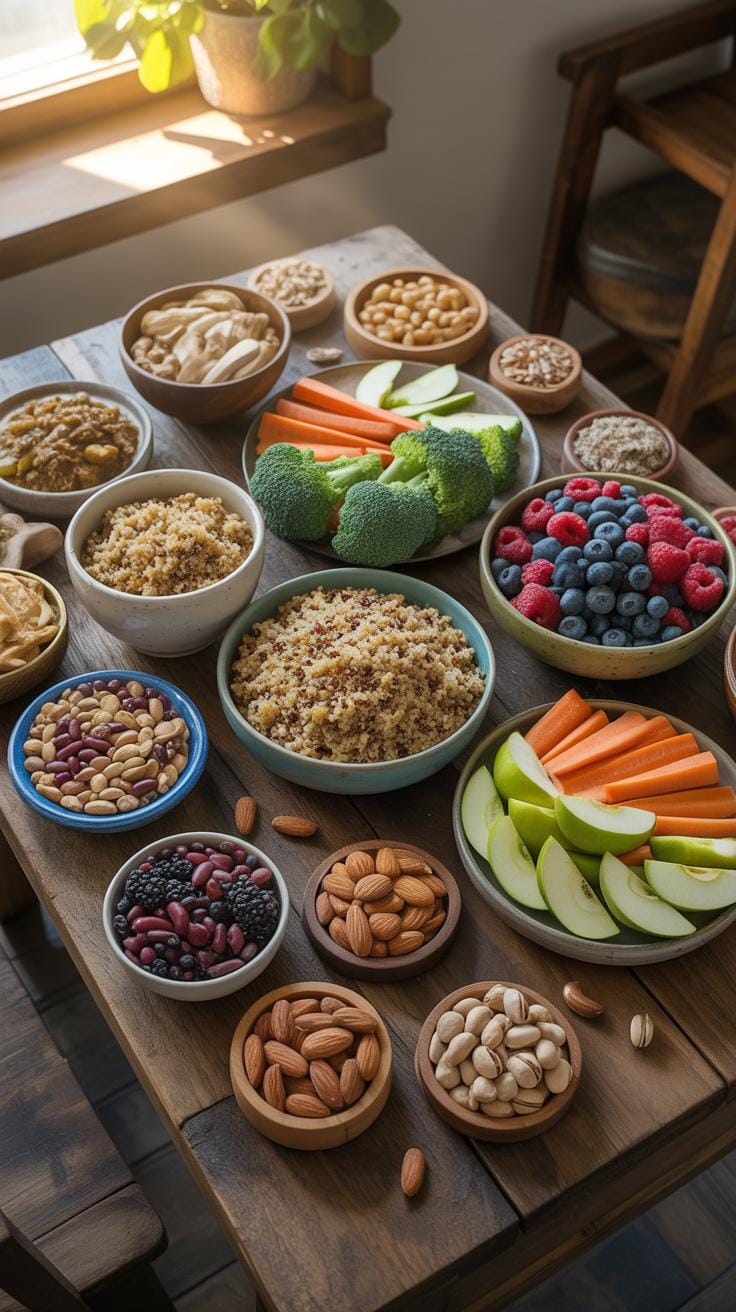
Adding fiber rich foods to your meals doesn’t have to be complicated or dull. There are plenty of simple ways to enjoy fiber while staying aligned with your fitness goals. Here are some ideas that are easy to prepare and satisfying enough to keep you on track.
Breakfast Examples
Start the day with oatmeal topped with fresh fruit—berries or sliced apples work great. This combo brings soluble fiber that helps keep you full and supports digestion. Or consider whole wheat toast spread with avocado; the healthy fats paired with fiber make for a balanced breakfast. Smoothies are another good option—throw in chia seeds or flaxseeds for that fiber boost without changing the taste much. It’s a flexible way to sneak fiber in when mornings are rushed.
Lunch And Dinner Options
For lunch or dinner, beans are a solid pick—black beans or lentils in salads or stews add fiber and protein. Roasted vegetables combined with quinoa or brown rice offer fiber plus extra nutrients. Nuts can be sprinkled on top to add texture and more fiber. These choices not only deliver fiber but also sustain energy, which is especially important if you’re active or trying to build muscle. If you’re wondering if this gets repetitive—sometimes it can, but small tweaks like different spices or combining in new ways help keep meals interesting.
Tracking Fiber For Fitness Progress
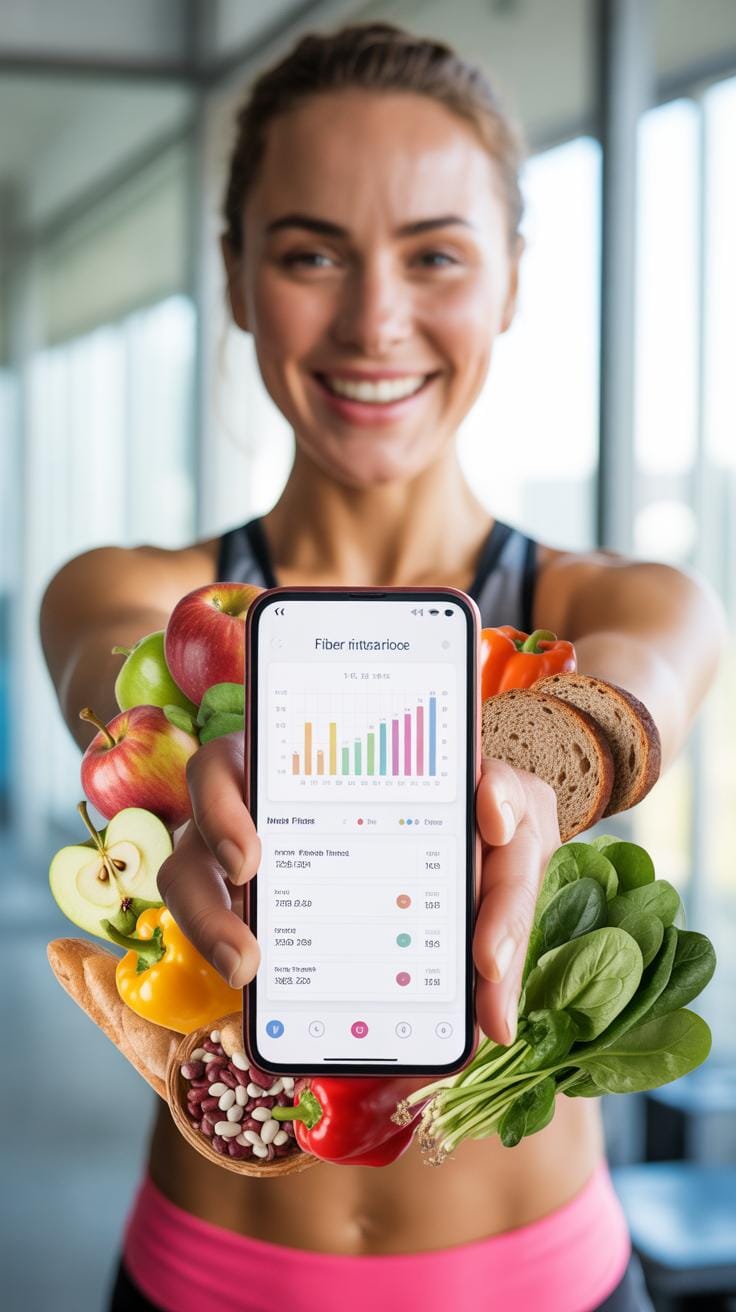
Keeping track of your daily fiber intake can really help you stay on target with your fitness and health goals. It’s not just about guessing or hoping you’re eating enough — having concrete data helps. One practical way to do this is by maintaining a food diary. Writing down what you eat each day lets you see exactly how much fiber you’re getting. You might discover you’re not eating as many fiber-rich foods as you thought, or maybe you’re overdoing it. This insight can prompt changes that support your overall fitness progress.
There are also mobile apps designed to make fiber tracking easier and more accurate. Some popular nutrition apps include MyFitnessPal, Cronometer, and Lose It!. These apps automatically calculate fiber content from the food you log and often provide visual feedback on your daily progress. Using an app can save time compared to manual tracking, but it requires consistency in logging every meal and snack.
Maybe you’ll find that combining both approaches — a simple paper diary paired with an app check-in — works best. It’s about making the awareness of fiber intake a regular part of your routine, not letting it slip through the cracks. After all, tracking is only helpful if it remains manageable and meaningful to you personally.
Overcoming Challenges With Fiber Foods

When you decide to boost your fiber intake, you may run into some common issues like bloating or digestive upset. I’ve noticed a few friends struggling with this too; it’s like the body reacts unexpectedly when fiber intake suddenly jumps.
One useful way to avoid discomfort is to increase fiber gradually. Instead of making a big change overnight, try adding small amounts over a few weeks. This gives your digestive system time to adapt and helps prevent that uncomfortable fullness or gas.
Another point to keep in mind is the importance of staying hydrated. Fiber draws water as it moves through your gut, so drinking plenty of fluids really helps it work smoothly. It’s not just about drinking water either; being physically active encourages digestion and regular bowel movements, which are crucial when upping fiber.
- Add fiber slowly—perhaps start with one extra serving a day.
- Drink enough water to help fiber swell and move smoothly.
- Keep active; even simple walks can support digestion.
Have you ever felt that bloating after adding more fiber? Sometimes it just means your body’s adjusting, but if it keeps up, reviewing the types of fiber or the pace at which you increase intake can make a difference.
Conclusions
Fiber-rich foods play an important role in fitness by supporting digestion, controlling hunger, and helping maintain healthy cholesterol levels. Choosing foods with both soluble and insoluble fiber adds variety and delivers several health rewards. Fiber also supports gut bacteria that promote wellness and can improve your energy for workouts.
Understand the different fibers and how fiber-rich foods, compared with just high fiber content, provide balanced benefits for fitness. Adding a mix of legumes, vegetables, fruits, and whole grains to your meals offers practical ways to improve your health. Take steps to include quality fiber foods daily to enjoy lasting fitness and well-being.