Introduction
Choosing the right snacks can affect your health and weight management goals. Top fat burning snacks offer benefits that regular snacks may lack. This article looks at how these special snacks can help improve health results compared to regular snacking options.
We will explore what makes a snack effective for burning fat, why it matters for your daily diet, and how to select and prepare snacks that support your weight loss journey. You will find practical tips and clear examples to guide your choices for healthier snacking.
What Are Fat Burning Snacks
Fat burning snacks are, simply put, foods designed to support your body’s natural ability to burn fat rather than store it. They tend to have a few key features: a good amount of protein, fiber, and healthy fats, while keeping sugars and empty carbs to a minimum. Unlike regular snacks, which often focus on quick energy through sugars or processed carbs, fat burning snacks aim to keep you fuller longer and gently boost your metabolism.
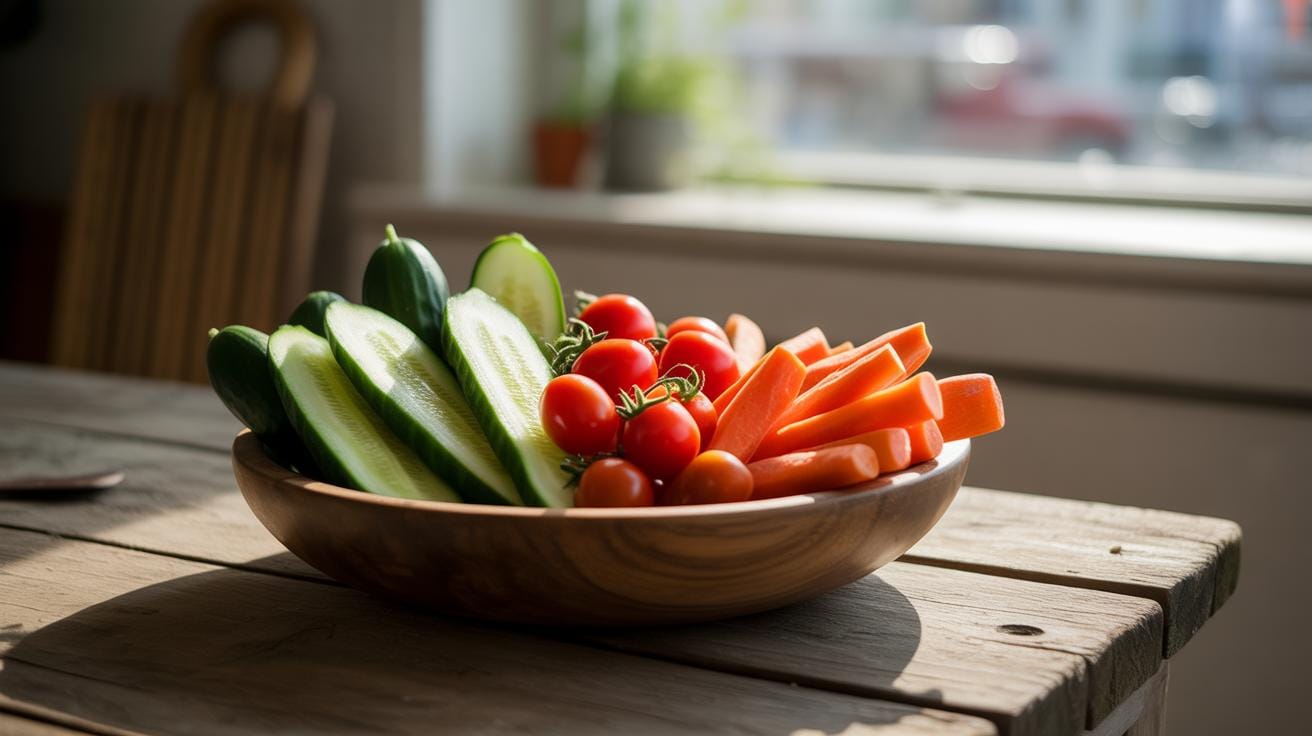
These snacks don’t just fill you up; they can slightly increase your body’s calorie expenditure through processes like thermogenesis – the heat your body produces as it digests food. This doesn’t mean every bite will torch fat instantly, but it sets a more favorable environment for fat loss over time. I guess you might wonder, how much difference does a snack make? Well, it’s subtle. Still, choosing snacks wisely might add up, especially if you’re snacking often.
Key Ingredients in Fat Burning Snacks
Most fat burning snacks rely heavily on three main nutrients:
- Protein: Essential for muscle maintenance and repair, protein takes more energy to digest compared to fats or carbs. This means your body works harder, which can nudge your metabolism up a bit.
- Fiber: Found in many fruits, veggies, and whole grains, fiber slows down digestion, stabilizes blood sugar, and keeps hunger at bay longer. This helps avoid overeating later.
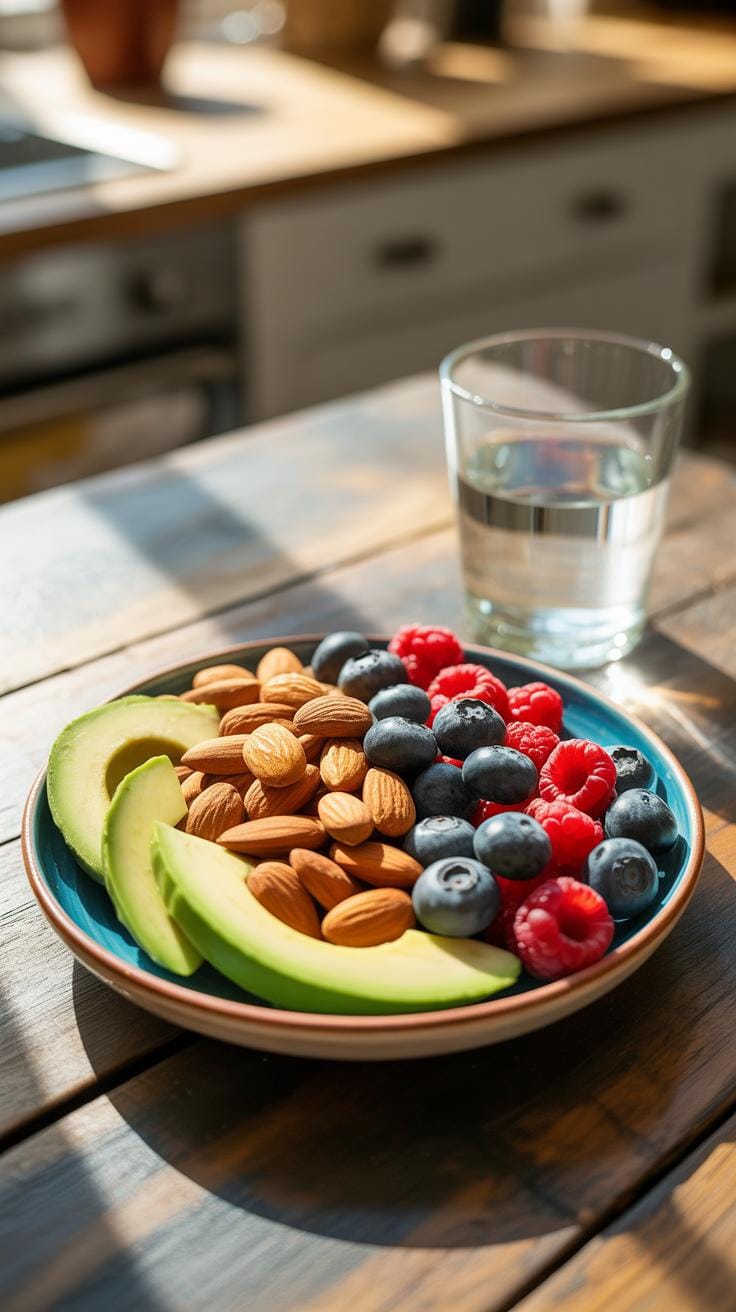
- Healthy Fats: Such as those from nuts, seeds, and avocados. These fats encourage satiety and provide essential fatty acids that support metabolic functions. They don’t spike insulin like sugary snacks do.
It’s worth thinking about how these ingredients play together. Protein and fiber combined make you feel more satisfied, reducing the temptation for mindless munching. Healthy fats add energy without the crash. Together, they can subtly influence how your body uses and stores fat.
Examples of Common Fat Burning Snacks
Some everyday snacks fit this profile better than you might expect. For instance:
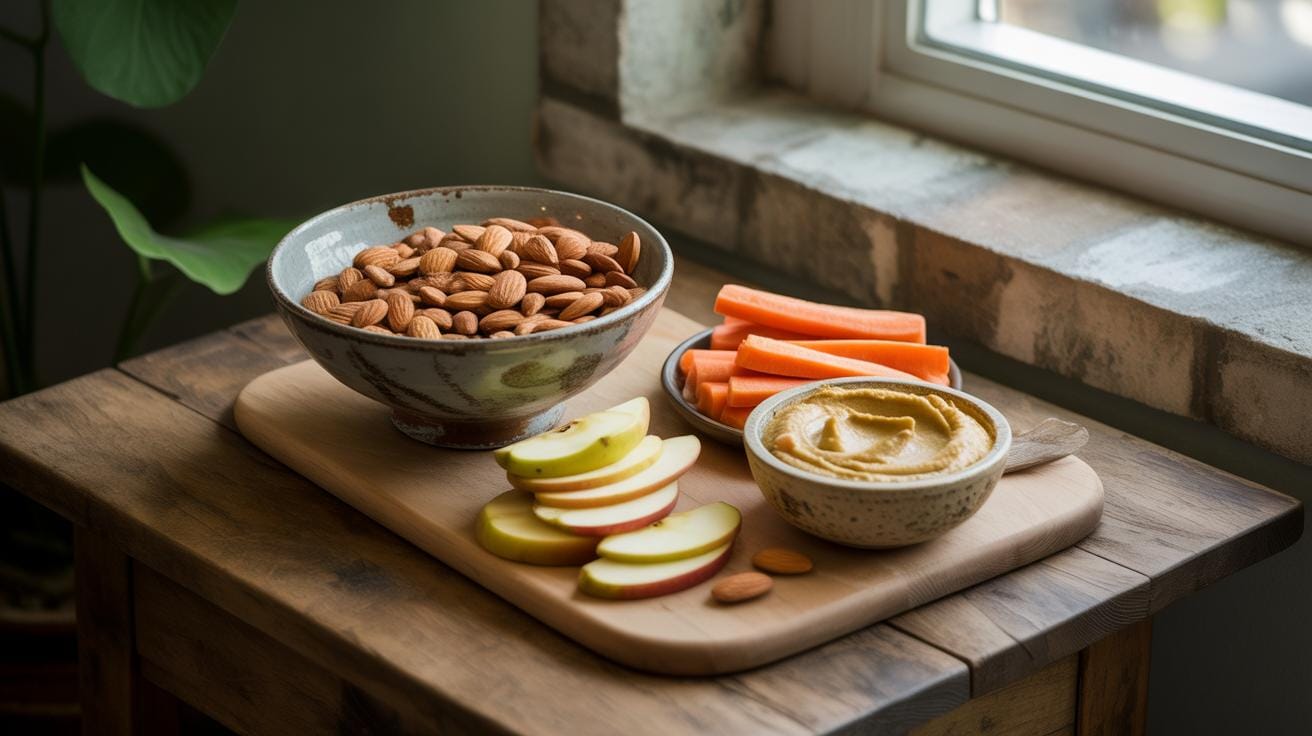
- Greek yogurt with a handful of almonds: High in protein and healthy fats, this combo offers sustained energy and curbs cravings.
- Apple slices with natural peanut butter: Provides fiber from fruit and healthy fats plus protein from the peanut butter.
- Hard-boiled eggs: Packed with protein and some fat, eggs are easy to prepare and filling.
- Chia pudding made with unsweetened almond milk: Contains fiber, healthy fats, and protein, helping digestion and metabolism.
Each of these snacks is simple but leans towards promoting fat loss rather than fat gain. But whether they work for you might depend on timing, portion size, and how they fit into your overall diet. You may find yourself feeling better with these choices as opposed to grabbing a bag of chips or a candy bar, but the proof is really in how you feel and perform afterwards.
How Snacks Affect Your Metabolism
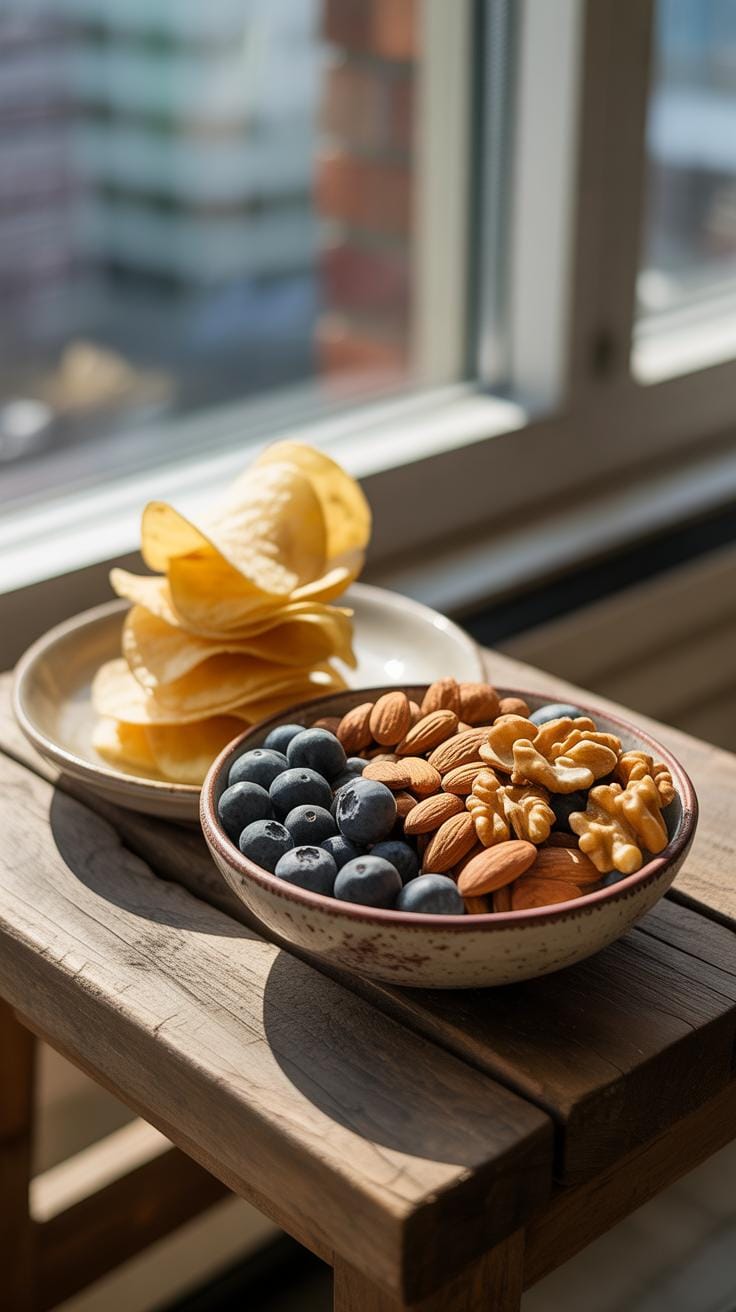
What you choose to snack on can actually change how your body burns fat, though the effects aren’t always obvious or consistent. Some snacks can gently boost metabolism by encouraging your body to work harder in digesting and processing nutrients, while others might slow things down, making fat loss a real challenge. It’s not just about what you eat, but also when you eat it — nutrient timing can make a subtle difference. For instance, a protein-rich snack before a workout might enhance fat burning, but that same snack late at night could just add unnecessary calories.
The way a snack is composed — its balance of protein, fiber, carbohydrates, and fats — affects how your body reacts. Simple carbs cause quick spikes in blood sugar that may lead to energy crashes and fat storage. In contrast, snacks with complex components might keep fat burning going for longer. Have you ever felt suddenly hungry again just minutes after snacking? That’s a case where the snack wasn’t quite right for your metabolism.
The Role of Protein and Fiber
Protein and fiber play somewhat different but complementary roles in keeping your metabolism ticking and hunger at bay. Protein has this neat thermic effect, meaning the body uses more energy to digest it compared to fats or carbs. That can cause a small but meaningful uptick in calorie burning. Plus, protein keeps you feeling full longer, which might help prevent overeating later.
Fiber slows digestion and helps regulate blood sugar levels. It also bulks up your snacks without extra calories, which can sustain your energy and satiety. I’ve noticed that when I snack on fiber-rich foods like nuts or veggies, I feel less tempted to grab something sugary soon after. It’s interesting because the chemistry behind this is simple but often overlooked.
Sugars and Fats That Hinder Fat Loss
Then there’s the other side — sugars and certain fats inserted in many regular snacks that can throw a wrench in your fat burning processes. High sugar content triggers insulin spikes, encouraging your body to store fat rather than burn it, especially around the belly area. I’m not saying you can never have a sweet treat, but frequent snacking on sugary foods might quietly undermine your progress.
Unhealthy fats, like trans fats found in many processed snacks, can also slow metabolism. They tend to promote inflammation and disrupt normal hormonal signals that regulate hunger and fat storage. These fats don’t just add extra calories—they interfere with how your body manages fat. So even if you’re mindful about calories, a regular dose of the wrong fats and sugars might push fat storage instead of loss.
Comparing Fat Burning Snacks with Regular Snacks
Calorie and Nutrient Differences
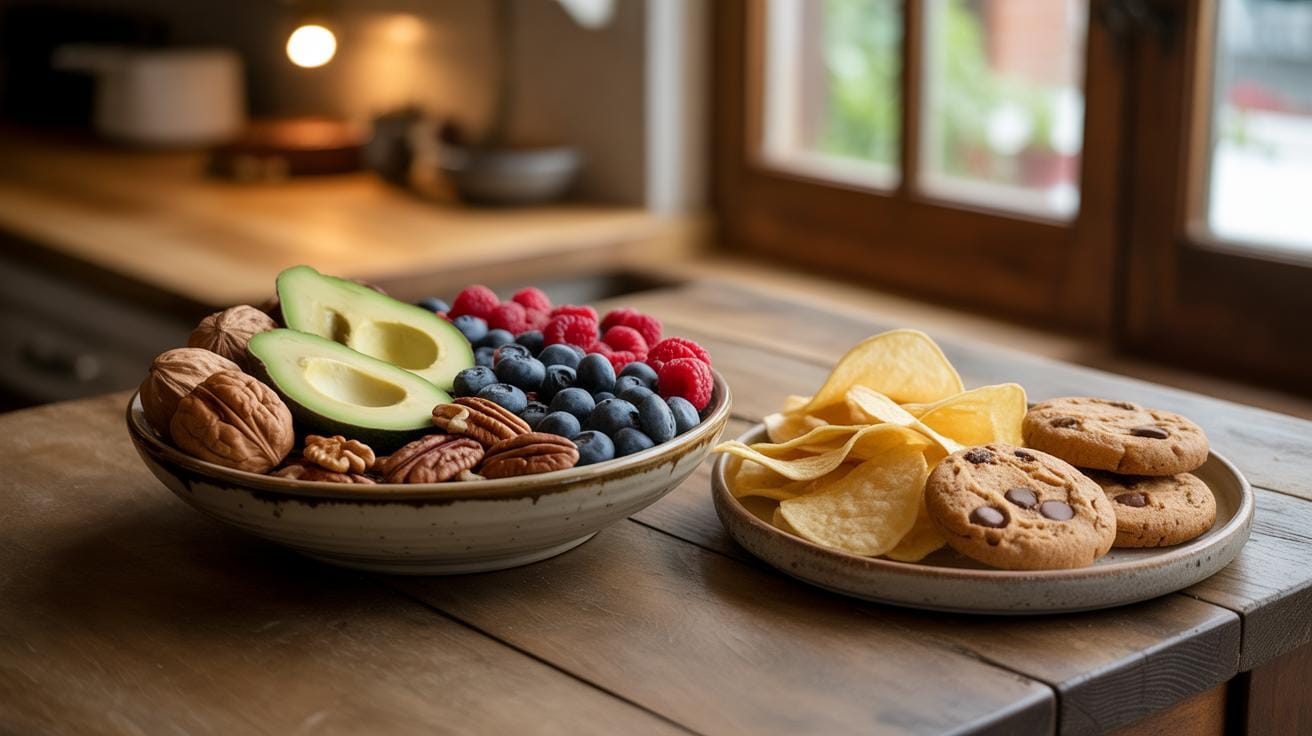
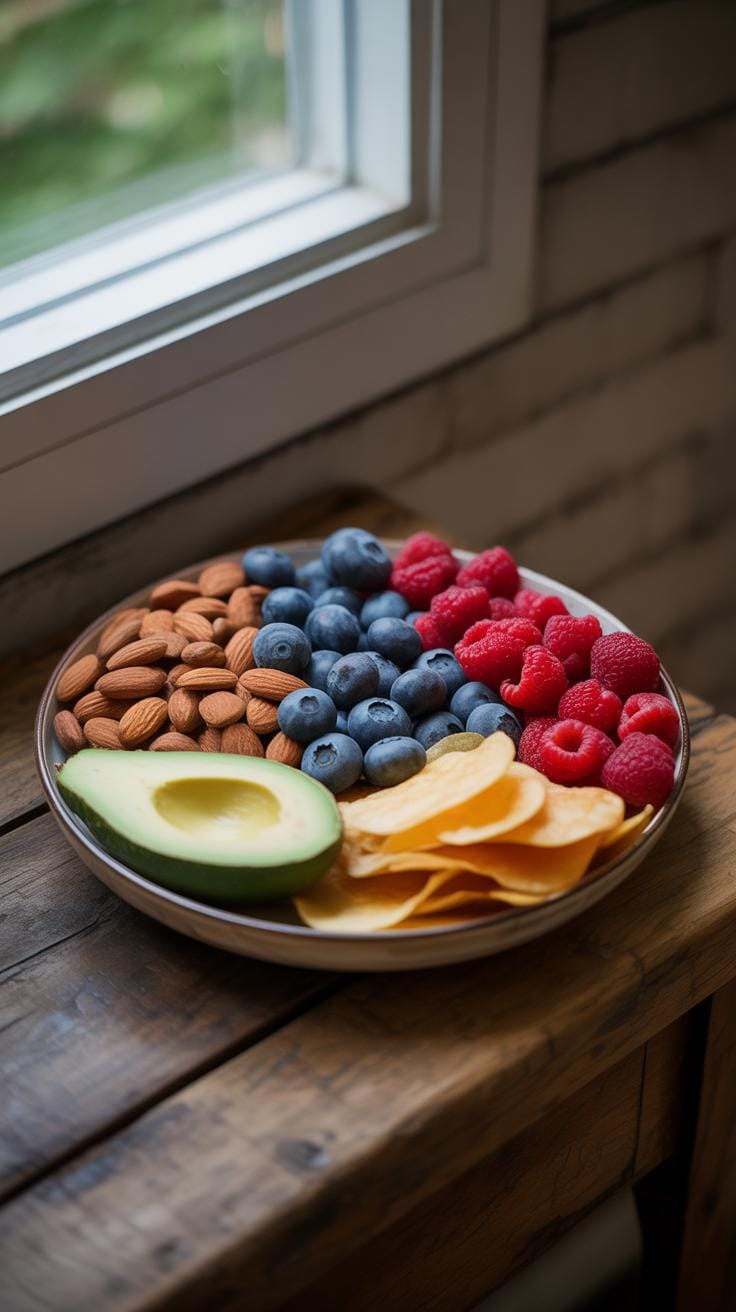
Fat burning snacks often come with lower calorie counts than your typical chips or candy bars. For example, a handful of almonds might clock in around 160 calories, offering protein, fiber, and healthy fats. Meanwhile, 30 grams of potato chips easily hit 150 calories but mostly consist of simple carbs and unhealthy fats without much else.
The nutrient profile differs too. Fat burning snacks usually provide more protein and fiber, helping to nourish your body beyond empty calories. Take Greek yogurt with a few berries—rich in calcium, protein, and probiotics—versus a candy bar filled with sugars and additives but very few nutrients. These differences shape how your body processes energy and manages cravings.
That said, some fat burning snacks still pack a fair amount of calories, especially nuts, so portion control matters. But at least the fuel they provide feeds your metabolism better than a sugar crash waiting to happen.
Impact on Hunger and Energy
What I notice most is how these snacks influence hunger over time. Fat burning snacks release energy slowly, thanks to fiber and protein content, keeping hunger at bay for longer. Imagine eating an apple with peanut butter—it feels satisfying, and you don’t reach for more snacks in an hour.
Conversely, regular snacks like candy or chips often spike your blood sugar quickly, which then plummets, making you hungry again soon after. That quick hit of energy can be tempting but leaves you feeling tired or jittery.
Still, the effect can vary. Sometimes I find a small treat boosts my mood and focus briefly, so occasional indulgence isn’t all bad. But for steady energy and hunger control, fat burning snacks usually hold the upper hand.
Selecting Fat Burning Snacks That Work
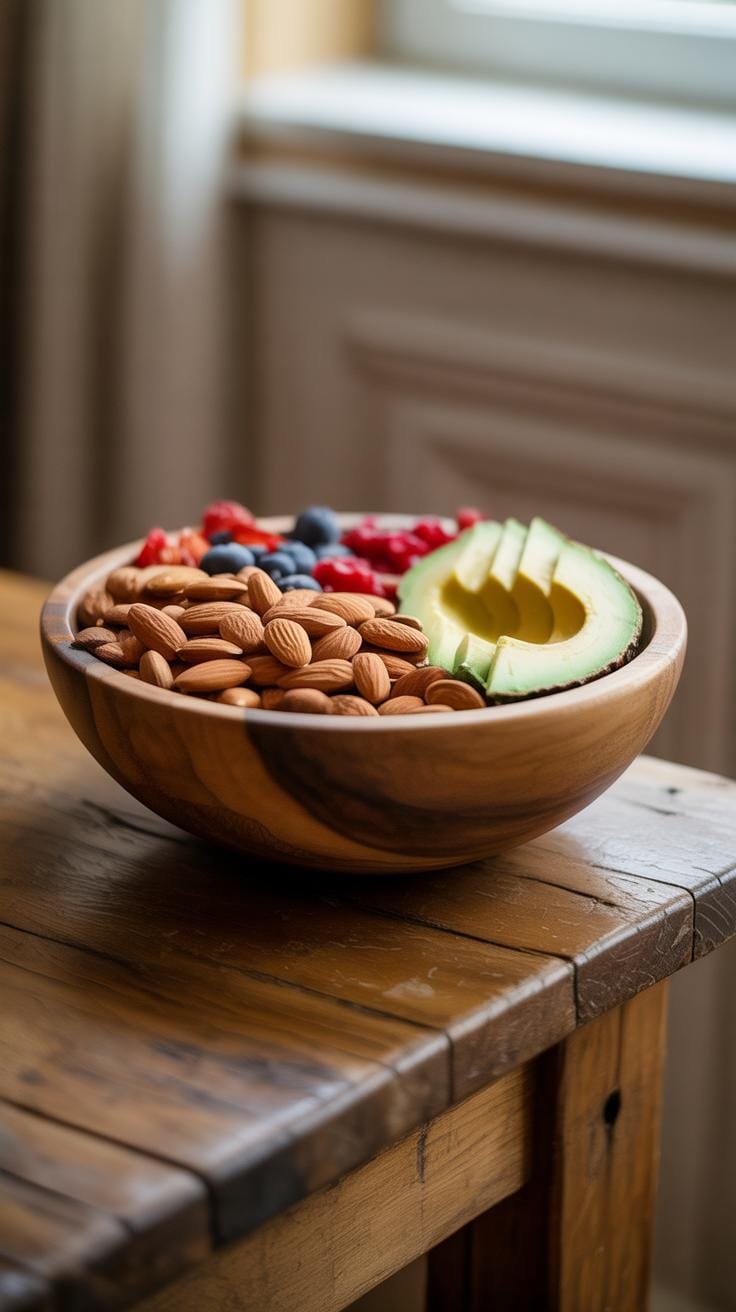
Choosing snacks that truly support fat burning isn’t always straightforward. You might glance at a package and think, “This looks healthy enough,” but the reality can be different. To avoid that, here’s a checklist that can guide you when you’re picking your next snack:
- Ingredient Quality: Look for whole, minimally processed ingredients. Real nuts, seeds, or plain Greek yogurt beat something packed with additives any day. If you spot items you can’t pronounce, that’s usually a red flag.
- Portion Size: Even healthy snacks can backfire if portions are oversized. Check serving sizes on the label and consider how that fits your daily calorie goal. Snacks around 150-200 calories tend to work well for most.
- Balanced Macronutrients: Snacks combining protein, fiber, and healthy fats can keep you full longer and may aid fat burning better than carb-heavy options. For example, a handful of almonds paired with an apple offers this mix perfectly.
When it comes to reading snack labels, the devil is in the details. Don’t just look at calories. Check the grams of sugar and fat, and watch out for the types of fat listed. Saturated fat is one thing, but trans fats and hydrogenated oils should be avoided completely. High sugar content often sneaks in under different names—maltose, dextrose, or syrup variants. It’s confusing, I know, but spending a minute here can save you from unintentionally sabotaging your progress.
One tricky part is those “healthy” snacks that claim to be low-fat but compensate with added sugars. Sometimes they even use vegetable oils that you wouldn’t want in excess. Reading ingredient lists carefully can help—you want natural oils like olive or coconut, not refined ones masquerading as healthy.
Do you ever wonder why some supposedly “diet” snacks leave you more sluggish? Often, hidden sugars and unhealthy fats play a role. Spotting and avoiding these means you can better trust the snack to support your body’s fat-burning efforts rather than slow them down.
Preparing Homemade Fat Burning Snacks
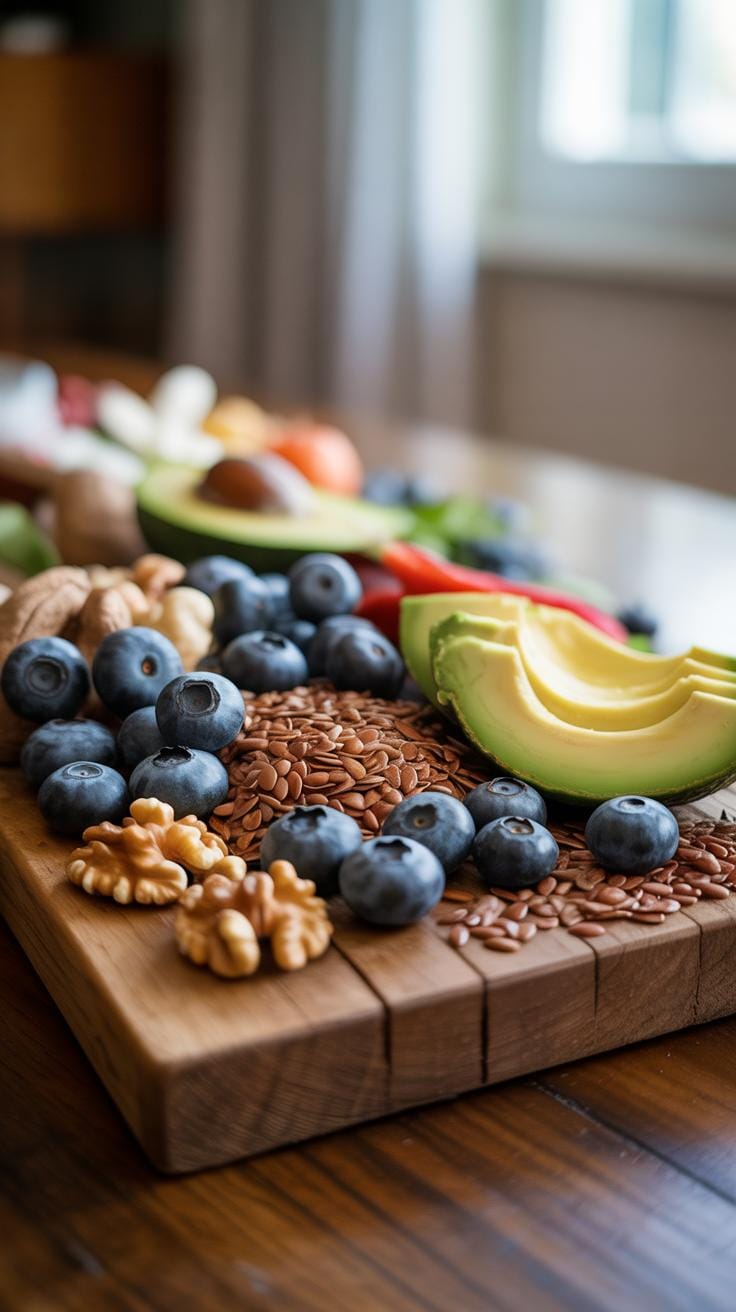
Making your own fat burning snacks doesn’t have to be complicated or expensive. In fact, some of the simplest ingredients work best when combined thoughtfully. Think of snacks you can whip up in minutes that don’t rely on processed foods or tricky supplements.
Start with easy ideas like mixing Greek yogurt with a handful of nuts and a sprinkle of cinnamon. The protein in yogurt supports muscle maintenance, while nuts bring in healthy fats that might help keep you full longer. Sometimes I add a few fresh berries for a bit of fiber and natural sweetness—it’s quick and feels more satisfying than a plain cup of yogurt.
Another quick option is nut butter spread on slices of apple or whole-grain crackers. The blend of protein, fiber, and fat here can keep hunger at bay without piling on empty calories. You could also try blending half an avocado with a bit of lemon juice and sea salt for a creamy dip. Pair it with raw veggies or whole wheat toast. This combination introduces fiber and good fats, which many snacks overlook.
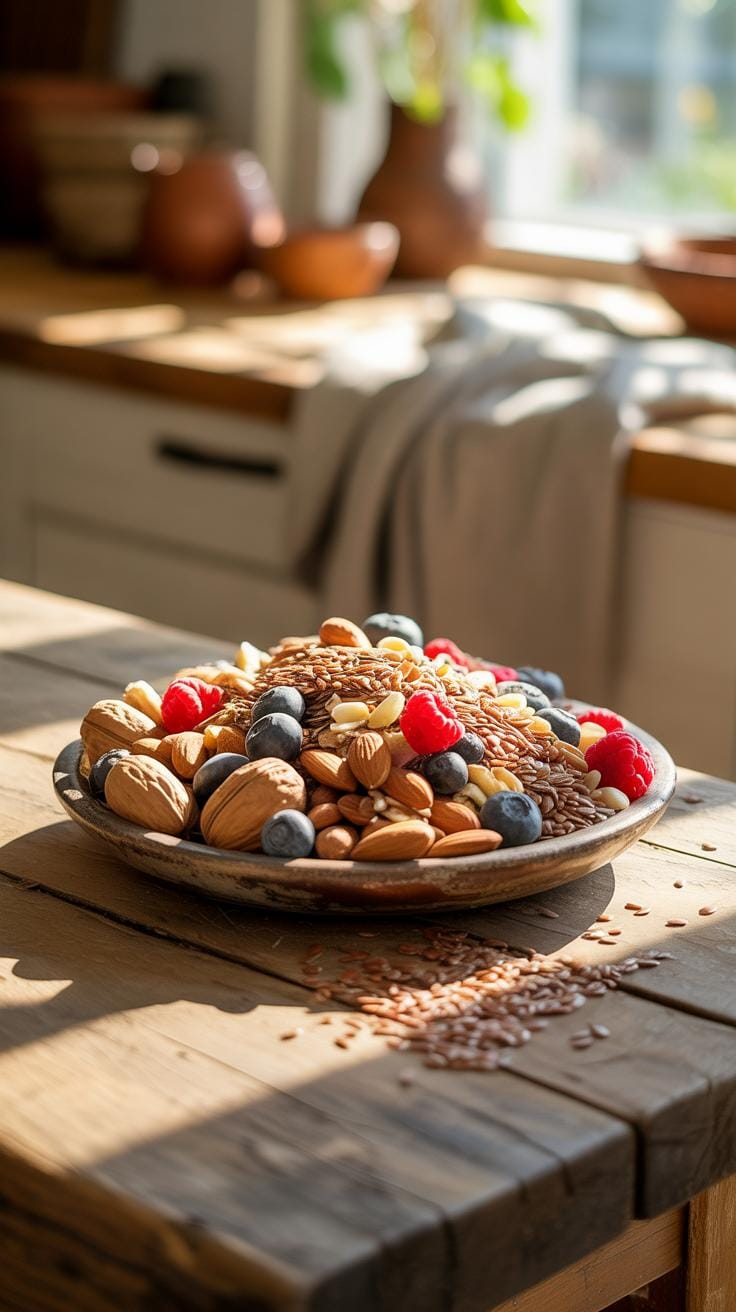
A simple way to boost fiber and healthy fats is tossing chia or flaxseeds into your snack mix. They don’t change flavor much but add texture and nutrients that slow digestion, stabilizing blood sugar. Cooking a batch of roasted chickpeas seasoned lightly with paprika or cumin could be another alternative. Affordable, tasty, and easy to store for the week.
Would you try prepping some of these at home? The best part is adjusting according to what you like and what’s around. Sometimes the simplest preparations create the biggest difference, even if it feels like a small change at first.
When to Eat Fat Burning Snacks
Snacking Before and After Exercise
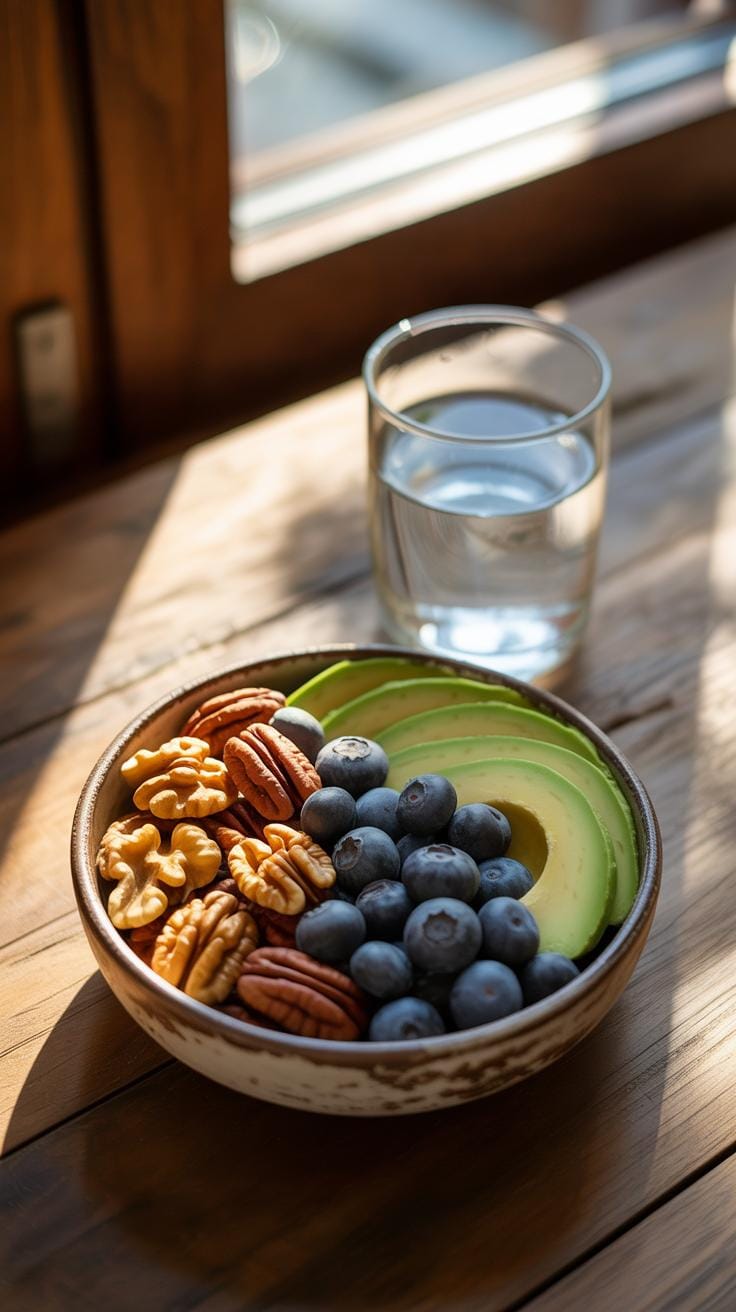
Timing your fat burning snacks around workouts can make a noticeable difference. Eating a small portion before exercise gives you energy without weighing you down. Think of a handful of nuts or some Greek yogurt with berries about 30 to 60 minutes before hitting the gym. It’s surprising how something light can keep you moving without feeling sluggish.
After exercise, your body craves nutrients to repair and recharge. A fat burning snack rich in protein and healthy fats, like a boiled egg or a few slices of avocado, helps support muscle recovery and keeps metabolism going. Skipping this window might leave you feeling drained or tempted to overeat later. I used to ignore post-workout snacks, only to find my hunger spiking hours later — that was never helpful.
Using Snacks to Curb Unhealthy Cravings
Fat burning snacks can work wonders for controlling hunger and preventing binge episodes. When you feel those sudden urges for something sugary or fried, reaching for a well-chosen snack might stop the spiral. It’s not just about eating less but eating smart. Consider snacks with fiber and protein—they keep you full and steady your blood sugar.
For example, sliced veggies with hummus or a small serving of mixed seeds can bridge the gap between meals without triggering cravings. Sometimes, the key lies in recognizing when you’re truly hungry versus when emotions or boredom drive you to the fridge. Using fat burning snacks intentionally gives you a chance to reset before things go off track.
Common Mistakes Choosing Fat Burning Snacks
Many people think grabbing a snack labeled “fat burning” means the job is done. But relying too much on processed snacks claiming to torch fat isn’t as wise as it sounds. These packaged options often contain hidden sugars, additives, or unhealthy fats. They might promise a boost, yet their real effect can be minimal or even counterproductive. I’ve seen snacks boasting fat-burning ingredients but packed with calories that undo any benefit. So, trusting the label without checking the full ingredient list can trick you into eating something less helpful than you expect.
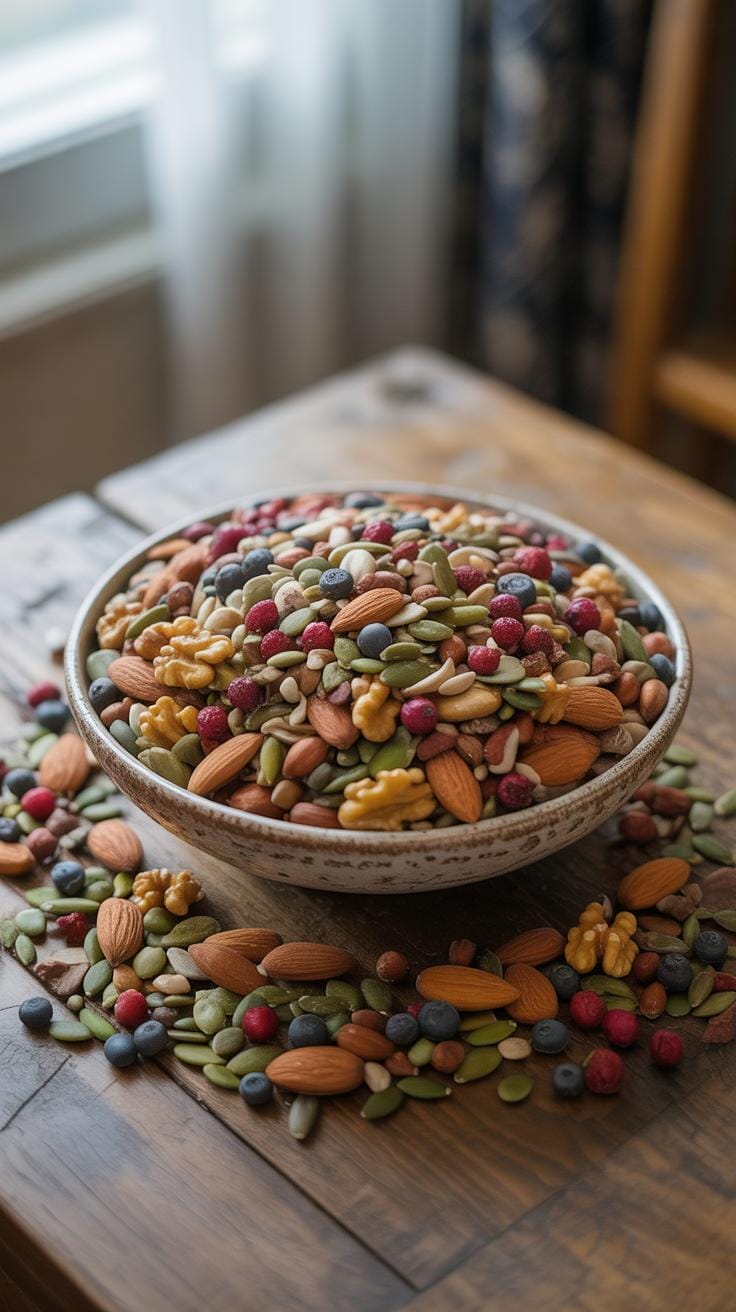
Then there’s the issue of portion control, which too many overlook. Even the healthiest fat-burning snacks can lead to weight gain if eaten in large amounts. It’s easy to assume that a handful of nuts or a protein bar means freedom to snack freely, but those calories add up fast. I remember once eating “healthy” trail mix by the bowl, only to realize I’d consumed triple the calories I planned for in one go. You need to pay attention to serving sizes—even snacks meant to help with fat loss.
Thinking “fat-burning” means no limits can cause you to ignore how much you actually eat. Your goal is to manage calories alongside making smart choices.
- Don’t rely solely on processed claims; check full ingredients.
- Beware of added sugars and unhealthy fats hidden in snacks.
- Control portions carefully to avoid undoing benefits.
- Understand that even “healthy” snacks aren’t calorie-free.
Choosing truly beneficial snacks means looking beyond marketing and measuring portions thoughtfully. It’s a small detail that often slips by but can change your health journey quite a bit.
Measuring Snack Impact on Weight Loss

Figuring out if fat burning snacks truly help with your weight loss isn’t always straightforward. You can’t just rely on vague feelings or hope they’re doing something. There are a few practical methods and metrics you can use to get a clearer picture.
Start by tracking your hunger and fullness throughout the day. Note how you feel before and after eating those snacks. Do they keep you from overeating at meals later on? Or do they leave you still hungry, reaching for more food? It helps to rate your appetite on a scale of 1 to 10. Try to be consistent and honest—it’s easy to overlook subtle hunger cues otherwise.
Next, record your weight regularly but don’t obsess over daily fluctuations. Weekly weigh-ins tend to reflect trends better. Along with weight, measuring your waist, hips, and other body parts can reveal fat loss that the scale doesn’t show. Sometimes fat burning snacks might reduce inches without big changes in numbers, and that’s still progress.
Journaling food intake can also show if those snacks affect your overall calorie consumption. Are they replacing higher-calorie options or just adding more calories? This can be tricky to judge without some form of measurement or tracking tool. Feelings alone don’t always tell the whole story.
In the end, keep in mind the impact fat burning snacks have on how you feel and what you eat, not just the numbers. Your personal response might differ from what studies suggest, and that’s okay.
Integrating Fat Burning Snacks into Your Diet
Including fat burning snacks in your daily routine doesn’t have to feel like a chore. You can mix and match them with different diet plans, whether you’re following low-carb, Mediterranean, or even a casual balanced diet. The key is to think beyond just the snack itself and consider how it fits into your bigger meal pattern.
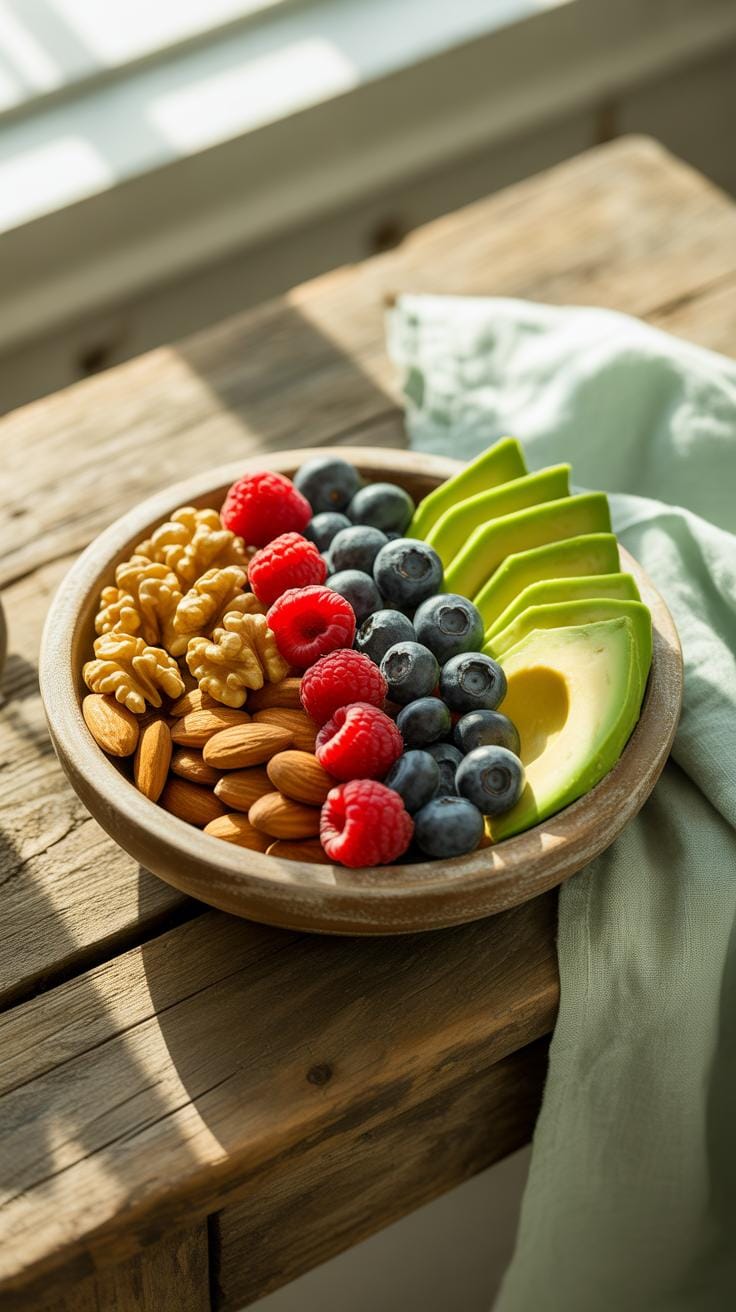
For example, pairing a handful of nuts with a piece of fruit can offer a good balance of fats, fiber, and carbs, helping to keep energy steady and fat metabolism active throughout the day. Maybe you prefer savory—try a small serving of Greek yogurt with some cucumber slices. These little combinations can make a noticeable difference without complicating your meals.
Adjustments become necessary if you have allergies or specific dietary needs. If you’re vegetarian, swapping animal protein snacks with plant-based options like roasted chickpeas or edamame can keep the fat-burning benefits intact. For those with nut allergies, seeds like pumpkin or sunflower work just as well. It’s really about flexibility and knowing what suits you while staying consistent.
It’s tricky sometimes to keep snacks both effective and enjoyable, but experimenting with these combos might reveal some surprising favorites. Have you ever noticed how just a small snack tweak can shift how you feel between meals? It’s a subtle thing, but worth paying attention to for long-term success.
Real Life Success Stories with Fat Burning Snacks
Personal Anecdotes on Snack Changes
Take Sarah, for example. She used to reach for chips or candy whenever hunger hit, feeling that quick sugar rush but crashing soon after. When she switched to fat burning snacks like almonds and Greek yogurt with cinnamon, she noticed her afternoon energy didn’t dip as much. The swap wasn’t always easy—sometimes she missed the familiar taste—but over weeks, those healthier choices felt more natural. Then there’s Mark, who replaced his usual soda and cookie combo with green tea and a handful of pumpkin seeds. The difference? Less afternoon sluggishness and a slow but steady weight drop.
These aren’t dramatic overnight changes. Instead, they show that small snack swaps can accumulate real benefits—without feeling like a strict diet. It’s interesting how often people don’t realize how much their snack choices can affect their whole day.
How Consistency Improved Results
Consistency seems to be the real game changer. Jessica shared how it took a few rocky weeks before her new snacks became a habit. But once she stuck with almonds, berries, and protein bars regularly, her cravings reduced and her weight plateau finally shifted downward. It’s not just about picking fat burning snacks once; it’s about making them a regular part of your routine. Over time, the body responds—not just in weight loss but in energy and mood stability.
What struck me was how people often underestimate the power of steady, everyday choices. You might not see results right away, which can make it tempting to slip back to old snacks. But those who kept consistent typically reported better focus and fewer energy crashes. It makes you wonder—how many missed opportunities for progress come from inconsistent snacking habits? Could your daily snack really be the difference?
Conclusions
Fat burning snacks can play a key role in managing weight and boosting overall health. By choosing snacks with the right nutrients, you help your body burn fat more efficiently and avoid excess calories from regular snacks.
Focusing on snacks with protein, fiber, and healthy fats supports your metabolism and keeps you full longer. Making these smart snack choices regularly contributes to better long-term health outcomes and a more balanced diet.