

Introduction
Eat Clean Vision Board Food Healthy For Sustainable Wellness is a practical approach to eating that focuses on whole, unprocessed foods to improve health and maintain sustainable wellness. It encourages you to choose foods that nourish your body and keep your energy steady throughout the day.
This article will explain what clean eating means, why it matters for your health, and how to make balanced choices. It will also guide you on using a vision board to set clear goals for your eating habits and overall well-being.
Clean Eating Benefits For You
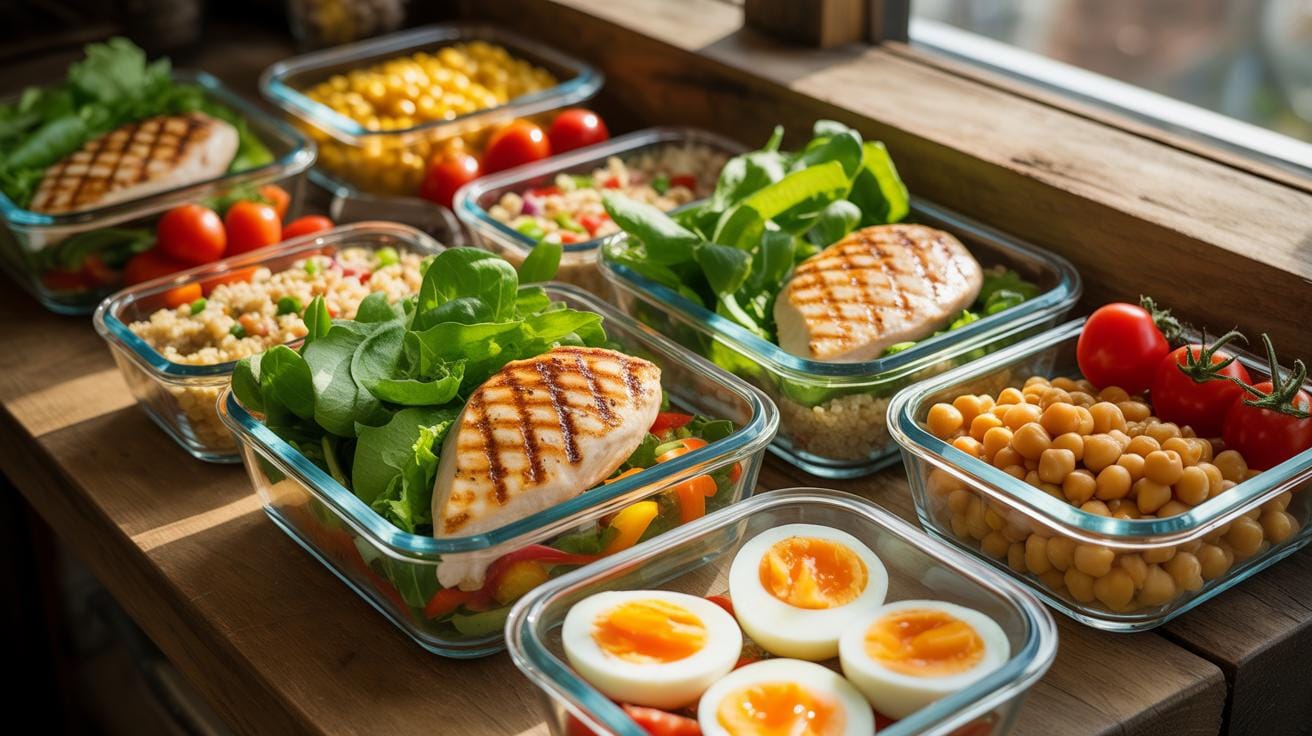

Eating clean mainly means choosing whole foods—things that nature offers without much alteration. These foods tend to boost your energy levels more steadily compared to processed snacks loaded with sugars and additives that cause quick spikes then crashes. Have you noticed how after a meal of mostly fresh vegetables, nuts, and lean protein, you feel fuller longer and less sluggish?

Digestion often improves too. Whole foods provide fiber, which helps regulate your gut and supports beneficial bacteria. This can reduce bloating and discomfort. For weight control, clean eating makes a difference because you’re avoiding empty calories found in processed foods, which can easily add up and contribute to weight gain.
Scientifically, there’s growing evidence linking processed food consumption with higher risks of chronic illnesses, like heart disease and type 2 diabetes. For example, ultraprocessed foods often contain unhealthy fats, excess salt, and preservatives that may lead to inflammation in the body. So, cutting back on these improves your long-term health outlook—even if it feels like a gradual change.
What Is Clean Eating Exactly

At its core, clean eating simply means focusing on whole, natural foods while steering clear of processed, sugary, or junk foods. Think fresh fruits, vegetables, whole grains, nuts, seeds, lean meats, and legumes. You’re basically eating foods closer to their original form.
It doesn’t have to be complicated. For instance, swapping that sugary soda for water or herbal tea fits clean eating. Choosing a salad with olive oil instead of a greasy fast food meal also counts. It’s not about strict rules but about making more mindful choices most of the time.
Some people take it further, avoiding gluten, grains or dairy, but that depends on their health needs or preferences. The key is eating food that nourishes without artificial additives or too much processing.
How Clean Food Supports Wellness

Clean eating supports sustainable wellness by supplying essential nutrients your body needs to function well. Whole foods provide vitamins, minerals, fiber, and antioxidants—nutrients that processed foods often lack. These nutrients help your muscles, bones, and organs work properly and aid in healing and immunity.
Moreover, they contribute to mental well-being. Nutrient-rich clean foods can improve mood and cognitive function, while diets high in processed foods have been linked with issues like depression and anxiety. It’s curious how closely physical and mental health intertwine with the quality of your diet.
Choosing clean foods regularly—though not perfectly—helps build a foundation for long-term health. It becomes less about short-term dieting and more about a lifestyle that feels right for you and supports your daily needs, even if sometimes you slip into old habits.
Simple Steps To Eat Clean

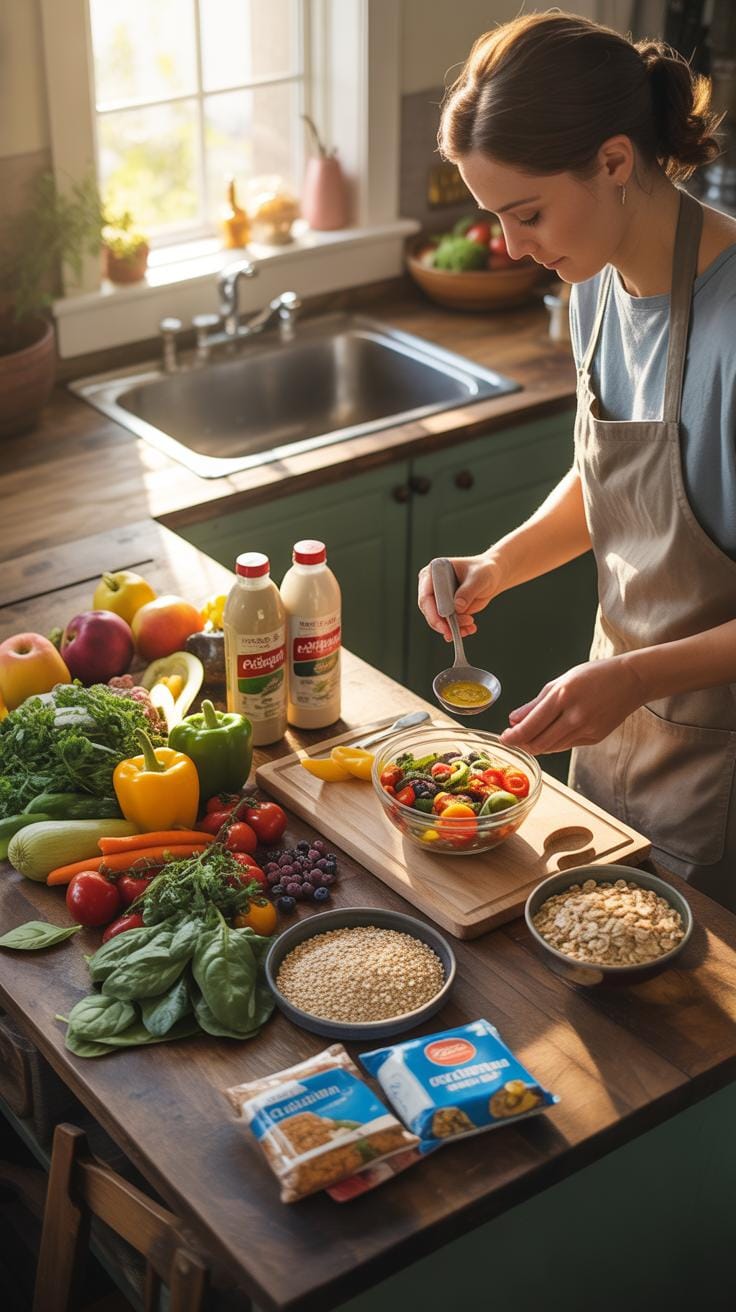
Starting to eat clean doesn’t have to be overwhelming. You can take small, manageable steps that make a real difference over time. First, try shopping primarily for fresh produce—fruits and vegetables that haven’t been processed. This helps you focus on foods in their natural state. I’ve noticed it’s much easier to make healthy meals when your kitchen is stocked with these.
Next, consider cooking at home more often. It’s not about gourmet meals every day; simple recipes can work well. Home cooking lets you control what goes into your food, especially avoiding hidden sugars and preservatives. Reading labels on packaged foods is another good habit. You might be surprised how many contain additives you hadn’t expected.
Also, keep an eye on sugars added to food and drinks. Avoiding them can be tough since they hide in many items. Over time, your taste buds adjust and you might even start craving less sweet things. These steps sound basic, but they’re the foundation for clean eating that sticks.
Easy Clean Food Swap Ideas
Swapping out certain foods can make clean eating feel more doable. For instance, picking fresh fruit instead of candy is a simple switch that adds vitamins without empty calories. Choosing whole grains like brown rice or whole wheat bread over white bread introduces more fiber and nutrients to your diet.
And what about drinks? Replacing sodas or sugary beverages with water can drastically cut unnecessary sugars. If you’re someone who enjoys sparkling drinks, trying unsweetened sparkling water might be an appealing alternative. These swaps might seem minor but can lead to big health benefits with time.
Meal Planning For Clean Eating
Planning your meals ahead can be a game changer. It’s easier to stay on course when you have a roadmap. Preparing balanced meals that blend protein, vegetables, and whole grains helps keep energy steady throughout the day and avoids last-minute fast food choices.
Try setting aside time to plan your week’s meals. Cook in batches if possible, so you have ready-to-eat options. This approach reduces the temptation of grabbing convenient but less clean options. It’s not always perfect, but a little planning goes a long way in supporting clean eating habits.
Using A Vision Board For Wellness

A vision board is basically a collection of images, quotes, and reminders that represent your personal goals and dreams. It acts like a constant visual nudge that can help you stay motivated and focused, especially when it comes to your health and wellness goals. I must admit, at first, I was a bit skeptical about whether just looking at pictures could really influence behavior. But many people swear by how it keeps their intentions sharp and clear.
When you focus your vision board specifically on eating clean and wellness, the process gets a bit more intentional. You start by gathering visuals and words that resonate with the clean eating lifestyle — fresh fruits, wholesome meals, maybe even inspiring quotes about self-care or energy. It’s not just about aesthetics; it’s about creating a personal space that reminds you why you want to nourish your body better.
Making this board involves selecting images and words that truly inspire you — not just generic healthy food photos, but things that connect emotionally. This could be your favorite clean recipe, a picture of a farmer’s market you love, or a quote about feeling vibrant and strong. The goal is to bring your wellness vision to life visually.
It’s subtle but looking at the board daily helps reinforce your commitment. Try spending a moment each morning or evening reflecting on what those images represent for your health journey. This practice can gently shift your mindset, making clean eating feel less like a chore and more like a personal choice aligned with your values and hopes.
Common Clean Eating Mistakes
Many people jump into clean eating with great enthusiasm, only to stumble over some common pitfalls. One frequent error is cutting out too many foods at once, which can quickly lead to feeling overwhelmed or deprived. It’s easy to think that avoiding entire groups like carbs or fats will speed up results. But this approach often backfires, leaving you nutrient-deficient and stressed about meals.
Another mistake is relying heavily on packaged snacks that are marketed as “healthy” or “clean.” These products might be convenient, but they often contain additives or hidden sugars that don’t support true wellness. It’s worth asking yourself if that granola bar is really better than a piece of fruit or nuts. Sometimes, those marketing claims can be misleading.
Balance also tends to be overlooked. Focusing too much on one type of food or nutrient can throw off your overall diet. Clean eating isn’t about perfection but about making thoughtful choices that support long-term health.
Over Restriction Risks
Cutting out entire food groups without a clear need can lead to serious nutrient gaps. For example, some people eliminate dairy, thinking it’s unhealthy, but then miss out on important calcium and vitamin D. This imbalance might increase health risks like weakened bones. The stress of constantly avoiding certain foods can add mental strain too. It’s not just about what you eat; how you feel about eating matters as well.
Mindful Food Choices
Choosing naturally healthy foods means focusing mostly on whole, unprocessed options. Vegetables, fruits, whole grains, legumes, and lean proteins should form the base of your meals. Be cautious about packaged foods that tout “clean” labels but are still processed. Reading ingredients closely helps avoid falling for marketing traps.
Ask yourself, would this food be recognized in its natural form? If not, it might not fit the clean eating ideal. Sometimes simplicity is best—fresh, straightforward ingredients that fuel your body without confusion or guesswork.
Healthy Eating Versus Clean Eating
Definitions And Key Differences
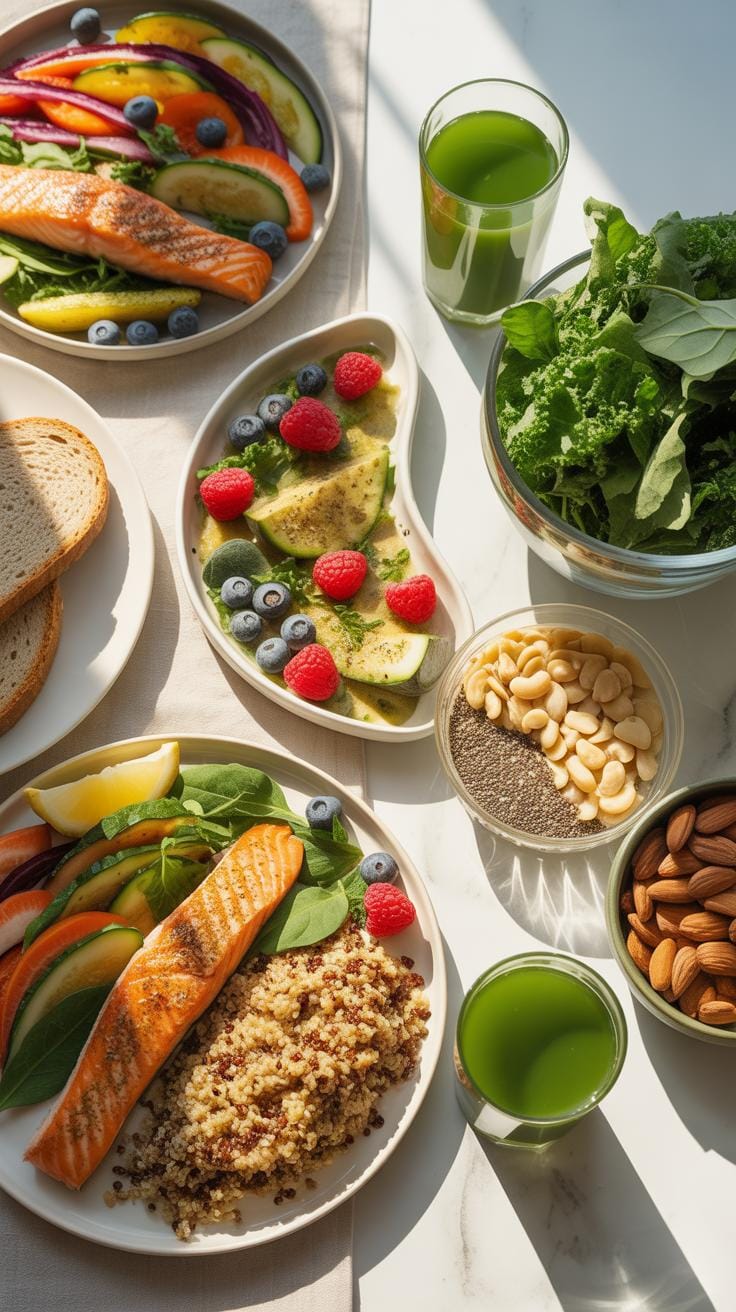
Clean eating centers on choosing whole foods—fresh fruits, vegetables, grains, and unprocessed items—while steering clear of convenience and heavily processed foods. It’s often about minimizing additives, refined sugars, and artificial ingredients. On the other hand, healthy eating takes a broader view. It’s more about the overall balance and variety in your diet than strictly what you avoid or include.
So, you see, clean eating can be a part of healthy eating, but healthy eating allows for all food groups in moderation. The main distinction lies in focus: clean eating hones in on food types, emphasizing purity and minimal processing; healthy eating prioritizes diet quality and balance across nutrients, regardless of the food’s processing level.
Which Approach To Choose
Choosing between these approaches often comes down to your lifestyle and goals. If you thrive on structure and find comfort in eating foods in their natural state, clean eating might suit you well. But if you prefer flexibility and a more relaxed relationship with food, aiming for balanced meals might feel less restrictive.
In practice, mixing elements of both could work best. There’s value in aiming for whole foods but also allowing occasional processed treats without guilt. What fits your personal rhythm, supports your wellness goals, and keeps you consistent—those are the key questions to explore.
Tracking Progress And Adjustments

Tracking how well you stick to eating clean can be more revealing than you might think. One useful approach is food journaling—writing down everything you eat and drink. This simple habit lets you see patterns over time, helping you spot where you might slip or shine in your choices. You could also note your daily energy levels. Do you feel more alert or sluggish? Such observations connect your diet to how you actually feel day-to-day.
Along with energy, watching physical changes matters too. Maybe your skin clears up, or you notice better digestion. Or perhaps clothes fit differently. These clues signal how your body reacts. That feedback is your guide to tweak habits—try adding more variety if meals feel repetitive, or adjust portion sizes if energy dips.
Easy Tools To Track Meals
Not everyone loves tracking food, but there’s no need to make it complicated. Apps designed for meal logging can be handy; many offer quick barcode scans and remind you to record entries. If tech isn’t your thing, a simple notebook or planner works perfectly well too. Writing by hand might even make you more mindful about what you eat.
Some people find meal planners helpful to organize their week, reducing last-minute grabs for less-healthy options. Choose the tool that feels the least like a chore, so you keep it up. Consistency matters more than perfection here.
Signs You May Need Changes
Sometimes, despite best intentions, your clean eating plan might require a rethink. Watch out for signs like persistent low energy — that can suggest you’re missing certain nutrients or not eating enough. Cravings for sweets or processed foods may pop up, hinting that your meals lack balance or satisfaction.
Boredom with your food choices is another subtle warning. If meals become monotonous, you might unconsciously drift away from your plan. When this happens, consider spicing things up with new recipes or different ingredients. Monitoring these signs doesn’t mean failure. Instead, think of it as adjusting sails to stay on course toward sustainable wellness.
Clean Eating On A Budget

Trying to eat clean without breaking the bank can feel tricky, but it’s possible if you’re a bit smart about it. For instance, shopping smart is key. Look for seasonal produce—you often find fresher, tastier fruits and vegetables that won’t empty your wallet. Think about how tomatoes in summer are often cheaper and better than off-season options shipped from far away.
Another tip: cooking in bulk really stretches your food dollars. Instead of cooking every meal fresh, make larger portions and store leftovers for later. It saves time and money, though I admit it’s not always exciting to eat the same dish multiple times.
Affordable Clean Food Choices
Whole foods like brown rice, beans, lentils, and oats are not just friendly to your budget but also fit clean eating principles. They’re filling, nutritious, and versatile. Frozen vegetables can be a good budget-friendly option too, retaining most nutrients and lasting longer, so less waste.
Smart Shopping Habits
Buying in season and shopping sales helps you find great deals. I sometimes get tempted by fancy health foods, but sticking to price-savvy choices pays off. Also, avoid waste by planning meals and using everything you buy. That means getting creative with leftovers or parts of vegetables you might otherwise toss.
So, while eating clean might seem costly at first glance, with some planning and smart shopping, it can be affordable and still healthy. It’s about choices and small habits rather than big budgets.
Examples Of Clean Eating Meals
When thinking about clean eating meals, simplicity and balance are key. For breakfast, you might try something like Greek yogurt topped with fresh berries and a handful of nuts. It’s quick, packed with protein, and offers natural sweetness—nothing overly complicated but effective. Another easy option could be a bowl of oatmeal with sliced bananas and a sprinkle of chia seeds. This combination provides fiber and sustained energy for the day ahead.
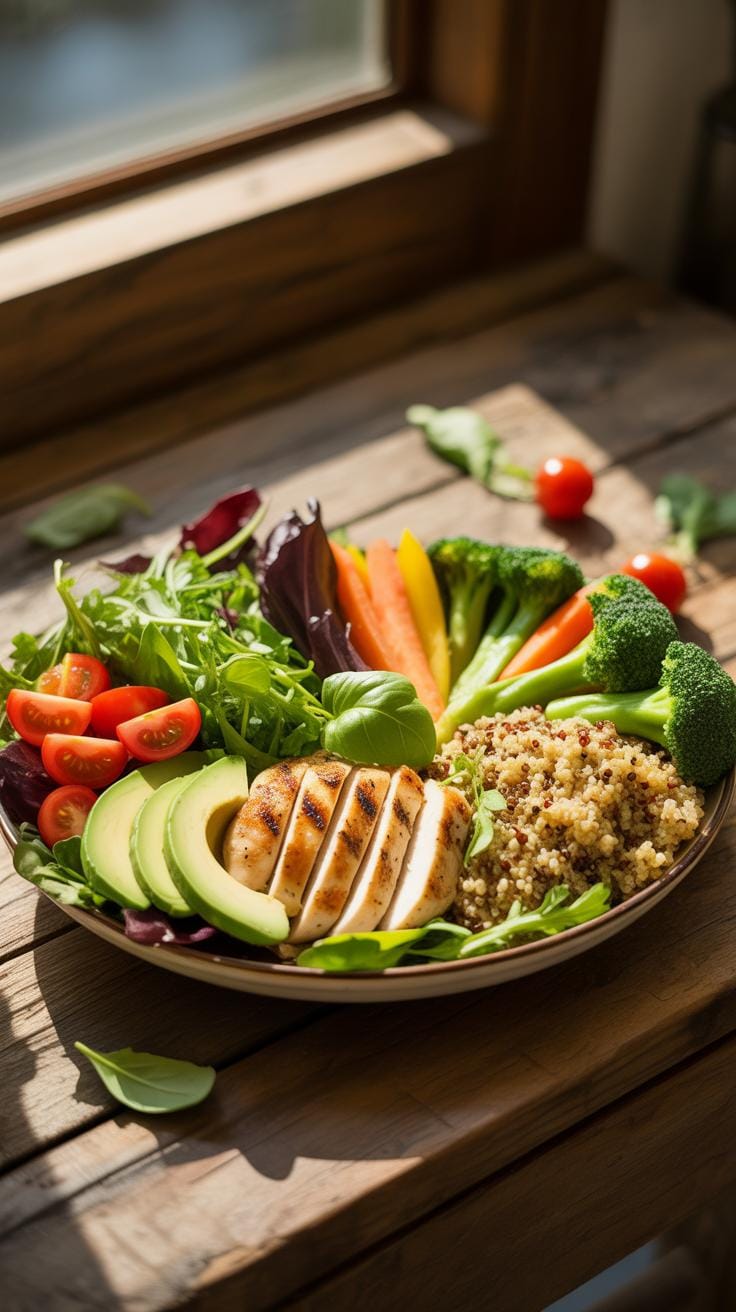
Lunch and dinner meals built around clean eating principles focus on whole foods and avoiding processed ingredients. A plate featuring grilled chicken breast, steamed broccoli, and quinoa exemplifies this well. Or imagine roasted salmon paired with sautéed spinach and brown rice—it sounds straightforward, but these meals deliver nutrients without fuss. You could also try a simple stir-fry with tofu, bell peppers, and snap peas, sautéed lightly in olive oil.
One thing I’ve noticed is that sticking to these meals doesn’t necessarily require hours in the kitchen. With a bit of planning, you can have balanced, clean meals ready—even on busy days. Maybe it’s worth asking yourself: what simple meals could you prepare that make you feel good without much effort?
Conclusions
Choosing to eat clean can help you feel more energetic, maintain a healthy weight, and support lifelong wellness. By focusing on whole foods and avoiding highly processed items, you give your body vital nutrients it needs to function well each day.
Using a vision board helps keep your focus and motivation strong as you adopt clean eating habits. Remember, small consistent steps create lasting changes in your health and wellness. Start with simple food swaps and set clear wellness goals to stay on track.