
Introduction
Salads are a quick and healthy meal option, perfect for busy schedules. You can prepare a nutritious salad in under 10 minutes using fresh ingredients like leafy greens, vegetables, and simple dressings. This article focuses on easy salads you can make quickly to maintain a healthy lifestyle without spending too much time in the kitchen.
Whether you want a light meal or a side dish, salads offer flexibility and health benefits. We’ll explore simple recipes, time-saving tips, and methods to enjoy fresh salads every day. You’ll learn to mix different ingredients quickly and create tasty salads to support your well-being.
What Makes a Salad Quick and Easy
Making a salad quickly isn’t just about speed; it’s also about keeping things simple and fuss-free. The core idea is to use ingredients that don’t demand much prep, so you can toss them together without overthinking. Think about picking items that come ready to use—this alone can cut your salad-making time in half or more.
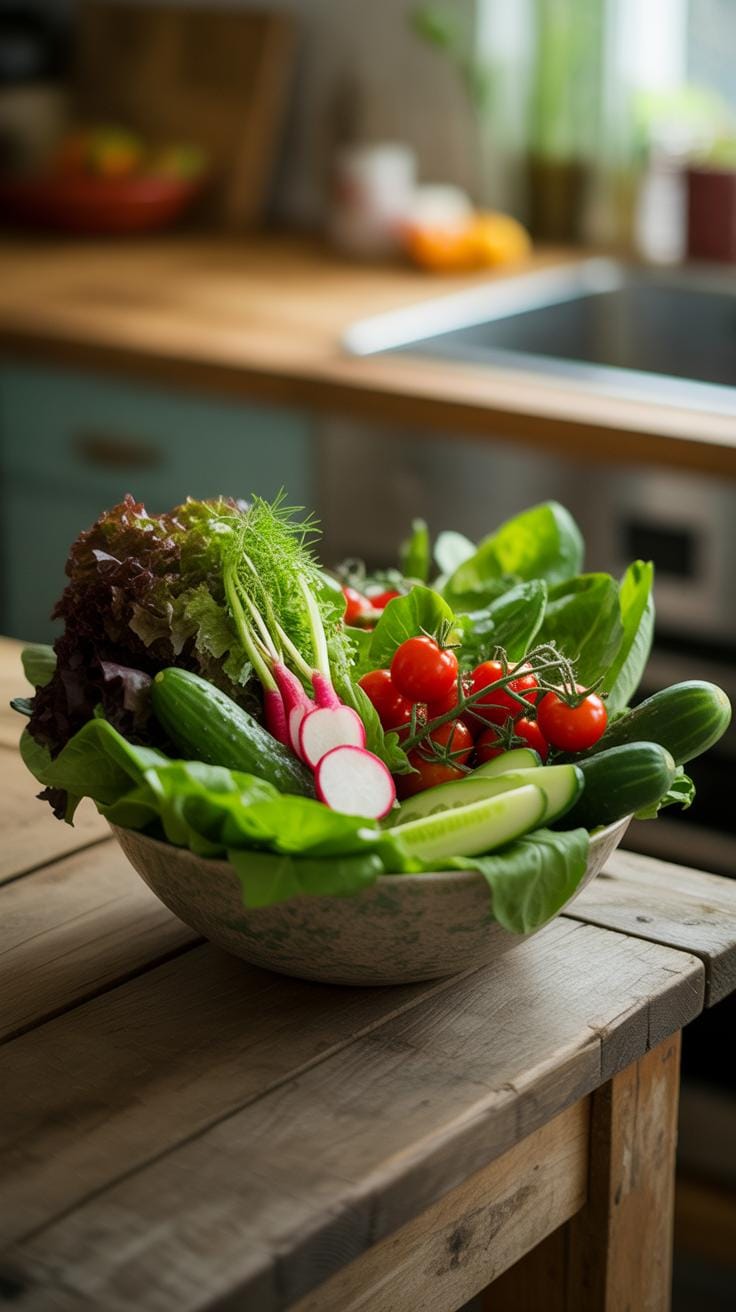
Pre-washed greens are a good start. When greens come already cleaned, you save that extra step which you might often skip but then regret. Along with that, canned beans and pre-cut vegetables fit perfectly into this approach. Opening a can or grabbing a bag of sliced veggies is a real time-saver, and you don’t lose the freshness or taste much, surprisingly.
Then, there’s the dressing part. Instead of searching for a complex recipe, you can just mix a few basics like olive oil, vinegar, and a bit of mustard. These can quickly turn into a flavorful dressing, and you don’t have to pause for too long. You might even find yourself adjusting it as you go, which feels a bit like cooking on the fly but with less pressure.
So, here’s the takeaway:
- Choose ingredients you don’t have to wash, peel, or chop.
- Grab canned or jarred items to add protein or crunch effortlessly.
- Keep your dressing simple – a quick whisk of pantry staples does the trick.
It’s not about shortcuts that sacrifice quality but rather about smart choices that fit your busy routine. Sometimes, less really does mean more.
Why Quick Salads Support Healthy Living
Fresh Vegetables Retain Nutrients
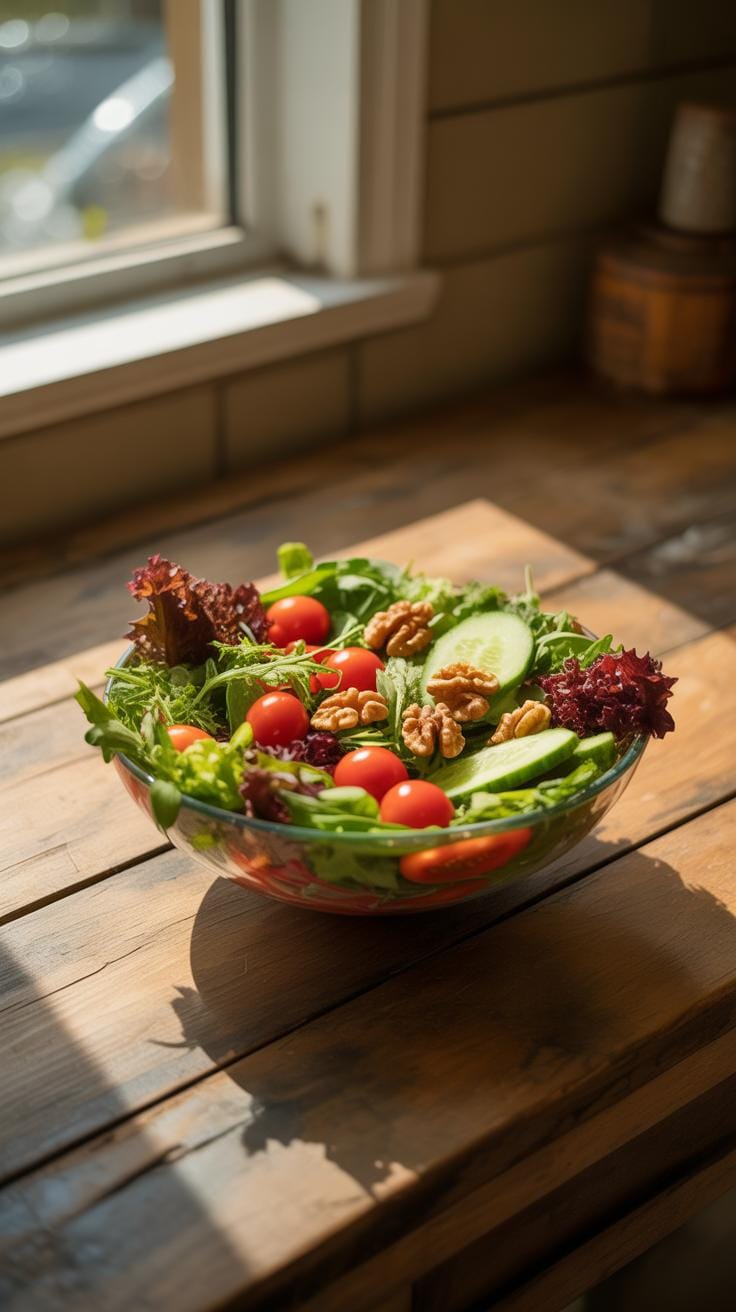
When you toss together a salad in under 10 minutes, you’re actually helping to keep the vegetables at their freshest and most nutritious. The shorter the prep time, the less exposure the veggies have to air, heat, and prolonged handling—all factors that can destroy delicate vitamins like C and folate. For instance, that crisp bell pepper or fresh spinach you add last minute hasn’t had time to lose much of its nutrient punch. These vitamins can fade quickly if your food sits around chopped for hours or is overcooked, so quick salads are a practical way to safeguard those benefits.
Fresh veggies aren’t just about nutrients though. They often taste better—and that might make you more inclined to eat more greens overall, a habit that’s tricky to develop if salads feel like a chore.
Balancing Macronutrients in Salads
Quick salads don’t have to be just a heap of greens. You can—and should—add a meaningful mix of proteins, fats, and carbs to keep you energized and feeling full. A salad with only lettuce and tomatoes might be light, but it won’t hold you over for long. Try including grilled chicken, chickpeas, or boiled eggs for protein. Add some avocado or a sprinkle of nuts for healthy fats. Then, toss in quinoa, sweet potatoes, or even a few whole-grain crackers for carbs.
This mix slows digestion and steadies blood sugar. It’s a neat way to avoid that mid-afternoon crash without needing to rely on quick fixes. I find that when my salad has a bit of everything, I’m less likely to reach for snacks later. So, maybe quick salads aren’t just a time-saver. Perhaps they’re also a tool for better portions and smarter eating.
How to Assemble Salads in Under 10 Minutes
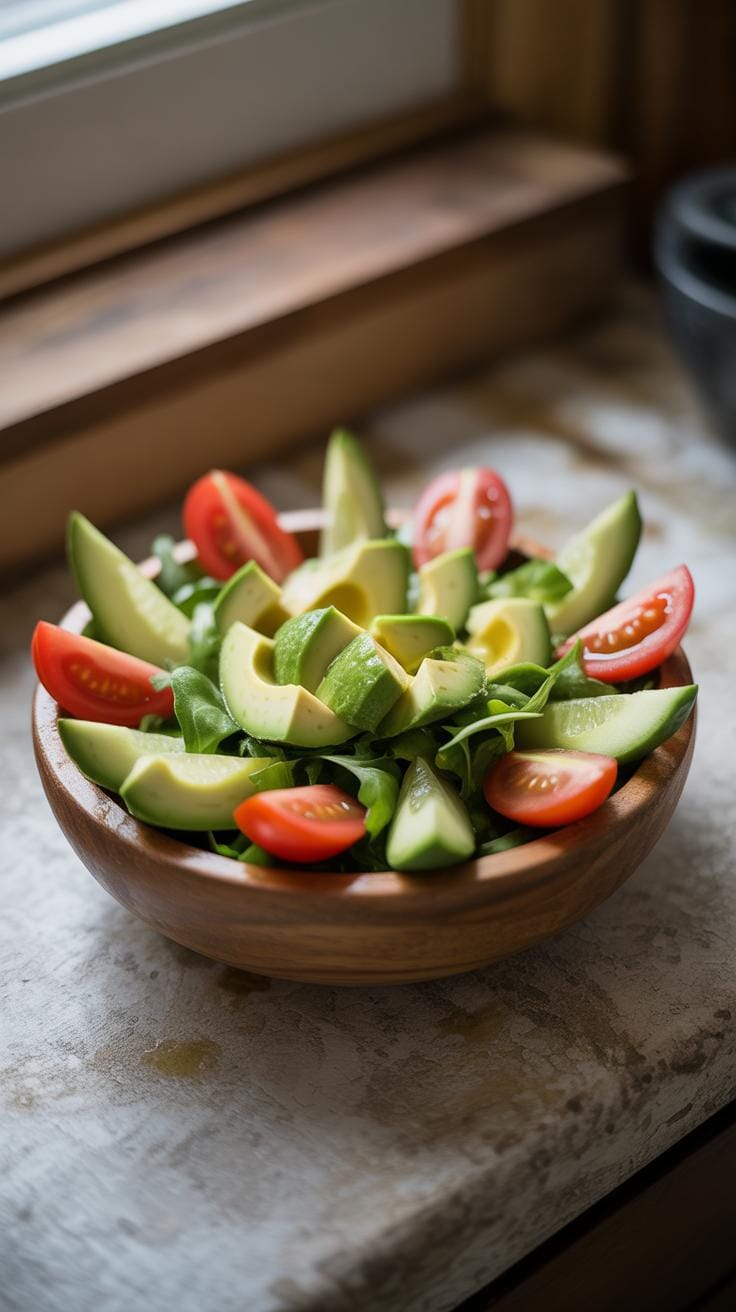
Getting a fresh salad on the table quickly might seem tricky at first. But, if you follow a simple routine, it really becomes second nature. Start by washing your greens and veggies right away. Leaving this step until last can slow you down—or worse, make you skip it. Using a salad spinner here cuts down drying time and prevents soggy leaves.
Once your veggies are clean, chop or tear them into bite-sized pieces. A sharp knife saves you from squashing tomatoes or bruising lettuce. Keep a large mixing bowl handy so you can toss everything together without fuss. This bowl also gives space to add dressing gradually and test flavors as you go—avoiding overdressing is key.
Speaking of dressing, pre-mixing or using store-bought options can save you seconds and sometimes even minutes. But if you’re like me and prefer a quick homemade dressing, whisk a bit of olive oil, lemon juice, salt, and pepper straight into the bowl. Then toss everything briskly, ensuring every leaf is coated.
Finally, serve immediately—freshness doesn’t hang around long. A quick taste test before plating can help you decide if it needs a pinch more salt or a touch of acidity. This little step gives your salad just the edge it needs, and I often skip it only to regret it later.
Step-by-Step Assembly Checklist
- Wash greens and vegetables thoroughly using a salad spinner or colander.
- Dry the washed ingredients well—wet greens dilute dressing, which is frustrating.
- Chop or tear ingredients into bite-sized portions for easy eating.
- Place all ingredients into a large mixing bowl to allow thorough tossing.
- Add dressing gradually, tossing between additions to avoid overdressing.
- Give the salad a quick taste and adjust seasoning if necessary.
- Serve promptly to enjoy maximum crunch and freshness.
Time-saving Kitchen Tools to Use
Some tools really pull their weight when time is tight. A salad spinner is a clear winner—washing and drying greens faster than any towel. Sharp knives help speed up cutting without ruining delicate vegetables. If you don’t trust your knife skills, pre-cut produce works, but it costs more, of course.
A spacious mixing bowl is another underrated helper. I’ve found that tossing in a cramped bowl just makes a mess. Also, a small whisk or fork makes mixing dressings by hand quick and gives you more control over the texture.
Ultimately, having these tools ready can shave minutes off your prep. The time saved can be better spent on plating or enjoying your meal. So, investing a bit in the right utensils might be worth it, even if you only make salads occasionally.
Examples of Easy Salads Under 10 Minutes
Garden Salad with Vinaigrette
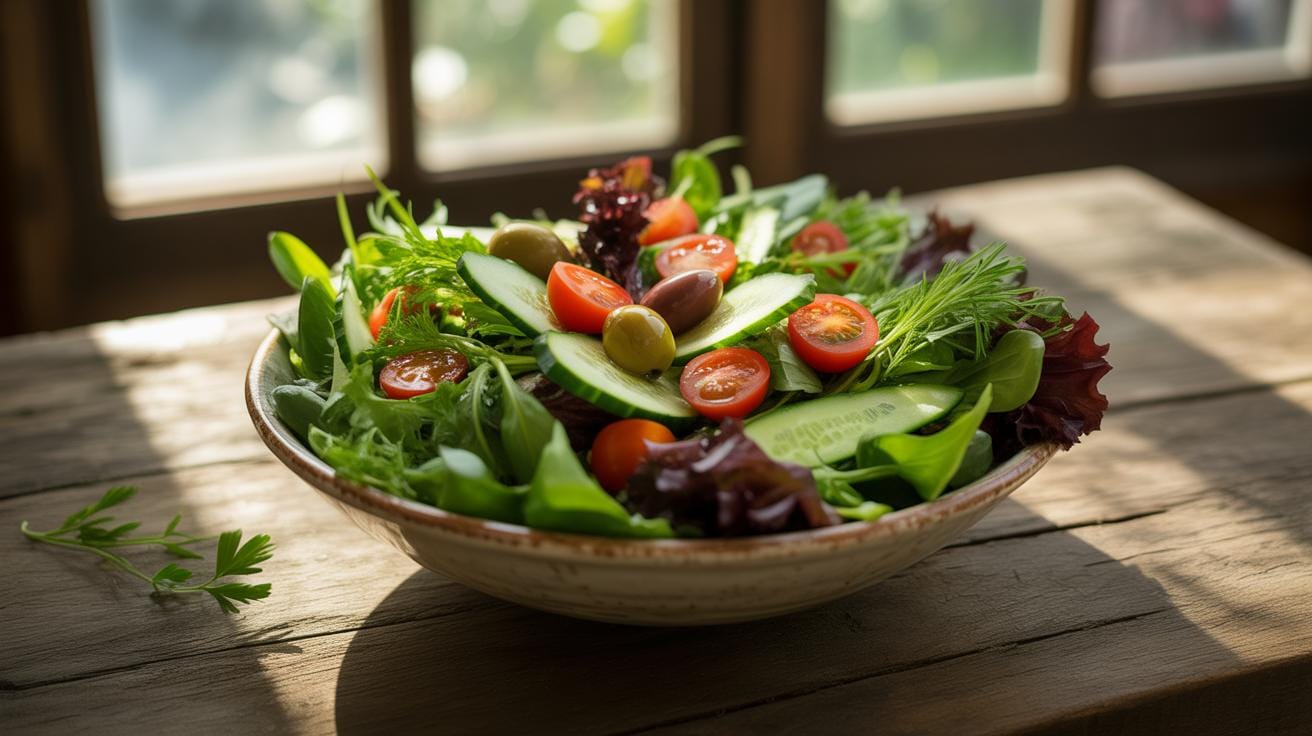
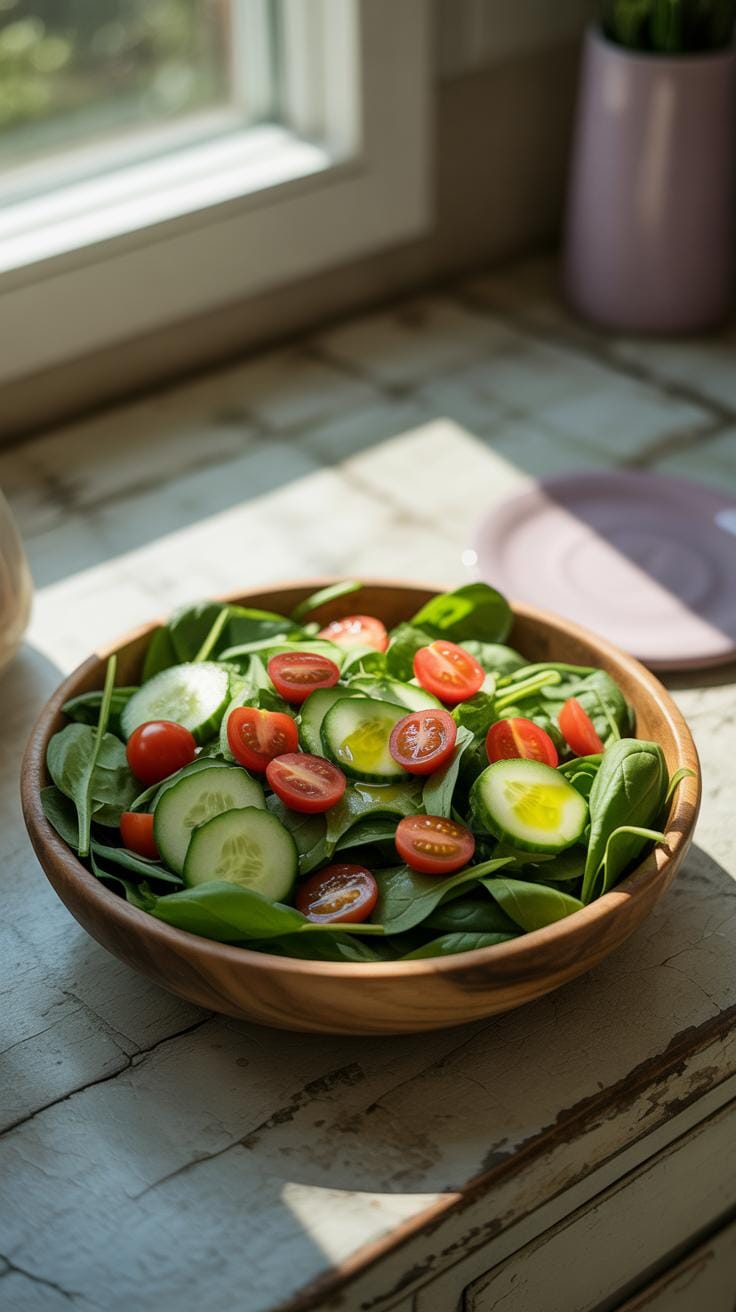
You can whip up a garden salad in no time, using whatever fresh veggies you have around. The basic idea: toss together some roughly chopped lettuce or mixed greens, sliced cucumbers, tomatoes, and maybe a bit of red onion if you’re feeling fancy. I often grab pre-washed greens to speed things even further.
The vinaigrette is where this salad really comes alive. Combine olive oil, vinegar (balsamic or red wine works well), a pinch of salt, and a little mustard or honey if you want a touch of sweetness. Shake it up in a jar or whisk it quickly with a fork. Pour it over your salad and toss to coat evenly.
It’s simple. No stress over exact measurements—taste and adjust as you go. That’s part of the fun, really. Sometimes I add a quick sprinkle of nuts or seeds to give a hint of crunch, but even just veggies and vinaigrette have enough flavor to keep your taste buds interested. Have you tried varying the vinegar type? It might surprise you how a small change shifts the whole vibe.
Bean and Cheese Salad
When you need a salad that feels more filling but still takes very little time, a bean and cheese salad is a solid choice. Grab a can of beans—black, kidney, or chickpeas—all work just fine. Drain and rinse them quickly.
Add chopped veggies like bell peppers, tomatoes, and maybe some green onion or cilantro if you have it. Cubes of cheese add a nice bite; cheddar or feta seems to work best depending on your mood. Sometimes, I just use shredded cheese, which feels even quicker.
Toss everything with a splash of olive oil, a squeeze of lemon or lime, and a pinch of salt and pepper. The mix of beans and cheese gives you protein and flavor without any complicated prep. Honestly, I like to keep it loose with this—no need to follow a strict formula. Each time, it turns out a bit different but still satisfying. You might notice it feels like a quick meal, not just a side dish.
Comparison of Fresh vs Bagged Greens
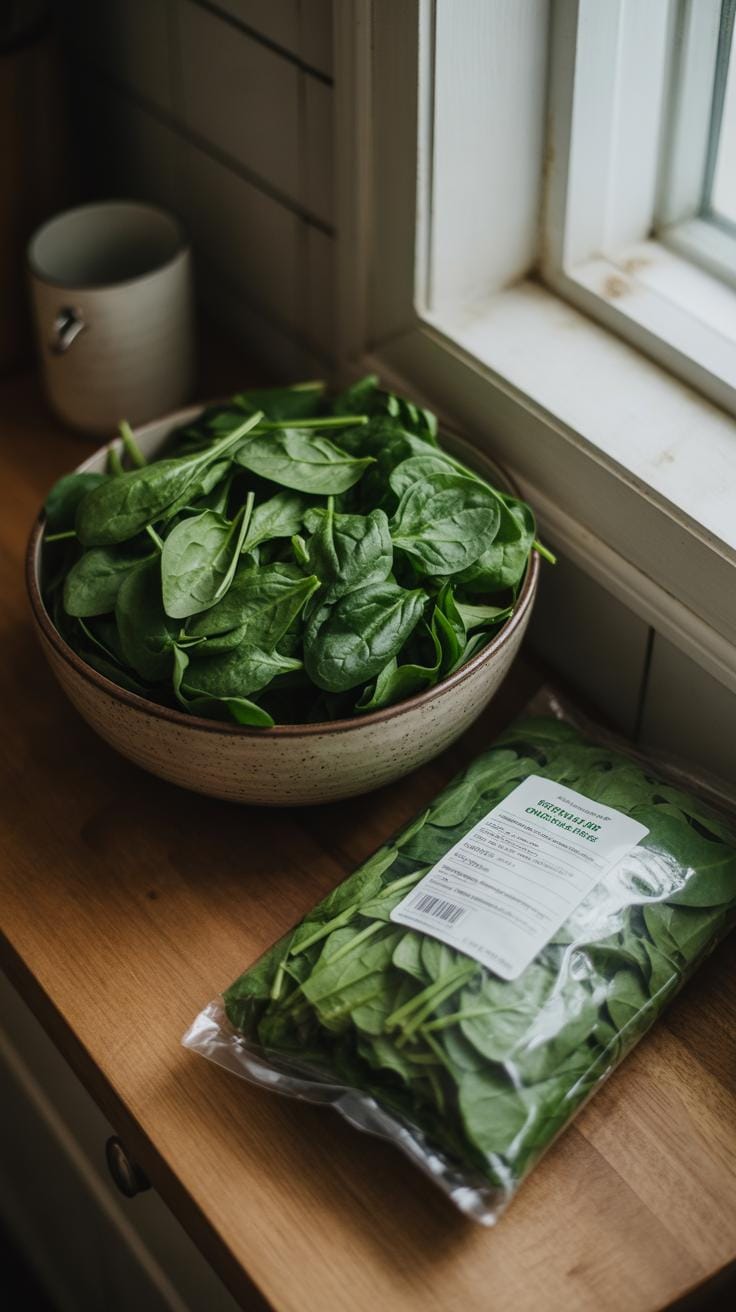
When choosing between fresh greens and bagged greens for your salads, there are a few things to weigh up. Fresh greens usually come straight from the market or garden, offering a vivid, crisp texture that many find more enjoyable to eat. They tend to have a stronger flavor, which can really make a simple salad stand out. But they also need some cleaning and trimming, which takes time—time you might not always have.
Bagged greens, on the other hand, save you the prep work. They’re washed and trimmed already, so you can toss them in your bowl almost immediately. This convenience comes at a cost, literally and figuratively. Often, bagged greens are pricier per pound and can lack the same snap or firmness you’d get with fresh leaves. Sometimes, the texture feels a bit mushy or limp, probably from the packaging and moisture retention inside the bag.
Thinking about nutrient retention, fresh greens usually hold onto more vitamins and minerals, especially if you use them soon after purchase. Nutrients start to degrade once the leaves are cut, and bagged greens, having been processed and packaged, may lose some of their nutritional punch over time—though they’re sometimes treated to stay fresher longer. As for shelf life, fresh greens can stay good for a week or so if stored right, but bagged greens often come with a printed expiration date that’s usually a bit shorter due to lack of air circulation.
Preparation time is the big selling point with bagged greens. For those hectic mornings or when you just want something quick, this can be a lifesaver. Just open, drain if needed, and you’re set. But if you care a lot about texture and saving some money, fresh greens might be worth the extra minute or two spent washing and tearing. You might even enjoy the process—it’s oddly satisfying to prepare your own vegetables.
So the question is: what matters more to you? Speed and ease, or taste and texture? Sometimes, it depends on the day, really. I find myself swinging between both options, depending on what’s in the fridge and how much time I have. What about you? Have you noticed a difference in how your salads feel or taste depending on the greens you choose?
What to Include for Protein in Salads
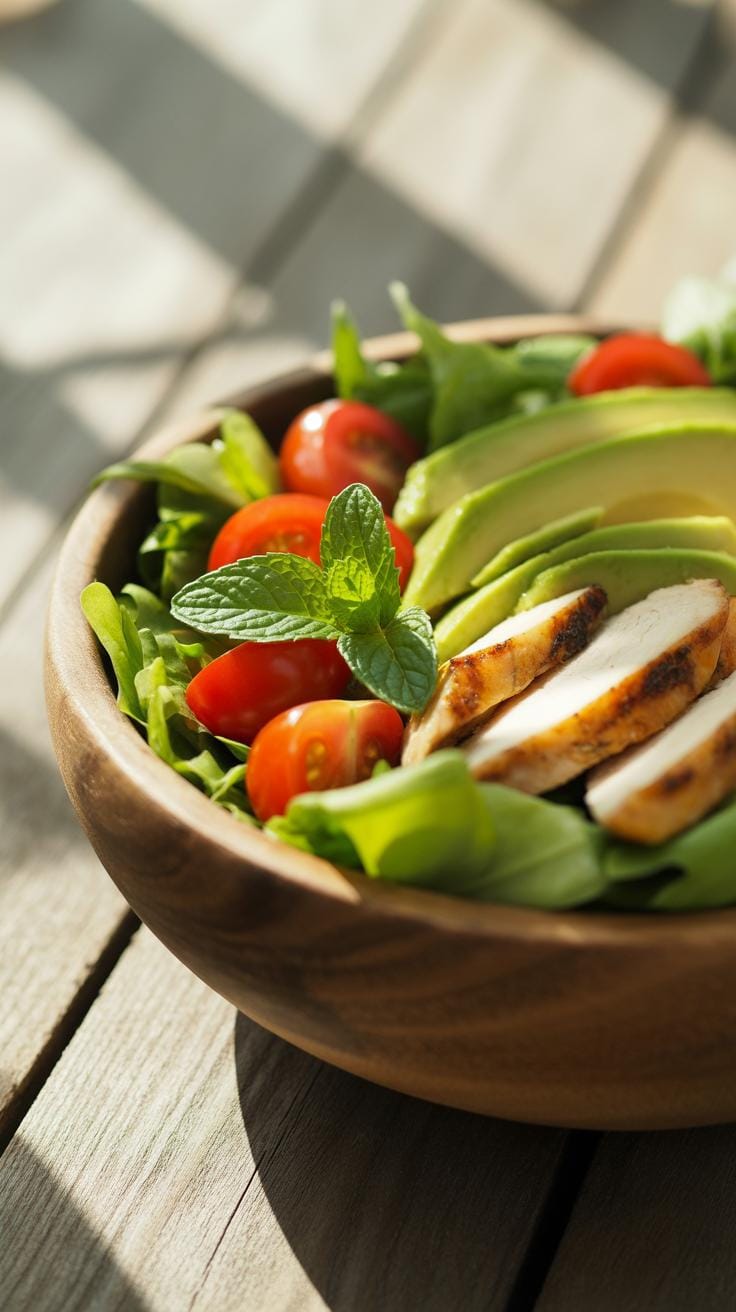
When it comes to tossing together a quick salad, grabbing a good protein source can make all the difference—not just for filling you up, but for keeping things nutritious. Canned beans and legumes offer a surprisingly easy way to boost both fiber and protein. You don’t even have to cook them; just rinse, drain, and toss. Chickpeas, black beans, or kidney beans can add texture and substance without slowing you down. I sometimes forget how much protein those humble cans bring until I’m starving after lunch.
Eggs also fit perfectly into a fast salad. If you have boiled eggs ready—maybe from making a batch ahead—they slide right in. They bring a nice creaminess, too, and let’s be honest, they don’t demand much prep beyond peeling. And then there’s cheese: options like feta, mozzarella balls, or a handful of shredded cheddar add flavor and protein with minimal fuss. Just sprinkle it or crumble it; no slicing required.
These simple additions can turn a basic salad into a more satisfying meal without needing extra time or complicated ingredients. Maybe, next time you’re rushing, try tossing in beans or an egg and see if it doesn’t make you think differently about what a fast salad can be.
Common Mistakes in Quick Salad Making
Overdressing and Soggy Greens
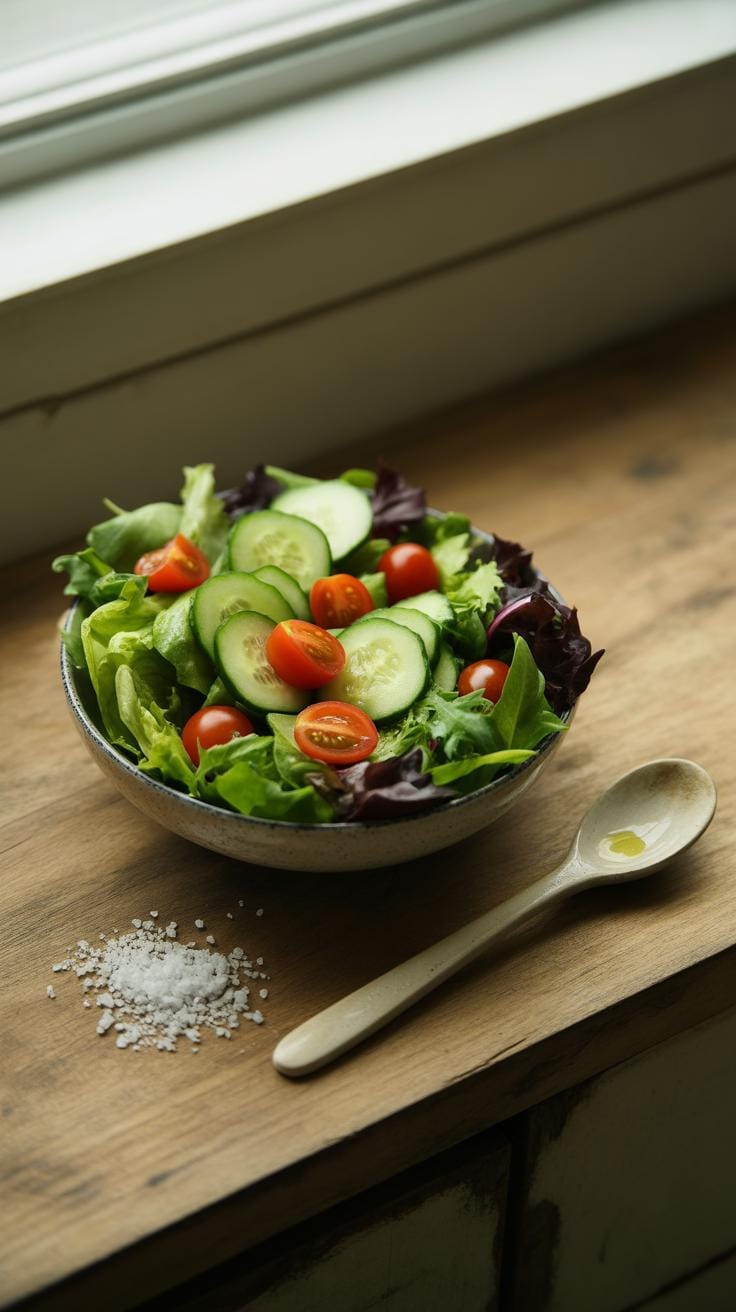
It’s easy to go overboard with dressing when you want to add flavor quickly. But more dressing doesn’t always mean tastier salad. Actually, pouring too much can drown those fresh greens, making them limp and unpleasant. Suddenly, your crisp leaves feel mushy, losing that satisfying crunch you were looking forward to. Sometimes I find myself skimping on dressing just because I remember how sad soggy spinach can get. Instead of pouring it on like water, try tossing your salad gently with a small amount, then taste. You might realize you don’t need as much as you thought. This small step keeps textures intact and avoids the annoying, soggy mess many quick salads become.
Ignoring Ingredient Balance
Quick salads often happen when you’re in a rush, but rushing can lead to tossing in just one or two ingredients—usually just greens and maybe a tomato or cucumber. That’s a typical mistake. A salad is more enjoyable when it has a mix of textures and flavors. Think about it: a bit of crunch from nuts or seeds, creaminess from cheese or avocado, something tangy like pickled veggies, and a handful of sweet or bitter leaves. Without this balance, salads feel flat, boring even. I remember once making a salad with only lettuce and cucumber—it left me unsatisfied, and honestly thinking, why bother? Adding variety isn’t extra work; it’s a quick way to make your meal exciting and keep you coming back for more.
Checklist for Storing Salad Ingredients
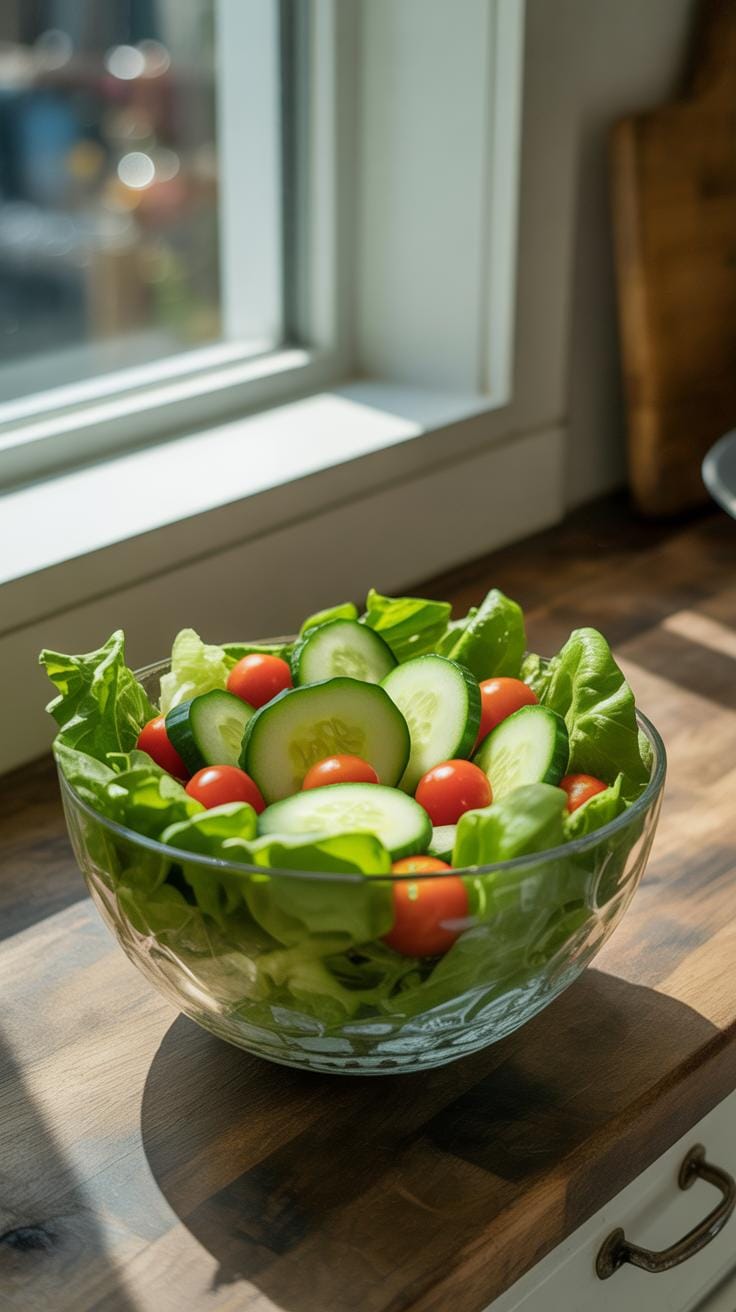
Keeping your salad ingredients fresh can sometimes feel tricky, especially when you want to save time and avoid waste. A simple checklist can help you choose and store items so they last longer and stay crisp.
When selecting greens, look for leaves that feel firm, not soggy or wilted. Avoid bunches with yellow or slimy spots. For veggies, pick ones that are bright and firm, not soft or bruised.
- Store leafy greens wrapped loosely in a paper towel inside a sealed plastic bag or container.
- Place hard vegetables like carrots or cucumbers in the crisper drawer, either loose or in perforated bags.
- Keep tomatoes at room temperature because refrigeration can dull their flavor and texture.
- For herbs, trim stems and place them in a jar with a little water, loosely covered with a plastic bag, in the fridge.
Homemade dressings usually last about a week in the fridge. Use airtight glass jars to keep their flavors fresh. Some crunchy toppings like nuts or seeds do better stored separately in cool, dry places to maintain their snap. Storing them separately also helps keep them from turning soggy.
Do you ever wonder if it’s better to wash greens before storage or right before using them? I usually wait until just before eating—it seems to keep them fresher. But maybe that’s just personal preference.
How to Make Salad Dressings Quickly
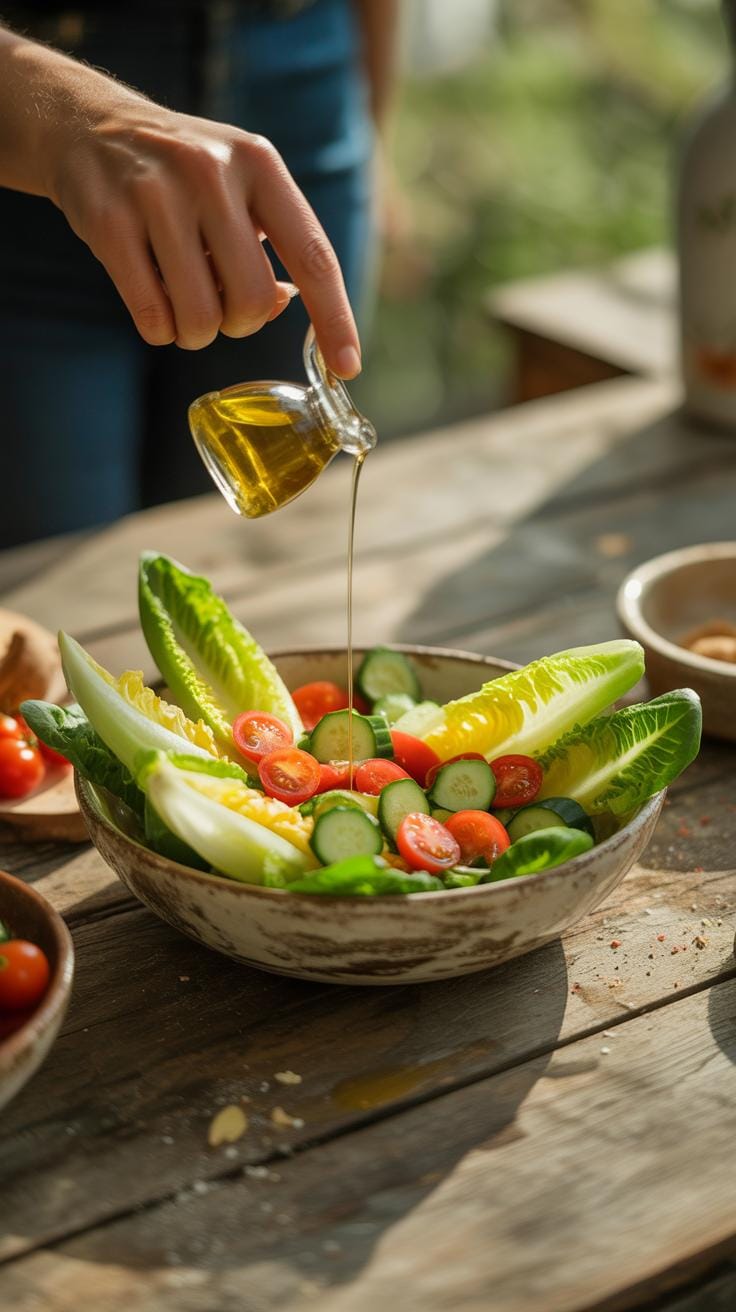
Making a tasty salad dressing doesn’t need to take longer than five minutes. Sometimes, just grabbing a jar feels easier, but mixing your own? That’s surprisingly quick—and often better for your taste buds and health.
Oil and Vinegar Basic Dressing
The classic oil and vinegar combo is a foundation you can build on easily. The common go-to ratio is about three parts oil to one part vinegar. You can use whatever oil you have—olive, vegetable, even walnut if you’re feeling fancy—and vinegar can be balsamic, apple cider, or plain white.
Try adding a pinch of salt and some pepper, maybe a little mustard or honey if you want to mess with the sweetness or tanginess. I’ve found sometimes a splash of lemon juice lifts the whole thing in a way that vinegar can’t quite match. It’s simple, but small tweaks can make a big difference, depending on your pantry.
Creamy Dressing Alternatives
If you want something smooth and creamy without the fuss, mixing yogurt or mayonnaise with a few extras works well. Plain yogurt mixed with lemon juice and a pinch of garlic powder creates a fresh base. Sometimes I add dill or parsley if I have it lying around; it’s a little burst of flavor that feels special.
Mayonnaise is another quick fix—just thin it with a bit of water or vinegar so it doesn’t get too thick. A dash of mustard or a sprinkle of paprika gives it some character. These dressings come together in moments and can satisfy that craving for richness without needing a dozen ingredients.
Conclusions
Making easy salads under 10 minutes is practical for anyone aiming for a healthy lifestyle. Using fresh and straightforward ingredients lets you prepare meals fast without compromising nutrition. Quick salads fit well into all schedules and encourage eating more vegetables daily.
By following the tips and recipes shared here, you can enjoy varied and satisfying salads often. Eating healthy is easier with quick salads, helping you maintain energy and wellness. Try these simple salads regularly to boost your nutrition and save time.