
Introduction
Meal prep means planning and making meals ahead of time. It can help you save money and eat healthier. When you prepare your meals at home, you know what goes inside. You can avoid too much sugar and fat that often come in restaurant or fast foods. Preparing meals ahead can also help you with portion control and avoid food waste.
This article explores easy meal prep ideas that help you save time in your busy week and still eat well. You will learn how to plan, what recipes to choose, how to store food properly, and tips to keep your meals fresh and tasty. Get ready to eat better and make your life easier with simple meal prep tricks.
Benefits of Meal Prep
Meal prepping isn’t just about saving time, though that’s often the first thing people notice. It can actually make a bigger difference in your life than you might expect. For one, it helps you save money. Cooking at home instead of grabbing takeout or dining out cuts down on spending. Plus, when you buy groceries in bulk for your weekly plan, you avoid those last-minute impulse buys that add up fast. You might find yourself less tempted by convenience foods because you already have something ready to go.
Eating healthier also becomes easier with meal prep. When you control the ingredients, you know exactly what’s going into your meals. No hidden sugars, excessive salt, or mystery oils. Portion sizes naturally get more reasonable when you portion meals in advance. It’s not always perfect—sometimes you might go overboard or eat the same thing too often—but it generally nudges you toward better choices.
Then there’s the mental piece: meal prepping reduces weekday stress. Knowing your meals are ready means fewer decisions during a busy day. That feeling of “What am I going to eat?” suddenly disappears and gives you more brain space. Still, meal prep doesn’t always feel effortless upfront, but once you get the hang of it, it’s almost like having one less thing to worry about each day.
Planning Your Meals
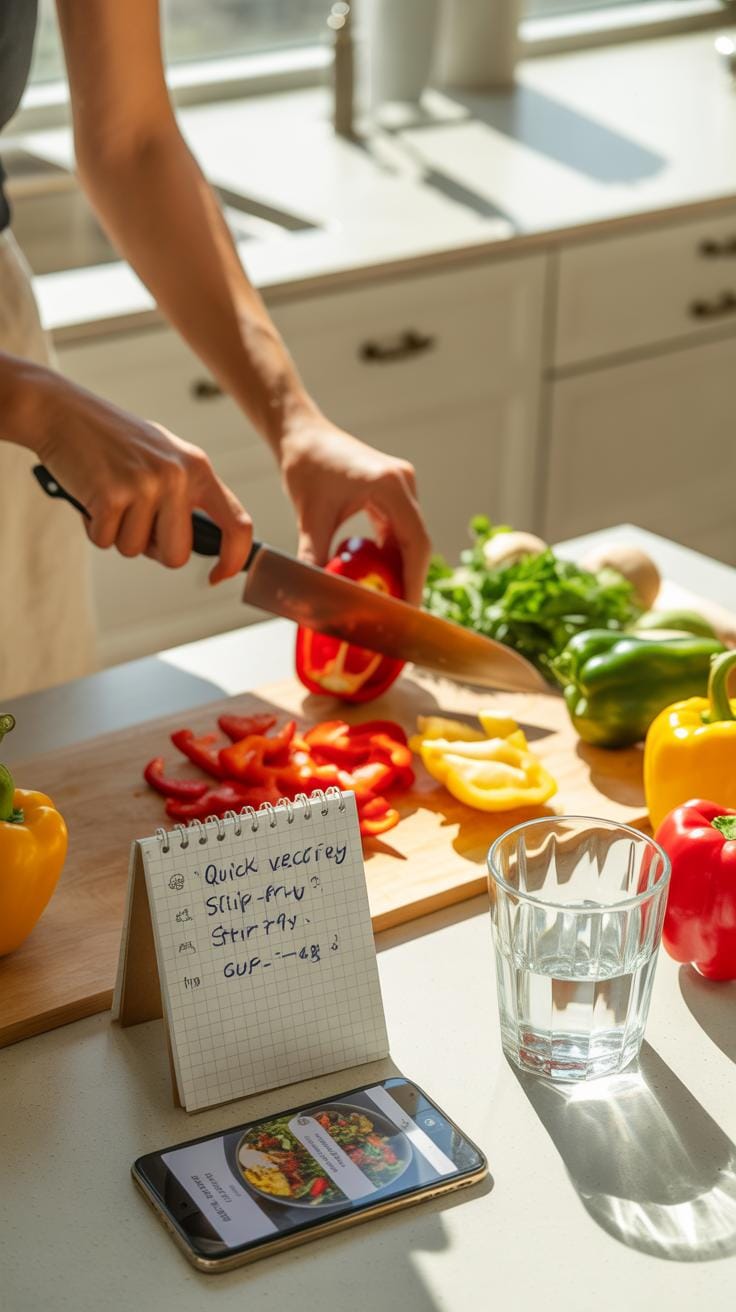
When planning meals for the week, the first step is picking recipes. It’s tempting to aim for variety, but you might want to lean toward simpler dishes with fewer ingredients. Think about recipes you can realistically make without a big fuss. For example, roasted vegetables paired with grilled chicken or a big salad with canned beans and fresh greens. These kinds of meals usually cut down prep time and reduce stress.
Once you have your recipes picked, it helps to write out a detailed grocery list. This is where you capture everything you need — down to spices or condiments you might otherwise forget. Trust me, missing a key ingredient can throw off your whole plan and send you back to the store. Preparing a list keeps you focused and prevents those last-minute runs.
Don’t forget to schedule your prep times too. Maybe it’s a weekend afternoon or Sunday evening. Block out specific windows to chop, cook, or portion your meals. This bit of planning might feel like extra work upfront, but it pays off when the week rolls in. Have you noticed how just setting aside time helps your week feel less chaotic?
Batch Cooking Basics
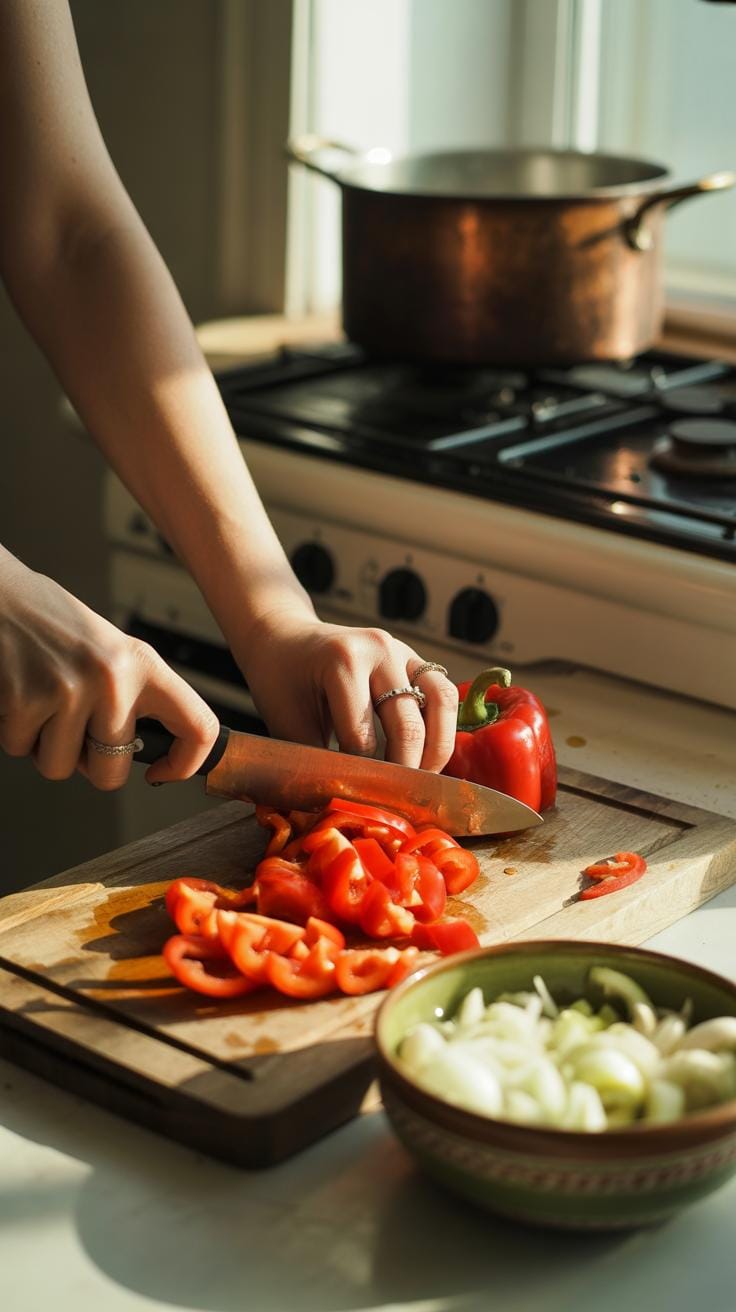
Batch cooking is simply about making larger portions of your meals at once, so you don’t have to spend time cooking every single day. The idea is straightforward: instead of preparing one meal for dinner, you prepare enough to have leftovers for the next few days. This can save you quite a bit of time during the busy week when you’re too tired or pressed for time to start cooking from scratch.
When you cook in batches, you’re kind of banking meals in advance. For example, you might make a big pot of chili, stew, or pasta sauce on Sunday, then just reheat portions through the week. It feels like a small investment of time upfront that pays off repeatedly—though I’ll admit, sometimes I find myself mixing things up because eating the same meal can get a bit dull.
Using large pots and pans helps a lot here. Bigger cookware means you can cook everything in one go rather than several smaller batches, which cuts down on cleaning and time standing over the stove. Plus, it’s easier to adjust recipes for larger portions when you have the right size pots. That said, bulky cookware can be a storage hassle, so finding a balance is key.
Think about what meals you enjoy that reheat well. Soups, casseroles, and stir-fries often work. What’s your go-to batch-cooking recipe, or maybe something you’ve been hesitant to try making in bulk?
Food Storage Tips
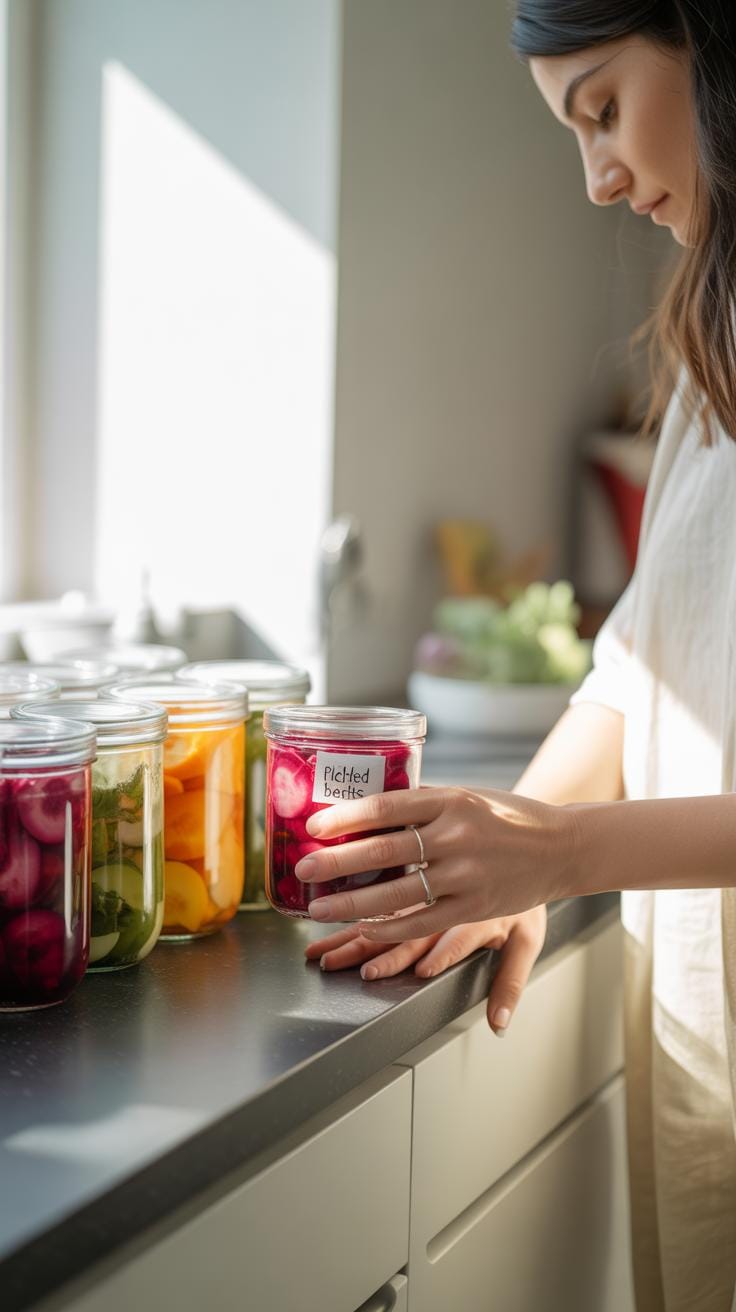
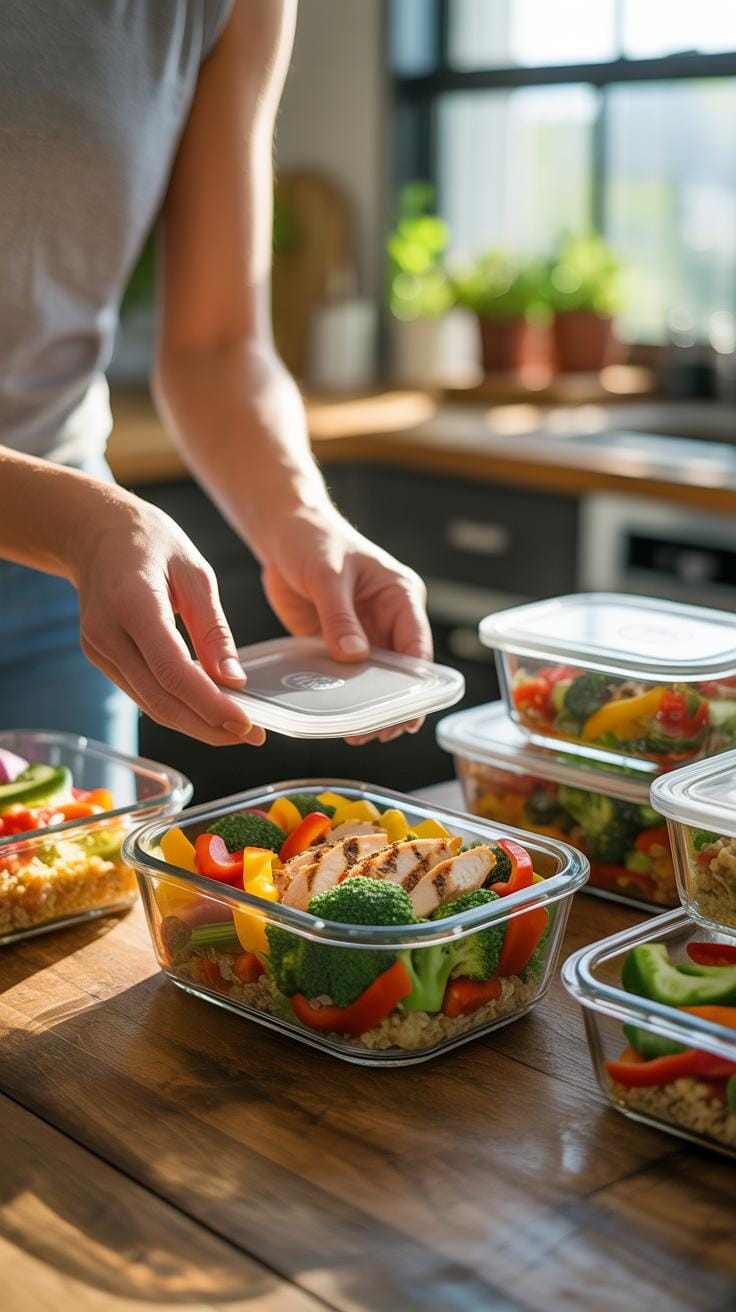
Choosing the right containers for your prepped meals can make a big difference in how long they stay fresh. Airtight containers are key—without a good seal, food tends to dry out or absorb other smells from the fridge. Glass containers with locking lids work well, but sturdy plastic ones designed for storage can be just as reliable if they fit tightly. You might want to think about portion sizes here, too. Smaller containers mean easier grab-and-go meals and less chance of reheating more than you’ll eat. But if you prefer bulk meals, just make sure the container isn’t overcrowded; food needs some breathing room to cool evenly before refrigeration.
Labeling your meals with dates is one of those simple steps that can prevent a lot of confusion. Without it, leftovers often linger longer than they should, or you might toss something perfectly good because you forgot when it was made. I like to use a permanent marker or sticky labels and write the prep date right on the container. Sometimes, I jot down the meal name too—that way, I don’t have to open every box wondering what’s inside. The habit might feel a bit tedious at first, but it definitely cuts down on waste. If you’re ever uncertain whether to keep or toss a dish, the label gives a clear reference—no guessing involved.
Easy Meal Prep Recipes
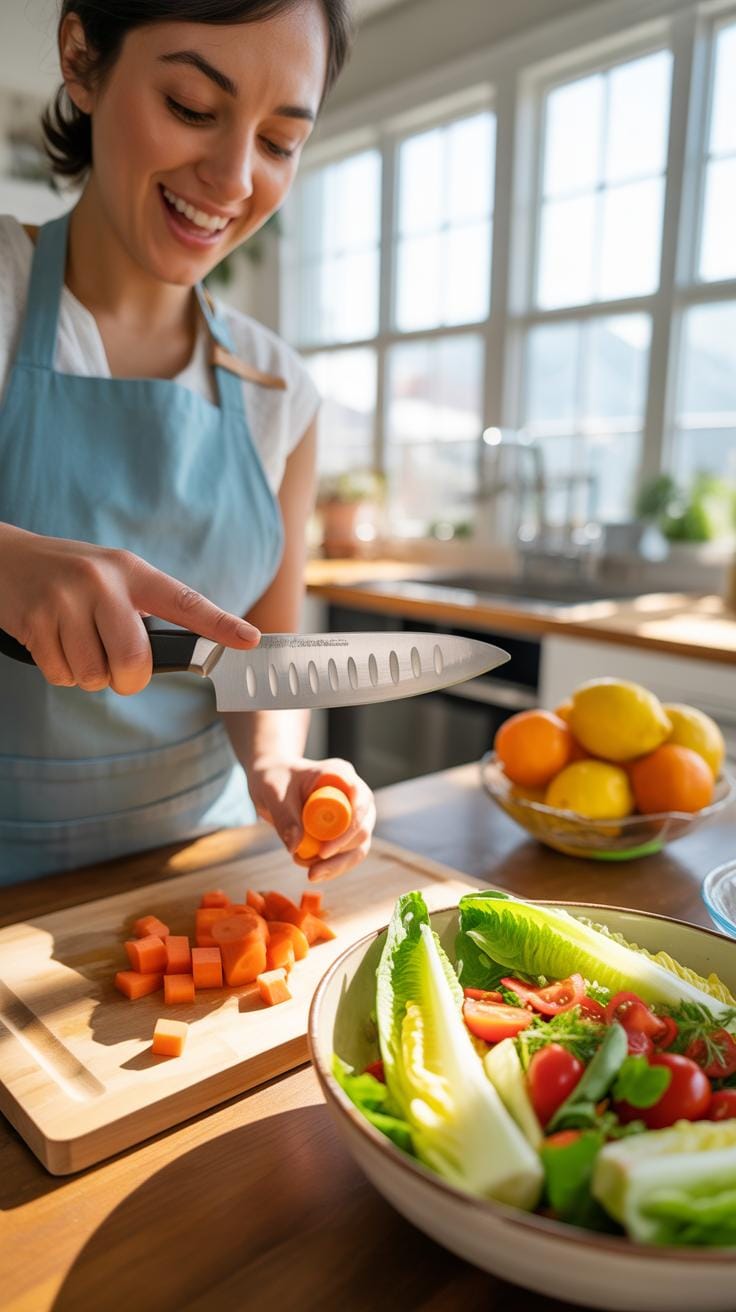
Starting with breakfast, you might find overnight oats to be surprisingly straightforward. Just mix oats with milk or yogurt and some fruit the night before. You can tweak flavors each time, maybe add nuts or a little honey if you want. It feels like a small win to grab something ready to eat right away in the morning.
Then there are smoothies. You can portion out whatever fruits or greens you like in freezer bags and blend them quickly when needed. It’s fast and, honestly, you might forget you’re actually eating something healthy first thing.
Egg muffins are another go-to. Whisk eggs with veggies or cheese, pour into muffin tins, bake, and then refrigerate. These keep well and can be eaten on the run. They require minimal fuss but feel satisfying, which is nice.
For lunch and dinner, grain bowls are your friend. Cook quinoa or rice ahead and toss them with beans, roasted veggies, and a simple dressing. You don’t have to be precise. Just mix what you have, and it’ll probably taste fine.
Pasta dishes also fit nicely into batch cooking. Make a big pot of your favorite pasta, stir in some sauce, and add whatever proteins or greens appeal to you. These reheat well and taste almost as good the next day.
Roasting vegetables is a classic but still quite good—roast a variety, then add them to salads, wraps, or just eat them as a side. It’s easy, and the slight caramelization brings out flavors that you might not expect from simple veggies.
Those ideas make meal prep feel less like a chore. Maybe you’ll find some you want to stick with or mix up based on what’s in your fridge that week. What’s key is to keep it simple enough to actually do, not just plan.
TimeSaving Tips

Prep Ingredients in Advance
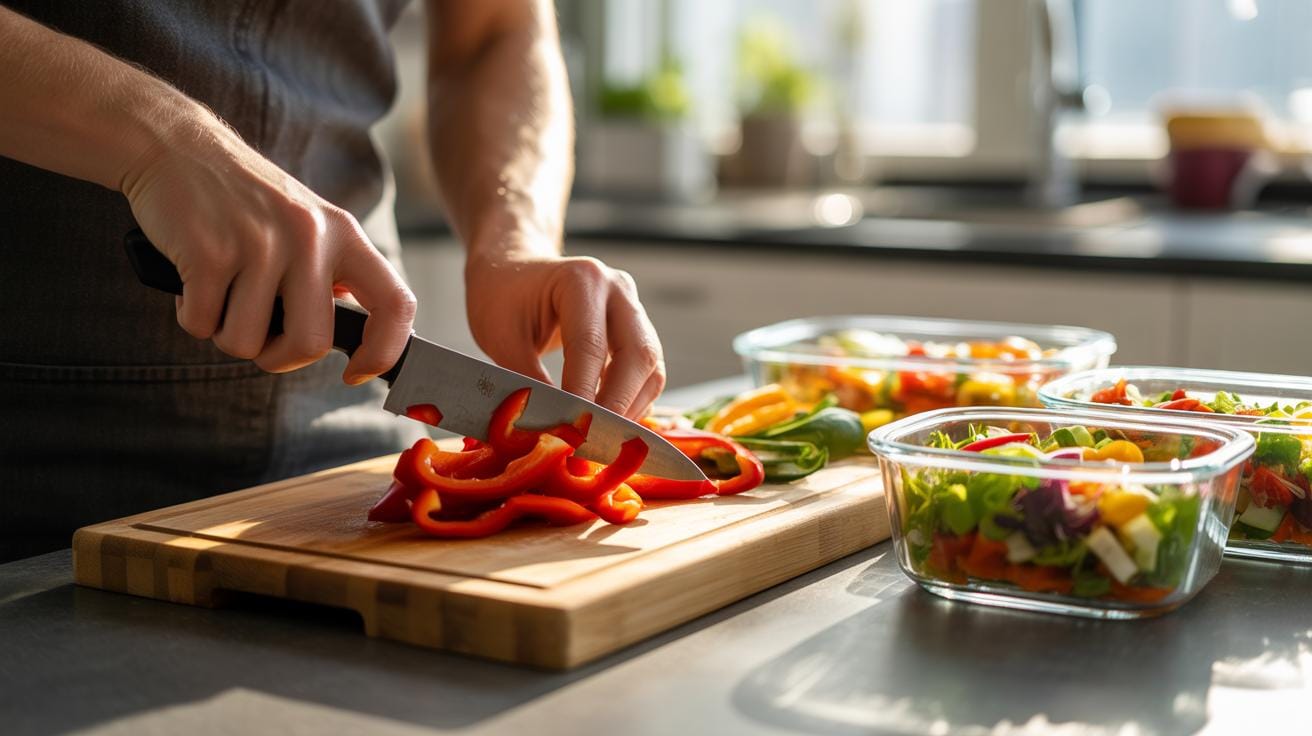
One simple way to shave minutes off your cooking routine is to handle all the washing and chopping at once. If you do this right after grocery shopping, you rarely have to face that chore midweek. Imagine a bag of carrots already peeled and cut, or peppers sliced and waiting to be tossed in a meal. It’s not just about saving time—it also makes assembling meals less stressful. Sometimes I find myself skipping meals because the prep looks like a lot, but having everything ready makes it easier to just grab and cook.
You could even store these prepped veggies in clear containers or zip-lock bags so you see them right away—reminders to actually use them fast. It might seem tedious at first, but this upfront work usually pays off by making weeknight dinners less chaotic. What’s your threshold for prepping ahead? Some people like to do it all on Sundays, while others spread it out. Both ways can work; it depends on what feels manageable.
Use Tools
Kitchen gadgets can actually change how you approach meal prep. Slow cookers or instant pots especially allow you to set something up early and forget it while you do other things. I’ve noticed that having a pressure cooker reduces the need to stand over the stove, which is handy when you’re juggling kids or work calls.
Food processors cut down chopping and mixing time dramatically. They’re surprisingly underused but can do everything from shredding cabbage to pureeing sauces. That said, sometimes pulling out yet another gadget feels like more work—not less. So, you might want to stick to one or two favorites that really save time for you. The right tools can make a stark difference if you let them though.
Considering your kitchen setup and habits, which tool could actually help you? Maybe it’s the slow cooker for hands-off meals or a blender for quick soups and smoothies. A little experiment might reveal your go-to assistant for meal prep.
Balancing Nutrition
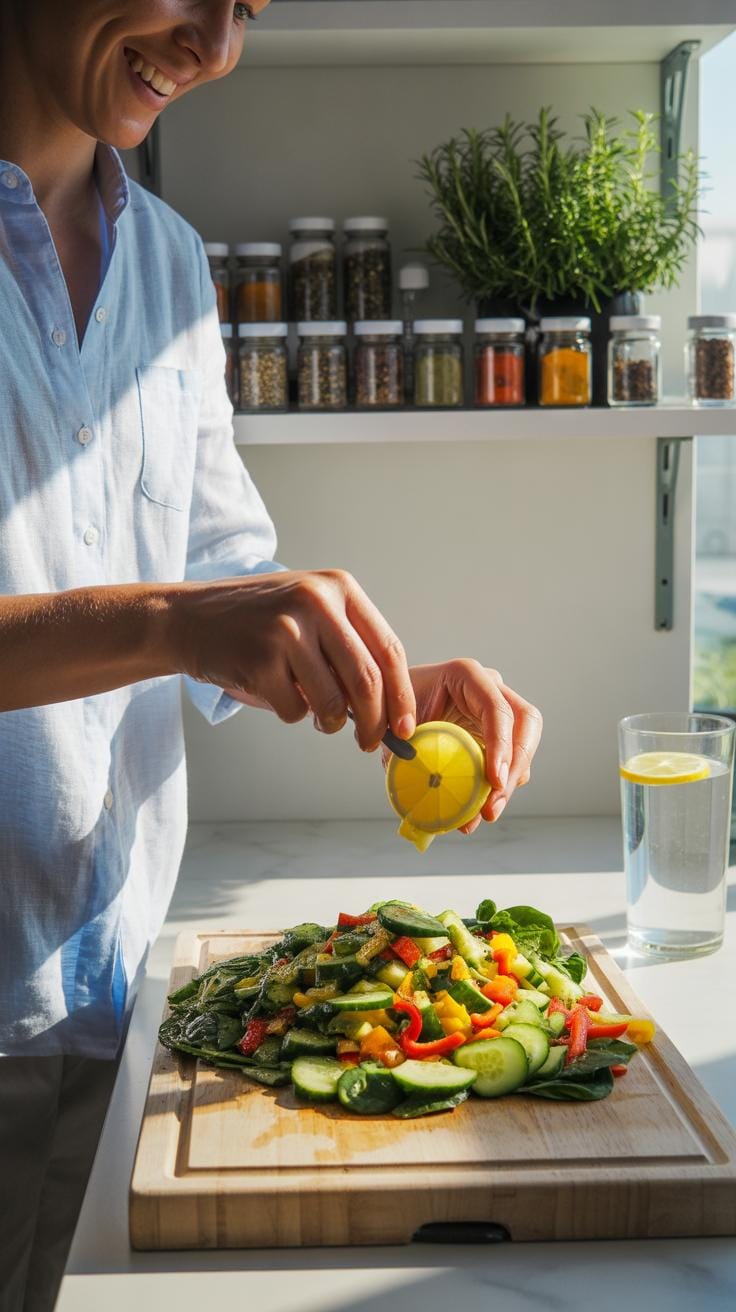
When planning your meals ahead, aiming for balance makes a big difference to how you feel throughout the day. Try to include a source of protein, a healthy carbohydrate, and plenty of vegetables in each meal. For example, grilled chicken with quinoa and steamed broccoli covers all three. It might sound simple, but consistently mixing these components fuels your body without overloading it.
Using different food groups also keeps things interesting. If you eat the same type of carbs or proteins every day, meals can become dull, and you might miss out on important nutrients. Switching between beans, fish, lean meats, whole grains, and various veggies offers a broader nutrient profile and keeps your taste buds awake. Plus, it gives you flexibility when shopping or deciding what to cook.
Portion control is another tricky part that often gets overlooked. Eating balanced meals is not just about what’s on your plate, but how much. Overeating—even healthy foods—can leave you sluggish or uncomfortable. You might find that using smaller containers for your meal prep helps. That way, you avoid the temptation to pile on extra and end up feeling just right after eating, rather than stuffed. Have you noticed how a moderate portion keeps your energy steadier through the afternoon?
Keeping Meals Fresh
Store Properly
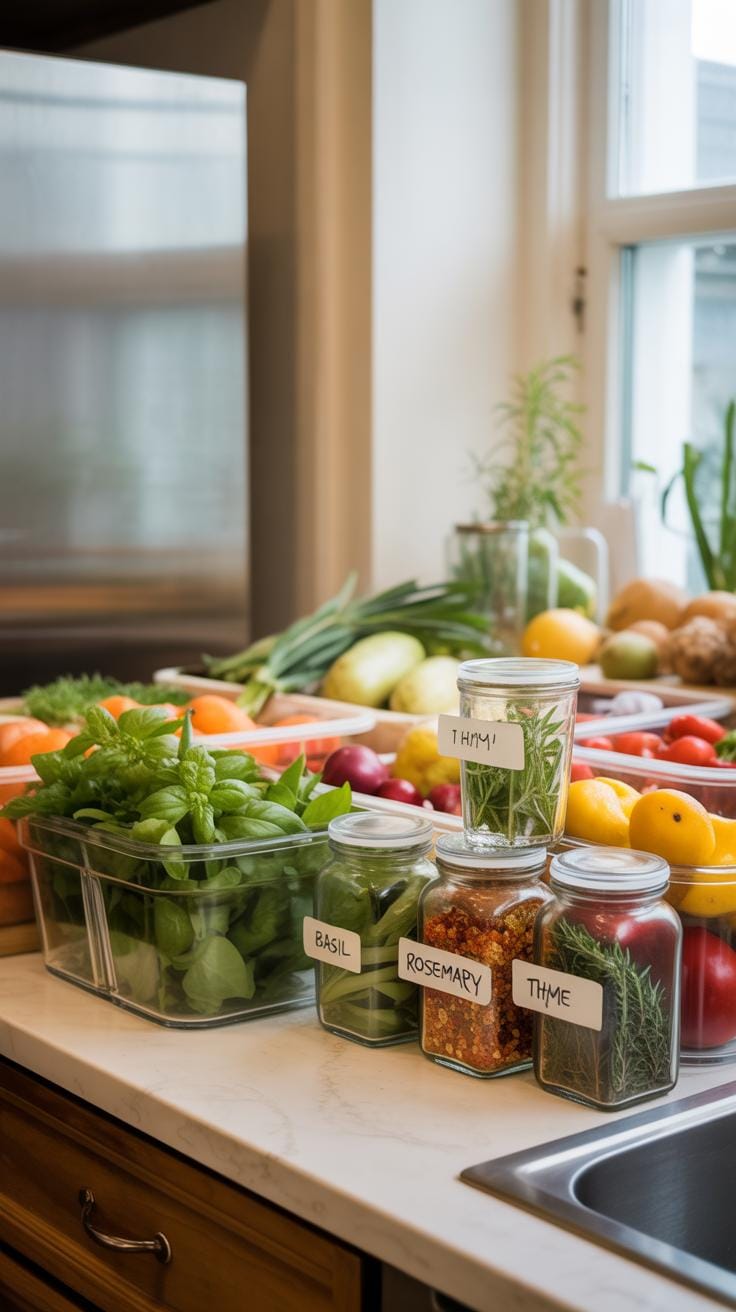
Keeping your prepped meals fresh starts with storage. You want to avoid soggy greens or mushy veggies, right? Use airtight containers to lock in moisture but also prevent food from absorbing fridge odors. Glass containers tend to work well here—no weird smells transferring, and you can see what’s inside without opening them.
When placing meals in the fridge, don’t just toss them anywhere. Keep hotter items on the top shelves so they cool evenly, while raw proteins should stay on the bottom to avoid drips. Freezing meals? Freeze portions flat in zip-top bags so they thaw faster, and label them with dates. I sometimes forget how long something’s been in there, so labeling saves me from mystery meals.
Reheat Correctly
Reheating is tricky. You want warm, enjoyable food—not rubbery chicken or dry rice. The microwave is quick but often uneven. If you’re reheating something saucy, add a splash of water or broth to keep moisture in. Cover the dish loosely to trap steam instead of letting it escape.
Ovens and stovetops offer better results if you have the time. Stir food occasionally on the stove to avoid drying spots. And don’t do a one-size-fits-all—different foods need different approaches. For example, steamed veggies reheat better if you sprinkle a bit of water and cover them briefly, while dense grains may need a little extra heat but also patience. It’s a little trial and error, but once you get the hang of it, your prepped meals feel almost freshly made.
Conclusions
Meal prepping helps you eat healthier and saves money. You control what you eat and avoid unhealthy restaurant meals. Planning and preparing meals ahead reduce stress during busy days. You can enjoy tasty and nutritious food anytime you want without extra effort.
Try the meal prep tips and ideas shared here. Start small, choose simple recipes, and use proper storage. Soon, meal prepping will become part of your routine. You will feel the benefits in your health and time management. Remember, your meals are in your hands, and easy meal prep can make them better.