Introduction
Eating healthy snacks during busy days can help keep your energy steady and your mind sharp. Easy healthy snacks that are low in carbs are perfect for office workers who need something quick and nutritious. These snacks help prevent hunger without causing a spike in blood sugar.
This article shows you how to choose and prepare snacks that are simple, low in carbohydrates, and fit well into a busy office schedule. You will find snack ideas, recipes, and tips to enjoy food that supports your health and keeps you going through the day.
Understanding Low Carb Snacks
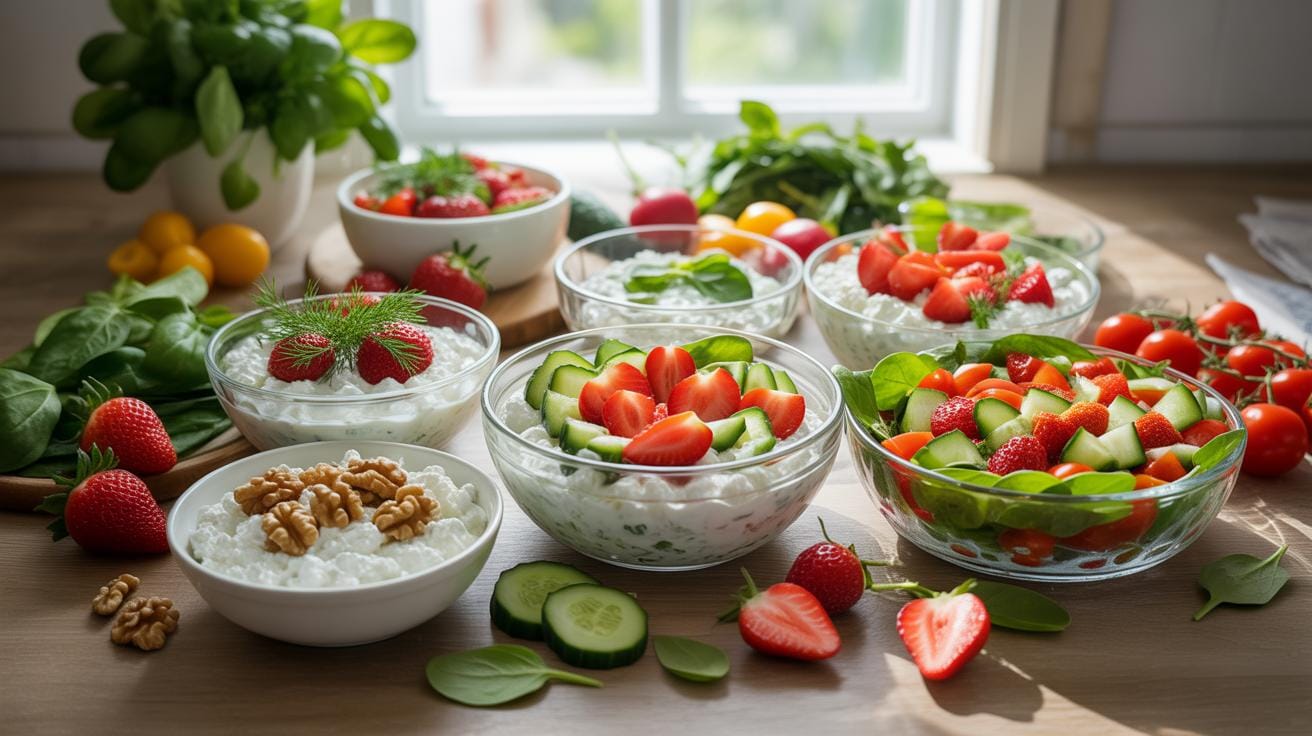
Low carb snacks mostly focus on reducing carbohydrates, the sugars and starches that provide energy but can cause quick spikes in blood sugar. Unlike typical snacks like chips or cookies, which often pack a surprising amount of carbs, low carb options steer clear from those fast-burning carbs. Instead, they tend to include more protein, fat, or fiber, which digest slower and keep you feeling satisfied longer.

For busy people, this means you might avoid that mid-afternoon crash that sneaks up after munching on sweets or bread. You stay more alert and less distracted by hunger. It’s not just about cutting carbs though—it’s also about picking snacks that support steady energy without overwhelming your metabolism.
What Makes A Snack Low Carb
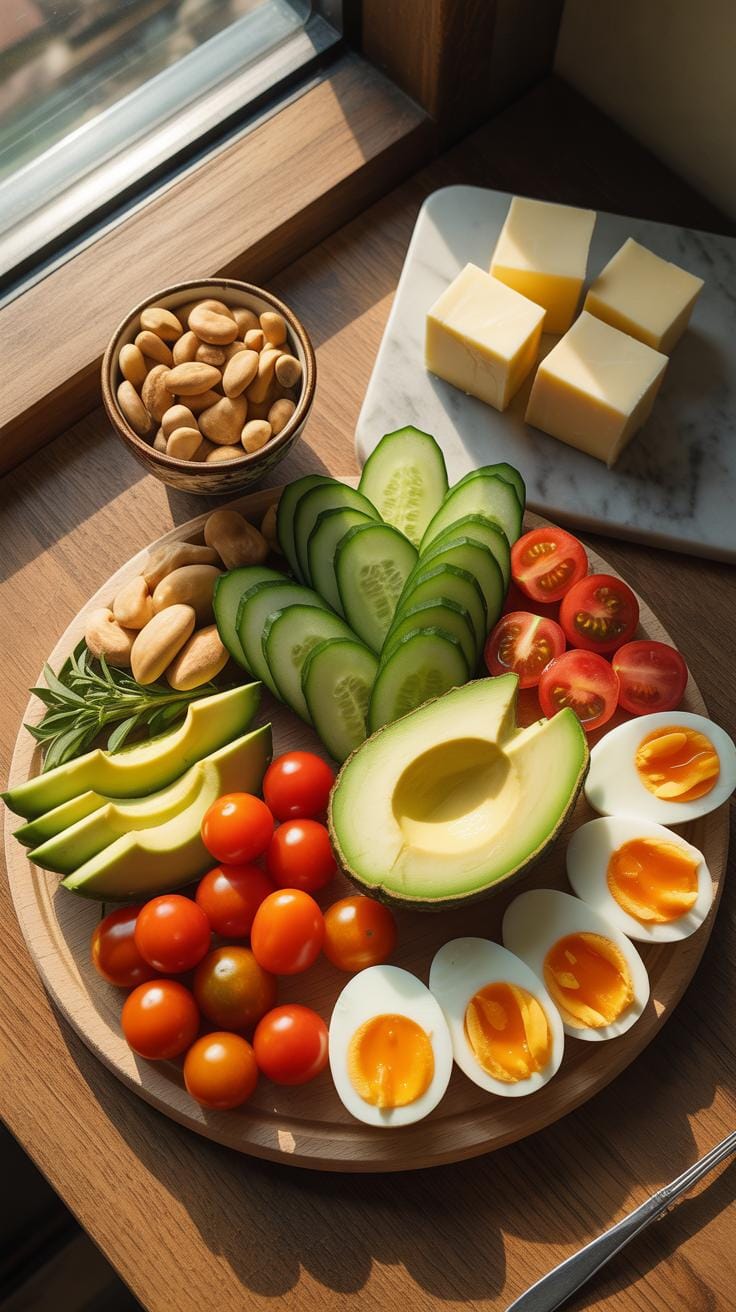
Low carb snacks usually have very few grams of net carbohydrates. This means the total carbs minus fiber and sugar alcohols, which don’t affect blood sugar much. Common ingredients include nuts, seeds, cheese, hard-boiled eggs, and certain vegetables—like celery or cucumber. Some jerky or deli meats also fit here, if they’re free from sugar-laden marinades.
Reading nutrition labels helps. Look for snacks where total carbs per serving are low—usually under 5 or 6 grams—and fiber is reasonably high. If sugar is popping up high on the list, that’s a red flag. Sometimes, snacks will claim “low carb” but hide sugars or starches in ingredients, so it pays to be alert.
Benefits Of Low Carb Snacks At Work
Choosing low carb snacks during a busy day at the office can stabilize your energy better than sugary counterparts. With steadier blood sugar, your concentration tends to improve—less foggy, less jittery. You may find it easier to power through tasks without constantly reaching for more food.
Low carb options also help control cravings. That persistent nagging for a sweet or salty treat might reduce, which could save you from impulsive snacking. It’s not about starving yourself though. It’s about giving your body what it needs to keep going without sharp highs and lows.
Choosing Easy Healthy Snacks
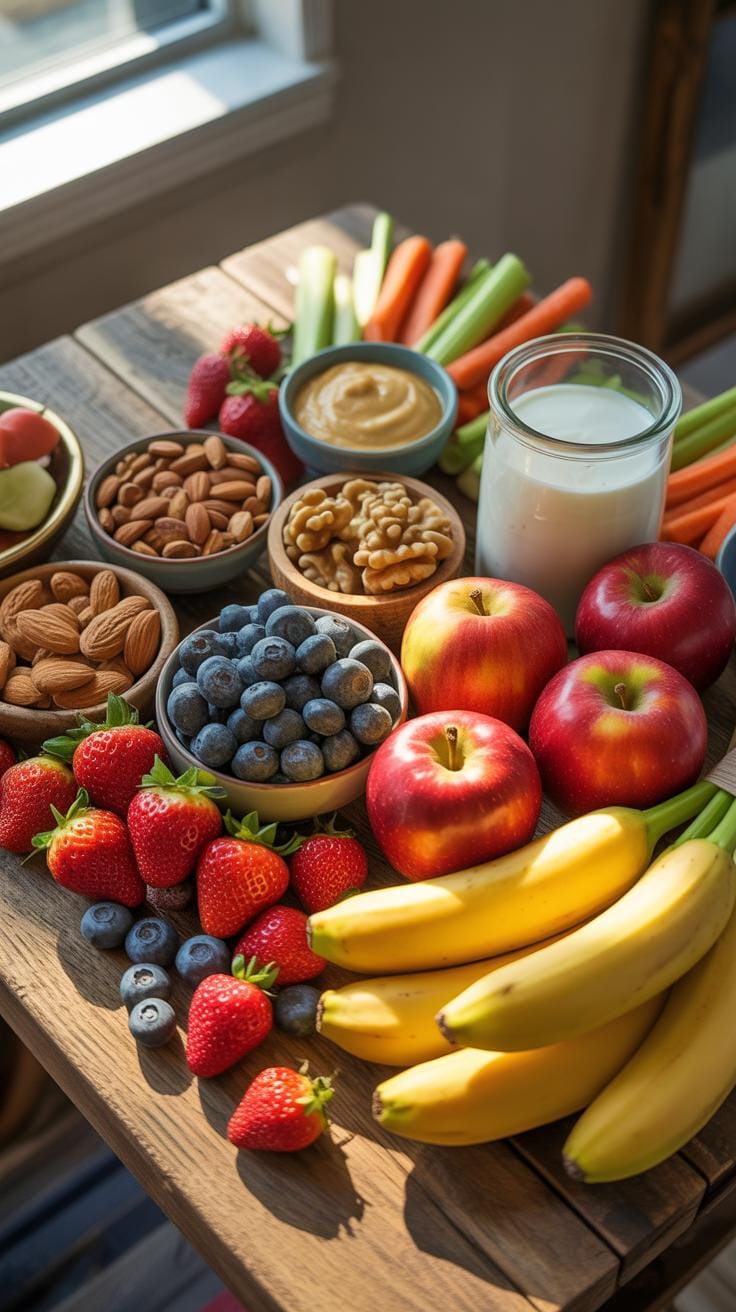
Picking snacks that are both healthy and easy to prepare can sometimes feel trickier than it should. You want something you can grab quickly, carry without fuss, and that won’t weigh you down. The key is focusing on natural ingredients with minimal processing. Think about foods that don’t come from a factory but rather from the earth or simple refinement—nothing overloaded with additives or preservatives. It might sound obvious, but checking labels can save you from accidentally choosing snacks loaded with hidden sugars or unhealthy fats, which sneak in surprisingly often.
When you’re at the store or packing snacks, look for options that also offer some nutritional balance—like a bit of protein, fat, and fiber paired together. This helps keep you full and alert through those busy office hours.
Simple Snack Ingredients To Look For
Here’s a quick checklist of easy ingredients that make snacks both healthy and convenient:
- Nuts — almonds, walnuts, pecans; they’re rich in healthy fats and protein.
- Seeds — pumpkin or sunflower seeds add a nice crunch and are nutrient-dense.
- Cheese — small portions of cheese provide both fat and protein, but watch the sodium.
- Vegetables — raw veggies like carrot sticks, cucumber slices, or cherry tomatoes offer fiber and vitamins without much fuss.
- Hard-boiled eggs — easy to prep ahead and pack for a filling snack.
These ingredients often need little to no prep and are simple enough to carry around. Actually, having a handful of nuts and a piece of cheese can be surprisingly satisfying—better than something fancy but full of unclear ingredients.
Avoiding Hidden Sugars And Unhealthy Fats
Looking at snack labels carefully can be a bit exhausting, I get it. But it’s worth the extra glance to spot sugars that hide under names like dextrose, maltose, or high-fructose corn syrup. Even snacks that claim to be “healthy” sometimes sneak these in to improve taste or texture. Same with fats—trans fats or overly processed vegetable oils aren’t great picks.
Sticking to snacks without artificial colors, flavors, or preservatives usually steers you away from these pitfalls. And honestly, if a snack’s ingredient list reads more like a chemistry experiment than a grocery list, it’s probably best left on the shelf. Instead, simple whole-food based snacks tend to fuel you better over the long haul, especially on busy days when you want clarity and energy without the sugar crash.
Office Snack Ideas For Low Carb Eating
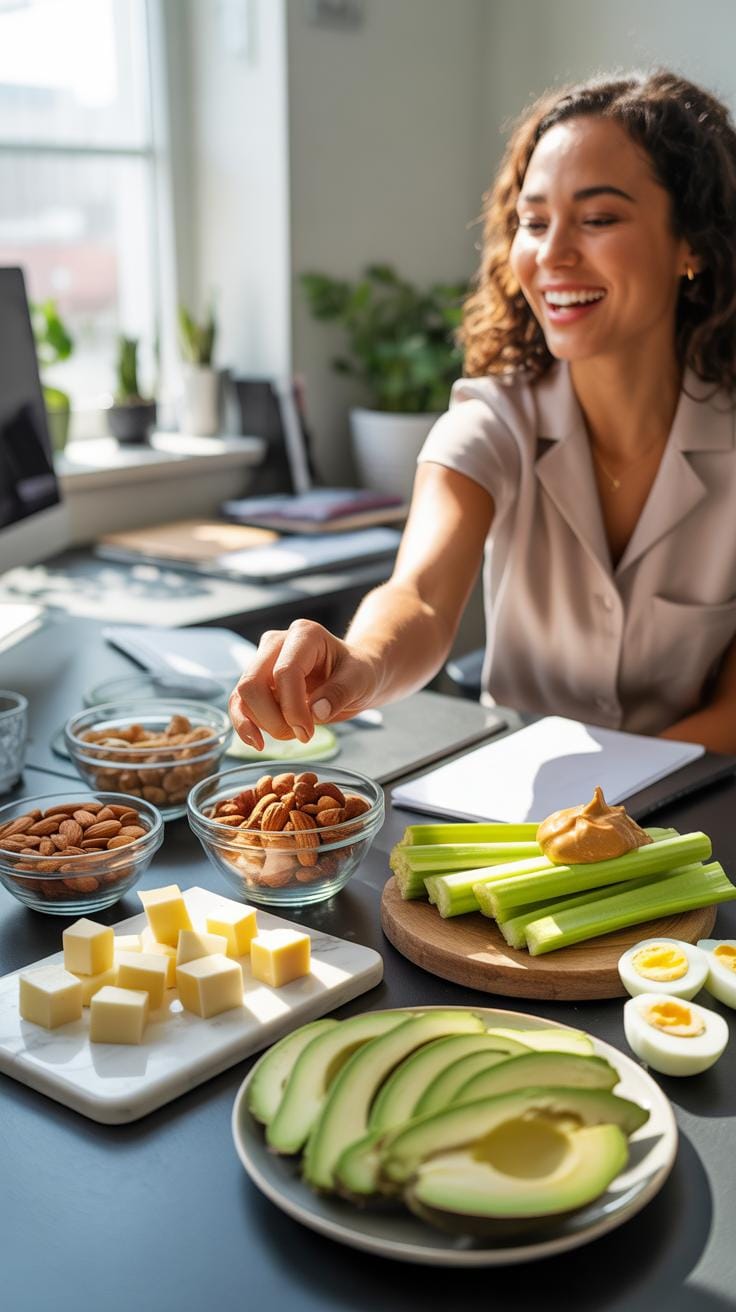
When you’re aiming to keep your carb intake low during busy office days, it’s tempting to grab whatever is quick and easy—but that often means sacrificing nutrition. What if you could have snacks that require almost no prep and travel well, too? That’s the sweet spot for many of us.
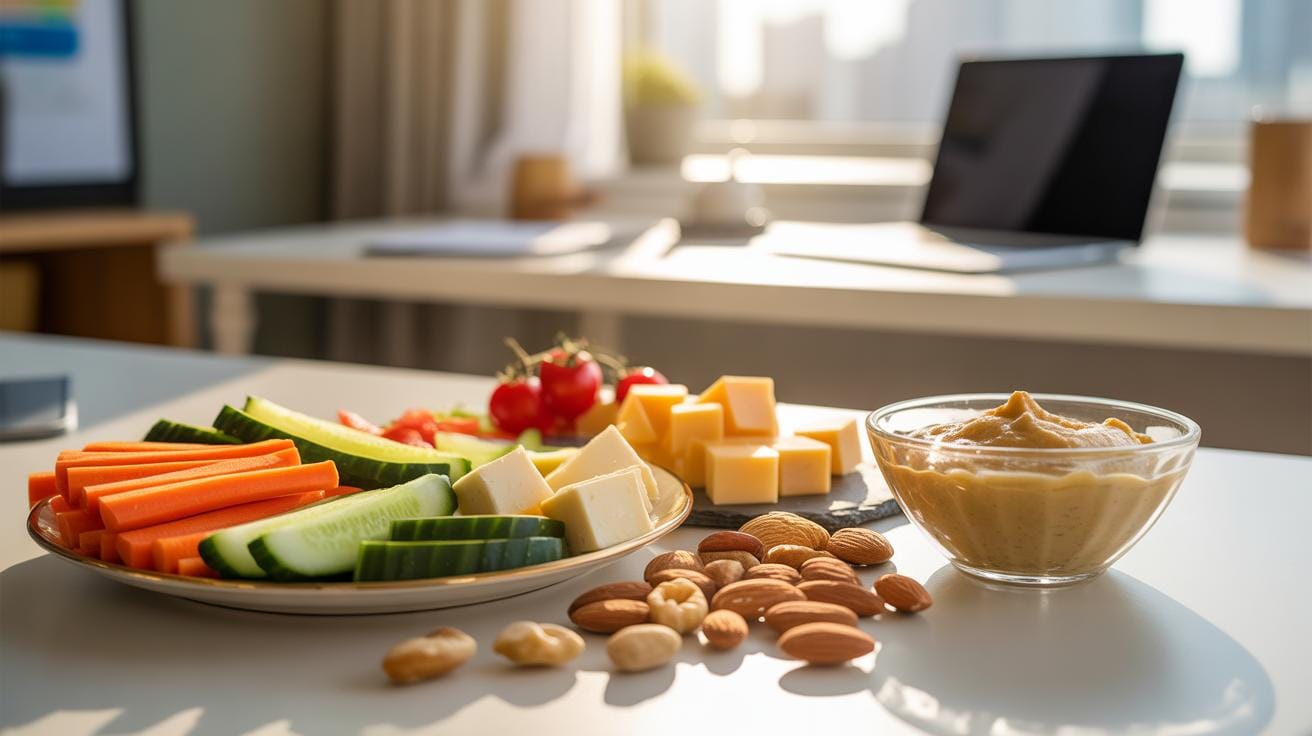
Let’s talk about portable nuts and cheese. A small bag of mixed nuts can stave off hunger for hours, and they don’t need refrigeration, which is a blessing at the office. Pairing them with cheese slices adds protein and fat, making the snack more satisfying. Nut butter packets are another underrated gem—easy to stash in your desk and spread on celery or even eaten straight from the packet if you’re in a rush or feeling a bit impulsive.
Fresh veggies also work surprisingly well in an office setting. Slices of cucumber, bell pepper strips, and celery sticks are simple to prep the night before and don’t demand a fridge the way some other snacks might. When paired with dips like guacamole or a yogurt-based dip, they don’t just fill you up but also add flavor variation that keeps snacking interesting. Of course, dips do mean a container to carry, so consider little portion cups—they’re lifesavers.
Does this kind of snacking sound doable? Sometimes the hardest part is just deciding to bring these options along. Once you try it, your afternoon slump might look a lot different—and more manageable—than it does now.
Quick Low Carb Snack Recipes
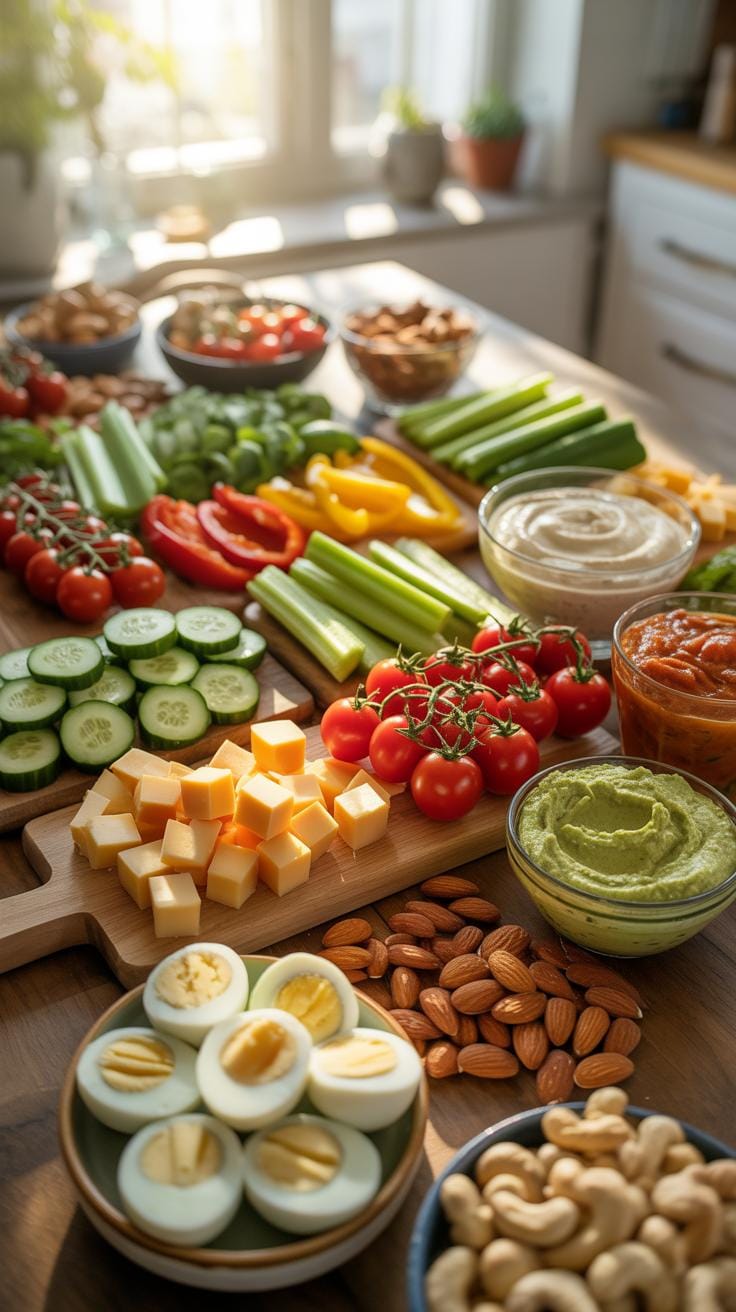
No Bake Nut Butter Bites
If you’re pressed for time but want something nutritious and low carb, these no bake nut butter bites might be just the thing. To make them, start by mixing about half a cup of your favorite nut butter—peanut, almond, or cashew works well—with a few tablespoons of ground flaxseed or chia seeds. These seeds add texture and fiber, which helps keep you feeling full longer.
Sweeten the mix lightly with a teaspoon or two of a low carb sweetener like erythritol or a drizzle of stevia-based syrup. Then, shape the mixture into small balls—bite-sized, really—and chill them for at least 15 minutes to firm up. These bites can last a few days in the fridge, so they’re handy for grabbing when you need a quick energy boost at work. They feel surprisingly satisfying, even though they’re so simple.
Egg And Avocado Snack Cups
This snack is easy to prepare and quite filling. Begin by hard boiling two eggs—no need for perfection, just about 10 minutes should do. While they cook, scoop out half a ripe avocado and mash it lightly with a fork.
Once the eggs are cool, peel them, slice in half, and scoop out the yolks. Mix the yolks with the mashed avocado, adding a pinch of salt and pepper for flavor. Then, spoon the mixture back into the egg white halves to create little “cups.” If you want, sprinkle a bit of paprika or chives on top for a touch of color and taste.
This snack keeps well in the fridge for a few hours, so perfect for prepping ahead on busy mornings. The combination of fat and protein helps avoid that mid-afternoon slump, at least in my experience. Plus, it’s low carb and requires almost no hands-on time.
Comparing Store Bought Vs Homemade Snacks
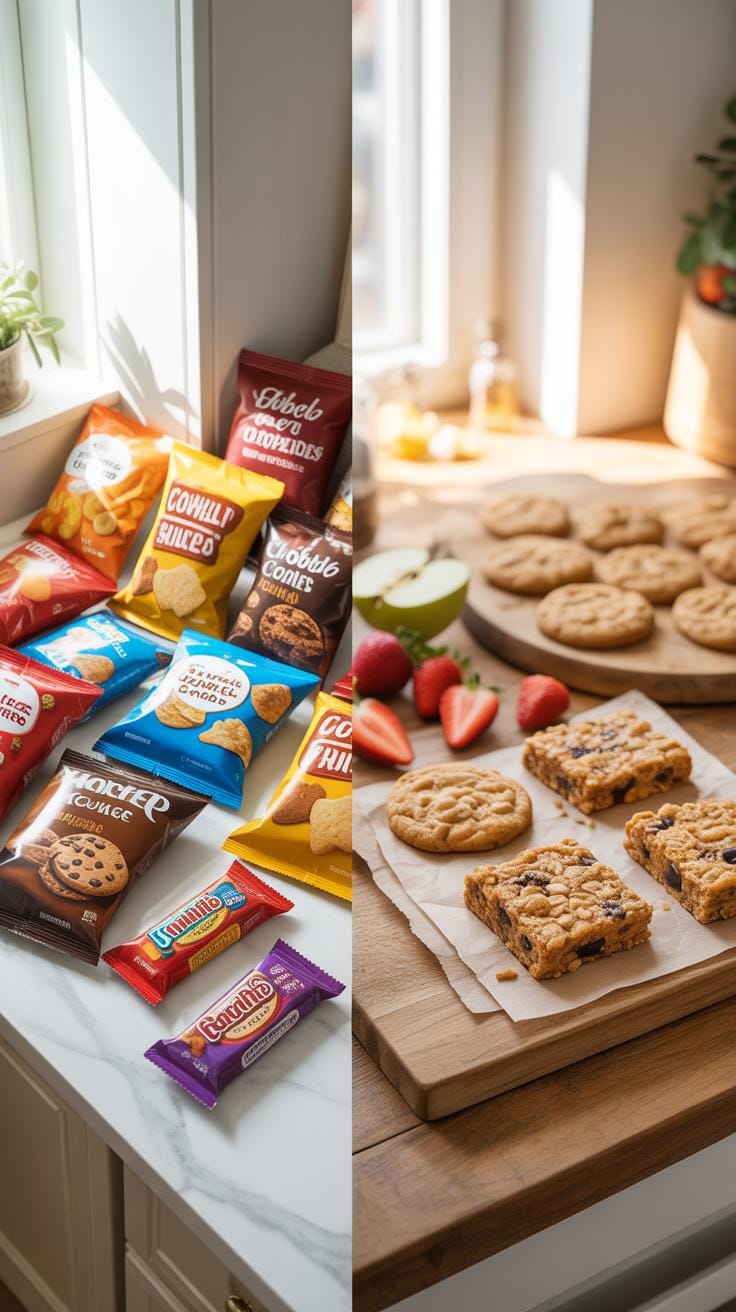
When To Choose Store Bought
There are times when grabbing store-bought snacks just makes sense. Maybe you’re pressed for time, or your day’s schedule suddenly gets packed. In those moments, the convenience of ready-to-eat options can be a real lifesaver. Not all store-bought snacks, though, are created equal. Look for those with simple ingredient lists, minimal added sugars, and low net carbs—things like nuts without added coatings, cheese crisps, or plain roasted seeds.
Sometimes, you might find a brand that feels trustworthy and fits your carb goals. Shelf life and portability also matter. If you’re traveling or just need something that won’t spoil quickly at your desk, store-bought could edge out homemade. Still, it helps to peek at the label, because some low carb snacks sneak in hidden carbs or preservatives you might rather avoid.
Benefits Of Making Snacks At Home
Making your own snacks can seem like extra work, but it often pays off in ways store-bought can’t match. You get full control over what goes in—no surprises or mystery ingredients. Want more nuts? Less salt? No artificial anything? That’s all possible. Plus, homemade snacks can end up costing less, especially if you buy ingredients in bulk and reuse them.
Customizing flavors also means you won’t get bored with the same things day after day. Try mixing seeds with a dash of your favorite spices or make a simple cheese roll-up. You might find that spending a small bit of effort upfront makes your snacks more enjoyable and aligned with your taste and health goals. That said, homemade isn’t always the fastest or easiest, so it depends on how much time or energy you want to invest.
Snack Preparation Checklist For Busy Days
Meal Prep Tips For Snacks
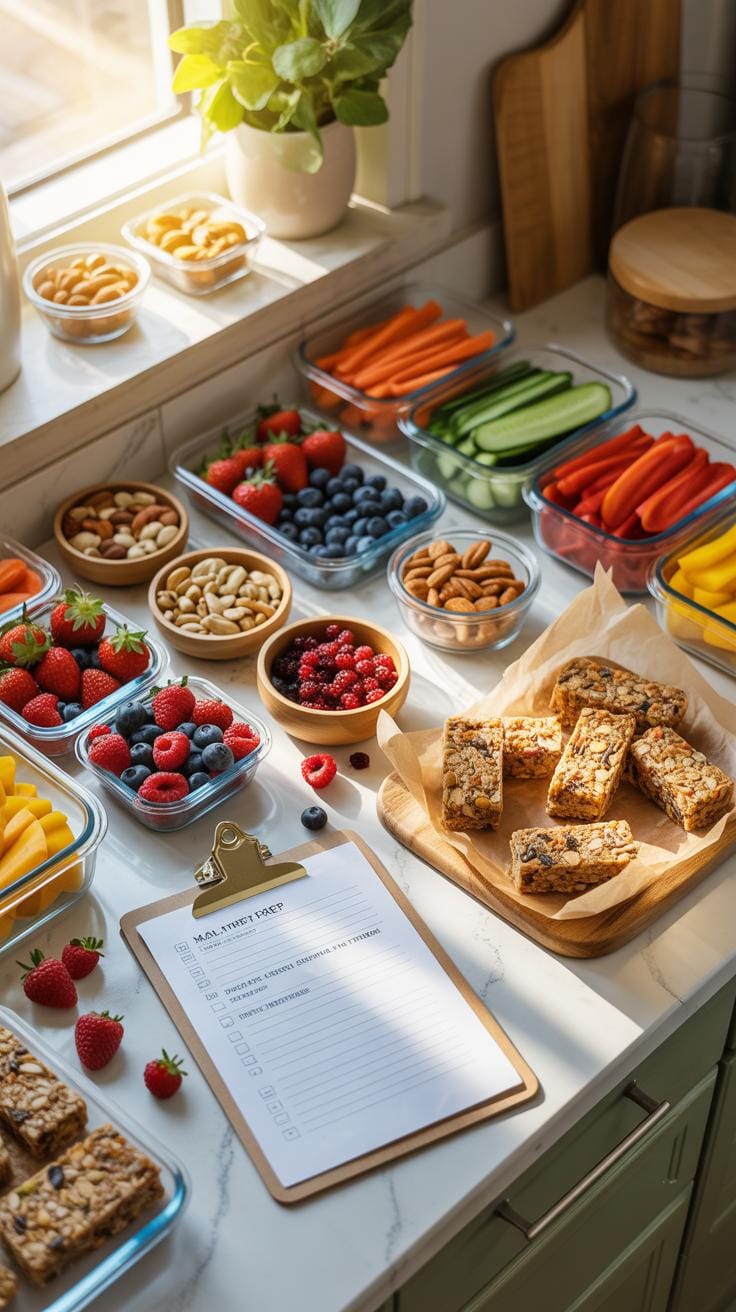
Preparing snacks ahead can feel like an extra chore, but a little planning can save you from last-minute poor choices. Try making small batches instead of large quantities. For example, chopping a few veggies or portioning nuts for two or three days works better than prepping a week’s worth that might lose freshness.
Storage matters. Use clear containers so you can see what’s inside without opening them—and yes, some of those snack bags never really seal all the way. Glass or BPA-free plastic containers with secure lids help keep things crisp. You might want to keep a couple of snack-sized portions in the fridge and others at room temperature if you’re taking different kinds of snacks.
The timing for prep doesn’t have to be perfect. Some people swear by Sunday evening batch prep, but if that feels overwhelming, try prepping every other day or midweek. Your schedule isn’t static, so sometimes snacks get made on the fly, and that’s okay.
Packing Snacks For Work
Investing in the right tools makes a noticeable difference. Small reusable containers and insulated lunch bags can keep snacks fresh and prevent spills. Bento boxes with compartments make it easy to pack a variety of snacks without mixing flavors or textures.
A good water bottle or thermos might not seem relevant to snacks, but hydrating alongside your food is often what keeps you feeling full longer. Also, packing snack-sized portions avoids temptation to overeat and keeps things manageable. You might want to experiment with silicone bags or beeswax wraps if you want to keep waste down—though they need a little care.
When possible, pack your snacks the night before. That way, you’re less likely to forget them or grab something less healthy out of convenience. Still, some mornings might mess this up, and you’ll manage. Just keep a couple of easy grab-and-go items near the door for those moments.
Common Pitfalls In Choosing Snacks
Ignoring Nutrition Labels
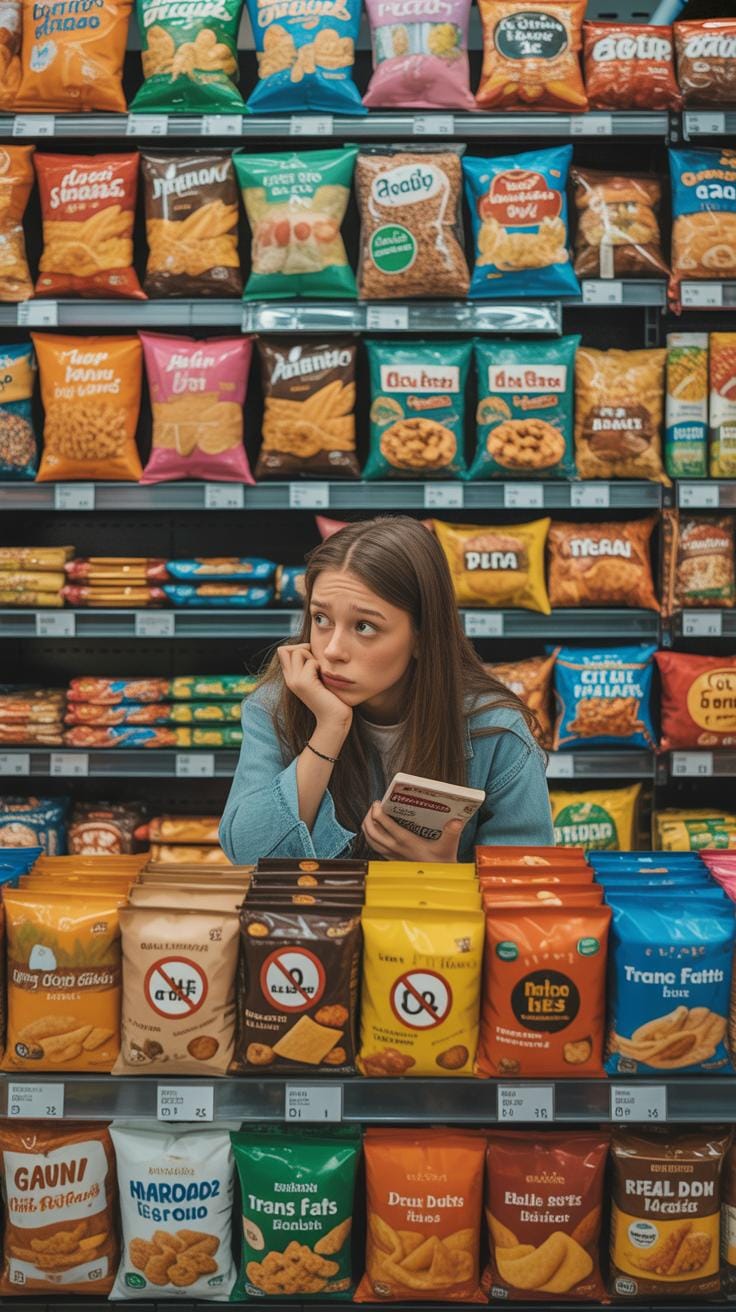
Many people don’t pay much attention to nutrition labels when grabbing a quick snack. It’s easy to blame busy days or just trust the brand. But those labels hold crucial info that can change your snack game entirely. For example, serving sizes are often smaller than you expect. You might think a bag of nuts is a single portion, but it could be two or three. That skews calorie counts and nutrient intake without you realizing it.
Labels also use tricks that can be confusing. Terms like “natural” or “low fat” might sound healthy but don’t mean the product is actually good for you. Some items labeled “sugar-free” can still be loaded with carbs or artificial sweeteners that upset your energy or digestion.
Taking even a minute to glance over the label can help you avoid these traps. Look beyond the front packaging and focus on sugars, fiber, protein, and ingredient lists. It’s not always straightforward, and sometimes you have to guess whether a “healthy” snack fits your needs—or if it’s just marketing fluff.*
Relying On High Sugar Snacks
Snacking on sugary treats might give you a quick energy rush, but it rarely lasts long. After the initial spike, many people experience a crash that leaves them tired or irritable. I’ve noticed this myself—halfway through the afternoon, my focus just evaporates after that candy bar.
Yet, the convenience and taste of sweets keep pulling us back. The problem is these snacks don’t offer much beyond empty calories. You’re not really fueling your body or brain properly, just riding a temporary high.
Finding alternatives isn’t always obvious, though. It may help to choose snacks with balanced nutrients—some protein, fiber, and healthy fats. Think of options like Greek yogurt with nuts or a small portion of cheese with veggies. They sustain energy better and avoid that crash. You might even find they keep cravings in check longer, which seems to make the busy day feel a bit easier.
Tracking Snack Impact On Energy
Noticing Energy Changes After Snacks
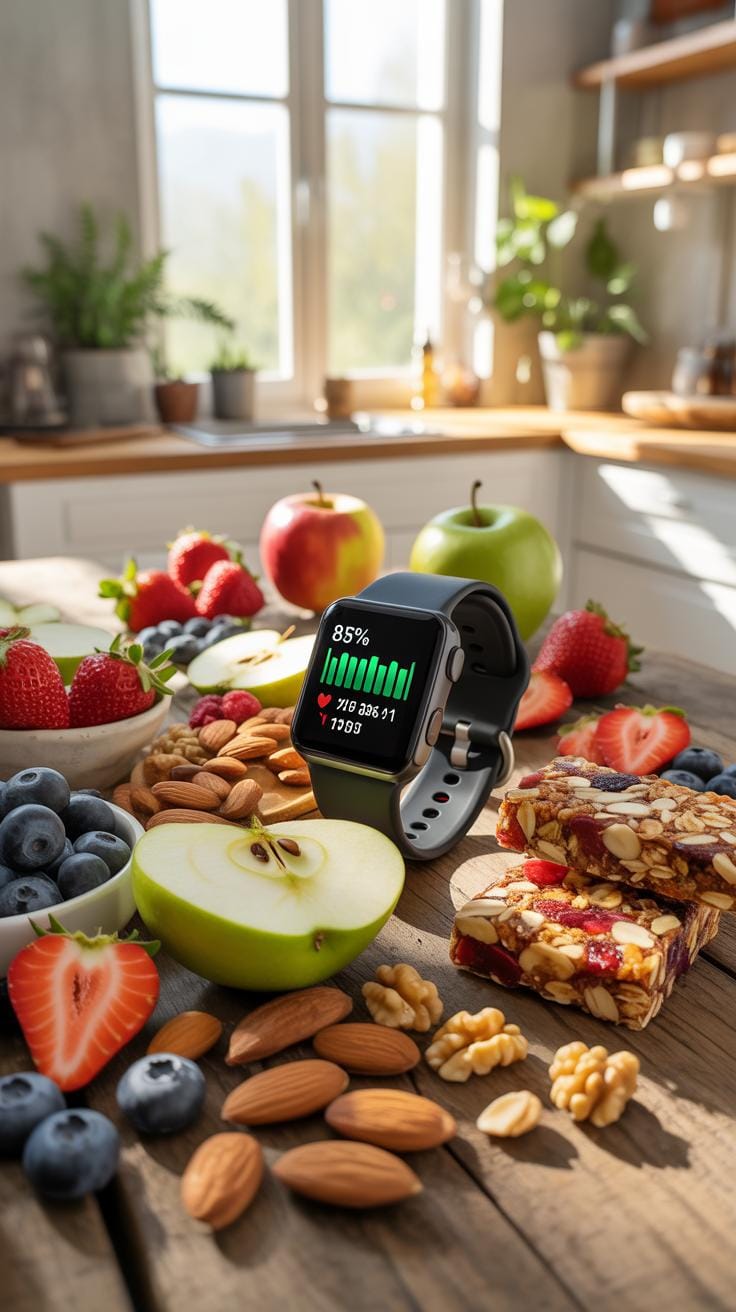
Paying attention to how your body reacts after a snack can tell you a lot about what really works for your energy levels. Sometimes you might feel alert and focused right after eating, but then, a little later, slump into tiredness. Other times, a small bite might stave off hunger for hours without any crash. Maybe you notice your concentration fades quickly or your stomach starts rumbling well before lunch. These signs matter. Try to observe things like:
- How alert you feel 30 minutes and an hour after snacking.
- If your hunger returns faster or stays away longer.
- Whether certain snacks make you jittery or calm.
- Any fluctuations in mood or motivation.
Jotting these reactions down—brief notes or quick mental check-ins—can reveal patterns you wouldn’t expect.
Adjusting Snack Choices Based On Results
Once you spot your personal energy rhythms, you can start tweaking your snack options. Maybe nuts keep you steady but a protein bar spikes then crashes your energy. Or you find raw veggies satisfy hunger without weighing you down. It’s a bit trial-and-error, I guess. Changing just one thing at a time helps you know what truly makes a difference. Consider:
- Swapping high-carb snacks that cause energy dips for low-carb alternatives.
- Choosing snacks with a mix of fat and protein for longer-lasting fuel.
- Skipping snacks that lead to hunger rebounds or distracted moments.
- Rotating your snacks to avoid boredom while paying attention to how each affects your focus.
Let your experience guide you instead of rigid rules. Sometimes what feels “ideal” doesn’t work for you on a given day. That flexibility is part of learning what fuels your best work.
Conclusions
Choosing easy and healthy snacks with low carbs helps you stay focused and energized at work. By preparing snacks ahead of time, you avoid unhealthy choices when you’re busy. Exploring simple recipes and options can make snacking both tasty and good for your body.
Remember to pick snacks that add nutrition and suit your taste. The right choices keep you satisfied until your next meal and support your overall well-being. With these ideas, you can enjoy busy days without sacrificing healthy eating.