
Introduction
Eating healthy dinner dishes that burn calories and boost your metabolism can help you maintain your weight and improve your health. A balanced dinner can fuel your body overnight and support your body’s natural calorie-burning processes. Choosing the right foods at dinner is important for your metabolism.
In this article, you will learn what types of dinner dishes help burn calories. You will discover why these meals matter for your health and how you can prepare them easily. Learn about the best ingredients and simple recipes that support your metabolism each night.
Understanding Calories in Dinner
Calories are simply units of energy. When you eat dinner, your body breaks down the food into calories to fuel everything you do—breathing, thinking, moving, even digesting. But not all calories are equal in how they affect your body and metabolism. Some foods lead to more efficient energy use, while others might just sit as excess energy, possibly stored as fat.

Dinner matters because it often represents the largest meal for many people. Your choices at this time can tip the balance between boosting your metabolism and slowing it down. Think about it—if you eat something heavy and full of refined carbs, your body reacts differently than if you pick a lean protein with veggies.
Sometimes, we overlook how the timing and quality of dinner shape calorie intake and the way our metabolism works overnight. The tricky part is understanding that calories aren’t just numbers—they’re signals your body reads and responds to in complex ways.
How Calories Fuel Your Body
After you eat, your body wakes up to break down the food into usable energy. Calories from dinner keep your muscles working, help repair cells, and keep your brain running smoothly during the night. Even when you’re resting, your body needs energy—it’s always working.
Your metabolism shifts after dinner, processing fuel for repair and growth. I often wonder if we think enough about the quality of that fuel. Eating a meal rich in protein might send your body a message to build muscle, while high-sugar meals might encourage fat storage instead.
The body also uses energy just to process the food you eat—this is why the kinds of calories you consume matter. Calories are more than fuel; they’re kind of instructions, telling your body how to respond.
Calories Burned After Meals
Digestion itself burns calories—a phenomenon called the thermogenic effect of food. Some foods require more energy to digest, meaning you burn more calories simply processing them. Proteins take the most effort, followed by carbs, then fats.
For example, eating chicken breast will cause your metabolism to work harder than eating the same number of calories from butter. This suggests that what you eat for dinner can slightly increase calorie burn, but it’s not a huge difference. Still, it can add up over time.
So, when choosing dinner dishes, keep this in mind: foods that demand more digestive energy might help sustain your metabolism a bit longer. But it’s subtle, and dinner isn’t a magic fix—you need to consider overall patterns too.
Protein vs Carbohydrates for Dinner
Protein’s Role in Metabolism
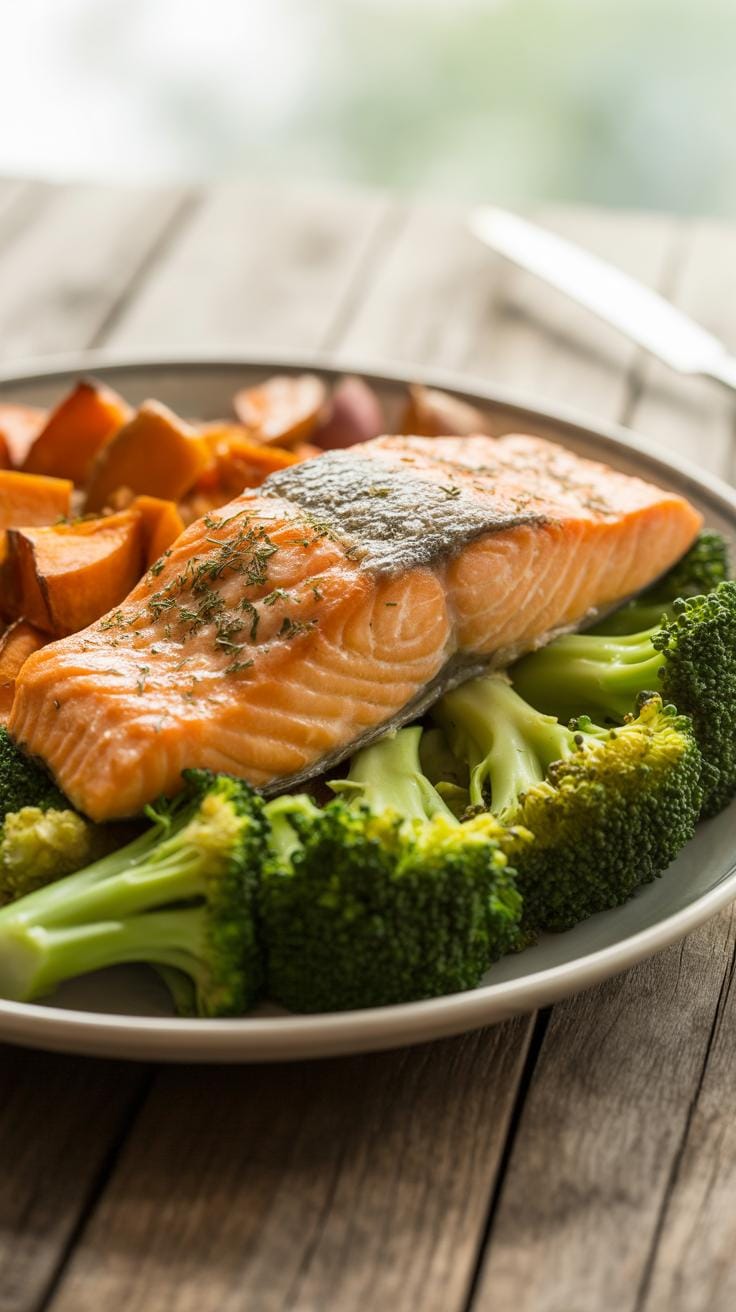
When you load your dinner plate with protein, your metabolism tends to get a noticeable boost. Why? Protein requires more energy to digest compared to carbs or fats. This is called the thermic effect of food—simply put, you burn more calories breaking down protein. I’ve often felt fuller and more satisfied after a protein-rich meal, which probably helps avoid late-night snacking too.
Muscle building also comes into play. Eating enough protein supports muscle repair and growth. Since muscle tissue burns more calories at rest than fat, this indirectly nudges your metabolism upward. People often overlook this long-term effect when deciding what to eat at dinner, focusing only on immediate energy.
Choosing Healthy Carbohydrates
Not all carbs are created equal, and the type you pick at dinner can make a big difference in how your body uses energy. Opting for complex carbohydrates—like sweet potatoes, quinoa, or whole grains—helps sustain your blood sugar levels fairly evenly. This steadiness prevents energy crashes or hunger pangs later, which might lead you to eat more than intended.
Simple carbs, on the other hand, can cause rapid blood sugar spikes and then dips that might leave you feeling tired or craving sweets. That’s why a baked potato with its fiber intact can feel better than a plate of white pasta late in the day. It’s tricky, because sometimes you want comfort food, but you also want to keep that metabolism humming.
When planning dinner, balancing lean protein with steady-release carbs can work well to keep calorie burning steady through the night. Have you noticed how some meals leave you sluggish while others give you quiet energy? This mix might explain it more than you realize.
Spices That Speed Up Metabolism
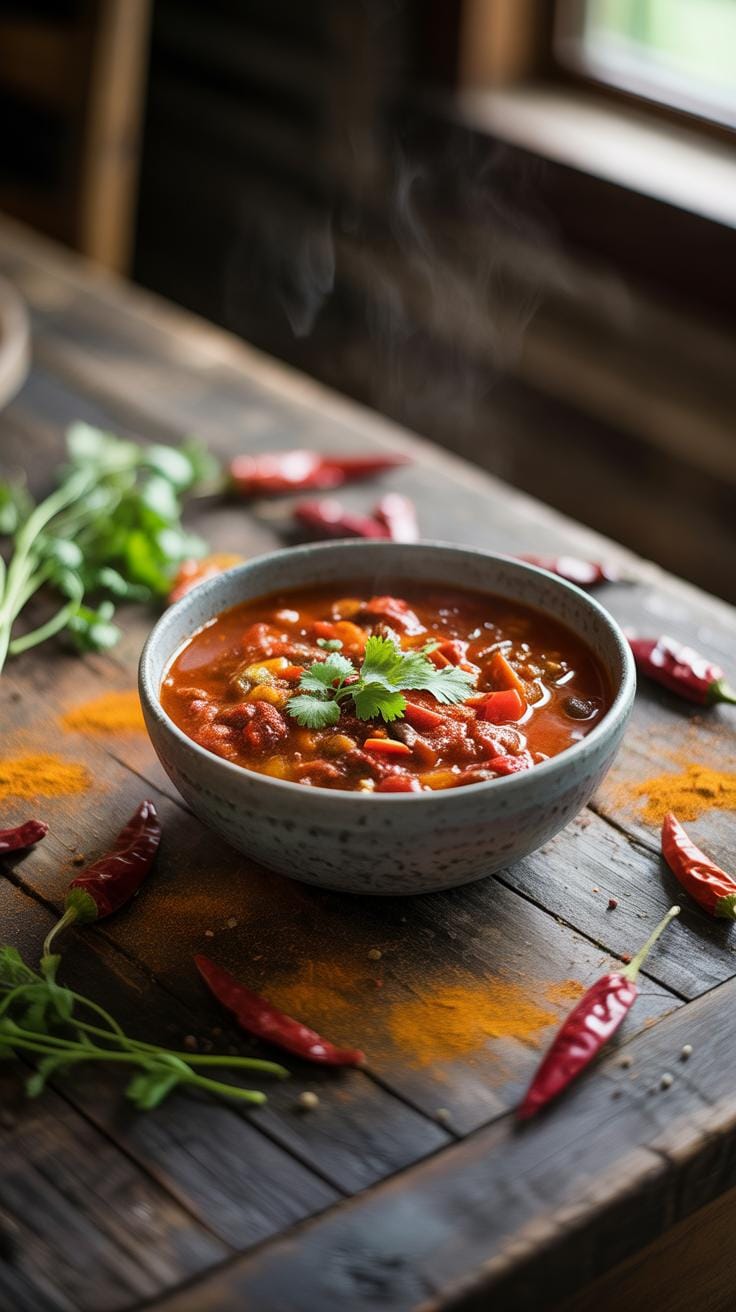
When you think about spices that can actually nudge your metabolism, chili peppers often come to mind first. The active compound in chili, capsaicin, plays a fascinating role here. It raises your body temperature slightly, which means your system has to work harder to cool down. This process consumes more calories, a bit like revving an engine just enough to burn extra fuel. If you like a little heat in your dinner, tossing chili flakes or fresh peppers into your dishes could do more than just add flavor—it might give your calorie burn a mild boost.
Chili and Capsaicin Effect
Capsaicin’s effect on metabolism isn’t dramatic, but it’s steady. After a spicy meal, your metabolic rate can increase for a short period—usually around 30 minutes to an hour. This happens because the spice tricks your body into producing more heat, known as thermogenesis. You might feel warmer or even sweat a bit, and that’s your metabolism kicking in. If you’ve ever noticed a small burst of energy or even slight jitters after spicy food, that’s part of the capsaicin effect.
Other Metabolism-Boosting Spices
Chili peppers aren’t the only spices to consider. Ginger, for example, can stimulate digestion and slightly increase thermogenesis. It’s common in many dinner recipes, offering a warm, zesty bite that wakes up the digestive system. Cinnamon is another spice that’s easy to add—sprinkling some on roasted veggies or in sauces adds flavor and may help regulate blood sugar, which indirectly supports metabolism.
Turmeric also deserves a mention. It contains curcumin, which might reduce inflammation and improve metabolic health over time. While it doesn’t cause an immediate spike like chili, turmeric’s subtle, long-term effects are worth trying in your meals. Sometimes, mixing several of these spices in one dish can create a gentle synergy—nothing overwhelming, just little nudges that keep your metabolism humming quietly along as you eat.
Vegetables to Include in Dinner
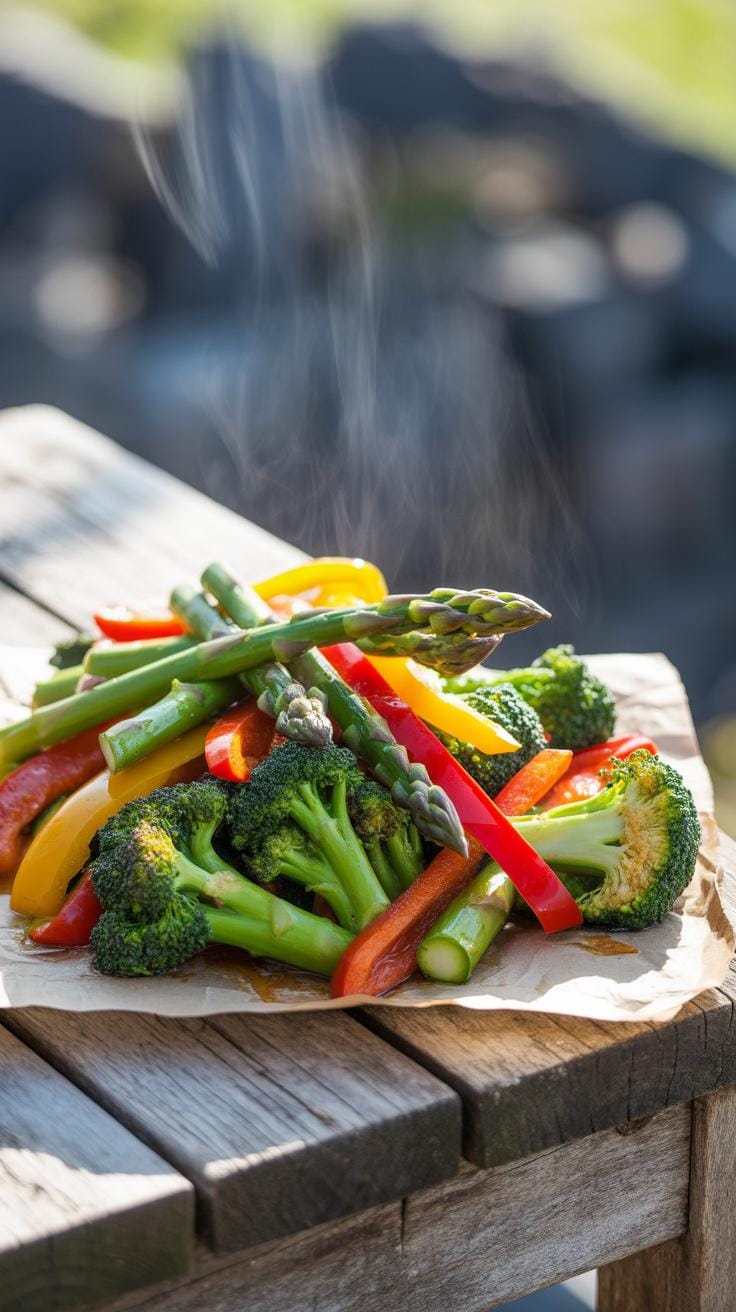
Vegetables play a key role in dinners that aim to burn calories and support your metabolism. They do more than fill your plate—they help digestion and keep your system running smoothly. But not all vegetables have the same impact, and choosing the right ones can feel a bit tricky, honestly.
Fiber-Rich Vegetables
Fiber isn’t just good for digestion; it also helps your body burn calories by making you feel fuller longer and stabilizing blood sugar. Think about vegetables like broccoli, Brussels sprouts, and artichokes. They offer plenty of fiber that slows down digestion just enough to prevent sudden spikes in insulin—that means your metabolism won’t take those frustrating pauses.
Personally, I’ve noticed that including a side of steamed green beans or roasted cauliflower consistently helps me avoid late-night snacking. The fiber makes a difference. Plus, it’s like feeding your gut bacteria the good stuff, which might indirectly affect how your body uses energy.
Low-Calorie Nutrient Sources
Low-calorie vegetables pack vitamins and minerals that the body needs to keep metabolism humming. Vegetables such as spinach, cucumber, zucchini, and bell peppers fit here—they provide essential nutrients without adding many calories. This balance helps your body work faster because your cells get what they need for energy conversion.
What’s interesting is how these veggies are dense with things like magnesium and vitamin C, both linked to metabolic functions. Including a salad with kale or arugula can be a small but meaningful step toward boosting your metabolic rate. It’s barely noticeable but consistent over time, and that’s probably why it’s effective.
Do you ever wonder if the choice of vegetables could nudge your metabolism in a measurable way? You might be surprised how small tweaks like these have subtle effects that add up.
Planning Your Dinner Meals
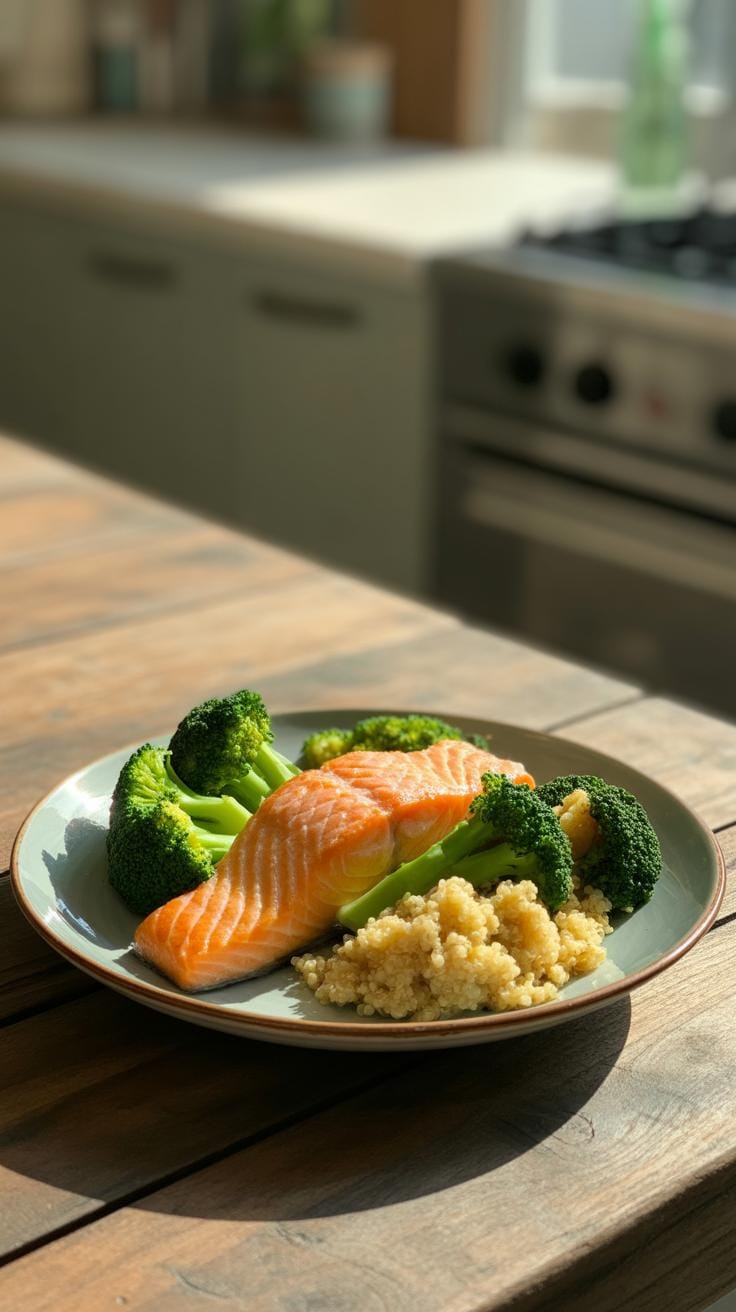
When planning dinners that help burn calories and support metabolism, having a checklist can be a lifesaver. Think about these points before you decide what’s for dinner:
- Include a solid source of protein—fish, chicken, beans, or tofu can work well.
- Add some healthy fats—from avocados, nuts, or olive oil, for instance.
- Don’t forget complex carbs like sweet potatoes, quinoa, or brown rice for steady energy.
- Incorporate plenty of vegetables to add fiber and nutrients without extra calories.
- Choose whole and minimally processed foods whenever possible.
- Plan for hydration—sometimes thirst can hide as hunger later on.
- Aim for variety to keep your taste buds interested and your body guessing.
Balancing these elements isn’t an exact science. Sometimes you might lean more on proteins, sometimes on carbs, depending on your activity and how your body feels that day.
Balancing Macronutrients
Your dinner plate should have a mix of protein, fats, and carbohydrates, but not necessarily a rigid split. Perhaps 40-30-30 for protein, carbs, and fats is a good rough guide, yet it depends on individual needs.
Proteins kickstart muscle repair and boost metabolism a bit after eating. Fats can slow digestion, so they help you feel full longer. Carbs provide energy but choose those rich in fiber to avoid quick blood sugar spikes that might slow down metabolism later.
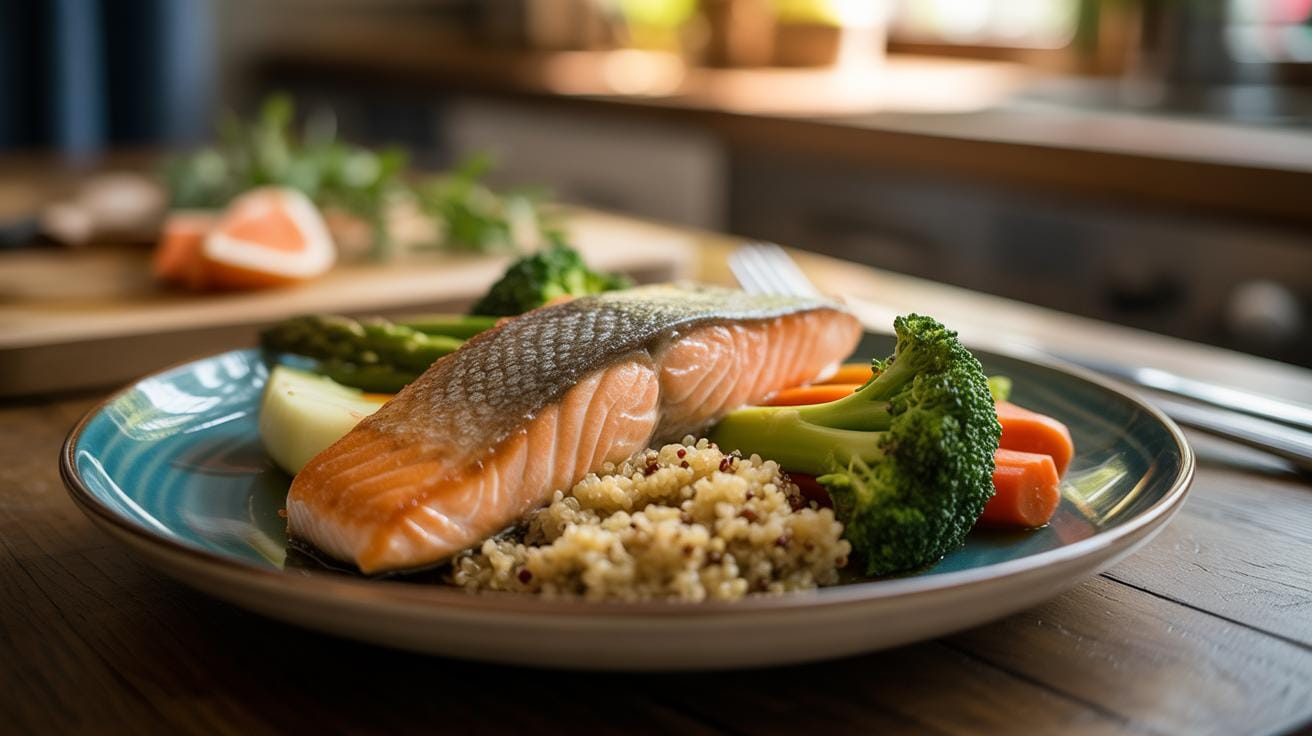
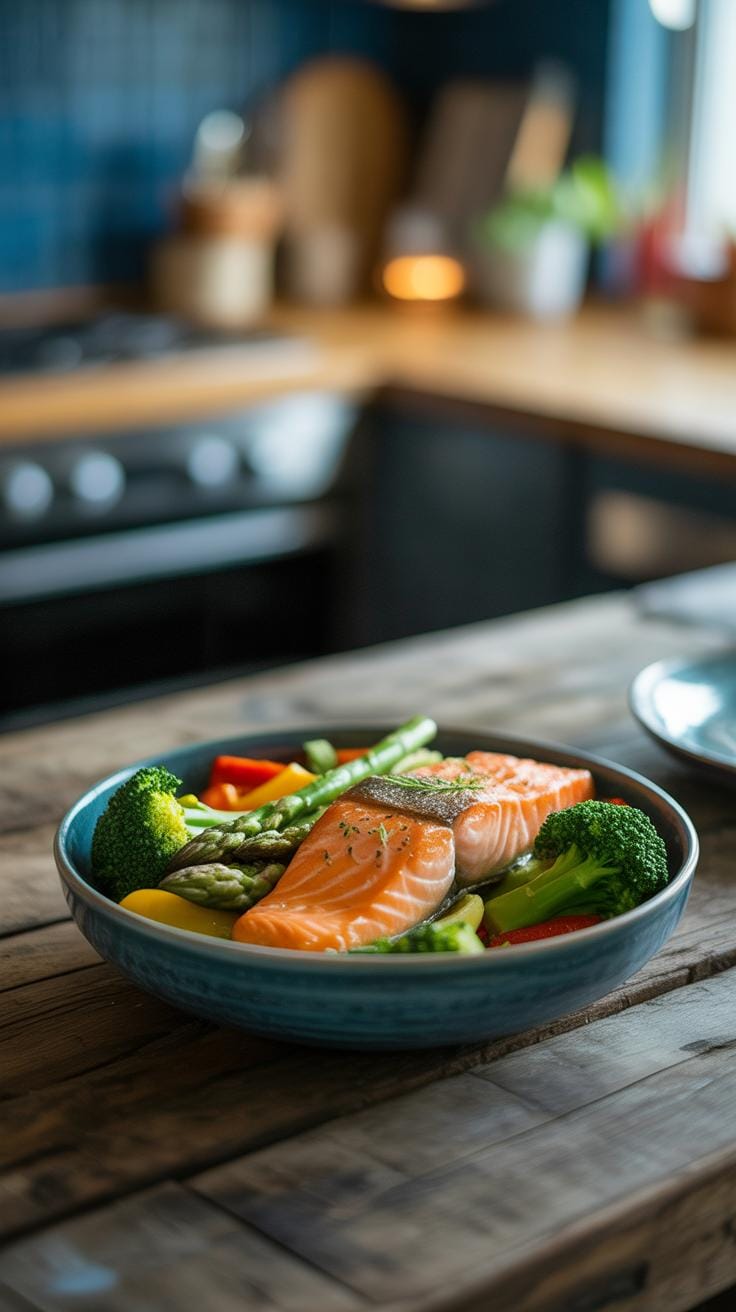
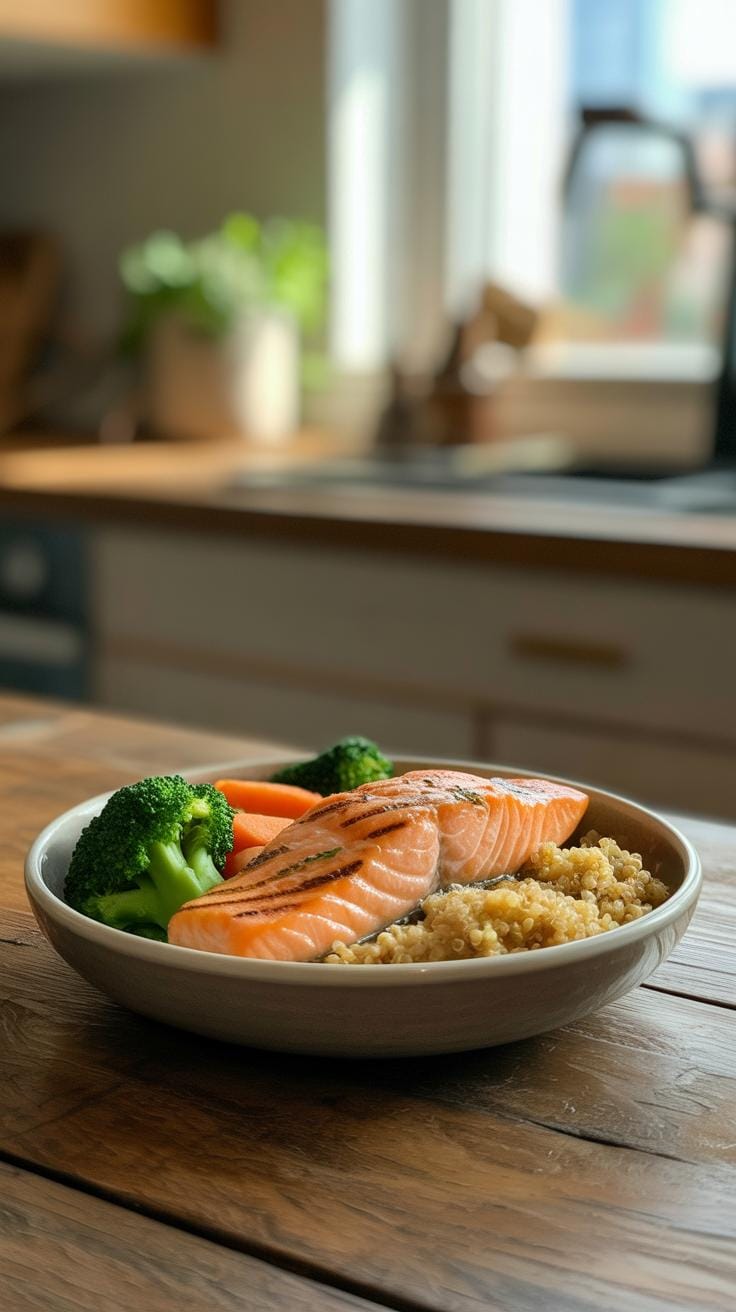
Try meals like grilled salmon with roasted vegetables and quinoa, or a stir-fry with lean beef, mixed greens, and a drizzle of sesame oil. These combinations usually hit the balance well, but you might need to adjust based on how full or energetic you feel afterward.
Meal Timing and Portion Size
When and how much you eat dinner can also influence your metabolism. Eating too close to bedtime may interfere with your body’s ability to burn calories efficiently overnight. I’ve noticed on days I eat dinner earlier, I tend to feel lighter and sometimes even sleep better.
Portion size matters big time. Oversized meals can bog down your metabolism because your body has to work harder to digest them. But if you go too small, your metabolism might slow, sensing a shortage of fuel.
Consider moderate portions—enough to satisfy but not stuff you. Also, spreading calories evenly across the day helps maintain a steady metabolic rate instead of spikes and dips. It’s a bit of trial and error at first, but tuning into your body’s signals pays off.
Simple Recipes to Try Tonight
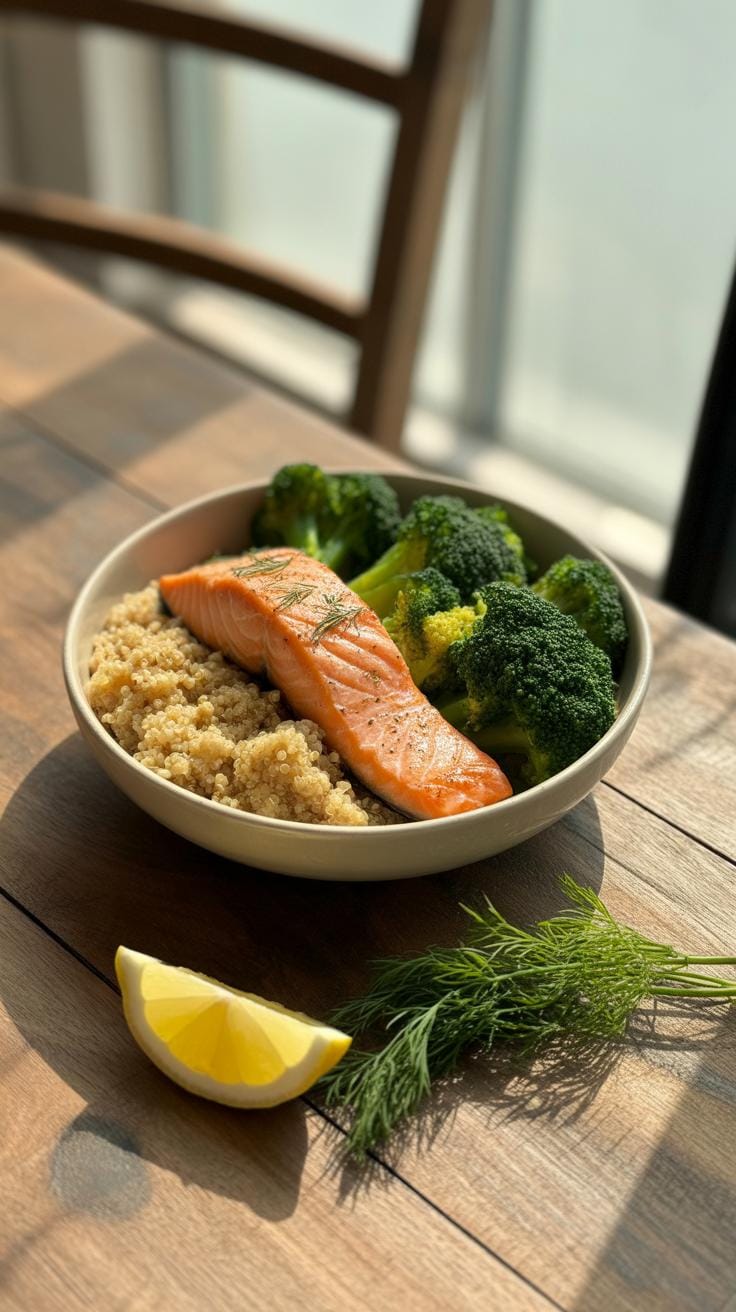
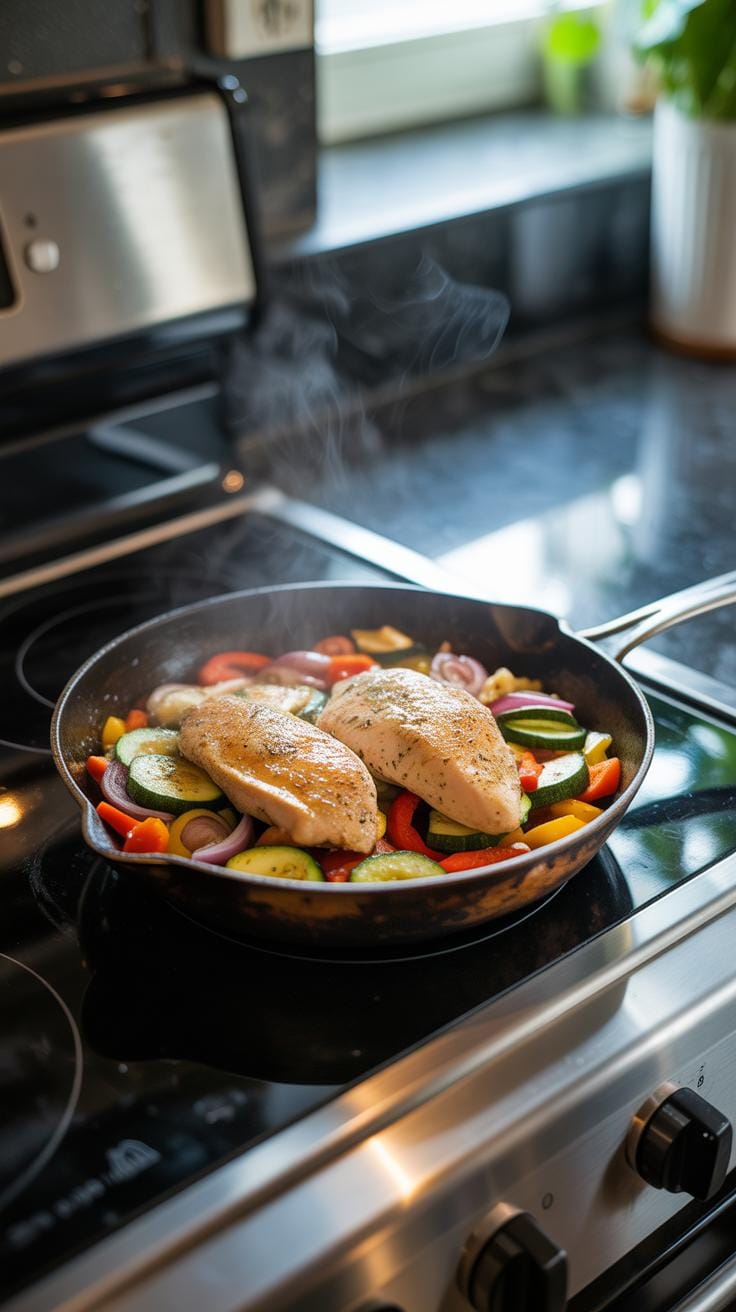
When thinking about dinner, it’s easy to overlook meals that do more than just fill you up. But some dishes actually help burn calories and get your metabolism moving. Take the high-protein stir fry, for example. Using chicken and colorful vegetables like bell peppers, broccoli, and snap peas, this dish is a quick go-to. Stir in spices like ginger, garlic, and a dash of chili flakes to add a metabolism boost. The protein from chicken helps repair muscles and uses more energy to digest, while the veggies keep it light yet satisfying. I find this meal not only quick but kind of comforting on a busy night.
Then, there’s the spicy lentil soup—a hearty option if you want something warming but still effective. Lentils bring fiber and protein to the table, which slows digestion and keeps you feeling full longer. Adding spices like cayenne pepper or smoked paprika can lift your metabolism slightly by creating a mild thermogenic effect. Toss in some carrots, celery, tomatoes, and maybe a squeeze of lemon for freshness. It’s simple, filling, and yes, it might just make you sweat a little—but in a good way. Both recipes are easy enough to prepare on a weeknight and can be adjusted to your taste. Trying one tonight, why not?
Common Dinner Mistakes to Avoid
Eating Heavy or Late
Eating a big, heavy dinner or eating too late in the evening can really slow down your metabolism. When you pile your plate with rich, calorie-dense foods close to bedtime, your body struggles to digest efficiently. This puts your calorie-burning on hold, which isn’t helpful if you want to stay active or lose weight.
Plus, late heavy meals can mess with your sleep quality. Poor sleep then affects hormones that regulate appetite and metabolism. I’ve noticed on nights when I eat late and too much, I don’t sleep well and feel sluggish the next day. It’s a bit of a cycle that can get tough to break.
Try to keep dinners lighter and aim to eat a few hours before bed. Giving your body a chance to process food before you sleep supports better calorie burning and rest.
Choosing Processed Foods
Processed foods often sneak extra calories in without you realizing it. They tend to include added sugars, unhealthy fats, and sodium—all of which don’t do much good for metabolism. Even though these foods are convenient for dinner, they slow metabolic rate and can lead to weight gain over time.
Think about meals like frozen dinners, canned pasta sauces, or deli meats—these might seem like a quick fix, but they’re often stripped of nutrients that your metabolism actually needs to keep going.
Focusing on whole, minimally processed ingredients for your dinner can make a big difference. Sometimes, I get tempted by quick processed options when in a rush, but switching to simple homemade dishes usually feels better in the long run and keeps my calorie intake more balanced.
How Water Intake Affects Dinner Metabolism
Water for Digestion
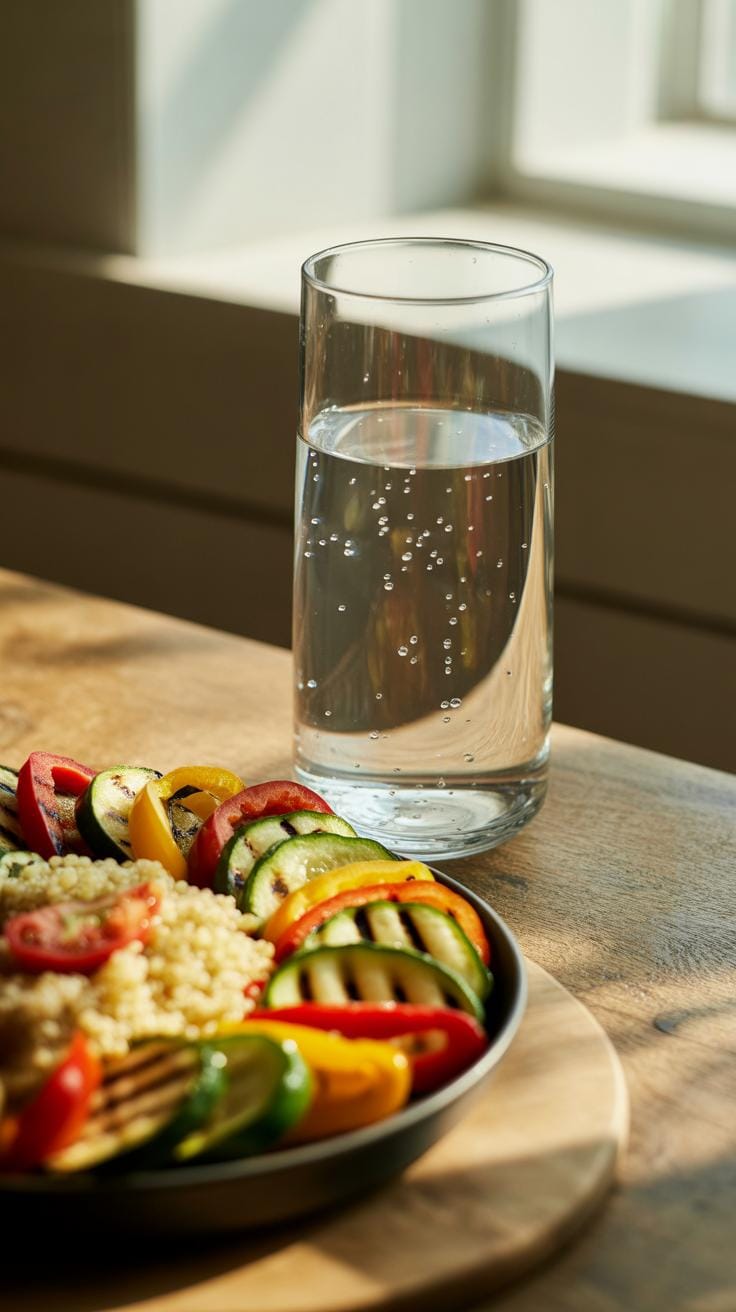
Drinking water during dinner plays a significant role in how your body processes food. Water helps break down what you eat, making digestion smoother and faster. When food moves through your digestive system efficiently, your metabolism tends to stay active rather than slowing down after a meal.
Think about it like this: without enough water, digestion can get sluggish. That means your body might not burn calories as quickly, and you could feel heavier or bloated. For me, I’ve noticed that sipping water steadily while eating prevents that uncomfortable sluggish feeling afterward. It’s almost as if the water helps the engine keep running.
Water also supports the absorption of nutrients. When your body absorbs vitamins and minerals properly, it can better convert food into energy. This is a subtle but important part of metabolism and calorie burning after dinner.
Avoiding High-Calorie Drinks
Choosing water over sugary drinks with dinner is a simple yet impactful step for your metabolism. Sugary beverages add extra calories fast, and they don’t require much energy to digest—meaning your metabolism doesn’t get much of a boost from them. Instead, they might contribute to fat storage.
Many people sneak in calories through sweetened drinks without realizing it. For example, a glass of soda or a fruit juice can add 100 or more calories, which may derail your metabolism’s ability to burn effectively after dinner.
Water, meanwhile, has no calories and helps your body burn those calories from your food more efficiently. So, next time you’re setting your dinner table, maybe think twice about reaching for that sugary drink. Water isn’t just refreshing—it supports what your metabolism needs when digesting.
Monitoring Progress and Adjusting Meals
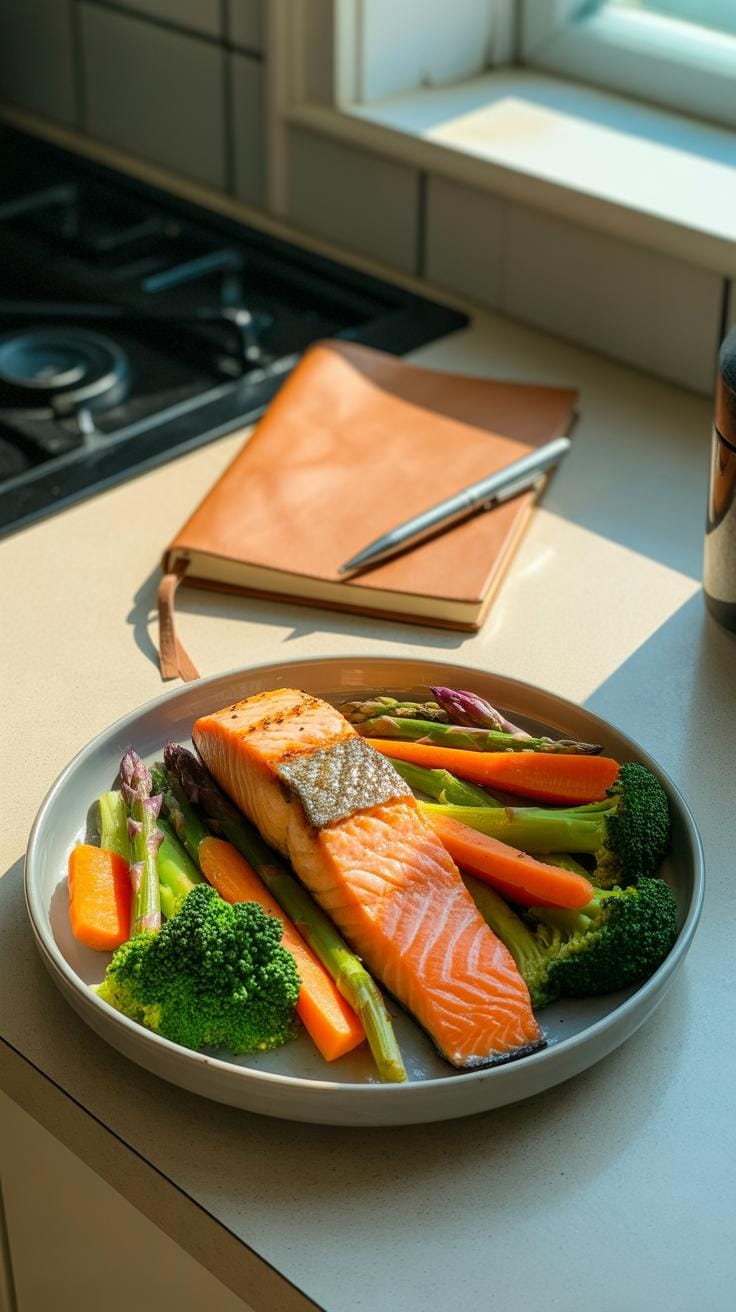
Keeping track of how your dinner choices affect your weight and metabolism can feel a bit tricky at first. But using something as simple as a food diary makes it easier than you might think. Write down what you eat each night, but don’t stop there—note how you feel afterwards. Do you feel energized or sluggish? Hungry soon after or satisfied until morning? These little details often reveal a lot.
Look out for patterns over time. If you notice steady weight changes or shifts in energy levels, that’s a clue your meal choices are having an impact. For instance, if you feel restless or tired despite eating a hearty dinner, maybe the balance of protein, carbs, or fats needs tweaking.
Sometimes, changes take longer to show up. And then other times, your body reacts differently than you expected. So, ask yourself whether your dinners are supporting your goals or if you keep feeling off. Adjust portions, swap ingredients, or try new recipes focused on metabolism-boosting foods. Keep experimenting until meals feel right for your body and lifestyle. This process isn’t perfect, but it does offer useful feedback to help you find what really works for you.
Motivation to Keep Healthy Habits
Sticking with dinner habits that boost your metabolism often feels harder than it sounds. You might start with good intentions but find yourself tempted by quick, less healthy options. It’s natural to wobble here and there. What helps is finding simple ways to keep yourself encouraged without feeling pressured.
Try focusing on small wins. Maybe tonight, add an extra serving of vegetables or swap out a heavy carb for a lighter alternative. These tiny steps build up over time. Don’t rush or overwhelm yourself by changing everything at once.
Also, think about rewarding your progress. It doesn’t have to be a treat that undoes your work—something like a relaxing bath, a walk in the evening, or buying a new cookbook can make a difference. These little incentives remind you why you’re making these changes.
Ask yourself, what small, doable change can you make at dinner tonight? Sometimes the trick is just starting, even if it’s not perfect. Just keep going—that’s what truly counts.
Conclusions
Eating healthy dinner dishes that burn calories and boost metabolism provides real benefits. They help control weight and keep your energy stable. By choosing meals with the right ingredients, you can support your body’s natural processes well.
Try to include protein, fiber, and metabolism-boosting spices in your dinners. Avoid heavy or high-fat meals late at night. Small changes to your dinner routine can improve how your body burns calories and supports your overall health.