
Introduction
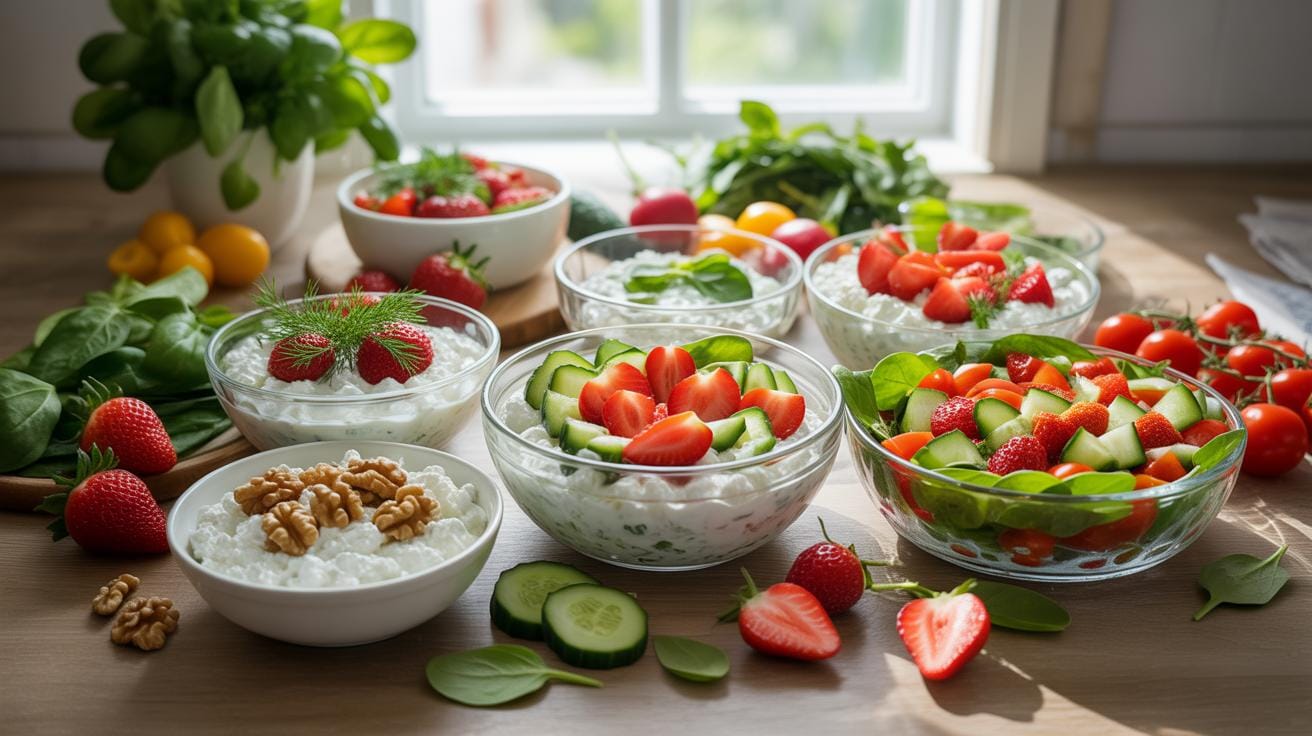
Cottage cheese is a fresh cheese that is light, creamy, and packed with protein, making it an excellent ingredient for fitness and meal preparation. It offers a mild flavor that pairs well with a wide range of foods, from fruits to vegetables, making it a versatile and nutritious choice for your meals.
Using cottage cheese in your recipes can help you build muscle, lose weight, and maintain energy throughout the day. This article will cover practical cottage cheese recipes, explain its health benefits related to fitness, and show you how to efficiently use it in meal prepping for your weekly diet.
What Cottage Cheese Contains

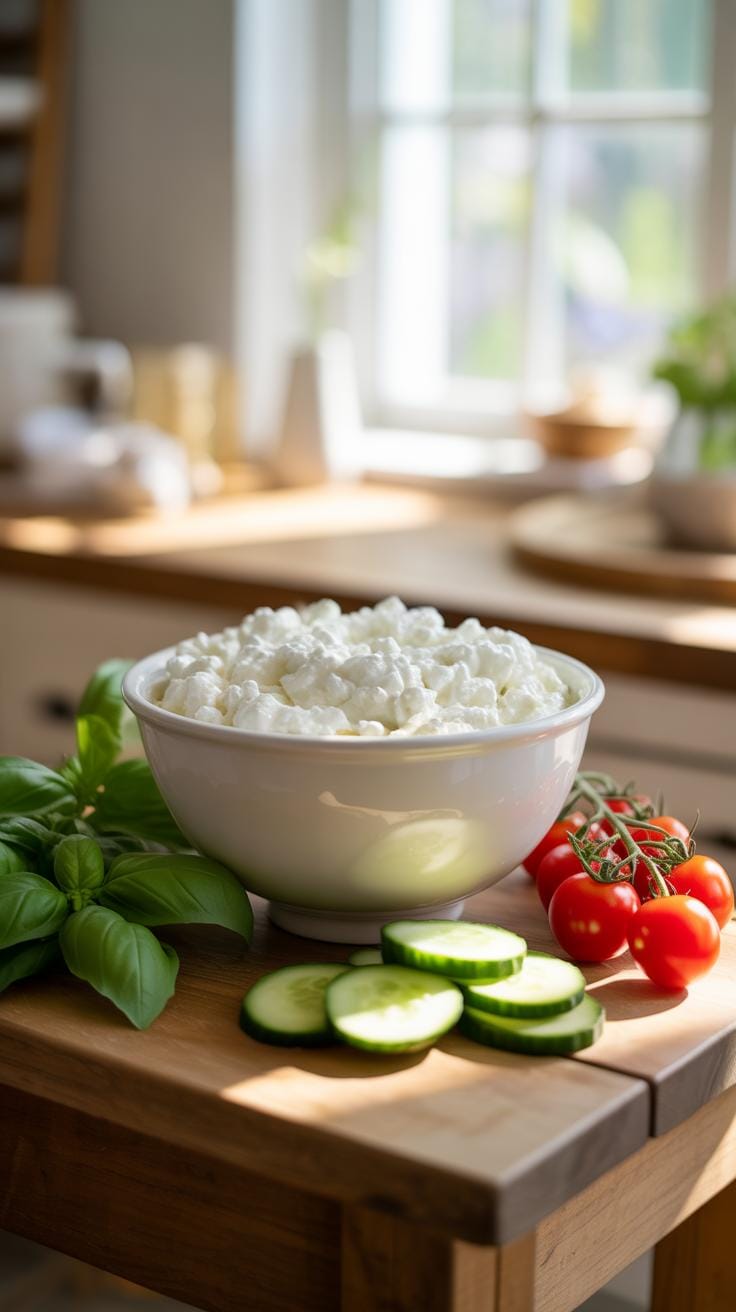
Cottage cheese offers a unique nutritional profile that makes it popular among those focused on fitness and healthy eating. It typically contains around 80 to 100 calories per half-cup serving, though this varies depending on whether you choose full-fat or low-fat versions. Full-fat cottage cheese will have more calories but also more fat, whereas low-fat options cut the calories down but maintain much of the protein.
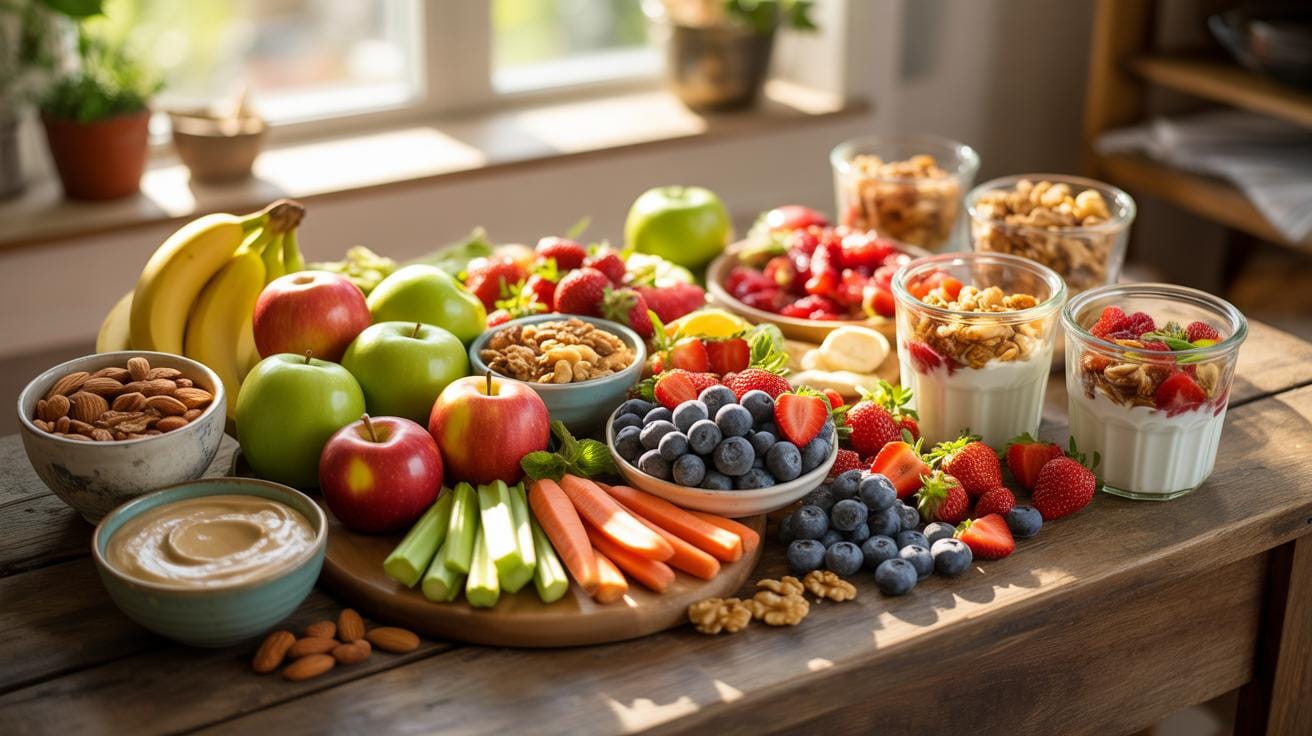
The high protein content stands out, usually around 12 to 14 grams per serving, which is quite significant compared to many dairy products. Alongside protein, cottage cheese provides B vitamins, especially vitamin B12, which supports energy levels and brain function. It also contains minerals like calcium, essential for bone strength.
You might wonder if one type is better than the other for your goals. Sometimes full-fat feels more satisfying, which could help control hunger later. On the other hand, low-fat keeps the calorie count lower, which is helpful when you’re tracking intake. Both types offer nutrients that fit well into a balanced diet tailored for fitness or meal prep.
Protein Content And Benefits
Protein is the real reason many people reach for cottage cheese when focusing on muscle building or recovery. A typical half-cup can provide close to 14 grams of protein, which helps repair muscle tissue after exercise. Imagine you just finished a workout; consuming cottage cheese supports the rebuilding process that your muscles need.
Protein works like building blocks for muscle. Without enough, your body struggles to recover, and progress stalls. Cottage cheese, with its slow-release casein protein, offers a steady supply of amino acids, unlike some faster-digesting proteins. This makes it a good snack option, especially before bed, when your body rests and rebuilds muscle.
Think of it this way: eating a serving of cottage cheese after a workout is like giving your muscles a steady stream of fuel for growth. Sometimes I’ve noticed that pairing it with fruit or nuts makes the snack even more balanced and enjoyable. It’s not just about protein but about sustaining the process of muscle repair over time.
Vitamins And Minerals Present
Cottage cheese is a source of various vitamins and minerals, but vitamin B12 and calcium stand out. B12 plays a role in energy production, helping your body convert food into usable fuel. If you feel sluggish during workouts, B12-rich foods like cottage cheese might help improve your energy metabolism.
Calcium is another important nutrient found in cottage cheese. It contributes to strong bones, which is crucial if you’re regularly stressing your body through exercise. Healthy bones support not only your daily activities but also reduce the risk of injury during intense training or repetitive movements.
Although other dairy products are often praised for calcium, cottage cheese offers a substantial amount alongside protein, which is a bit of a bonus. Some might overlook its mineral content compared to its protein, but these nutrients matter a lot for overall health. If you’re focused on fitness, a snack that supports muscle and bone health—isn’t that something worth including?
How To Select Quality Cottage Cheese
Choosing the best cottage cheese in stores can feel a bit confusing with all the options on the shelves. First, think about whether you want fresh or processed. Fresh cottage cheese usually has a shorter shelf life and often tastes more natural. Processed versions tend to last longer but might include additives that change flavor and texture—sometimes not for the better.
Packaging size matters too. If you’re meal prepping for a week, a larger container probably saves money and trips to the store. But if you’re trying it out or want just a small portion, the mini tubs might be better to avoid waste.
Fat content is another choice to make. Full-fat cottage cheese offers a creamier taste and richer mouthfeel. Low-fat and fat-free options might be drier and less flavorful. Your decision here depends a lot on your dietary goals or personal preference—do you want to cut calories but sacrifice some taste? Or are you okay with more fat for better flavor?
To ensure freshness, look at the sell-by and use-by dates, and check the container for any swelling or leaks. Give the container a gentle shake—if it feels too watery or overly thick, that could signal something off. Oh, and don’t shy away from opening if the seal looks off or if the cottage cheese smells sour beyond a mild tang.
Check Labels For Ingredients
Reading labels is key. Ideally, cottage cheese ingredients should be short and simple—milk, cream, salt, and cultures. Those are the basics. But watch out for added sugars, which sneak in surprisingly often. Some brands add preservatives to extend shelf life, which might sound convenient but adds unnecessary stuff you can skip.
Even stabilizers and thickeners like carrageenan or guar gum appear on some labels. They won’t always harm you, but if you want to keep things clean and straightforward, best to avoid anything beyond the essential ingredients.
Fat Levels And Flavor Differences
Trying out full-fat cottage cheese can give you a better sense of what you’re missing with low-fat or fat-free versions. Full-fat tends to feel richer and creamier, which can make it more satisfying. Low-fat often feels a bit drier, sometimes even chalky. Fat-free cottage cheese can fall flat in terms of texture and flavor; some find it too bland.
Your choice depends partly on taste and partly on goals. If you need more calories for muscle gain, full-fat might be the way. If you’re watching calories strictly, go low or fat free but expect a different experience. Sometimes mixing styles—say, full fat for recipes, low fat for snacks—works well too.
Can Cottage Cheese Improve Fitness
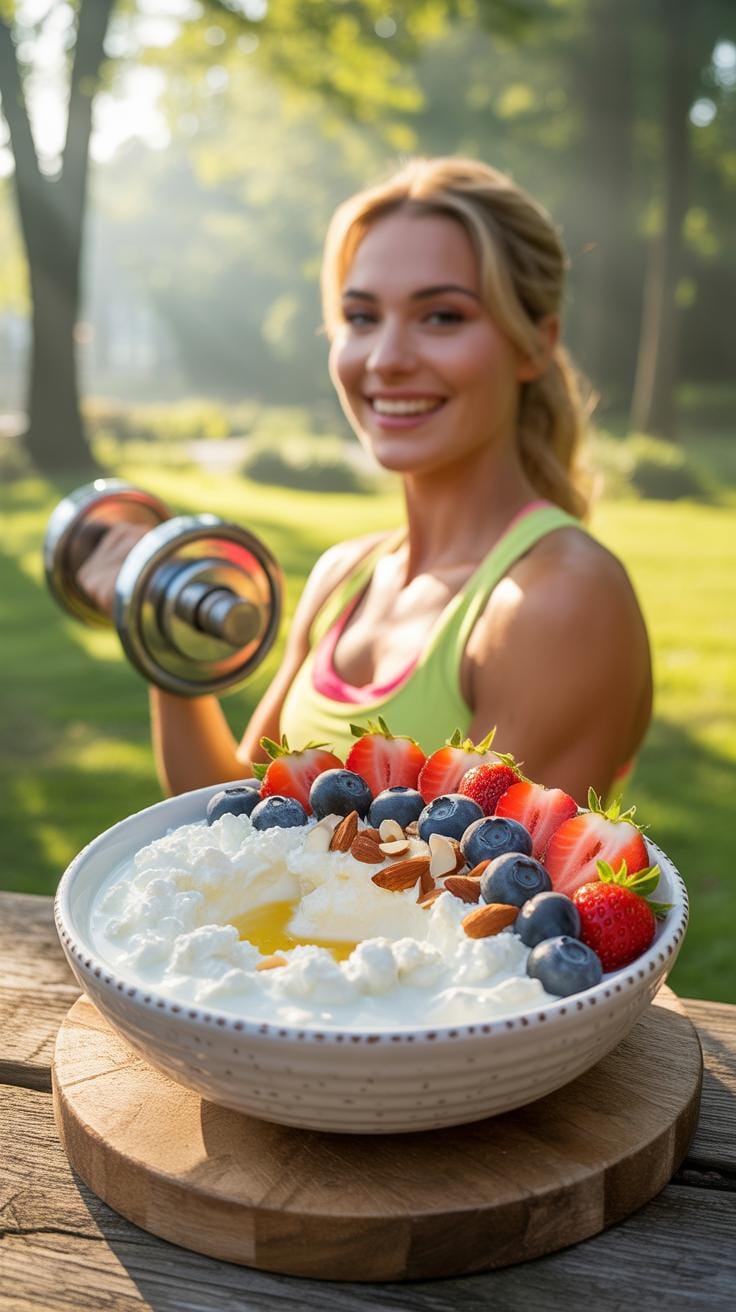
You might wonder if cottage cheese really makes a difference in your fitness journey. Well, the relationship between cottage cheese consumption and fitness improvements is quite interesting. Cottage cheese is packed with protein and essential nutrients, which some studies and fitness enthusiasts suggest helps with muscle growth, weight control, and recovery after exercise.
For muscle building, the type of protein in cottage cheese—casein—digests slowly, providing a steady flow of amino acids to muscles. This slow release might help repair muscle damage overnight or during long periods without food.
When it comes to weight management, cottage cheese’s low calorie count paired with high protein content means it can keep you feeling full longer. This can reduce snacking or overeating later, although how much it helps depends on your overall diet and lifestyle.
And about recovery—its mix of protein and some carbs also supports replenishing energy stores and muscle repair, which could mean less soreness. Does this mean simply adding cottage cheese will transform your fitness? Probably not on its own, but it could be a helpful piece of the puzzle.
Popular Cottage Cheese Recipes
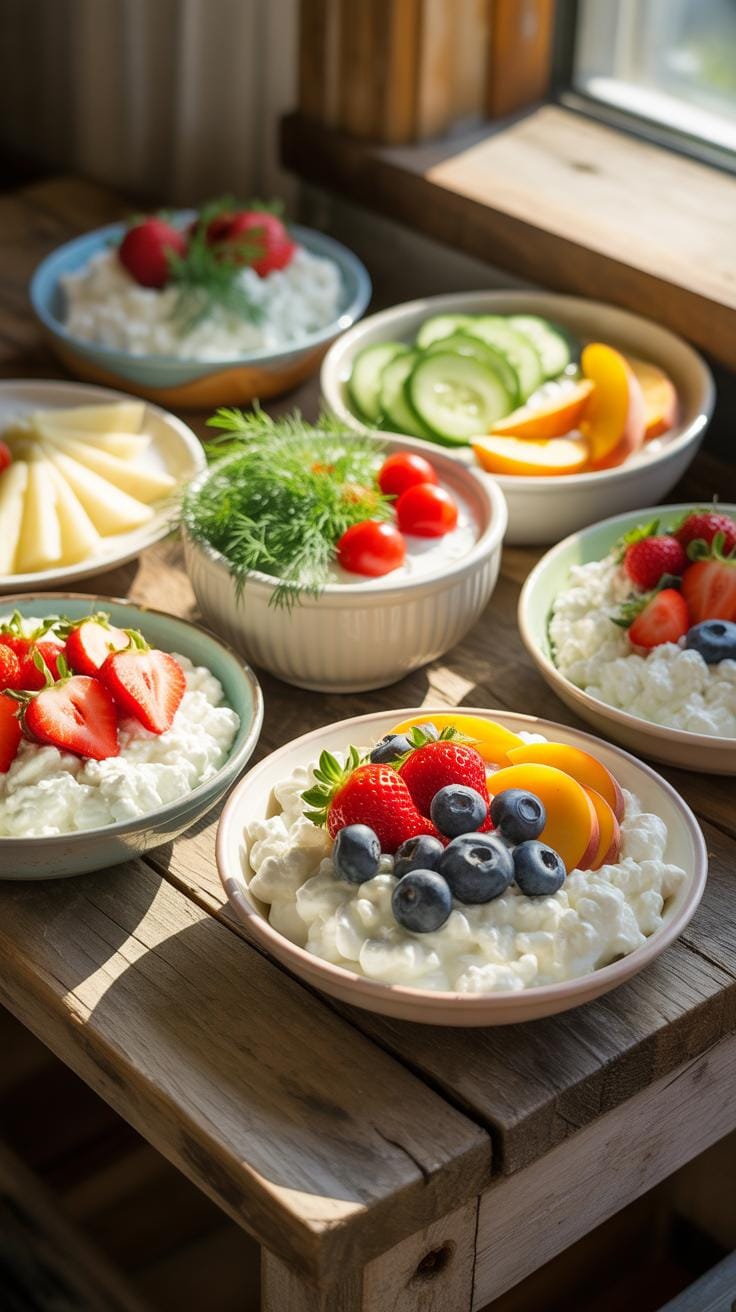
Cottage cheese is surprisingly versatile, fitting into both sweet and savory dishes that support your fitness goals without feeling like a chore to prepare. For breakfast, try cottage cheese paired with fresh fruit like pineapple or berries. This combo offers a refreshing balance—the creaminess with natural sugars—and packs a solid protein punch to kickstart your day.
On the savory side, a simple cottage cheese toast topped with sliced avocado and cherry tomatoes provides healthy fats and fiber along with protein, making it both satisfying and light. You might also like a cottage cheese and cucumber salad, tossed with some dill and lemon juice; it’s quick to whip up and keeps hunger at bay.
For snacks and lunches, blending cottage cheese into a savory dip with herbs, garlic, and a bit of Greek yogurt creates a creamy spread that pairs well with raw veggies or whole-grain crackers. Wraps filled with cottage cheese, spinach, grilled chicken, and a hint of mustard offer a filling meal that’s easy to pack and portable for busy days.
Sweet cravings? Stir cottage cheese into oatmeal or blend it with cocoa powder and a touch of honey for a dessert-like treat that still supports your protein needs. The possibilities can seem endless once you start experimenting. What’s your go-to way to sneak cottage cheese into daily meals?
Meal Prep Using Cottage Cheese
Batch Cooking With Cottage Cheese
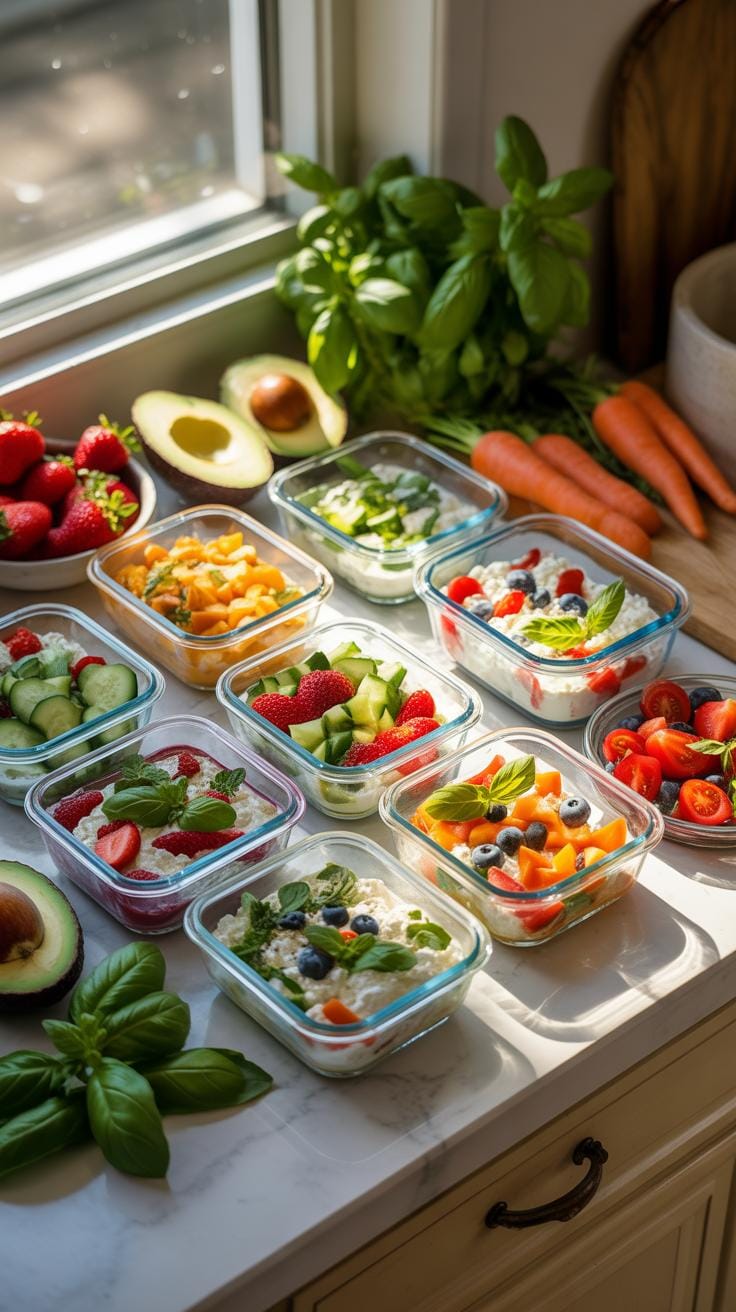
Batch cooking with cottage cheese is pretty straightforward, and it can really help you stick to your fitness meal goals. You can prepare large portions of dishes like cottage cheese pancakes, savory bowls with veggies, or even mixed salads loaded with it, then refrigerate or freeze them for later. For example, I like making a big batch of cottage cheese and herb dip that stays great for a week and can be paired with raw veggies or whole-grain crackers.
Some people might find freezing tricky with dairy, but cottage cheese actually freezes okay if you blend it into recipes first, like in smoothies or casseroles. Just avoid freezing plain cottage cheese alone—it tends to get watery. Think of batch cooking as making several meal bases that you can spruce up individually before eating. That way, you’re never stuck staring at an empty fridge.
Proper Storage Practices
Storing cottage cheese and meals containing it needs a bit of care to keep freshness and safety. Always use airtight containers to slow down spoilage and prevent odors from mingling with other foods. Glass containers with tight lids work well, but BPA-free plastic is fine too, especially if you’re freezing meals.
Stick to refrigeration temperatures below 40°F (4°C), particularly when meals include dairy. I’ve noticed that when I pre-portion cottage cheese into single servings, I avoid opening the big container too often, which helps prevent spoilage. When freezing, label each container with the date so you don’t accidentally keep something beyond two months. And reheating? Just warm gently to avoid separating the texture too much.
Cottage Cheese Versus Other Protein Sources
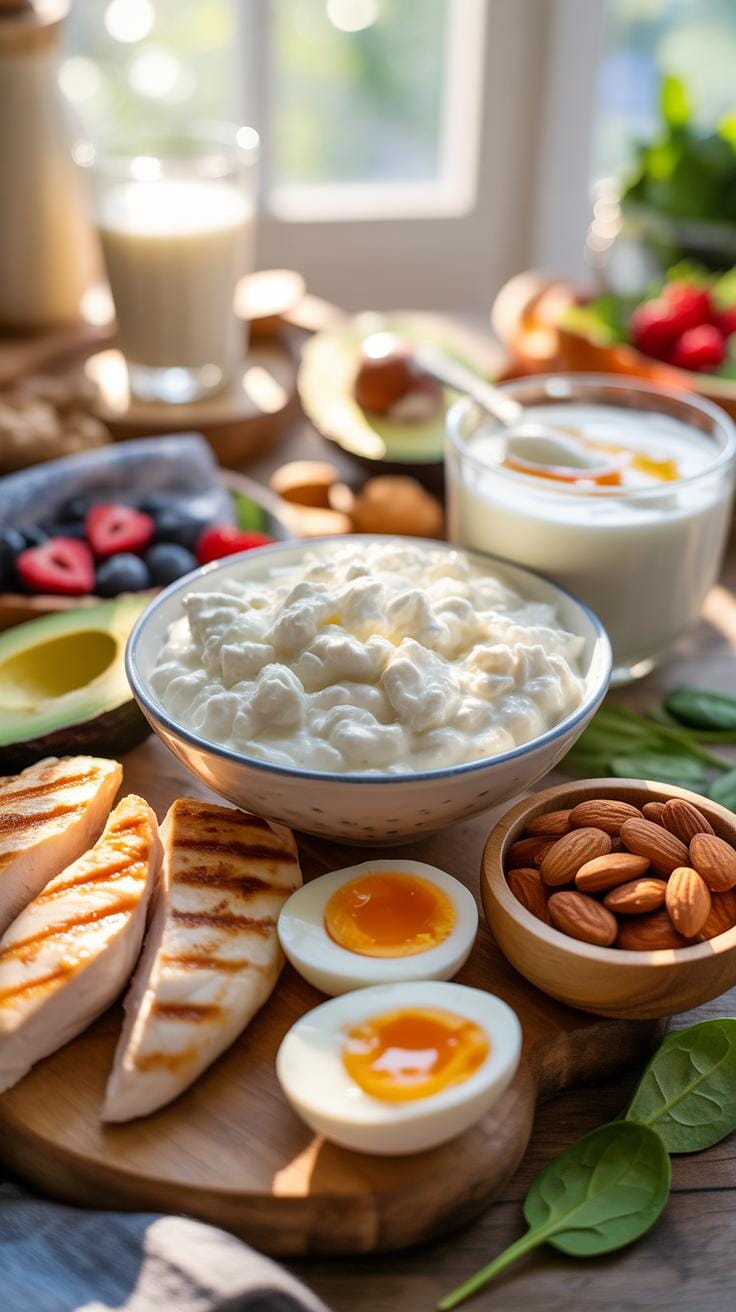
When you stack cottage cheese up against yogurt, eggs, and meat, the differences get interesting. Cottage cheese offers a good punch of protein, especially casein, which digests slowly—making it handy for sustained muscle recovery. Yogurt, by contrast, often contains probiotics that cottage cheese generally lacks, so if gut health is your focus, yogurt might edge out slightly. Eggs provide complete protein with all essential amino acids, but they can be less convenient if you’re in a rush or lack cooking options. Meat is a protein powerhouse yet tends to be pricier and requires preparation time, something cottage cheese sidesteps with its ready-to-eat nature.
On the downside, cottage cheese’s sodium content can be higher than you might expect, while meat offers more iron and B vitamins that cottage cheese doesn’t provide as strongly. For fitness and meal prep, the ease of portioning cottage cheese is a win, but eggs and meat can be more filling per calorie—depending on your goals.
Protein Quality Comparison
Cottage cheese scores high on protein quality. It delivers a complete amino acid profile, especially rich in leucine, key for muscle protein synthesis. Compared to yogurt, which varies widely in protein content based on type, cottage cheese tends to have more grams per serving, making it better if you want straight muscle support. Eggs are also complete proteins and digest quickly, good for post-workout bursts. Meat, depending on cut, provides dense protein but slower to digest. The slower breakdown of cottage cheese actually helps keep amino acids flowing longer—good if you’re looking beyond immediate gains.
Digestibility matters too. Some people find dairy easier on their stomach than meat, but eggs sometimes cause allergies or sensitivities. With cottage cheese, the texture might be off-putting at first for some, but it’s worth experimenting with to find what your body responds to best.
Cost And Availability
Cottage cheese often prices itself nicely against meat, which can be expensive, especially quality cuts. Compared to eggs, it can be a bit pricier per gram of protein but still affordable overall. Yogurt shares similar price ranges, though specialty Greek versions tend to be costlier. For many shoppers, cottage cheese is widely available in supermarkets and usually requires no prep, making it accessible for quick meals or snacks.
Yet availability varies regionally—sometimes it’s the star of the dairy aisle, other times it’s overshadowed by other items, which might mean hunting for it or settling for alternatives. Storage convenience also plays a role: eggs and cottage cheese keep well in the fridge, but meat demands more careful handling. So, if you shop under tight schedules or budgets, cottage cheese can strike a decent balance between nutrition, cost, and convenience. But maybe you’ll find switching between these options works better depending on your routine and taste preferences.
Common Mistakes When Using Cottage Cheese
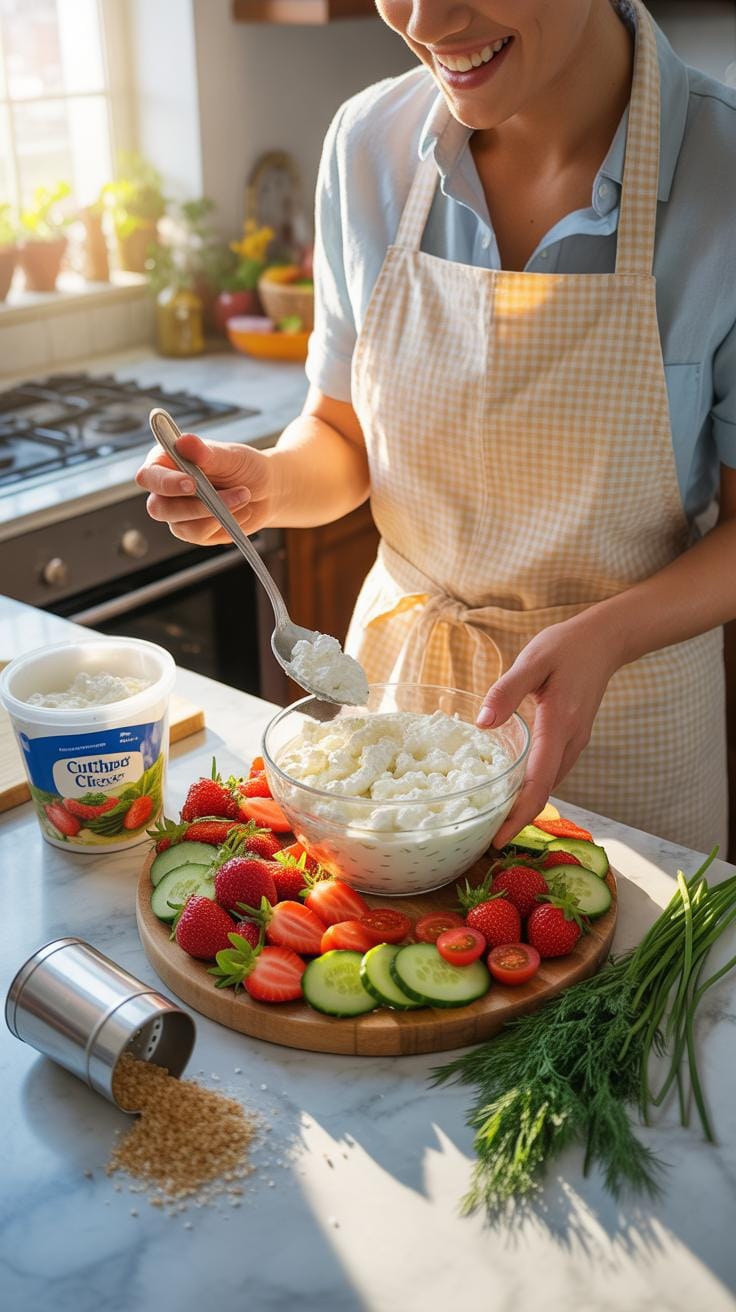
People often fall into some predictable traps when adding cottage cheese to their diets. One common error is relying too much on it as a protein source. While cottage cheese is great, it’s not a magic fix for every meal or snack. If you keep eating it day after day without variety, you might miss out on other important nutrients from different foods.
Another issue is ignoring the fat and carbohydrate content. Not all cottage cheeses are created equal. Some low-fat versions have added sugars or fillers, which can throw off your diet goals if you’re not paying attention. Meanwhile, full-fat cottage cheese might not fit everyone’s macros, especially if you follow a strict plan.
Poor storage is also common. Leaving it out too long or not sealing the container properly can cause spoilage and waste. I once left a tub open by accident, and the texture went grainy—definitely no fun to eat.
To avoid these pitfalls, try mixing cottage cheese with other protein sources for balance. Check nutrition labels carefully, and store it in airtight containers in the fridge. Remember, moderation and attention to detail go a long way.
Overconsumption Risks
Eating too much cottage cheese isn’t necessarily better, even if it seems healthy. High amounts can lead to digestive discomfort like bloating or gas, especially if you’re sensitive to dairy or lactose. Sometimes, people assume “more protein equals better recovery,” but going overboard can upset your gut.
It might also create a nutritional imbalance. You may get plenty of protein, but neglect other key nutrients like fiber or healthy fats. That can leave your meals less satisfying or even hinder your overall progress.
Listen to your body. If eating cottage cheese every day feels heavy or off, consider cutting back or rotating with other options.
Ignoring Fat And Carb Content
Not all cottage cheeses fit every diet. Some have nearly zero fat and more carbs, while others carry significant fat content. This difference affects how they should be used in meal prep or fitness plans.
- If you’re on a low-carb diet, a cottage cheese with added carbs might surprise you and stall progress.
- For those counting calories or fat, full-fat versions can add up quickly, even if the taste is better.
- Sometimes, the “low-fat” label hides added sugars or thickeners that affect overall health.
Take time to compare products and match them to your personal needs. It’s not just about protein, but how the rest of the nutritional profile fits your goals.
How To Boost Flavors In Meals

Cottage cheese can sometimes feel plain or even a bit bland if you just scoop it straight from the container. But you don’t need to rely on heavy sauces or extra salt to make it interesting, especially when you’re focused on fitness and keeping meals clean. The trick is to work with fresh herbs and spices that bring out the natural creaminess without adding calories or unwanted additives.
Using Fresh Herbs And Spices
Herbs are like magic for cottage cheese—just a handful can lift the flavor dramatically. Think of basil, dill, chives, or parsley; these all add brightness and complexity. Spices like black pepper, smoked paprika, or even a sprinkle of cumin give the dish warmth and depth without overloading it. If you’re feeling adventurous, a little turmeric or ginger works surprisingly well and might even support recovery.
Don’t overlook lemon zest or fresh garlic minced finely—they’re simple yet effective additions that make cottage cheese feel less ordinary. I once tossed in some fresh tarragon and was surprised at how much it transformed a quick snack into something special. It’s about layering subtle tastes rather than blasting the palate.
Pairing With Fruits And Vegetables
Cottage cheese pairs well with various fruits and veggies, balancing protein with natural sweetness or crunch. Slices of cucumber or cherry tomatoes provide freshness and texture, turning it into a mini salad. On the sweeter side, diced pineapple or berries mix nicely for post-workout snacks, adding natural sugar that’s easy on your system. Sometimes I mix cottage cheese with sliced avocado for a creamier, healthy fat boost, which feels indulgent but stays on track.
Playing with these combinations keeps meals interesting and stops cottage cheese from becoming an afterthought. Have you tried it with roasted beets or maybe grilled peaches? These pairings feel unexpected but work well together. Cottage cheese is a versatile base—don’t hesitate to experiment and discover your own favorite natural flavor combos.
Checklist For Cottage Cheese Meal Prep
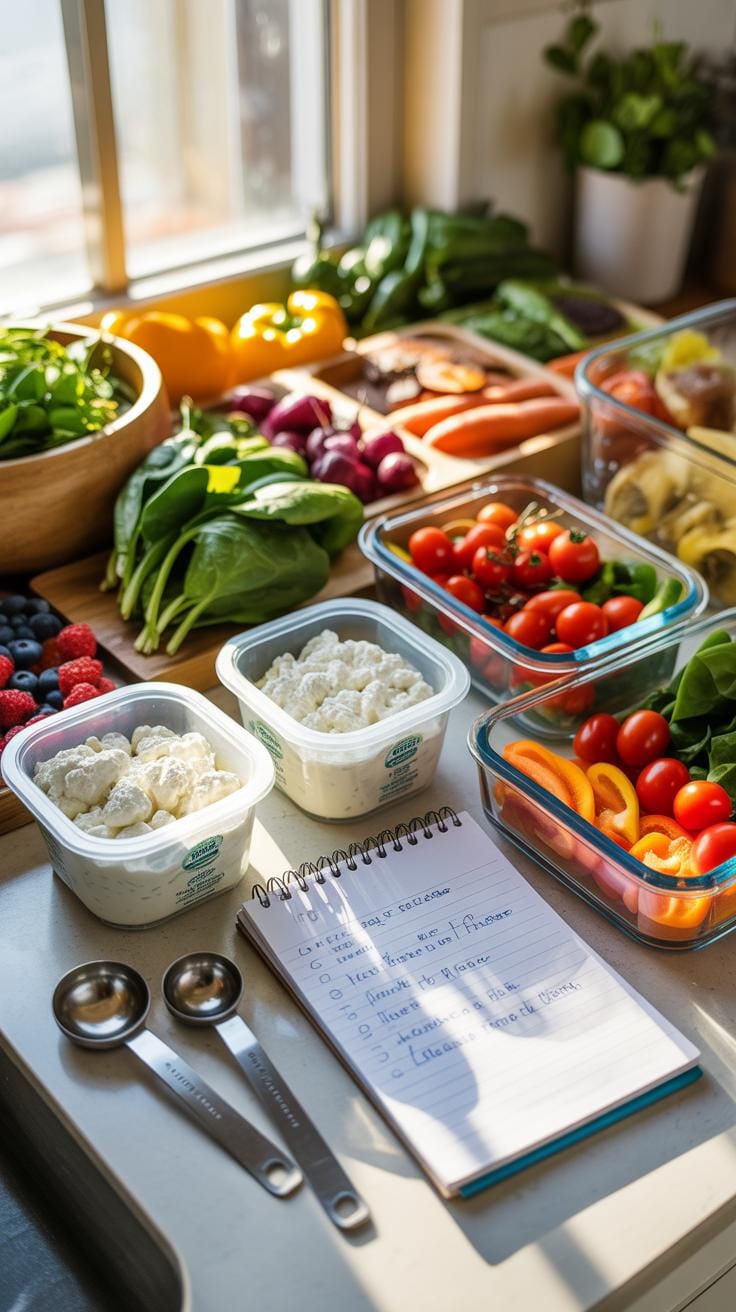
When planning cottage cheese meals for the week, starting with smart grocery shopping makes a difference. Focus on fresh vegetables like cucumbers, tomatoes, and bell peppers, plus fruits such as berries and peaches—it’s a good mix for taste and nutrients. Grab whole-grain crackers or oats to add texture and fiber. Don’t forget a few herbs like chives or parsley for a fresh kick. And, of course, stock up on cottage cheese—choose low-fat or full-fat depending on your preference.
Once home, portioning is key. Use airtight containers that fit single servings to keep things tidy and fast for busy days. Label each with the contents and date; it might seem fussy but saves you from guesswork later. Chill the portions promptly. For meals with delicate ingredients, add those just before eating to avoid sogginess or loss of freshness.
When serving, take a moment to stir cottage cheese gently, especially if it’s been sitting for a while. Remember, some recipes work better cold while others might taste nicer warmed up. Playing around with serving styles keeps the meals enjoyable and prevents boredom. Have you tried mixing cottage cheese with salsa or a pinch of cinnamon? Small tweaks can make a big difference.
Examples Of Daily Meal Plans
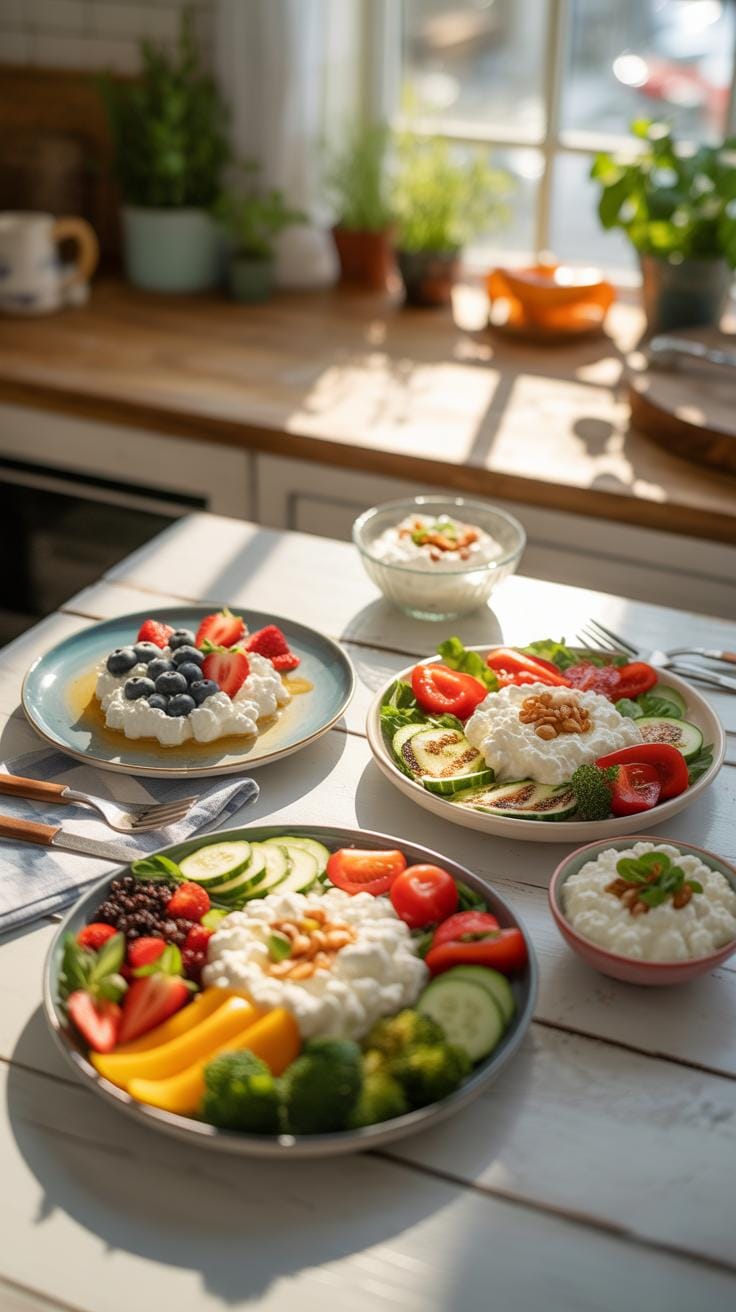
Using cottage cheese in your daily meals can be surprisingly simple and flexible. For breakfast, try mixing cottage cheese with fresh berries and a sprinkle of chia seeds. It’s quick, protein-rich, and keeps you full for hours. Lunch might look like a hearty salad topped with a scoop of cottage cheese, some grilled chicken, and a handful of nuts—this combo balances carbs, fats, and proteins well.
Dinner can include cottage cheese as a side dish—perhaps mixed with steamed veggies or mashed avocado for creaminess. Snacks are perfect moments for cottage cheese, whether spread on whole grain crackers or stirred with a bit of cinnamon and honey for a touch of sweetness. This mix of meals prevents boredom and keeps your nutrition on track without too much prep time.
Sample Plan For Muscle Gain
For muscle building, you want to focus on protein with steady carbs and some healthy fats. Start with cottage cheese blended into a smoothie with banana and a scoop of whey protein in the morning. Lunch could be a turkey wrap stuffed with cottage cheese, spinach, and tomato, packing a lot of protein and fiber. Add cottage cheese to dinner as a side with quinoa and roasted chicken or salmon for extra casein protein that feeds muscles overnight.
Snack smart by combining cottage cheese with almonds or peanut butter to keep those muscles fueled. It might feel repetitive having cottage cheese multiple times a day, but it’s easy and doesn’t require fancy cooking—which I appreciate when days get busy.
Sample Plan For Weight Loss
When aiming for fat loss, the satiety factor of cottage cheese can really help. Breakfast could be cottage cheese topped with sliced cucumber and a dash of black pepper—simple, low calorie, but filling. For lunch, try a big veggie bowl with cottage cheese as a creamy protein topping instead of heavier dressings. Dinner may be grilled fish with cottage cheese and steamed greens, keeping calories lean but satisfying.
Snacks are often the trickiest in weight loss. Cottage cheese pairs well with sliced apple or a small handful of walnuts, providing a mix of protein and fiber that keeps cravings in check. Sometimes, I find just having this on hand curbs unnecessary snacking. It’s practical without feeling like a sacrifice, which I guess matters most in the long run.
Conclusions
Cottage cheese is a valuable addition to fitness diets and meal prep routines due to its high protein content, low calories, and compatibility with many ingredients. Incorporating it into your meals can support muscle growth, recovery, and overall health with minimal effort.
By combining cottage cheese with fresh produce or whole grains, and preparing meals in advance, you can enjoy healthy, balanced dishes that save time and keep you on track with your fitness goals. Start experimenting with cottage cheese recipes today to create nutritious meals that help you reach your health and fitness targets.