
Introduction
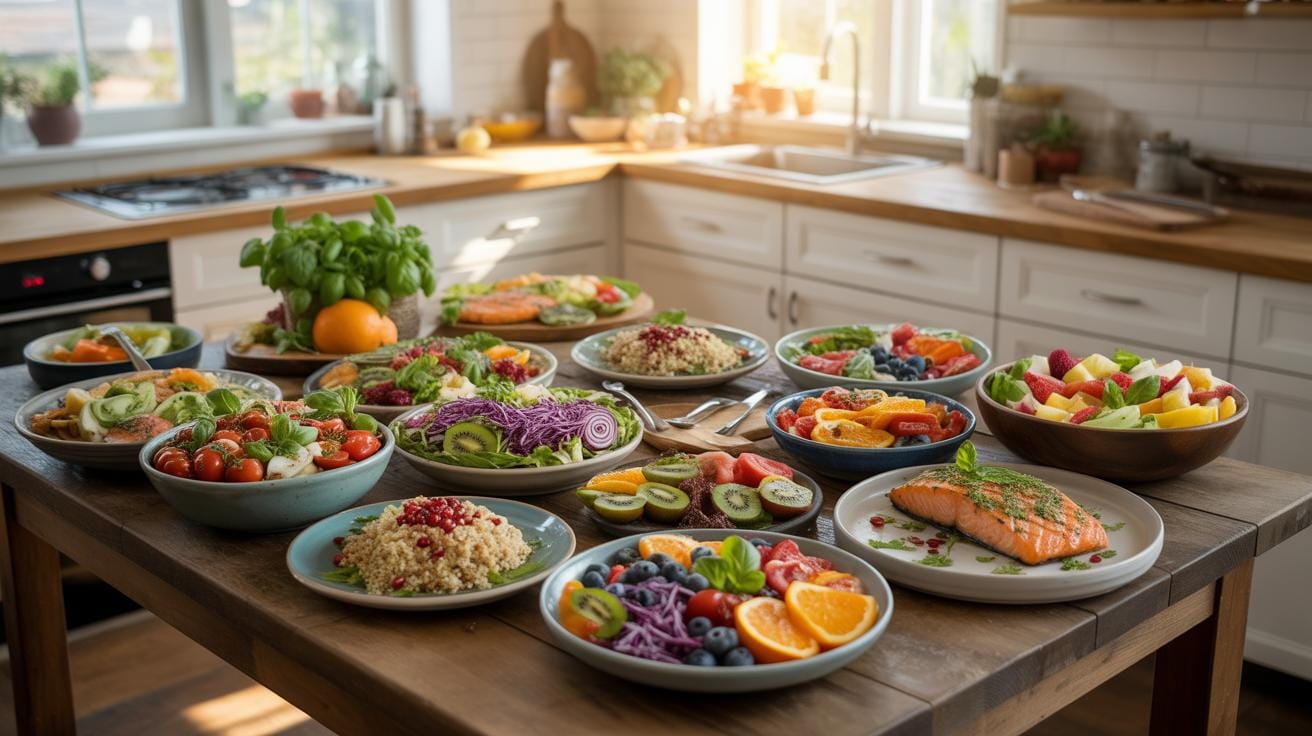
Clean Recipes Featuring Healthy Food Dishes For Balanced Nutrition focuses on meals made with whole, natural ingredients free from artificial additives. This style of cooking promotes consuming foods in their most natural state to help maintain good health and support your body’s nutritional needs.
This article will guide you through what clean recipes are, why they matter, and how you can incorporate them into your daily life. You will find practical tips and examples that make it easy to eat balanced, nourishing meals for better energy and wellness.
Benefits Of Clean Recipes
Clean recipes often revolve around using natural, whole ingredients while steering clear of processed foods. This approach can genuinely impact your health in ways that might surprise you. For instance, you may notice more consistent energy throughout the day. No more of those spikes and crashes that come with sugary or heavily processed meals.
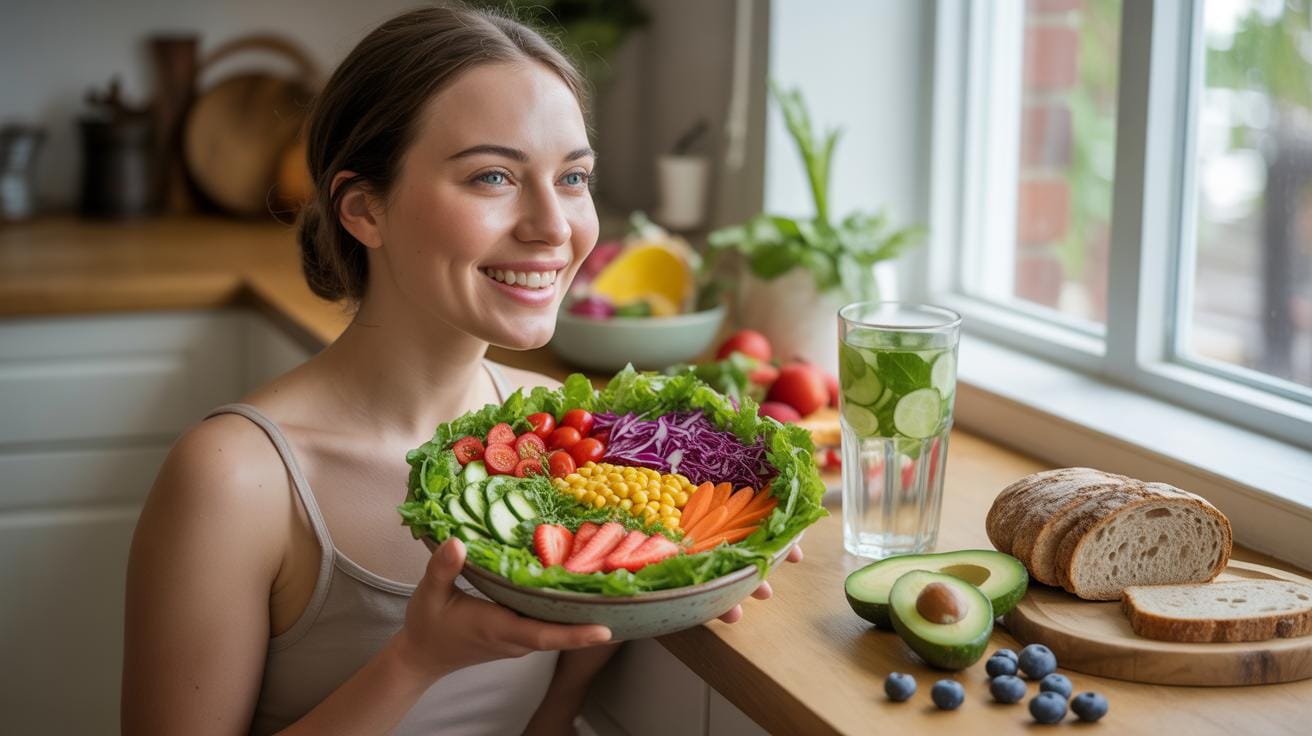
Choosing clean recipes often means eating food that’s packed with nutrients your body actually recognizes and can use efficiently. Over time, this can lead to improvements in digestion, clearer skin, and better mood stability. But, are these benefits immediate? Probably not all at once, and results vary from person to person.
Long-term, the benefits are more profound. Your body is less burdened by additives and chemicals, which may reduce inflammation and risk of chronic illnesses. It’s interesting how a simple shift in the food you prepare can gradually build a stronger, more resilient body.
Why Choose Clean Eating
Clean eating is about selecting foods in their most natural state, something like fruits, vegetables, whole grains, and lean proteins. It’s not always about strict rules but more a mindset of reducing processed foods—those often loaded with preservatives, excess salt, and sugar.
By eating clean, you give your body fewer toxins to process and more nutrients to thrive on. Perhaps you’ve noticed how some days breathing feels lighter or your mind feels clearer when you eat well. Those moments are small hints of what clean eating does behind the scenes in your body.
Health Improvements From Clean Food
If you switch to clean recipes, you might notice reduced bloating or fewer headaches, which could be linked to eliminating certain additives or inflammatory foods. Some people report better sleep patterns and even weight stabilization without adopting extreme diets.
Conditions like high blood pressure or blood sugar irregularities sometimes improve simply by reducing processed foods and choosing whole alternatives instead. But of course, it’s never a one-size-fits-all. Still, when you see those positive changes, it’s tempting to keep going, even if the road isn’t always perfectly smooth.
Common Ingredients To Avoid

When you look at clean recipes, you quickly notice some ingredients that tend to be left out. These are usually substances that don’t quite match the goal of nourishing your body with real, wholesome nutrients. Take a moment to think about artificial additives and preservatives. These extras might keep your food looking fresh or tasting a bit more exciting, but they often come with health trade-offs that are hard to ignore.
Artificial additives, for example, can be chemical dyes or flavor enhancers that don’t add nutritional value and sometimes even cause unwanted reactions in the body. Preservatives may extend shelf life but can disrupt digestive health and contribute to long-term risks like inflammation. So, omitting these keeps food closer to nature’s original intent, even if it means shorter fridge life or less flashy colors.
Processed sugars and unhealthy fats, like trans fats, also take a back seat in clean cooking. These ingredients might provide quick energy or texture improvements, but their impact isn’t really worth it. Excessive processed sugars can lead to blood sugar spikes and increase the risk of chronic diseases. Trans fats, notorious for heart risks, are avoided because they don’t support balanced nutrition. Instead, clean recipes lean toward natural sweeteners and healthy fats that support your wellbeing.
So why avoid these ingredients? Because clean cooking aims to fuel your body, not just satisfy a craving or stay shelf-stable. It’s a bit like choosing between a fast but temporary fix and a lifestyle that supports your health longer term. That choice might not always be easy; sometimes you might crave convenience, but understanding the why behind these exclusions can help you stick to cleaner eating habits.
Staple Foods For Clean Cooking
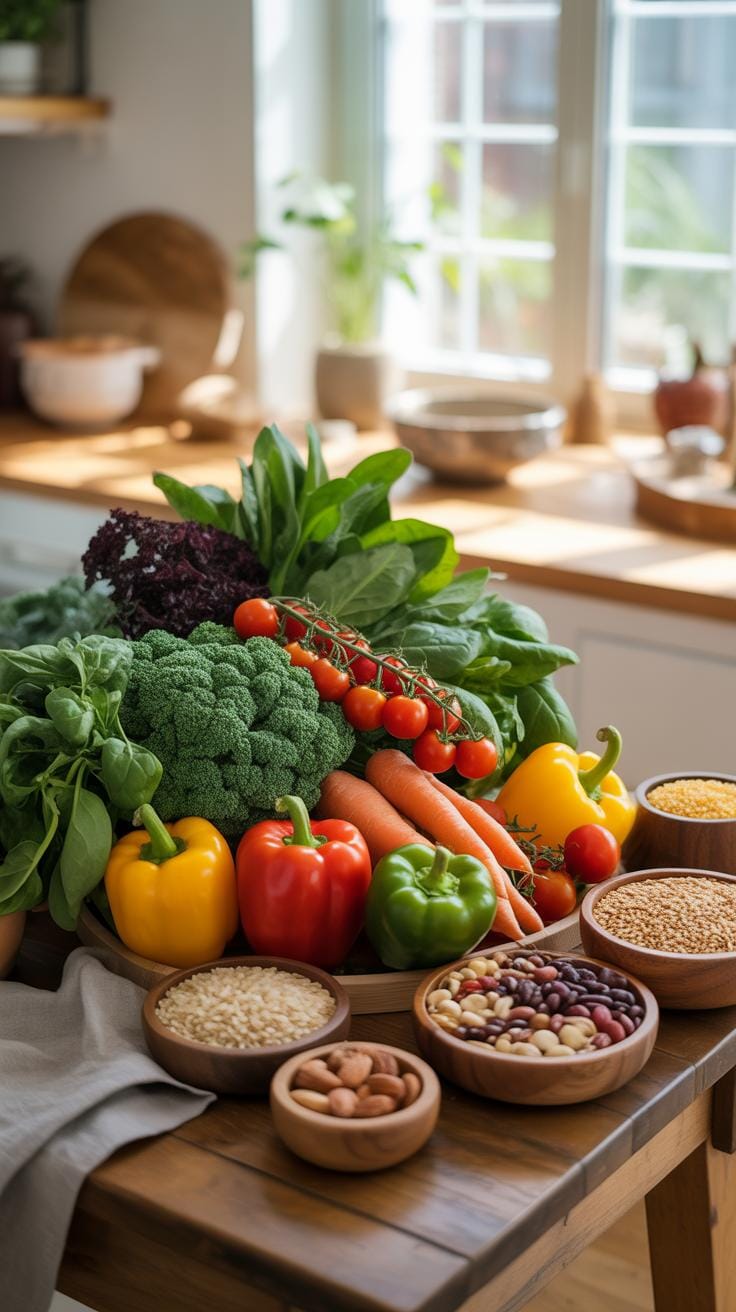
When thinking about clean recipes, certain staple foods naturally come to mind. These foods, common and often simple, form the foundation of balanced nutrition in clean cooking.
Whole Grains And Fresh Vegetables
Whole grains and fresh vegetables often play a starring role in clean recipes. Whole grains include brown rice, quinoa, barley, and oats—all containing the entire grain kernel: bran, germ, and endosperm. This makes them rich in fiber and nutrients, helping digestion and providing steady energy. For example, quinoa not only adds texture but also brings in higher-quality protein that balances grains which might be lower in essential amino acids.
Fresh vegetables, on the other hand, add vitamins, minerals, and antioxidants that are vital for overall health. When you combine colorful vegetables with whole grains, you get a synergy of nutrients—fibers to keep you full and vitamins that support bodily functions. I find it fascinating how just a handful of carrots or spinach mixed into a grain bowl can brighten both the dish and its nutrition profile.
Lean Proteins And Healthy Fats
Clean recipes often rely on lean proteins such as skinless poultry, fish, legumes, and plant-based options like tofu or tempeh. These proteins supply necessary amino acids for muscles and cells without excessive saturated fat, making them ideal for clean eating. For instance, fatty fish contributes omega-3 fatty acids, which are good for heart and brain health. It’s interesting, though, how some fats—like those found in avocados, nuts, and olive oil—are not only permitted but encouraged in clean cooking.
Healthy fats do more than just provide calories; they support cell growth and nutrient absorption. I admit I sometimes overlook fats, but including them thoughtfully feels like a smart move rather than an indulgence. Imagine a salad drizzled with extra virgin olive oil or a handful of almonds adding crunch—these bring flavor and important nutrients in one go.
Simple Clean Recipe Examples
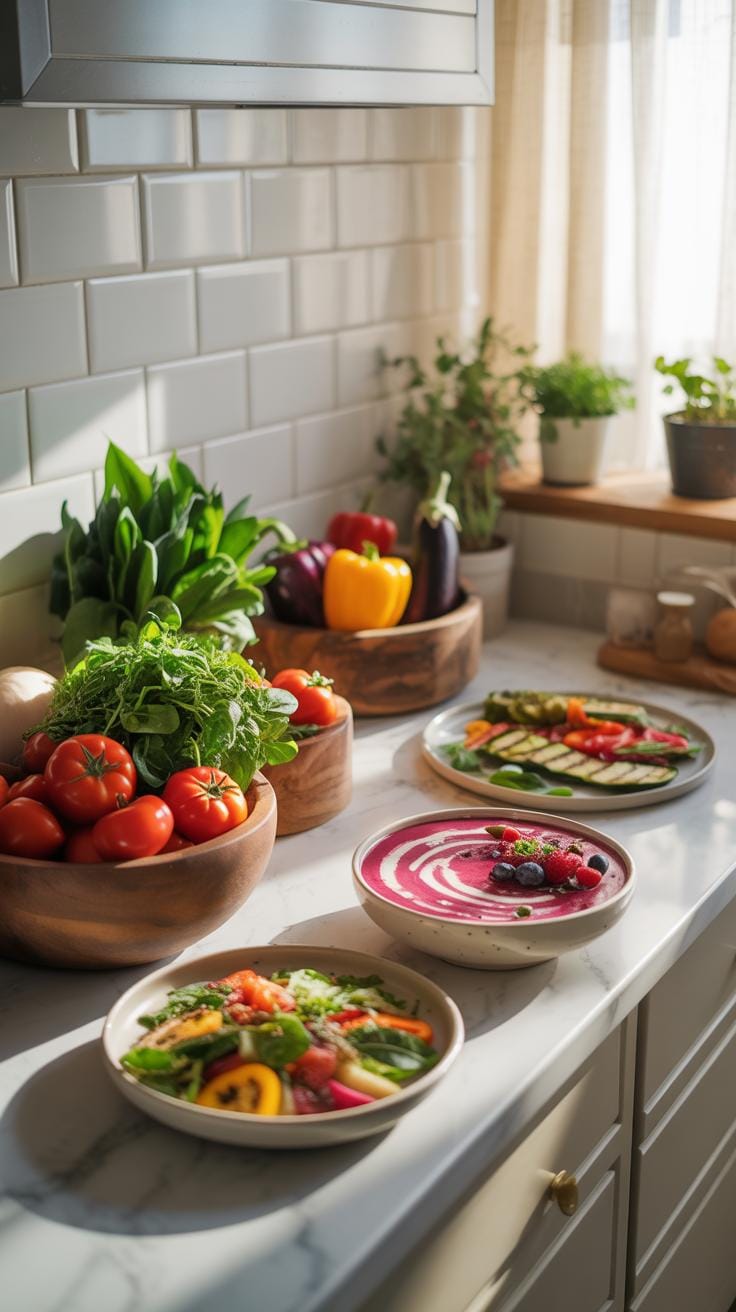
Clean recipes focus on whole, unprocessed ingredients, often found in any regular kitchen. Think simple: fresh vegetables, fruits, grains, lean proteins, and natural oils. For instance, a quick salad with mixed greens, cherry tomatoes, olive oil, and grilled chicken works well. Or sautéed vegetables with quinoa and a sprinkle of herbs—nothing complicated, just nourishment without clutter.
Breakfast And Snack Ideas
Breakfast can be easy and still clean. A bowl of overnight oats soaked in almond milk topped with fresh berries and nuts makes for a satisfying start. Or try a smoothie with spinach, banana, and a scoop of natural peanut butter. For snacks, sliced cucumber with hummus or a small handful of almonds keeps energy steady without heaviness.
Main Dishes For Balanced Meals
When it comes to main dishes, balance is key but don’t overthink it. Grilled salmon with steamed broccoli and brown rice, or a stir-fry with tofu and colorful veggies lightly cooked in a bit of sesame oil is filling and healthy. The beauty of clean eating is flexibility—adjust ingredients to what you have and what feels right, without pressure.
Tools To Prepare Clean Recipes
Essential Kitchen Gadgets
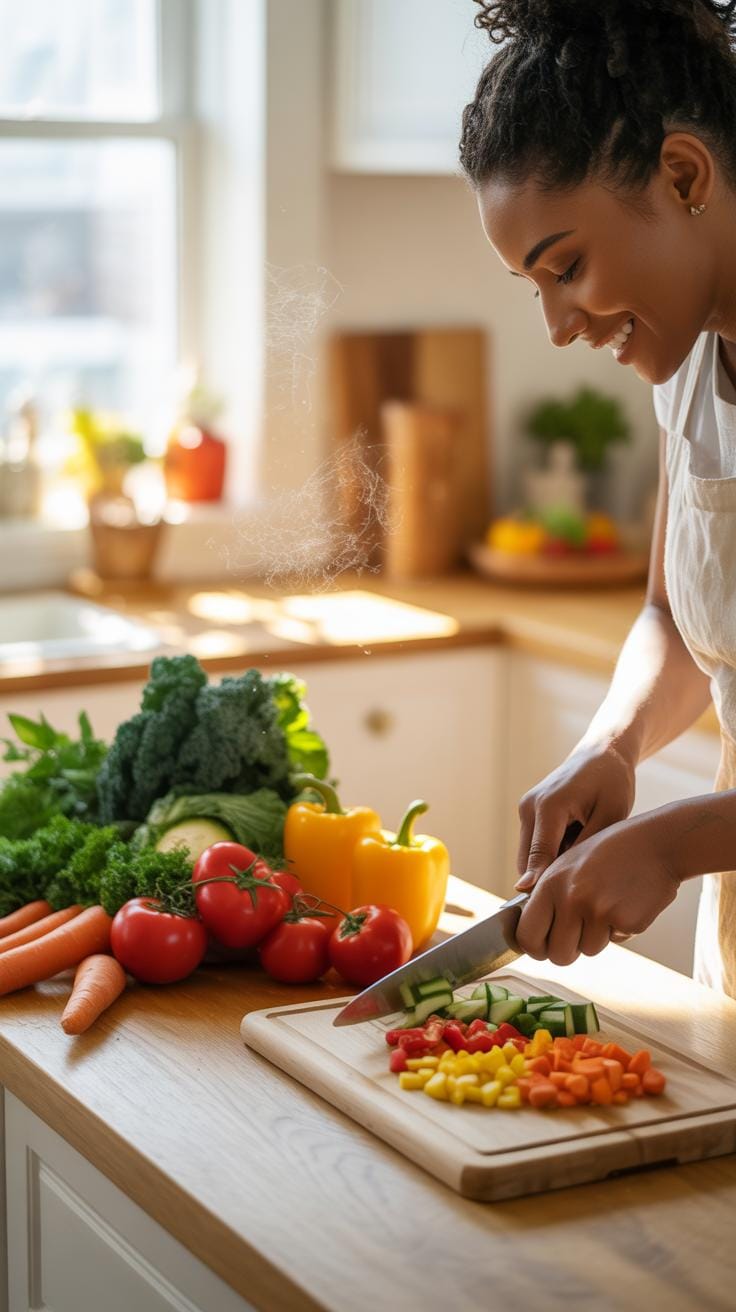
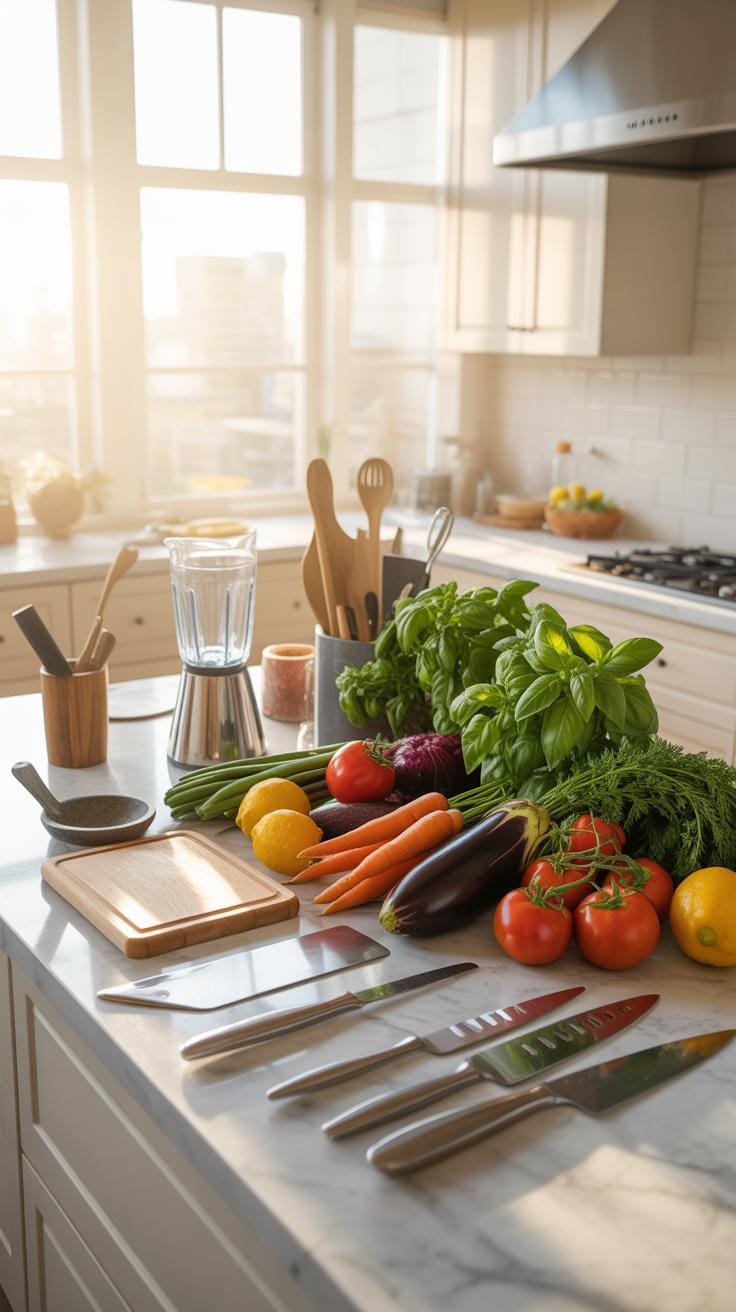
When you want to make clean recipes, certain kitchen gadgets really make a difference. A good blender can quickly turn whole fruits and vegetables into nutritious smoothies or soups without any added junk. A sharp chef’s knife, while simple, helps prep clean ingredients efficiently, letting you avoid pre-packaged diced options which may contain preservatives. A steamer basket is great for gently cooking veggies while keeping their nutrients intact, rather than boiling them into blandness. You might also consider a digital food scale. It’s not just for precision; it helps you control portions better, which is key for balanced nutrition. I found that a slow cooker eases the whole process, as it lets ingredients meld naturally, requiring minimal hands-on attention. These tools aren’t flashy, but they do just what you need for clean cooking.
Meal Prep Containers And Storage
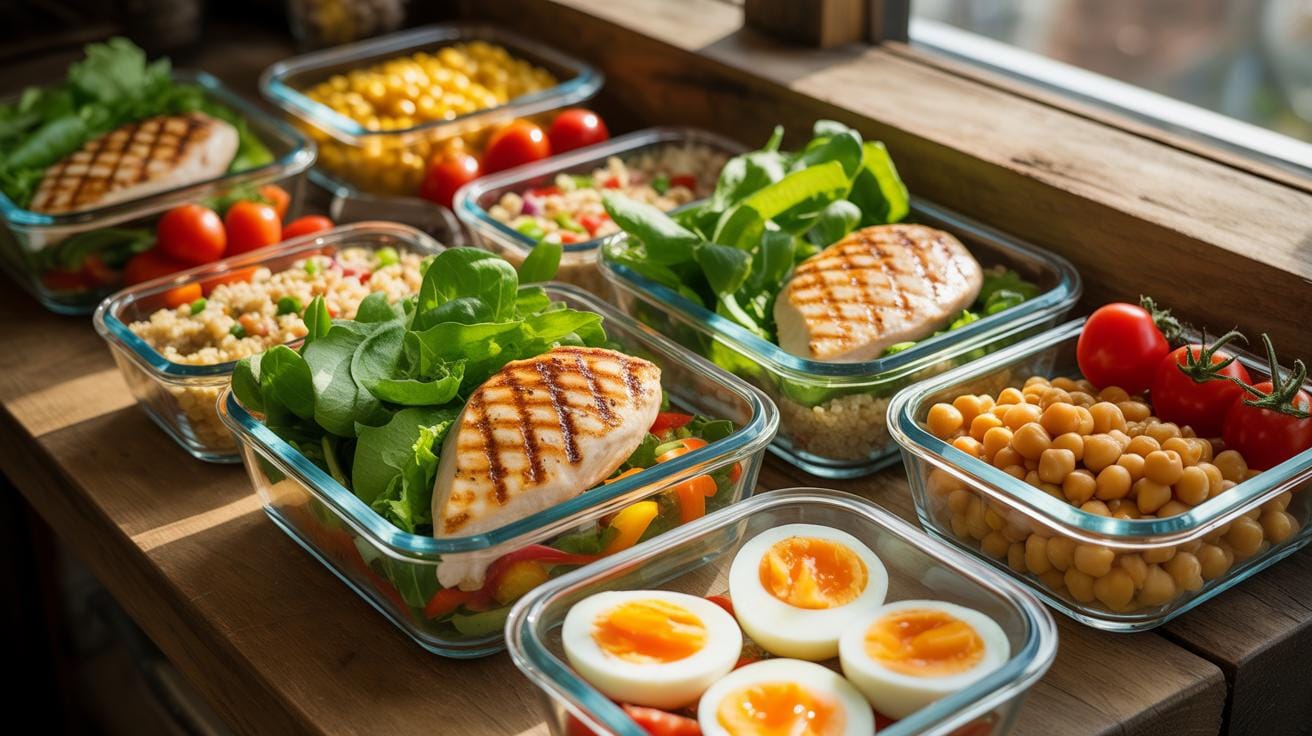
Once your clean meals are ready, storing them properly is kind of crucial. Using airtight meal prep containers means your food stays fresh longer without the need for chemical preservatives. Glass containers, in particular, feel safer and don’t absorb odors or stains like plastic can. Organizing your meals into portions helps avoid the temptation to overeat or mix in unhealthy snacks. Plus, clear containers let you quickly see what you have, making decisions at mealtime faster. Having a set of stackable containers also saves fridge space, which can get chaotic. Honestly, investing in good storage has helped me keep to clean eating habits — not only by preserving food but by reinforcing a mindset of planning ahead and caring for what you eat.
How To Read Food Labels
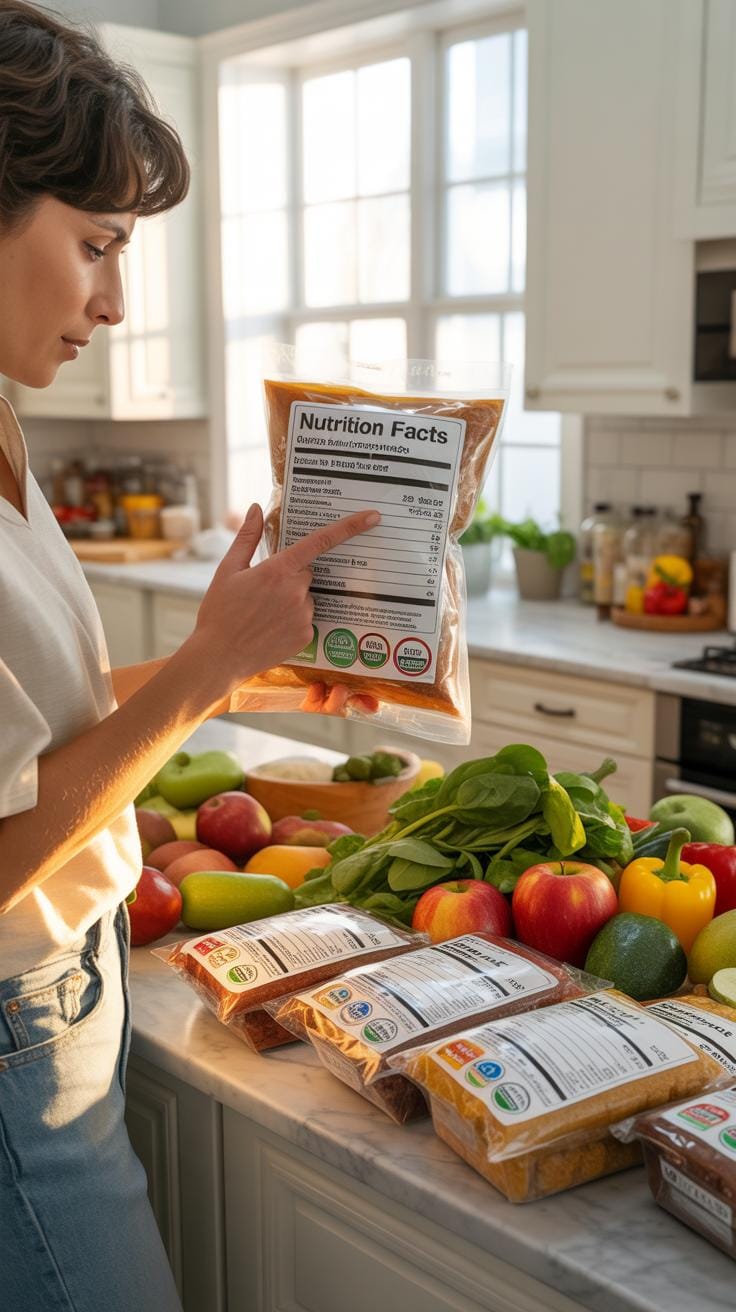
When you pick up a packaged food product, looking at the label might seem straightforward, but it’s actually key to knowing if what you’re buying is truly clean. First, check the ingredient list — it’s often where the truth lies. Ingredients are listed from most to least by weight, so if sugars or artificial additives top the list, be wary.
Next, glance at the nutritional facts panel. Not just calories, but look for fiber, sugars, sodium, and fats. Some nutrients you want more of, like fiber, while others, like sodium or added sugars, should be lower. Also, serving sizes matter. A product might look low in sugar per serving but could have multiple servings.
Check for certifications too. Organic or non-GMO labels can sometimes hint at cleaner products, but don’t rely solely on them. Sometimes, labels highlight the absence of certain things like “no preservatives,” but it pays to verify with the ingredient list.
Recognizing Clean Ingredients On Labels
Clean labels often mean short ingredient lists filled with recognizable foods. Think whole grains, nuts, seeds, fruits, and vegetables in their simplest form. Spotting names you can pronounce is a good start, but even then, be cautious of sneaky additives that sound natural but aren’t.
Watch out for ingredients that serve to extend shelf life unnaturally — preservatives, artificial colors, flavors, and sweeteners. These often hide under unassuming terms like “citric acid” or “natural flavor.” Knowing what these mean can help you avoid chemicals that don’t belong in your clean diet.
Some ingredients, like salt or sugar, are natural but using whole forms like sea salt or honey feels more in line with clean eating, though moderation is key.
Common Label Tricks To Watch
Labels can be tricky. “Natural” doesn’t always mean clean or organic. It’s a vague term not strictly regulated, so don’t be fooled. Words like “made with real fruit” might mean there’s a tiny amount of fruit in a largely processed product.
“No added sugar” can mislead if the product uses artificial sweeteners instead. Similarly, “light” or “low-fat” may not mean healthier — sometimes they add sugar to compensate for flavor.
Marketing claims can overshadow the fine print. Always flip the package, and never rely on front packaging claims alone. Ingredients and nutrition panels reveal what’s really inside, beyond clever wording.
Have you ever felt overwhelmed by labels? You’re not alone. Taking a moment to scan labels thoroughly can save you from less clean choices that might zip past at first glance.
Clean Recipes Vs Processed Meals
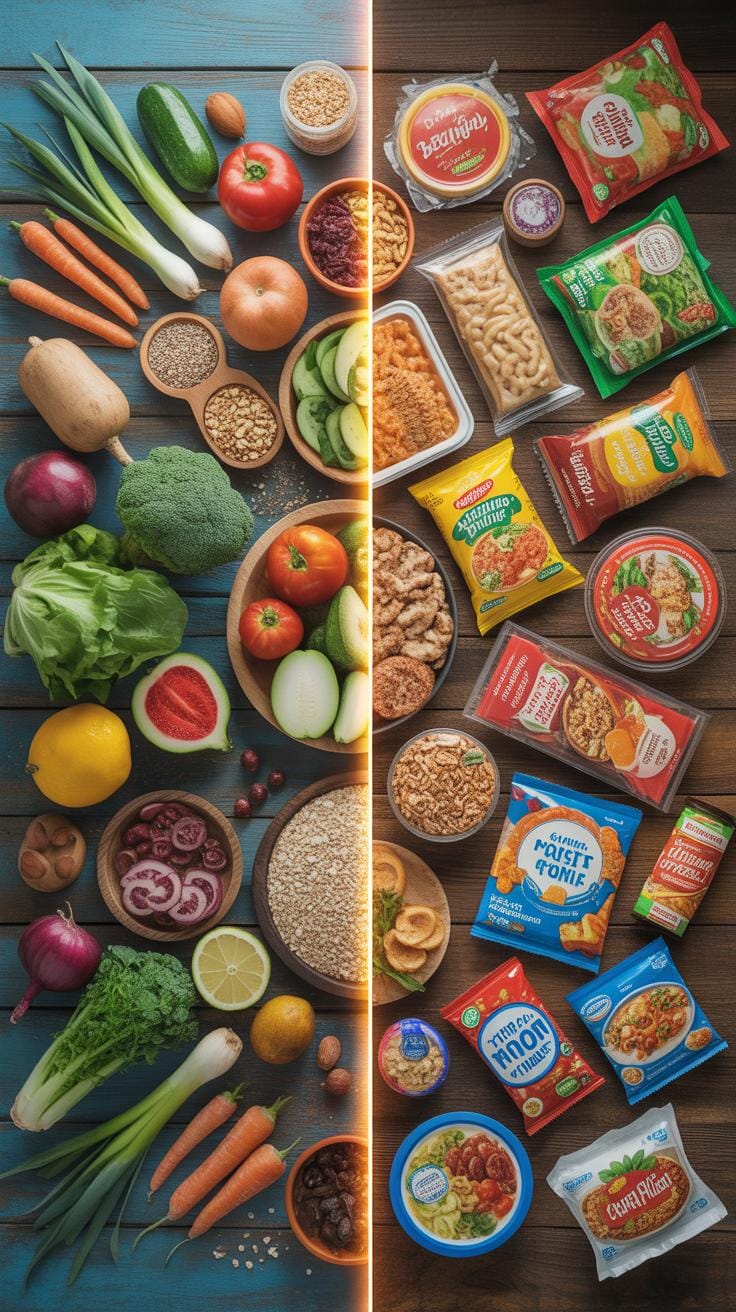
When you look at clean recipes, they usually mean meals made from whole, fresh ingredients with minimum to no processing. It’s about putting together foods that are as close to their natural state as possible. You might toss some fresh vegetables, whole grains, lean proteins, and nuts into a dish without adding a laundry list of preservatives or artificial flavors.
Processed meals, on the other hand, often come with convenience but with a price. These are typically packed with additives, sugars, unhealthy fats, and sodium, all to extend shelf life or enhance taste artificially. Preparing clean dishes requires a bit more time and effort—it isn’t just about opening a package and heating it up.
Nutritional Differences
The nutritional gap between clean meals and processed foods can be striking. Clean recipes tend to offer more vitamins, minerals, and fiber since the ingredients retain their natural nutrients. Processed foods frequently lose some nutritional value during manufacturing—plus, they might include empty calories from added sugars or unhealthy fats.
For example, a salad with grilled chicken and fresh greens provides quality protein along with antioxidants and fiber. A processed frozen entrée, by contrast, often delivers excess sodium and saturated fat, with fewer nutrients to support your body.
Impact On Energy And Feelings
The difference in how these meals affect your energy is noticeable. Clean meals often lead to more sustained energy levels. Eating whole foods can help avoid sudden spikes and crashes in blood sugar that processed meals might cause. You might find yourself feeling sluggish or bloated after heavily processed food.
Still, I’ve noticed that sometimes, after a quick processed snack, there’s a burst of energy—though it’s short-lived and often followed by a slump. Eating clean feels steadier, though it demands more planning. Your overall mood and focus can feel sharper, but, honestly, sticking to clean eating consistently can be challenging. It’s about balancing what your body really needs versus what your busy day allows.
Steps To Transition To Clean Eating

Switching to clean recipes and clean eating habits can feel a bit overwhelming, right? But you don’t have to do it all at once. Try these steps to ease into the change:
- Begin by swapping out one processed snack daily for something whole, like fruit or nuts.
- Gradually introduce more vegetables into your meals; aim for half your plate to be veggies.
- Cut back on added sugars and artificial ingredients but don’t stress if you slip up now and then.
- Experiment with cooking methods to keep meals interesting—grilling or steaming instead of frying.
- Replace refined grains with whole grains, but do it slowly to avoid digestive discomfort.
Remember, it’s a process. Your progress might not be perfect every day, which is totally okay. The key is consistency over perfection.
Planning Your Meals Ahead
Planning meals has been a game changer in maintaining my clean eating habits. When you plan ahead, you avoid the last-minute rush to grab whatever’s convenient—which often isn’t clean. Mapping out your meals helps you balance nutrients and reduces the temptation to fall back on processed foods.
Try dedicating a specific time weekly to draft your menu. After that, compiling a shopping list becomes easier. Plus, batch cooking or prepping ingredients can save time on busy days, supporting your clean eating routine without extra stress.
Shopping Tips For Clean Ingredients
Shopping smartly is vital for clean eating, but it can get confusing. Here are some tips to help you navigate grocery aisles:
- Stick mostly to the perimeter of the store where fresh produce, dairy, and meats tend to be.
- Read labels carefully; fewer ingredients usually means less processing.
- Avoid items with unrecognizable additives or long chemical names.
- Buy seasonal and local produce when possible—they’re often fresher and more affordable.
- Don’t shop hungry; impulse buys of processed snacks tend to derail your plans.
Shopping this way might take a bit longer initially, but it becomes easier and even satisfying over time as you learn to spot truly wholesome foods.
Budget Friendly Clean Recipes
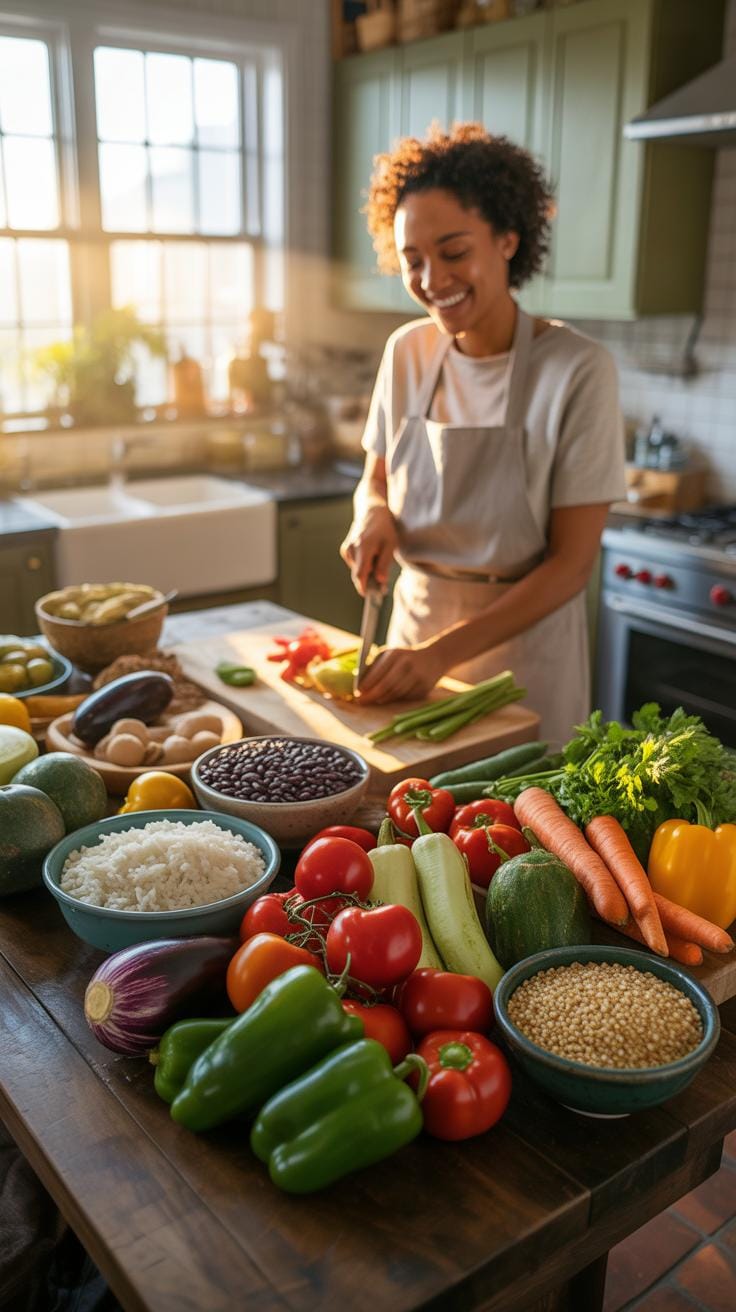
Trying to eat clean on a tight budget? It’s more doable than you might think. Clean recipes don’t have to break the bank if you focus on affordable staples and smart planning. For instance, beans and lentils pack a protein punch without the hefty price tag. Combine them with grains like brown rice or oats, and you have nourishing meals that stretch your dollars.
Some budget-friendly clean ingredients include:
- Frozen vegetables – often cheaper yet just as nutritious as fresh
- Seasonal produce – prices drop when fruits and veggies are in season
- Whole grains – like quinoa, barley, and whole wheat pasta
- Eggs – versatile and rich in nutrients
- Canned tomatoes and tuna – look for low-sodium, BPA-free cans
Planning is key. Try mapping out meals for the week, then shop with a list to avoid impulse buying. Use leftovers creatively: yesterday’s roasted veggies can bulk up today’s soup. Keeping meals simple means fewer ingredients needed, which lowers costs and food waste. So, can clean eating be budget-friendly? It seems so—just requires a bit of thought and creativity.
Cleaning Up Your Kitchen Space

Keeping your kitchen clean isn’t just about appearance—it’s about health. A clutter-free, sanitized kitchen reduces the chance of bacteria spreading and contaminating your food. When you maintain hygiene, you’re less likely to face foodborne illnesses, which are often overlooked until symptoms arise.
Think about this: when you leave cutting boards or countertops messy, you create perfect spots for germs to grow. Sometimes it’s easy to forget how quickly bacteria multiply, turning your cooking area into a health risk.
Organization also plays a key role. If your kitchen tools and ingredients are scattered, it’s harder to keep track of what needs cleaning or replacing. Plus, an orderly kitchen supports better cooking habits and less food waste.
Sanitizing And Organizing Tools
Sanitizing your kitchen tools isn’t a one-time deal. Regular cleaning with hot, soapy water is essential, but every now and then, a deeper sanitization using a diluted bleach solution or vinegar rinse can help kill stubborn microbes. You should be especially cautious with items like knives, cutting boards, and sponges, which tend to harbor bacteria.
Organizing tools by frequency of use can make cleaning simpler. Store utensils you use daily within easy reach, but keep less frequently used gadgets tucked away. This reduces unnecessary handling—which can transfer germs—and keeps your work area uncluttered.
Honestly, I learned the hard way that even a fancy dishwasher can’t always replace good old manual scrubbing for some tools. Sponges, in particular, can end up being a hotbed of bacteria if not replaced regularly, so consider switching them out monthly.
Storing Foods Safely
Fresh ingredients deserve proper storage to keep their nutrients intact. Vegetables and fruits generally do well when stored in a cool, dry place or in the fridge’s crisper drawer. But remember—some produce like tomatoes and potatoes prefer room temperature; refrigerating them might degrade their flavor or texture.
Use airtight containers for leftovers to avoid exposure to air, which can speed up spoilage. Keep raw meats separate from other foods to prevent cross-contamination. This simple step is easy to overlook but makes a big difference in food safety.
Occasionally, I wonder if my fridge isn’t just a storage box but a tiny ecosystem—items forgotten can go bad quickly and may affect others nearby. Labeling leftovers with dates can help keep track, but we all sometimes underestimate how fast fresh food loses its benefits.
Conclusions
Clean recipes help you eat better by choosing foods that nourish your body without harmful extras. Switching to clean eating does not mean sacrificing taste; you can enjoy a variety of delicious dishes that contribute to a well-balanced diet.
By following the practical steps and examples discussed, you can make sustainable changes to your diet. These changes support your health goals and make meal preparation simpler and more enjoyable.