
Introduction
Top clean eating snacks for boosting energy and staying fit offer a smart way to fuel your body throughout the day. Clean eating means focusing on whole, unprocessed foods that provide nutrients without added sugars or unhealthy fats. These snacks can help you avoid the crash often caused by sugary or processed treats.
In this article, you will find clear guidance on what clean eating snacks are, their benefits, and practical tips to include them in your diet. We will also highlight examples of energy-boosting snacks and compare different choices, helping you make the best decisions for your health and fitness goals.
What Are Clean Eating Snacks
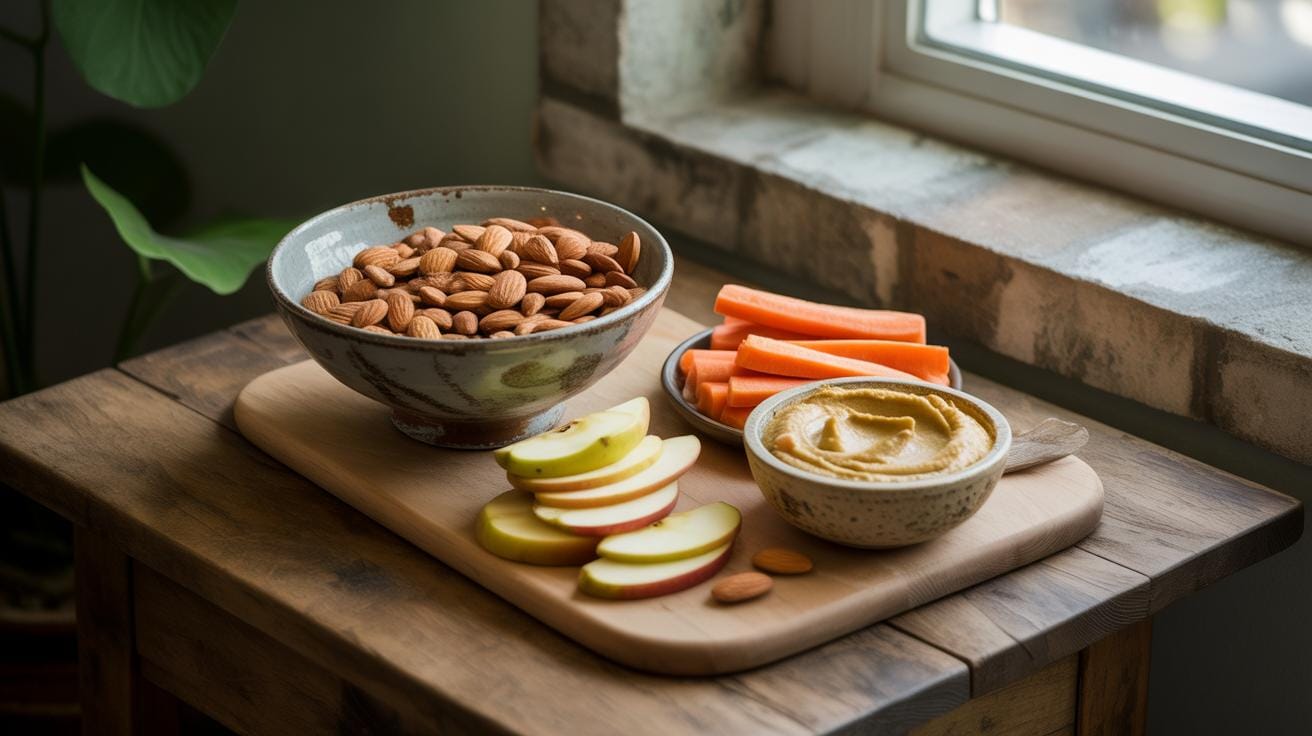
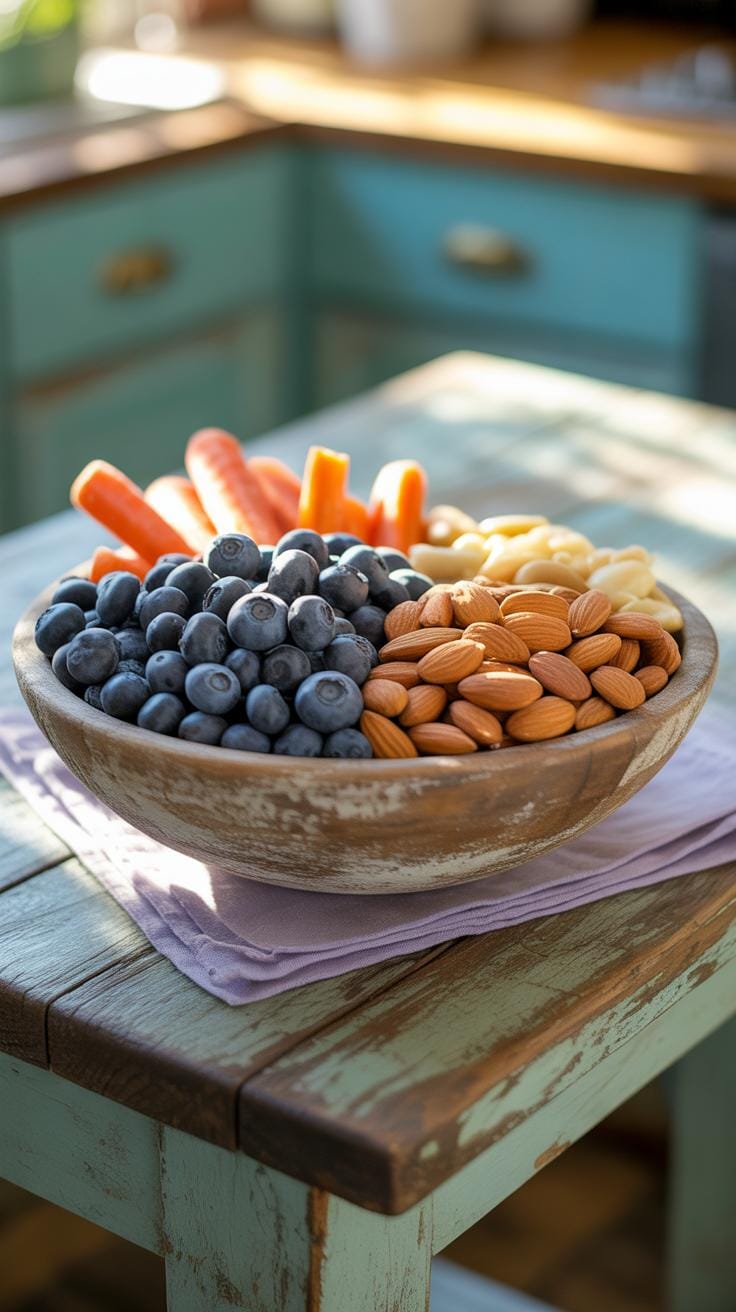
Clean eating snacks are simply foods that come from natural, minimally processed sources. Think fresh fruits, nuts, seeds, or veggies, rather than something pulled out of a factory with a long ingredient list. What makes a snack “clean” is that it mostly sticks to ingredients you might find in your kitchen or garden. There’s no heavy processing, no artificial colors, and no strange chemicals.
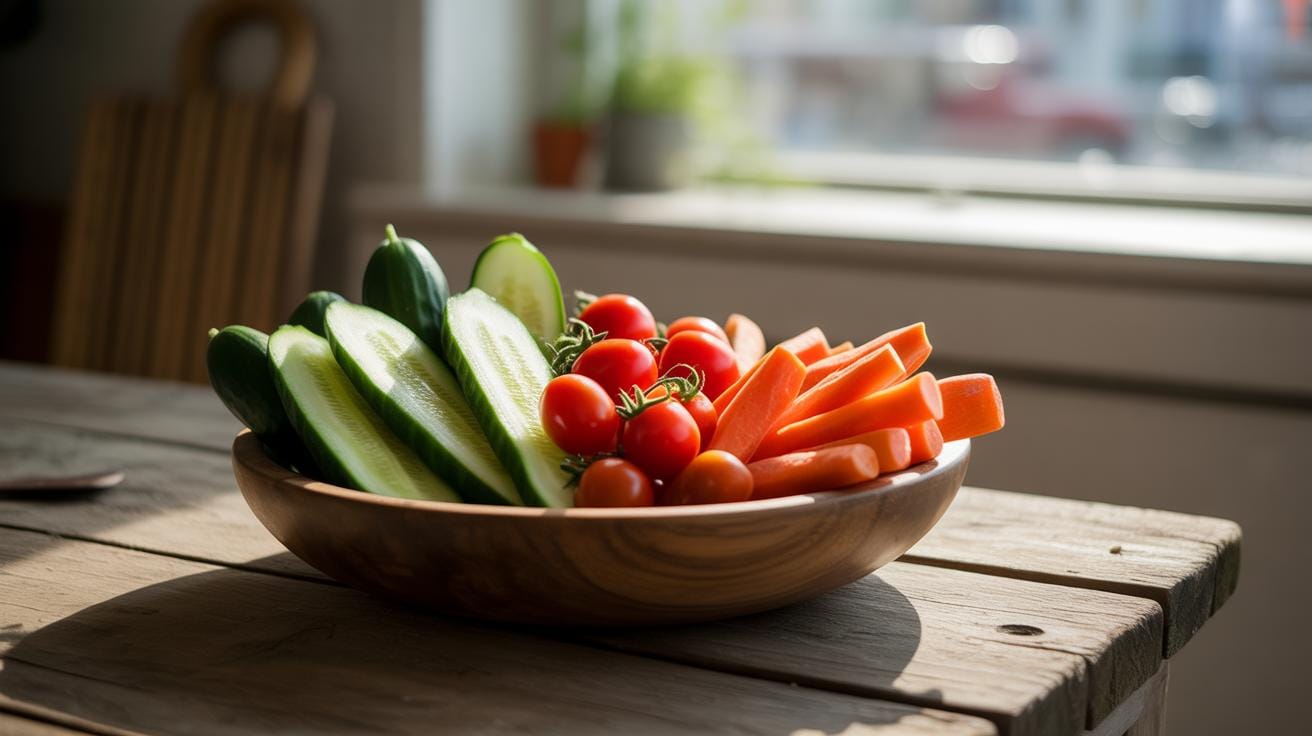
Unlike many processed snacks, which often contain preservatives, refined sugars, or artificial flavors, clean eating snacks skip all that. Instead, they focus on whole food components—like whole grains, fresh fruit, nuts, and legumes—which provide real nutrients and energy without unnecessary extras.
Common ingredients to avoid when aiming for clean snacks include added sugars that go beyond natural sources, hydrogenated oils, synthetic additives, and preservatives. On the flip side, clean snacks tend to include things like oats, raw nuts, fresh berries, or chickpeas. These ingredients are familiar, simple, and wholesome.
Key Characteristics of Clean Snacks
Clean snacks share a few clear qualities. Mainly, they are made from whole foods, not chemicals or odd mixtures. That means no artificial sweeteners or colors, and definitely no refined sugars sneaking in. They also avoid preservatives or stabilizers, which often help processed snacks last longer but don’t do much for nutrition.
Some common clean ingredients you’ll often find are raw nuts like almonds or walnuts, fresh fruits such as apples or bananas, seeds like chia or flax, and whole grains such as quinoa or oats. These components offer energy, fiber, and nutrients without the baggage of additives.
Sometimes, things that seem healthy might sneak in refined sugar, so it’s good to double-check labels if you’re buying premade snacks. I’ve been caught out myself, thinking a granola bar was clean because of oats, only to find it was full of corn syrup. That’s the trick.
Common Ingredients to Avoid
Processed snacks often contain ingredients you’d want to skip if you care about clean eating. Some usual offenders include:
- Preservatives: Chemicals to extend shelf life, like BHA, BHT, or sulfites, which don’t really add anything positive to your body.
- Artificial flavors and colors: These are synthetic additives used to boost taste or appearance but don’t contribute nutritional value and may cause unwanted reactions.
- Excess salt and sugar: While some salt and natural sugar are okay, processed snacks often overload on these to make them addictive or mask low-quality ingredients.
- Refined oils: Such as hydrogenated or partially hydrogenated oils, which can impact heart health negatively.
Choosing snacks without these ingredients usually means better energy and feeling more in tune with what you eat. It can be a bit of trial and error, and sometimes you have to read labels carefully. Still, it feels worth it when you find snacks that fuel rather than just fill you up.
Benefits of Clean Snacks for Energy
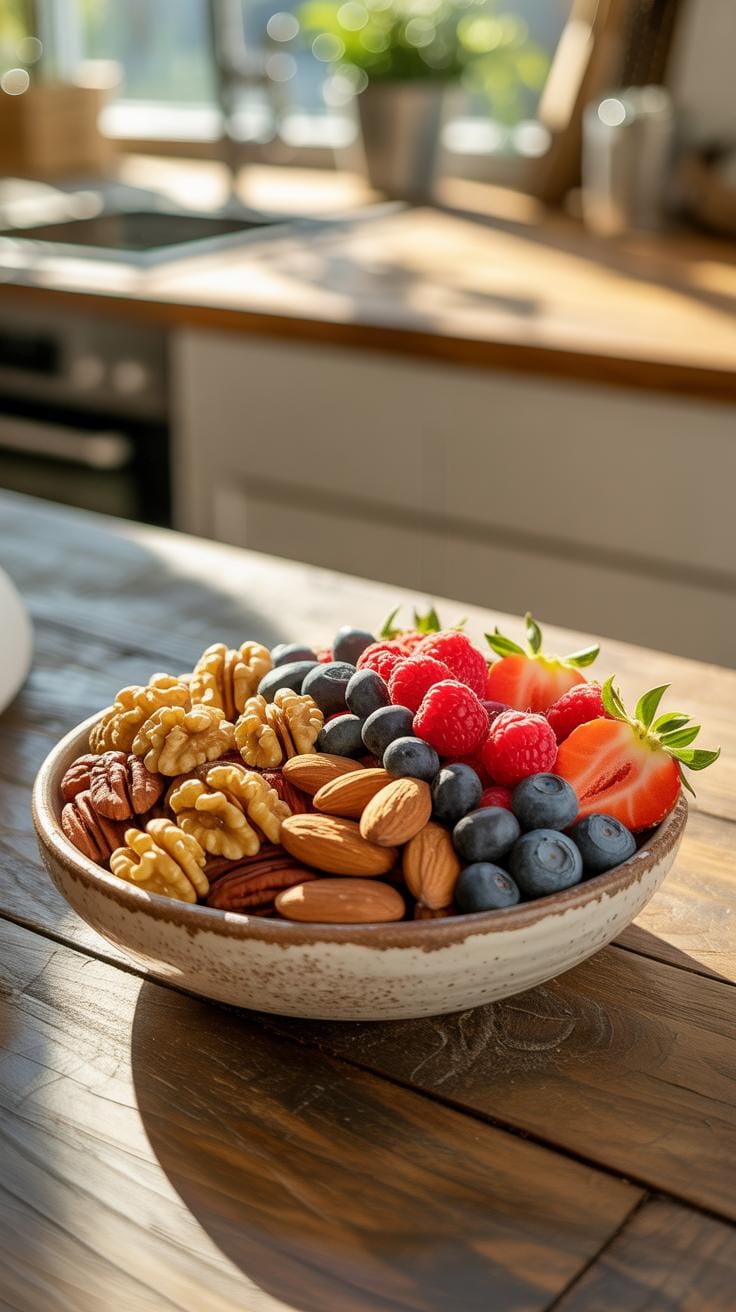
You might not have thought much about how what you snack on can really shape your energy throughout the day. Clean eating snacks tend to release energy more steadily because they contain a balance of fiber, protein, and healthy fats. These nutrients digest at different rates, helping your body avoid the quick spikes and drops that sugary snacks cause.
Fiber slows digestion, providing a gradual release of glucose into the bloodstream. Protein supports muscle repair and also slows the breakdown of carbs. Healthy fats act as a slow-burning fuel source, keeping you feeling fuller longer and energized. When you combine these, it’s like handing your body a steady supply of fuel instead of a sudden burst that fades fast.
You’ve probably had that afternoon crash after grabbing something sweet or processed. Clean snacks help you dodge that crash because they don’t flood your system with simple sugars. Instead, they keep your blood sugar levels more balanced, so you stay alert without feeling jittery or drained.
Nutrients That Support Energy
Certain nutrients in clean snacks are key players in boosting and sustaining energy. Here’s a quick look at some:
- Fiber: Found in foods like raw veggies, fruits, and whole grains. It slows sugar absorption and aids digestion.
- Protein: Present in nuts, seeds, Greek yogurt, and lean meats. Protein helps repair tissues and keeps hunger at bay.
- Healthy Fats: Sources include avocado, nuts, and olive oil. These fats provide long-lasting energy and support brain health.
- Complex Carbohydrates: Sweet potatoes, oats, and quinoa offer steady energy rather than quick bursts.
- B Vitamins: Found in whole grains and leafy greens, these help convert food into usable energy.
If you grab an apple with peanut butter, you just combined fiber, healthy fat, and protein—this mix tends to sustain energy better than a sugary energy bar alone.
How Clean Snacks Prevent Energy Slumps
Think about the last time you ate something sugary—like a candy bar or soda. At first, you feel boosted and alert, but soon after, your energy dips sharply. That happens because high-sugar snacks flood your bloodstream with quick-release carbs, which causes a spike in blood sugar, followed by a rapid crash as insulin tries to clear the excess.
Clean snacks, on the other hand, work differently. Their fiber and fat content slow digestion and absorption, so your blood sugar stays within a moderate range. This means less insulin spike and a more consistent energy level.
This steadiness doesn’t just help your physical energy; it can affect your mood and focus too. When your energy isn’t swinging wildly, concentration tends to improve. Though, it’s fair to say some people might still experience dips depending on their metabolism or activity levels—they’re not magic, after all.
The choice between a clean snack and a sugary one is often about what happens in your body afterward—not just the taste or convenience. Your energy on clean snacks feels more balanced, less erratic, and frankly, more manageable over time.
Guidelines for Choosing Clean Snacks
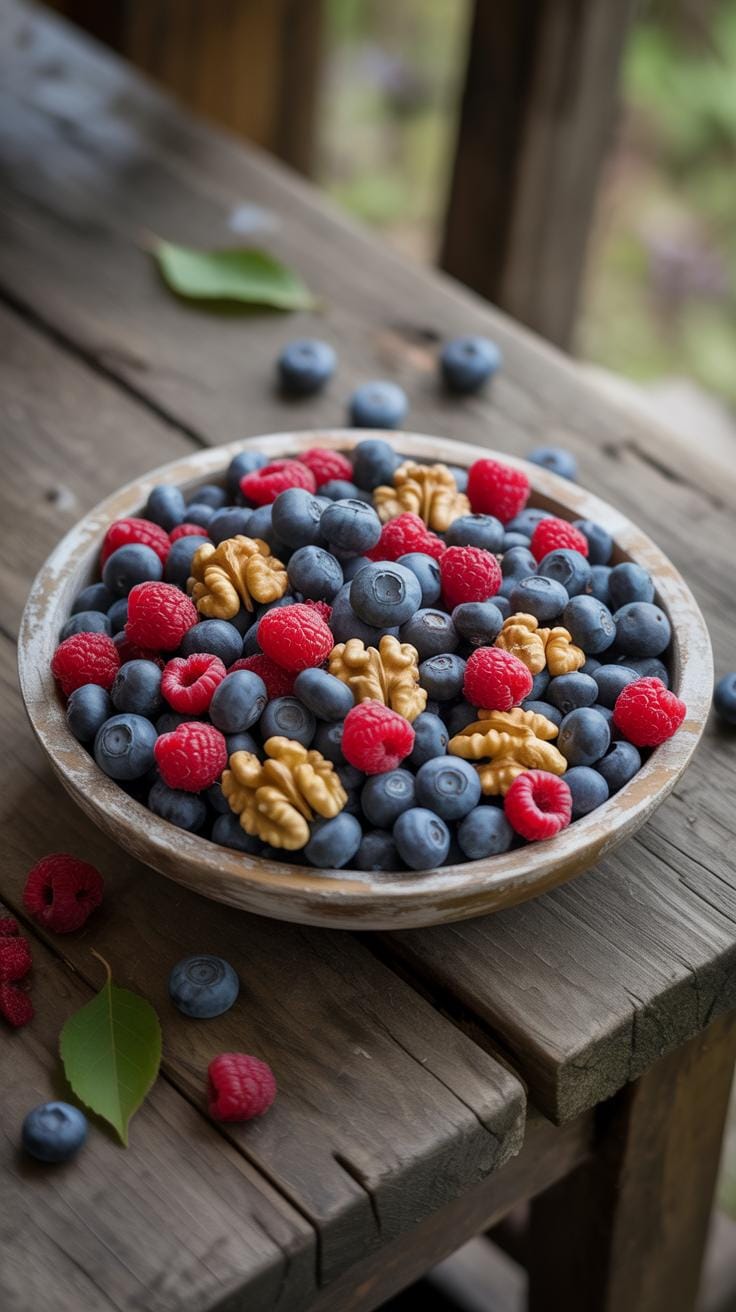
Choosing clean eating snacks isn’t always straightforward. When you’re in the store or making snacks at home, start by focusing on whole foods. Think fresh fruits, nuts, or veggies rather than something with a long ingredients list full of words you can’t pronounce. Often, the shorter the list, the better.
Reading labels carefully can feel tedious, but it’s where you can catch hidden sugars and additives. Look for snacks that list recognizable ingredients—nothing artificial or overly processed. I find it helps to spot ingredients like natural nuts, seeds, or dried fruits without added sugars or preservatives.
Portion control is another factor that’s easy to overlook. Even the healthiest snacks can become less healthy if you eat too much. Single-serving packages or pre-portioning your snacks at home can prevent mindless overeating. I’ve noticed that when I prepare my snacks in advance, I feel more in control and less tempted to binge.
Checklist for Clean Snack Selection
Before you grab that snack, ask yourself:
- Are the ingredients simple and mostly whole foods?
- Is there added sugar, salt, or artificial ingredients?
- What’s the fiber and protein content? Does it keep you full?
- Am I eating a reasonable portion, or does this snack encourage overeating?
- Does this snack provide lasting energy or just a quick spike?
If you hesitate on any point, maybe put it back or rethink your choice.
Tips for Buying and Making Snacks
When buying pre-made snacks, check for trusted brands that focus on minimal processing. Even then, avoid items with long ingredient lists. Snacks like raw nuts, plain yogurt, or fruit bars that use only fruit as sweetener can be good options.
At home, making snacks lets you control exactly what goes in. Try mixing nuts with dried fruits or making your own trail mix without added salt or sugar. Sometimes, a simple apple with almond butter hits the spot much better than those packaged bars.
It might take a little trial and error to find what works for you, but keeping these guidelines in mind can really change how you snack throughout the day.
Top 5 Clean Eating Snacks Examples
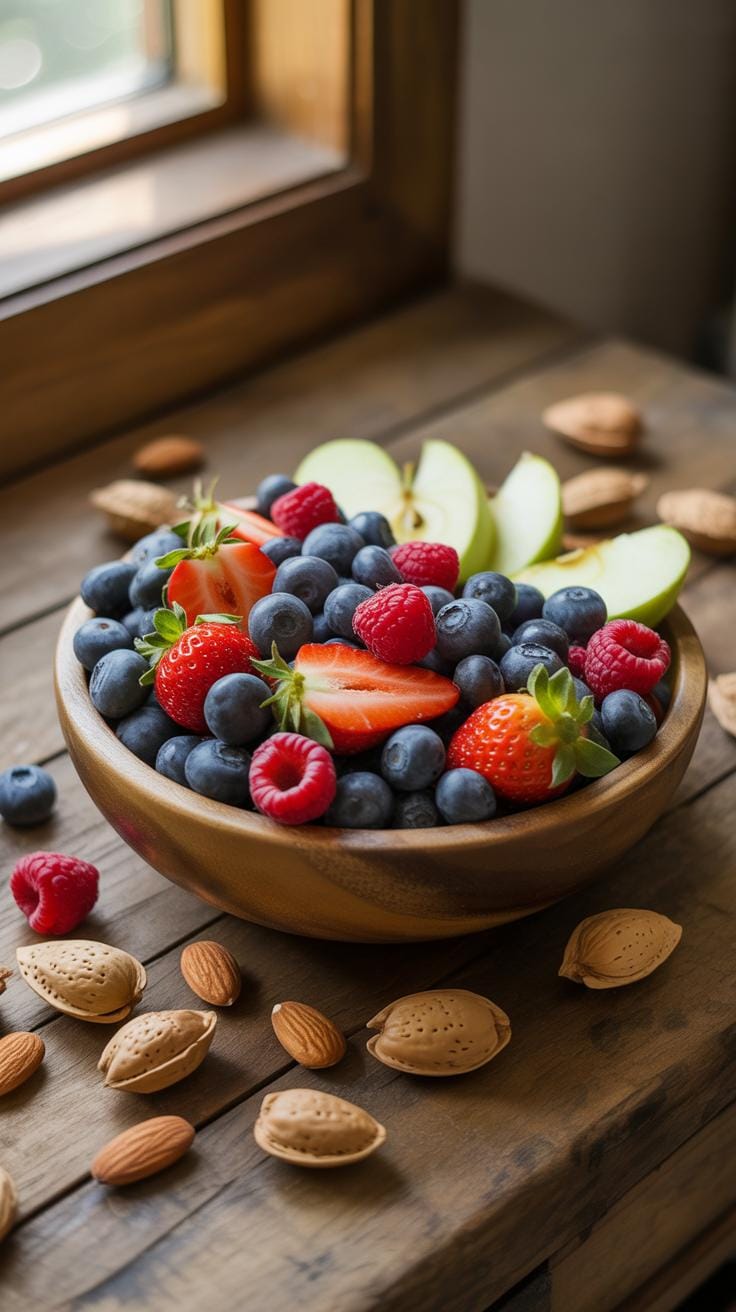
Nut and Seed Mixes for Energy
Nut and seed mixes are pretty great when you want something that keeps you going without crashing. They combine healthy fats, protein, and some fiber, which means they release energy slowly. Think almonds, walnuts, pumpkin seeds, and sunflower seeds all tossed together. The fats fuel your brain and muscles, while the protein helps with muscle repair and keeps hunger at bay.
Making your own mix can be as simple as grabbing a handful of your favorites and tossing them together. Buying pre-mixed options at the store works too, just watch out for added sugar or salt. I’ve found that having a small jar packed with these mixes in my bag lets me dodge those afternoon slumps surprisingly well.
Fresh Fruit with Nut Butter
Pairing fresh fruit like apples or bananas with nut butter is a combo you might already like but maybe don’t think of as a serious snack. It’s actually a pretty effective way to balance quick energy from carbs with staying power from protein and healthy fats. The fruit gives you fiber and vitamins, while the nut butter slows digestion so you don’t get that sugar crash.
You can just slice the fruit and spread or dip it in a spoonful of almond, peanut, or cashew butter. Buying natural nut butter with no added sugar is best—it tastes better that way too. It’s one of those snacks that’s simple but not boring, and I often reach for it when I need a quick boost without feeling weighed down afterward.
How to Prepare Clean Snacks Fast
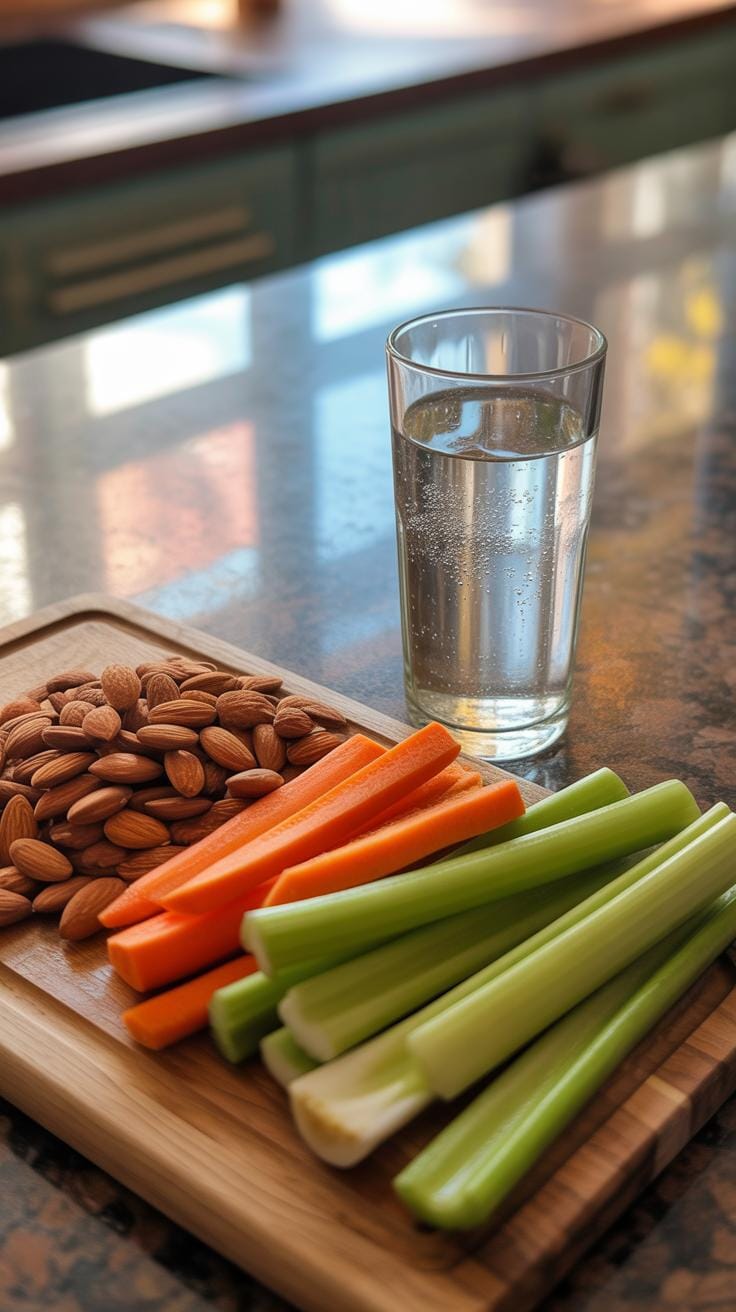
When life gets busy, the last thing you want is to spend a lot of time prepping snacks. Luckily, clean eating snacks don’t have to be complicated. You can whip up something simple without much fuss. Think about using whole ingredients that don’t need cooking—fresh fruits, raw veggies, nuts, or seeds. Sometimes, just slicing an apple and spreading a bit of natural almond butter is enough to give you energy and keep you full.
If you want something more filling, layering Greek yogurt with berries and a sprinkle of chia seeds takes less than five minutes. You don’t have to create perfect combinations every time; experimenting with what you have on hand is part of the fun, I think.
No-Cook Clean Snack Ideas
There’s something satisfying about snacks that come together quickly, especially when you’re pressed for time. Some no-cook snacks you might try include:
- Carrot sticks dipped in hummus — crunchy and satisfying.
- Handful of mixed nuts with dried fruit — easy to grab and carry.
- Sliced cucumber topped with avocado mash and a pinch of salt.
- Cherry tomatoes paired with small cubes of cheese — simple but tasty.
- Rice cakes spread with natural peanut butter and fresh banana slices.
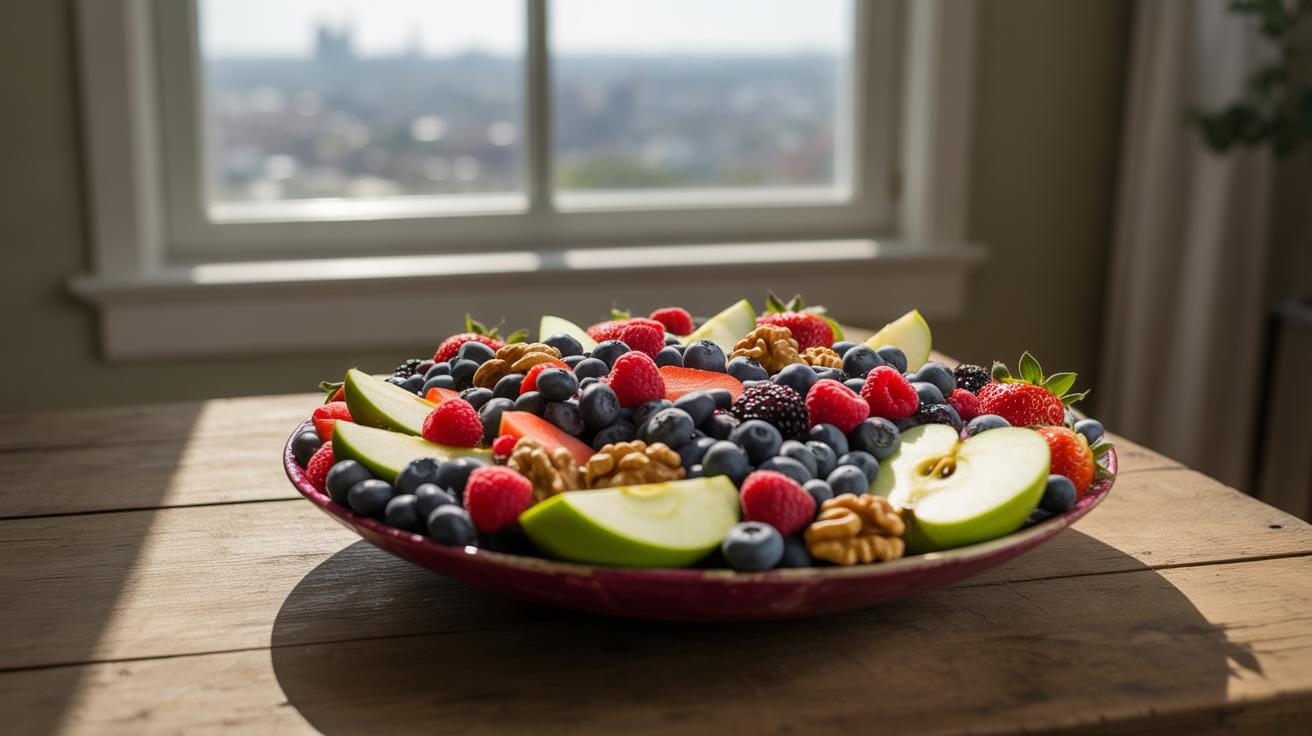
These options don’t just save time; they rely on whole ingredients you can find pretty much anywhere. Sometimes I make a batch of fruit salad in the morning and just snack on it throughout the day. It feels almost effortless.
Batch Preparing Snacks for the Week
One smart way to stay on track with clean eating is to prepare snacks ahead. Batch prepping can save you from scrambling for something healthy later. For example, chop veggies like bell peppers, celery, and snap peas and store them in airtight containers. Portion out servings of nuts or roasted chickpeas into small bags or containers too.
You might also mix energy bites in advance—with oats, nut butter, honey, and flaxseeds—so you have a ready-to-go boost. These keep well in the fridge and make a quick grab-and-go option.
Personally, when I batch prep, I find it easier to resist processed snacks because I already have something nourishing on hand. It’s not a perfect system every week, of course; sometimes things get forgotten or eaten too fast, but overall it helps.
Clean Snacks vs Processed Snacks
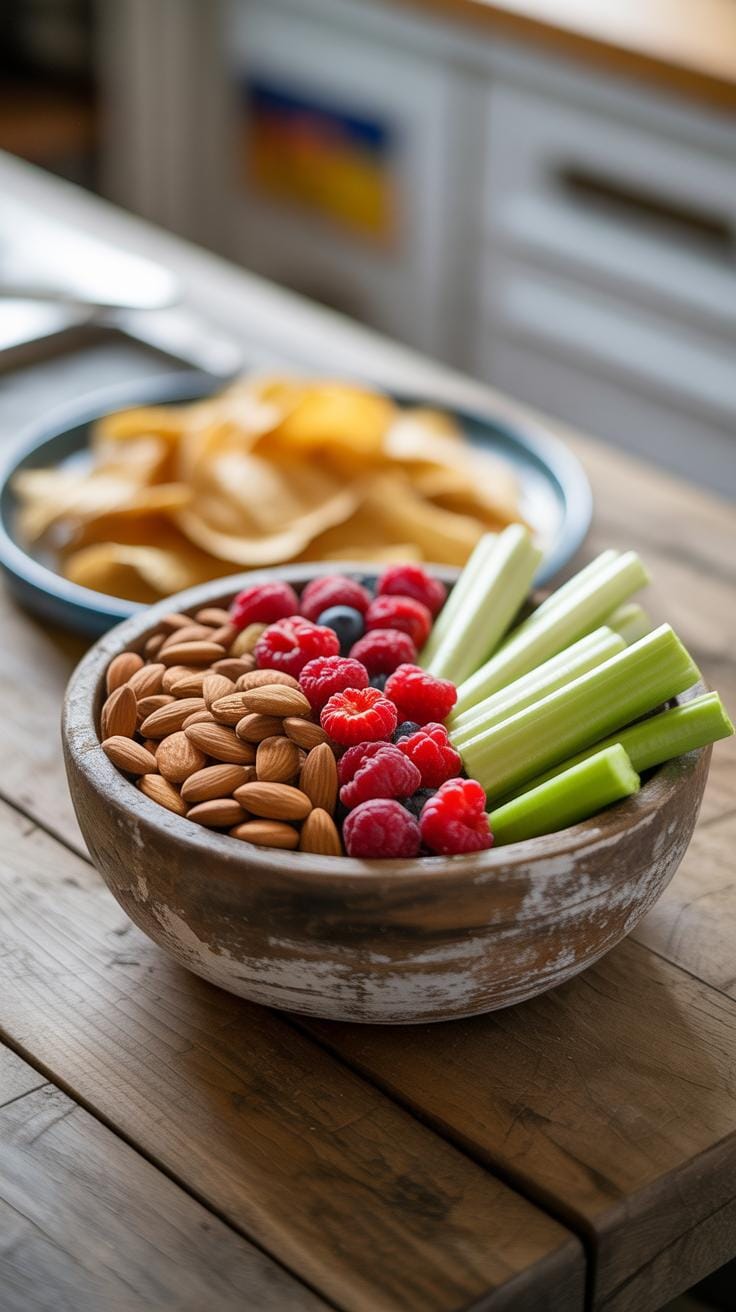
When you look at clean eating snacks and compare them to common processed snacks, the differences are more than just about taste. It starts with the ingredients. Clean snacks tend to have simple, recognizable components—nuts, fruits, seeds, maybe a bit of natural honey or spices. Processed snacks, meanwhile, often list long ingredient names that barely resemble food, including preservatives, artificial flavors, and sugars you wouldn’t usually find in a kitchen.
On the nutritional side, clean snacks generally offer fiber, healthy fats, and some protein—things that keep your body fueled steadily. Processed options usually pack in refined sugars, unhealthy fats, and sodium, which might hit you with a quick energy burst but often leave you feeling drained soon after.
Speaking of energy, I’ve noticed even small fruit and nut mixes keep me going longer than, say, a bag of chips or candy bar. That sudden spike from processed sugar can feel good for a moment but fades fast, sometimes leading to an energy crash. Clean snacks provide a more balanced, longer-lasting energy source, though they might not produce that sudden “kick” people often chase.
Would you trade a little immediate satisfaction for sustained vitality? It’s a choice that defines how your snacks support your body’s needs throughout the day.
Practical Tips to Stay on Track
Planning Snacks for Busy Days
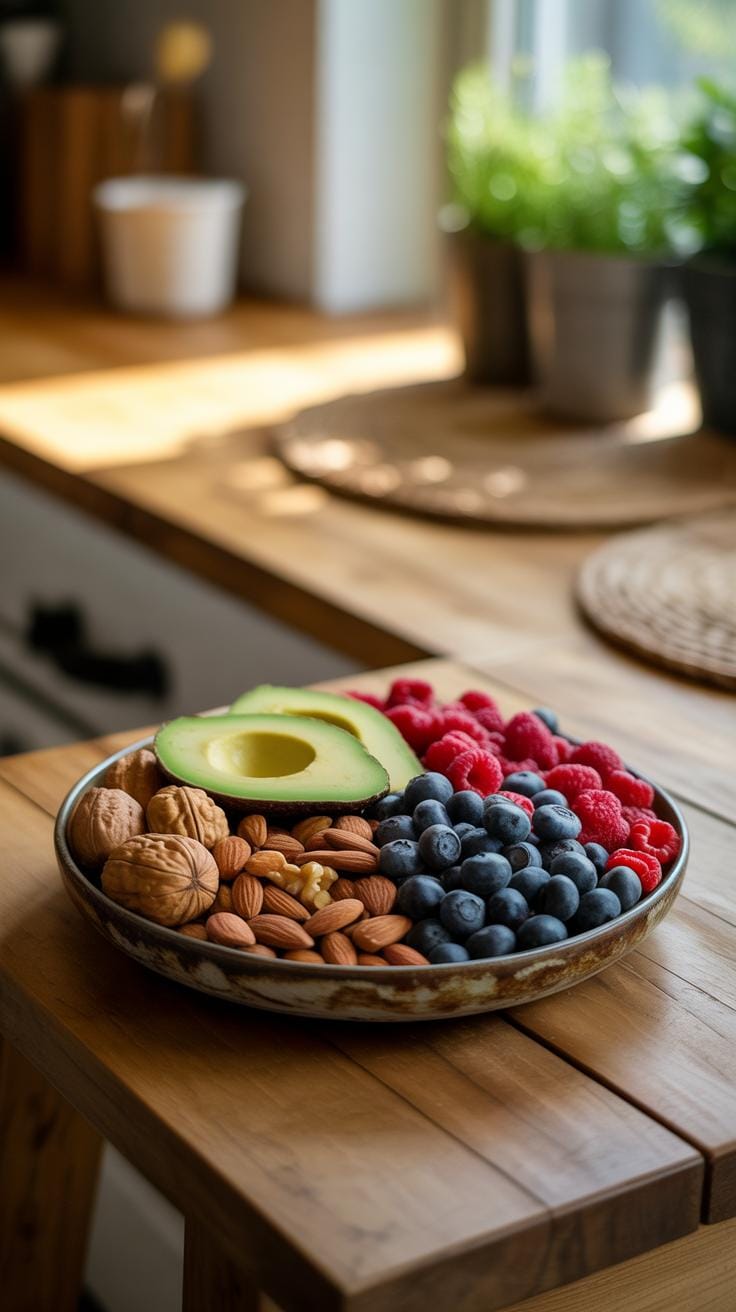
When your day feels packed and unpredictable, clean eating snacks might seem hard to fit in. But it’s mostly about preparation. Think ahead—set aside time to pack a few snacks before leaving home. Small containers or resealable bags make it easier to carry nuts, seeds, or cut veggies. A portable cooler bag can keep yogurt or cheese fresh without fuss.
Try to pick snacks that don’t spoil quickly and won’t get crushed at the bottom of your bag. Sometimes I forget this and end up with sad, mushy carrots, which isn’t inspiring. Also, consider multiple snack spots—keep some at your desk, in your car, or even your gym bag. That way, when hunger hits unexpectedly, you’re less likely to reach for whatever’s around, which might not be the best choice.
Handling Social Events and Cravings
Social gatherings can really challenge your clean eating goals. There’s always that one tempting plate of cookies or chips calling your name. One helpful approach is to eat a small clean snack before heading out. You might find it easier to resist temptations if you’re not starving.
Sometimes, I also bring my own snack, like a small portion of trail mix or an apple, to share or just have on hand. It might feel awkward at first, but most people don’t mind—and you won’t feel left out. When cravings hit, try distracting yourself with conversation or activities rather than fixating on food. I admit it’s not always easy, though.
Lastly, remember that one indulgence doesn’t ruin your progress. Sometimes it’s about balance, not perfection. So if you slip up, get back on track without guilt. It’s part of the process, and often, just knowing you have a plan helps you stay consistent over time.
Tracking Your Energy With Clean Snacks
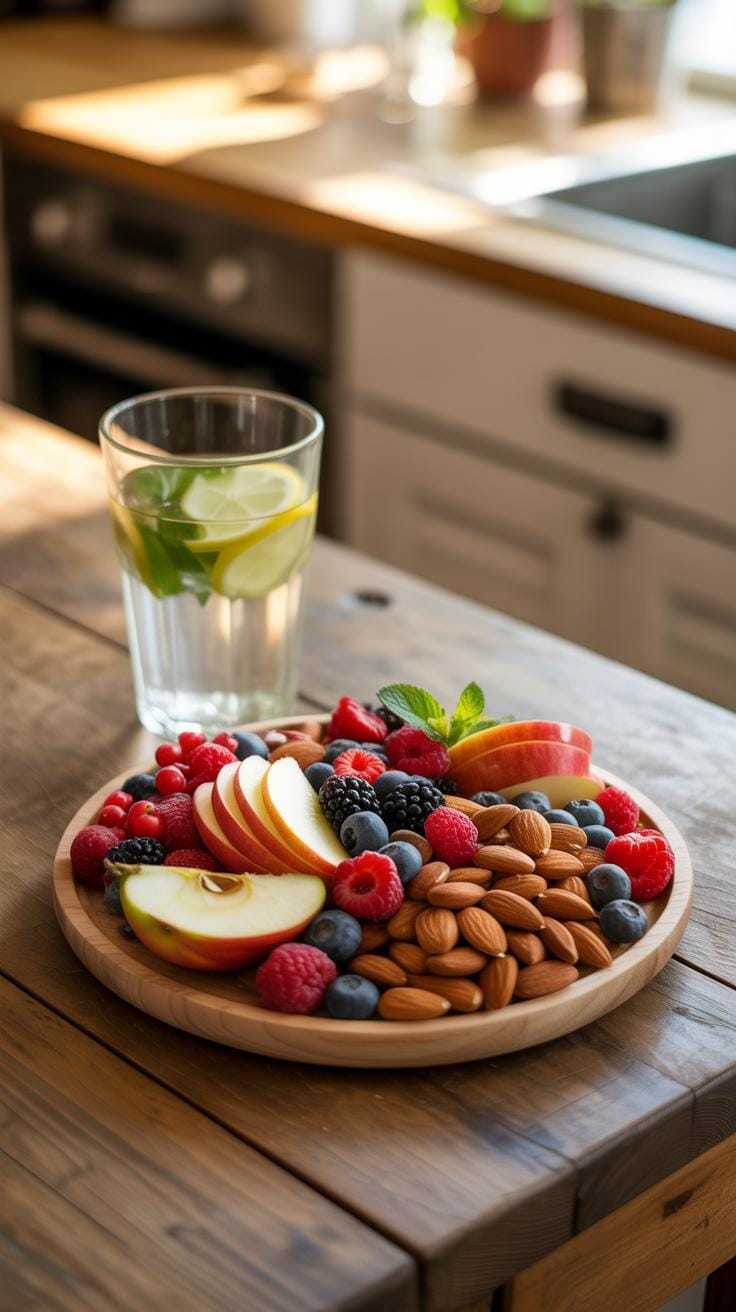
Keeping track of how clean eating snacks influence your energy might sound a bit tedious at first. But once you get into the habit, it’s surprisingly helpful—and, I think, kind of revealing. You might start to notice patterns you hadn’t expected. For example, after a handful of nuts, you may feel sustained energy, whereas a fruit-only snack might give a quick burst followed by a slump. Writing these observations down, even loosely, can guide what you choose next.
Simple Energy Journals or Apps
A basic journal—just a notebook or a note app—can be enough. Jot down what you snack on, when you eat, and how your energy feels afterward. Be honest but don’t overthink it; something like “felt a bit tired an hour later” is fine. Or you can try apps designed for food and mood tracking. Many let you record snacks, plus energy or mood levels through simple scales or emojis. They aren’t perfect, but seeing your data in one spot might surprise you.
Recognizing Energy Patterns
After a week or two of this, what should you look for? Energy spikes and crashes at predictable times after certain snacks are key clues. Maybe a protein-rich snack boosts you longer, or some snacks leave you sluggish, despite seeming healthy. Pay attention to timing, portions, and snack types. Over time, these clues add up. Don’t expect immediate clarity; energy can fluctuate for other reasons too. But noticing small shifts helps you adjust snacks to fit your daily rhythm better.
Examples of Clean Snacks for Different Goals
Snacks for Quick Energy Boost
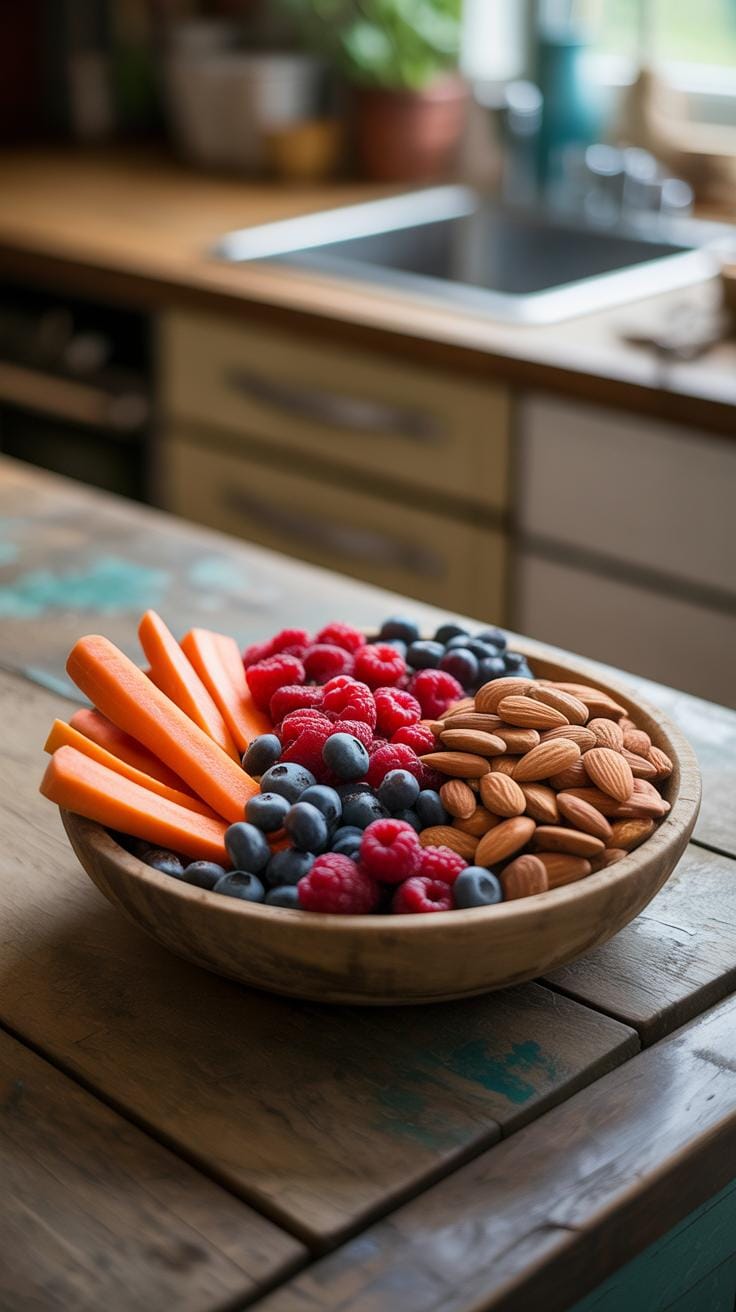
If you need a fast energy pick-me-up, snacks rich in natural sugars and easily digestible carbs usually do the trick. Take a handful of dates or raisins—they release glucose quickly, giving your brain and muscles a prompt jolt. Similarly, fresh fruit like a banana works well. Bananas have simple carbs with some potassium, which helps keep muscle cramps at bay, even if you don’t realize it right away.
Energy bars made from nuts and dried fruit can also offer a balanced mix of carbs and fats for sustained energy, but be cautious with portion sizes. Sometimes, a small fruit smoothie with a bit of honey can feel just right before a workout or during a midday slump. What surprises me is how quickly these simple snacks can change your alertness, almost like they’re tailor-made for those moments when your energy tanks unexpectedly.
Snacks for Fitness Recovery
After exercise, your body needs more than just carbs—protein becomes crucial for repairing muscle fibers. Think of options like Greek yogurt with a sprinkle of chia seeds. The yogurt provides casein and whey protein, which help rebuild tissues, while the seeds add omega-3 fats that can reduce inflammation. Sometimes I opt for a small turkey and avocado wrap. Turkey gives lean protein, and avocado adds healthy fats that support cell repair.
Cottage cheese paired with sliced peaches is another go-to. The slow-digesting casein in cottage cheese aids recovery overnight if you snack late, while the fruit offers vitamins and antioxidants. Even a simple mix of almonds and boiled eggs covers multiple bases—protein, healthy fats, vitamins—that your muscles crave post-exercise. Have you noticed how some snacks not only satisfy your hunger but somehow make your muscles feel less sore the next day? It’s almost like choosing the right snack doubles the recovery payoff.
Conclusions
Choosing the right clean eating snacks can make a significant difference in your daily energy and overall fitness. By focusing on whole, natural foods, you support your body’s needs and avoid the downsides of processed options. Simple swaps and smart choices can keep you energized and on track.
Remember that variety is key. Mixing different types of clean snacks helps you get a broad range of nutrients and avoids boredom. Use the tips and examples shared here to create your own snack plan that fits your lifestyle and goals.